

2011·Action·2h 40m
7.1
★
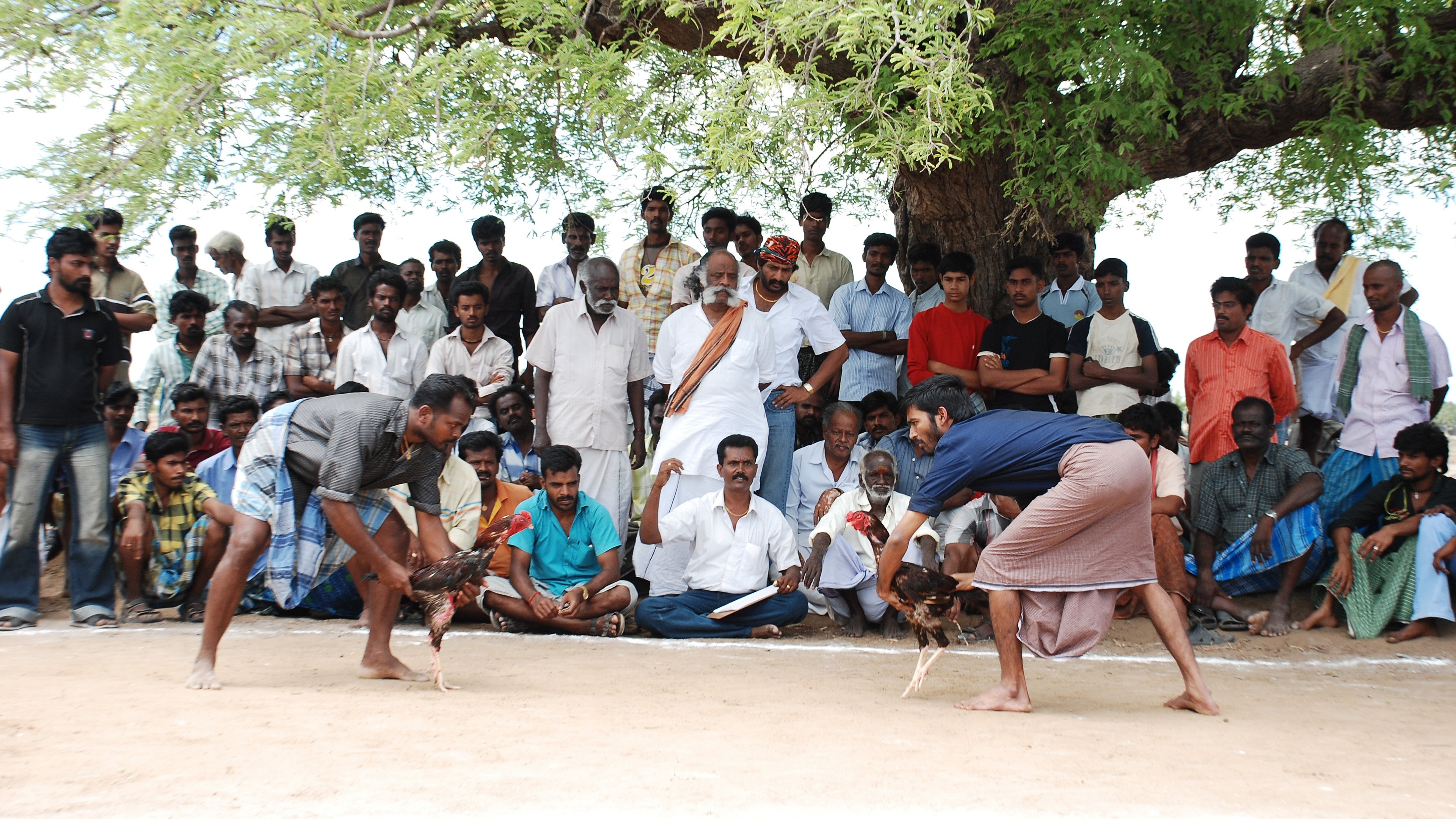
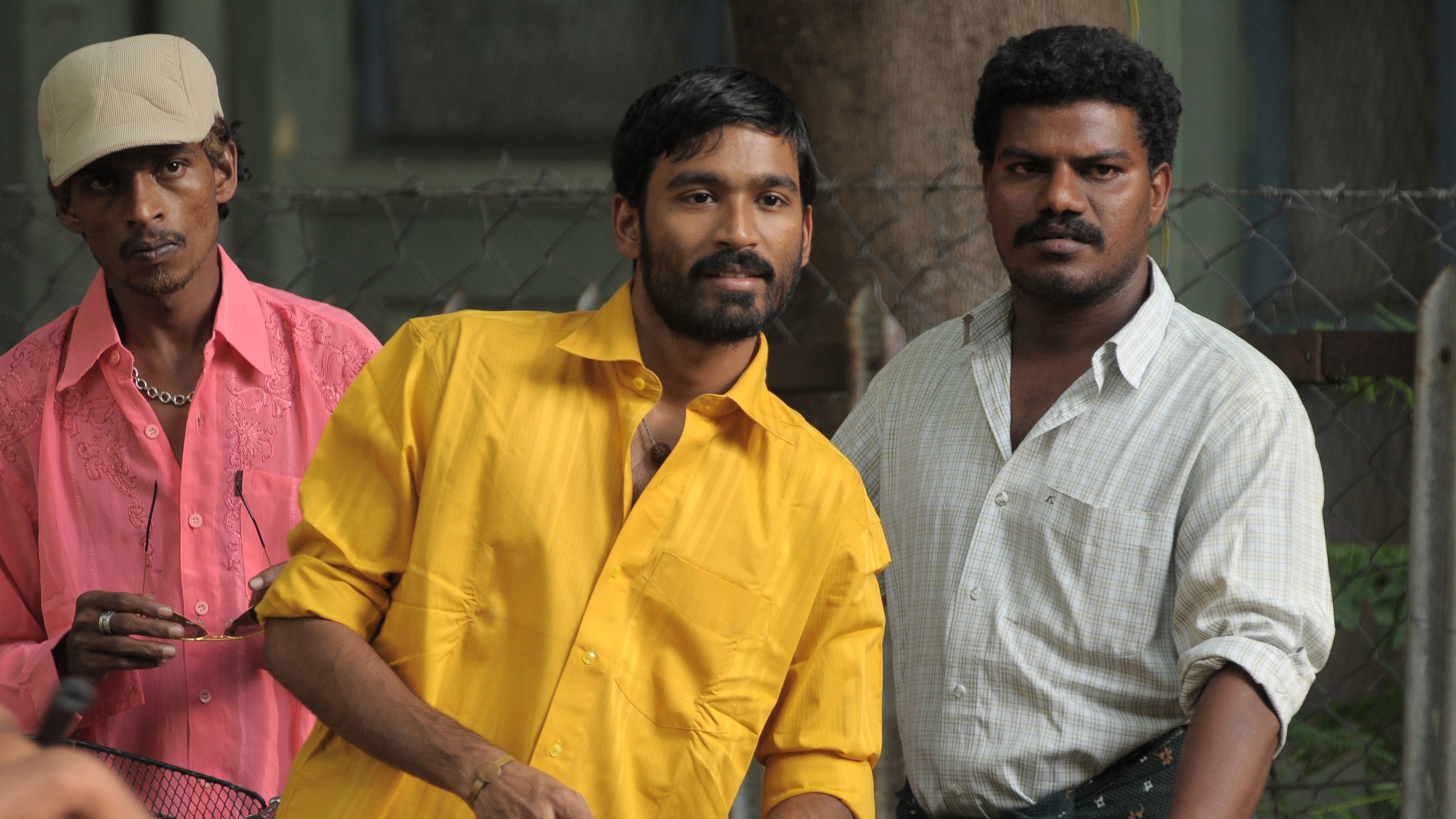
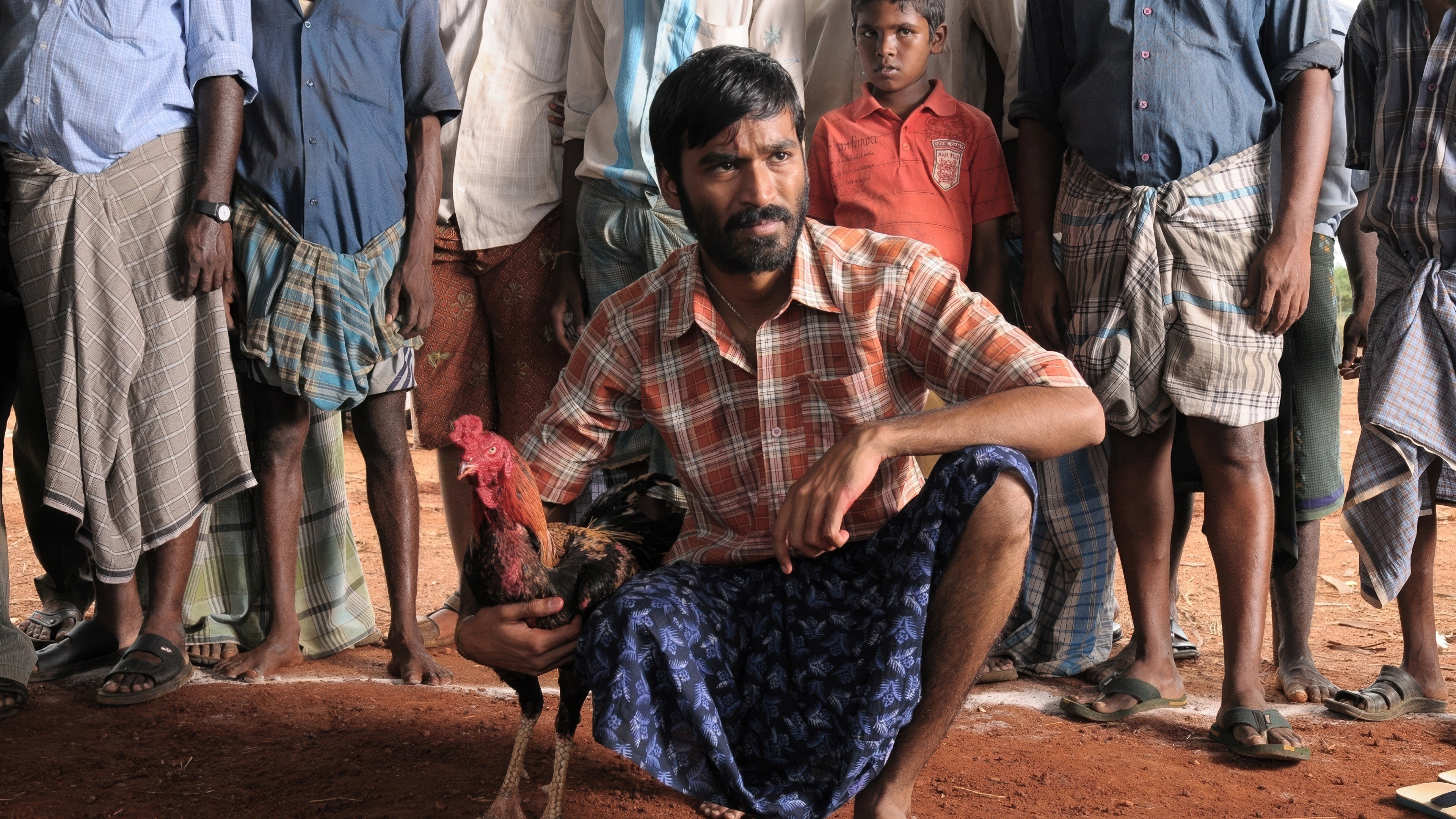
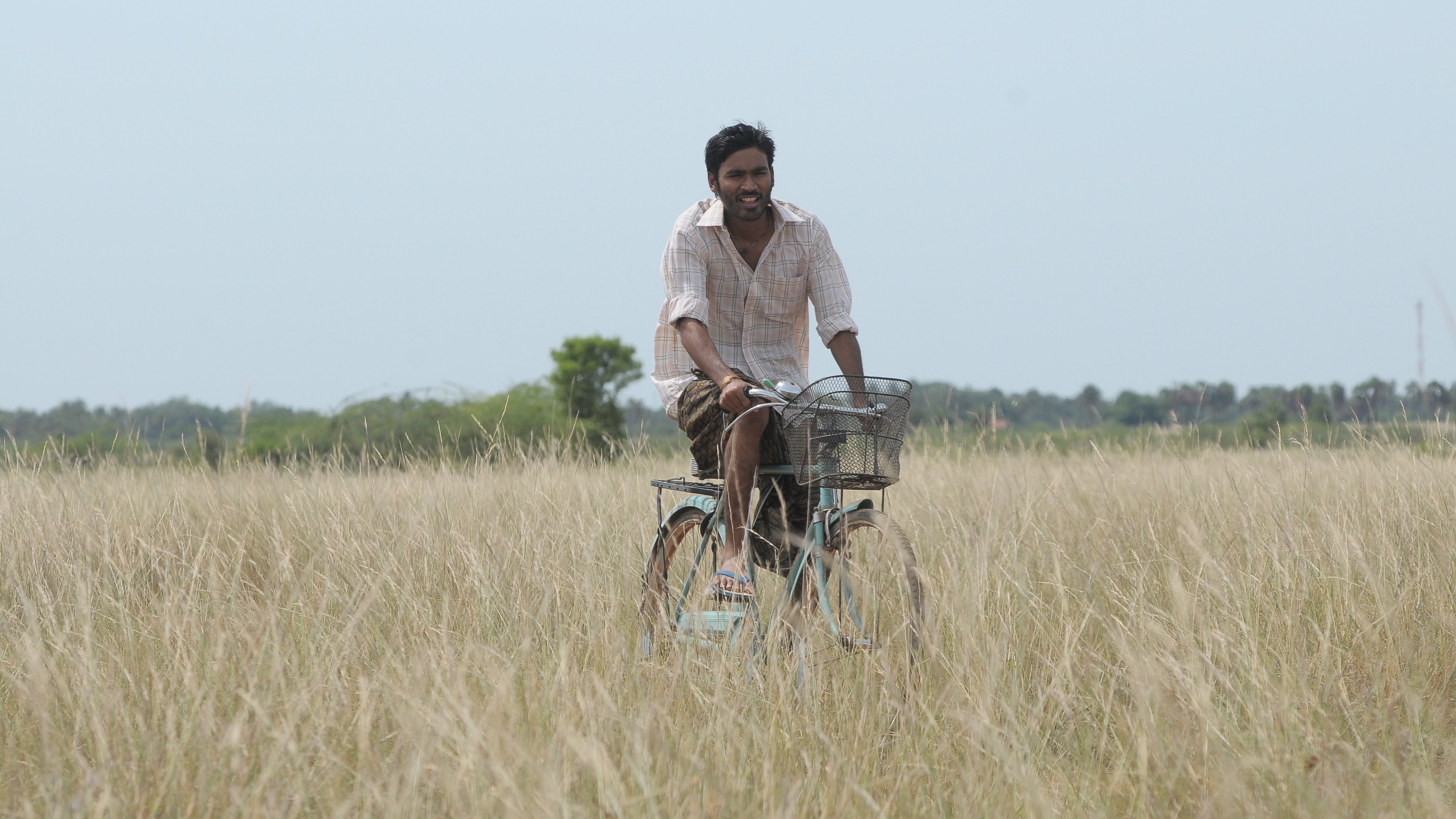
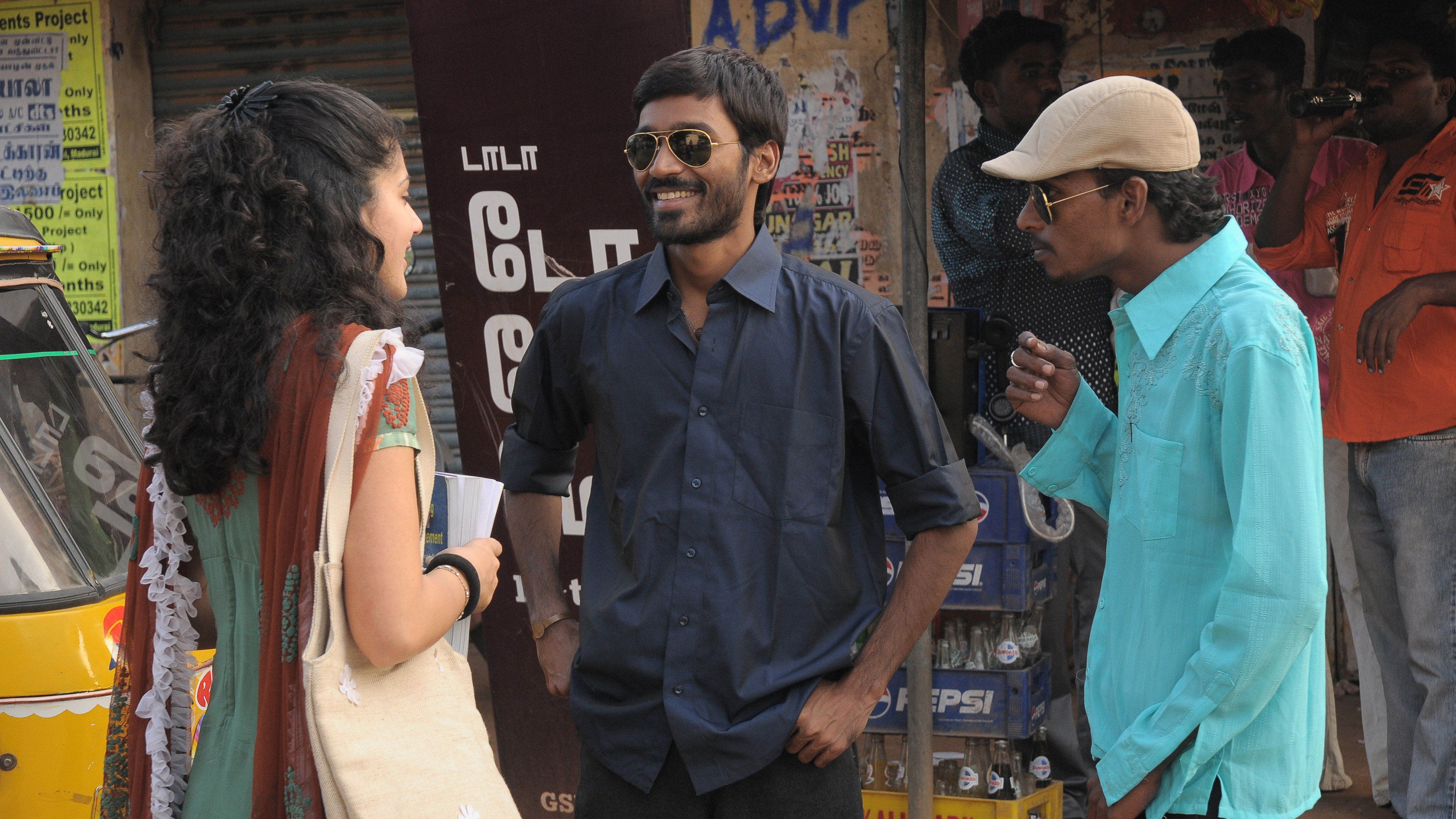
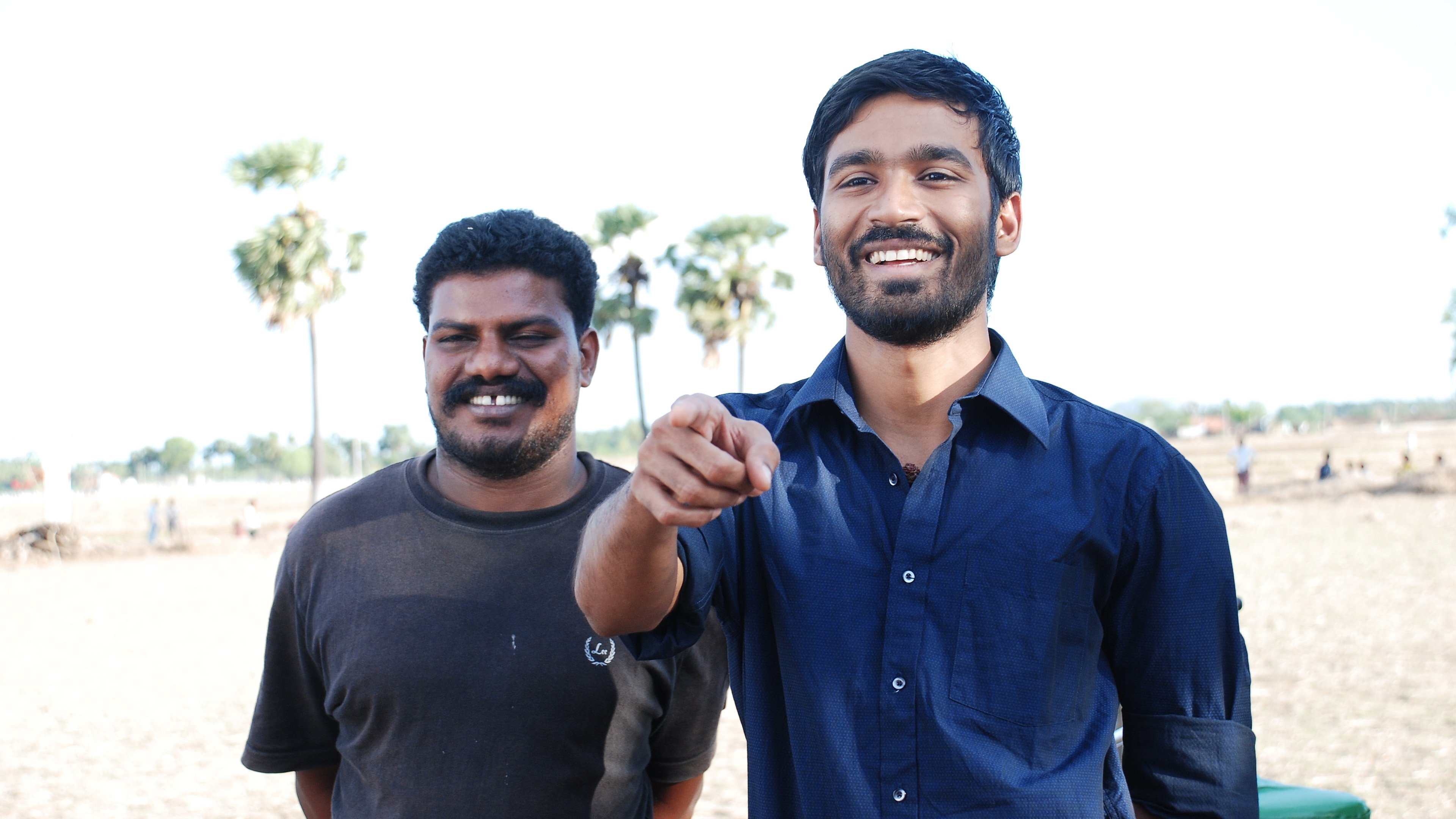
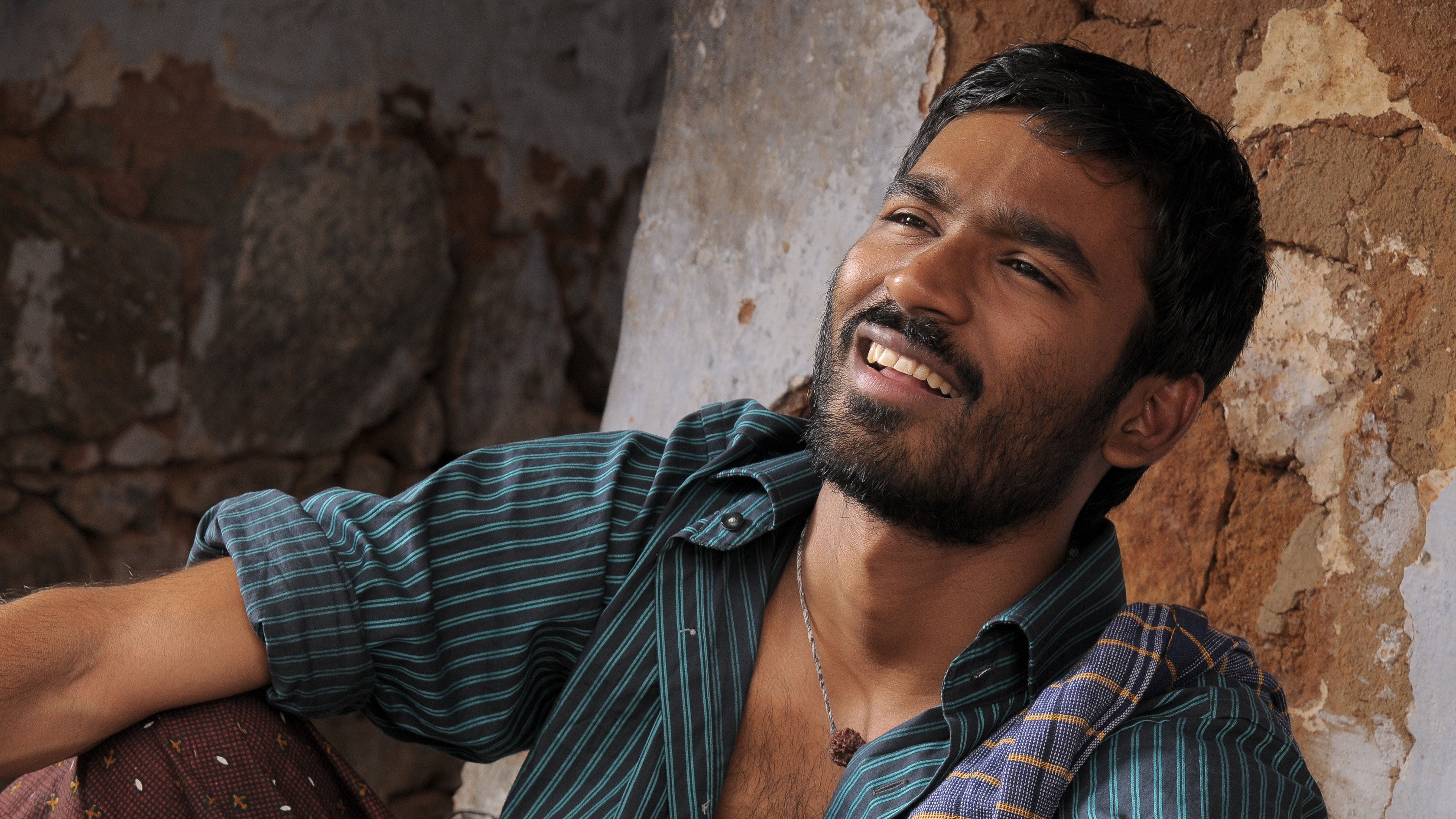
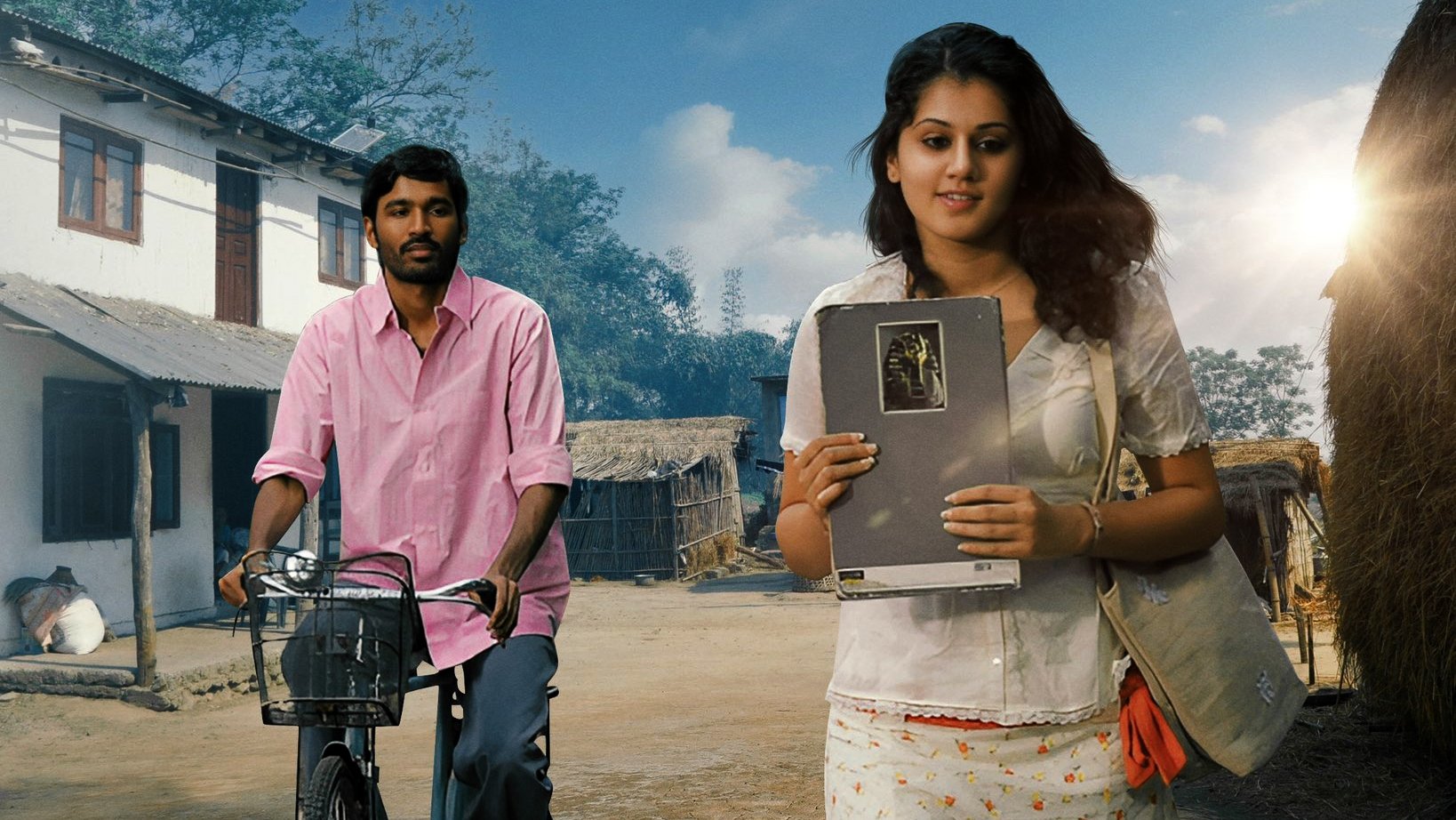
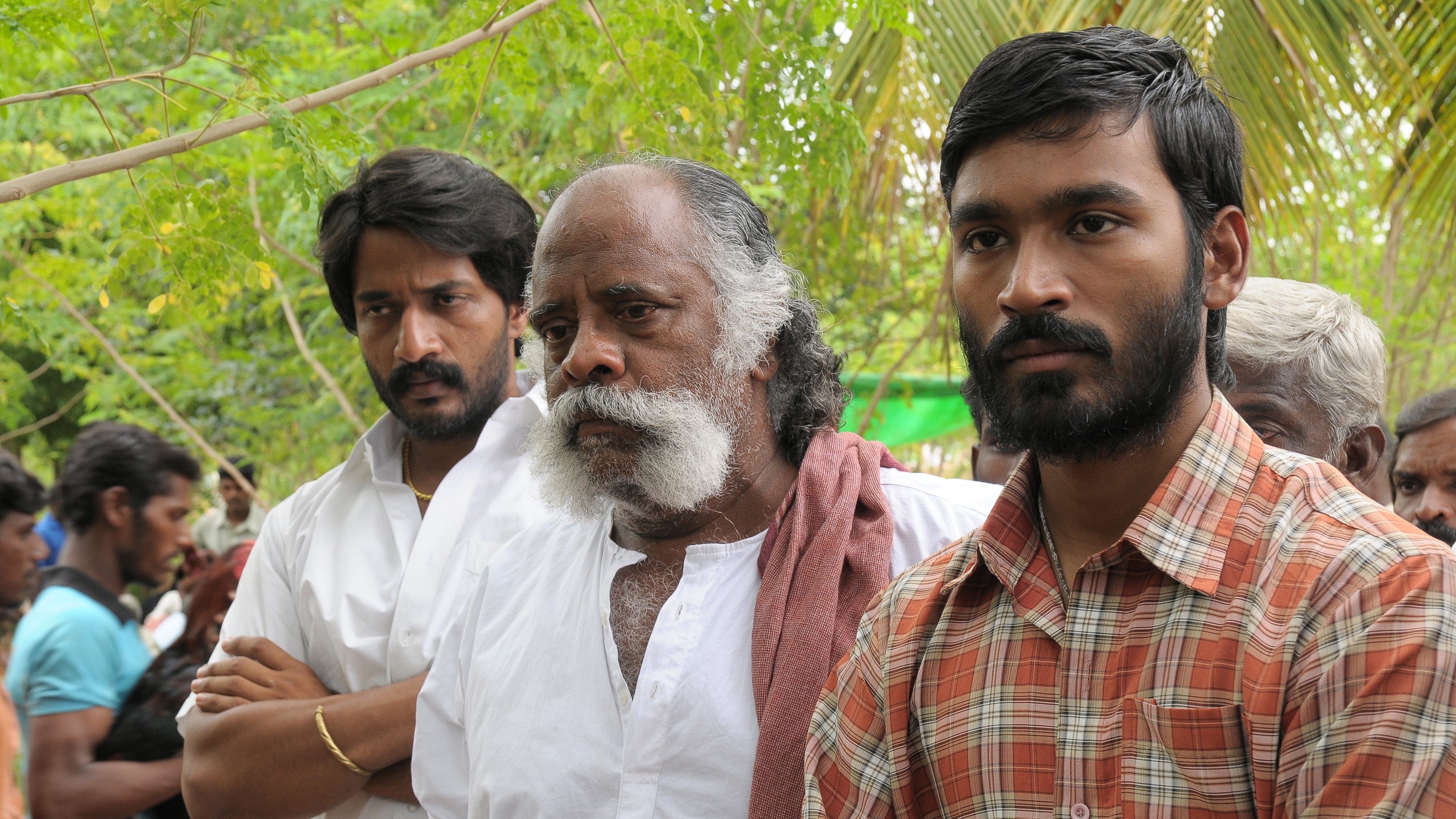

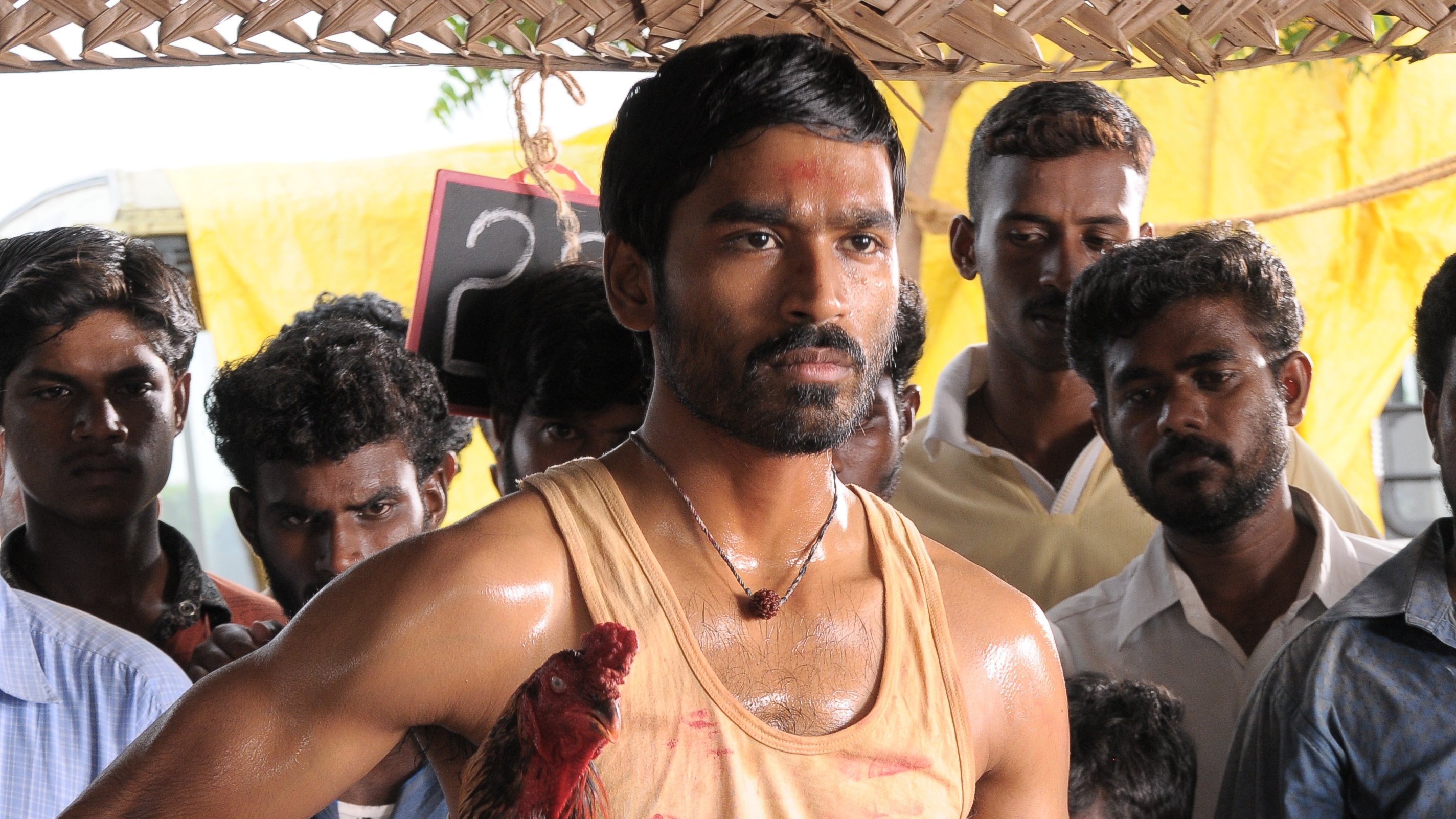
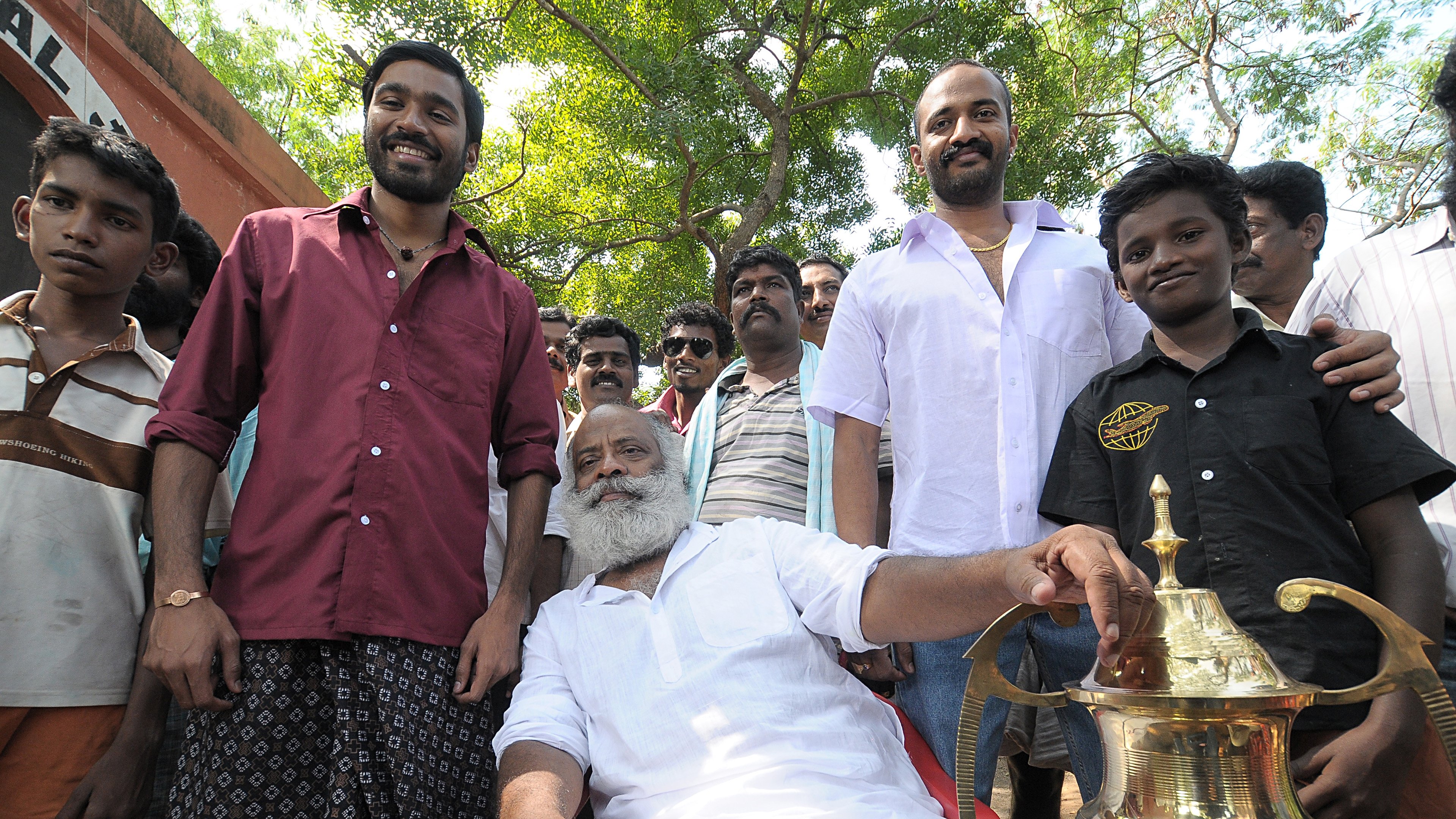
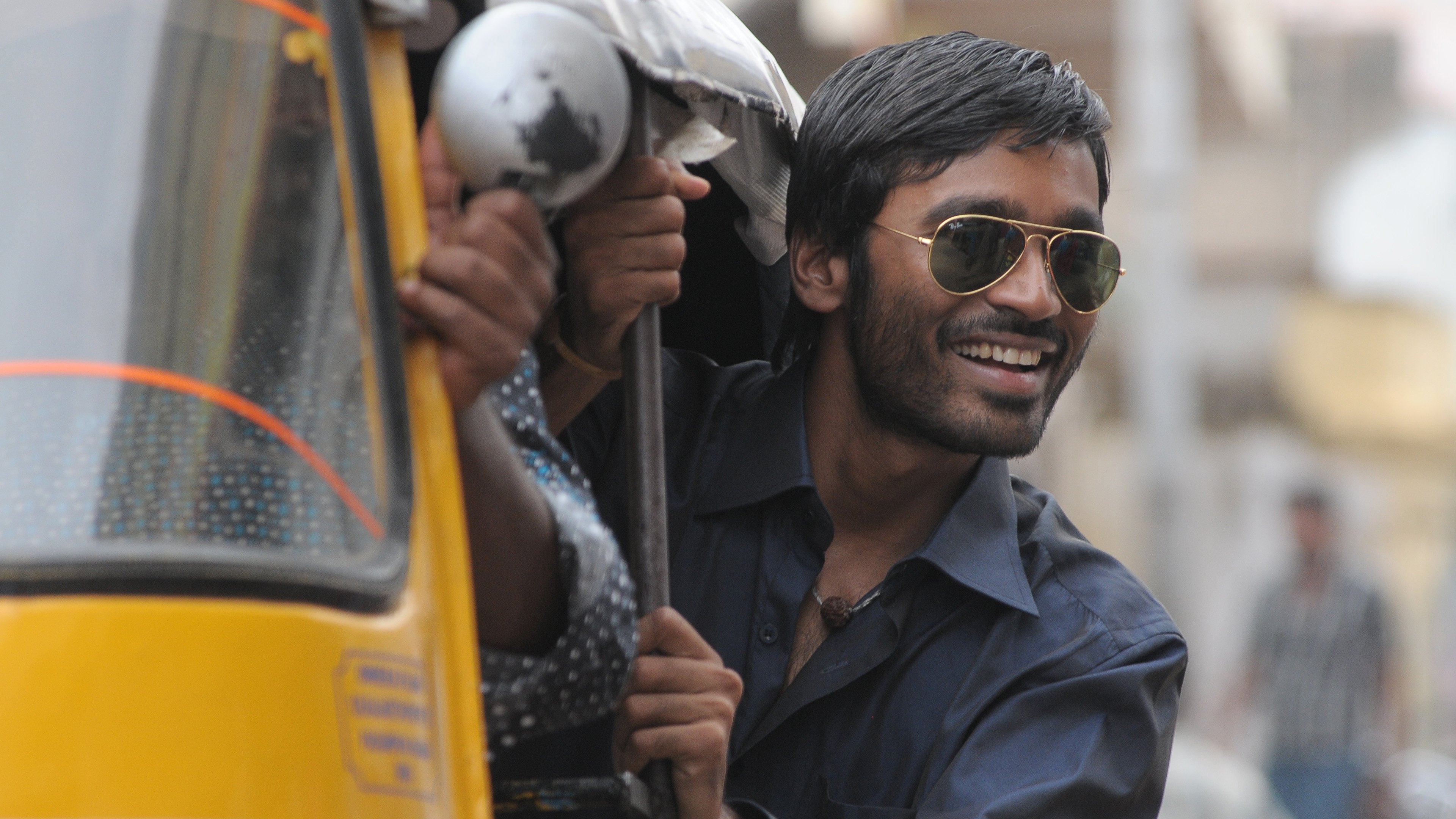
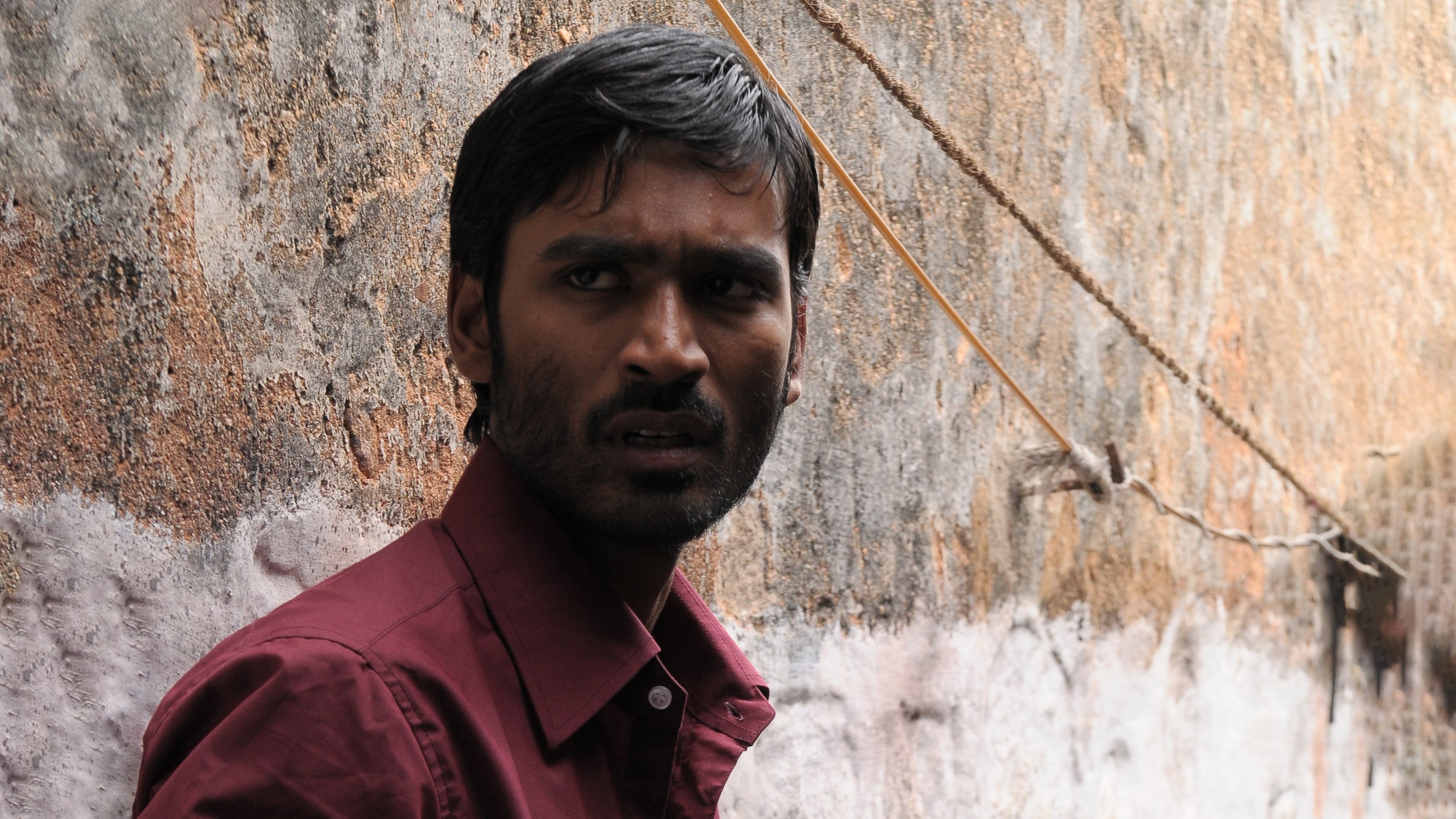
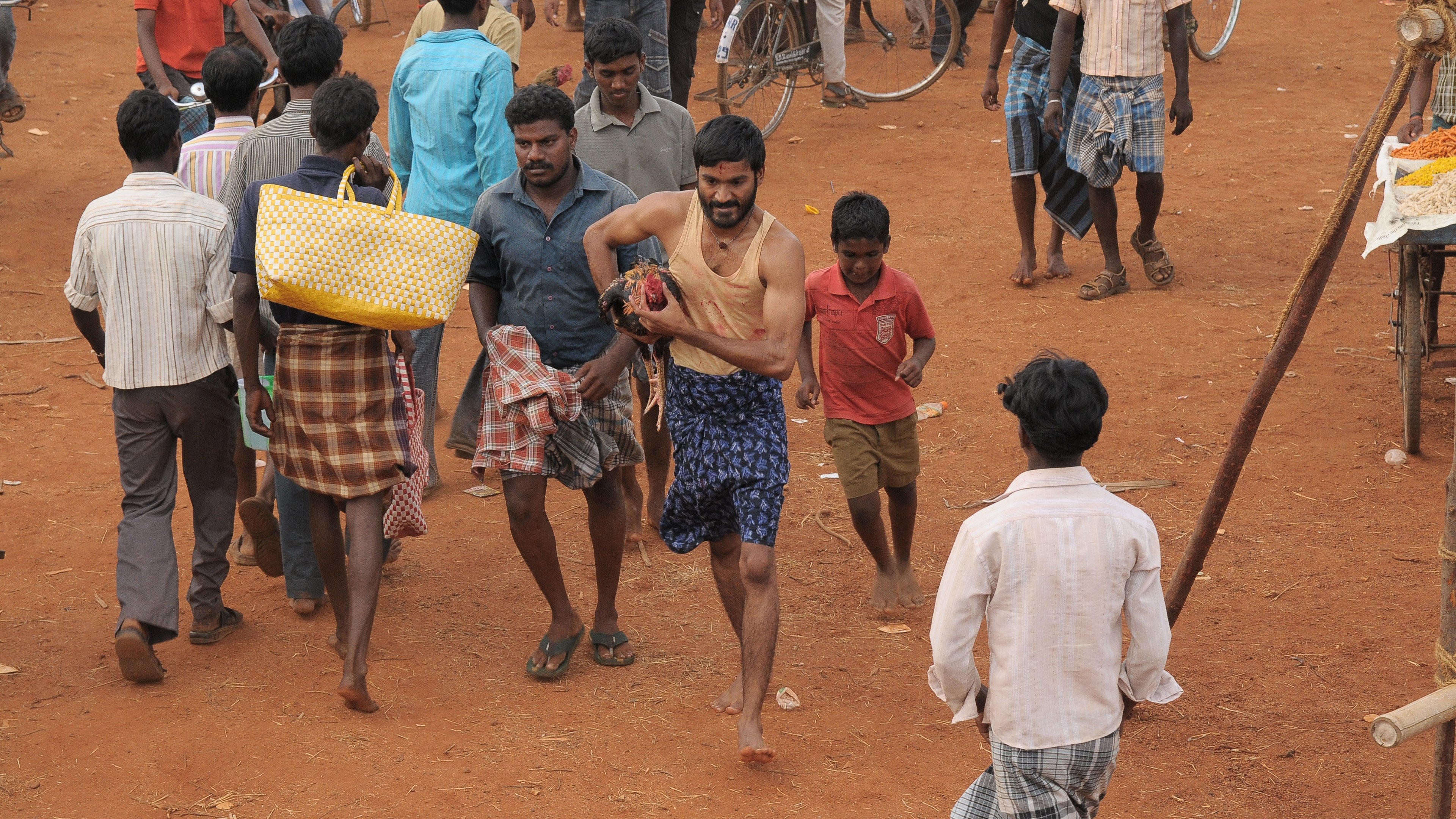
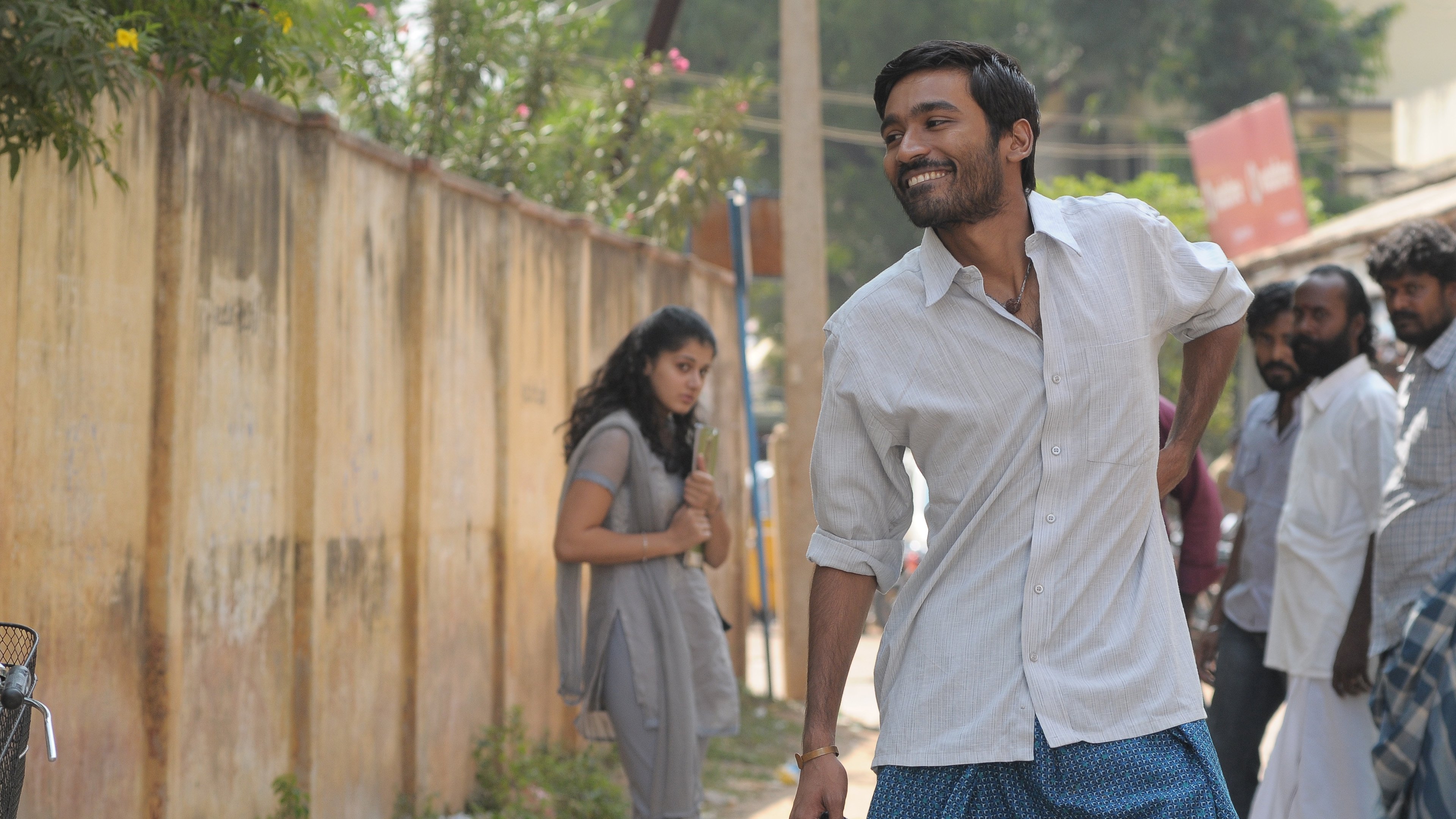
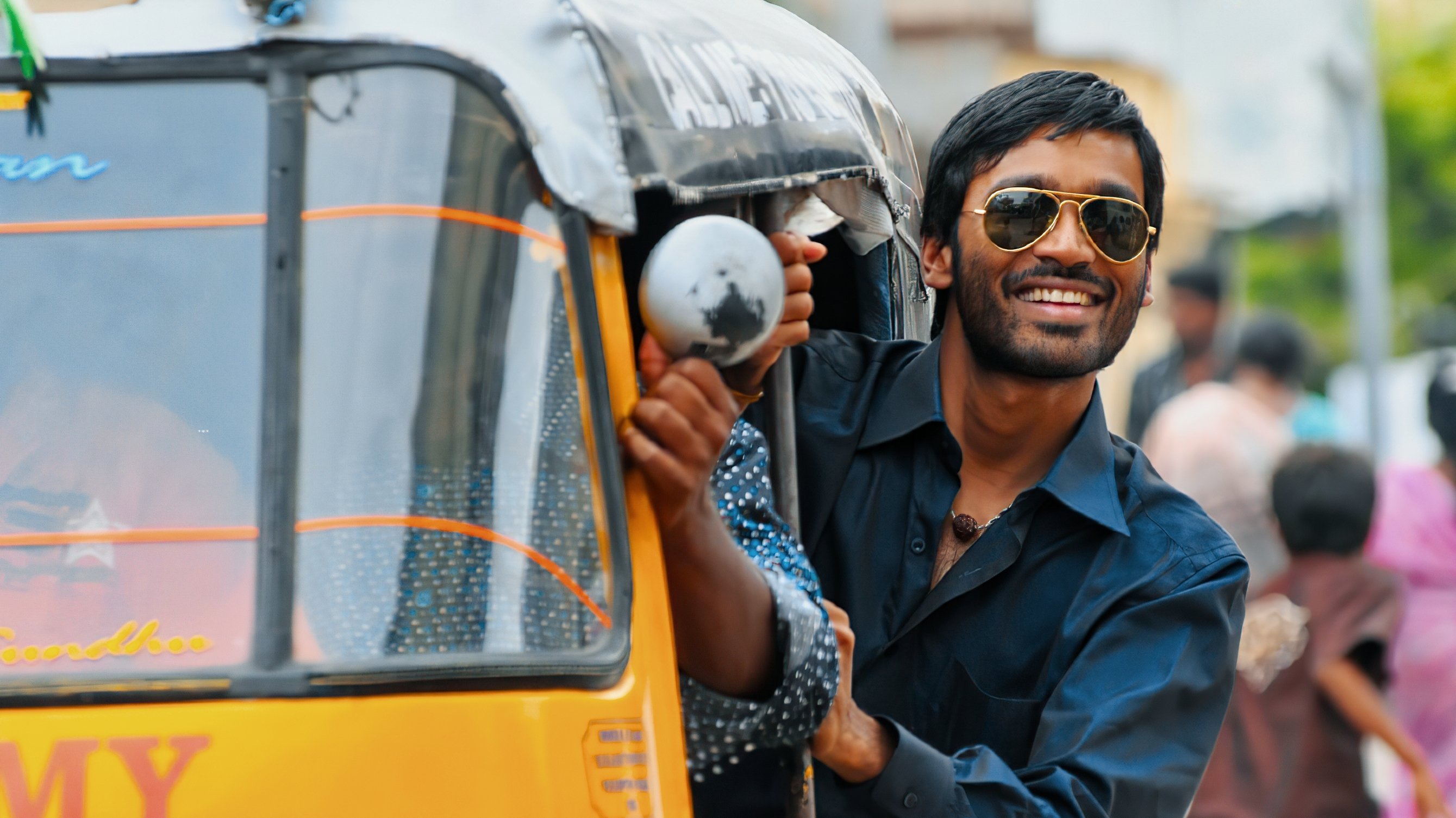
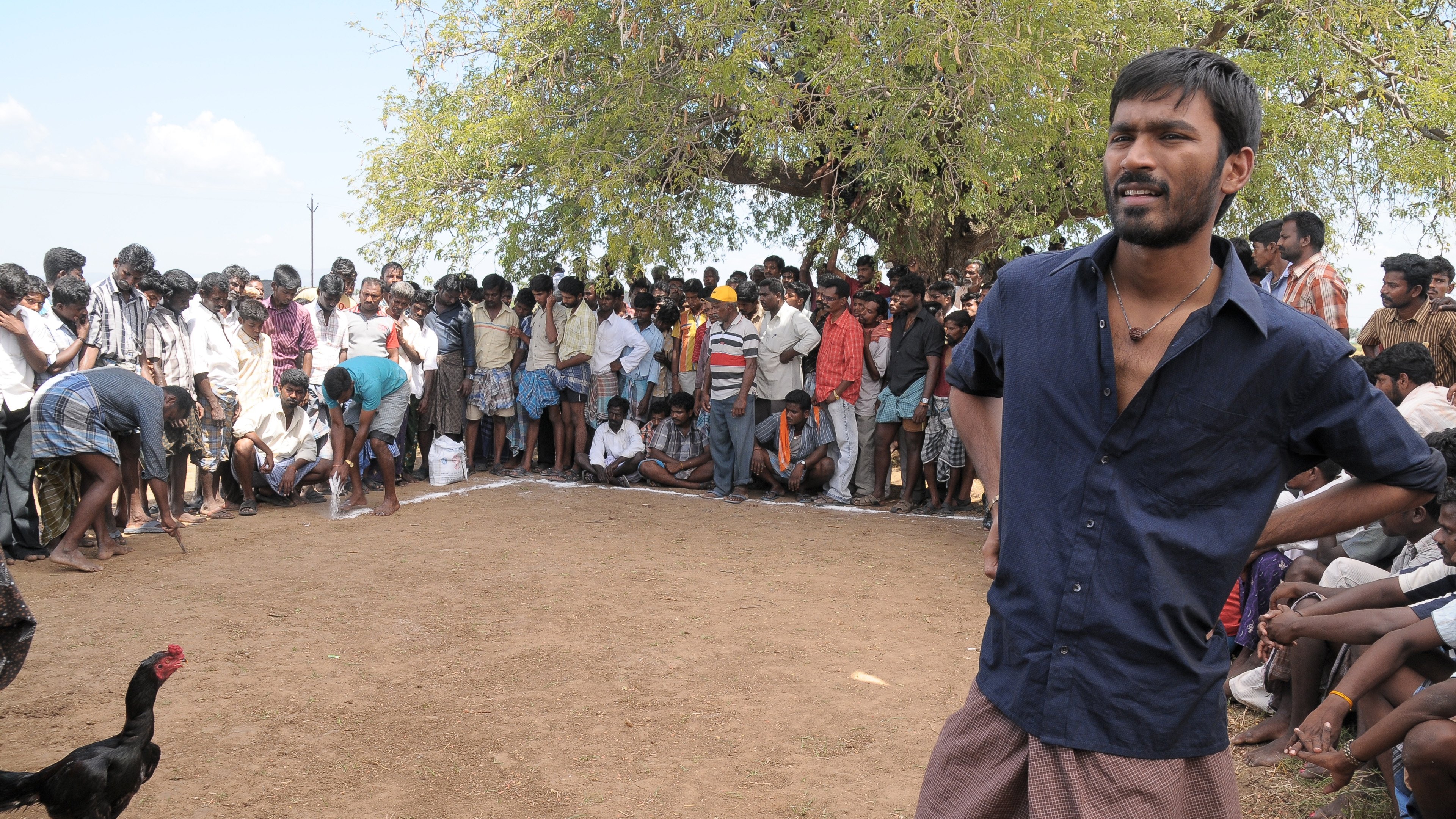
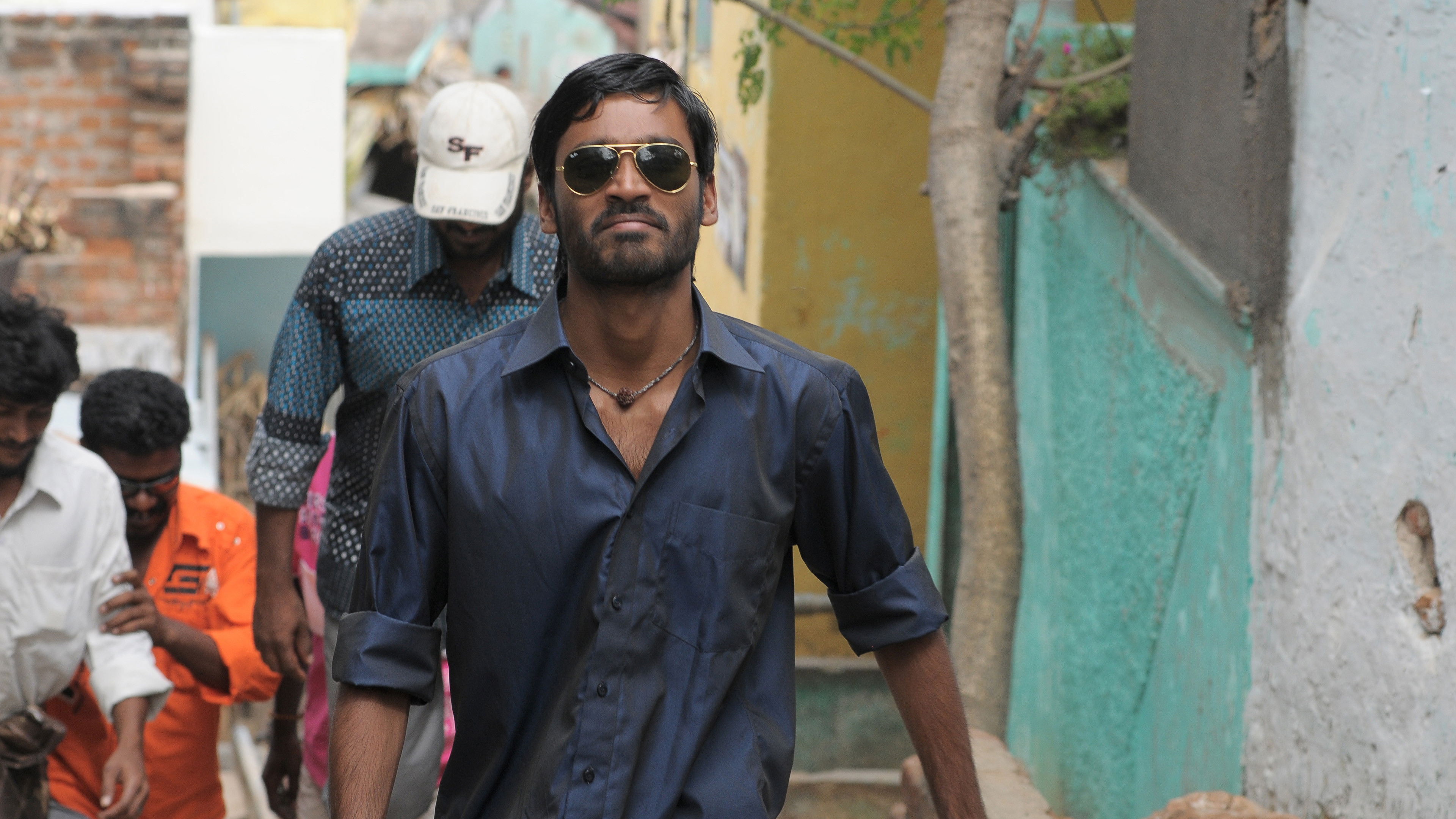
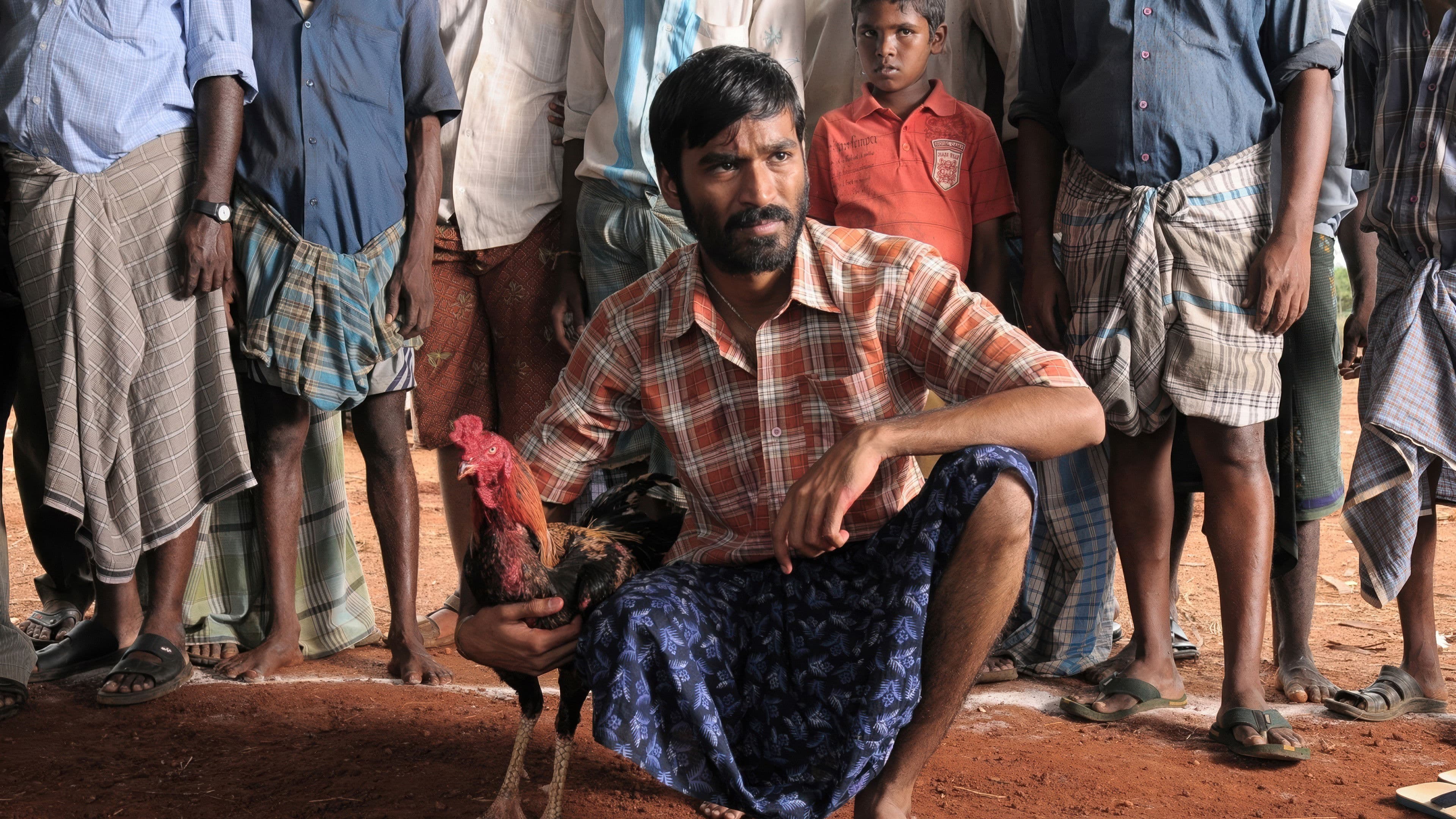
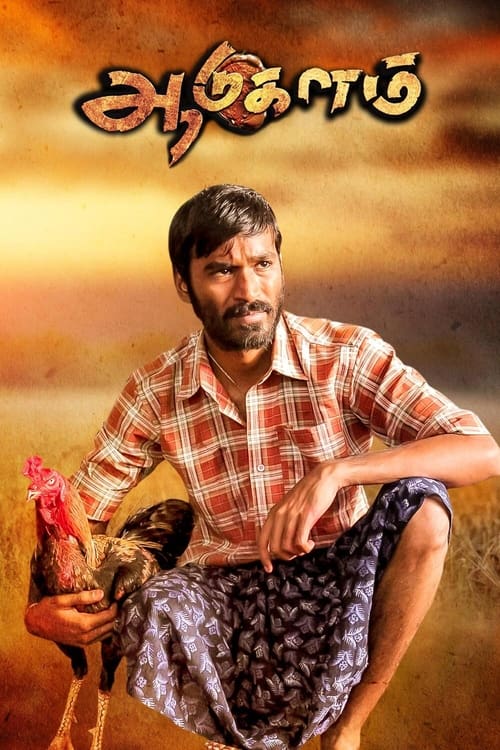
Pettaikaaran is famous in his town for an impeccable track record of successes in rooster fights. When one of his aides, Karuppu, goes against his word in a fight, it leads to an enmity between them.
Directed by Vetrimaaran
cockfight

IMDB
N/A
Cast
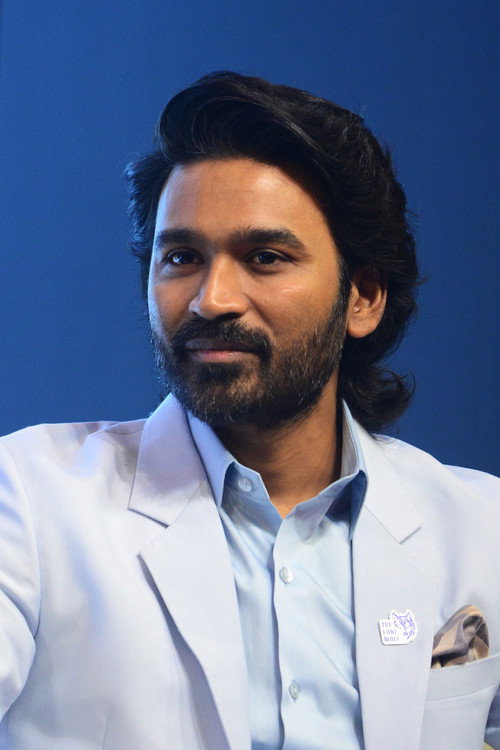
Dhanush
K. P. Karuppu

Kishore
Durai
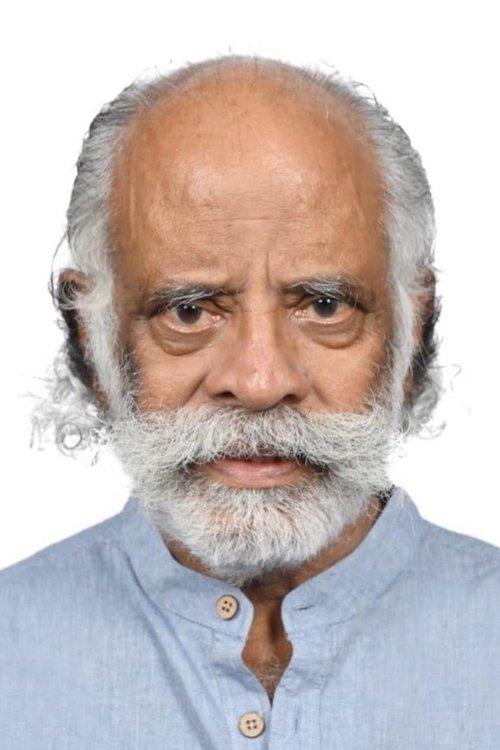
V. I. S. Jayapalan
Pettaikaran

Aadukalam Naren
Rathnasamy

Taapsee Pannu
Irene Claude

Meenal
Meena
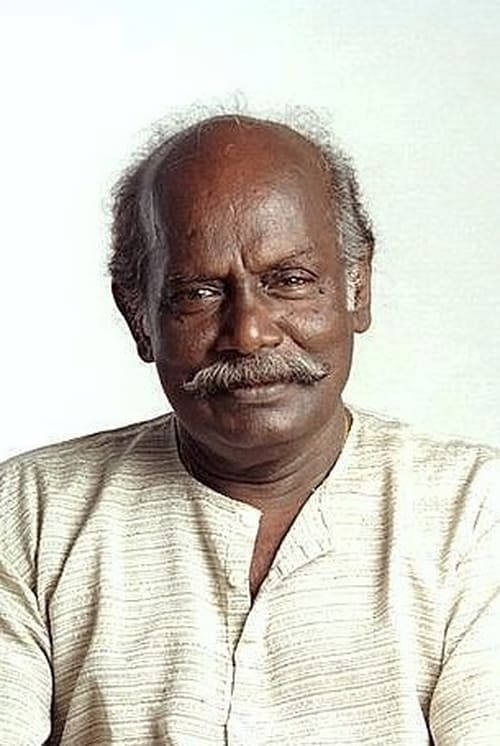
Periya Karuppu Thevar
Ayub

V R Dinesh
Dinesh

Aadukalam Murugadoss
Oole
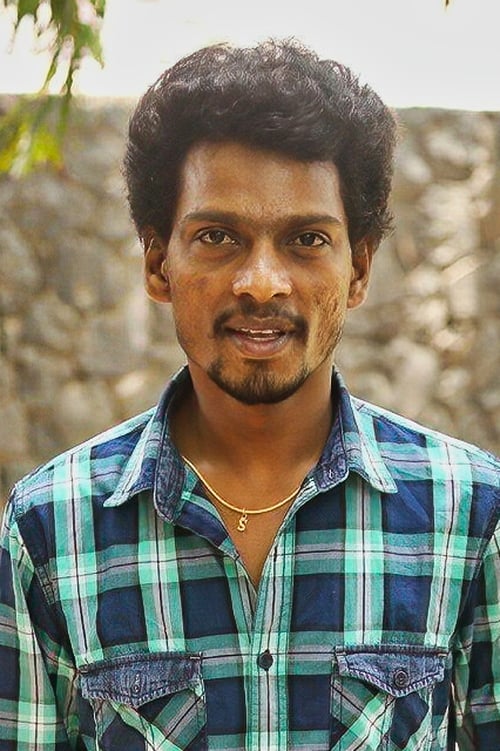
Sentrayan
Nicholas

Jayaprakash
Irene's Relative
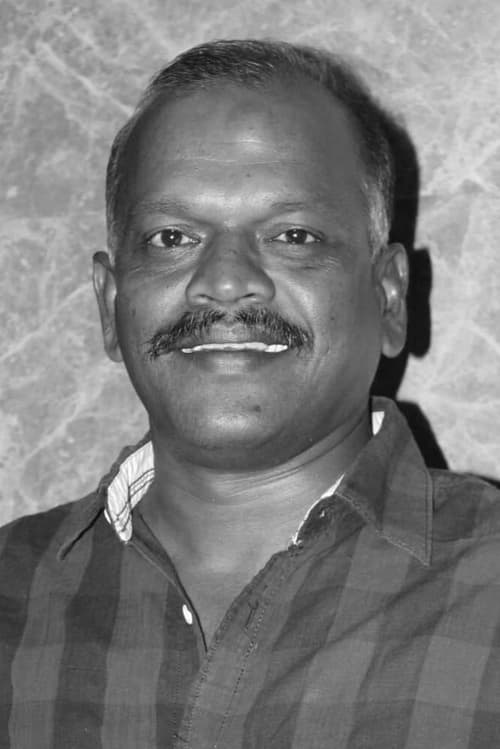
R. Velraj
Police Inspector (Special Appearance)
Crew
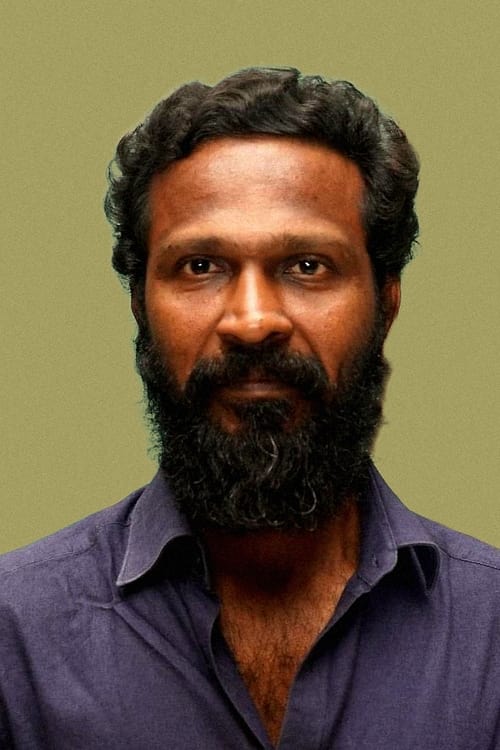
Vetrimaaran
Director
Vetrimaaran
Screenplay
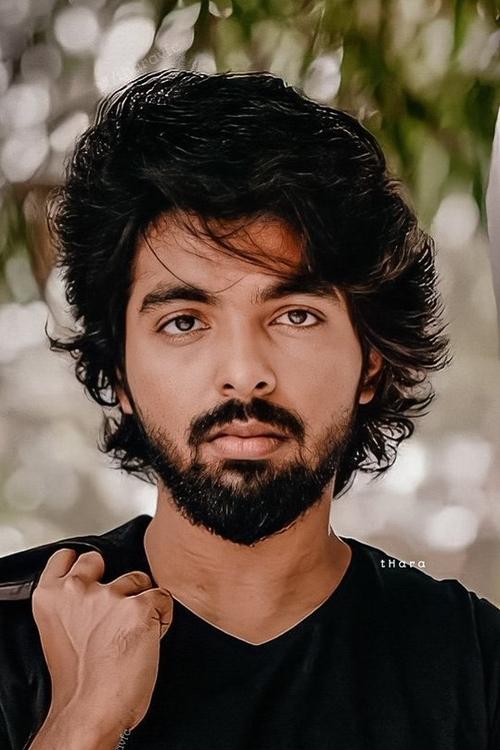
G. V. Prakash Kumar
Original Music Composer
R. Velraj
Director of Photography
Vetrimaaran
Dialogue
Vetrimaaran
Story
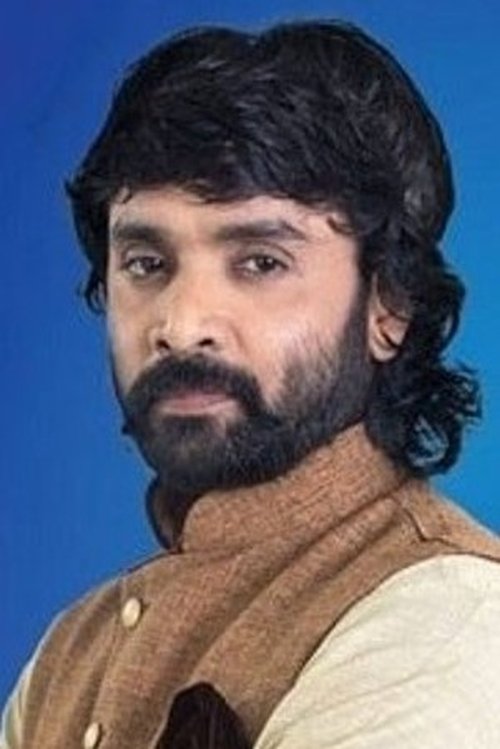
Snehan
Lyricist

Velmurugan
Playback Singer

S. P. Balasubramaniam
Playback Singer
G. V. Prakash Kumar
Playback Singer

Dinesh
Choreographer
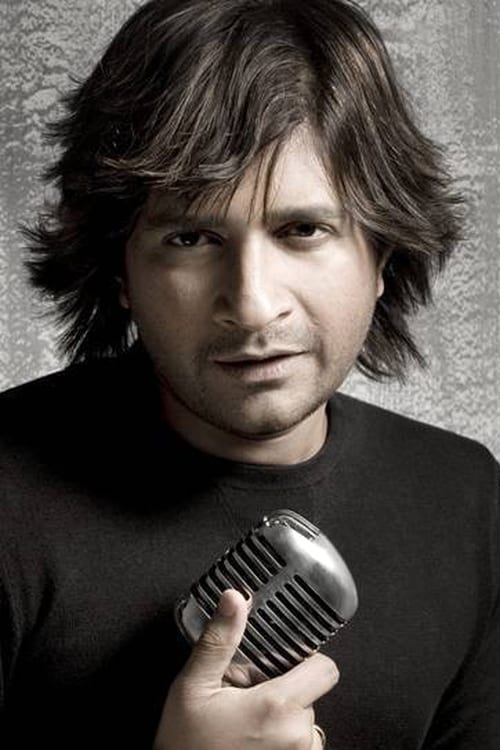
KK
Playback Singer
Popular Reviews
25 reviews
Imran Uzair
8.0★ · 02/28/26
What should have been a 10 on 10 film falls short due to an ending which doesn't sit quite right.
What should have been a 10 on 10 film falls short due to an ending which doesn't sit quite right.


Alex Mayfield
5.5★ · 08/13/25
In Aadukalam, you can notice traces of influence from directors like Michael Haneke — not heavily, but it did remind me of Michael Haneke’s Caché (Hidden). Haneke’s films also tend to depict human nature and violence through similar kinds of metaphors. It’s somewhat reminiscent of Amores Perros by Alejandro González Iñárritu as well. In that film, there were scenes of dogs being forced to fight each other — though I don’t remember all the details. Thinking about that, I looked it up and found an interview in which Aadukalam’s director, Vetrimaaran, mentioned that the idea for the film came after watching Amores Perros. He said that if it was possible to film dogs fighting each other, then why couldn’t one film roosters fighting each other? That thought was the starting point for writing his film. The narrative structure isn’t the typical straightforward sequence — instead, it uses a fractured storytelling style with around three or four timelines running in parallel, with the main narrative woven through them. Because of this approach, combined with the fast-paced scenes, the film never feels boring for the audience. The story portrays familiar, everyday ways of life and their flaws, using rooster fights as a metaphor. And because of this central theme, the characters in the film experience both good and bad outcomes. For them, rooster fighting is life itself — if you want to understand or define their lives, you have to see the rooster fights. The most striking thing is that, for these people, personal honor, social status, or even safety are secondary. What truly matters is rooster fighting. The hierarchy and status they care about are those determined by these fights. In a way, rooster fighting is itself a form of social structure. After watching the film, I felt that in real life too, the things we put all our strength, energy, sweat, and blood into — are they really beneficial for us? Do they truly bring peace to our hearts?
In Aadukalam, you can notice traces of influence from directors like Michael Haneke — not heavily, but it did remind me of Michael Haneke’s Caché (Hidden). Haneke’s films also tend to depict human nature and violence through similar kinds of metaphors. It’s somewhat reminiscent of Amores Perros by Alejandro González Iñárritu as well. In that film, there were scenes of dogs being forced to fight each other — though I don’t remember all the details. Thinking about that, I looked it up and found an interview in which Aadukalam’s director, Vetrimaaran, mentioned that the idea for the film came after watching Amores Perros. He said that if it was possible to film dogs fighting each other, then why couldn’t one film roosters fighting each other? That thought was the starting point for writing his film. The narrative structure isn’t the typical straightforward sequence — instead, it uses a fractured storytelling style with around three or four timelines running in parallel, with the main narrative woven through them. Because of this approach, combined with the fast-paced scenes, the film never feels boring for the audience. The story portrays familiar, everyday ways of life and their flaws, using rooster fights as a metaphor. And because of this central theme, the characters in the film experience both good and bad outcomes. For them, rooster fighting is life itself — if you want to understand or define their lives, you have to see the rooster fights. The most striking thing is that, for these people, personal honor, social status, or even safety are secondary. What truly matters is rooster fighting. The hierarchy and status they care about are those determined by these fights. In a way, rooster fighting is itself a form of social structure. After watching the film, I felt that in real life too, the things we put all our strength, energy, sweat, and blood into — are they really beneficial for us? Do they truly bring peace to our hearts?
milano
8.0★ · 12/07/24
Honor and Pride drives a man insane and makes him do unspeakable things.
Honor and Pride drives a man insane and makes him do unspeakable things.
Salaar
8.0★ · 10/06/24
Greed. Ego. Betrayal
Dhanush at his usual best. Vetrimaran's top 2 for sure.
Dhanush at his usual best. Vetrimaran's top 2 for sure.
Greed. Ego. Betrayal
Dhanush at his usual best. Vetrimaran's top 2 for sure.
Dhanush at his usual best. Vetrimaran's top 2 for sure.
godscinephilePRO
10.0★ · 01/28/24
"நான் ஆணையிட மாறிடுமே, அடடா
நடைப்பாதையில் மலர்த் தூவிடடா
இணை யார் எனப் புகழ் பாடிடடா
ஹாஹா! கைக்கொள்ளாத காசடா...
வரலாற்றில் வைத்திடுவோம் தடமே
தயங்காமல் எதையும் தருவோம் நாமே
அவளுடன் என் காதலைப் பாரடா
என்னை நோக்கிப் பெண், சொர்கம் இது போதுமடா
போதுமடா, போதுமடா!"
நடைப்பாதையில் மலர்த் தூவிடடா
இணை யார் எனப் புகழ் பாடிடடா
ஹாஹா! கைக்கொள்ளாத காசடா...
வரலாற்றில் வைத்திடுவோம் தடமே
தயங்காமல் எதையும் தருவோம் நாமே
அவளுடன் என் காதலைப் பாரடா
என்னை நோக்கிப் பெண், சொர்கம் இது போதுமடா
போதுமடா, போதுமடா!"
"நான் ஆணையிட மாறிடுமே, அடடா
நடைப்பாதையில் மலர்த் தூவிடடா
இணை யார் எனப் புகழ் பாடிடடா
ஹாஹா! கைக்கொள்ளாத காசடா...
வரலாற்றில் வைத்திடுவோம் தடமே
தயங்காமல் எதையும் தருவோம் நாமே
அவளுடன் என் காதலைப் பாரடா
என்னை நோக்கிப் பெண், சொர்கம் இது போதுமடா
போதுமடா, போதுமடா!"
நடைப்பாதையில் மலர்த் தூவிடடா
இணை யார் எனப் புகழ் பாடிடடா
ஹாஹா! கைக்கொள்ளாத காசடா...
வரலாற்றில் வைத்திடுவோம் தடமே
தயங்காமல் எதையும் தருவோம் நாமே
அவளுடன் என் காதலைப் பாரடா
என்னை நோக்கிப் பெண், சொர்கம் இது போதுமடா
போதுமடா, போதுமடா!"