There is a particular kind of dread that settles into a film when justice and corruption share the same small town, and Kurak Günler, or Burning Days, understands that dread intimately. Emin Alper's Cannes-selected political thriller is ambitious, atmospheric, and at times genuinely unsettling. It is also, occasionally, a film that strains under the weight of everything it wants to say.
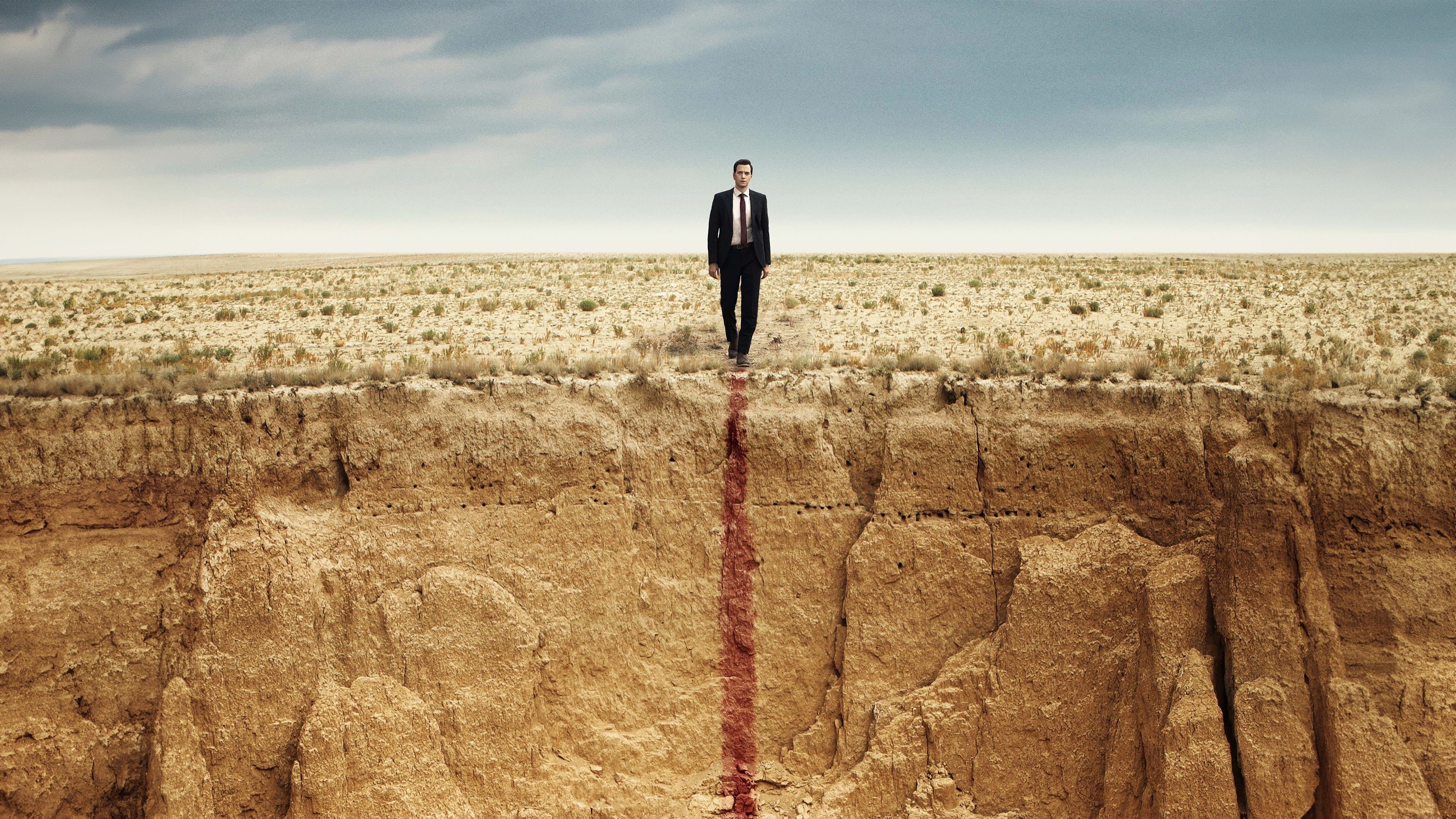
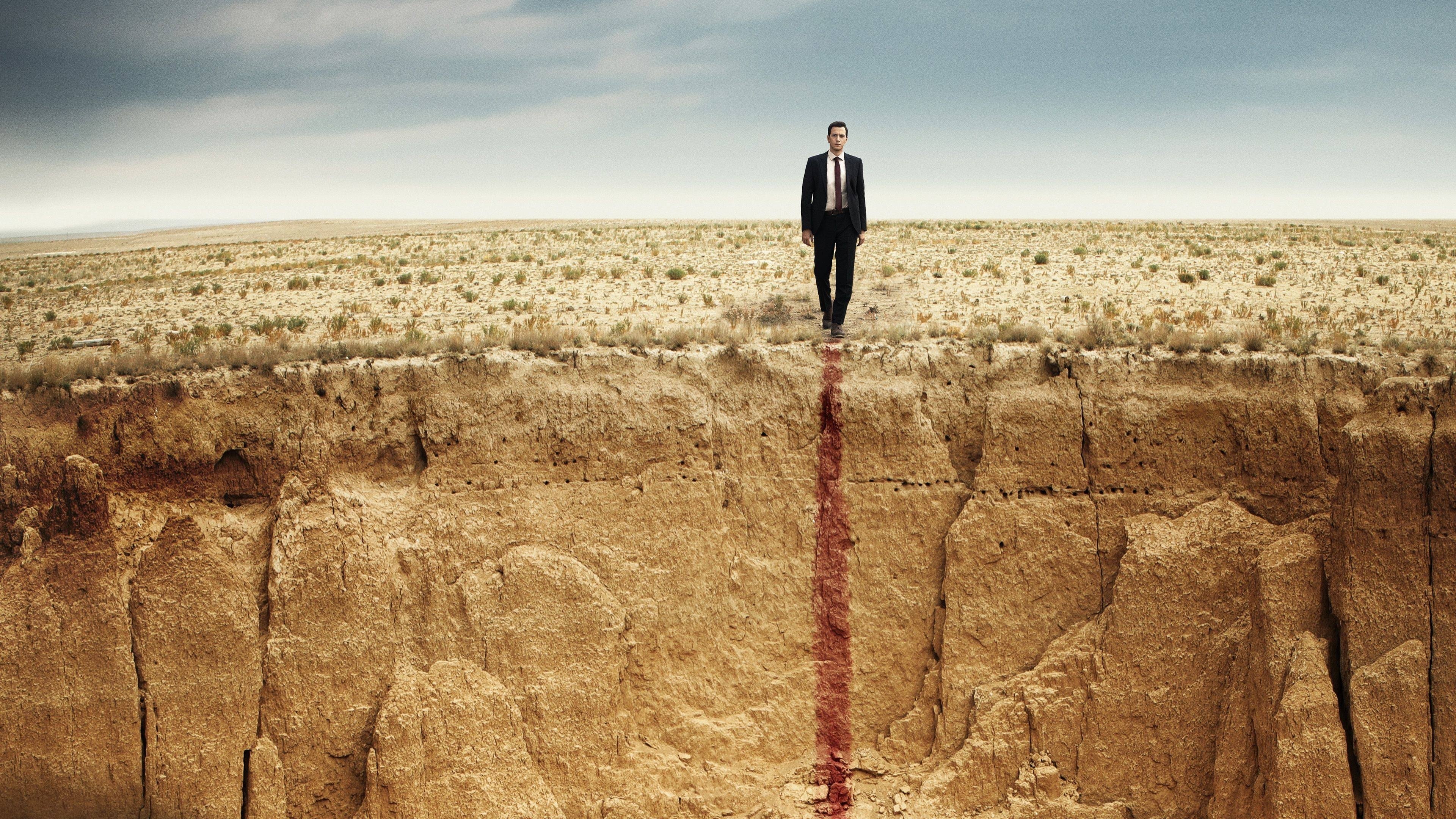
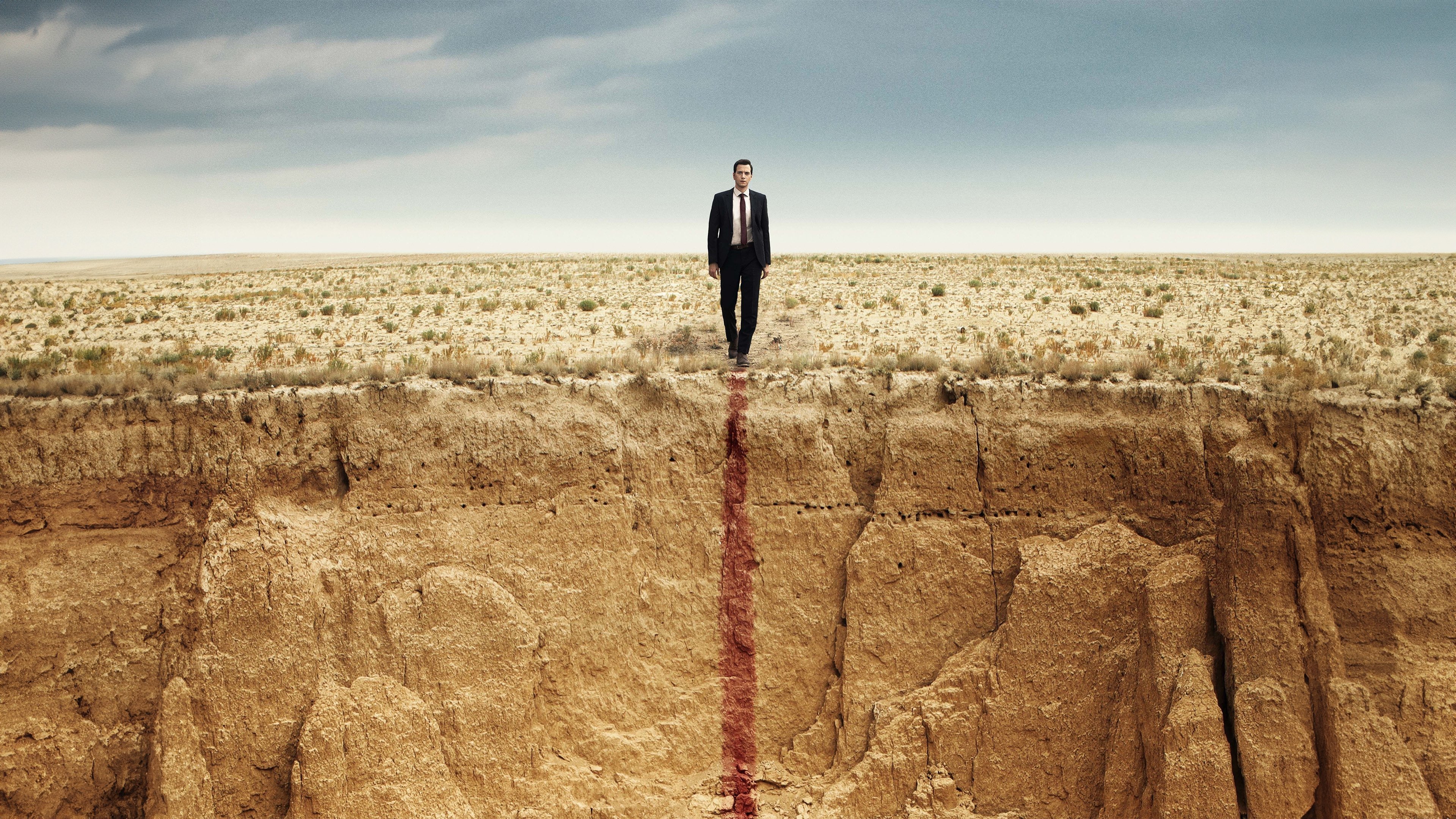
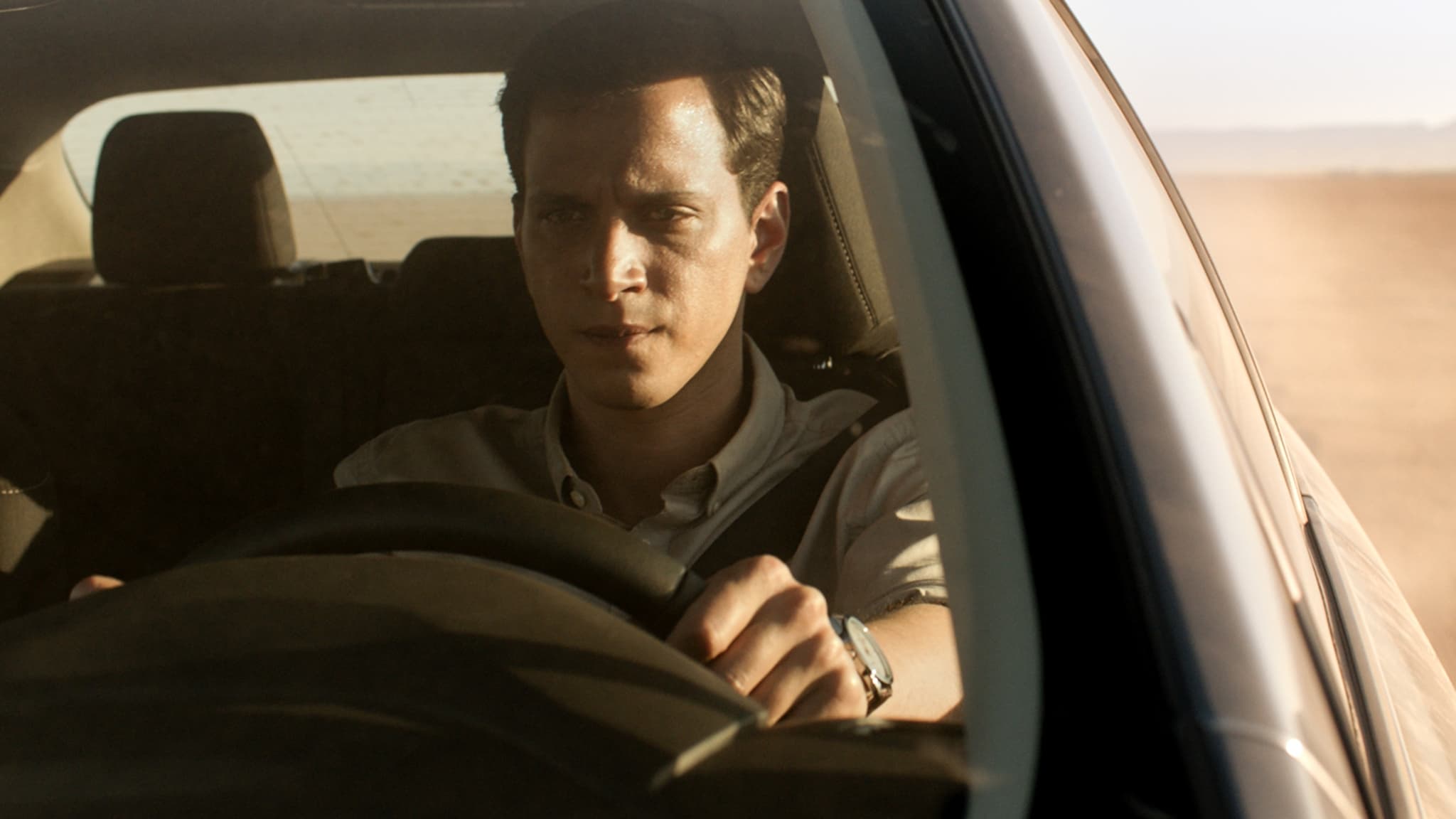
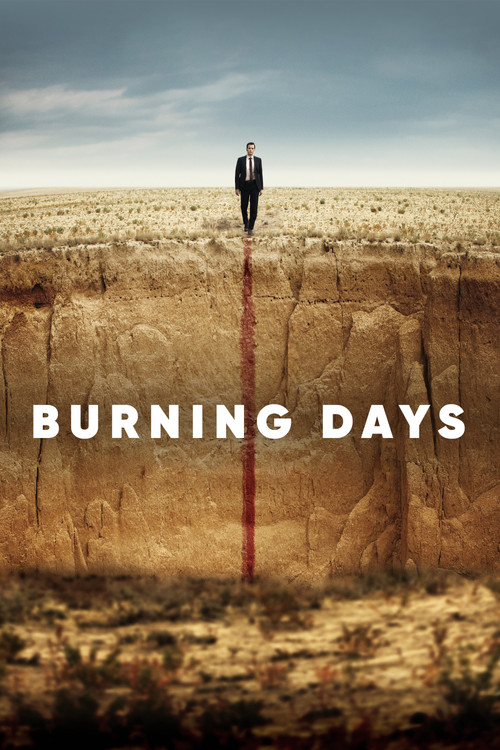
The story follows Emre, a young, idealistic prosecutor freshly appointed to the remote Anatolian town of Yanıklar. The town is parched in more ways than one: a severe water shortage has opened vast sinkholes across the landscape, local elections are approaching, and the air is thick with corruption, nepotism, and barely concealed menace. Emre arrives with principles intact and quickly discovers that principles are a liability in a place like this.
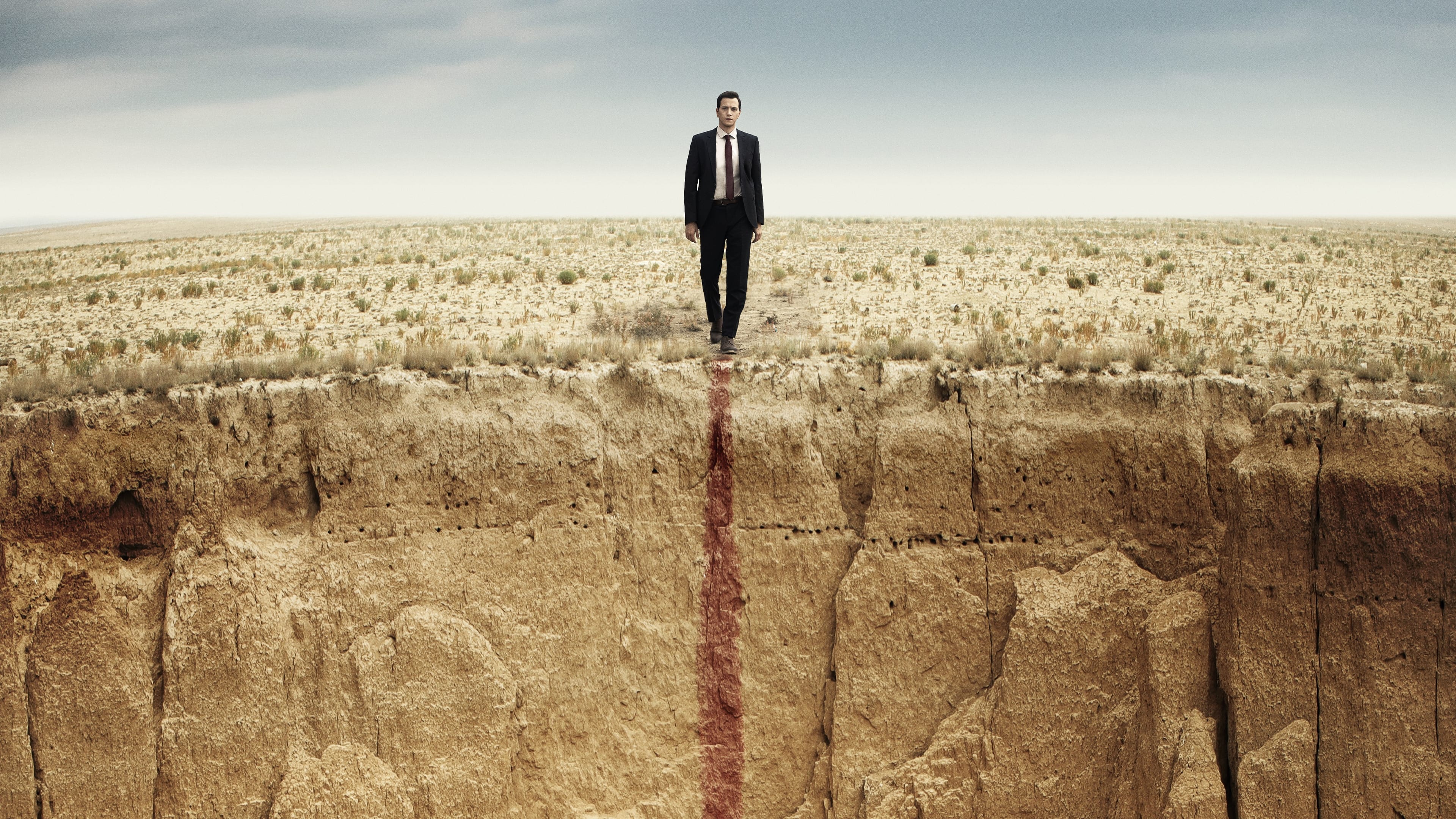
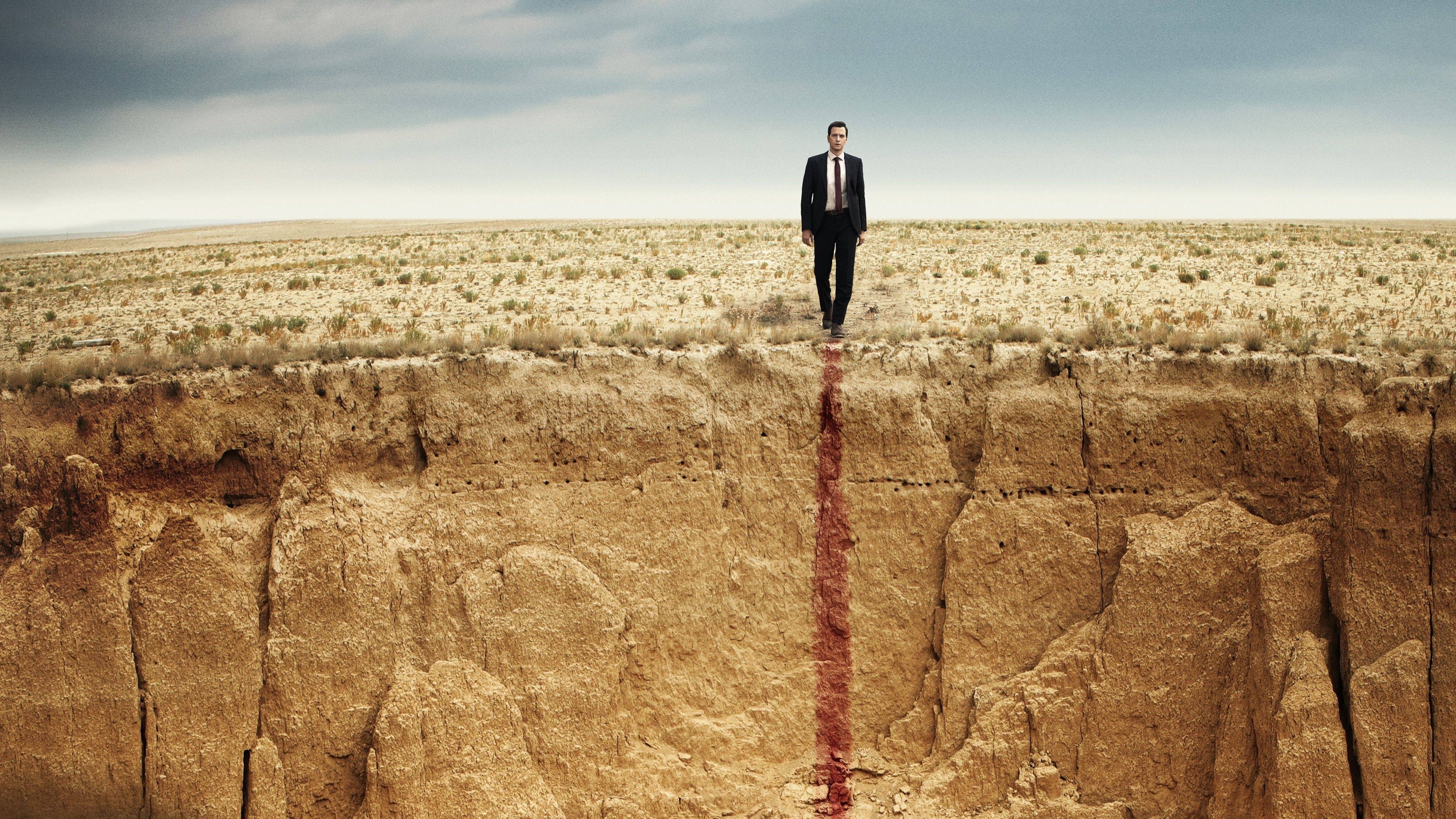
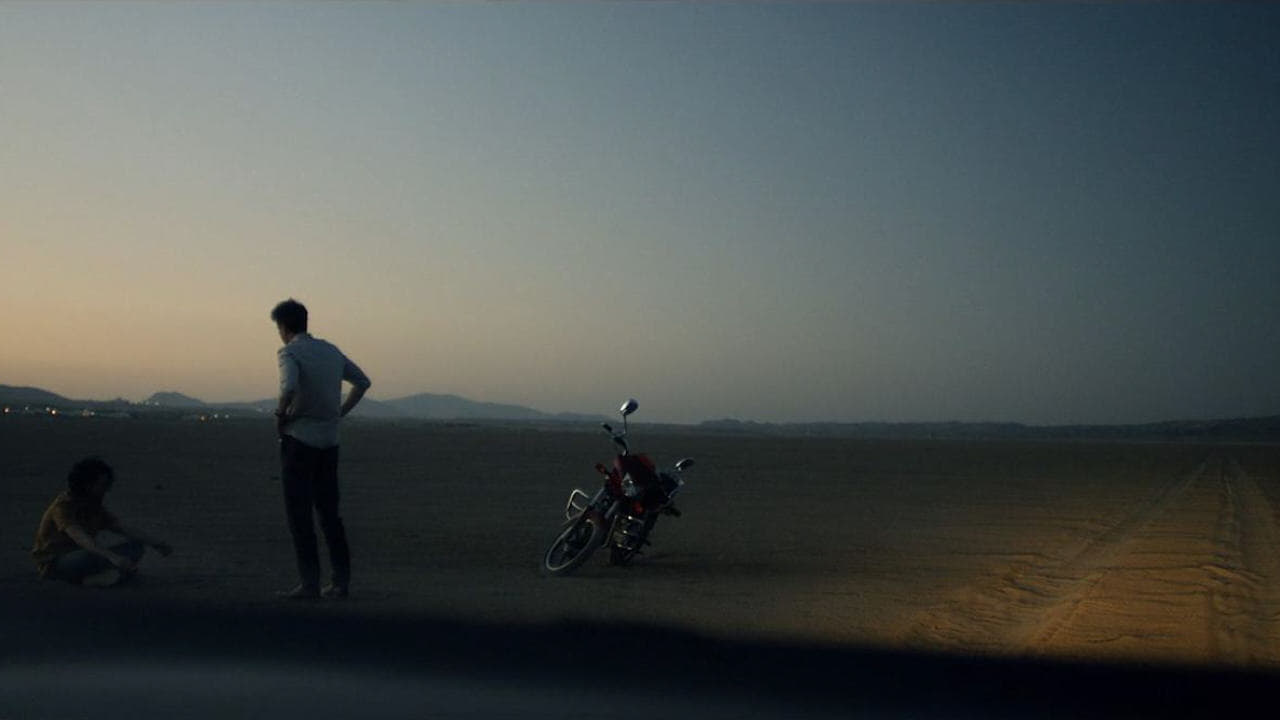
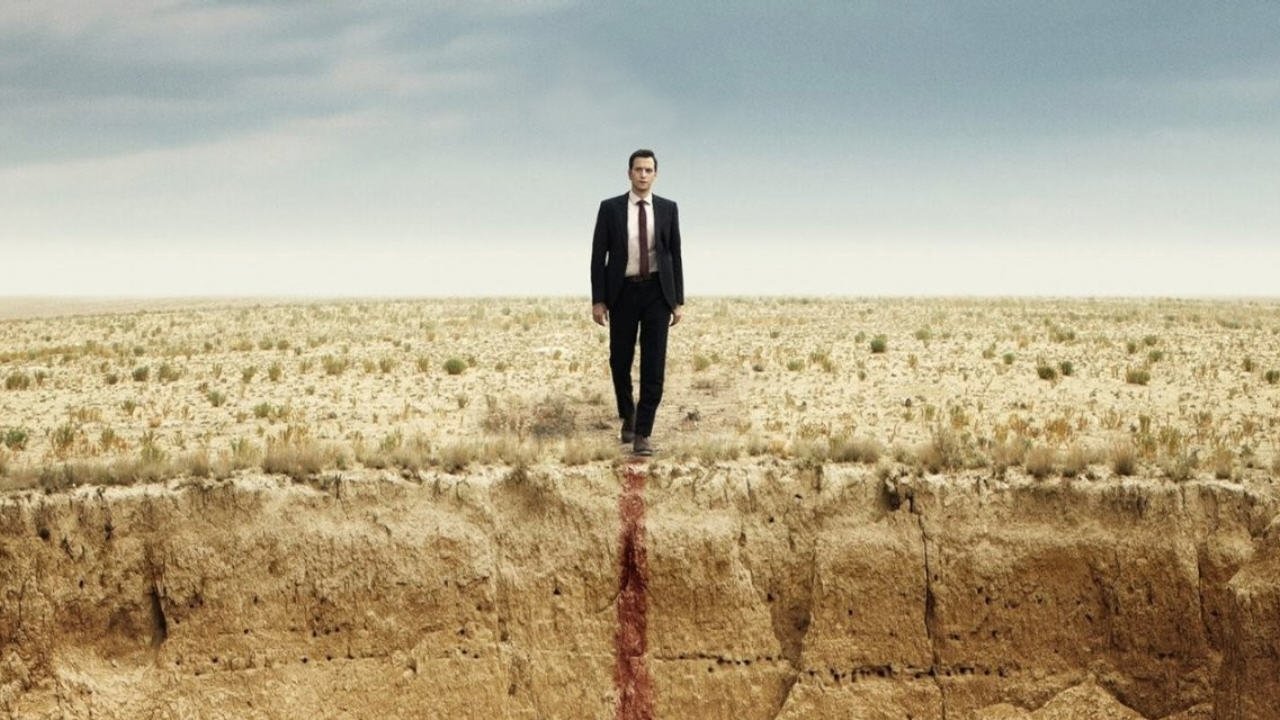
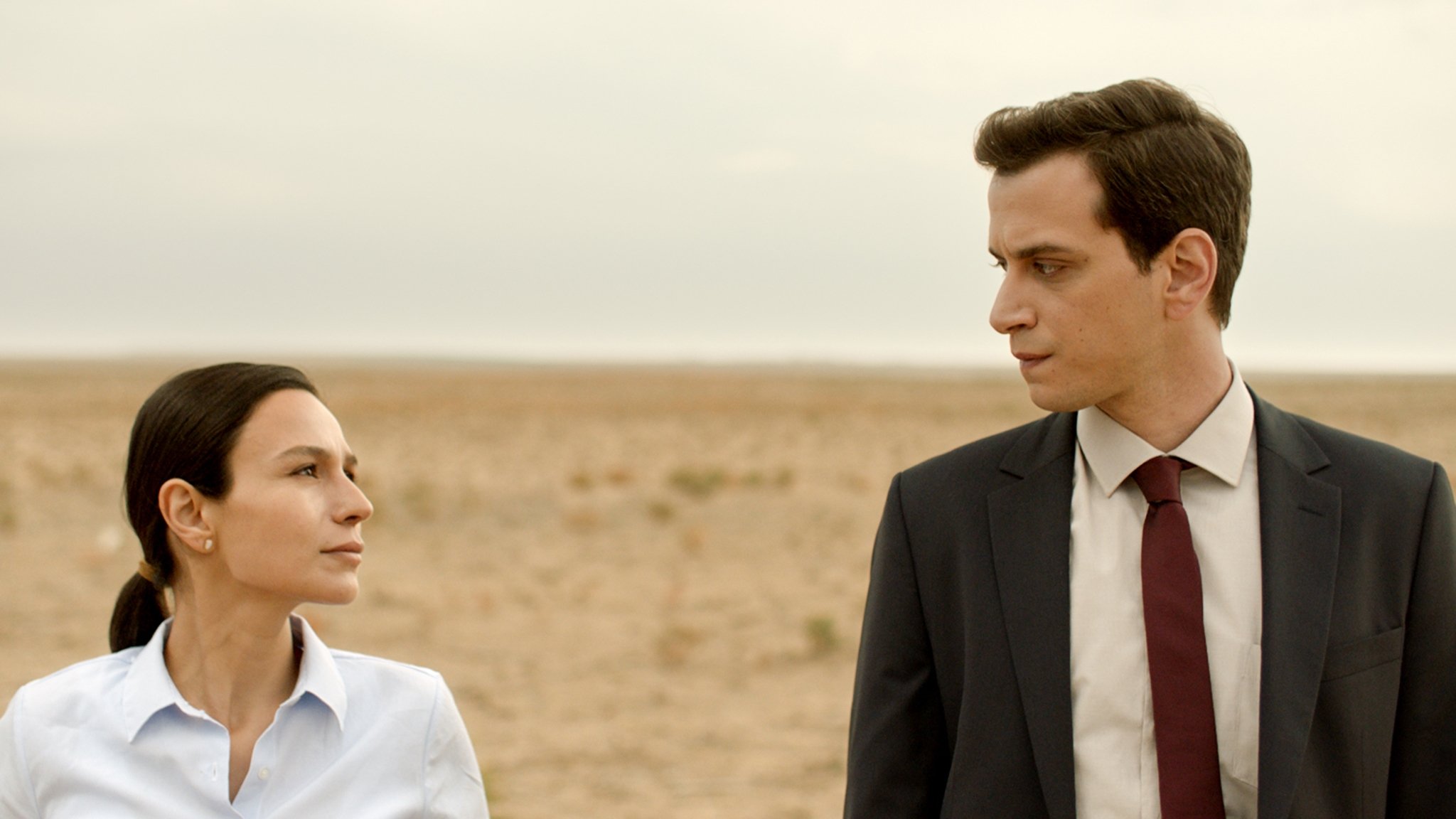
Alper draws from a rich tradition of small-town moral fables, and the film has been compared to Chinatown in its depiction of environmental crime and institutional rot. That is not an undeserved comparison. The film's central metaphor, a land literally collapsing in on itself, is elegant and used with real confidence. The cinematography by Christos Karamanis is frequently stunning, framing the cracked, dusty Anatolian landscape as something between a crime scene and a painting.
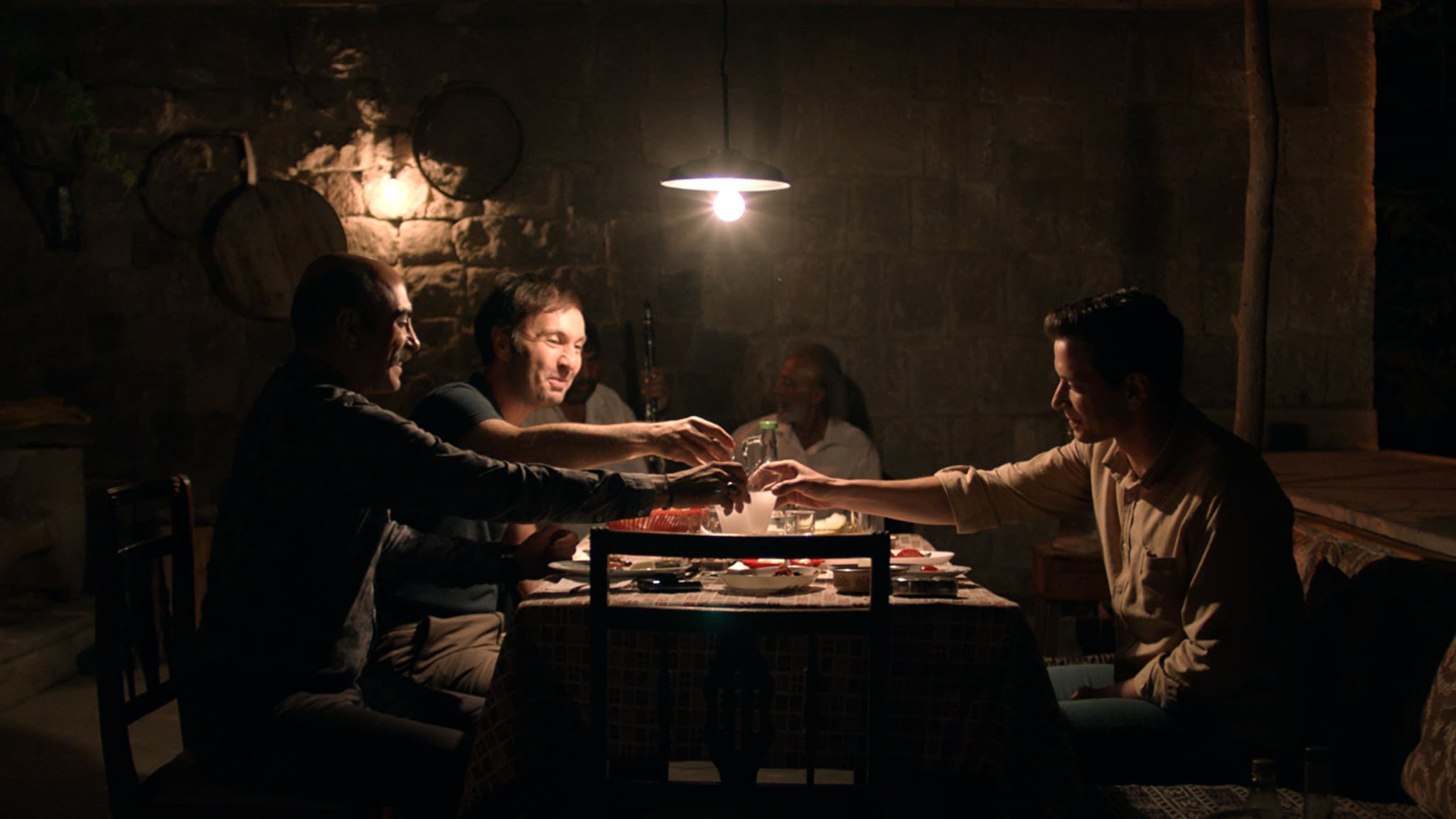
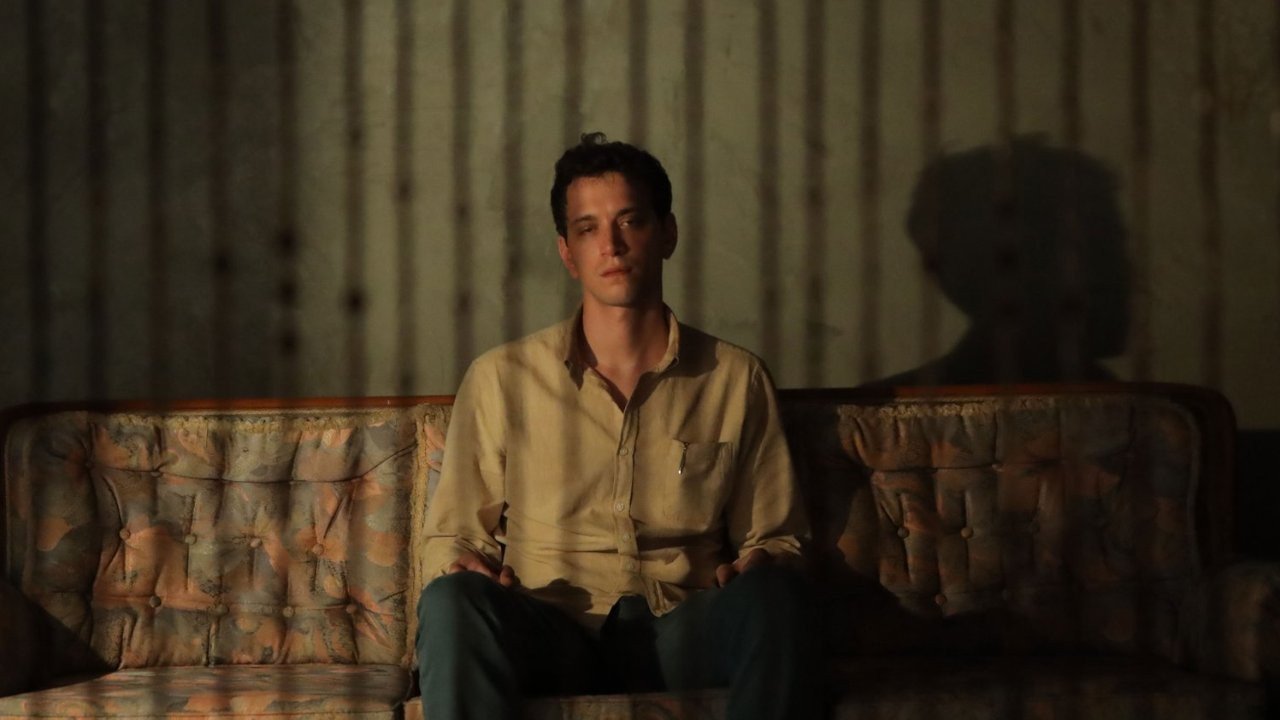
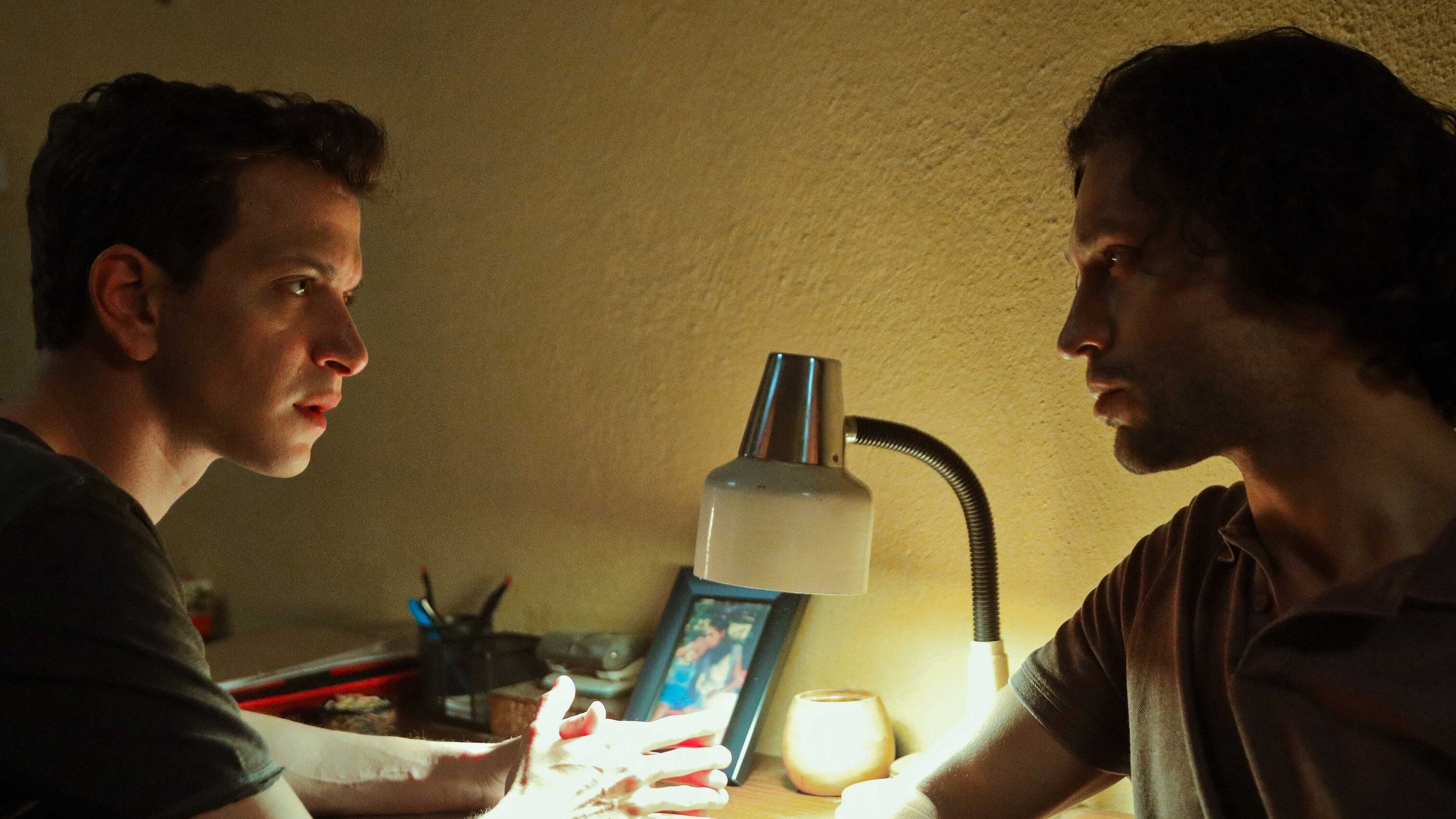
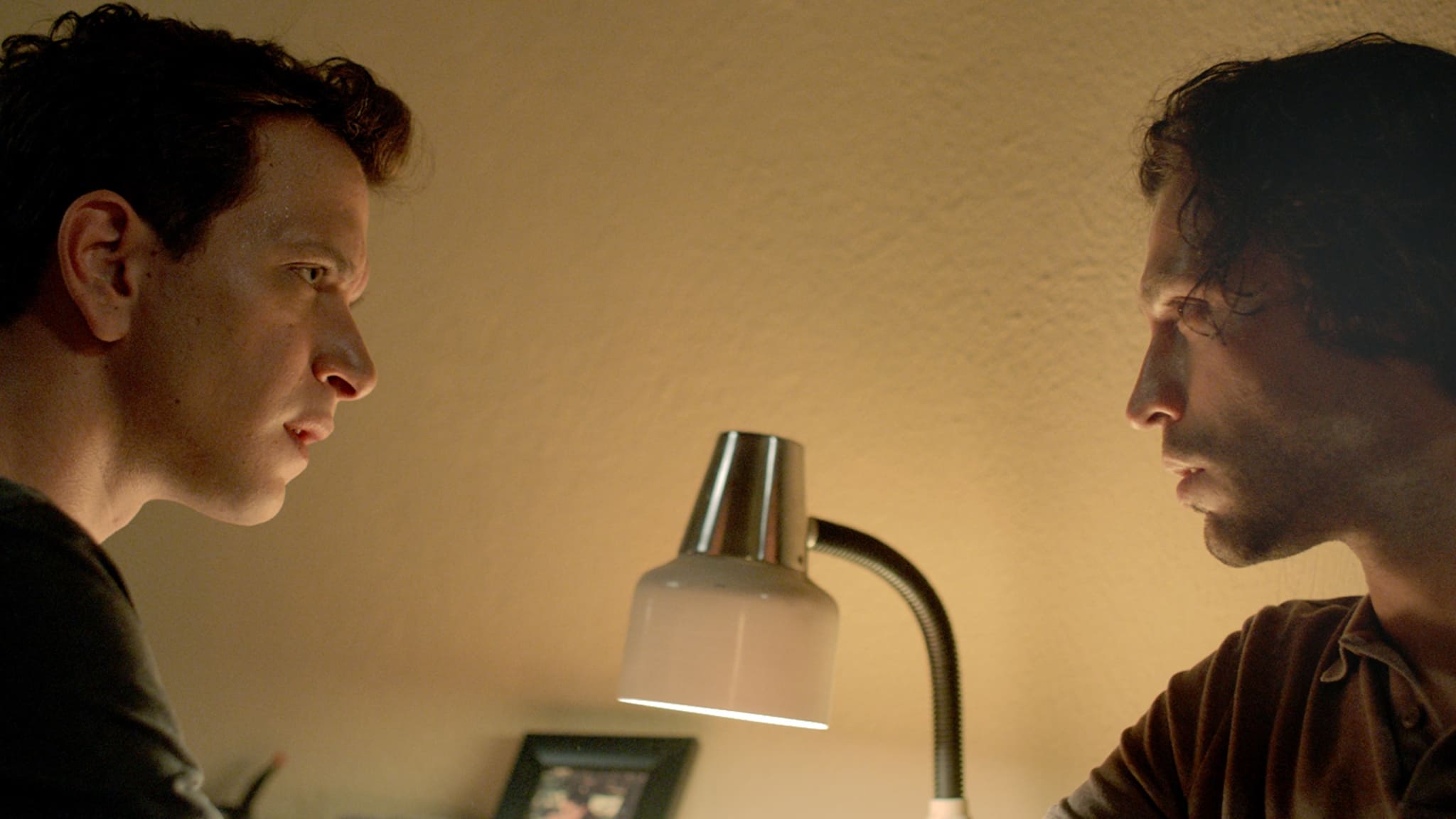
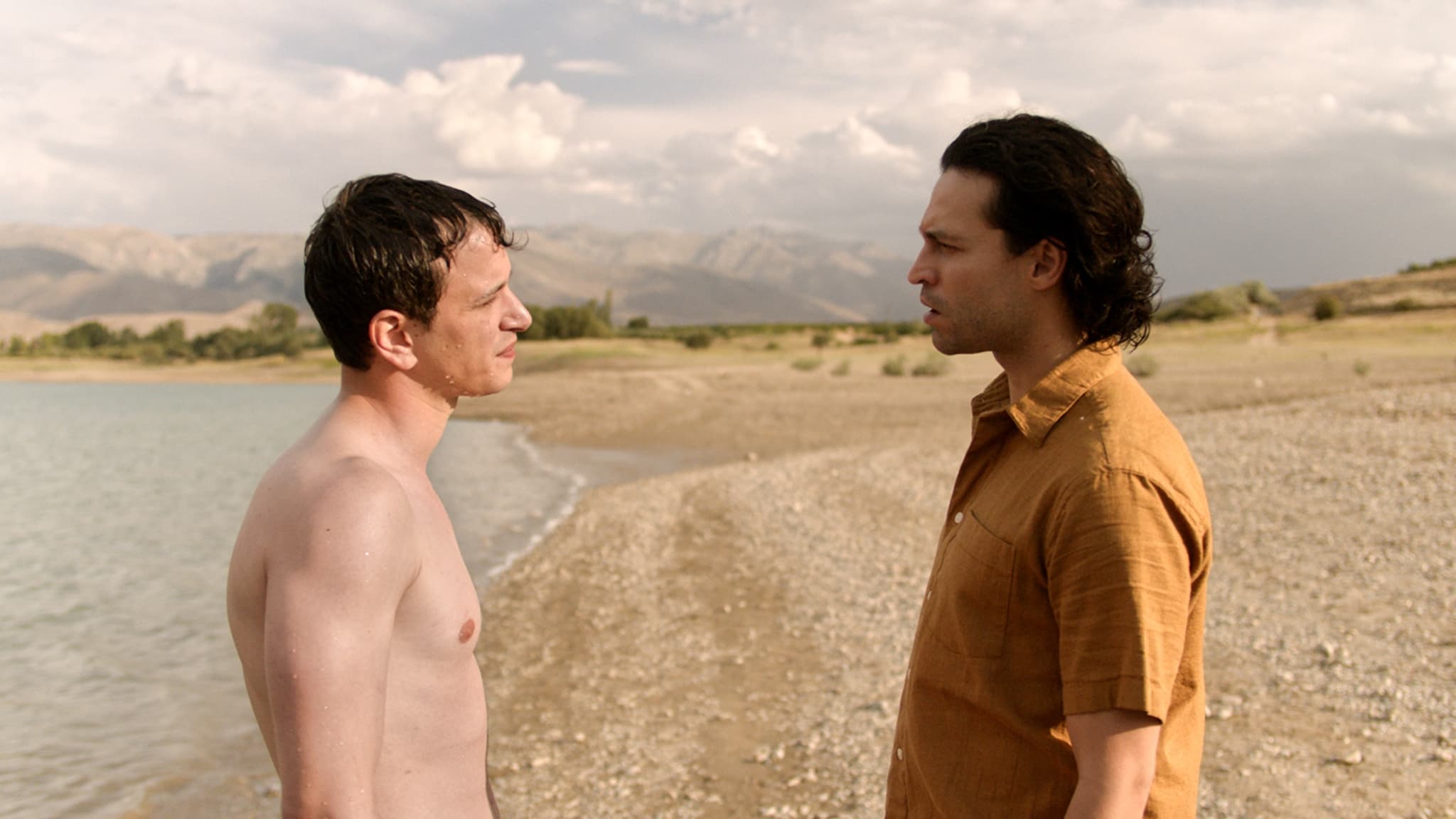
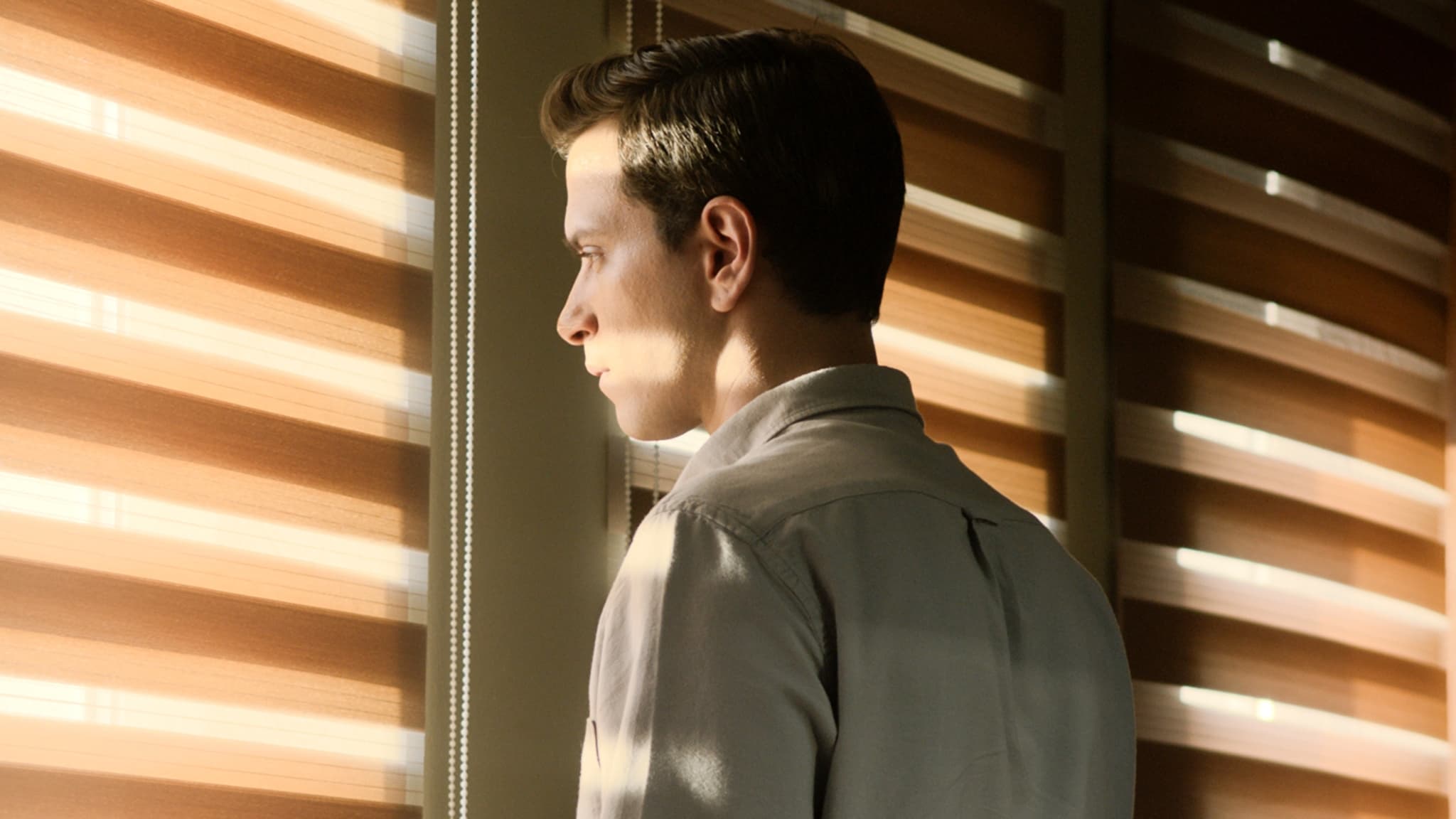
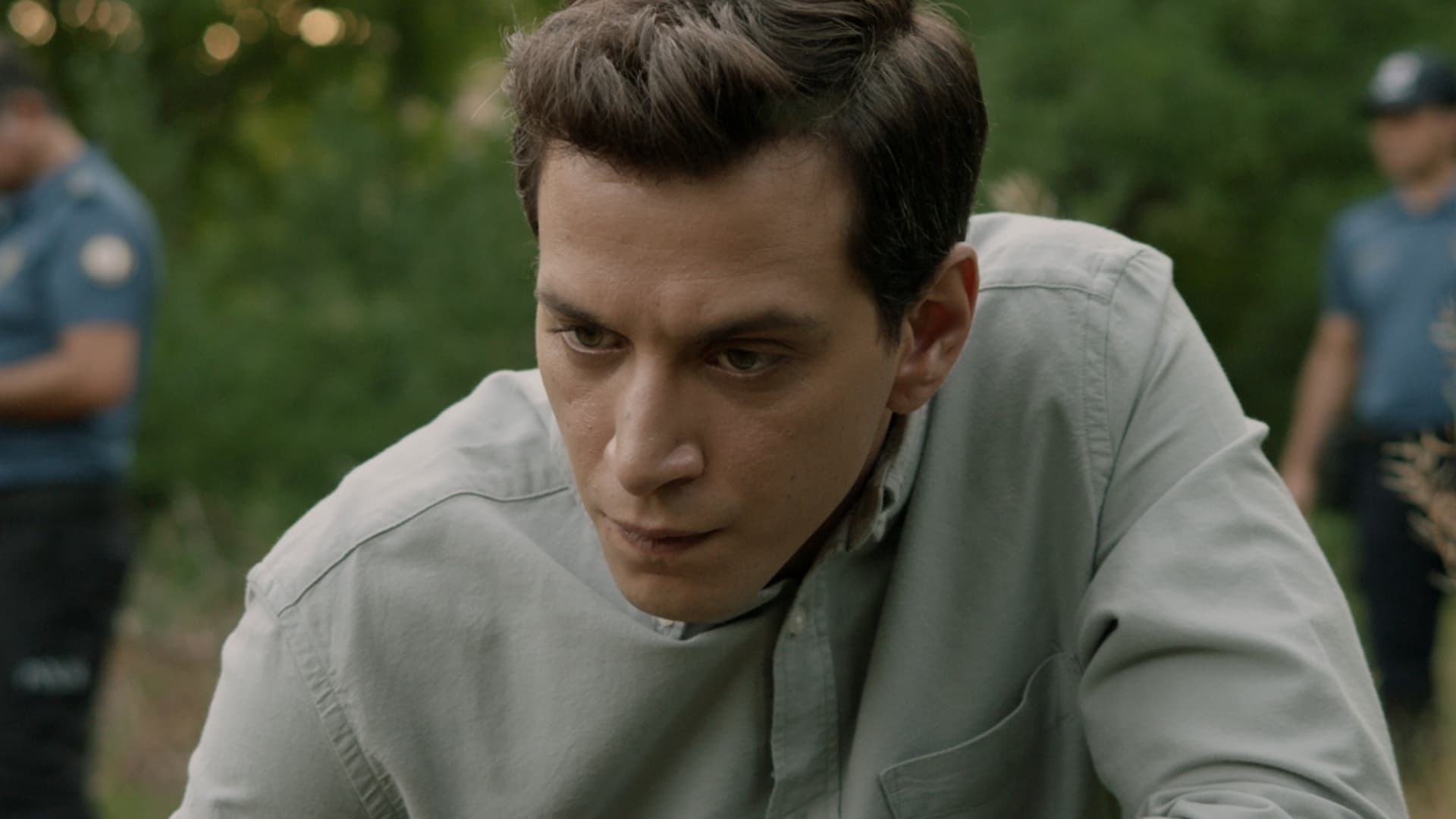
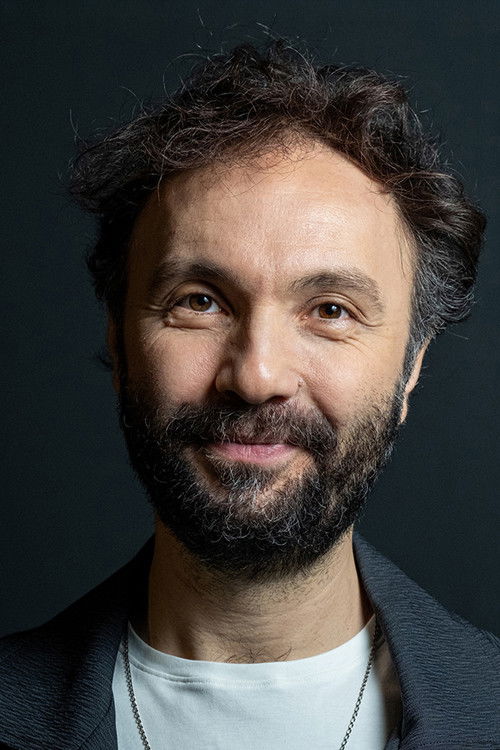
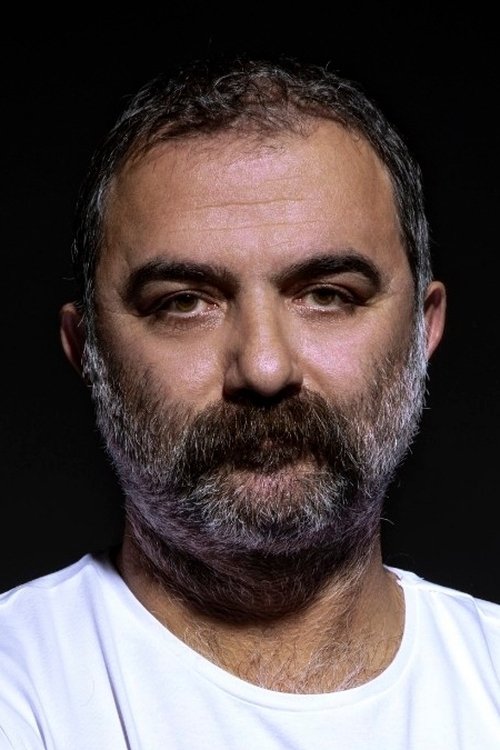
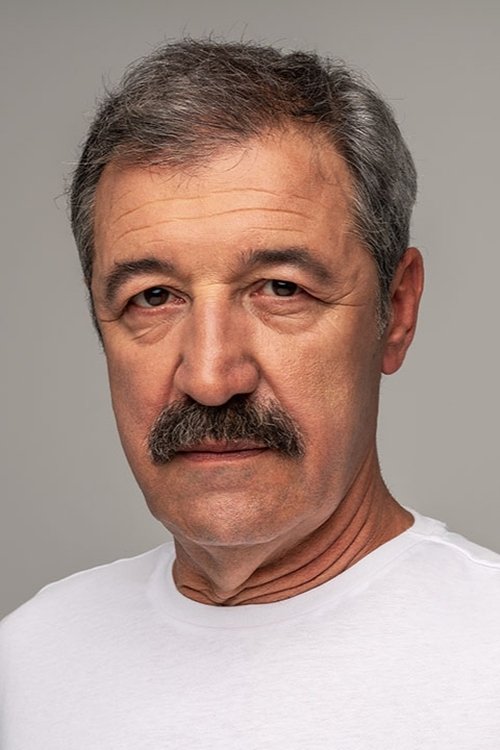
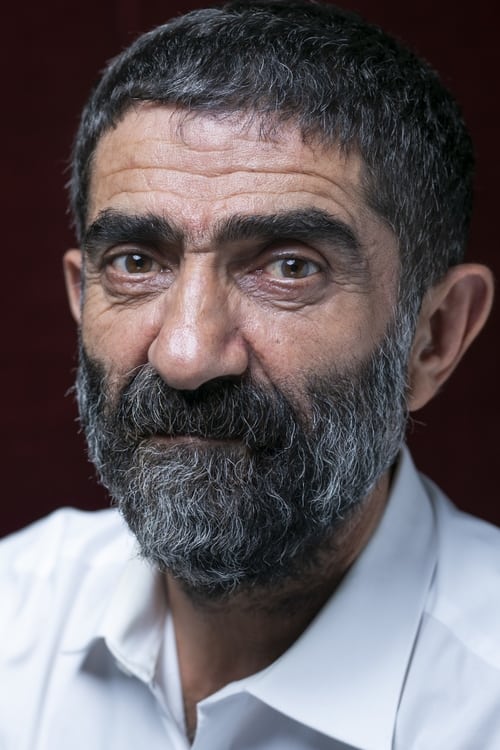
Selahattin Pasali carries the film with quiet authority, giving Emre a watchful, coiled quality that keeps the tension alive even in slower passages. The supporting cast is equally strong, and Alper draws lived-in performances from everyone on screen.
Where the film falters slightly is in its second half, which accumulates subplots and thematic threads faster than it can fully resolve them. The film is genuinely concerned with many forms of marginalization at once, and while that ambition is admirable and the concern sincere, some narrative threads feel underdeveloped rather than purposefully open. The pacing, deliberate by design, occasionally tips into sluggishness.
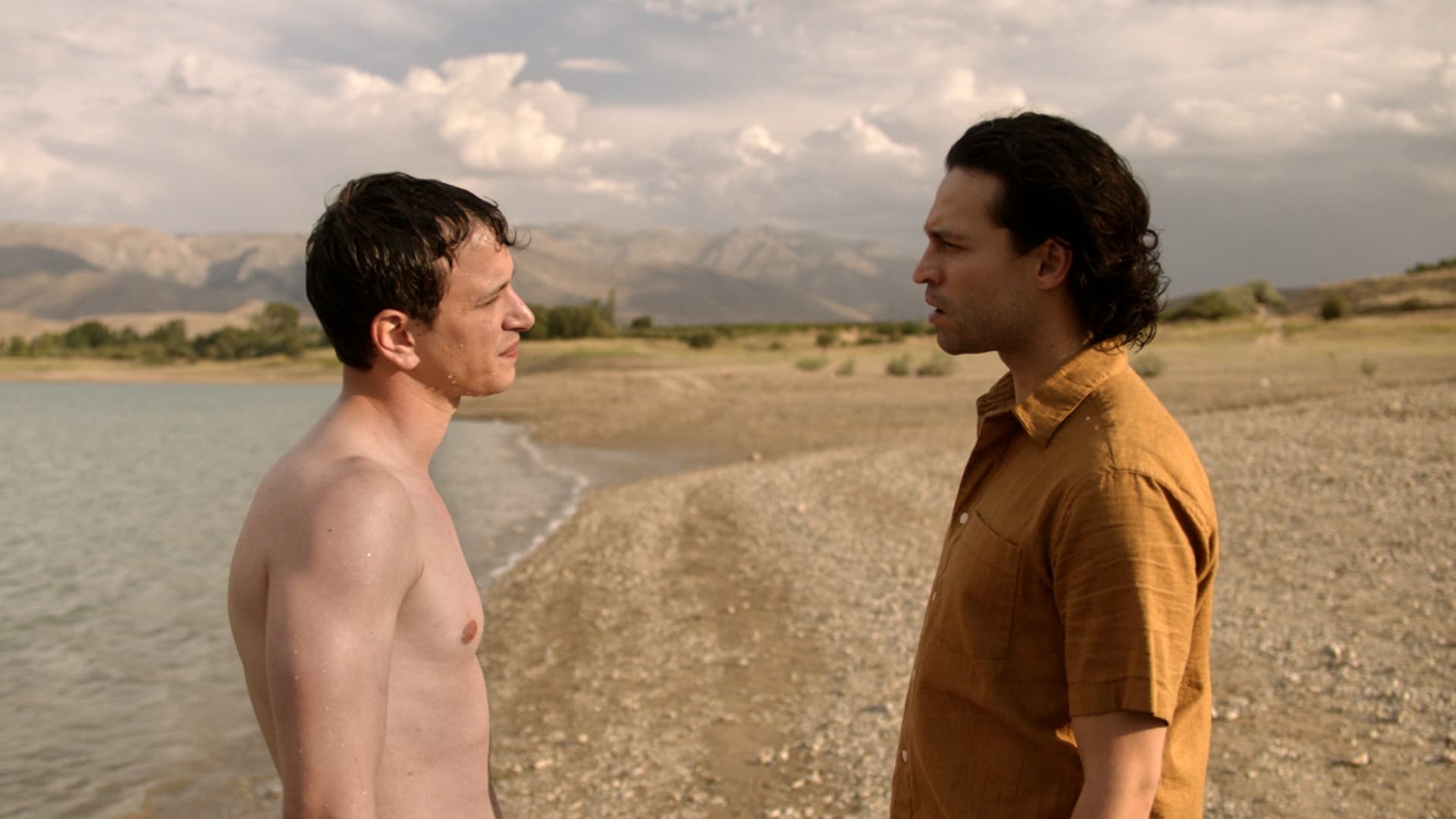
That said, Kurak Günler is brave filmmaking by any standard. It was nominated for the Queer Palm at Cannes, and the Turkish Ministry of Culture subsequently demanded the return of its production funding, a fact that speaks to just how directly this film lands its punches. Films that make governments uncomfortable deserve to be seen.
Uneven in places but consistently bold, it is the work of a director with something real to say and the craft to say most of it.
Compelling, politically courageous, and beautifully shot — even when the story strains its seams.
There is a particular kind of dread that settles into a film when justice and corruption share the same small town, and Kurak Günler, or Burning Days, understands that dread intimately. Emin Alper's Cannes-selected political thriller is ambitious, atmospheric, and at times genuinely unsettling. It is also, occasionally, a film that strains under the weight of everything it wants to say.
The story follows Emre, a young, idealistic prosecutor freshly appointed to the remote Anatolian town of Yanıklar. The town is parched in more ways than one: a severe water shortage has opened vast sinkholes across the landscape, local elections are approaching, and the air is thick with corruption, nepotism, and barely concealed menace. Emre arrives with principles intact and quickly discovers that principles are a liability in a place like this.
Alper draws from a rich tradition of small-town moral fables, and the film has been compared to Chinatown in its depiction of environmental crime and institutional rot. That is not an undeserved comparison. The film's central metaphor, a land literally collapsing in on itself, is elegant and used with real confidence. The cinematography by Christos Karamanis is frequently stunning, framing the cracked, dusty Anatolian landscape as something between a crime scene and a painting.
Selahattin Pasali carries the film with quiet authority, giving Emre a watchful, coiled quality that keeps the tension alive even in slower passages. The supporting cast is equally strong, and Alper draws lived-in performances from everyone on screen.
Where the film falters slightly is in its second half, which accumulates subplots and thematic threads faster than it can fully resolve them. The film is genuinely concerned with many forms of marginalization at once, and while that ambition is admirable and the concern sincere, some narrative threads feel underdeveloped rather than purposefully open. The pacing, deliberate by design, occasionally tips into sluggishness.
That said, Kurak Günler is brave filmmaking by any standard. It was nominated for the Queer Palm at Cannes, and the Turkish Ministry of Culture subsequently demanded the return of its production funding, a fact that speaks to just how directly this film lands its punches. Films that make governments uncomfortable deserve to be seen.
Uneven in places but consistently bold, it is the work of a director with something real to say and the craft to say most of it.
Compelling, politically courageous, and beautifully shot — even when the story strains its seams.