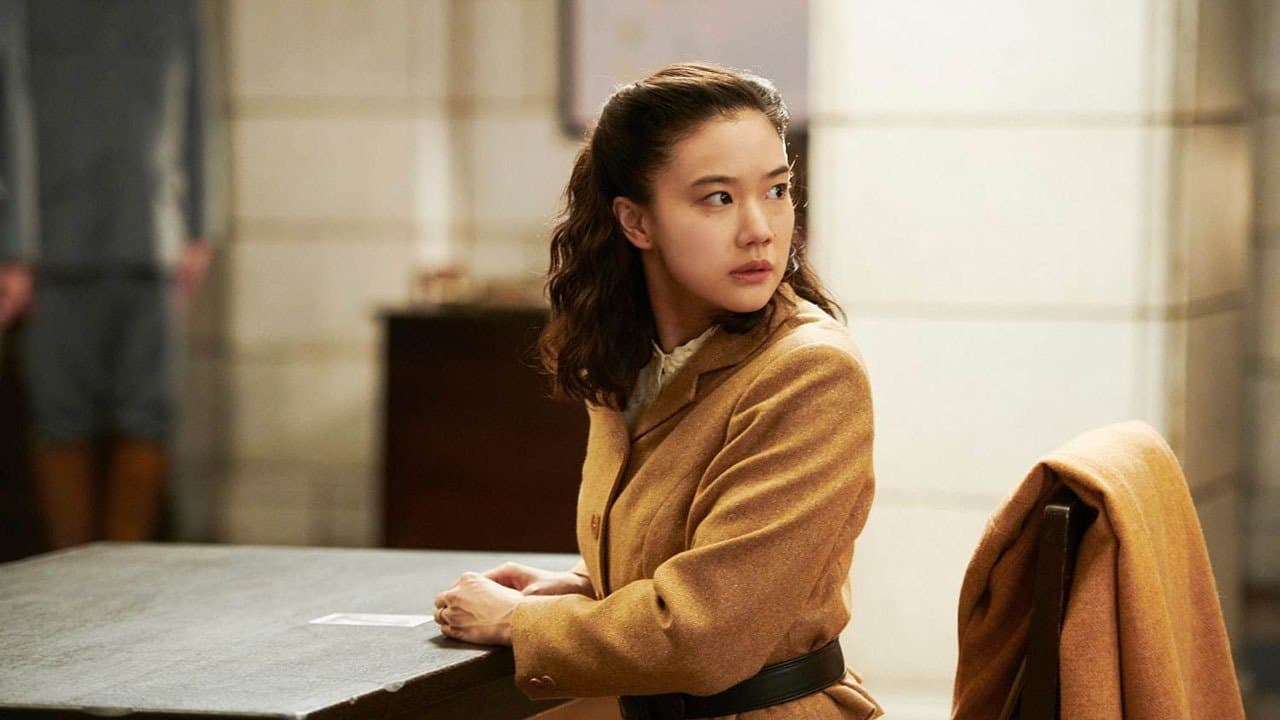
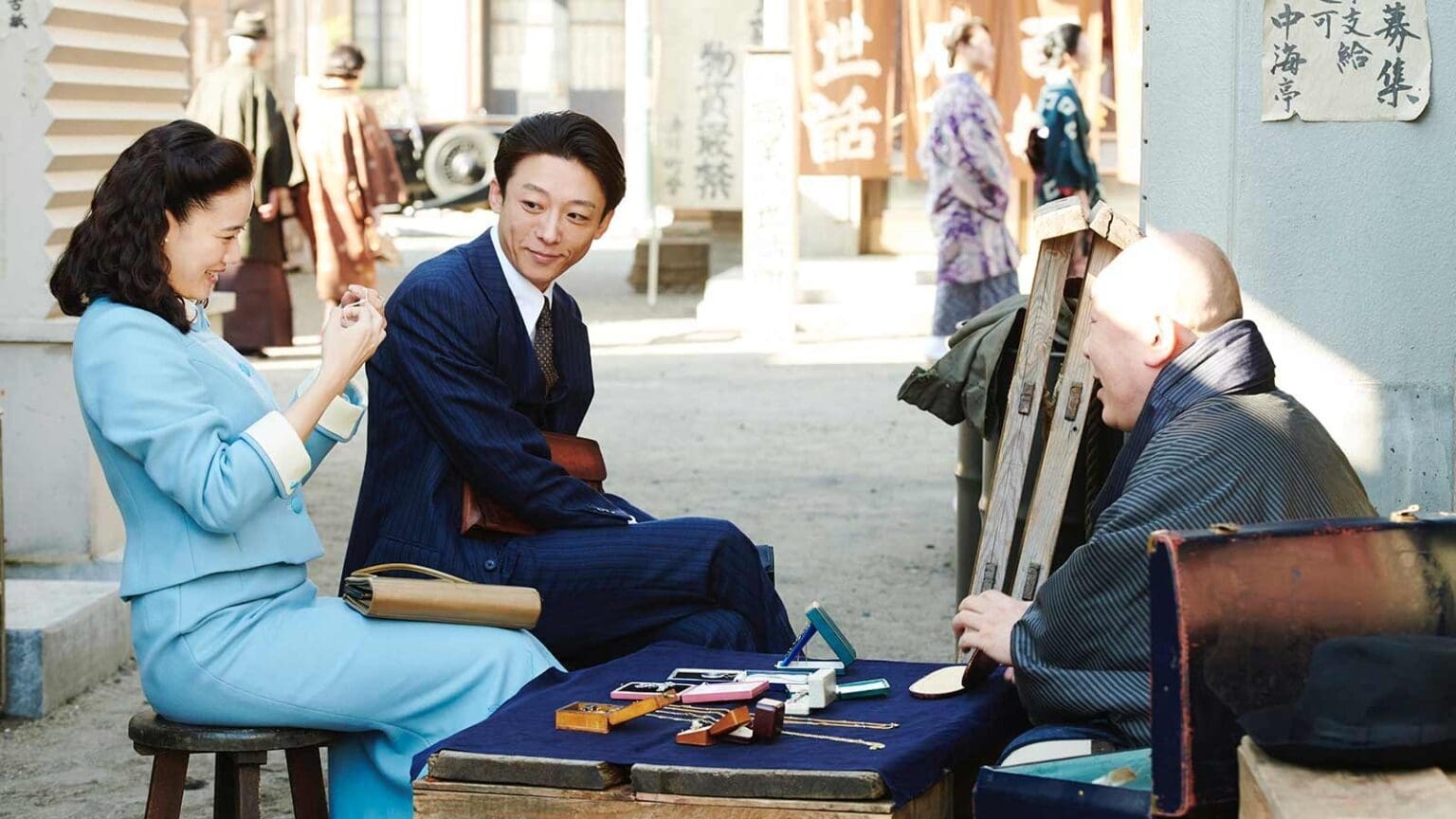
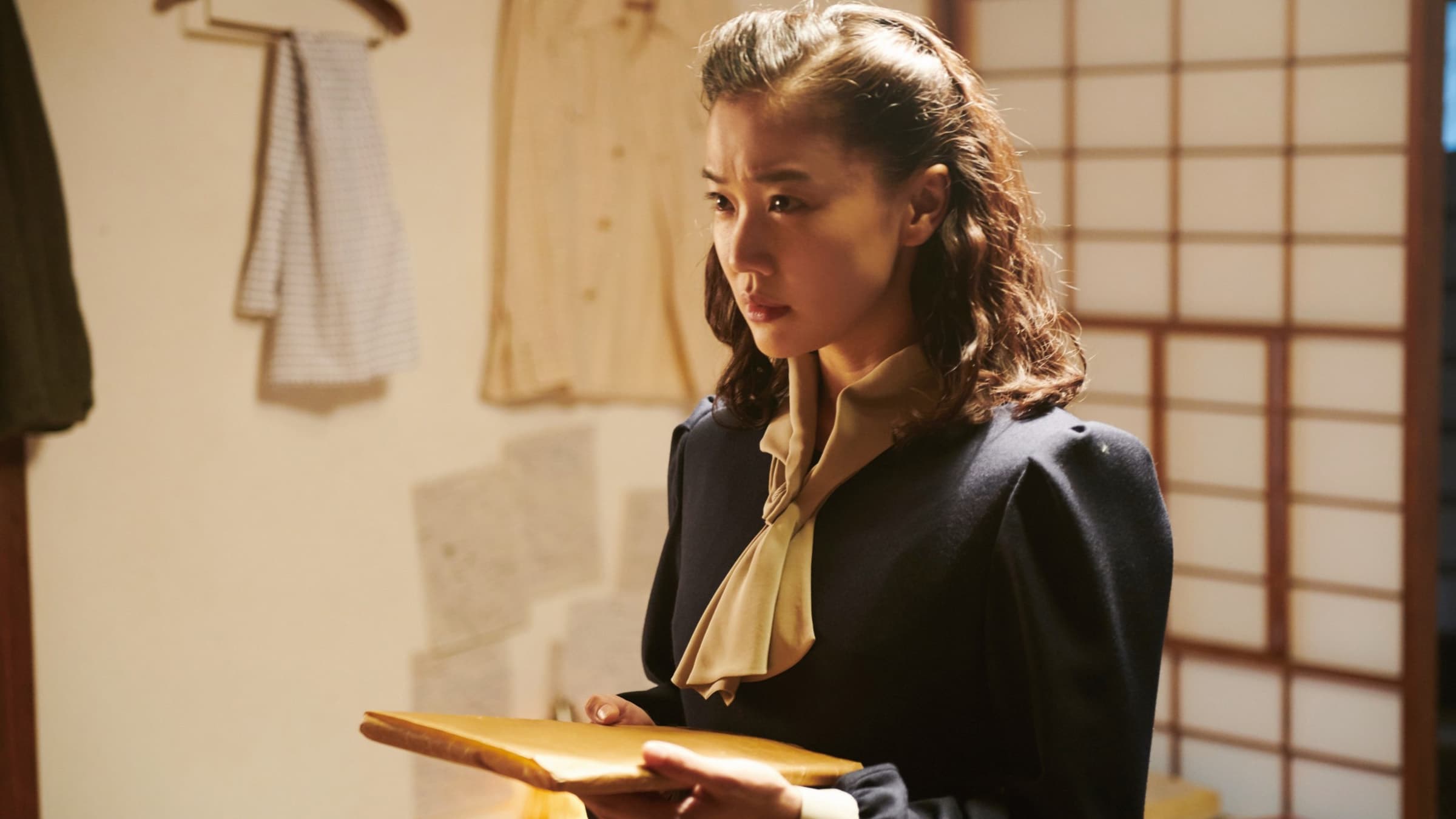
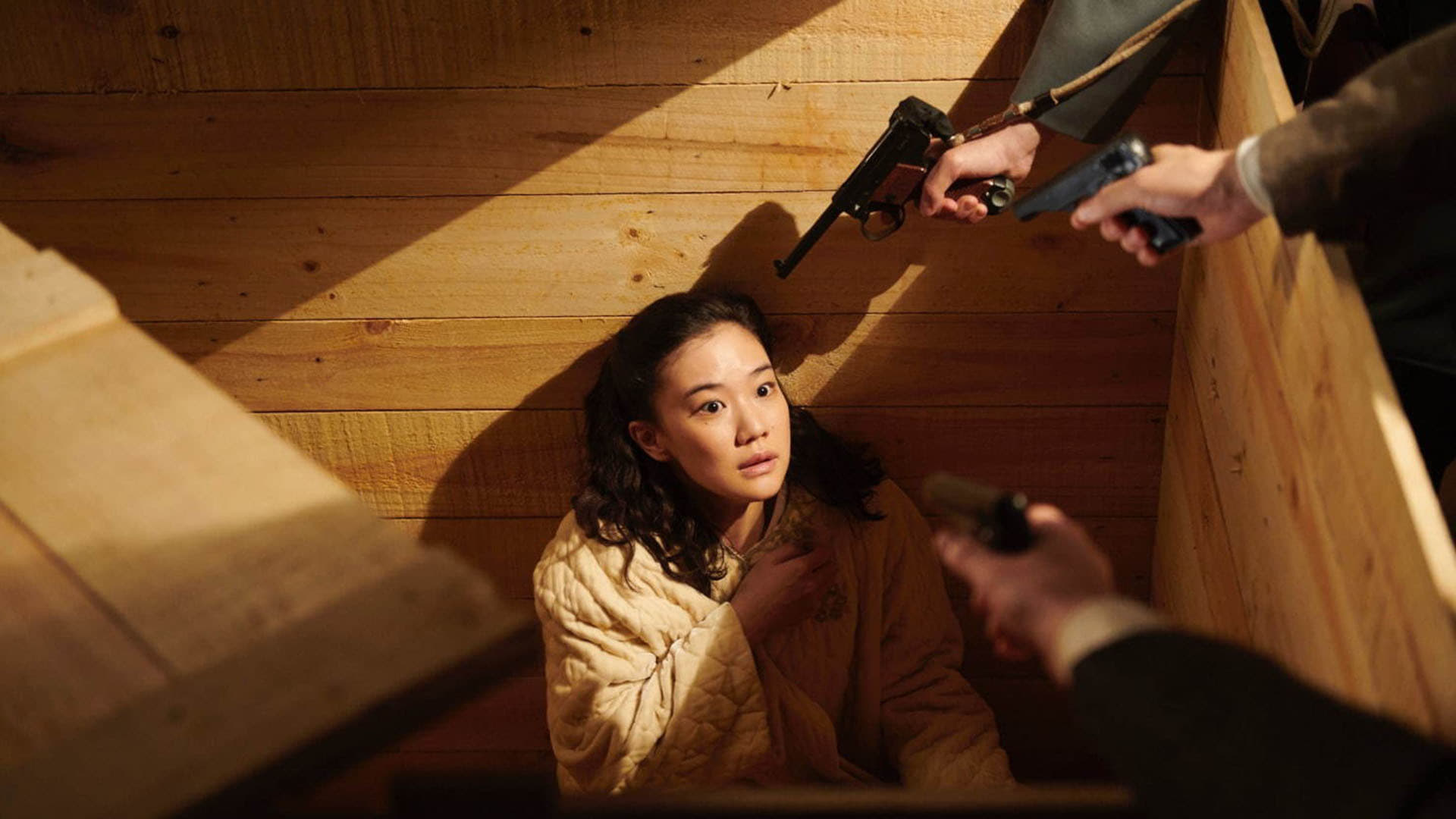
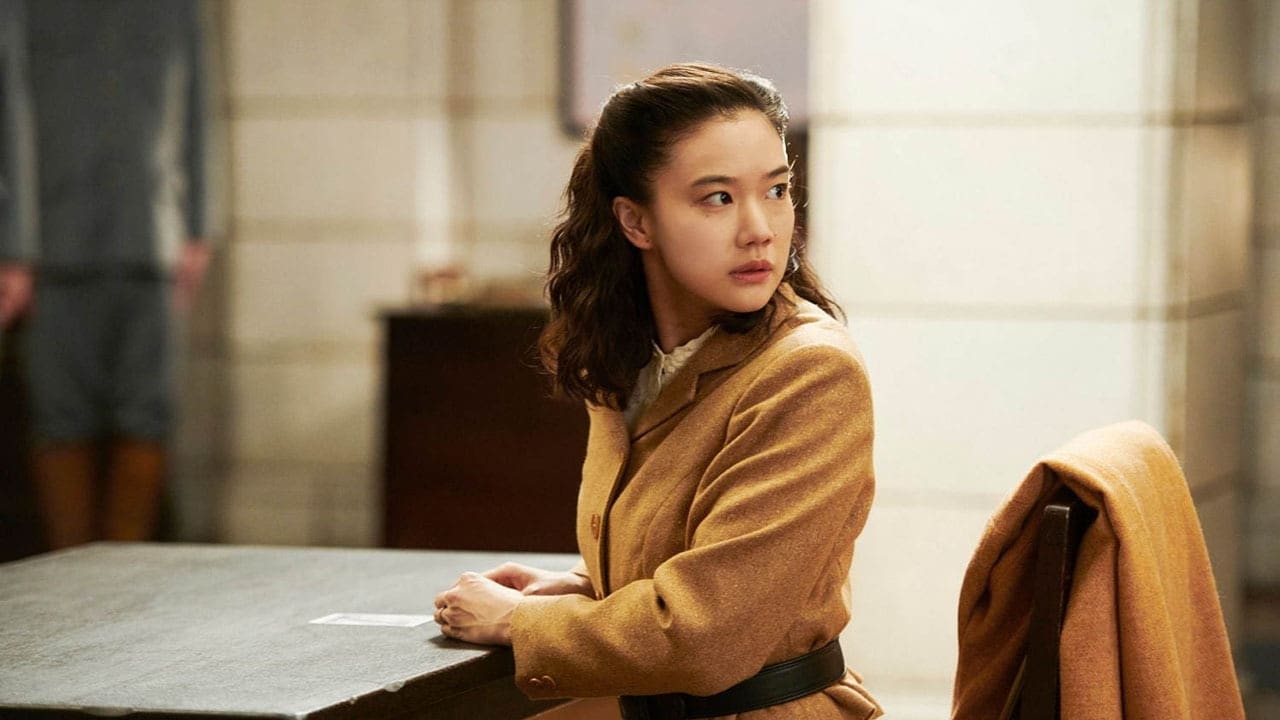
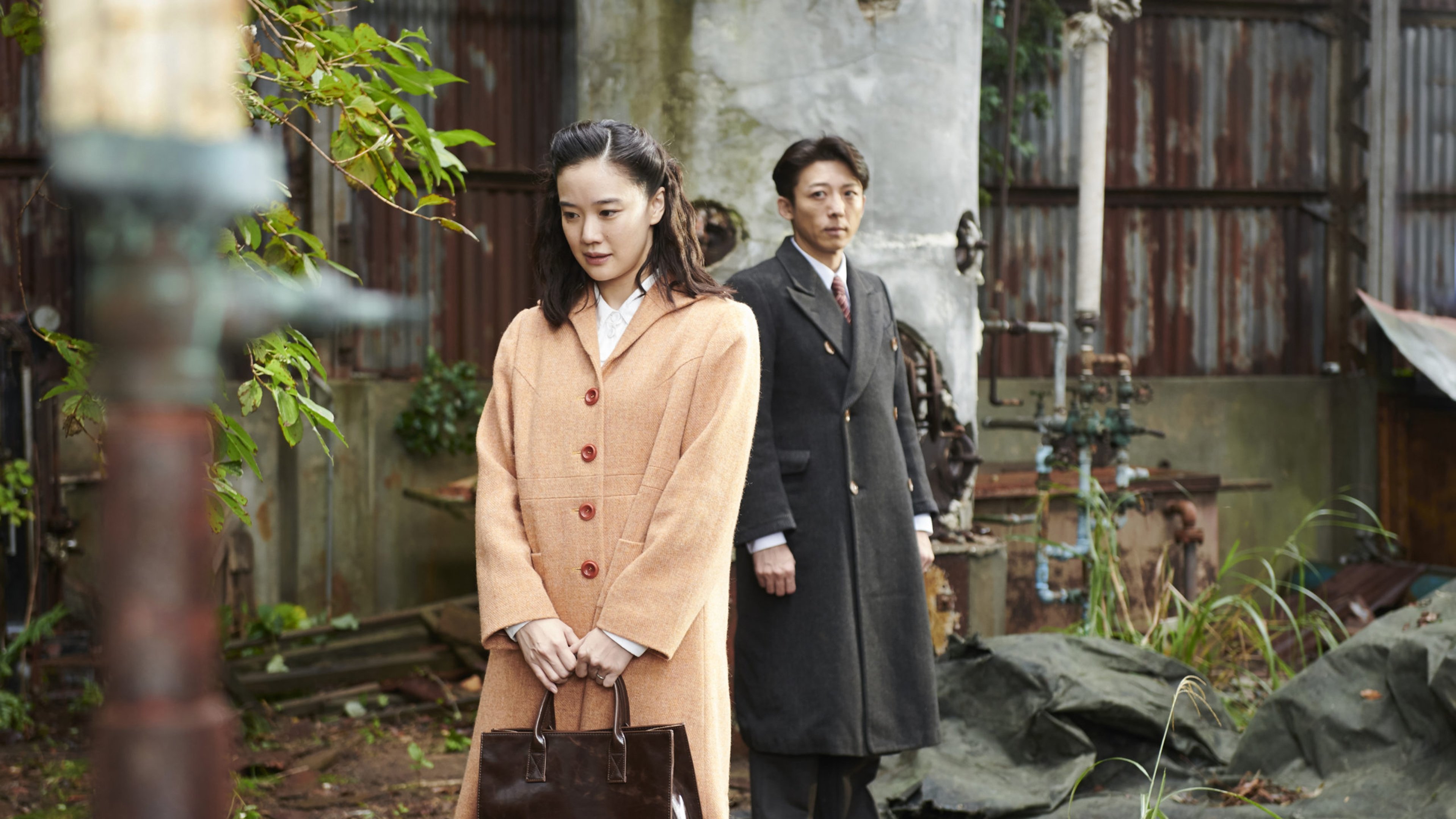
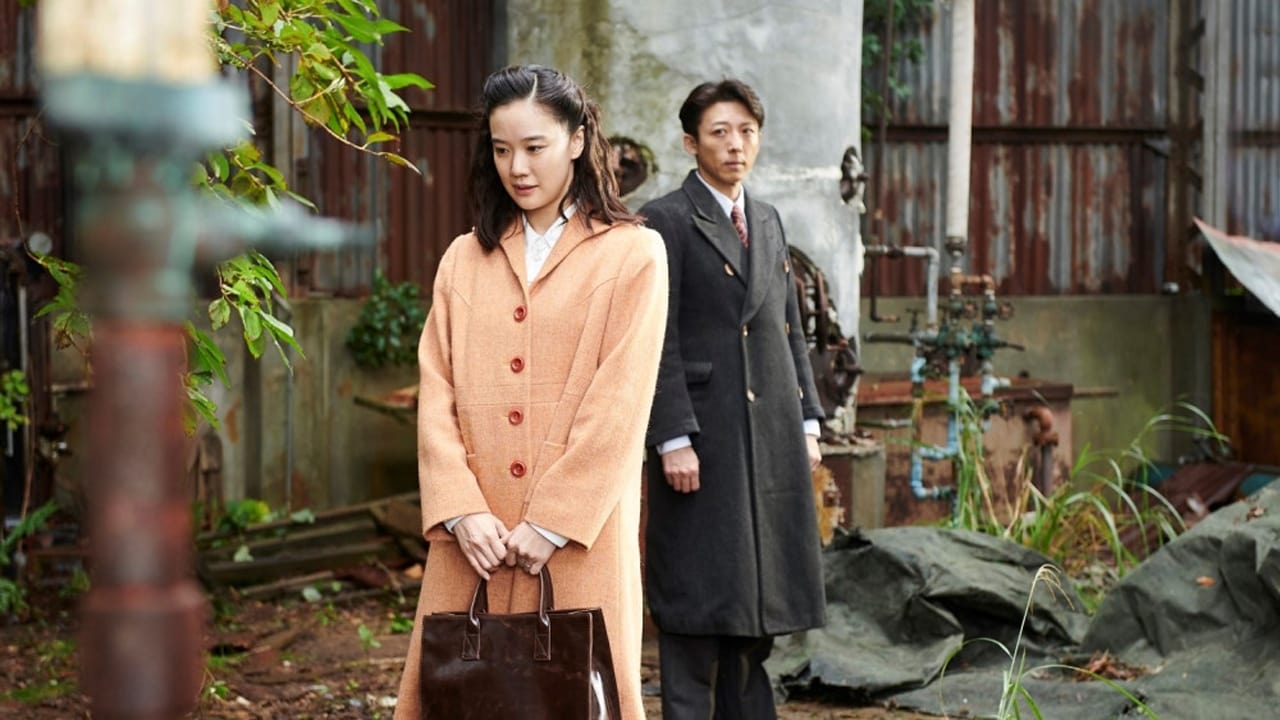
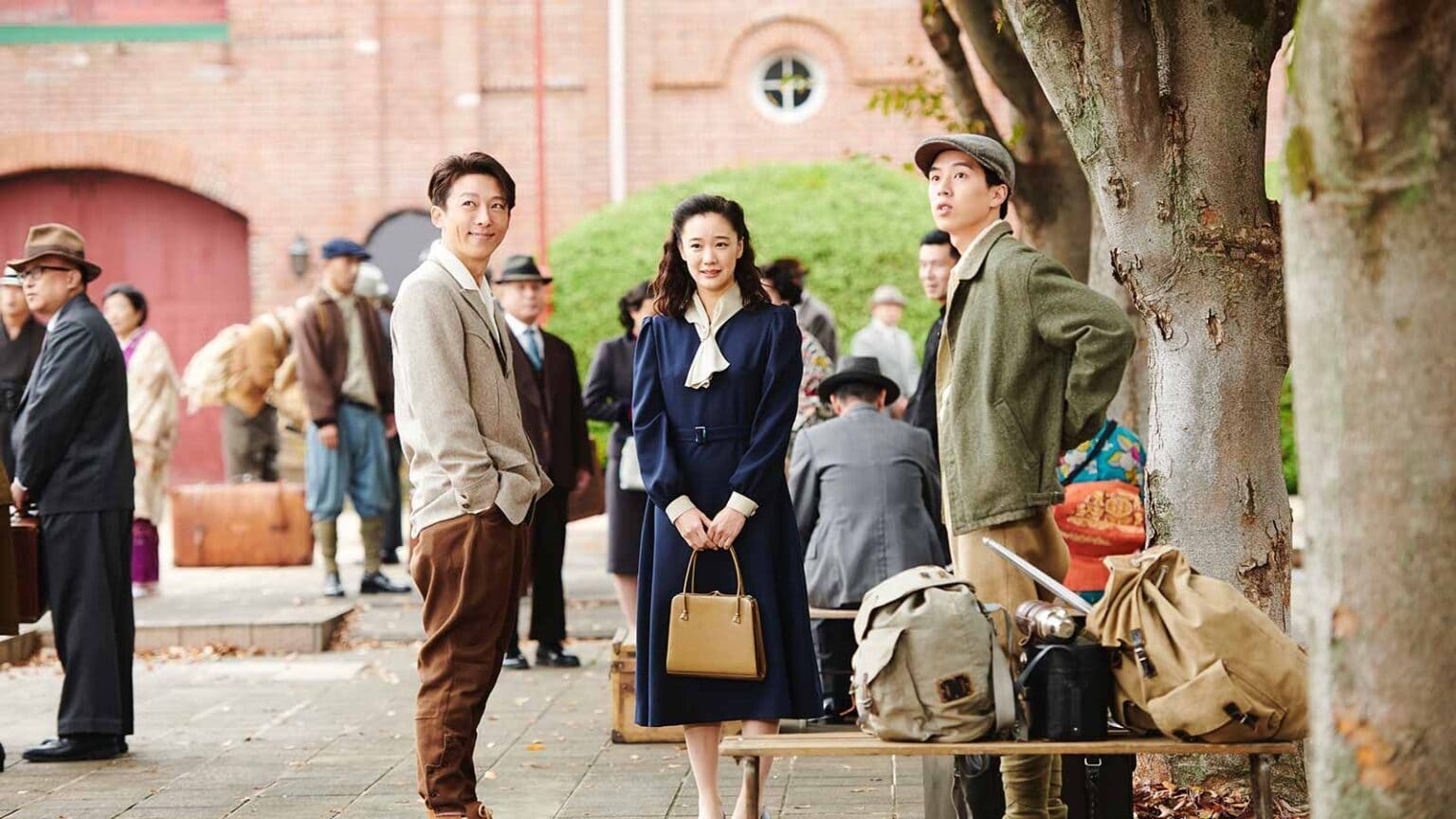
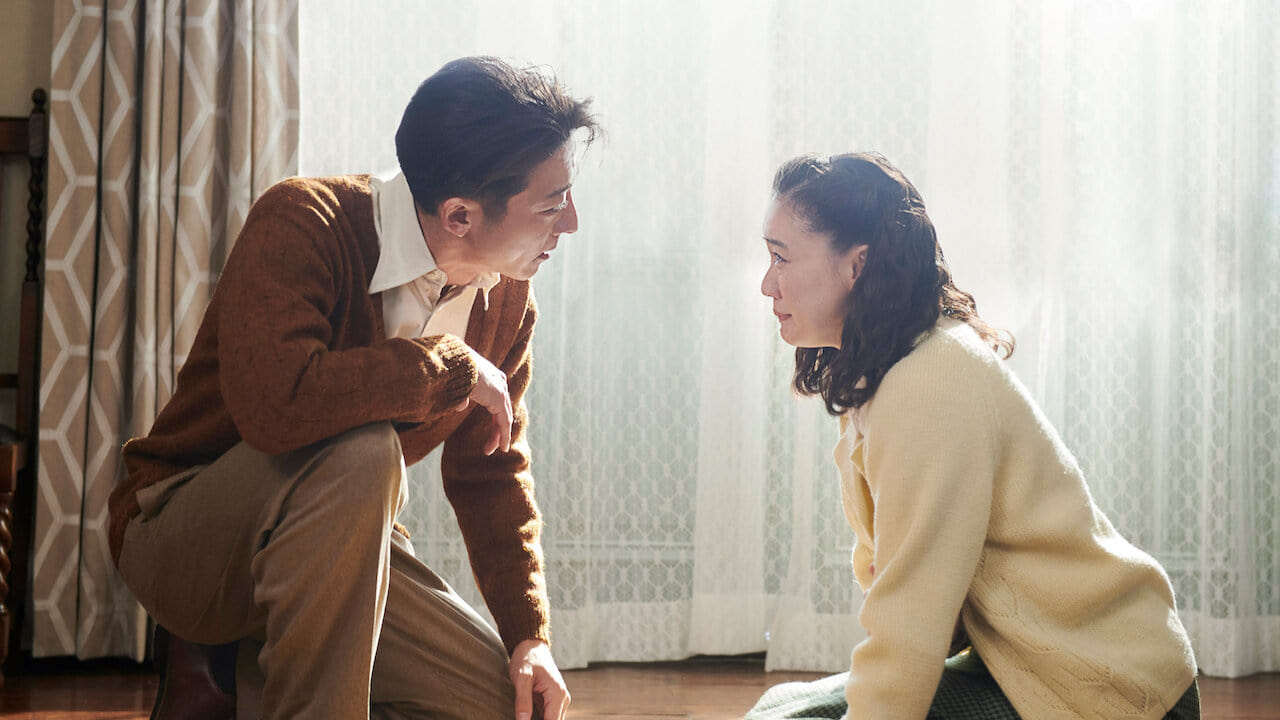
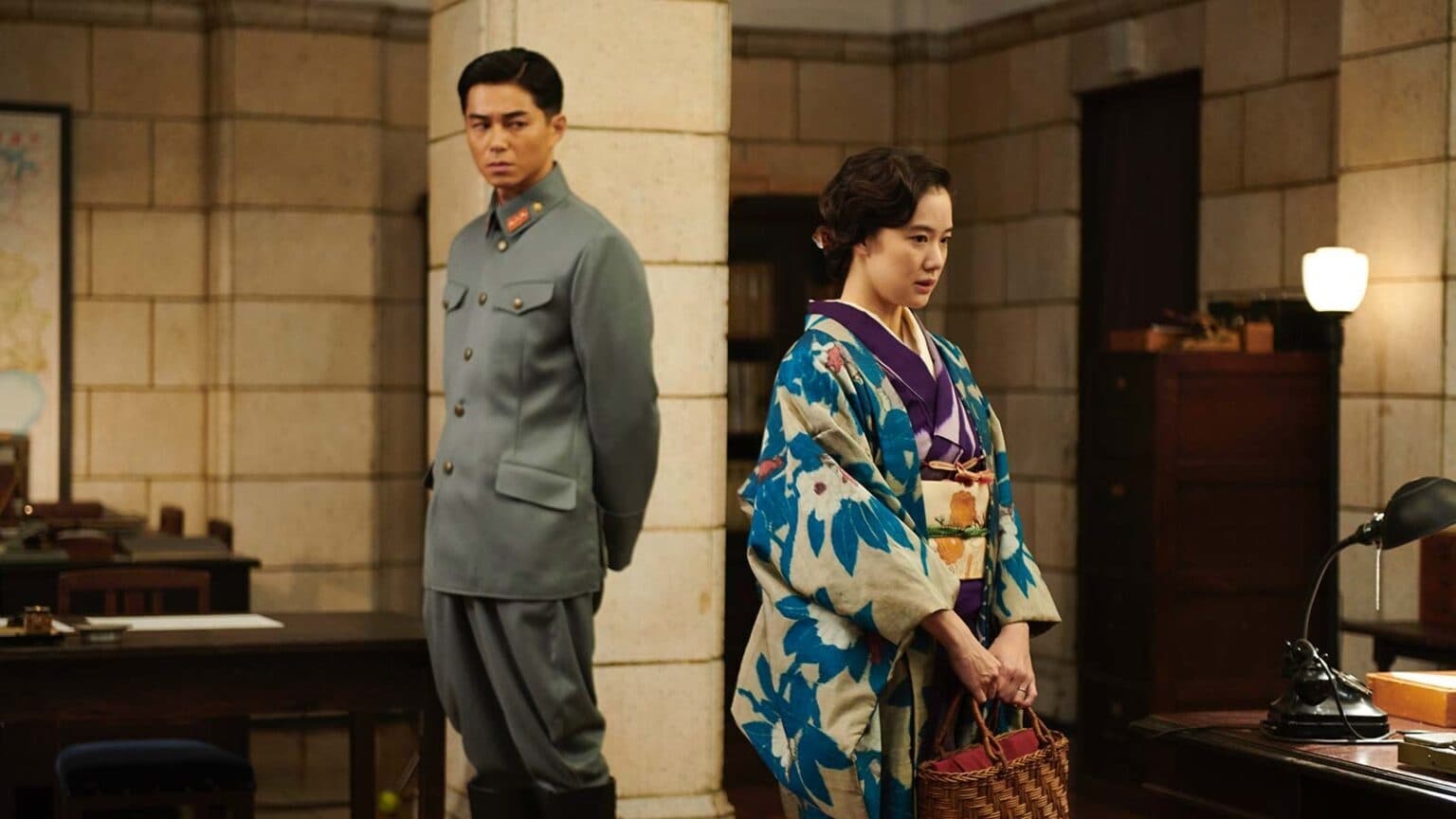
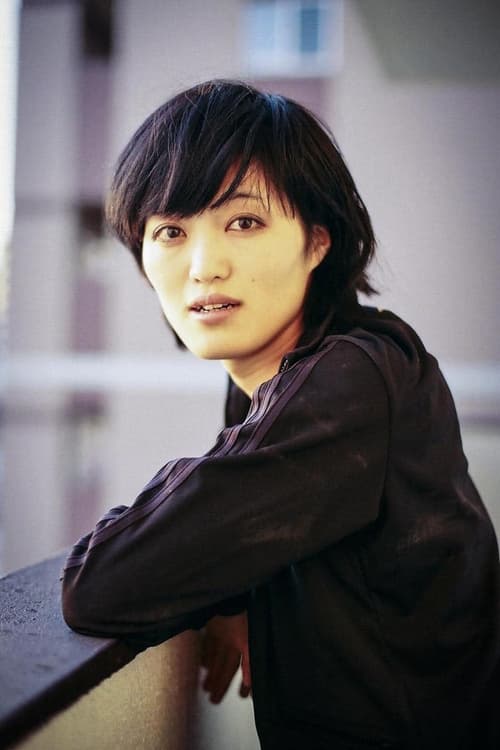
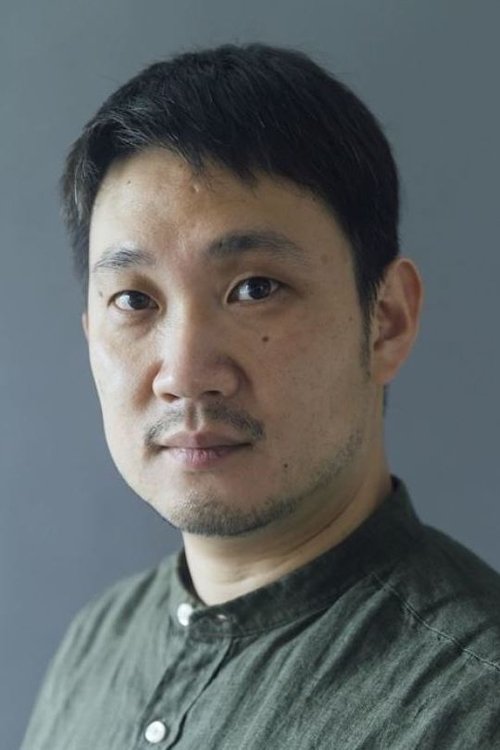
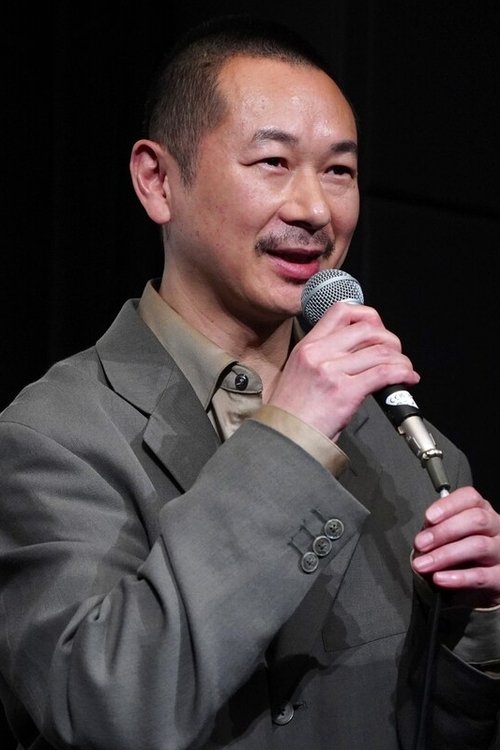
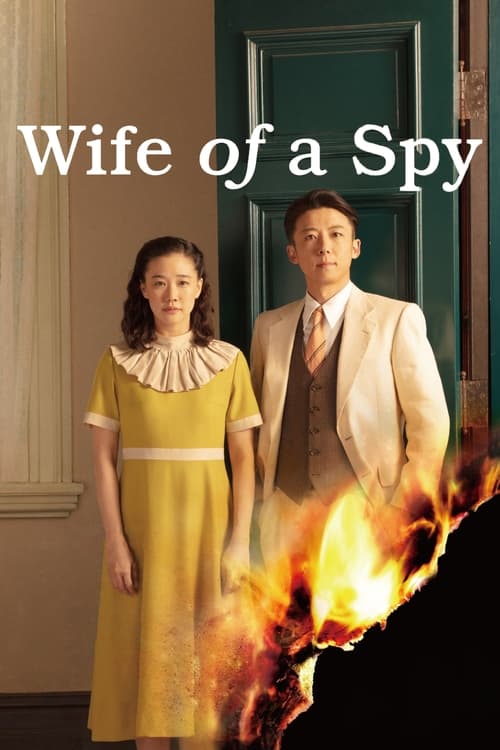
Director- Kurosawa Kiyoshi.This is the fifteenth film I have seen of his.This work is one of the weaker Kurosawa films I have seen and has him try something different. It has worked for some of his other films, but not as much for this one.The writing of the film is not good, and seeing that not only Kurosawa but also Hamaguchi wrote it, I felt very disappointed. It feels quite rushed and half-baked at times.The direction makes it feel like we are watching an adaptation of a play. I have seen Hamaguchi make two such films but even he couldn't make this work any better.I think Kurosawa could and should have made the first half of the film a lot more thrilling by making the tone of the film much darker. There was a golden opportunity to use the wife's doubts about her husband's infidelity to make the work much more Kurosawaesque. But sadly this wasn't done for reasons unknown.The acting of the protagonist played by Aoi Yu is fantastic and a saving grace for the film. She portrays emotions exceptionally well in the serious scenes. My favorite scene in the film is near the end when she exits the asylum to a burning city. It was perfect, may it be the acting, sound design or the set design.The motif of a videotape containing perception-altering abilities reminded me of Serpents Path and Pulse of Kurosawa. The ability it had this time was to break the sense of nationalism within Japanese society by showing the horrors being committed by them in the name of winning the war.The films being named here is quite interesting and help set the background to be more realistic. The Story of the Last Chrysanthemums by Mizoguchi Kenji is hinted at, and Priest of Darkness by Yamanaka Sadao is shown to us. The interrogation scenes are well shot and up the ante quite well. It could have been used to set up a ruthless antagonist but that opportunity got wasted.The film could have become bleaker with the reveal that the husband had betrayed the protagonist, but it doesn't happen. Instead we get an air raid, well shot but a bit random. It might be used to show the fragility of life as we know it and to tell us that the protagonist is carrying misfortune for those who surround her.Watching this film made me appreciate Chime of Kurosawa even more due to how he went back to his roots for it.Overall, the film has a lot of wasted potential that could have made it another 5/5 film by Kurosawa. Sadly, it is promising yet mediocre.
Director- Kurosawa Kiyoshi.This is the fifteenth film I have seen of his.This work is one of the weaker Kurosawa films I have seen and has him try something different. It has worked for some of his other films, but not as much for this one.The writing of the film is not good, and seeing that not only Kurosawa but also Hamaguchi wrote it, I felt very disappointed. It feels quite rushed and half-baked at times.The direction makes it feel like we are watching an adaptation of a play. I have seen Hamaguchi make two such films but even he couldn't make this work any better.I think Kurosawa could and should have made the first half of the film a lot more thrilling by making the tone of the film much darker. There was a golden opportunity to use the wife's doubts about her husband's infidelity to make the work much more Kurosawaesque. But sadly this wasn't done for reasons unknown.The acting of the protagonist played by Aoi Yu is fantastic and a saving grace for the film. She portrays emotions exceptionally well in the serious scenes. My favorite scene in the film is near the end when she exits the asylum to a burning city. It was perfect, may it be the acting, sound design or the set design.The motif of a videotape containing perception-altering abilities reminded me of Serpents Path and Pulse of Kurosawa. The ability it had this time was to break the sense of nationalism within Japanese society by showing the horrors being committed by them in the name of winning the war.The films being named here is quite interesting and help set the background to be more realistic. The Story of the Last Chrysanthemums by Mizoguchi Kenji is hinted at, and Priest of Darkness by Yamanaka Sadao is shown to us. The interrogation scenes are well shot and up the ante quite well. It could have been used to set up a ruthless antagonist but that opportunity got wasted.The film could have become bleaker with the reveal that the husband had betrayed the protagonist, but it doesn't happen. Instead we get an air raid, well shot but a bit random. It might be used to show the fragility of life as we know it and to tell us that the protagonist is carrying misfortune for those who surround her.Watching this film made me appreciate Chime of Kurosawa even more due to how he went back to his roots for it.Overall, the film has a lot of wasted potential that could have made it another 5/5 film by Kurosawa. Sadly, it is promising yet mediocre.