**
One of the best 75 films I’ve ever seen.**
I am at a loss for words.
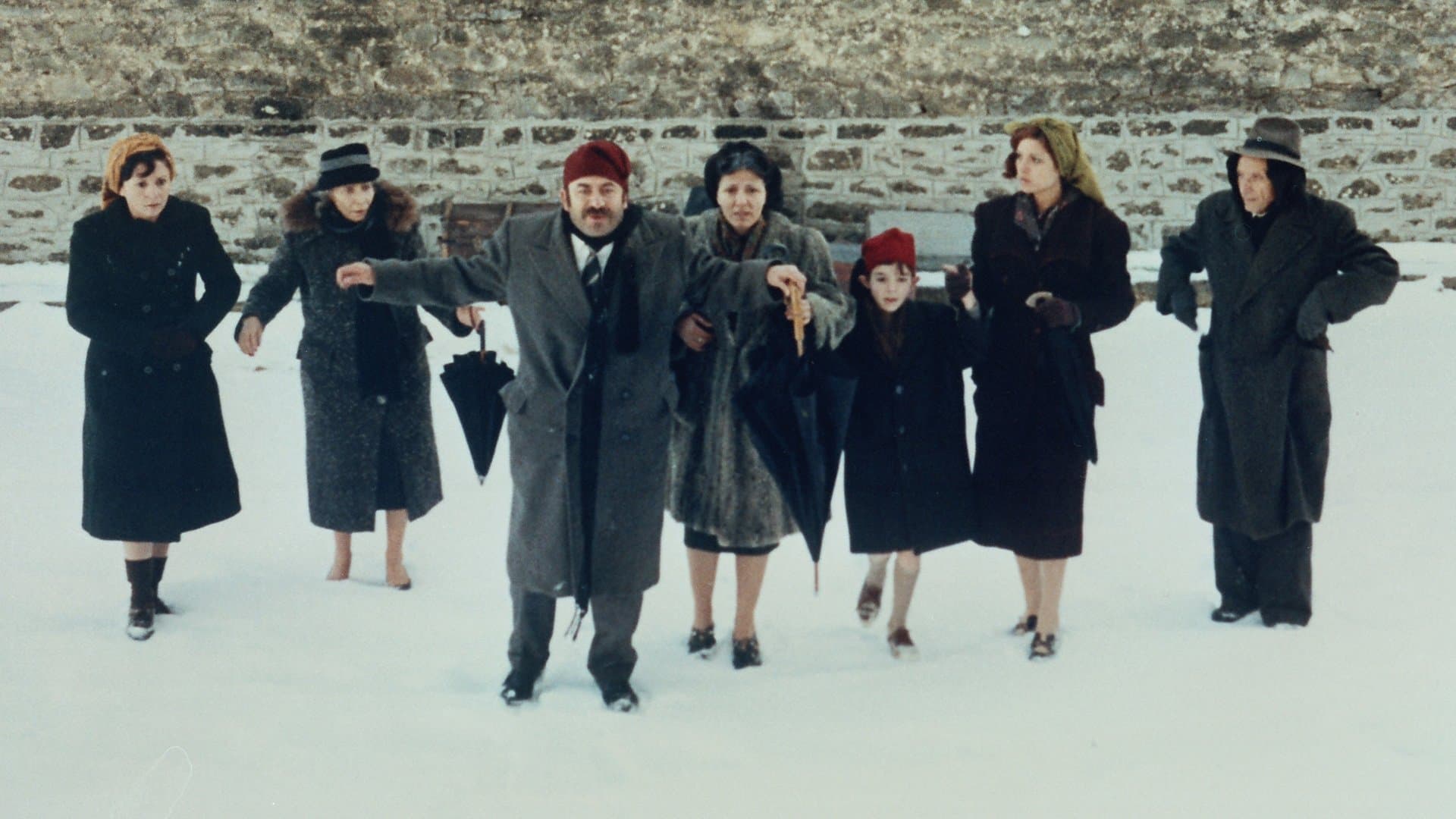
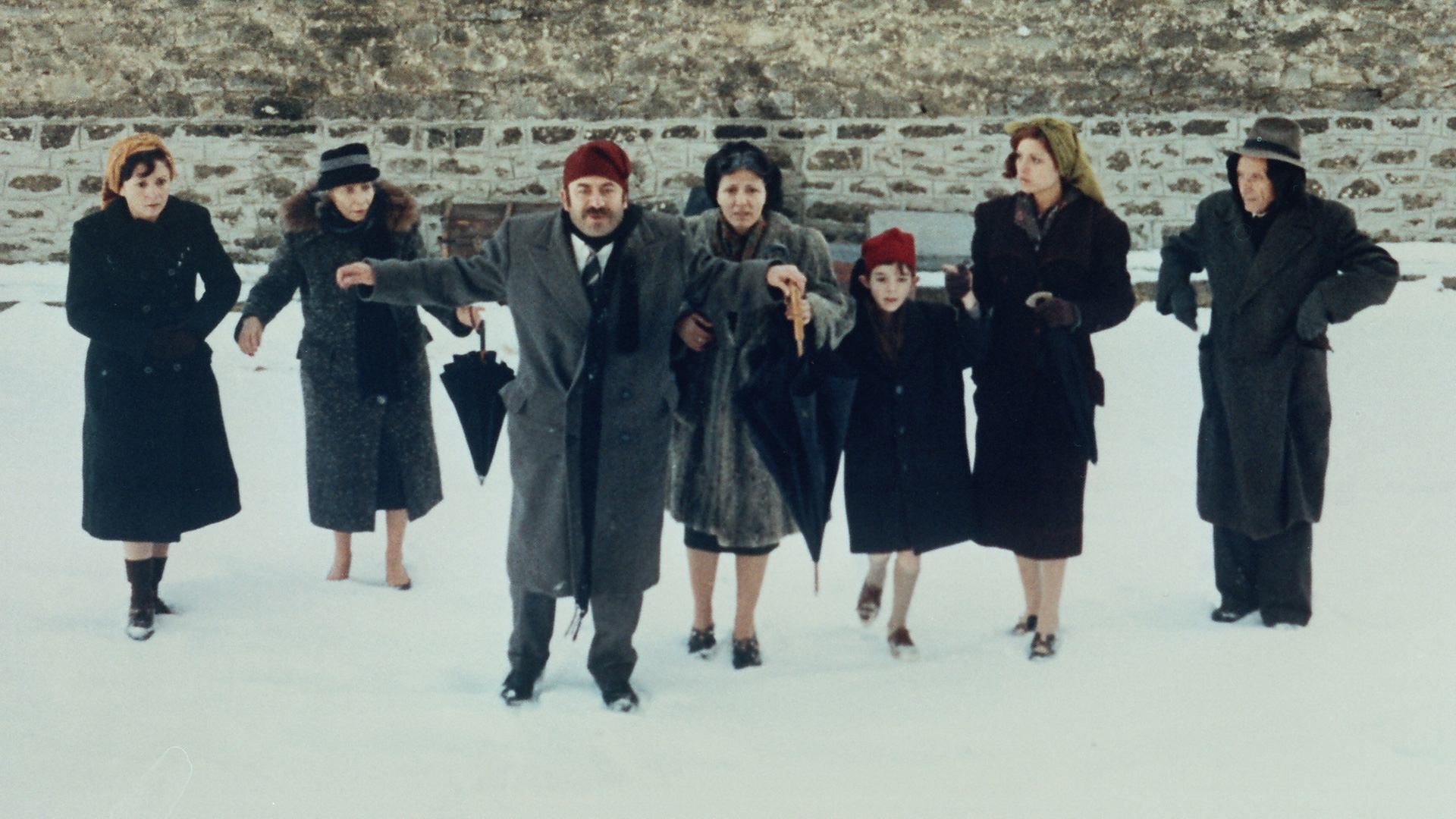
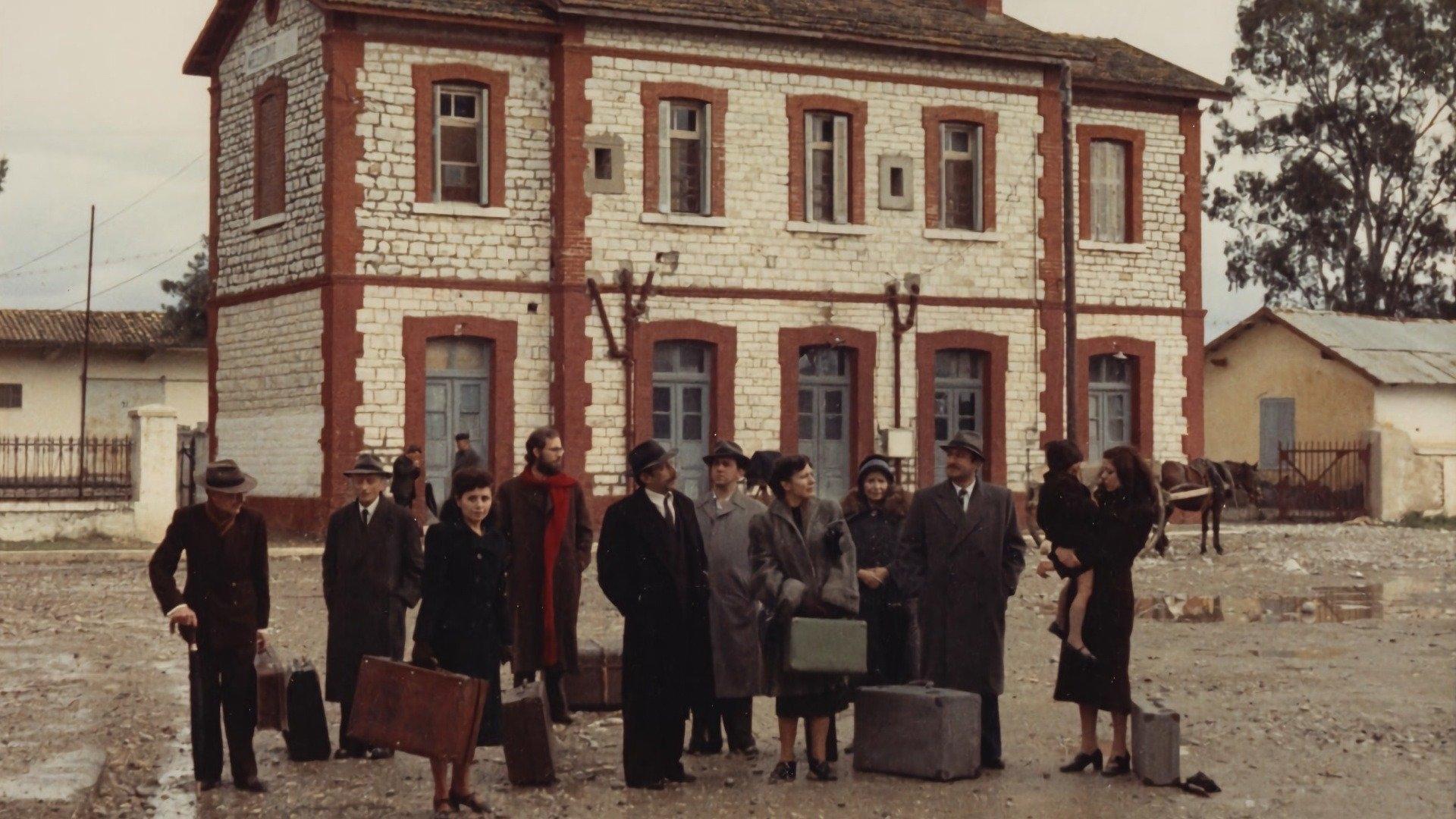
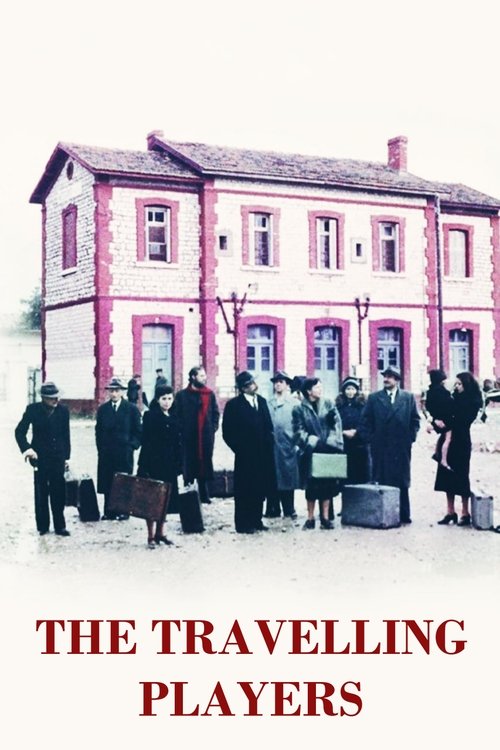
The Travelling Players by Theo Angelopoulos is a gigantic work that spans twenty years of Greek history during one of the harshest periods in human history. It covers so many themes that writing a review of this monumental film felt like an almost impossible task. Angelopoulos’ mind was that of a genius. Telling the story using ancient Greek myths as a foundation and music as a narrative pillar made me fall in love with everything we see here. On top of that, despite its three hours and forty two minutes of runtime filled with long takes that stay with you, the film manages to fully encompass everything it needs to show without a single failure. It never shows violence directly, yet you feel it through sound. I do not know if this choice was due to budget, which I highly doubt, because the fact that we barely see what is happening places us directly in their shoes. Terrified by what might happen to them, because they themselves do not know what kind of horrors await them.
Comparing it to other cinematic epics such as Tarkovsky’s
Andrei Rublev or Abel Gance’s
Napoléon might seem crazy but hear.
The Travelling Players belongs to that lineage of films that do not seek to impress through immediate spectacle, but through the spiritual and historical weight carried by their images. Like Rublev, Angelopoulos’ film understands epic cinema not as heroic feats, but as inner resistance, as the silent struggle of human beings against forces far greater than themselves. And like Napoléon, its ambition is total: to encompass a nation, an identity, a collective memory. Yet Angelopoulos goes even further by stripping the epic of all visual grandiosity. There are no choreographed battles or frenetic montages, only exhausted bodies, lost gazes, and a sense of time advancing with unbearable weight. It is an epic of silence, of sustained shots, of minimal gestures that end up being more devastating than any technical display.
The political context in which the film takes place is essential to understanding its power. Angelopoulos traverses one of the most traumatic periods in Greek history, from the Metaxas dictatorship to the Nazi occupation, the resistance, the civil war, and the ideological aftermath that scarred the country for decades. But he does so from a deeply human, almost painfully intimate perspective. There are no explicit political speeches or didactic explanations. Politics seep into bodies, into absences, into songs that repeat like laments. At the same time, Angelopoulos was making this film in a Greece still marked by the recent military dictatorship of the seventies, turning the work into an act of memory and defiance. This is cinema that remembers when power wants to forget, cinema that observes when official history tries to simplify. The film does not judge, but it does not forgive either. It shows how ideology, no matter its origin, ultimately devours those it claims to save.
Finally, the influence of
The Travelling Players on later cinema is immense and clearly visible in filmmakers such as Béla Tarr. One only has to watch
The Turin Horse or
Werckmeister Harmonies to feel that inheritance: the use of the long take as a form of thought, time stretched as a reflection of moral and social collapse, and the sense of characters trapped in historical cycles they cannot escape. Angelopoulos taught cinema that duration can be ethical, that looking for a long time is a form of respect toward human suffering. Tarr takes that lesson and pushes it toward an even more nihilistic extreme, but the root is there, in Greece, in those wandering actors walking without direction while history crushes them.
The Travelling Players is not only a monumental film, it is a cornerstone of modern cinema, a work that continues to speak, resonate, and hurt, like all great truths.
His magnum opus.
P.S. I started writing this yesterday, it feels so surreal that we lost one of the greatest filmmakers to ever live. Rest In Peace Béla Tarr.
100/100