[**
100 Winter Film ❄️☃️ - 9/100**
*](https://boxd.it/SIi0e)
✮ Lights, Camera, Action! ✮Of all the arts, cinema is the most important for us - Vladimir Lenin
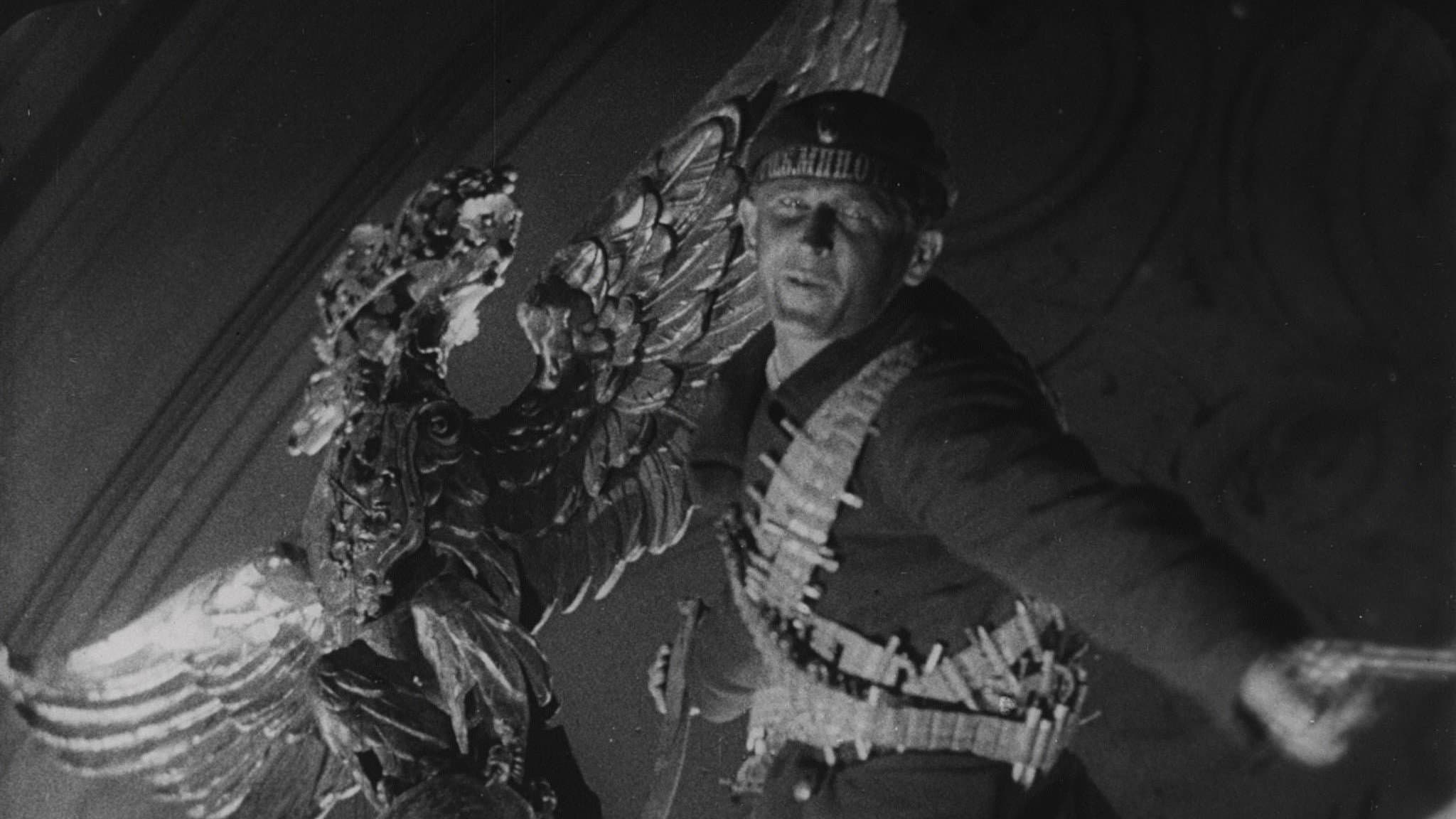
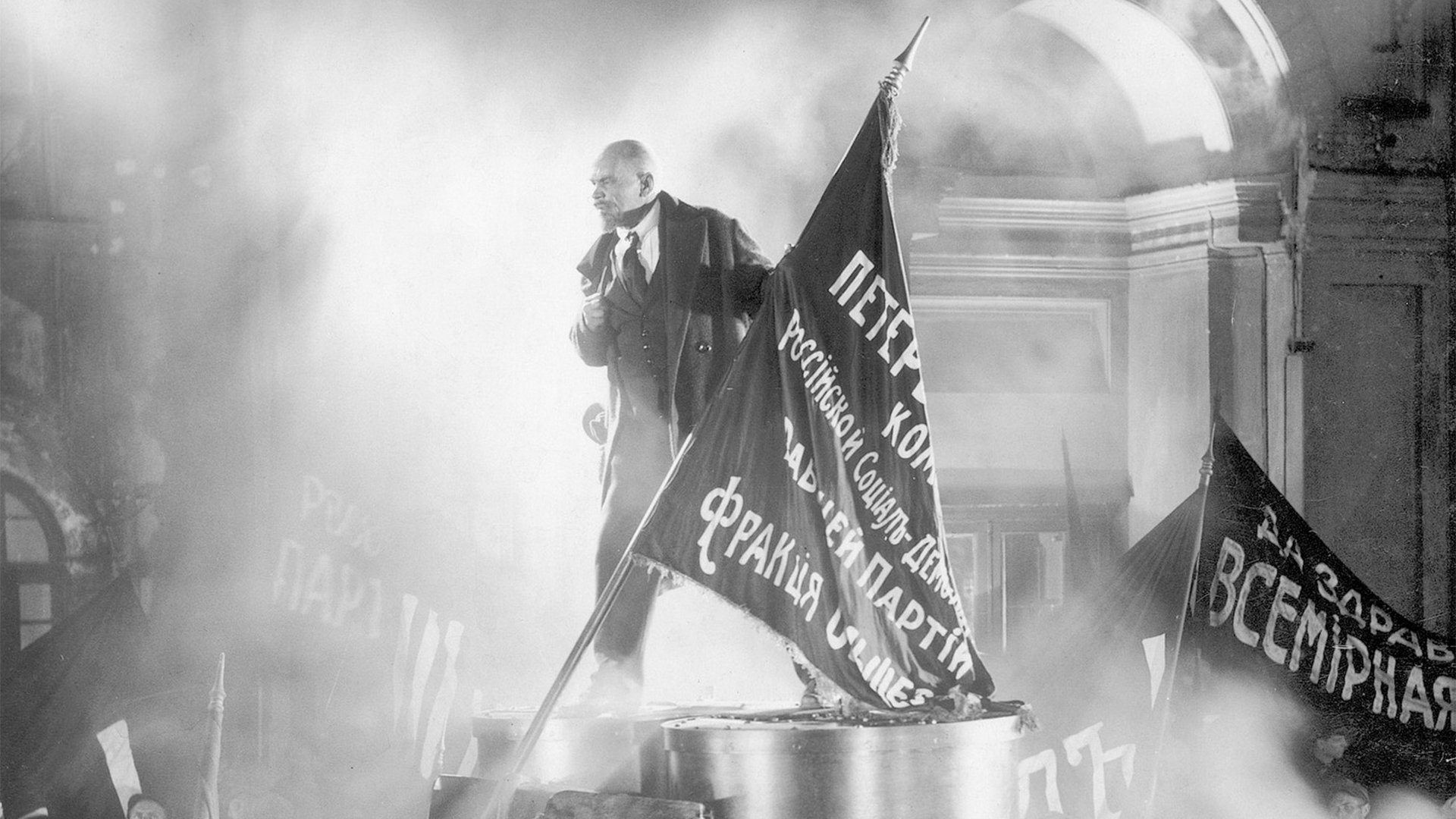
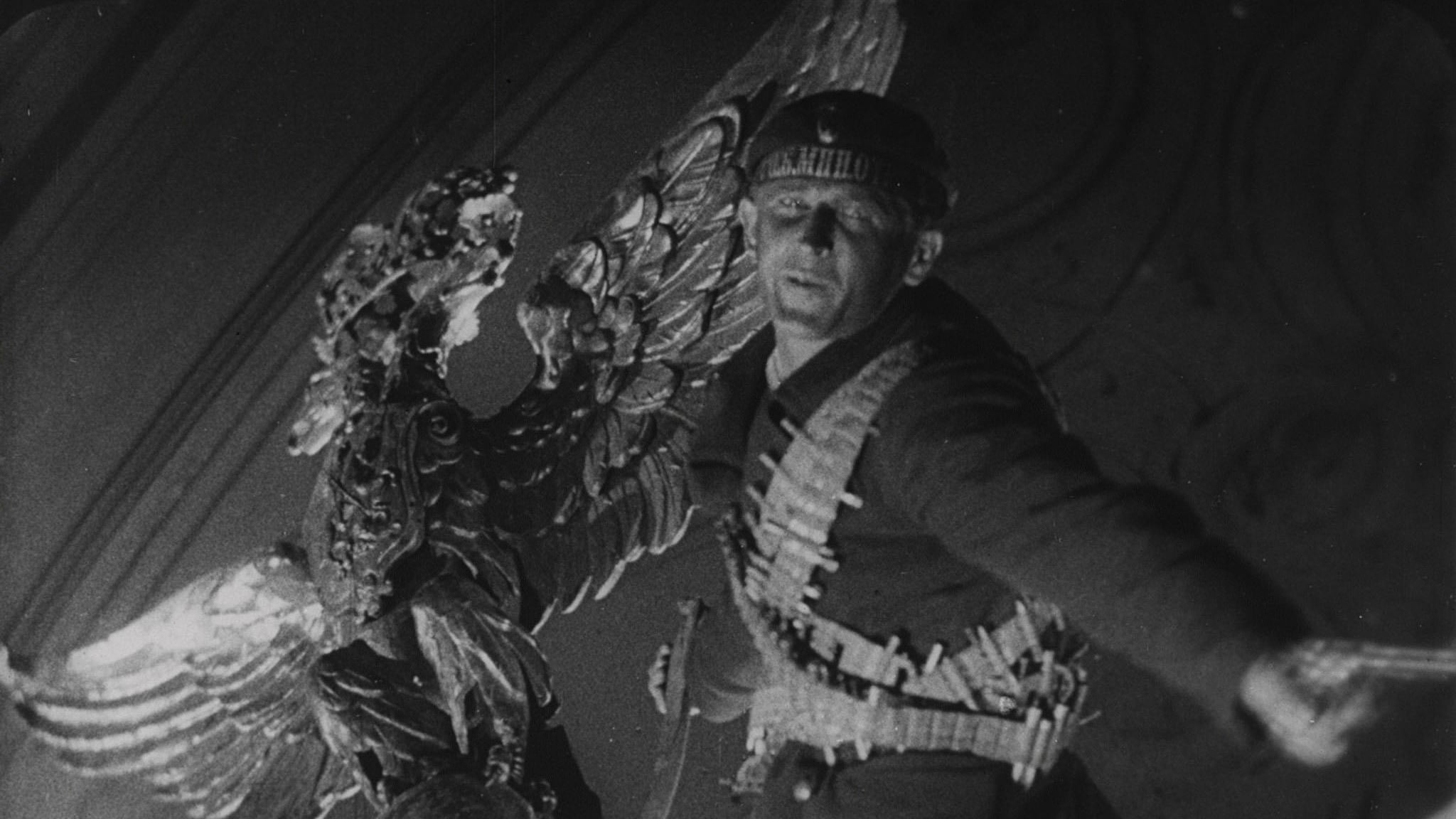
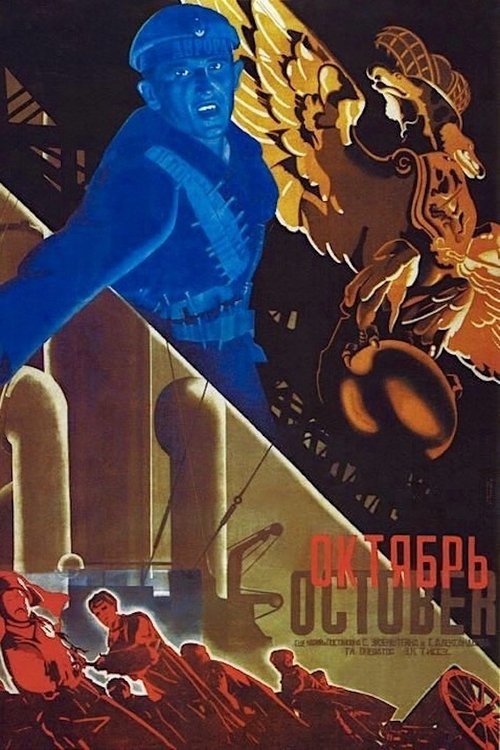
From my point of view, October represents the pinnacle of Eisenstein's career. It is an interesting gateway to new cinematic horizons that haven't always exerted the influence they should have on generations of filmmakers raised on the films of this brilliant Soviet director. In this sense, is a tightrope walk between the most faithful realism and the experimental avant-garde. Thus, on the one hand, it aims to depict reality in the strictest manner according to the Bolshevik-Stalinist ideal, using as settings the actual locations where events occurred. On the other hand, the constant use of symbolism, which goes far beyond that widely employed in silent films, and the so-called "intellectual comparisons" characteristic of Soviet montage of the time, but surprisingly executed by Eisenstein, make the film a precursor to future, more experimental works.
It's true that we're dealing with a propaganda film, but simply for the sheer fact of witnessing an unparalleled history lesson, while simultaneously observing the virtuosity of the editing by a director who was a genius in this field, it becomes essential viewing. It's striking to revisit it almost 100 years after its filming and see that it hasn't aged a bit and still possesses the power and vigor of its time. It's disheartening to read the reviews of those who, after seeing this work of art, can only highlight its partisanship. I've noticed this with several of Eisenstein's works, or even with other magnificent pieces like I Am Cuba.
Lenin promoted cinema as a means to educate the vast Russian population, which was largely illiterate. The incentive given to cinema motivated several people to experiment with this still relatively unexplored art form. Editing captured the attention of these figures. They realized that through montage, the same story could be told in different ways, conveying a specific message to the viewer. Eisenstein and his montage of attractions revolutionized cinematic language.
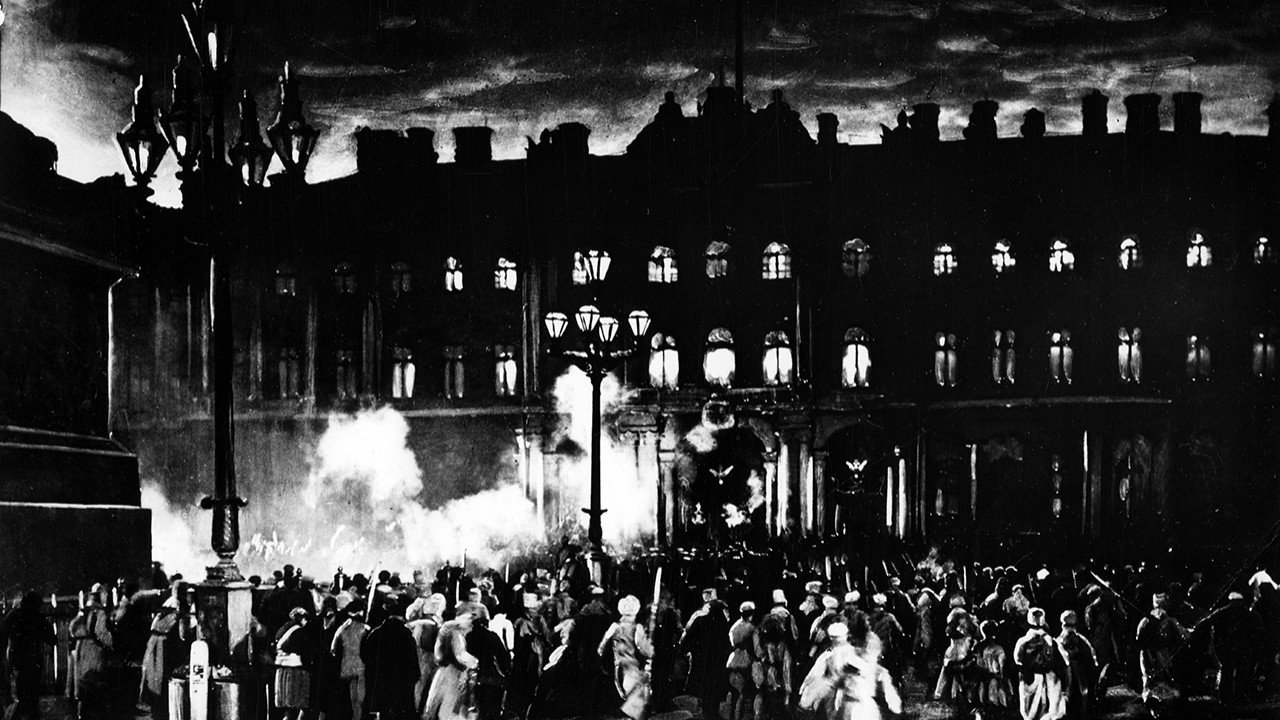
The Bolsheviks are the good guys, and everyone who opposes them is the bad guy. The way Eisenstein conveys this message through montage is impressive, as he uses the juxtaposition of shots of General Kornilov with shots of a statue of Napoleon, the toppling of the statue of Alexander III, the representation of the various religions that make up Russia, the repression of the proletarian demonstration against the Provisional Government, the storming of the Winter Palace, and there's still more to mention. It's incredible; not a single shot feels out of place. A true masterclass in filmmaking.