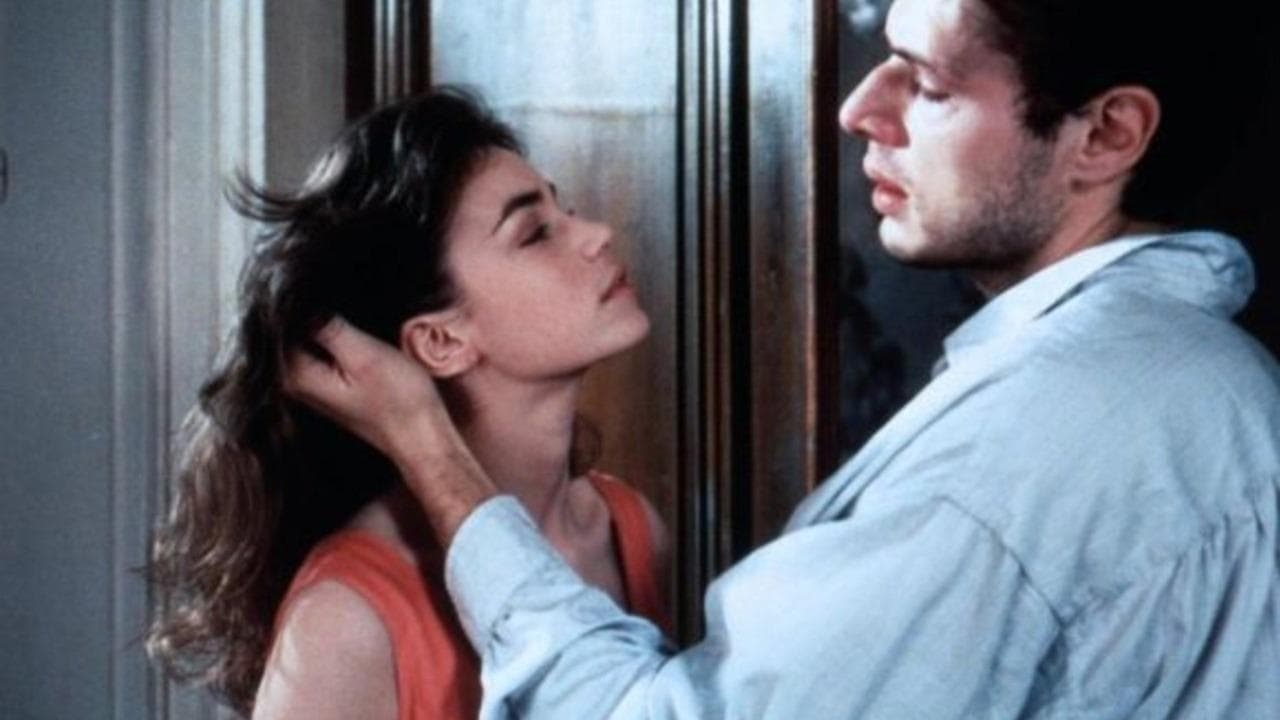
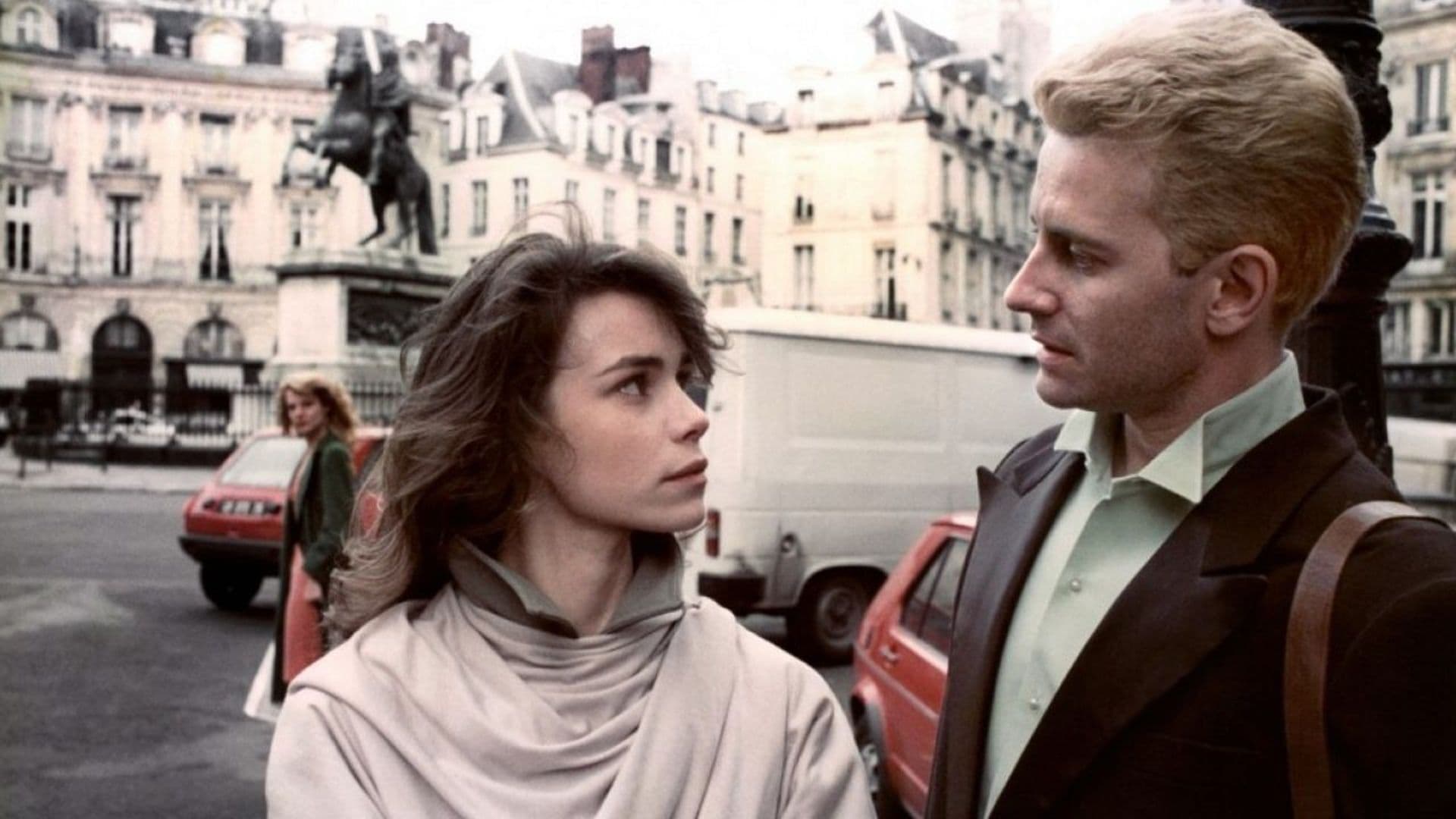
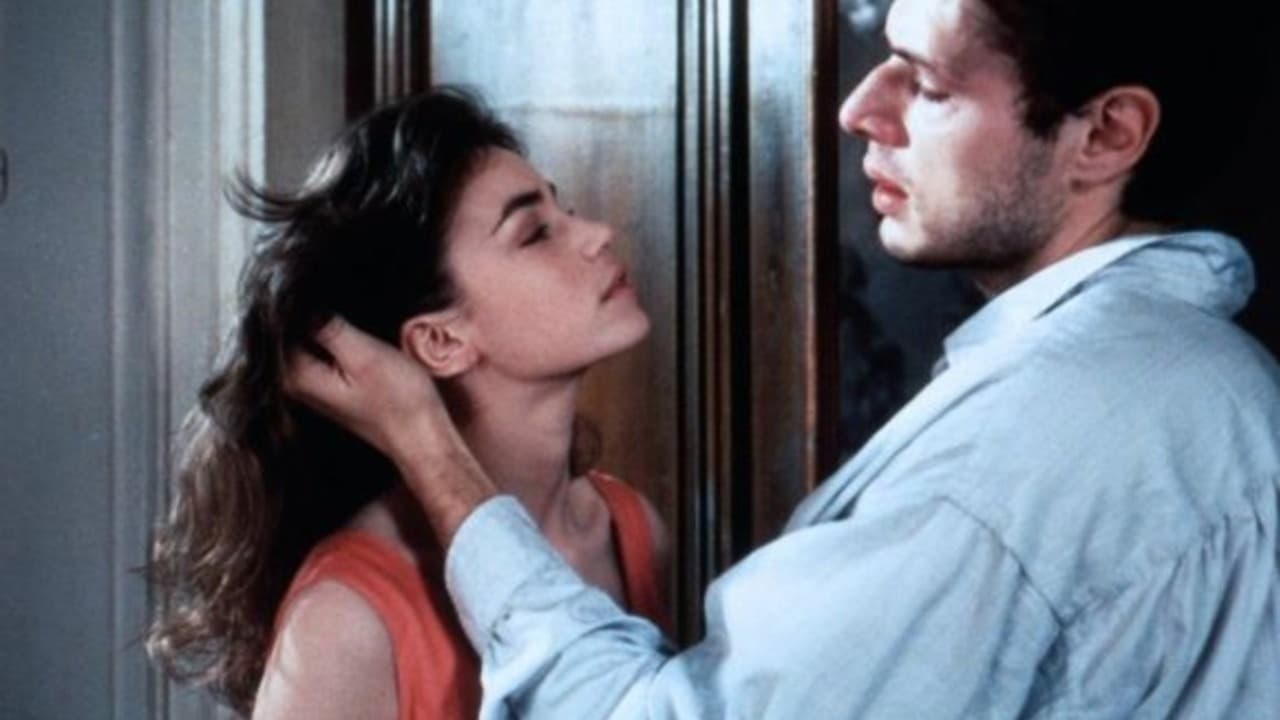
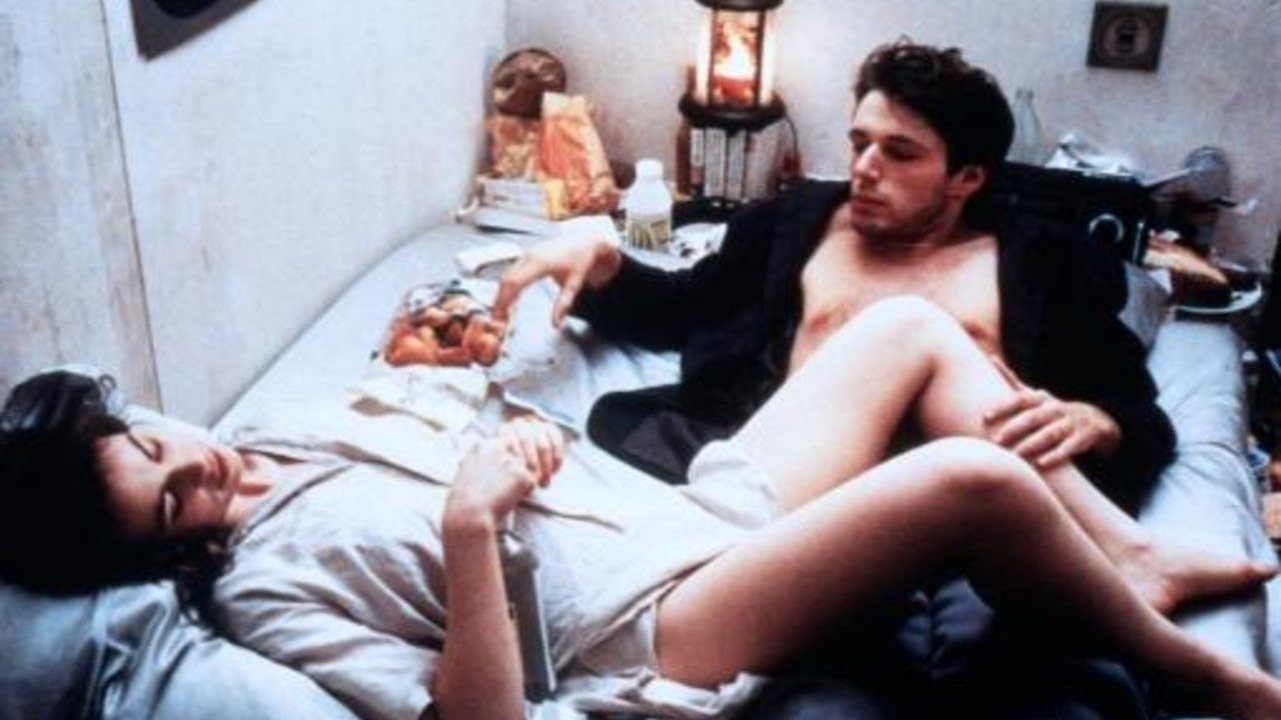
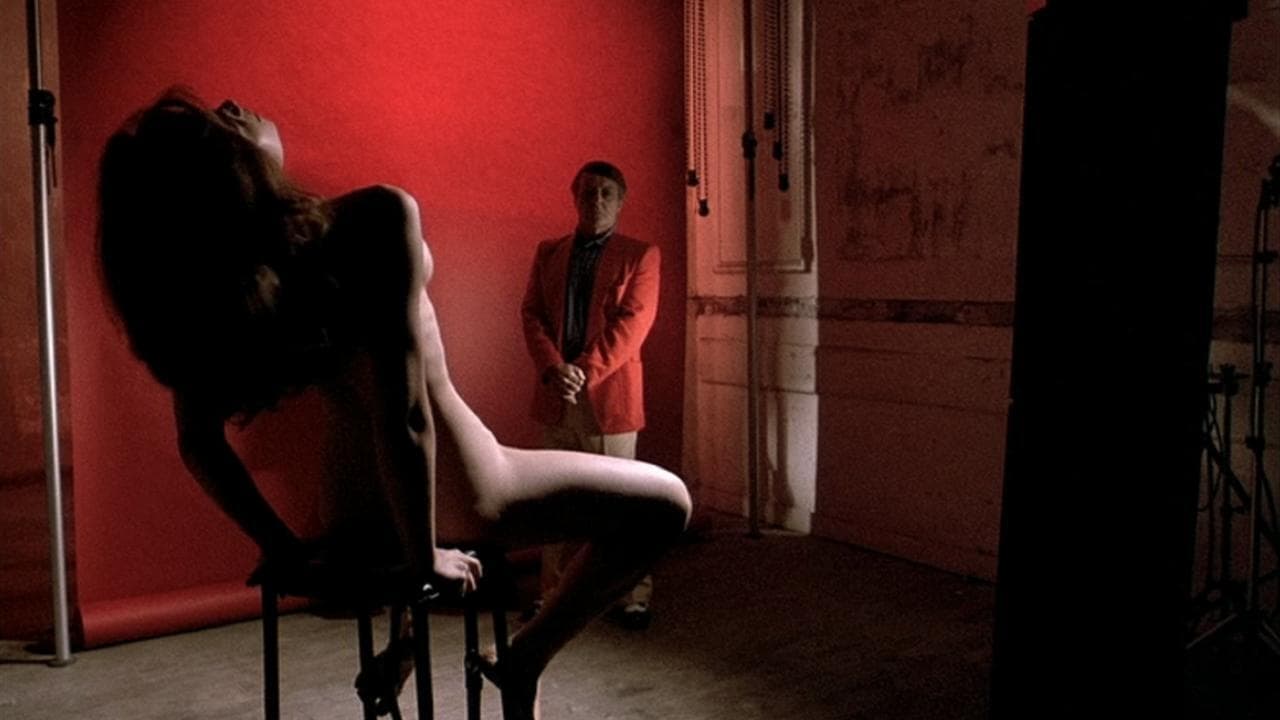
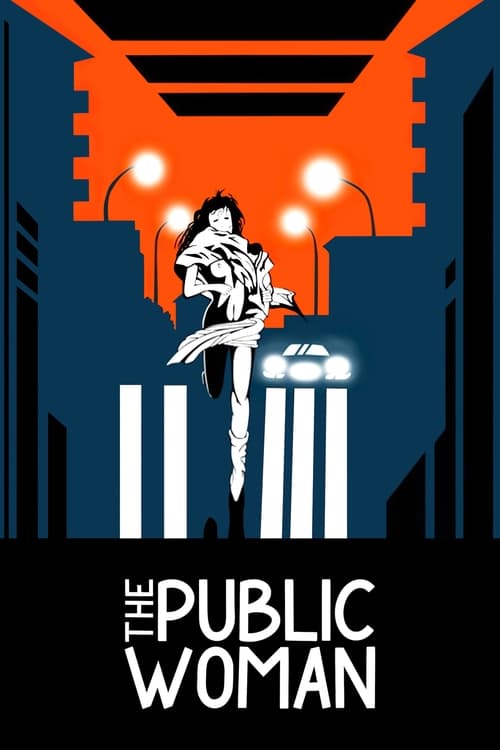
This movie is not just another piece that blurs the line between reality and fiction (as I might have misjudged first, sorry Żuławski, love you for life now) it is a feverish, hypnotic descent into the abyss of self, art, and the political unconscious.
On paper, this might be his most « straightforward » exploration of these themes, but in practice, it’s anything but. The film becomes a mirror, reflecting not just the act of creation, but the neurosis that fuels it, the politics that corrupt it, and the self that both resists and surrenders to it. Żuławski doesn’t just question the boundaries of cinema; he dissolves them, leaving us with a work that is as much a confession as it is a provocation.
What’s most striking is how the film’s frenetic energy never feels gratuitous. Every scream, every spasmodic movement, every unhinged monologue is a piece of a larger, almost metaphysical puzzle.
Żuławski might be at his most unapologetically neurotic here, but also his most captivating.
This movie is not just another piece that blurs the line between reality and fiction (as I might have misjudged first, sorry Żuławski, love you for life now) it is a feverish, hypnotic descent into the abyss of self, art, and the political unconscious.
On paper, this might be his most « straightforward » exploration of these themes, but in practice, it’s anything but. The film becomes a mirror, reflecting not just the act of creation, but the neurosis that fuels it, the politics that corrupt it, and the self that both resists and surrenders to it. Żuławski doesn’t just question the boundaries of cinema; he dissolves them, leaving us with a work that is as much a confession as it is a provocation.
What’s most striking is how the film’s frenetic energy never feels gratuitous. Every scream, every spasmodic movement, every unhinged monologue is a piece of a larger, almost metaphysical puzzle.
Żuławski might be at his most unapologetically neurotic here, but also his most captivating.