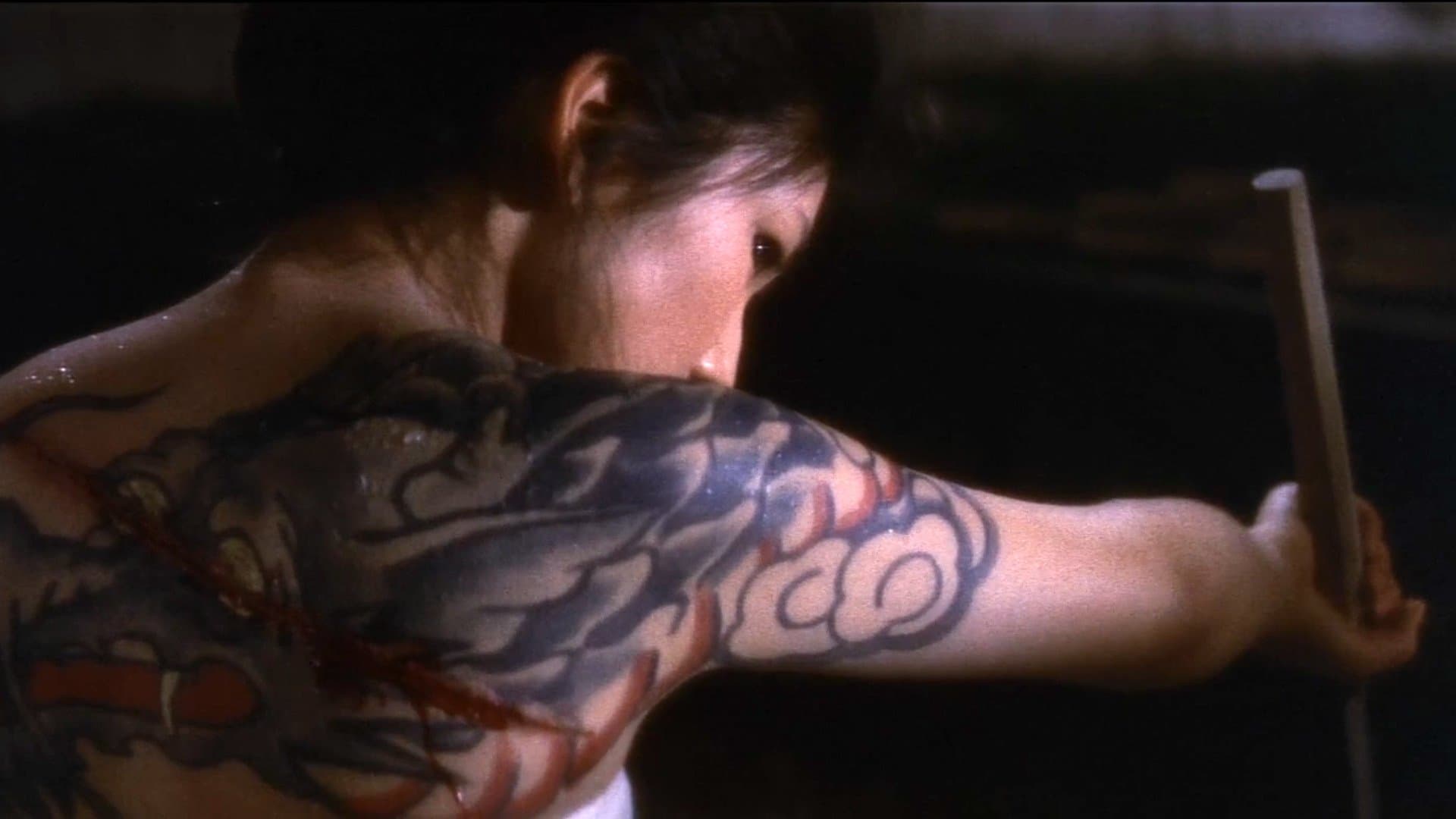
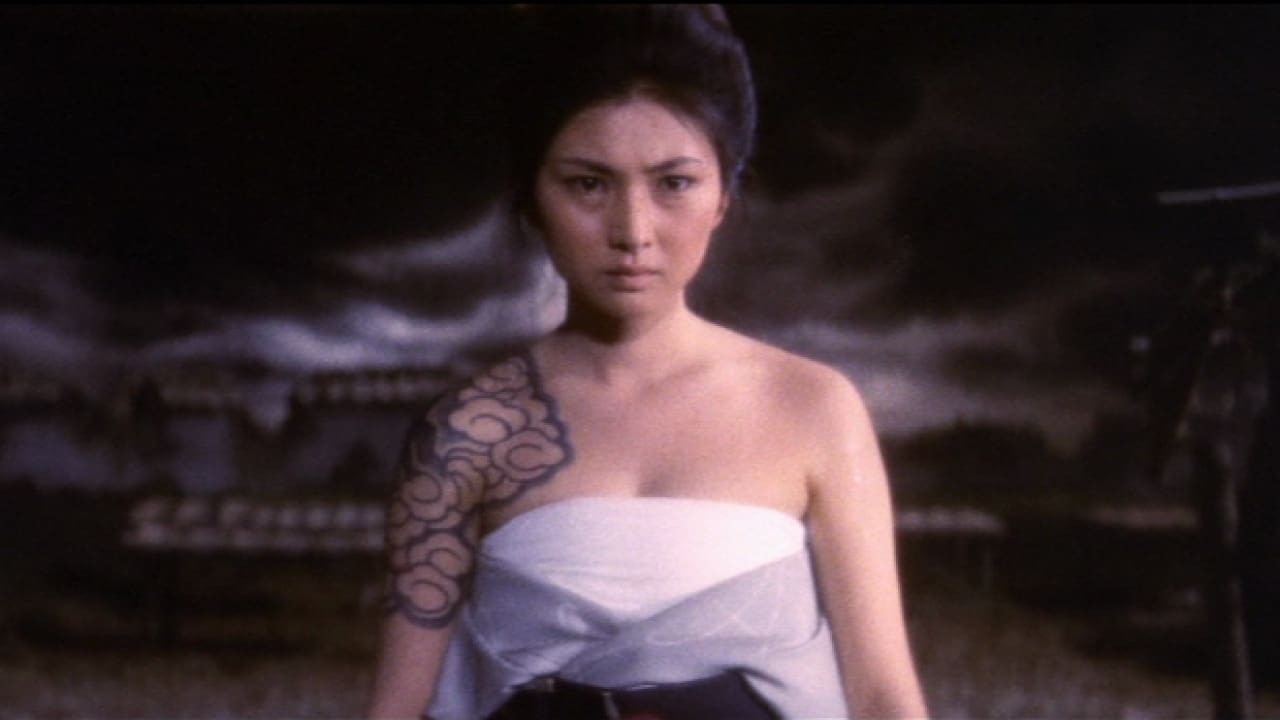
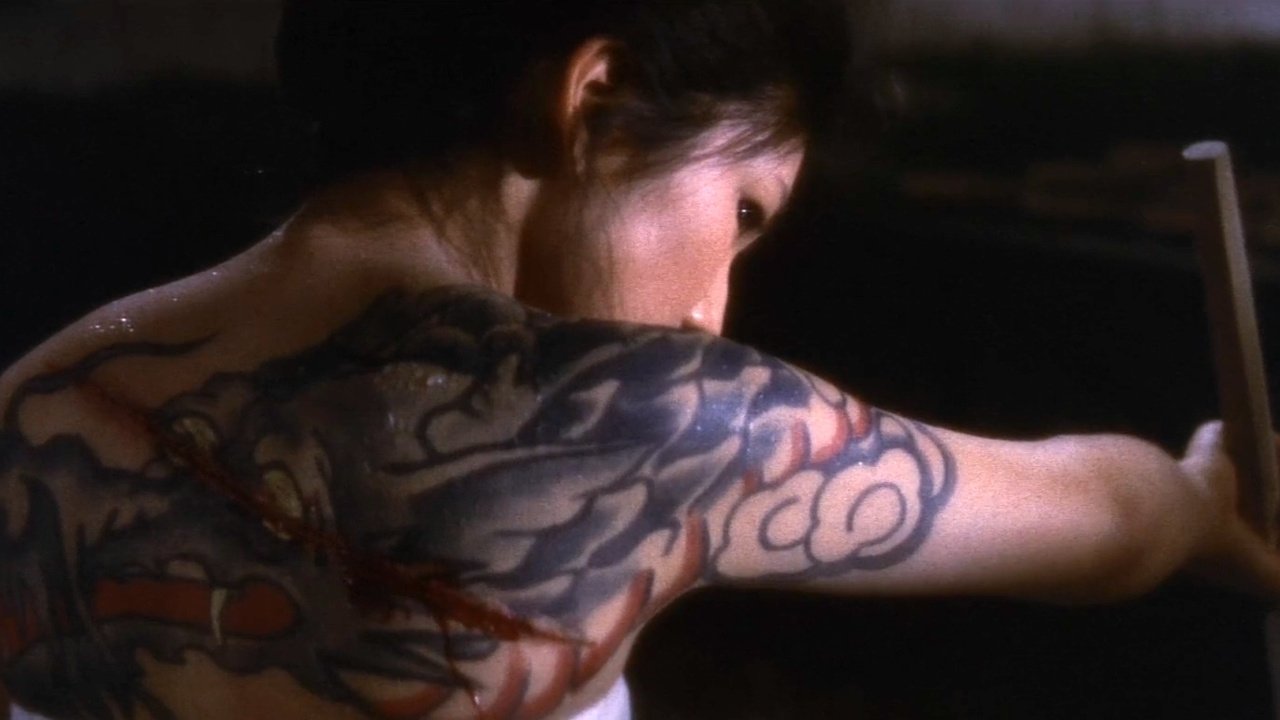
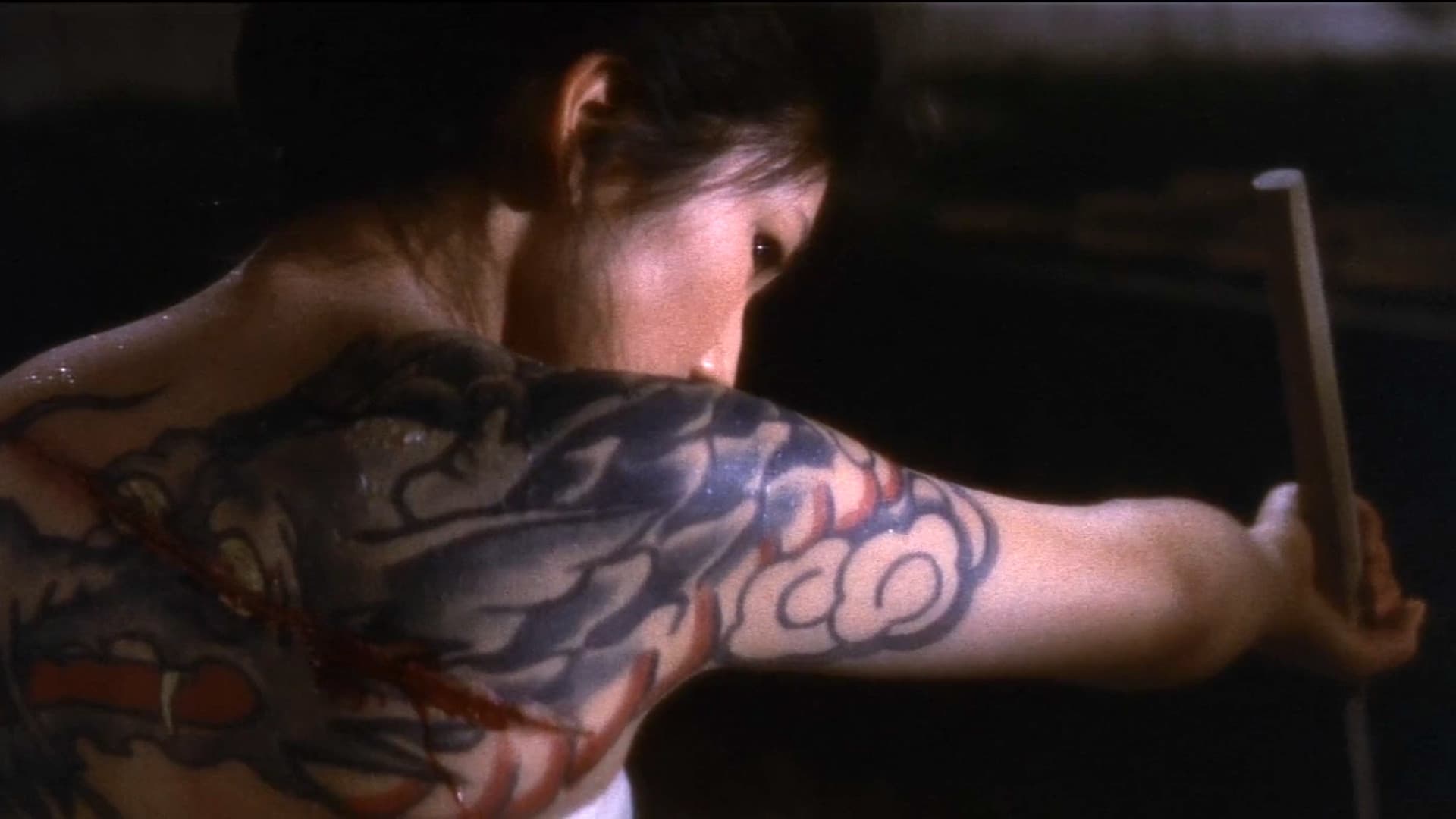
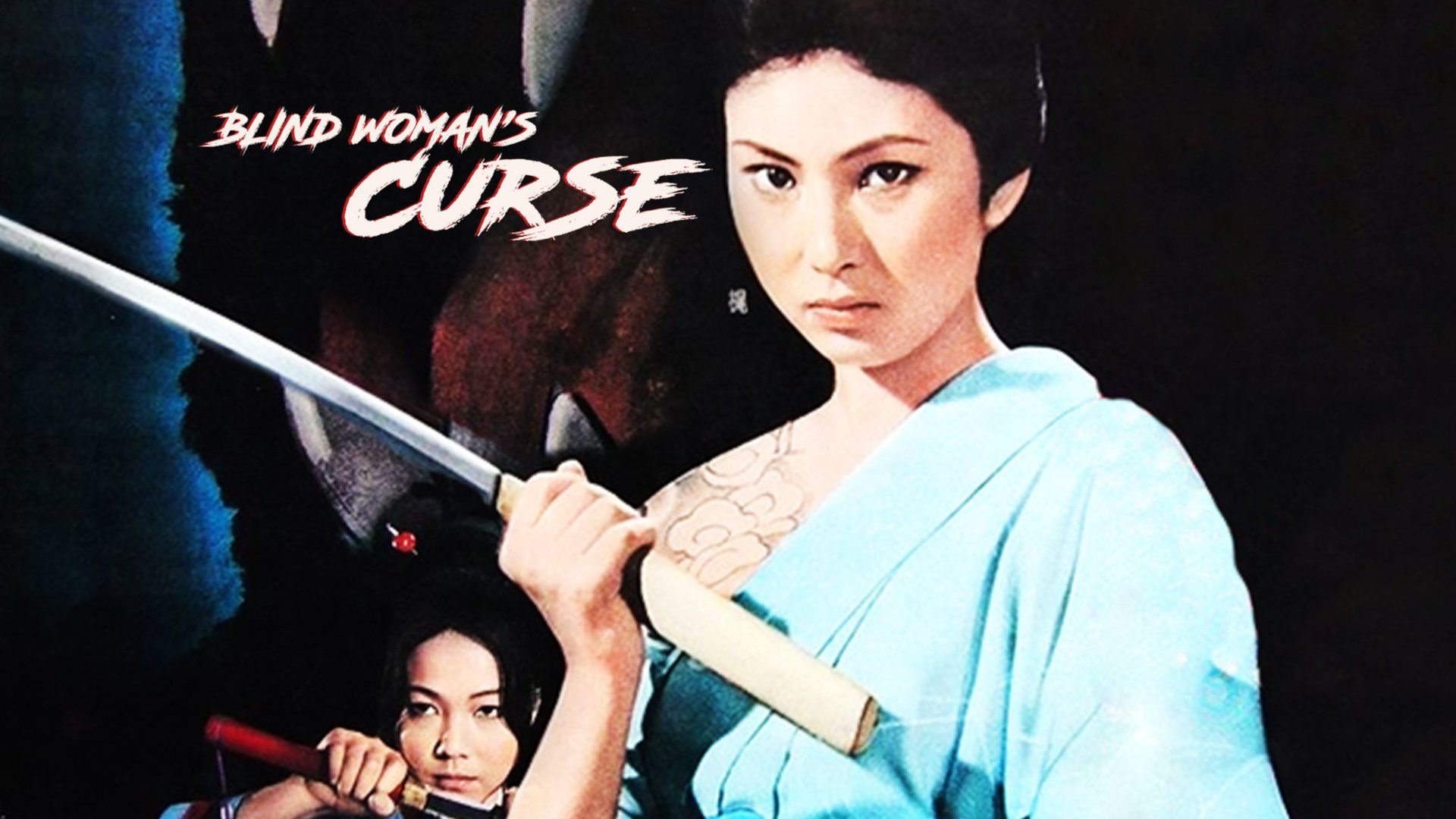
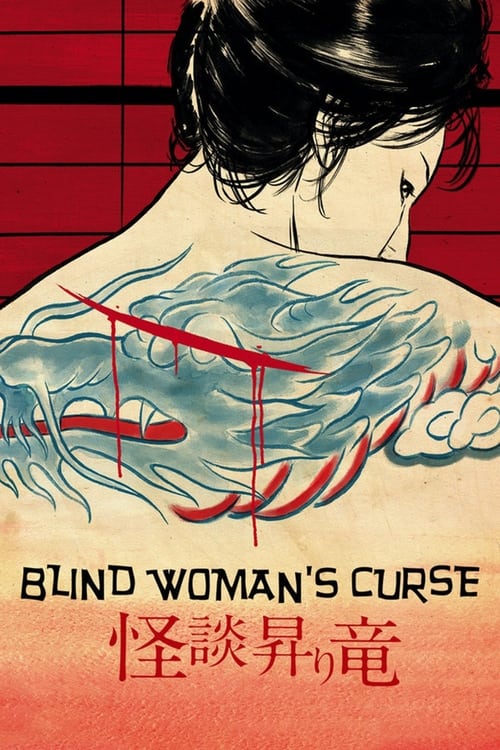
This is actually my first Teruo Ishii film with a full narrative throughout its runtime as opposed to several slightly thematically connected stories merged into an anthology film. This does mean that the more violent and the more salacious parts of an Ishii film that I have come to find beautifully done and incredibly engaging are fewer and far inbetween, with the film having to insert almost vignette-like moments of oddity to make up for the lack thereof. However, unlike his other works I’ve seen so far, Blind Woman’s Curse does a lot more to give women agency throughout the film, with the central rivalry being between two women and women themselves being the among the least deceitful in the film, especially compared to most of the men who shift alliances as they see fit. As a result, we do get this commentary on gender roles in this era of Japanese history. With a female yakuza boss protecting an area and a group of her fellow inmates coming to her aid years after her release, Blind Woman’s Curse takes the standard male vengeance story and reexamines exactly how womens’ vengeance works and how men get in the way of the work that women need to do themselves. It’s interesting that one of the few. men still fighting alongside our protagonist at the end is a comic relief character, not shown to be formidable in his own right until the end. It’s also rather interesting that while the protagonist as a dragon’s head tattooed on her back, he has a dragon’s tail. The amount of trust placed upon this man is solely because he isn’t aiming to portray himself as a threat to others at all times. It’s such a great dynamic to have in there as the action ramps up and up and up towards the third act.
This is actually my first Teruo Ishii film with a full narrative throughout its runtime as opposed to several slightly thematically connected stories merged into an anthology film. This does mean that the more violent and the more salacious parts of an Ishii film that I have come to find beautifully done and incredibly engaging are fewer and far inbetween, with the film having to insert almost vignette-like moments of oddity to make up for the lack thereof. However, unlike his other works I’ve seen so far, Blind Woman’s Curse does a lot more to give women agency throughout the film, with the central rivalry being between two women and women themselves being the among the least deceitful in the film, especially compared to most of the men who shift alliances as they see fit. As a result, we do get this commentary on gender roles in this era of Japanese history. With a female yakuza boss protecting an area and a group of her fellow inmates coming to her aid years after her release, Blind Woman’s Curse takes the standard male vengeance story and reexamines exactly how womens’ vengeance works and how men get in the way of the work that women need to do themselves. It’s interesting that one of the few. men still fighting alongside our protagonist at the end is a comic relief character, not shown to be formidable in his own right until the end. It’s also rather interesting that while the protagonist as a dragon’s head tattooed on her back, he has a dragon’s tail. The amount of trust placed upon this man is solely because he isn’t aiming to portray himself as a threat to others at all times. It’s such a great dynamic to have in there as the action ramps up and up and up towards the third act.