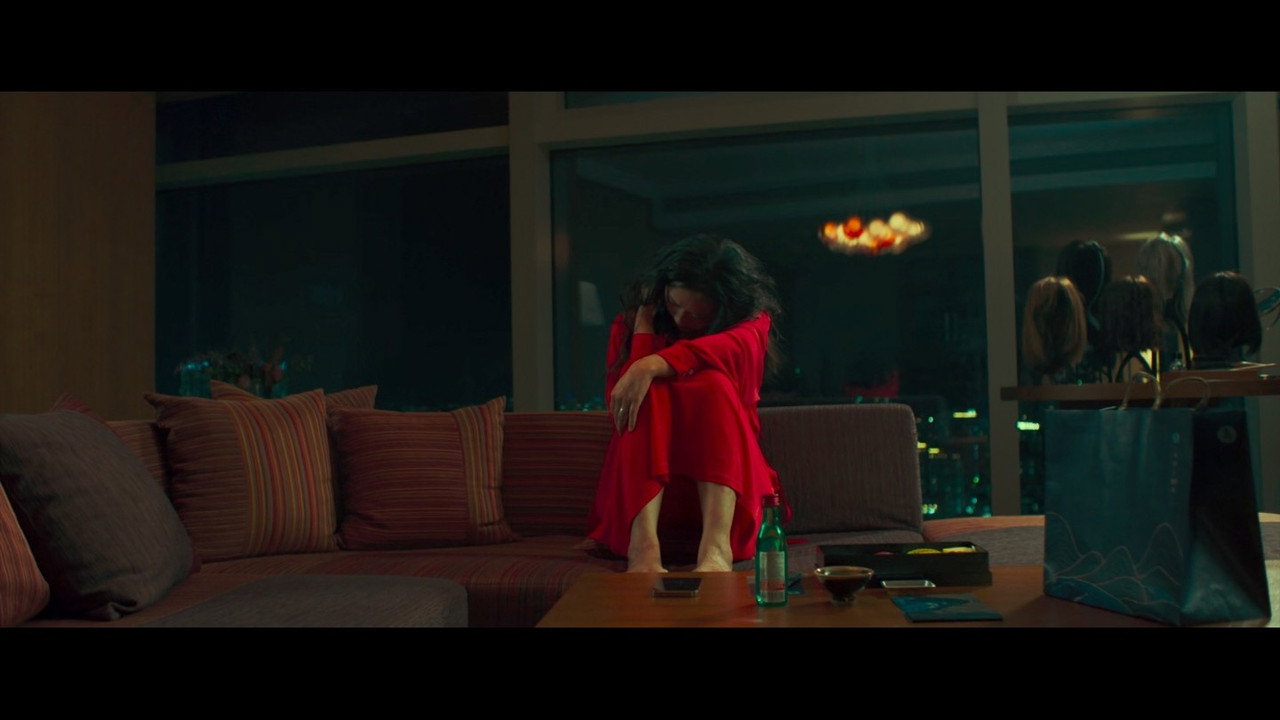
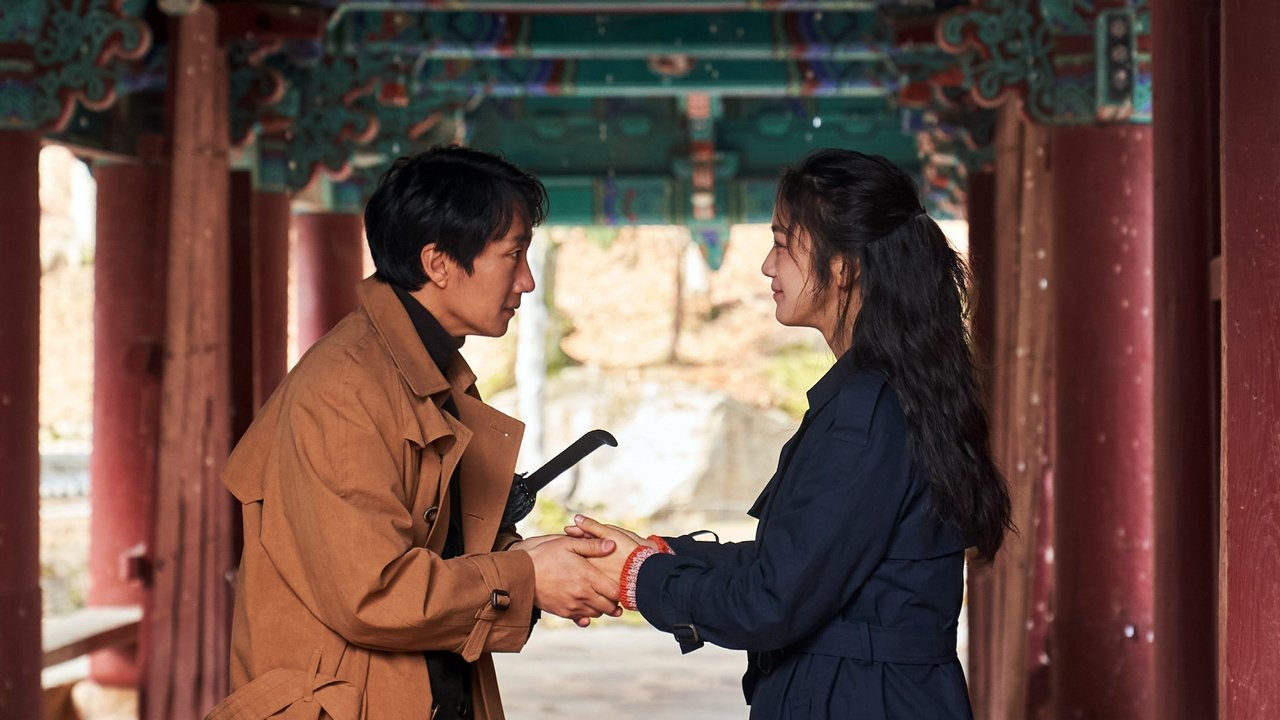
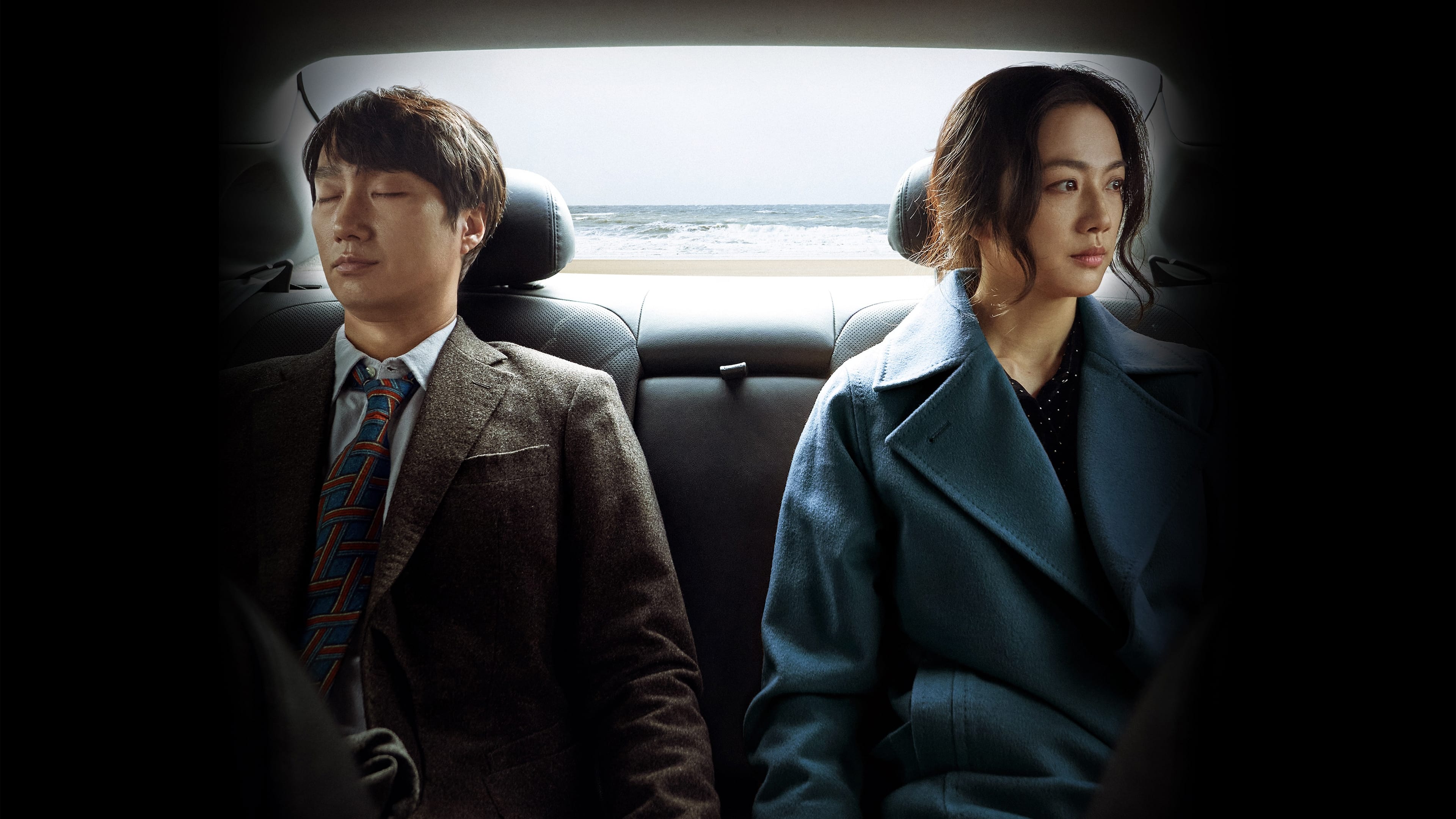
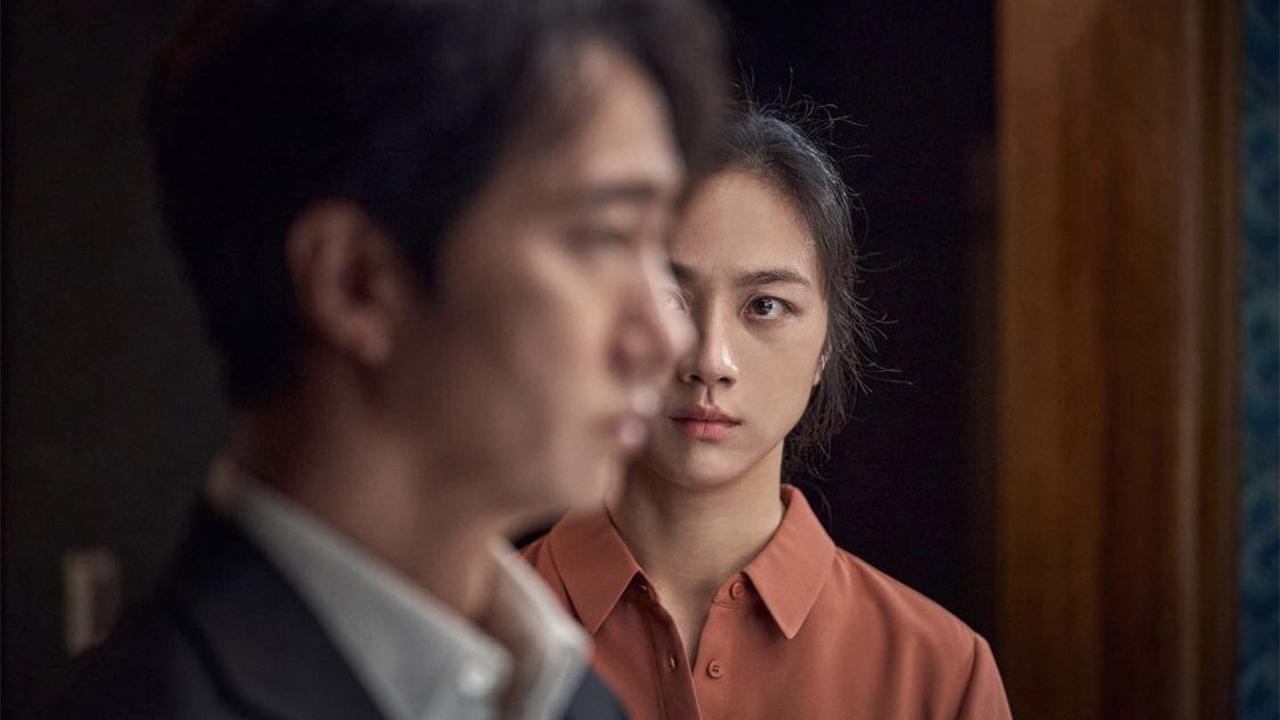
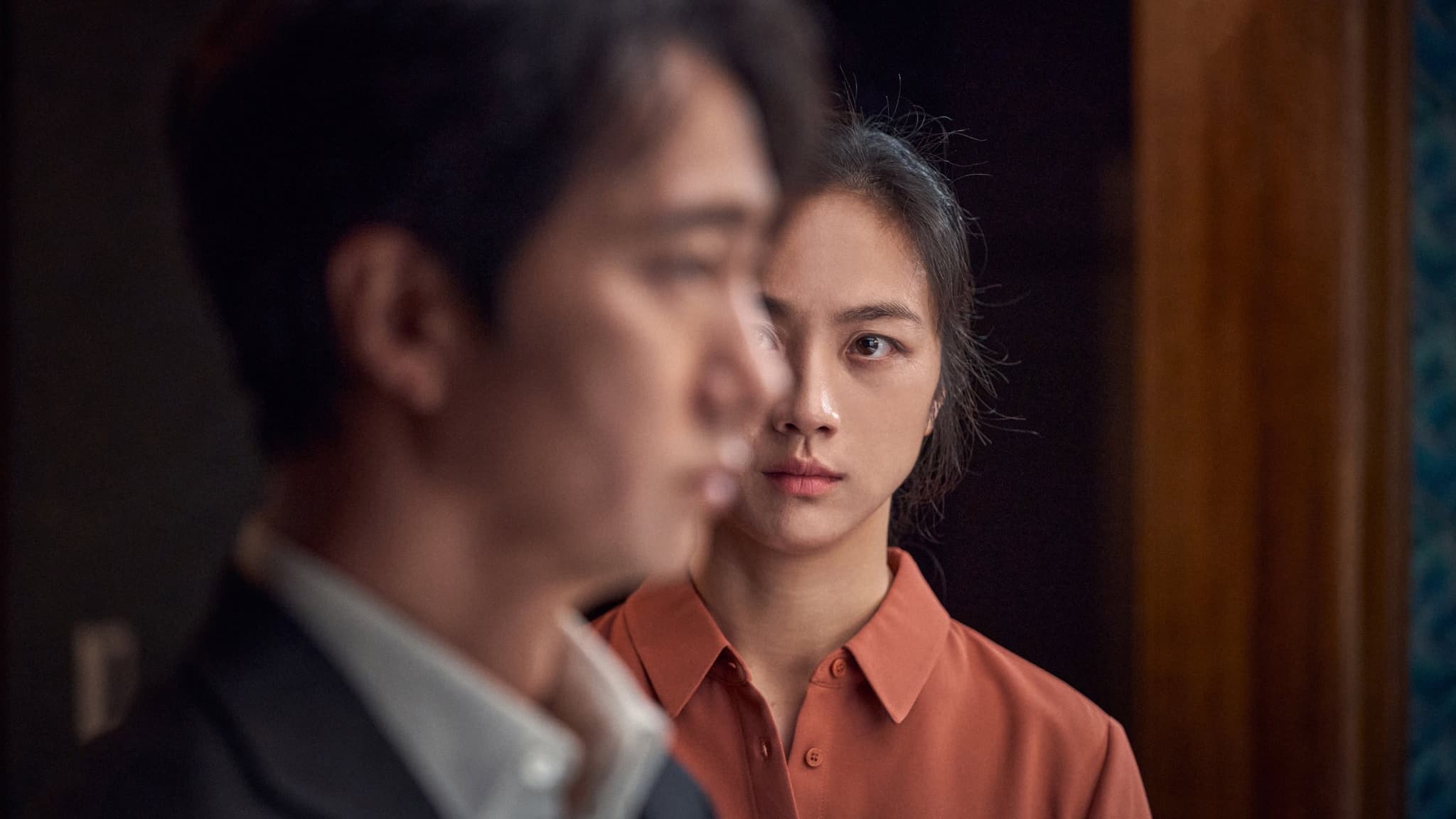
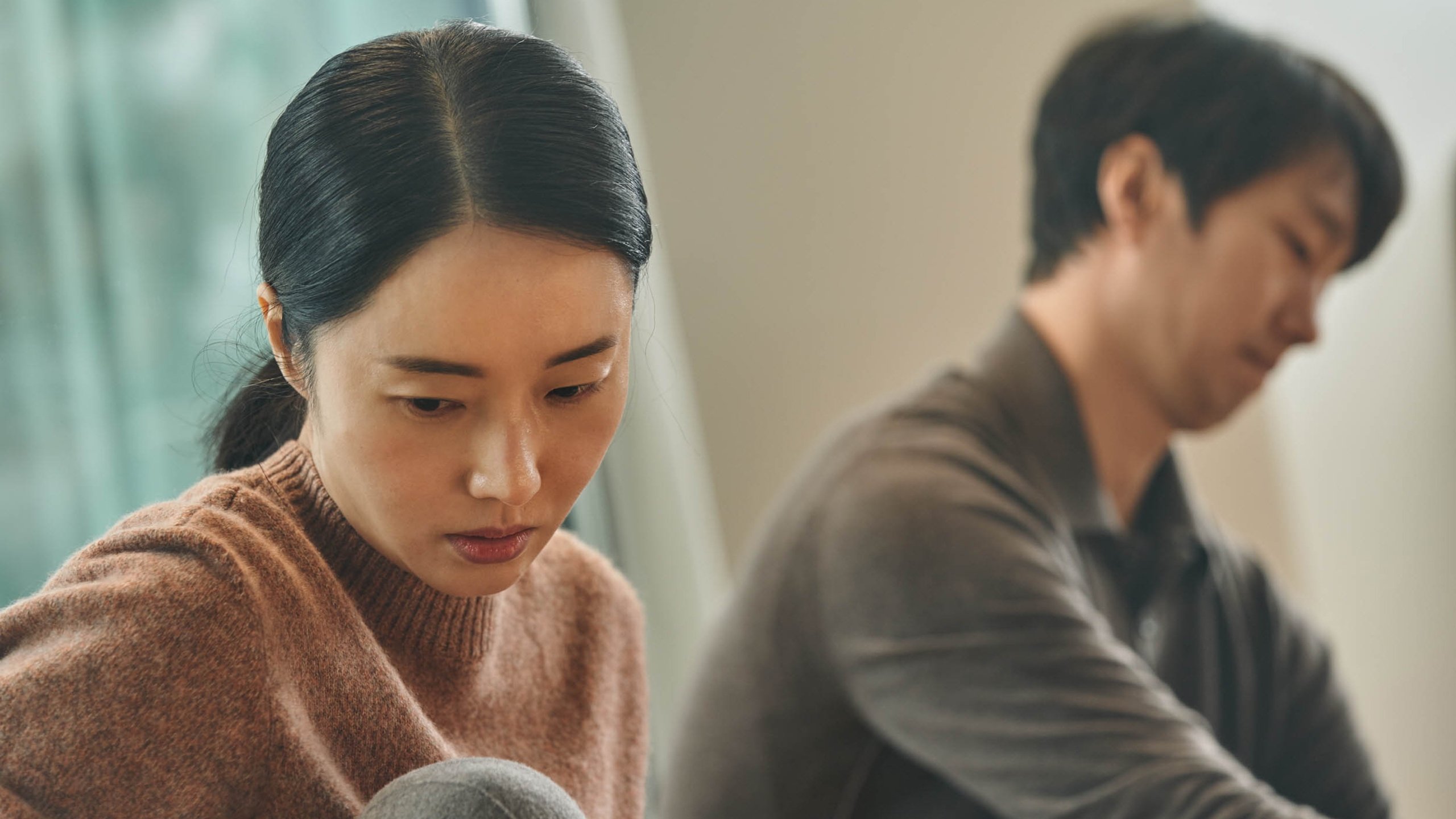
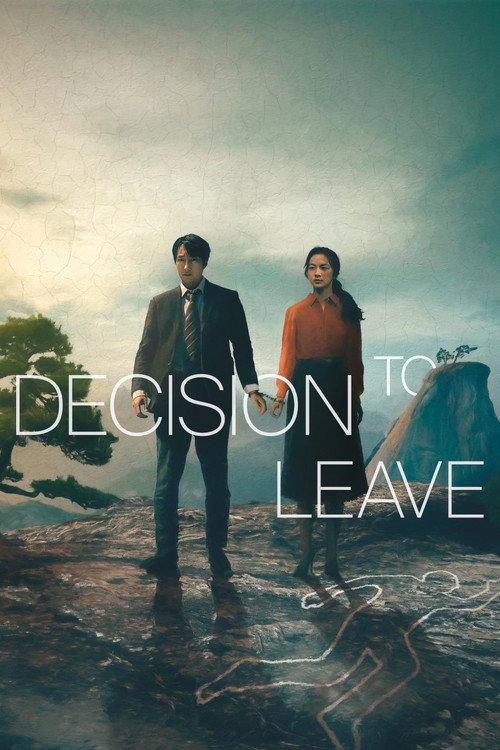
Park Chan-wook does it again, and he continues to surprise me in so many ways. If you’re here for the erotic energy of The Handmaiden, you’re going to be in for a whole other kind of treat. Decision to Leave is quieter, sadder, somehow more tragic. It's a thriller where the mystery doesn't really matter. It’s the way two people stare at one another.
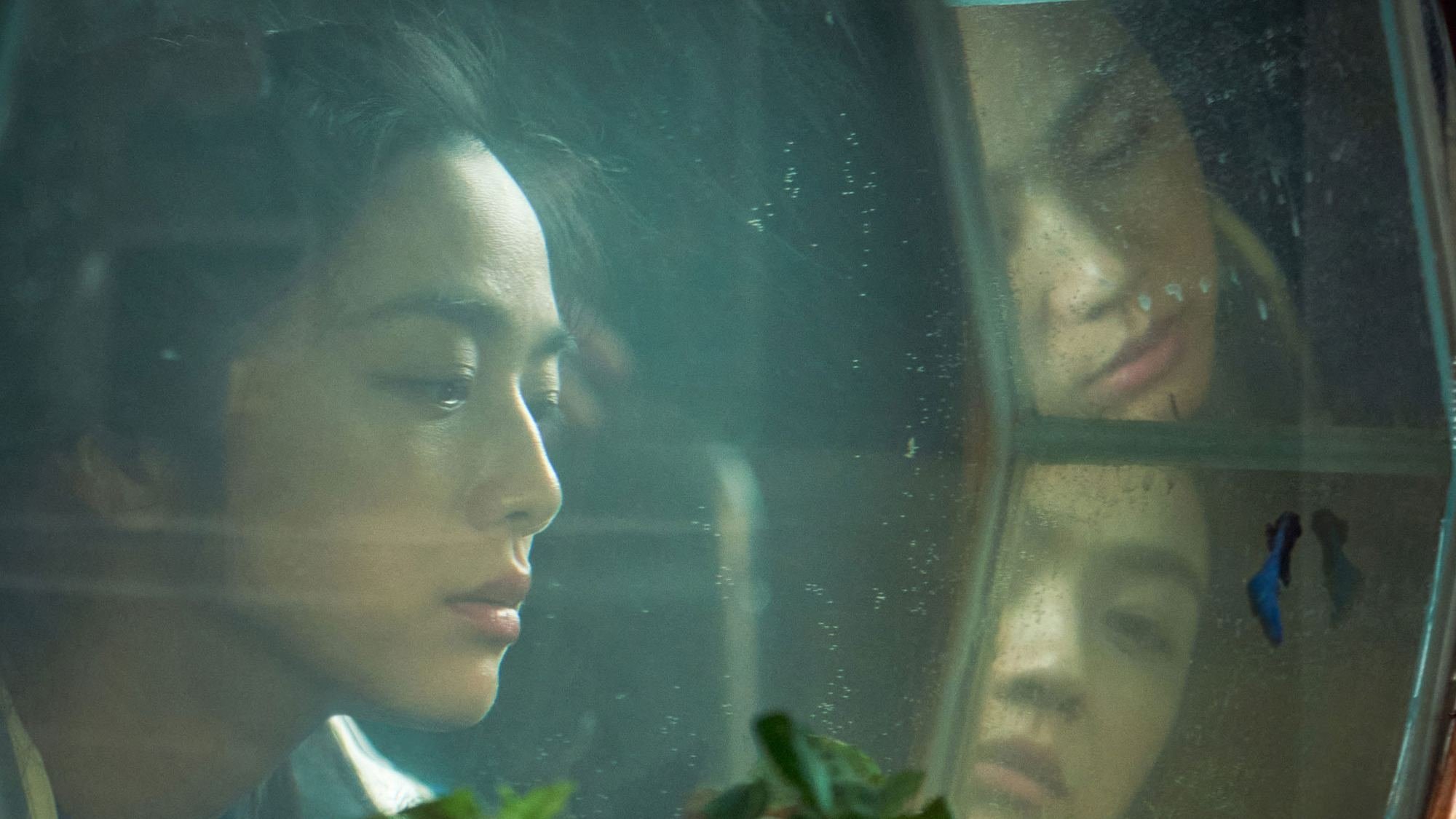
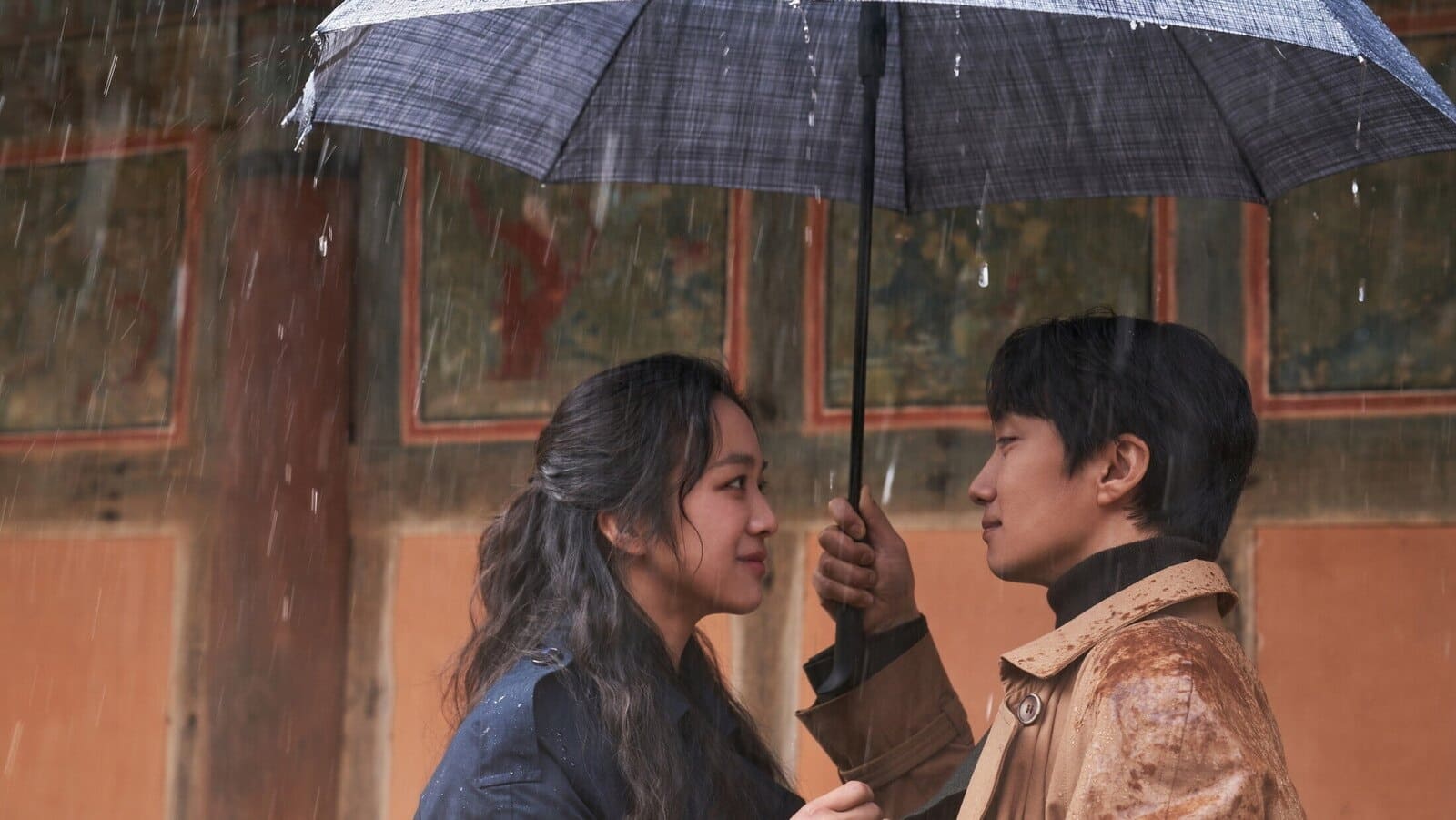
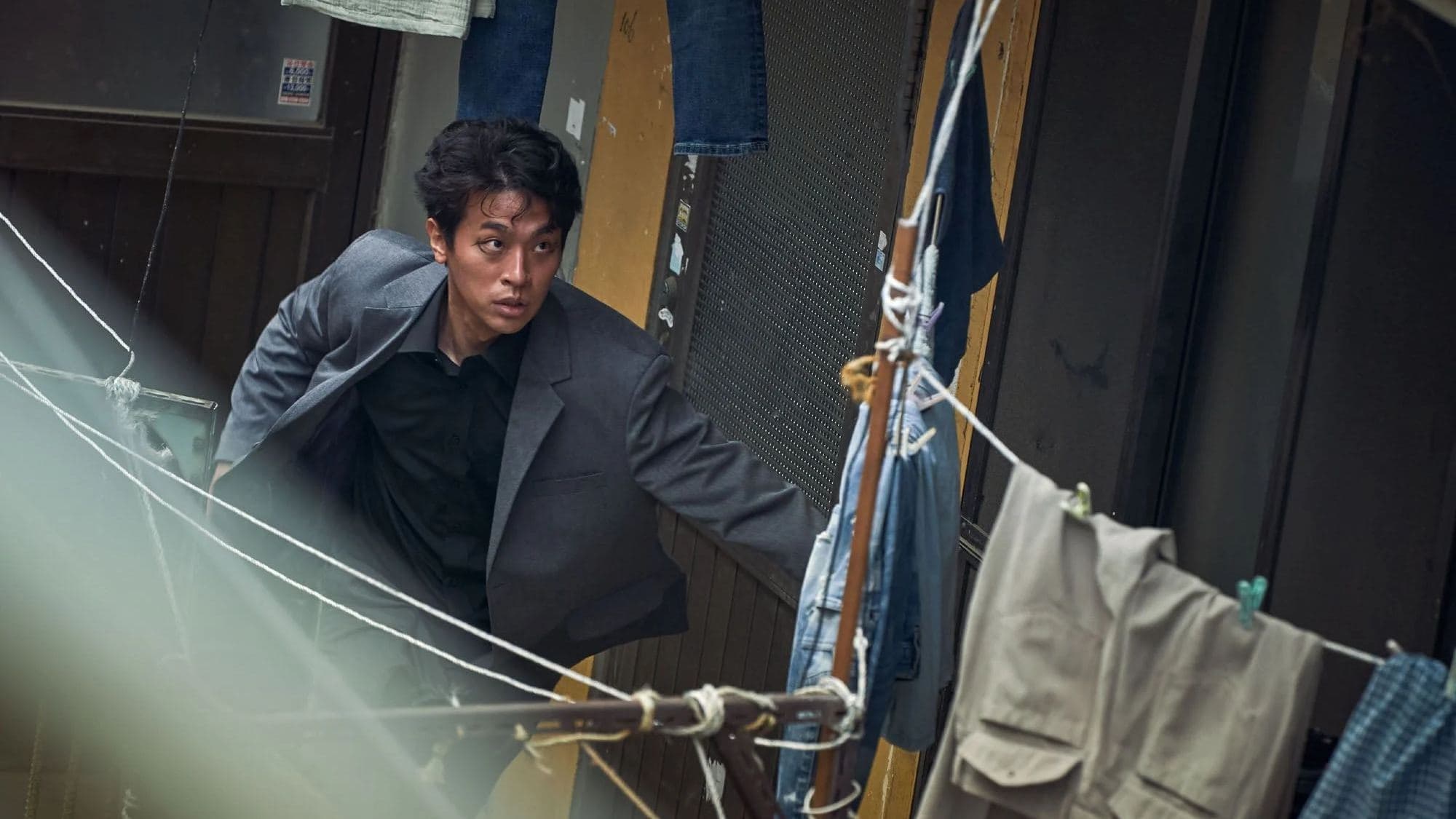
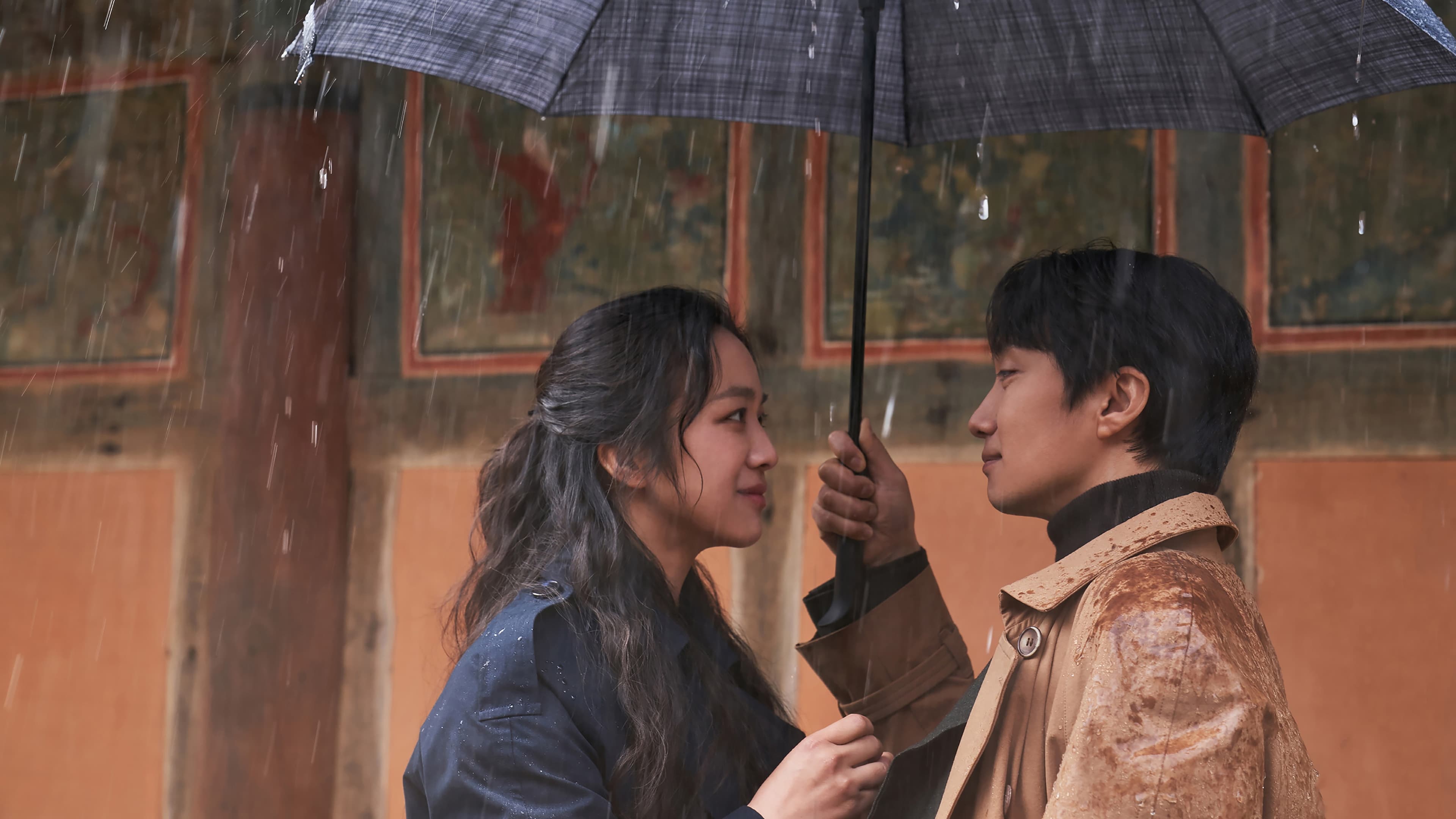
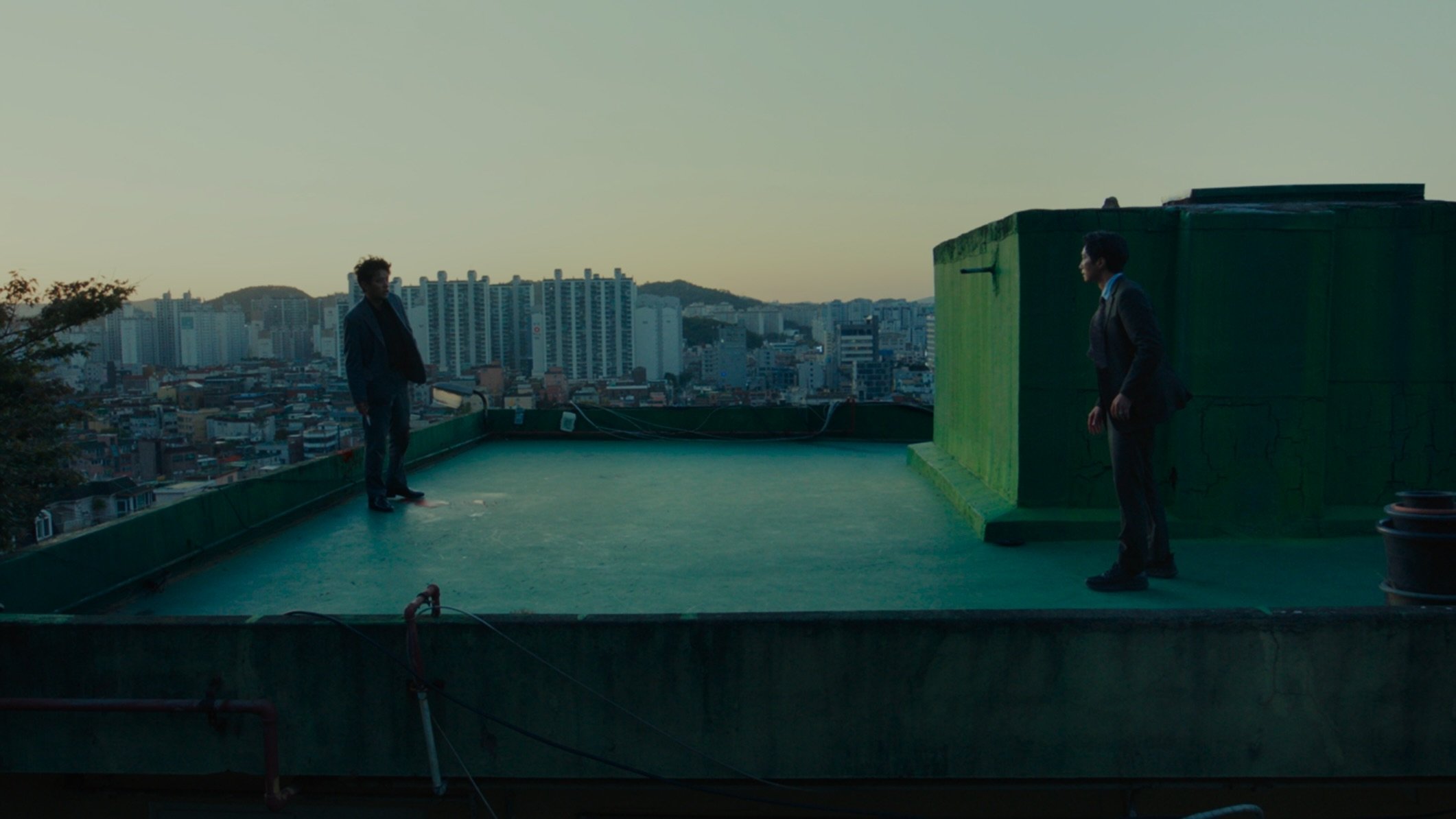
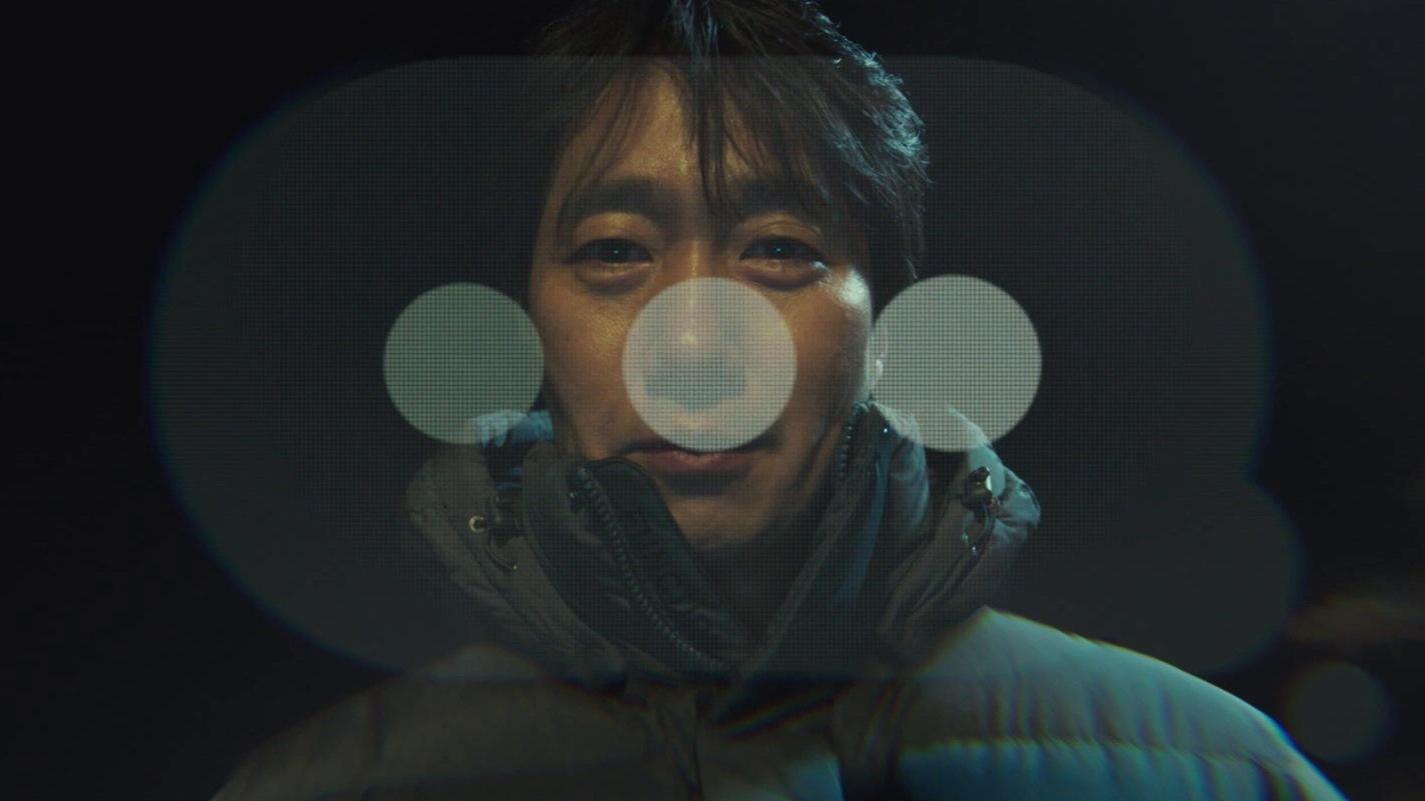
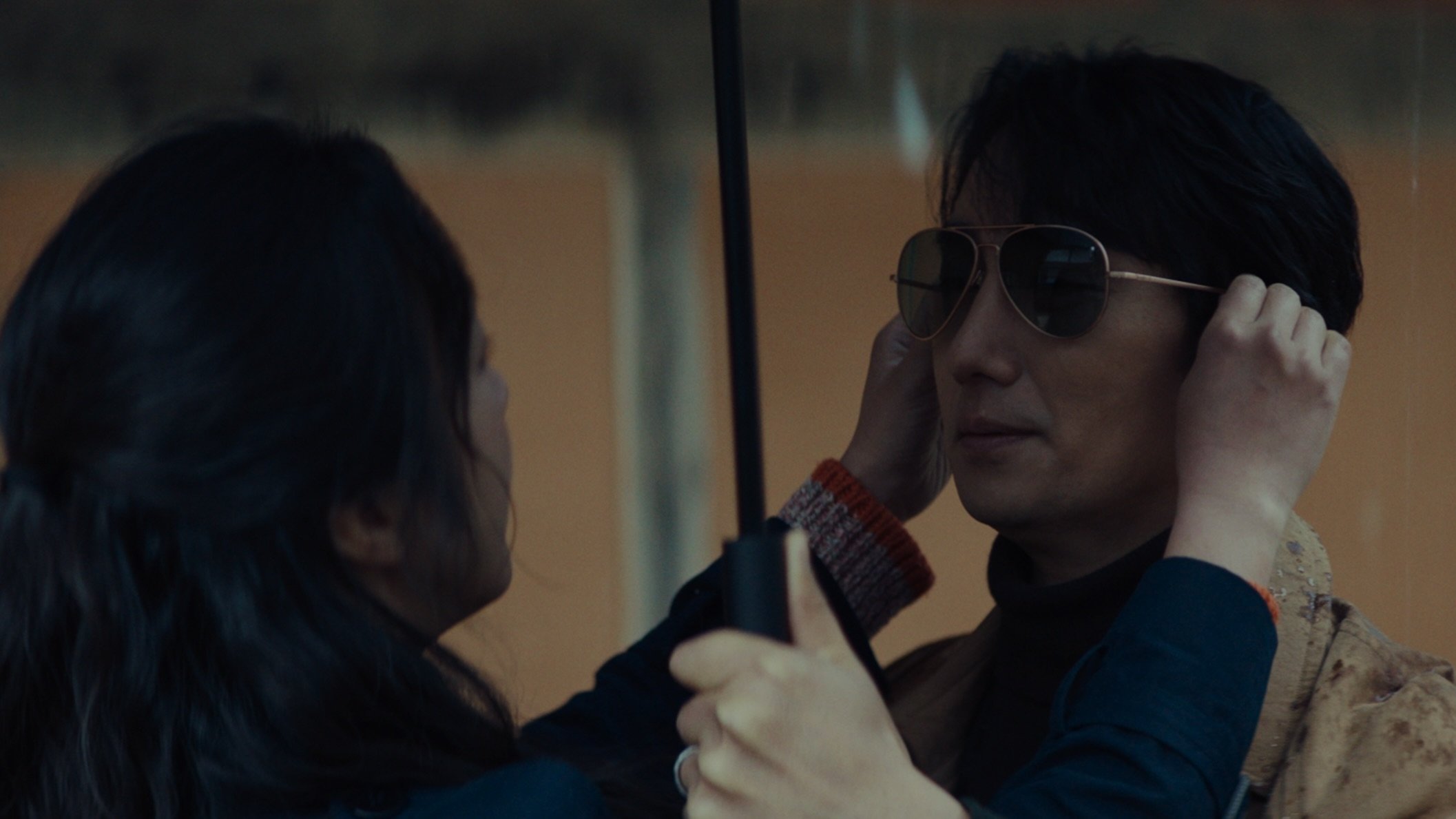
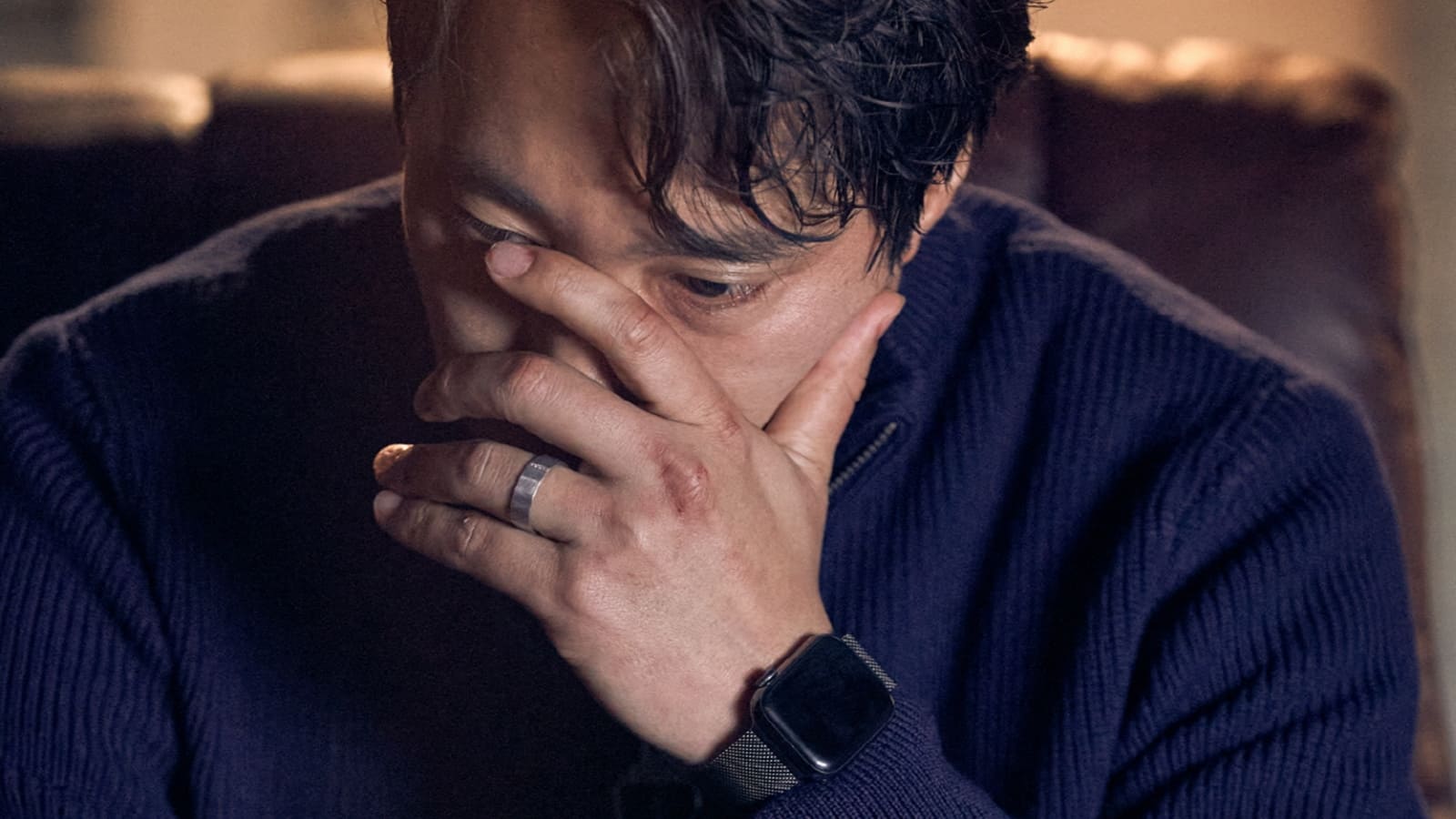
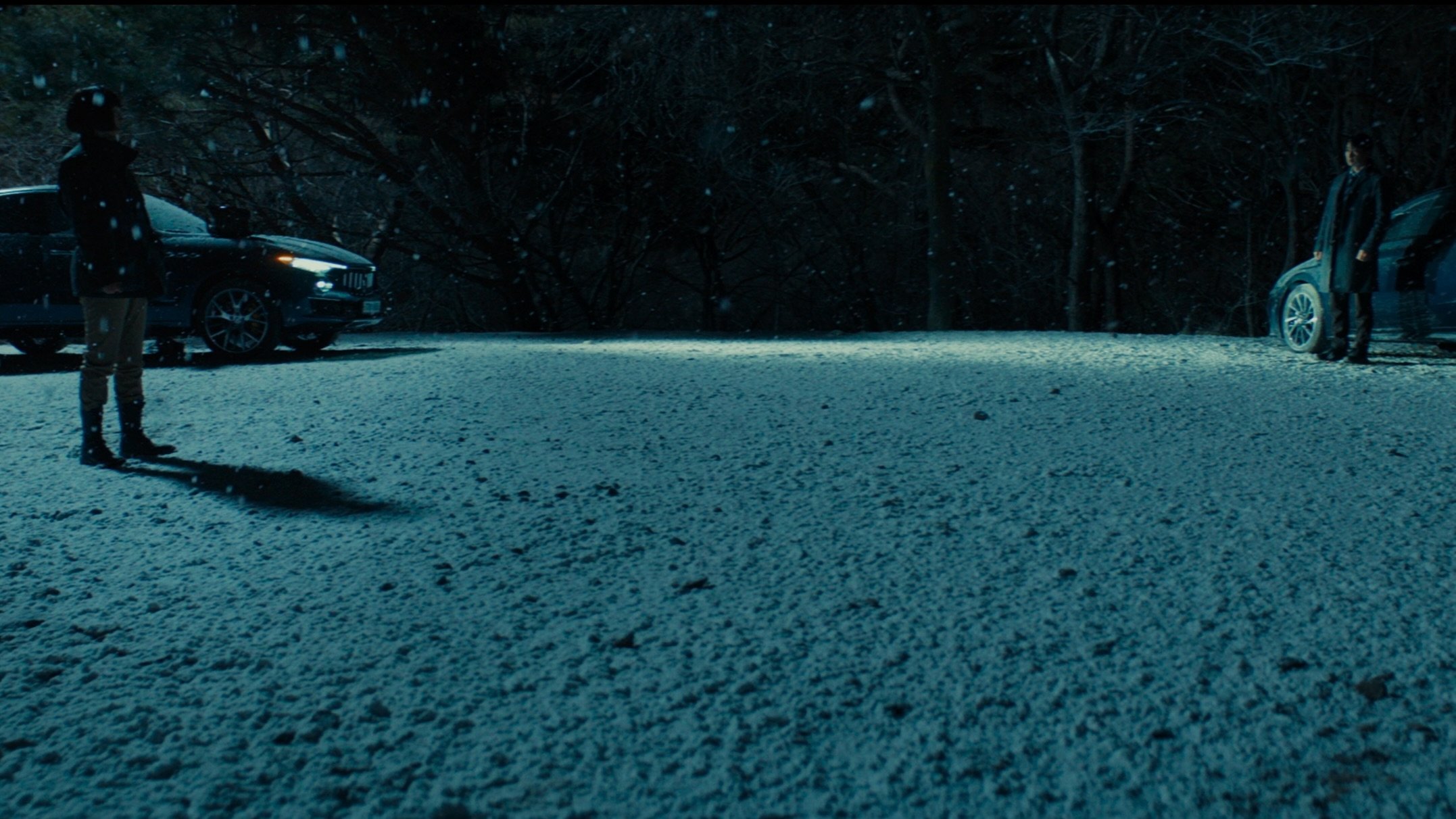
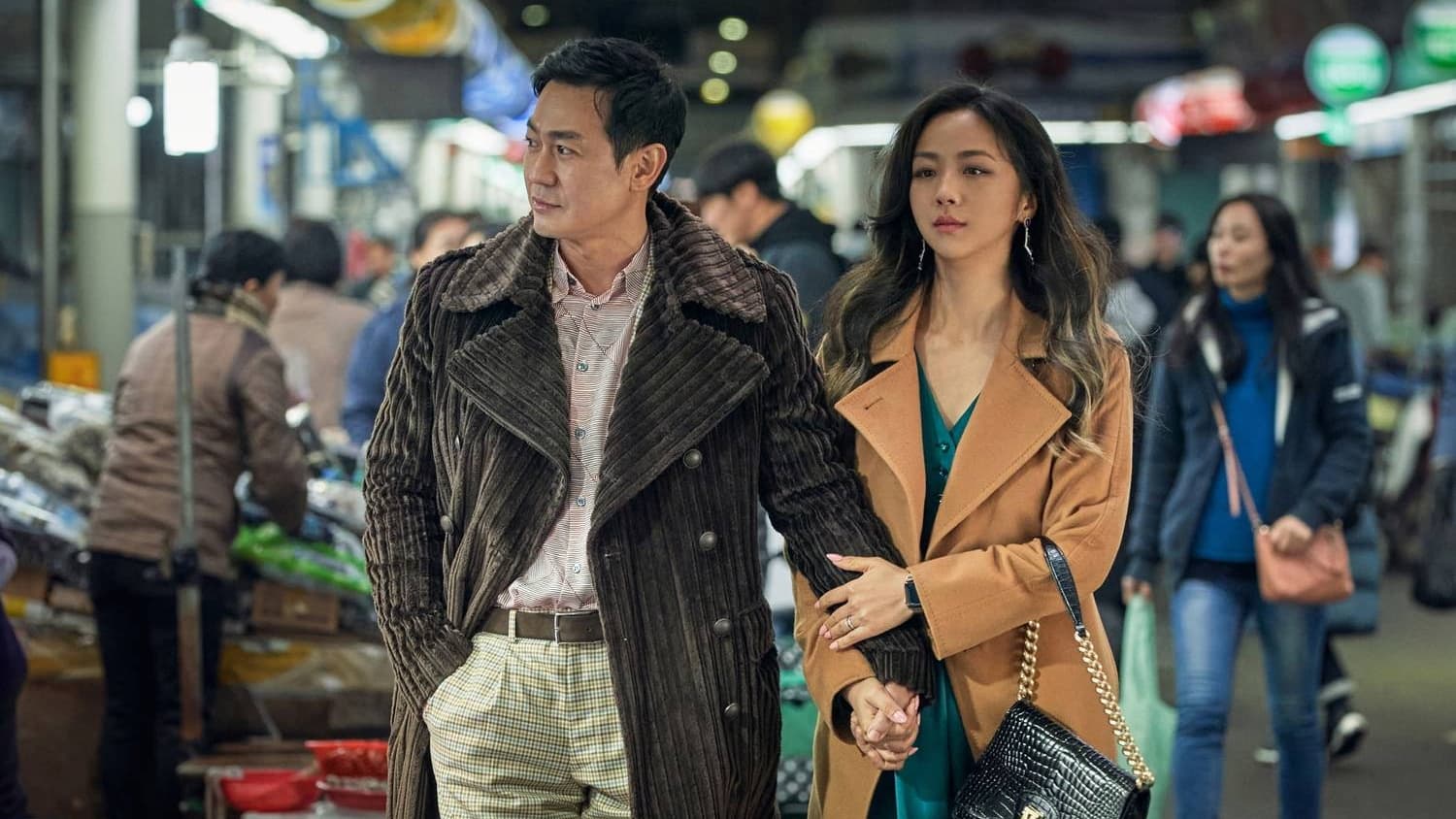
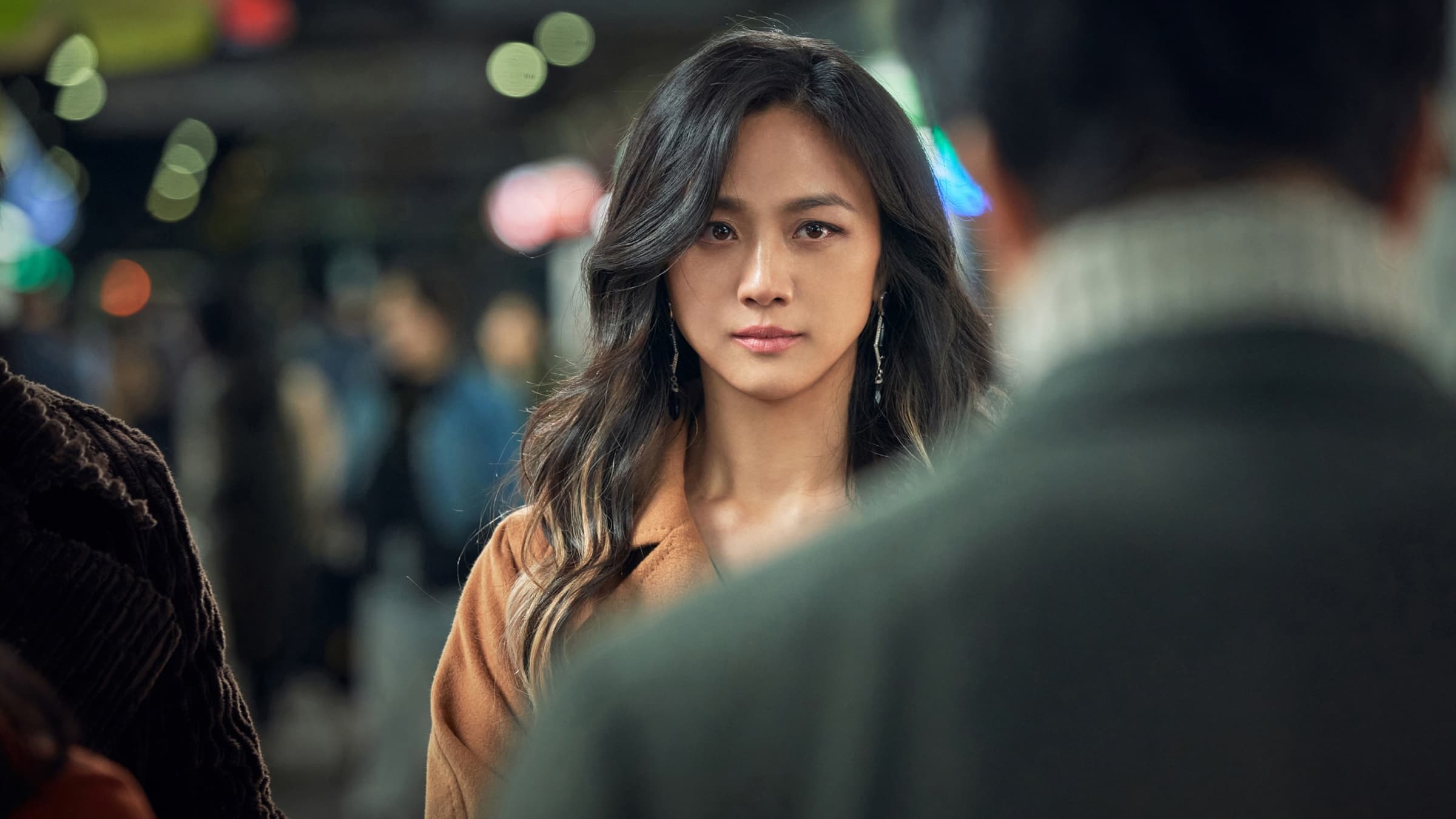
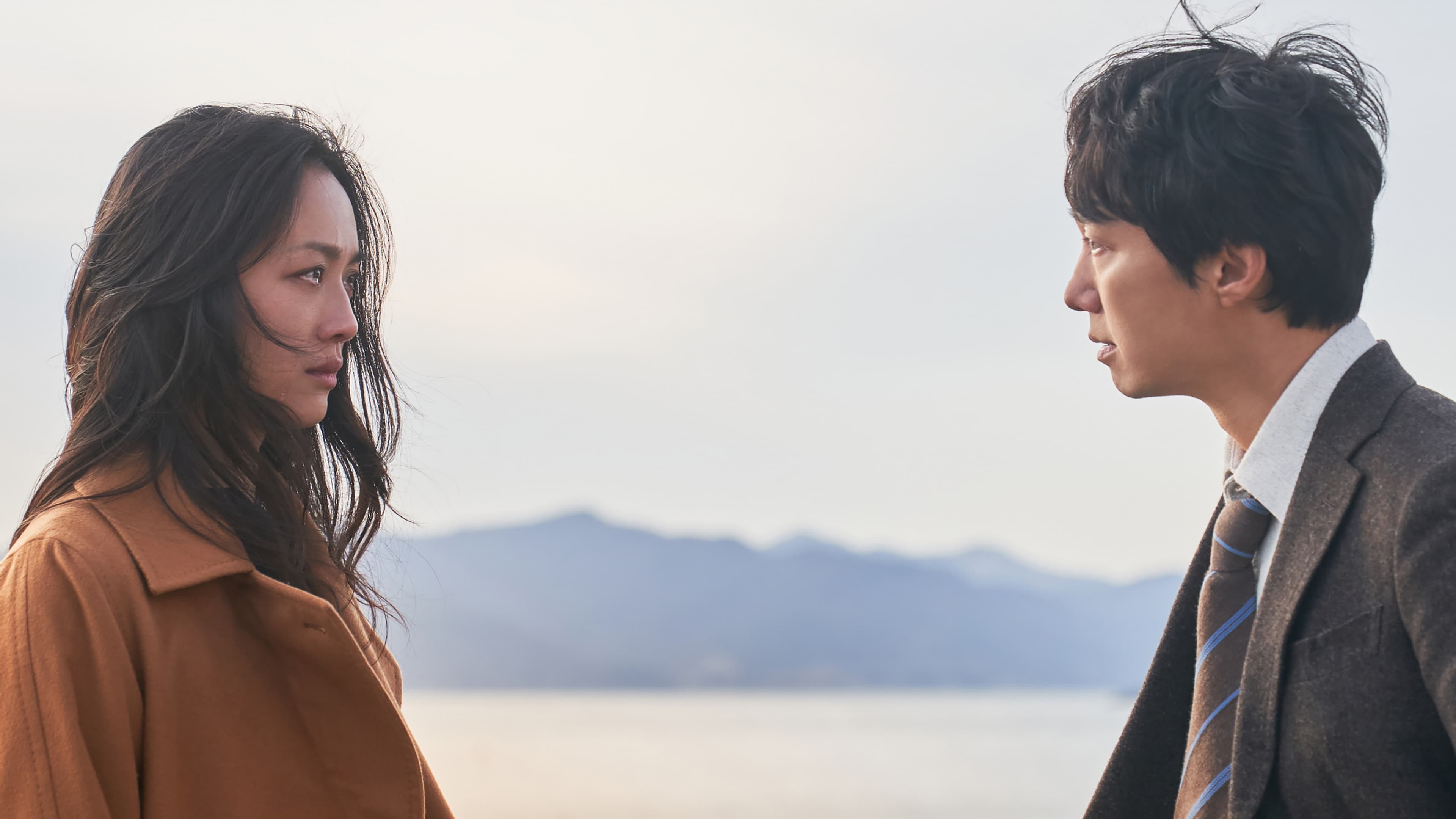
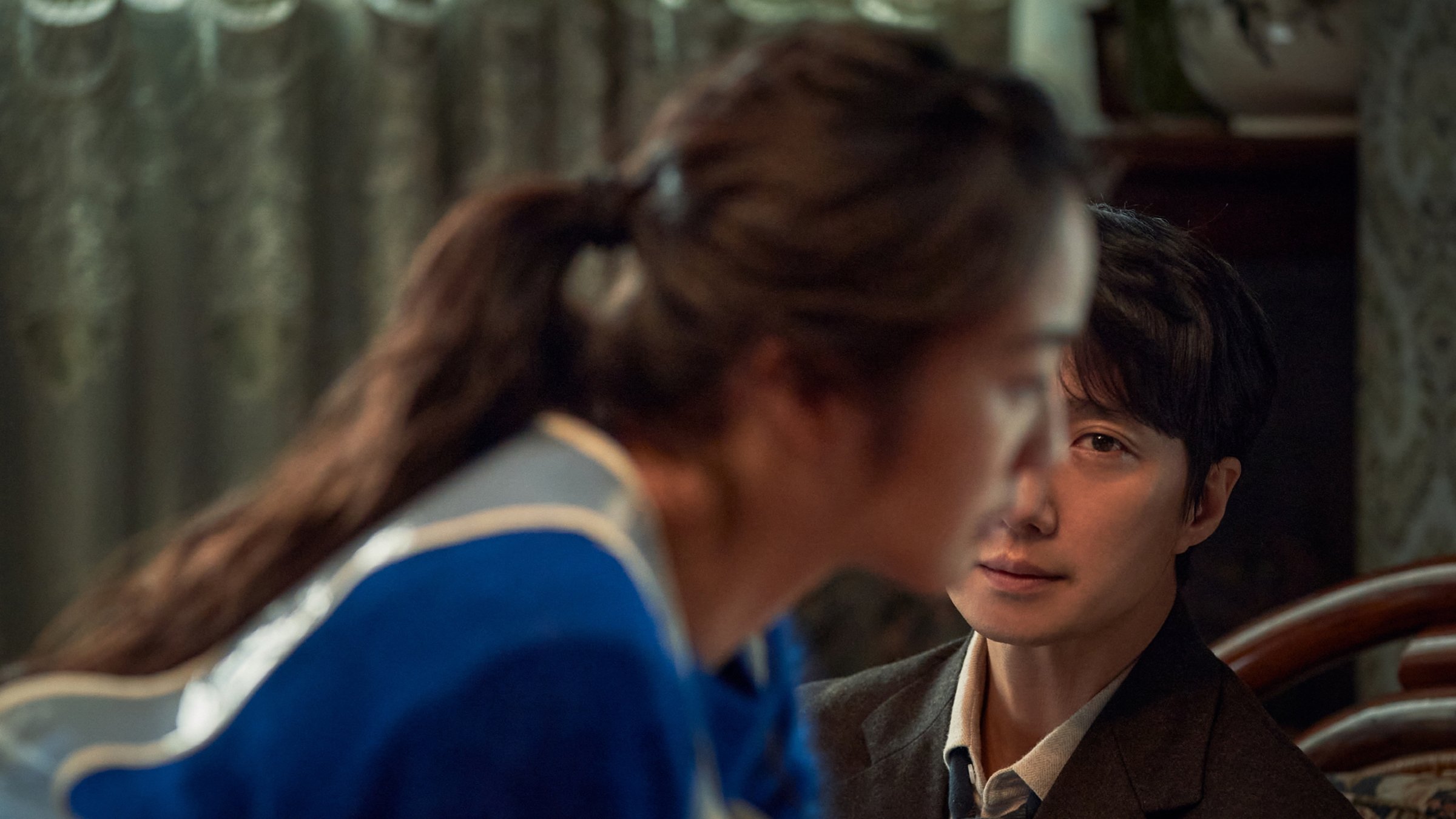
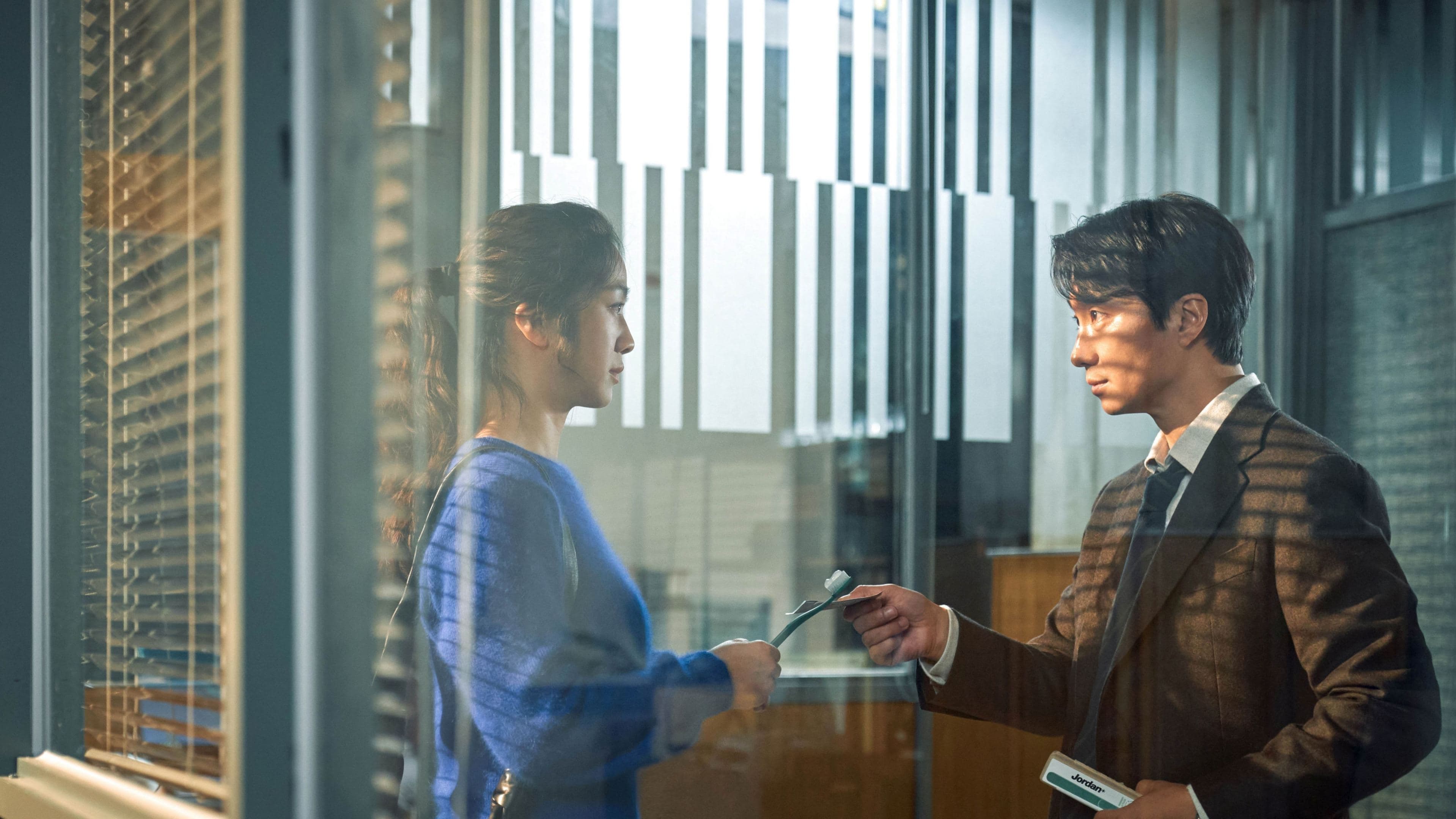
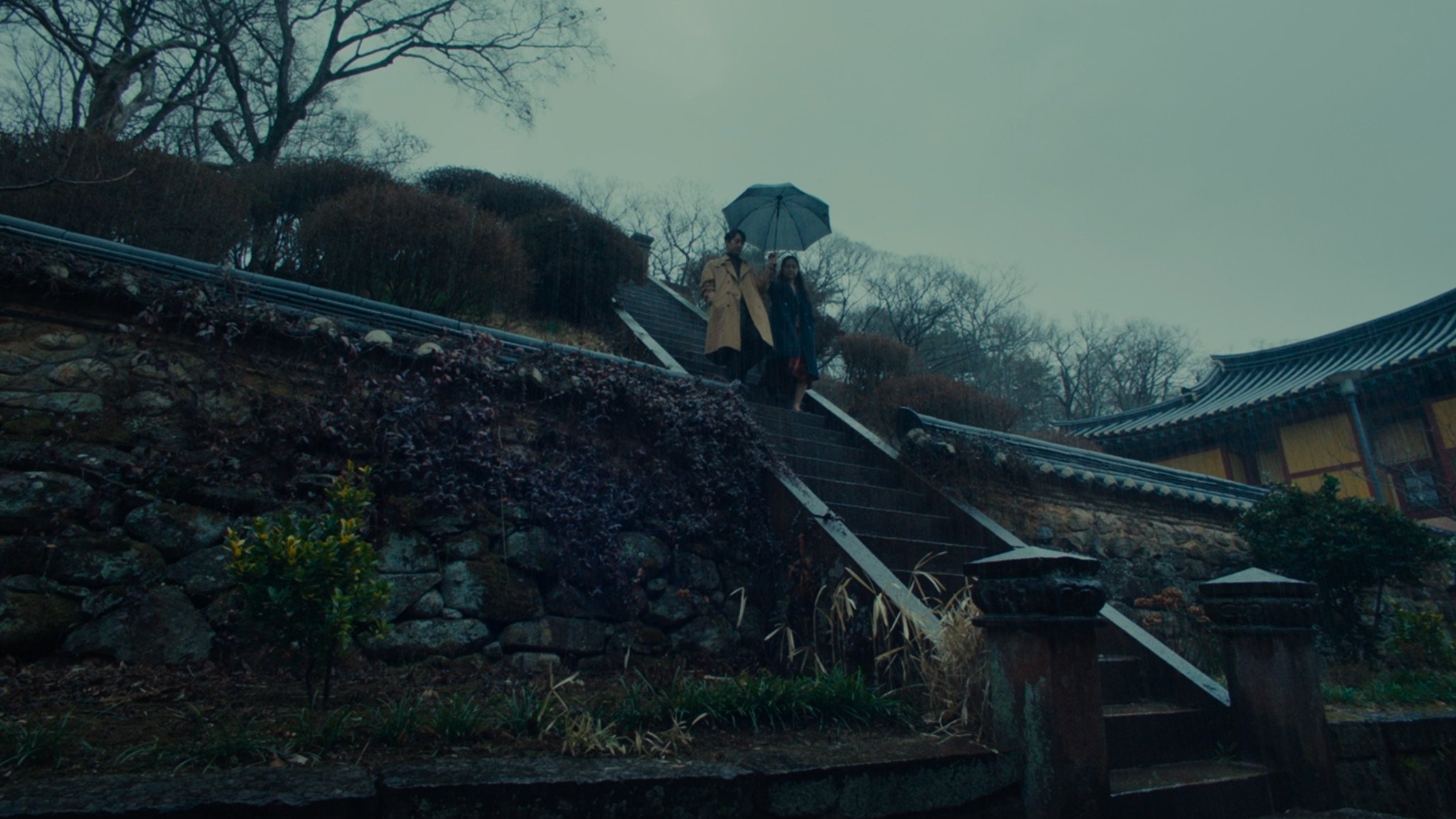
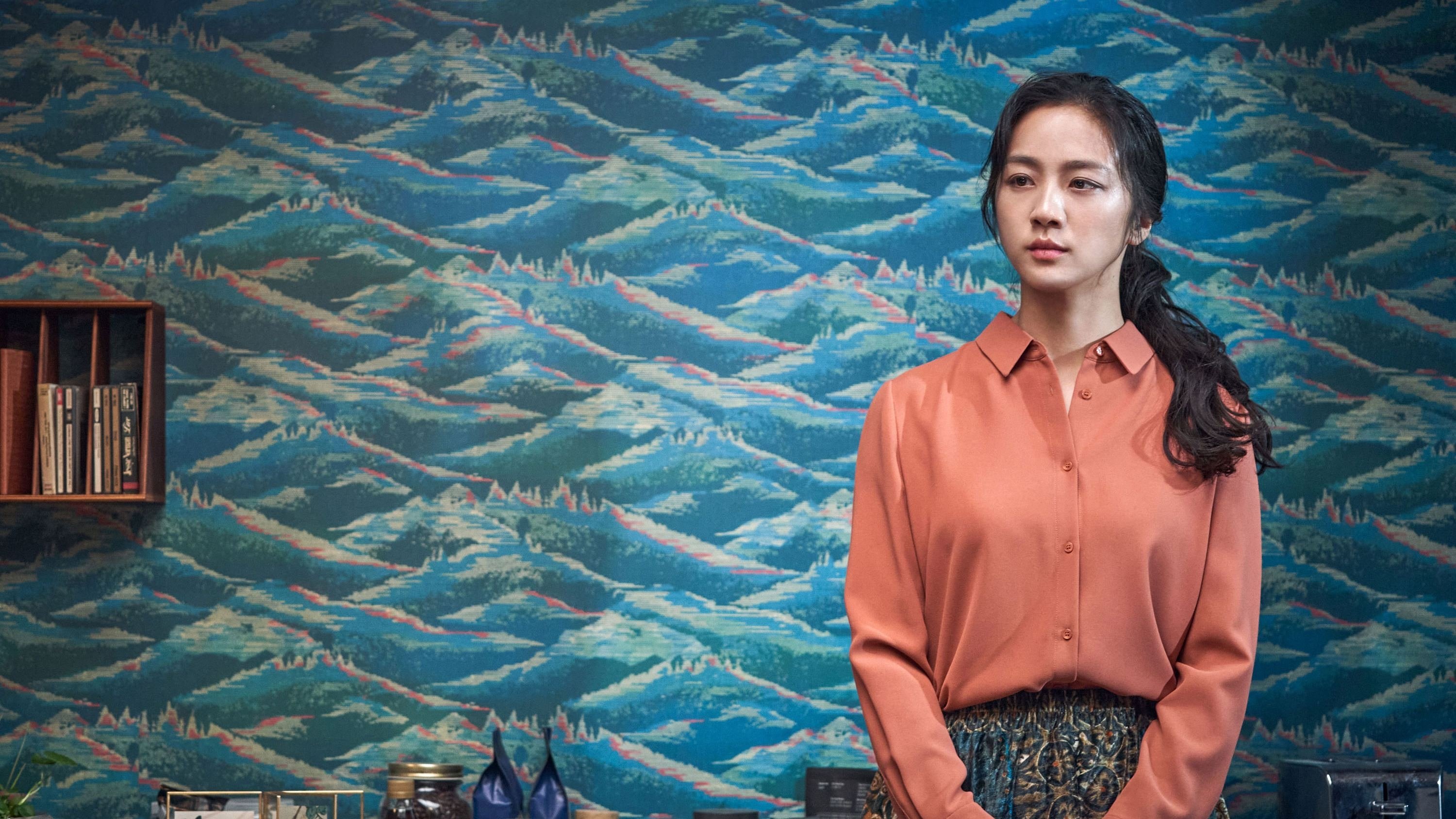
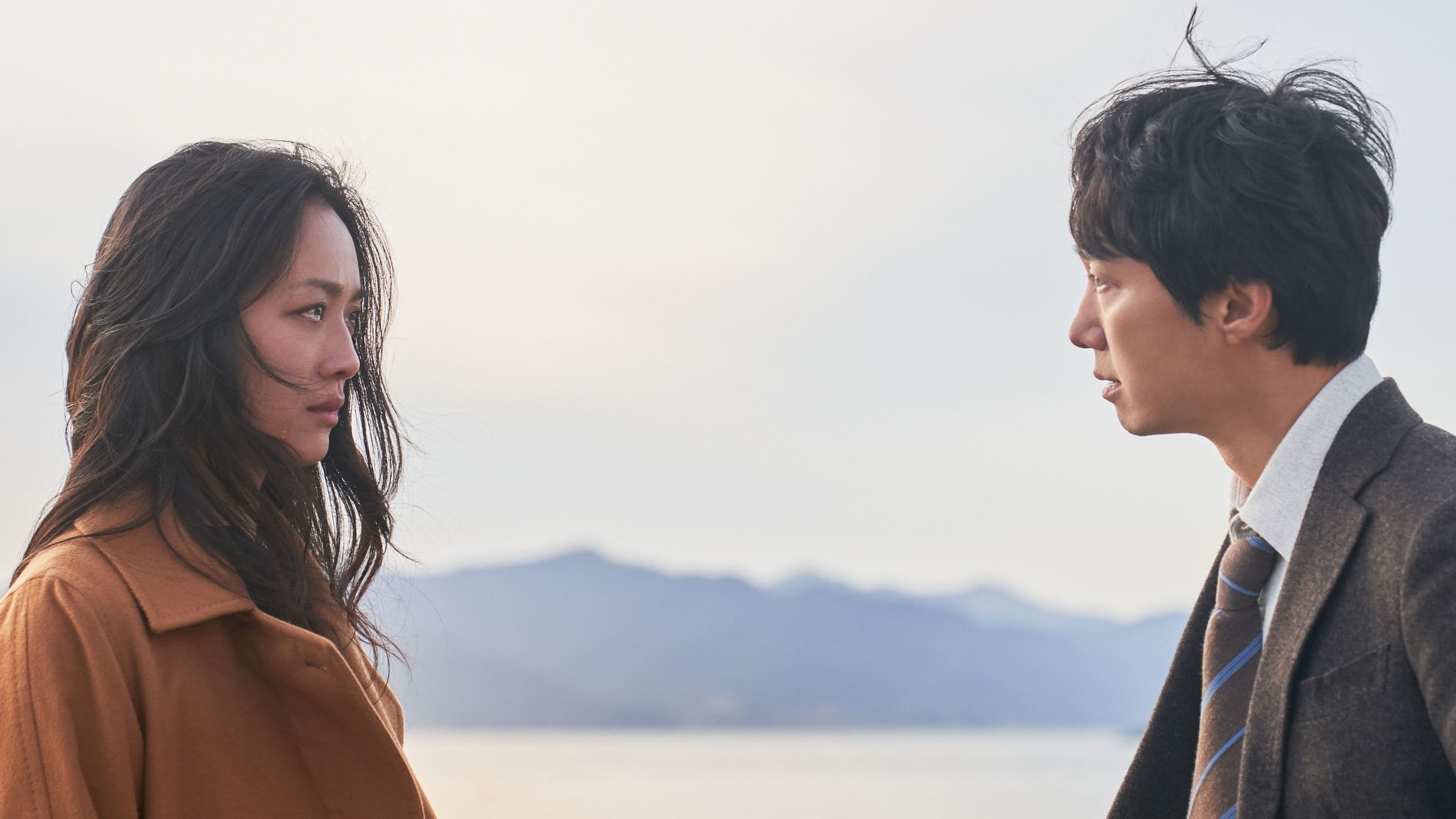
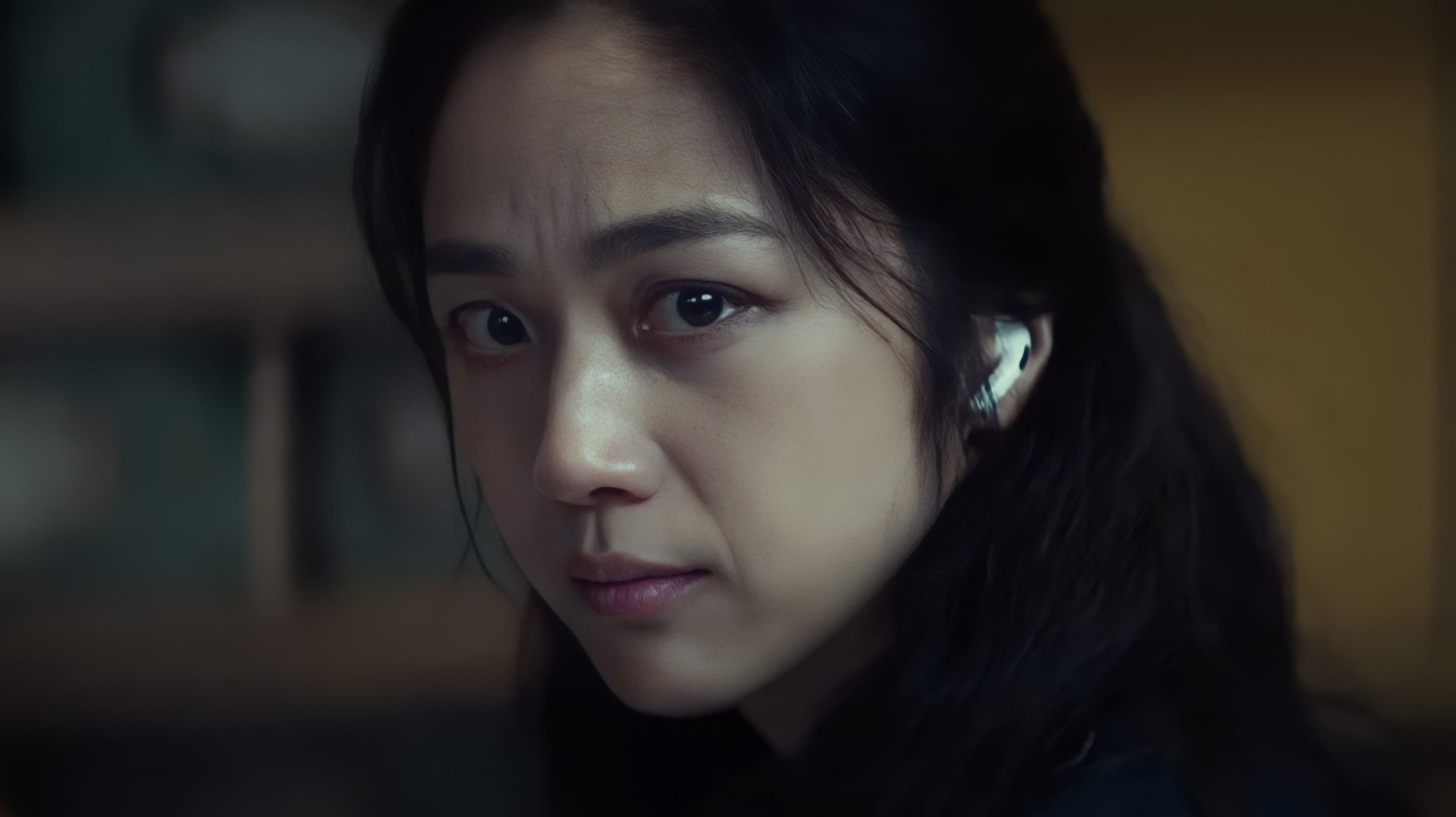
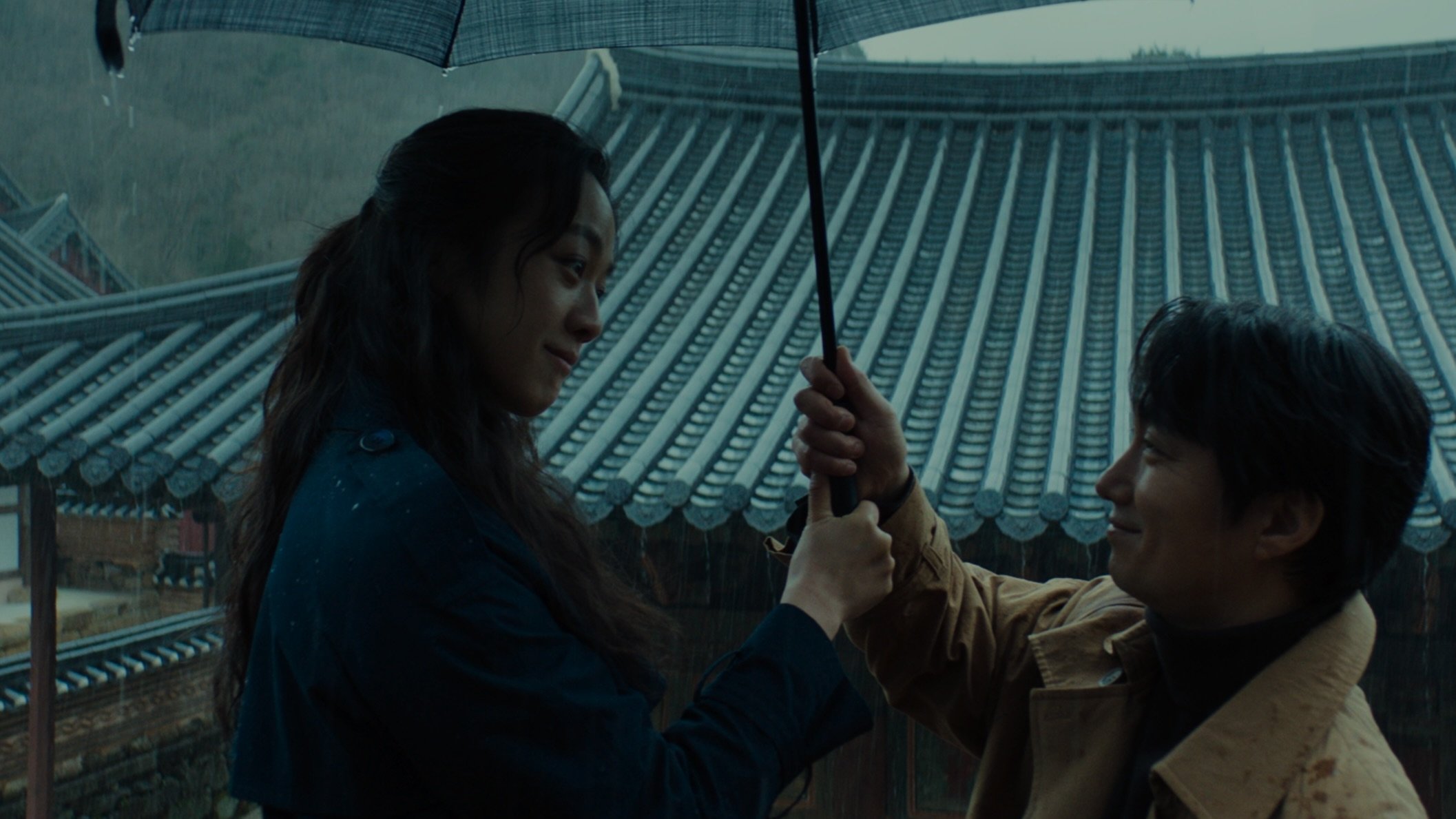
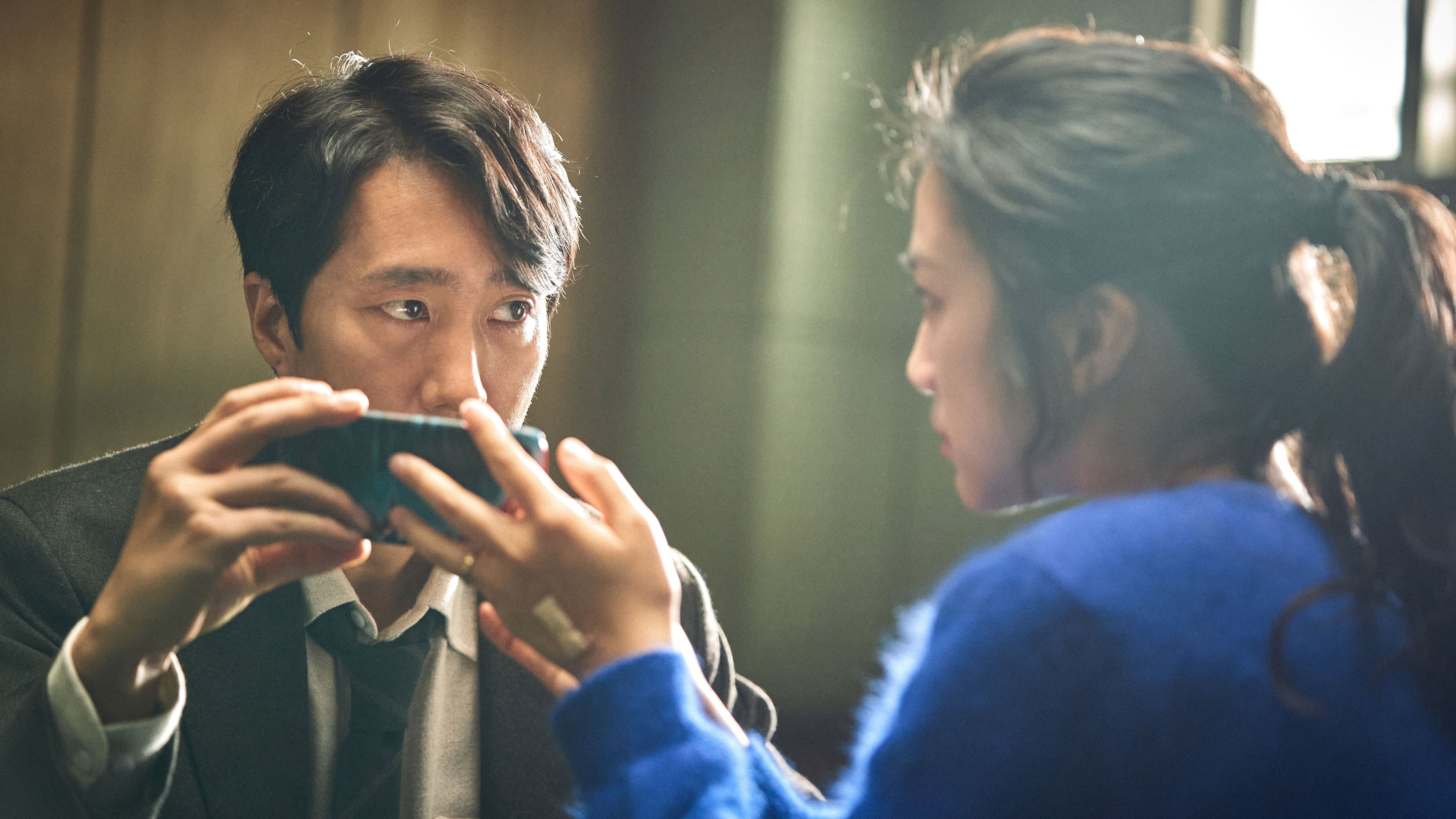
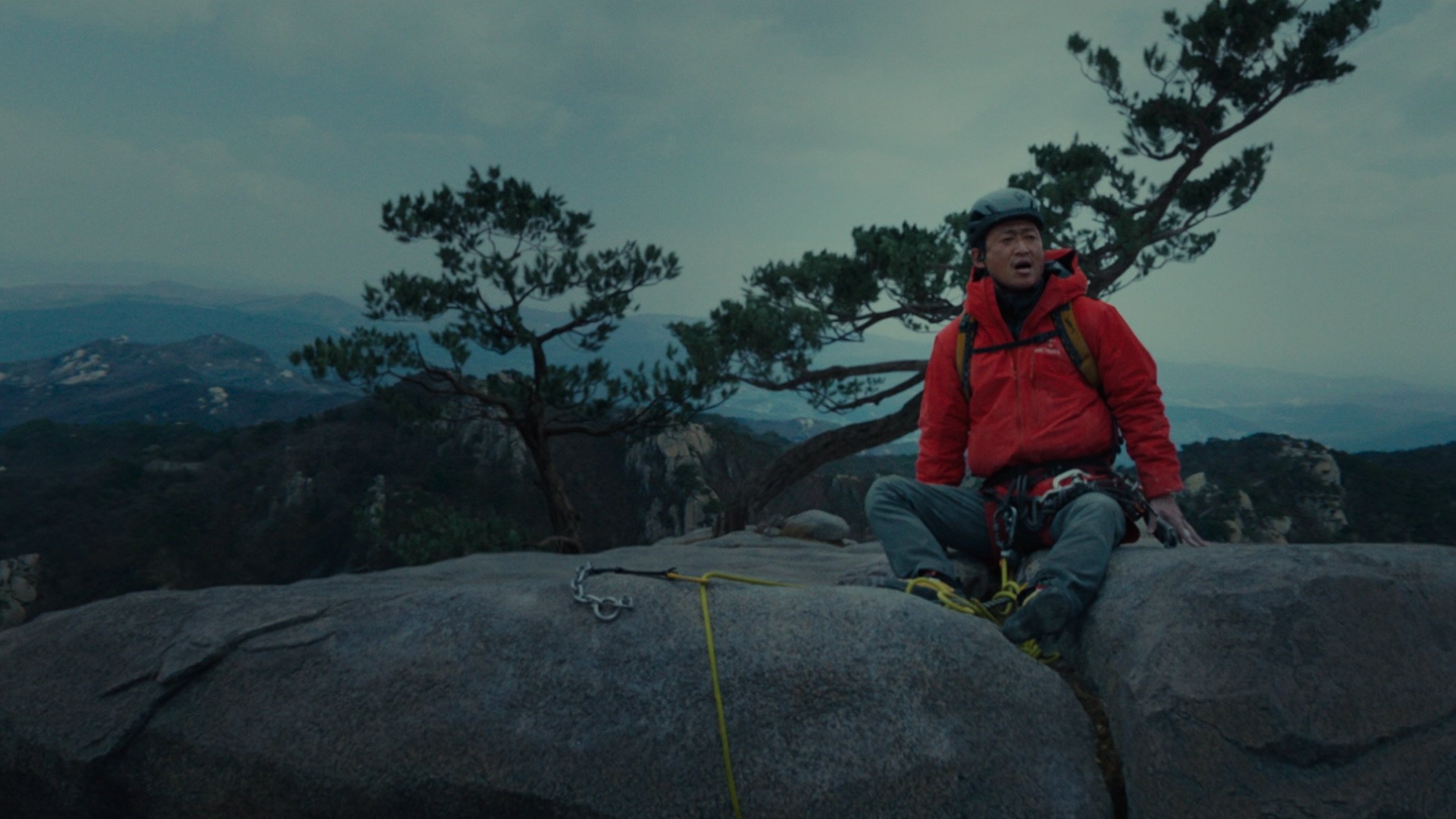
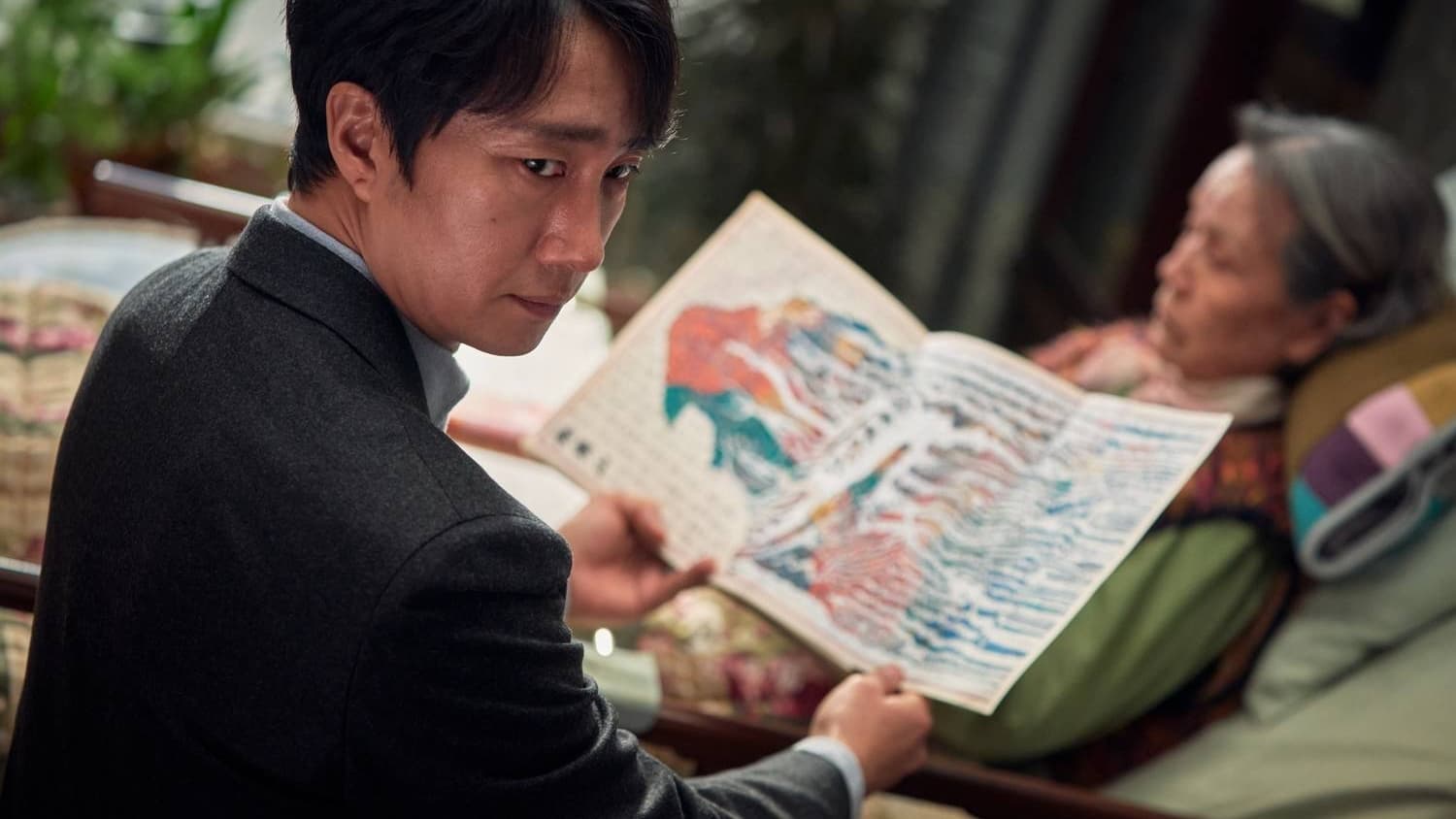
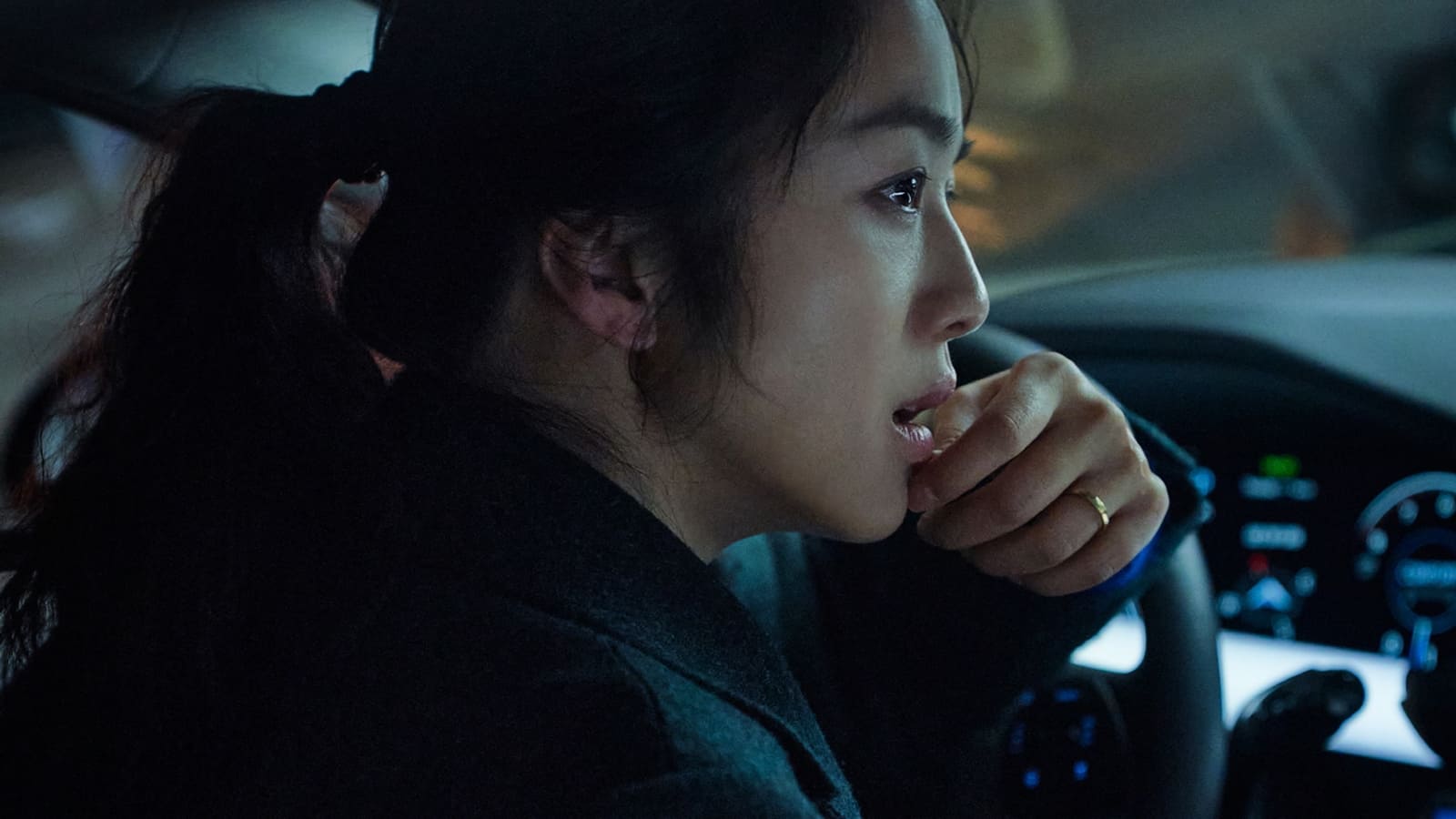
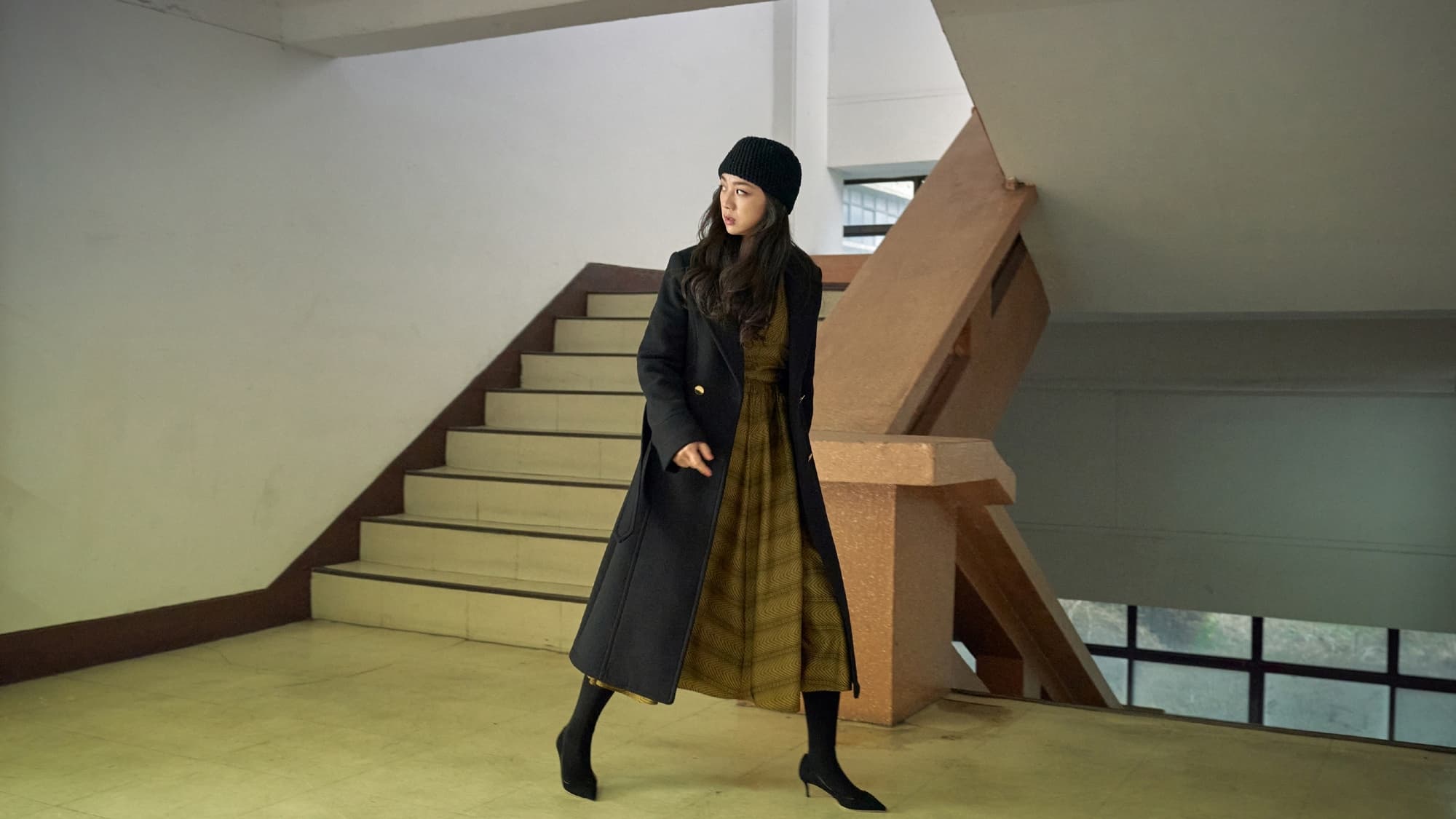
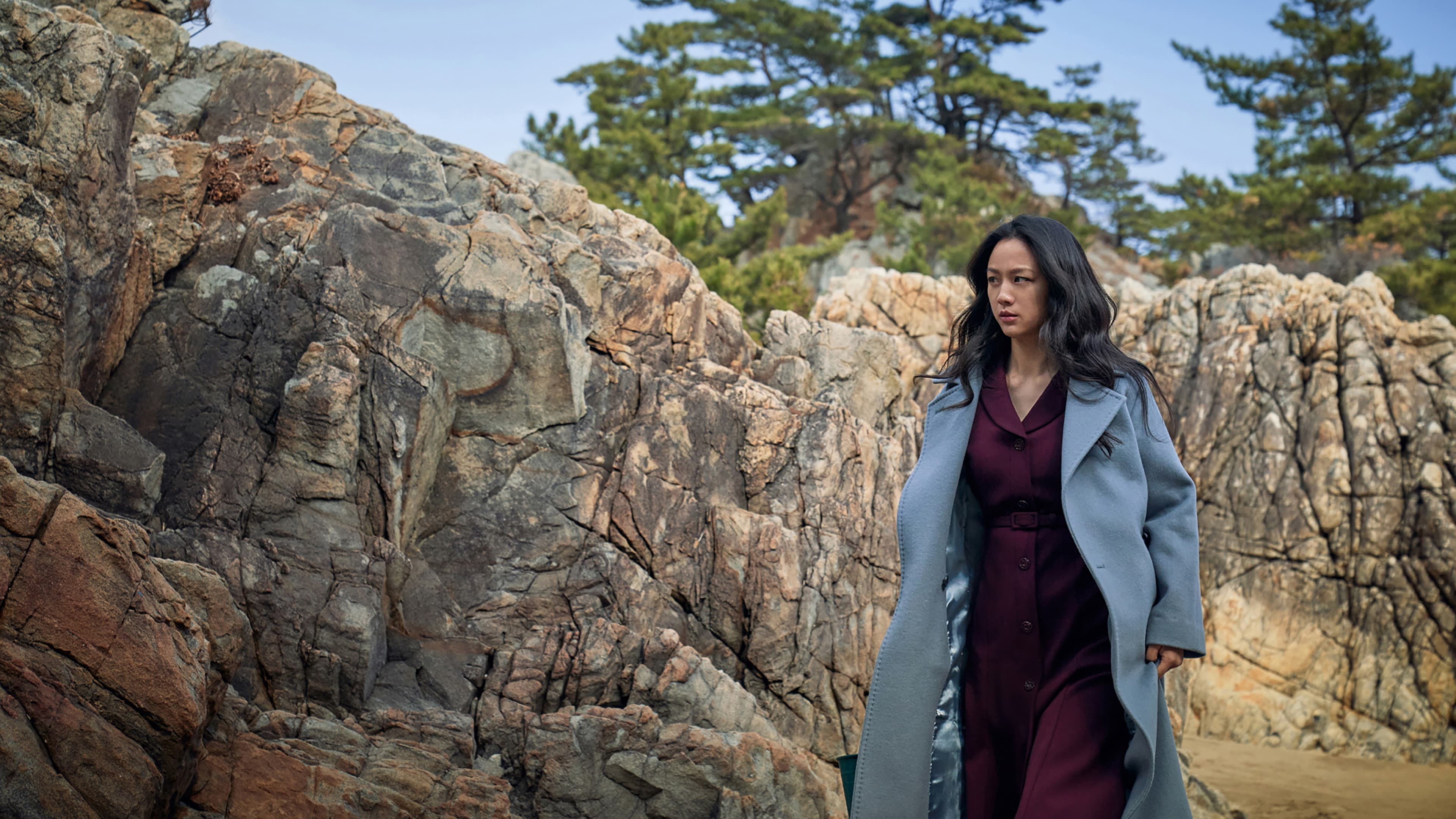
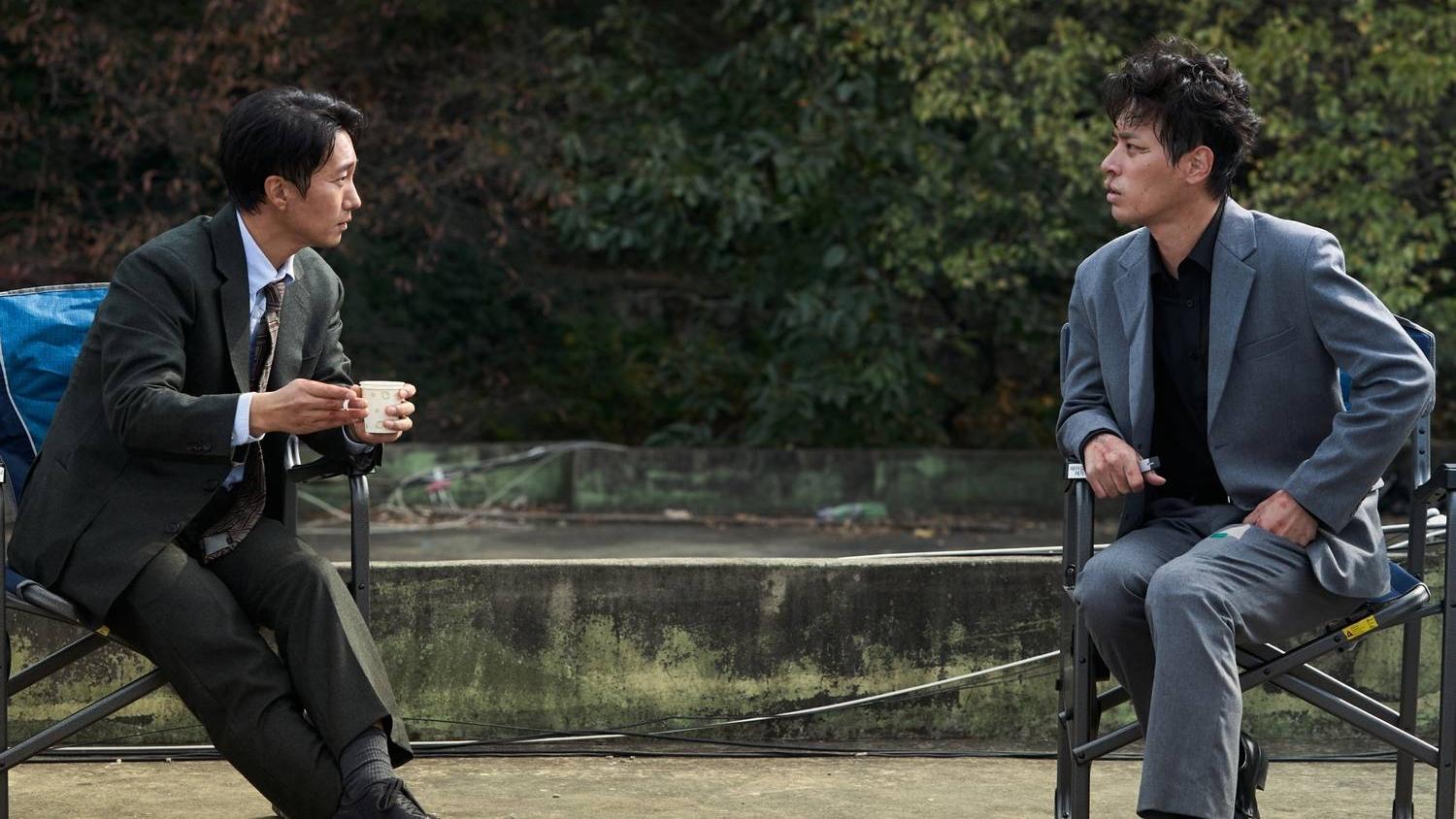
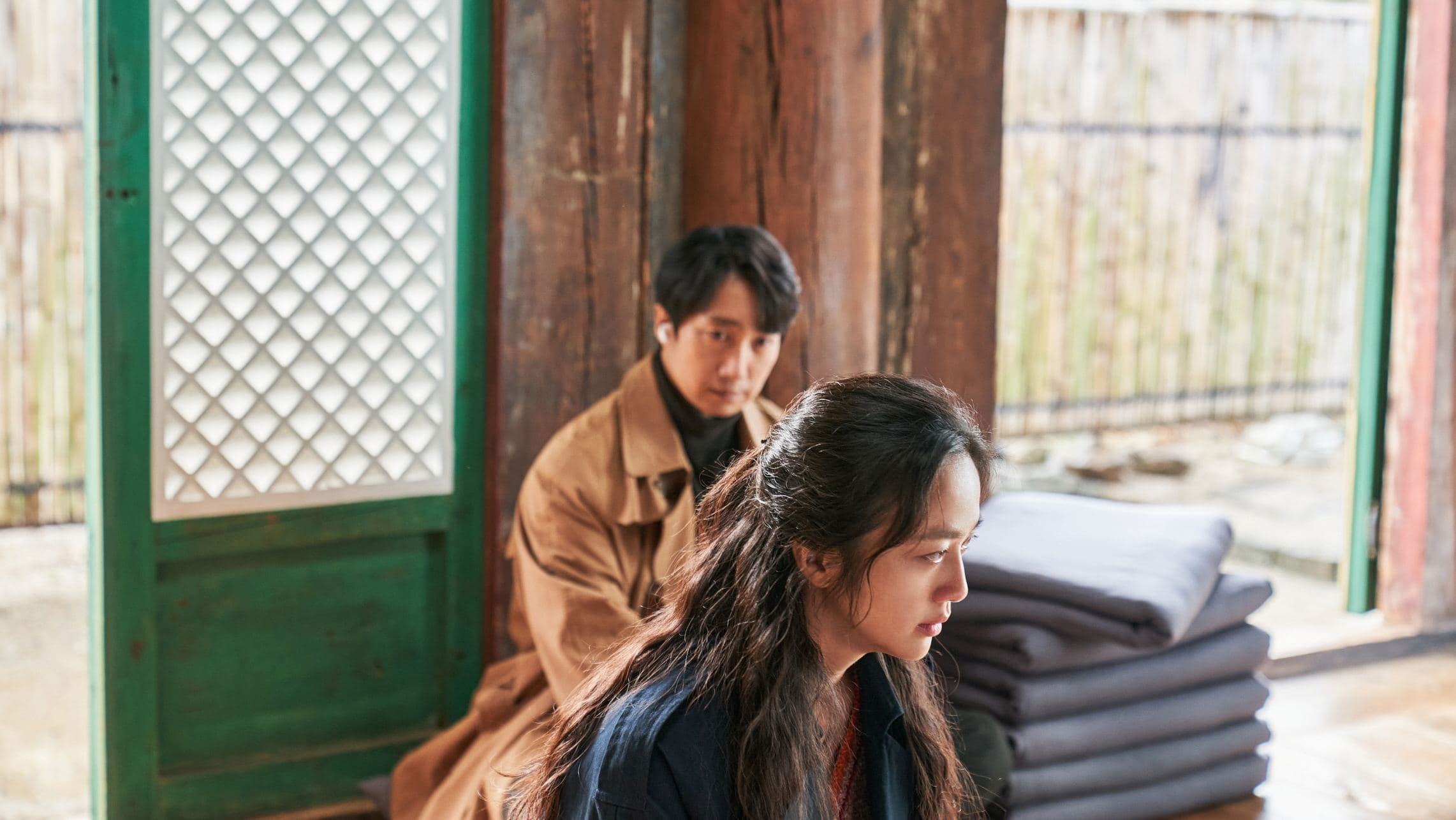
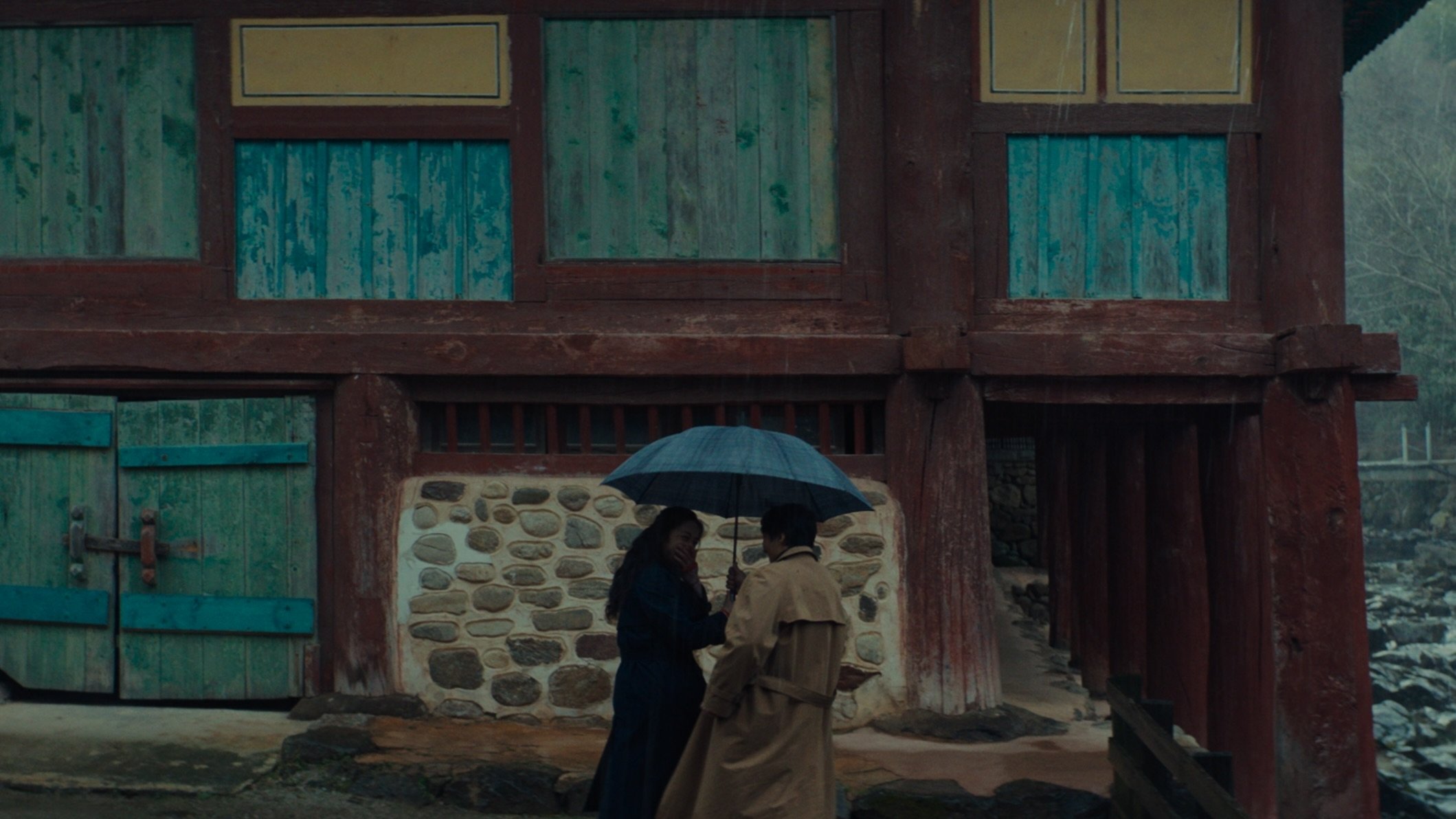
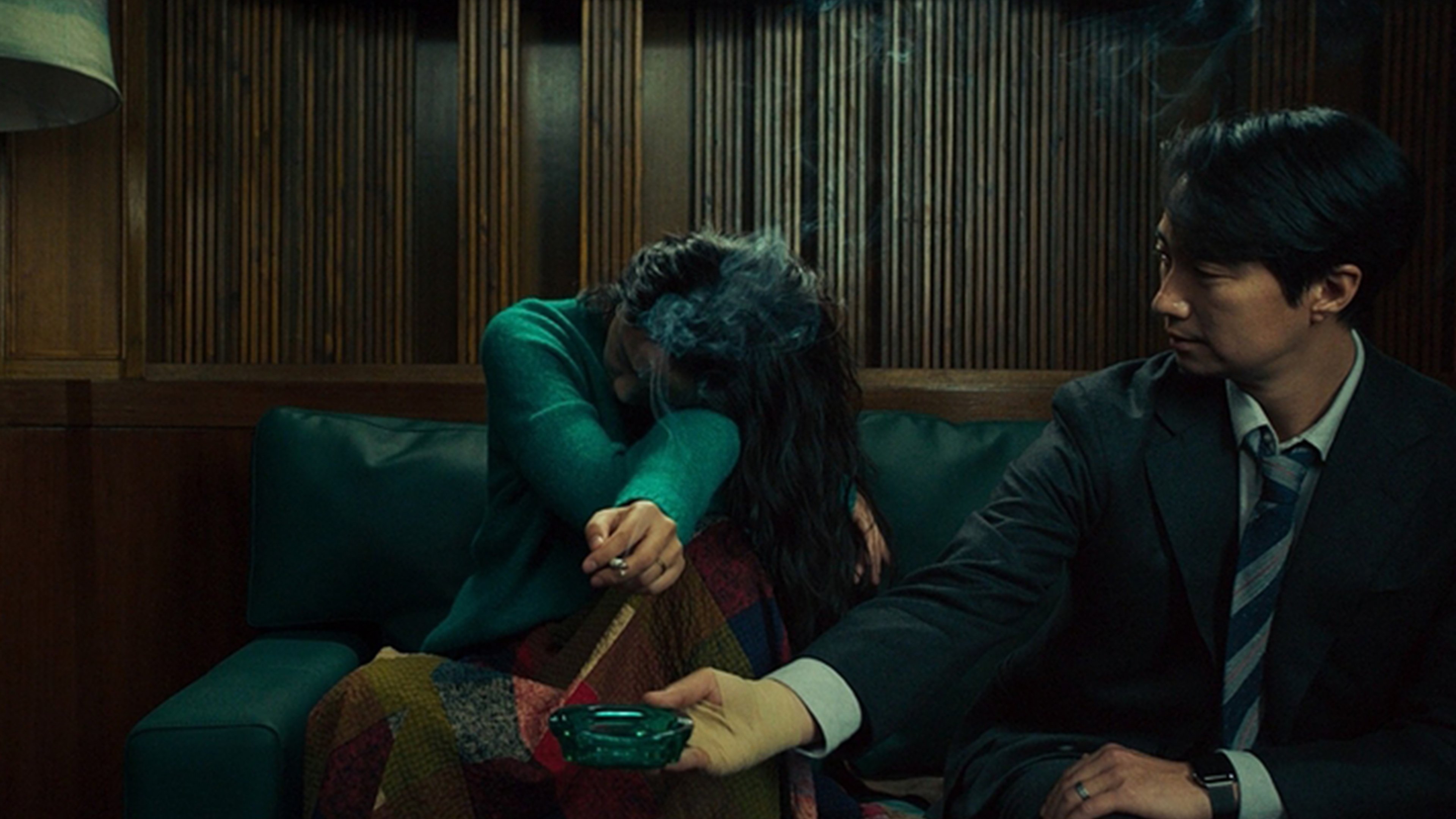
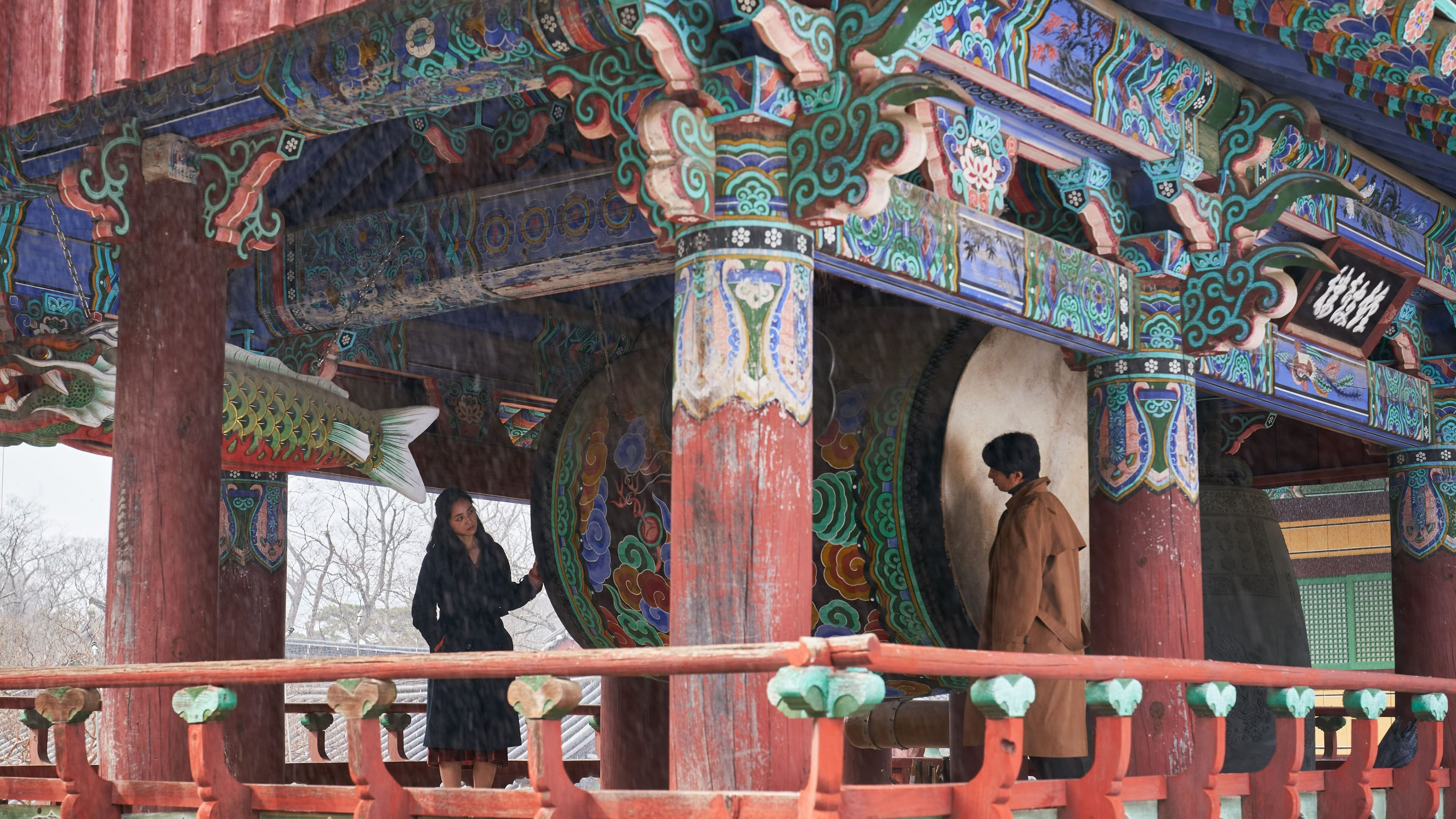
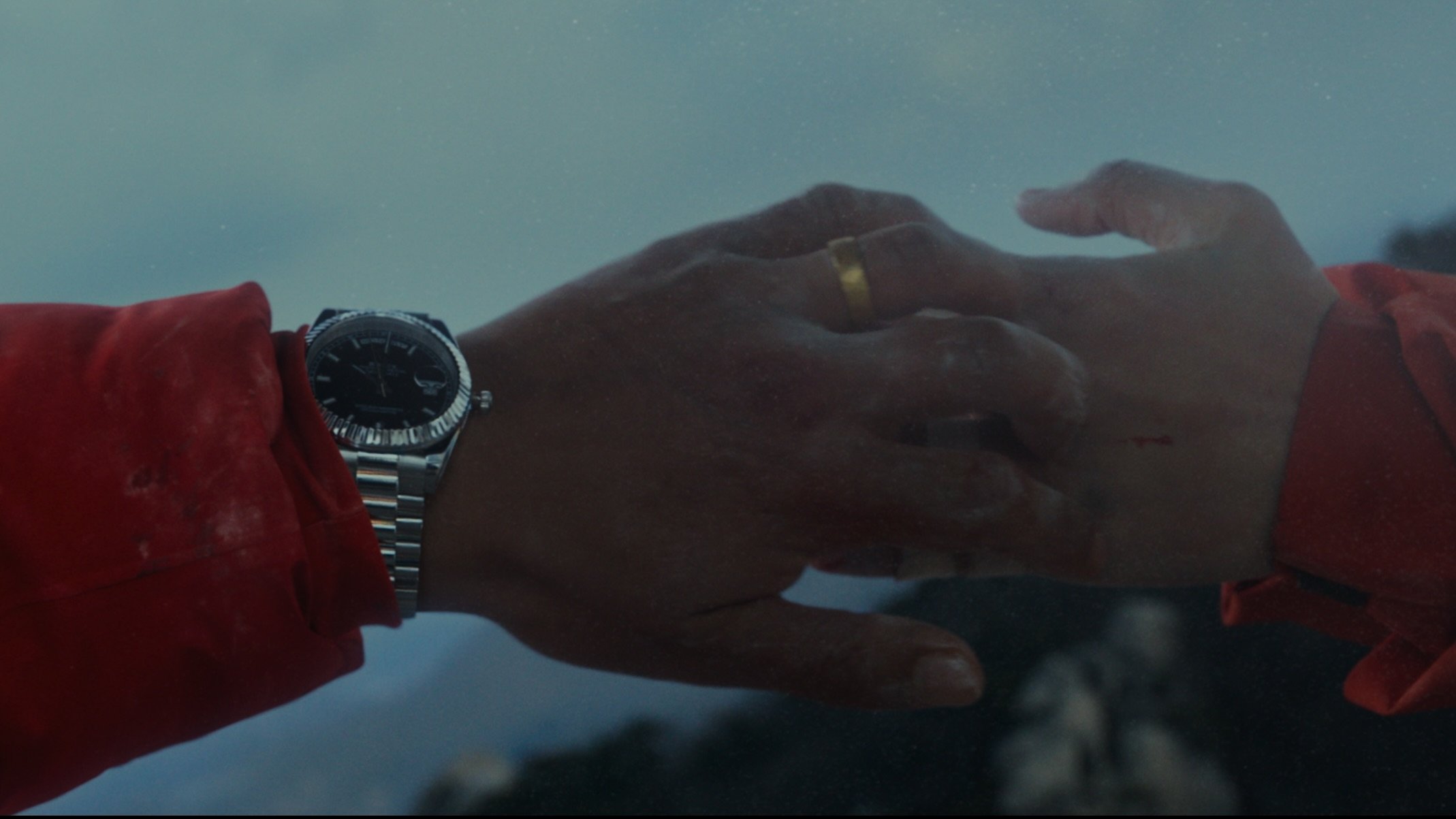
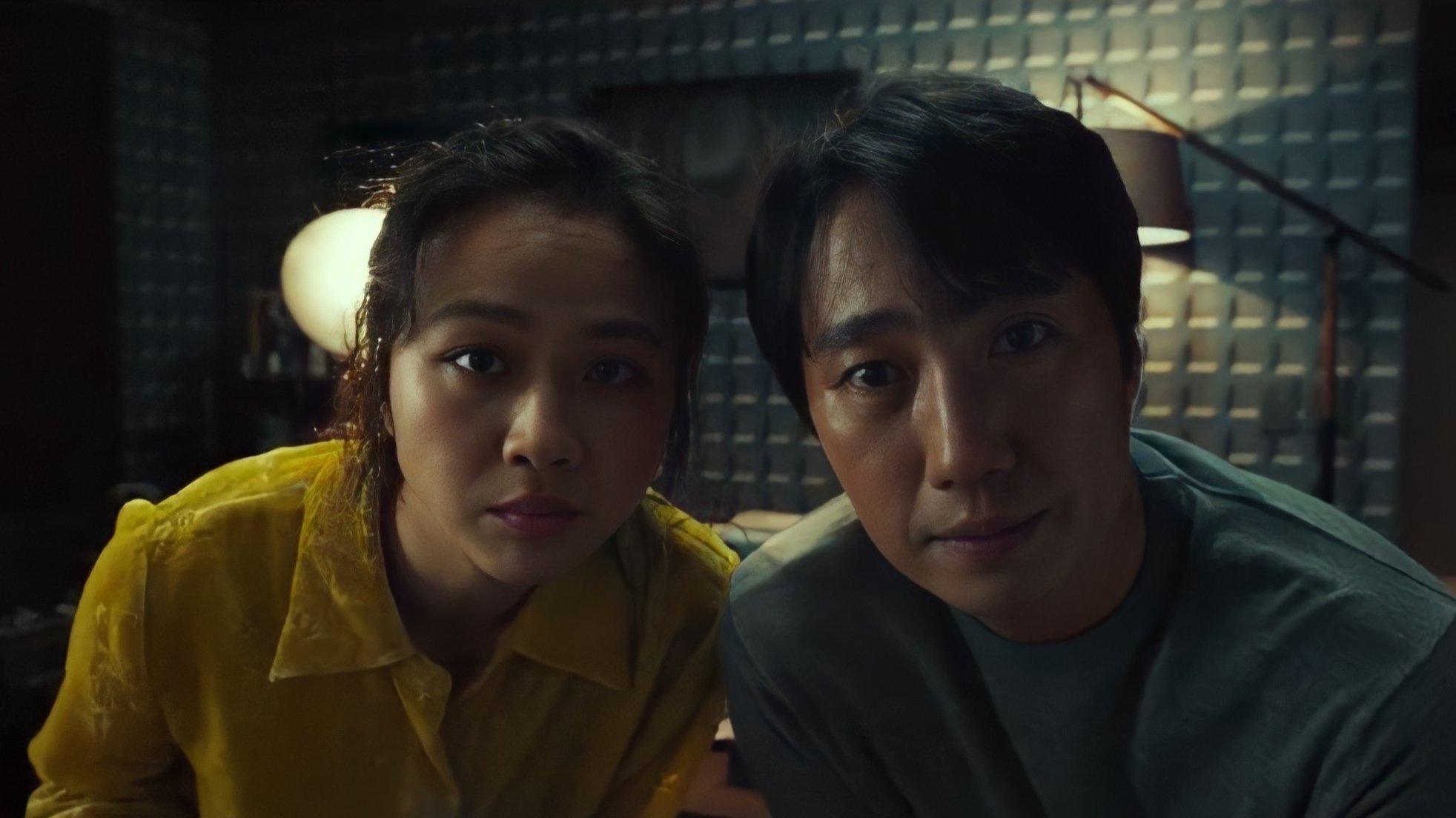
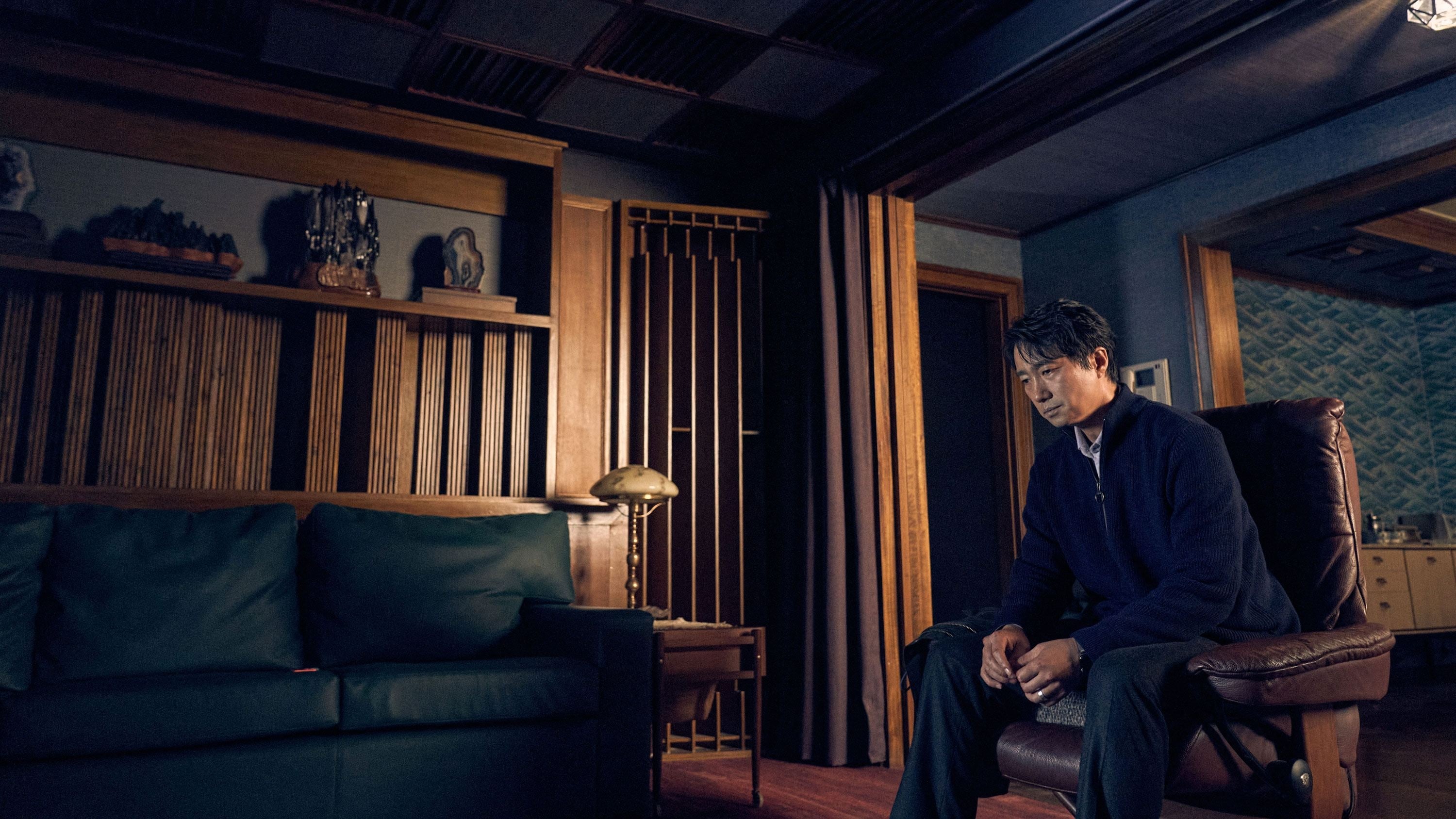
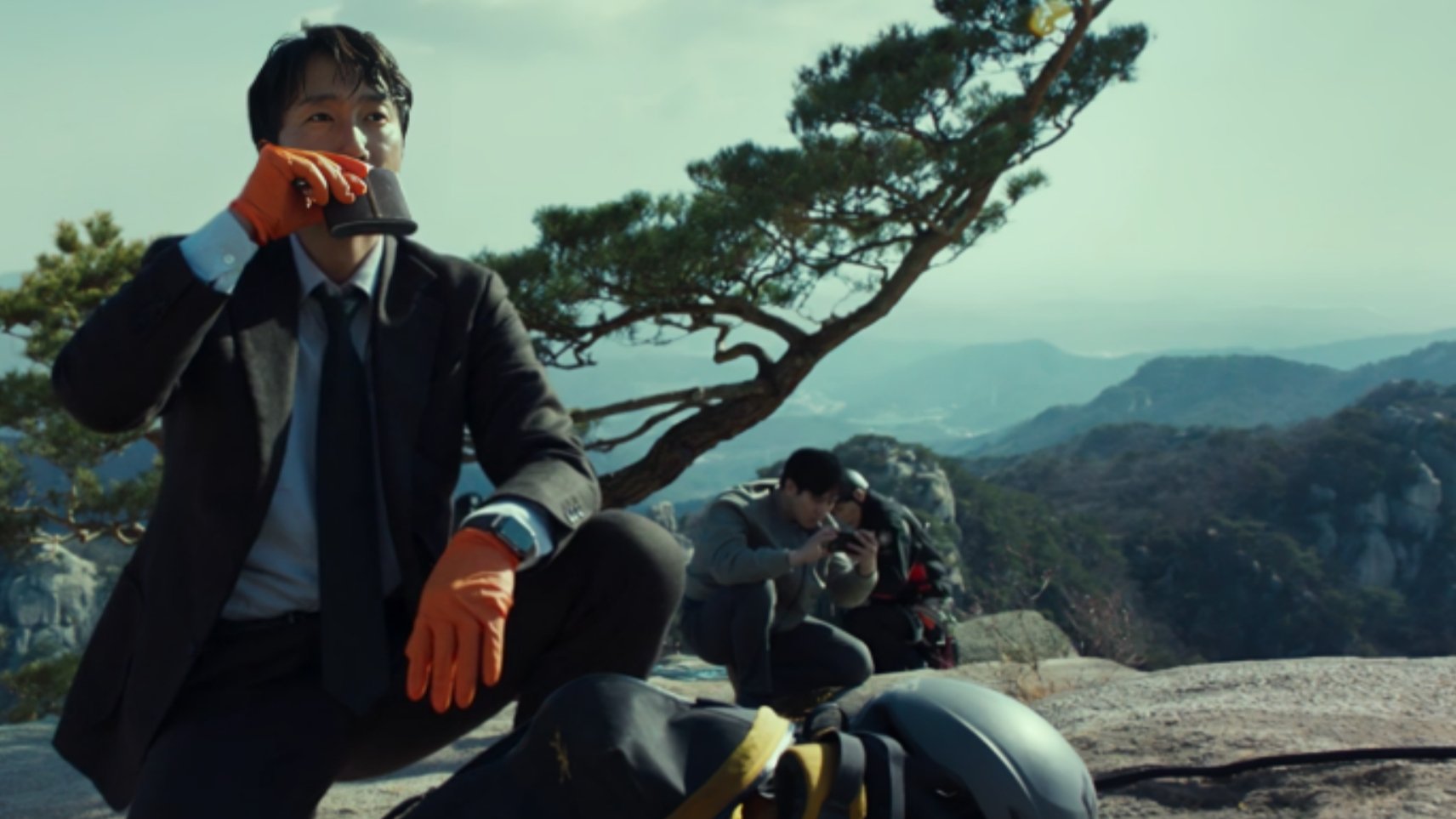
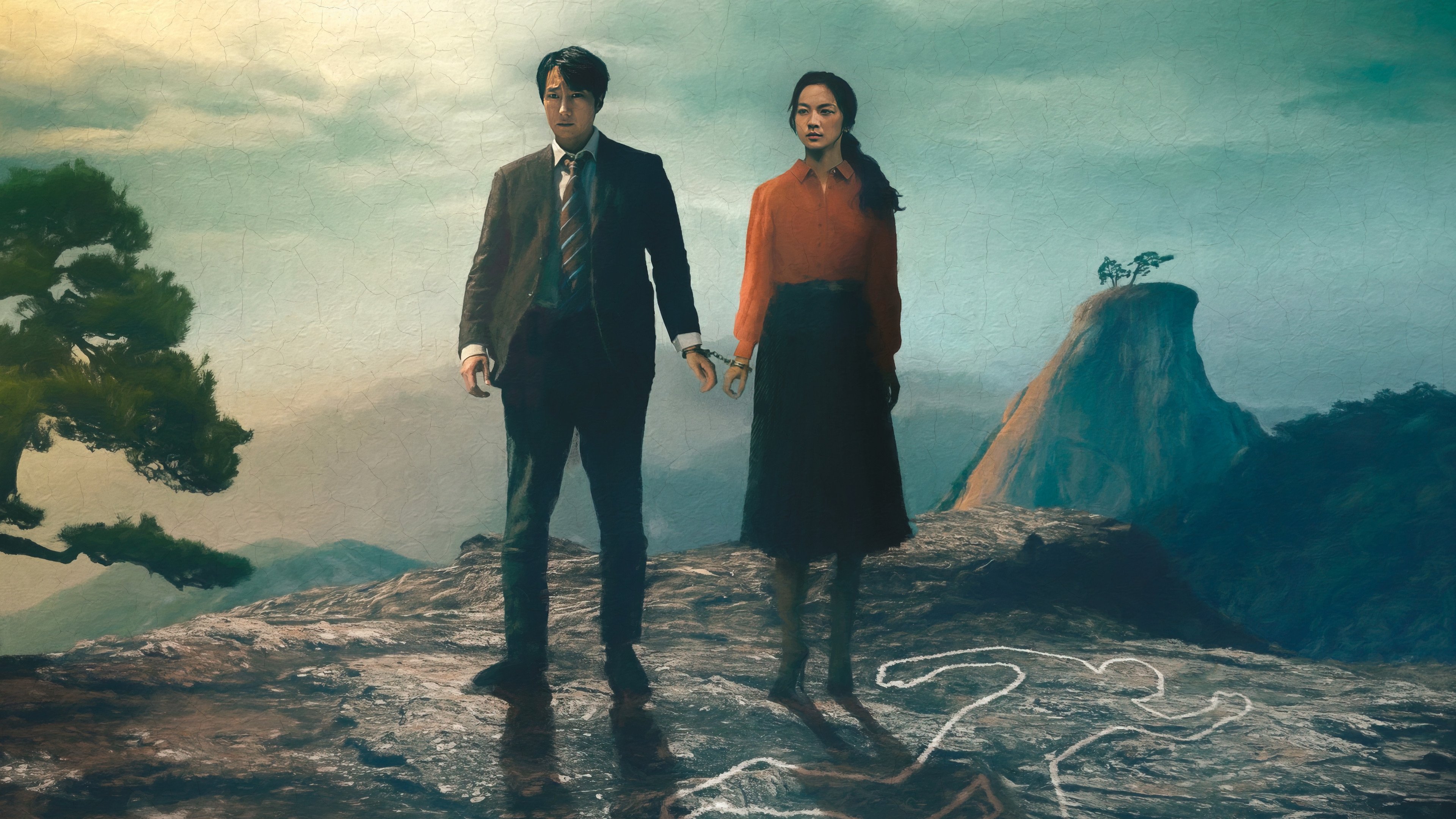
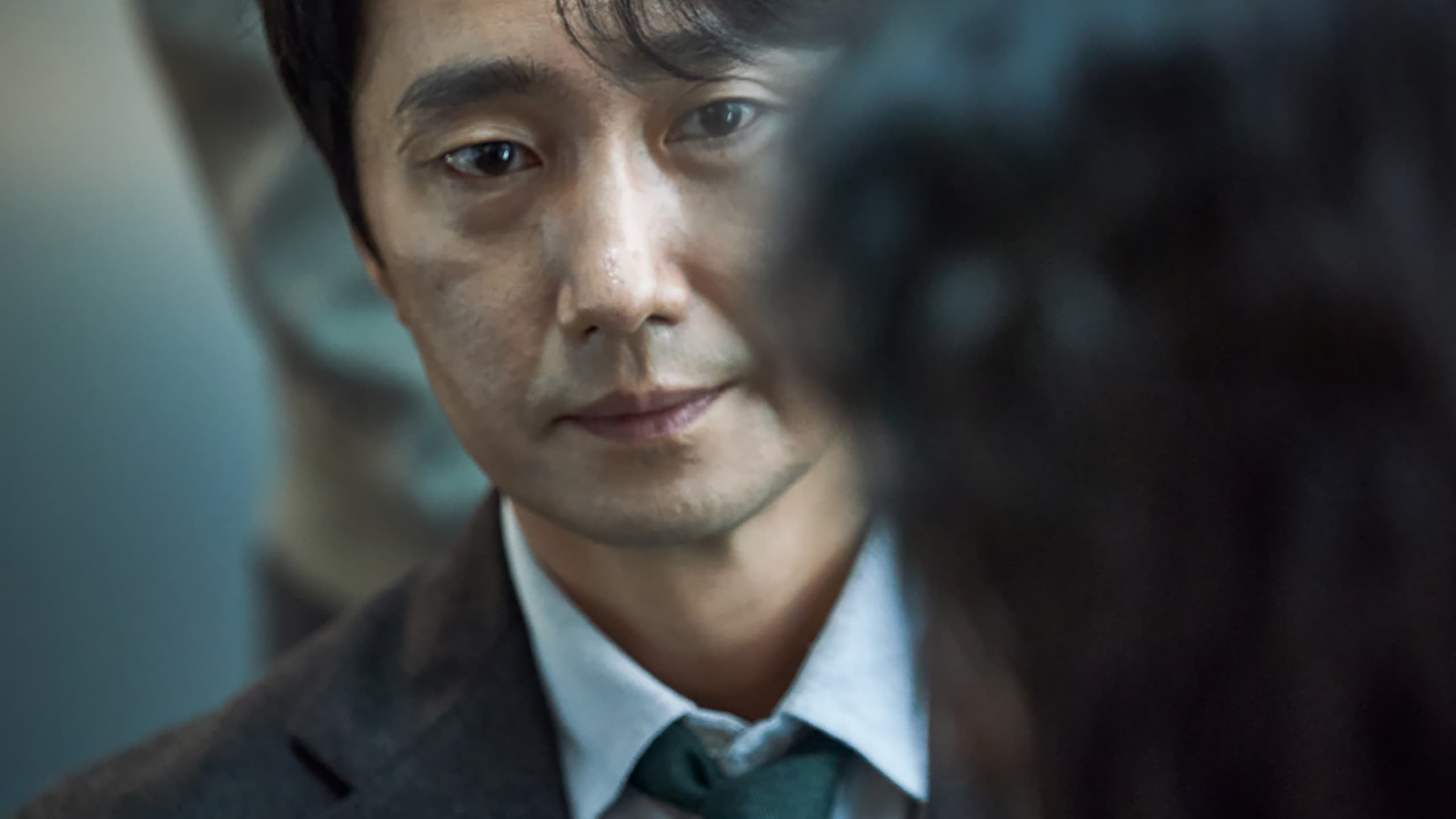
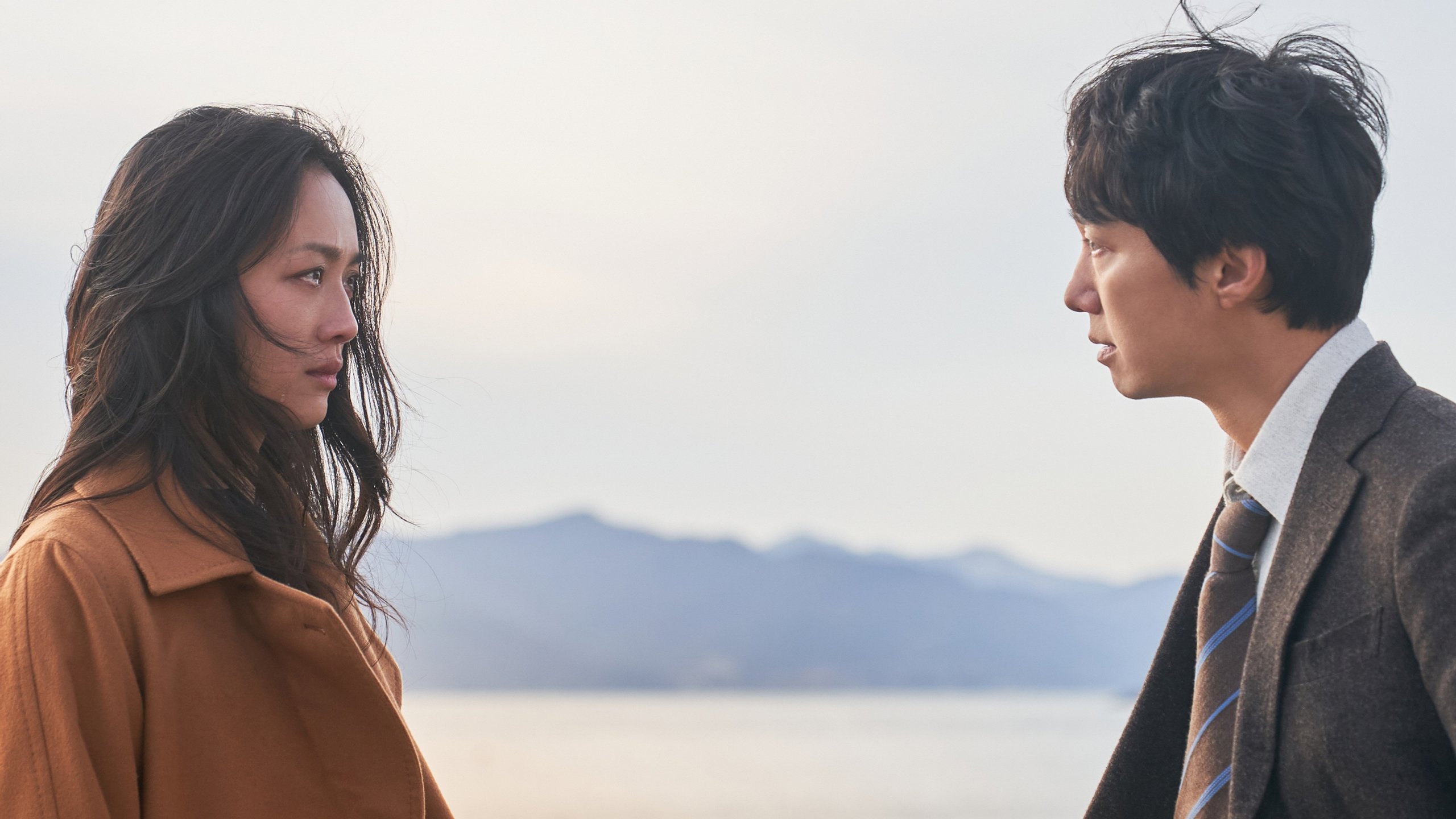
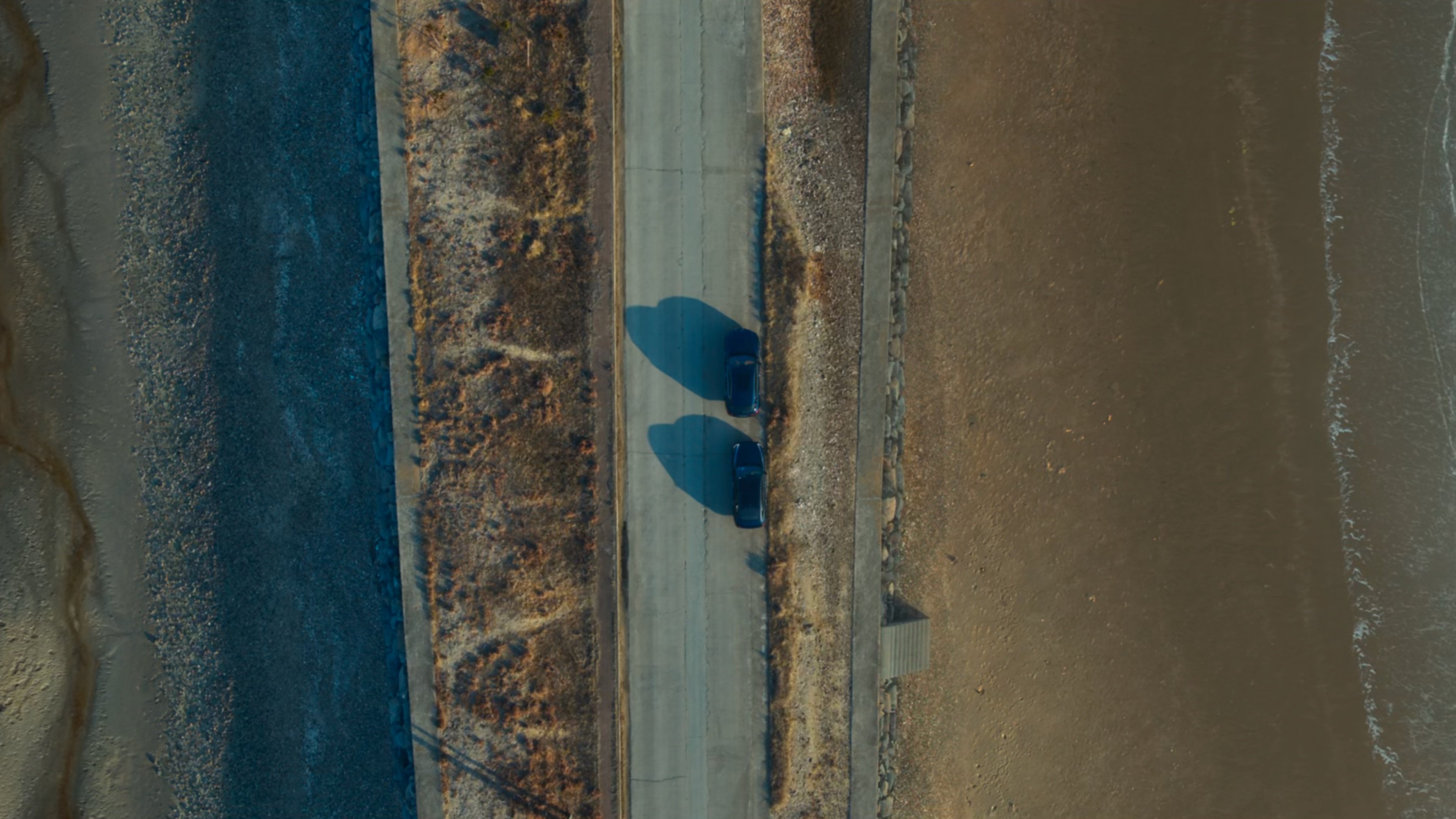
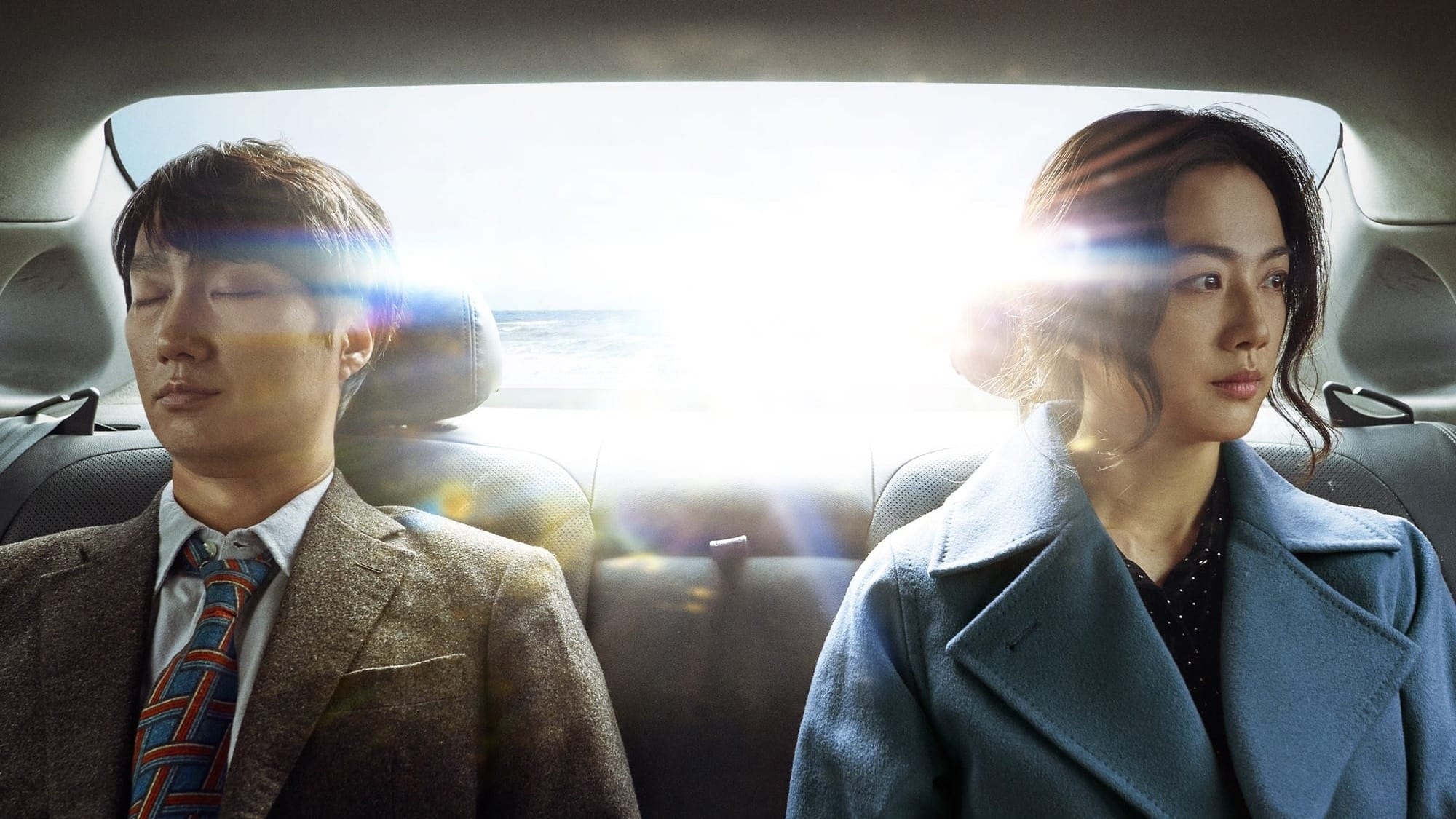
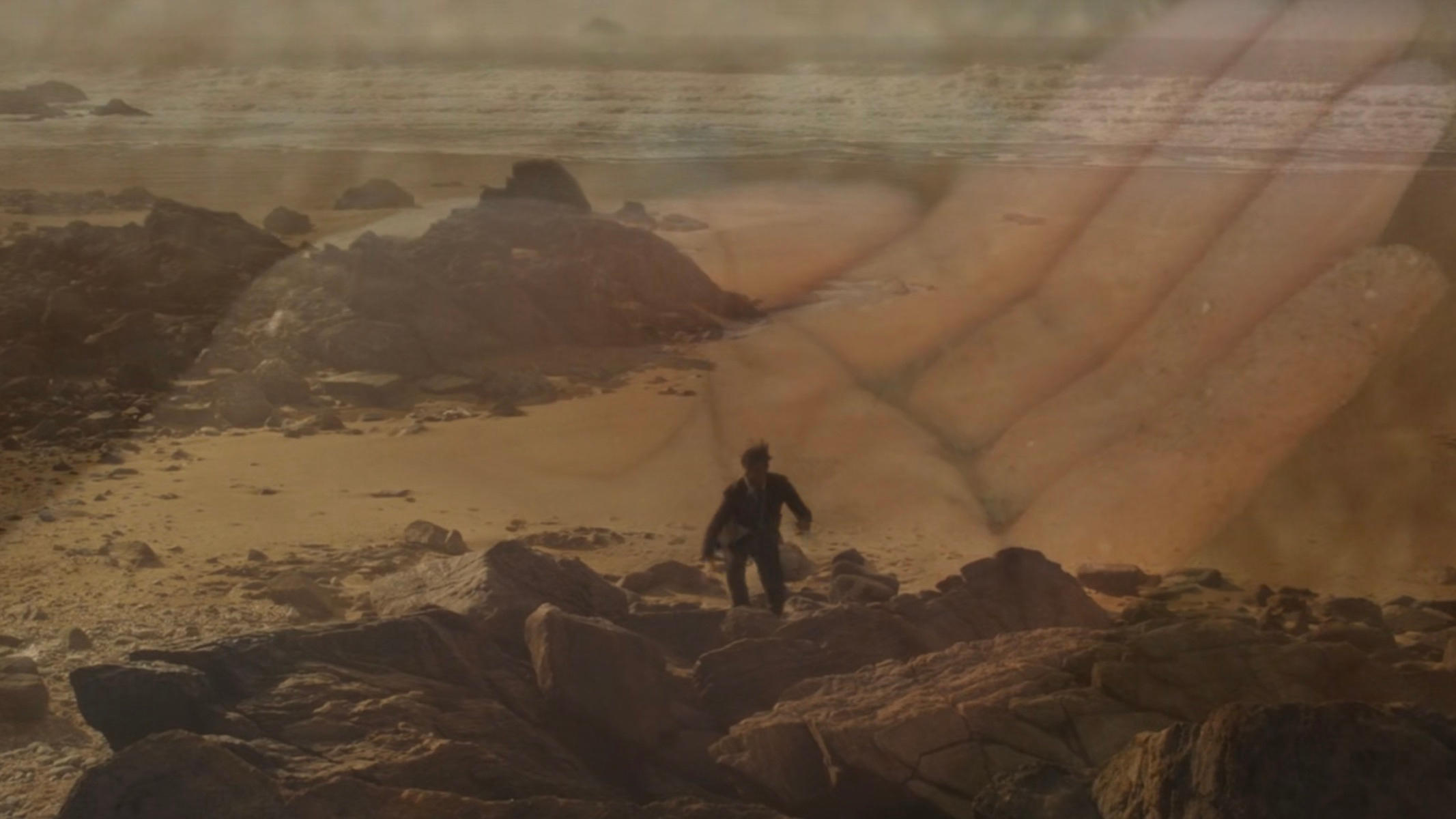
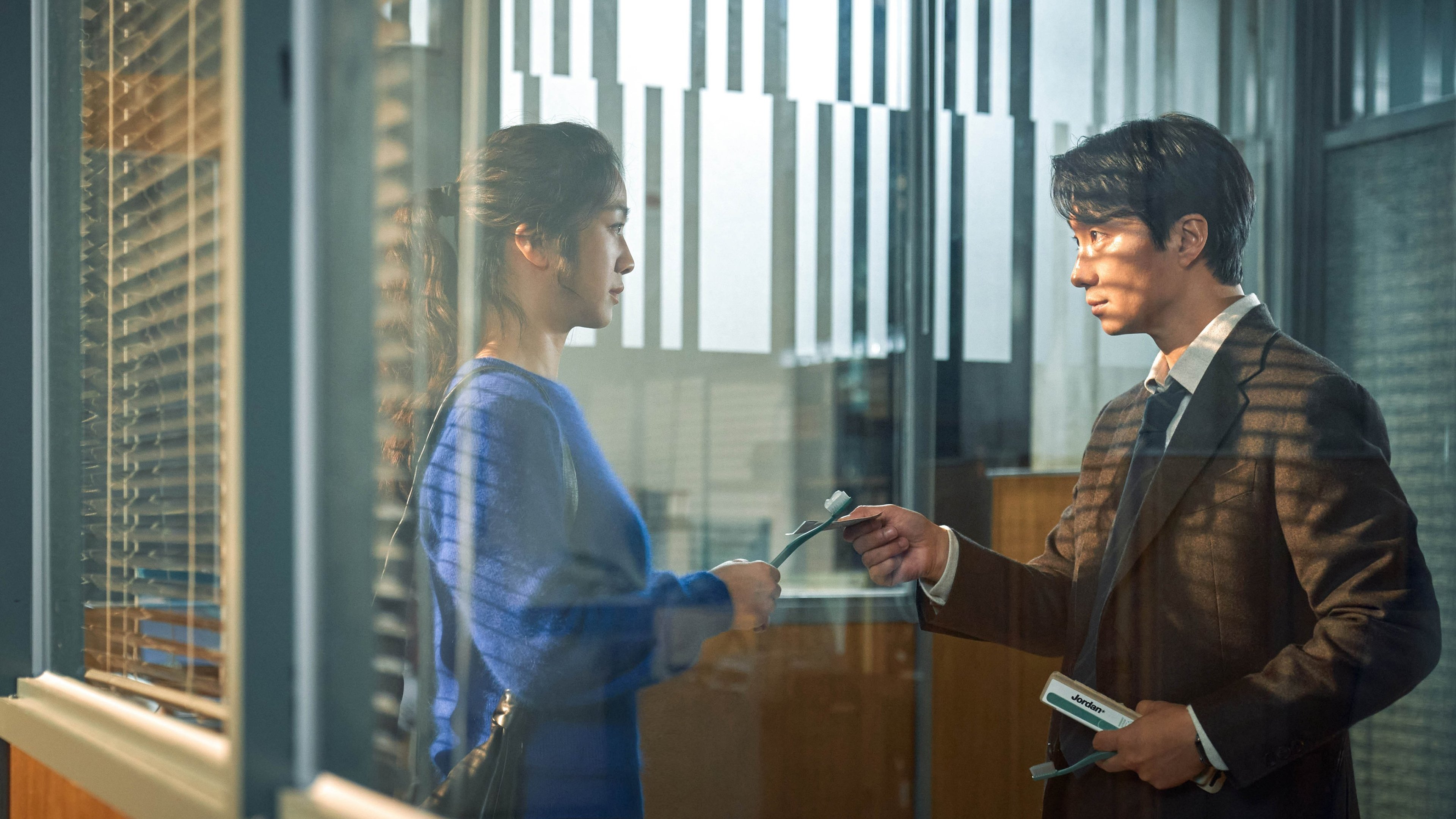
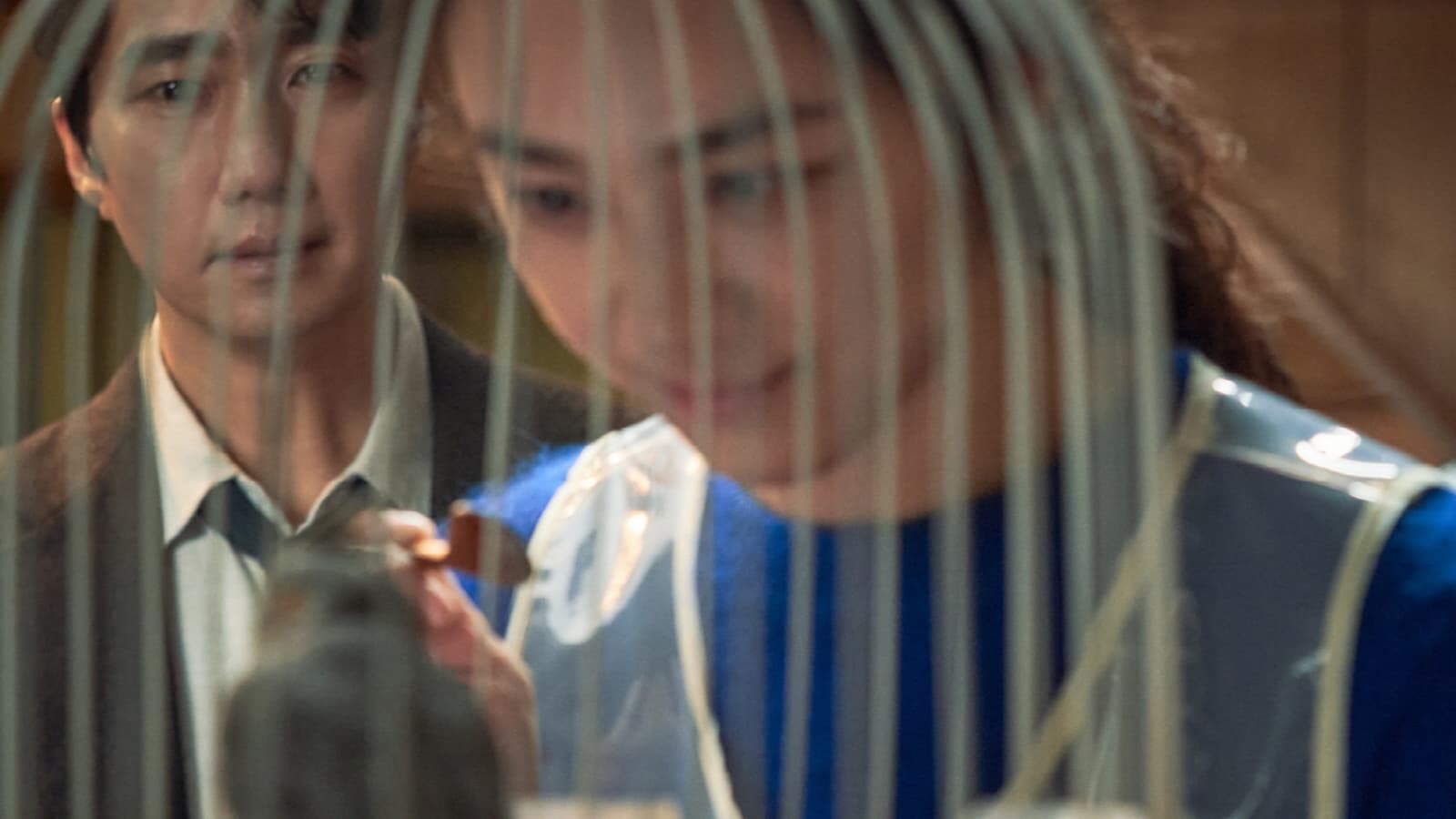
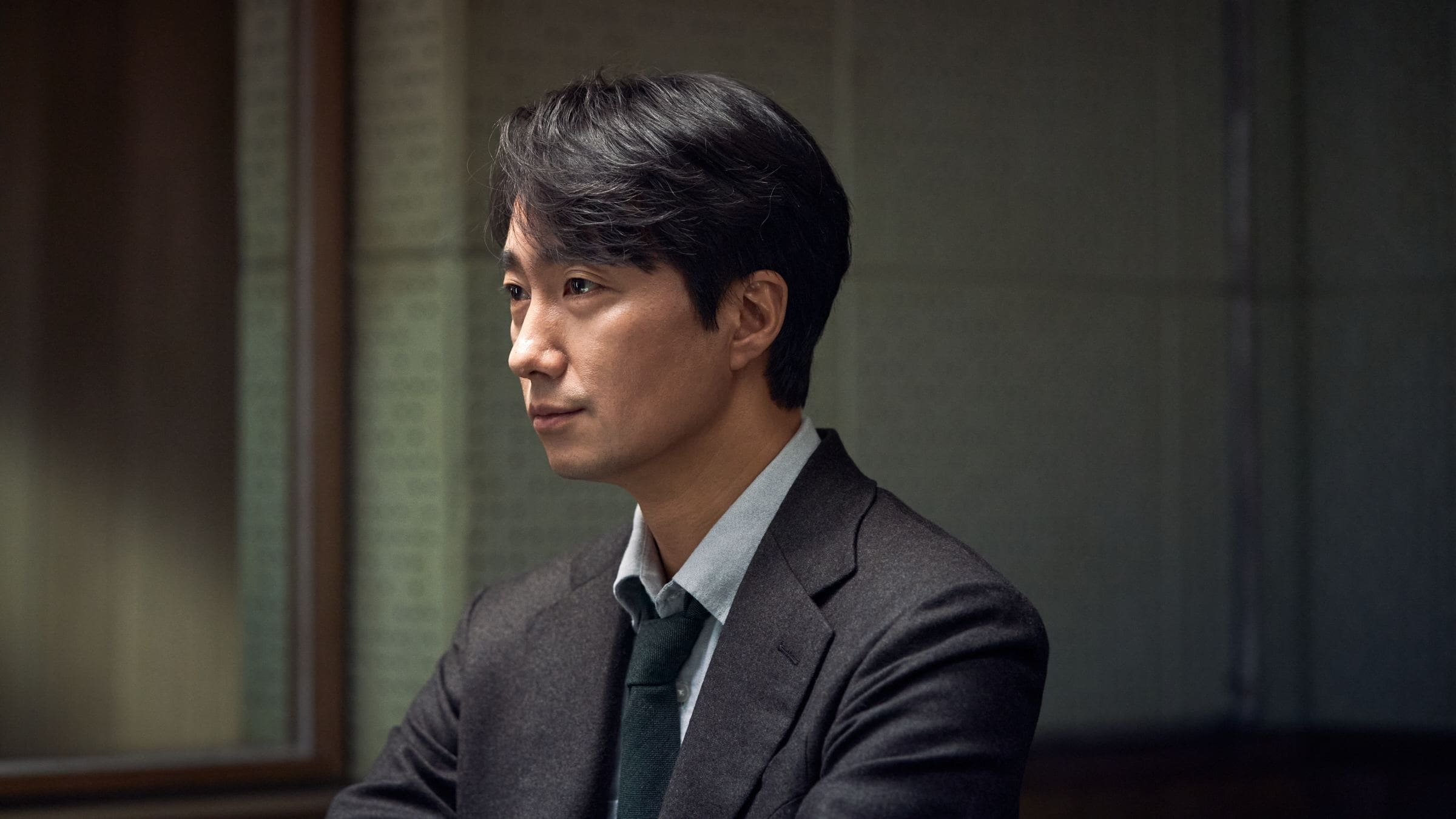
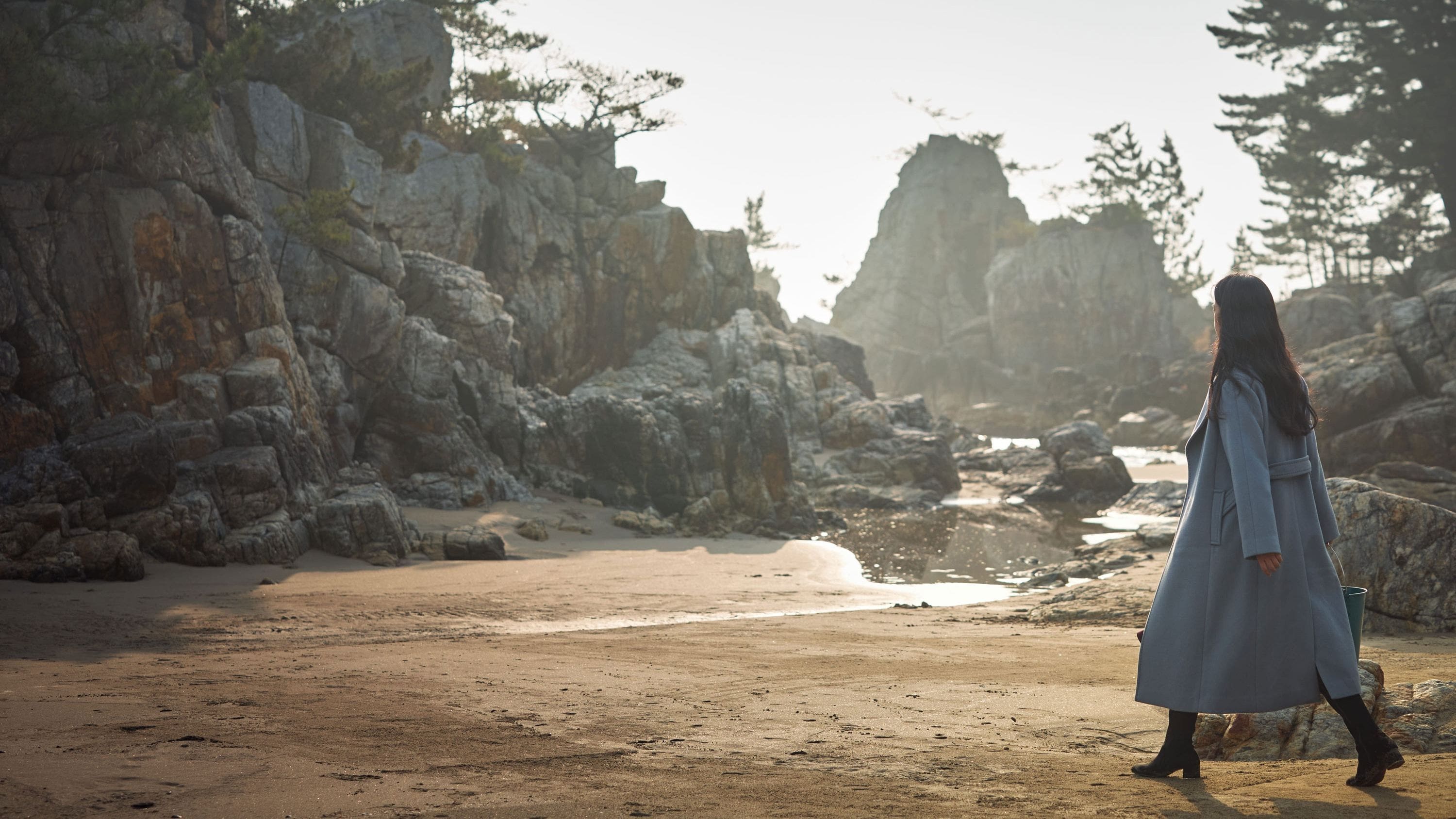
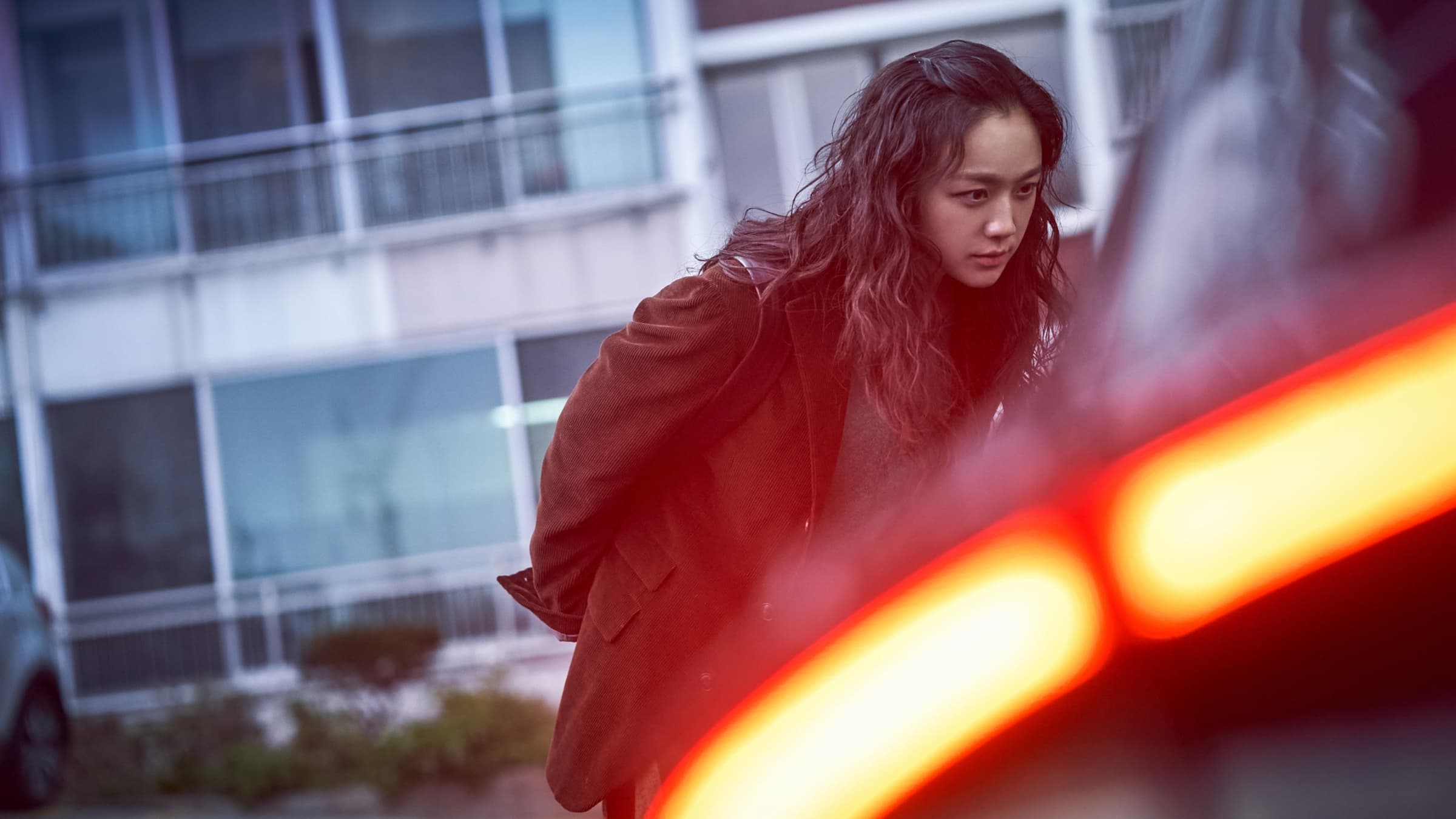
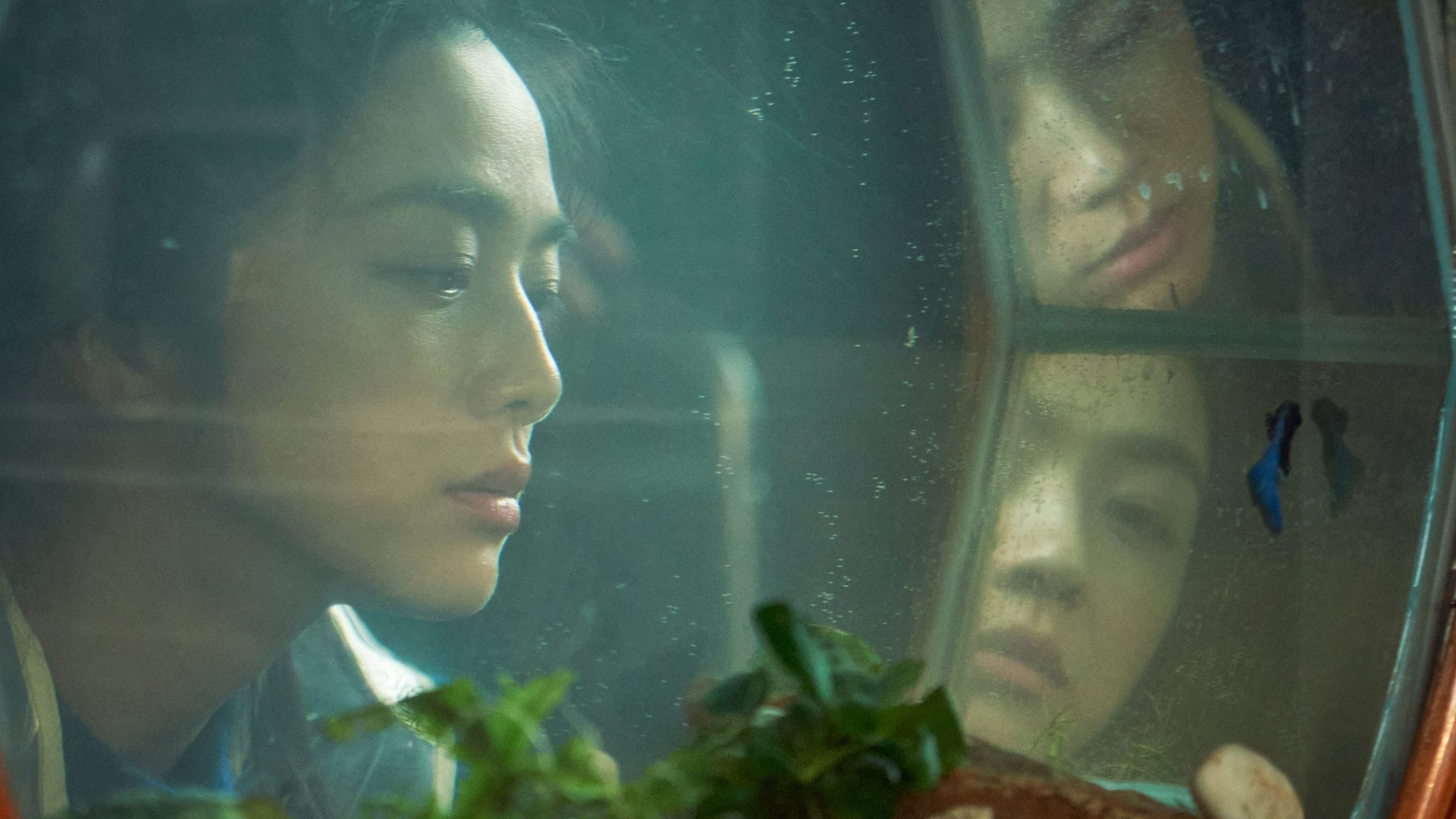
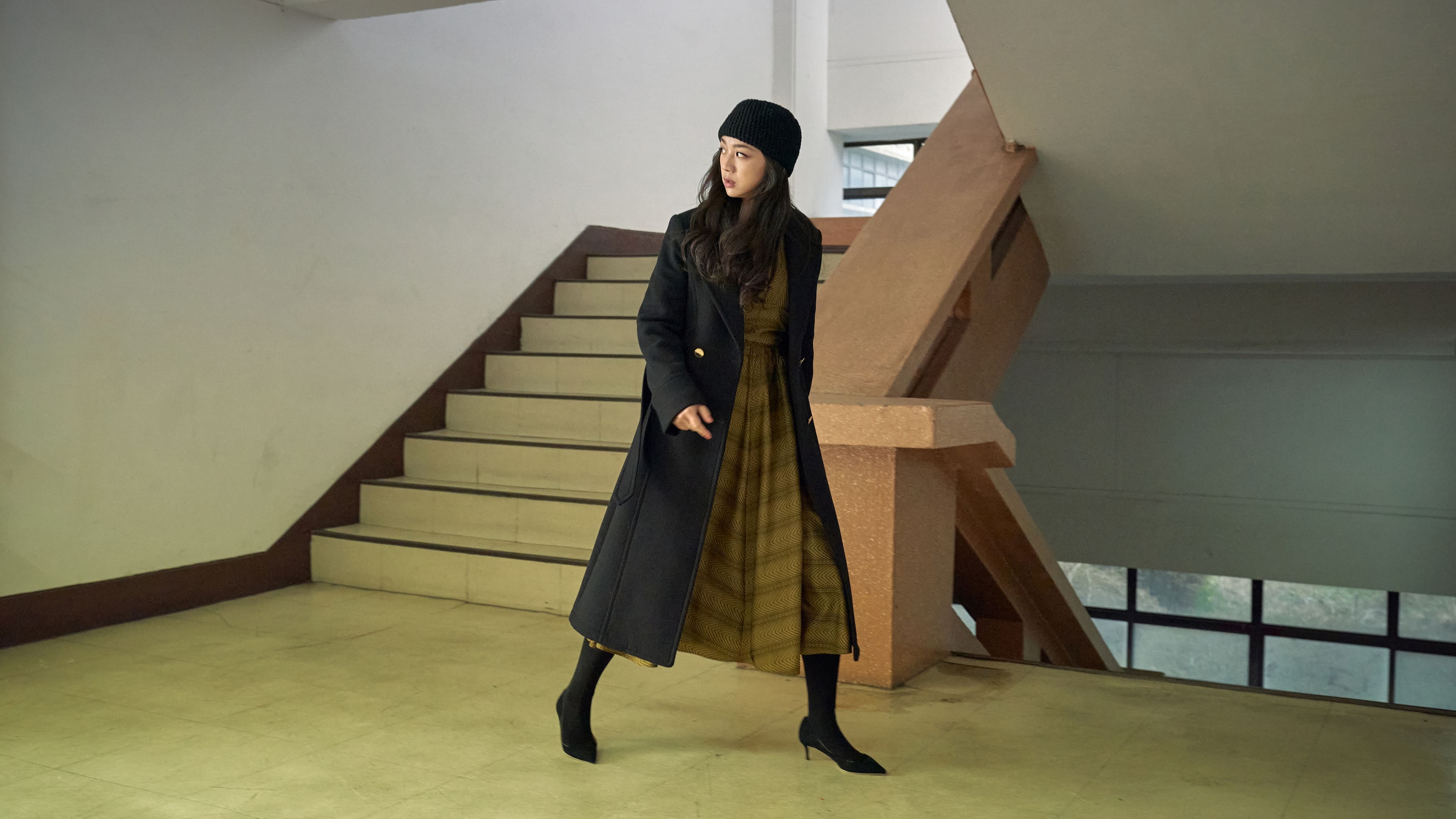
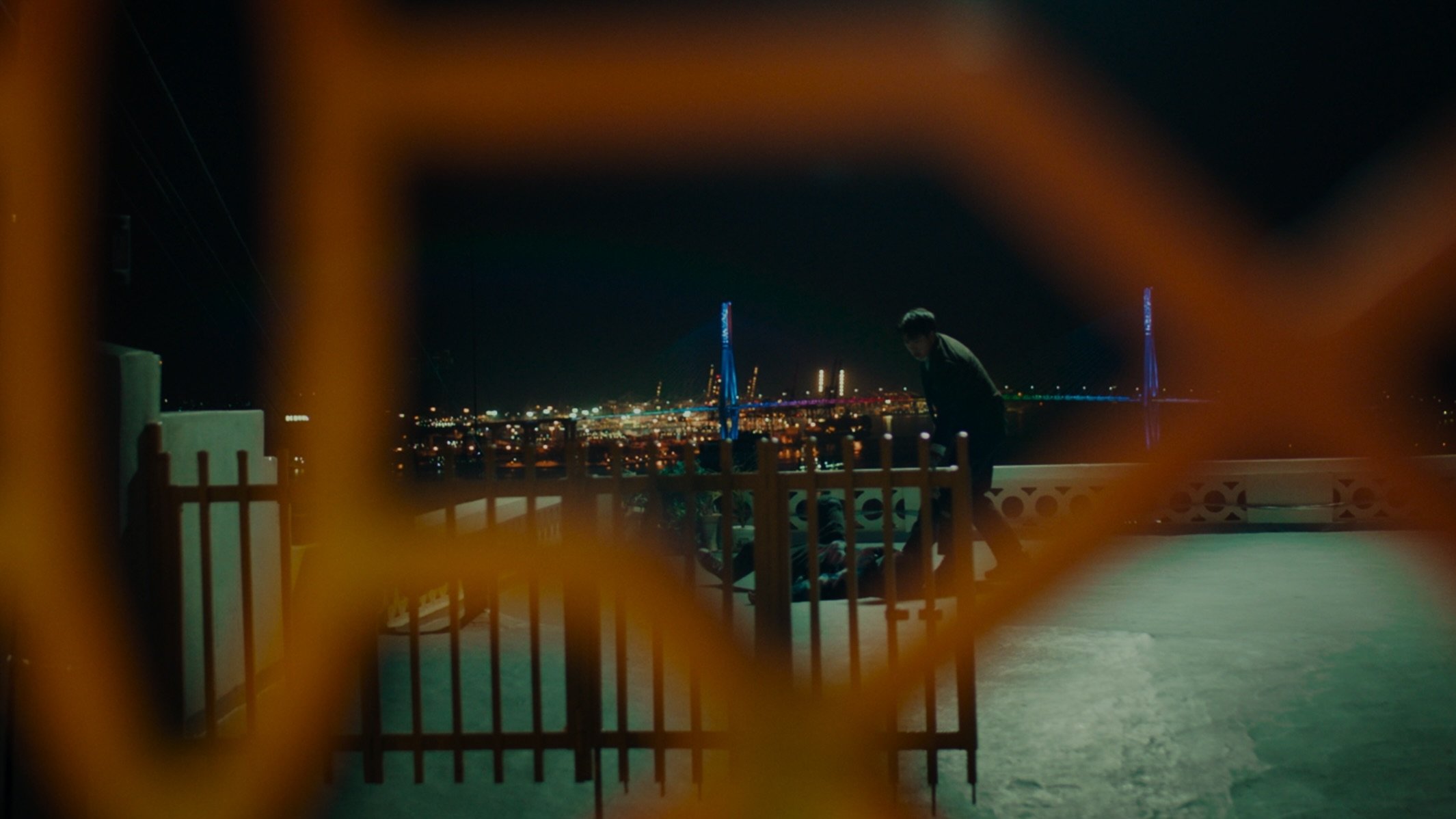
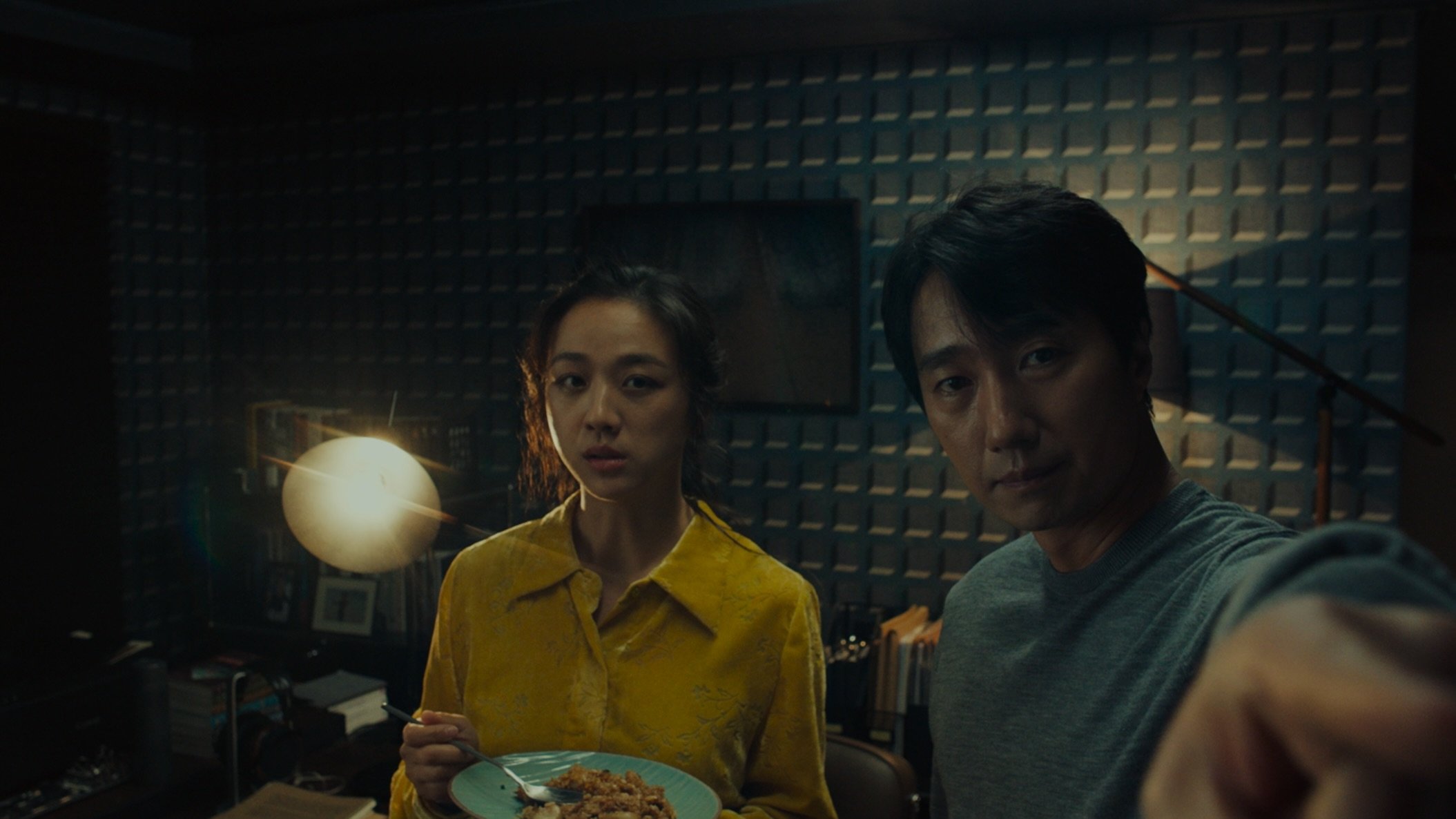
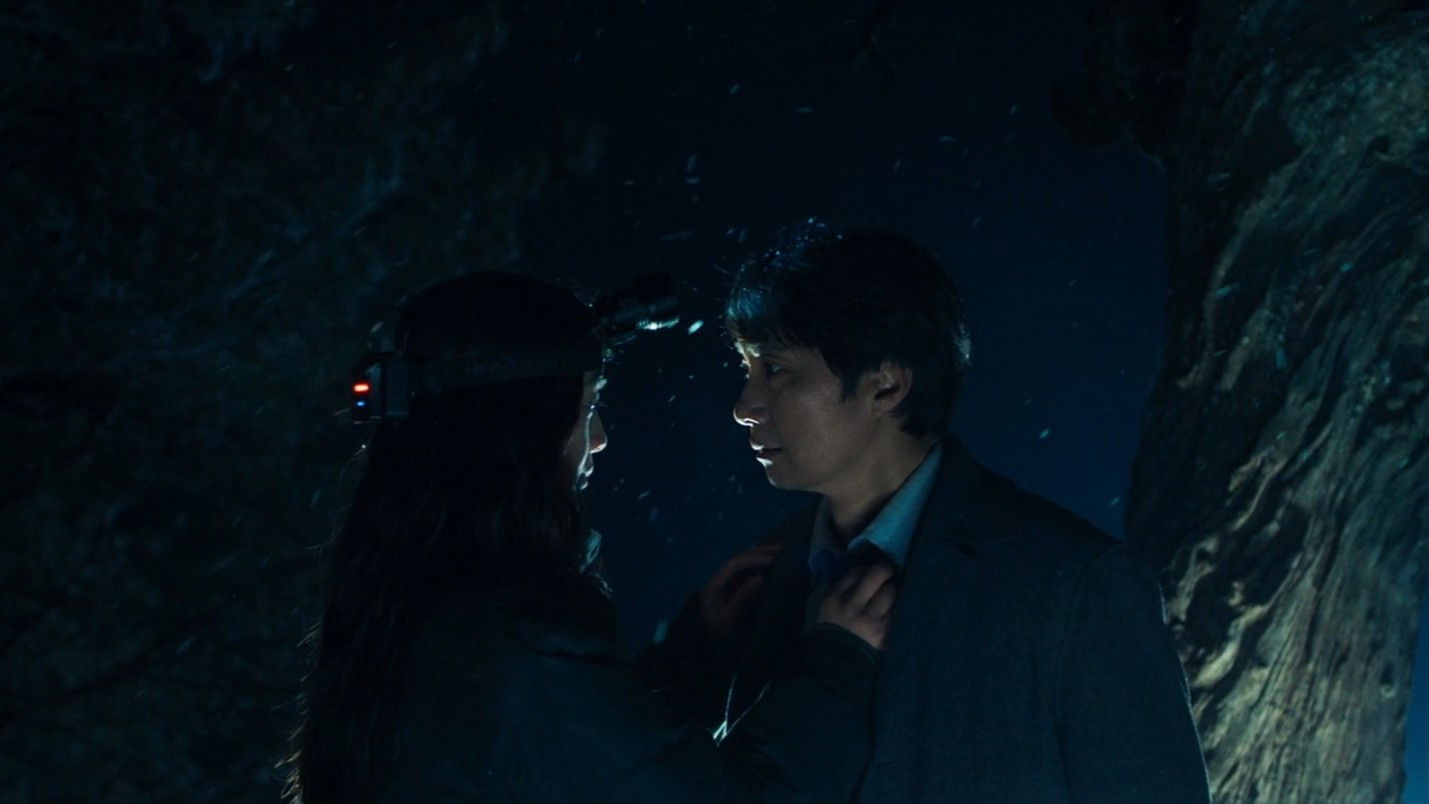
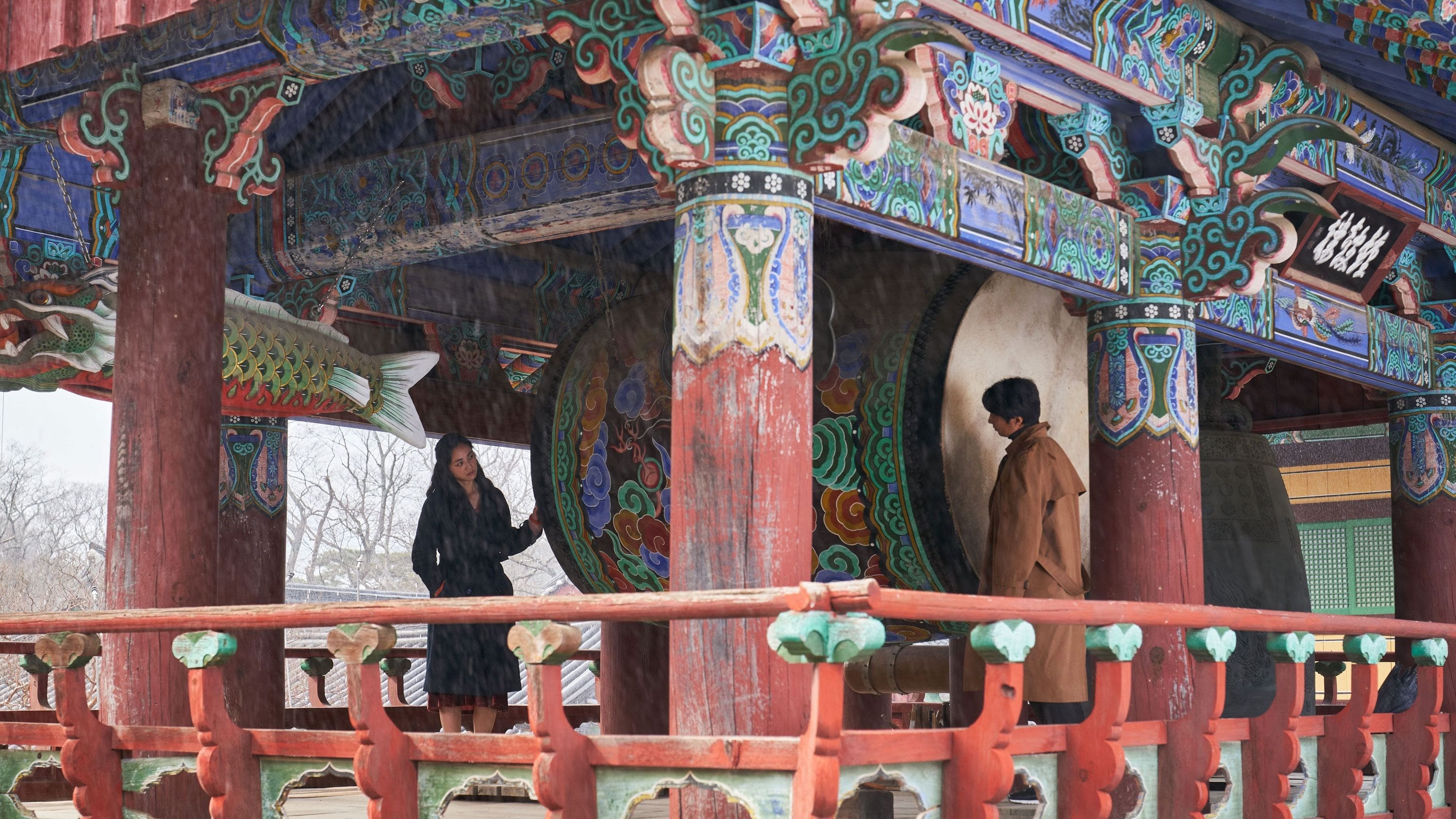
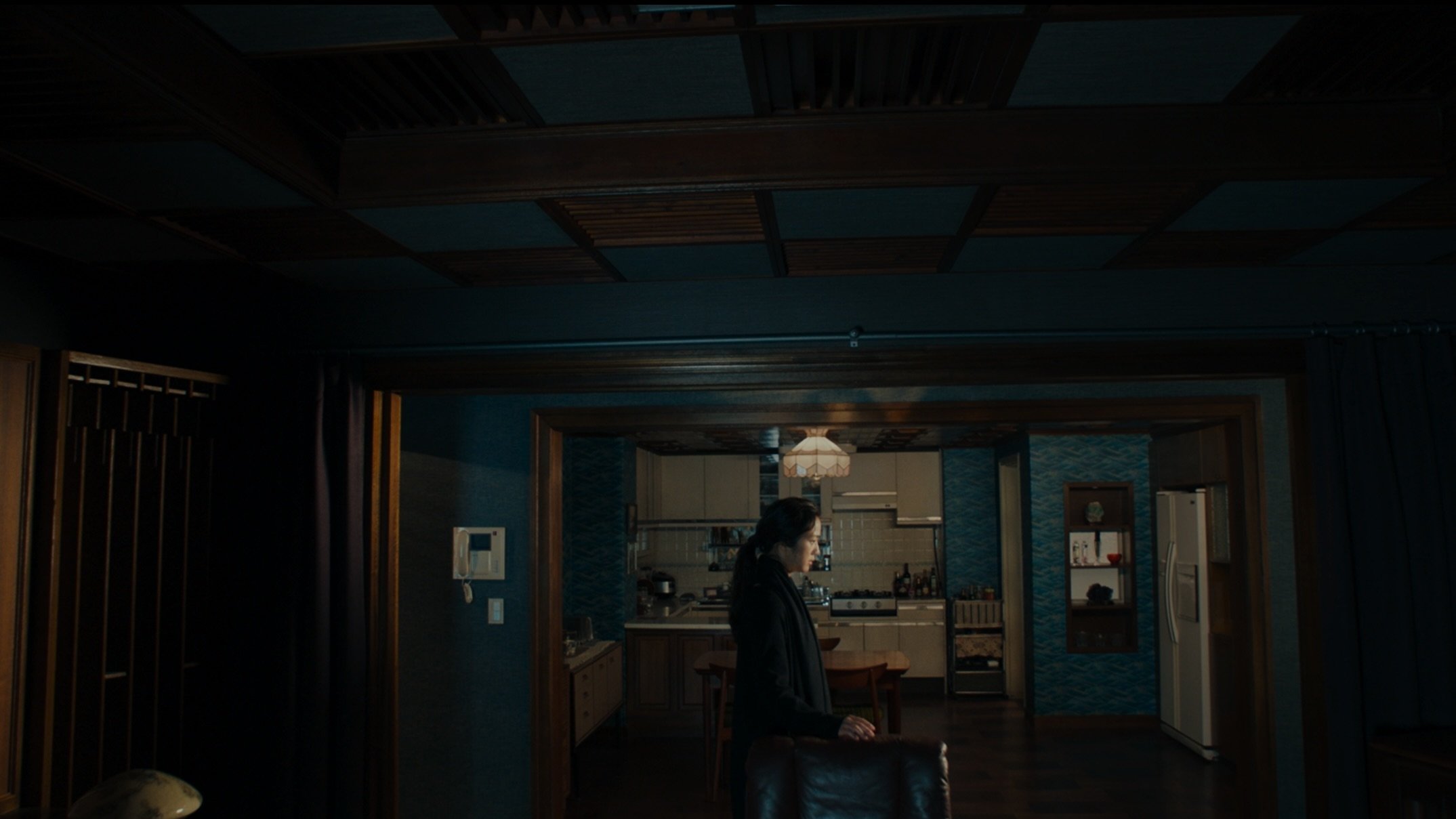
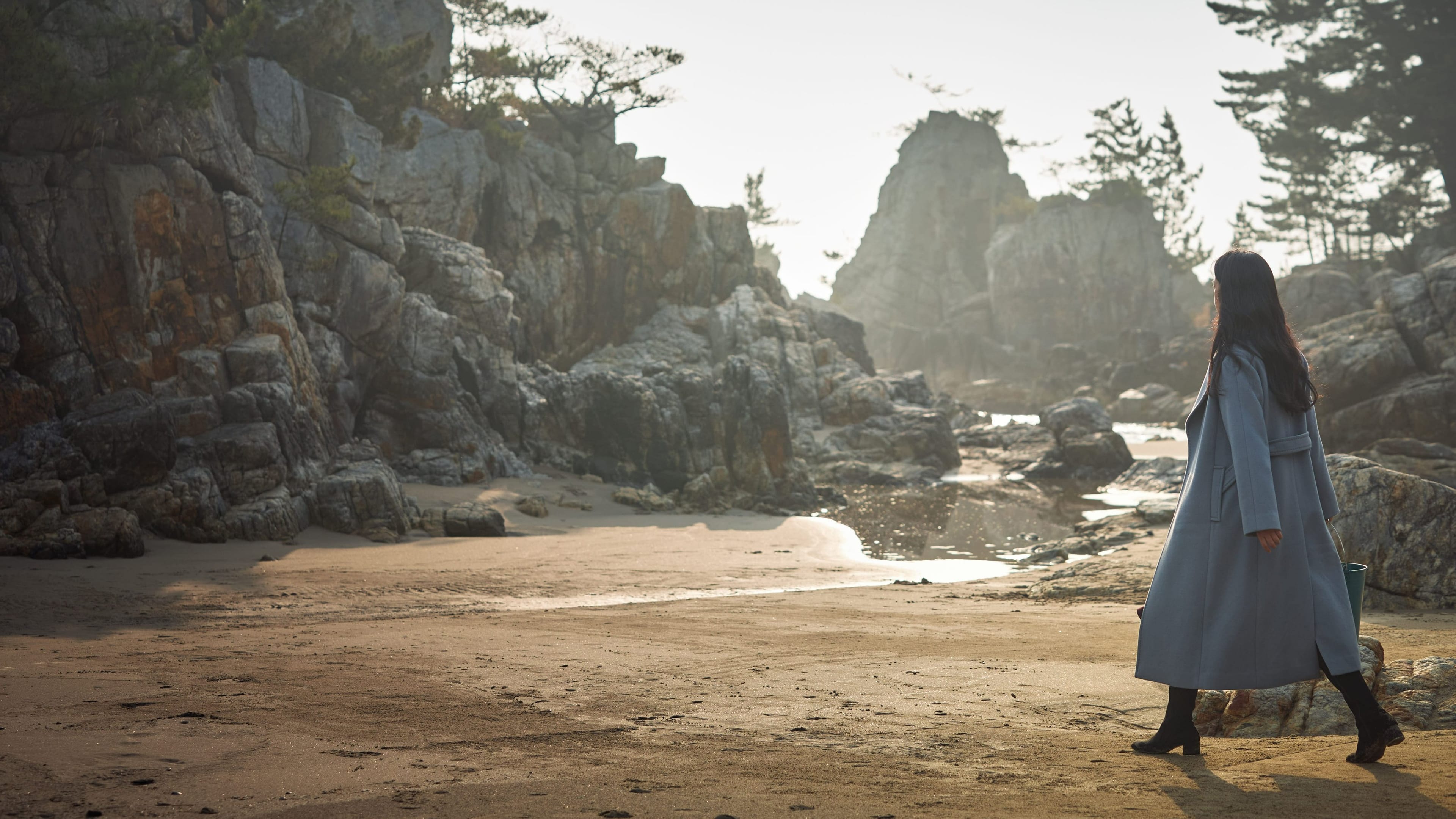
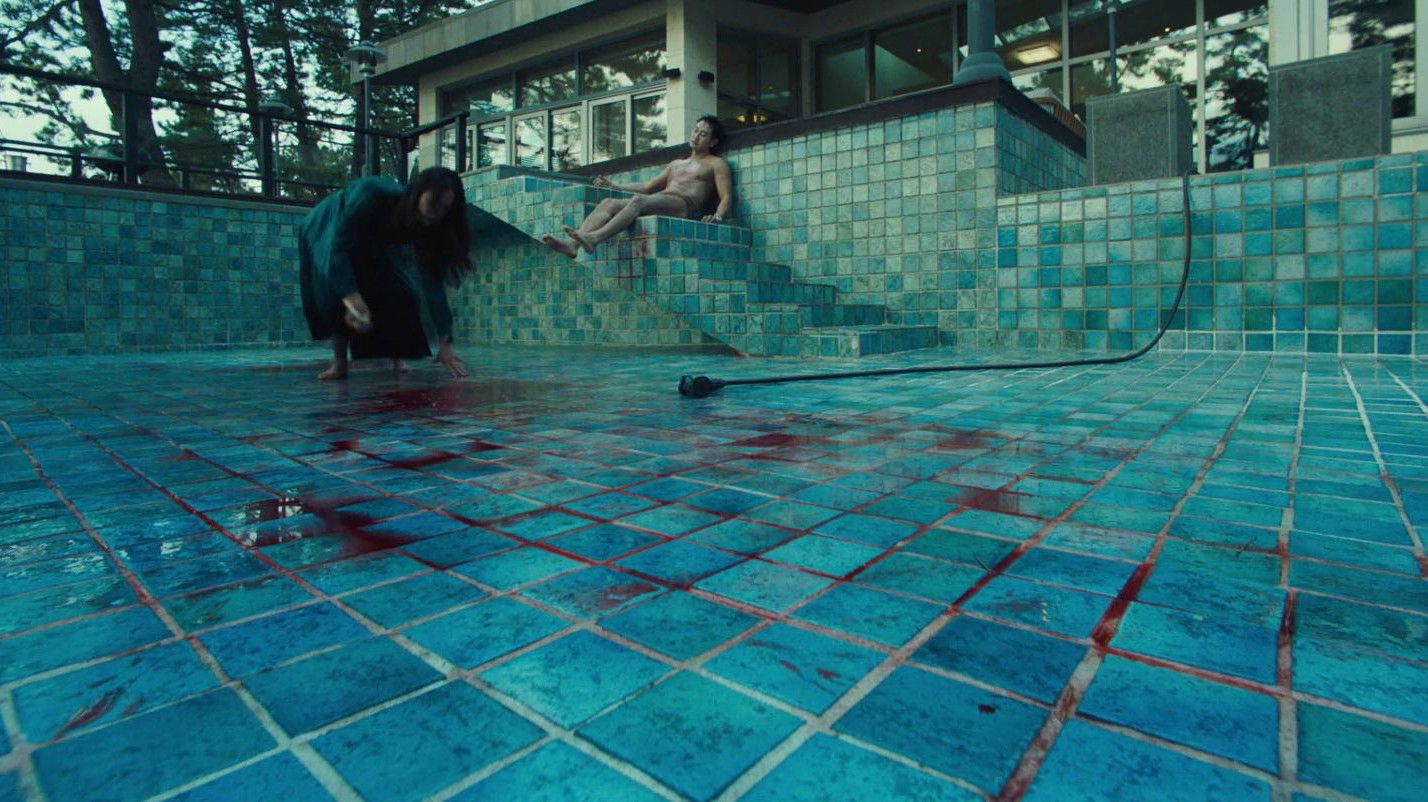
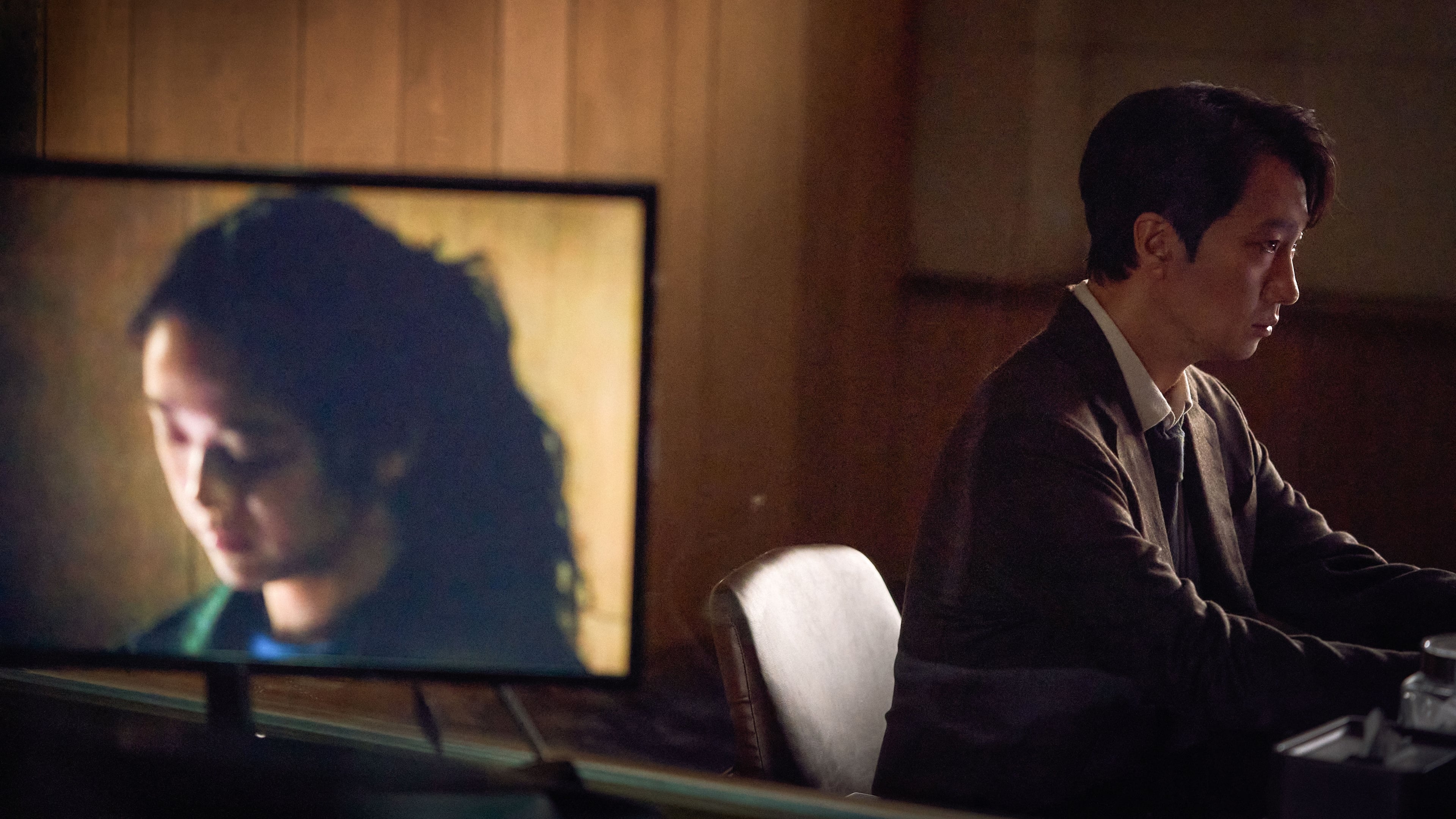
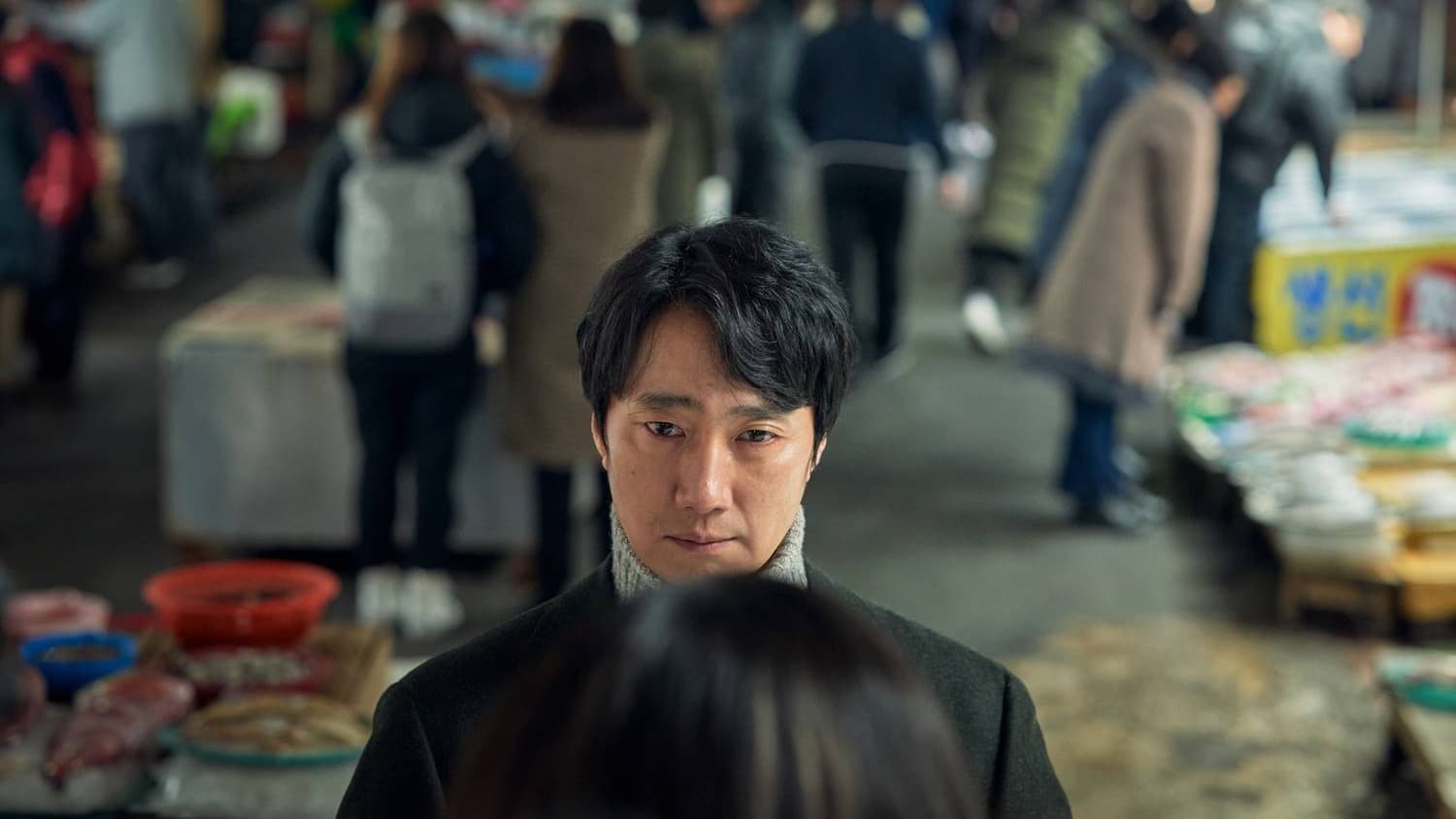
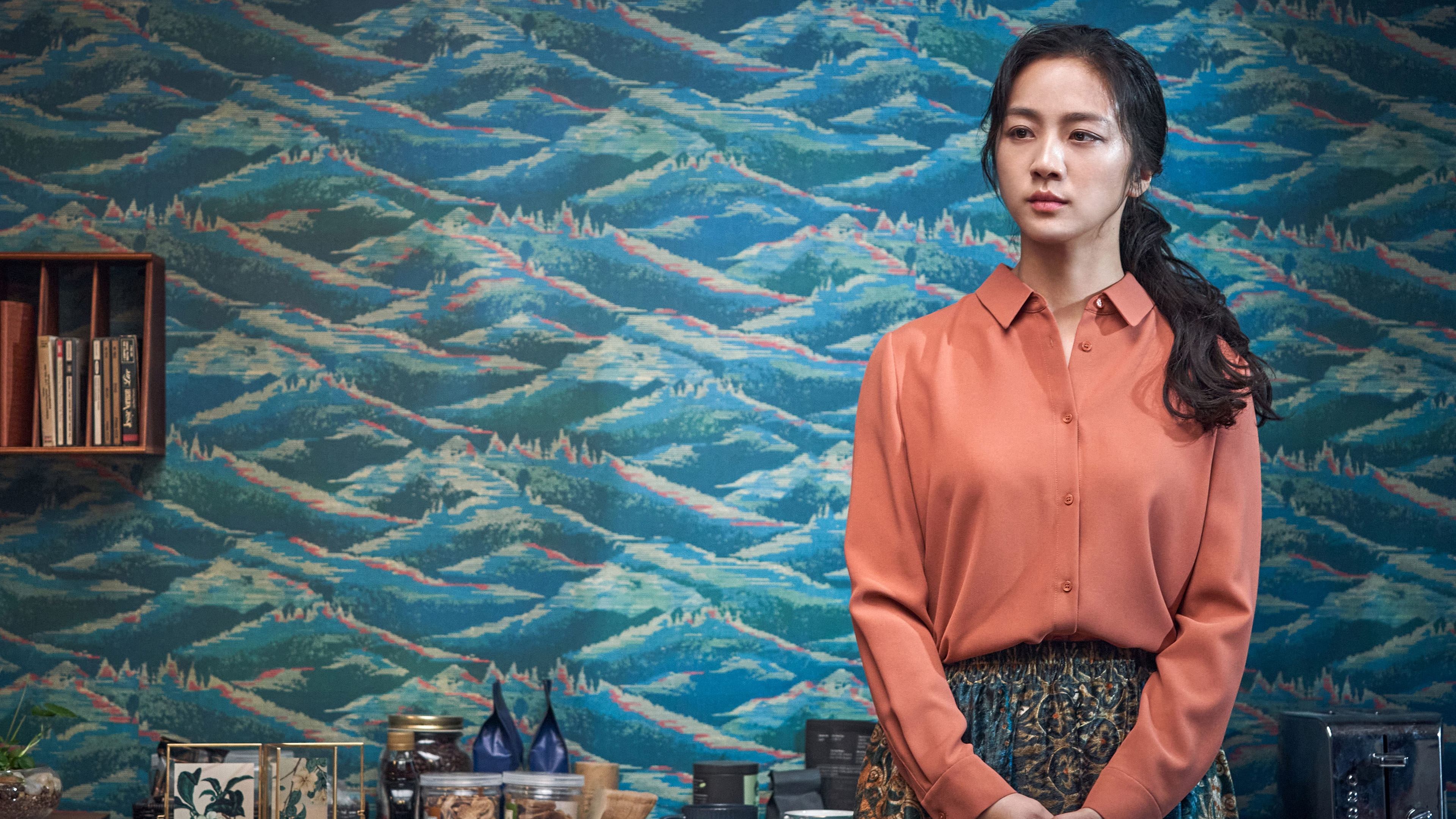
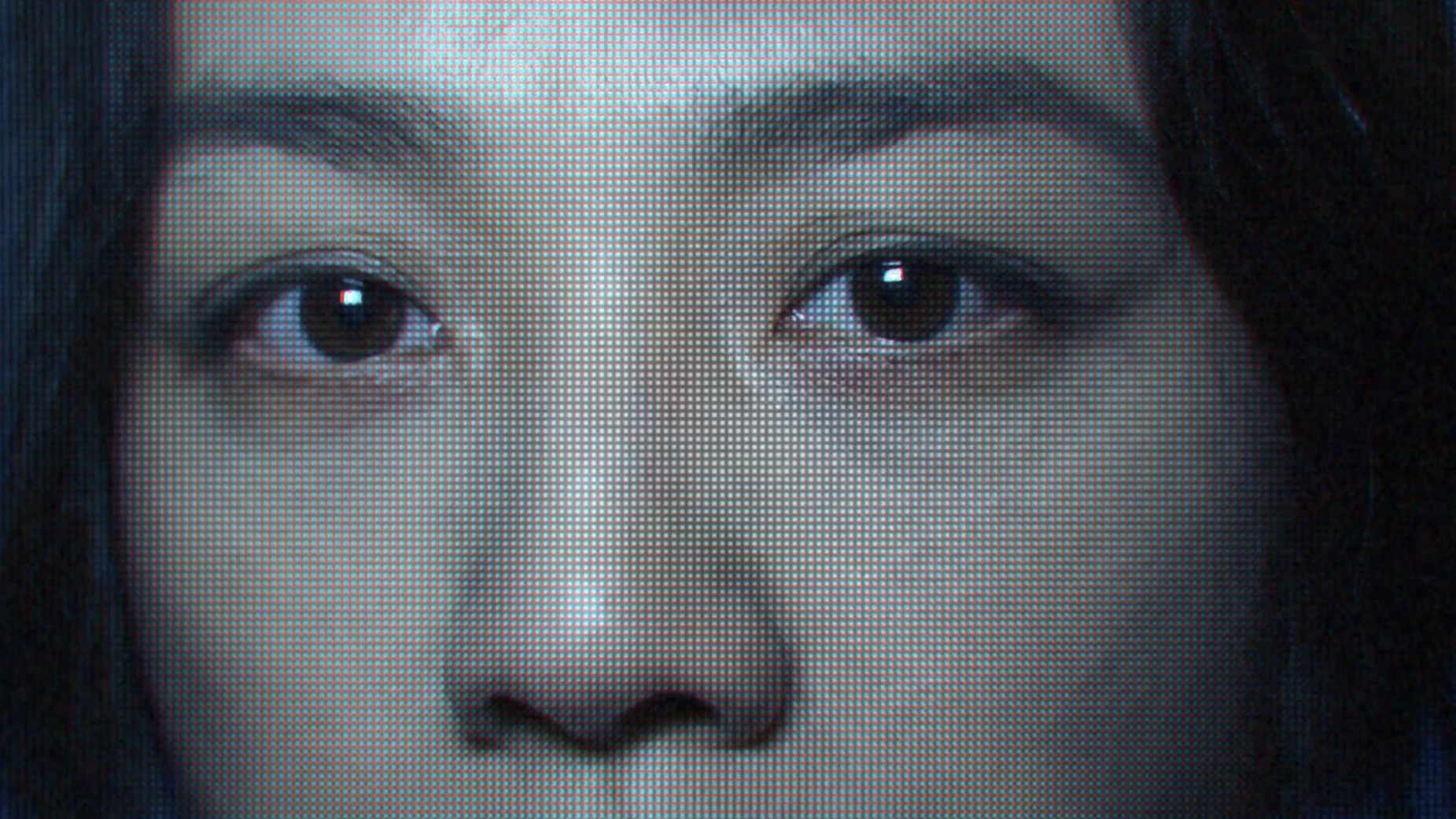
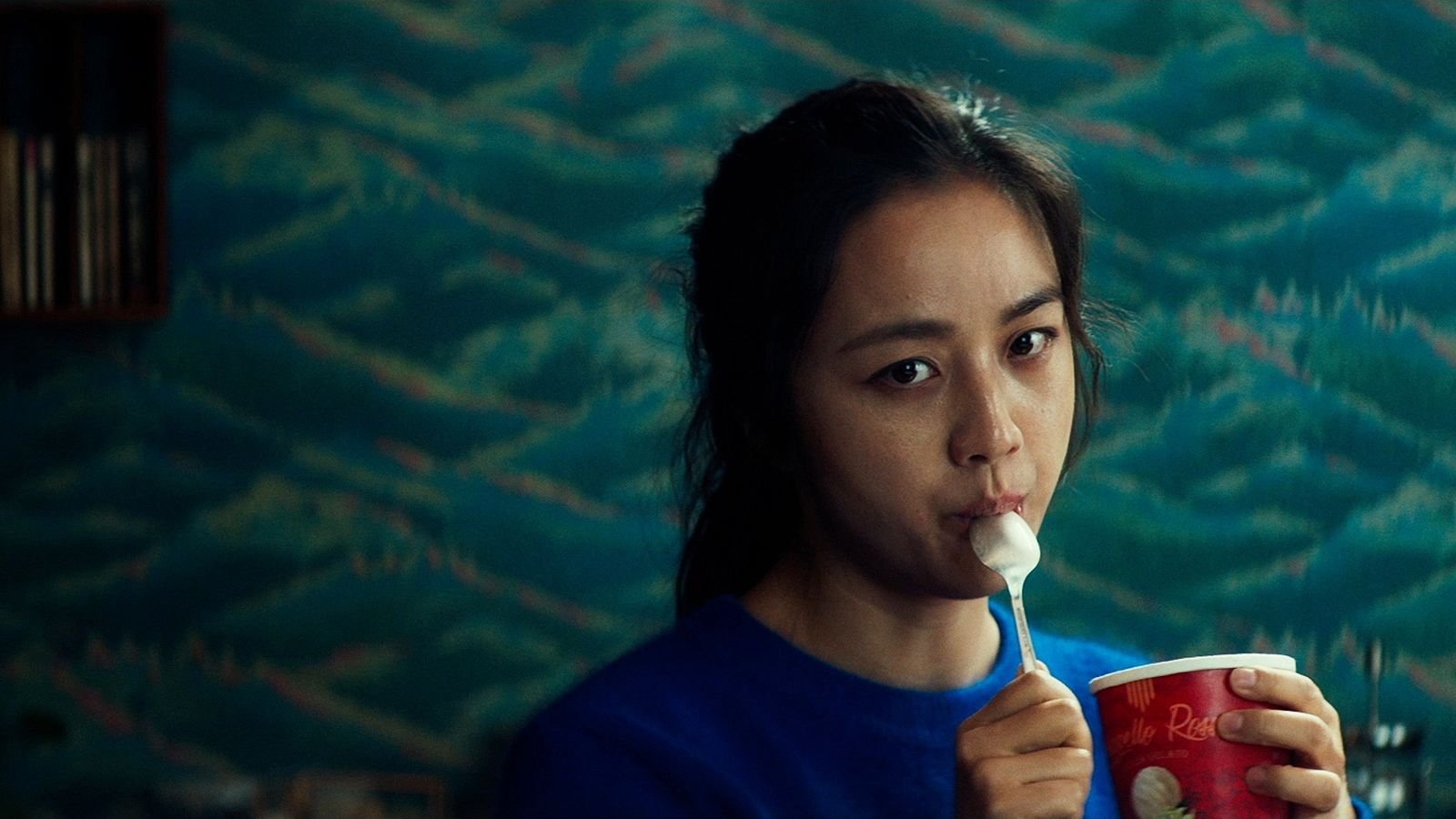
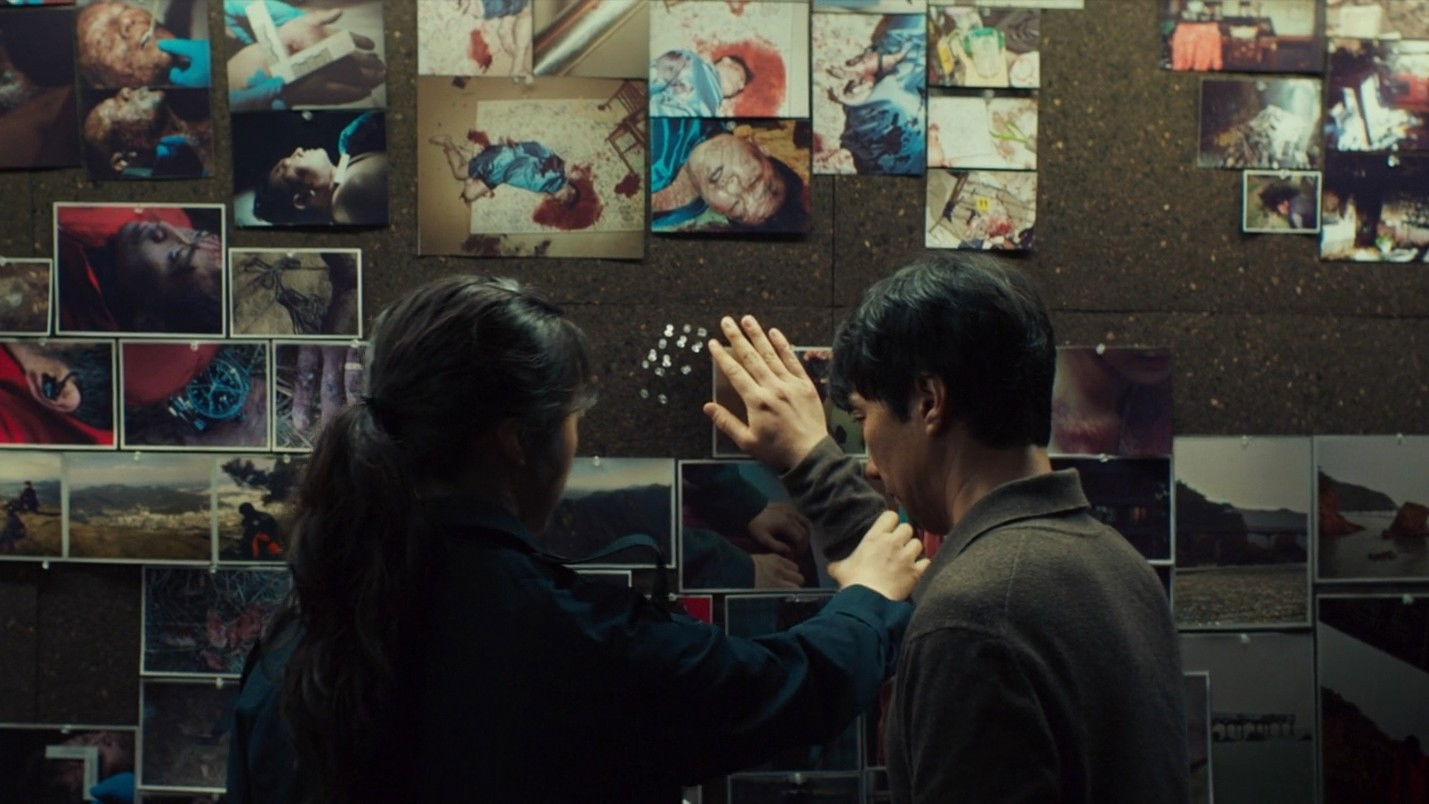
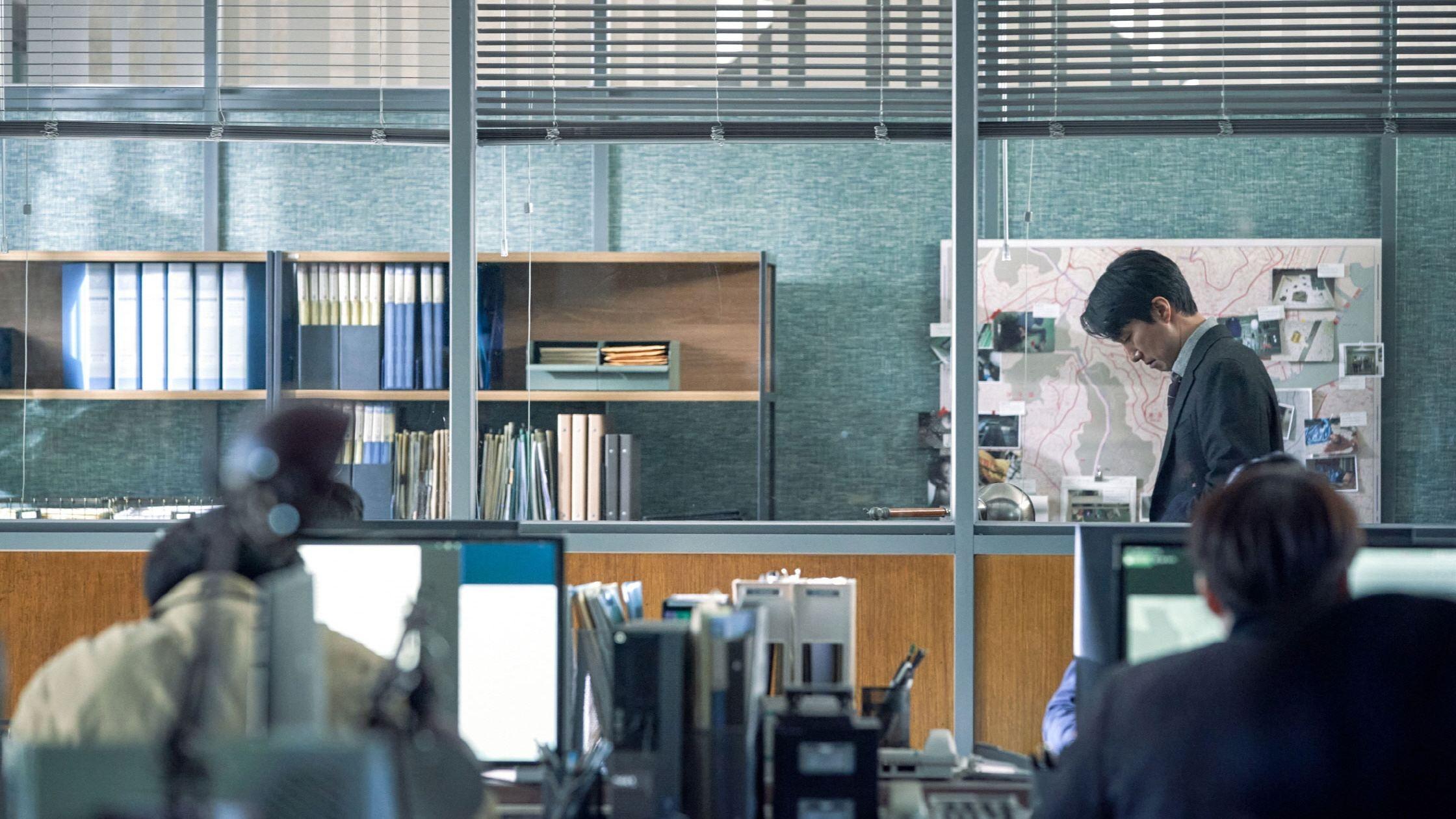
The setup is simple: a detective who is investigating a suspicious death falls for the widow . That is basically the plot but Park turns their relationship into a fever dream, through reflections in phone screens, over fogged-up car windows, across sleep-tracking apps and half-eaten sushi. Every frame is as obsessively constructed as you'd expect from him, but the natural lighting and mountain views give this one a softer, more melancholic beauty than his previous work.
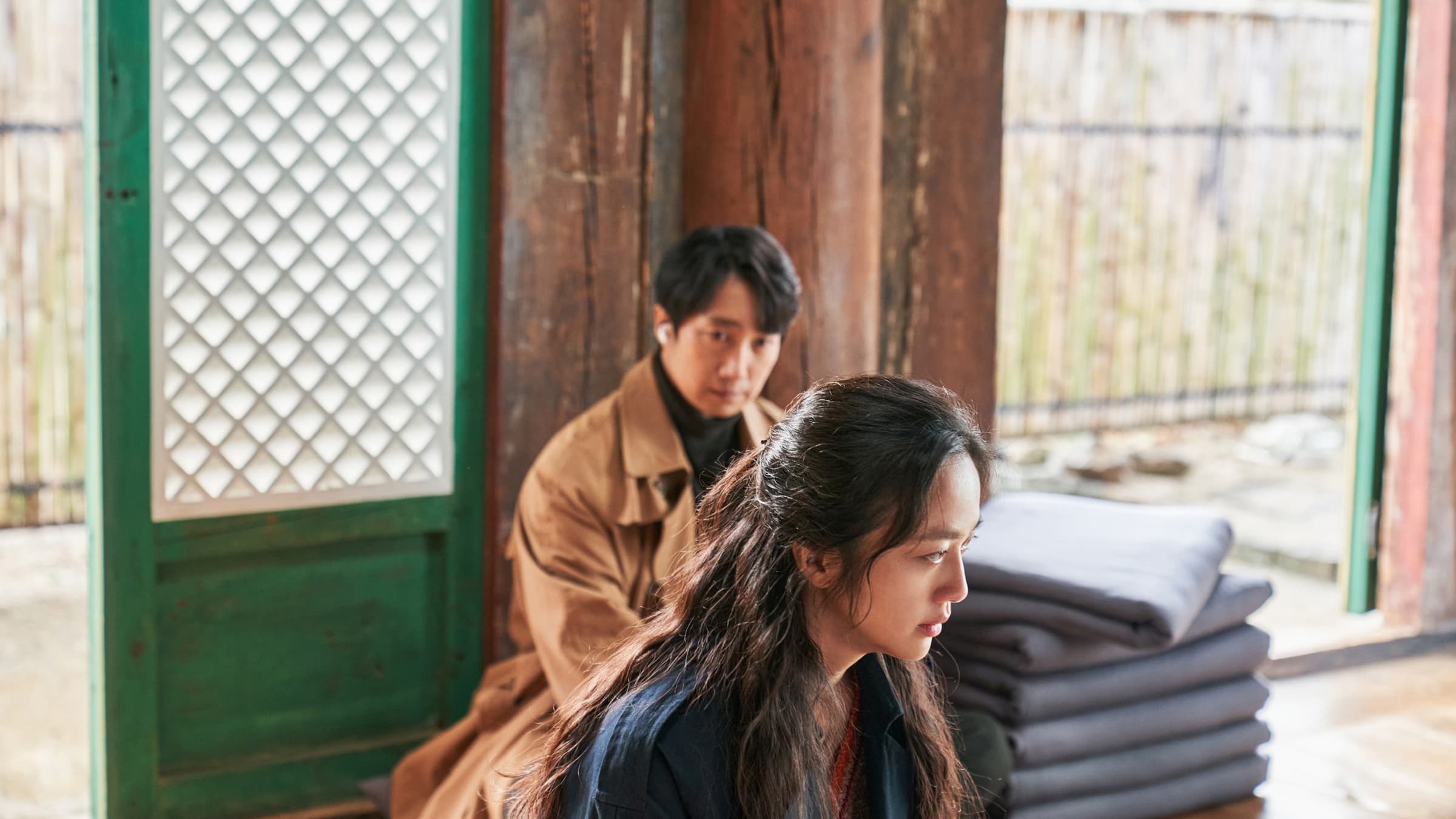
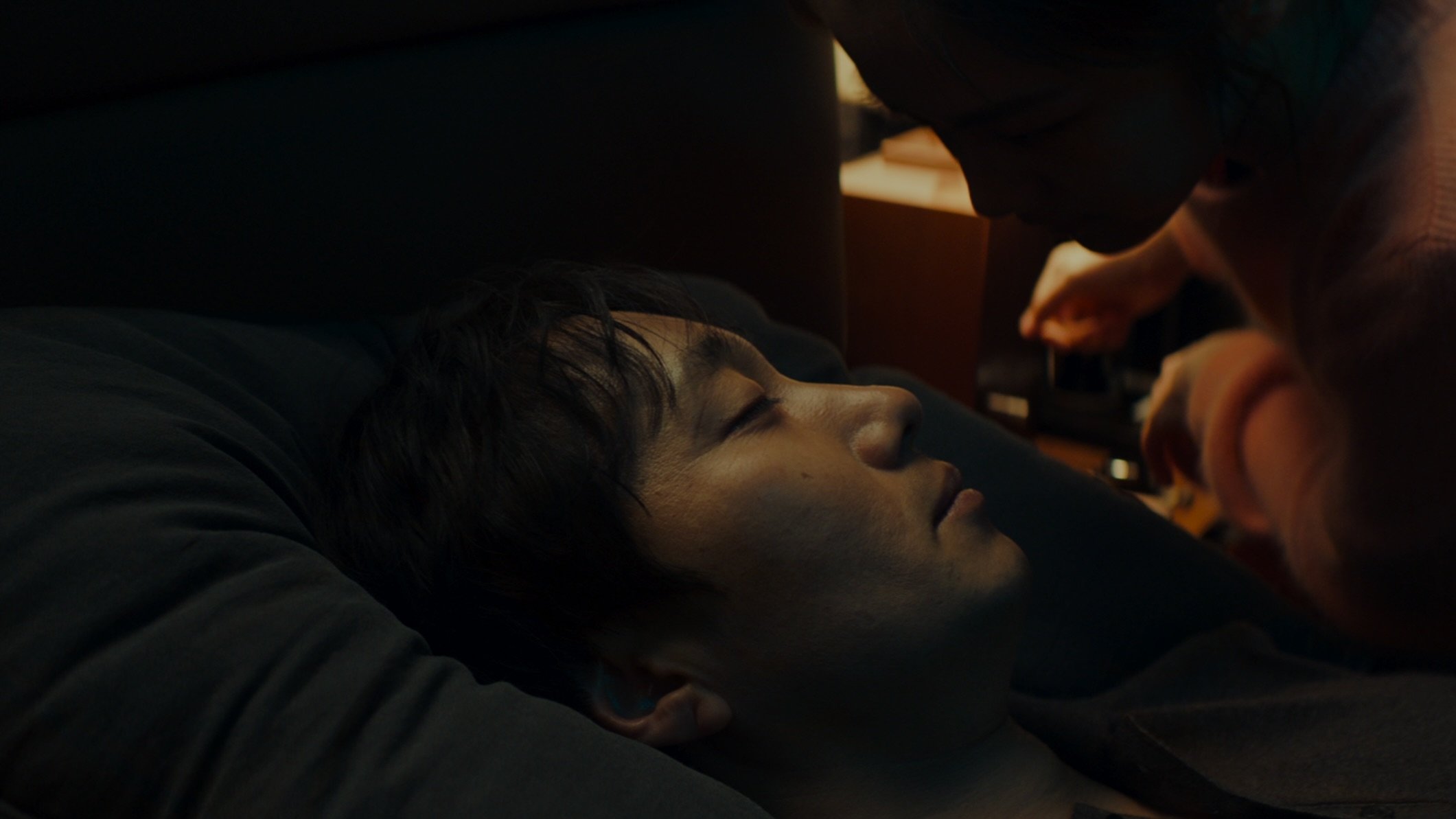
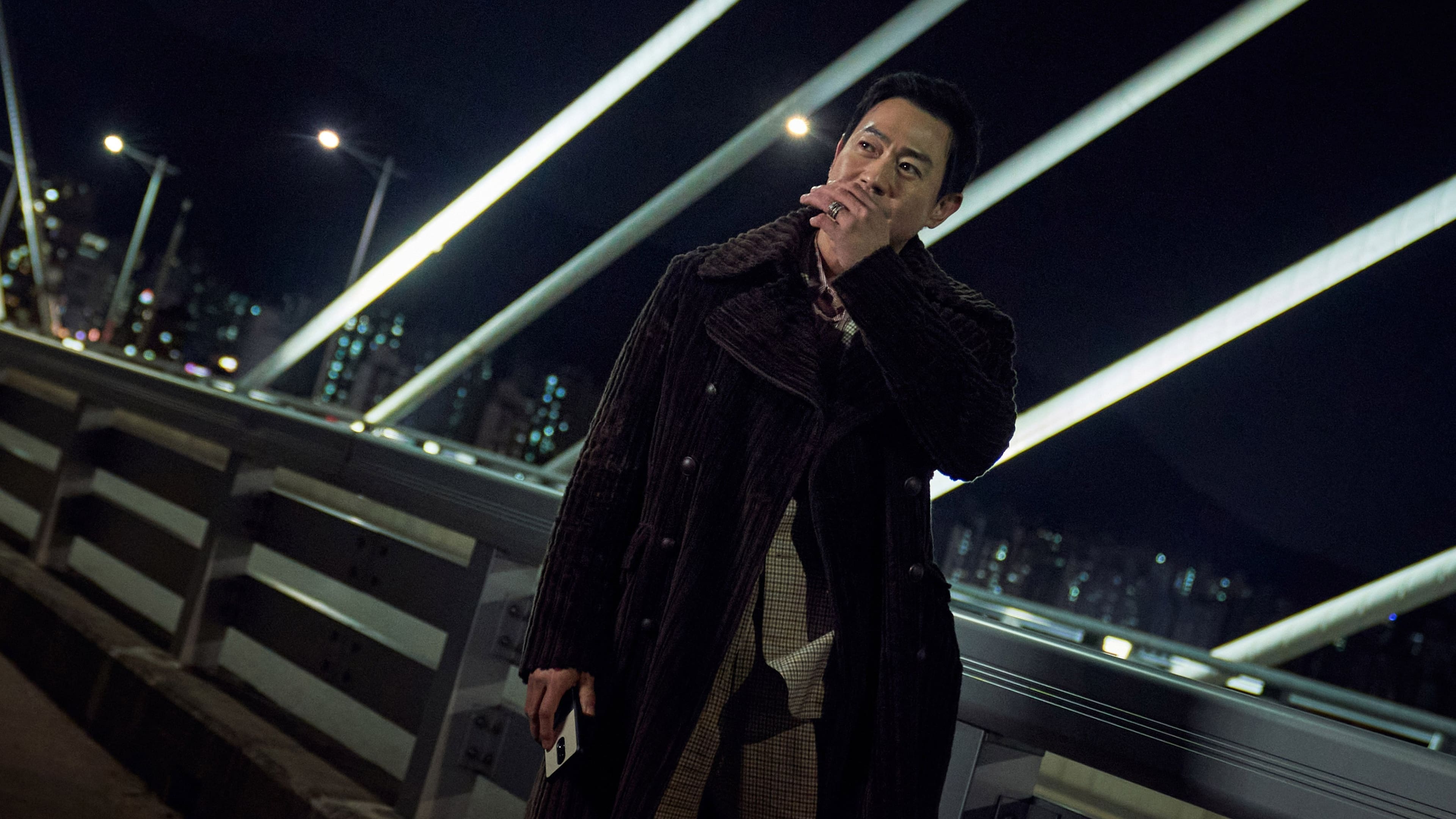
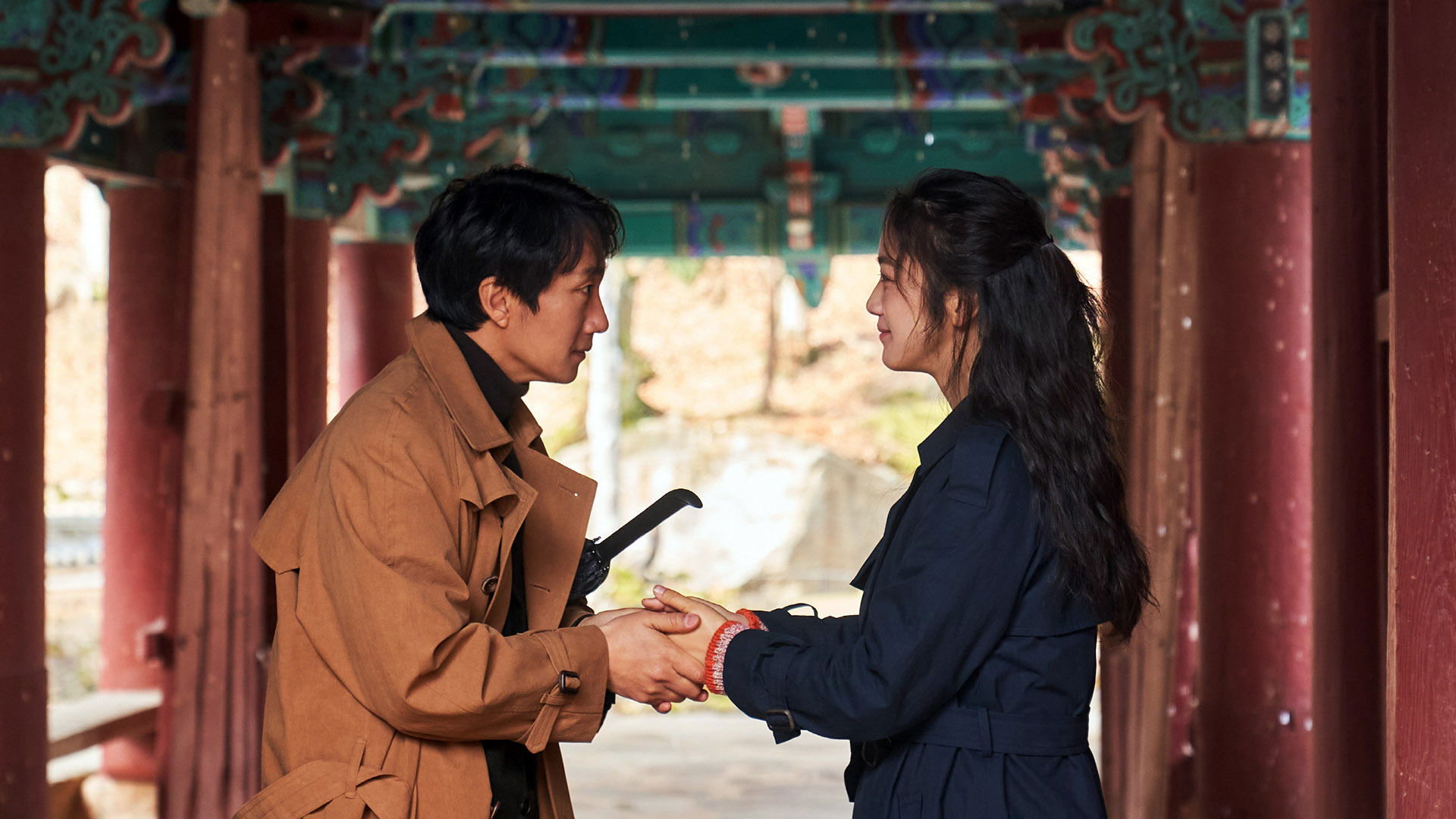
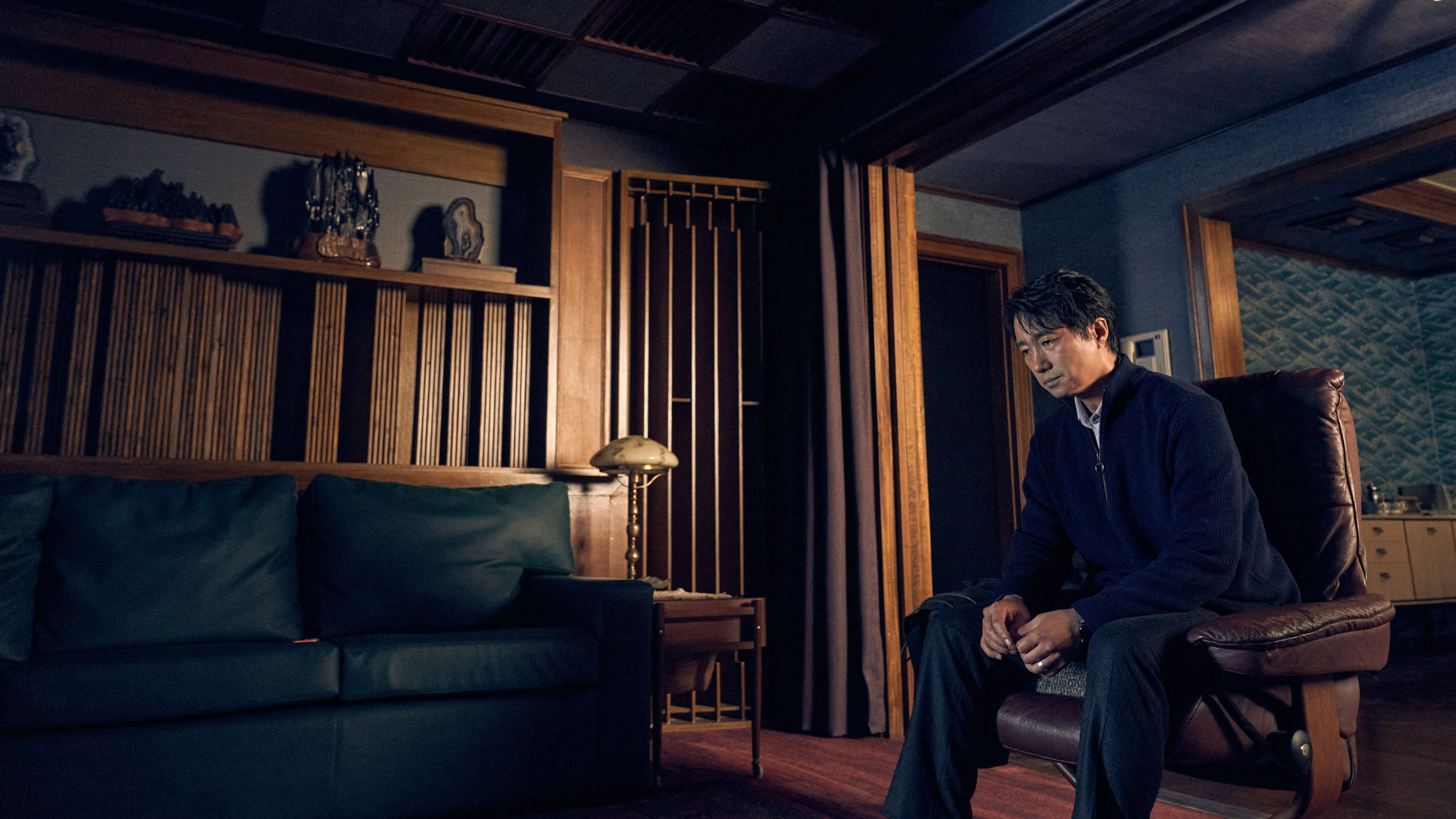
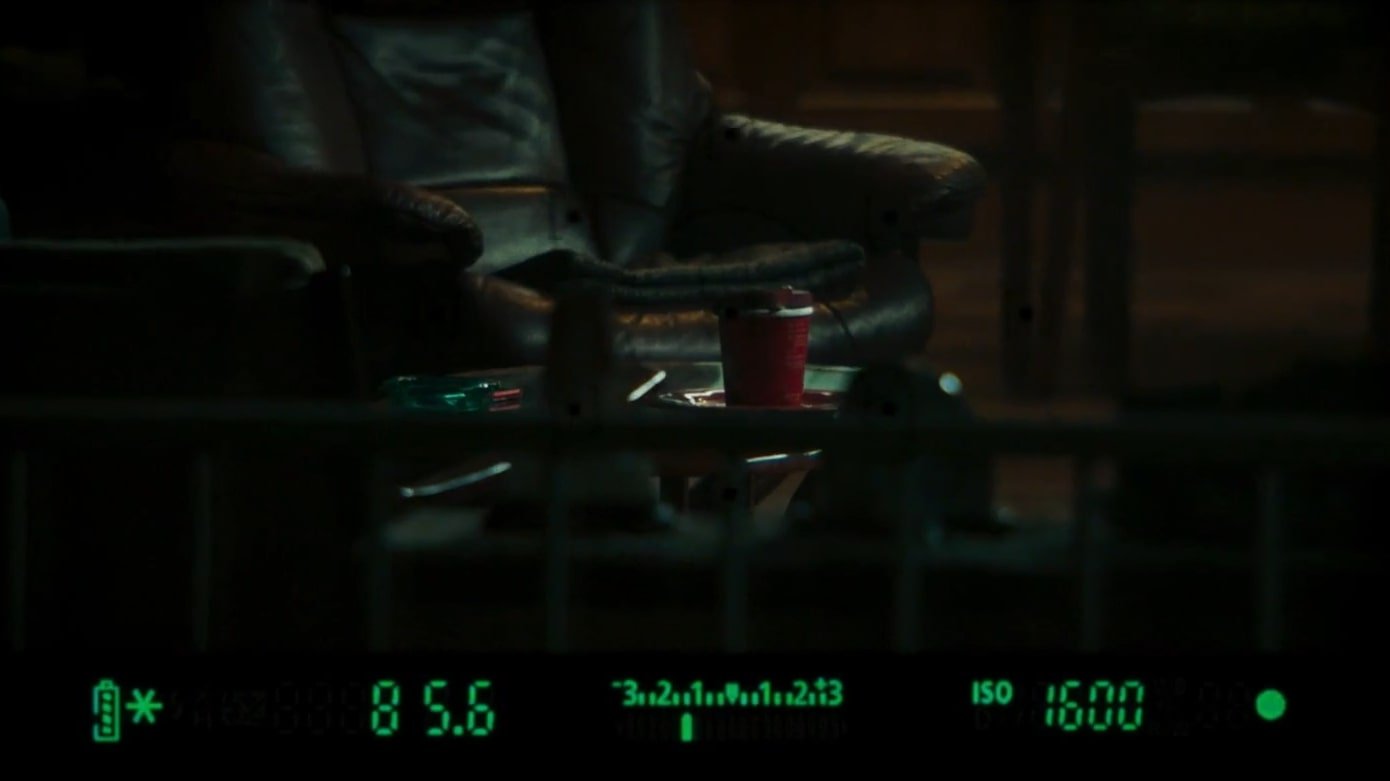
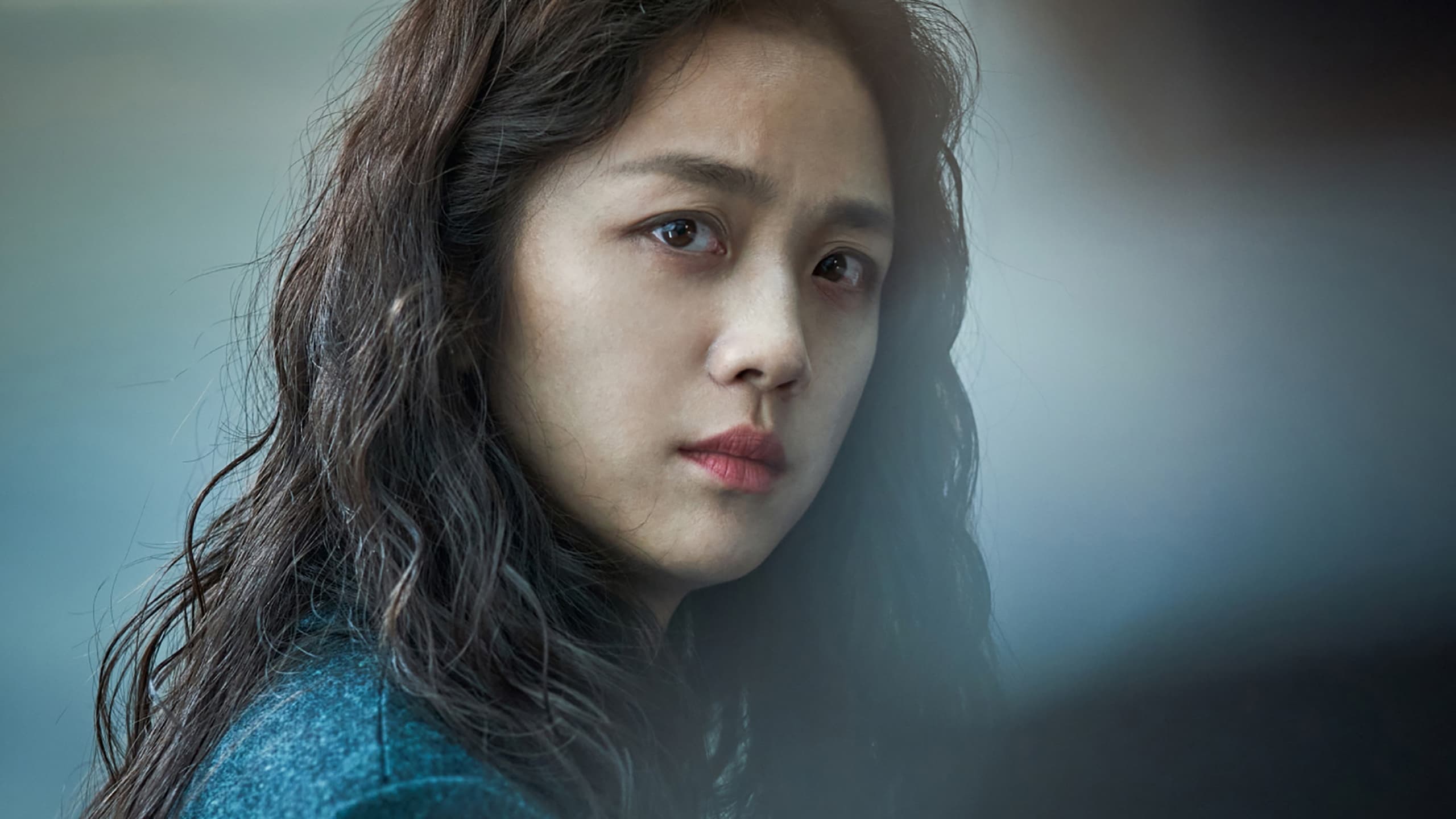
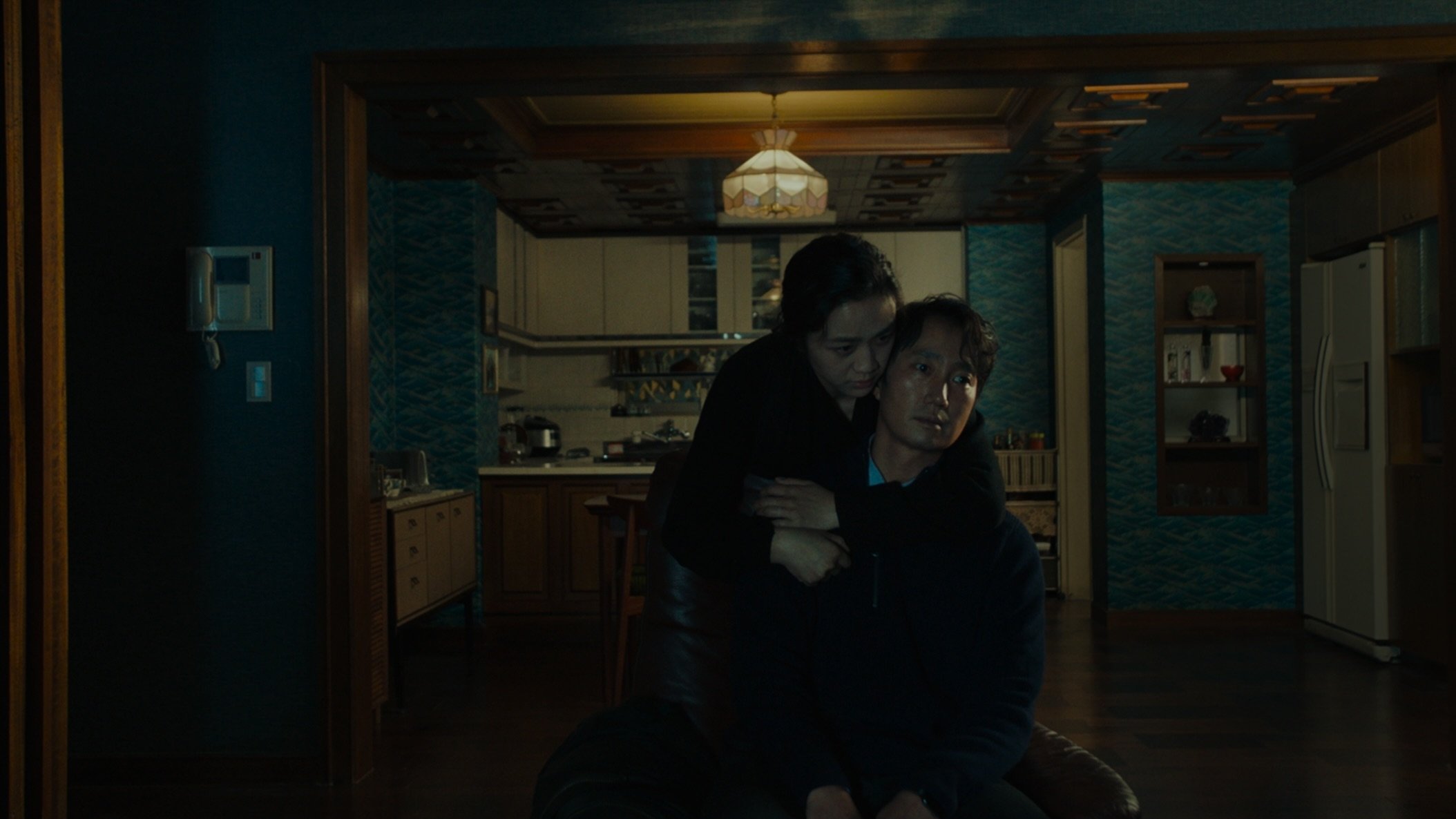
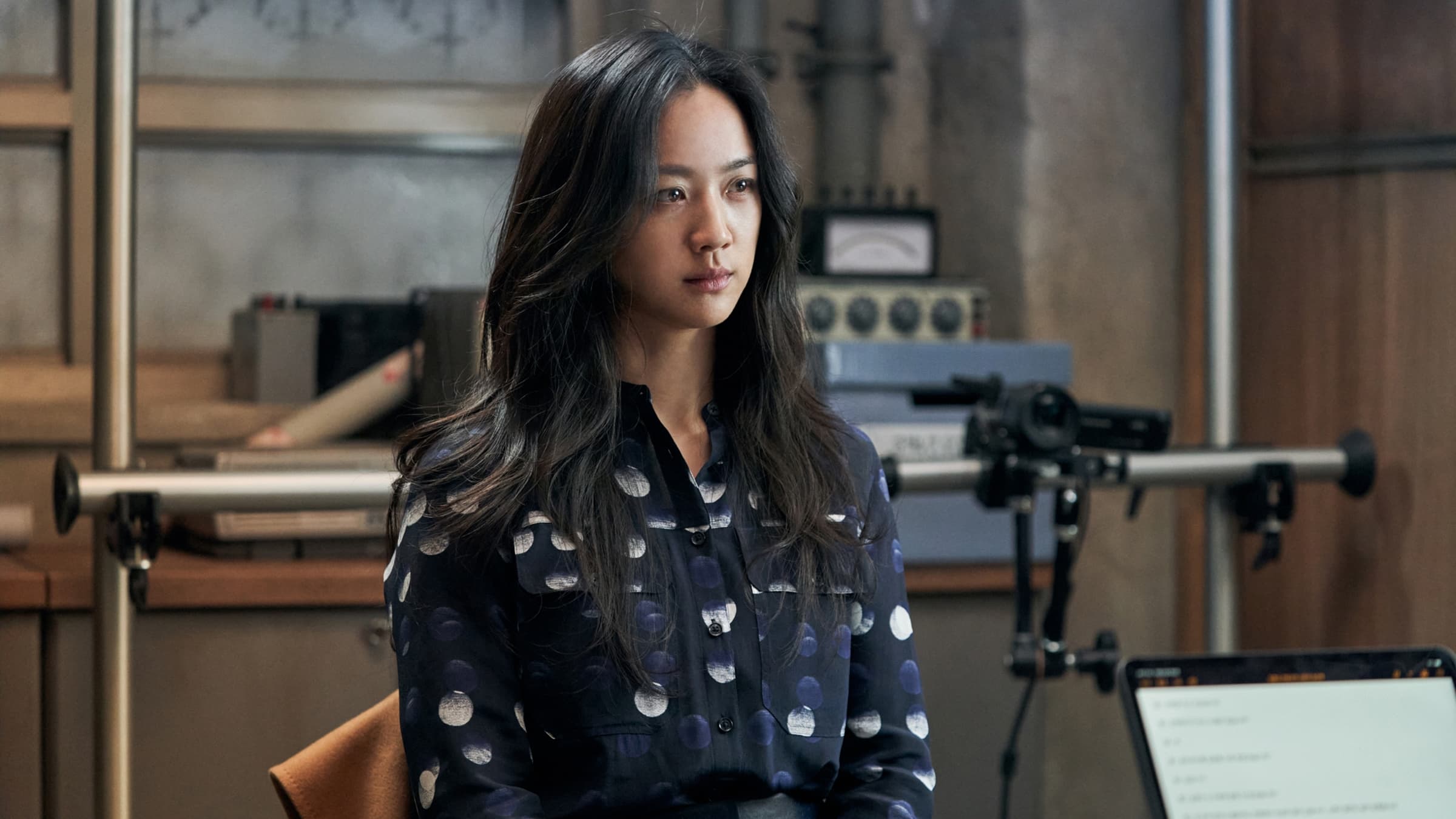
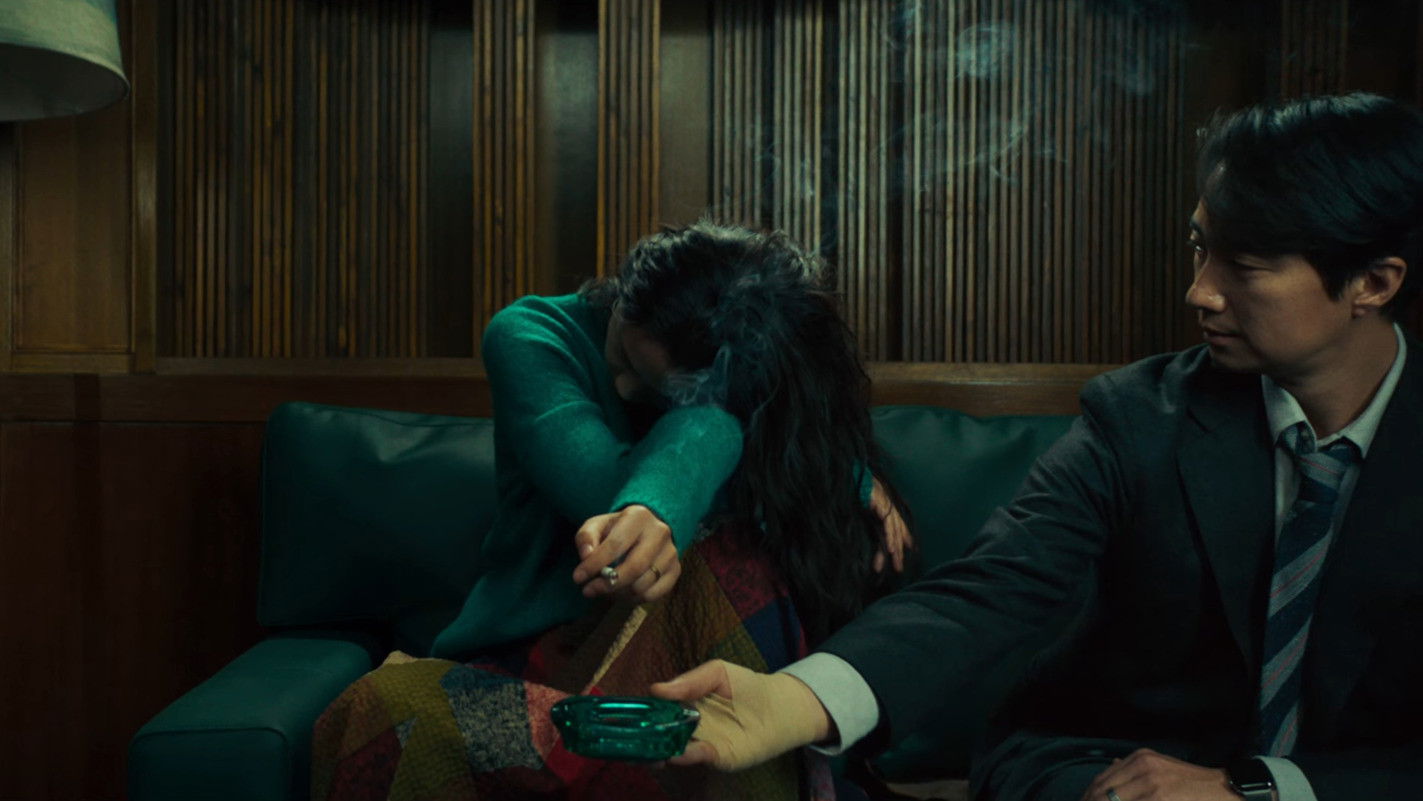
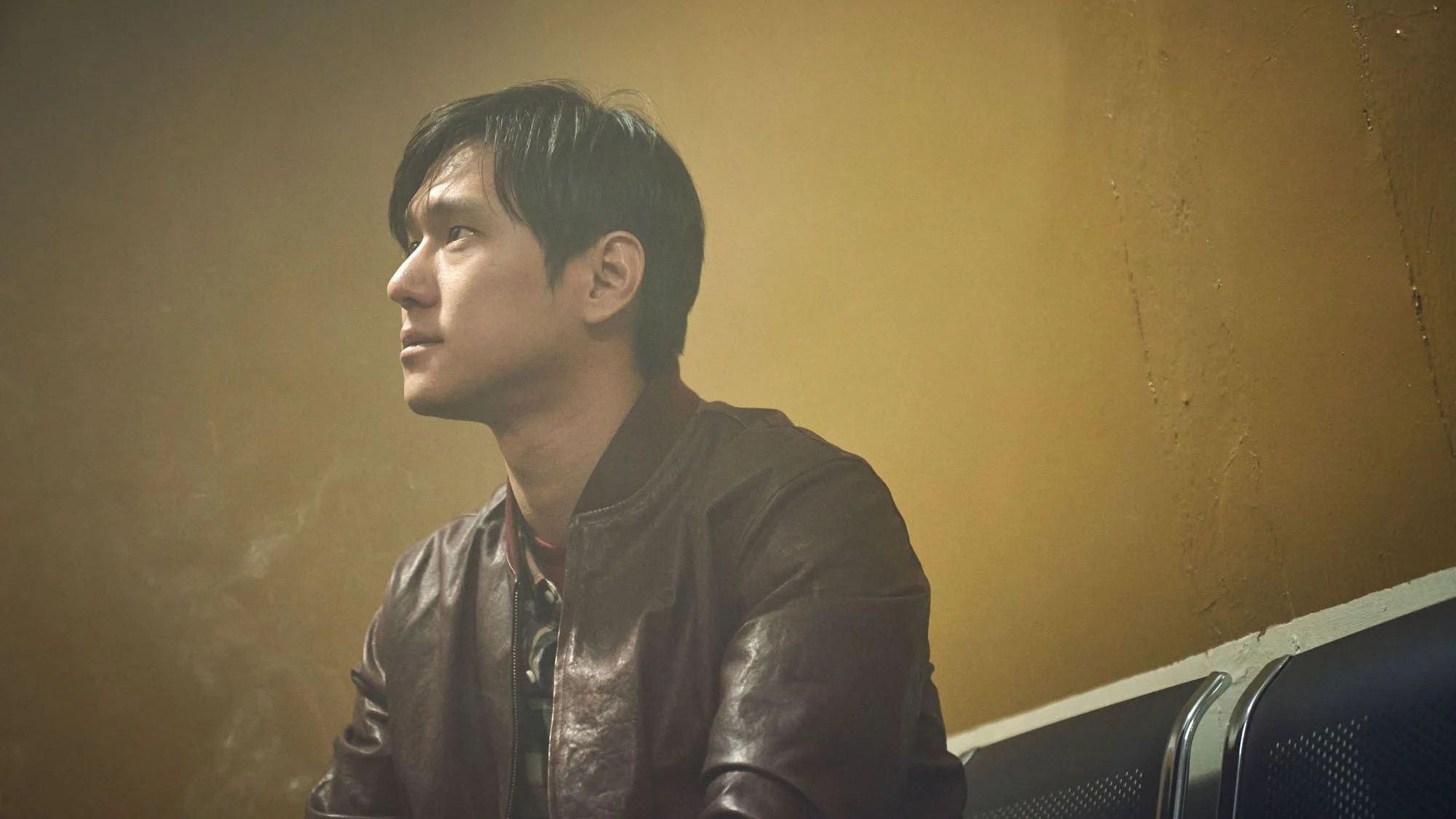
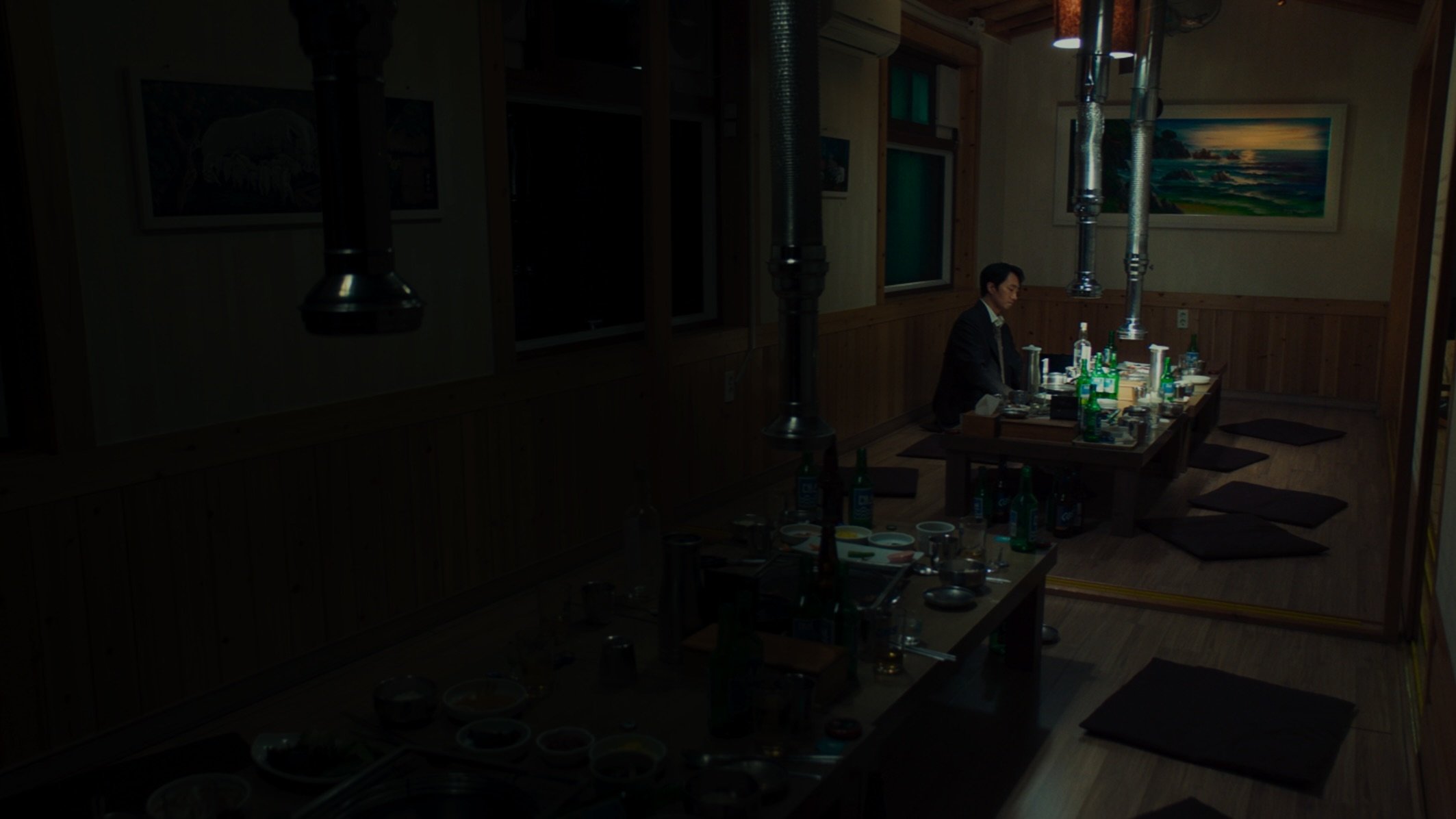
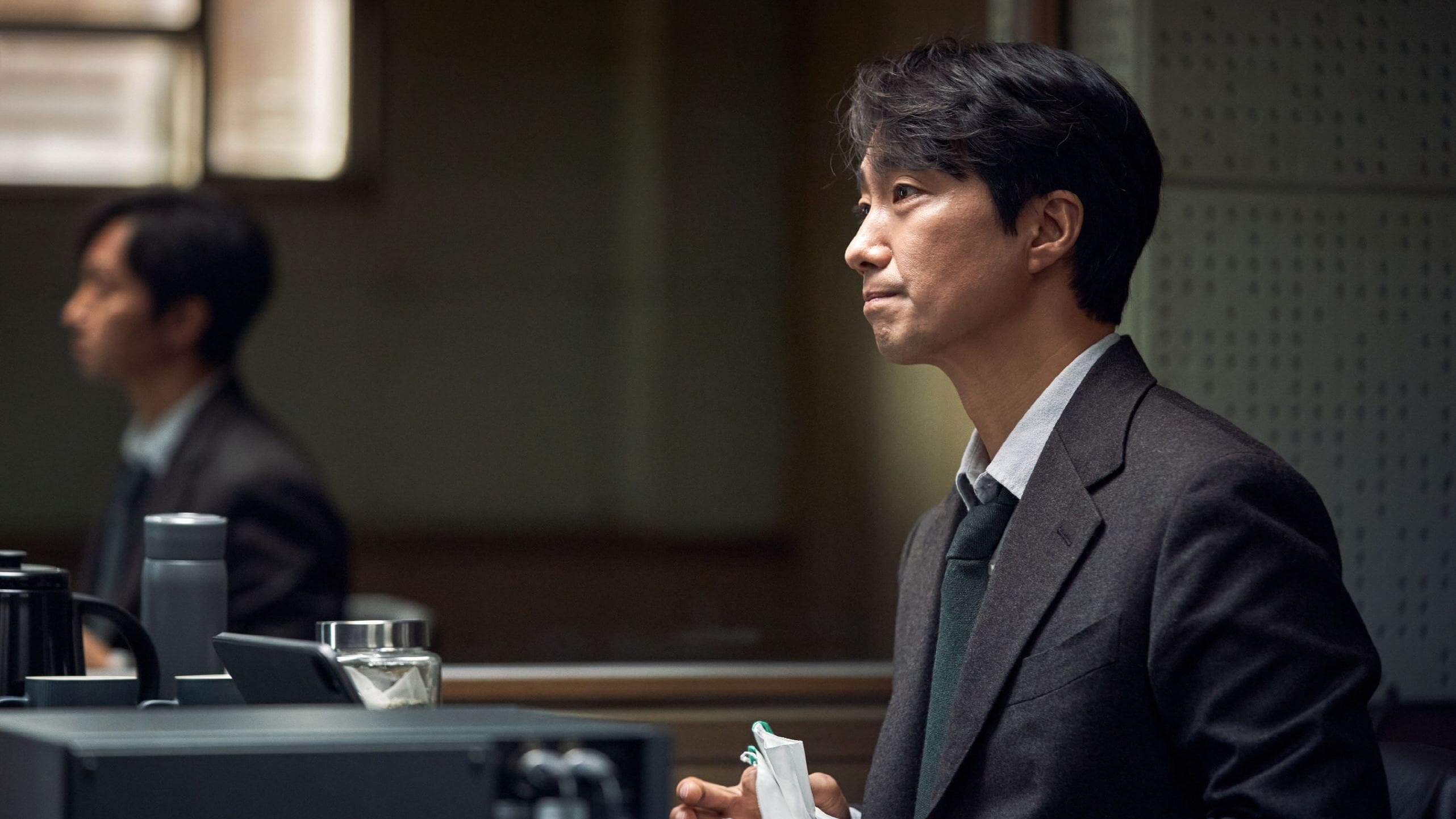
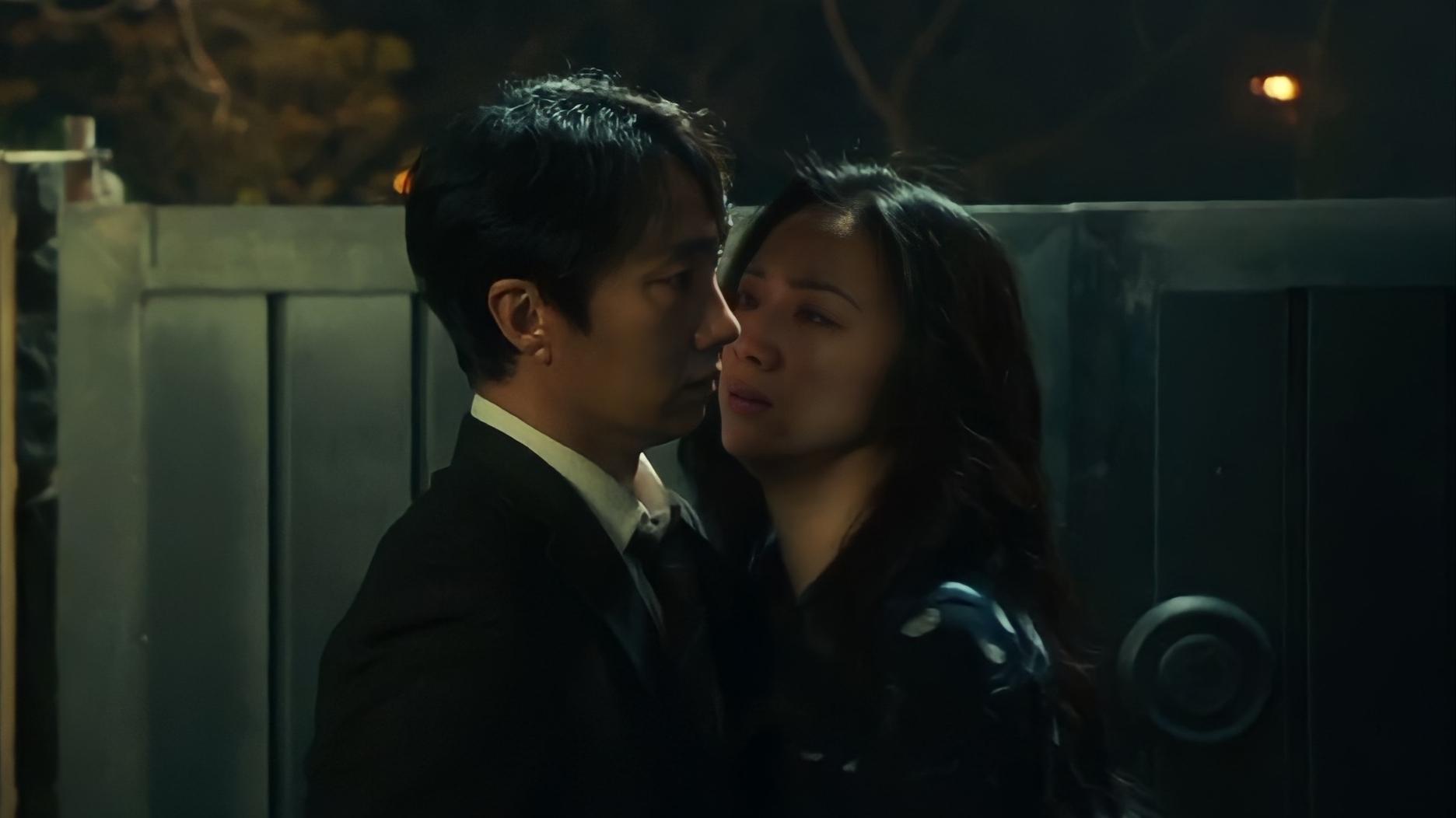
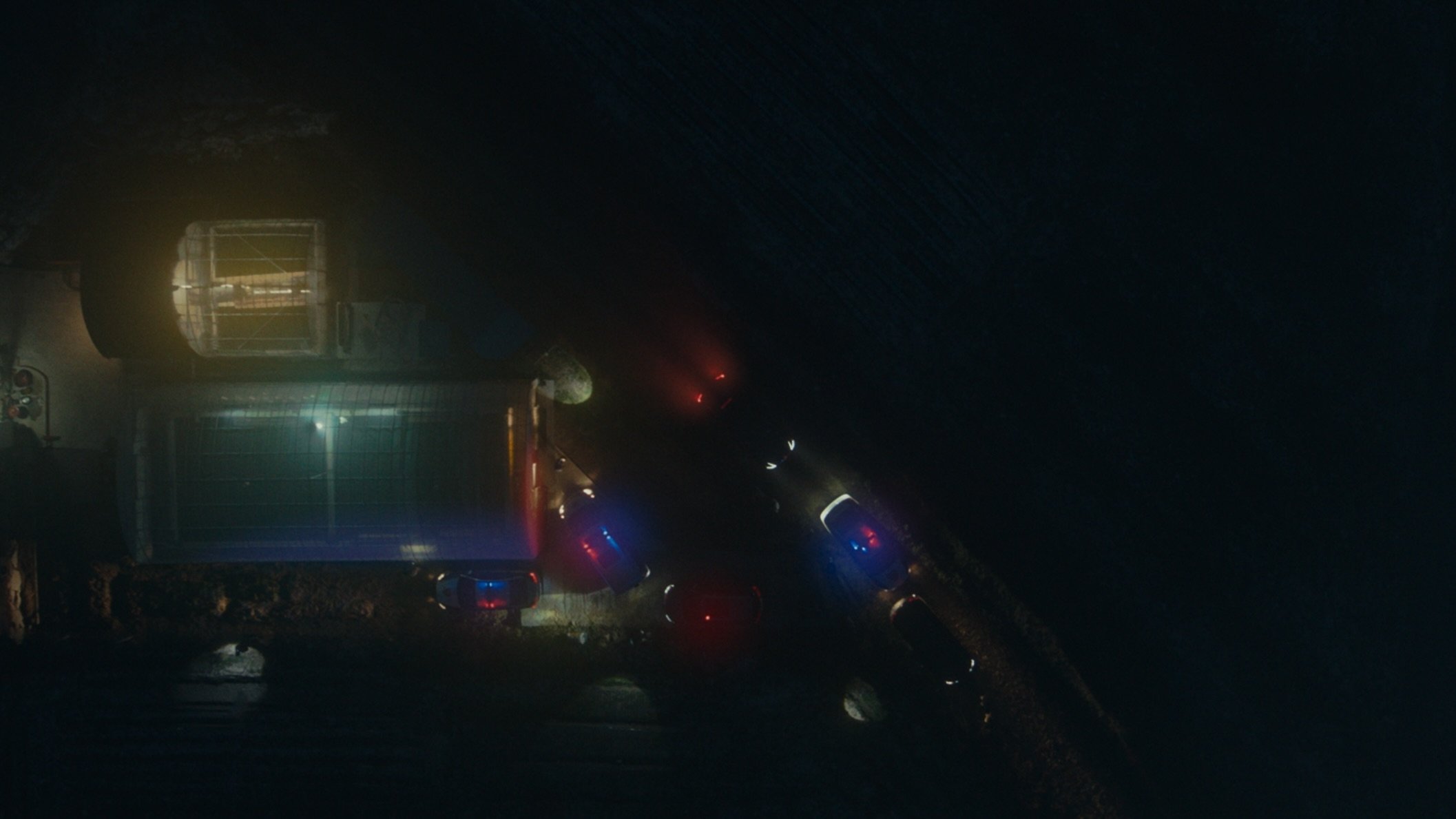
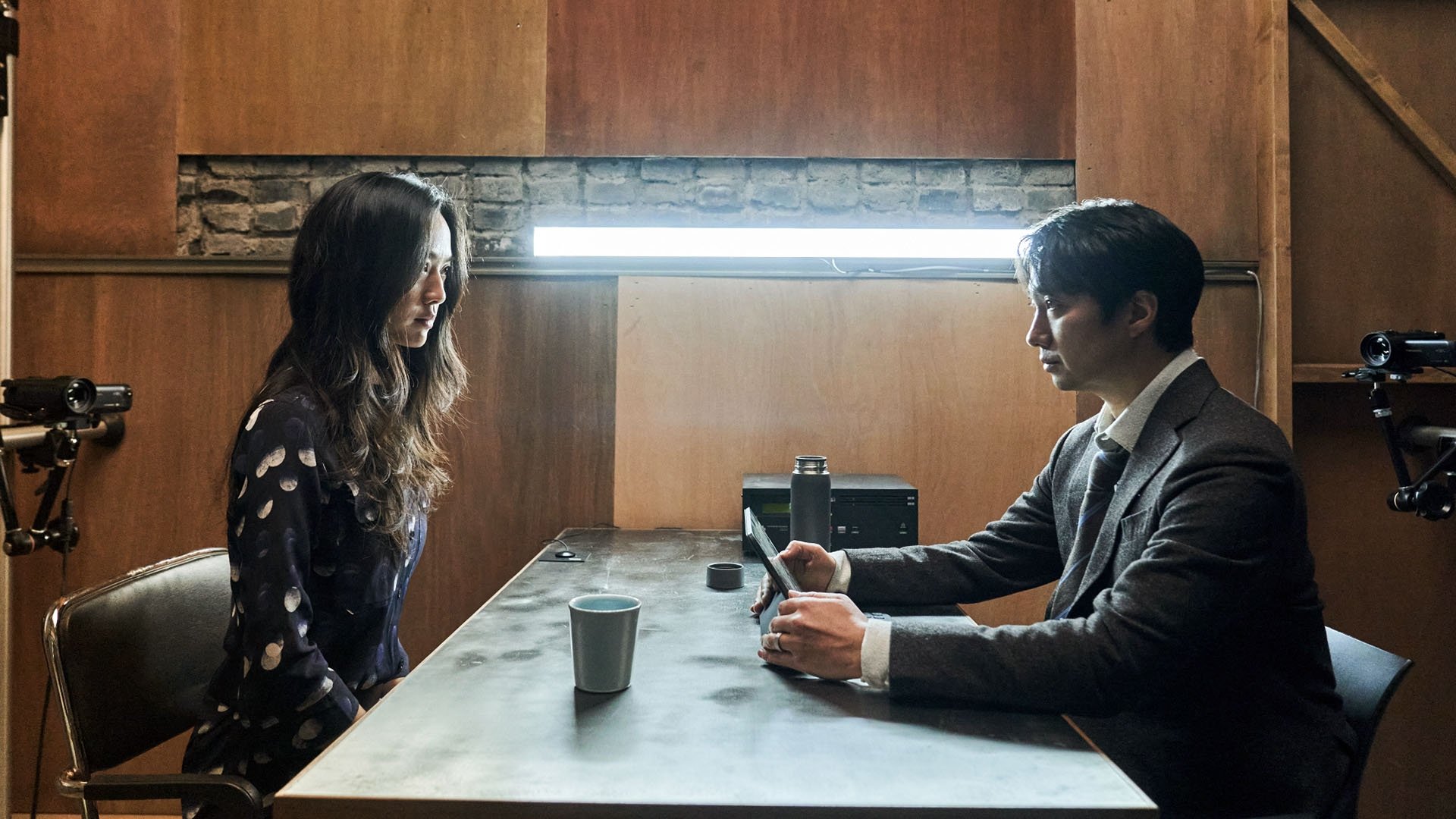
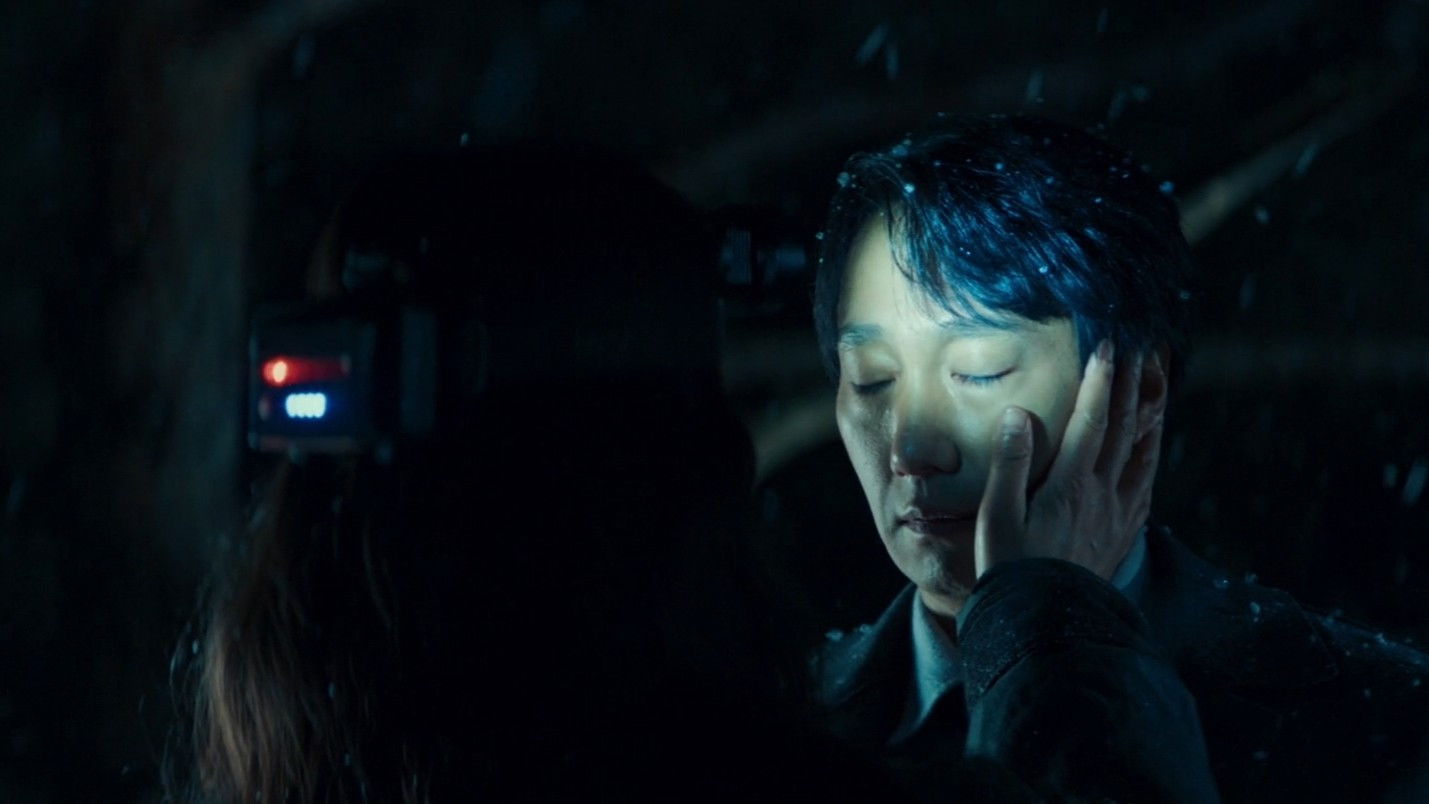
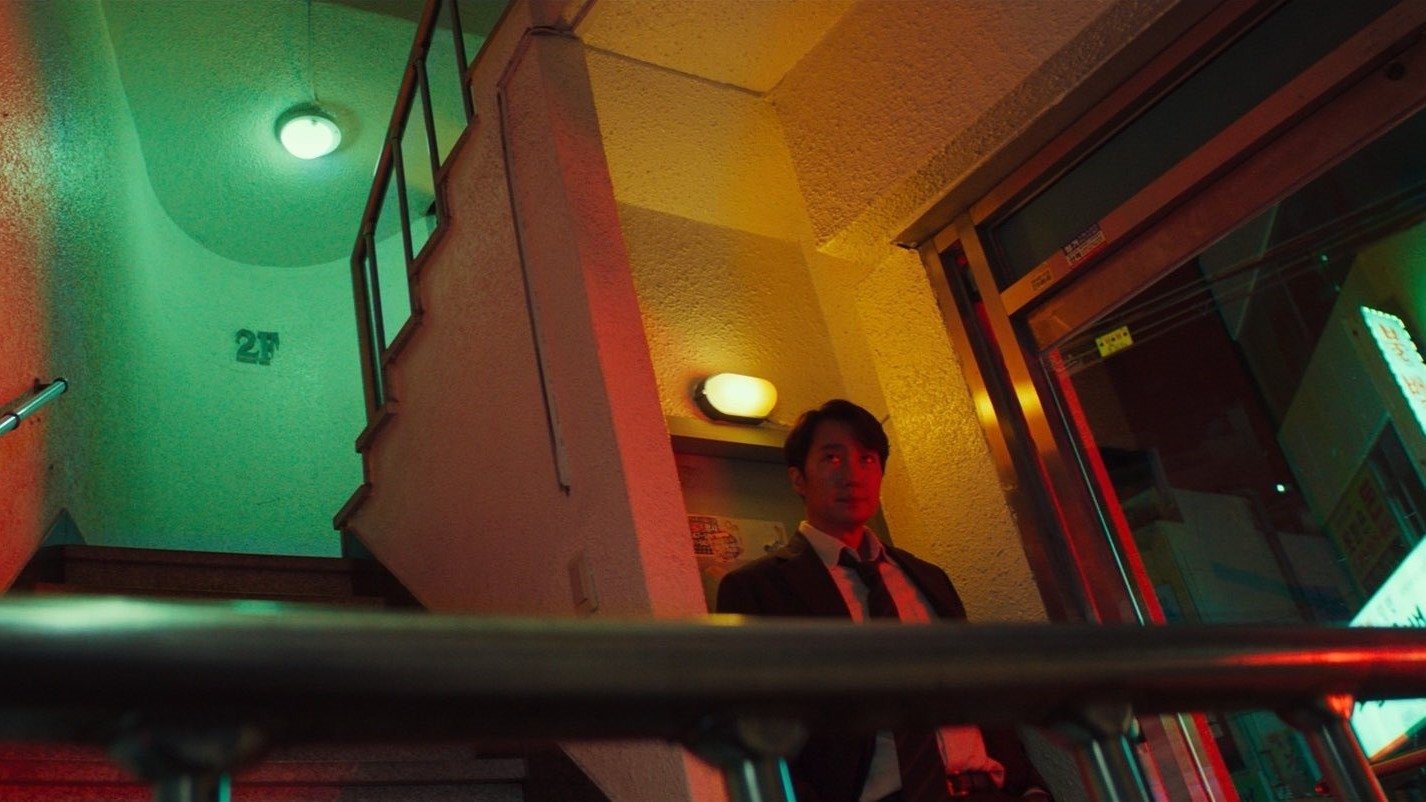
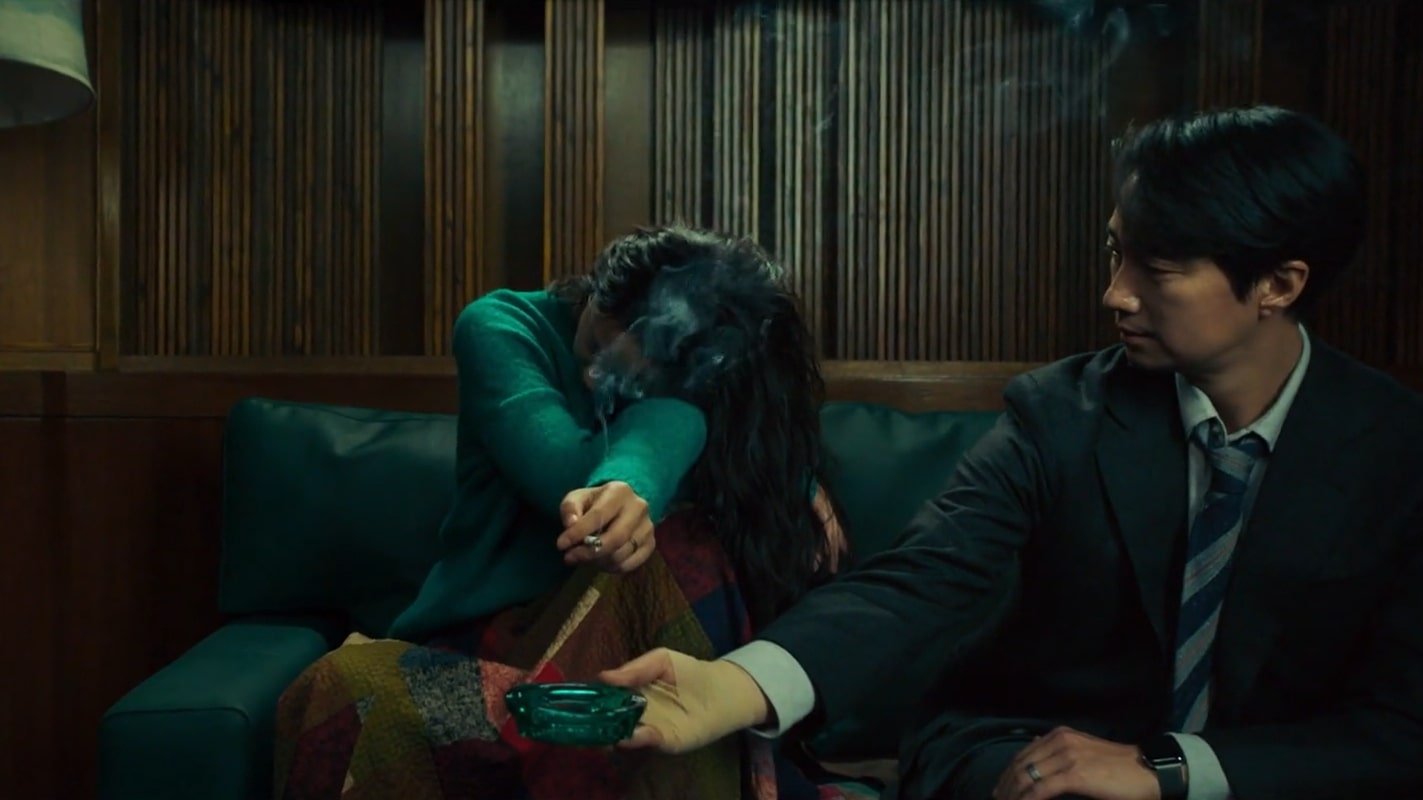
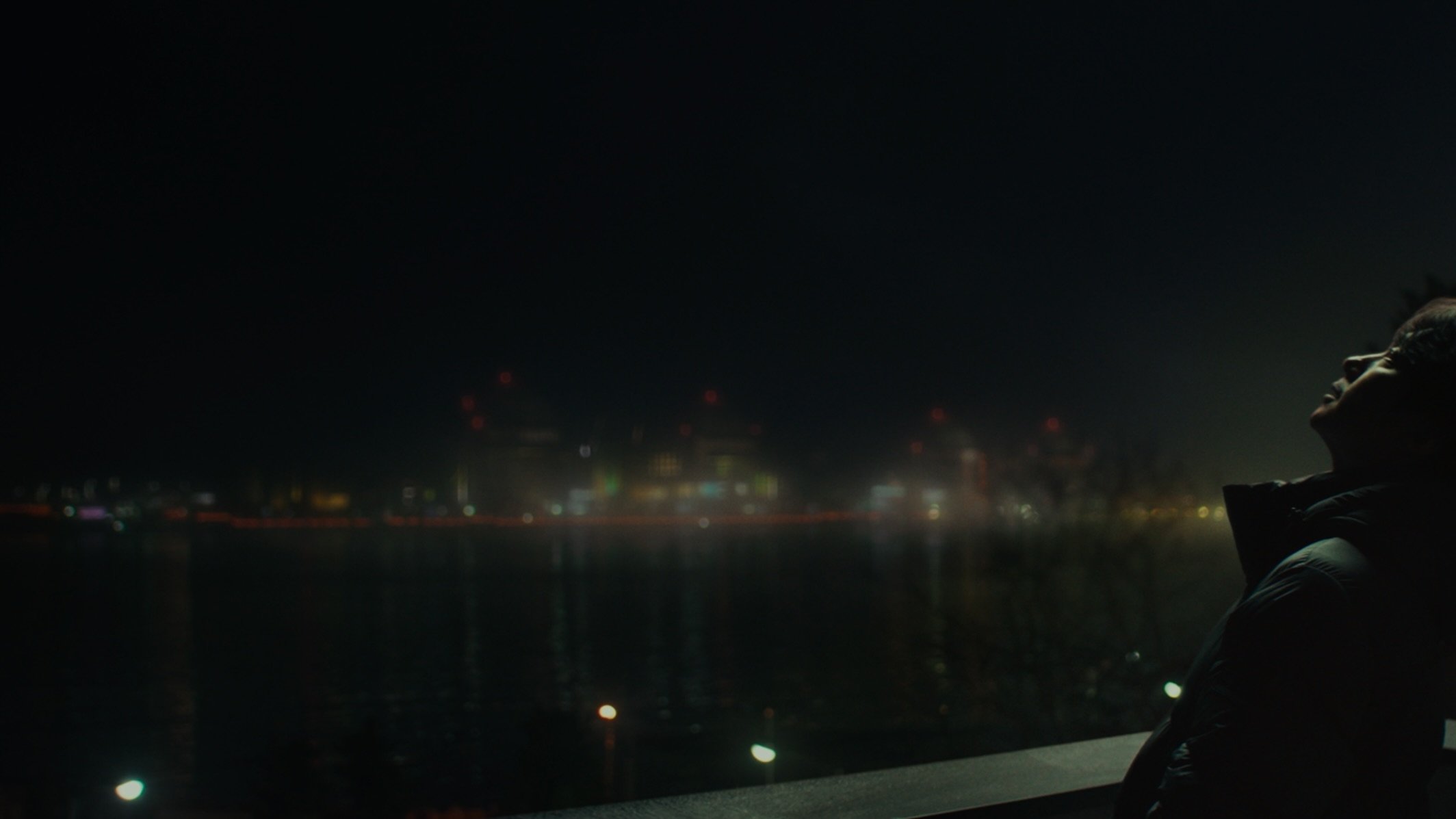
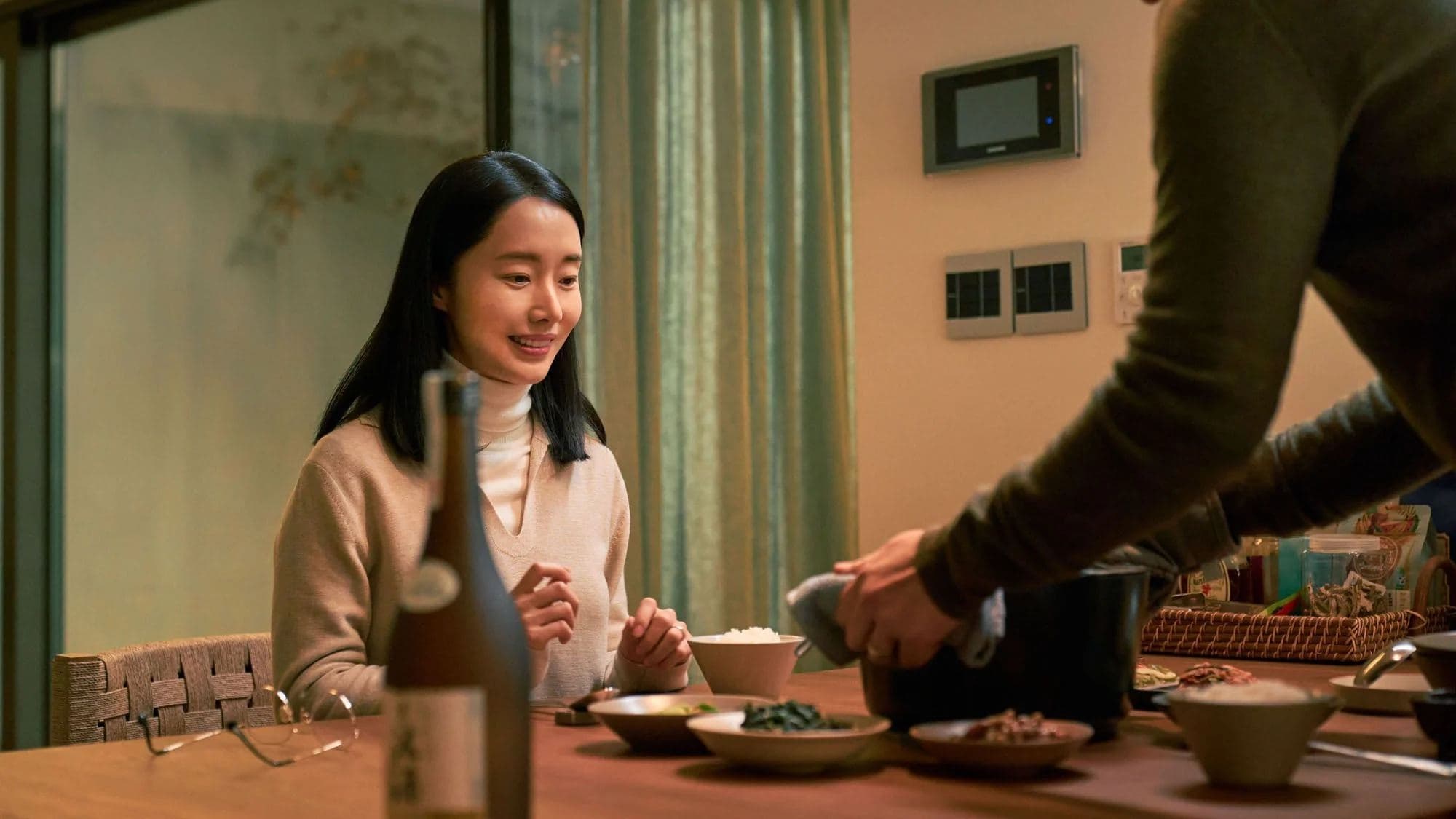
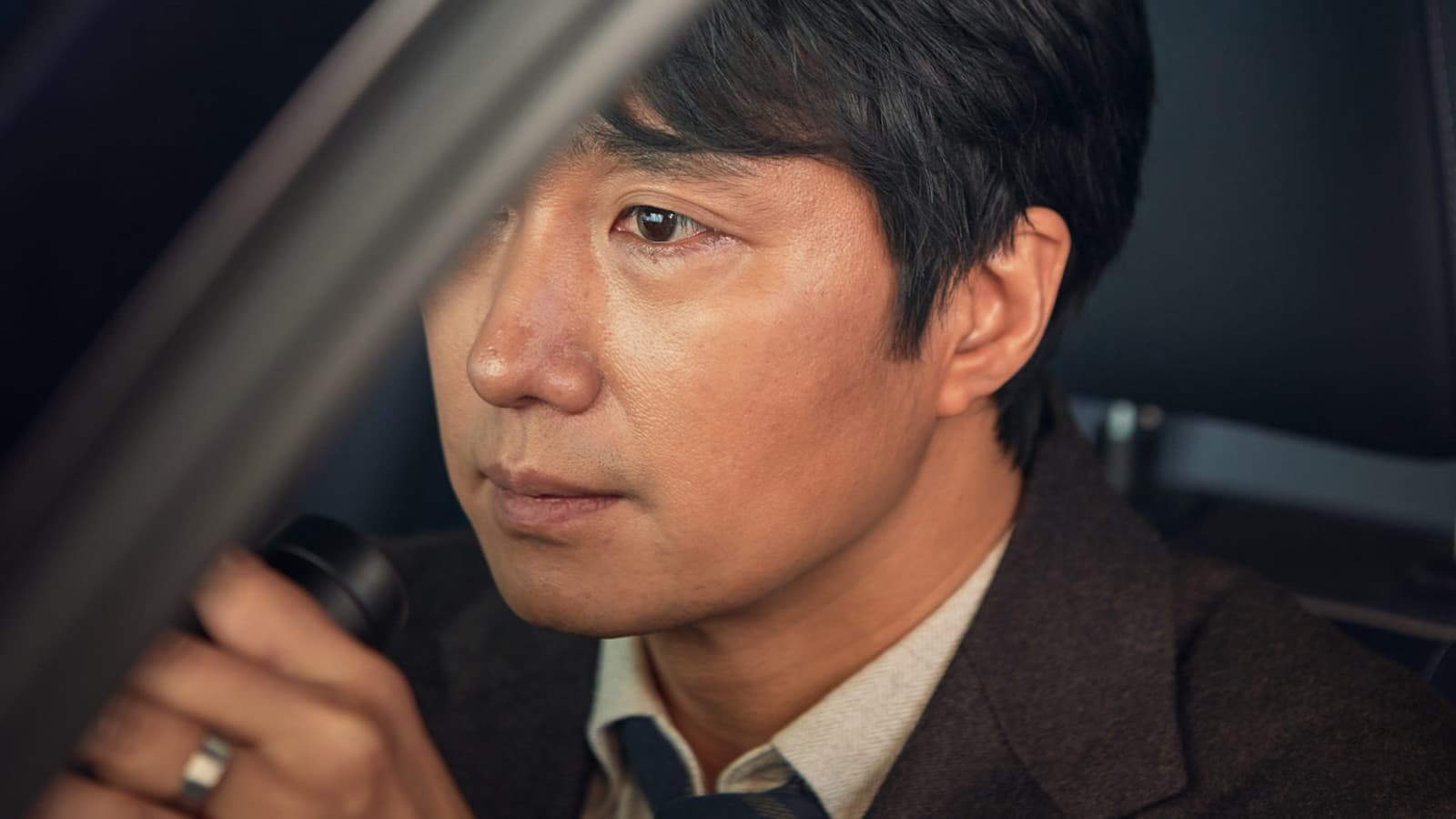
That restraint is what makes this a 5-star slow burn. There’s hardly any violence. The sex is implied, not shown. The tension is in what isn’t said, the lengthy pauses in interrogation rooms, the lunches shared at a table, the detective outside the widow’s apartment building waiting for her light to go out. It’s romantic in that "In the Mood for Love" way: destined and patient and painful.
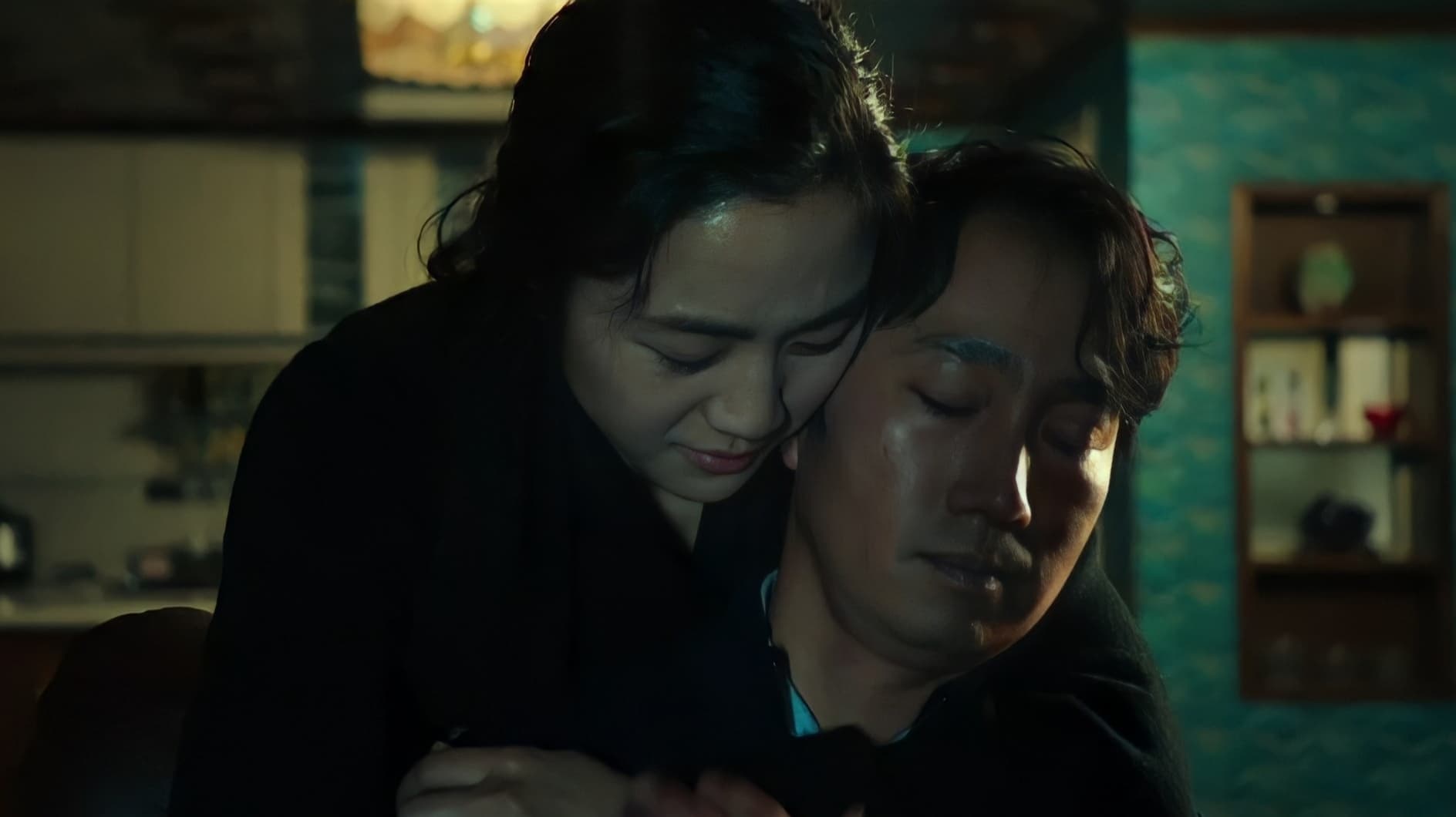
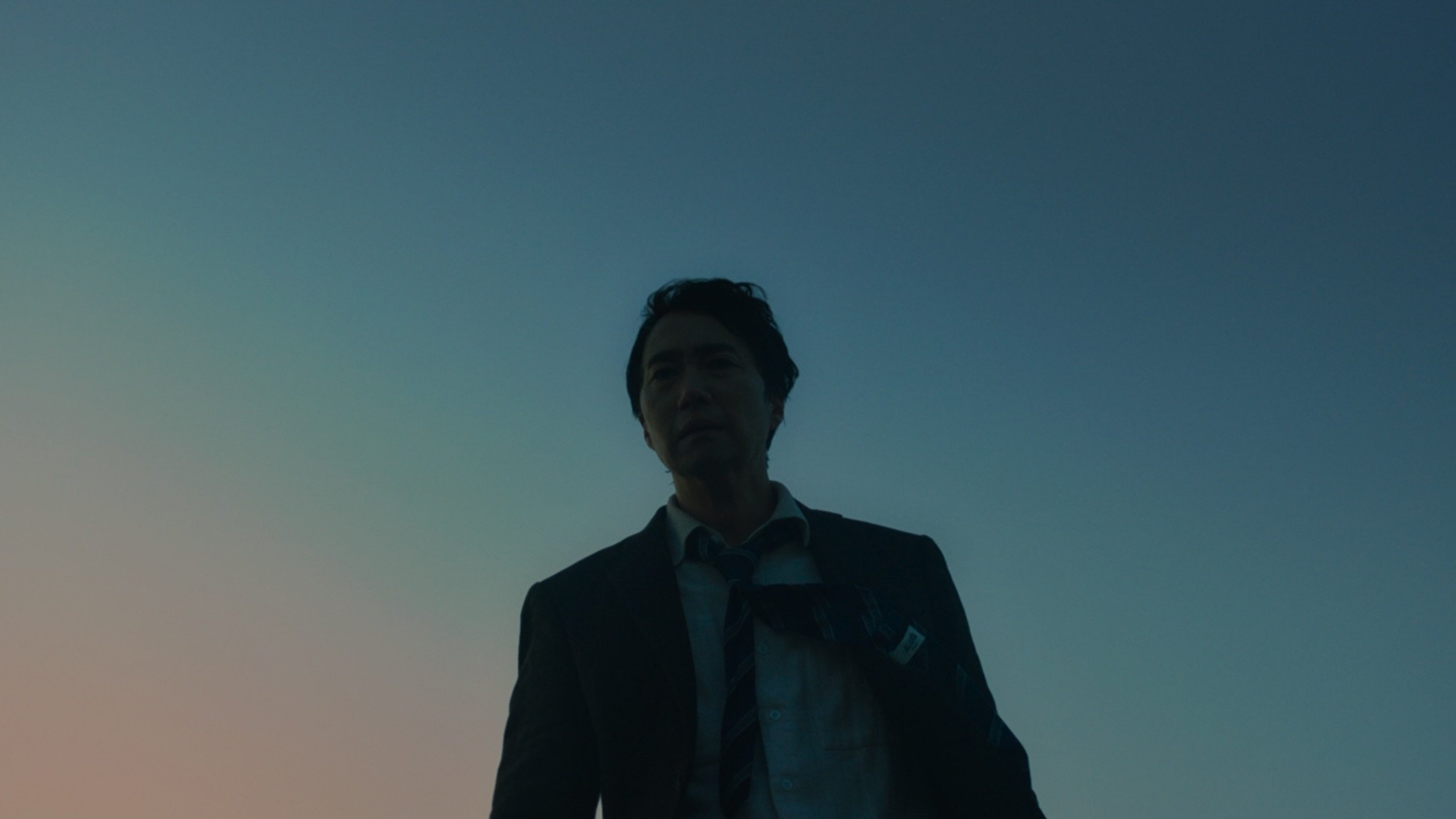
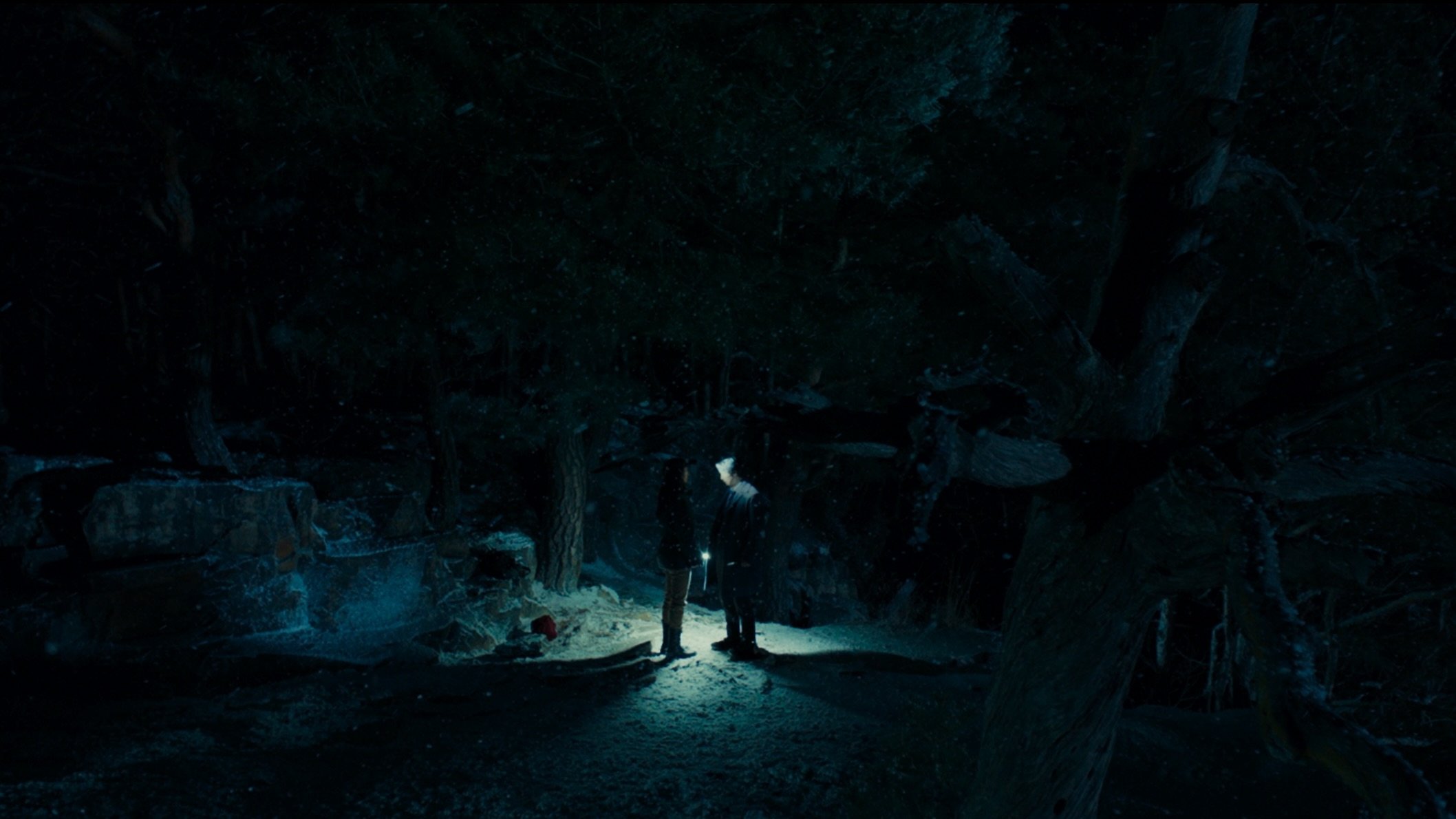
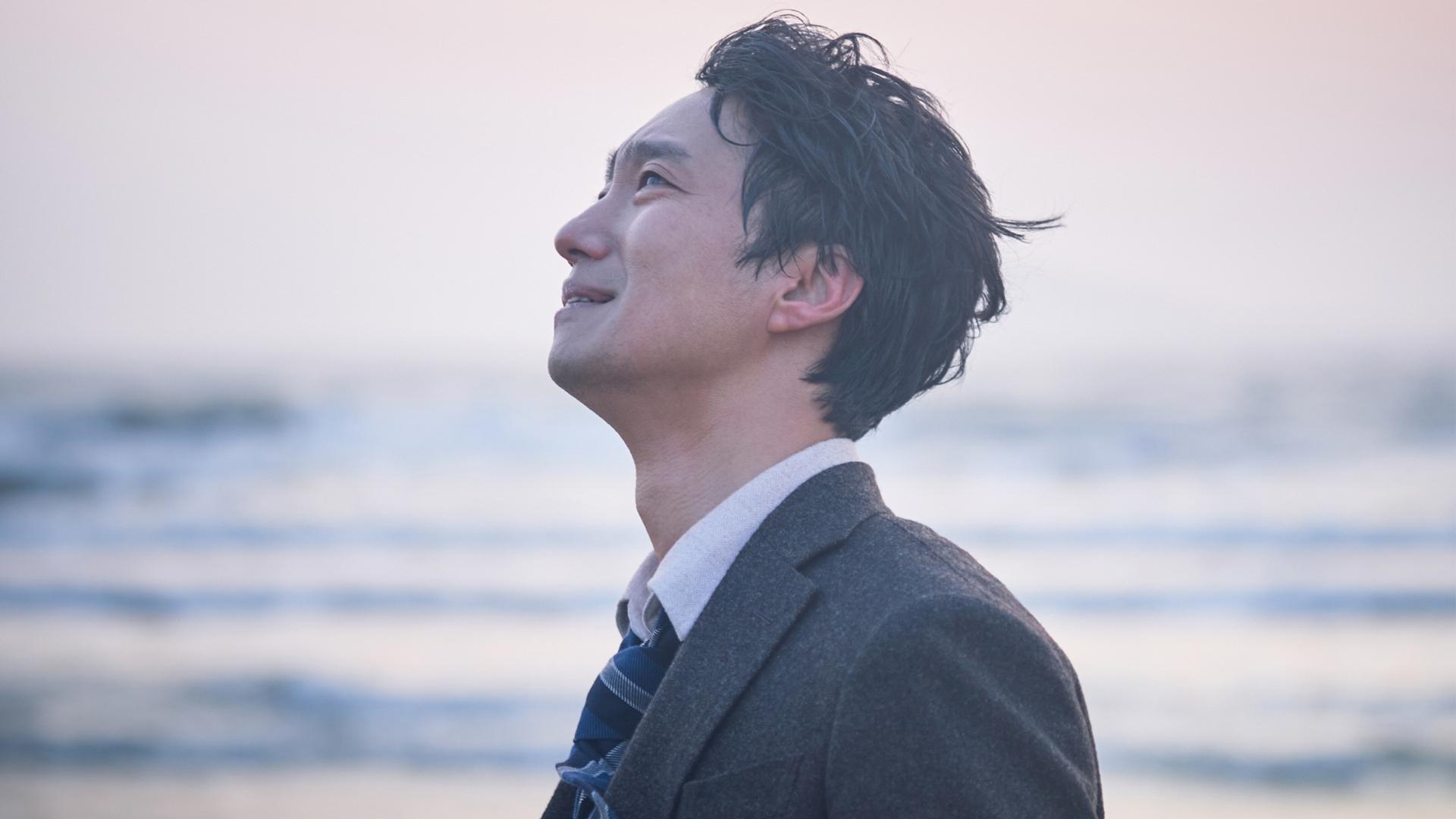
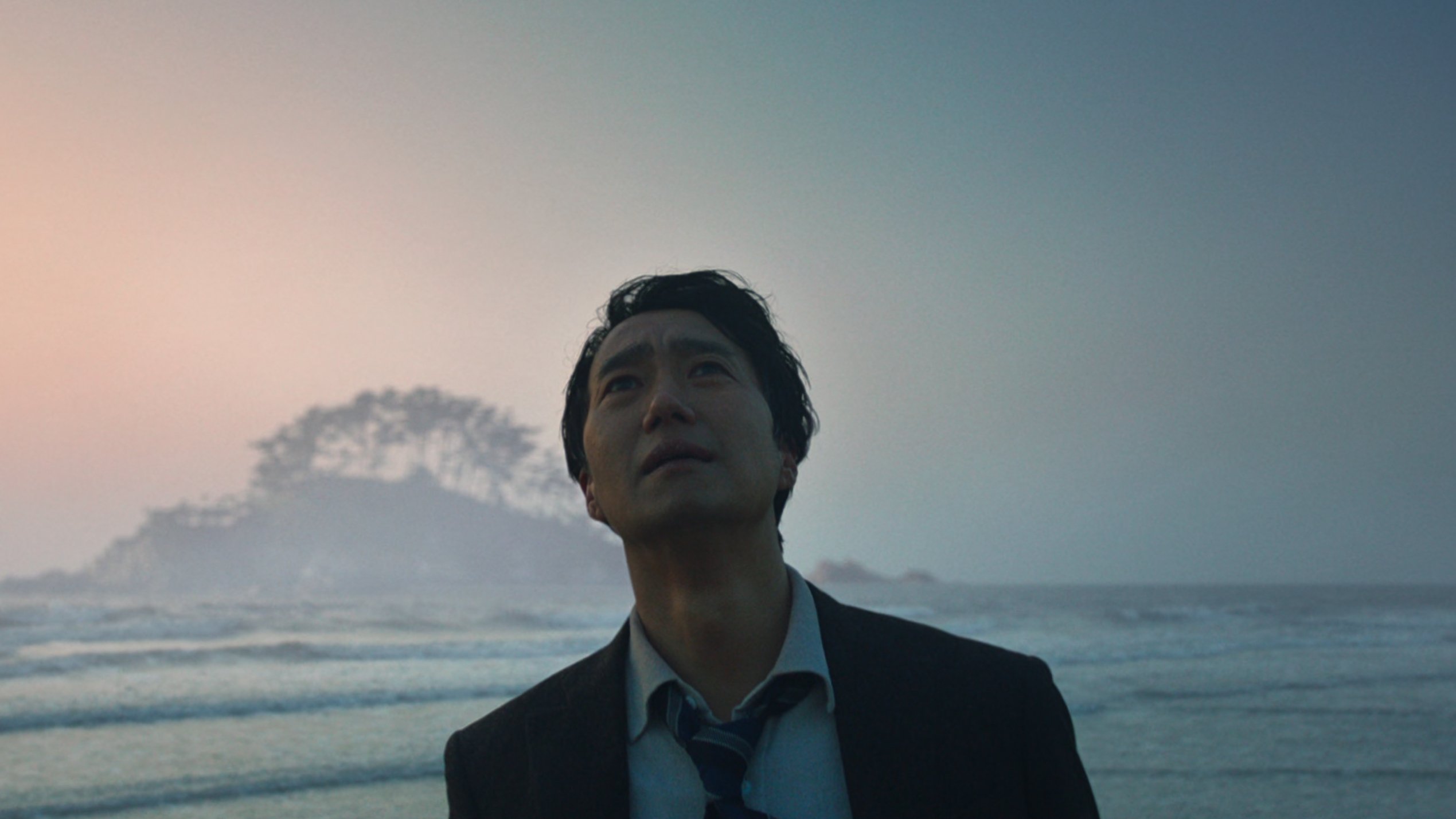
The last 20 minutes will kill you. No spoilers, but it’s one of Park’s best endings, and that’s saying something from the man who gave you The Handmaiden’s basement reveal and Oldboy’s hallway fight. This one doesn’t punch. It whispers, then it drowns you out.
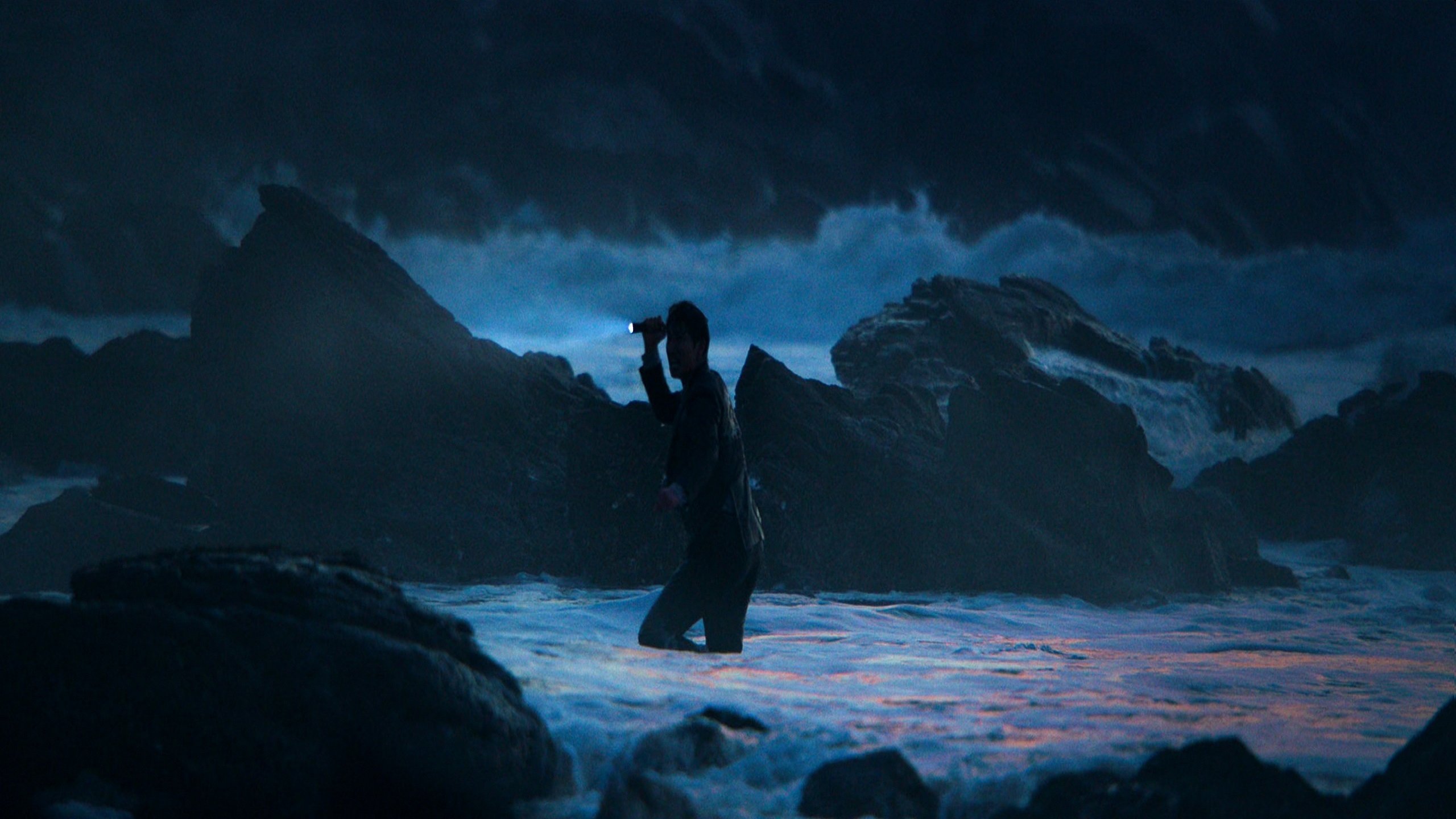
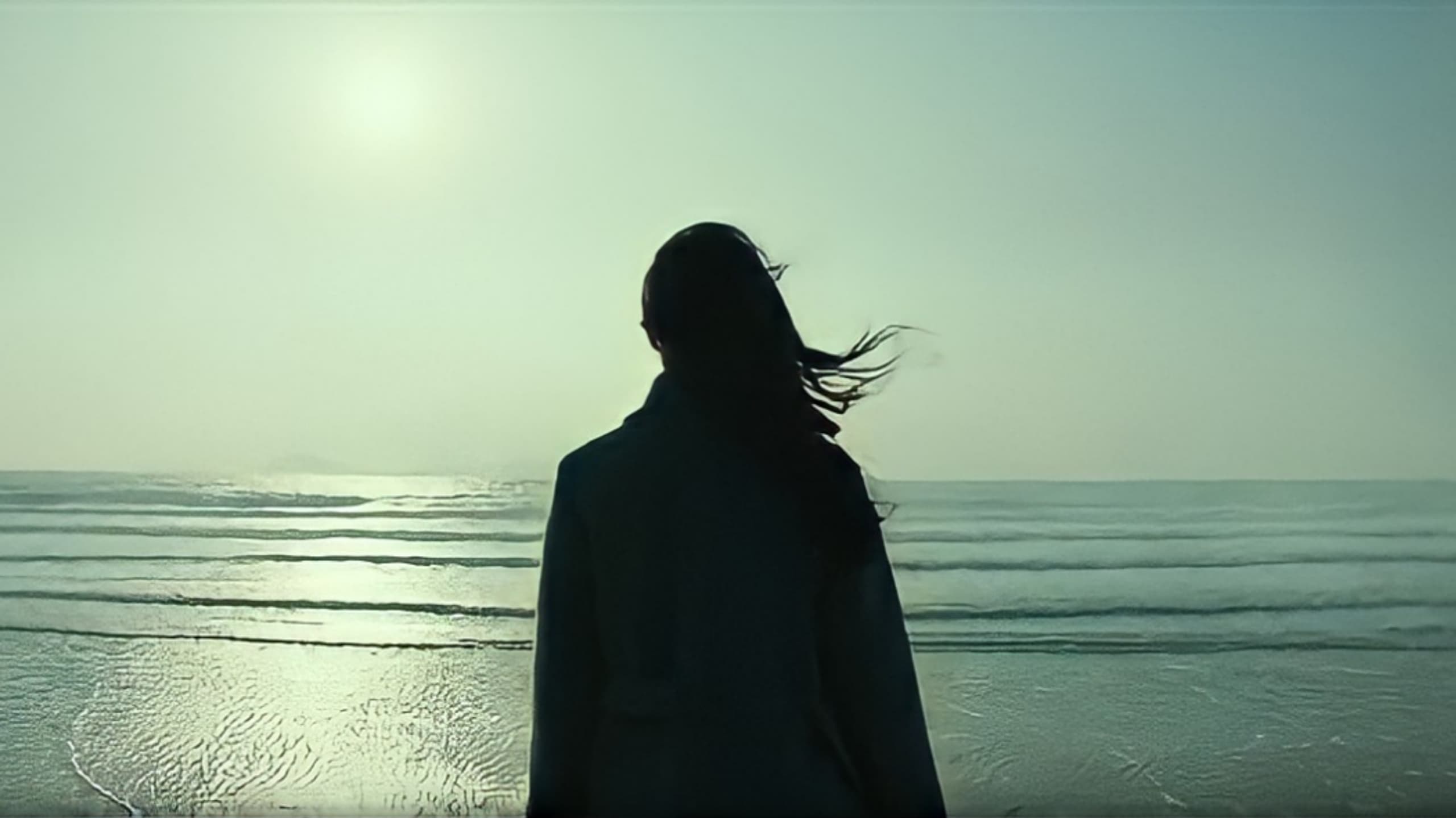
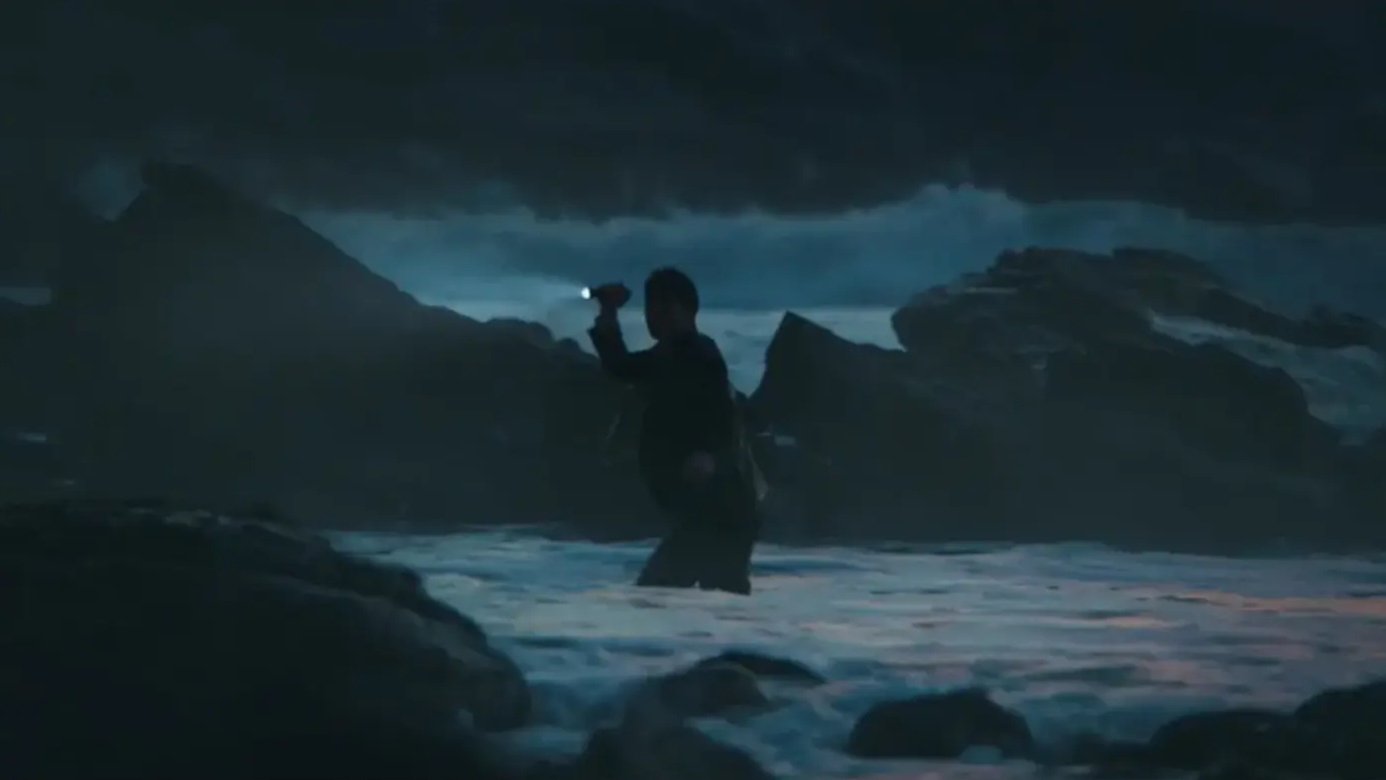
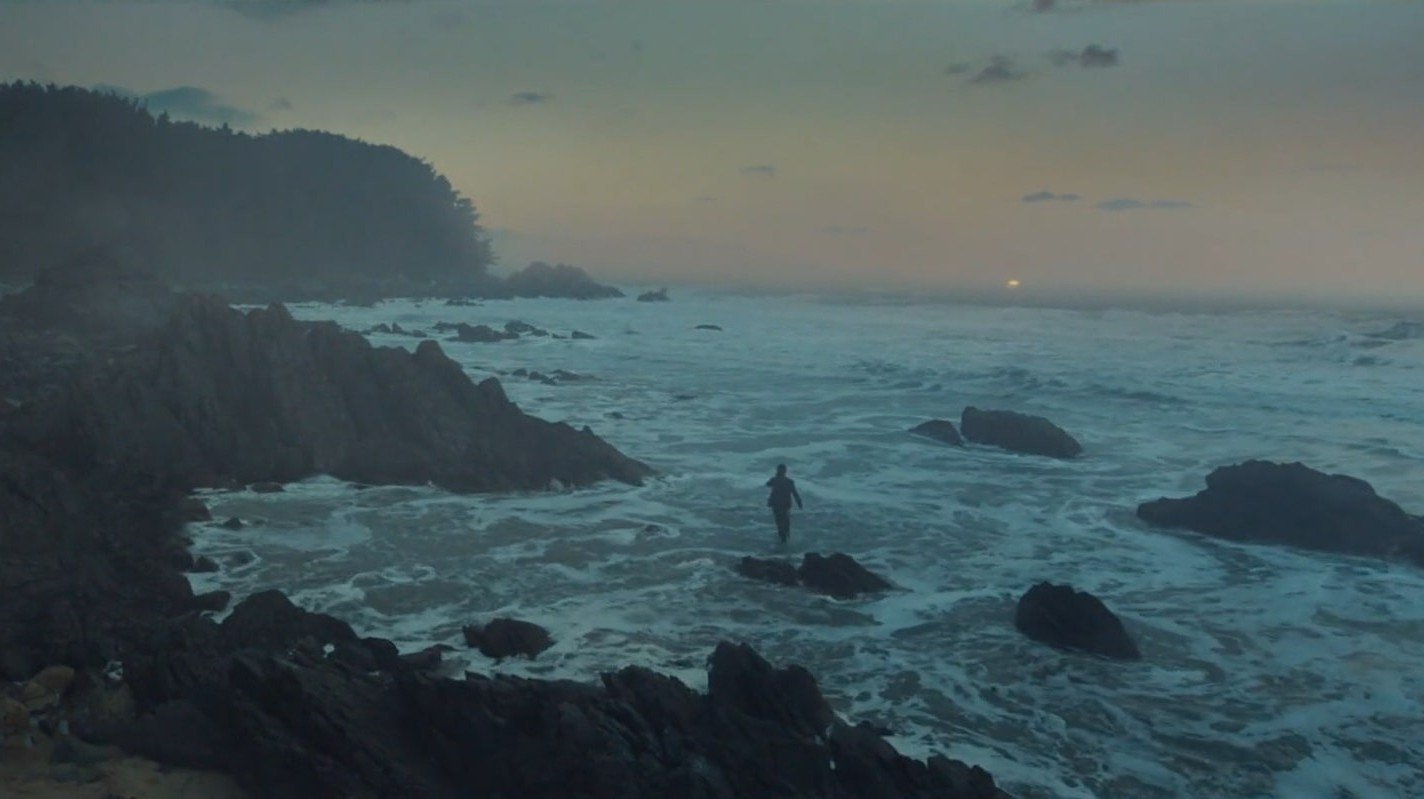
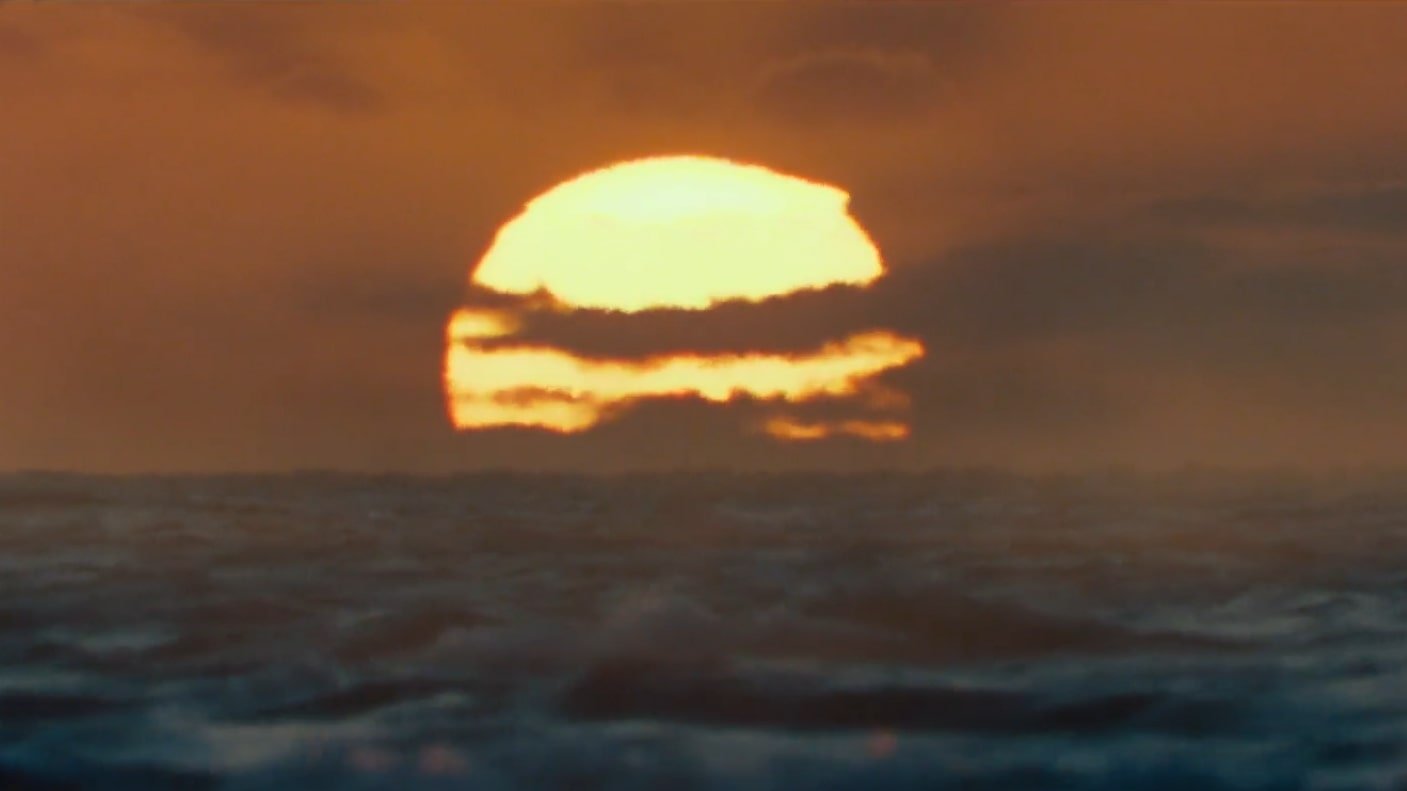
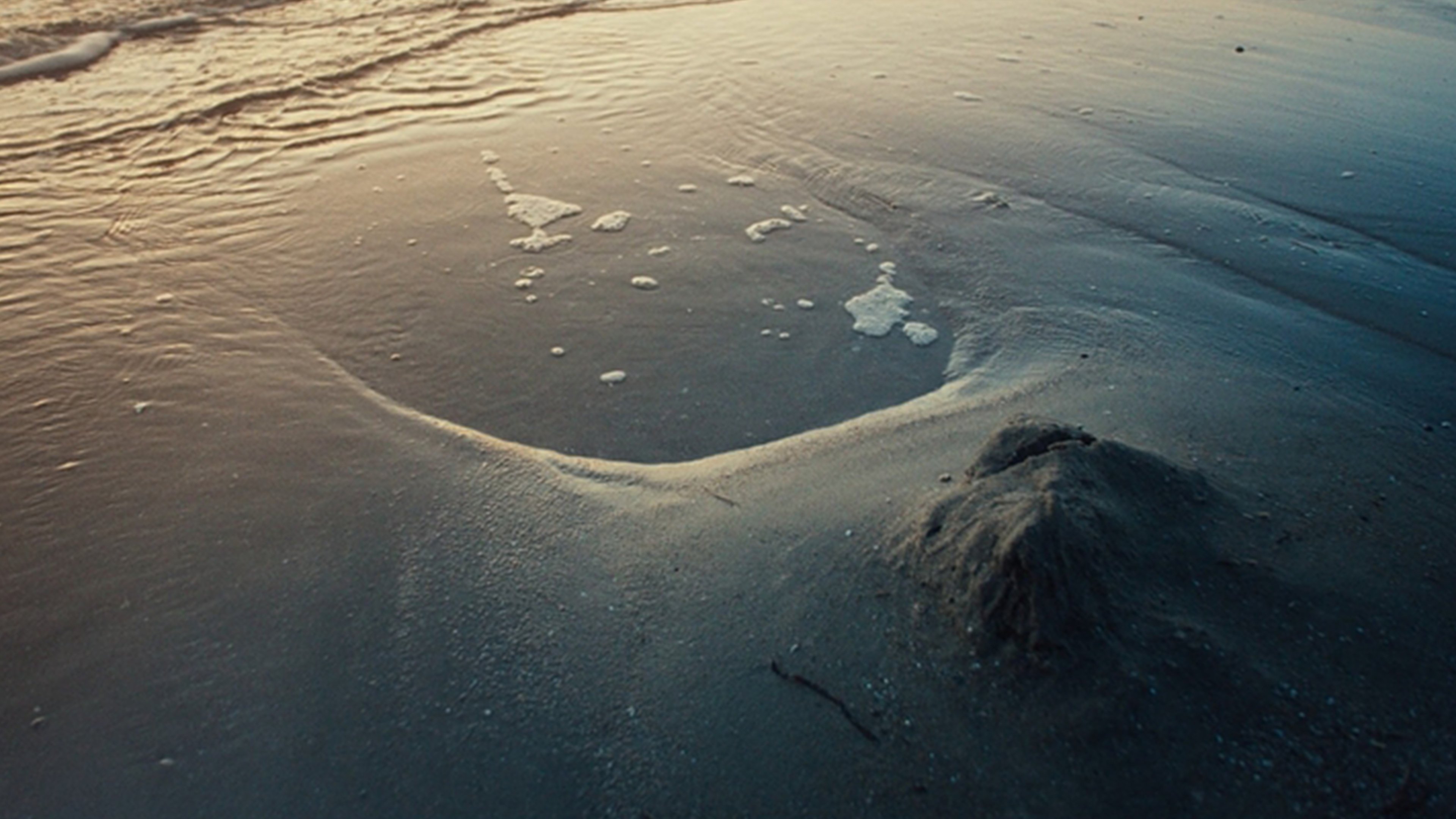
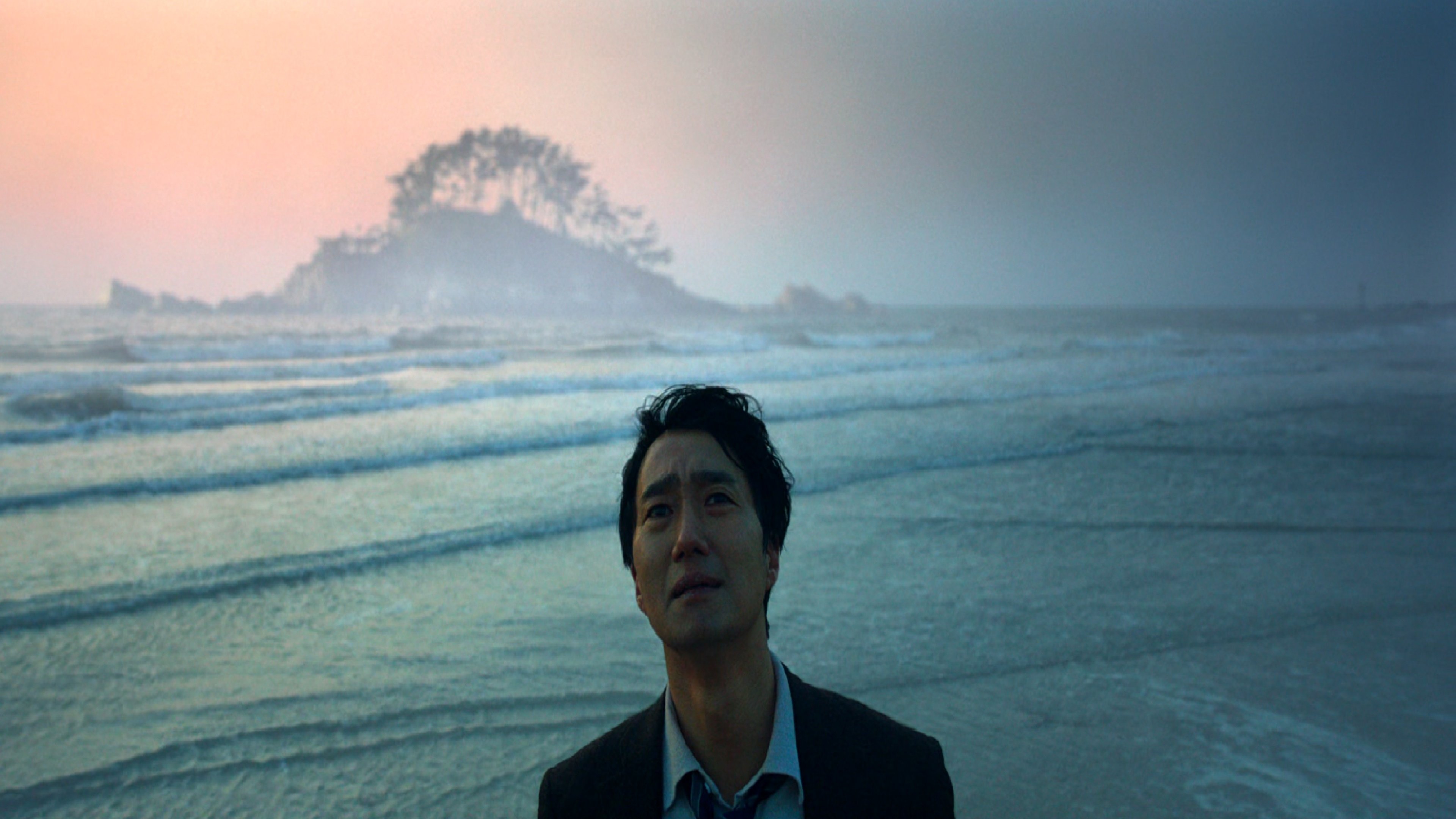
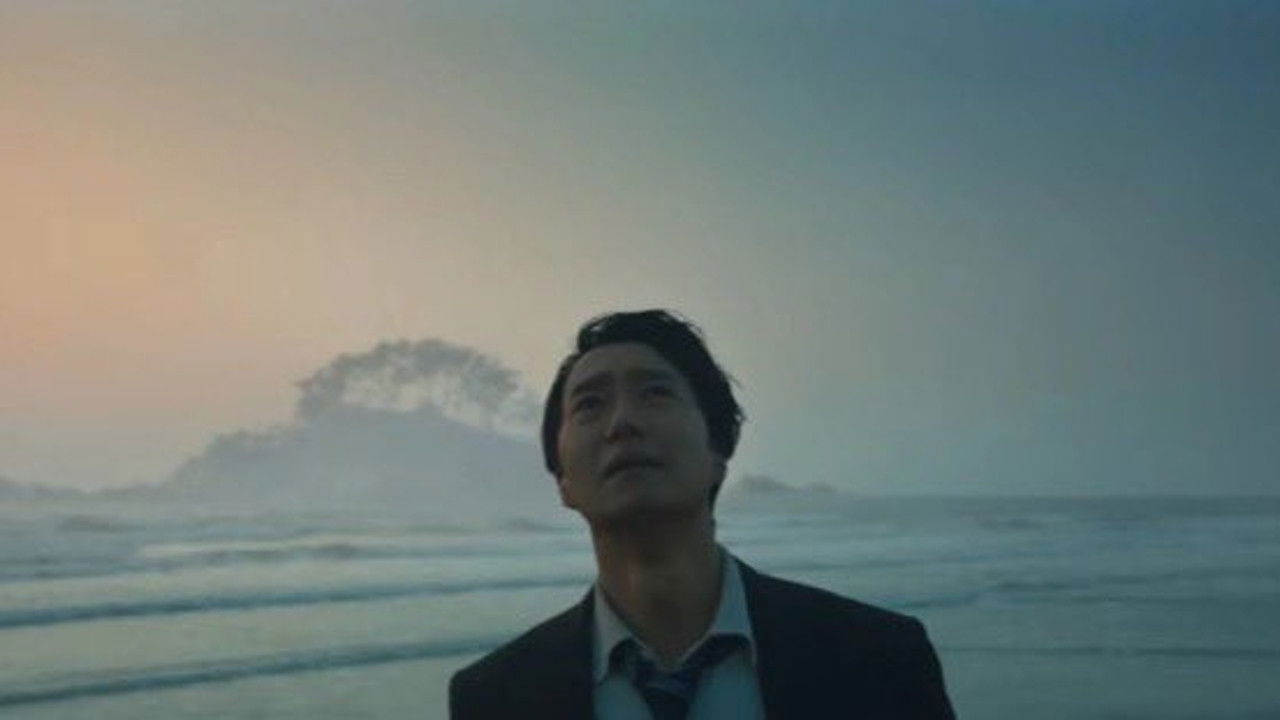
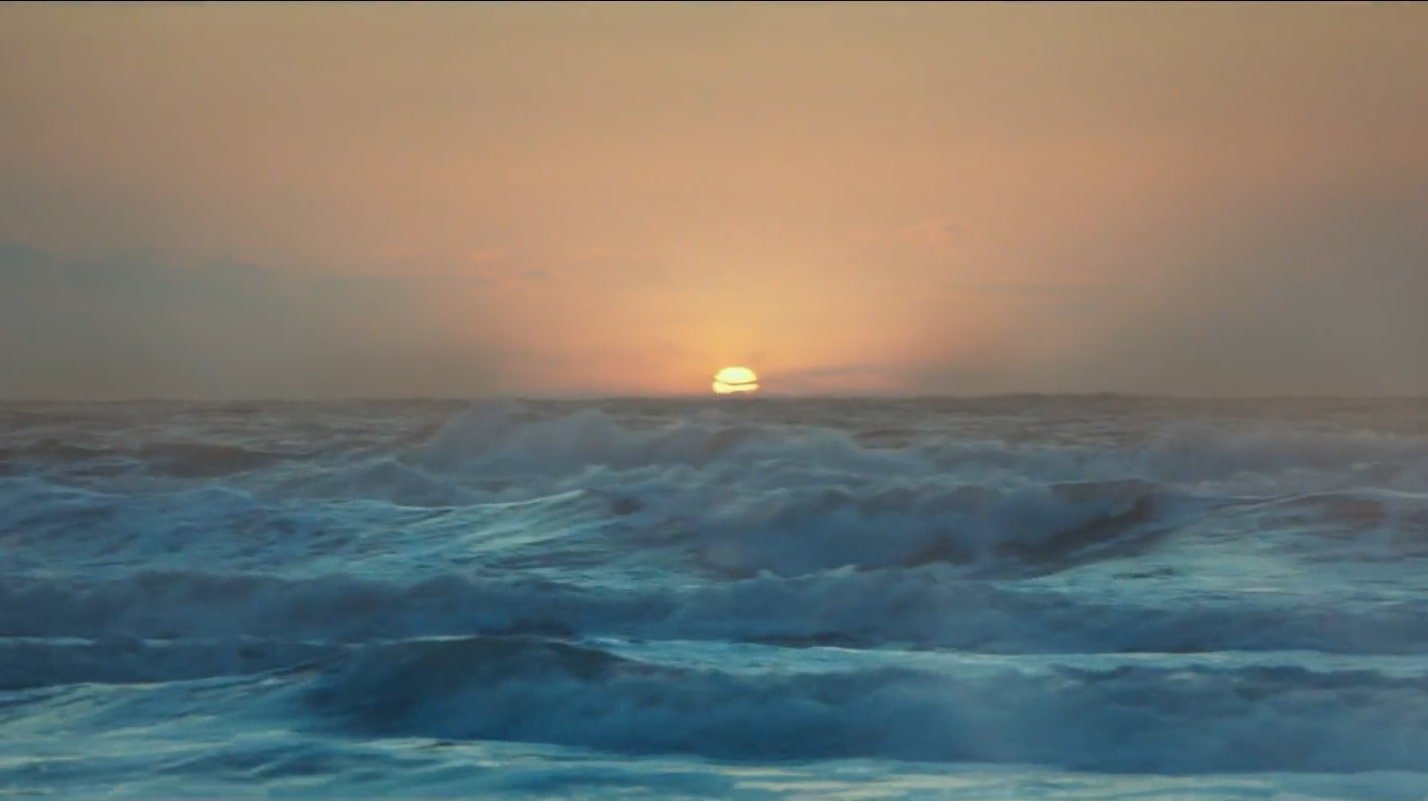
Park Chan-wook has made more shocking films. He's made bloodier ones, twistier ones, ones that leave you dizzy in a different way, but (in my opinion) Decision to Leave might be his most mature, a story about obsession that doesn't scream, doesn't chase, doesn't beg for your attention. It just waits. Like the detective at the window. Like the tides coming in.
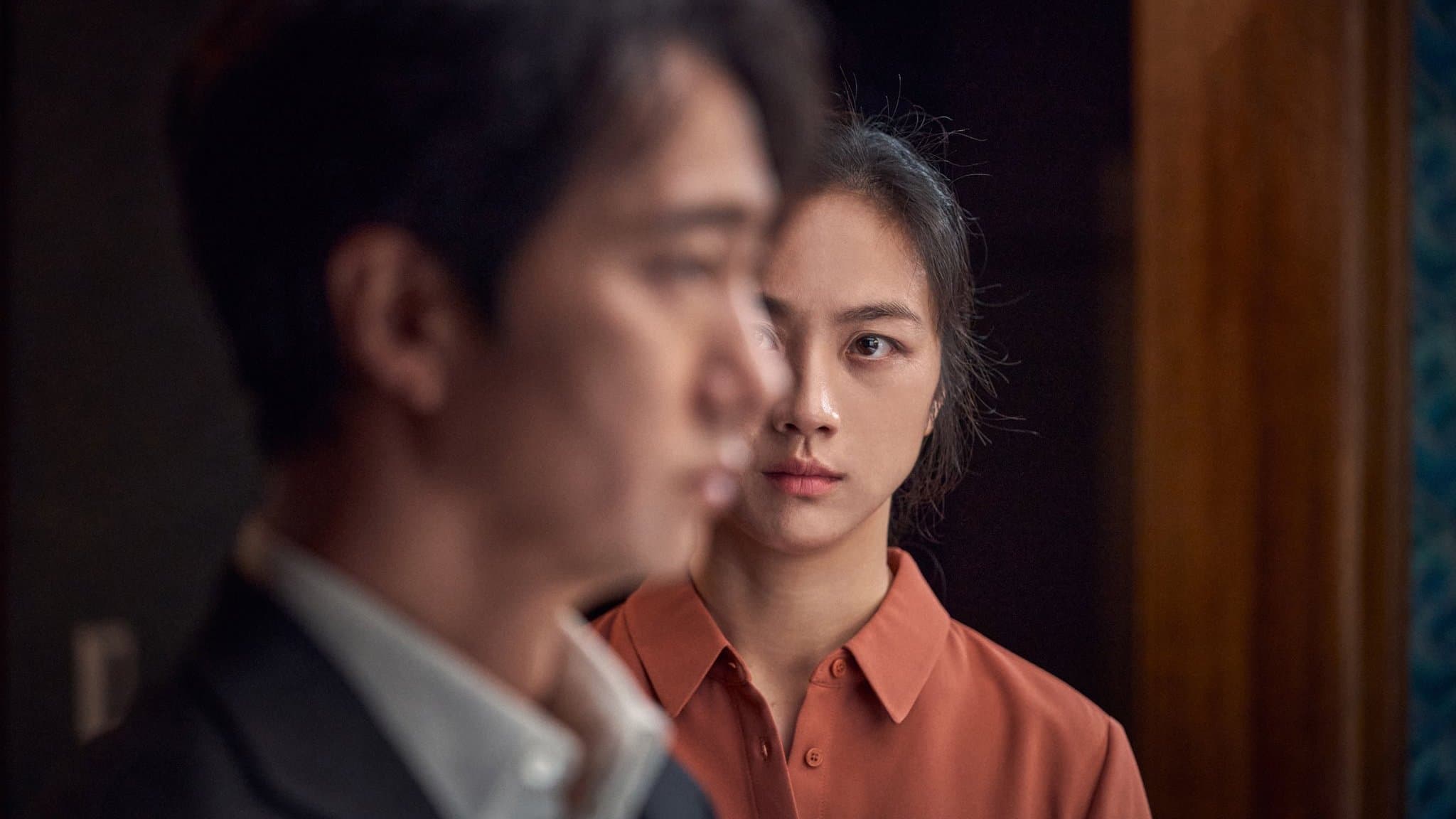
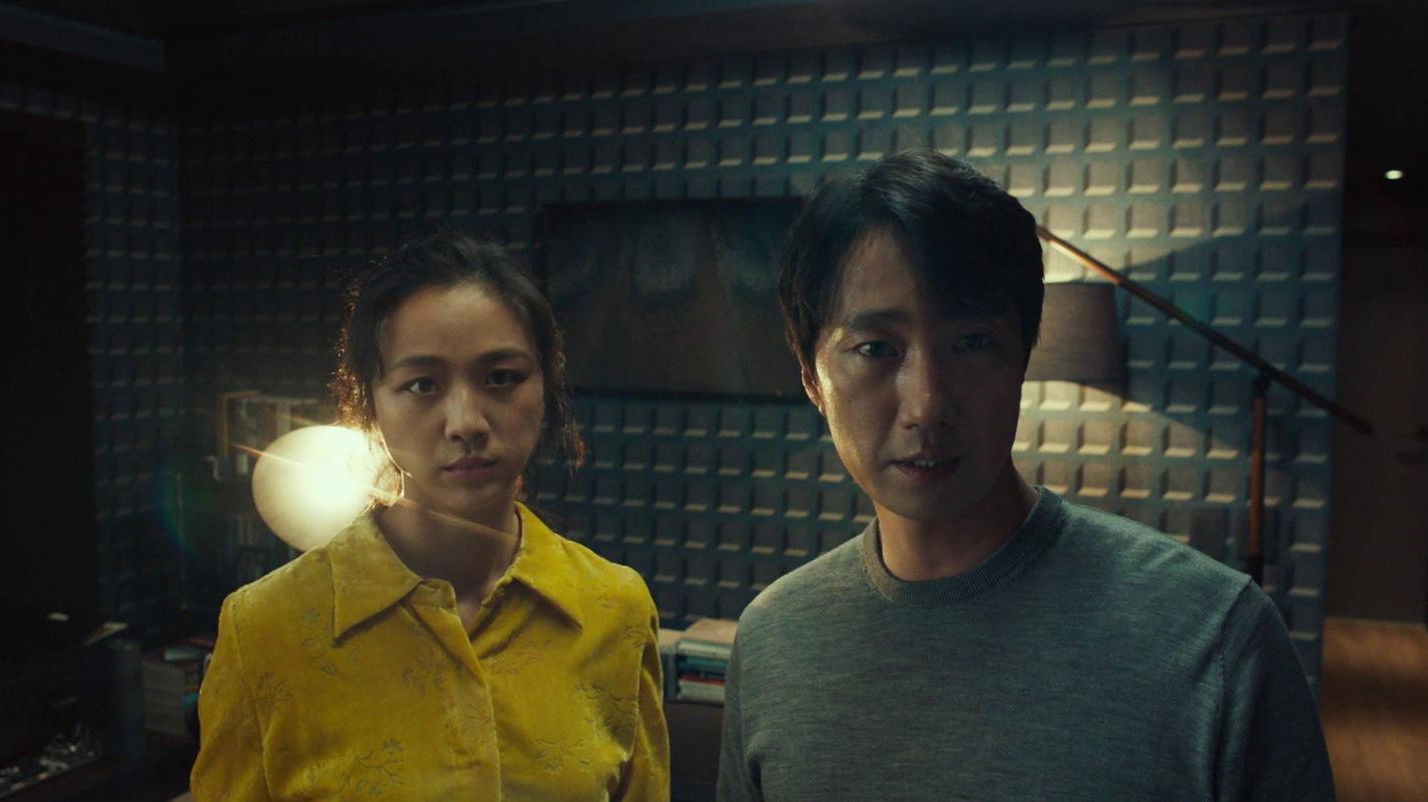
Park Chan-wook does it again, and he continues to surprise me in so many ways. If you’re here for the erotic energy of The Handmaiden, you’re going to be in for a whole other kind of treat. Decision to Leave is quieter, sadder, somehow more tragic. It's a thriller where the mystery doesn't really matter. It’s the way two people stare at one another.
The setup is simple: a detective who is investigating a suspicious death falls for the widow . That is basically the plot but Park turns their relationship into a fever dream, through reflections in phone screens, over fogged-up car windows, across sleep-tracking apps and half-eaten sushi. Every frame is as obsessively constructed as you'd expect from him, but the natural lighting and mountain views give this one a softer, more melancholic beauty than his previous work.
That restraint is what makes this a 5-star slow burn. There’s hardly any violence. The sex is implied, not shown. The tension is in what isn’t said, the lengthy pauses in interrogation rooms, the lunches shared at a table, the detective outside the widow’s apartment building waiting for her light to go out. It’s romantic in that "In the Mood for Love" way: destined and patient and painful.
The last 20 minutes will kill you. No spoilers, but it’s one of Park’s best endings, and that’s saying something from the man who gave you The Handmaiden’s basement reveal and Oldboy’s hallway fight. This one doesn’t punch. It whispers, then it drowns you out.
Park Chan-wook has made more shocking films. He's made bloodier ones, twistier ones, ones that leave you dizzy in a different way, but (in my opinion) Decision to Leave might be his most mature, a story about obsession that doesn't scream, doesn't chase, doesn't beg for your attention. It just waits. Like the detective at the window. Like the tides coming in.

































 3
3