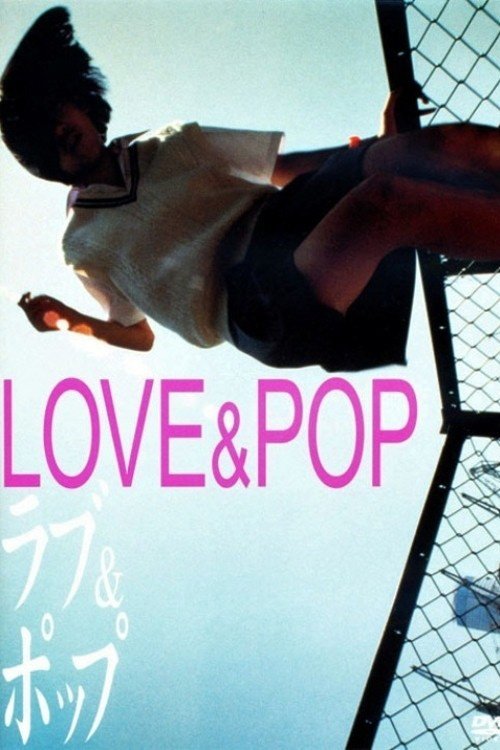
First thing you'll notice: this film is ugly but in the best way possible.
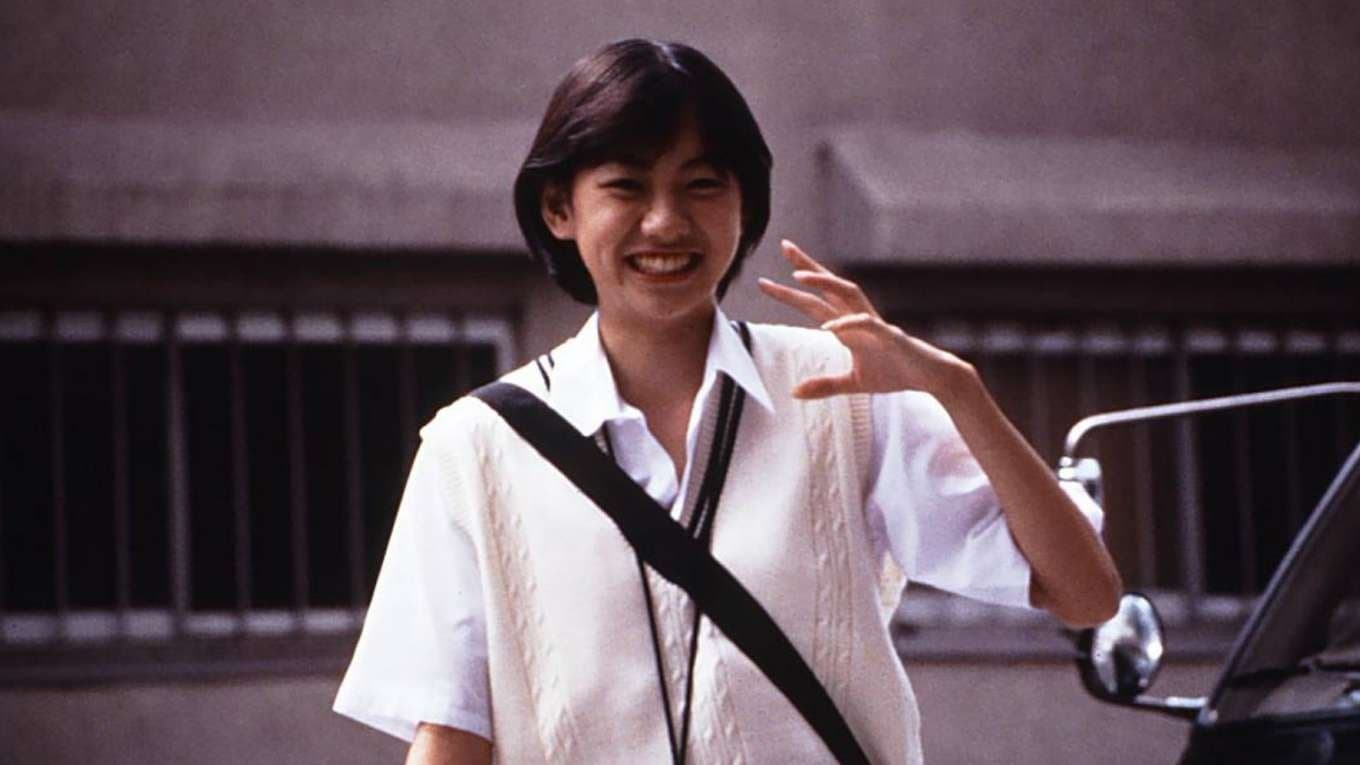
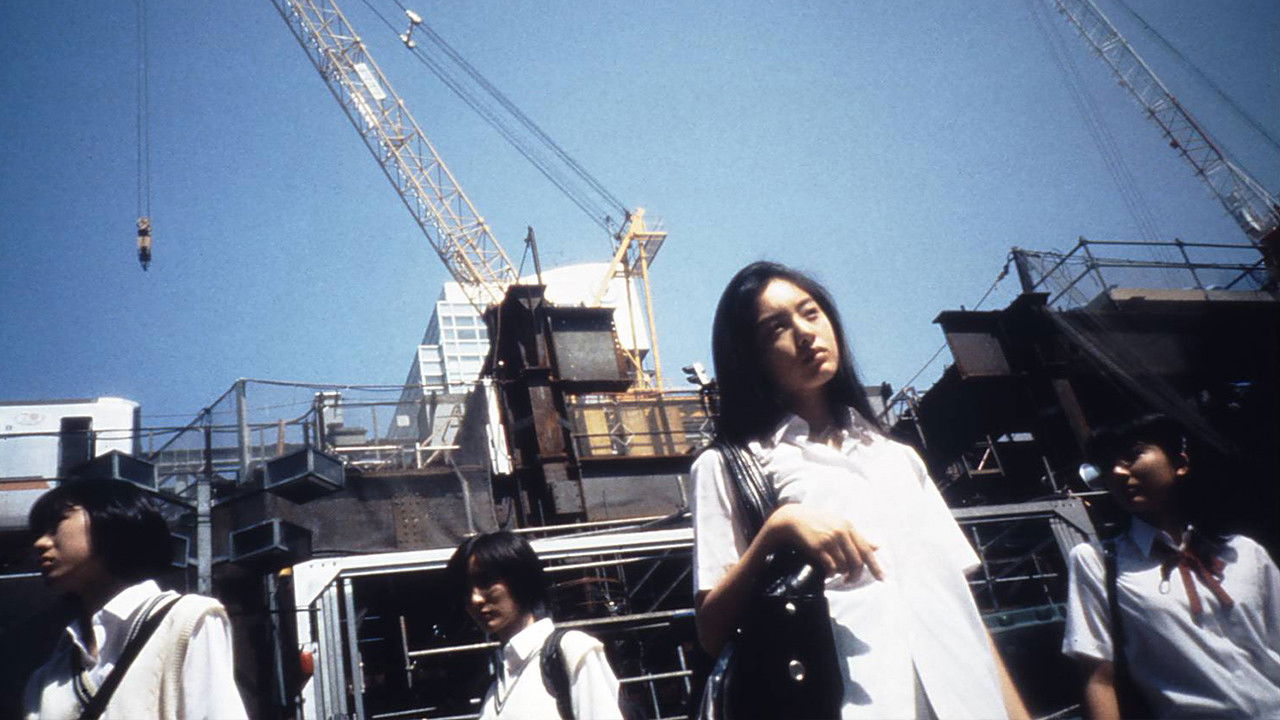
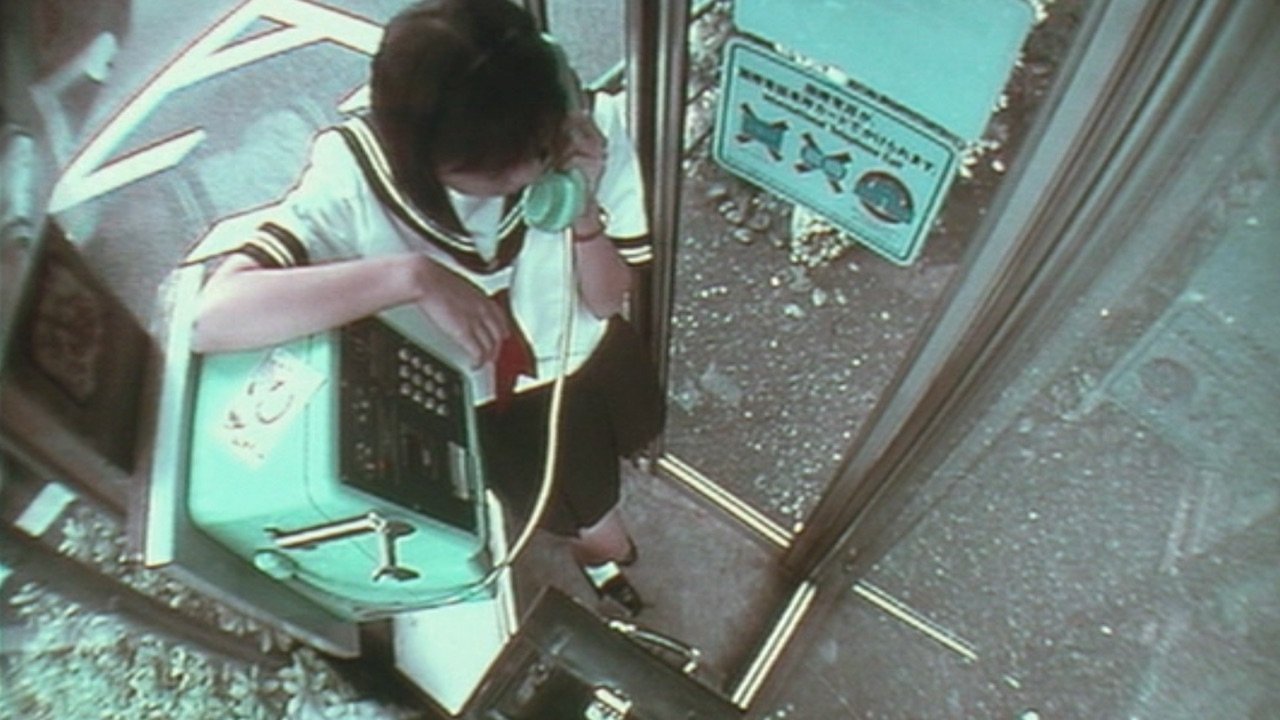
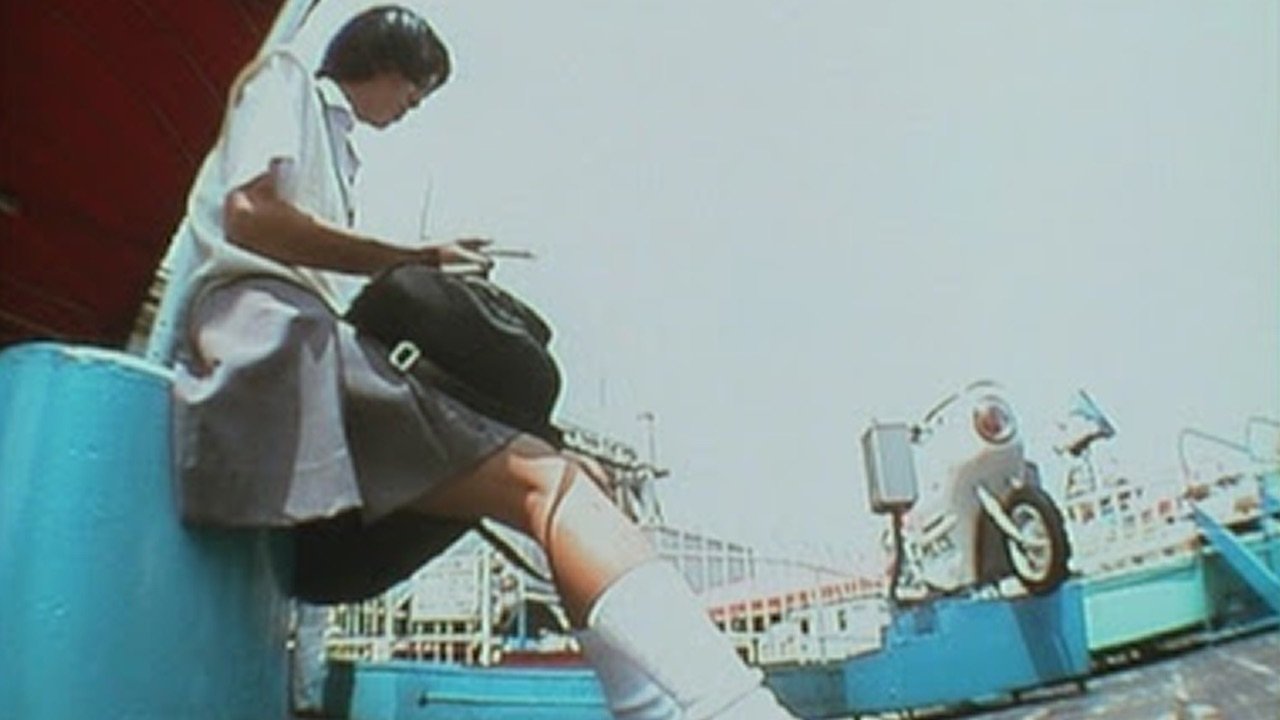
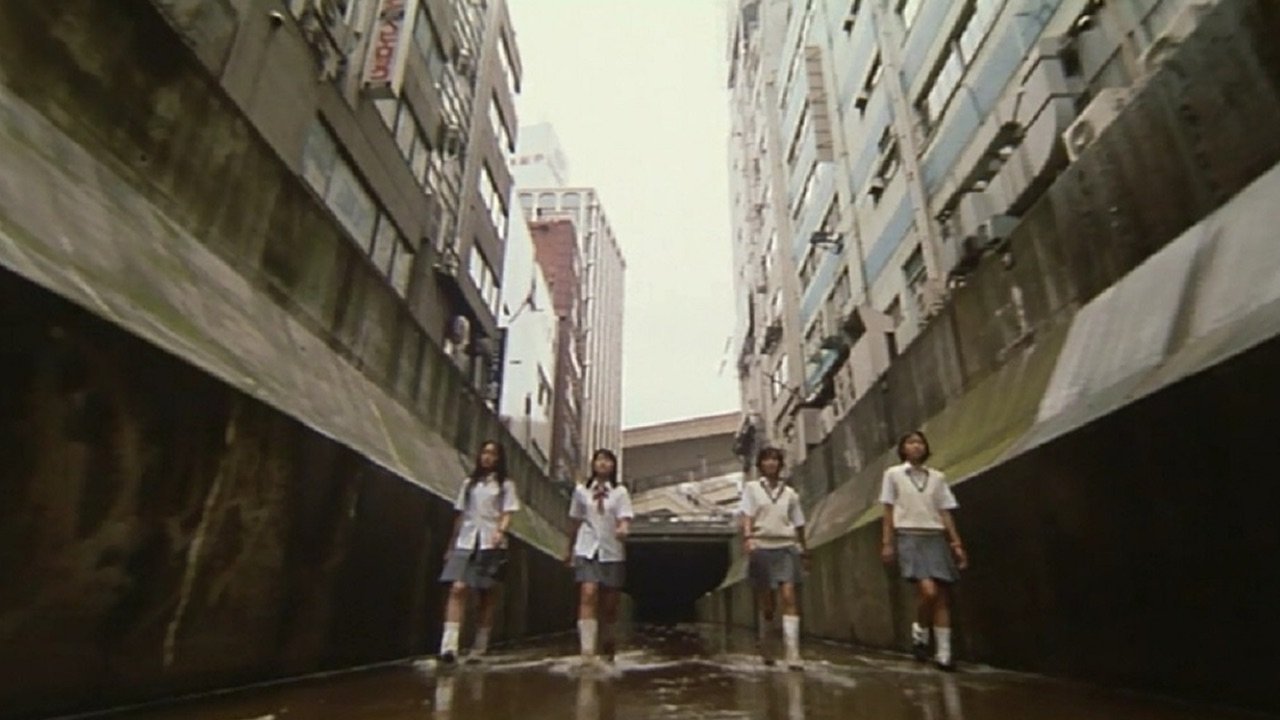
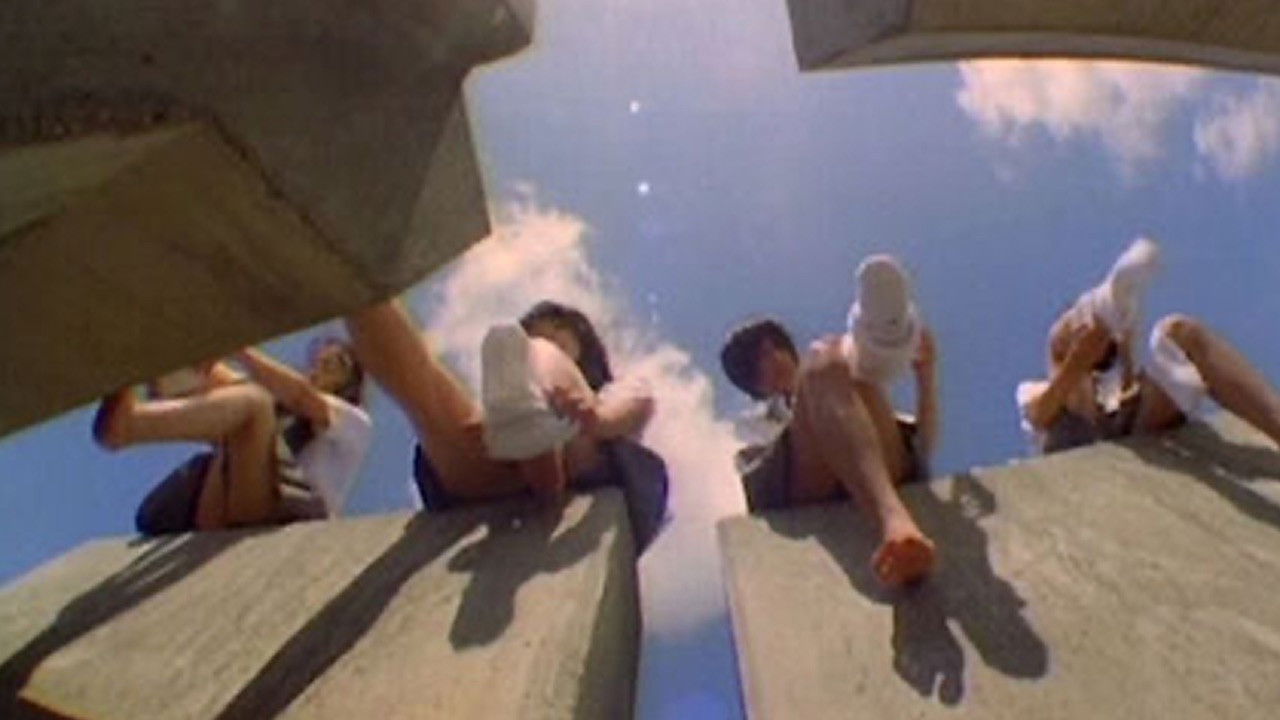
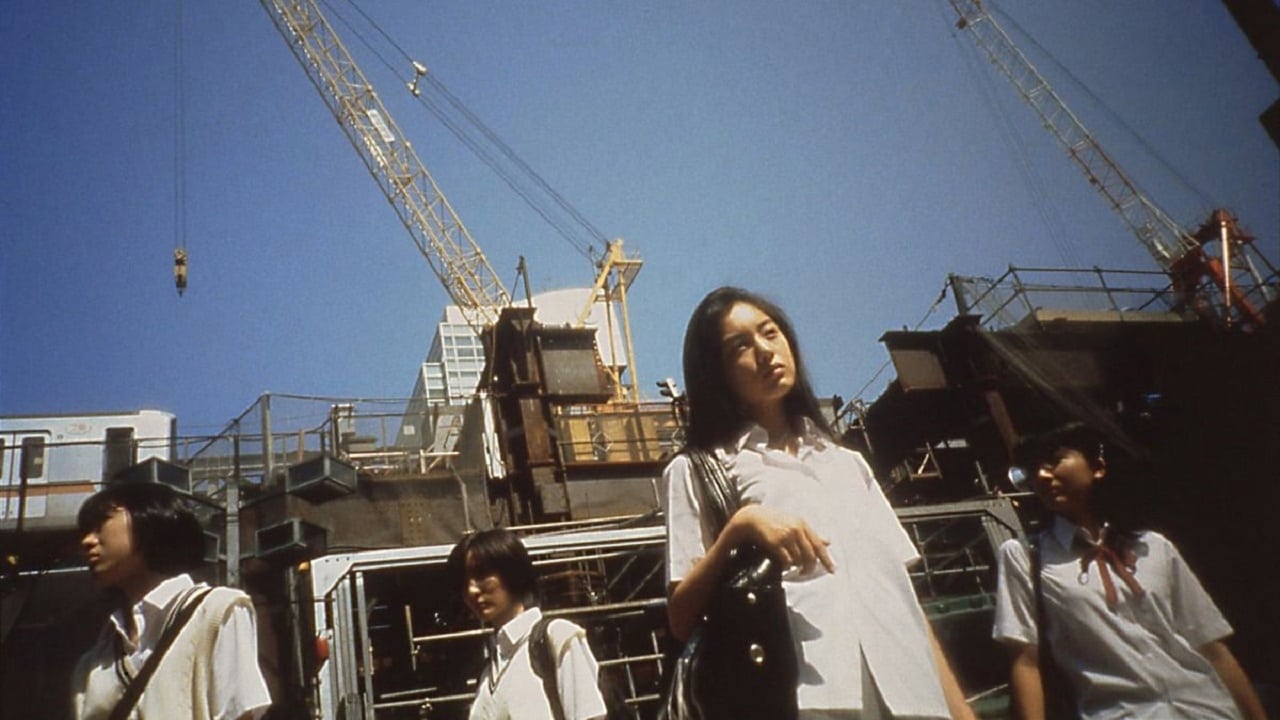
It’s like a fever dream of fisheye lenses, distorded angles, cameras strapped to model trains, aspect ratios that shift without warning . It feels like watching someone’s home video that accidentally became a film. In 1998, well before it was common, Anno filmed Love & Pop almost exclusively using handheld digital cameras. The result is messy, ugly, and brilliant, and somehow, it works. The chaos reflects the inner world of the girls around whom the story revolves. You are not just watching them, you're trapped in their silence.
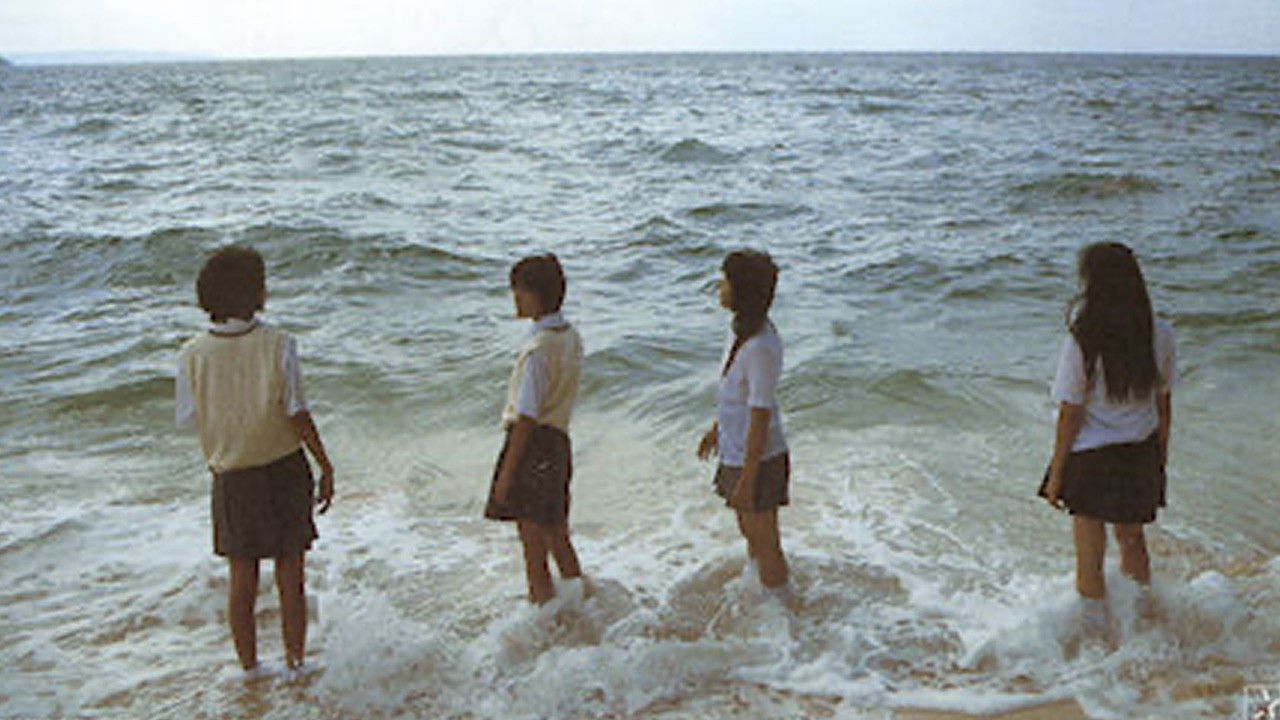
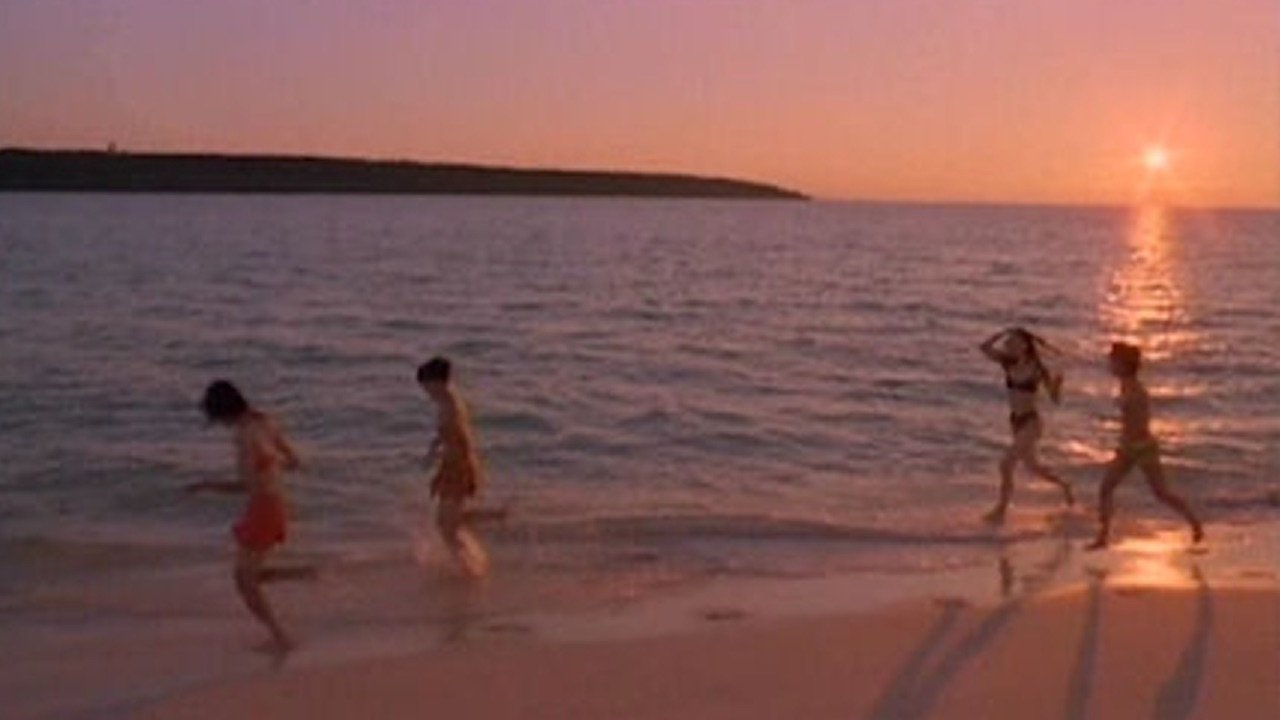
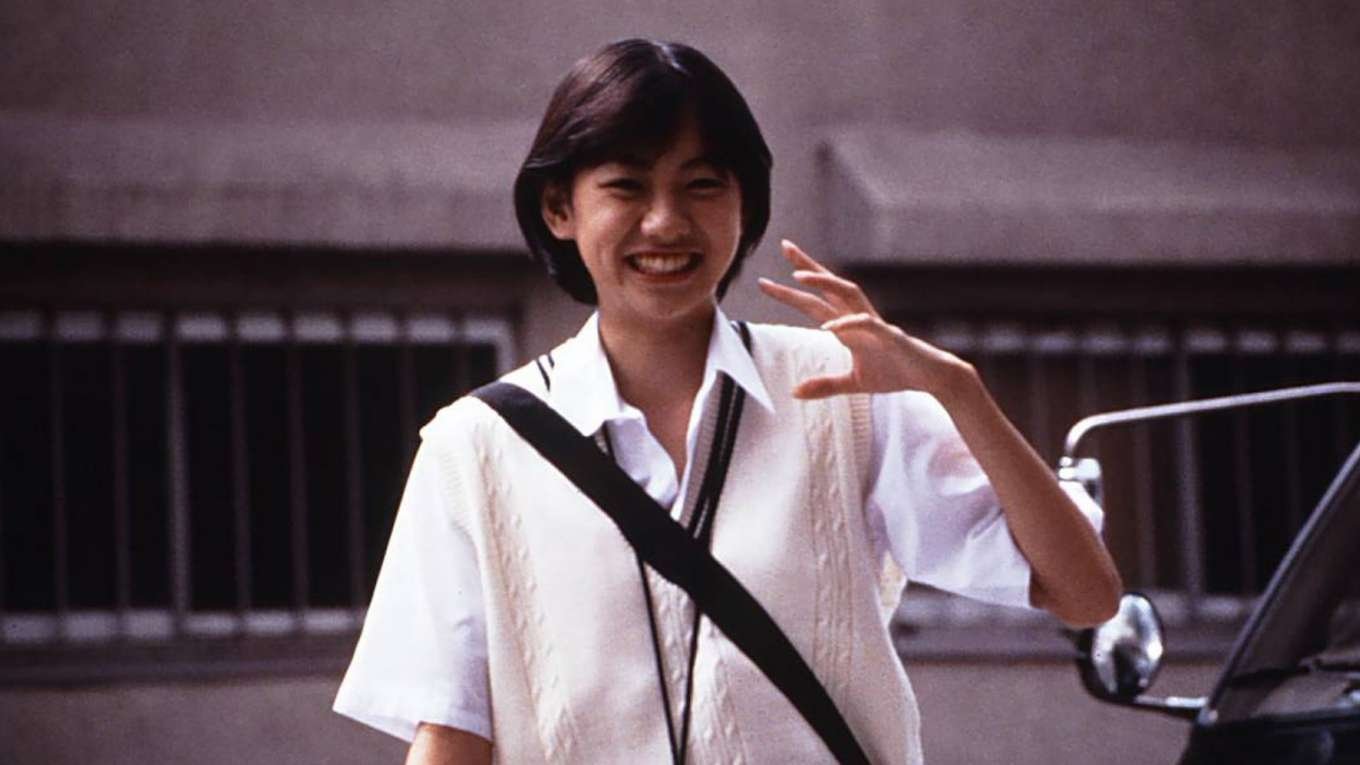
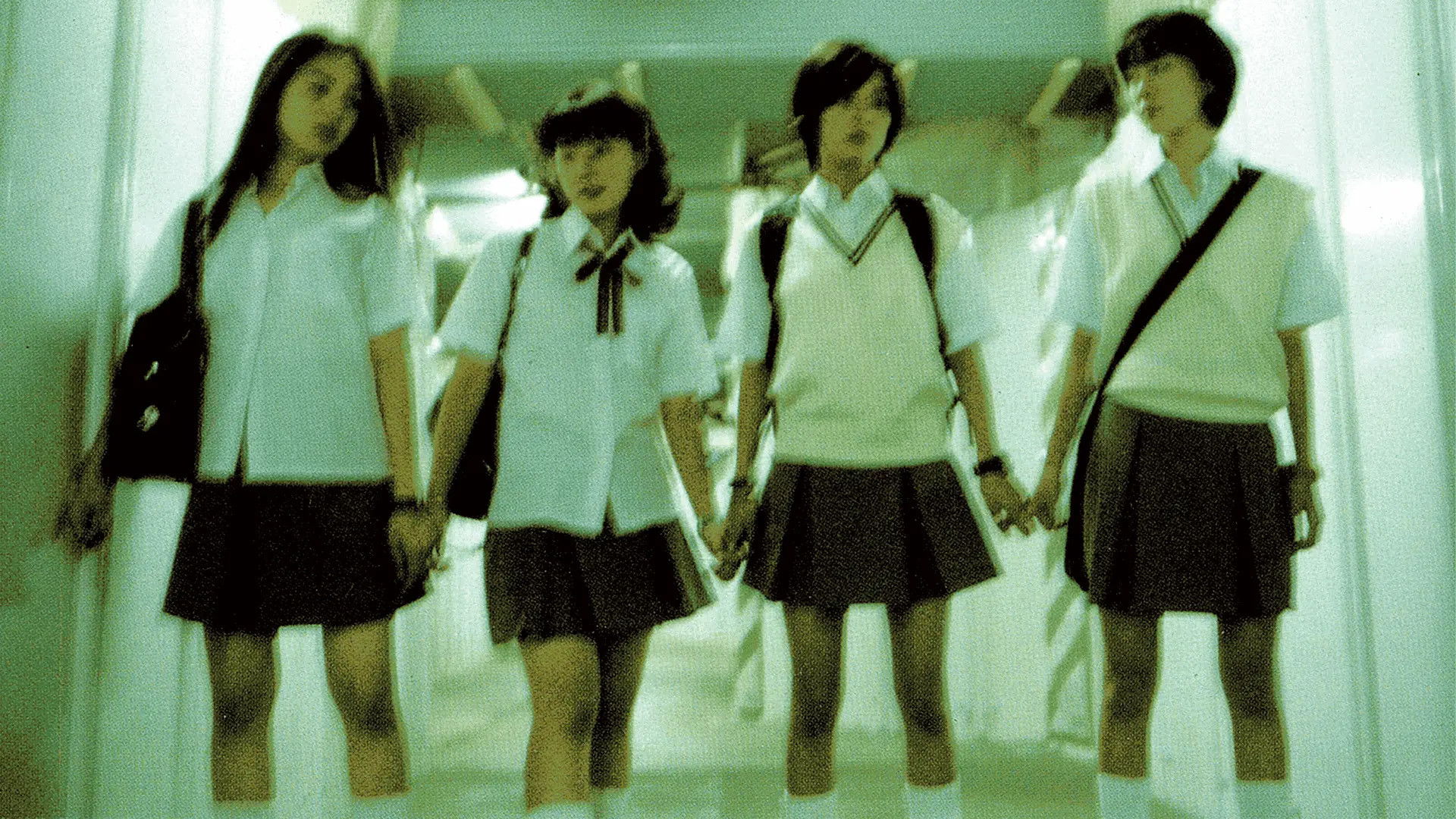
The film tells the story of four high school girls in Tokyo in the late 1990s, Hiromi, Sakiko, Kyoko, and Tamako. They're friends. They gossip. They laugh. They go to cafes and enjoying what they do on a daily basis. They appear, on the surface, to be ordinary teenagers. But underneath, they belong to a shadow economy called enjo kōsai, or “compensated dating,” in which schoolgirls meet older men for money. Sometimes it's just a conversation. Sometimes it’s even more. The film never shows the 'more', but its threat is in every scene.
The plot is driven by a single girl, Hiromi. Her goal is, and almost absurdly, a very small one. She wants to purchase a ring. Un anneau précis. Earlier that evening, before the store closed. No philosophical reason of any depth. She doesn’t want it because of any family crisis, she just wants it. To earn the 128,000 yen, she'll spend her day on dates.
What follows is a series of increasingly uncomfortable encounters.
She spends the day going on a series of uncomfortable dates with lonely, awkward, often pathetic men.There was a date where the man basically sexually assaulted her (which threw me off btw), and it really shows how disgusting the society of men were in 1990s Japan. However, one of the dates ended up showing her the true meaning of valuing yourself, by quote "You're here naked, and you're killing someone half dead with grief over it". This quote really tells you and her that these "acts" are so degrading, it could kill someone mentally, it showed how young girls (even nowadays) are doing these actions, while being lust by the money that they're being paid.
The film intercuts these scenes with footage from all of the dates, showing the lives of four Japanese girls basically talking about their client or "BF" like its daily gossip, laughing like it's no big deal. The film never clearly distinguishes between victim and villain. The men are not monsters, they are lonely, pathetic, odd. The girls are not tragic heros, they're broke, curious, bored. That's what makes it so unsettling for me, no one is forcing them, no one is saving them, they're just... choosing this, because the money is easy, because no one told them they deserved better.
That's the horror of Love & Pop, no villains , no hero to rescue them, no lesson learned, just the quiet, everyday tragedy of teenage girls who give pieces of themselves away, without knowing they are loosing their inner self.
A visually wild, messy, uncomfortable film about the small ways we lose ourselves for nothing. Not an easy watch at all since I thought the pacing was so bad.
First thing you'll notice: this film is ugly but in the best way possible.
It’s like a fever dream of fisheye lenses, distorded angles, cameras strapped to model trains, aspect ratios that shift without warning . It feels like watching someone’s home video that accidentally became a film. In 1998, well before it was common, Anno filmed Love & Pop almost exclusively using handheld digital cameras. The result is messy, ugly, and brilliant, and somehow, it works. The chaos reflects the inner world of the girls around whom the story revolves. You are not just watching them, you're trapped in their silence.
The film tells the story of four high school girls in Tokyo in the late 1990s, Hiromi, Sakiko, Kyoko, and Tamako. They're friends. They gossip. They laugh. They go to cafes and enjoying what they do on a daily basis. They appear, on the surface, to be ordinary teenagers. But underneath, they belong to a shadow economy called enjo kōsai, or “compensated dating,” in which schoolgirls meet older men for money. Sometimes it's just a conversation. Sometimes it’s even more. The film never shows the 'more', but its threat is in every scene.
The plot is driven by a single girl, Hiromi. Her goal is, and almost absurdly, a very small one. She wants to purchase a ring. Un anneau précis. Earlier that evening, before the store closed. No philosophical reason of any depth. She doesn’t want it because of any family crisis, she just wants it. To earn the 128,000 yen, she'll spend her day on dates.
What follows is a series of increasingly uncomfortable encounters.
She spends the day going on a series of uncomfortable dates with lonely, awkward, often pathetic men.There was a date where the man basically sexually assaulted her (which threw me off btw), and it really shows how disgusting the society of men were in 1990s Japan. However, one of the dates ended up showing her the true meaning of valuing yourself, by quote "You're here naked, and you're killing someone half dead with grief over it". This quote really tells you and her that these "acts" are so degrading, it could kill someone mentally, it showed how young girls (even nowadays) are doing these actions, while being lust by the money that they're being paid.
The film intercuts these scenes with footage from all of the dates, showing the lives of four Japanese girls basically talking about their client or "BF" like its daily gossip, laughing like it's no big deal. The film never clearly distinguishes between victim and villain. The men are not monsters, they are lonely, pathetic, odd. The girls are not tragic heros, they're broke, curious, bored. That's what makes it so unsettling for me, no one is forcing them, no one is saving them, they're just... choosing this, because the money is easy, because no one told them they deserved better.
That's the horror of Love & Pop, no villains , no hero to rescue them, no lesson learned, just the quiet, everyday tragedy of teenage girls who give pieces of themselves away, without knowing they are loosing their inner self.
A visually wild, messy, uncomfortable film about the small ways we lose ourselves for nothing. Not an easy watch at all since I thought the pacing was so bad.