“That woman is a terror.”
The force that is Meiko Kaji will forever be ingrained in my brain.
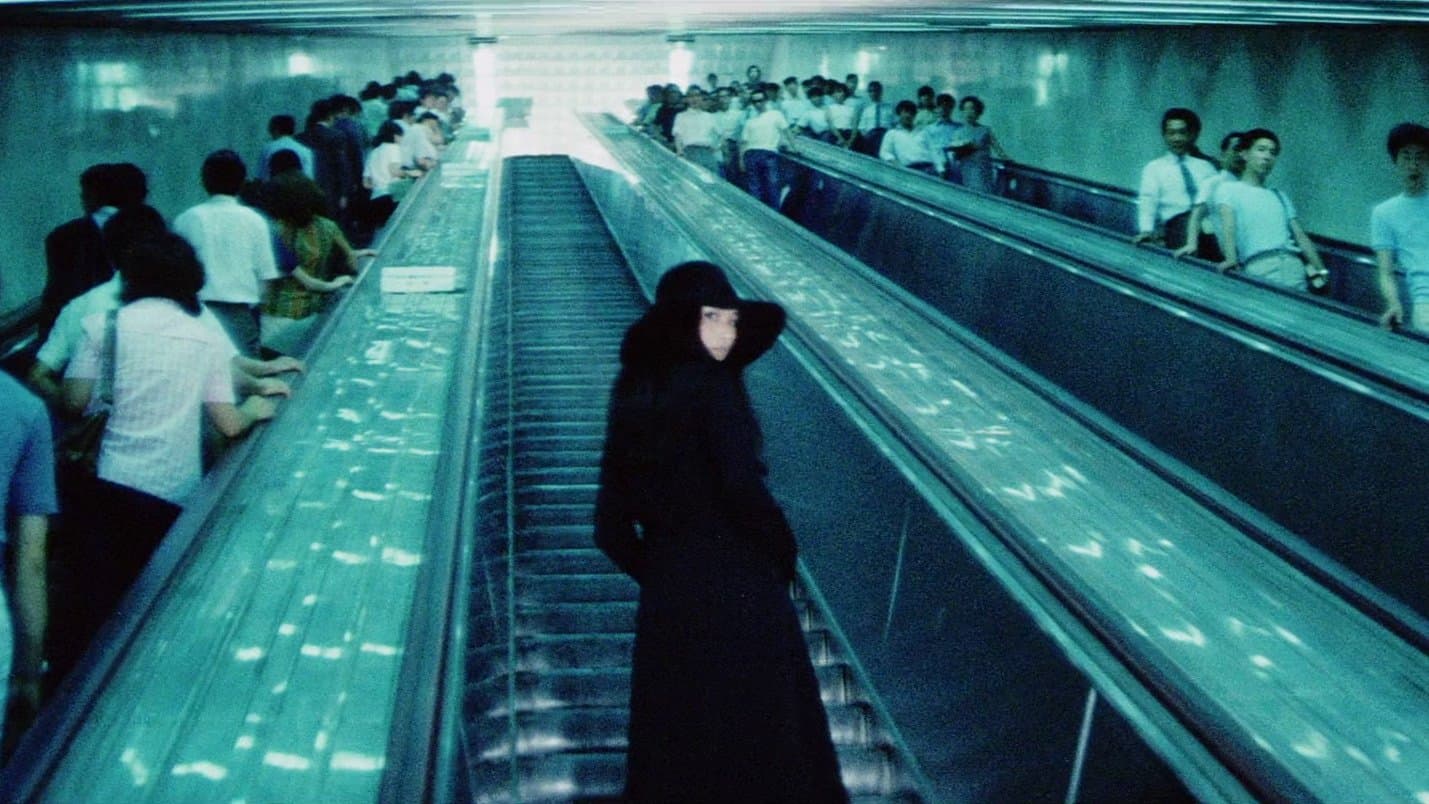
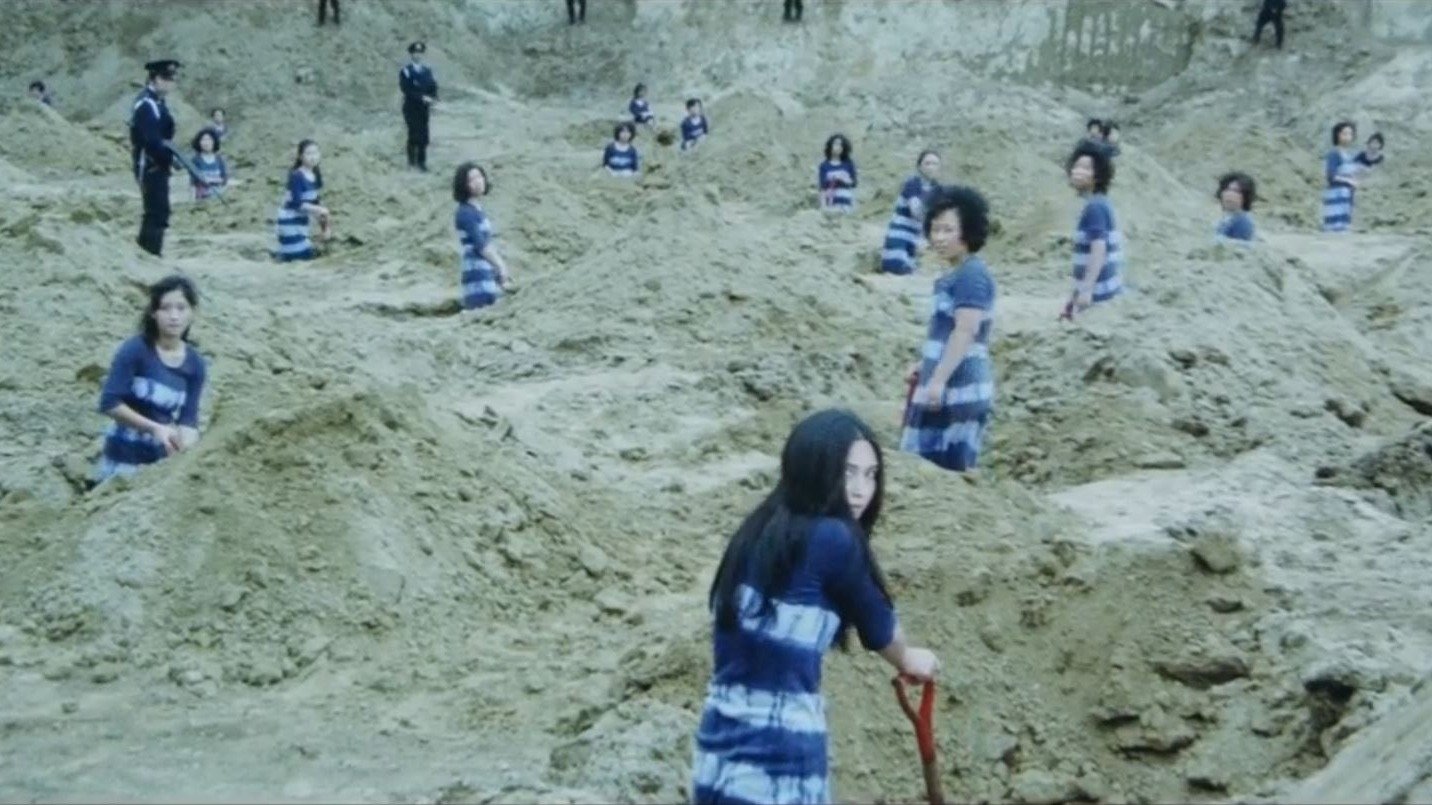
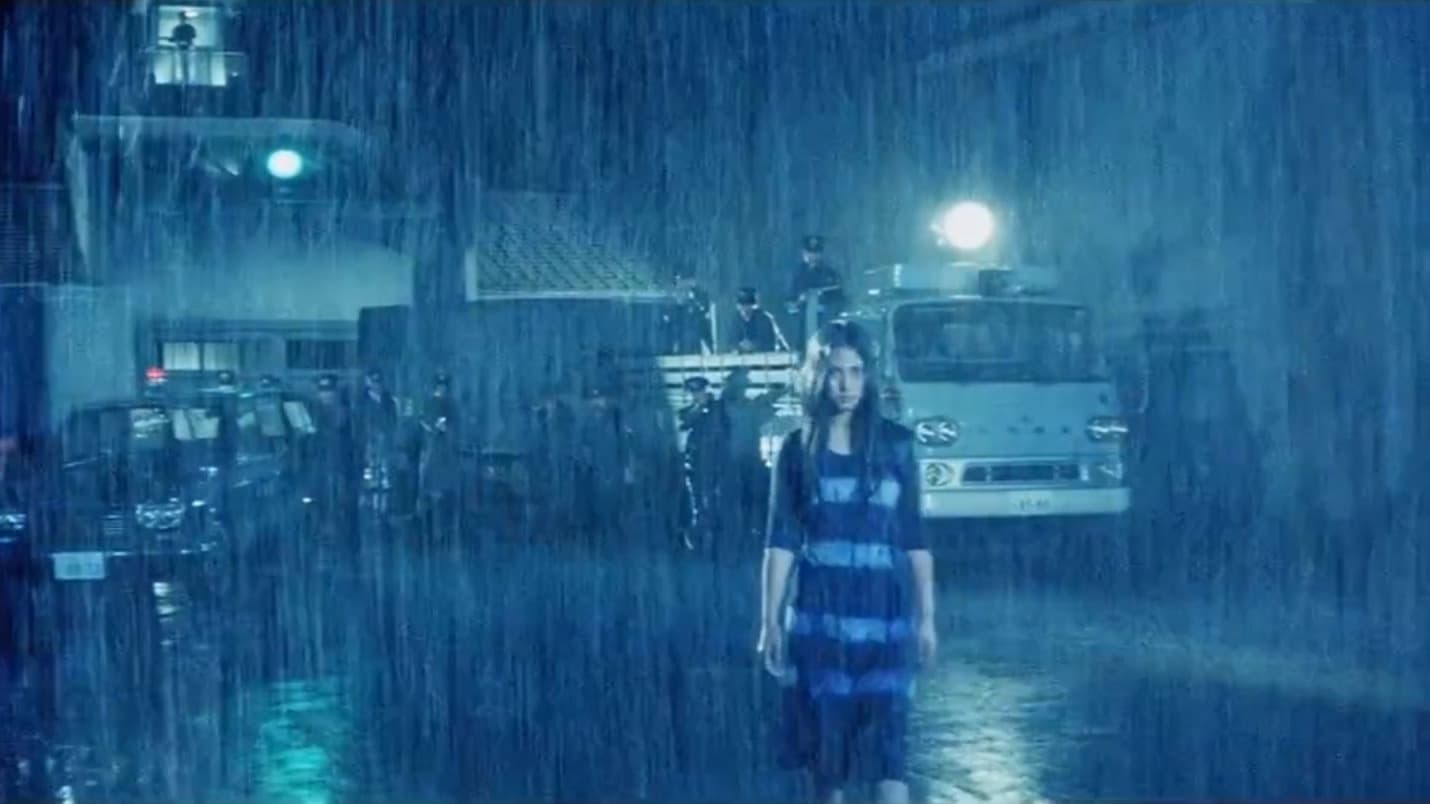
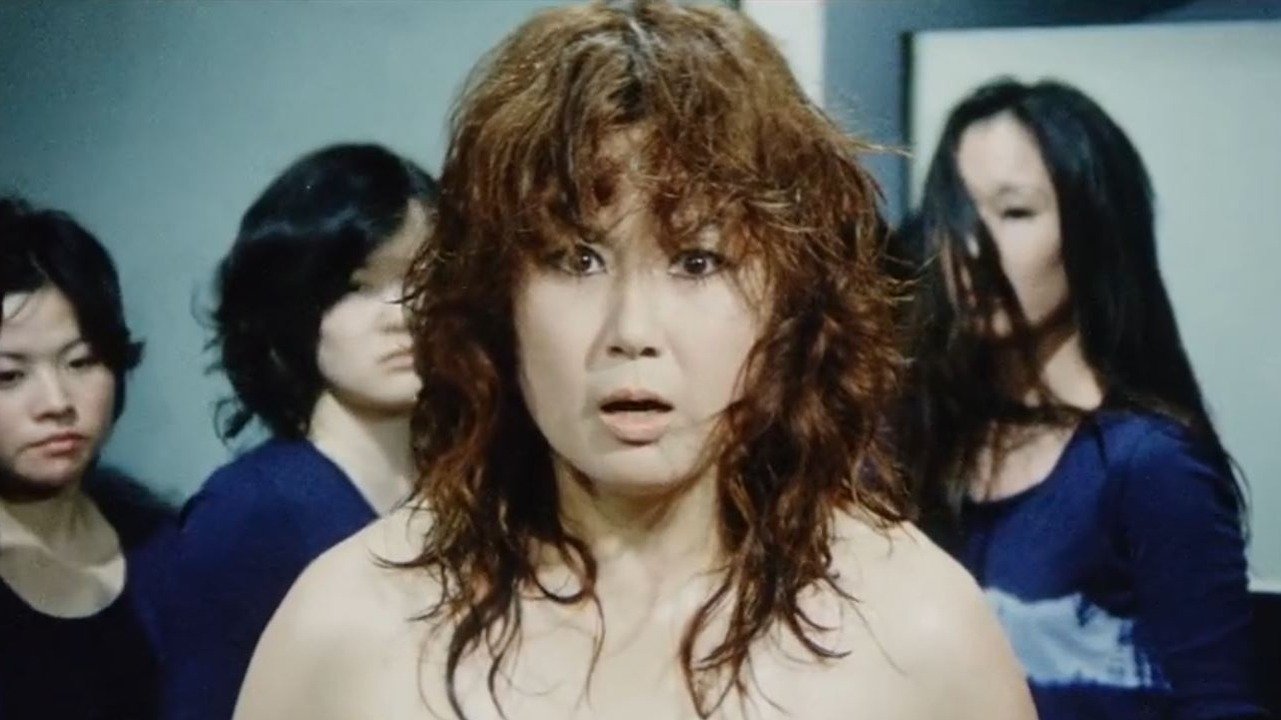
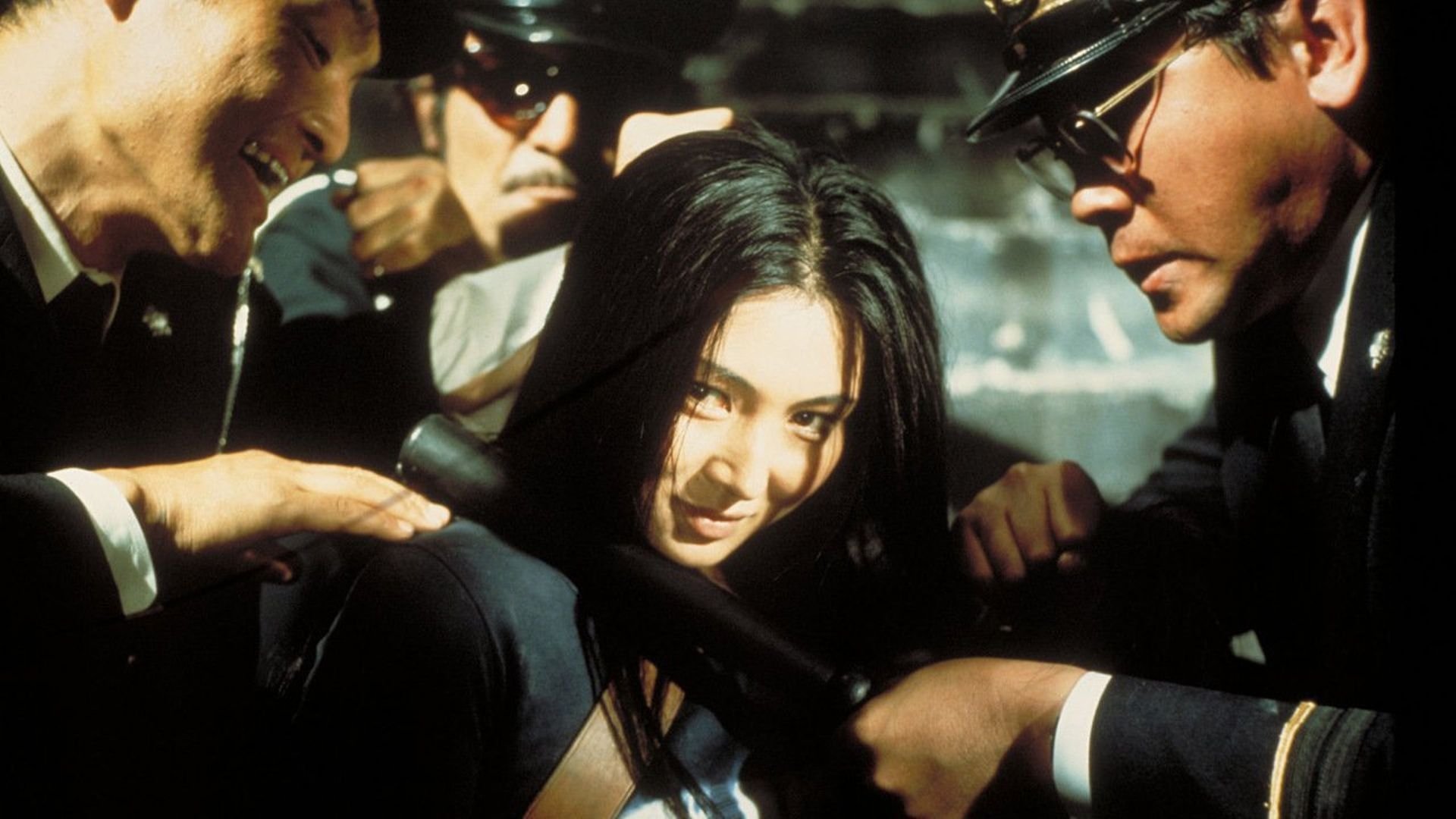
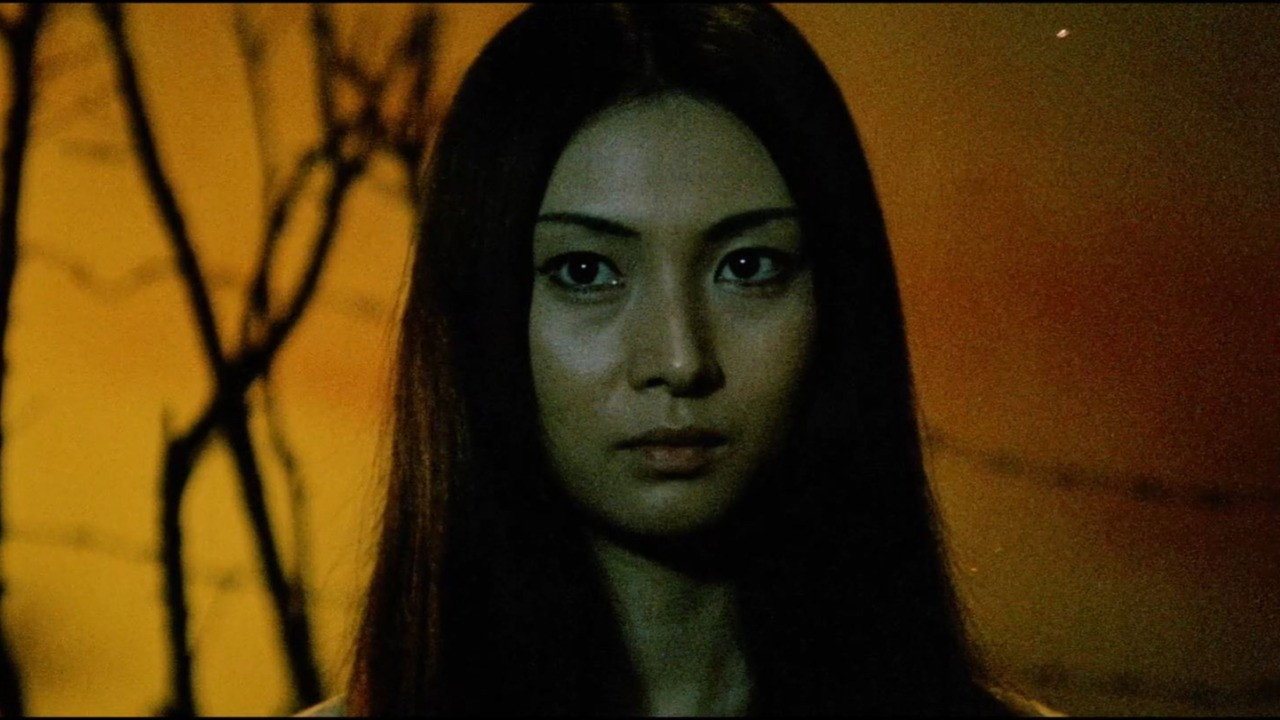
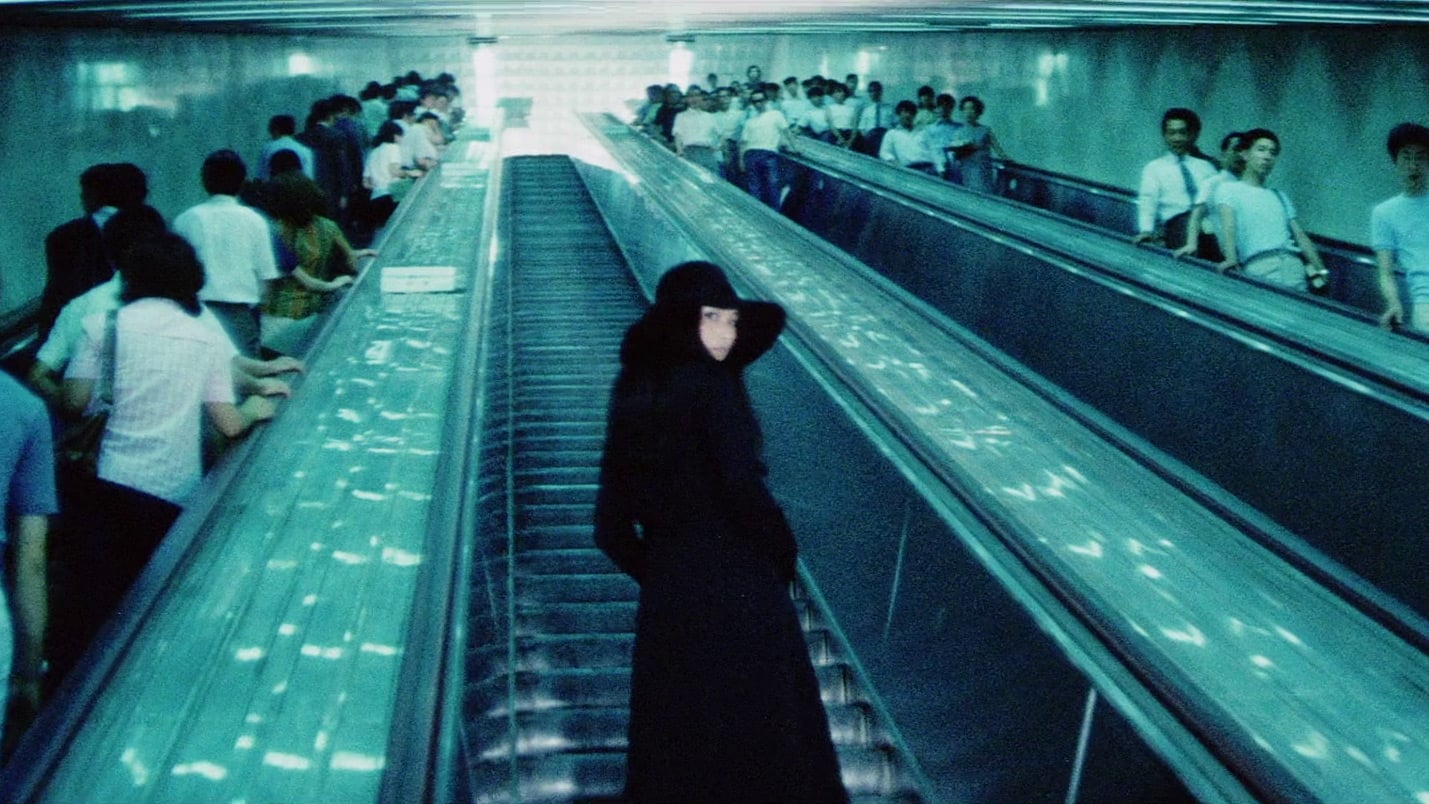
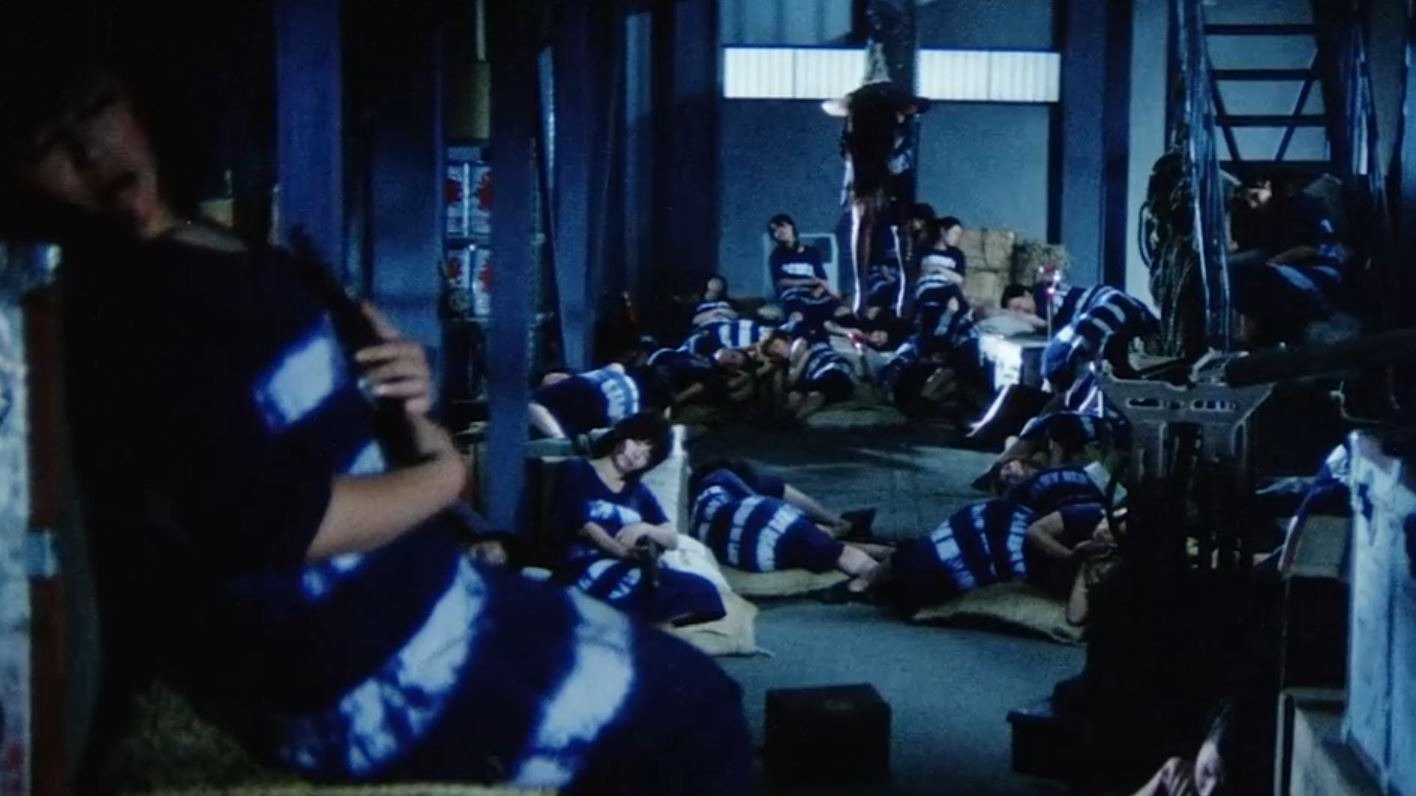
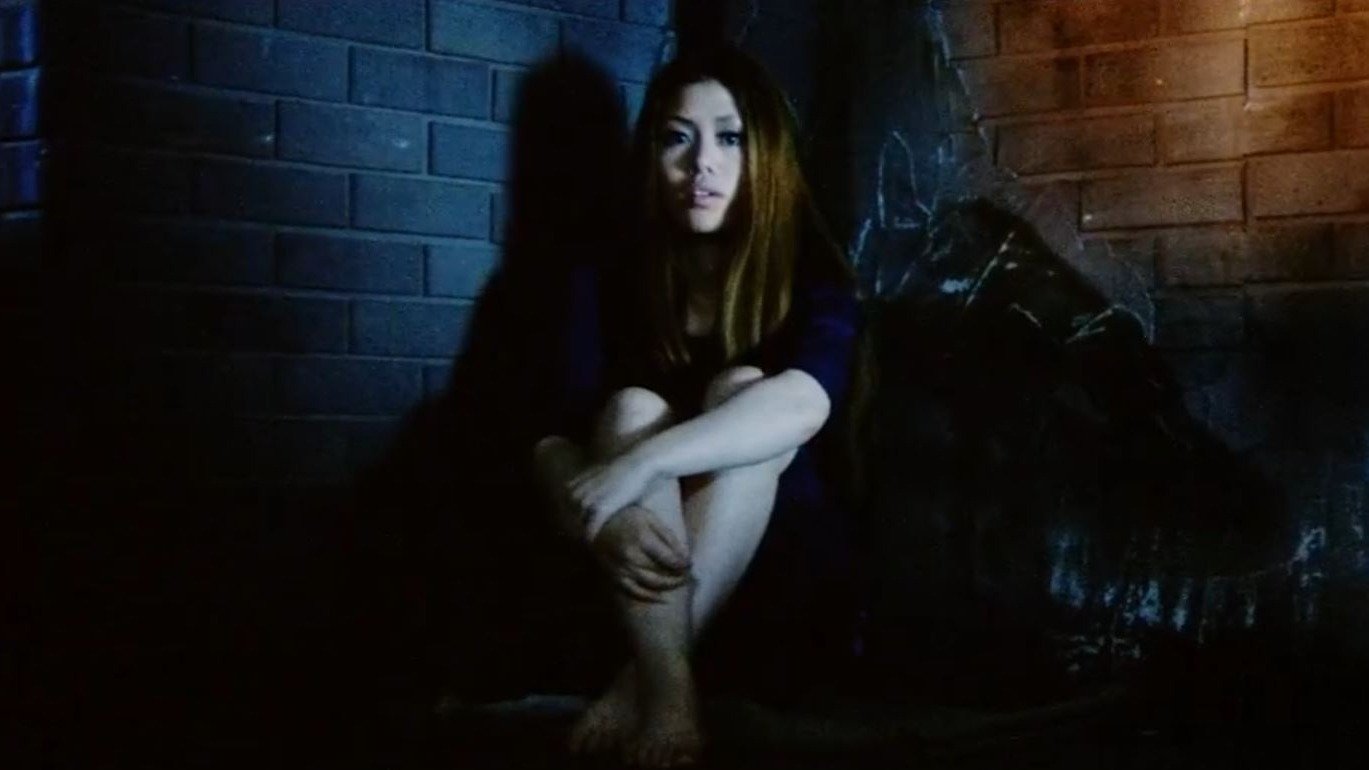
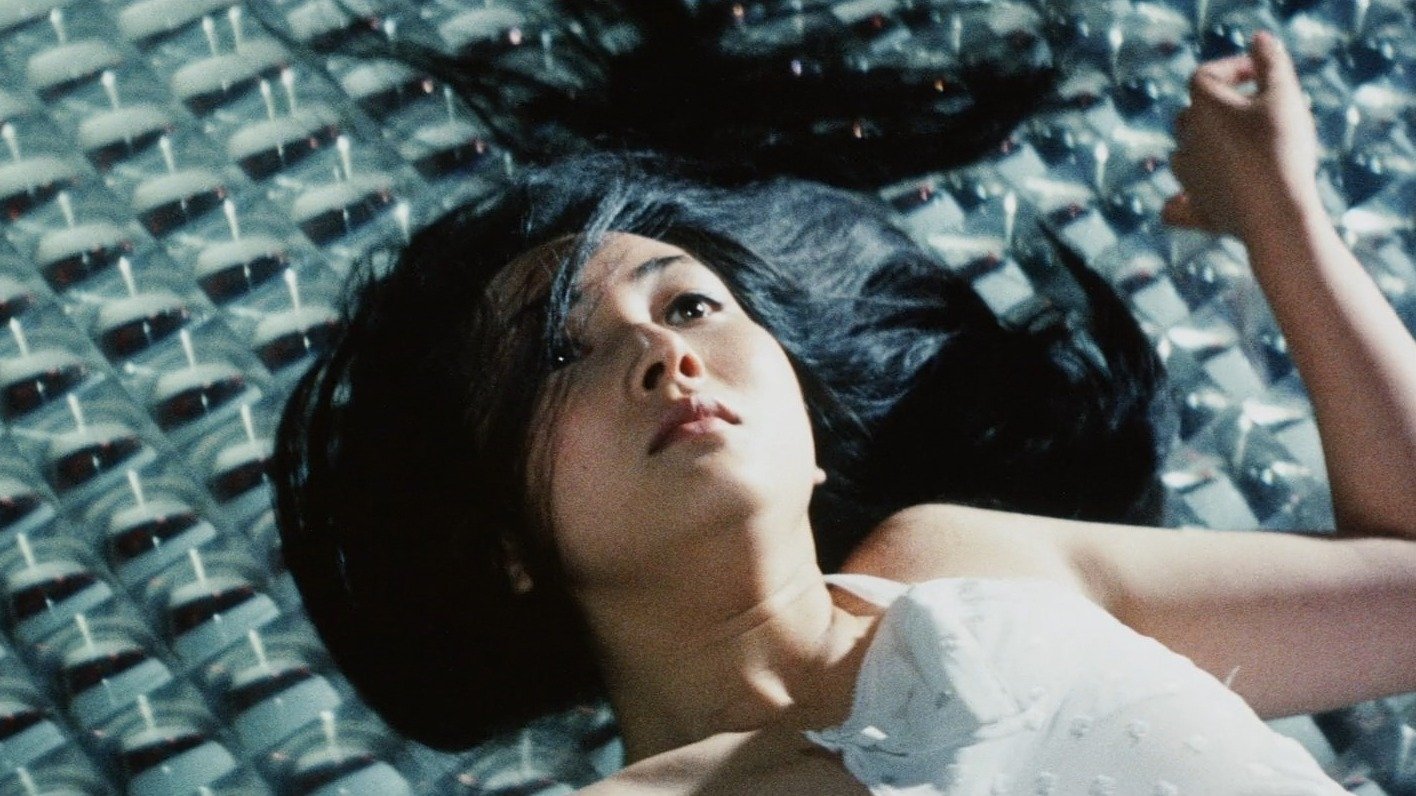
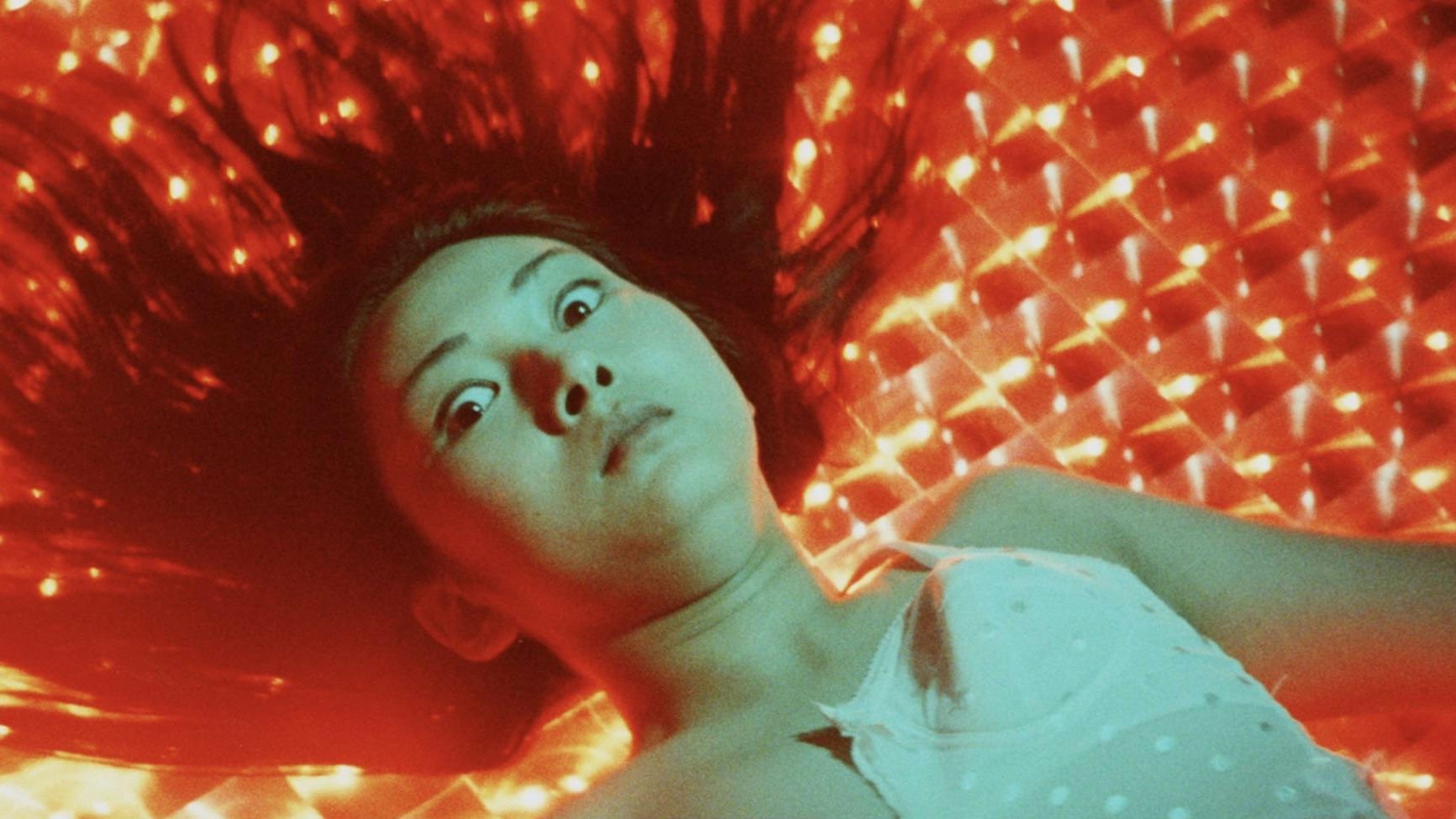
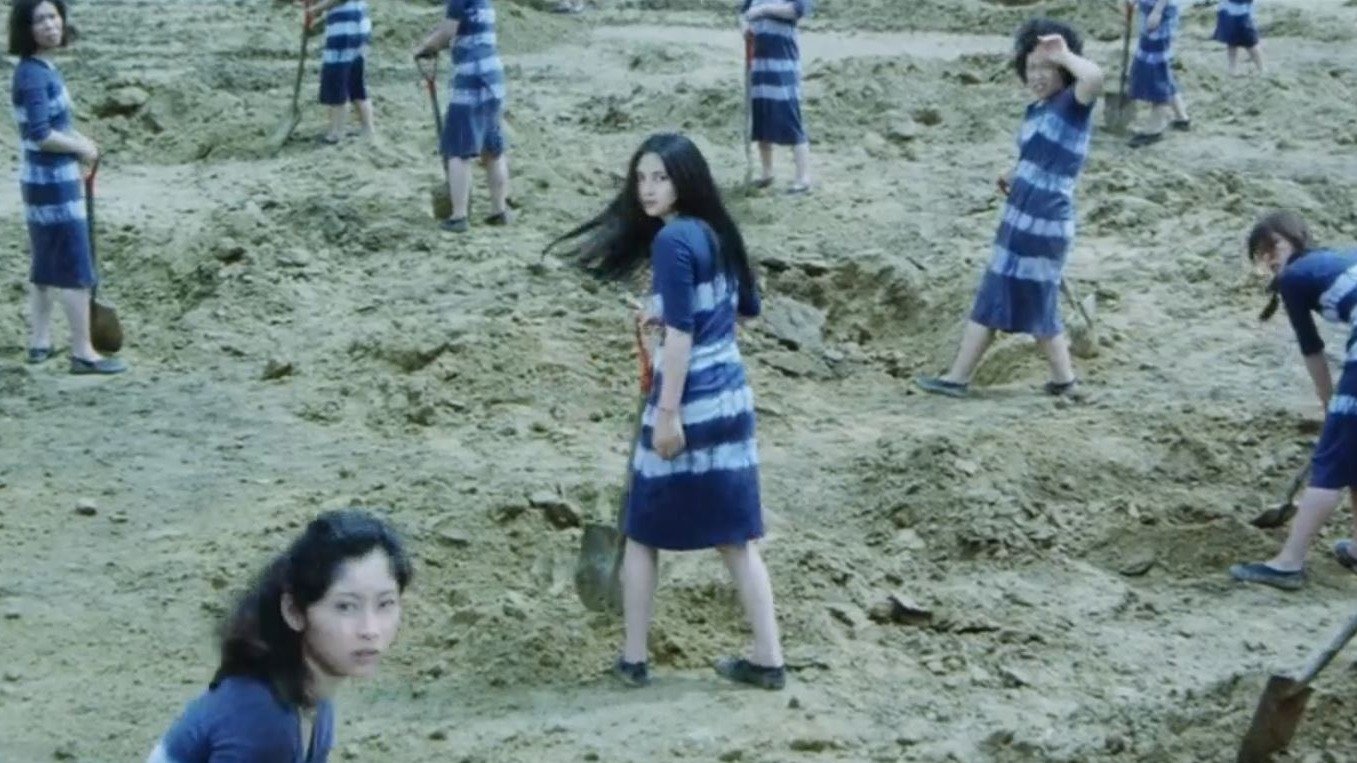
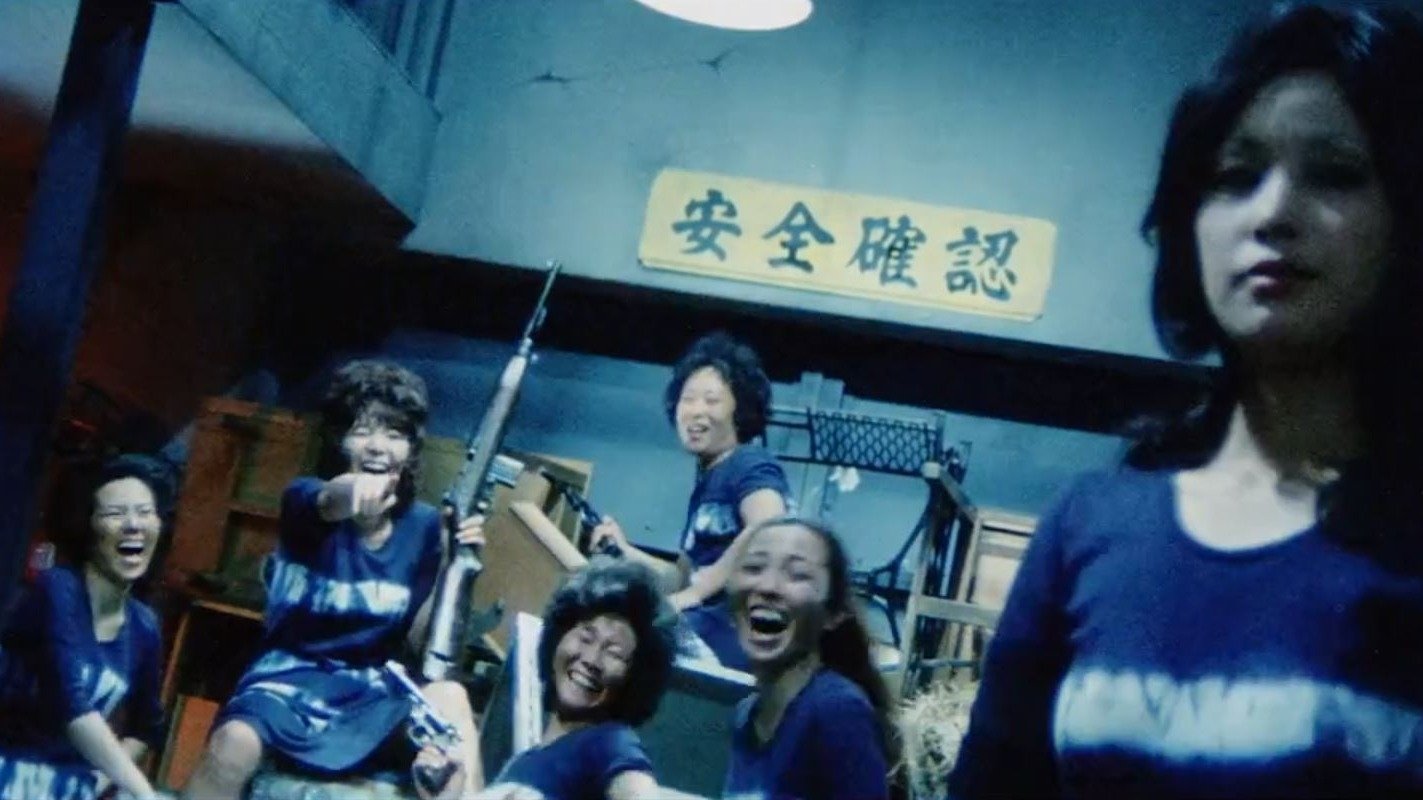
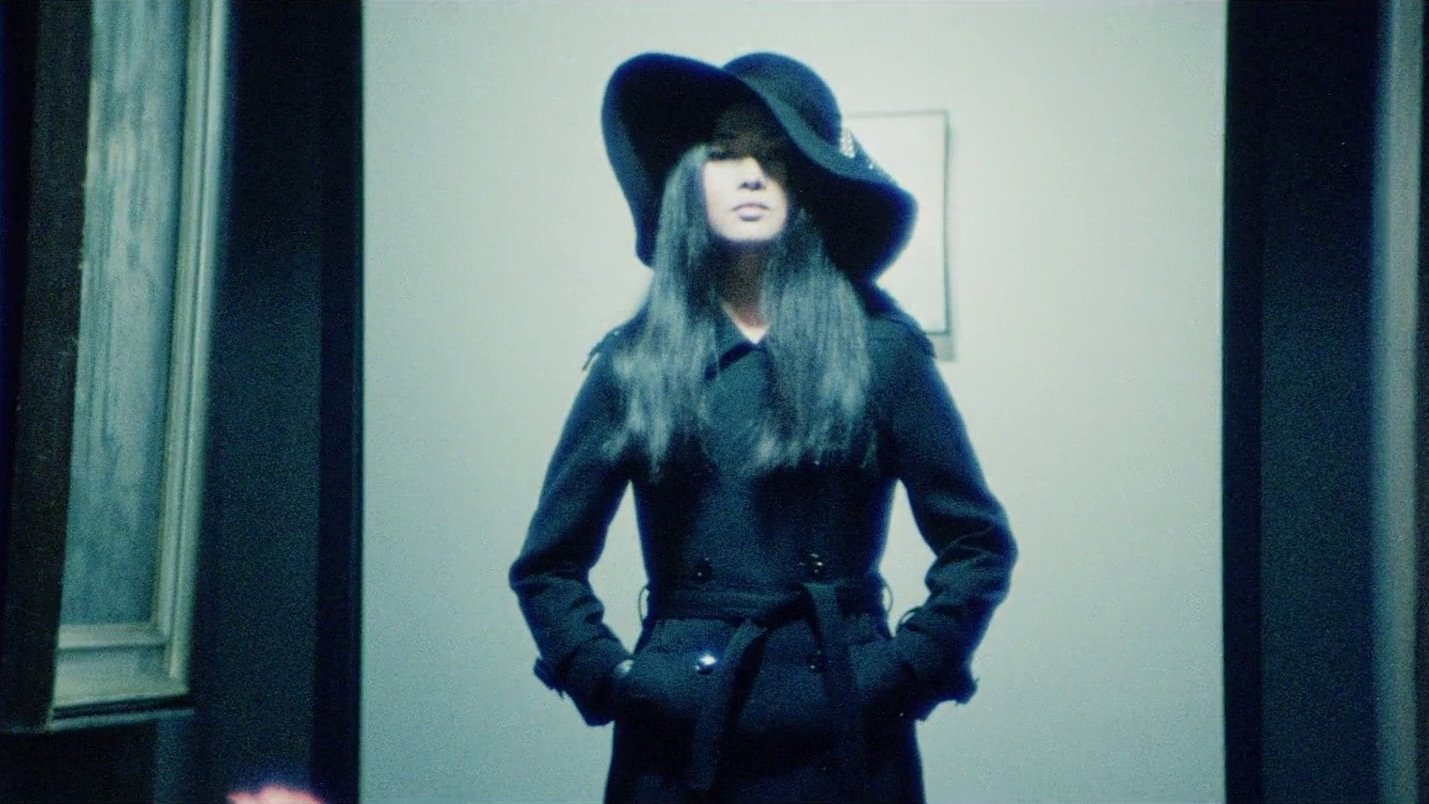
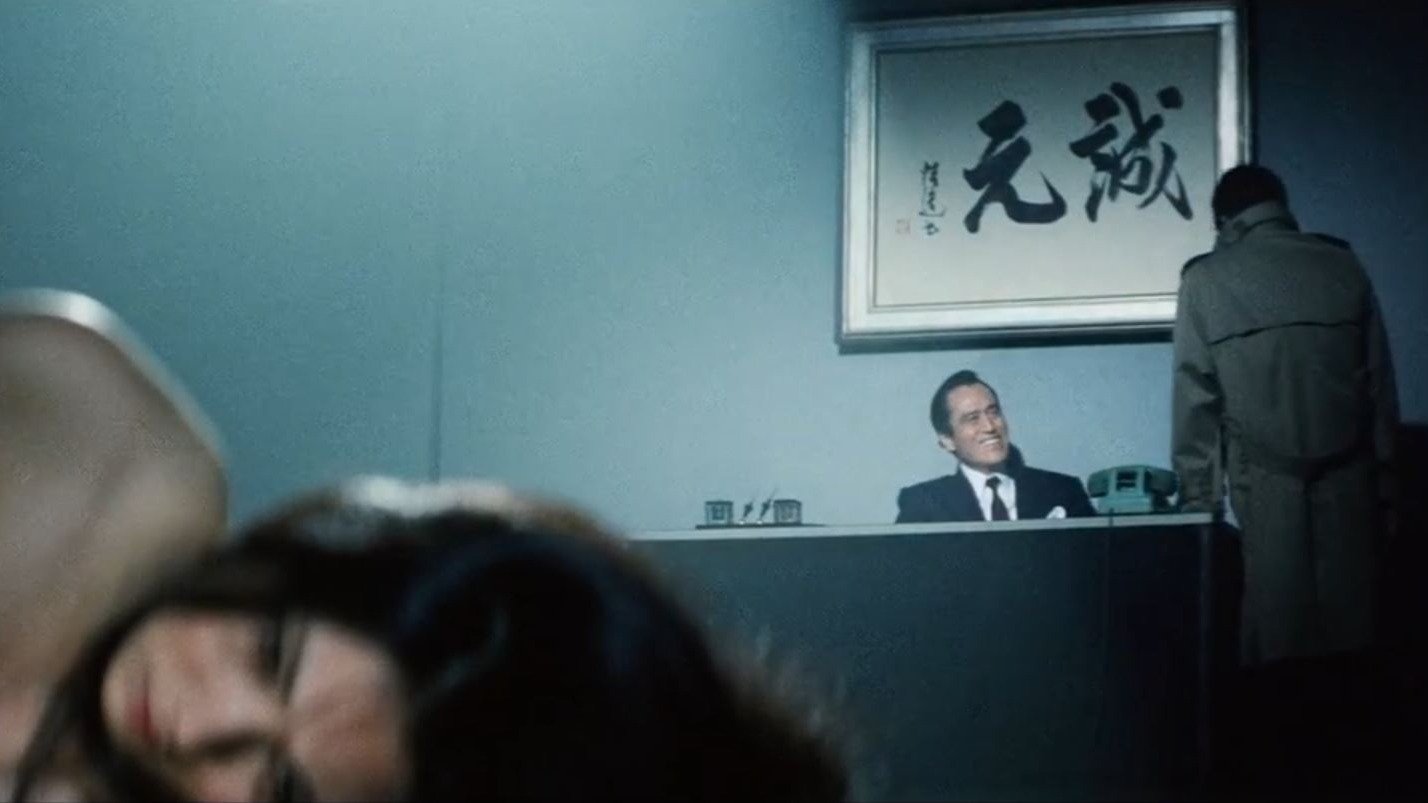
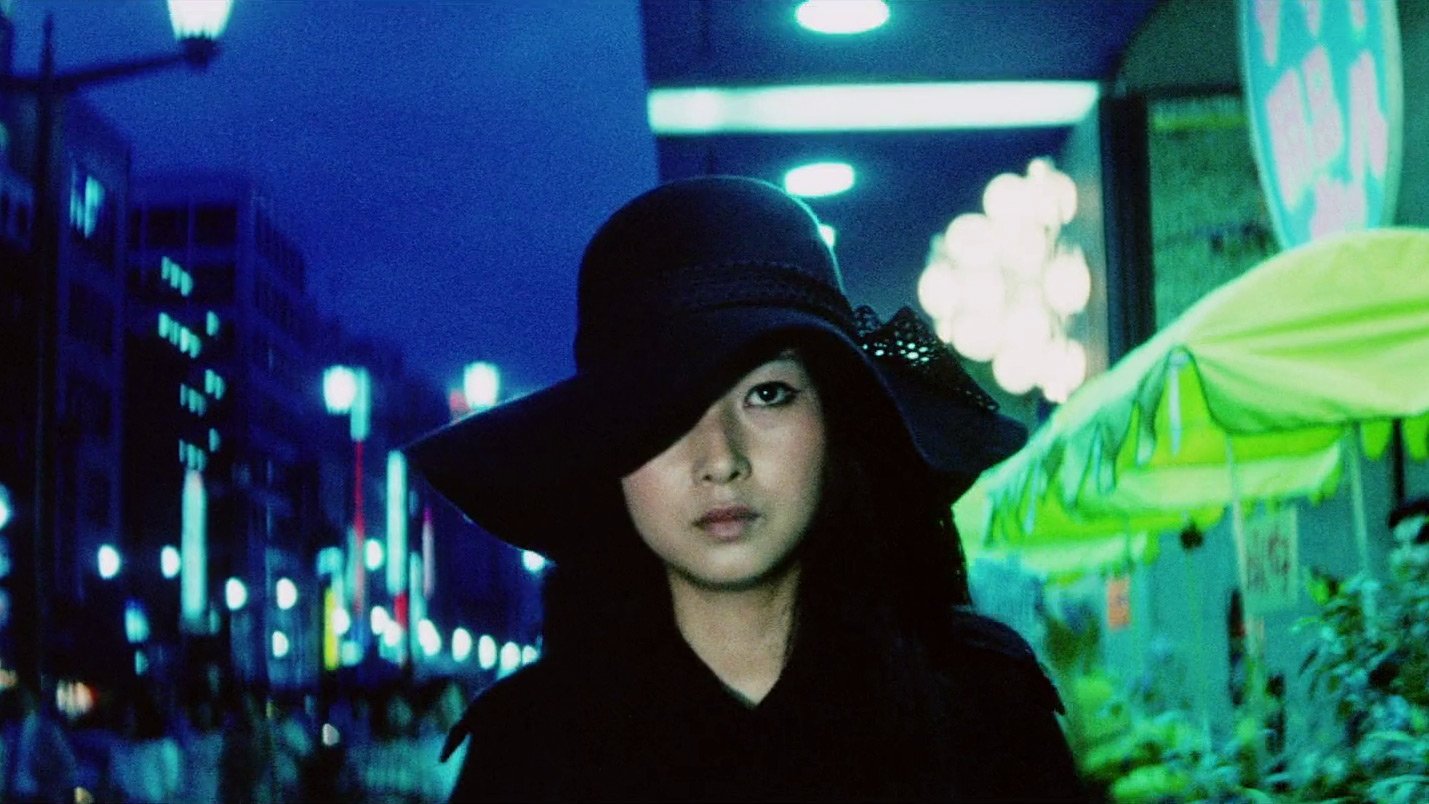
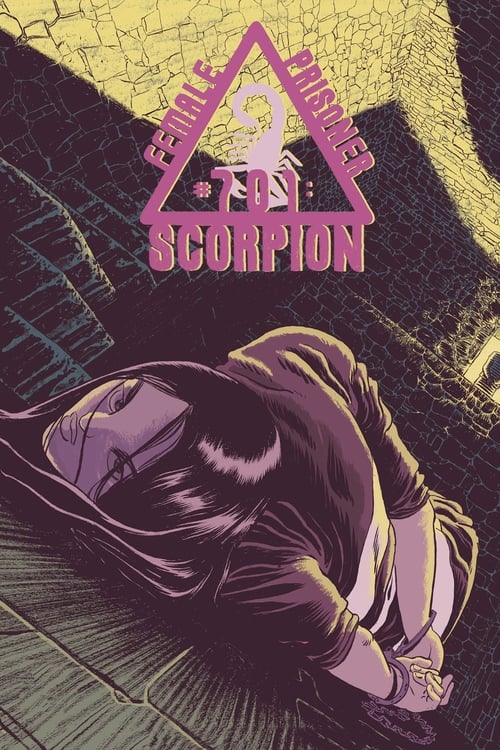
To think that Female Prisoner #701: Scorpion came out in 1972 and not late 90s is insane. Not only is this film severely underrated but it was way out of its time upon release. The not-so-realistic fight sequences, poor gore SFX, and grainy quality, speak to the slapstick 70s nature of this movie. It’s Japanese noir, you’d expect this. What you wouldn’t expect is stylistic aesthetics that lean more into modern neo-noir. For its decade it has such color and unique camera angles that force a cynical dystopian mood. The set of the prison itself feels alien, with dark hallways and gloomy cells. The layout is odd and unfamiliar, it’s hard to track where you’re being led. All of this feels classically neo-noir because it swaps traditional Japanese revenge film for urban psychological dread; which Meiko Kaji can be credited for.
Her character, Matsu, does not break and will not break. Her pure strength is astounding. Seeing as this film is subjected through a male gaze and quite sexually exploitative, Matsu poses as a feminist lens herself. Her distinct ability of resilience and willpower serves as a feminine milestone—specialized and brought to life by Kaji alone.
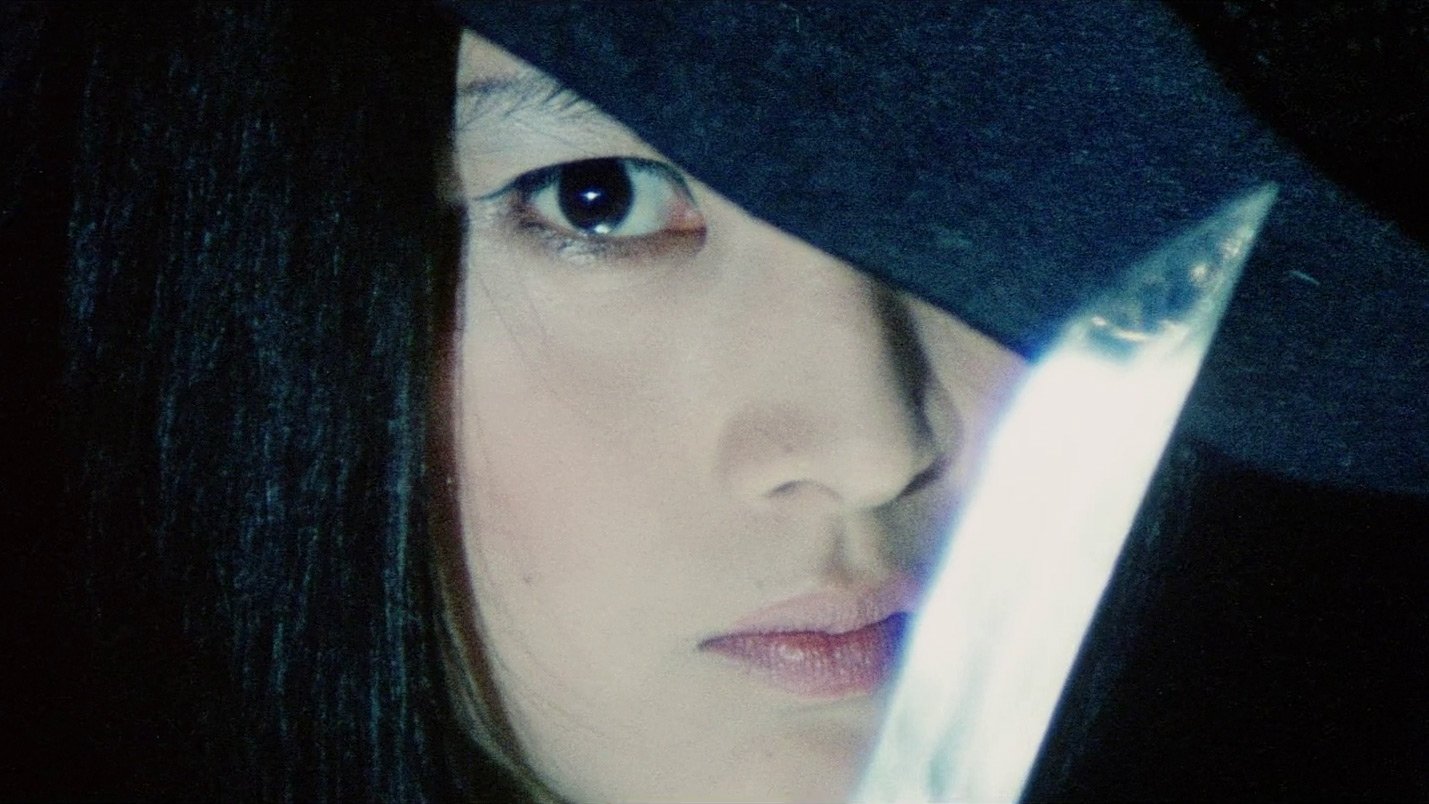
It would be improper to not mention Lady Snowblood, which came out the following year. The recurring theme of her unblinking stare and ability to always be one step ahead, now gifted with an official samurai. In both films she is a vengeful outlaw who refuses to fall into the traditional role set for women in her time. The best part is, she’s not afraid to get bloody! Meiko Kaji plays such a large feminine icon that many women, including me, can admire. I can’t stress this enough. Even though her films are dark in nature, she most definitely is worthy of idolization. Seeing her operate and destroying men in the process is one of the most satisfying and alluring moments in cinema.
Where there is the color red, there is Meiko Kaji.
“That woman is a terror.”
The force that is Meiko Kaji will forever be ingrained in my brain.
To think that Female Prisoner #701: Scorpion came out in 1972 and not late 90s is insane. Not only is this film severely underrated but it was way out of its time upon release. The not-so-realistic fight sequences, poor gore SFX, and grainy quality, speak to the slapstick 70s nature of this movie. It’s Japanese noir, you’d expect this. What you wouldn’t expect is stylistic aesthetics that lean more into modern neo-noir. For its decade it has such color and unique camera angles that force a cynical dystopian mood. The set of the prison itself feels alien, with dark hallways and gloomy cells. The layout is odd and unfamiliar, it’s hard to track where you’re being led. All of this feels classically neo-noir because it swaps traditional Japanese revenge film for urban psychological dread; which Meiko Kaji can be credited for.
Her character, Matsu, does not break and will not break. Her pure strength is astounding. Seeing as this film is subjected through a male gaze and quite sexually exploitative, Matsu poses as a feminist lens herself. Her distinct ability of resilience and willpower serves as a feminine milestone—specialized and brought to life by Kaji alone.
It would be improper to not mention Lady Snowblood, which came out the following year. The recurring theme of her unblinking stare and ability to always be one step ahead, now gifted with an official samurai. In both films she is a vengeful outlaw who refuses to fall into the traditional role set for women in her time. The best part is, she’s not afraid to get bloody! Meiko Kaji plays such a large feminine icon that many women, including me, can admire. I can’t stress this enough. Even though her films are dark in nature, she most definitely is worthy of idolization. Seeing her operate and destroying men in the process is one of the most satisfying and alluring moments in cinema.
Where there is the color red, there is Meiko Kaji.