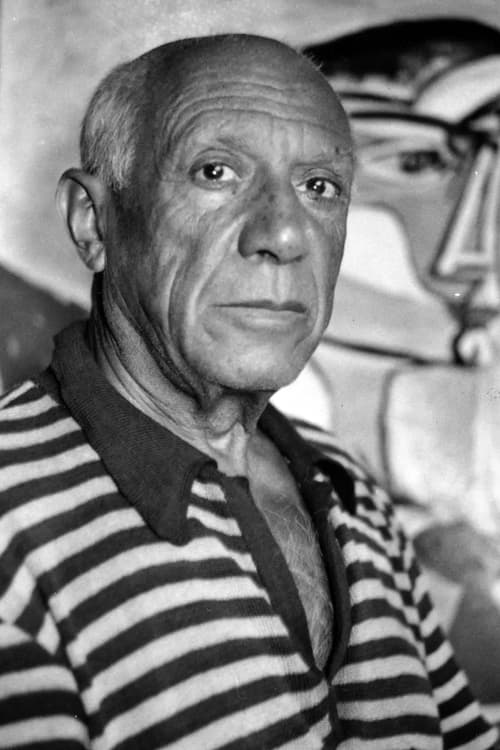
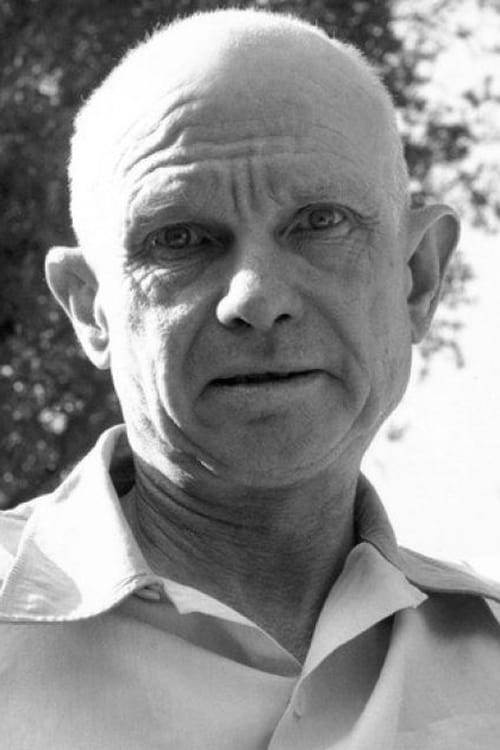
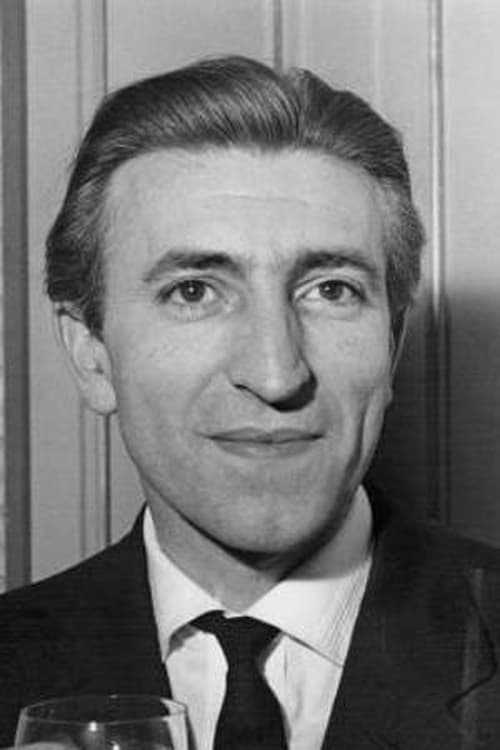
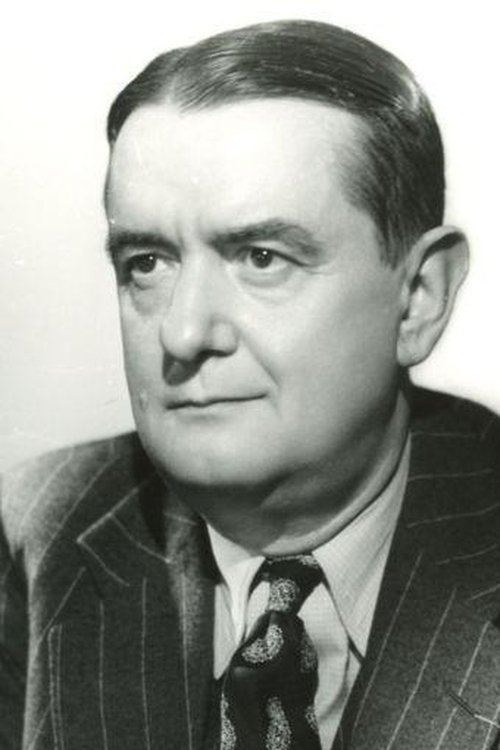
For the last year or so, I’ve been working my way through Clouzot’s filmography. The Mystery of Picasso is a title that always comes up, but I usually told myself I’d get to it eventually. Today, something compelled me to finally sit down with it. Given the short runtime, I decided to pop it on, and what I found was a captivating blend of semi-documentary and experimental art film.
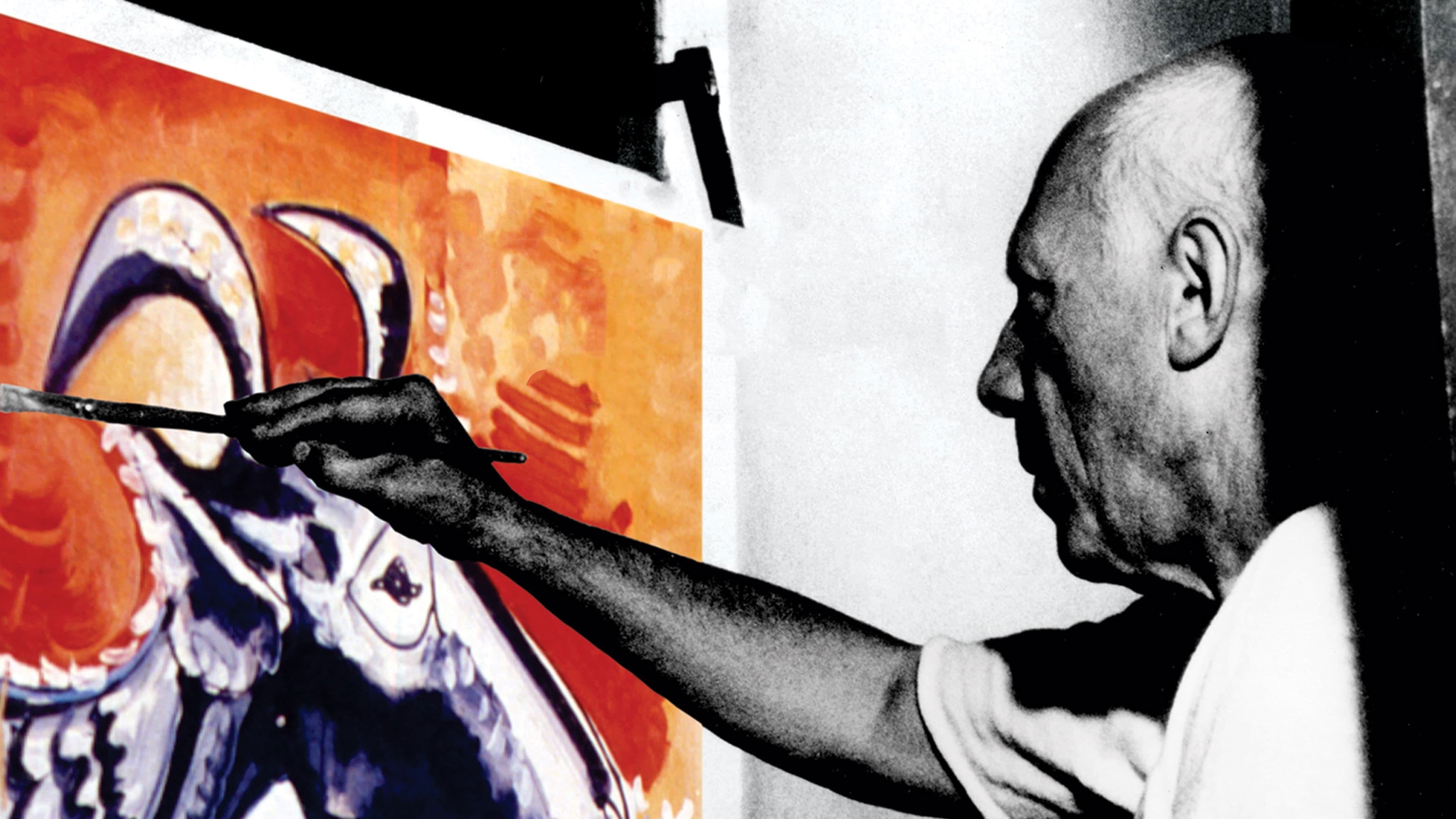
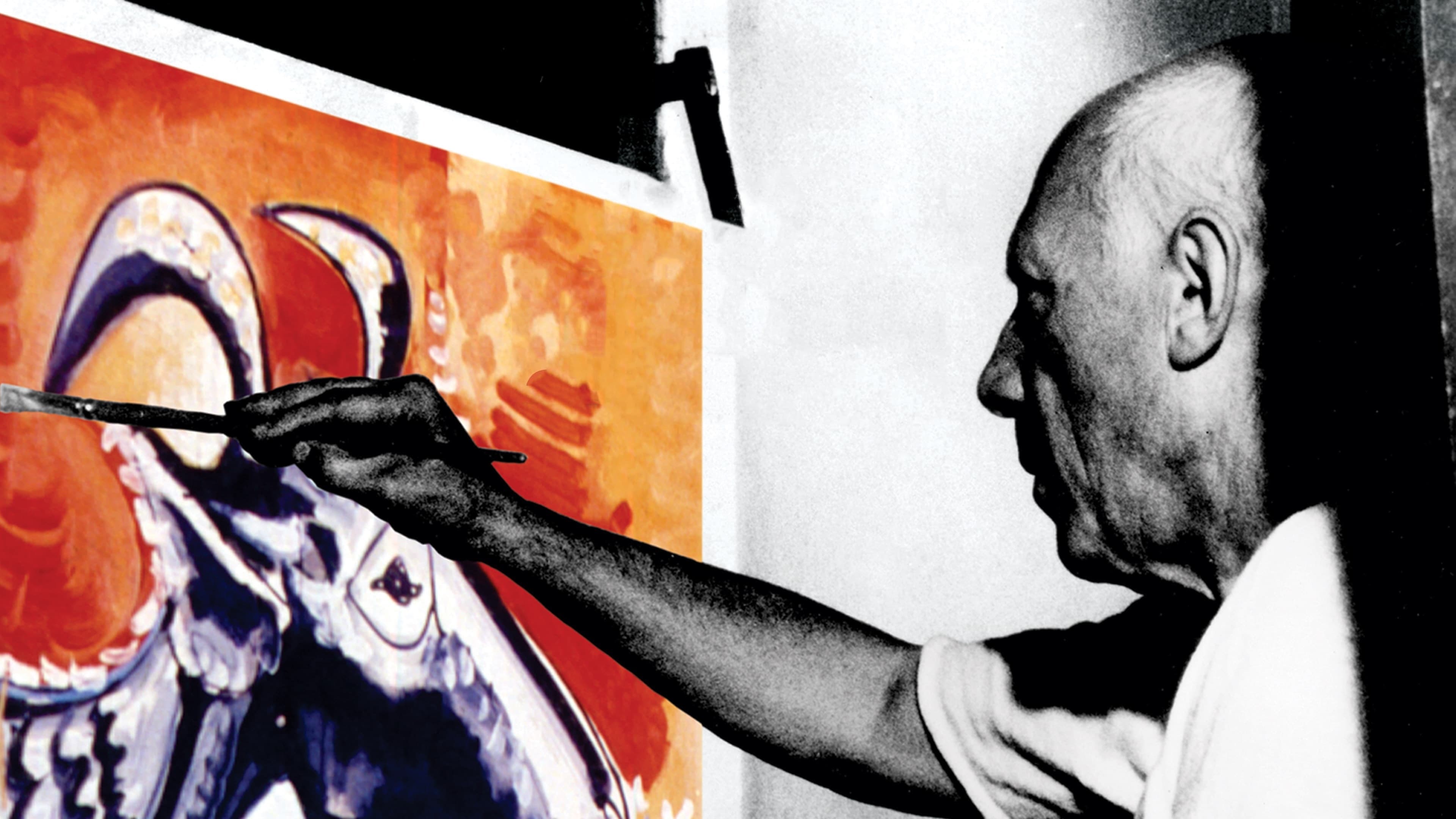
The premise is straightforward yet brilliant: Clouzot films Pablo Picasso as he creates 20 different images. They employ several distinct techniques to capture the magic. One involves using a semi-transparent canvas; Clouzot’s team films from the opposite side, allowing the audience to see the ink and paint bleed through the surface in real time.
Early on, you begin to see the core concept of the documentary itself "bleed through"—the idea of witnessing the artistic process as it happens. In addition to the real-time canvas technique, the film uses stop-motion animation to show the evolution of a piece. As the film progresses into the back half, the scale increases. Using widescreen CinemaScope technology, we see Picasso tackle massive canvases using complex methods like collage.
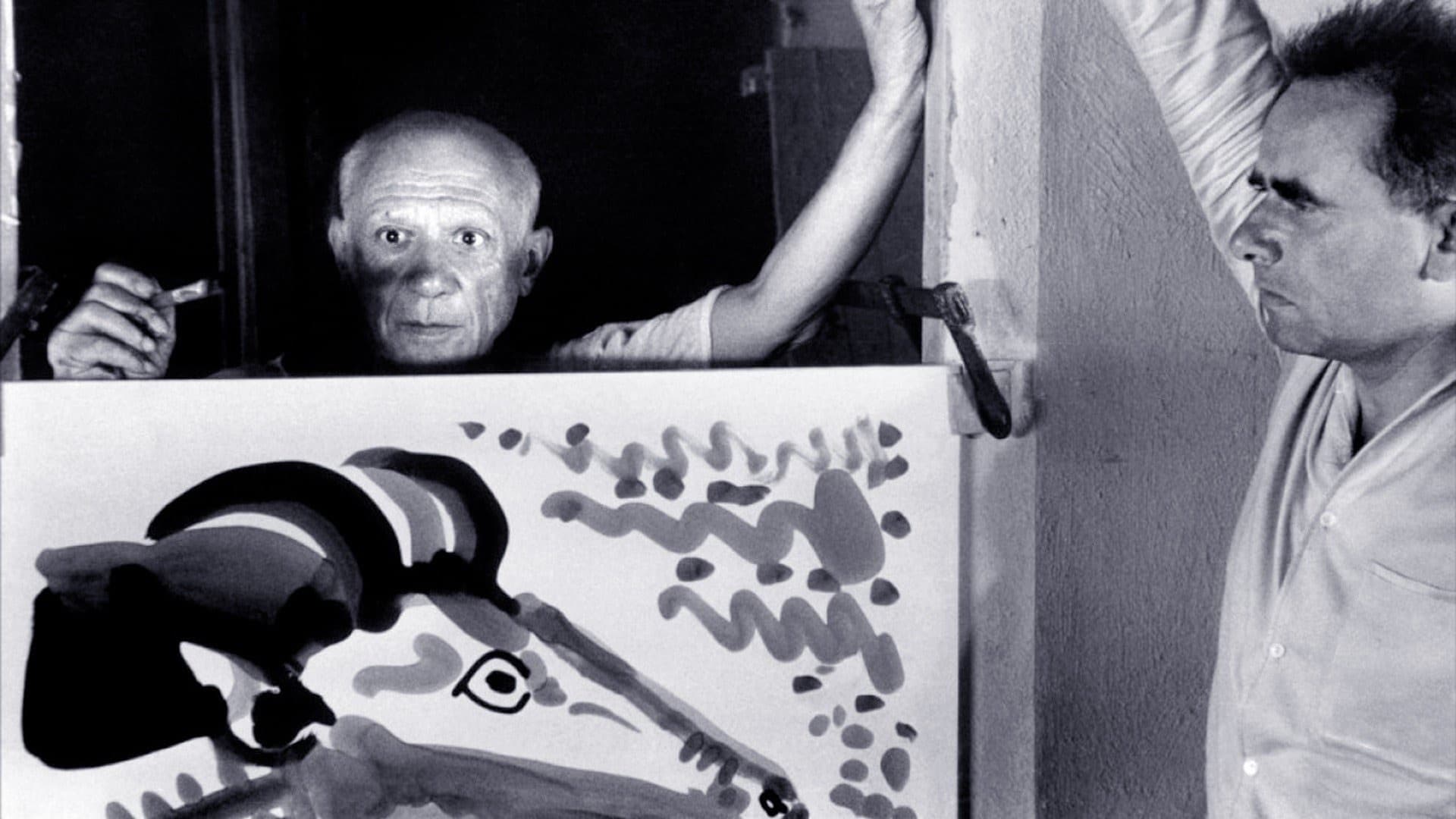
Occasionally, Clouzot pulls the camera back to reveal the actual making of the documentary. We see him discussing the next steps with Picasso, worrying about how many feet of film are left in the camera, and pressuring Picasso on how quickly he needs to finish.
This introduces a wonderful "meta" layer: we aren't just watching Picasso work; we are watching a film being made in real time. One of my favorite sequences involves Clouzot orchestrating the tension by telling Picasso they only have five minutes of film left. Watching Picasso paint against a ticking clock—combined with the sharp editing and close-ups of his eyes—perfectly illustrates why Clouzot is often called the "French Alfred Hitchcock." He could find suspense in anything.
The film becomes most interesting to me when Picasso steps out from behind the canvas, walks up to Clouzot, and says, "I want to try something different. I want to get beyond the surface. I want to show the picture behind the picture."
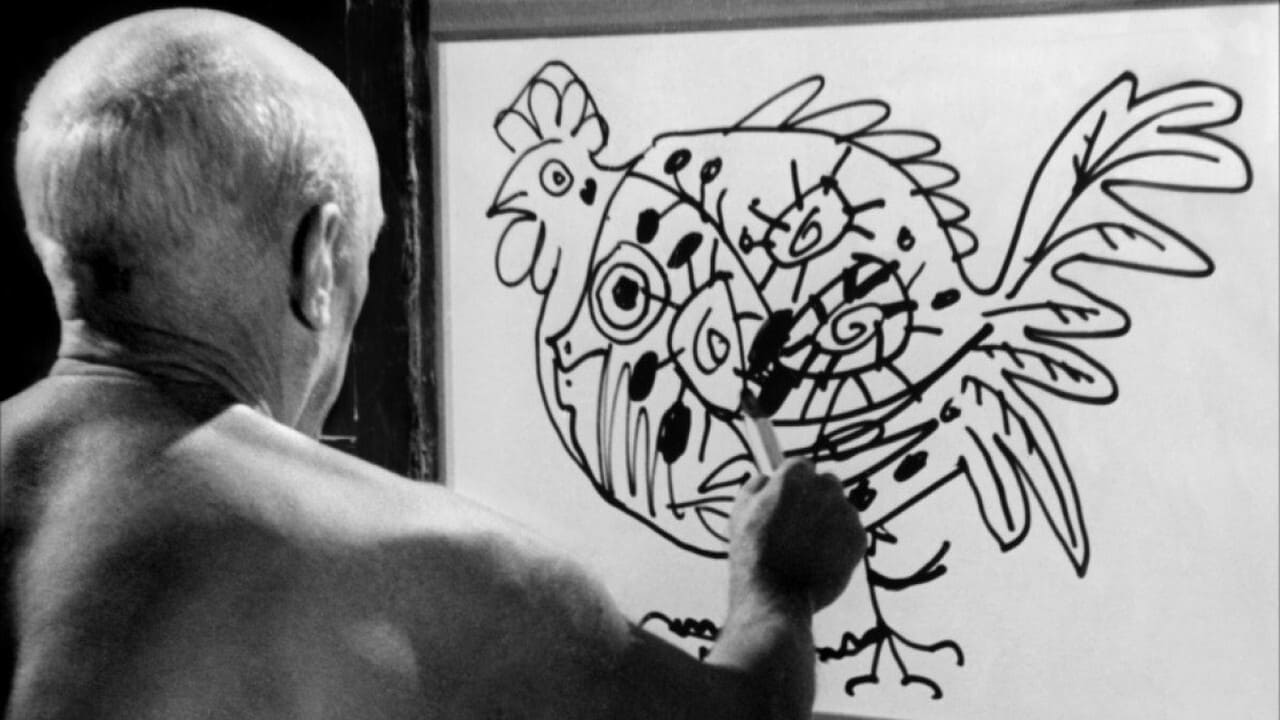
This concept of the "picture behind the picture" takes shape in the following sequences. Picasso often starts with a simple, stick-figure-like sketch. You think you see where he’s going, but then he suddenly abstracts the entire thing into something else entirely. Watching his mind work is hypnotizing. There were moments where I’d think, "Hey, that looks pretty good," only for Picasso to paint over the entire thing seconds later and start from scratch.
In the final image of the movie, this cycle repeats several times. You hear Picasso’s voice admit, "This isn't turning out how I wanted... this is actually really bad." He then strips it down to the bare-bones, pure abstract version of what he was trying to create all along.
There is a surprising amount of humor in the film. After one particularly frustrated moment where Picasso admits a piece isn't working, there is a hard cut to a refined version of the painting accompanied by a loud, triumphant orchestral cue. It genuinely made me laugh.
The film also features a fantastic variety of music—from orchestral arrangements to Latin guitar—each perfectly suited to the theme of the painting on screen. One of my favorite exchanges occurs after a stop-motion time-lapse. Clouzot remarks, "The audience is going to think you made this in ten minutes." Picasso asks how long it actually took, and Clouzot replies, "Five hours."
As a writer, I found this film deeply inspiring. Whether you're working on a screenplay, a novel, or a short story, you often have to look at a draft and realize it isn't working. You have to be willing to strip parts away—much like Picasso removing a head with a single brushstroke to redo it in a more "deformed" or abstract way.
The film demystifies the "Great Artist." It proves that even a genius like Picasso didn't just walk into a studio and effortlessly produce icons; he had a process filled with doubt, trial, and error. It encourages the viewer to "trust the process" and understand that there is always a picture beneath the picture.
While my mind wandered occasionally during some of the middle sequences, the final 20 minutes absolutely grabbed me. Seeing those vibrant colors on the massive CinemaScope screen is special.
It makes sense why this film is considered a national treasure in France. It is an honest preservation of an artist’s soul. What makes it even more poignant is that all 20 paintings created for this production were destroyed after filming was completed. They only exist now within the frames of Clouzot’s movie.
The Mystery of Picasso is more of an intellectual exercise than a traditional narrative film, but for what it is, it’s a wonderful, delightful experience.
7.4/10
For the last year or so, I’ve been working my way through Clouzot’s filmography. The Mystery of Picasso is a title that always comes up, but I usually told myself I’d get to it eventually. Today, something compelled me to finally sit down with it. Given the short runtime, I decided to pop it on, and what I found was a captivating blend of semi-documentary and experimental art film.
The premise is straightforward yet brilliant: Clouzot films Pablo Picasso as he creates 20 different images. They employ several distinct techniques to capture the magic. One involves using a semi-transparent canvas; Clouzot’s team films from the opposite side, allowing the audience to see the ink and paint bleed through the surface in real time.
Early on, you begin to see the core concept of the documentary itself "bleed through"—the idea of witnessing the artistic process as it happens. In addition to the real-time canvas technique, the film uses stop-motion animation to show the evolution of a piece. As the film progresses into the back half, the scale increases. Using widescreen CinemaScope technology, we see Picasso tackle massive canvases using complex methods like collage.
Occasionally, Clouzot pulls the camera back to reveal the actual making of the documentary. We see him discussing the next steps with Picasso, worrying about how many feet of film are left in the camera, and pressuring Picasso on how quickly he needs to finish.
This introduces a wonderful "meta" layer: we aren't just watching Picasso work; we are watching a film being made in real time. One of my favorite sequences involves Clouzot orchestrating the tension by telling Picasso they only have five minutes of film left. Watching Picasso paint against a ticking clock—combined with the sharp editing and close-ups of his eyes—perfectly illustrates why Clouzot is often called the "French Alfred Hitchcock." He could find suspense in anything.
The film becomes most interesting to me when Picasso steps out from behind the canvas, walks up to Clouzot, and says, "I want to try something different. I want to get beyond the surface. I want to show the picture behind the picture."
This concept of the "picture behind the picture" takes shape in the following sequences. Picasso often starts with a simple, stick-figure-like sketch. You think you see where he’s going, but then he suddenly abstracts the entire thing into something else entirely. Watching his mind work is hypnotizing. There were moments where I’d think, "Hey, that looks pretty good," only for Picasso to paint over the entire thing seconds later and start from scratch.
In the final image of the movie, this cycle repeats several times. You hear Picasso’s voice admit, "This isn't turning out how I wanted... this is actually really bad." He then strips it down to the bare-bones, pure abstract version of what he was trying to create all along.
There is a surprising amount of humor in the film. After one particularly frustrated moment where Picasso admits a piece isn't working, there is a hard cut to a refined version of the painting accompanied by a loud, triumphant orchestral cue. It genuinely made me laugh.
The film also features a fantastic variety of music—from orchestral arrangements to Latin guitar—each perfectly suited to the theme of the painting on screen. One of my favorite exchanges occurs after a stop-motion time-lapse. Clouzot remarks, "The audience is going to think you made this in ten minutes." Picasso asks how long it actually took, and Clouzot replies, "Five hours."
As a writer, I found this film deeply inspiring. Whether you're working on a screenplay, a novel, or a short story, you often have to look at a draft and realize it isn't working. You have to be willing to strip parts away—much like Picasso removing a head with a single brushstroke to redo it in a more "deformed" or abstract way.
The film demystifies the "Great Artist." It proves that even a genius like Picasso didn't just walk into a studio and effortlessly produce icons; he had a process filled with doubt, trial, and error. It encourages the viewer to "trust the process" and understand that there is always a picture beneath the picture.
While my mind wandered occasionally during some of the middle sequences, the final 20 minutes absolutely grabbed me. Seeing those vibrant colors on the massive CinemaScope screen is special.
It makes sense why this film is considered a national treasure in France. It is an honest preservation of an artist’s soul. What makes it even more poignant is that all 20 paintings created for this production were destroyed after filming was completed. They only exist now within the frames of Clouzot’s movie.
The Mystery of Picasso is more of an intellectual exercise than a traditional narrative film, but for what it is, it’s a wonderful, delightful experience.
7.4/10