I thought about writing something witty for this review, but decided against it; this is serious.
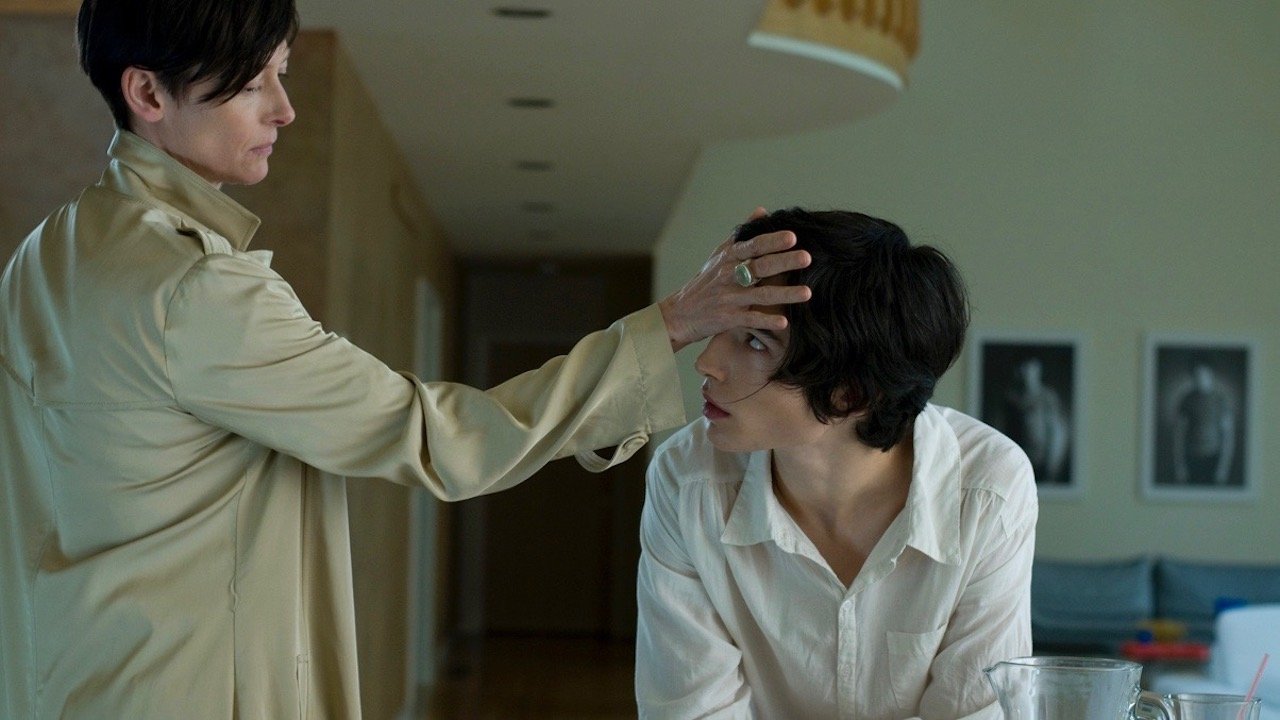
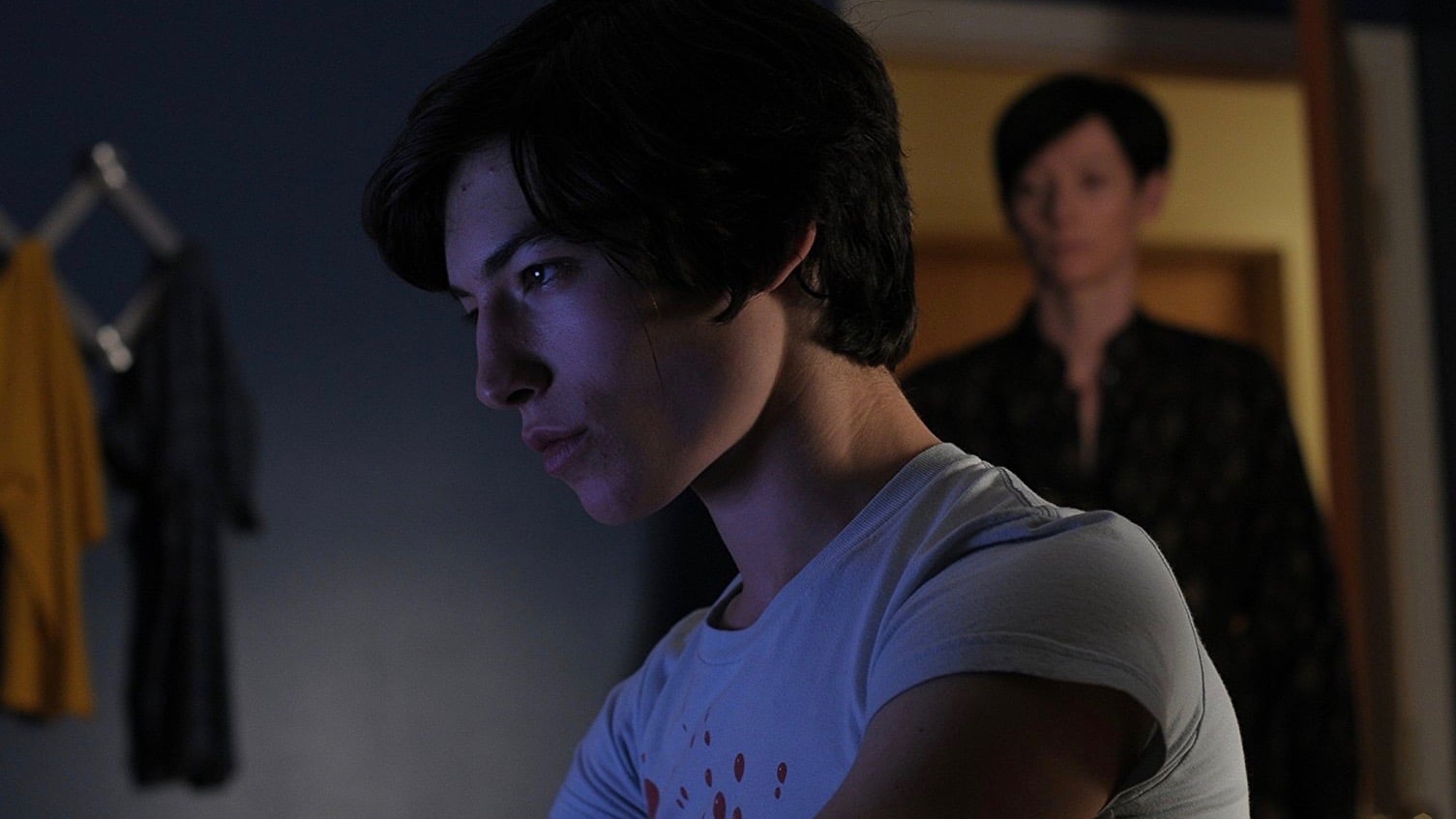
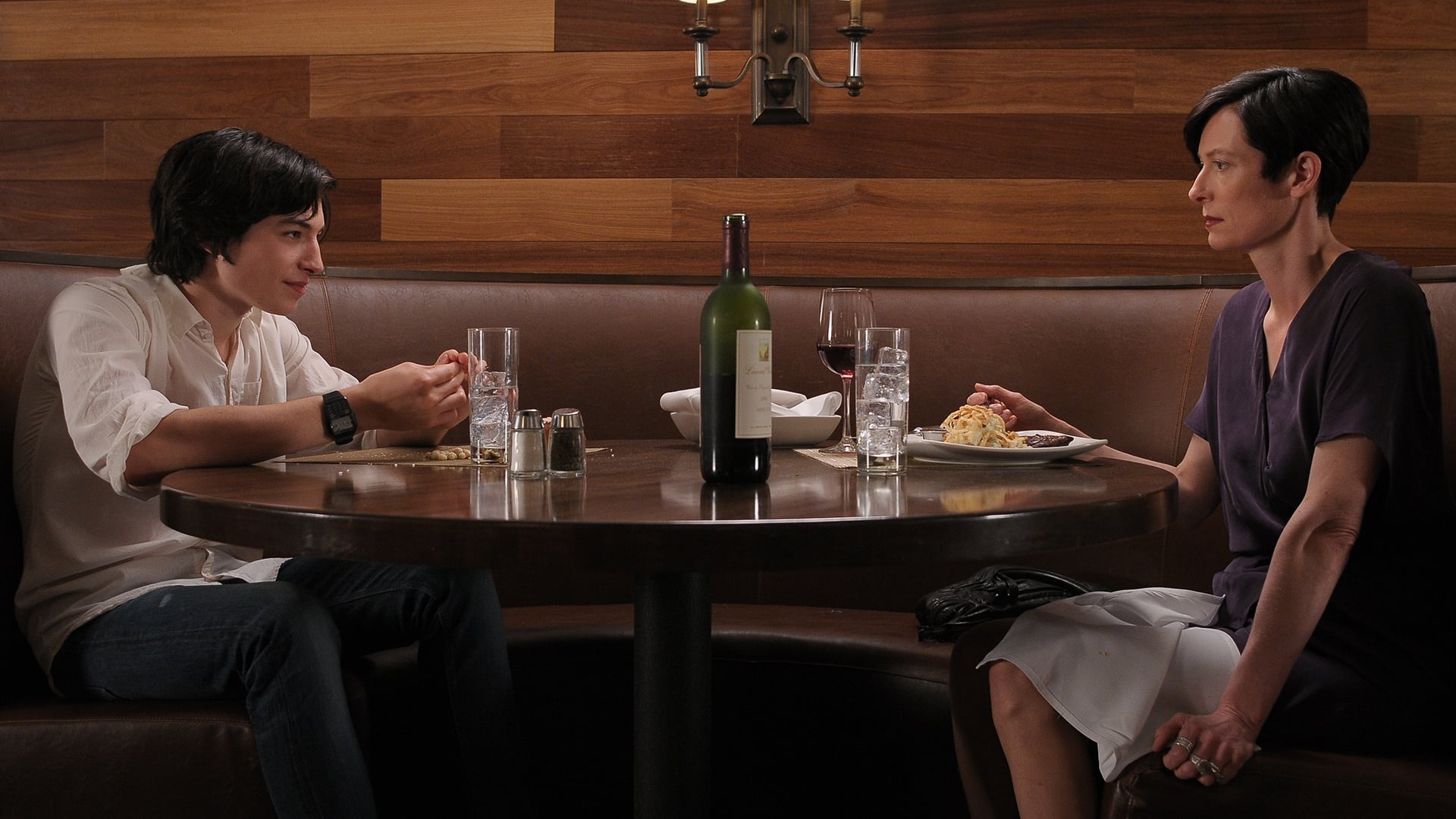
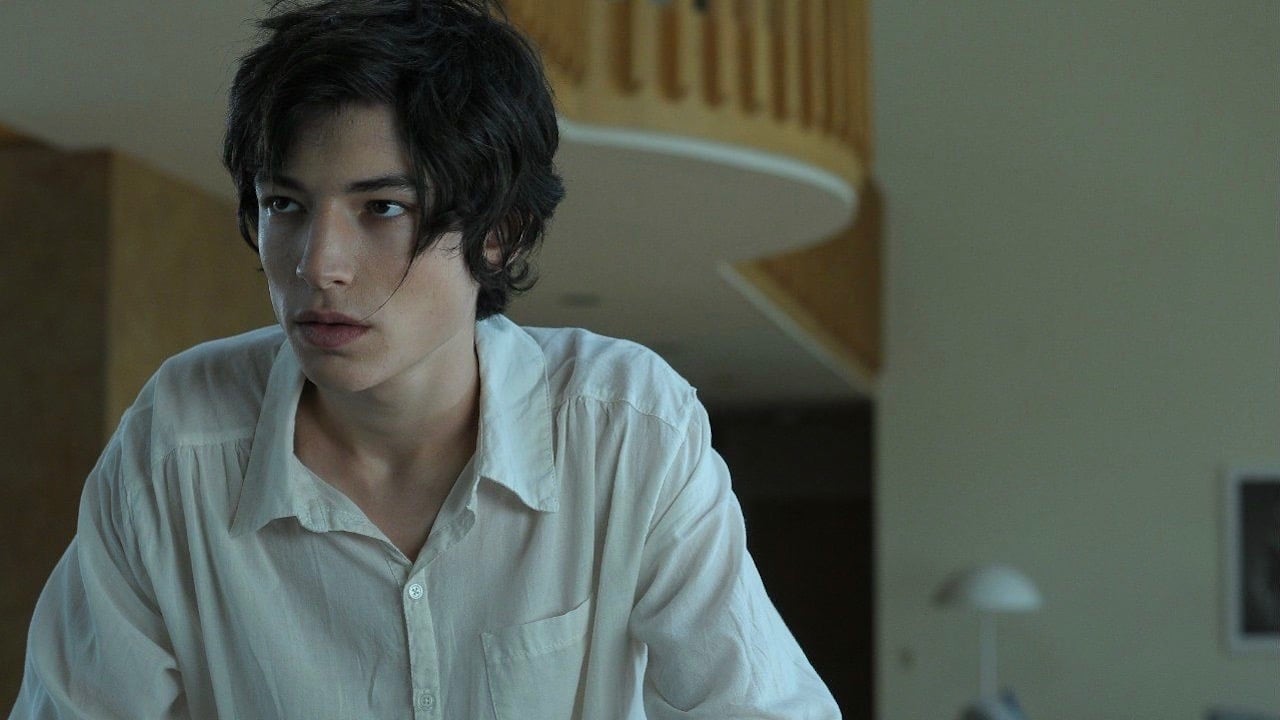
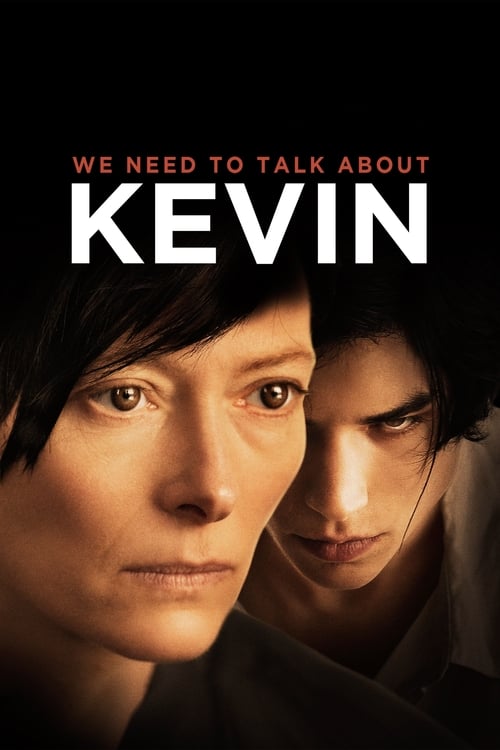
Are we the product of our circumstances, or are our circumstances a product of us? Ramsey explores this question through the tumultuous relationship of a mother and her son, and what happens when, without a “concrete reason,” the latter becomes the unthinkable.
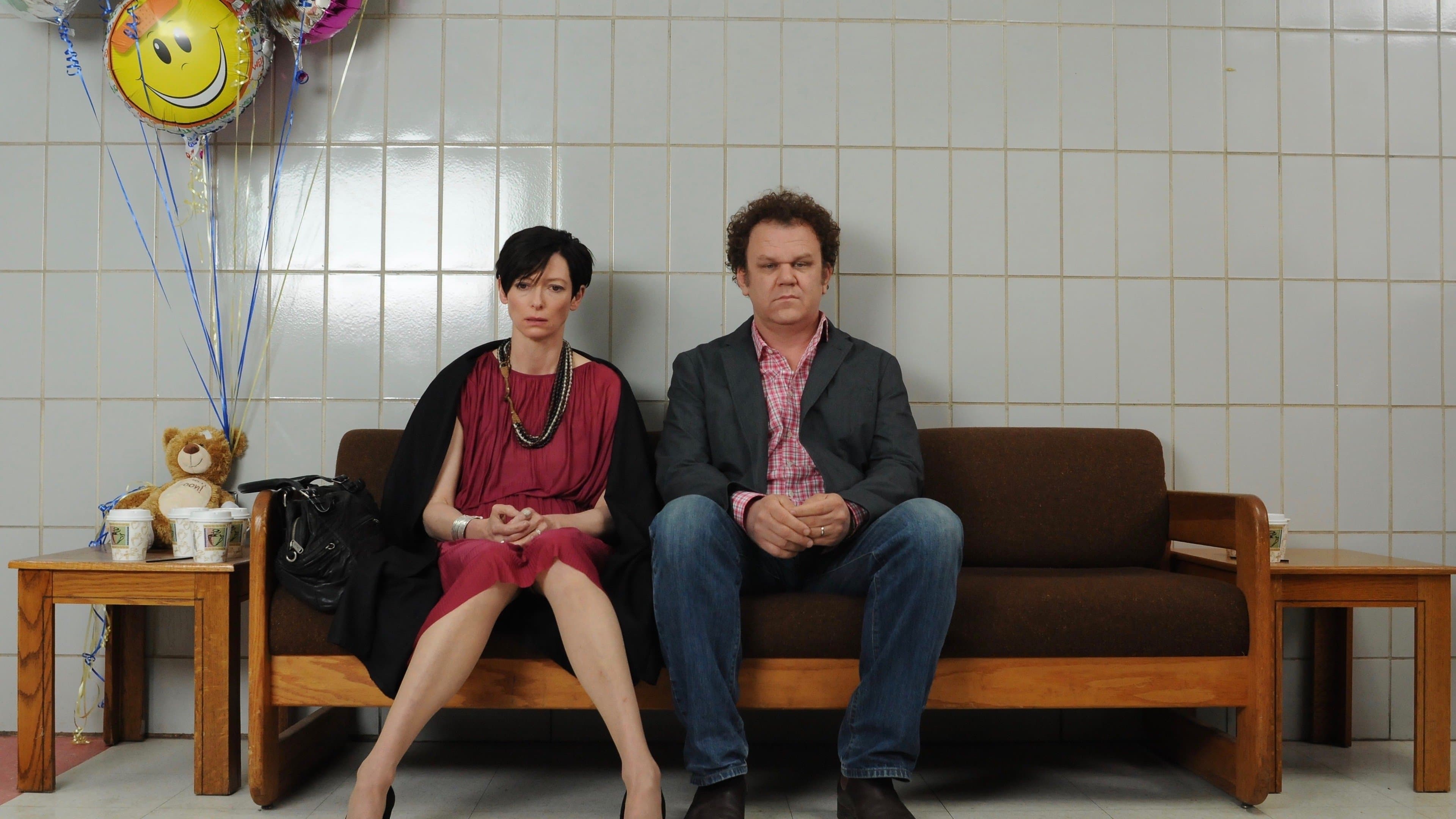
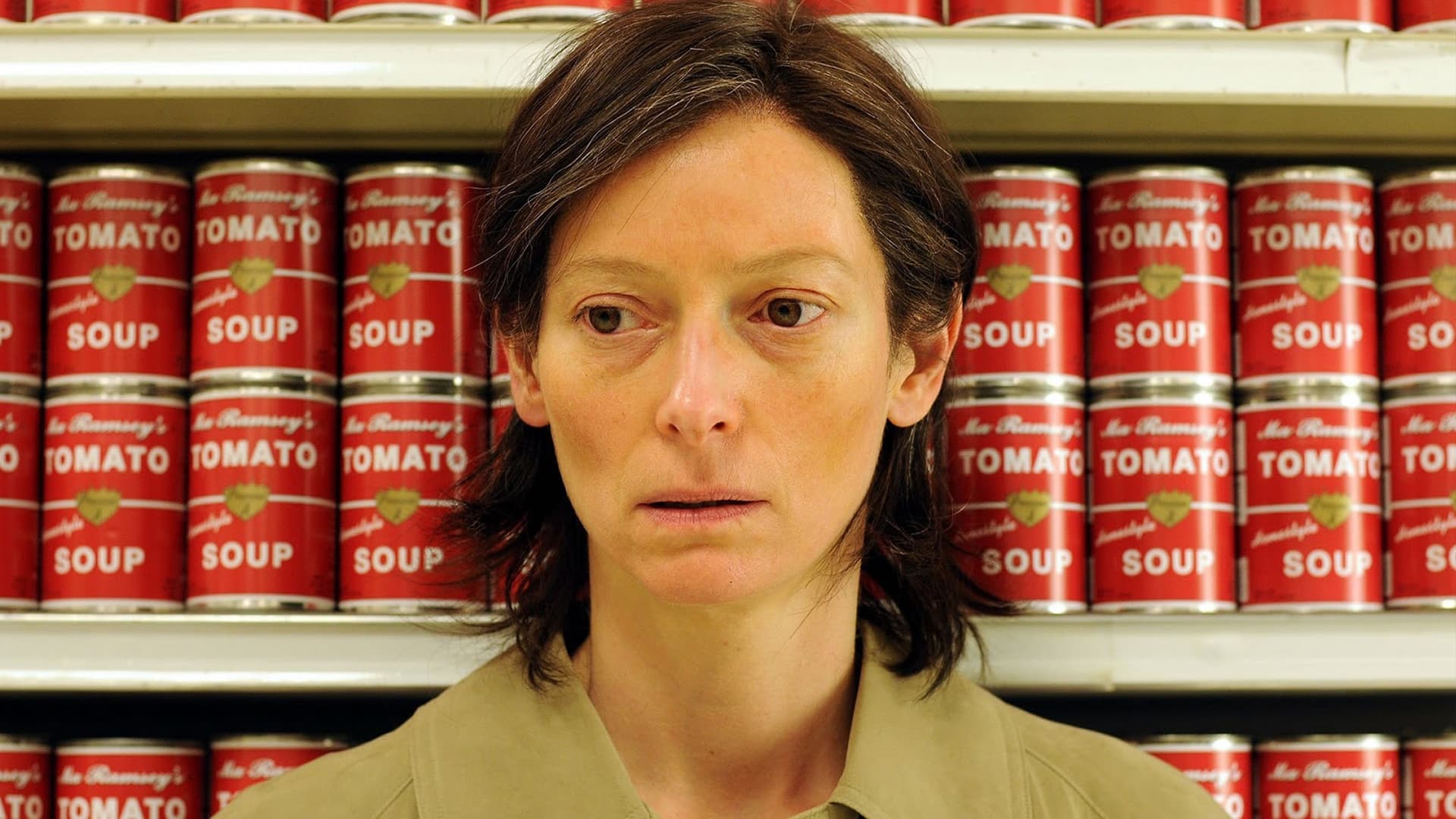
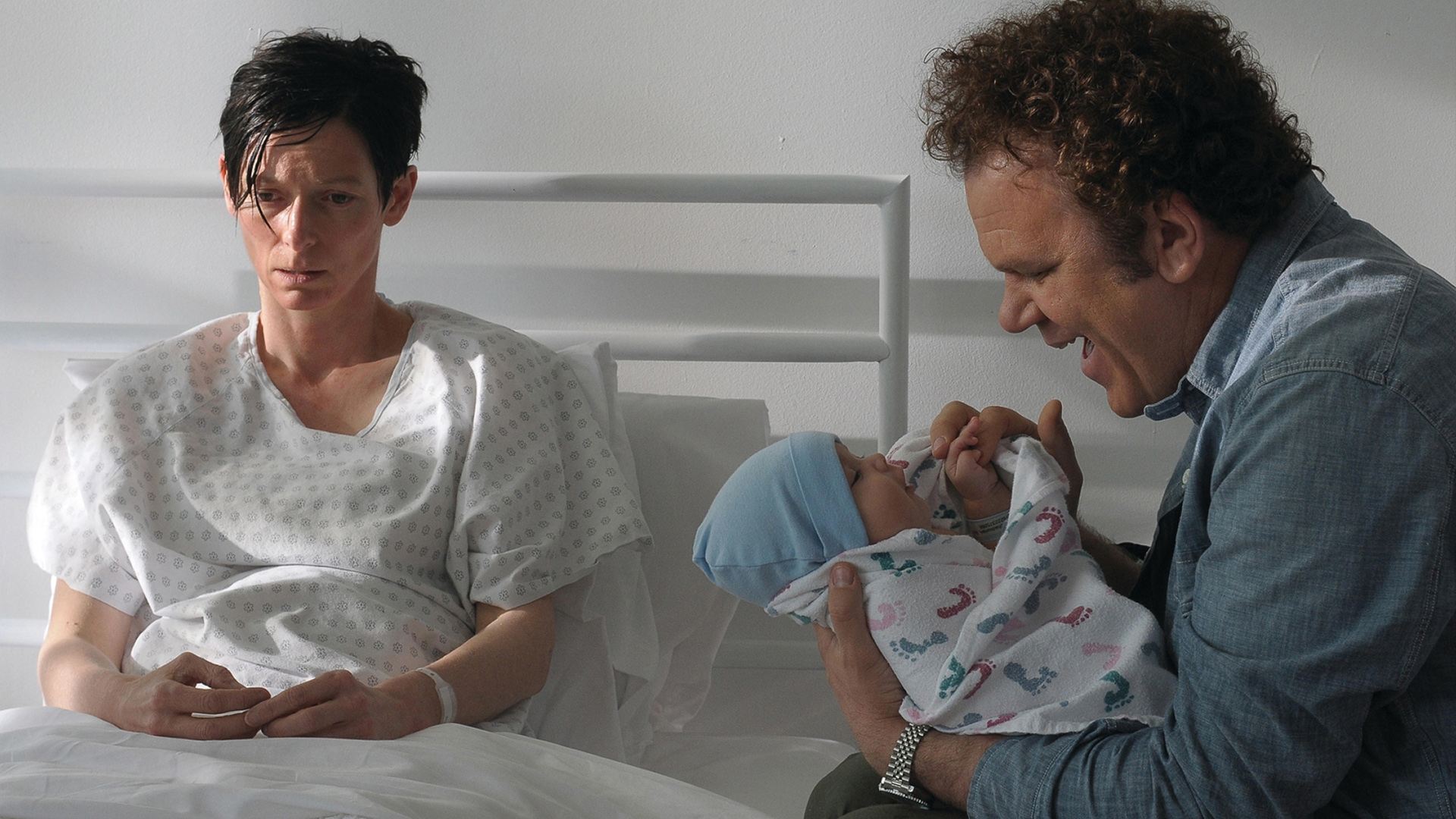
From the very beginning, the audience is given the impression that something in Eva’s life has gone very wrong. The details of the incident are not revealed right away; instead, they are scattered throughout the film's nonlinear narrative. At some point near the middle of the second act, the pieces come together, and while it is not explicitly stated yet, the incident itself has been uncovered, the signs now impossible to ignore.
With the tragedy staring us in the face, we wish to know why this happened, but, as with Eva, we are never given that privilege. Ramsay’s confiscation of our satisfaction, however, is part of her genius. Giving away the reasoning for Kevin and what he did would be betraying the film's theme: sometimes bad things happen, and there is no why; as Kevin says, the point is that there is no point, and that’s what’s devastating.
And so in the final act, we realize that the climax itself was not the explicit revelation of what happened but the realization that we would be walking away without an answer. Only in the film's final seconds, when we see Kevin's doubts for the very first time, do we see Ramsey's message clearly. As much as we like placing the blame on the people we view as guilty or complicit, we must remember that nothing exists in isolation; our lives and circumstances are indivisible from our identity.
Did Lynn Ramsey knock it out of the f*cking park with this film? Yes.
Are we surprised? No.
I thought about writing something witty for this review, but decided against it; this is serious.
Are we the product of our circumstances, or are our circumstances a product of us? Ramsey explores this question through the tumultuous relationship of a mother and her son, and what happens when, without a “concrete reason,” the latter becomes the unthinkable.
From the very beginning, the audience is given the impression that something in Eva’s life has gone very wrong. The details of the incident are not revealed right away; instead, they are scattered throughout the film's nonlinear narrative. At some point near the middle of the second act, the pieces come together, and while it is not explicitly stated yet, the incident itself has been uncovered, the signs now impossible to ignore.
With the tragedy staring us in the face, we wish to know why this happened, but, as with Eva, we are never given that privilege. Ramsay’s confiscation of our satisfaction, however, is part of her genius. Giving away the reasoning for Kevin and what he did would be betraying the film's theme: sometimes bad things happen, and there is no why; as Kevin says, the point is that there is no point, and that’s what’s devastating.
And so in the final act, we realize that the climax itself was not the explicit revelation of what happened but the realization that we would be walking away without an answer. Only in the film's final seconds, when we see Kevin's doubts for the very first time, do we see Ramsey's message clearly. As much as we like placing the blame on the people we view as guilty or complicit, we must remember that nothing exists in isolation; our lives and circumstances are indivisible from our identity.
Did Lynn Ramsey knock it out of the f*cking park with this film? Yes.
Are we surprised? No.