Flicker
This rewatch only confirmed it:
this film is deeply important to me. I first saw
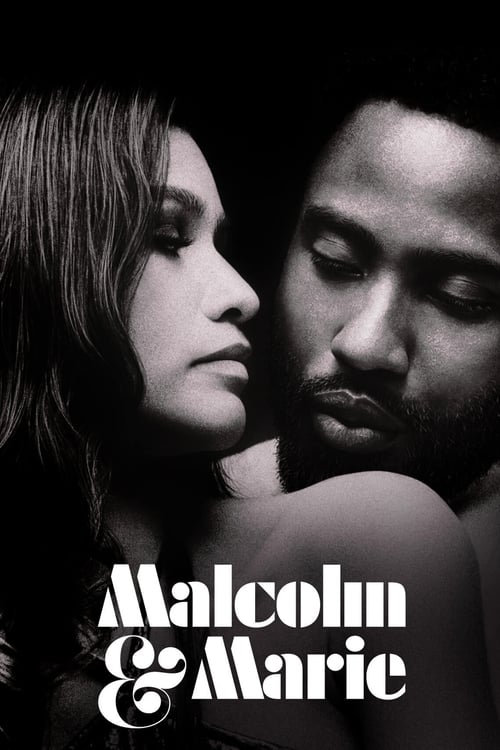
Malcolm & Marie on
Netflix when it came out in
2021, and I remember being shaken by it. At the time, I was younger and couldn’t fully explain why, but I know it hit hard. I didn’t want to go out, didn’t want to talk — it stayed with me.
I’ve seen how poorly rated this film is, how many people dislike it, and honestly?
I don’t care. Truly. As
Malcolm says, not everything needs a clear message. Sometimes, cinema just needs to make you feel something — and that’s exactly what this does.
Zendaya is, as always, flawless.
John David Washington is incredible too. The writing is sharp, raw, painfully precise. And aesthetically, this film gathers everything I
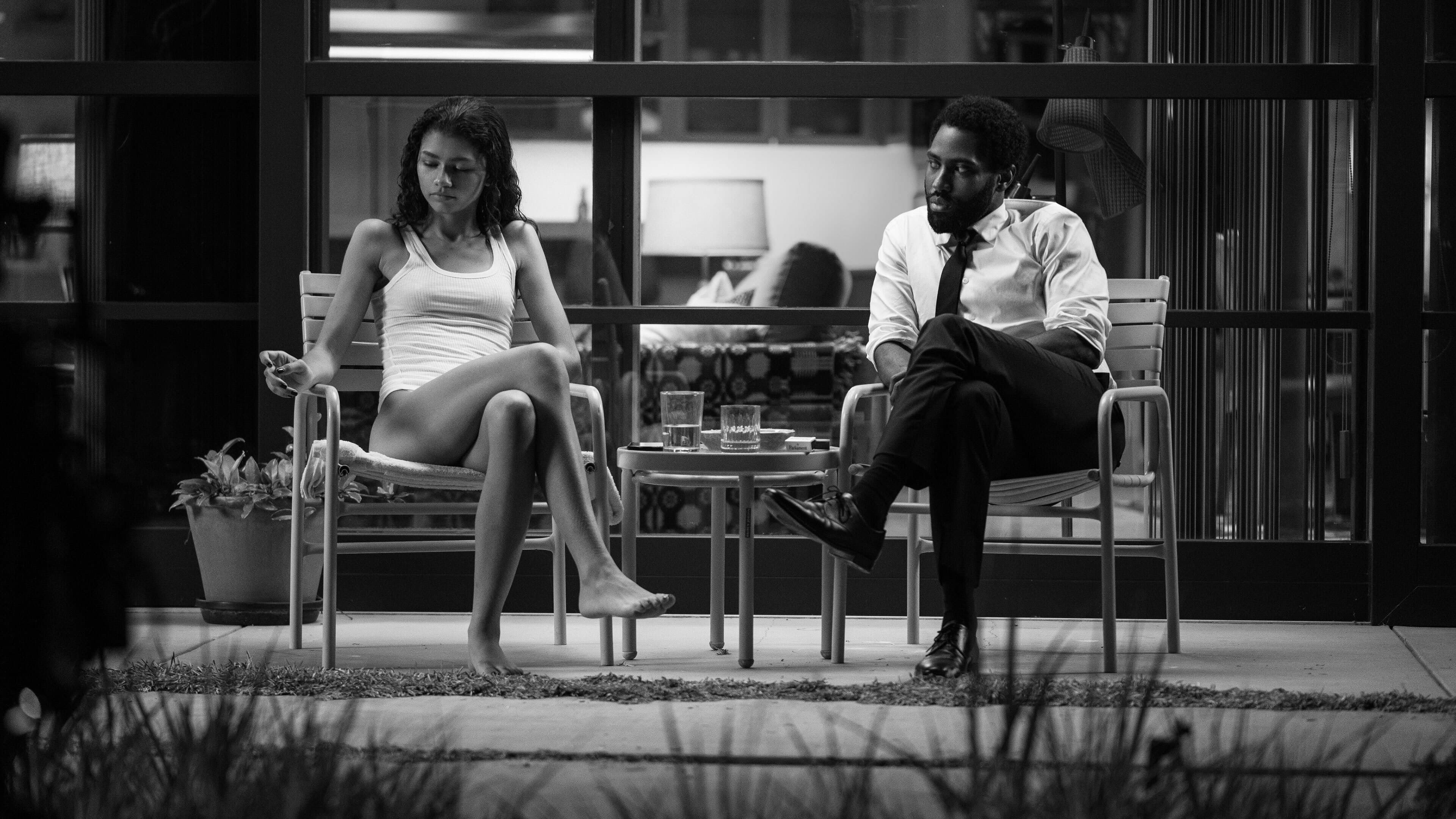
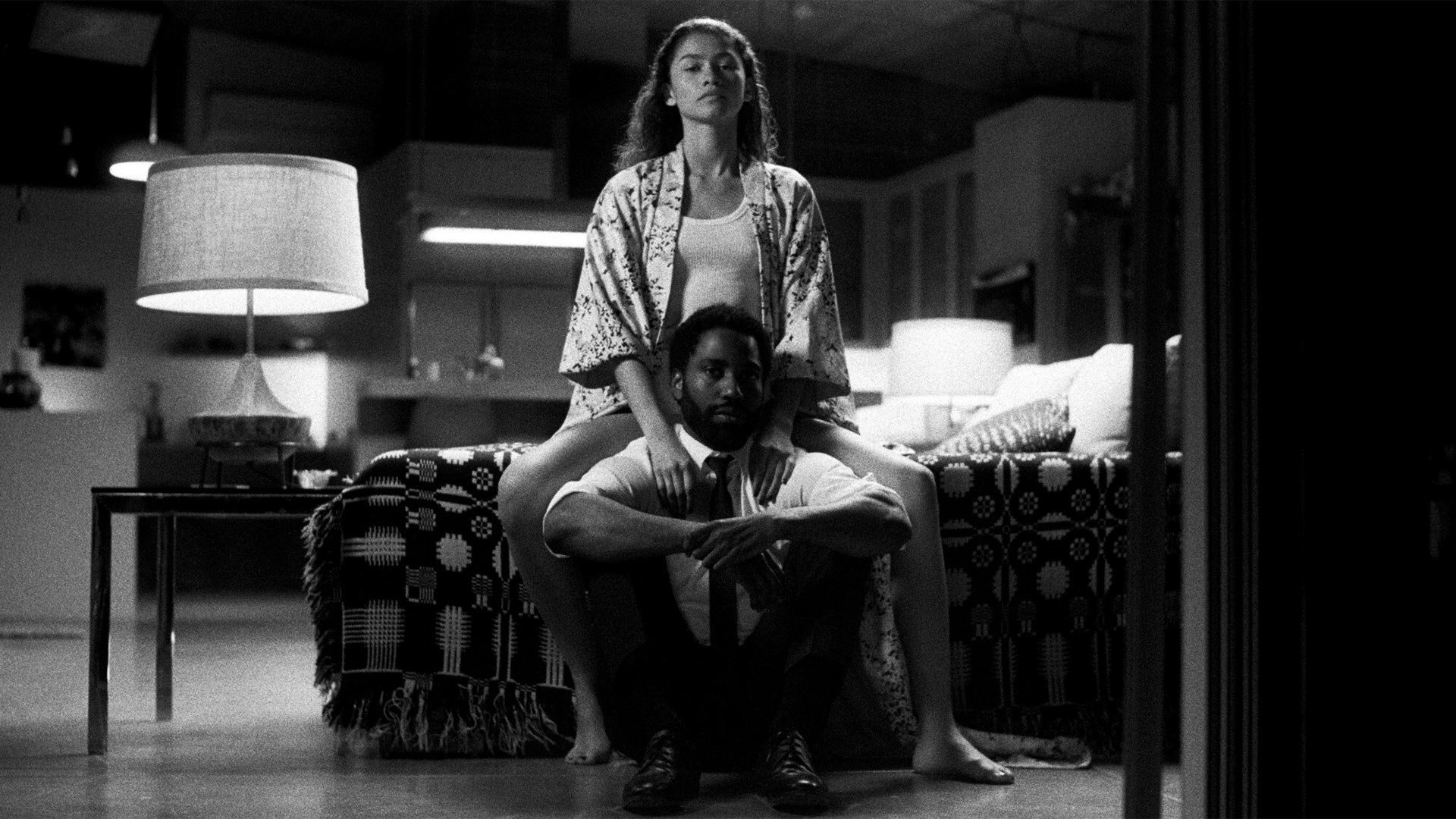
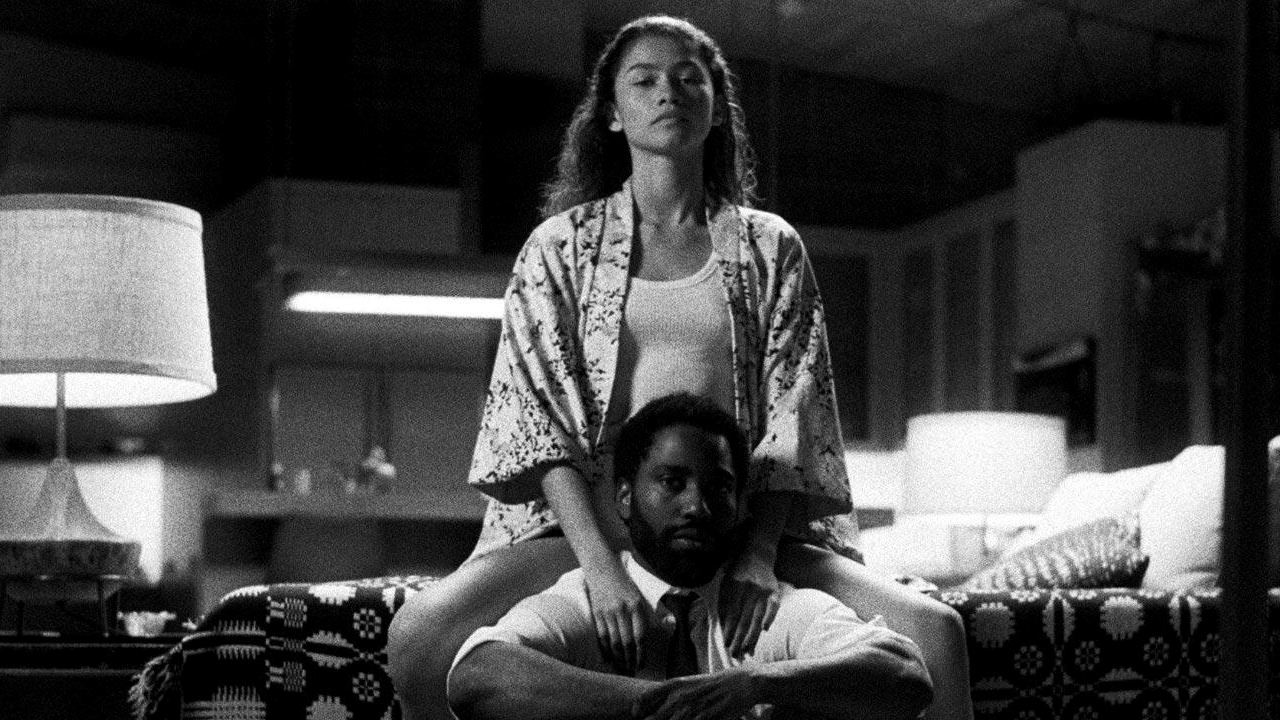
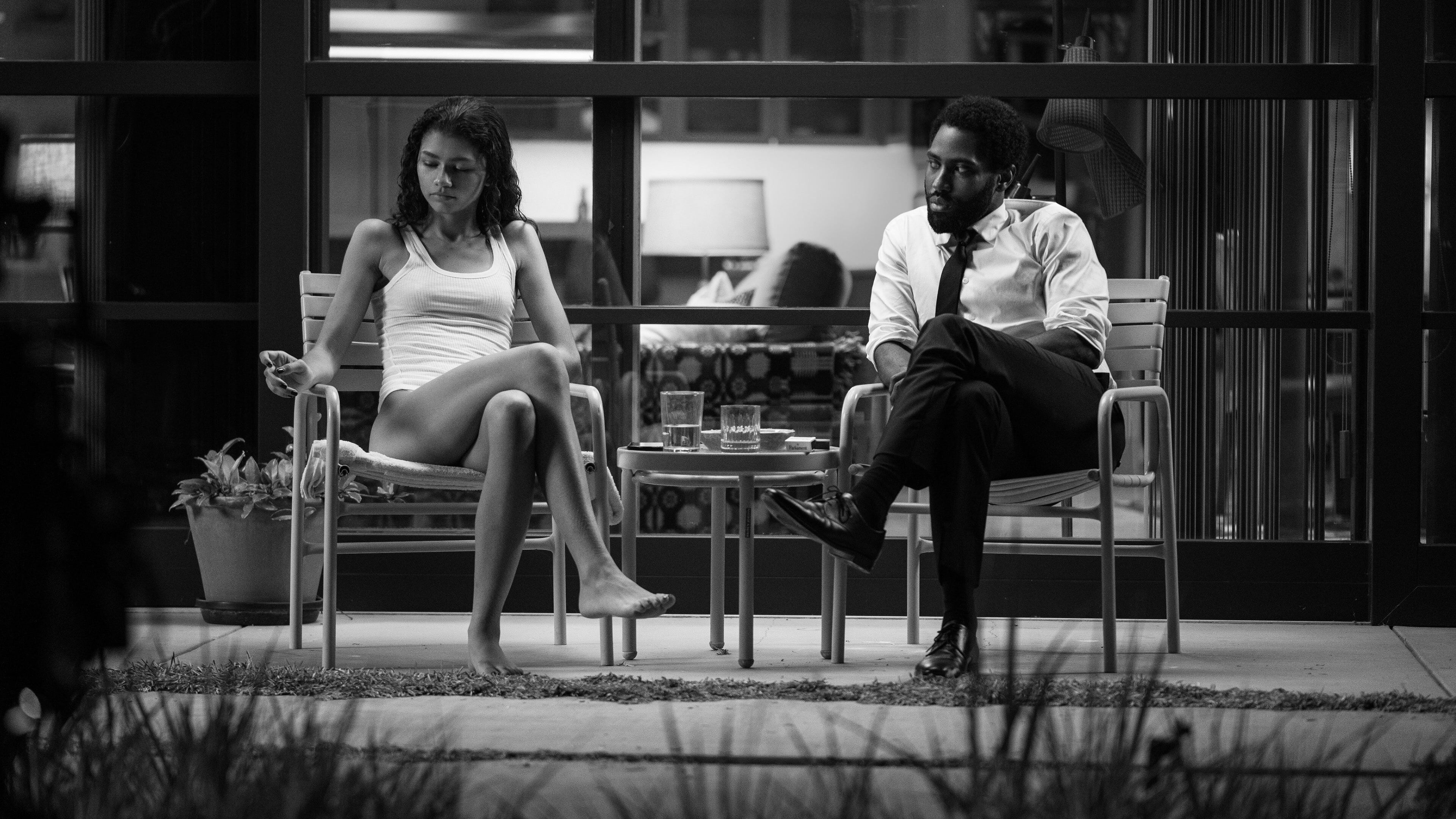
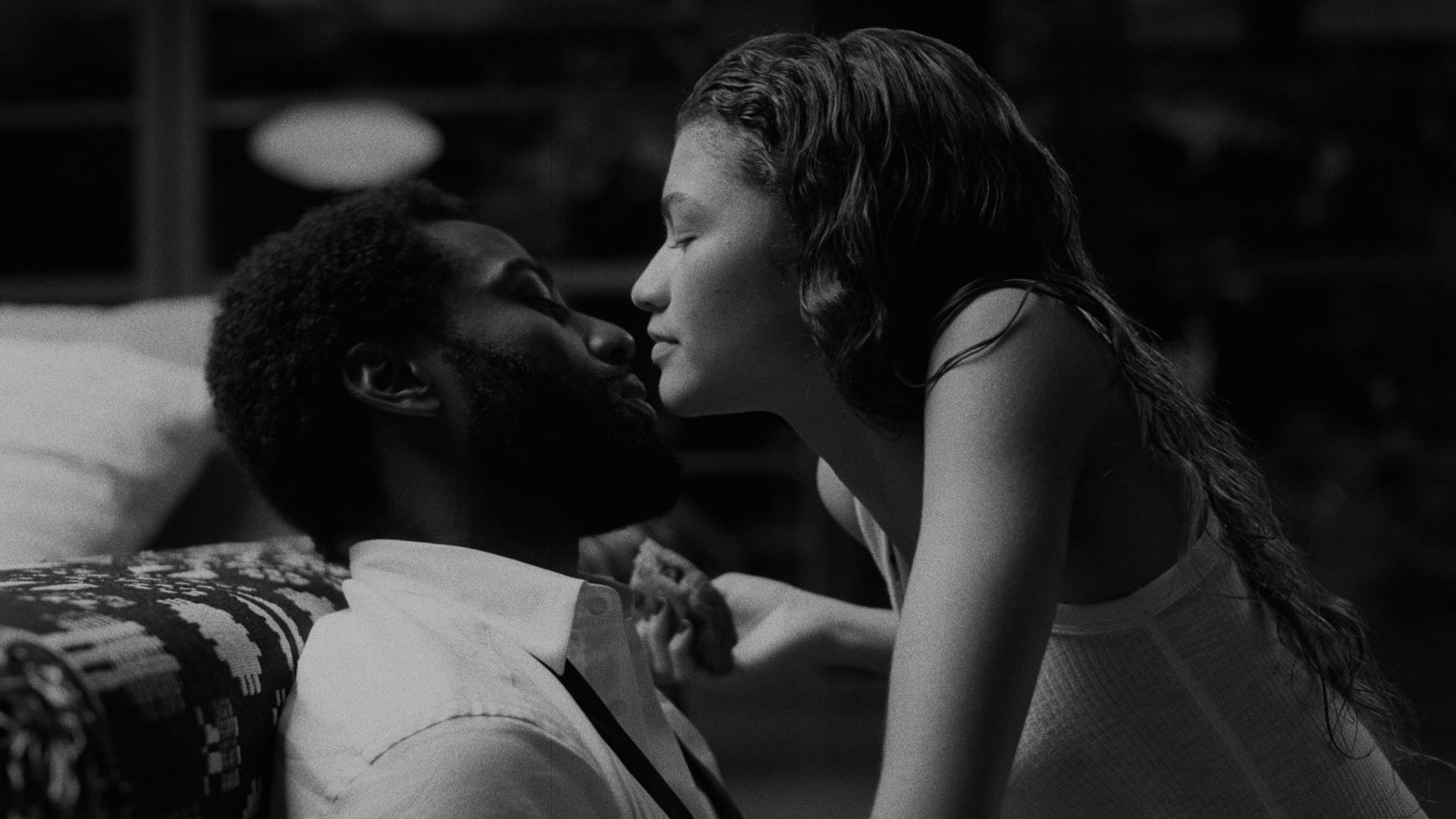
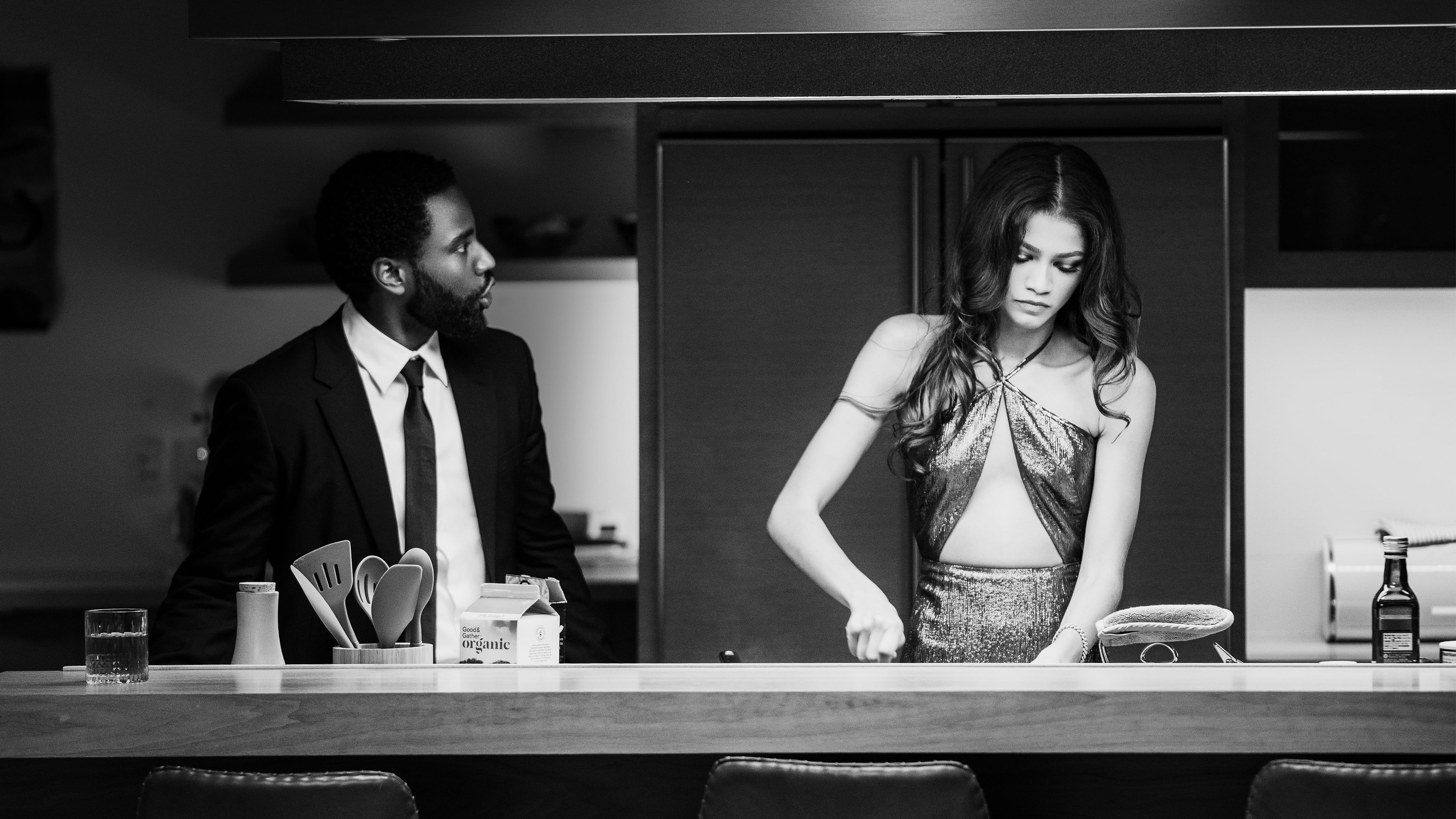
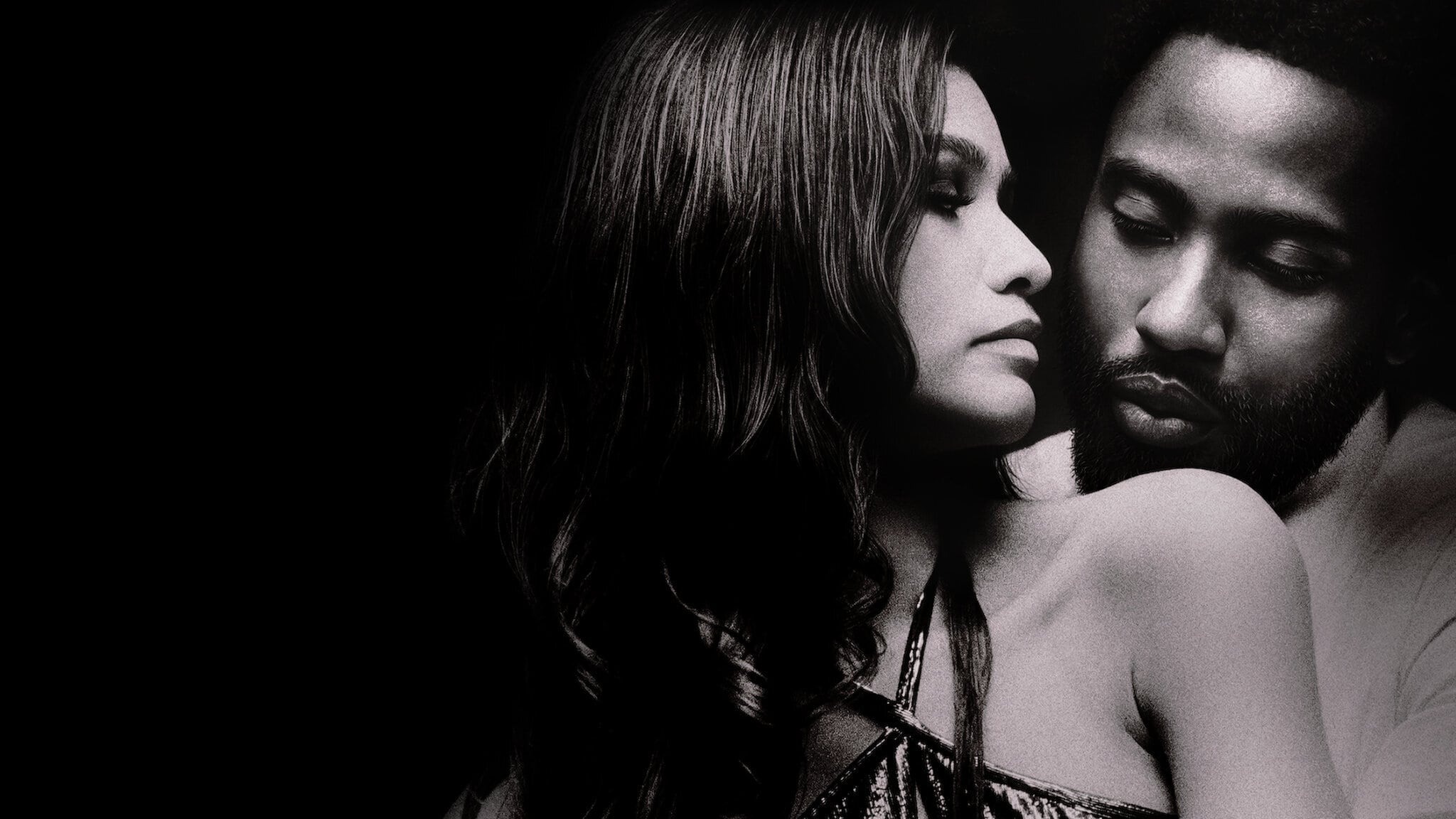
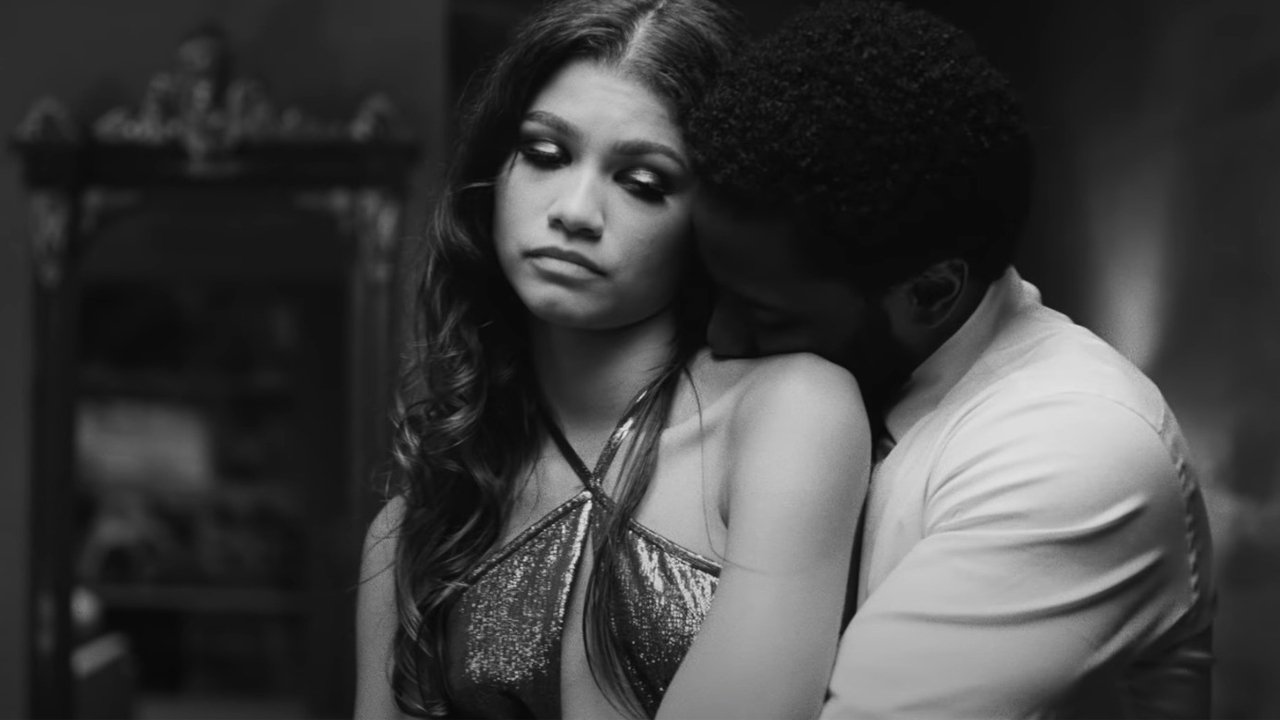
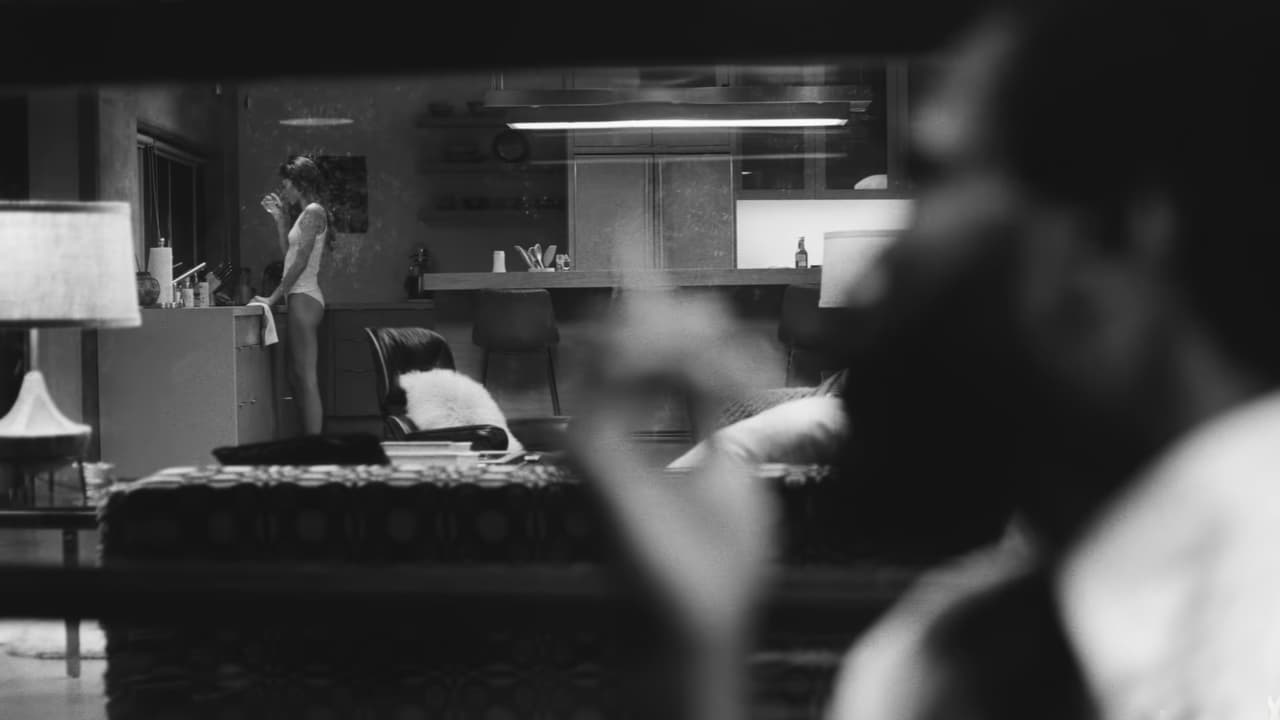
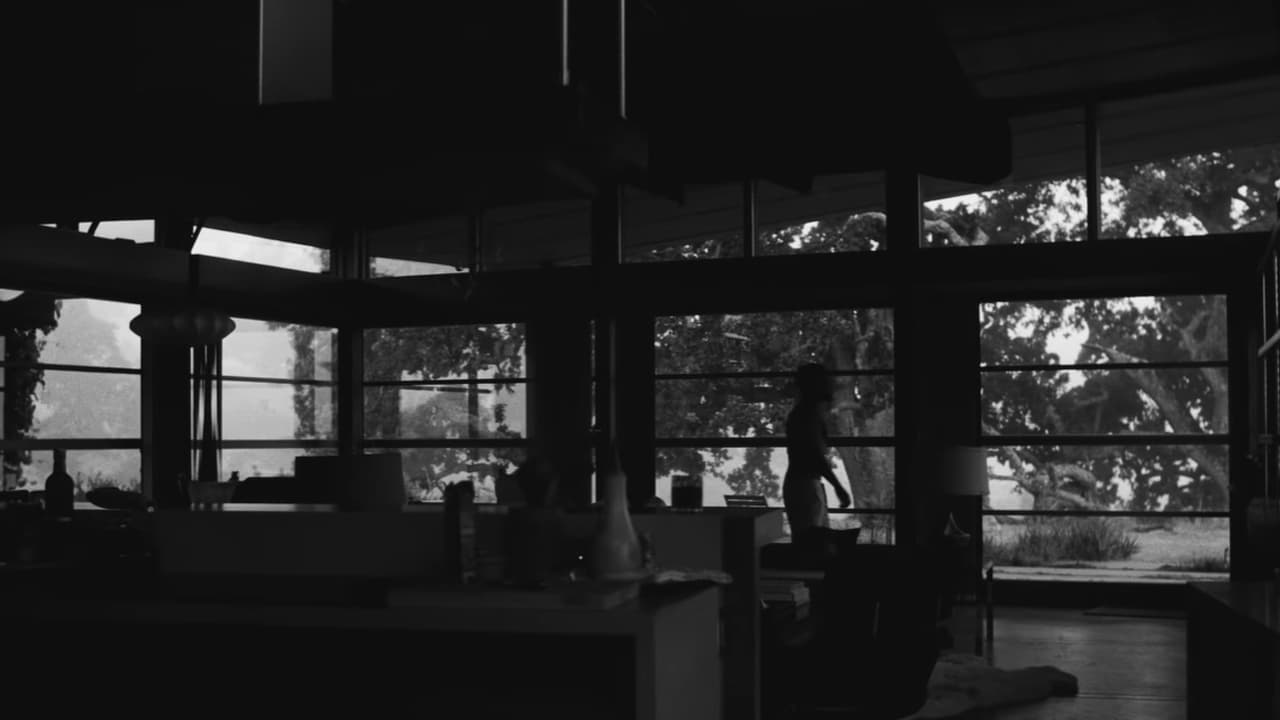
love about cinema: black and white photography, immaculate image quality, powerful compositions, jazz and soul filling the space — hearing
Duke Ellington’s
In a sentimental mood (my favorite jazz track) felt almost unreal.
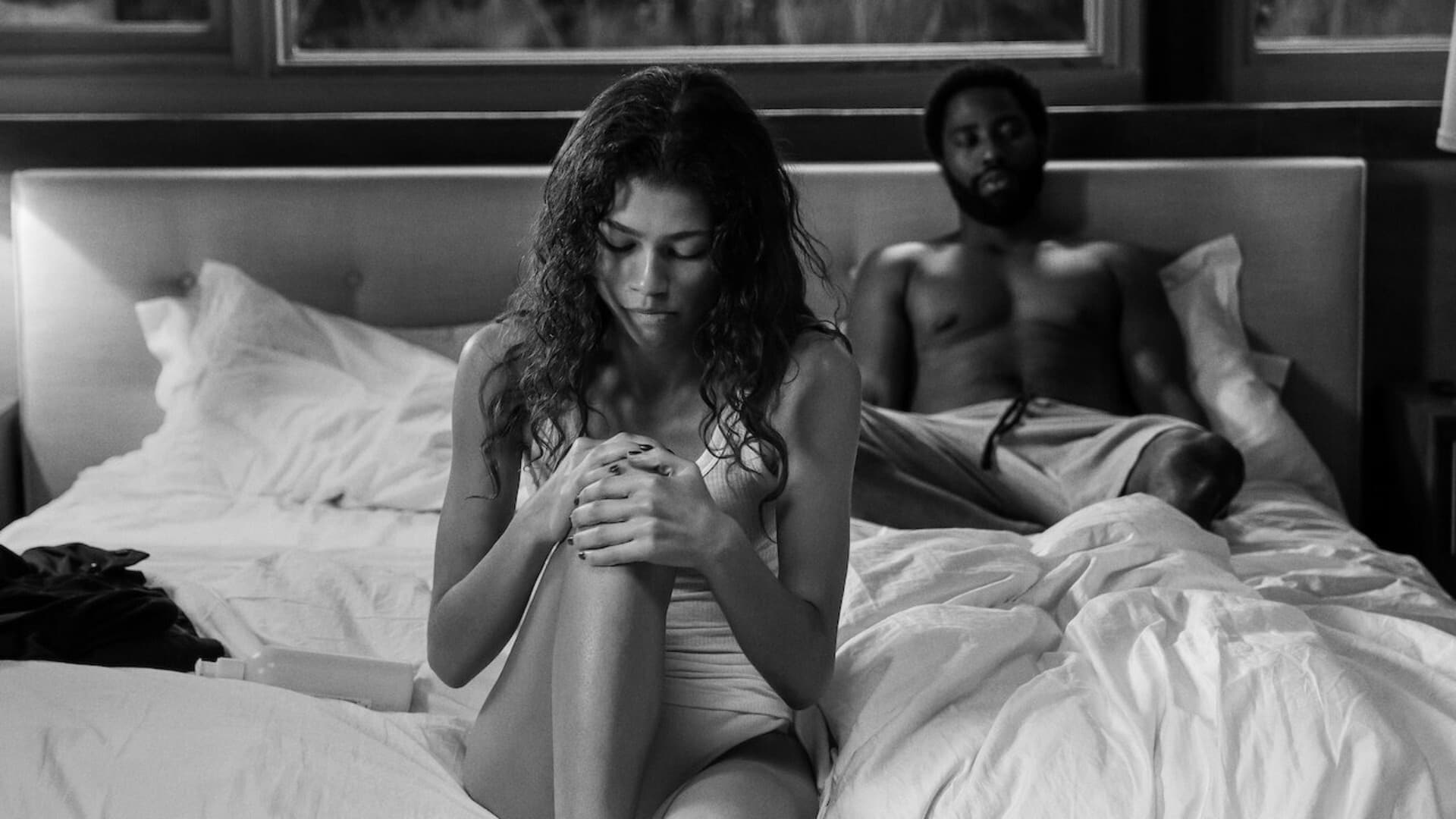
On the surface, it’s “just” a couple arguing. But it’s so much more than that.
It’s about fluctuation — how one small trigger can expose everything that’s been wrong for a long time. The way arguments evolve, explode, seem to end but never fully do, because not everything has been said. And this is where the film becomes almost unbearable: it is verbally violent, relentlessly so.
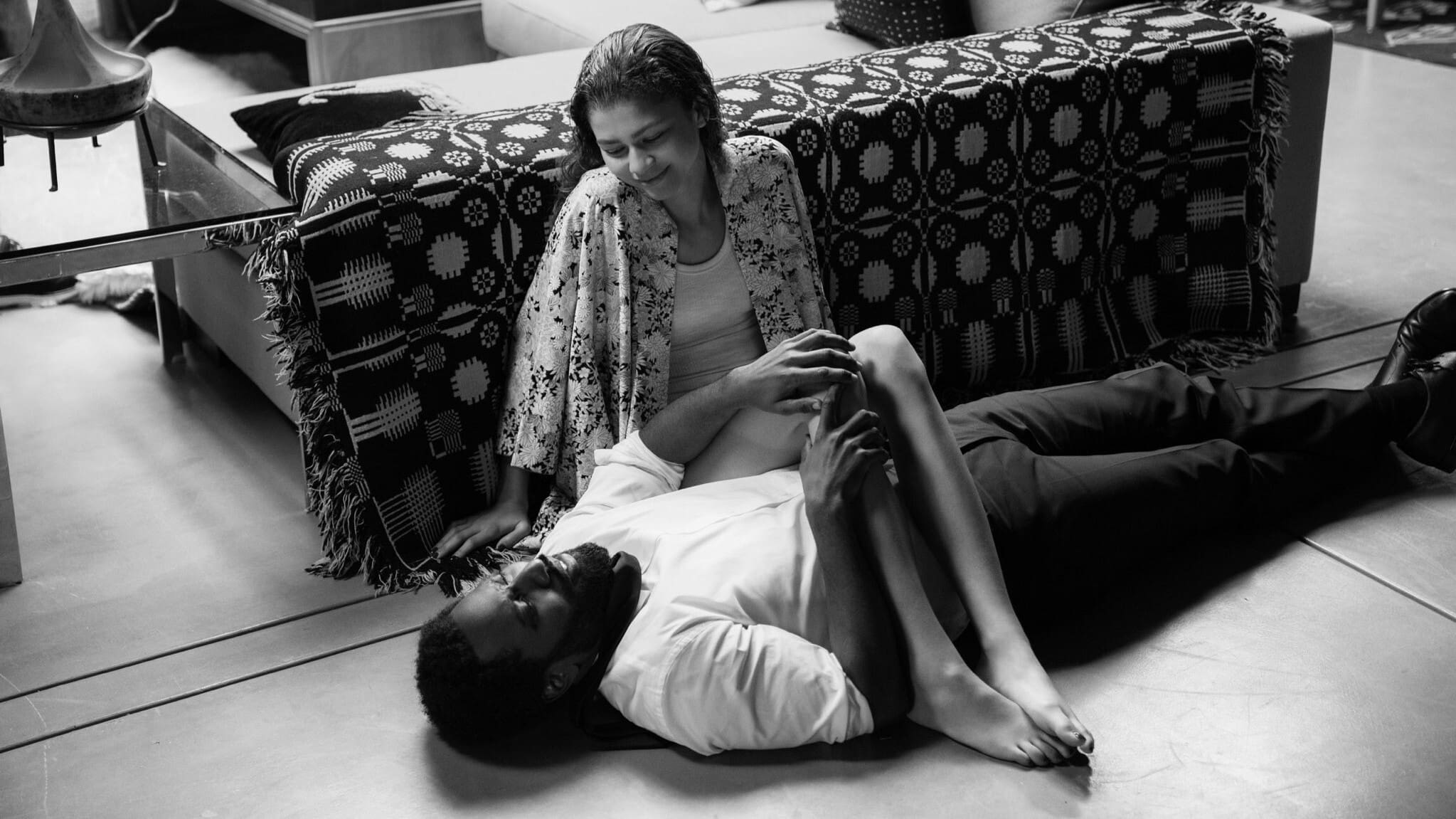
Words are weapons here. They cut, they bruise, they linger. Yet — and this is where it might sound controversial — there is also something strangely romantic in that violence. Not romantic in a healthy or idealized way, but in the sense of raw exposure, of emotional nakedness, of two people who know each other too well and can’t stop colliding. Love and cruelty coexist, constantly entangled.
What makes it even more painful — and honest — is
Marie.
I see myself in her. Yes, the relationship is toxic. Yes,
Malcolm is verbally abusive. But the realism lies in the contradiction: she still loves him. Despite everything. That
emotional dependence, that need for the other person even when it hurts — that’s what makes the film so devastatingly real.
This film doesn’t try to be comfortable. It grips you. And for me, that’s cinema.
So
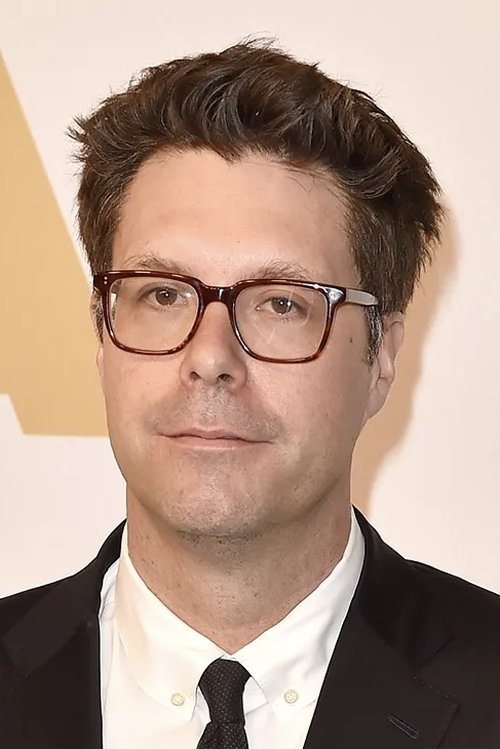
thank you Sam Levinson, for daring to write something this raw, this divisive, this emotionally violent and fragile at the same time — for giving voice to that uncomfortable, fluctuating space where love, pain, and dependency collide.