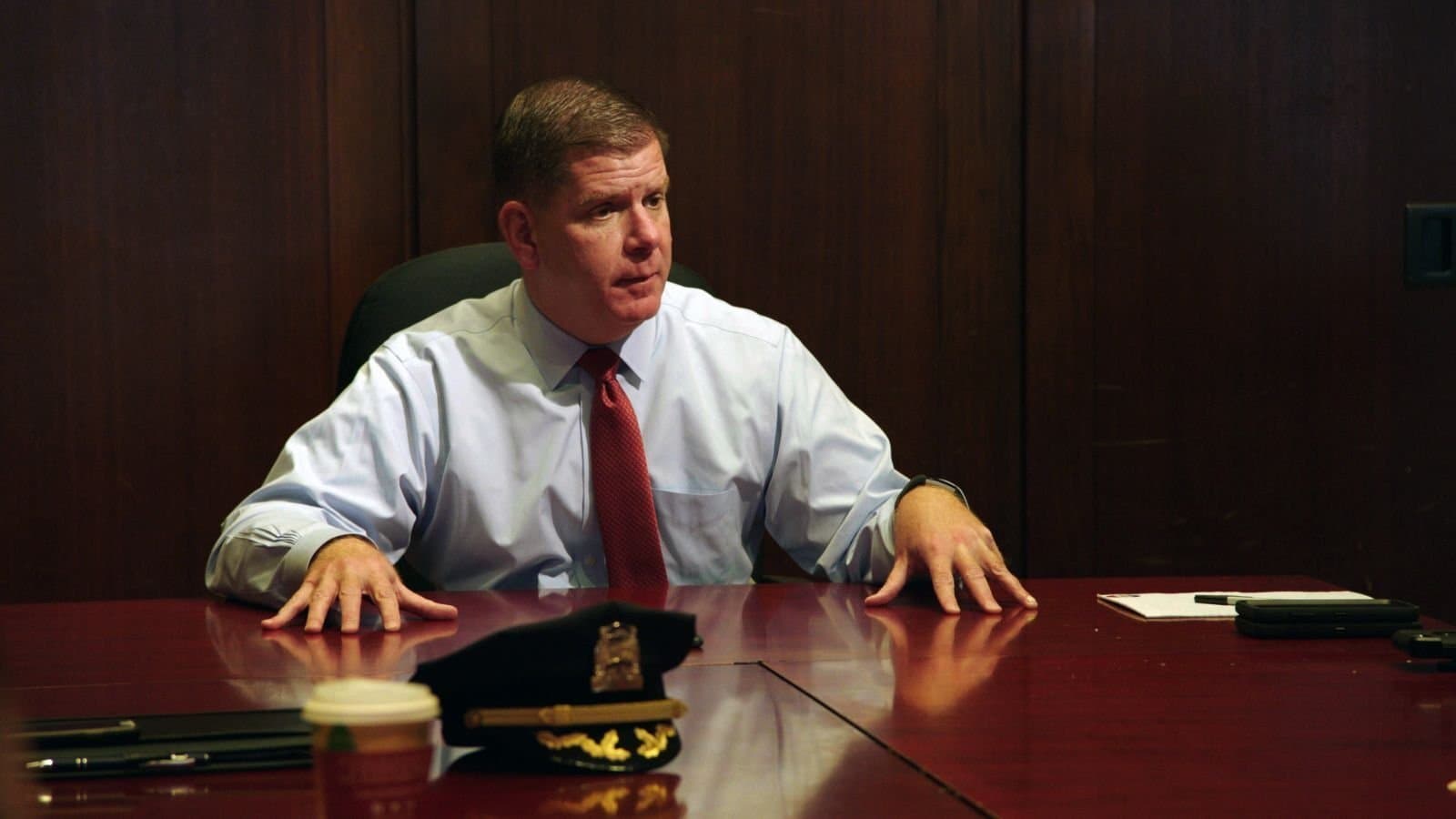
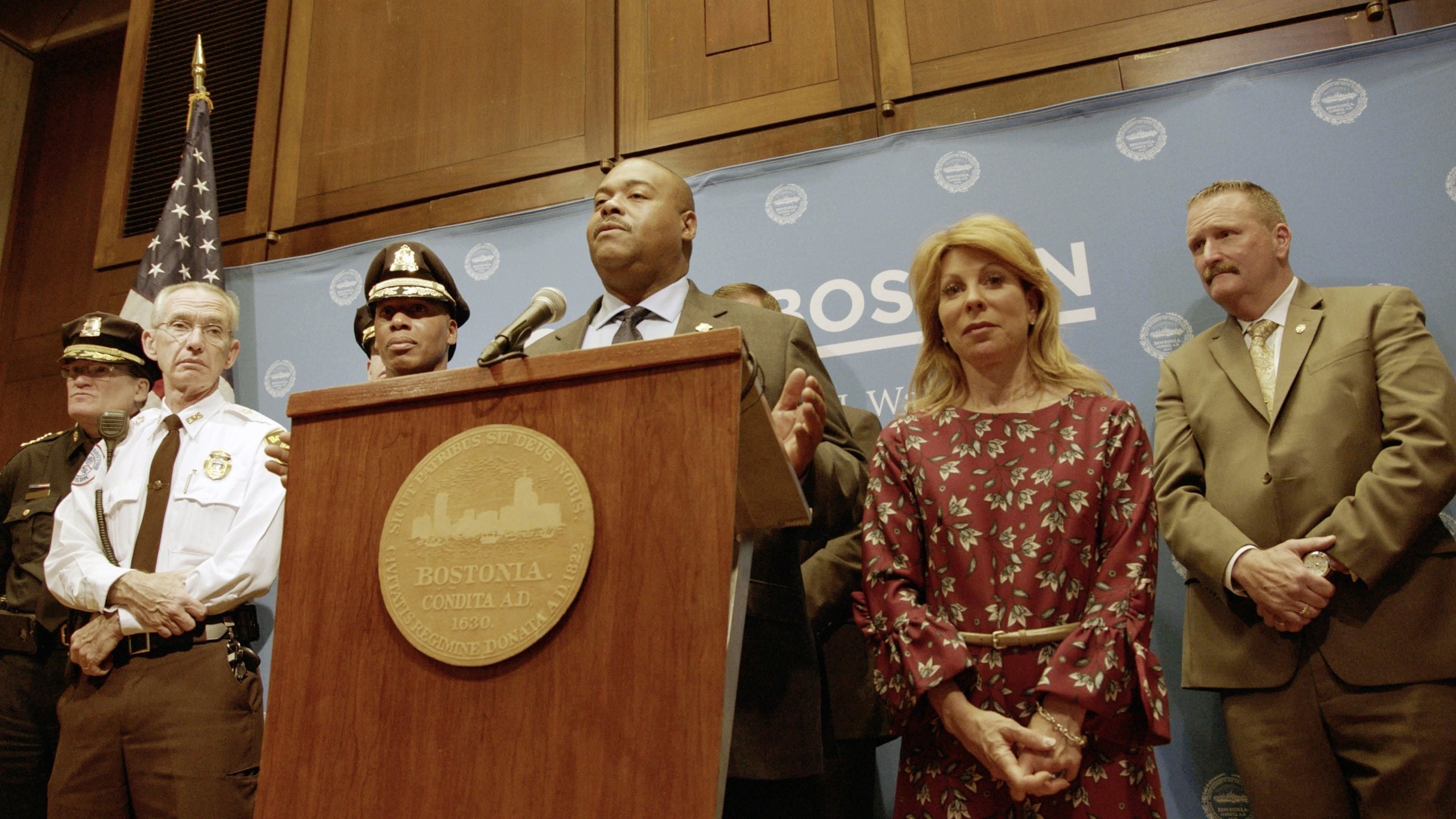
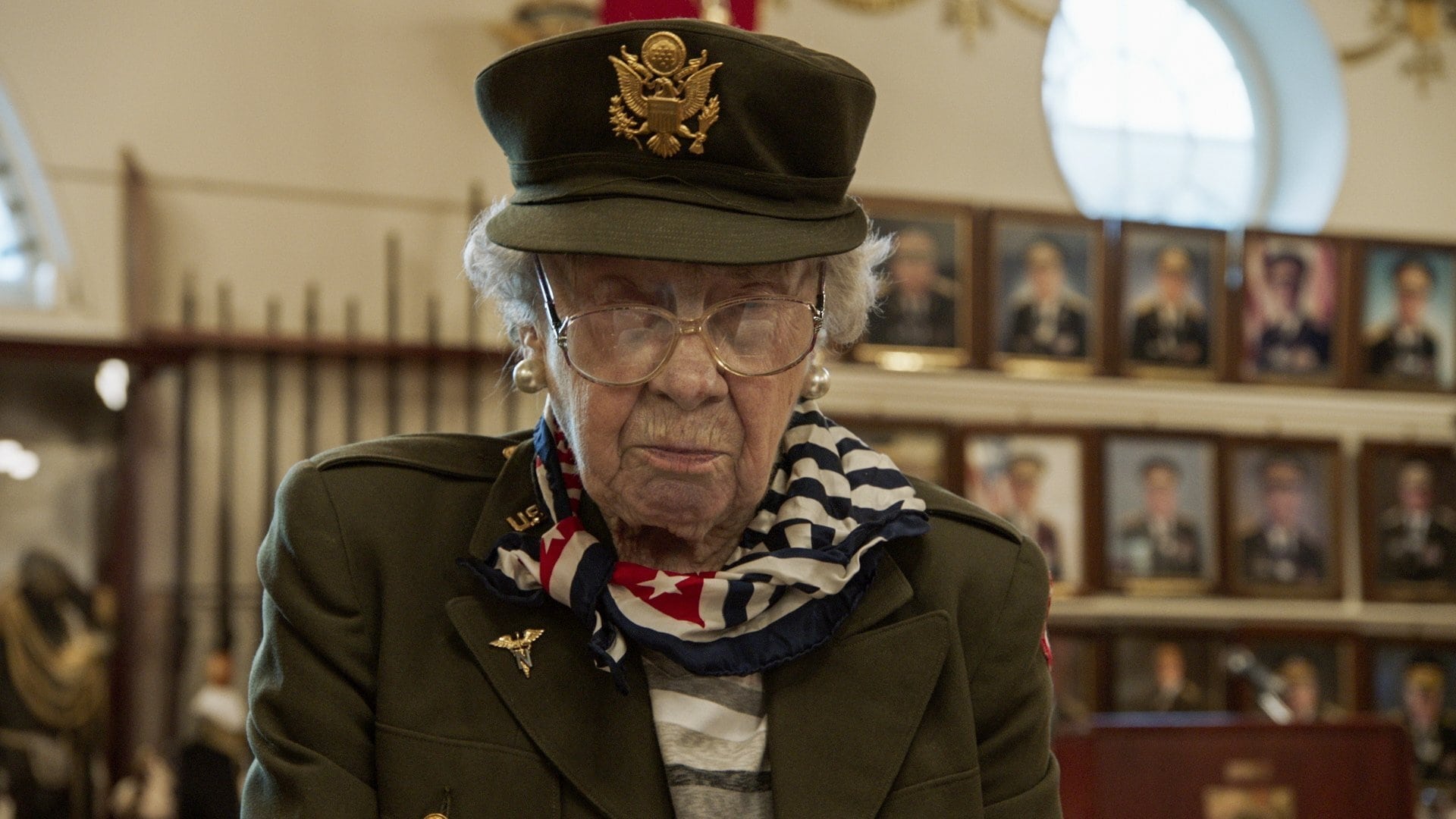
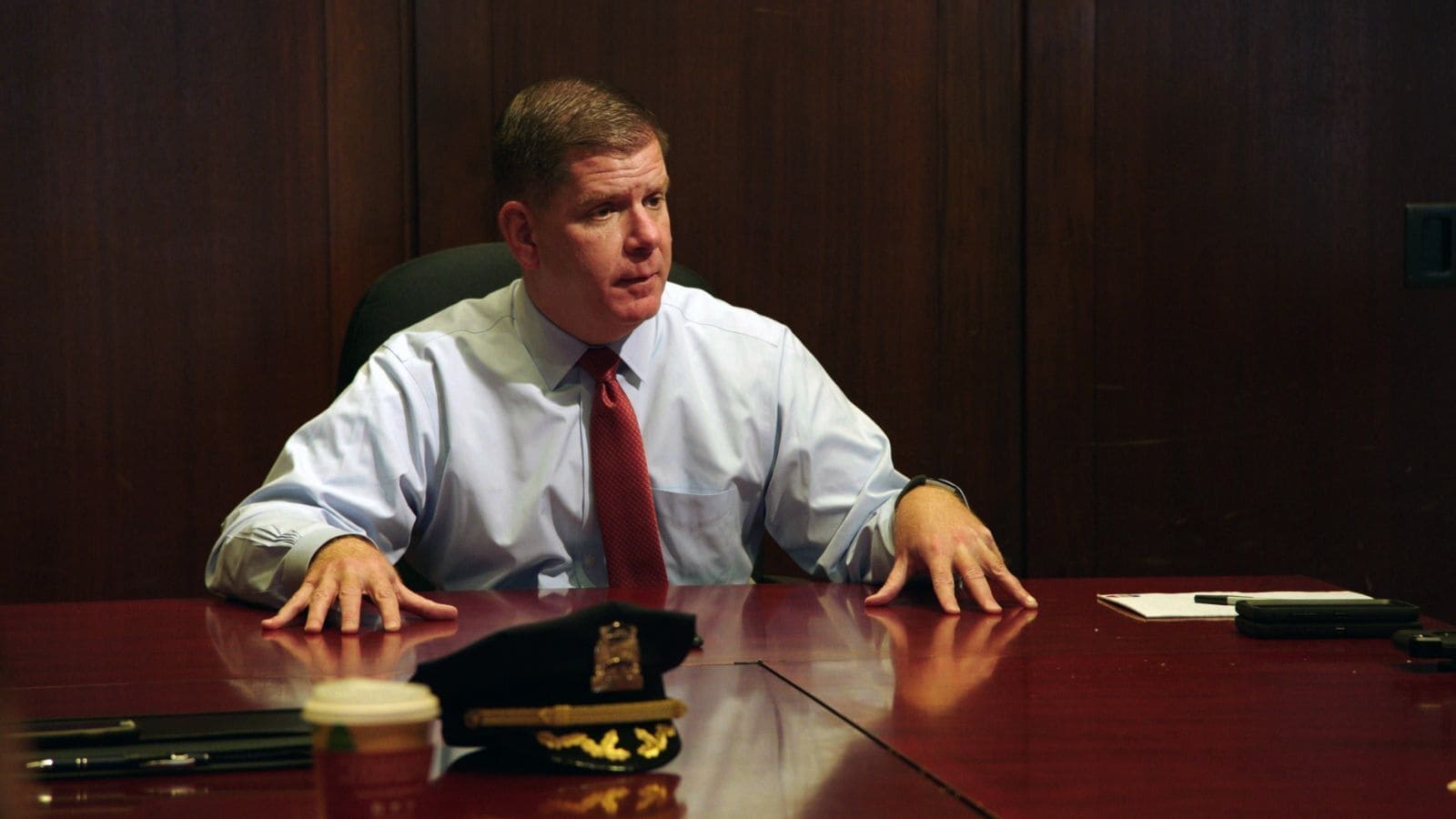
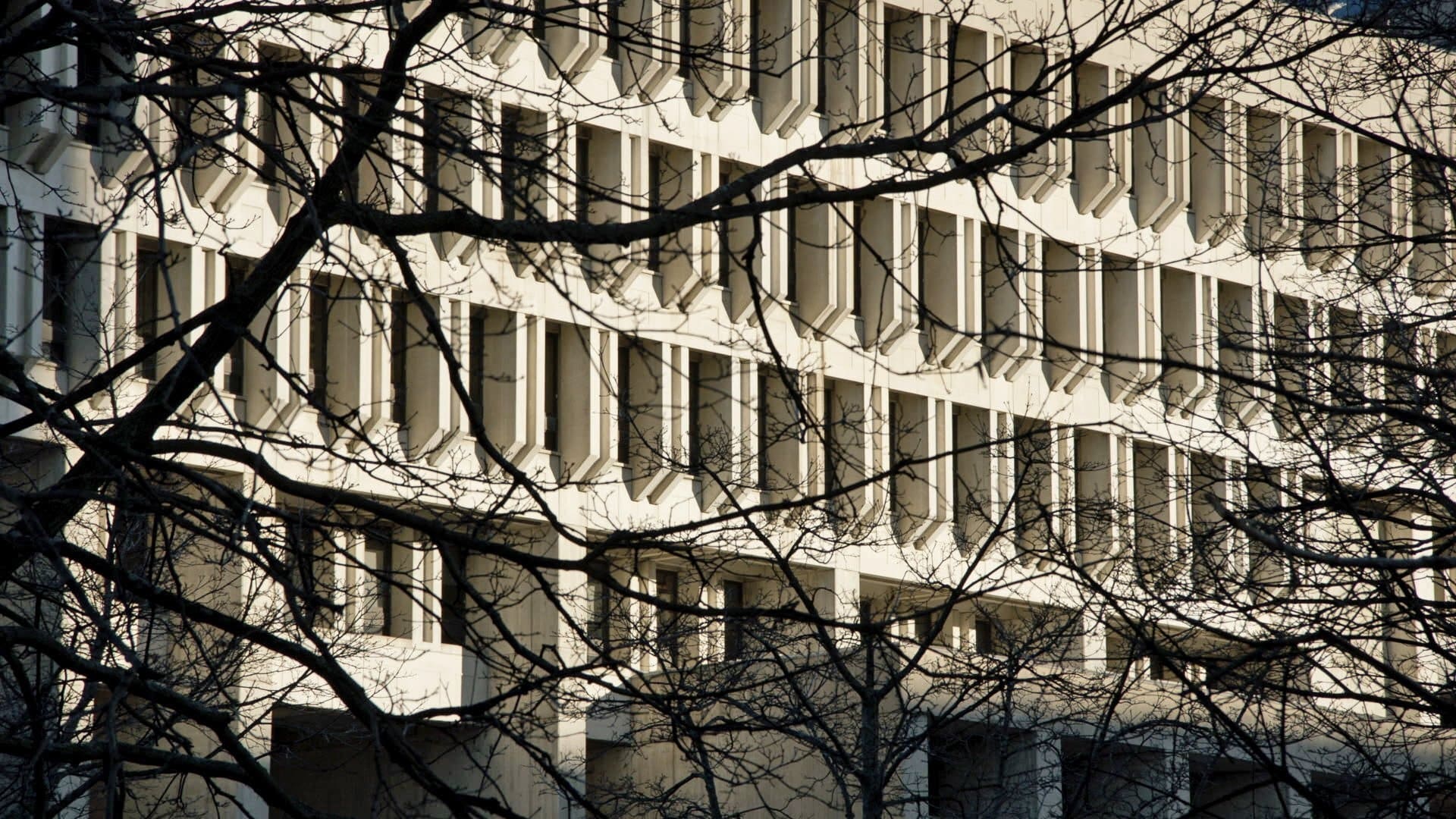
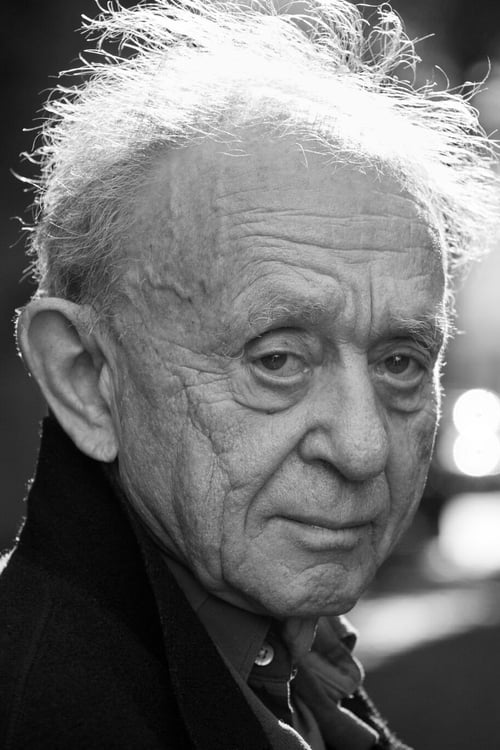
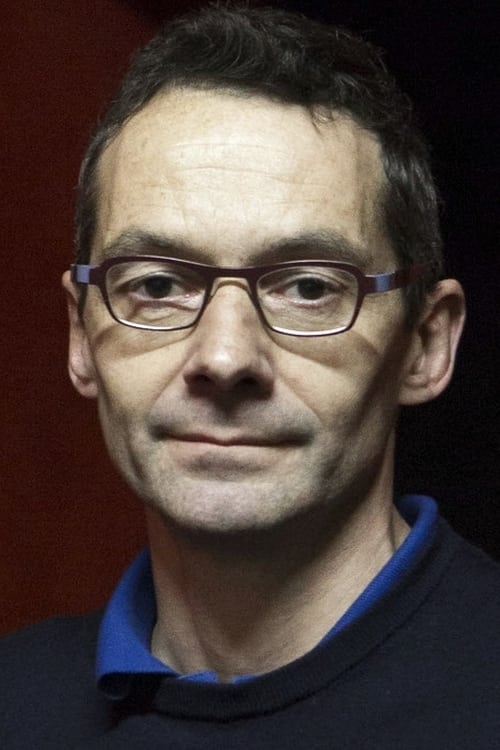
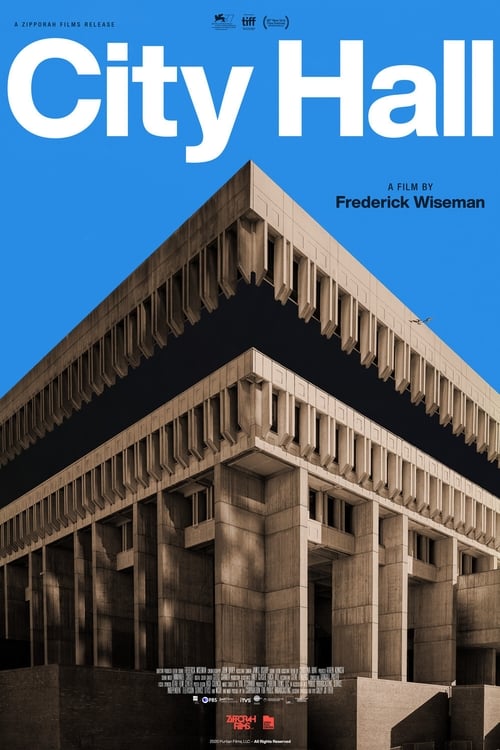
Wiseman has been a long sought after figure in my film watching journey. His library of epic, multi-hour explorations of institutions and bureaucracy were inaccessible to general audiences for years outside of film festivals and expensive DVDs and subscriptions until his work was made available on the Kanopy streaming service. Lucky for me, the same time Wiseman dropped his filmography on the platform, my university decided to stop paying for the service so Wiseman's films again became inaccessible, outside of the one I had managed to catch before Kanopy was removed: At Berkeley, his four hour long dive into the budget cuts of one of California's largest universities and the social and cultural divides of students and teachers on campus. It was everything I had anticipated a Wiseman film to be, in that it was observational, steeped in minutiae of board meetings and organizations, yet enriching in its portrait of the people in Berkeley and the various classes that make up the institution. In City Hall, Wiseman's interest is much broader than one university or even on the relationship between state finance and the educational system. City Hall sees Wiseman focus on seemingly every facet of Boston municipal government from the press conferences delivered by Mayor Walsh to exterminator inspections and everything in between. Like At Berkeley, the film is structurally built around scenes where the viewer is observing various meetings and events and studying the procedural, bureaucratic nature of Boston's wide swath of populations and responsibilities. But also like At Berkeley, the film is about much more than just watching task force meetings and budgetary presentations. City Hall doesn't even just restrict itself to covering what happens in the City Hall building, as halfway through the film we start expanding into other parts of Boston's municipal coverage, observing school board meetings or hearings for parking violations. But even more than that, City Hall is a portrait of what government does for the people it serves. Some of the moments that stick out the most after a mind-melting four and a half hour watch are the moments where the citizens of Boston are engaged and representing themselves to the mayor or to city officials. The public forum where lower income residents of a neighborhood that may soon have a marijuana dispensary is incredibly fascinating to watch unfold or the Veterans Day sequence where veterans regale each other with stories about their service and injuries or a senior action council banquet towards the beginning where senior citizens ask the mayor about problems in their life all show the core nature of what government should be about--the people. There are a lot of recurring themes in the meetings and organizations: Boston's commitment to diversity in its small businesses, its need to develop affordable housing for its homeless population, the relationship for Boston on a state and federal level. But when we see Boston citizens, like in the aforementioned traffic hearings or even in the sweet but awkward wedding ceremony, that's where the heart of the film is. Even Mayor Walsh has some really fascinating moments where we see him develop his public persona that I wish we could have expanded on, like one scene at a Food Bank press conference that ends with him delivering an interview chastising the NRA about mass shootings. As expected, there's a lot to talk about with City Hall, but the center of it is about what government looks like and what it should look like moving forward, and only someone like Frederick Wiseman could have delivered something so complete and perfectly structured like this to us.
Wiseman has been a long sought after figure in my film watching journey. His library of epic, multi-hour explorations of institutions and bureaucracy were inaccessible to general audiences for years outside of film festivals and expensive DVDs and subscriptions until his work was made available on the Kanopy streaming service. Lucky for me, the same time Wiseman dropped his filmography on the platform, my university decided to stop paying for the service so Wiseman's films again became inaccessible, outside of the one I had managed to catch before Kanopy was removed: At Berkeley, his four hour long dive into the budget cuts of one of California's largest universities and the social and cultural divides of students and teachers on campus. It was everything I had anticipated a Wiseman film to be, in that it was observational, steeped in minutiae of board meetings and organizations, yet enriching in its portrait of the people in Berkeley and the various classes that make up the institution. In City Hall, Wiseman's interest is much broader than one university or even on the relationship between state finance and the educational system. City Hall sees Wiseman focus on seemingly every facet of Boston municipal government from the press conferences delivered by Mayor Walsh to exterminator inspections and everything in between. Like At Berkeley, the film is structurally built around scenes where the viewer is observing various meetings and events and studying the procedural, bureaucratic nature of Boston's wide swath of populations and responsibilities. But also like At Berkeley, the film is about much more than just watching task force meetings and budgetary presentations. City Hall doesn't even just restrict itself to covering what happens in the City Hall building, as halfway through the film we start expanding into other parts of Boston's municipal coverage, observing school board meetings or hearings for parking violations. But even more than that, City Hall is a portrait of what government does for the people it serves. Some of the moments that stick out the most after a mind-melting four and a half hour watch are the moments where the citizens of Boston are engaged and representing themselves to the mayor or to city officials. The public forum where lower income residents of a neighborhood that may soon have a marijuana dispensary is incredibly fascinating to watch unfold or the Veterans Day sequence where veterans regale each other with stories about their service and injuries or a senior action council banquet towards the beginning where senior citizens ask the mayor about problems in their life all show the core nature of what government should be about--the people. There are a lot of recurring themes in the meetings and organizations: Boston's commitment to diversity in its small businesses, its need to develop affordable housing for its homeless population, the relationship for Boston on a state and federal level. But when we see Boston citizens, like in the aforementioned traffic hearings or even in the sweet but awkward wedding ceremony, that's where the heart of the film is. Even Mayor Walsh has some really fascinating moments where we see him develop his public persona that I wish we could have expanded on, like one scene at a Food Bank press conference that ends with him delivering an interview chastising the NRA about mass shootings. As expected, there's a lot to talk about with City Hall, but the center of it is about what government looks like and what it should look like moving forward, and only someone like Frederick Wiseman could have delivered something so complete and perfectly structured like this to us.