
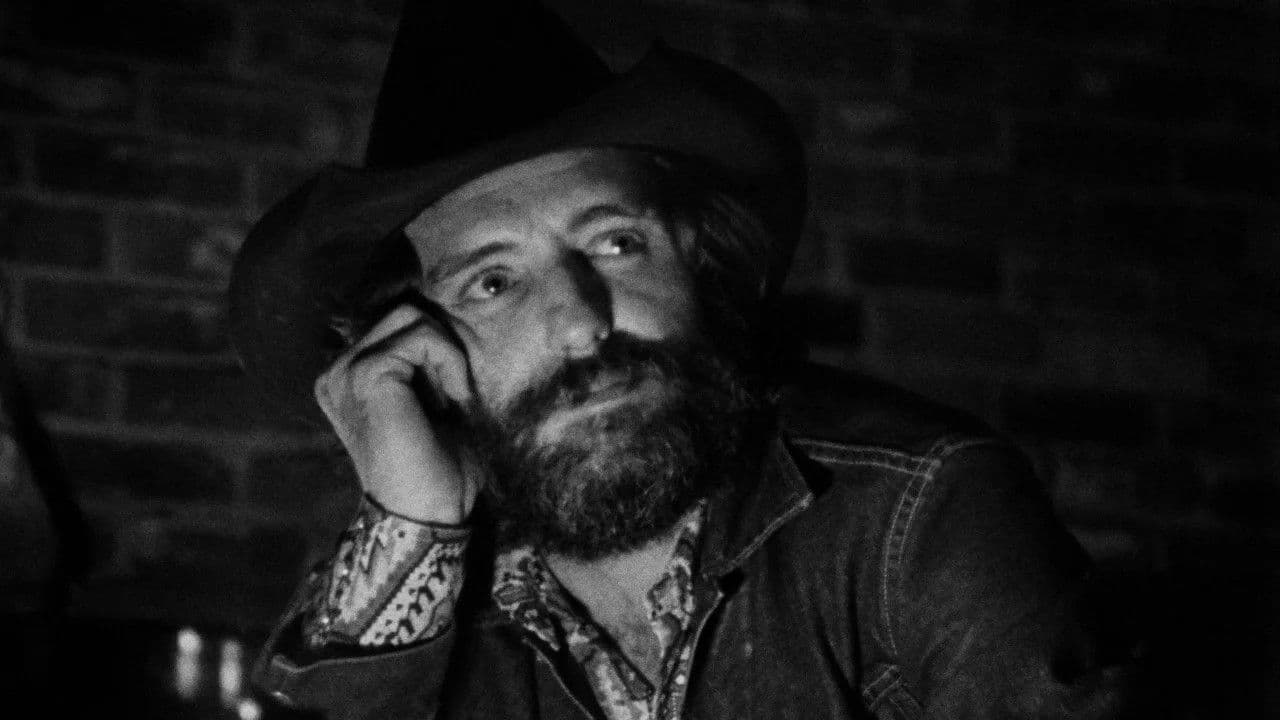
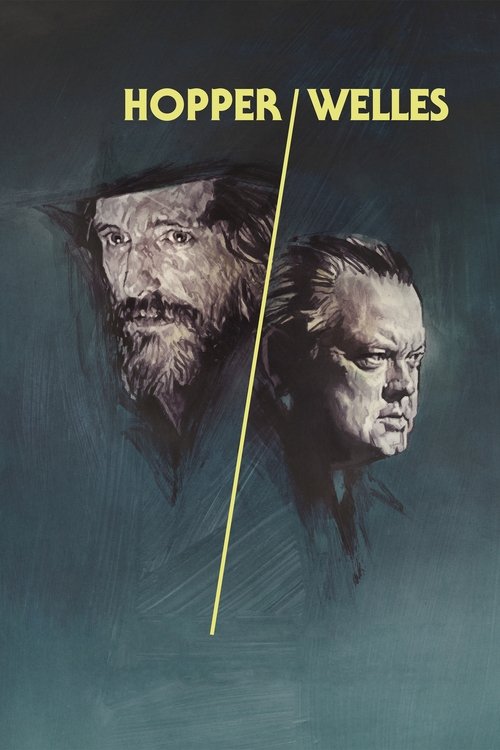
Hopper/Welles
2020·Documentary·2h 10m
7.1
★
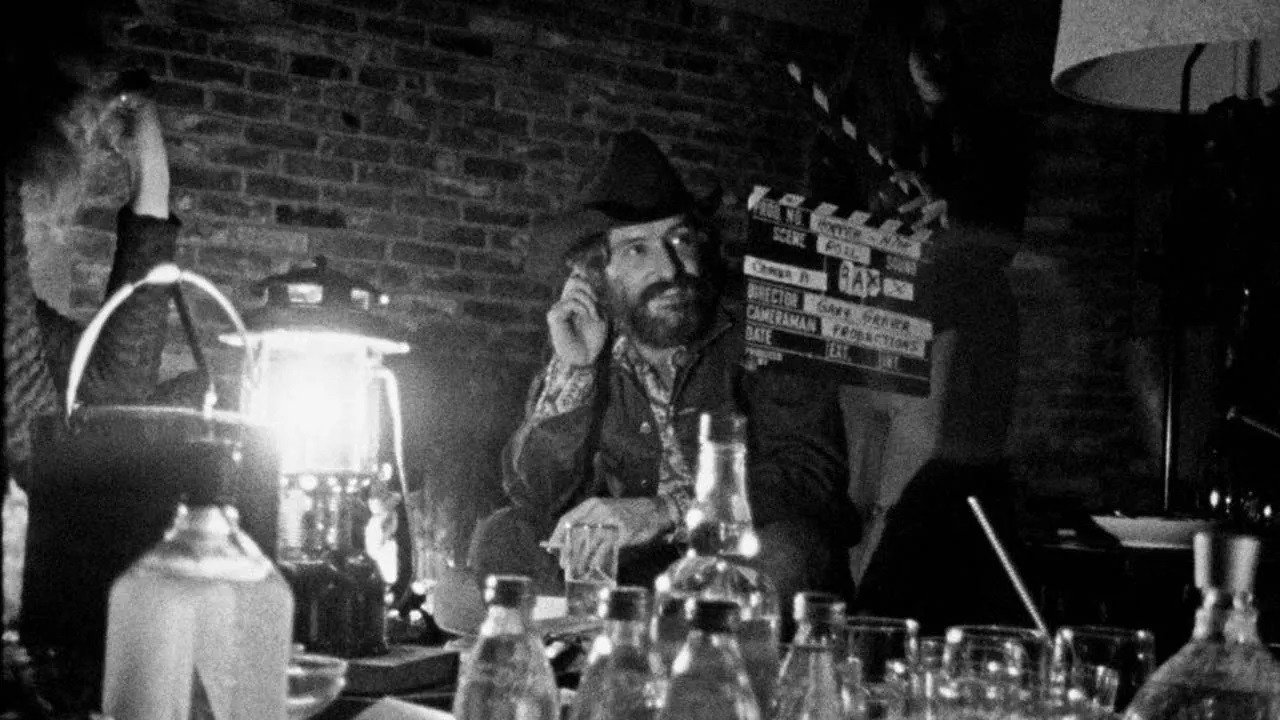
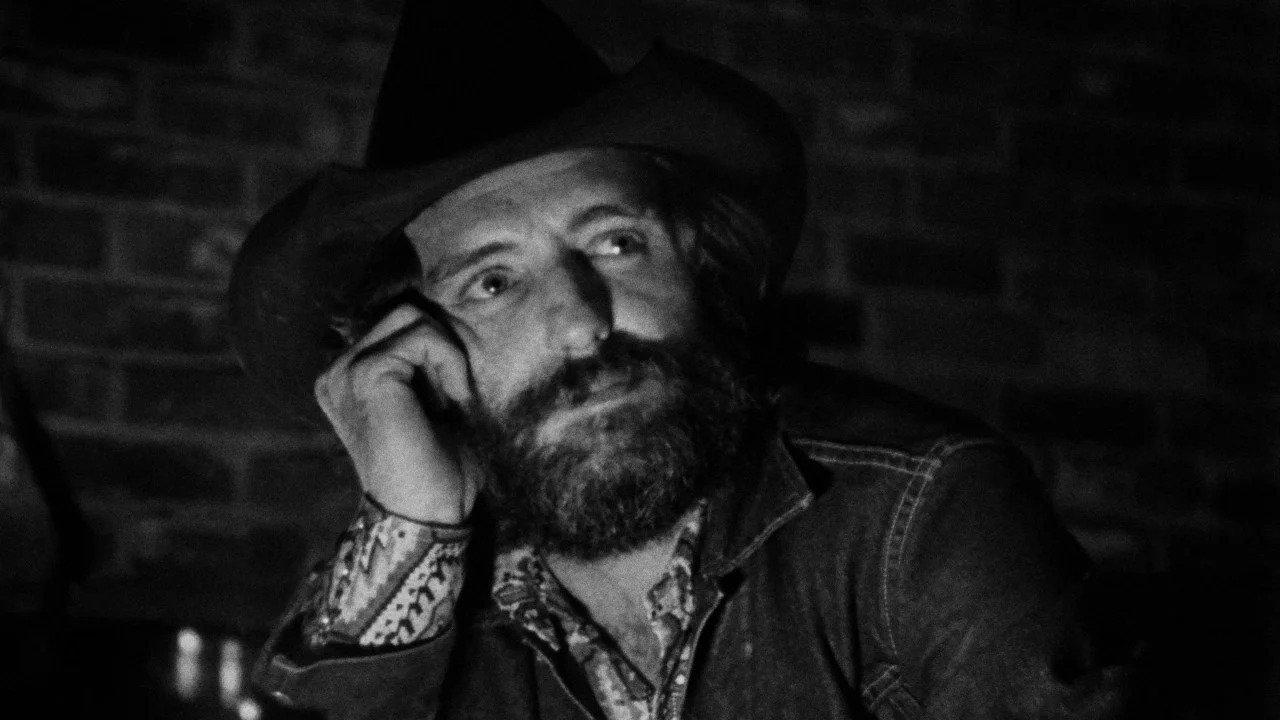
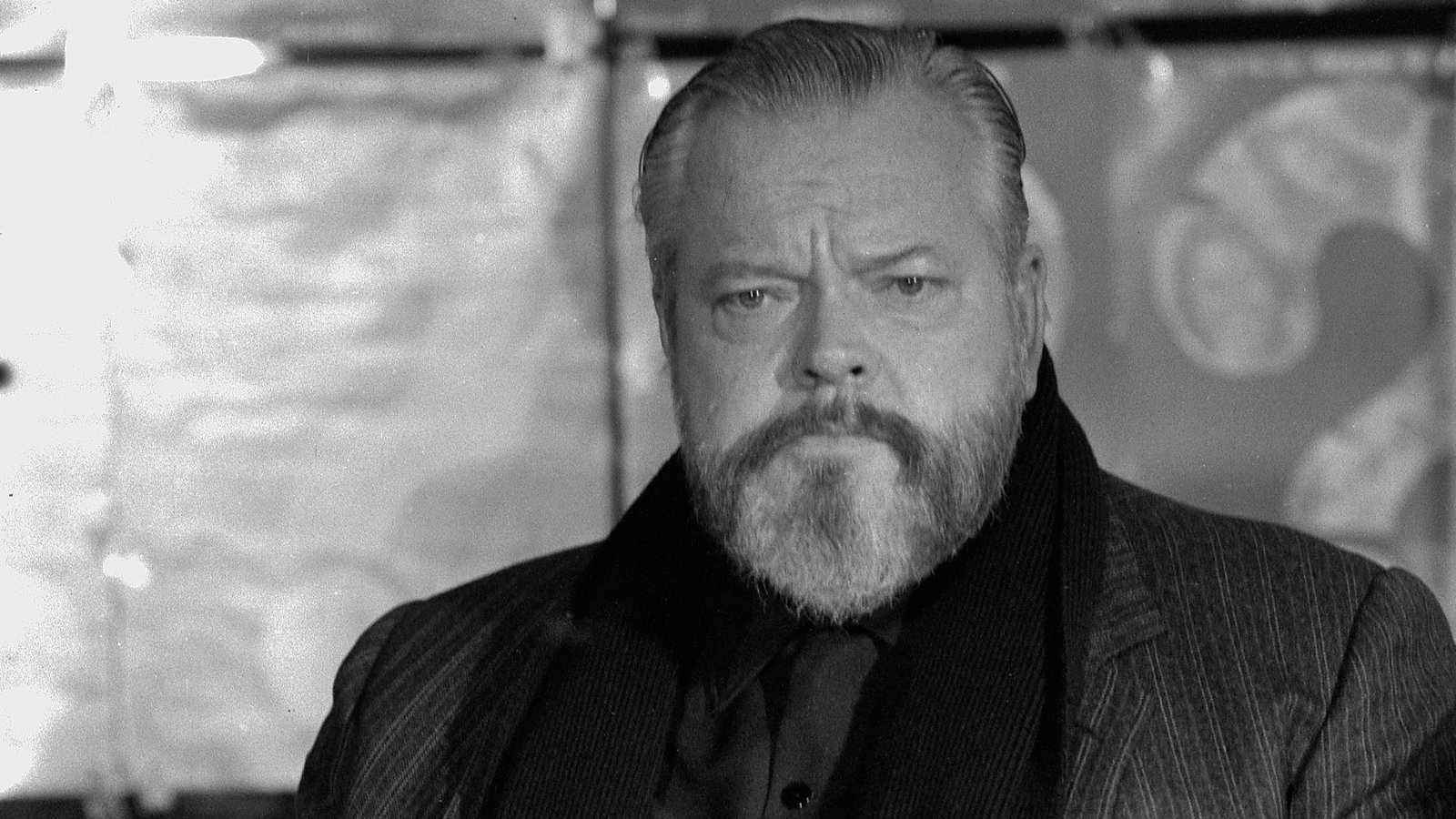
A restored 1970 cinéma vérité conversation between Orson Welles and Dennis Hopper, filmed during the production of "The Other Side of the Wind" and released in 2020 as a standalone documentary capturing their wide-ranging dialogue on cinema, politics, art, and fame in the early New Hollywood era.
Directed by Orson Welles

IMDB
N/A
Cast
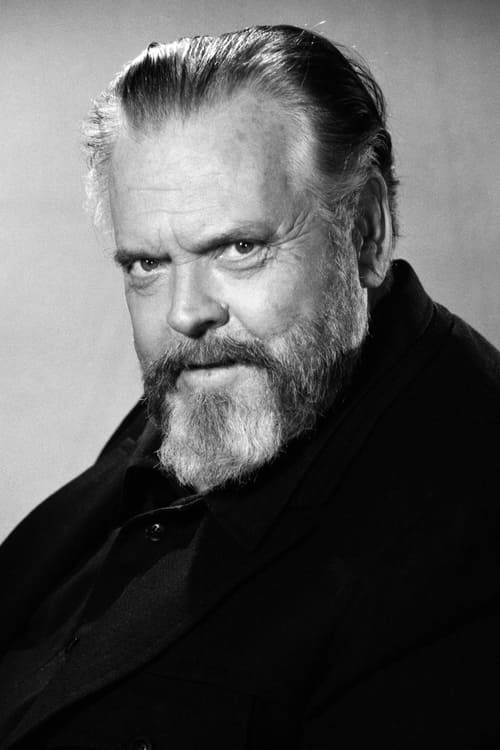
Orson Welles
Self

Dennis Hopper
Self
Crew
Orson Welles
Director

Bob Murawski
Editor
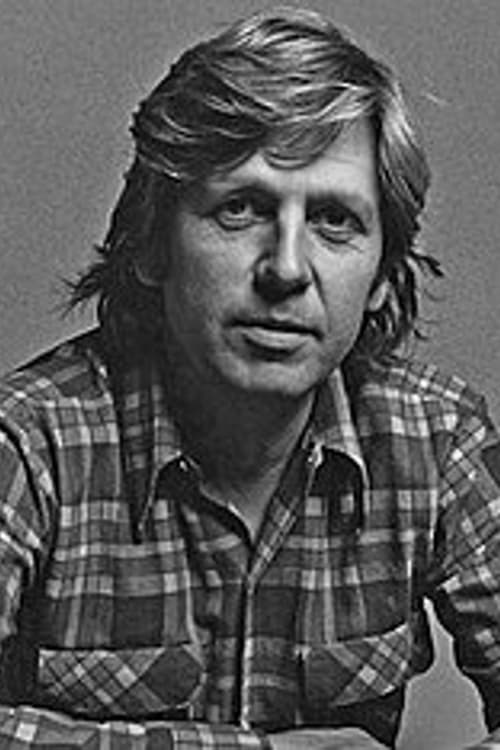
Gary Graver
Director of Photography
Popular Reviews
5 reviews
Milan
8.0★ · 04/27/25
Brilliant. The great tension of this, referenced a few times by both, is that Hopper wants this film to be Welles' Hamlet, starring him, whereas Welles wants this to be his Jesus, also starring Hopper. The character Welles ends up portraying in Hopper walks the line of both.
Quite a gem, where Welles interviews Hopper as John Huston's character in The Other Side of the Wind, and uses this Welles-adjacent persona, though slightly more traditionalist to break down the faux intellectual liberalism of Hopper. Though, no doubt Welles' genuine liberalism shining through, the Hopper's portrayal still tenderly shines through someone who is just trying to do the right thing, even if he clearly has no clue what he's talking about.
As this essentially serves as a 'deleted scenes' to The Other Side of the Wind, I would be really interested to see how this could've made it into the masterpiece itself. Also grew my itch to watch that behemoth of a film again soon...
Quite a gem, where Welles interviews Hopper as John Huston's character in The Other Side of the Wind, and uses this Welles-adjacent persona, though slightly more traditionalist to break down the faux intellectual liberalism of Hopper. Though, no doubt Welles' genuine liberalism shining through, the Hopper's portrayal still tenderly shines through someone who is just trying to do the right thing, even if he clearly has no clue what he's talking about.
As this essentially serves as a 'deleted scenes' to The Other Side of the Wind, I would be really interested to see how this could've made it into the masterpiece itself. Also grew my itch to watch that behemoth of a film again soon...
Brilliant. The great tension of this, referenced a few times by both, is that Hopper wants this film to be Welles' Hamlet, starring him, whereas Welles wants this to be his Jesus, also starring Hopper. The character Welles ends up portraying in Hopper walks the line of both.
Quite a gem, where Welles interviews Hopper as John Huston's character in The Other Side of the Wind, and uses this Welles-adjacent persona, though slightly more traditionalist to break down the faux intellectual liberalism of Hopper. Though, no doubt Welles' genuine liberalism shining through, the Hopper's portrayal still tenderly shines through someone who is just trying to do the right thing, even if he clearly has no clue what he's talking about.
As this essentially serves as a 'deleted scenes' to The Other Side of the Wind, I would be really interested to see how this could've made it into the masterpiece itself. Also grew my itch to watch that behemoth of a film again soon...
Quite a gem, where Welles interviews Hopper as John Huston's character in The Other Side of the Wind, and uses this Welles-adjacent persona, though slightly more traditionalist to break down the faux intellectual liberalism of Hopper. Though, no doubt Welles' genuine liberalism shining through, the Hopper's portrayal still tenderly shines through someone who is just trying to do the right thing, even if he clearly has no clue what he's talking about.
As this essentially serves as a 'deleted scenes' to The Other Side of the Wind, I would be really interested to see how this could've made it into the masterpiece itself. Also grew my itch to watch that behemoth of a film again soon...


wiam
Over the course of the two hour interview, Orson Welles asks two brilliant questions: “Are you hungry for love?” and “Who is Bob Dylan?”
Over the course of the two hour interview, Orson Welles asks two brilliant questions: “Are you hungry for love?” and “Who is Bob Dylan?”
Ryan F
8.6★ · 09/29/20
“Every artist makes what he does to find out whether he has something to hide or not.”
God, why can’t Orson Welles moderate our presidential debates?
Hopper/Welles is a portrait of two generations of filmmakers coming together to discuss everything from movies to religion to politics. The titular men clash on topics more than they bond, but never in an aggressive manner, and communicate their thoughts and feelings on subjects in a very real way. That should come as no surprise, since Hopper/Welles is essentially just an uncut 2-hour-plus conversation.
It’s not a delicate conversation either, the range of topics they discuss wide and “radical” (at least for the time), and Orson Welles pushes back against Hopper on a lot of what he says, not out of disagreement but out of a sincere desire to learn more about his guest.
I knew nothing about Dennis Hopper before this, but he has such a fascinating worldview that’s both optimistic and pessimistic at the same time, and makes me eager to watch Easy Rider and The Last Movie.
It’s truly fascinating and engaging, but you really need to want to watch this. If you have no interest in either men or the context of why this was shot, you can skip this one. Otherwise, this is a great supplement for most fans of moviemaking and the New Hollywood era.
Another thought: It’s so surreal that the moment Orson Welles heard of Bob Dylan for the first time was captured on film.
God, why can’t Orson Welles moderate our presidential debates?
Hopper/Welles is a portrait of two generations of filmmakers coming together to discuss everything from movies to religion to politics. The titular men clash on topics more than they bond, but never in an aggressive manner, and communicate their thoughts and feelings on subjects in a very real way. That should come as no surprise, since Hopper/Welles is essentially just an uncut 2-hour-plus conversation.
It’s not a delicate conversation either, the range of topics they discuss wide and “radical” (at least for the time), and Orson Welles pushes back against Hopper on a lot of what he says, not out of disagreement but out of a sincere desire to learn more about his guest.
I knew nothing about Dennis Hopper before this, but he has such a fascinating worldview that’s both optimistic and pessimistic at the same time, and makes me eager to watch Easy Rider and The Last Movie.
It’s truly fascinating and engaging, but you really need to want to watch this. If you have no interest in either men or the context of why this was shot, you can skip this one. Otherwise, this is a great supplement for most fans of moviemaking and the New Hollywood era.
Another thought: It’s so surreal that the moment Orson Welles heard of Bob Dylan for the first time was captured on film.
“Every artist makes what he does to find out whether he has something to hide or not.”
God, why can’t Orson Welles moderate our presidential debates?
Hopper/Welles is a portrait of two generations of filmmakers coming together to discuss everything from movies to religion to politics. The titular men clash on topics more than they bond, but never in an aggressive manner, and communicate their thoughts and feelings on subjects in a very real way. That should come as no surprise, since Hopper/Welles is essentially just an uncut 2-hour-plus conversation.
It’s not a delicate conversation either, the range of topics they discuss wide and “radical” (at least for the time), and Orson Welles pushes back against Hopper on a lot of what he says, not out of disagreement but out of a sincere desire to learn more about his guest.
I knew nothing about Dennis Hopper before this, but he has such a fascinating worldview that’s both optimistic and pessimistic at the same time, and makes me eager to watch Easy Rider and The Last Movie.
It’s truly fascinating and engaging, but you really need to want to watch this. If you have no interest in either men or the context of why this was shot, you can skip this one. Otherwise, this is a great supplement for most fans of moviemaking and the New Hollywood era.
Another thought: It’s so surreal that the moment Orson Welles heard of Bob Dylan for the first time was captured on film.
God, why can’t Orson Welles moderate our presidential debates?
Hopper/Welles is a portrait of two generations of filmmakers coming together to discuss everything from movies to religion to politics. The titular men clash on topics more than they bond, but never in an aggressive manner, and communicate their thoughts and feelings on subjects in a very real way. That should come as no surprise, since Hopper/Welles is essentially just an uncut 2-hour-plus conversation.
It’s not a delicate conversation either, the range of topics they discuss wide and “radical” (at least for the time), and Orson Welles pushes back against Hopper on a lot of what he says, not out of disagreement but out of a sincere desire to learn more about his guest.
I knew nothing about Dennis Hopper before this, but he has such a fascinating worldview that’s both optimistic and pessimistic at the same time, and makes me eager to watch Easy Rider and The Last Movie.
It’s truly fascinating and engaging, but you really need to want to watch this. If you have no interest in either men or the context of why this was shot, you can skip this one. Otherwise, this is a great supplement for most fans of moviemaking and the New Hollywood era.
Another thought: It’s so surreal that the moment Orson Welles heard of Bob Dylan for the first time was captured on film.
MAdda
8.0★ · 01/17/21
Fryan Pan
8.6★ · 10/01/20