“She’ll destroy him, you’ll see it happen in a few moments… you and your ideal love will die”
This, strangely, is Uncle Ken’s most violent film.
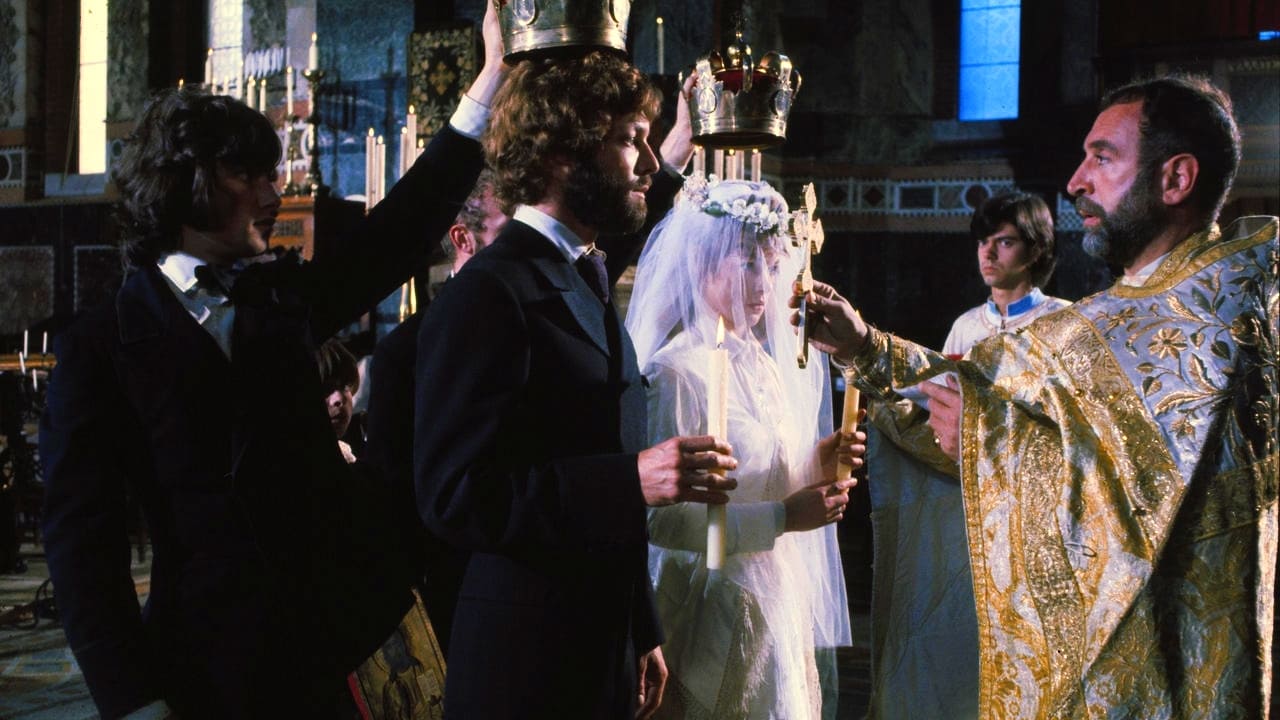
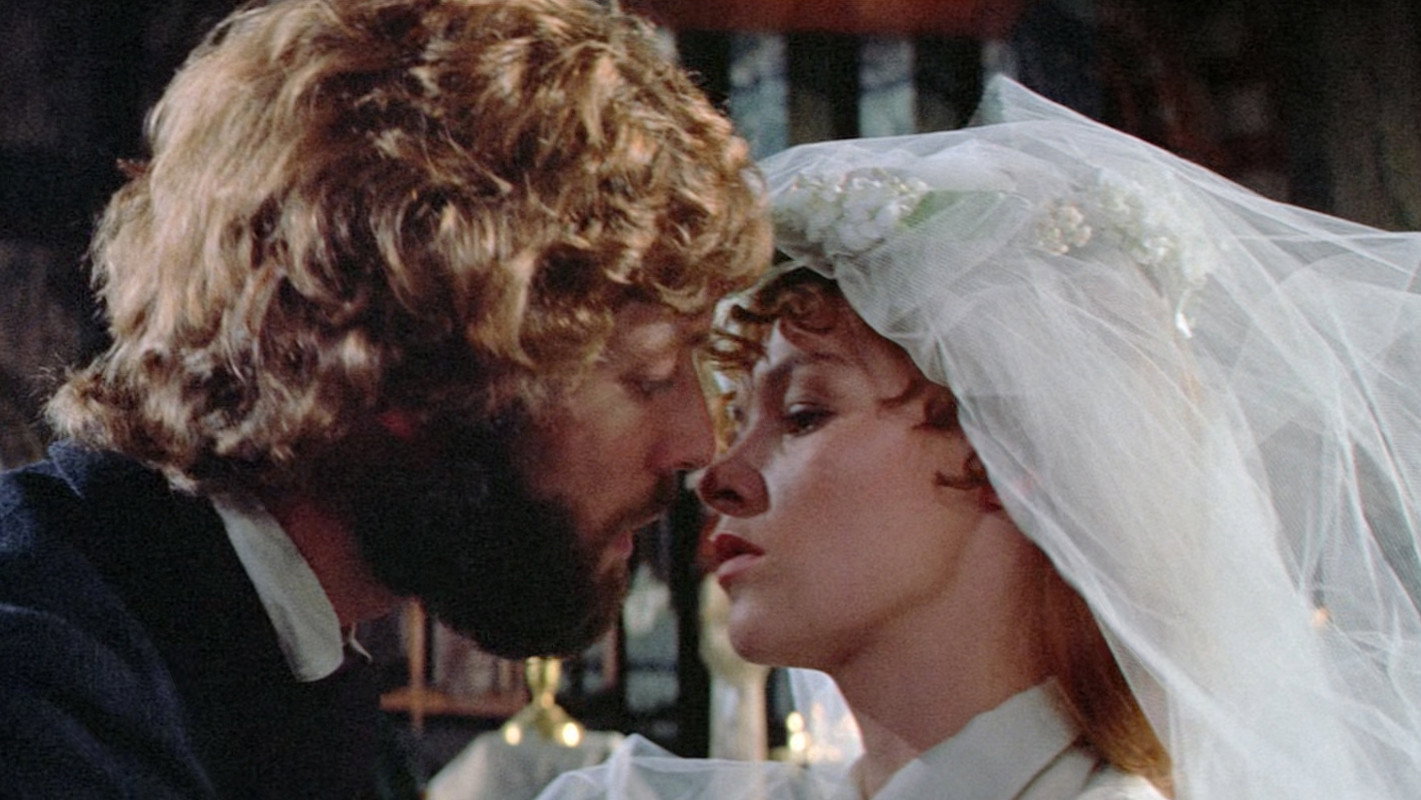
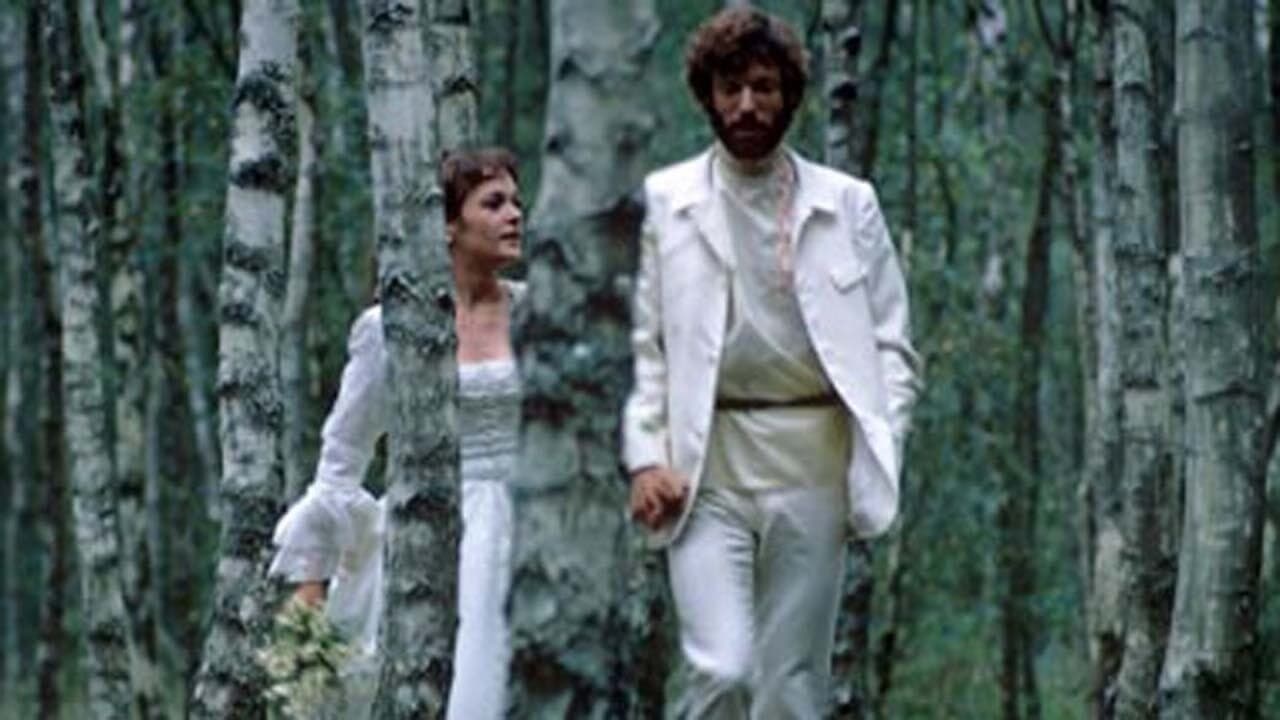
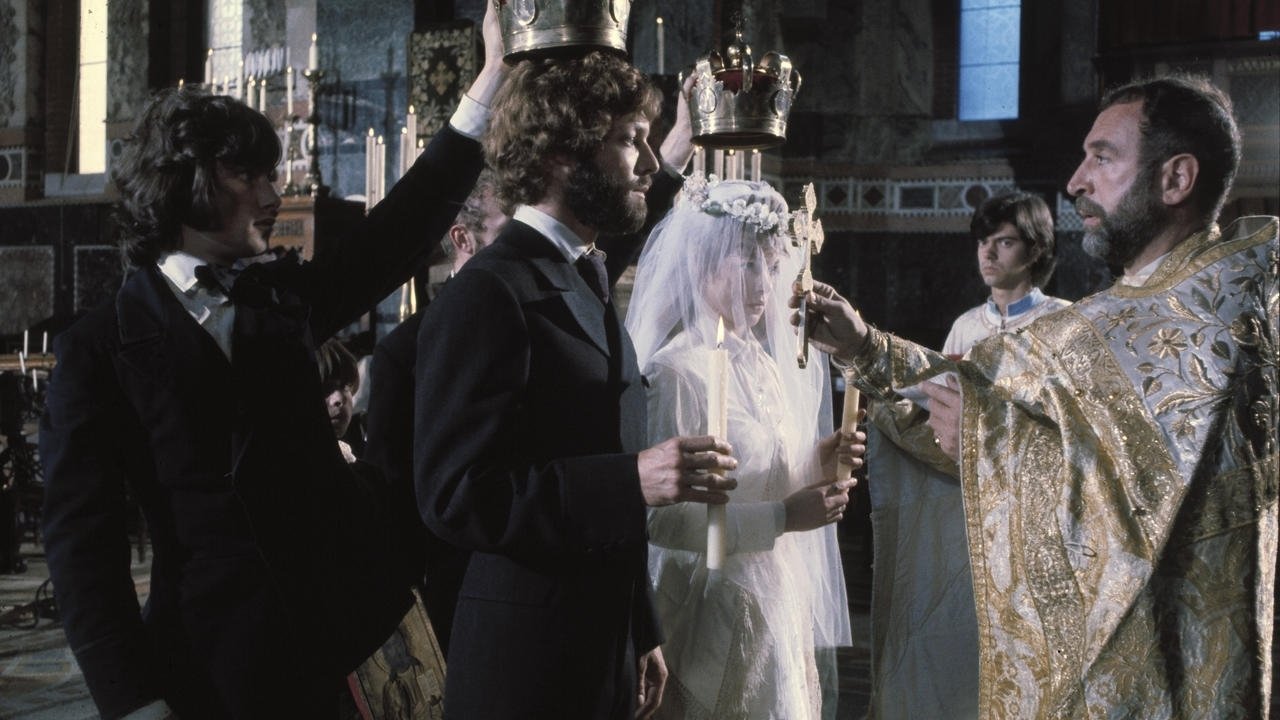
There’s the covert violence: two newlyweds crying in bed on their honeymoon, Nina sat between Chiluvsky and Tchaikovsky, Tchaikovsky promising to change while Nina laughs childishly at some PG exhibitionism, the camera pushing the two apart after their first kiss at the alter.
There’s the overt violence: the train scene in all its turbulent savagery. A flickering light casting the pair in dark, ugly shadows. Nina lying prone, her body convulsing with the rollicking of the carriage. Tchaikovsky drinking to get some semblance of unreality, forcing his body against itself.
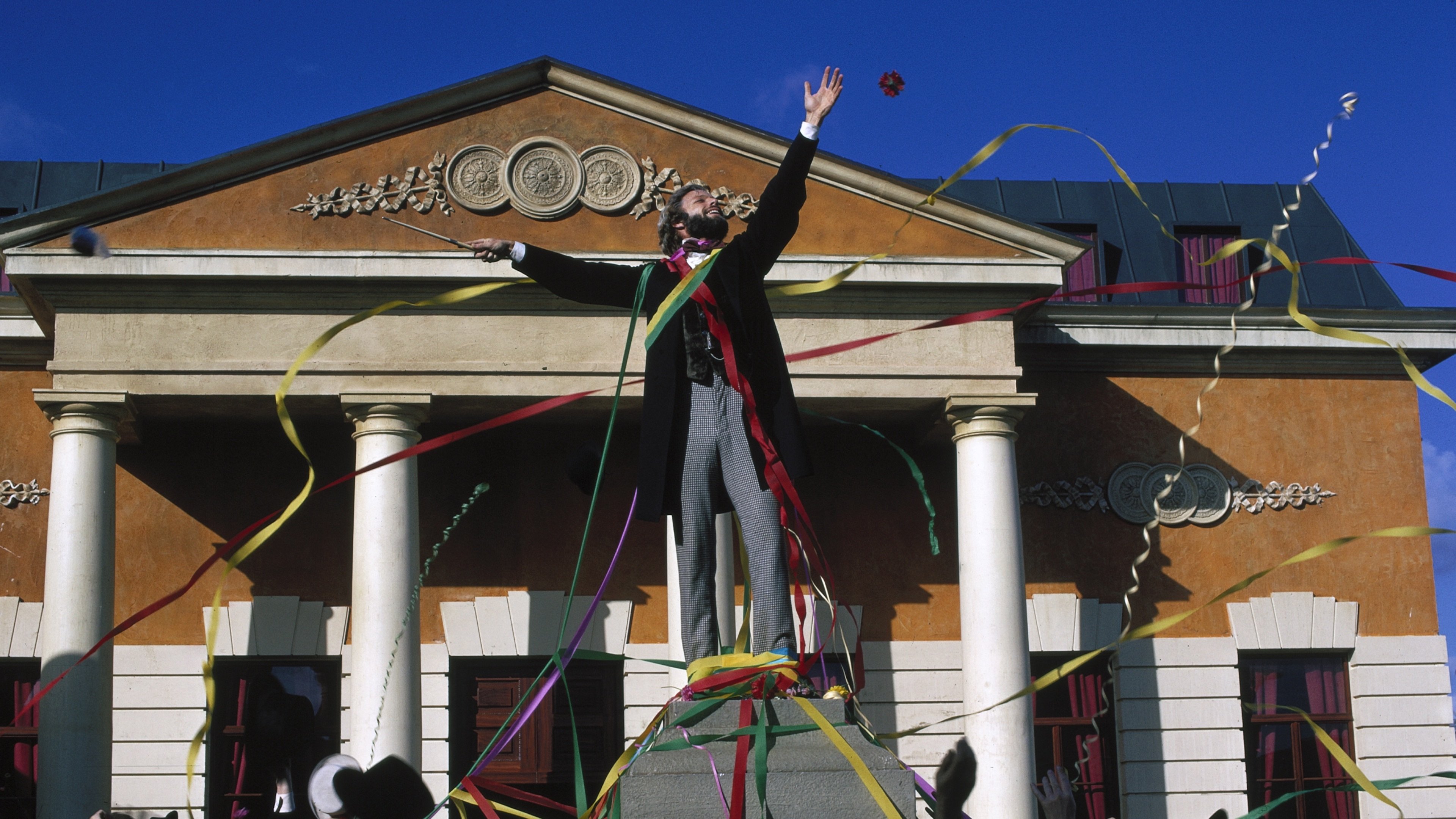
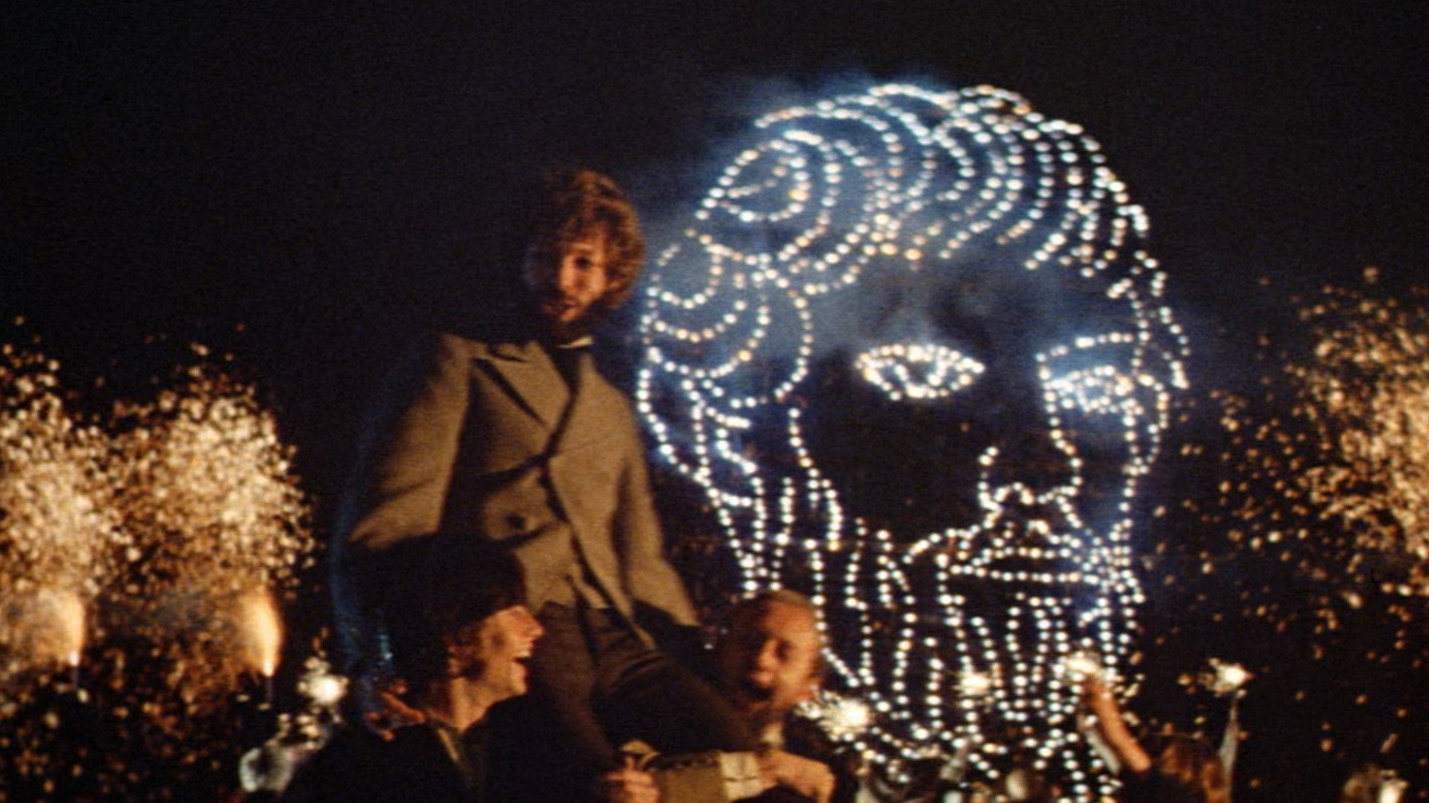
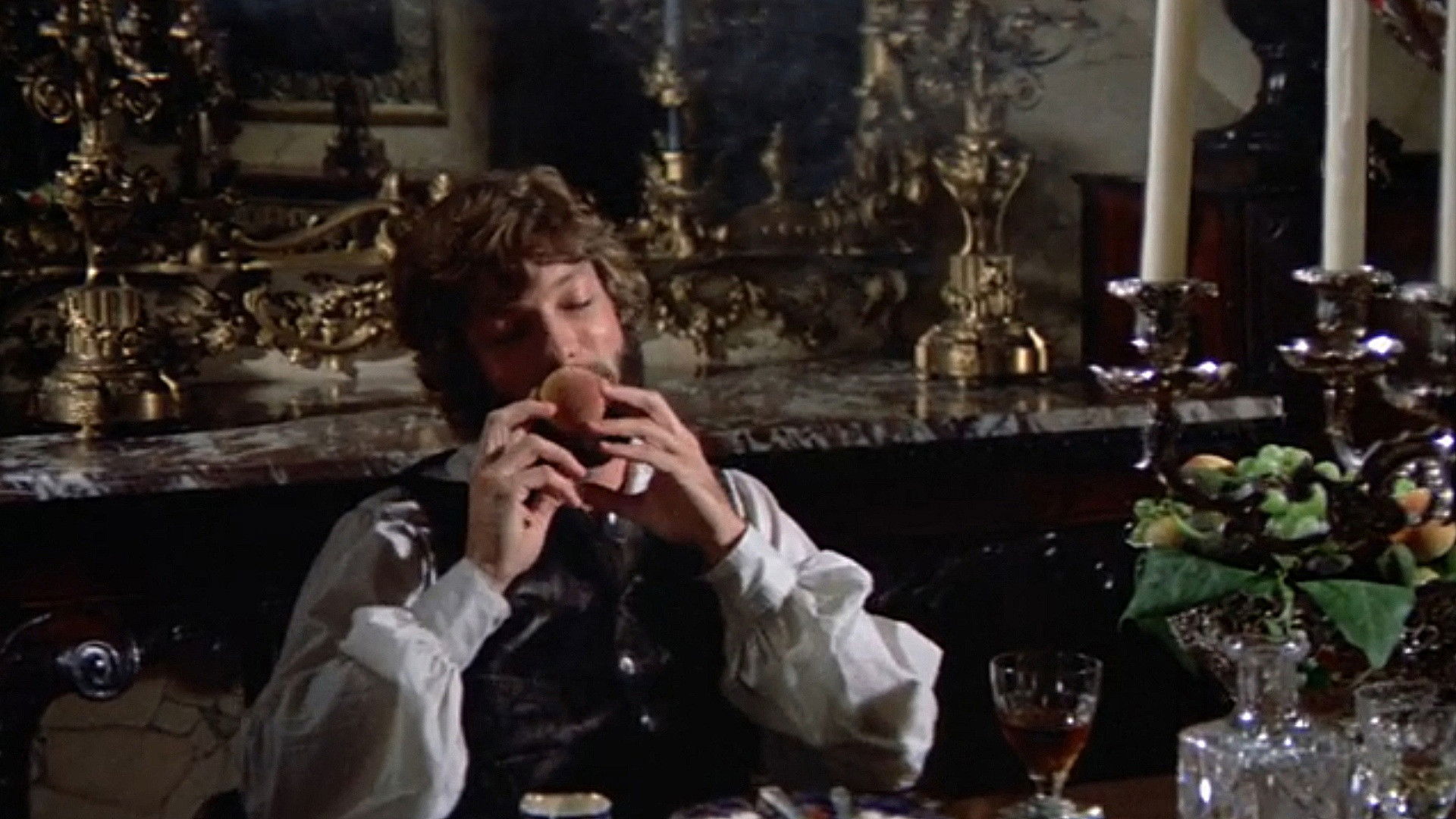
And, of course, the enveloping violence: forbidden love never spoken throughout the whole film, forbidden desires, forbidden sexuality. It only comes across as all the more stifling and important in a contemporary setting. It’s Russell’s most intricate (while being more open than Women in Love) examination of the themes that pervade his work.
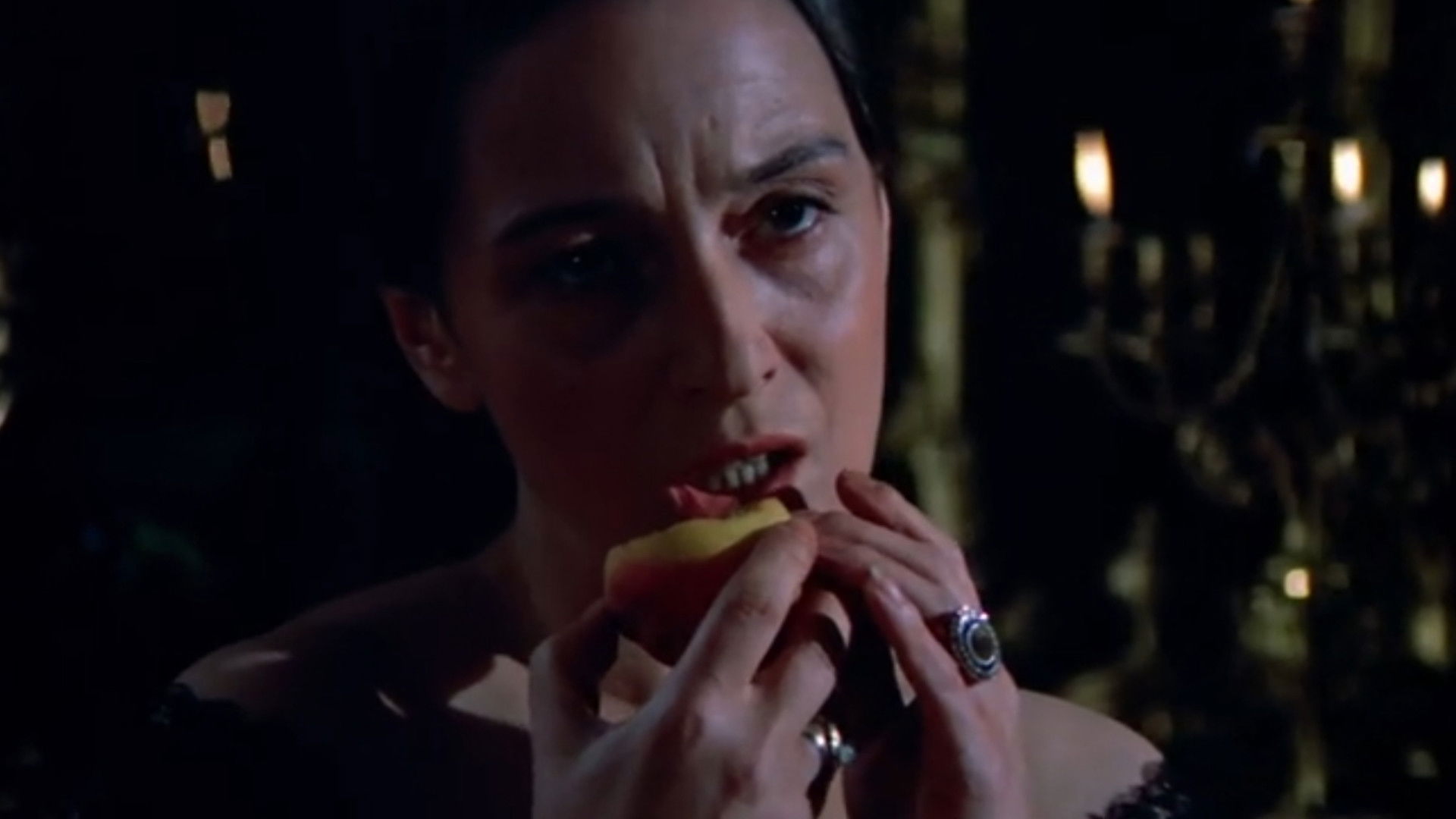
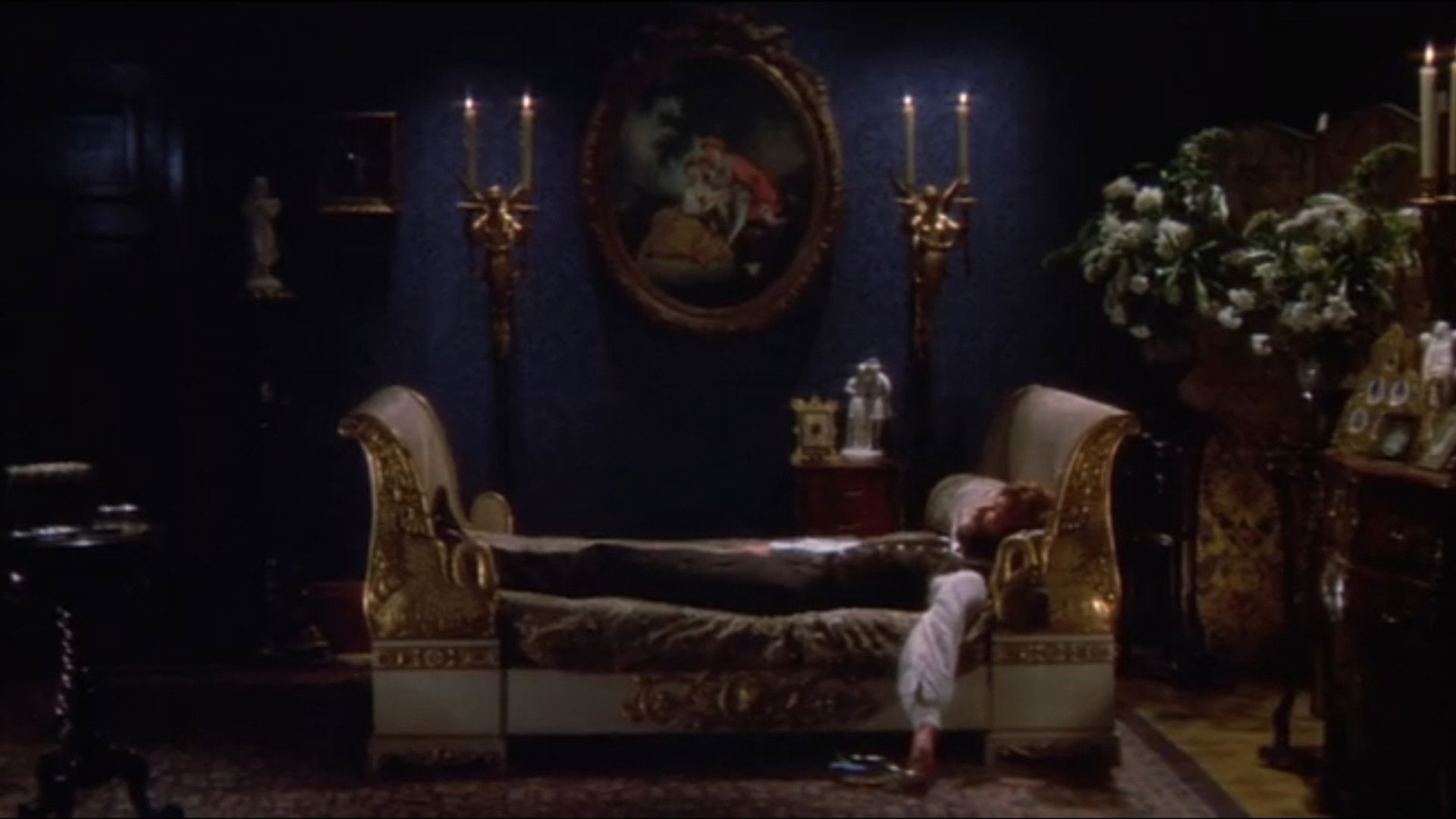
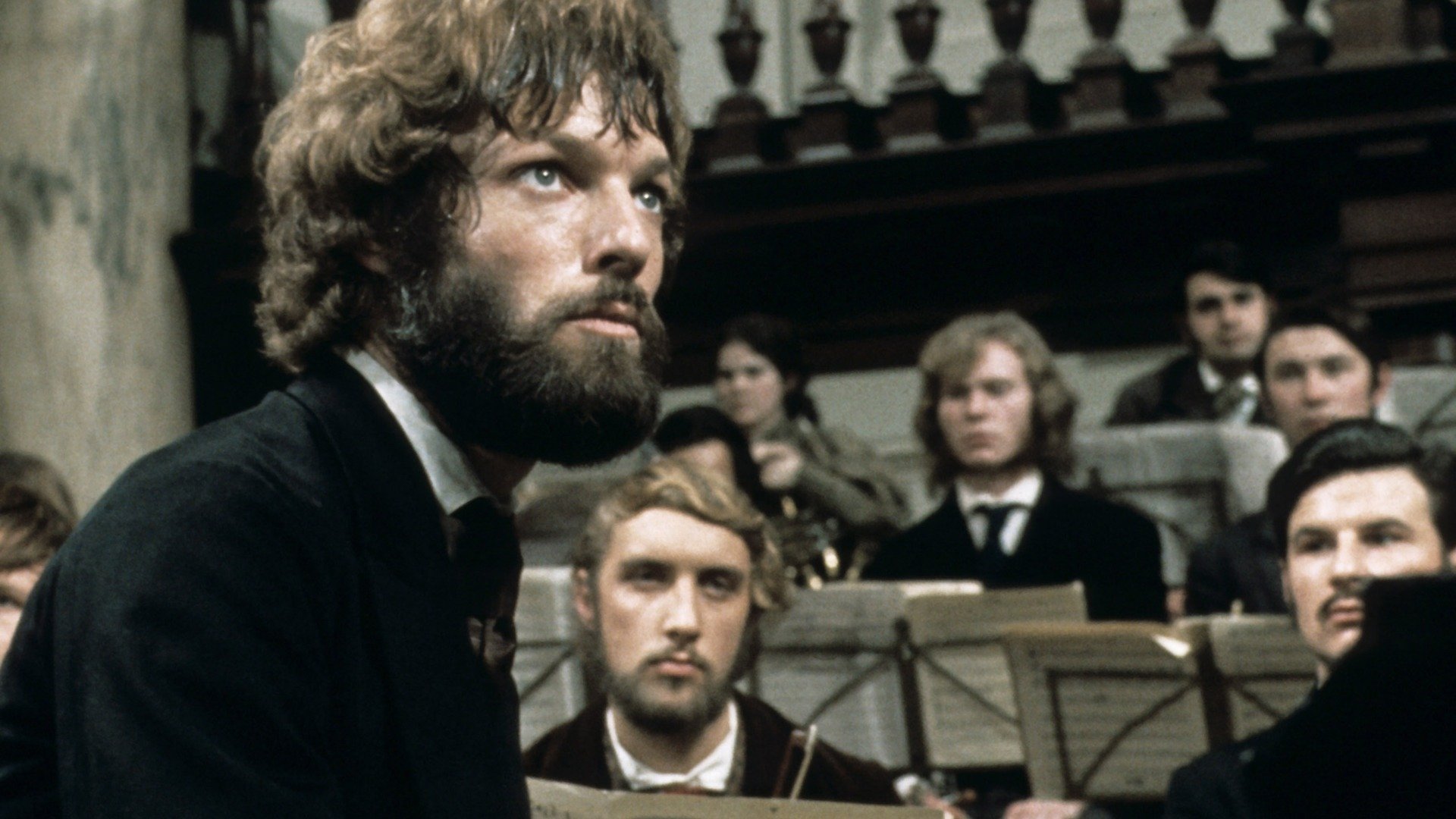
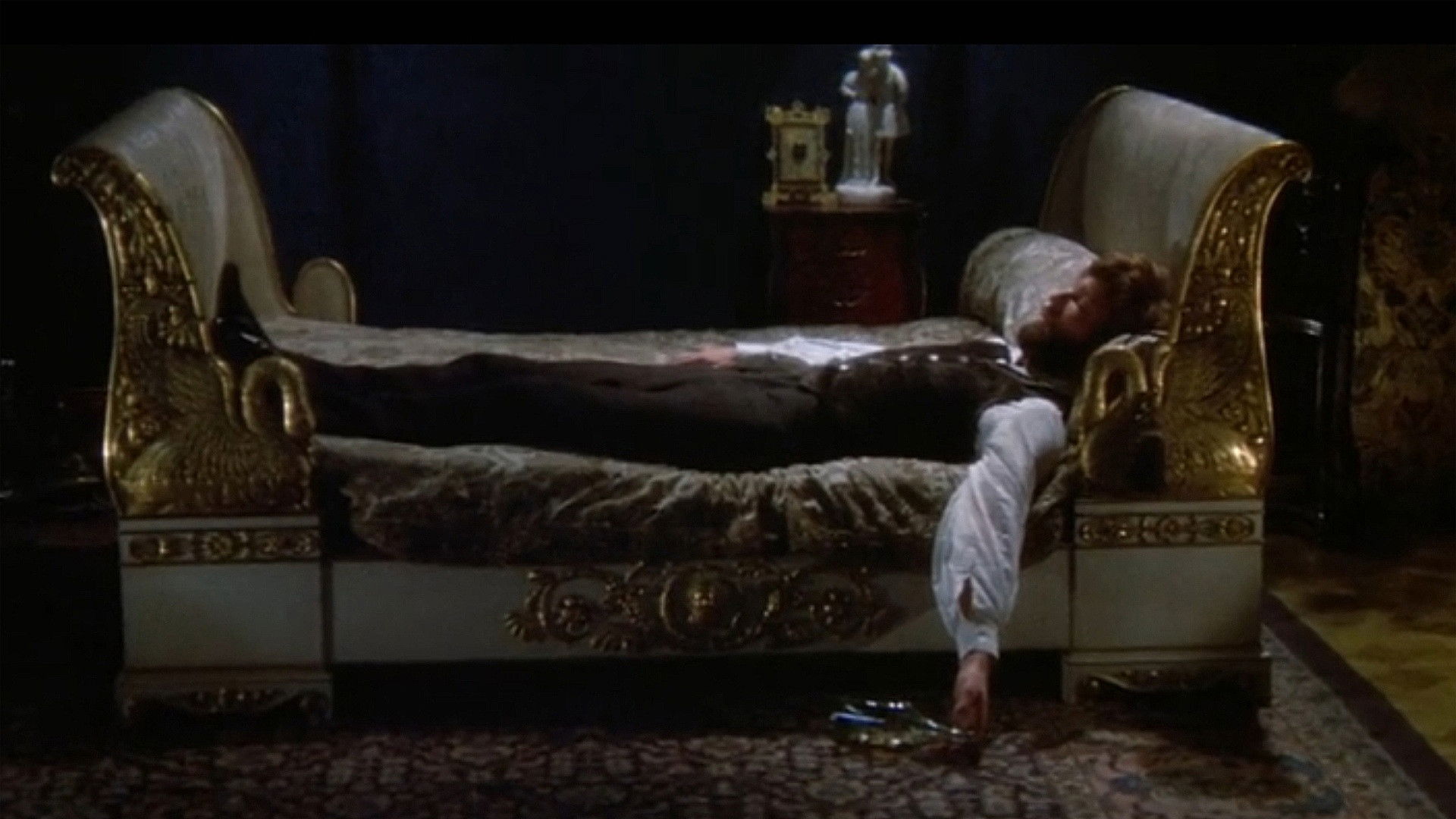
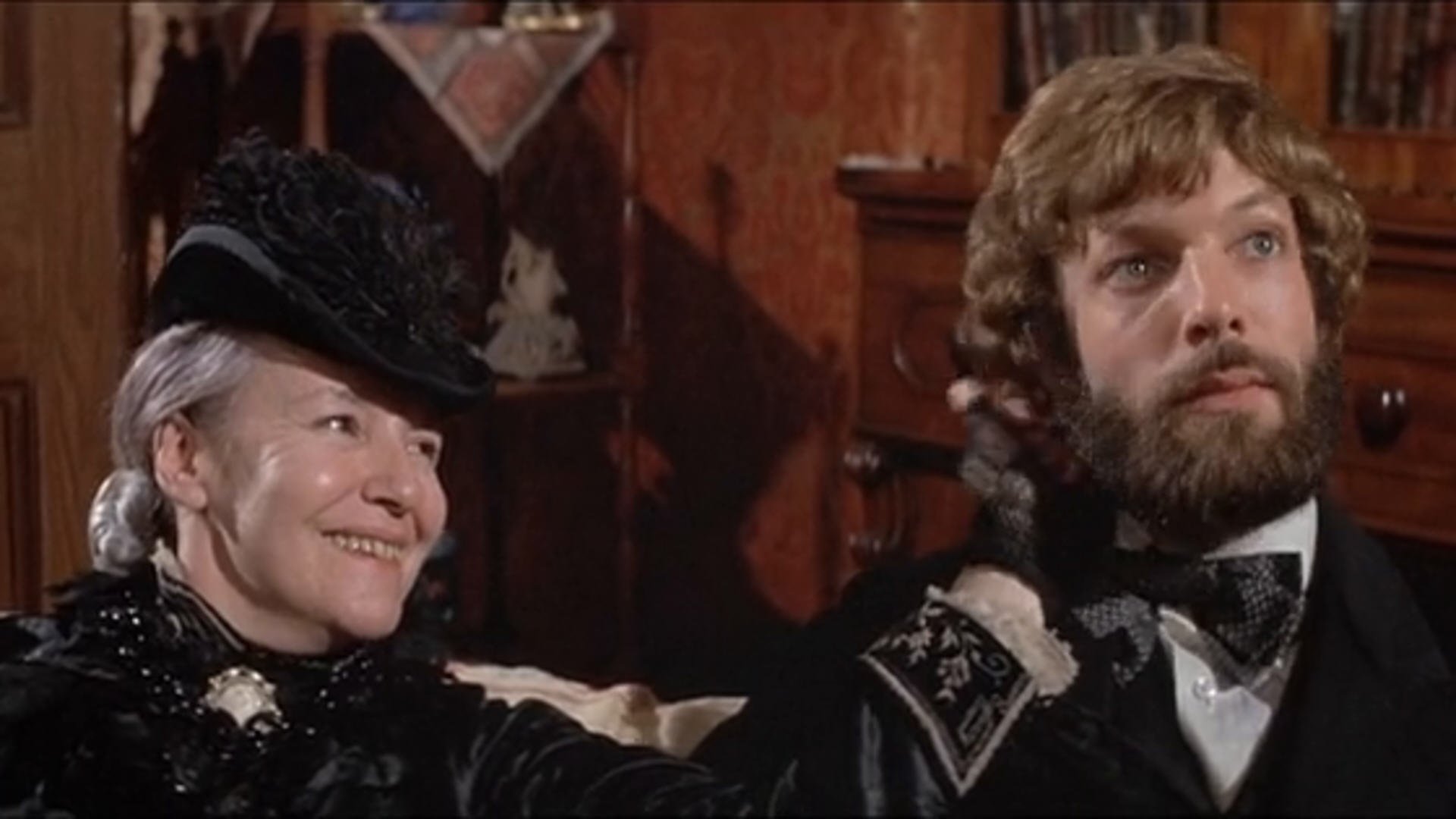
The performances are as intense as Tchaikovsky’s self censorship- Max Adrian in a spiritual sequel to his incredible performance in Song of Summer; Glenda Jackson doing what she does best, wringing out every ounce of emotion and nuance in a character; it’s Christopher Gable who impresses most however.
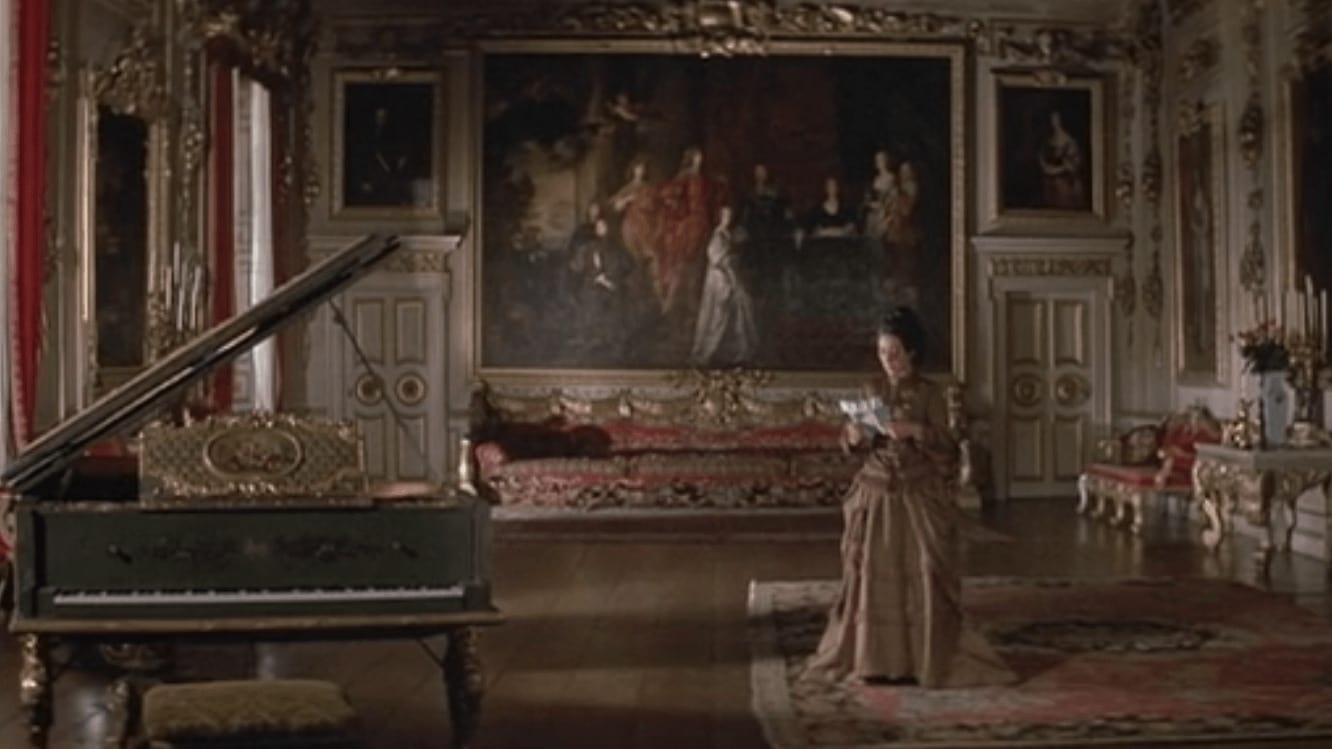
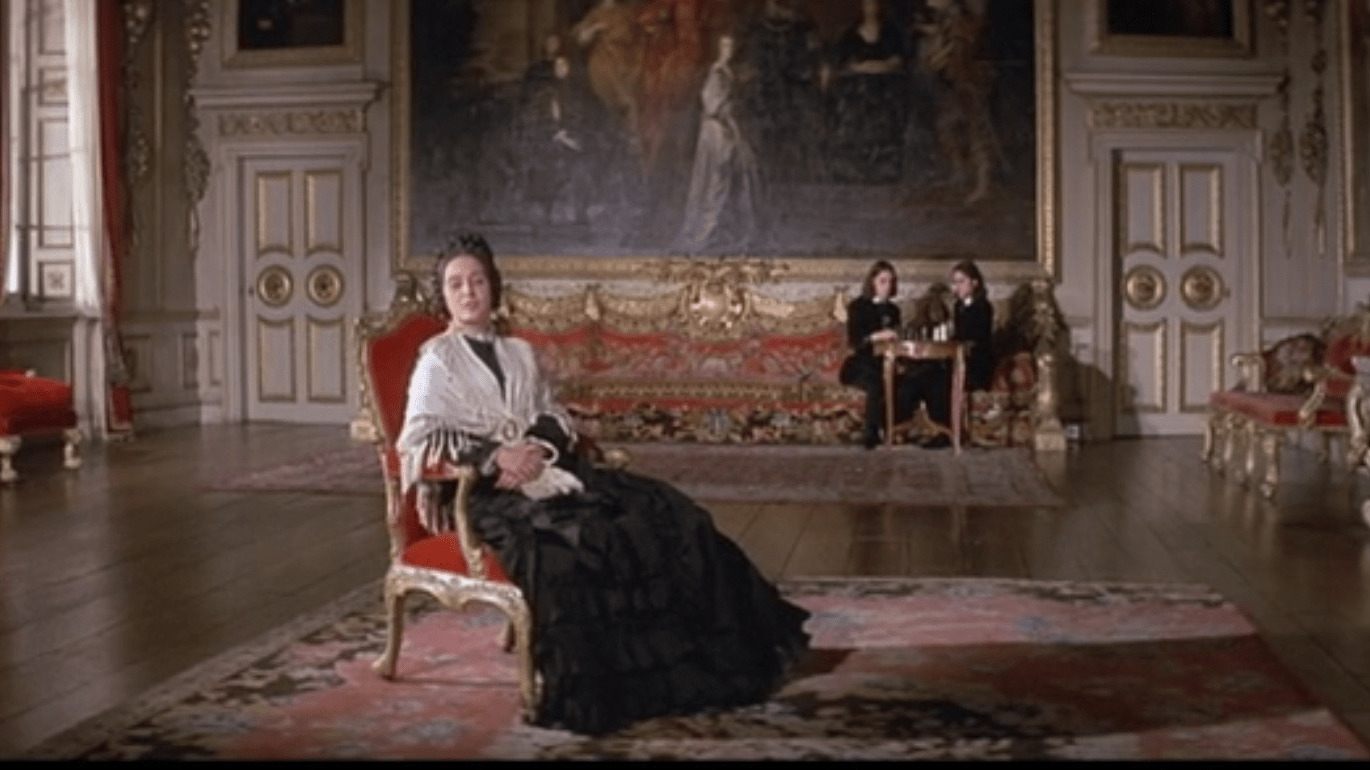
It’s not Russell’s tightest, nor is it his best, but compare it’s abandon to the shadowy constraints of Mahler (the slightly better film) and its free-flowing beauty shines through. It tells the historically inaccurate story through Tchaikovsky’s music rather than around his music, a romantic era composer living the most unromantic life.
“She’ll destroy him, you’ll see it happen in a few moments… you and your ideal love will die”
This, strangely, is Uncle Ken’s most violent film.
There’s the covert violence: two newlyweds crying in bed on their honeymoon, Nina sat between Chiluvsky and Tchaikovsky, Tchaikovsky promising to change while Nina laughs childishly at some PG exhibitionism, the camera pushing the two apart after their first kiss at the alter.
There’s the overt violence: the train scene in all its turbulent savagery. A flickering light casting the pair in dark, ugly shadows. Nina lying prone, her body convulsing with the rollicking of the carriage. Tchaikovsky drinking to get some semblance of unreality, forcing his body against itself.
And, of course, the enveloping violence: forbidden love never spoken throughout the whole film, forbidden desires, forbidden sexuality. It only comes across as all the more stifling and important in a contemporary setting. It’s Russell’s most intricate (while being more open than Women in Love) examination of the themes that pervade his work.
The performances are as intense as Tchaikovsky’s self censorship- Max Adrian in a spiritual sequel to his incredible performance in Song of Summer; Glenda Jackson doing what she does best, wringing out every ounce of emotion and nuance in a character; it’s Christopher Gable who impresses most however.
It’s not Russell’s tightest, nor is it his best, but compare it’s abandon to the shadowy constraints of Mahler (the slightly better film) and its free-flowing beauty shines through. It tells the historically inaccurate story through Tchaikovsky’s music rather than around his music, a romantic era composer living the most unromantic life.