“Have you ever seen a group of insects drowning? The ones that are struggling are the ones that are still alive.”
World of Tomorrow, Episode Three: The Absent Destinations of David Prime expands the tiny universe of the first two films into something genuinely cosmic. This time, the story follows David Prime, a boy haunted by memories that aren’t his own, searching for an Emily he has never truly met but somehow already loves.
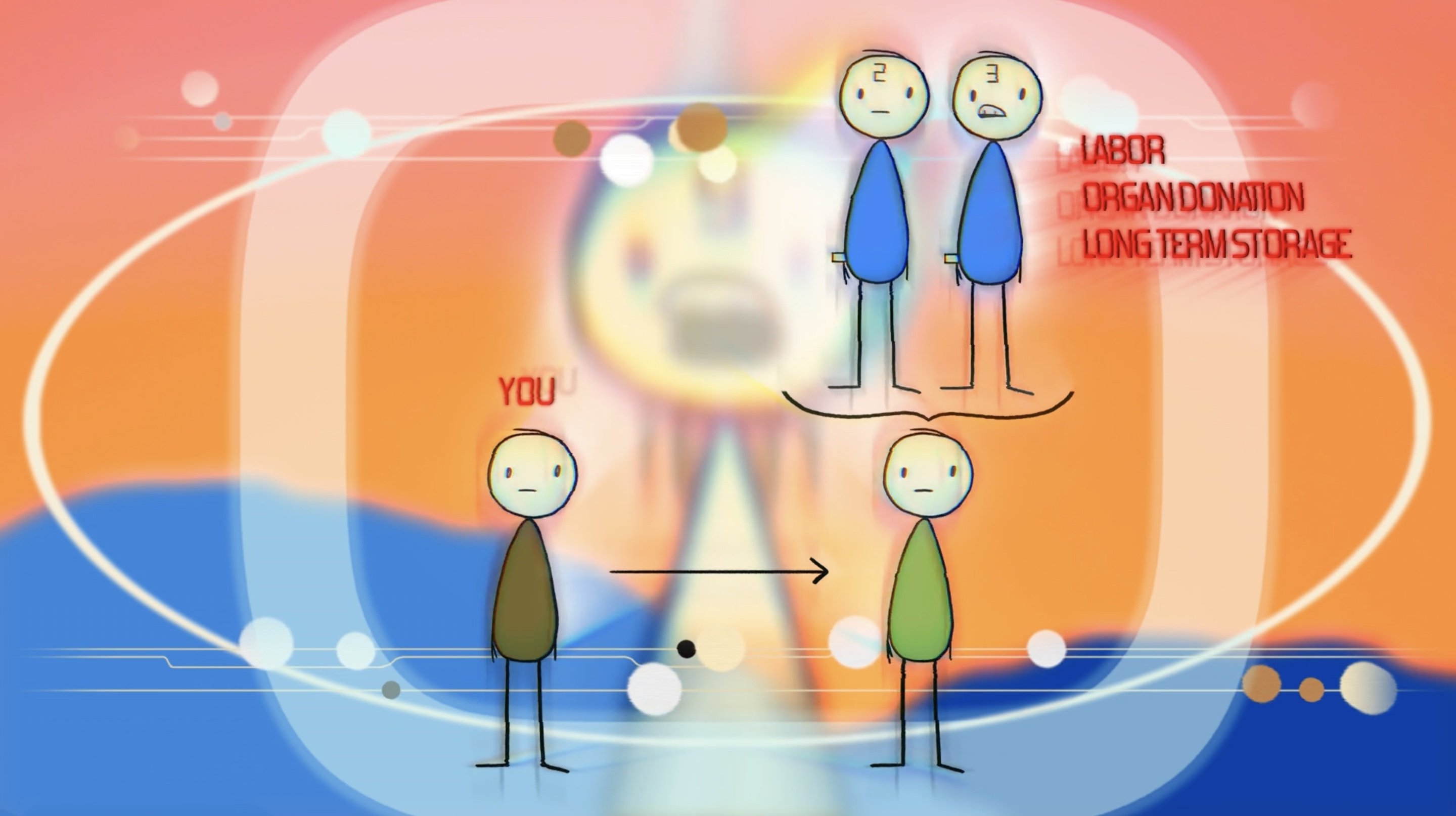
The absence of Emily Prime’s innocent voice changes the rhythm of the series. The contrast between childish wonder and the clones’ emotionless monologues is gone, replaced by something more melancholic: the idea that memories can become destiny. David and Emily-9 chase each other across planets and centuries, driven less by choice than by inherited feelings, as if love itself has become a piece of downloaded software.
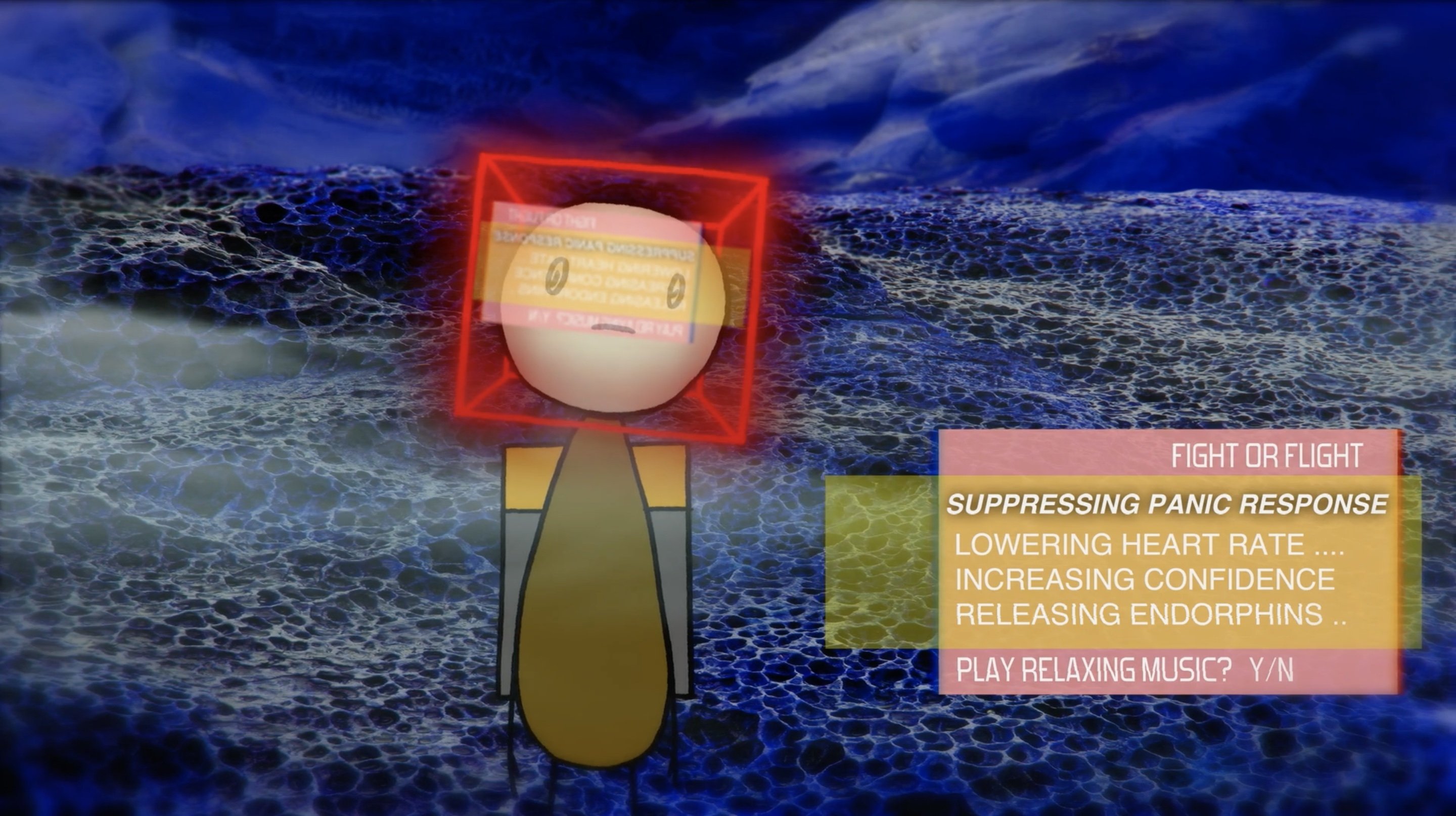
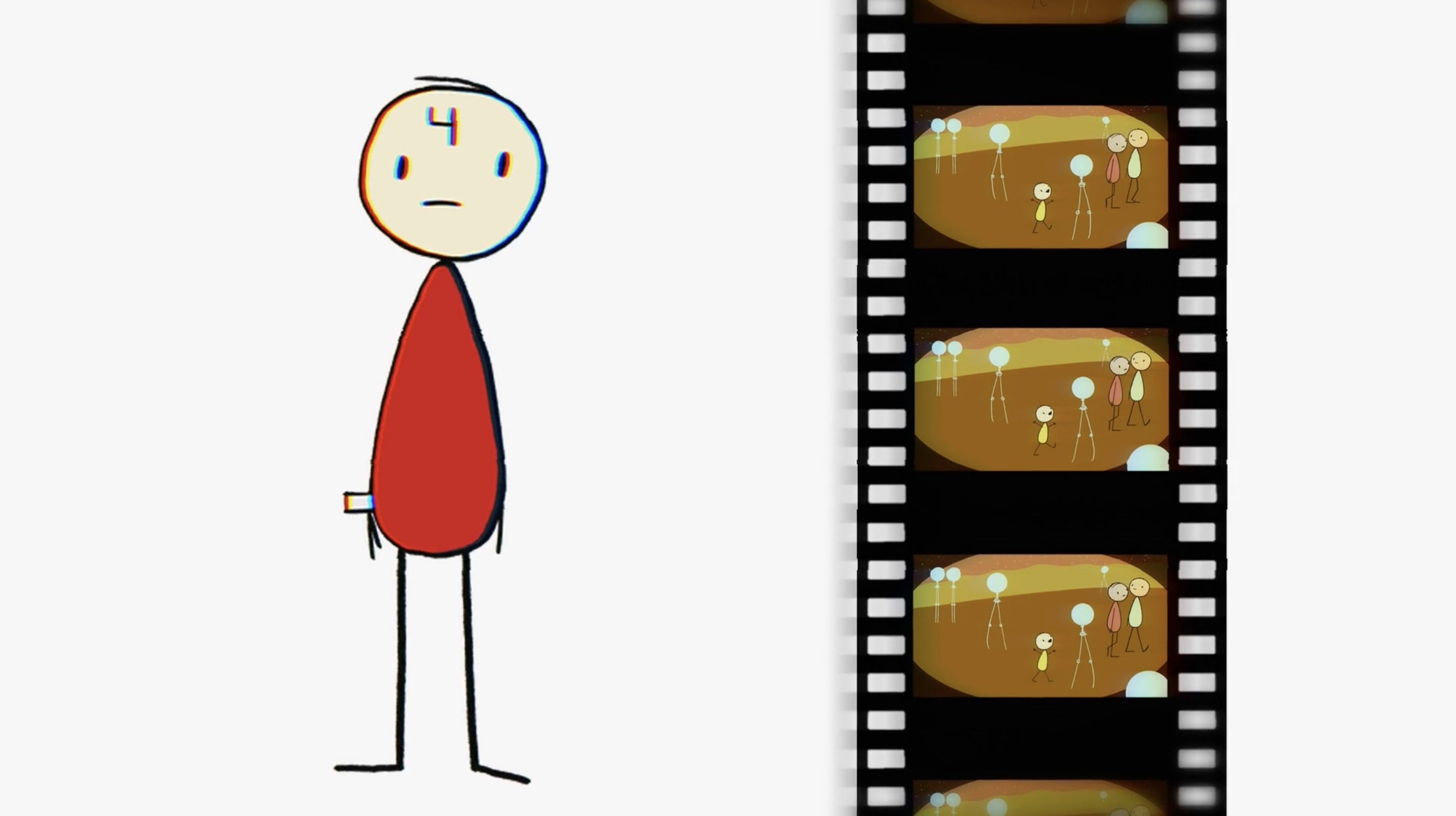
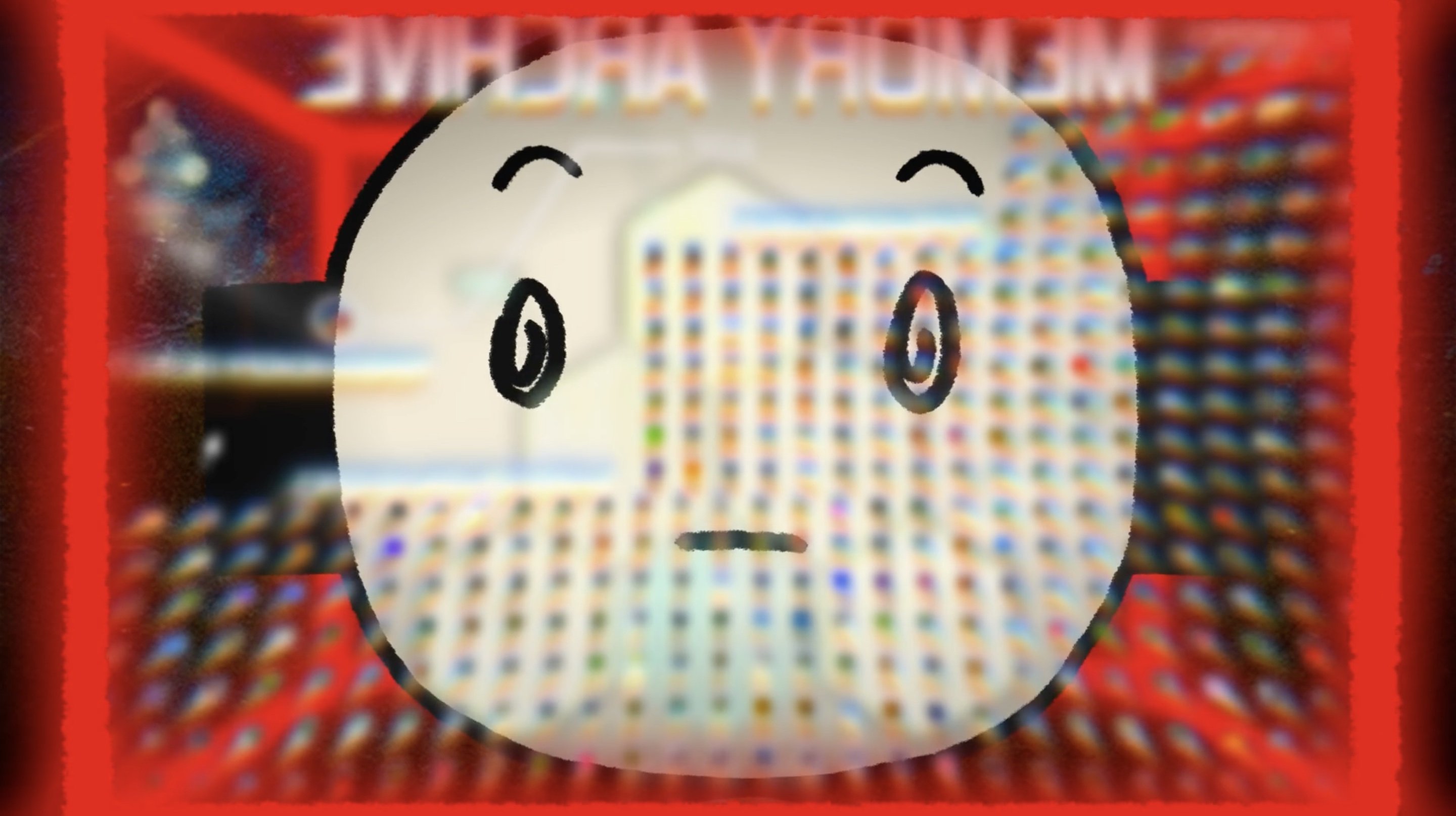
What fascinated me most is how Hertzfeldt turns memory into something physical. David slowly deletes his own talents, experiences and even basic human functions just to make room for Emily’s recordings. It’s a hilarious but devastating metaphor for the way we obsess over people, preserving old messages and idealised memories until they begin replacing parts of ourselves.
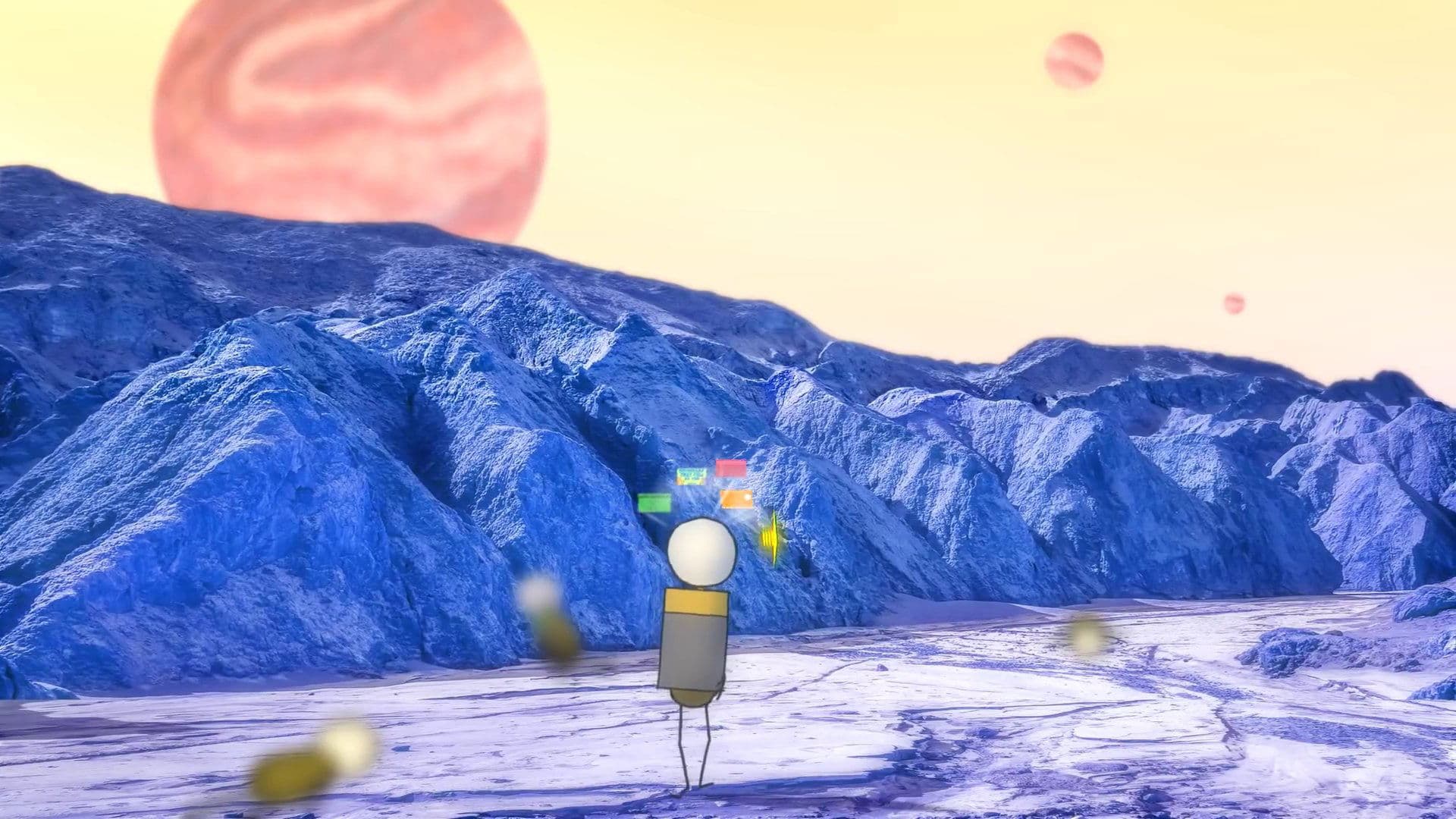
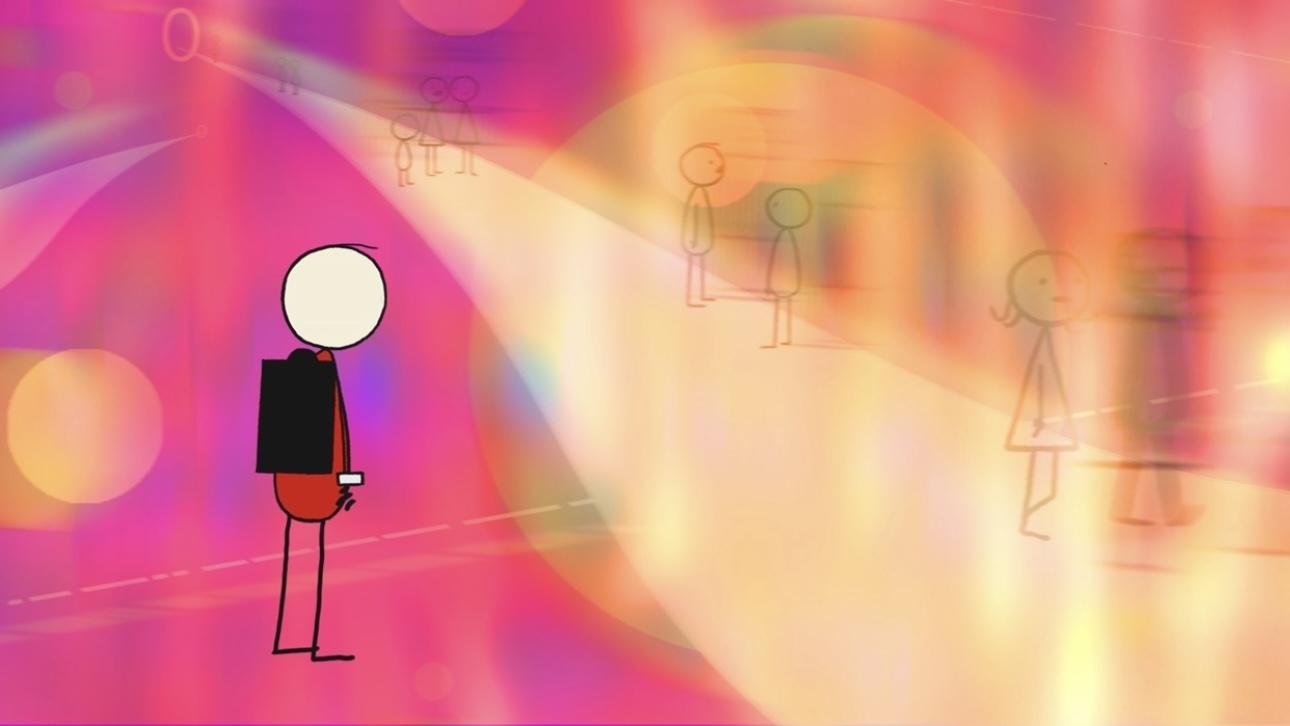
Visually, the film is astonishing. Hertzfeldt’s fragile stick figures drift through enormous digital worlds that somehow feel both handmade and infinite, making the universe look like a child’s drawing that accidentally became real.
More sprawling and playful than its predecessors, Episode Three is less interested in identity and more interested in hope. It asks whether love is something we choose or something that endlessly echoes across time, and leaves us with a comforting possibility: perhaps somewhere in the endless ocean of time, David and Emily will finally arrive at the same destination.