A LO-FI REQUIEM FOR FRIENDSHIPS UNDONE BY TIME, POLITICS, AND THE HORROR OF GROWING APART.
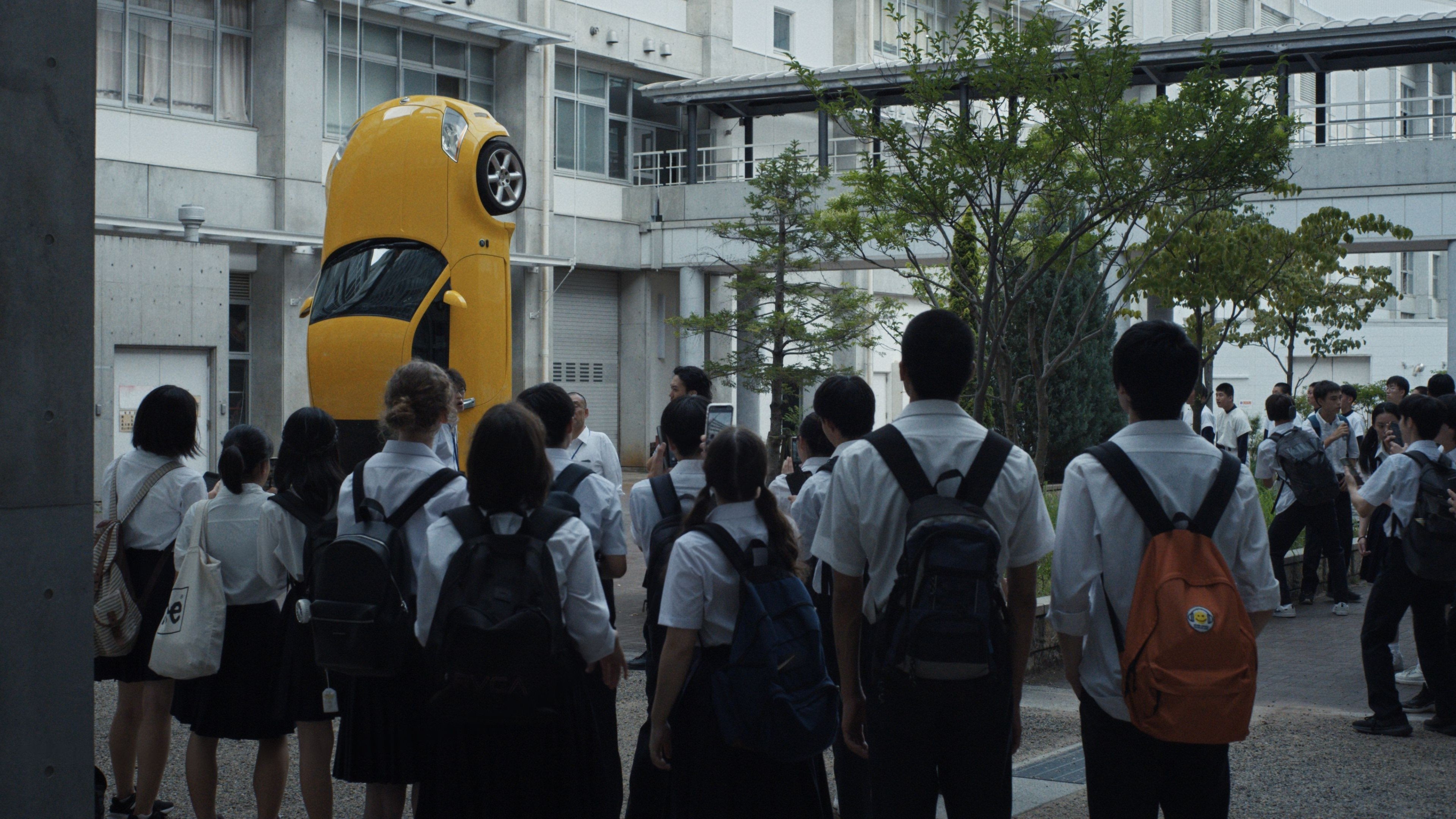
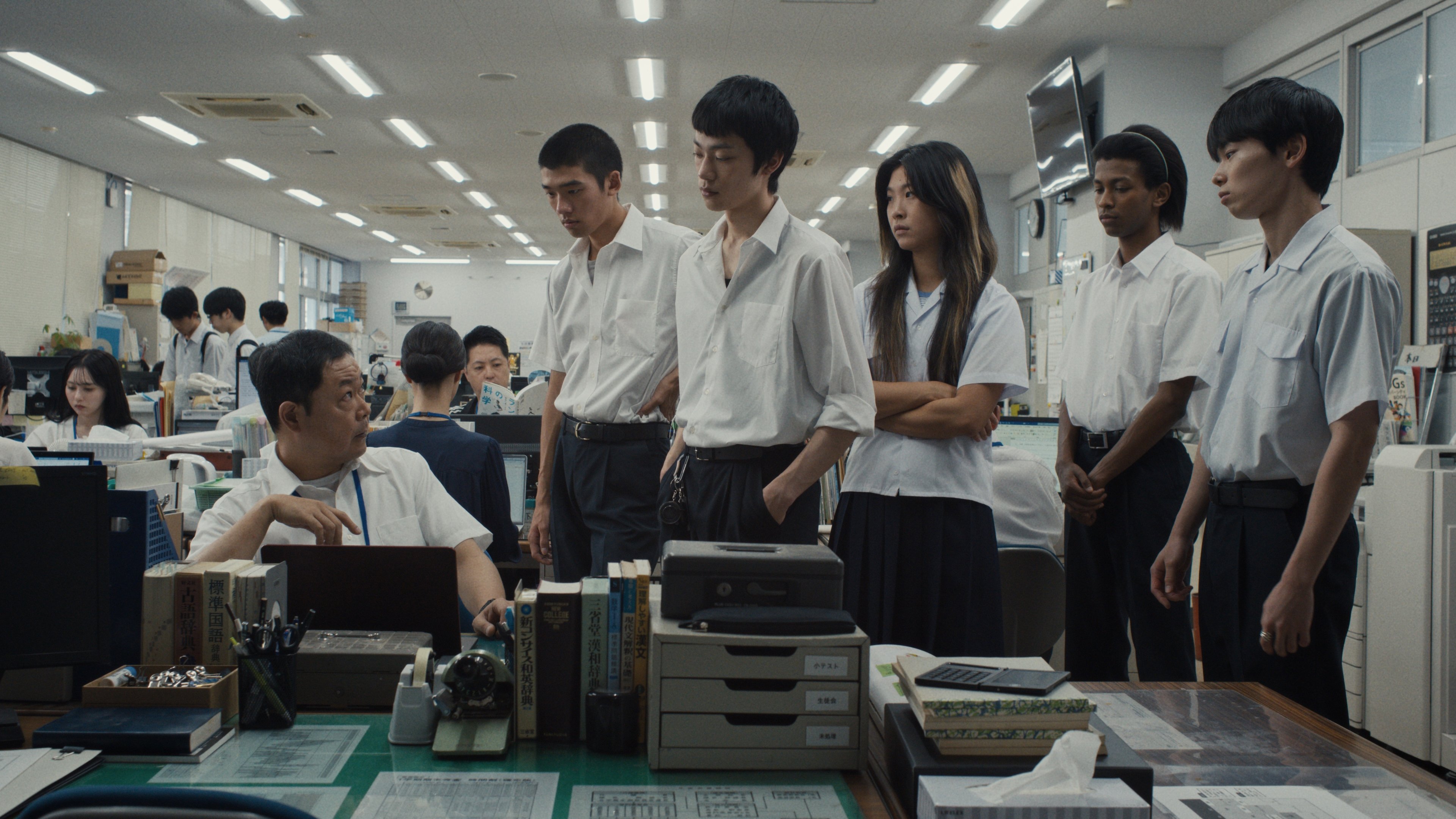
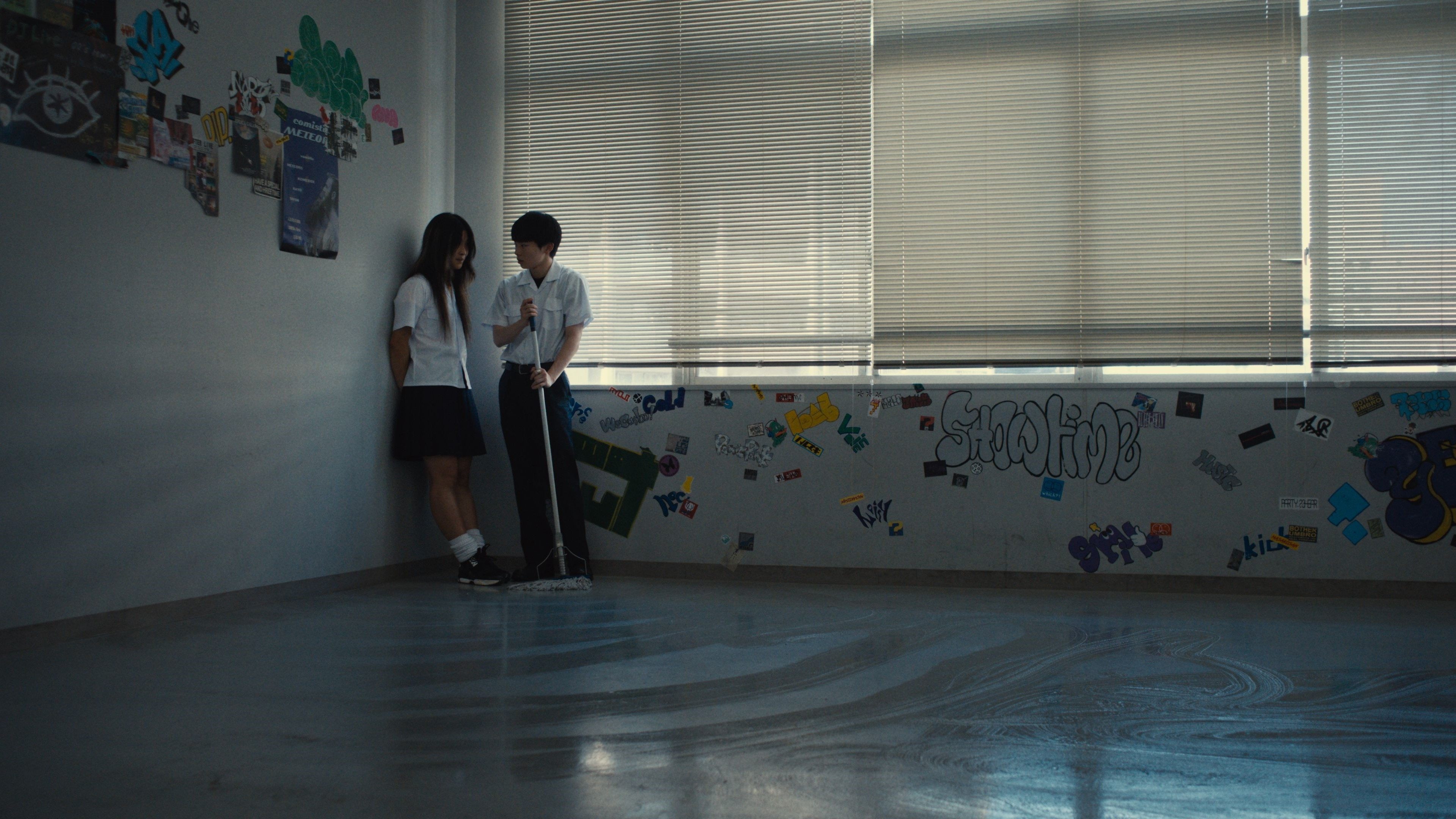
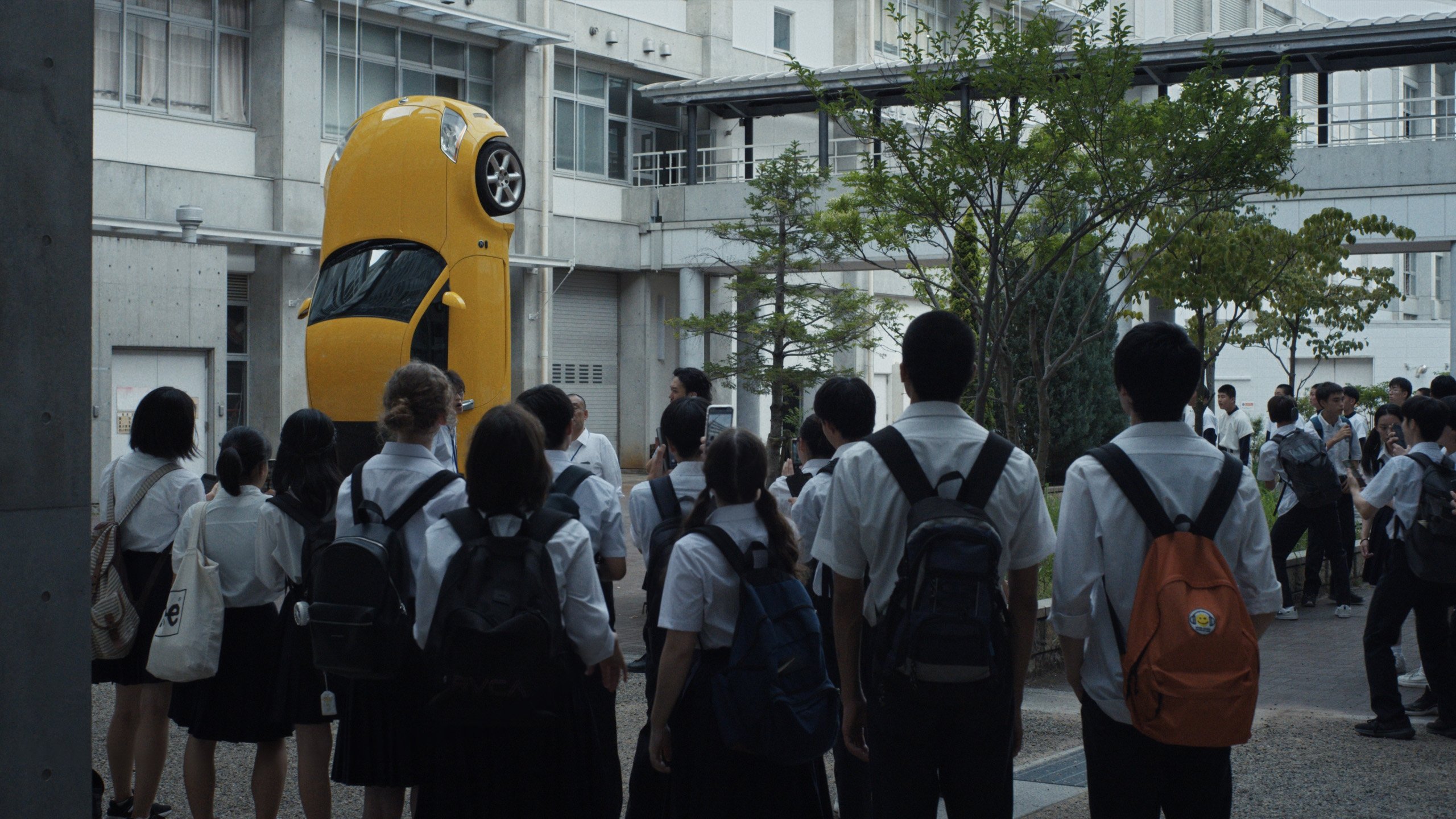
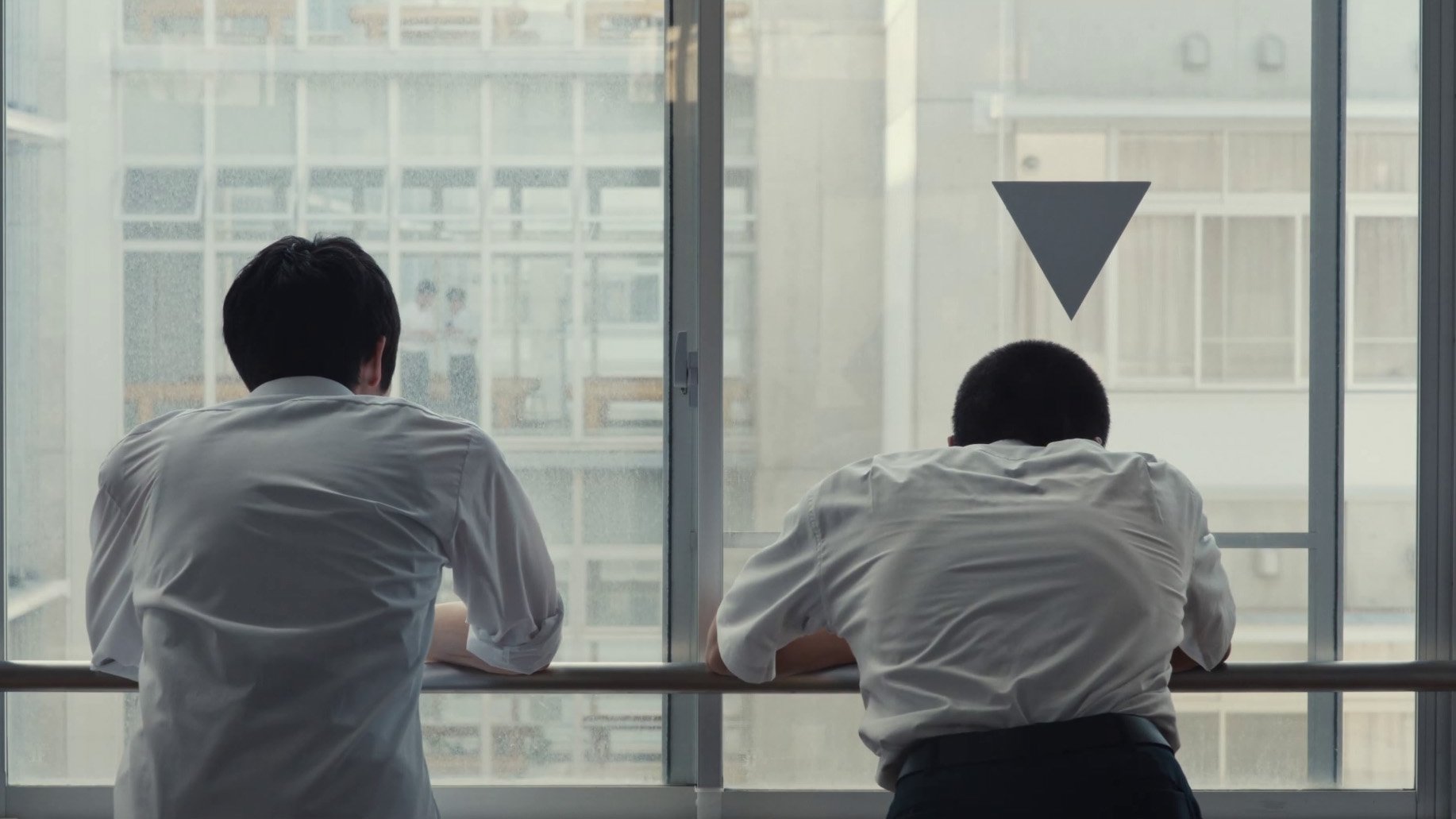
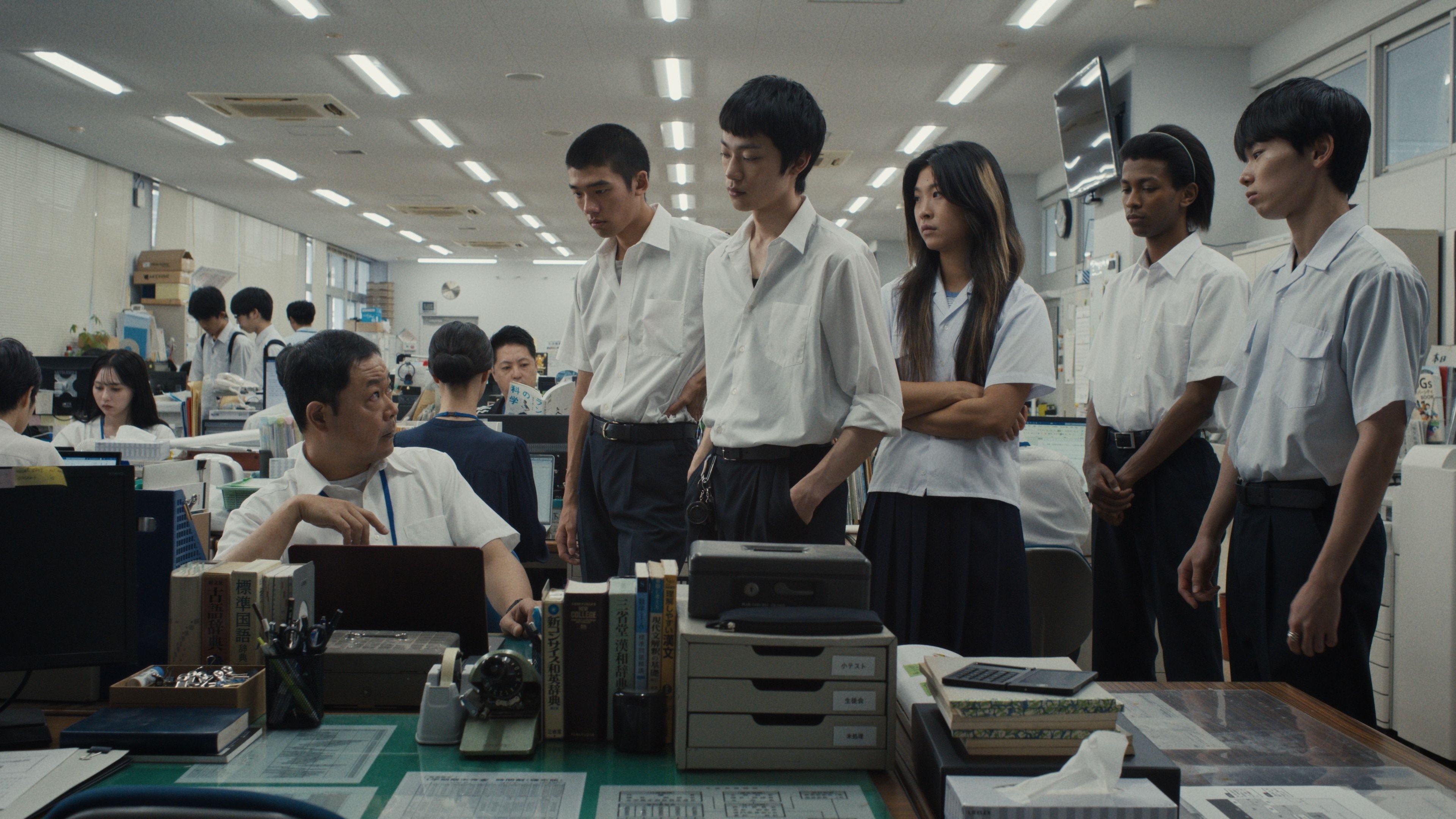
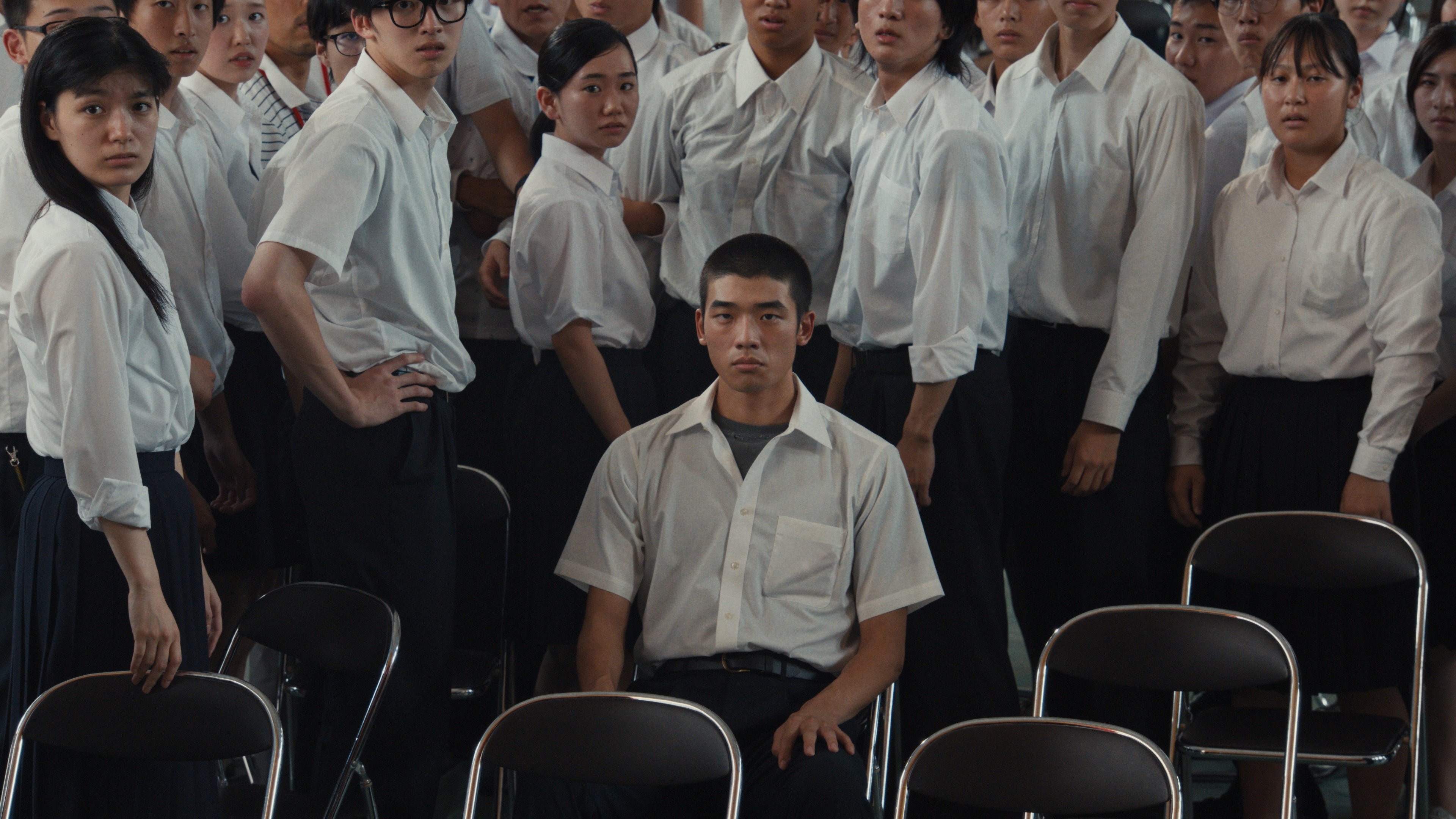
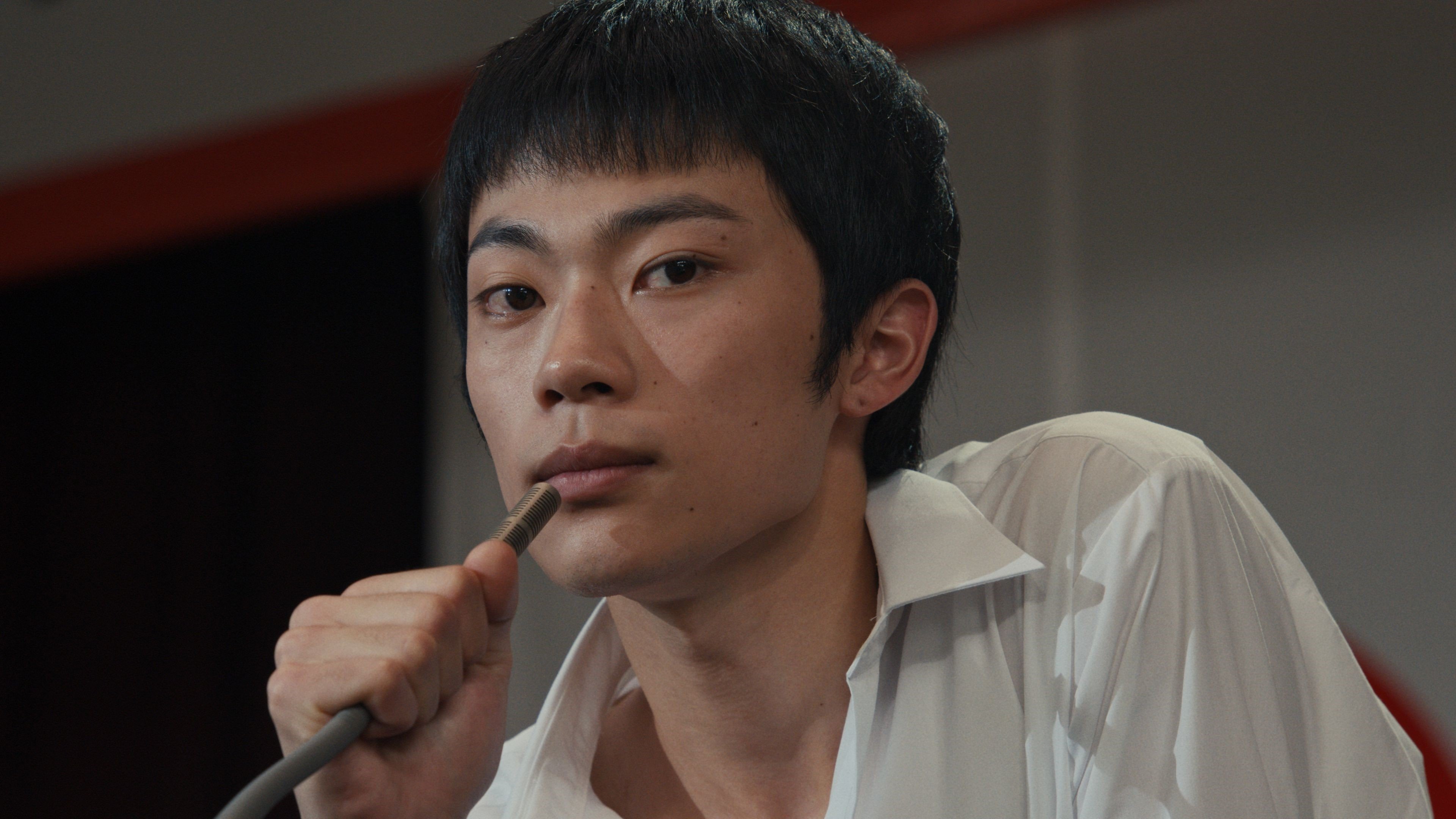
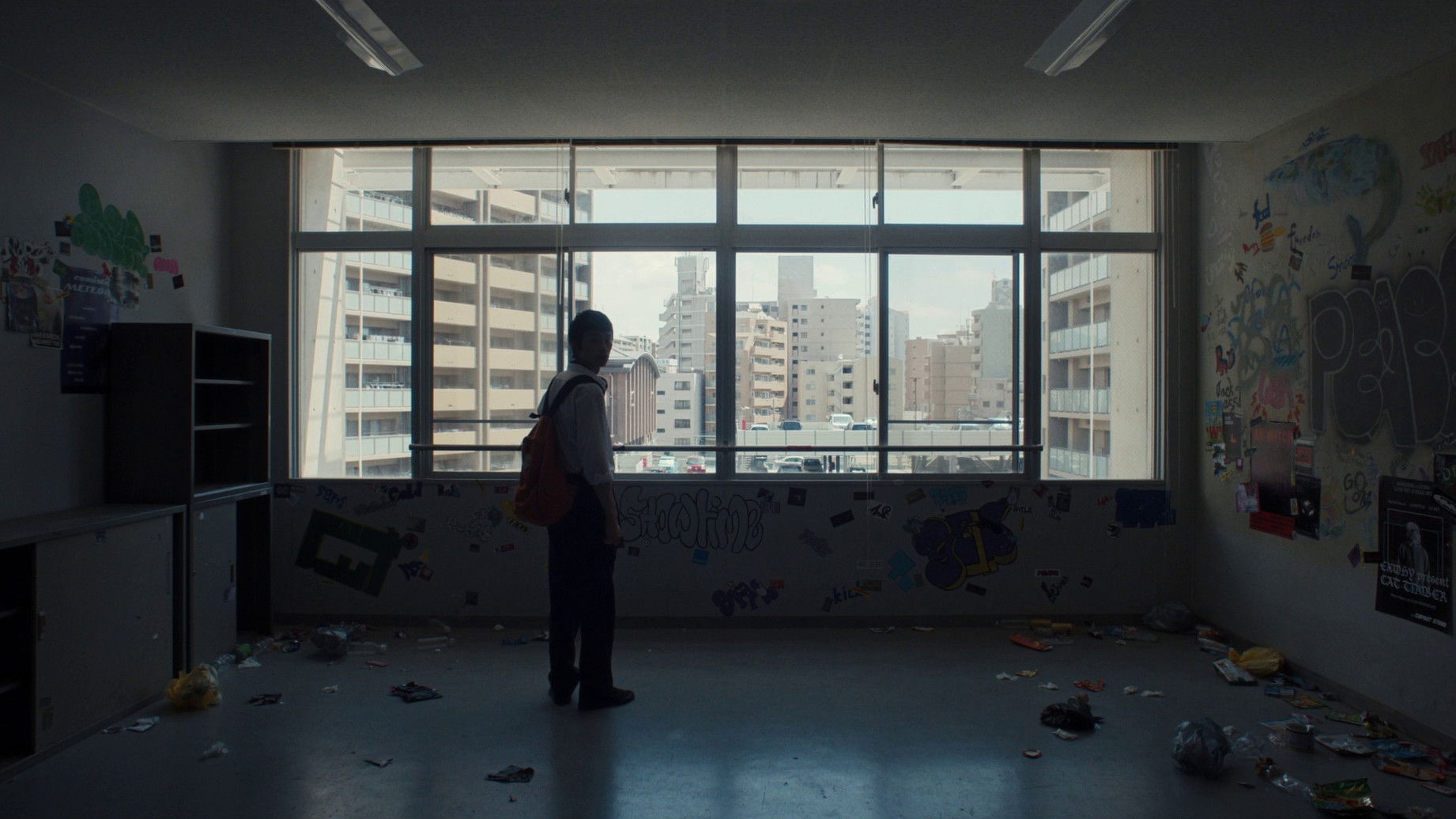
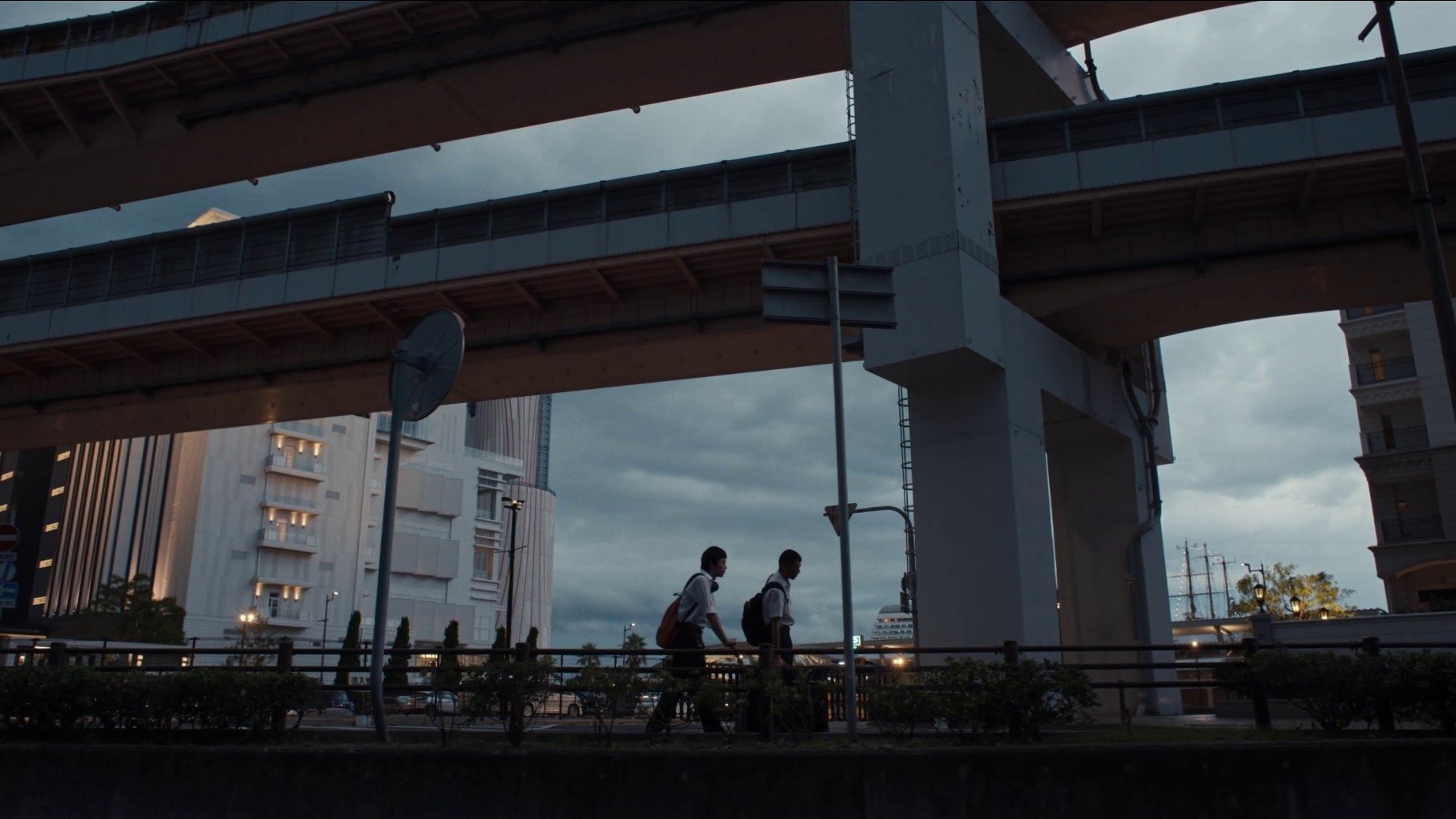
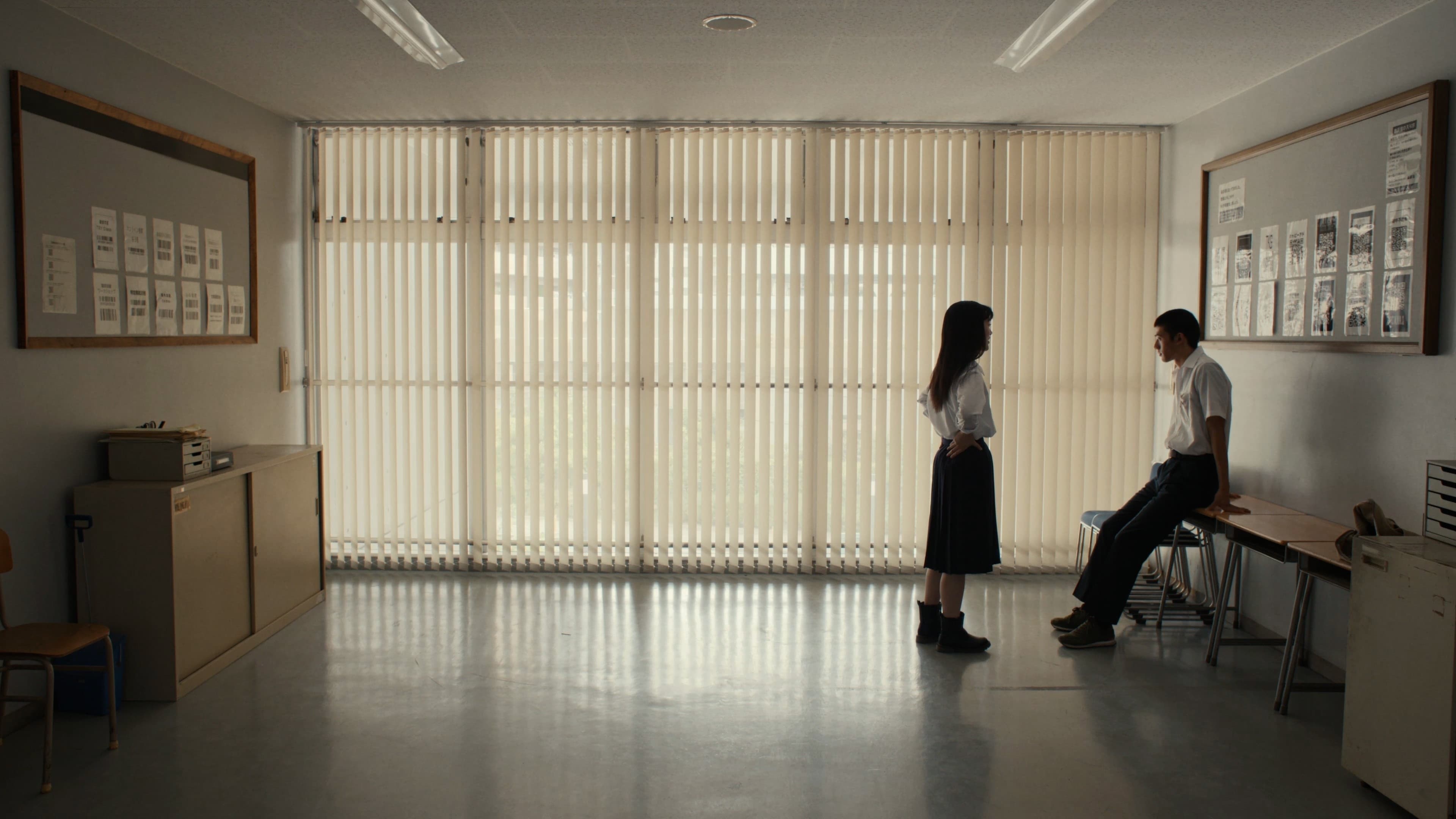
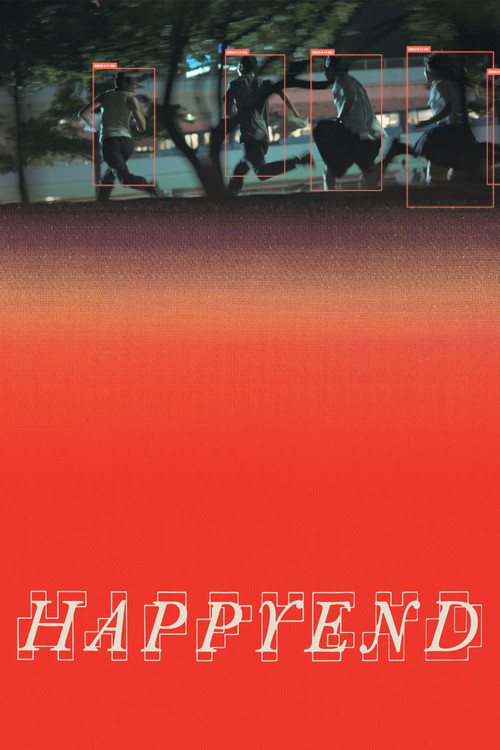
neo sora’s happyend is a pulse-driven and quietly radical film that delivers its warning with lyrical restraint and emotional precision, understanding something most youth dystopias often overlook that terror isn’t always loud or grotesque; sometimes it’s suffocatingly familiar. the future in this film doesn’t unfold in burning rubble or post-apocalyptic decay, but in the sterile fluorescence of classrooms, in the over-policed silence of school hallways, in the mechanical calm of public transit and rain-washed streets where teenagers still exist but no longer live freely. sometimes, the most insidious apocalypse is the one that mirrors everyday life, what this film captures so vividly is the banality of control, the eerie stillness of oppression wrapped in normalcy, it's not an explosive collapse it’s erosion, slow and internal. a suffocation so subtle you almost don’t notice it until it’s already shaped who you are.
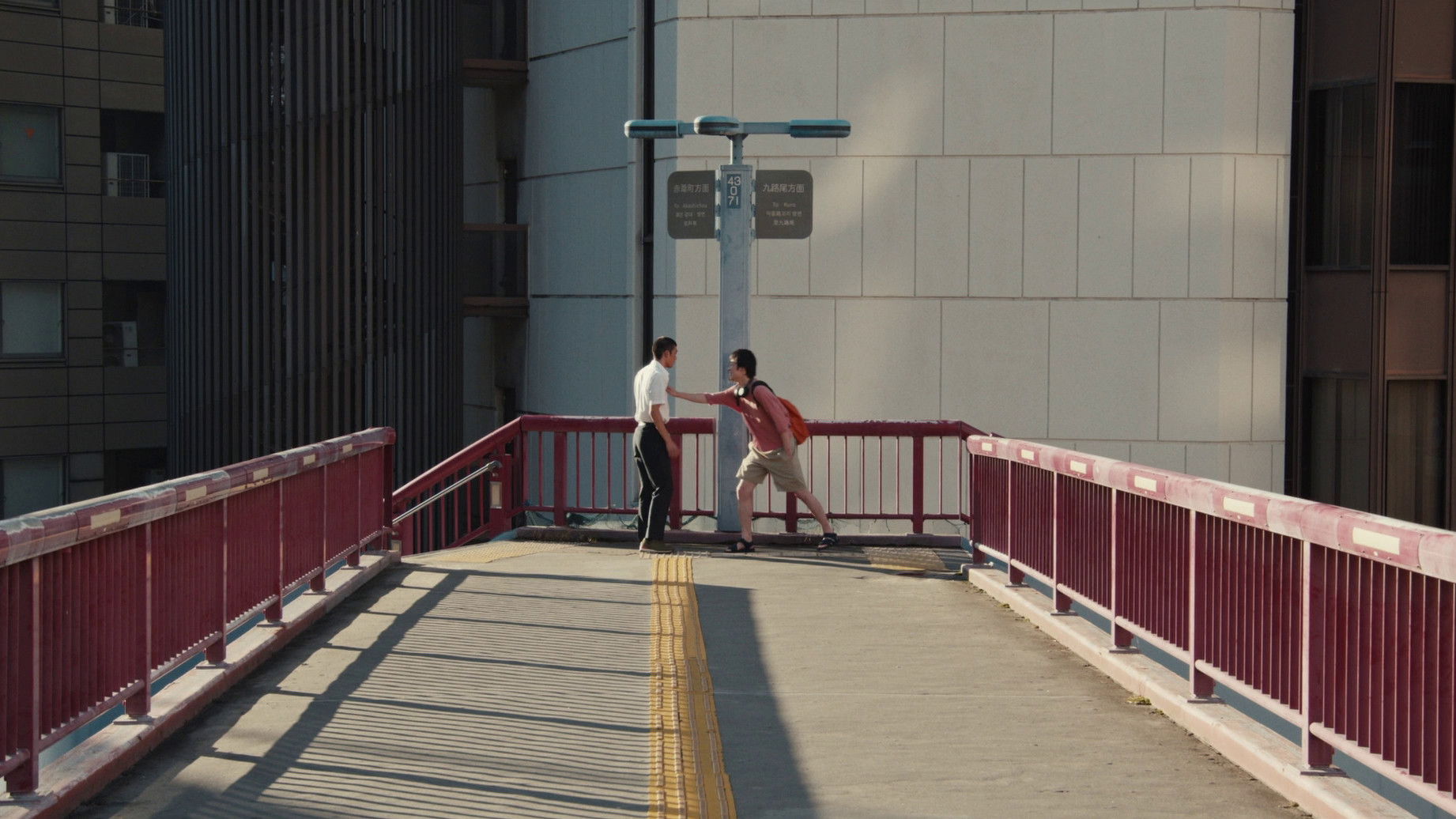
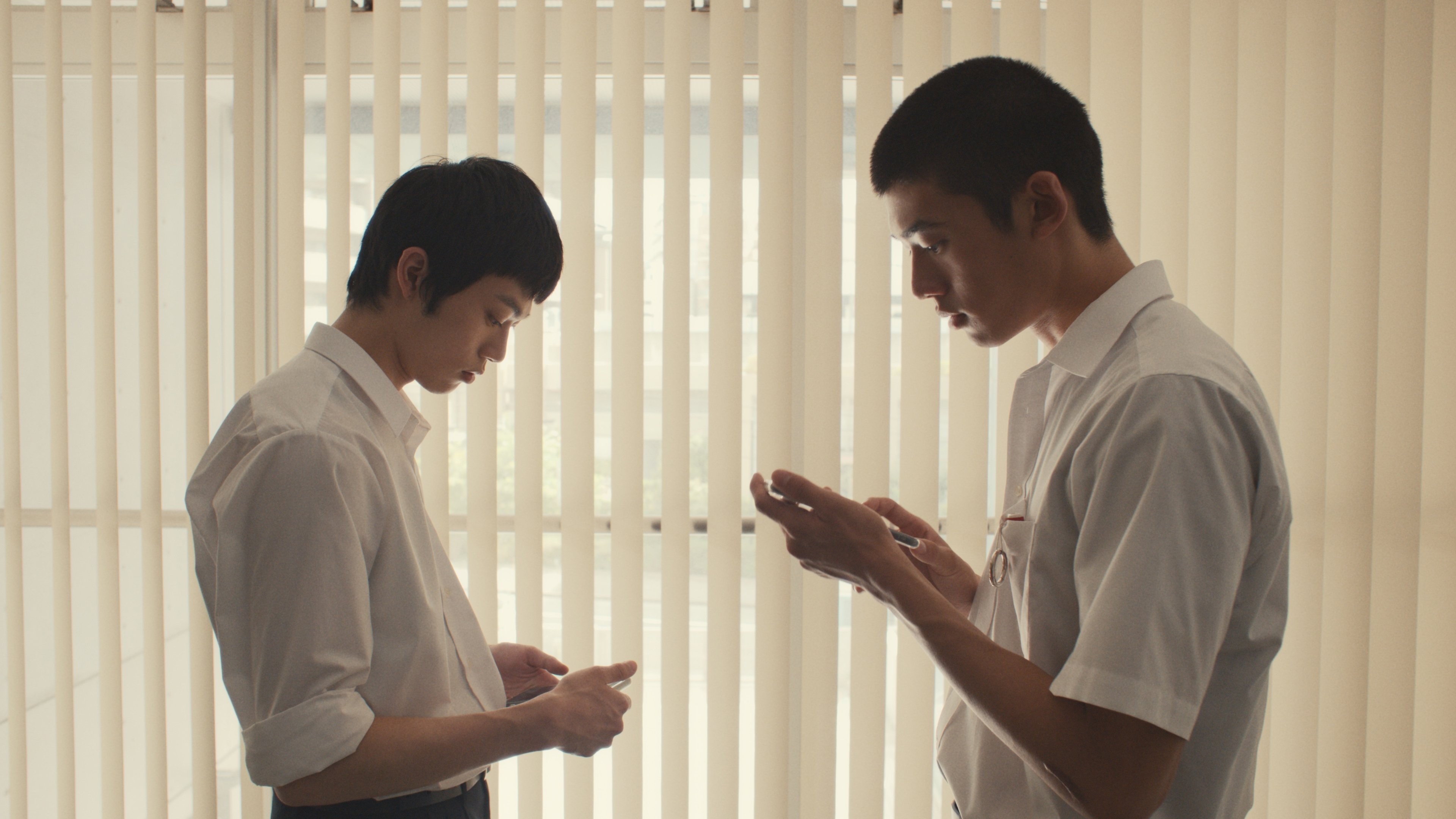
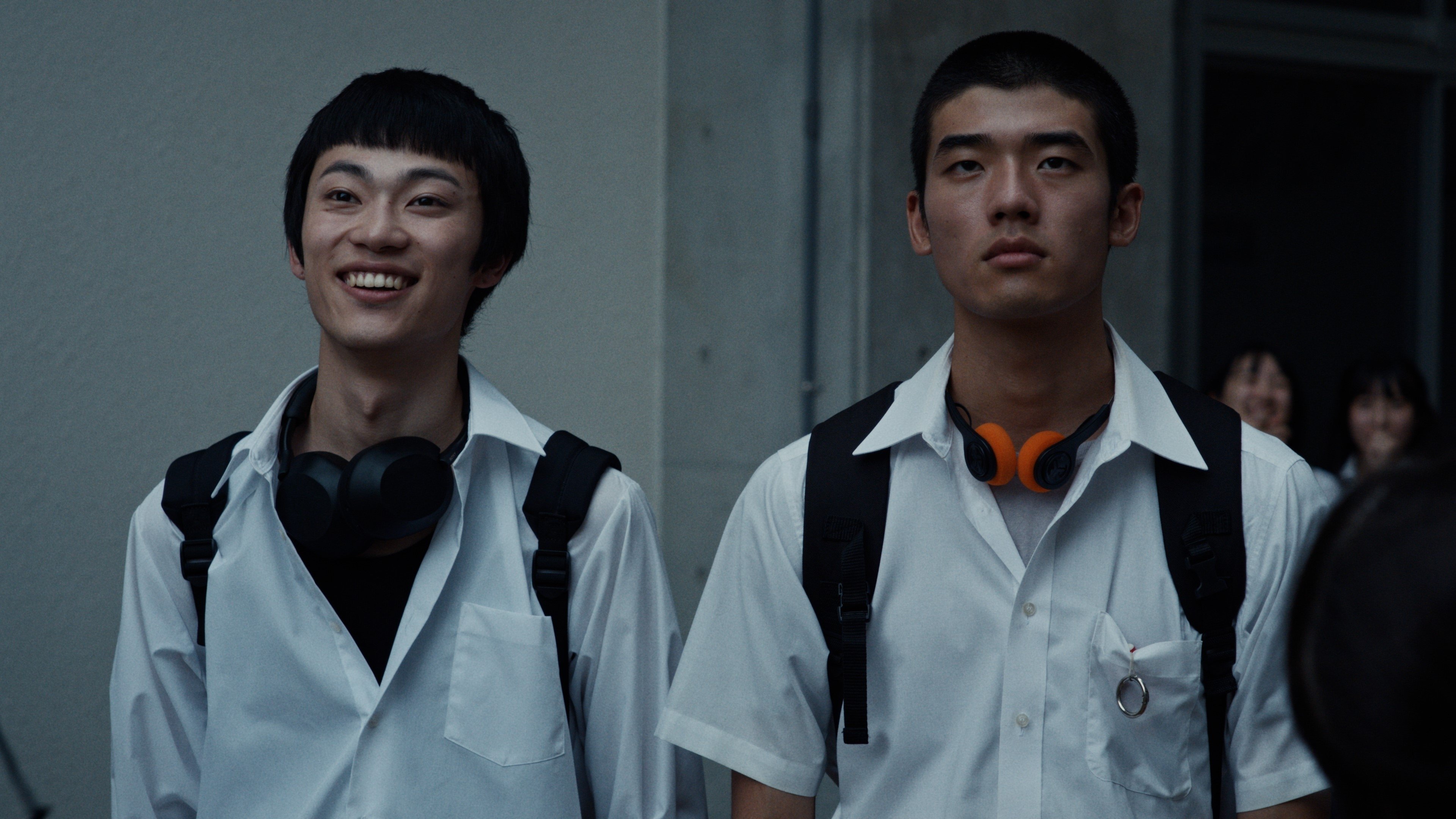
one of the most disturbing but quietly powerful aspects of this film was how kou’s family, despite being part of japan for generations, is still branded as foreign, how the line between citizen and outsider is kept blurry enough to manipulate, how national fear revives old traumas and folds history into the present as a tool of control, and how that subtle violence this quiet but persistent othering, isn’t always carried out by systems alone but seeps into the cracks between people, into friendships that start to break not from fights but from silence, from growing political gaps, from the unspoken weight of inherited bias and collective forgetting, and watching it happen in this film with such an intimate, filmic restraint made it even more obvious, the way this film captures it in the distance between two people, in the muted palette of a near-future that feels eerily current, in the slight pauses where you realize the most terrifying part of propaganda is not the laws it passes but the way it reorganizes how we see each other.
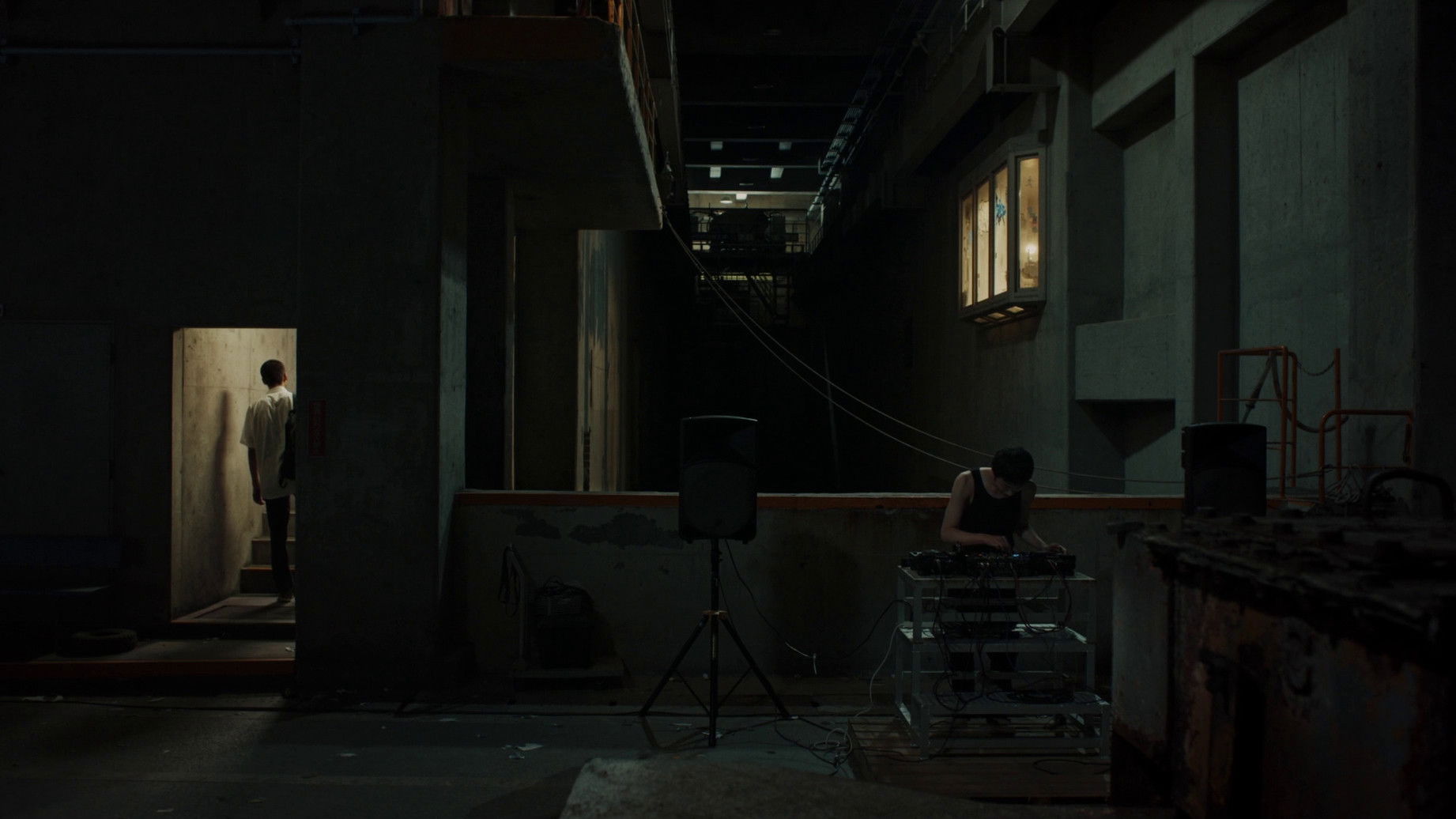
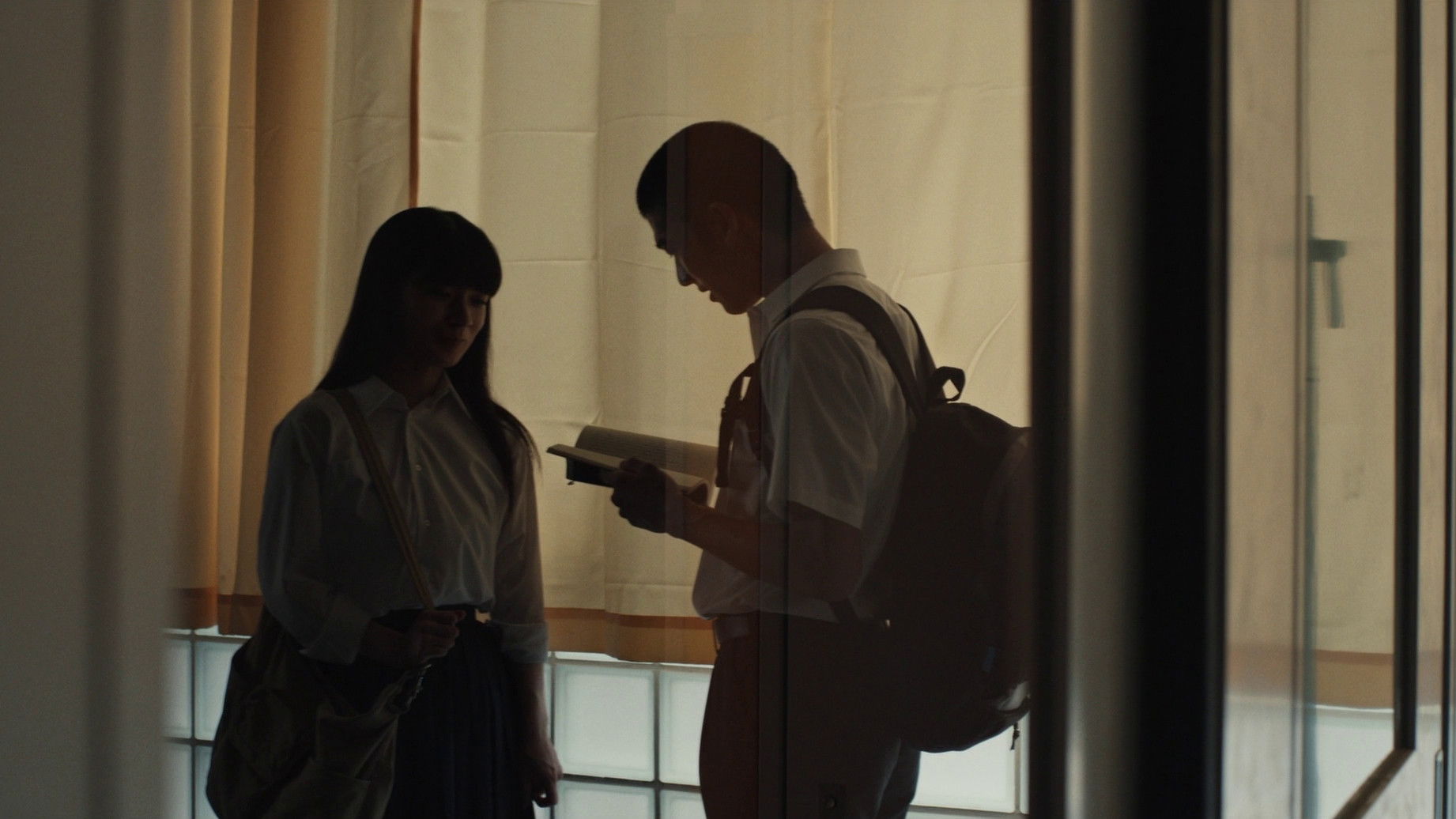
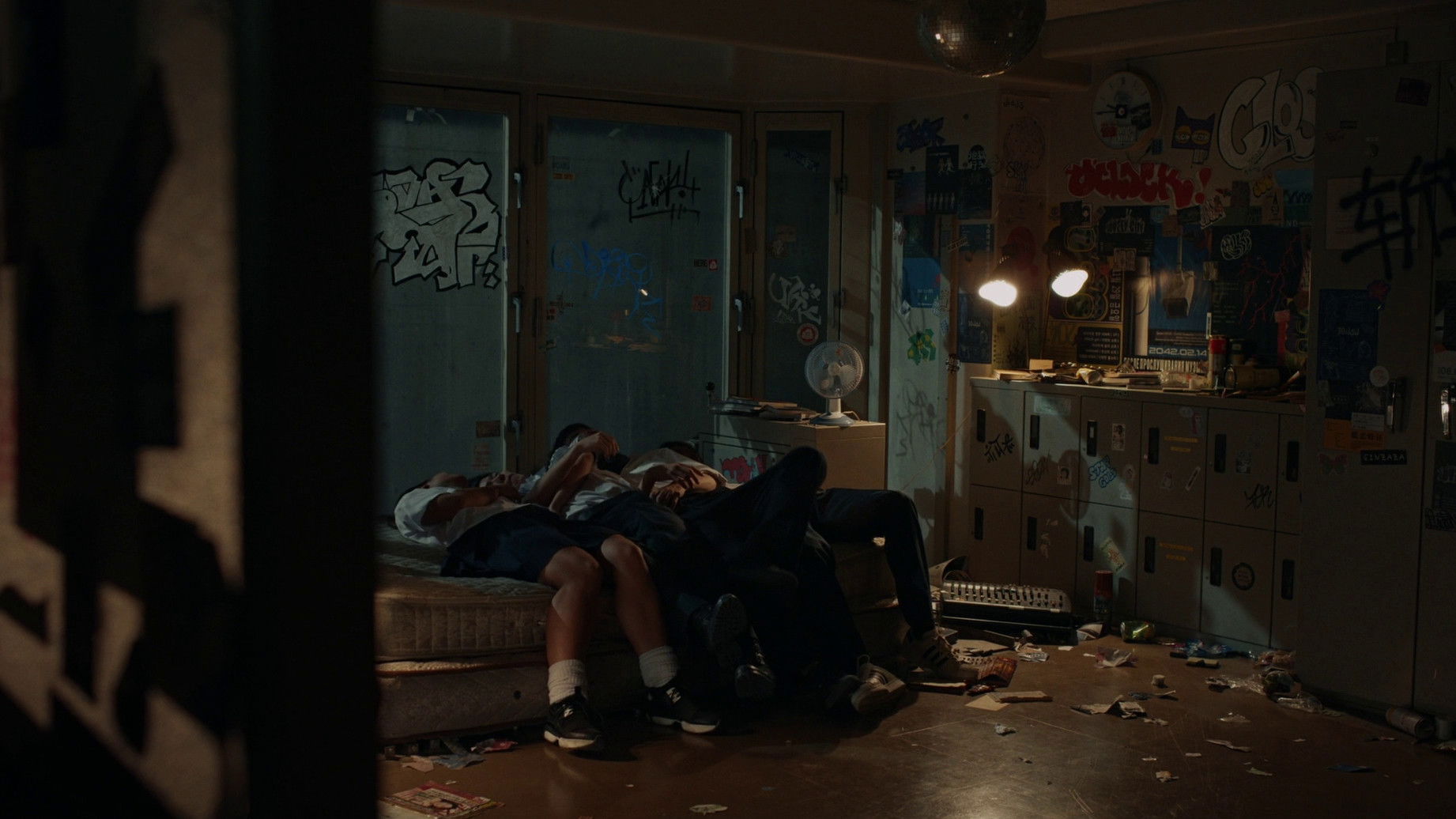
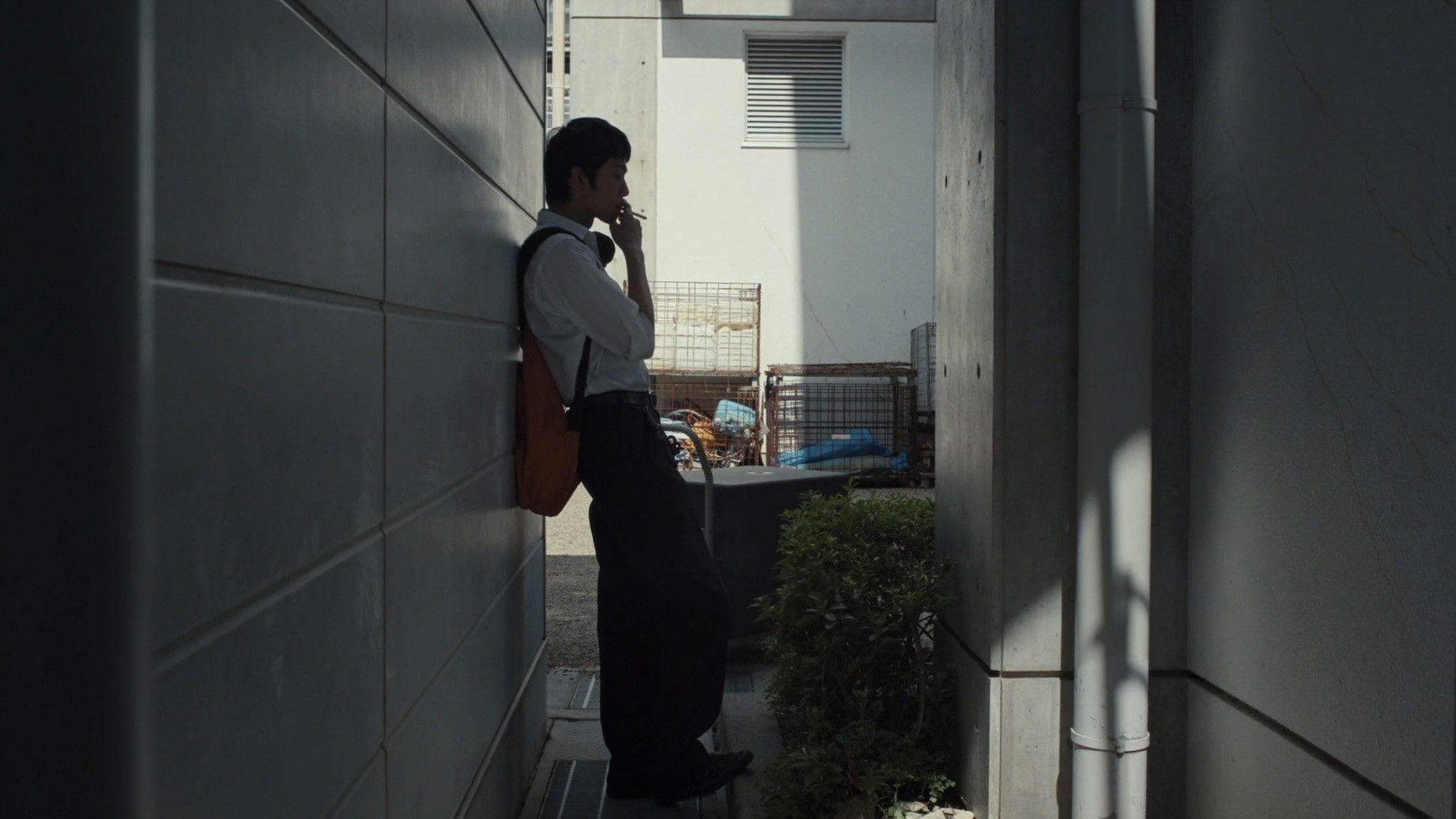
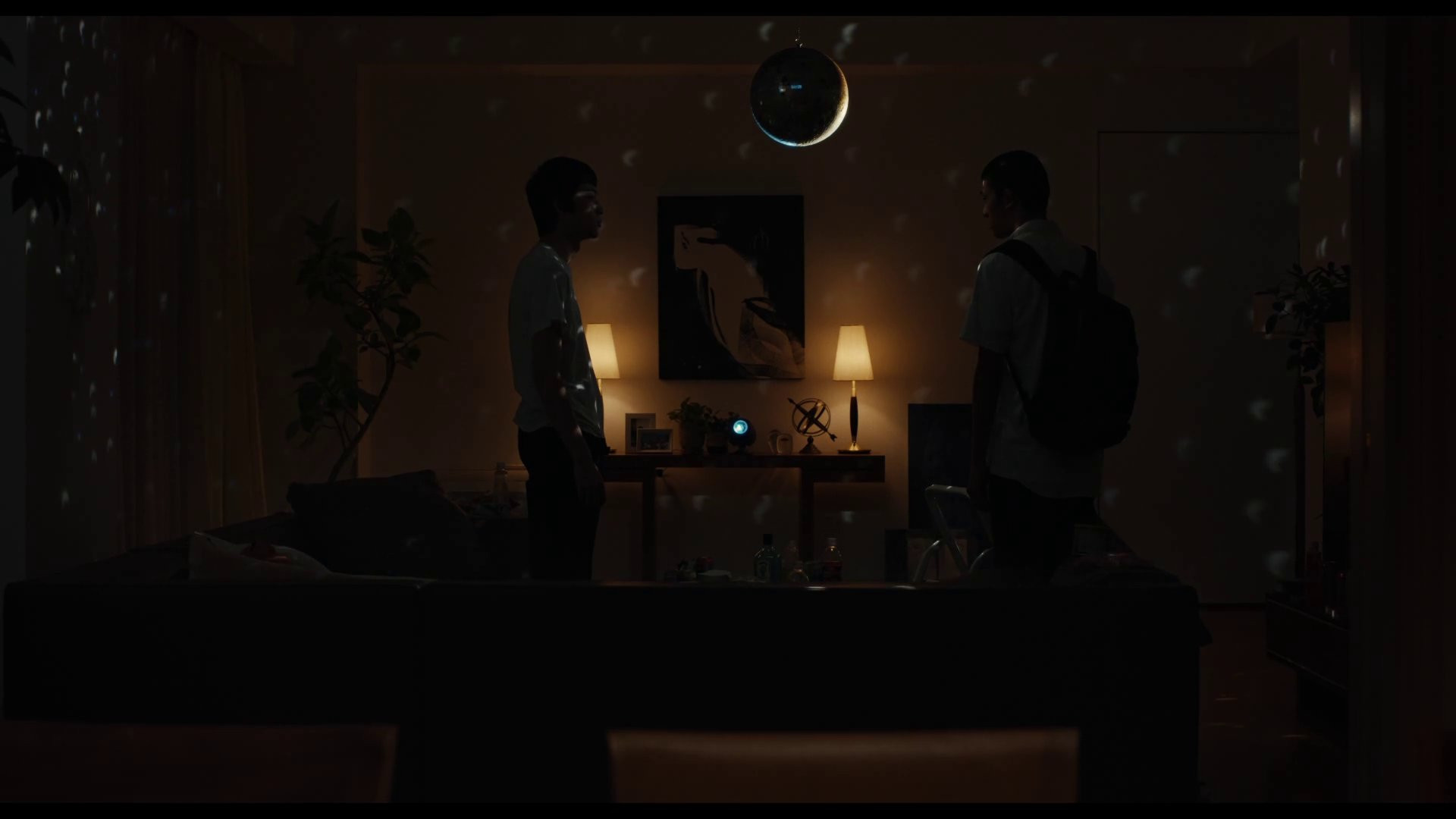
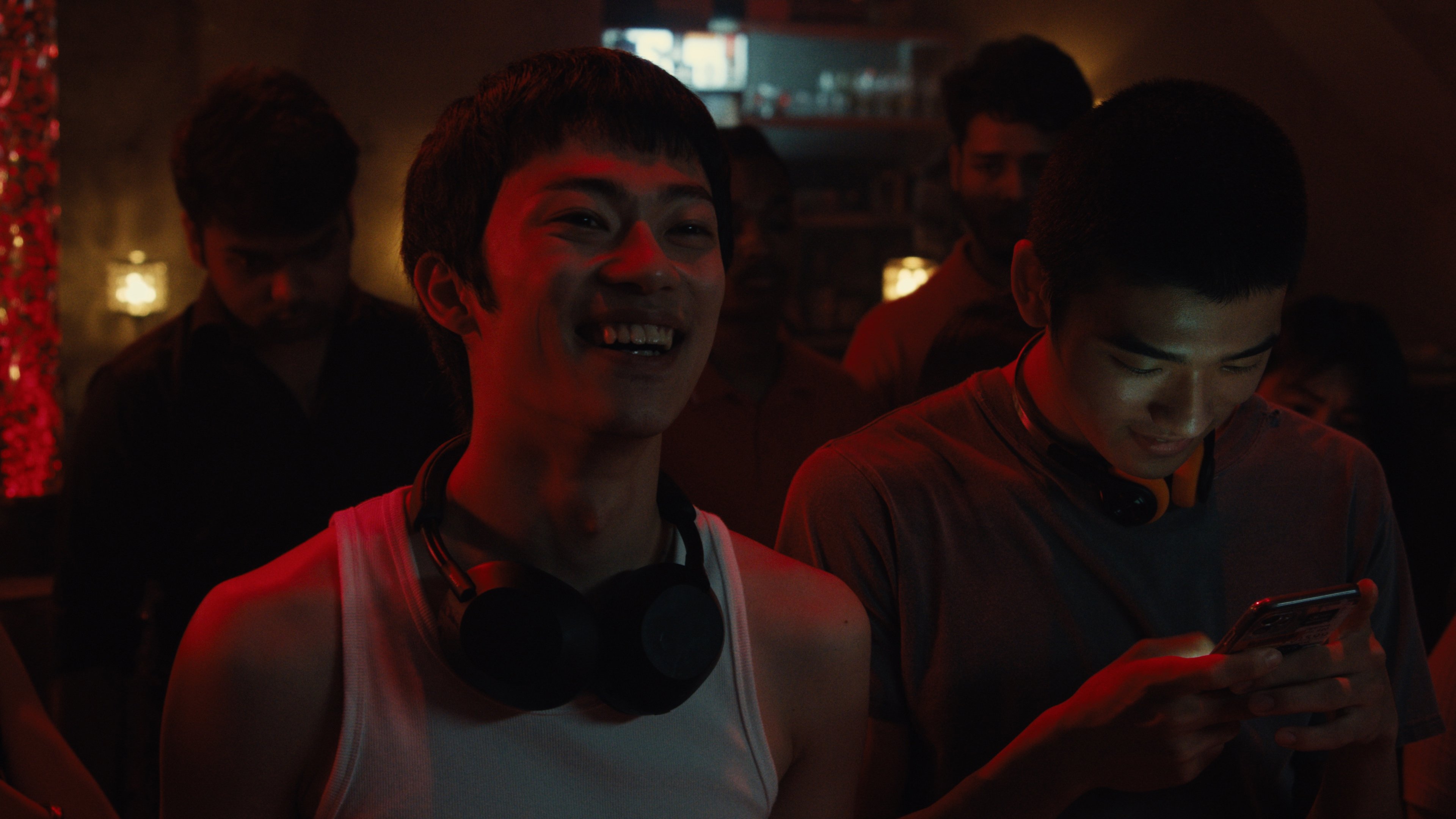
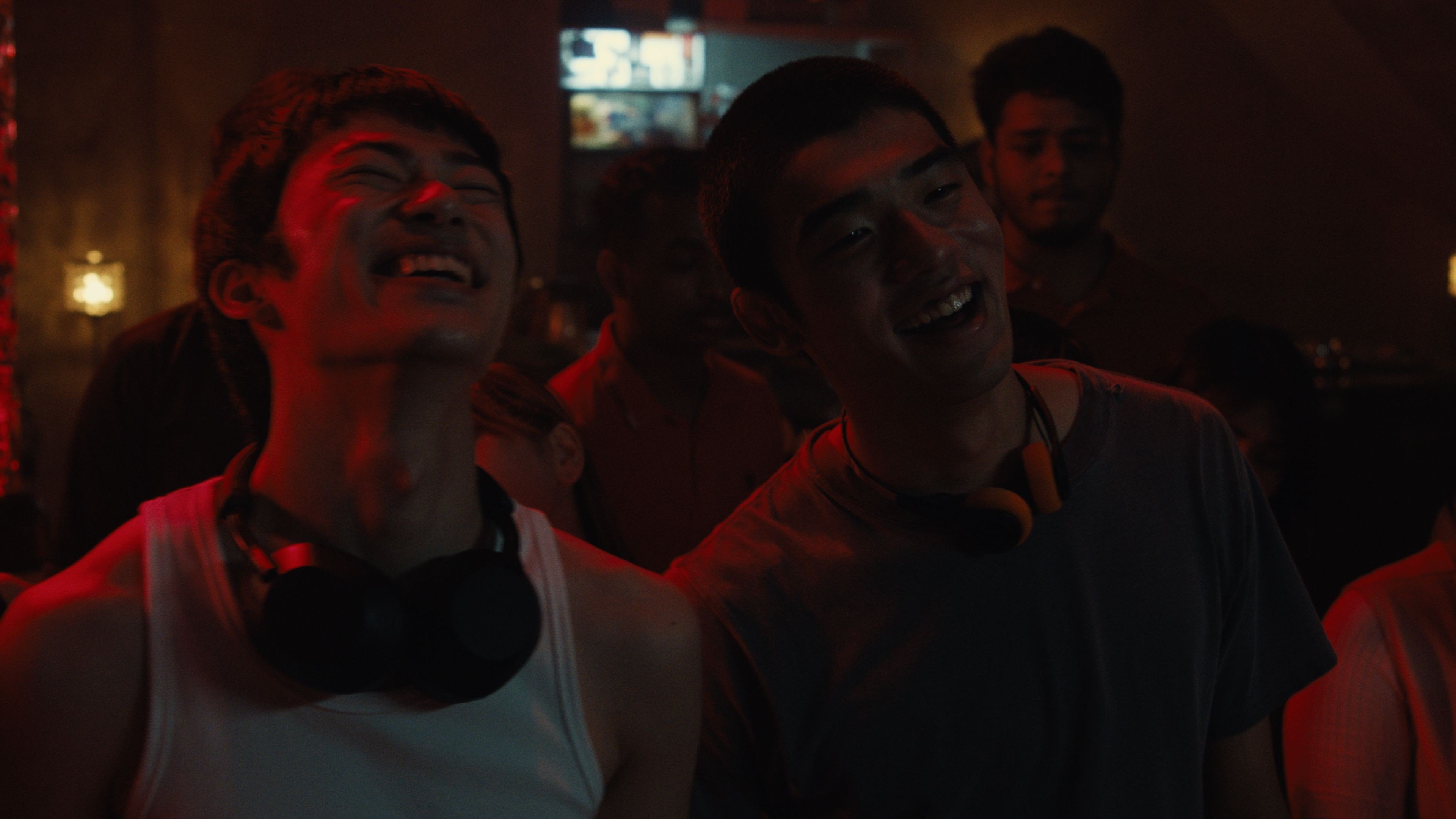
what neo sora understands so intimately in this film is that coming-of-age doesn’t arrive with clarity or closure but with contradiction, a shapeless unease that gnaws at you the closer you get to adulthood, especially when the world around you is quietly falling apart; it’s a feeling that’s hard to name yet painfully familiar where happiness feels performative, grief feels too heavy to carry, and the people you once clung to like lifelines begin to drift into something unrecognizable, not out of malice but because growing up itself is an invisible act of separation, and sora translates that internal shift with such care and restraint that the absence of emotional spectacle feels louder than any breakdown ever could; through stillness, fragmented intimacy, and an undercurrent of sonic dissonance, the film breathes in the spaces between connection and disconnection, memory and moment, where friendship fractures not in confrontation but in silence, and meaning comes not from resolution but from the ghost of what was almost said, this film becomes less a narrative and more an atmosphere, one that understands how alienating it is to live in a time where everything demands your attention but nothing gives you direction, and how cinema, like memory, can be the only language left to express what we’re still trying to understand.
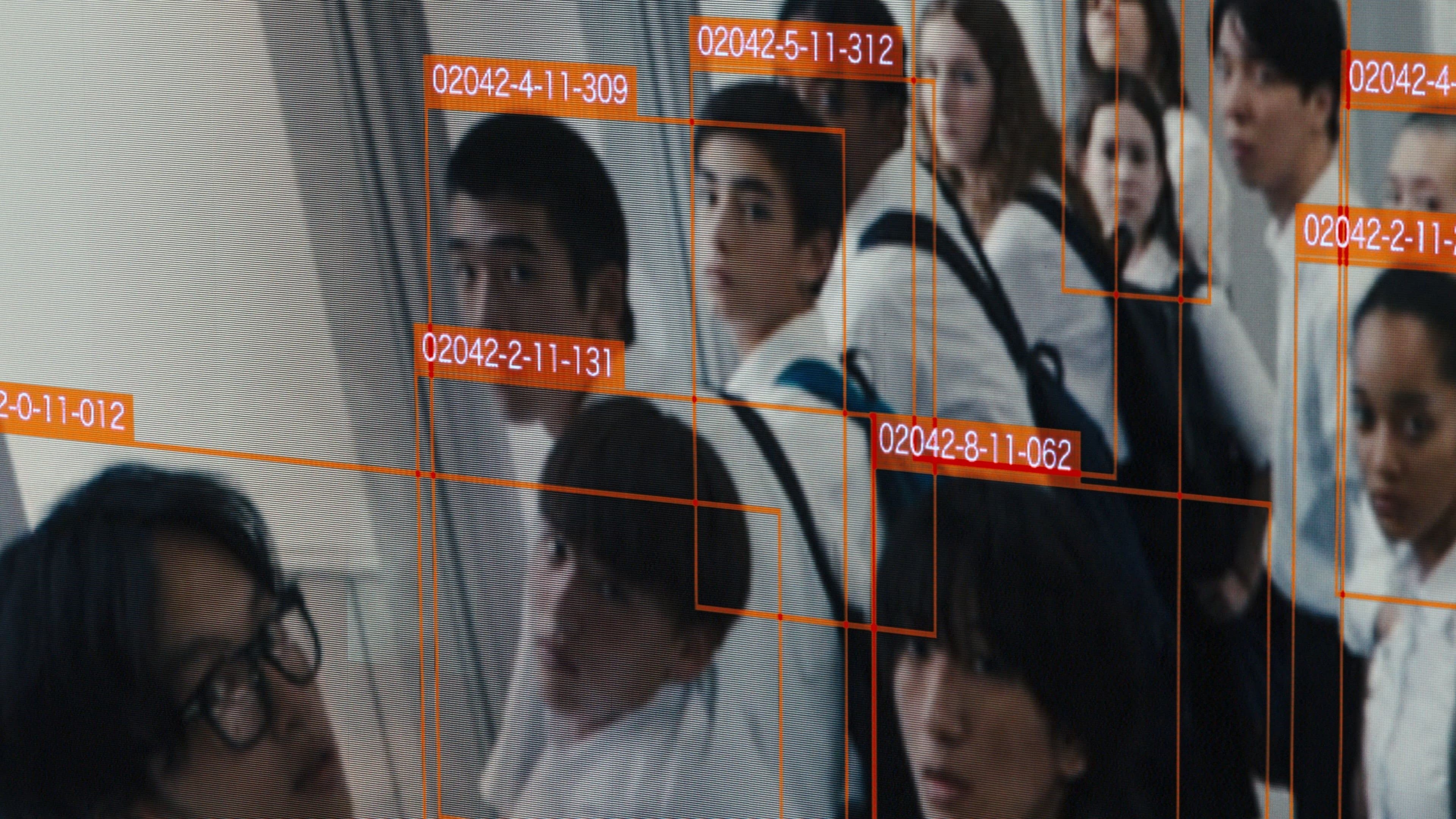
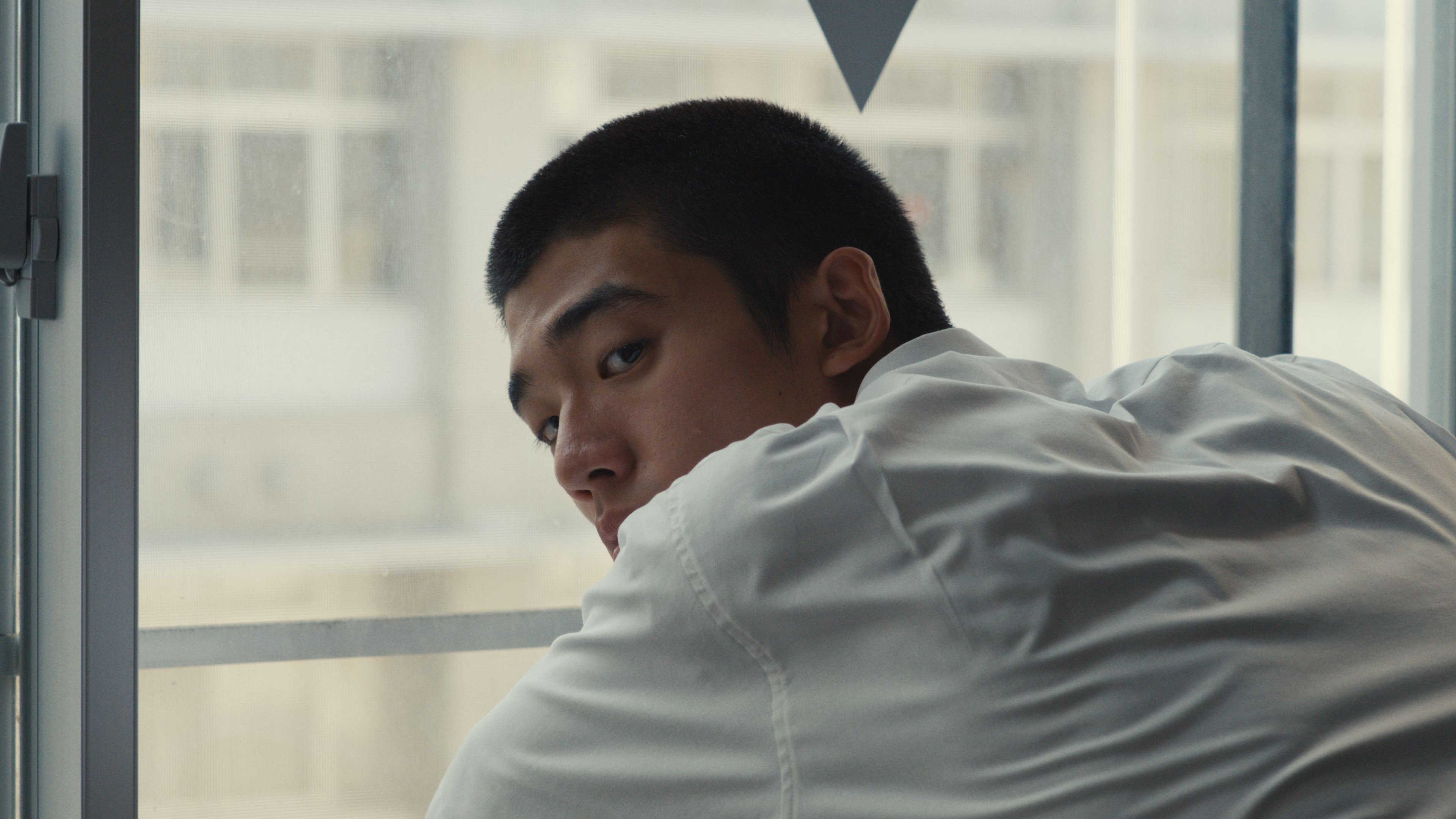
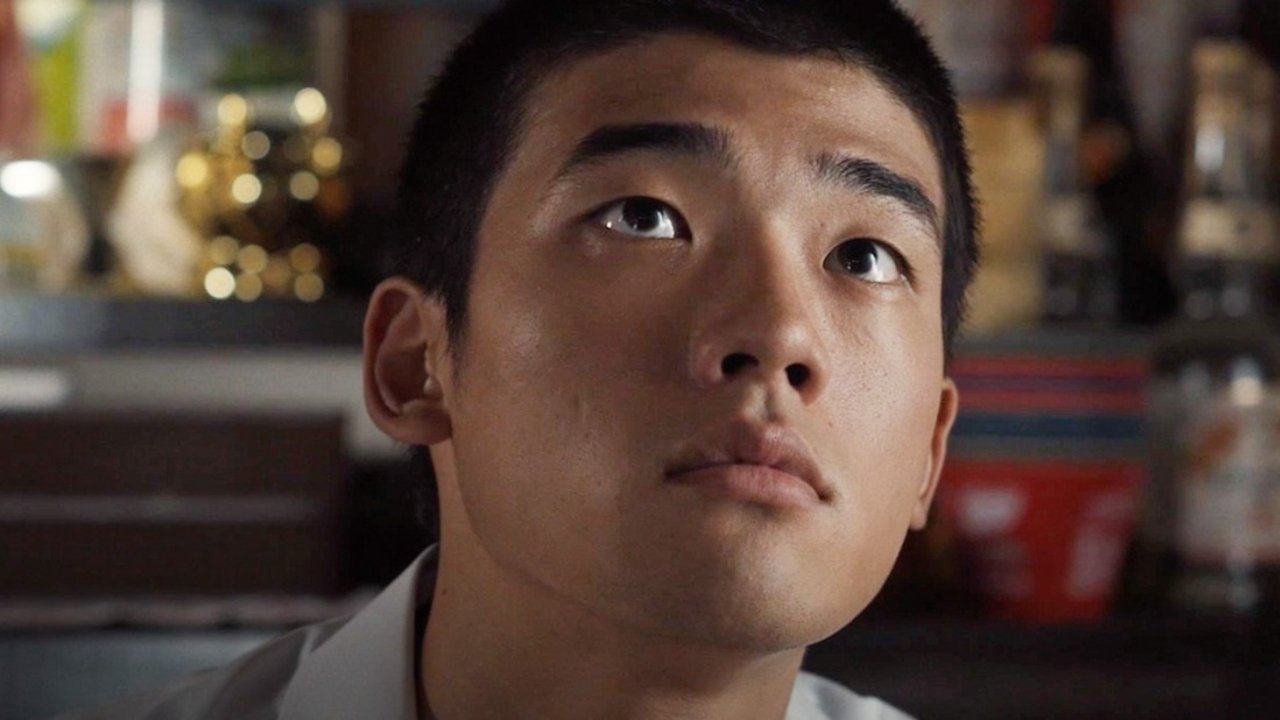
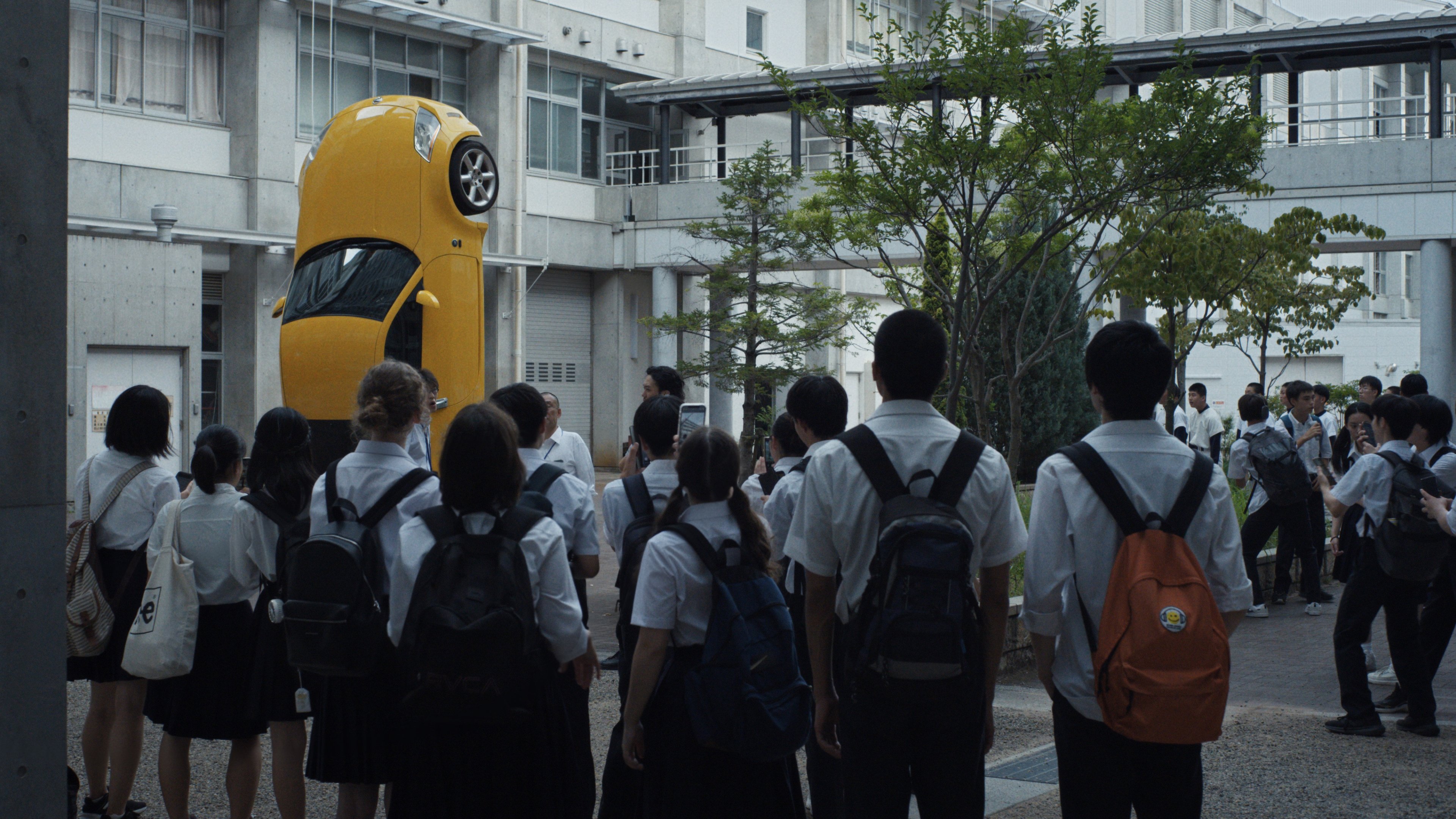
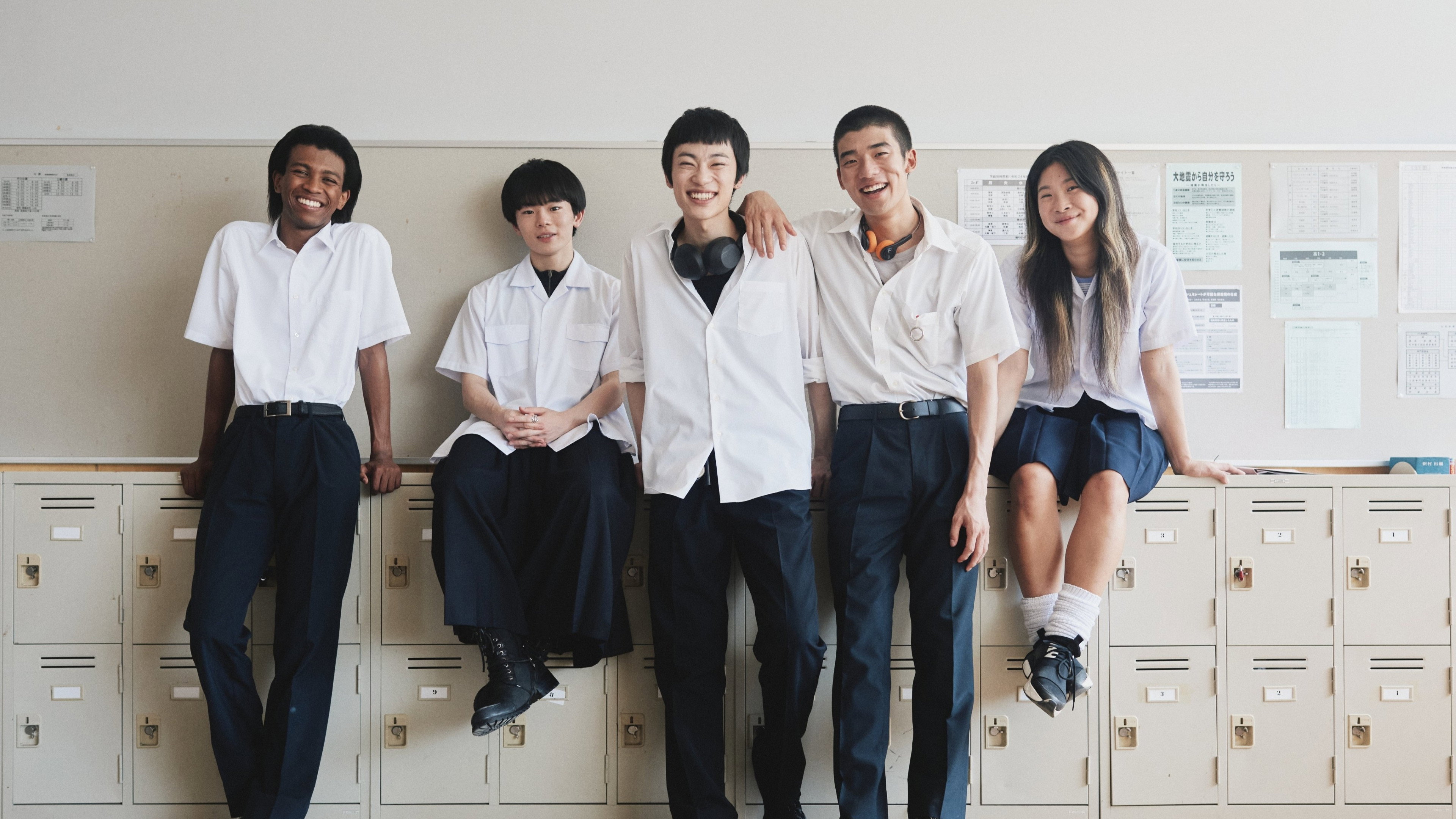
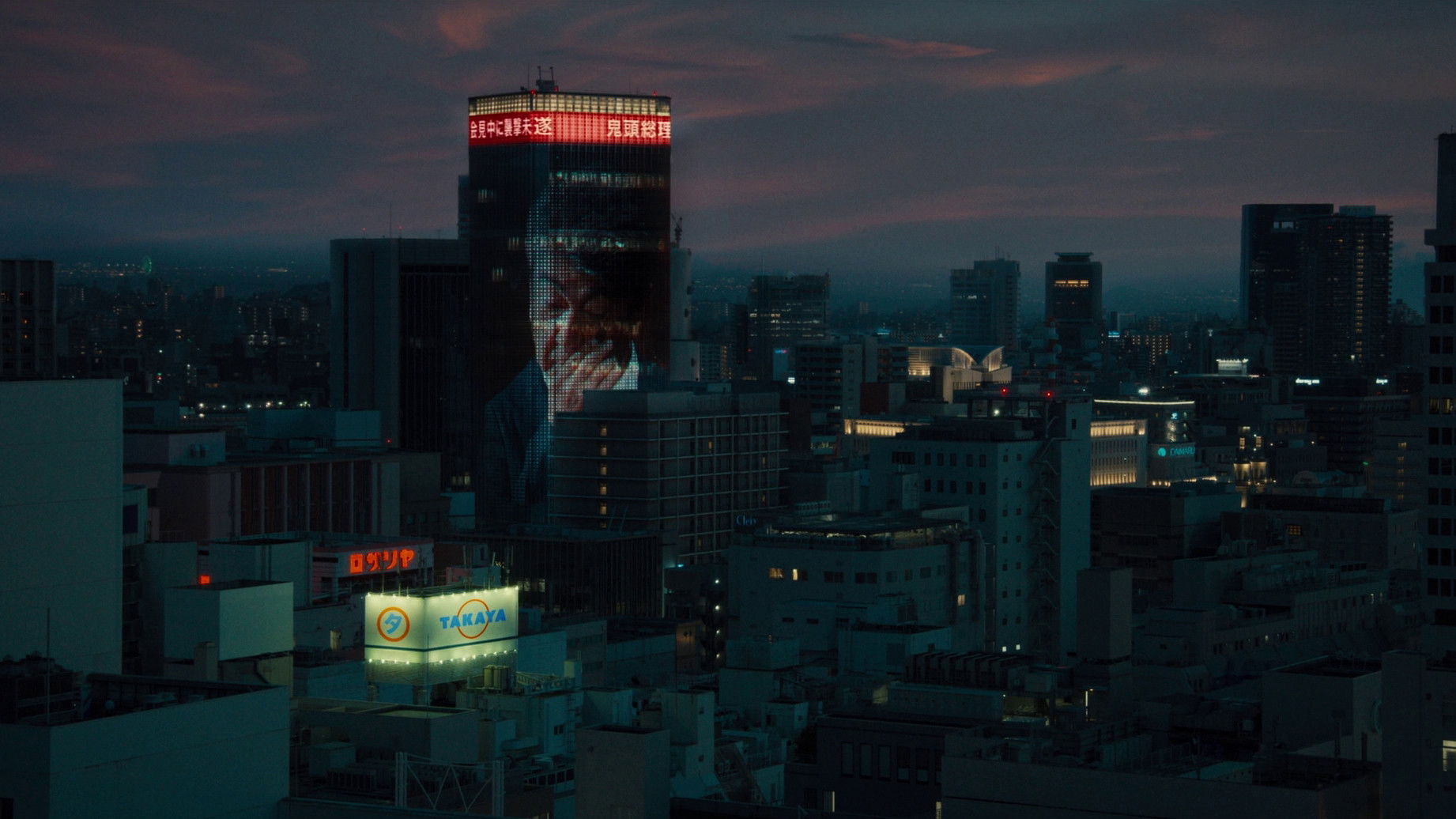
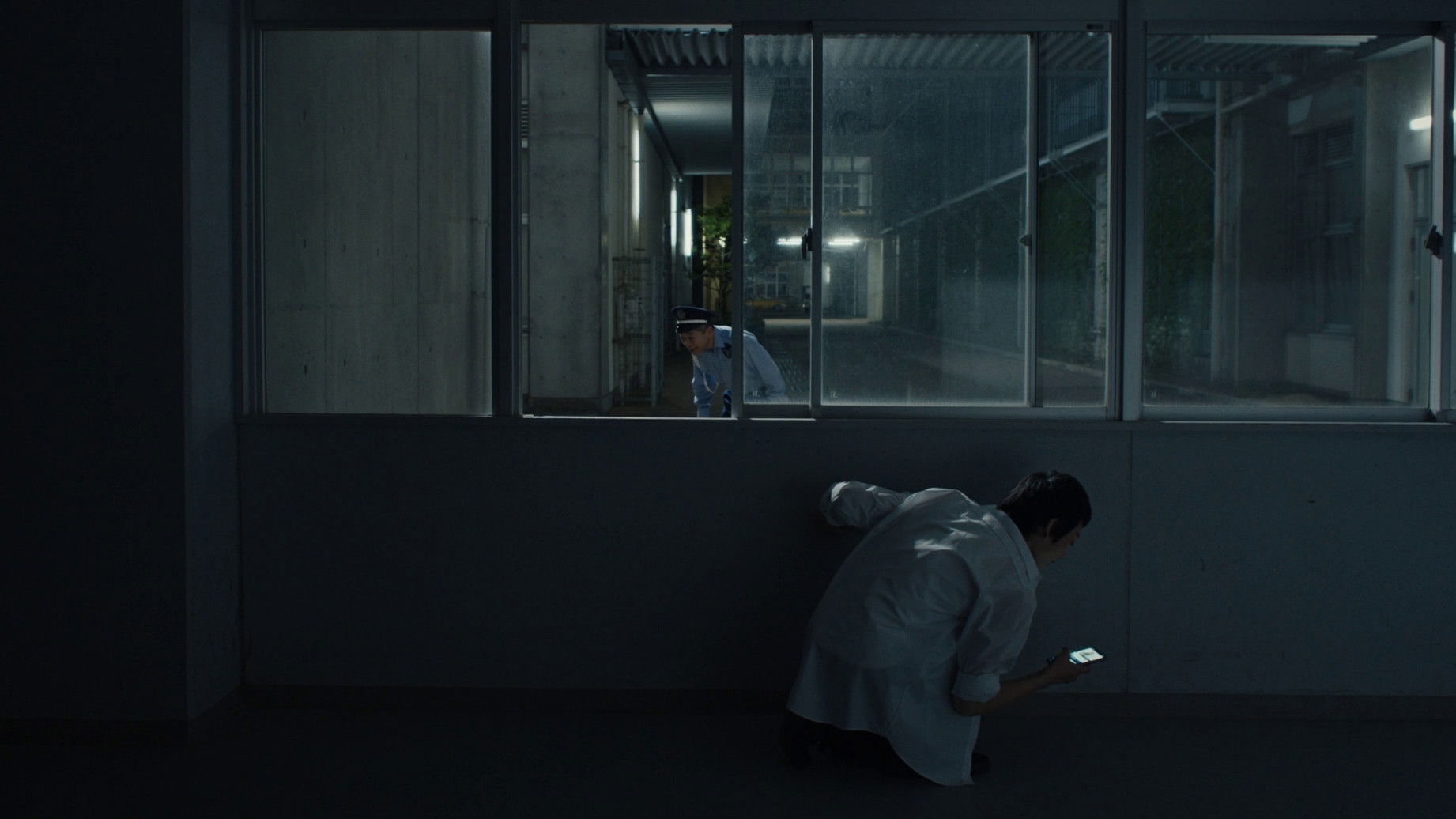
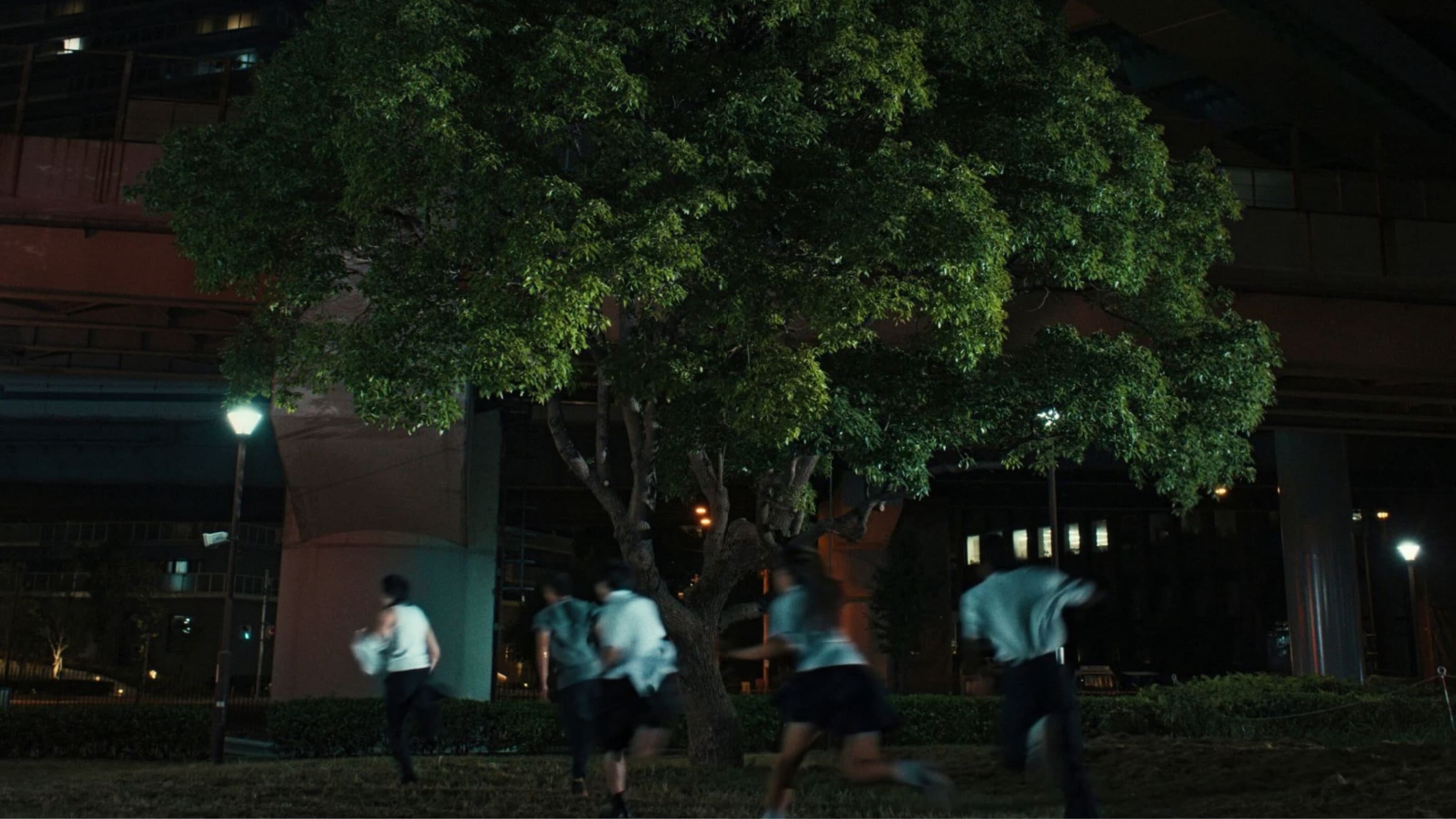
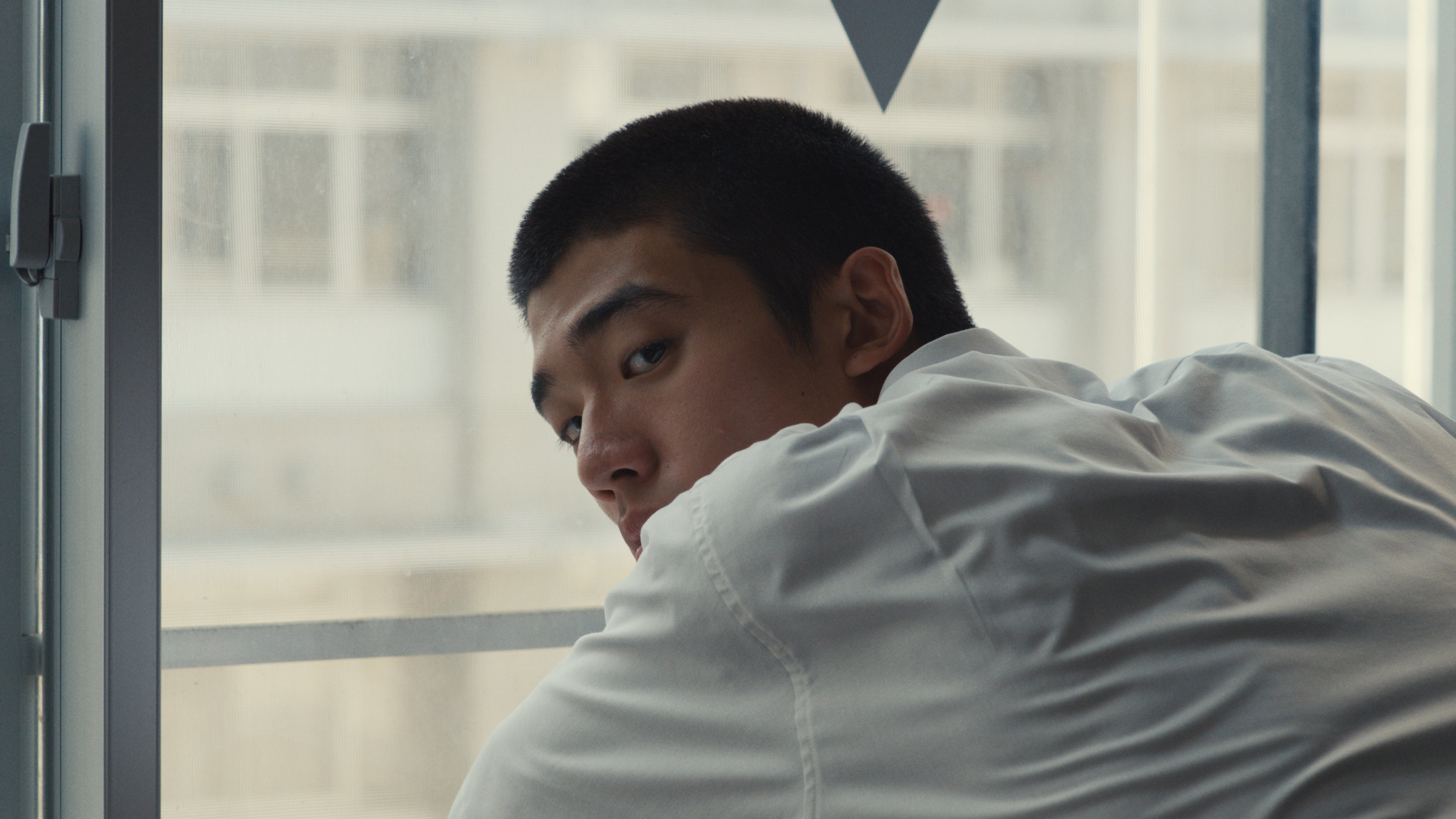
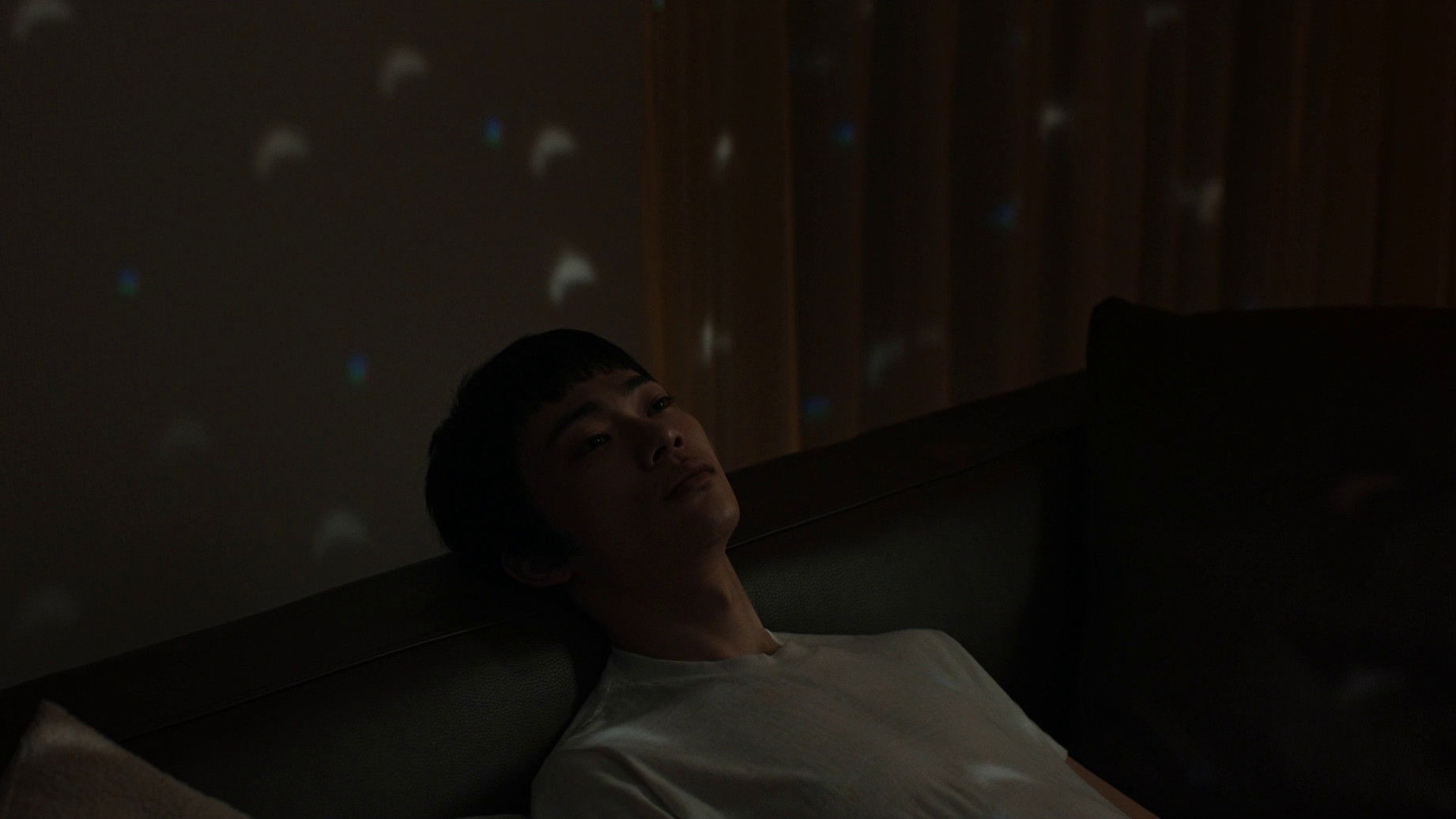
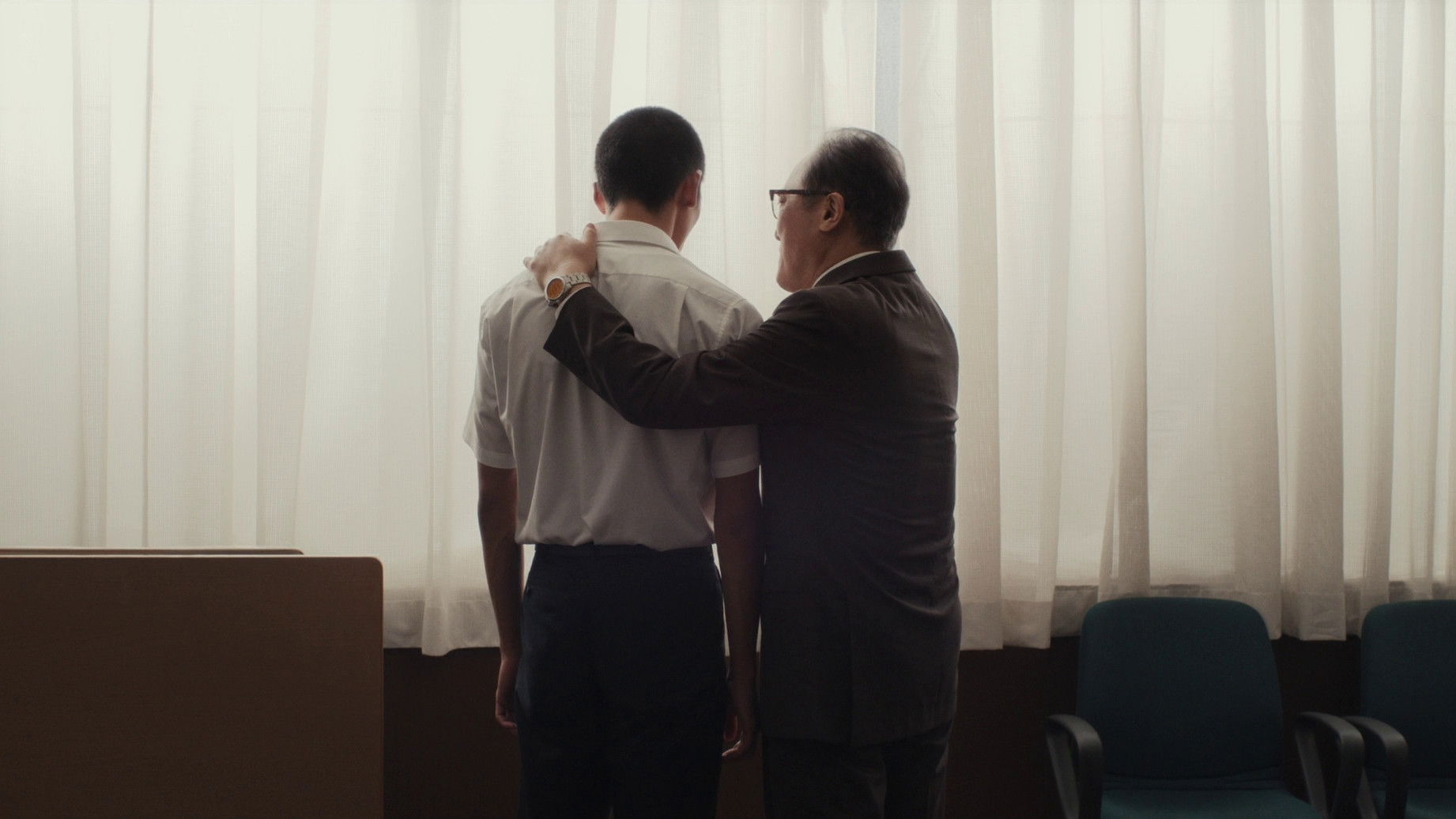
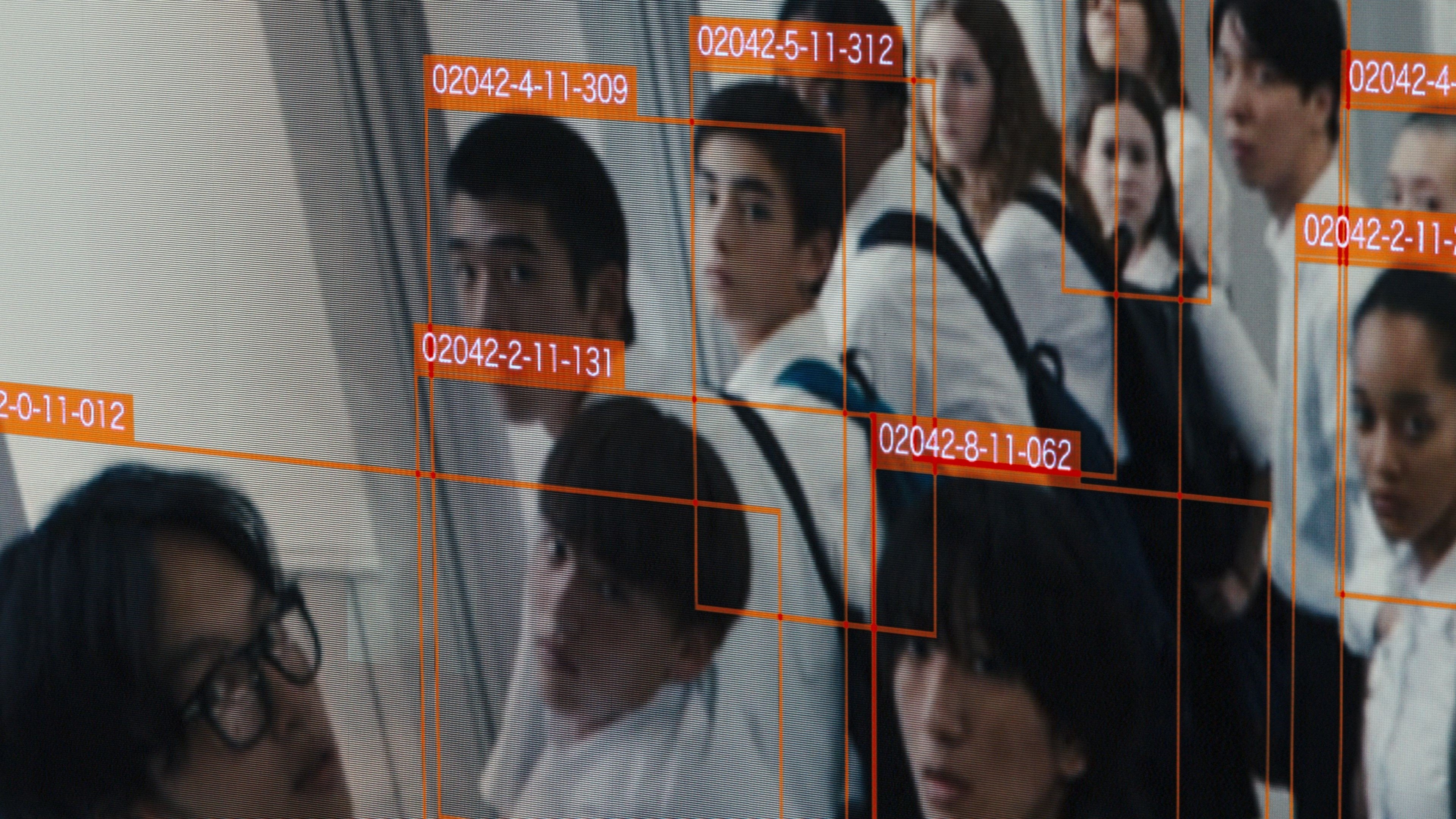
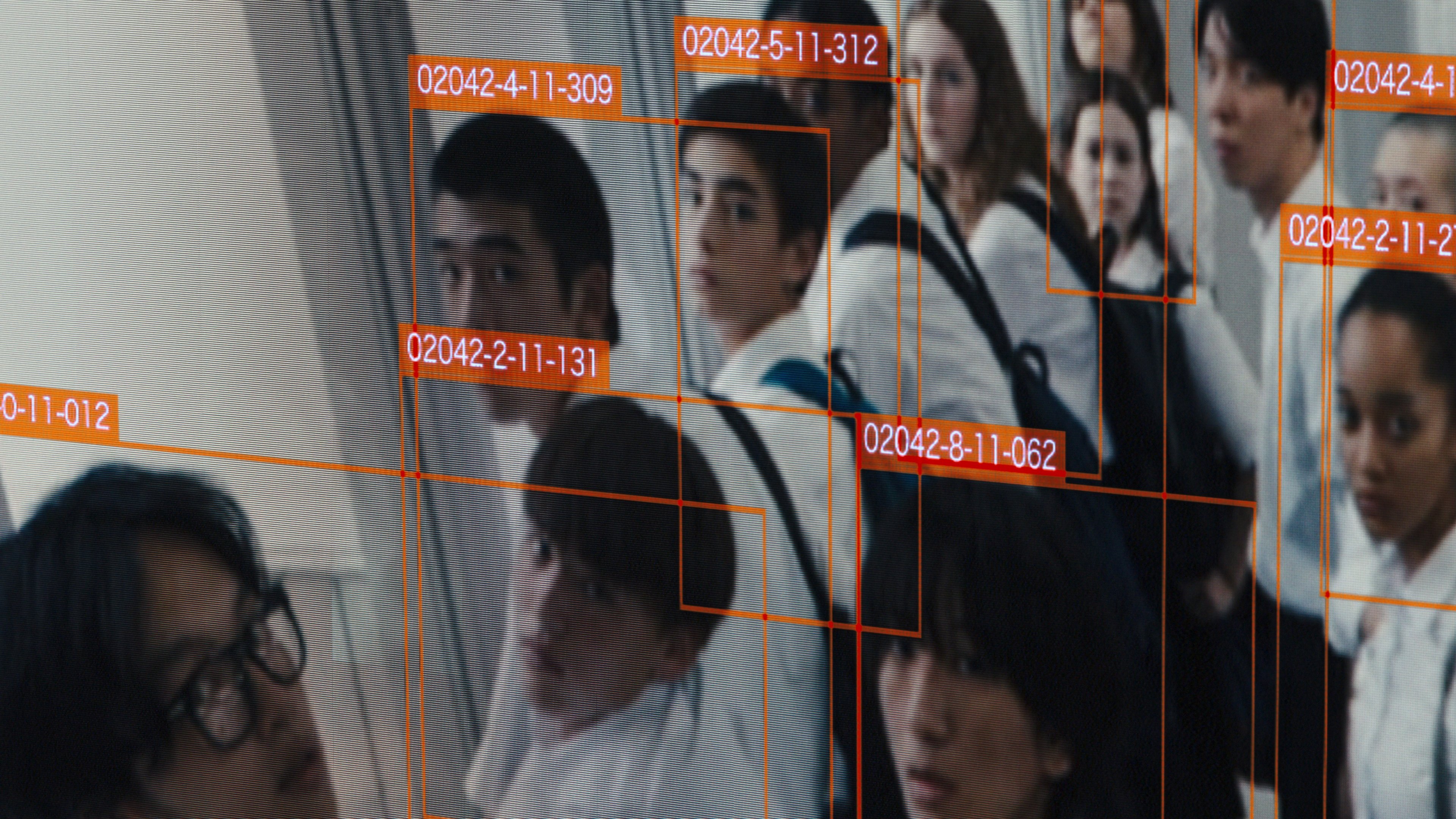
set in a near-future japan where facial recognition is weaponized into a sleek, dehumanizing tool of control and fear is repackaged into a sterile, state-sponsored campaign of obedience, sidesteps flashy futurism in favor of something far more intimate and unnerving like a raw, emotionally intricate study of what it means to come of age under the unblinking gaze of surveillance both institutional and internal. sora is less interested in technological spectacle and more drawn to the subtle textures of psychological and moral disintegration, where every hallway becomes a stage, every gesture potentially incriminating, and every decision weighed against a future you didn’t choose. the film doesn’t just show dystopia; it simmers with quiet alienation, as the soft machinery of repression disguises itself as order and care. there’s a bitter, aching irony in how adulthood, cloaked in bureaucracy and fear-mongering, tightens its grip in the name of protection, while kids like yuta and kou stumbling through a haze of heartbreak, loyalty, rebellion, and existential dread are left to define for themselves what justice means, what it takes to belong, and what lines must be crossed to feel truly alive.
and yet, happyend is not hopeless because it never reaches for easy catharsis or loud rebellion, it just watches, gently and precisely, as something essential fades. it doesn’t rage against the world, but instead lingers in the quiet aftermath of understanding it. the film is patient with its characters in a way few coming-of-age stories are, giving them the space to drift, to not know, to let time run its course without dramatizing every loss. it recognizes that the end of adolescence isn’t some clean break or explosive moment it’s the slow and steady realization that the things you once held tightly, the friendships, the distractions, even your own sense of invincibility, begin to slip from your hands as you start to see the world as it is, not how it felt. it’s the heartbreak of recognizing that not everyone you love will grow in the same direction as you, and the clarity that fighting and surviving are both acts of bravery, just different ones. the emotional power here doesn’t come from what’s said or shown directly but from how the camera holds space around these teenagers and lets silence speak louder than rebellion ever could. that restraint becomes the film’s language subtle changes in expression, gentle camera movement, the dead air between conversations, cinema as observation rather than declaration. happyend becomes devastating in the way real growing up is: not in dramatic gestures, but in tiny ruptures that reshape you permanently.
rated 5 stars. i love how this film uses this historical echo, referencing the weaponized panic that followed the
1923 great kantō earthquake, not just as backdrop but as a reflection of how fear always finds a target.
:
auteur-coded |
a personal primer in absolute cinema |
film posters i’d sell my soul for ୭˚. ᵎᵎ