

2007·Animation·21m
7.1
★
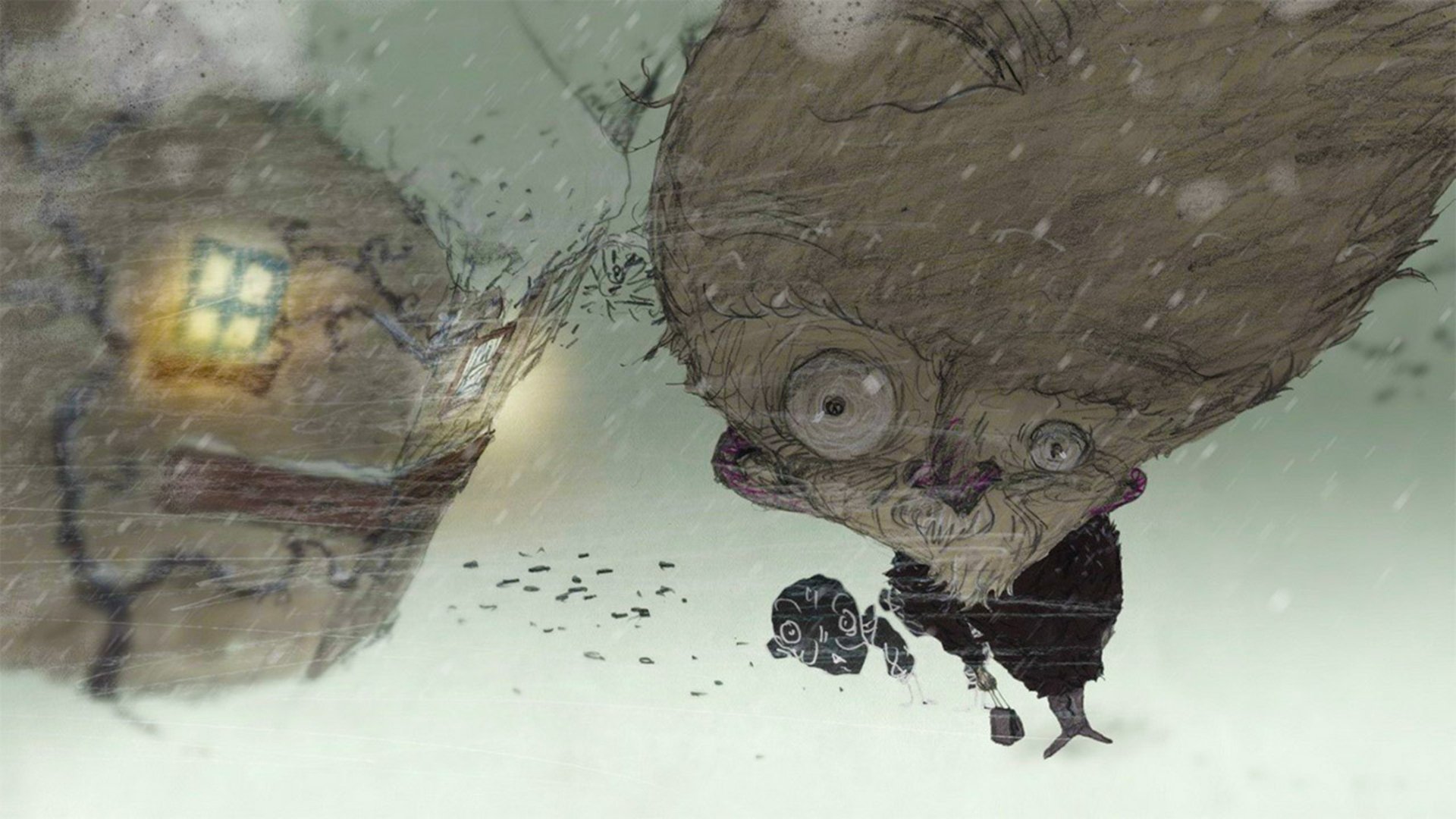
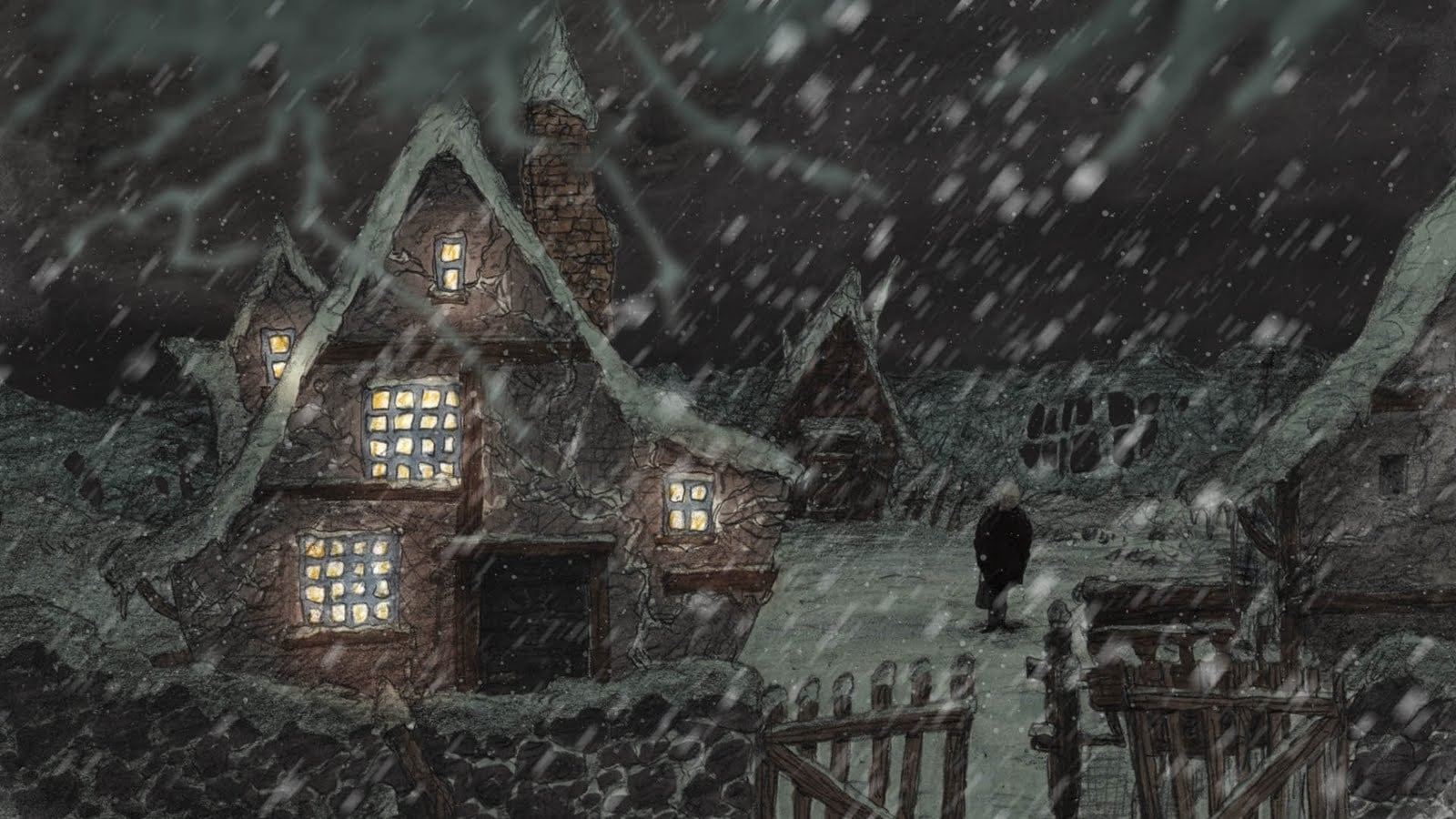
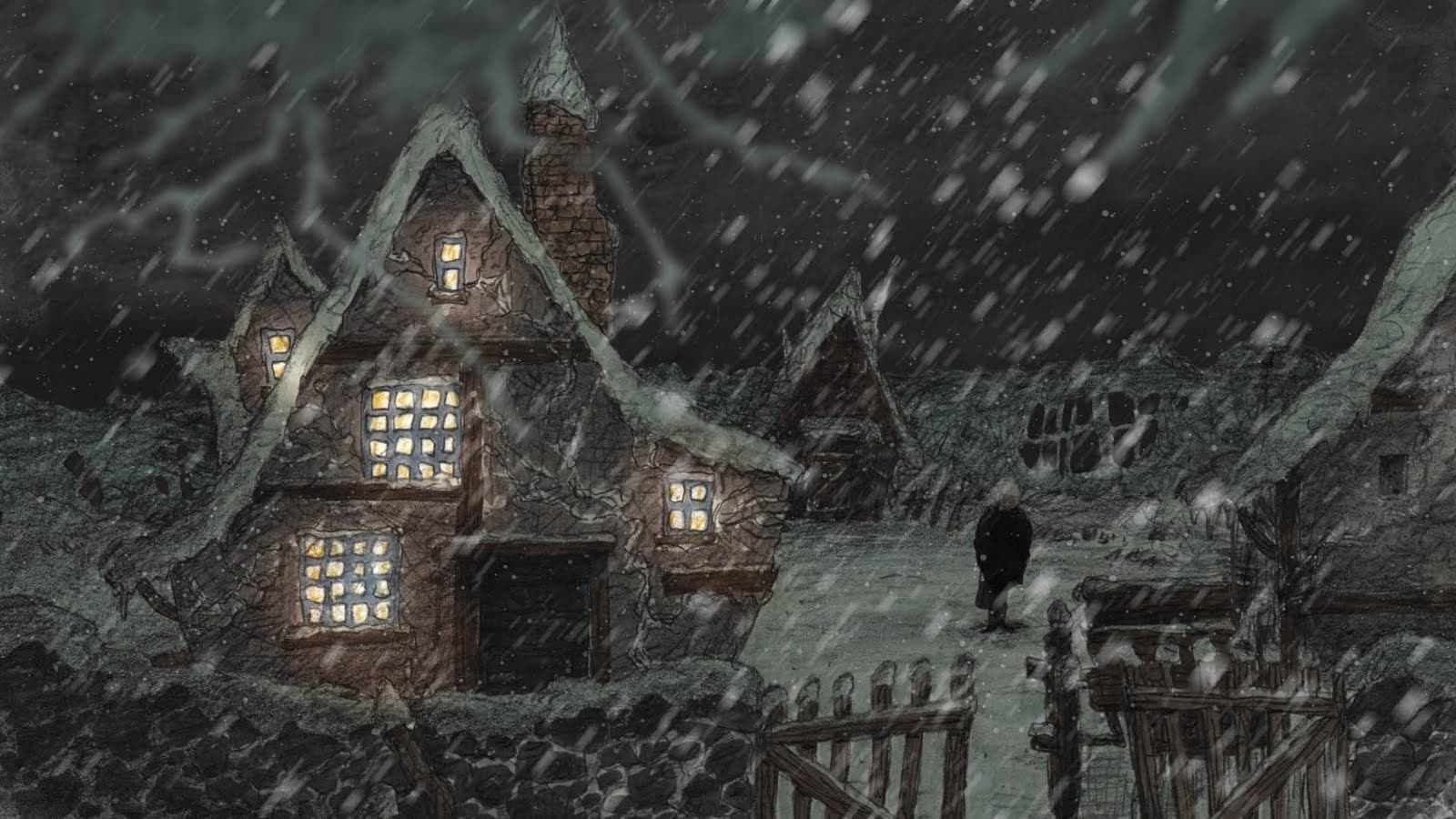
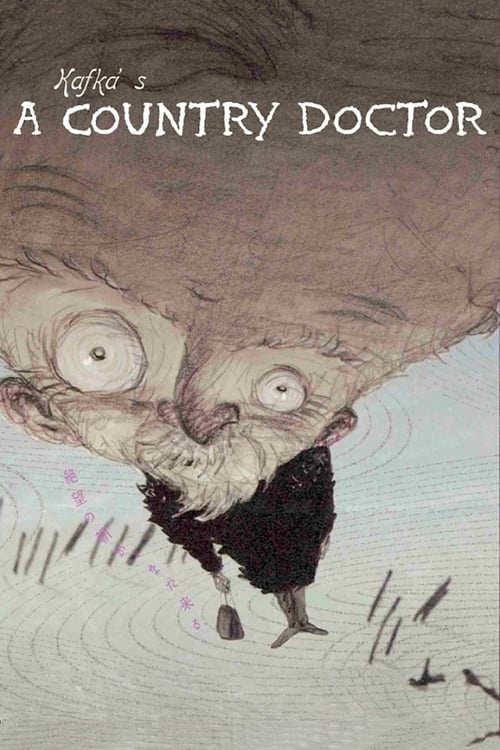
A hapless country doctor describes with breathless urgency a night-time summons to attend a young patient. Events soon take on a surreal aspect as "unearthly horses" transport him instantaneously to the bedside. The doctor, preoccupied with personal distractions and grievances against those he is employed to care for, fails to find what is revealed to be a vile, fatal wound. He is humiliated by the villagers, who are "always expecting the impossible from the doctor," and doomed to an endless return trip, losing everything.
Directed by Koji Yamamura

IMDB
N/A
Cast
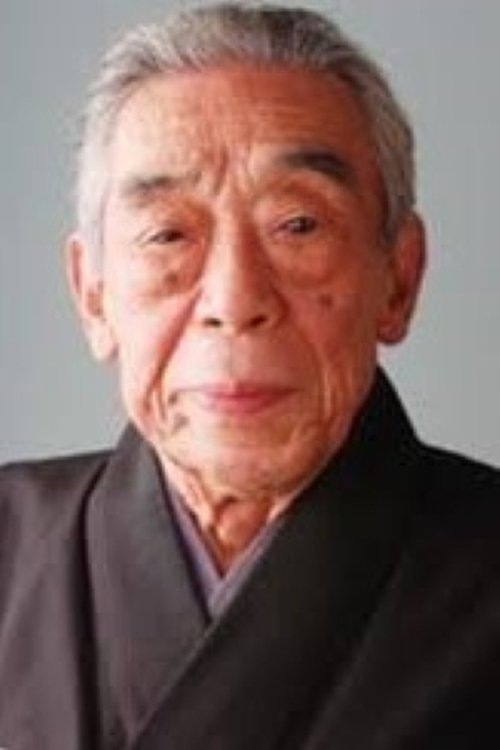
Sensaku Shigeyama
Doctor
Crew

Koji Yamamura
Director
Koji Yamamura
Background Designer
Koji Yamamura
Animation
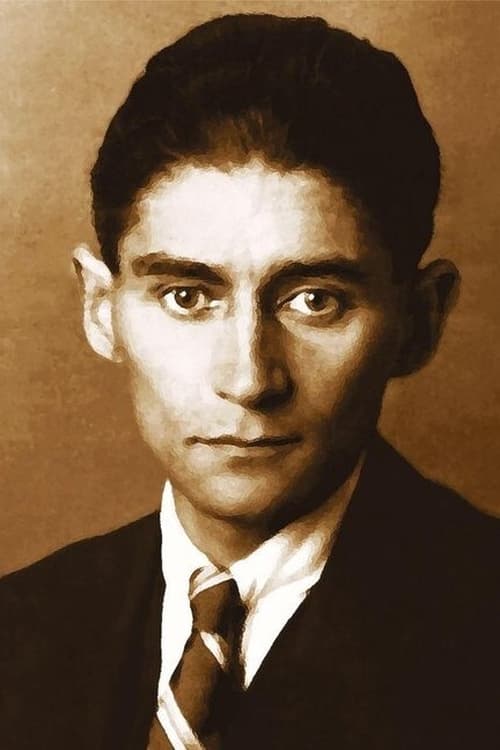
Franz Kafka
Original Story
Popular Reviews
61 reviews
devi
8.0★ · 06/03/26
such a fun kafka adaptation!!
such a fun kafka adaptation!!


The Kid
10.0★ · 04/15/26
Very kafkaesque, but I don't know what that means so I'm just going to say that it's freaky
Very kafkaesque, but I don't know what that means so I'm just going to say that it's freaky
Felipe Ferreira
10.0★ · 04/04/26
Acho que é meu conto favorito do Kafka. Se não esse, certamente "O Castelo" ou "O Processo", ambos que também tem filmes muito bons, apesar deste aqui ser um curta animado.
Eu sempre adoro quando leio alguma coisa e vejo que minha interpretação foi quase tão de acordo quanto a de outras pessoas ou ao da grande maioria - minhas leituras dos livros/contos de Kafka sempre foram nessa visão de um tom meio Tim Burtonesque e onírico, mas "pesadelesco", sempre uma situação confusa, uma labirintite posta sobre o papel. Isso me fascina, e é por isso que esse curta também me chama muito a atenção, pois os produtores com certeza entenderam muito bem o sentimento da obra.
A parte dos cavalos totalmente negros, quase sombras, apenas com pupílas brancas e uma presença estranha. Ou quando o doutor já está na casa, examinando a criança e a visão vai para a porta onde tem vários homens nas pontas dos pés e os braços esticados (Weapons? 🤪), dando pulinhos em direção à entrada - estas são algumas das partes que grudaram no meu cérebro por fascínio e horror - meu deus, é bizarro. Quase que de terror isso aqui.
Só faz eu me perguntar; por que diabos o cara escreveu esse conto? É quase uma exata transcrição de um pesadelo. Faz muito sentido se esse for o caso.
Eu sempre adoro quando leio alguma coisa e vejo que minha interpretação foi quase tão de acordo quanto a de outras pessoas ou ao da grande maioria - minhas leituras dos livros/contos de Kafka sempre foram nessa visão de um tom meio Tim Burtonesque e onírico, mas "pesadelesco", sempre uma situação confusa, uma labirintite posta sobre o papel. Isso me fascina, e é por isso que esse curta também me chama muito a atenção, pois os produtores com certeza entenderam muito bem o sentimento da obra.
A parte dos cavalos totalmente negros, quase sombras, apenas com pupílas brancas e uma presença estranha. Ou quando o doutor já está na casa, examinando a criança e a visão vai para a porta onde tem vários homens nas pontas dos pés e os braços esticados (Weapons? 🤪), dando pulinhos em direção à entrada - estas são algumas das partes que grudaram no meu cérebro por fascínio e horror - meu deus, é bizarro. Quase que de terror isso aqui.
Só faz eu me perguntar; por que diabos o cara escreveu esse conto? É quase uma exata transcrição de um pesadelo. Faz muito sentido se esse for o caso.
Acho que é meu conto favorito do Kafka. Se não esse, certamente "O Castelo" ou "O Processo", ambos que também tem filmes muito bons, apesar deste aqui ser um curta animado.
Eu sempre adoro quando leio alguma coisa e vejo que minha interpretação foi quase tão de acordo quanto a de outras pessoas ou ao da grande maioria - minhas leituras dos livros/contos de Kafka sempre foram nessa visão de um tom meio Tim Burtonesque e onírico, mas "pesadelesco", sempre uma situação confusa, uma labirintite posta sobre o papel. Isso me fascina, e é por isso que esse curta também me chama muito a atenção, pois os produtores com certeza entenderam muito bem o sentimento da obra.
A parte dos cavalos totalmente negros, quase sombras, apenas com pupílas brancas e uma presença estranha. Ou quando o doutor já está na casa, examinando a criança e a visão vai para a porta onde tem vários homens nas pontas dos pés e os braços esticados (Weapons? 🤪), dando pulinhos em direção à entrada - estas são algumas das partes que grudaram no meu cérebro por fascínio e horror - meu deus, é bizarro. Quase que de terror isso aqui.
Só faz eu me perguntar; por que diabos o cara escreveu esse conto? É quase uma exata transcrição de um pesadelo. Faz muito sentido se esse for o caso.
Eu sempre adoro quando leio alguma coisa e vejo que minha interpretação foi quase tão de acordo quanto a de outras pessoas ou ao da grande maioria - minhas leituras dos livros/contos de Kafka sempre foram nessa visão de um tom meio Tim Burtonesque e onírico, mas "pesadelesco", sempre uma situação confusa, uma labirintite posta sobre o papel. Isso me fascina, e é por isso que esse curta também me chama muito a atenção, pois os produtores com certeza entenderam muito bem o sentimento da obra.
A parte dos cavalos totalmente negros, quase sombras, apenas com pupílas brancas e uma presença estranha. Ou quando o doutor já está na casa, examinando a criança e a visão vai para a porta onde tem vários homens nas pontas dos pés e os braços esticados (Weapons? 🤪), dando pulinhos em direção à entrada - estas são algumas das partes que grudaram no meu cérebro por fascínio e horror - meu deus, é bizarro. Quase que de terror isso aqui.
Só faz eu me perguntar; por que diabos o cara escreveu esse conto? É quase uma exata transcrição de um pesadelo. Faz muito sentido se esse for o caso.
Meja
9.0★ · 03/21/26
I don’t know what I’m feeling but it sure made me feel
I don’t know what I’m feeling but it sure made me feel
John Flame
4.0★ · 01/12/26
Very much not my thing.
This is probably my favorite short story ever written, and I suppose my standards are impossibly high, but this feels closer to a cliche nightmare than a true waking one. What makes Kafka great is that he is able to heighten reality just enough to make his stories feel like the type of bad dream that is even more horrifying because of how grounded it is. This felt closer to a theatrical horror. Just doesn’t make sense to me.
This is probably my favorite short story ever written, and I suppose my standards are impossibly high, but this feels closer to a cliche nightmare than a true waking one. What makes Kafka great is that he is able to heighten reality just enough to make his stories feel like the type of bad dream that is even more horrifying because of how grounded it is. This felt closer to a theatrical horror. Just doesn’t make sense to me.
Very much not my thing.
This is probably my favorite short story ever written, and I suppose my standards are impossibly high, but this feels closer to a cliche nightmare than a true waking one. What makes Kafka great is that he is able to heighten reality just enough to make his stories feel like the type of bad dream that is even more horrifying because of how grounded it is. This felt closer to a theatrical horror. Just doesn’t make sense to me.
This is probably my favorite short story ever written, and I suppose my standards are impossibly high, but this feels closer to a cliche nightmare than a true waking one. What makes Kafka great is that he is able to heighten reality just enough to make his stories feel like the type of bad dream that is even more horrifying because of how grounded it is. This felt closer to a theatrical horror. Just doesn’t make sense to me.