
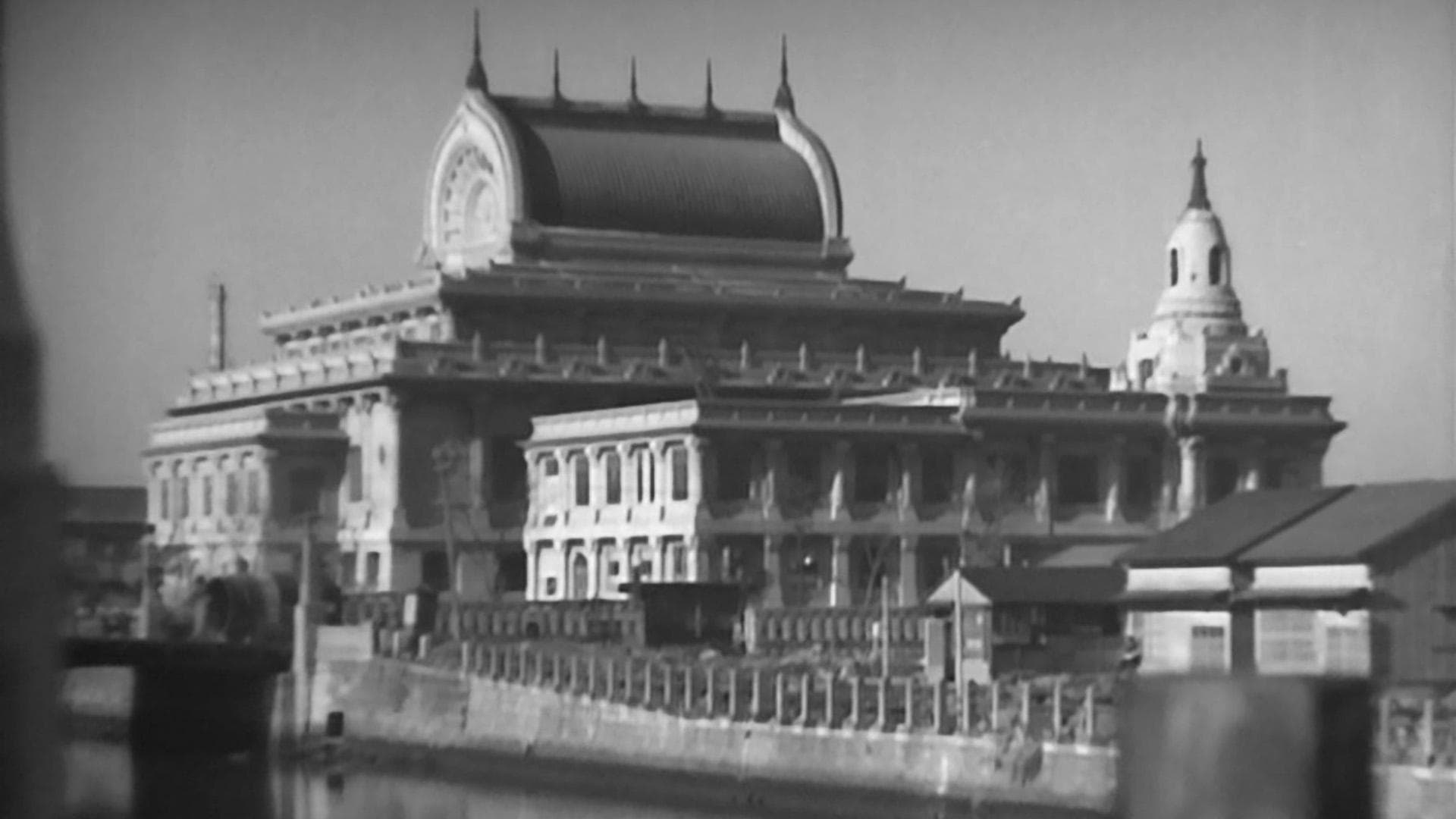

1947·Drama·1h 12m
7.1
★
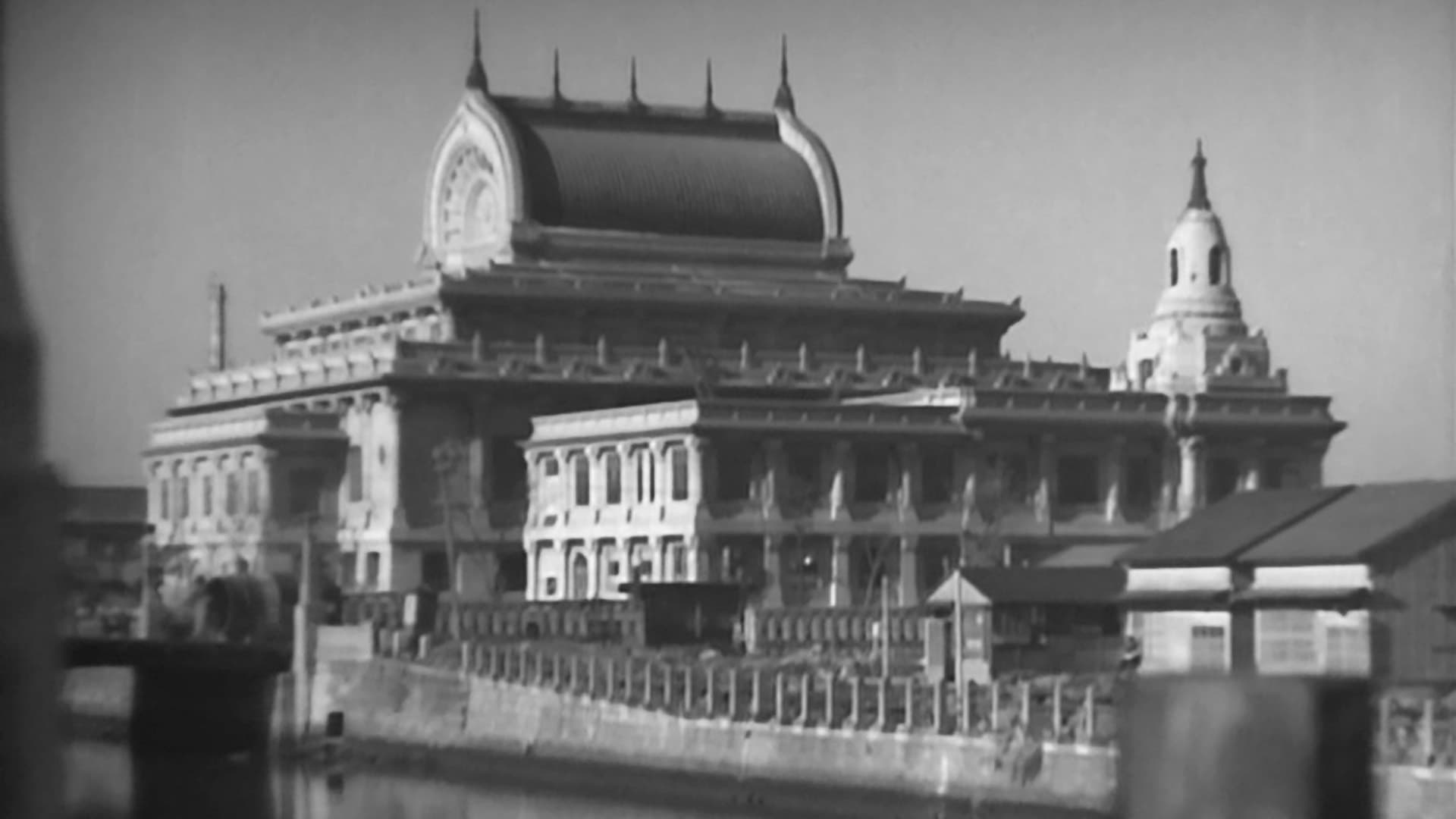
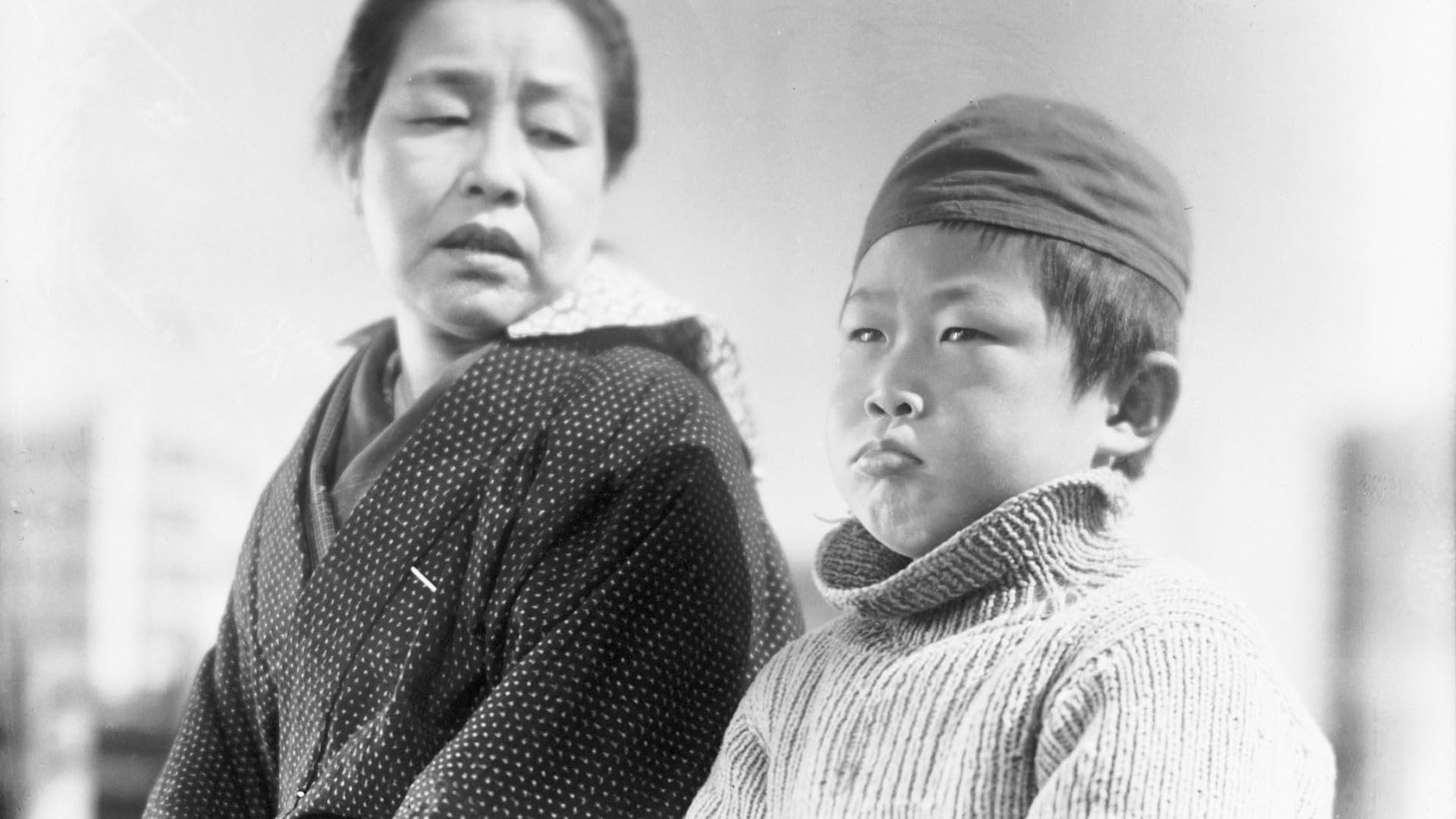
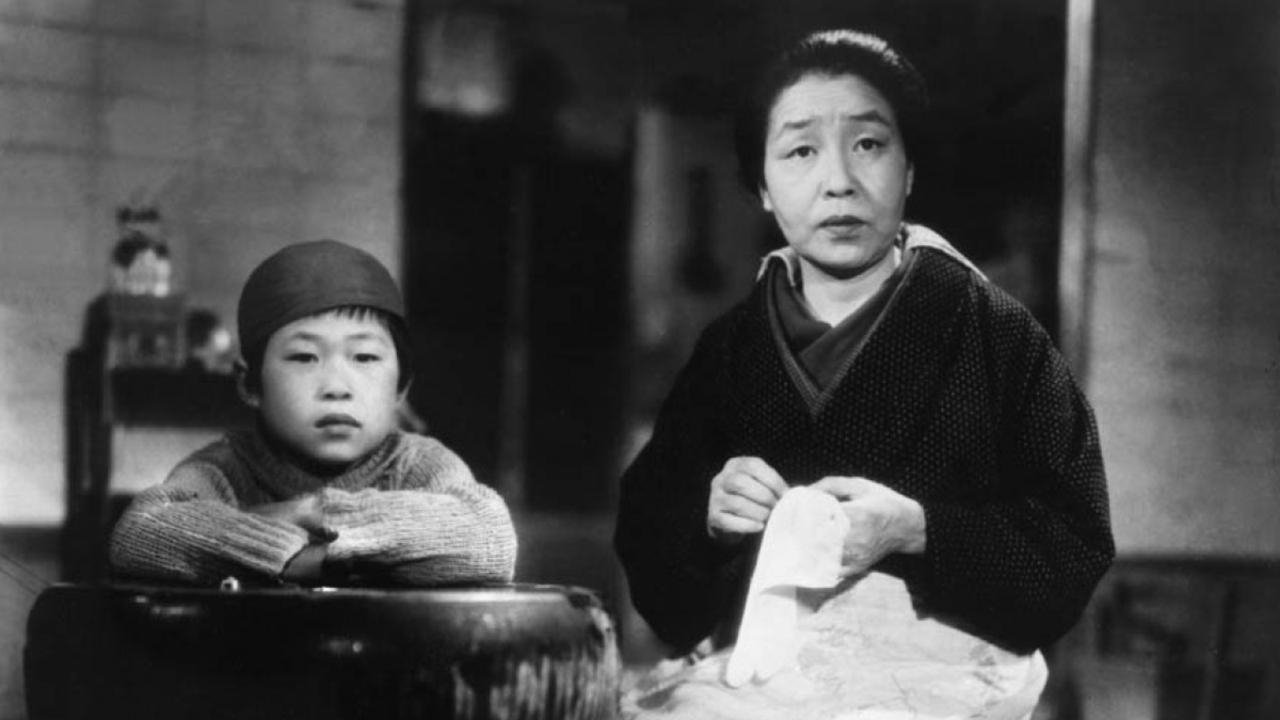
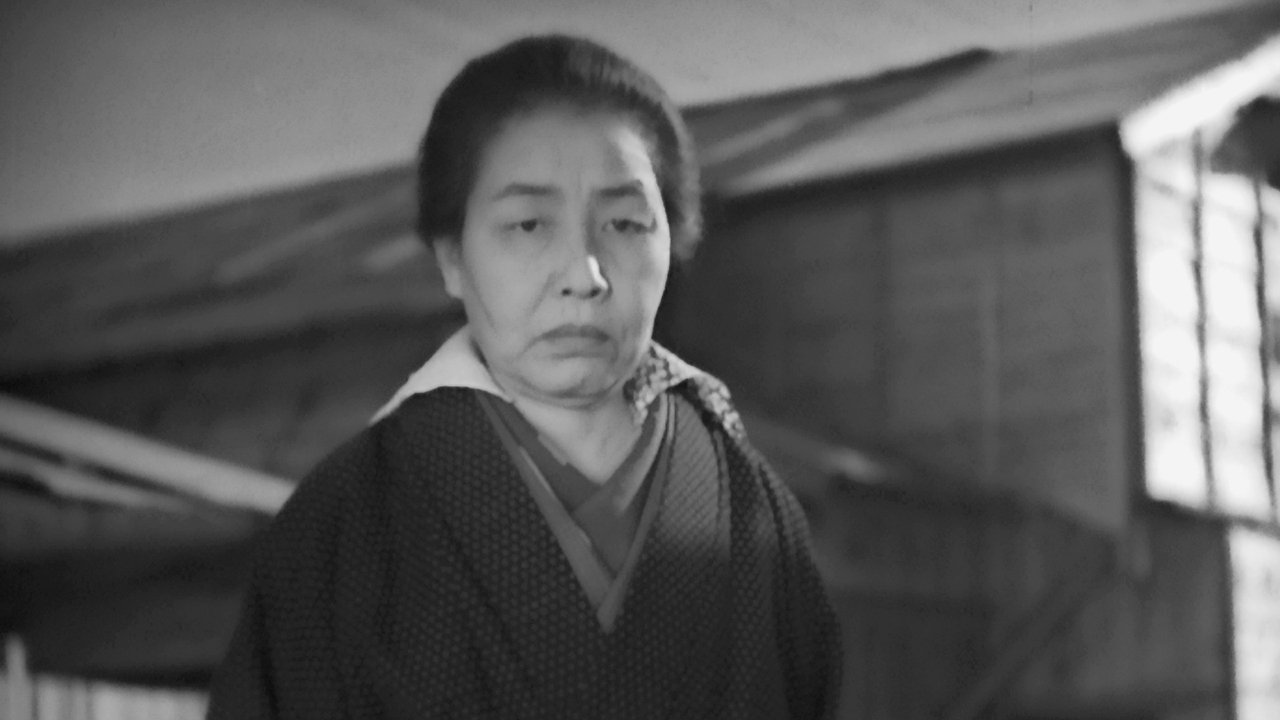
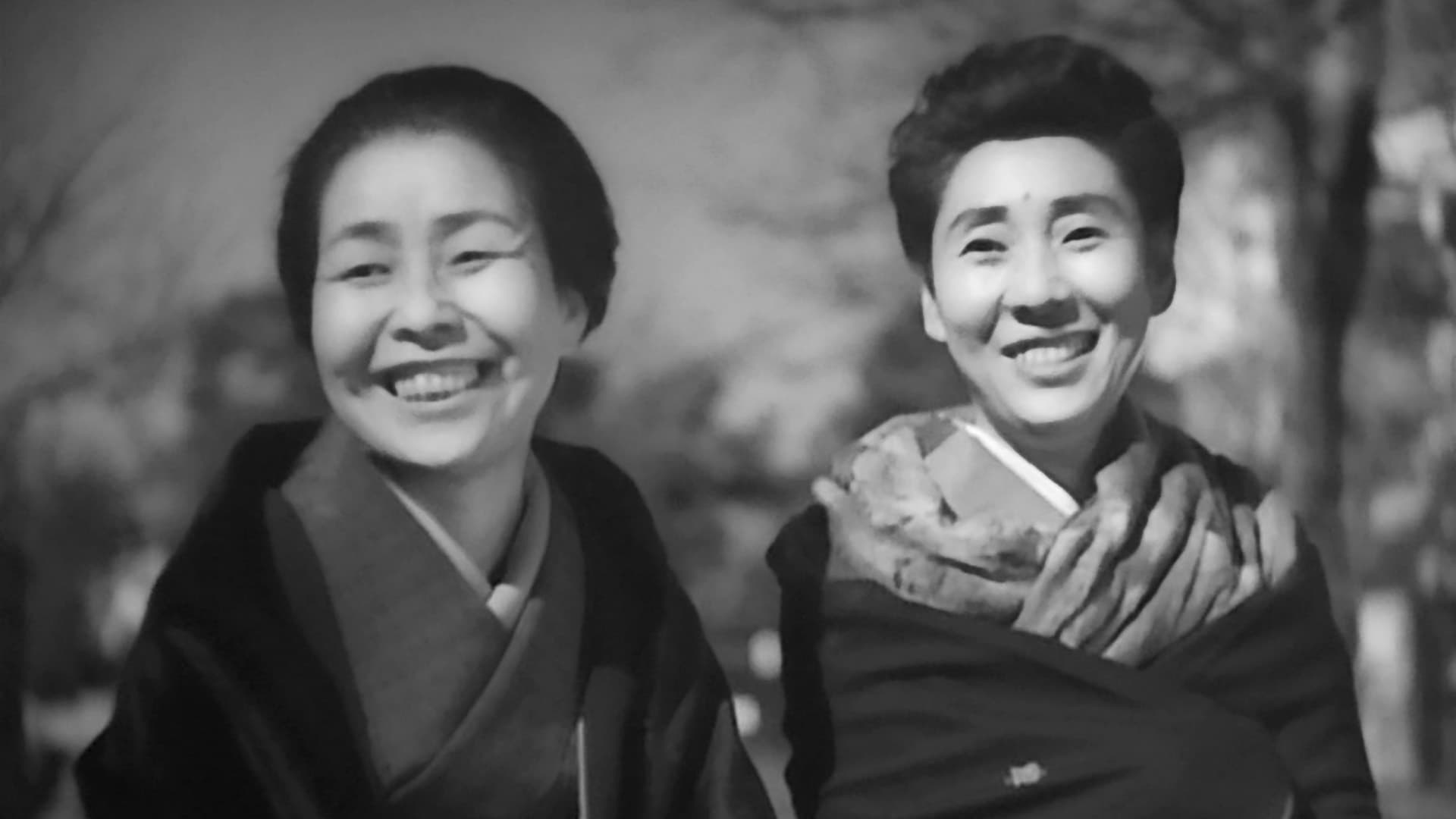
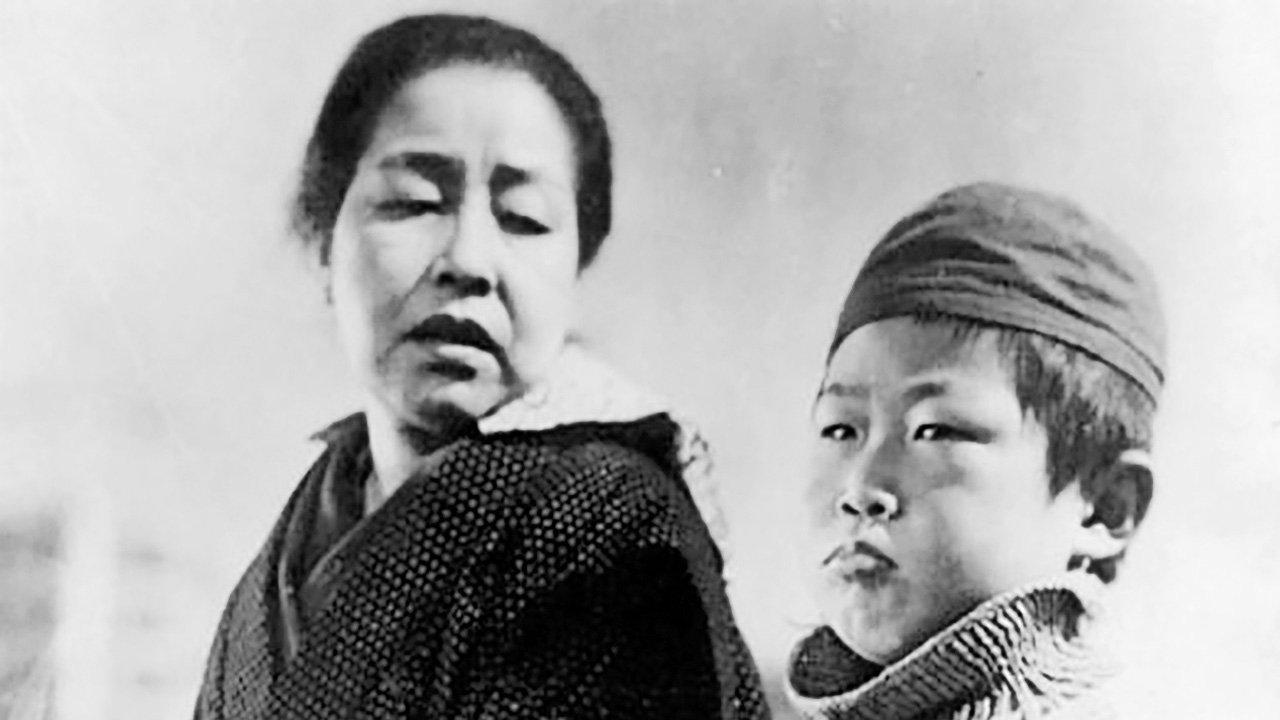
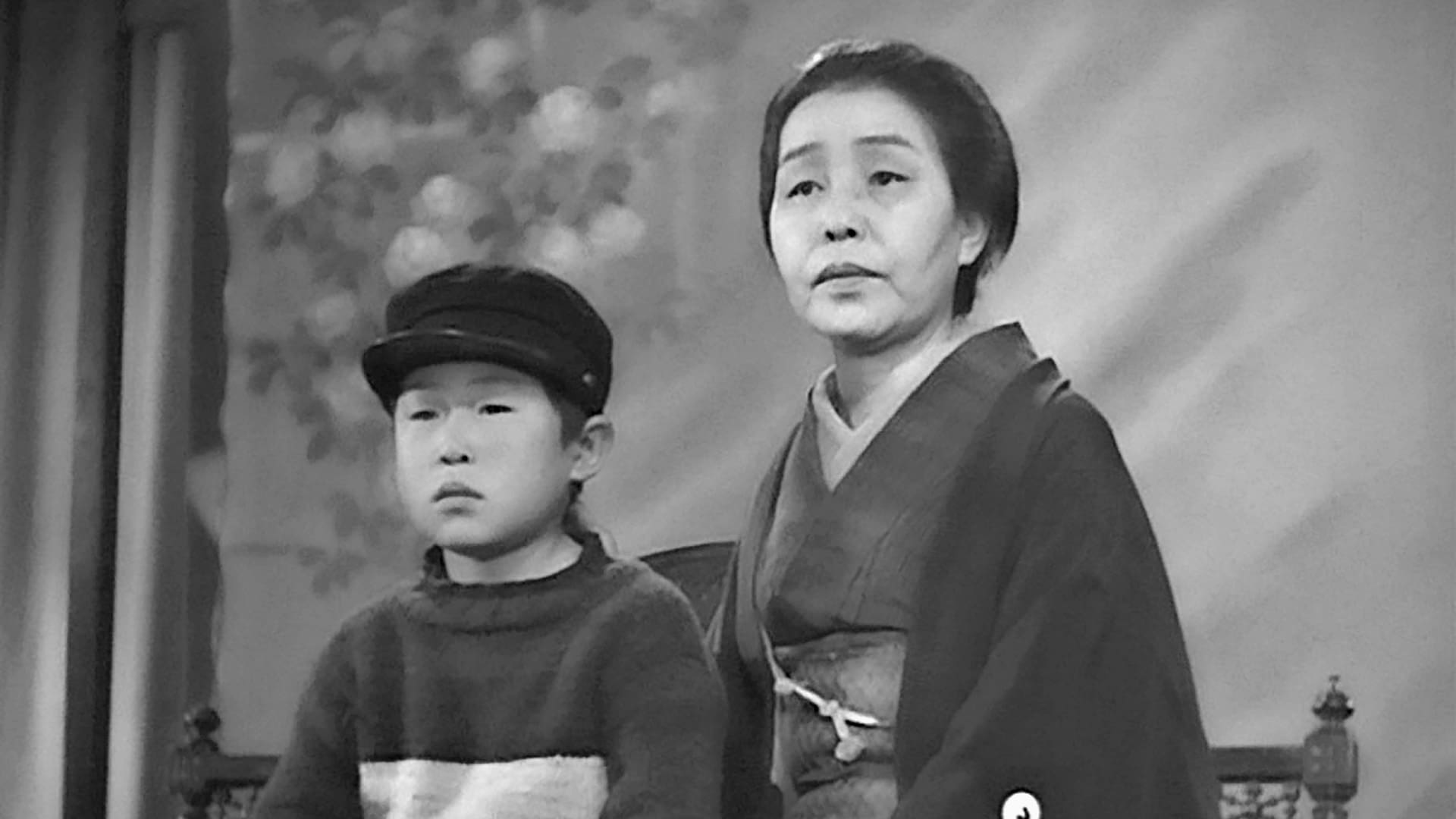
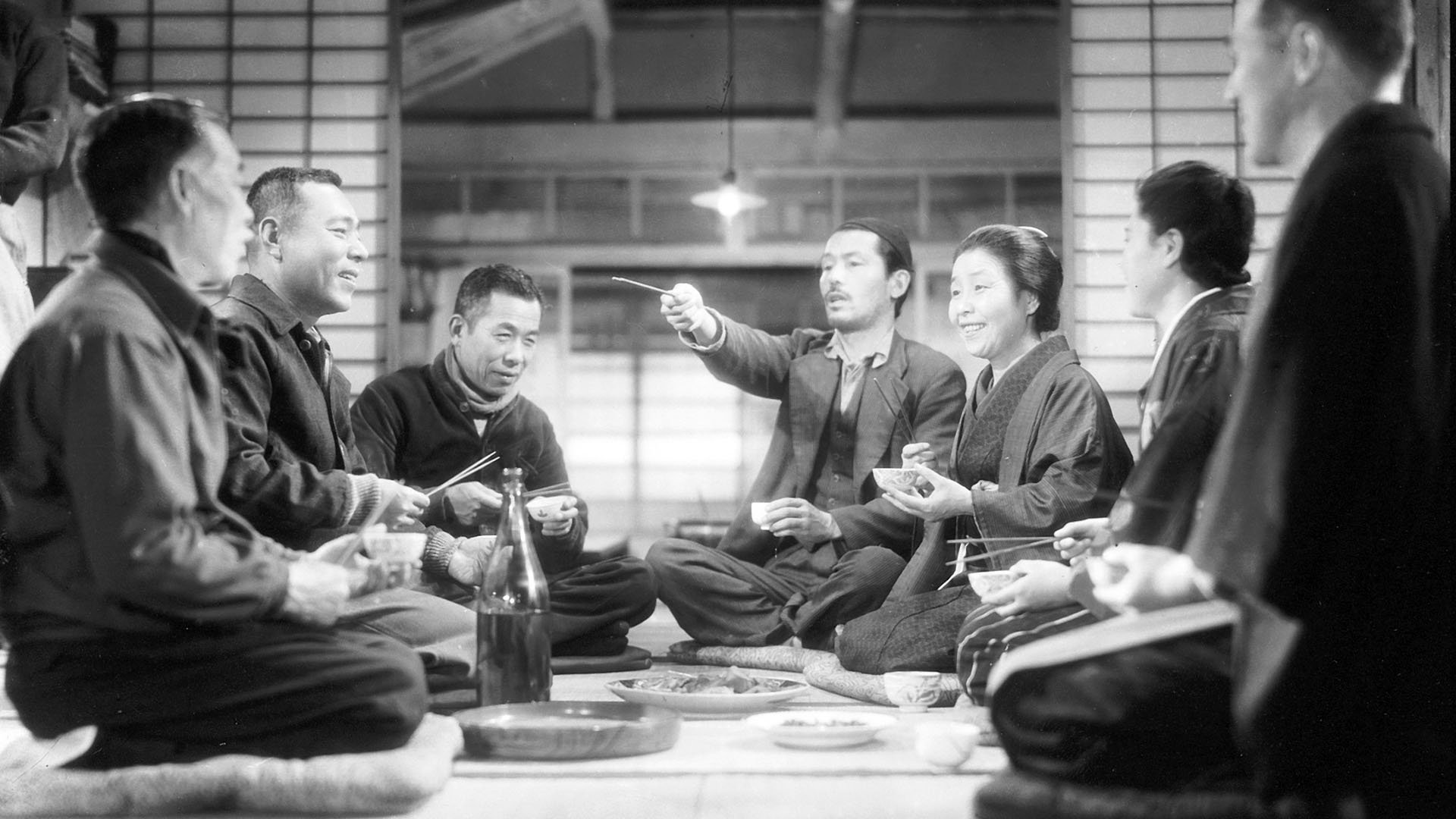
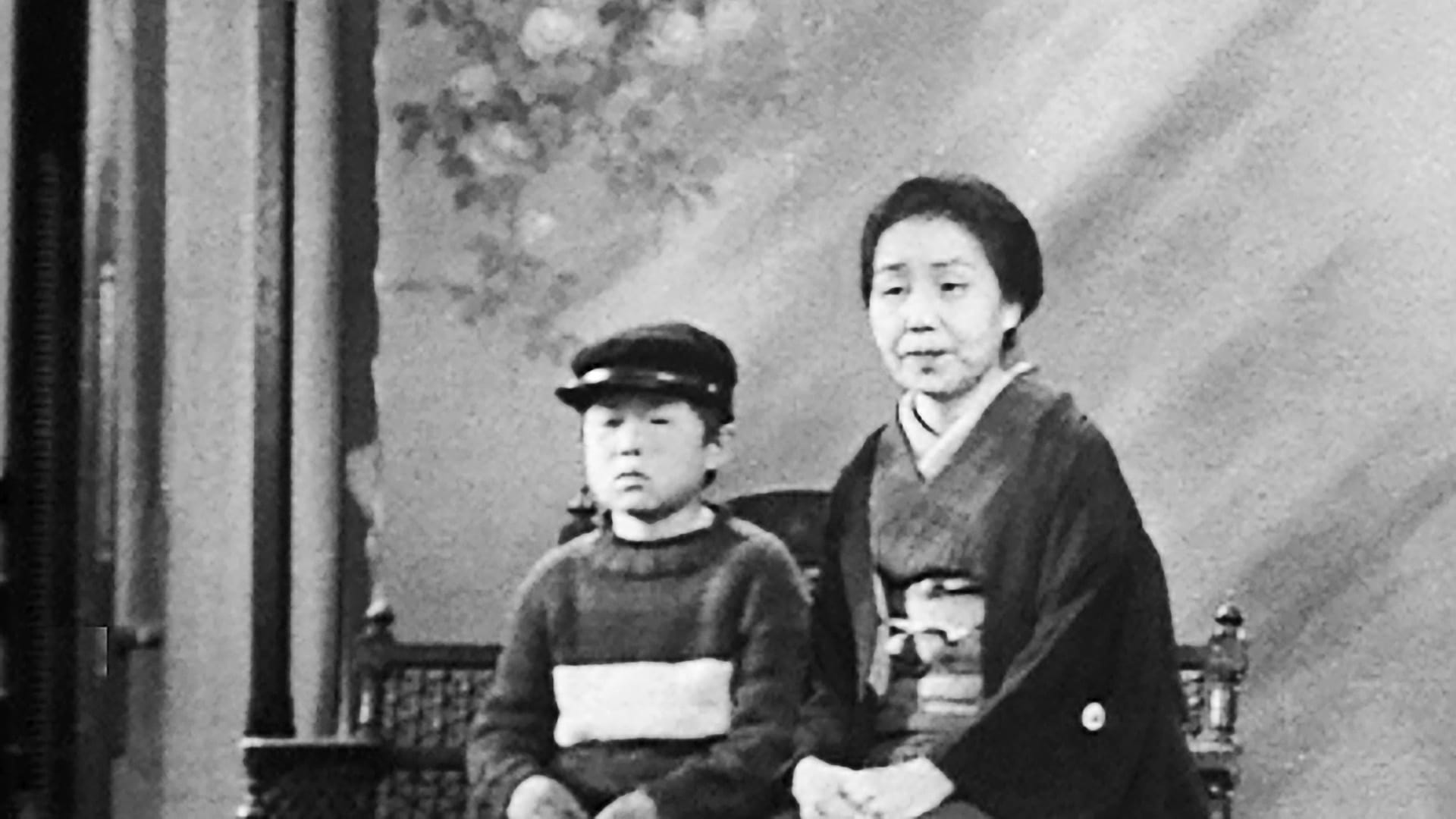
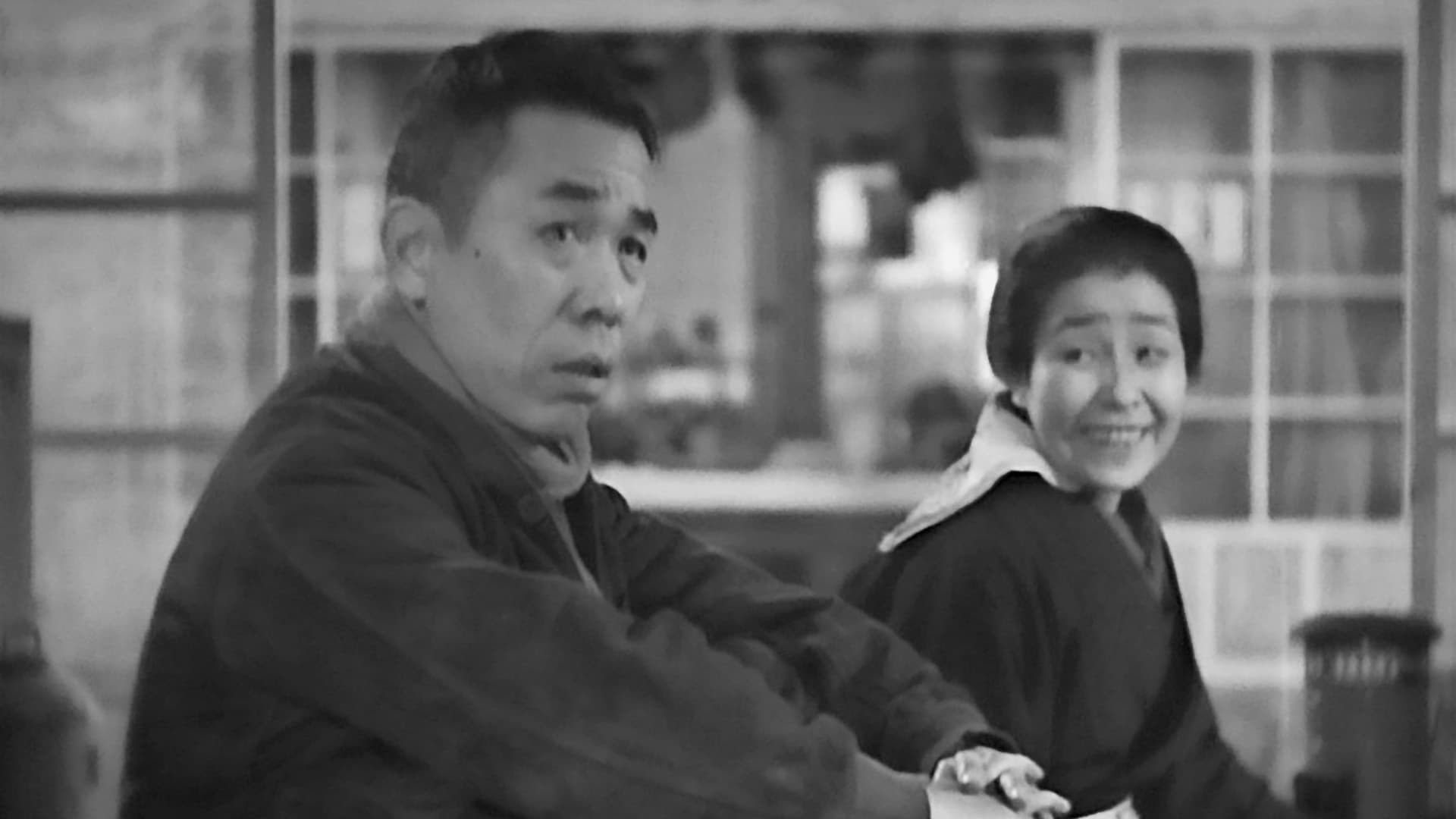
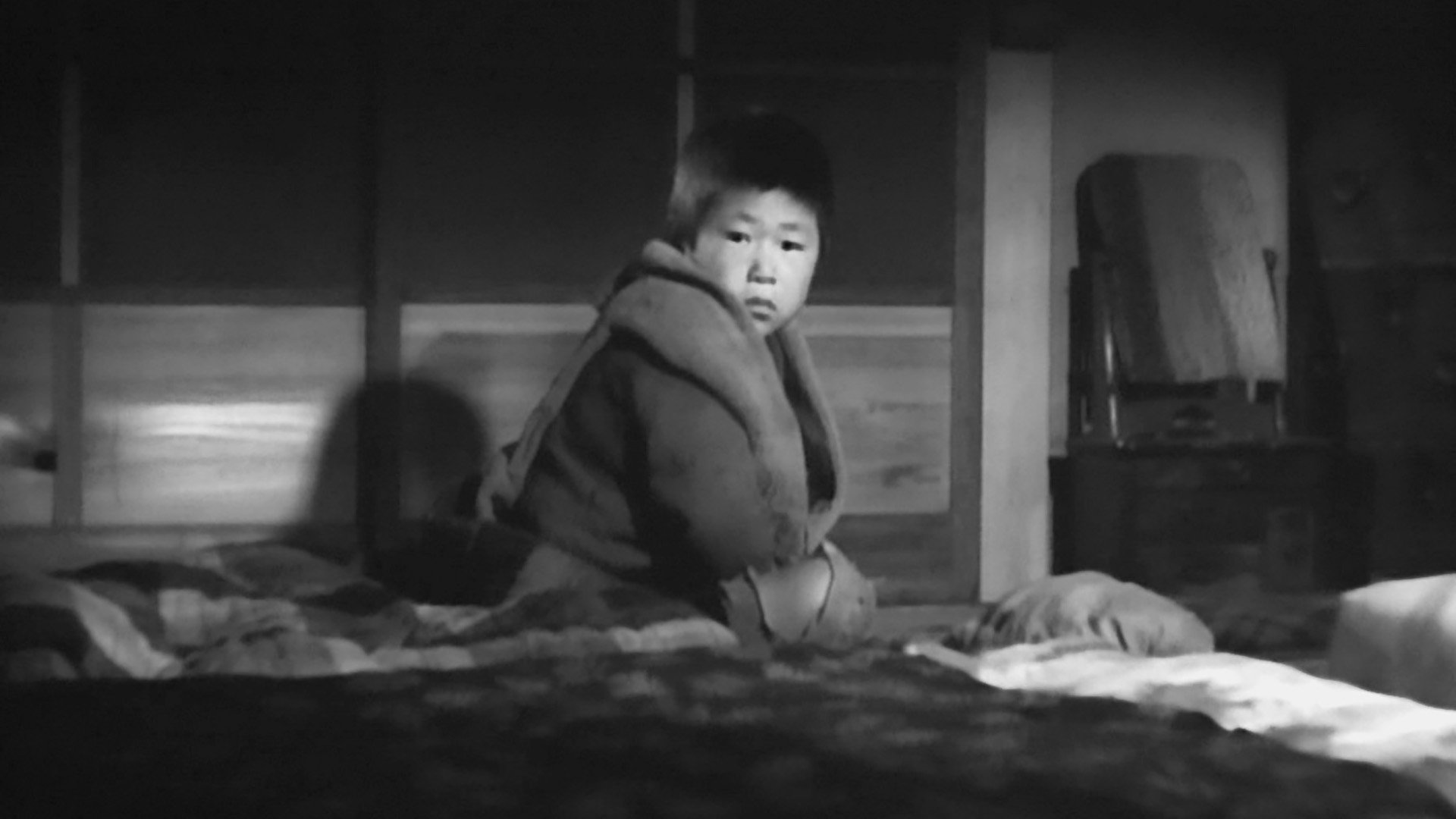
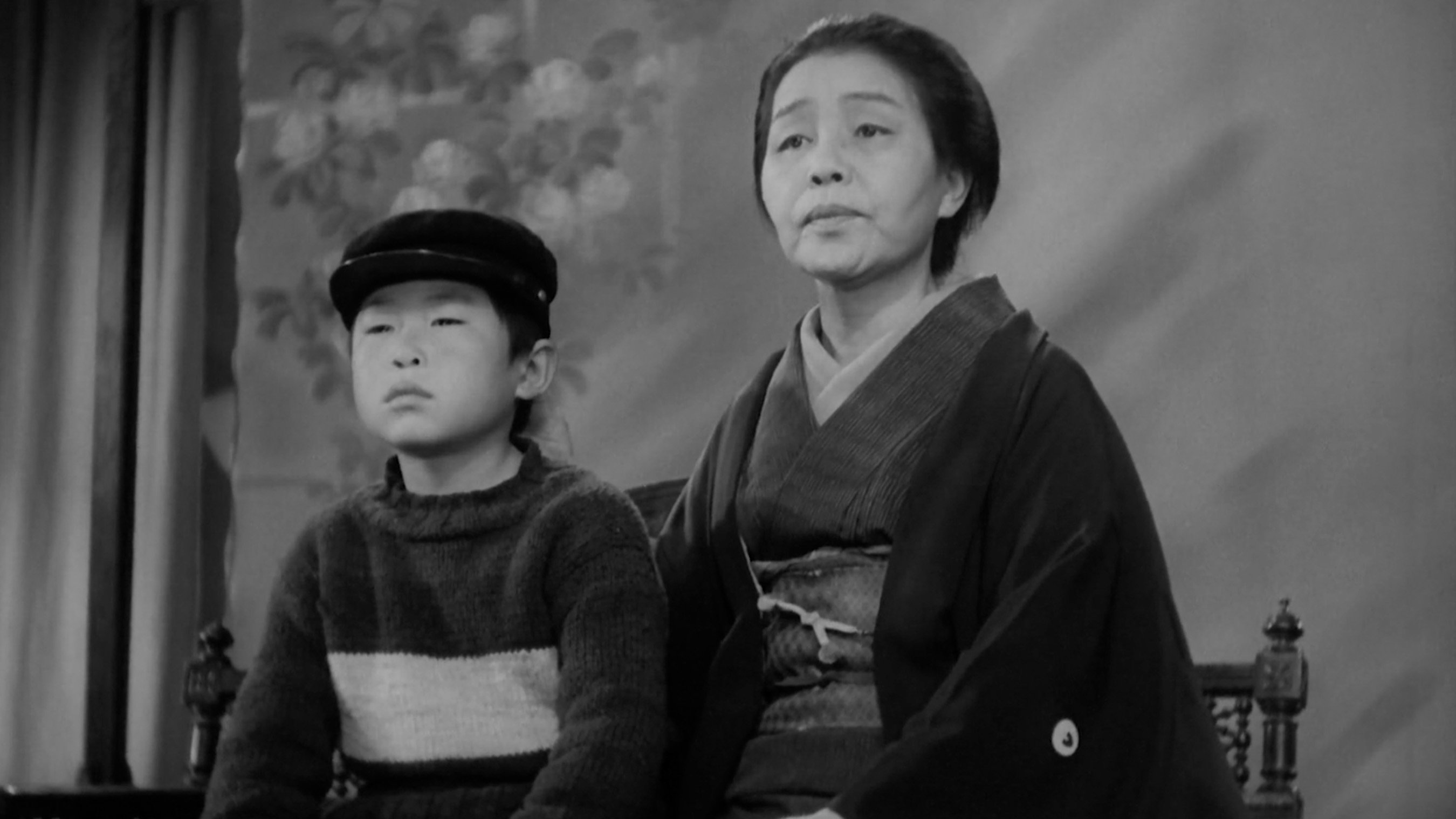
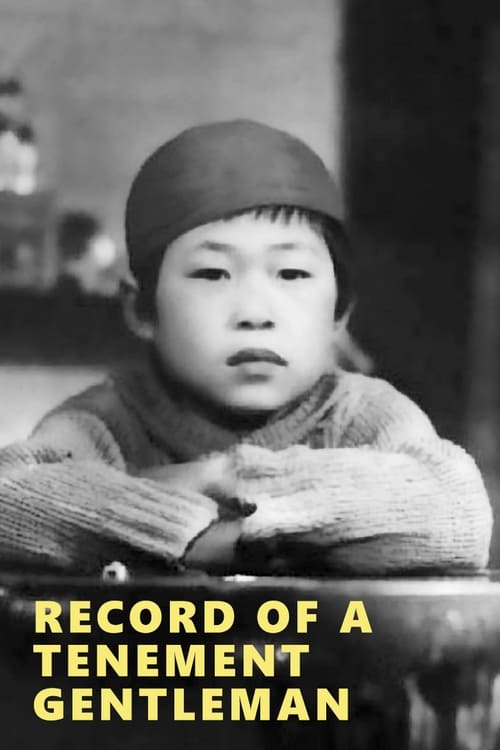
A hard-hearted old woman in a bombed-out Tokyo neighborhood reluctantly takes in an abandoned boy, leading to a heartwarming bond between them.
Directed by Yasujirō Ozu
fortune teller
widow
working class
tokyo, japan
post war japan
lost child
simple pleasures
abandoned child
shōwa era (1926-89)

IMDB
N/A
Cast
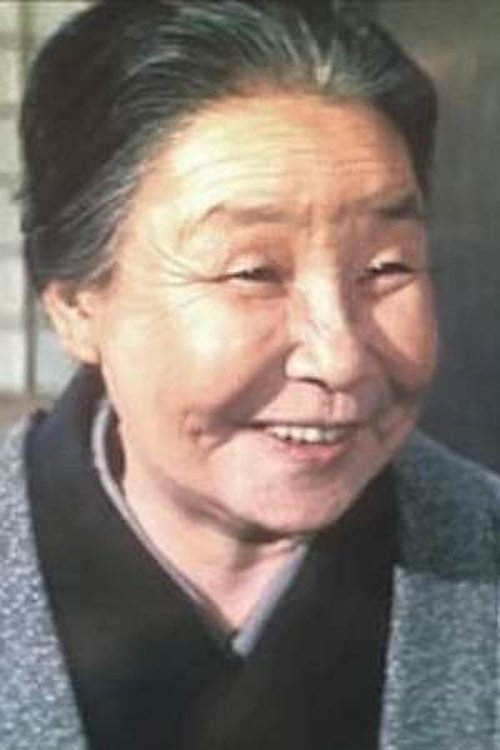
Chōko Iida
Tane
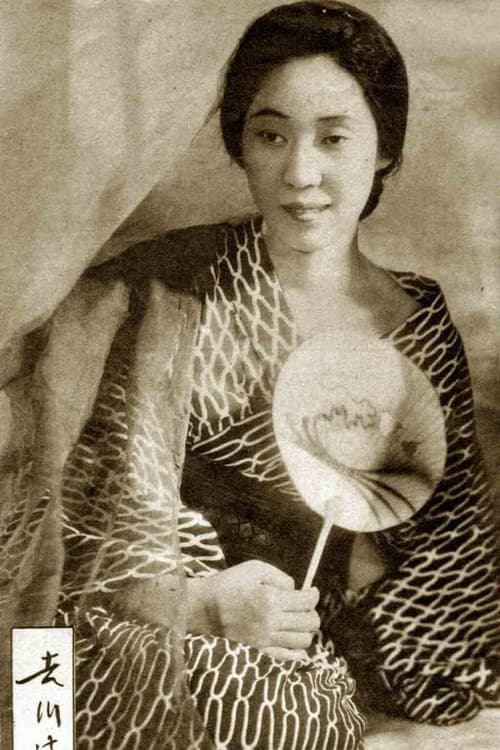
Mitsuko Yoshikawa
Kikuko
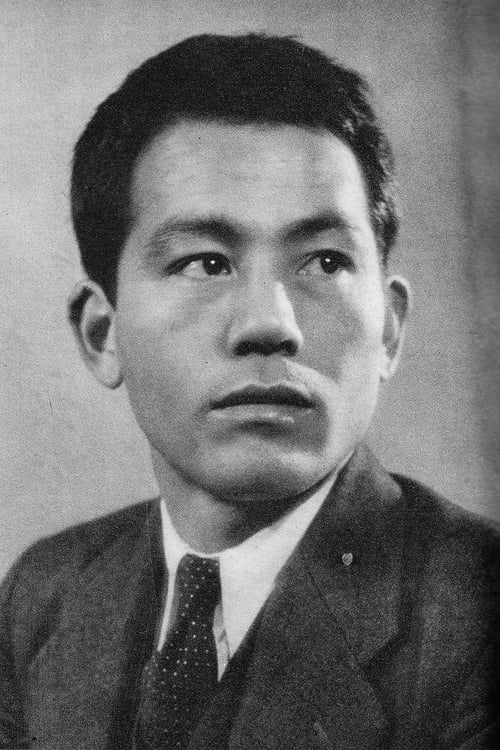
Chishū Ryū
Tashiro
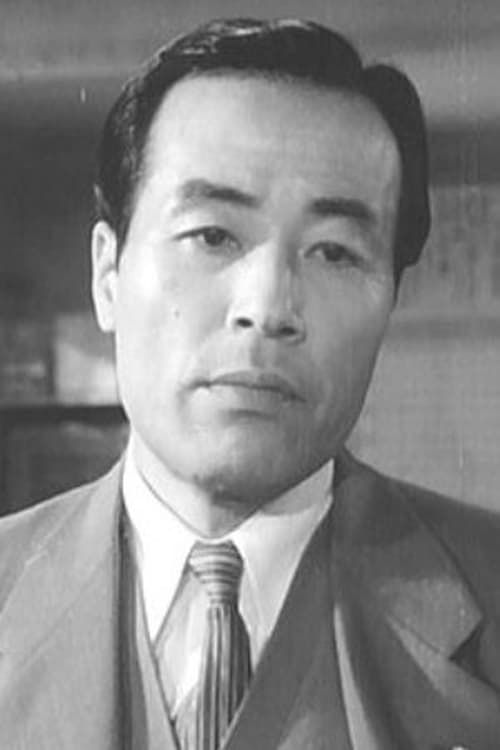
Eitarō Ozawa
Father
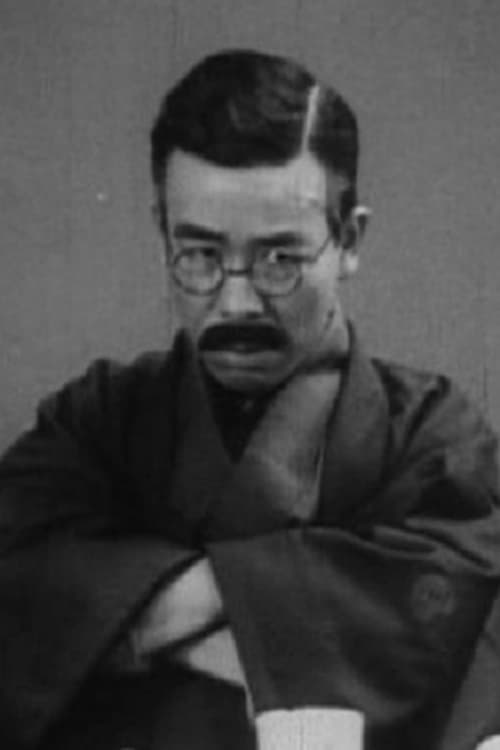
Reikichi Kawamura
Tamekichi
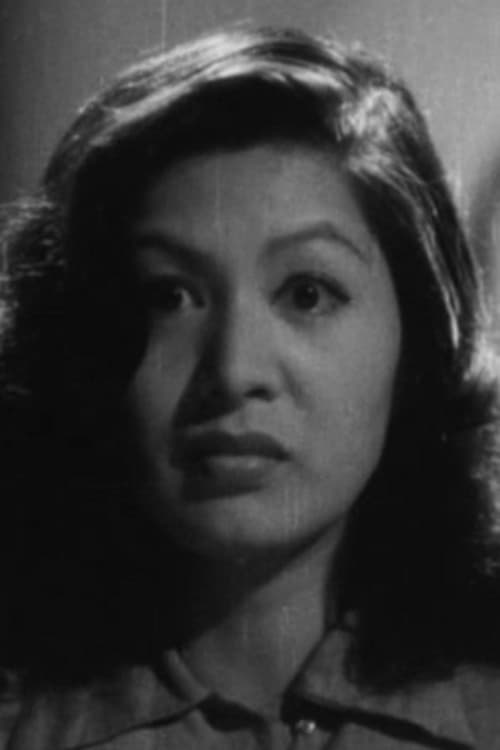
Hideko Mimura
Okiku

Takeshi Sakamoto
Kawayoshi
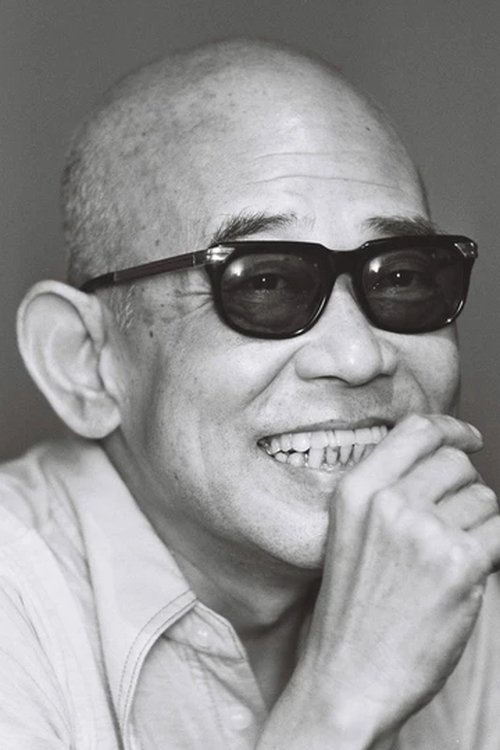
Taiji Tonoyama
Photographer
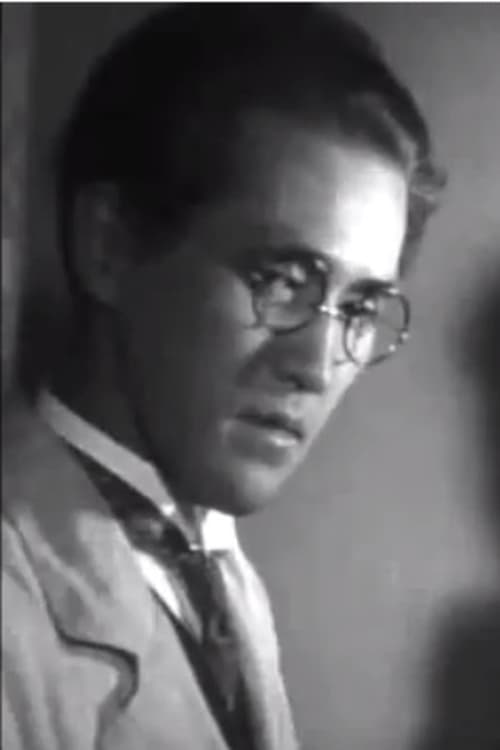
Seiji Nishimura
Kashiwaya
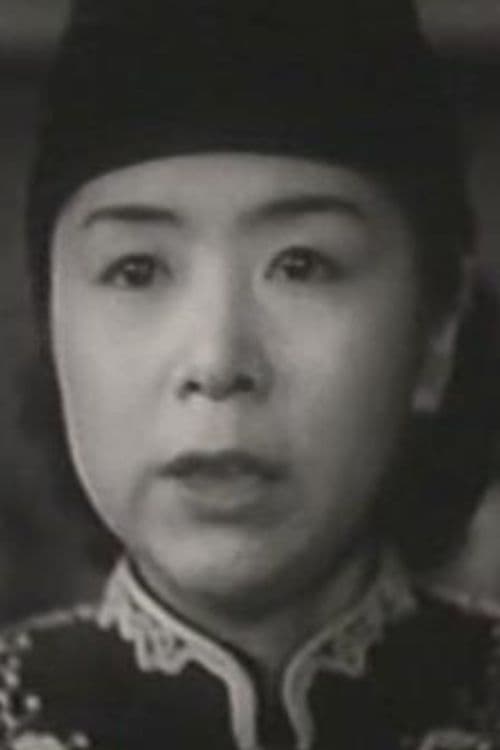
Yoshino Tani
Wife
Crew
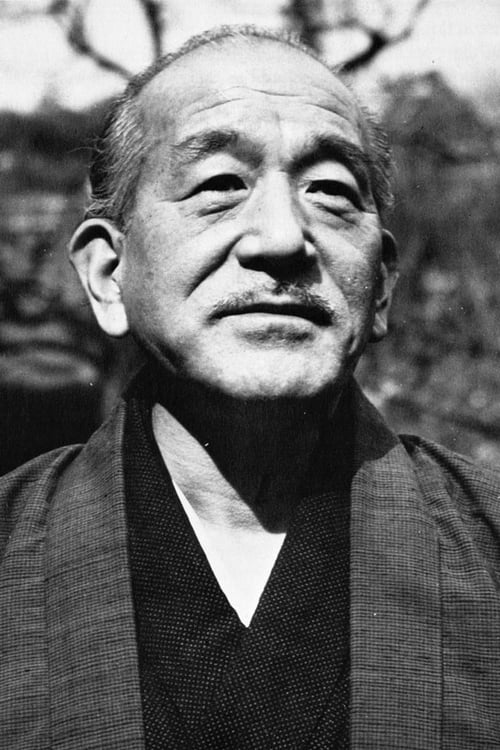
Yasujirō Ozu
Director
Yasujirō Ozu
Screenplay
Popular Reviews
14 reviews
Avraz
8.0★ · 06/19/25
"Affection is being built between you two, like a dog, it starts to wag its tails before you know it , it's the same thing but you can't see the tails"
Just ozu ozuing again 🥺🥺
"Affection is being built between you two, like a dog, it starts to wag its tails before you know it , it's the same thing but you can't see the tails"
Just ozu ozuing again 🥺🥺

1

Nick
6.0★ · 02/16/26
It’s interesting to contrast the positioning and attitude towards children in this, Ozu’s first post-ww2 film, versus what came before. Where previous Ozu children could represent judges and critics, here a child is relegated to an entity of dubious existence.
This opens with a man speaking to himself and essentially vocalizing the “what’s done is done” sentiment. I think, here, children represent the totality of temporal culpability. The man’s opening lines opine about a past no longer existant, thus of no consequence. Previous crimes are equated to proverbial spilled milk.
So too does our heroine, and even more criminally, the rest of the men, want to pretend the child doesn’t exist by putting him out of their mind. There’s a morbid irony to Chishu Ryu and the other man’s character passing the child off to a neighbor literally across a pathway. They can’t take the boy in, for reasons… yet he will reside in a home mere yards away.
The child represents the now, the avoidance of the immediate and the current. He serves as a direct reflection to Tane and her faults. Tane’s female friend and visitor checks her and her avoidance.
Finally, the child embodies the future and everything the adult population of Japan stands to ignore and forfeit. There is a responsibility the current adult generation faces. This extends into the assumptions cast upon those unseen, like the missing father whom Tane repeatedly reminds the boy is cold-hearted. Through this attitude, the presiding pessimistic sentiment of the culture is exposed.
The ultimate sentimentality of the film’s conclusion is a bit overbearing in palpability. Its message is not subtle and feels didactic. But like most Ozu’s, there are a number of small joys. Tane assuming the boy’s quirky “cooties,” as she calls them, is probably the most endearing. The pair synchronistically twitching shoulders is endearing and serves as a small but universal reminder of our shared humanity, regardless of age or gender.
This opens with a man speaking to himself and essentially vocalizing the “what’s done is done” sentiment. I think, here, children represent the totality of temporal culpability. The man’s opening lines opine about a past no longer existant, thus of no consequence. Previous crimes are equated to proverbial spilled milk.
So too does our heroine, and even more criminally, the rest of the men, want to pretend the child doesn’t exist by putting him out of their mind. There’s a morbid irony to Chishu Ryu and the other man’s character passing the child off to a neighbor literally across a pathway. They can’t take the boy in, for reasons… yet he will reside in a home mere yards away.
The child represents the now, the avoidance of the immediate and the current. He serves as a direct reflection to Tane and her faults. Tane’s female friend and visitor checks her and her avoidance.
Finally, the child embodies the future and everything the adult population of Japan stands to ignore and forfeit. There is a responsibility the current adult generation faces. This extends into the assumptions cast upon those unseen, like the missing father whom Tane repeatedly reminds the boy is cold-hearted. Through this attitude, the presiding pessimistic sentiment of the culture is exposed.
The ultimate sentimentality of the film’s conclusion is a bit overbearing in palpability. Its message is not subtle and feels didactic. But like most Ozu’s, there are a number of small joys. Tane assuming the boy’s quirky “cooties,” as she calls them, is probably the most endearing. The pair synchronistically twitching shoulders is endearing and serves as a small but universal reminder of our shared humanity, regardless of age or gender.
It’s interesting to contrast the positioning and attitude towards children in this, Ozu’s first post-ww2 film, versus what came before. Where previous Ozu children could represent judges and critics, here a child is relegated to an entity of dubious existence.
This opens with a man speaking to himself and essentially vocalizing the “what’s done is done” sentiment. I think, here, children represent the totality of temporal culpability. The man’s opening lines opine about a past no longer existant, thus of no consequence. Previous crimes are equated to proverbial spilled milk.
So too does our heroine, and even more criminally, the rest of the men, want to pretend the child doesn’t exist by putting him out of their mind. There’s a morbid irony to Chishu Ryu and the other man’s character passing the child off to a neighbor literally across a pathway. They can’t take the boy in, for reasons… yet he will reside in a home mere yards away.
The child represents the now, the avoidance of the immediate and the current. He serves as a direct reflection to Tane and her faults. Tane’s female friend and visitor checks her and her avoidance.
Finally, the child embodies the future and everything the adult population of Japan stands to ignore and forfeit. There is a responsibility the current adult generation faces. This extends into the assumptions cast upon those unseen, like the missing father whom Tane repeatedly reminds the boy is cold-hearted. Through this attitude, the presiding pessimistic sentiment of the culture is exposed.
The ultimate sentimentality of the film’s conclusion is a bit overbearing in palpability. Its message is not subtle and feels didactic. But like most Ozu’s, there are a number of small joys. Tane assuming the boy’s quirky “cooties,” as she calls them, is probably the most endearing. The pair synchronistically twitching shoulders is endearing and serves as a small but universal reminder of our shared humanity, regardless of age or gender.
This opens with a man speaking to himself and essentially vocalizing the “what’s done is done” sentiment. I think, here, children represent the totality of temporal culpability. The man’s opening lines opine about a past no longer existant, thus of no consequence. Previous crimes are equated to proverbial spilled milk.
So too does our heroine, and even more criminally, the rest of the men, want to pretend the child doesn’t exist by putting him out of their mind. There’s a morbid irony to Chishu Ryu and the other man’s character passing the child off to a neighbor literally across a pathway. They can’t take the boy in, for reasons… yet he will reside in a home mere yards away.
The child represents the now, the avoidance of the immediate and the current. He serves as a direct reflection to Tane and her faults. Tane’s female friend and visitor checks her and her avoidance.
Finally, the child embodies the future and everything the adult population of Japan stands to ignore and forfeit. There is a responsibility the current adult generation faces. This extends into the assumptions cast upon those unseen, like the missing father whom Tane repeatedly reminds the boy is cold-hearted. Through this attitude, the presiding pessimistic sentiment of the culture is exposed.
The ultimate sentimentality of the film’s conclusion is a bit overbearing in palpability. Its message is not subtle and feels didactic. But like most Ozu’s, there are a number of small joys. Tane assuming the boy’s quirky “cooties,” as she calls them, is probably the most endearing. The pair synchronistically twitching shoulders is endearing and serves as a small but universal reminder of our shared humanity, regardless of age or gender.
Josh Cooley
8.9★ · 10/08/24
I want to hug that child so much.
Ozu is a filmmaker that I’ve wanted to really dive into. I’ve seen the highlights (Tokyo Story, Late Spring) but I have yet to fully engross myself in his distinct style and ideas. Throughout the rest of this year, I plan on seeing a few more Ozu films to determine what makes him an essential Japanese auteur.This film is much more like his lighter comedies (good morning) than his other works and yet it tracks with his themes of generational issues and the essence of Japanese life. It’s a very profound film, asking the question of what go to with the lost in a very creative and insightful way.The scene at the end was extremely heartwarming and tender in how it approached love and happiness.Ozus lighter works are my favorites so far and this is no exception.89/100
Ozu is a filmmaker that I’ve wanted to really dive into. I’ve seen the highlights (Tokyo Story, Late Spring) but I have yet to fully engross myself in his distinct style and ideas. Throughout the rest of this year, I plan on seeing a few more Ozu films to determine what makes him an essential Japanese auteur.This film is much more like his lighter comedies (good morning) than his other works and yet it tracks with his themes of generational issues and the essence of Japanese life. It’s a very profound film, asking the question of what go to with the lost in a very creative and insightful way.The scene at the end was extremely heartwarming and tender in how it approached love and happiness.Ozus lighter works are my favorites so far and this is no exception.89/100
I want to hug that child so much.
Ozu is a filmmaker that I’ve wanted to really dive into. I’ve seen the highlights (Tokyo Story, Late Spring) but I have yet to fully engross myself in his distinct style and ideas. Throughout the rest of this year, I plan on seeing a few more Ozu films to determine what makes him an essential Japanese auteur.This film is much more like his lighter comedies (good morning) than his other works and yet it tracks with his themes of generational issues and the essence of Japanese life. It’s a very profound film, asking the question of what go to with the lost in a very creative and insightful way.The scene at the end was extremely heartwarming and tender in how it approached love and happiness.Ozus lighter works are my favorites so far and this is no exception.89/100
Ozu is a filmmaker that I’ve wanted to really dive into. I’ve seen the highlights (Tokyo Story, Late Spring) but I have yet to fully engross myself in his distinct style and ideas. Throughout the rest of this year, I plan on seeing a few more Ozu films to determine what makes him an essential Japanese auteur.This film is much more like his lighter comedies (good morning) than his other works and yet it tracks with his themes of generational issues and the essence of Japanese life. It’s a very profound film, asking the question of what go to with the lost in a very creative and insightful way.The scene at the end was extremely heartwarming and tender in how it approached love and happiness.Ozus lighter works are my favorites so far and this is no exception.89/100
Dihydrohydroxycodein
7.0★ · 02/21/24
Jeg tok meg en tur til Oslo i dag... mine venner! For å møte en god venn... vi dro så innom platekompaniet... og hvem skulle trodd! Der hadde de Ozu! Ozu er jo min store obsession i vår tankens år 2024... så jeg kunne ikke dy meg, det ble denne og litt mer og litt Kurosawa... mine venner... men nok om mitt liv... nå, filmen.!
Dette er den eldste Ozuen jeg har sett så langt (om en ser bort fra A Straightforward Boy fra 1929, noe jeg velger å gjøre nå), og hans stil er enda ikke helt satt i stein... mine venner! Dette er den minst Ozuete Ozuen...!
Jeg er en kyniker... det er etablert, men det betyr ei at jeg er immun mot søthet! Jeg tenkte opp til flere ganger under filmen "dette er den mest swaggy gutten jeg noensinne har sett", og jeg står ved det... slik swag er sjeldent man finner! Mine velkledde venner...
Det er jo en tidlig Ozu, hans første etter krigen leste jeg her... mine venner, og man ser tematikken i landskapet! Et Japan i ruiner, og ensomme mennesker, føles ikke særlig Ozu med sine trange gater og klaustrofobiske kinematografi, nei her er det åpent og dritt! Mine venner...!
Selv om jeg ikke ble kastet inn i Ozus verden, som jeg forventet det, var dette en absolutt praktfull opplevelse (verdt å se kun for å se Chisū Ryū synge også). Det var også en virkelig slående sekvens, litt hyppigere klipping enn jeg er vant til med denne mannen, men den overraskelsen satt jeg pris på! Tomme rom! Folk som finner hverandre! Barn er viktig! Osv... osv...
Et brennende hat
Mot ensomme blomster
Før jeg plukket deg
På den åpne slette
Det var Ozu! Jeg har 2 til jippi!
Det skal også sies, jeg har aldri sett så vakre pisseflekker...! Tak. For. Mej.!:)
#TankensÅr #ÆrlighetensÅr #SeKlart #TjueTjueFire #OzuPilled #Søt! #SwaggyBoyo #FoundFamily #BluRay #Markus #Swag
Dette er den eldste Ozuen jeg har sett så langt (om en ser bort fra A Straightforward Boy fra 1929, noe jeg velger å gjøre nå), og hans stil er enda ikke helt satt i stein... mine venner! Dette er den minst Ozuete Ozuen...!
Jeg er en kyniker... det er etablert, men det betyr ei at jeg er immun mot søthet! Jeg tenkte opp til flere ganger under filmen "dette er den mest swaggy gutten jeg noensinne har sett", og jeg står ved det... slik swag er sjeldent man finner! Mine velkledde venner...
Det er jo en tidlig Ozu, hans første etter krigen leste jeg her... mine venner, og man ser tematikken i landskapet! Et Japan i ruiner, og ensomme mennesker, føles ikke særlig Ozu med sine trange gater og klaustrofobiske kinematografi, nei her er det åpent og dritt! Mine venner...!
Selv om jeg ikke ble kastet inn i Ozus verden, som jeg forventet det, var dette en absolutt praktfull opplevelse (verdt å se kun for å se Chisū Ryū synge også). Det var også en virkelig slående sekvens, litt hyppigere klipping enn jeg er vant til med denne mannen, men den overraskelsen satt jeg pris på! Tomme rom! Folk som finner hverandre! Barn er viktig! Osv... osv...
Et brennende hat
Mot ensomme blomster
Før jeg plukket deg
På den åpne slette
Det var Ozu! Jeg har 2 til jippi!
Det skal også sies, jeg har aldri sett så vakre pisseflekker...! Tak. For. Mej.!:)
#TankensÅr #ÆrlighetensÅr #SeKlart #TjueTjueFire #OzuPilled #Søt! #SwaggyBoyo #FoundFamily #BluRay #Markus #Swag
Jeg tok meg en tur til Oslo i dag... mine venner! For å møte en god venn... vi dro så innom platekompaniet... og hvem skulle trodd! Der hadde de Ozu! Ozu er jo min store obsession i vår tankens år 2024... så jeg kunne ikke dy meg, det ble denne og litt mer og litt Kurosawa... mine venner... men nok om mitt liv... nå, filmen.!
Dette er den eldste Ozuen jeg har sett så langt (om en ser bort fra A Straightforward Boy fra 1929, noe jeg velger å gjøre nå), og hans stil er enda ikke helt satt i stein... mine venner! Dette er den minst Ozuete Ozuen...!
Jeg er en kyniker... det er etablert, men det betyr ei at jeg er immun mot søthet! Jeg tenkte opp til flere ganger under filmen "dette er den mest swaggy gutten jeg noensinne har sett", og jeg står ved det... slik swag er sjeldent man finner! Mine velkledde venner...
Det er jo en tidlig Ozu, hans første etter krigen leste jeg her... mine venner, og man ser tematikken i landskapet! Et Japan i ruiner, og ensomme mennesker, føles ikke særlig Ozu med sine trange gater og klaustrofobiske kinematografi, nei her er det åpent og dritt! Mine venner...!
Selv om jeg ikke ble kastet inn i Ozus verden, som jeg forventet det, var dette en absolutt praktfull opplevelse (verdt å se kun for å se Chisū Ryū synge også). Det var også en virkelig slående sekvens, litt hyppigere klipping enn jeg er vant til med denne mannen, men den overraskelsen satt jeg pris på! Tomme rom! Folk som finner hverandre! Barn er viktig! Osv... osv...
Et brennende hat
Mot ensomme blomster
Før jeg plukket deg
På den åpne slette
Det var Ozu! Jeg har 2 til jippi!
Det skal også sies, jeg har aldri sett så vakre pisseflekker...! Tak. For. Mej.!:)
#TankensÅr #ÆrlighetensÅr #SeKlart #TjueTjueFire #OzuPilled #Søt! #SwaggyBoyo #FoundFamily #BluRay #Markus #Swag
Dette er den eldste Ozuen jeg har sett så langt (om en ser bort fra A Straightforward Boy fra 1929, noe jeg velger å gjøre nå), og hans stil er enda ikke helt satt i stein... mine venner! Dette er den minst Ozuete Ozuen...!
Jeg er en kyniker... det er etablert, men det betyr ei at jeg er immun mot søthet! Jeg tenkte opp til flere ganger under filmen "dette er den mest swaggy gutten jeg noensinne har sett", og jeg står ved det... slik swag er sjeldent man finner! Mine velkledde venner...
Det er jo en tidlig Ozu, hans første etter krigen leste jeg her... mine venner, og man ser tematikken i landskapet! Et Japan i ruiner, og ensomme mennesker, føles ikke særlig Ozu med sine trange gater og klaustrofobiske kinematografi, nei her er det åpent og dritt! Mine venner...!
Selv om jeg ikke ble kastet inn i Ozus verden, som jeg forventet det, var dette en absolutt praktfull opplevelse (verdt å se kun for å se Chisū Ryū synge også). Det var også en virkelig slående sekvens, litt hyppigere klipping enn jeg er vant til med denne mannen, men den overraskelsen satt jeg pris på! Tomme rom! Folk som finner hverandre! Barn er viktig! Osv... osv...
Et brennende hat
Mot ensomme blomster
Før jeg plukket deg
På den åpne slette
Det var Ozu! Jeg har 2 til jippi!
Det skal også sies, jeg har aldri sett så vakre pisseflekker...! Tak. For. Mej.!:)
#TankensÅr #ÆrlighetensÅr #SeKlart #TjueTjueFire #OzuPilled #Søt! #SwaggyBoyo #FoundFamily #BluRay #Markus #Swag
Patobarry
7.0★ · 04/13/26