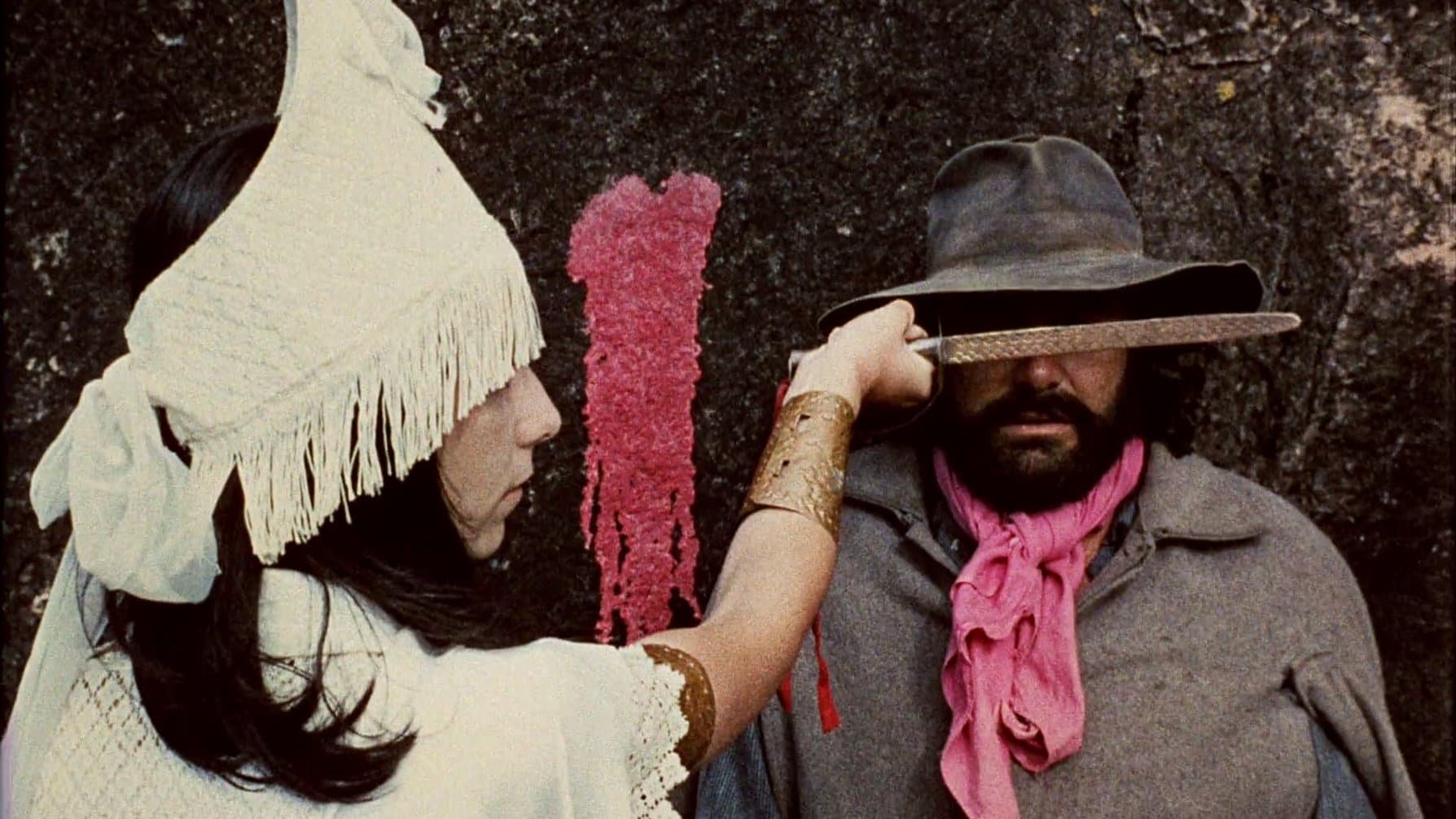
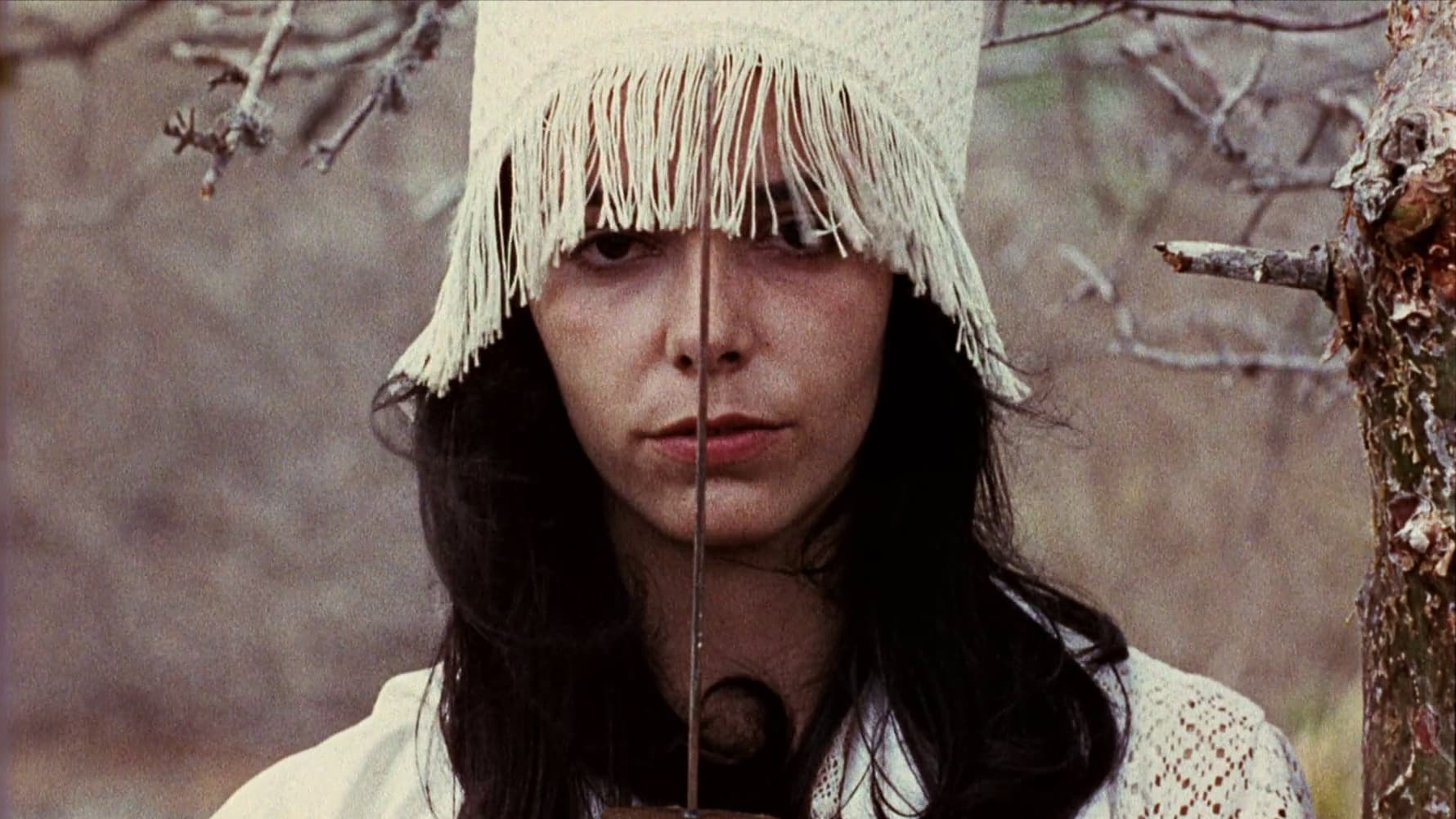
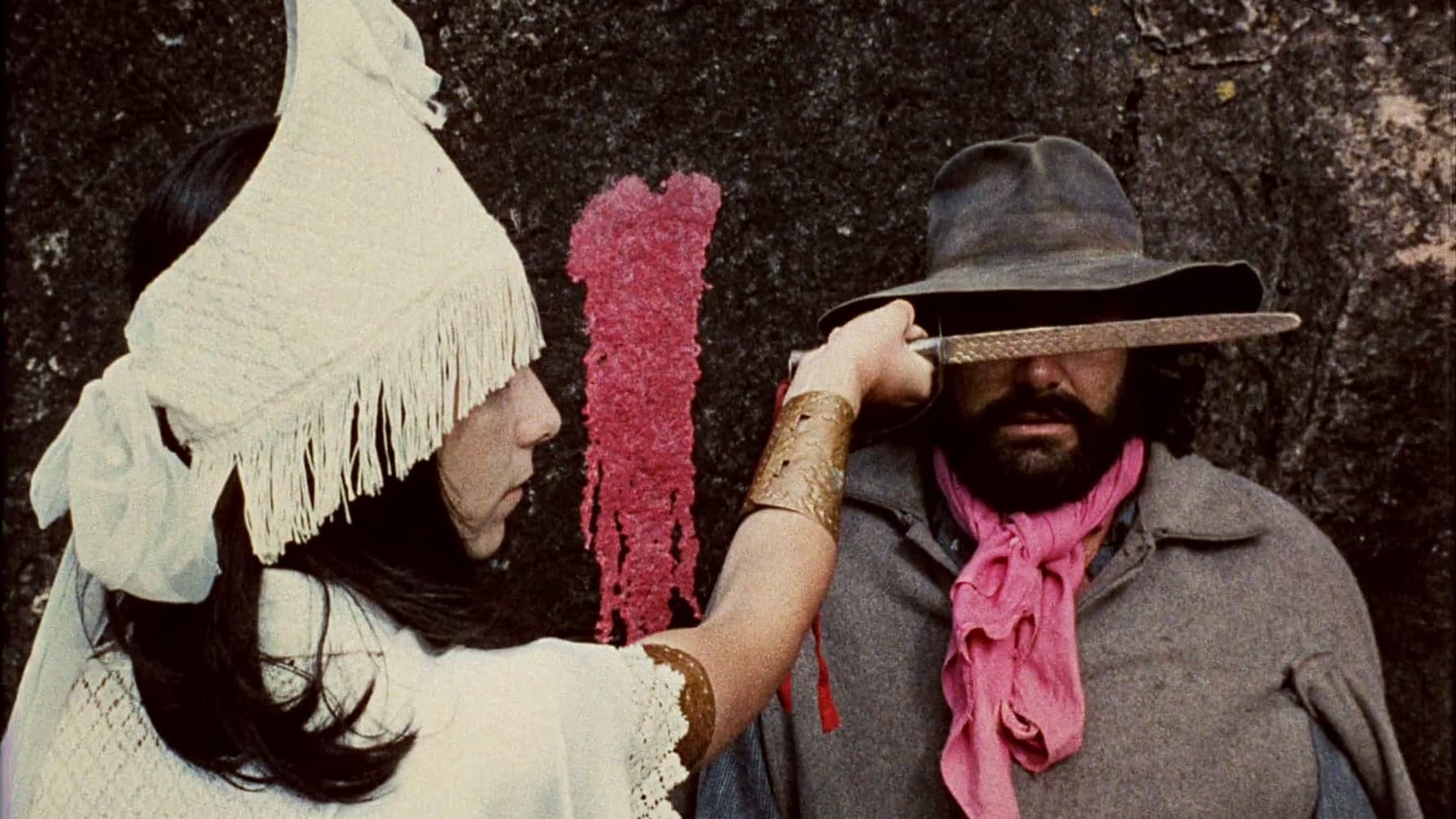
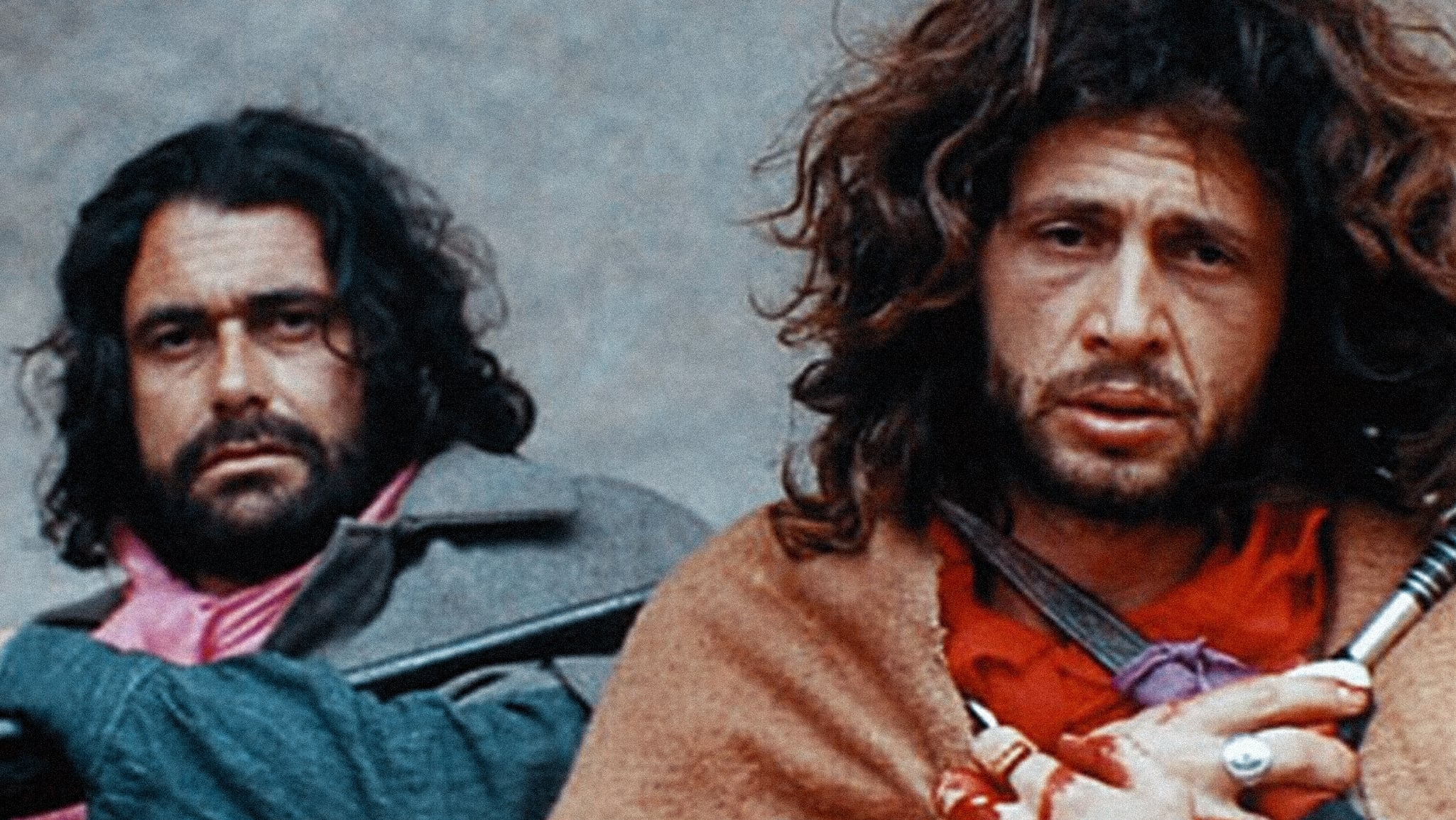
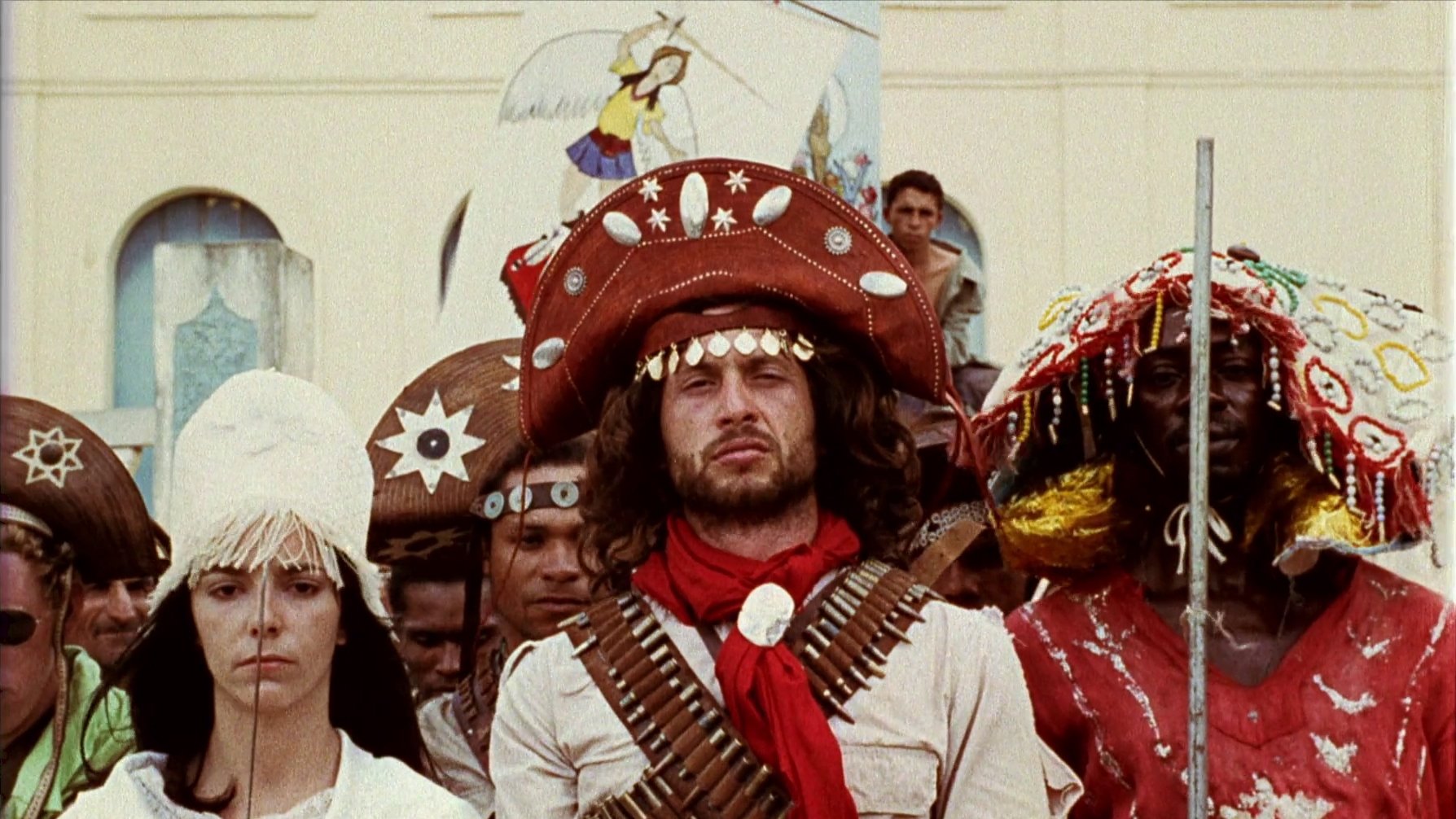
A film based on its own rythm and musicality. There is a plot but it is mostly secondary to its spirit as an acid western set in the lonely planes of the brazillian Sertão. It is so beautifully shot and framed, the actors’ movement is so precise and serves for some spectacular moments. A lot of the time actors’ faces will be static while another one talks, and the one that stands out the most is the one where the mountain’s filled with people, it is very much a painting - absolutely wonderful. Anyways, the characters and loose narative here are also quite interesting; it is the dynamic of the past myth and grappling with the harsh reality you live in - Antonio das Mortes is a mercenary. He kills the poor for the rich, but when he comes back he realizes he can’t do it anymore, and takes his gun to the one doing the real damage, the coronel. He is the blind old fool who owns the land and can’t fathom the thought of the agro reform, a.k.a he is the conservatives who put into place the dictatorship here in Brazil. Crazy that Glauber put such an obvious metaphor to the screen in the middle of the regime, although I guess it does make sense when you consider it was meant to be seen by a french audience at Cannes. Remember seeing somewhere that Sganzerla said this film was made for gringos and not for the brazillian people and I just don’t see it. It is distinctly brazillian to me, the way it captures the atmosphere of the Sertão, despite being admittedly less abrasive than the Cinema Marginal of the time that Rogério pioneered. Circling back, this is my favorite Glauber film so far, it is pure formal mastery combined with true political conciousness and a true musical vibe to it in the background. It loses itself a bit in the last portion, but that’s it. Also, just to mention, Rocha works really well with color - that purple dress sticks in your mind.
A film based on its own rythm and musicality. There is a plot but it is mostly secondary to its spirit as an acid western set in the lonely planes of the brazillian Sertão. It is so beautifully shot and framed, the actors’ movement is so precise and serves for some spectacular moments. A lot of the time actors’ faces will be static while another one talks, and the one that stands out the most is the one where the mountain’s filled with people, it is very much a painting - absolutely wonderful. Anyways, the characters and loose narative here are also quite interesting; it is the dynamic of the past myth and grappling with the harsh reality you live in - Antonio das Mortes is a mercenary. He kills the poor for the rich, but when he comes back he realizes he can’t do it anymore, and takes his gun to the one doing the real damage, the coronel. He is the blind old fool who owns the land and can’t fathom the thought of the agro reform, a.k.a he is the conservatives who put into place the dictatorship here in Brazil. Crazy that Glauber put such an obvious metaphor to the screen in the middle of the regime, although I guess it does make sense when you consider it was meant to be seen by a french audience at Cannes. Remember seeing somewhere that Sganzerla said this film was made for gringos and not for the brazillian people and I just don’t see it. It is distinctly brazillian to me, the way it captures the atmosphere of the Sertão, despite being admittedly less abrasive than the Cinema Marginal of the time that Rogério pioneered. Circling back, this is my favorite Glauber film so far, it is pure formal mastery combined with true political conciousness and a true musical vibe to it in the background. It loses itself a bit in the last portion, but that’s it. Also, just to mention, Rocha works really well with color - that purple dress sticks in your mind.