**Men are our enemies. Hateful enemies. We should make them pay and pay.
You’ve been deceived by words like “obligation” or “human empathy”.
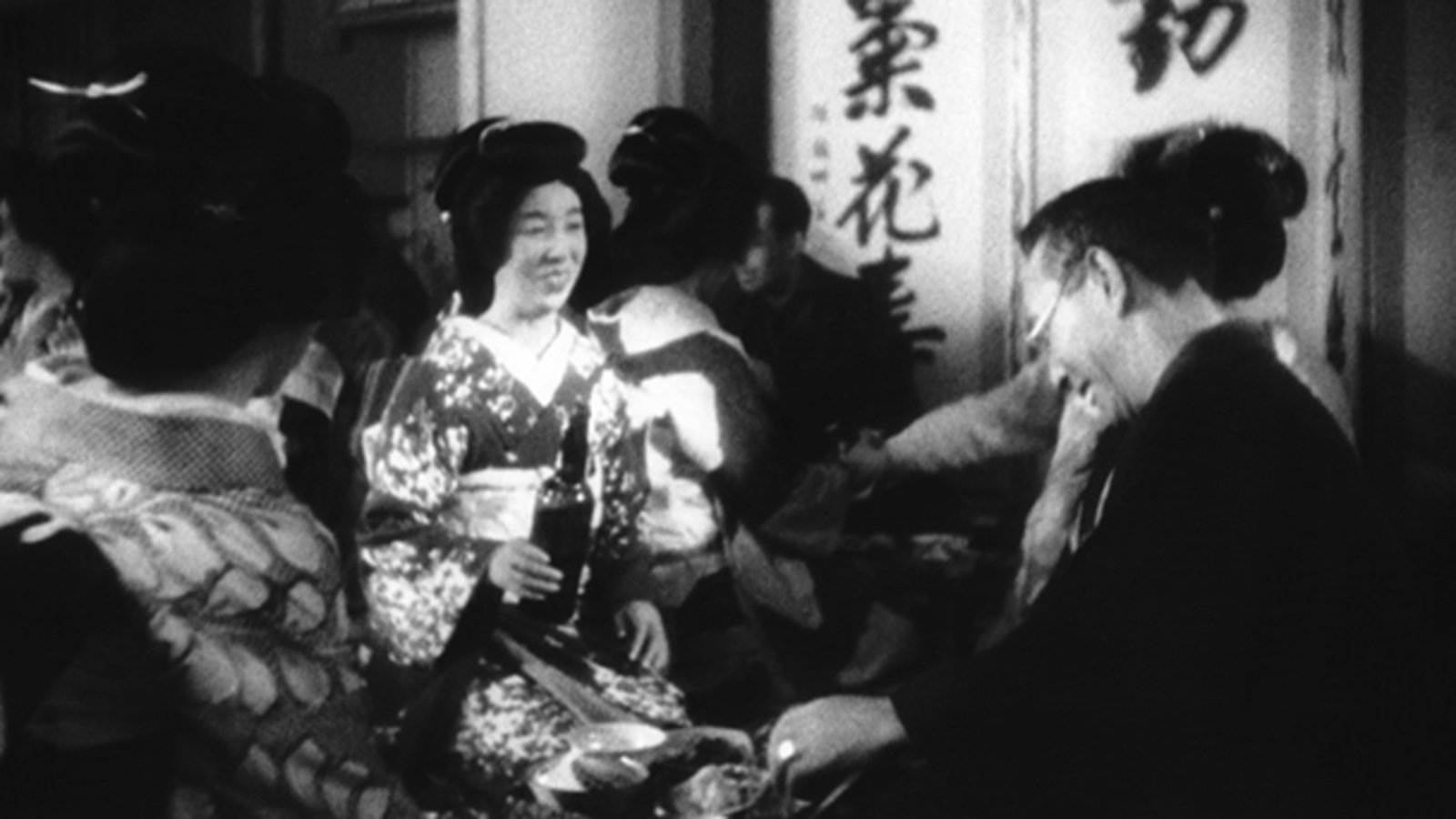
Men do just as they please. *For context, a geisha is a highly trained Japanese female entertainer and hostess. Gei as in art and Sha as in person. Not a prostitute, as their profession focuses on art and hospitality. Geishas, also known as Geikos*, have a strong commitment to cultural roles.
*
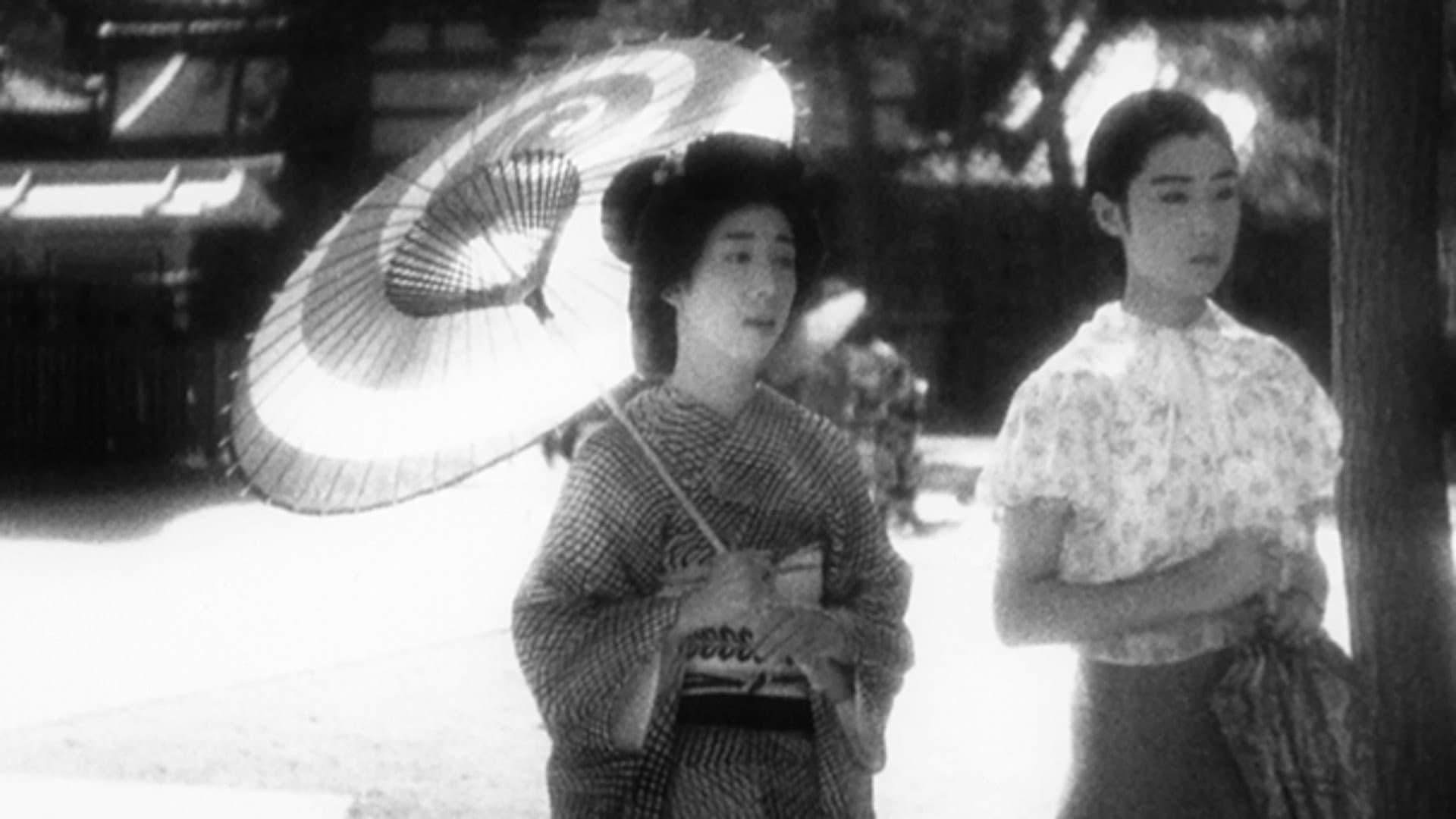
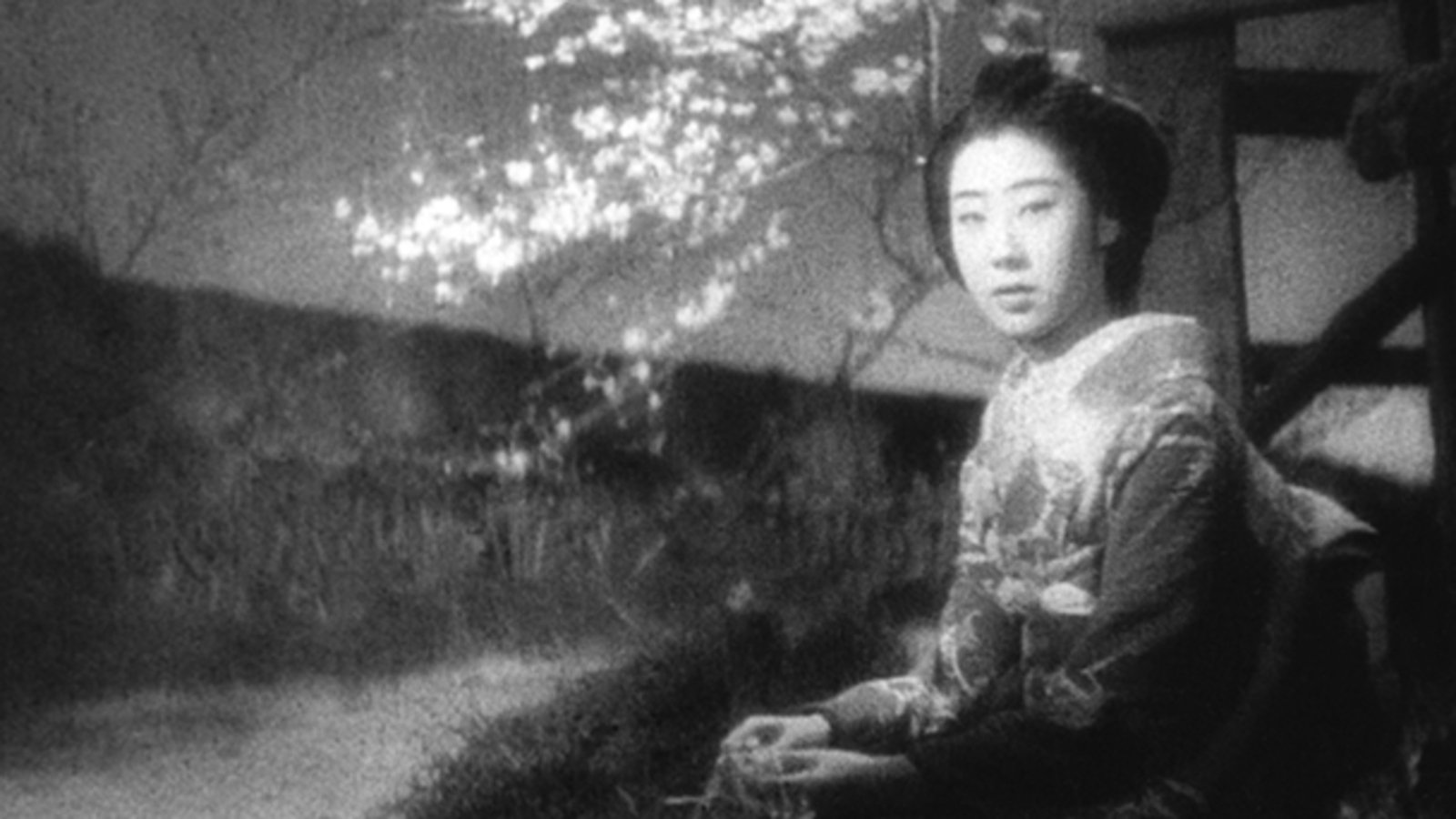
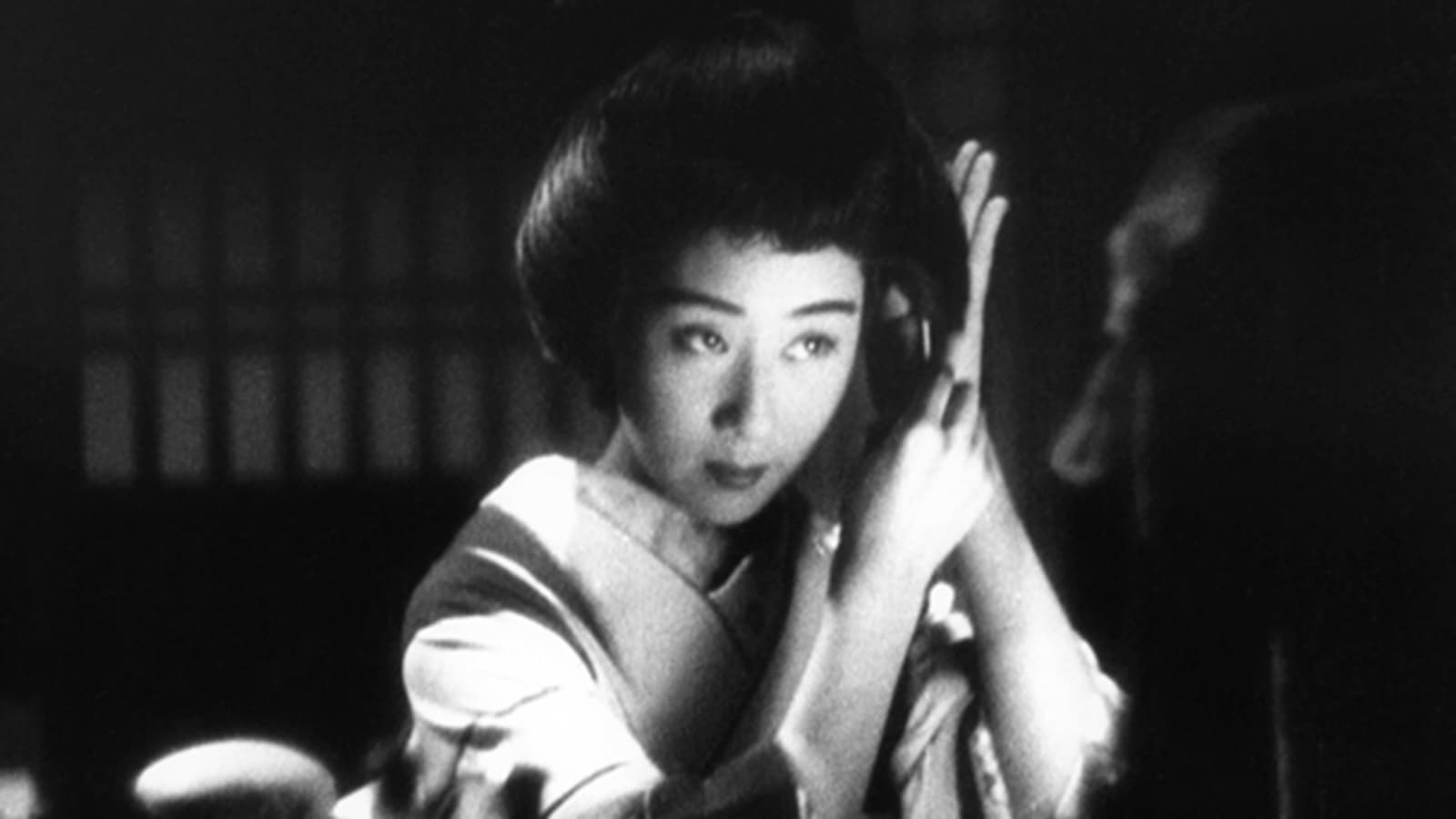
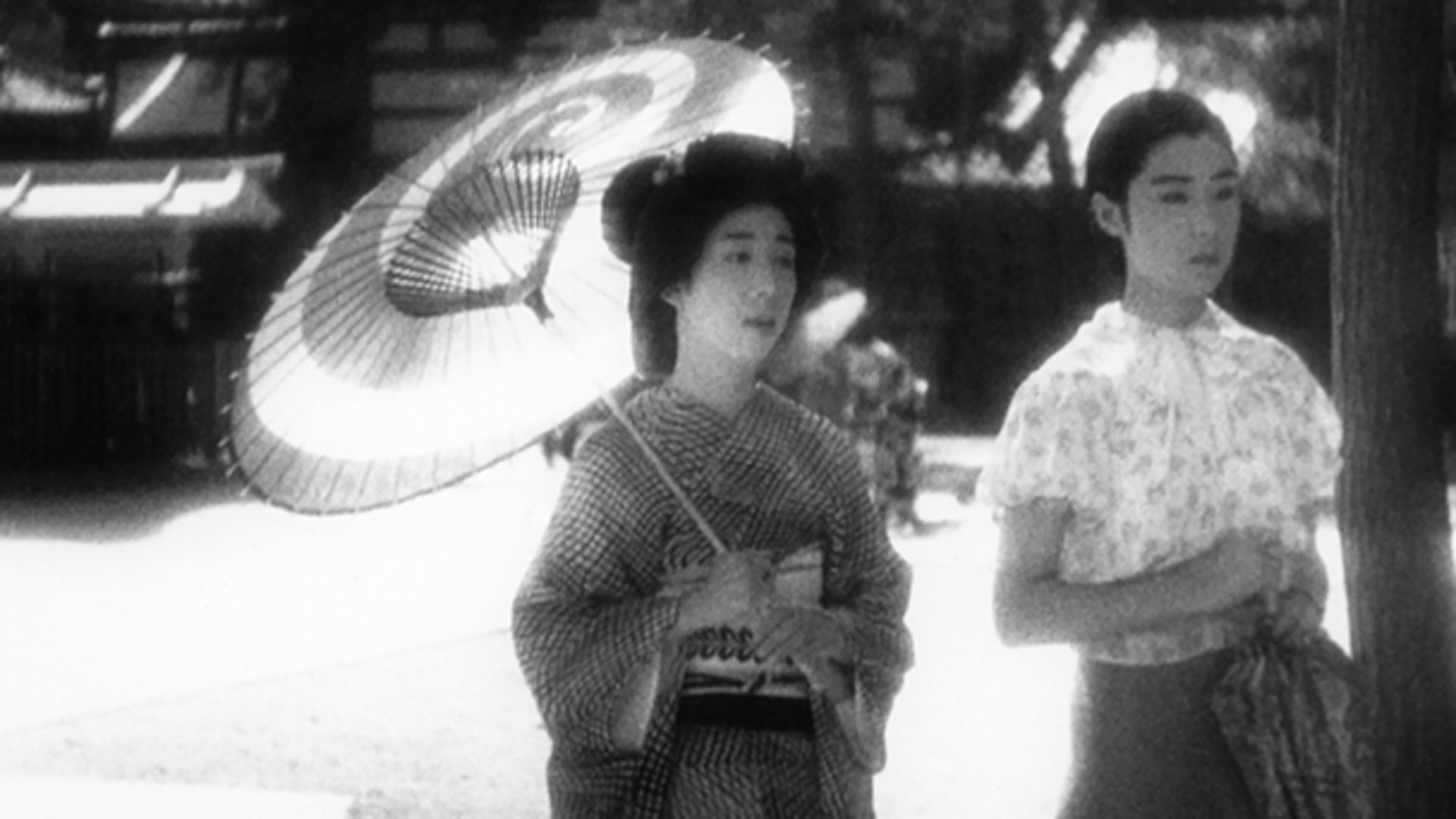
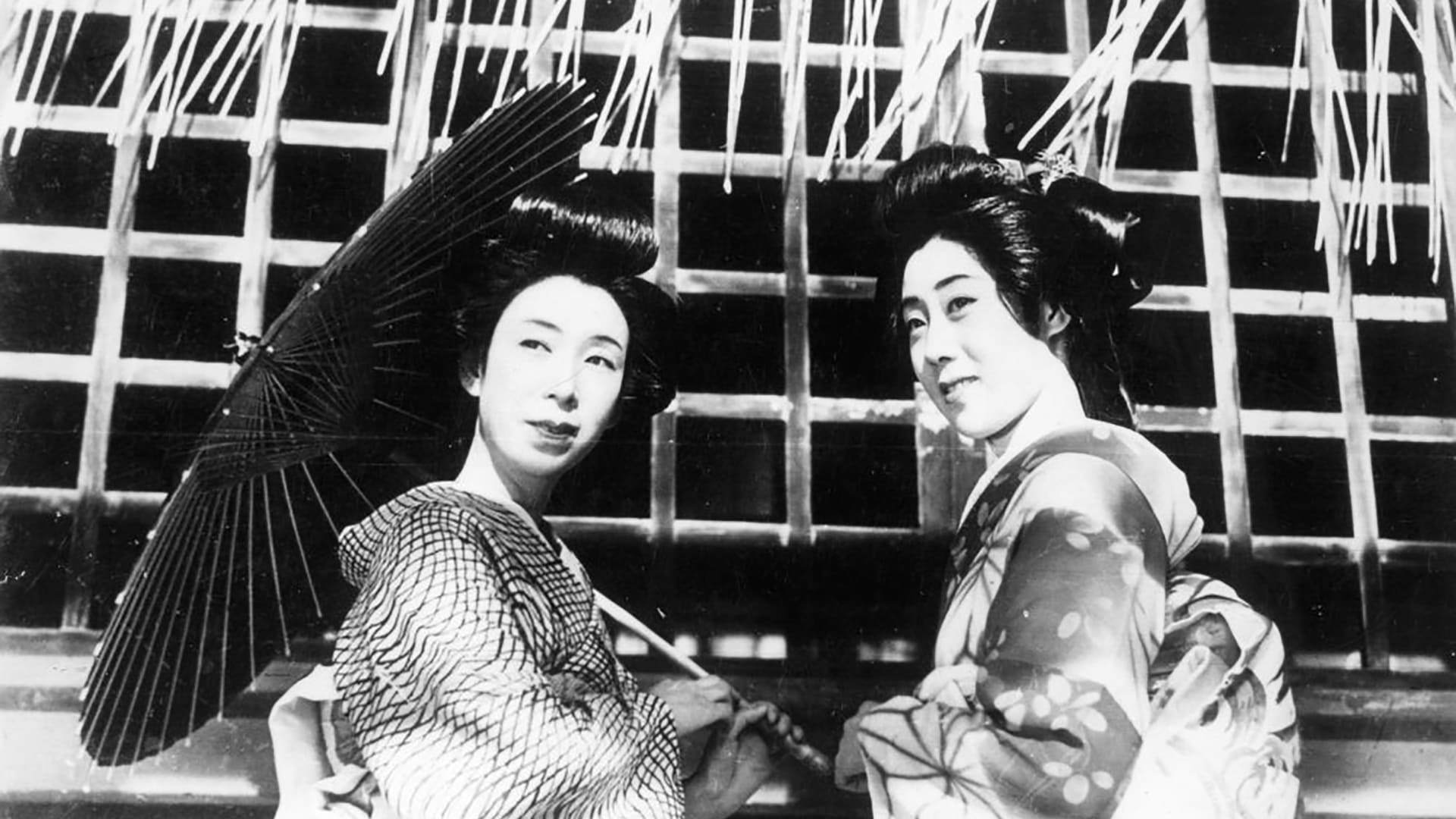
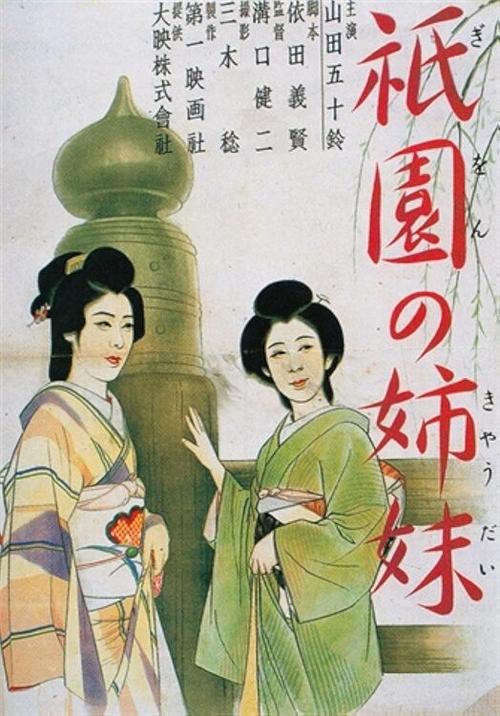
From just the first minutes of this production, we’re met with a pair of geisha
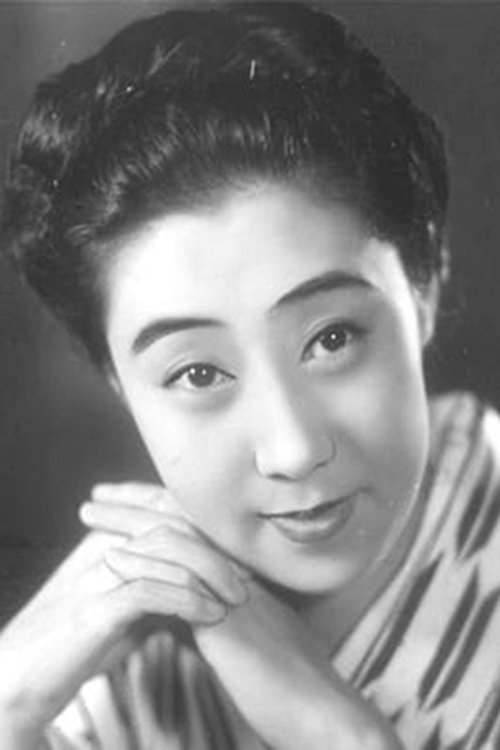
sisters. The eldest, Umekichi
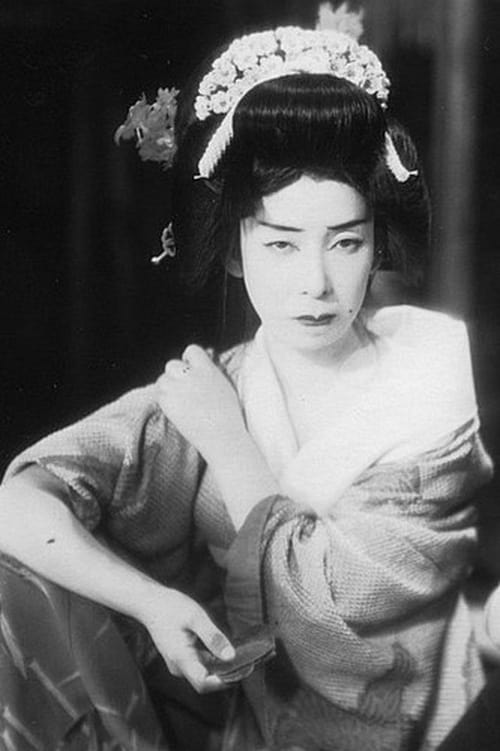
(Yôko Umemura), has conformed herself to the patriarchal and cultural reality of her womanhood, while the youngest, O-mocha *(
Isuzu Yamada), refuses to settle into this harsh reality.
Umekichi: Listen, O-mocha.
What would people say if I did things your way? They would be critical. > O-mocha: So you’ll take care of Mr. Furusawa to be praised by society?
Has that society ever treated us like human beings?
Why must we curry its favor?
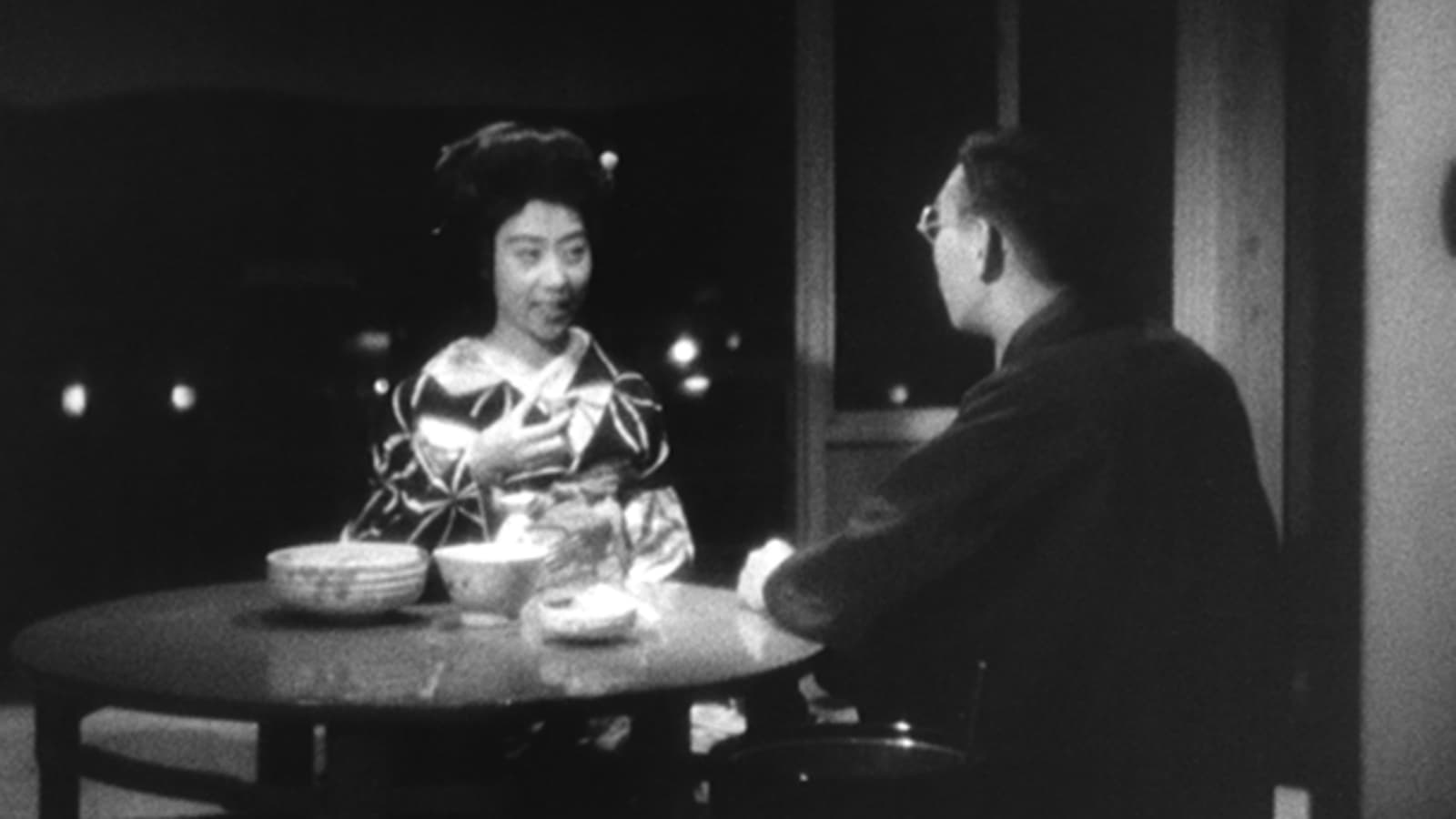
If you continue like this, it’ll be a slow death by strangulation. The sisters take in Mr. Furusawa (Benkei Shiganoya), a bankrupt businessman, that just abandoned his wife and kid. The eldest sister, feels a sense of obligation towards the man, as he helped her become a fully-fledged geisha, which is both of the girls’ only job and form of income.
O-mocha: Obligation? I dislike that word. The youngest sister, as understanding as she is to her sister’s point of view, can’t help but feel bitter about their reality — be that in regards to their job or even just to the fact that they’re women, with little to no rights and forced to follow the expectations and values that society thrusts upon them.
O-mocha: For what? So you’d be able to give any man pleasure? Isn’t that all? Turning us into playthings. Bought and sold like merchandise.As the film unfolds, we see O-mocha set up schemes to get rid of Mr. Furusawa; this way she won’t have to worry about an extra mouth to feed when they were barely getting by.
She pulls strings here and there to get anything she and her sister might need to support themselves. Unfortunately, all things combined, eventually lead to a poor outcome.
Umekichi: See what happens with your attitude of belittling men. It led to this terrible thing. > O-mocha: I won’t back down. I won’t be defeated by men.
He couldn’t get his way with me. So he did this cowardly thing.
I’ll make him sorry for it. > Umekichi: Don’t talk like that.
Let this be a lesson not to trample on people’s feelings. You could have avoided this by taking my advice.> O-mocha: Doing as you do? It simply means being defeated by men. I’ll never accept that.
It’s stupid! Who wants to lose to men?Still, O-mocha refuses to give in to societal norms. She refuses to act out on behalf of men’s expectations of women.
Umekichi, on the other hand, despite the lack of value the men she crosses paths with – as well as the ones in her life – attribute to her, and in spite of the suffering she’s endured from them, still stands firm to the values and ideals that have been inflicted upon her.
O-mocha: It’s exactly as I said. They think nothing of abandoning us when it suits them. > Umekichi: I don’t mind. It’s all right with me. I’ve done all I can. I’m sure it made Mr. Furusawa happy. I can face the world with my head held high. The Sisters of the Gion are two sides of the same coin. Throughout the picture, we’re met with the girls’ understanding of one another’s viewpoint and approach on their situation.
Both of the girls lament their inability to escape the tragic exploitation they endure. Their troubles are equal and their responses inherently intertwined, even if they’re seemingly on opposite ends of the spectrum.
O-mocha: *Has it helped you in a practical way?
You can face the world proudly, but what has it done for you?
Mr. Furusawa may be happy, but what about you? Are you better off now?
You meekly did as you were told. And what did you gain by it? Nothing.
If we’re sharp in business we’re criticized.
What are we to do? What do they want us to do? Why must we suffer so? Why are there such things as geisha in this world? Why must they exist? It’s wrong, entirely wrong.
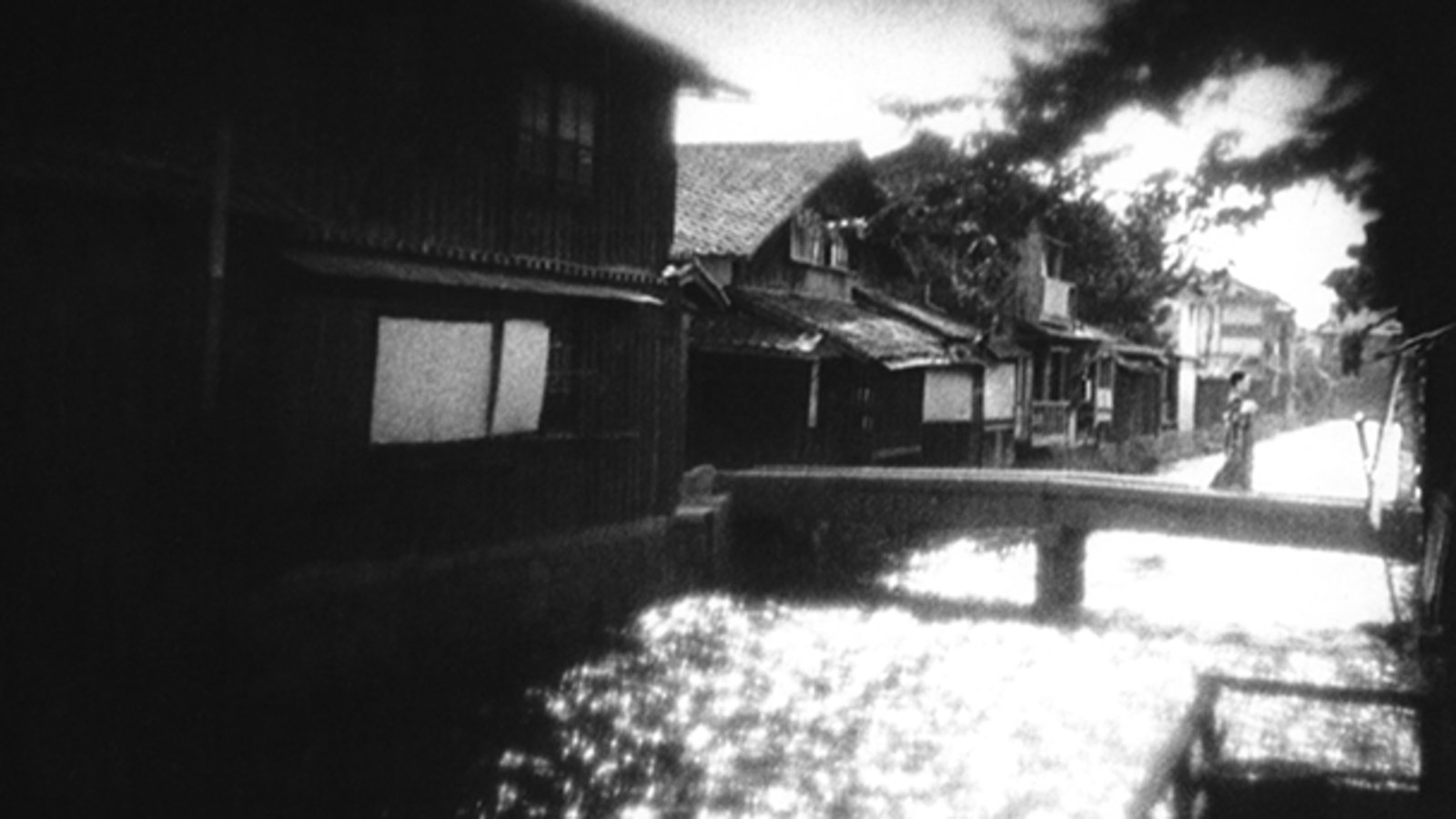
I wish… I wish that they never existed. *This beautiful piece was directed by Kenji Mizoguchi and released in 1936.
Sounds crazy, right? How a portrayal with themes of exploitation and tradition on the societal constraints of women, from almost a century ago, can be so… current.
It truly pains me to even talk about how timeless this piece is.