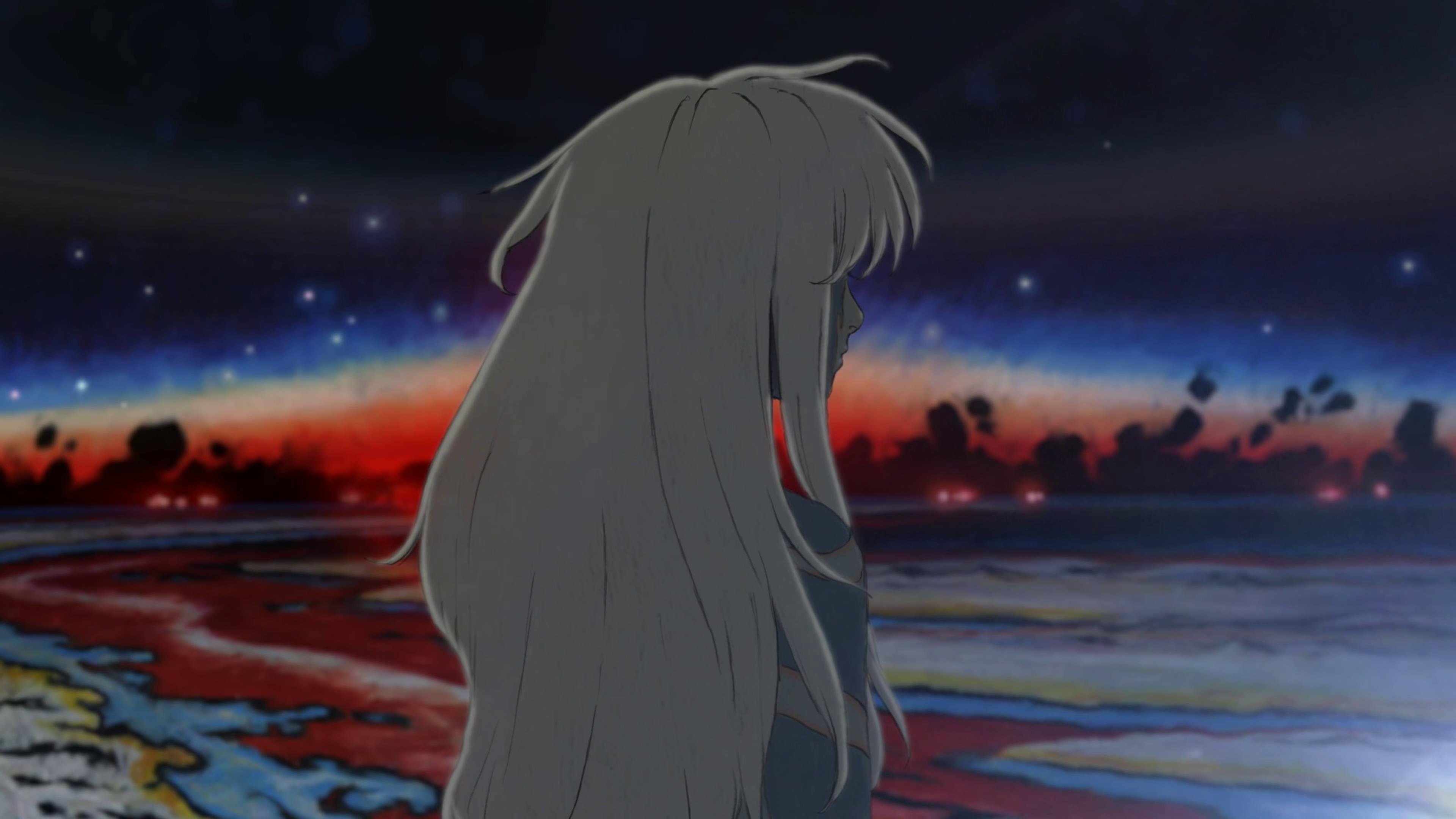
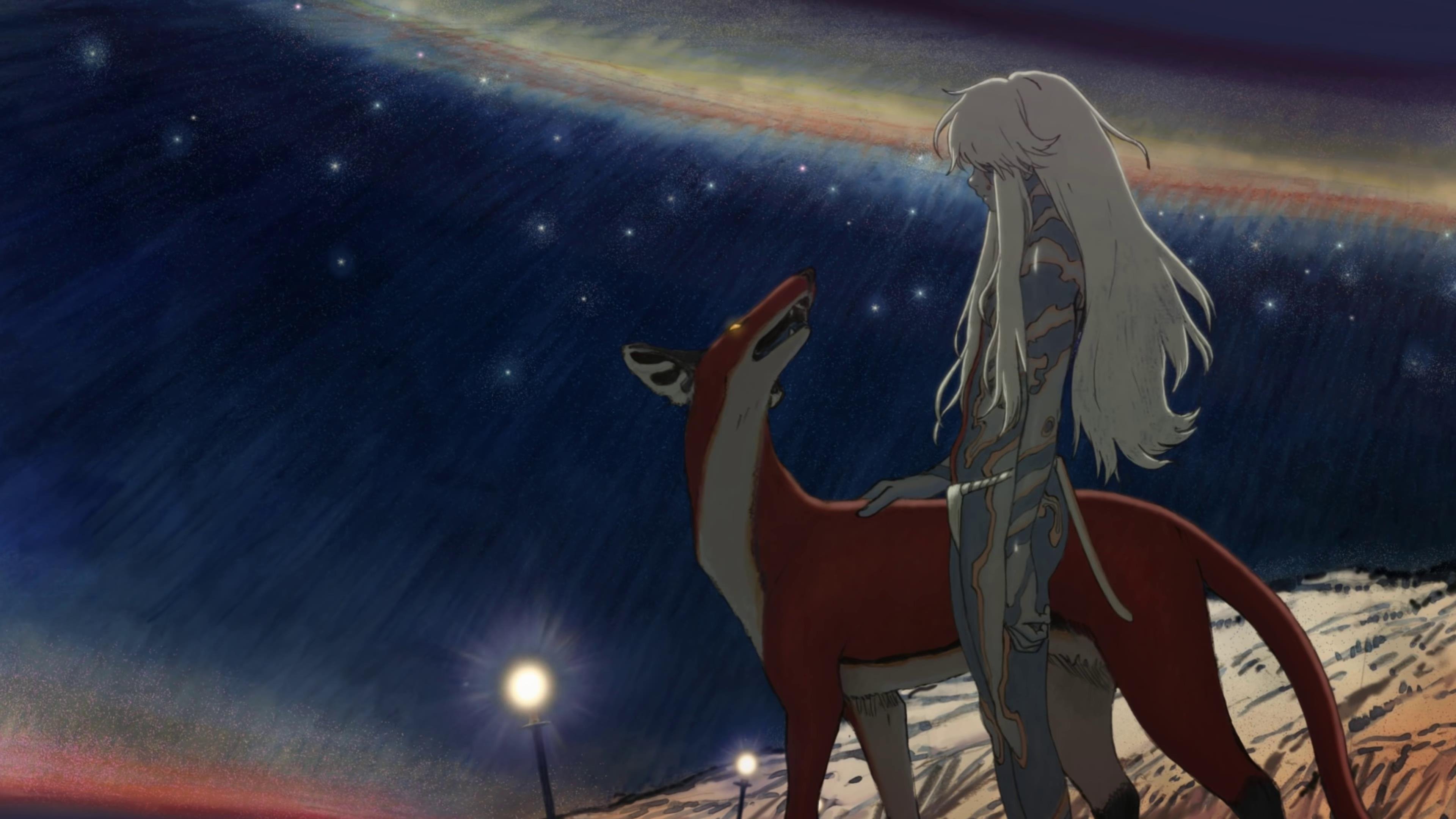
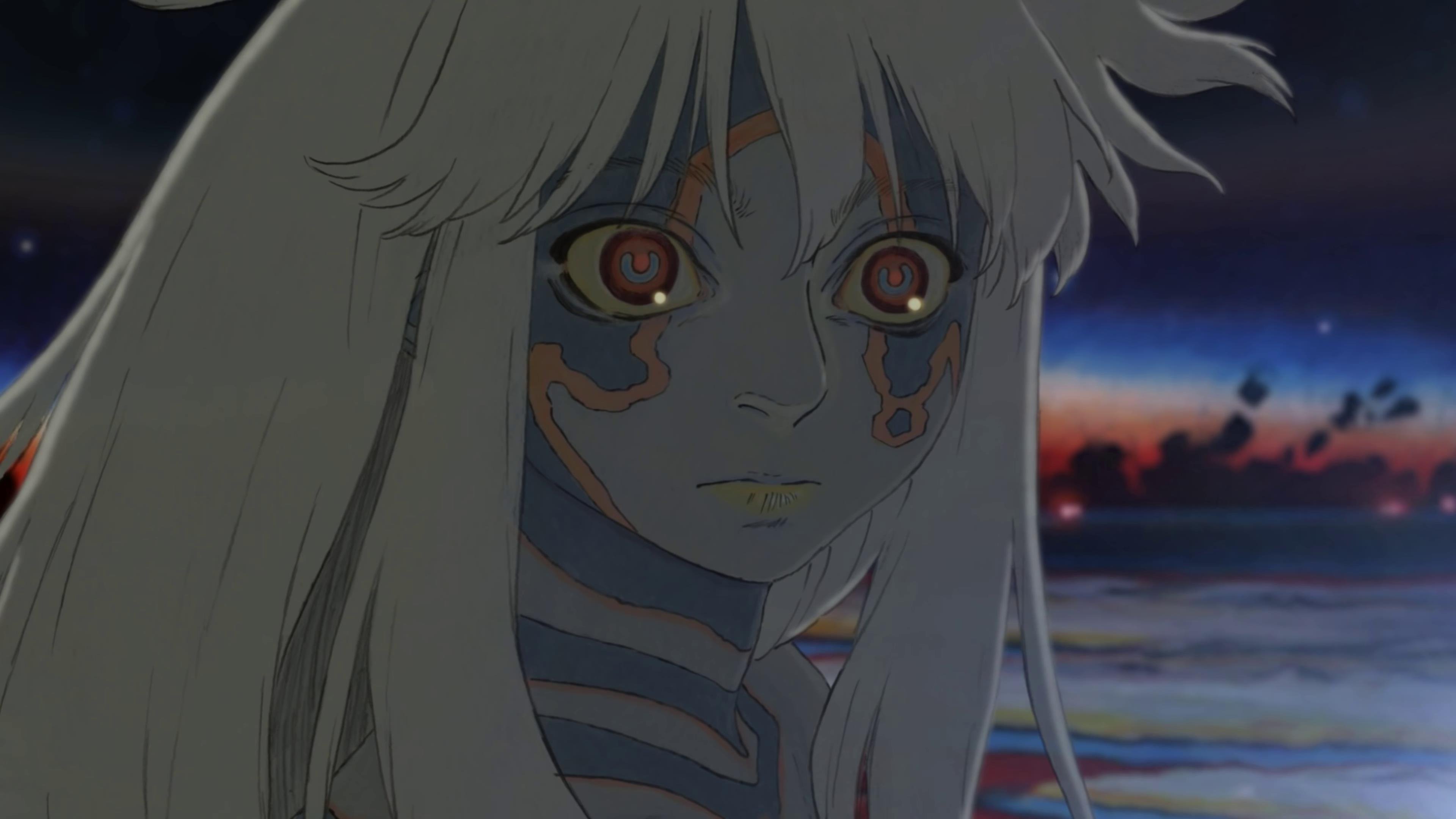
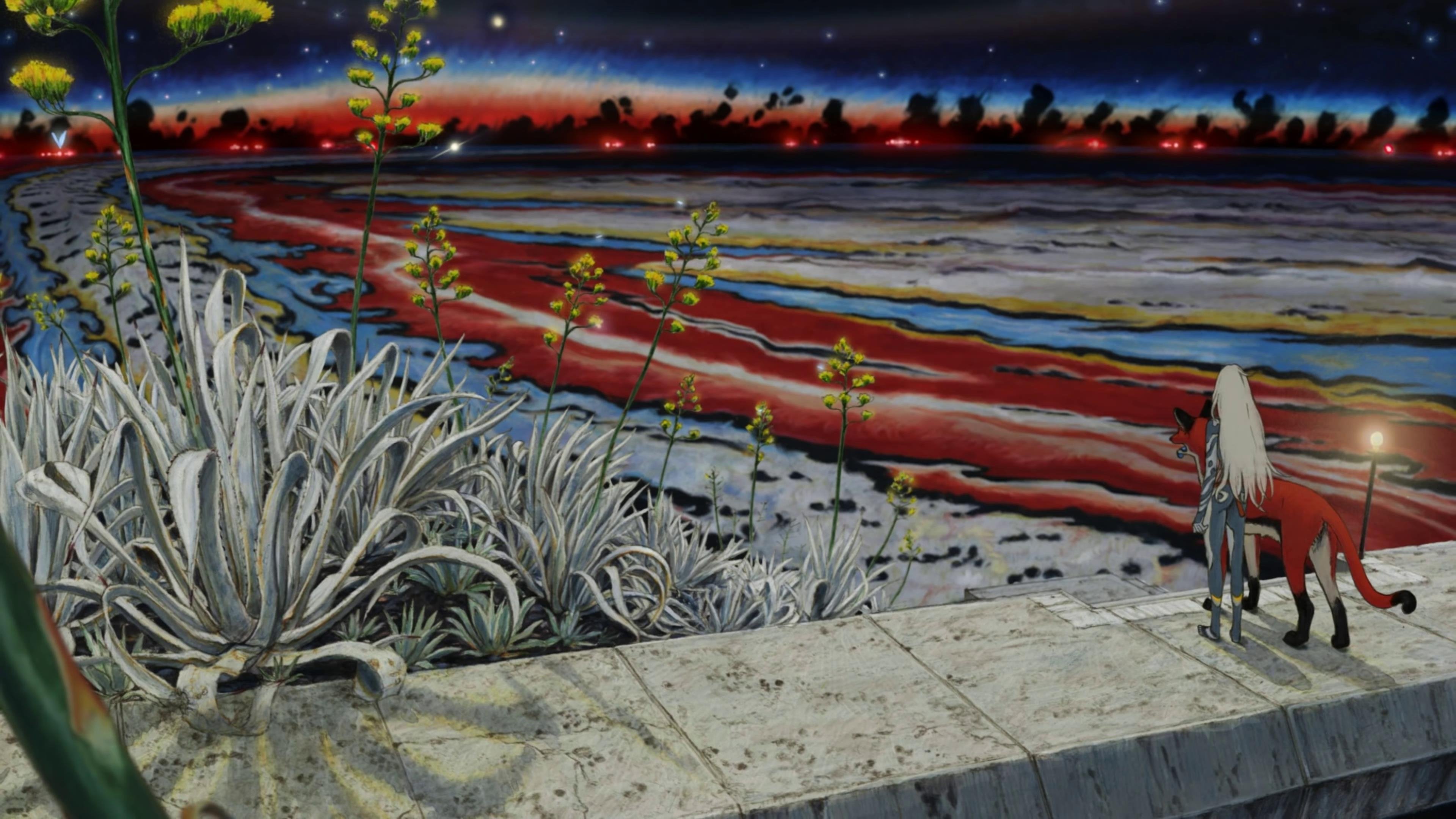
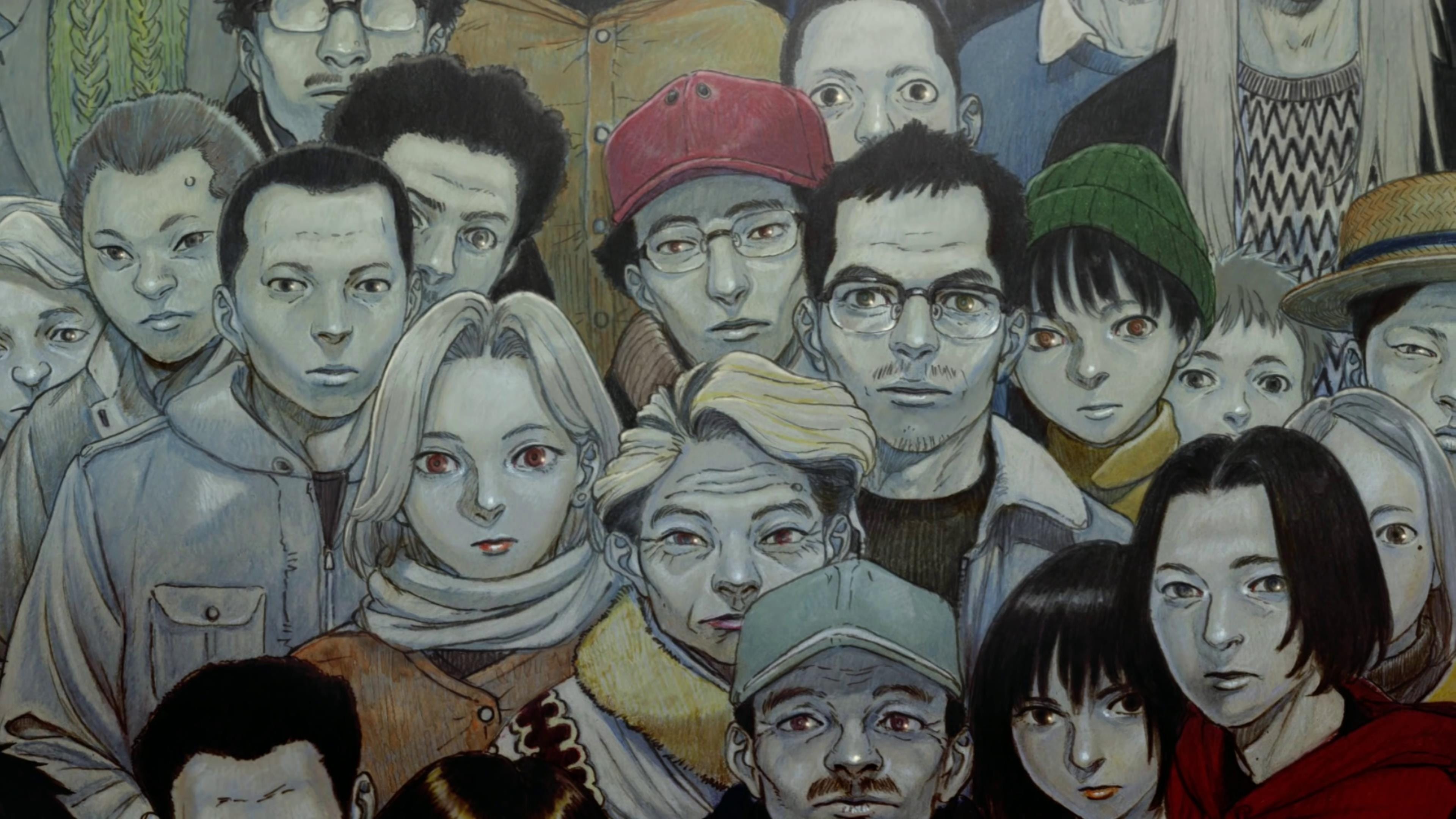
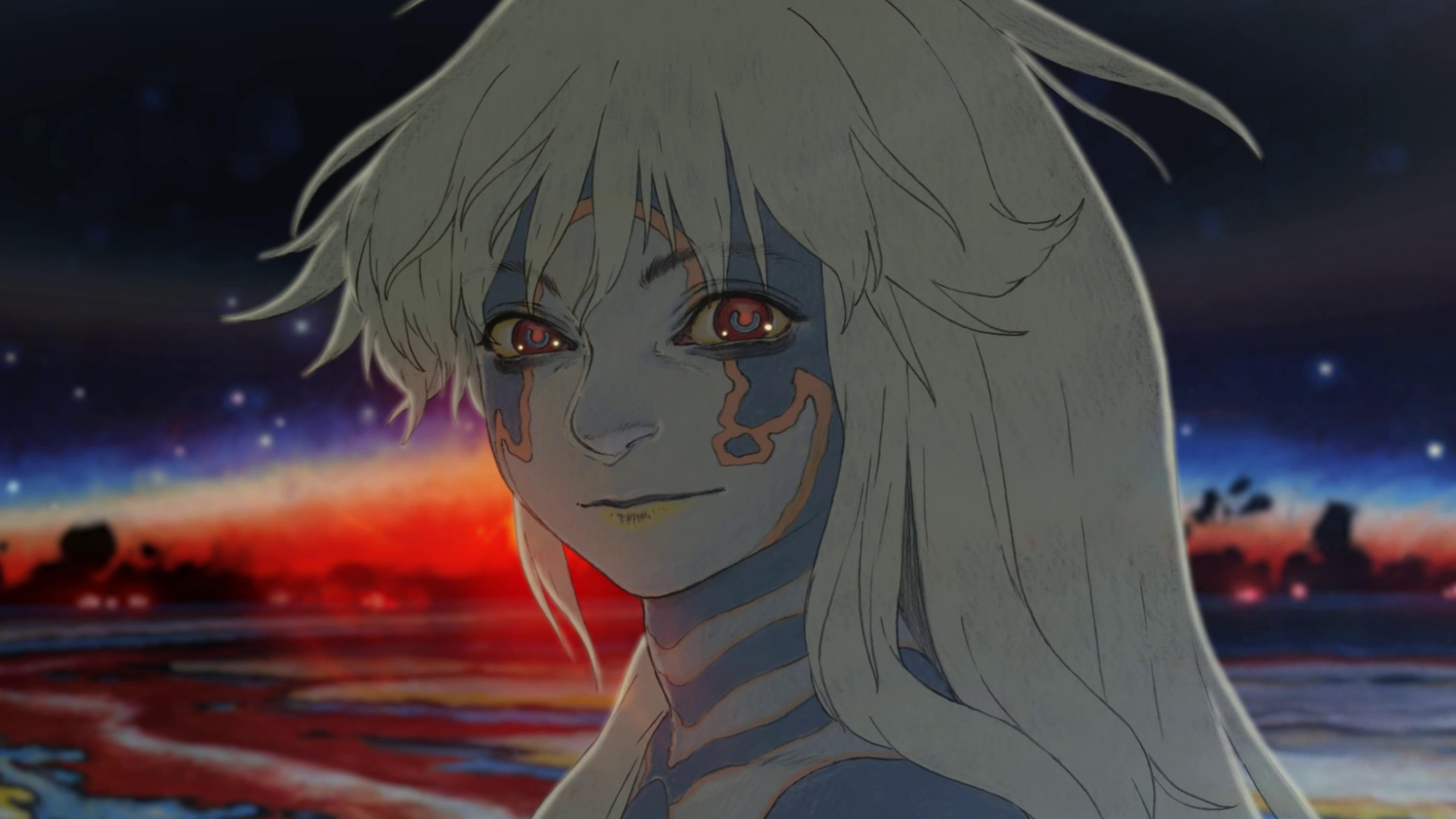
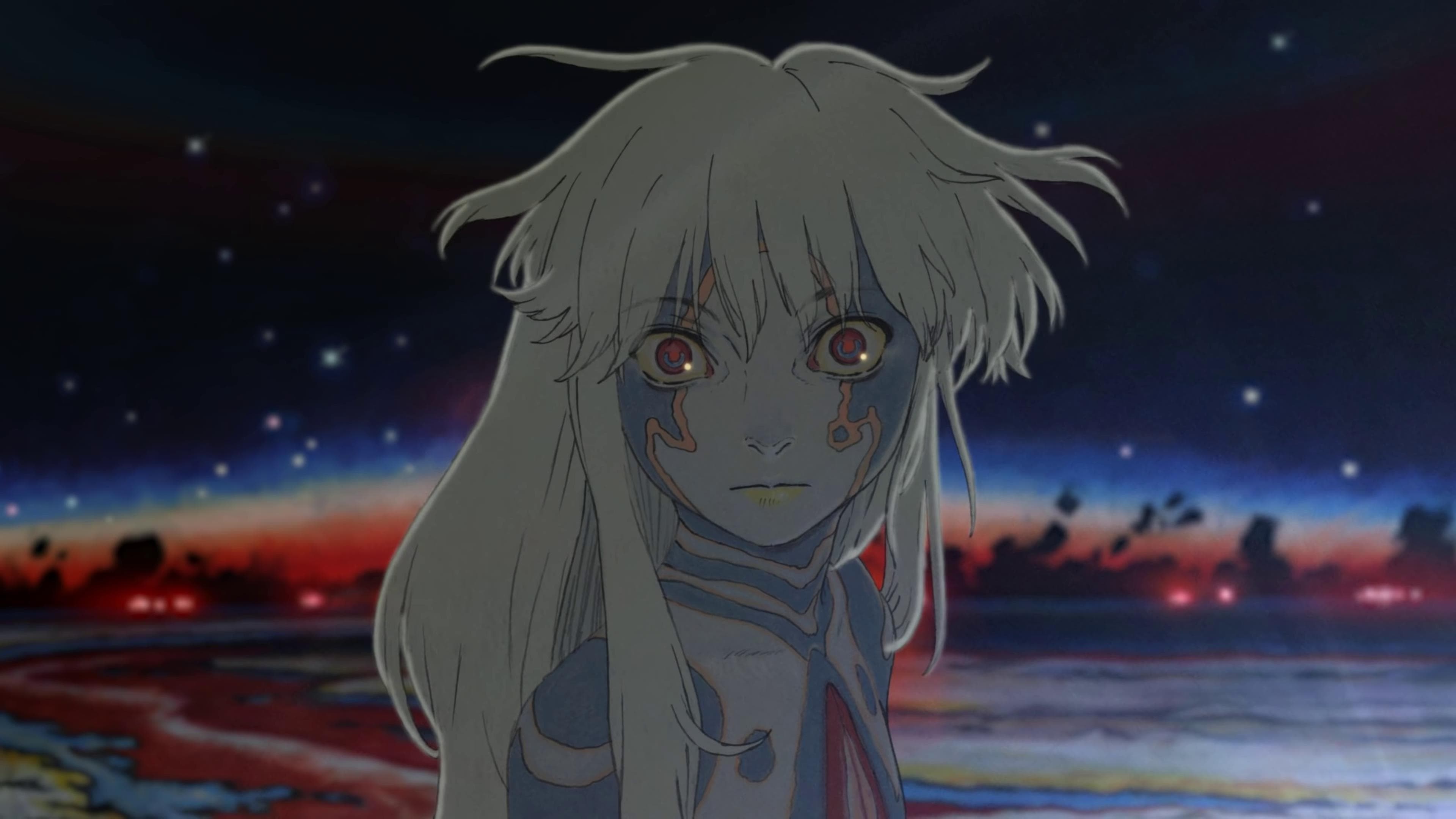
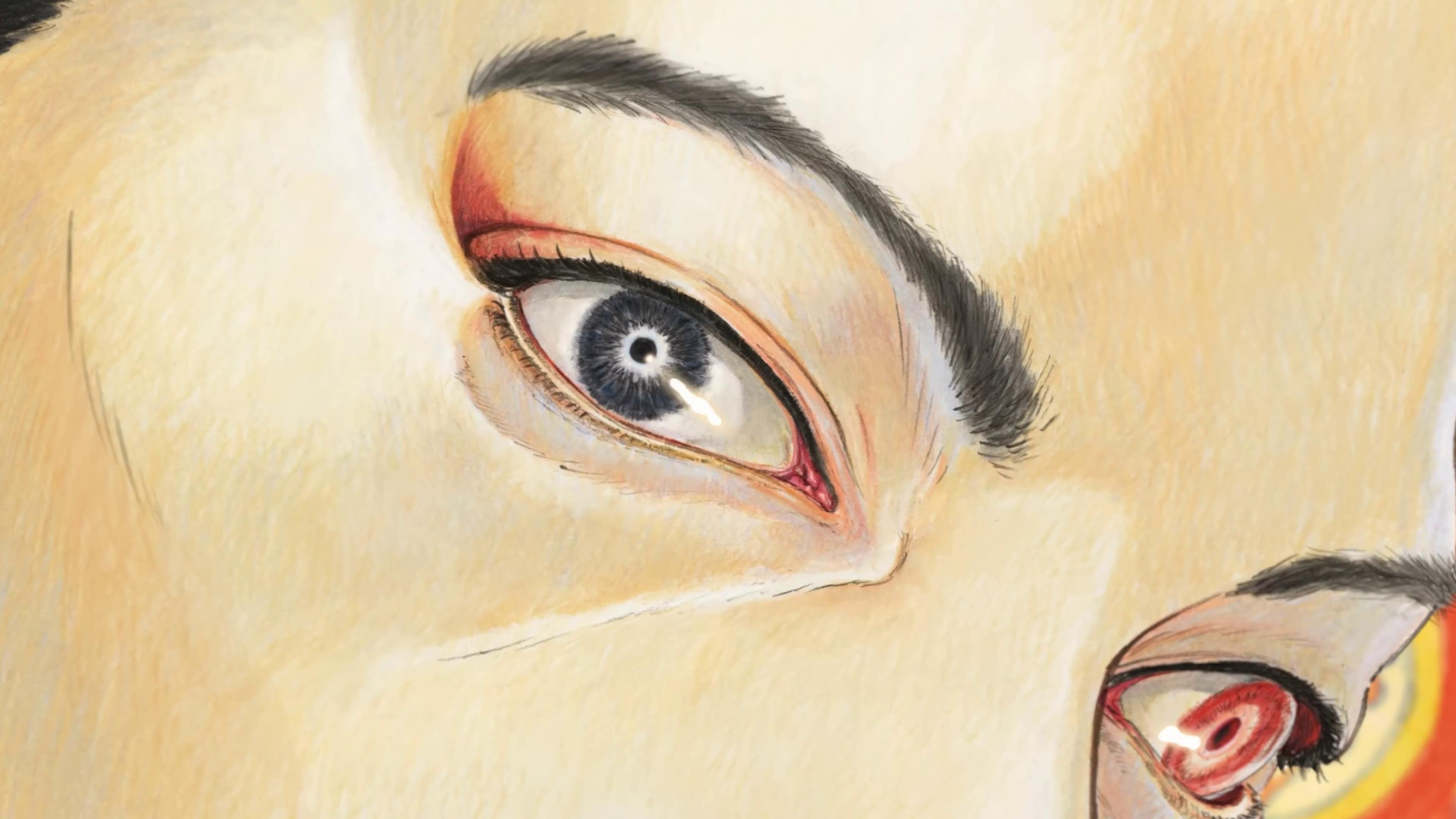
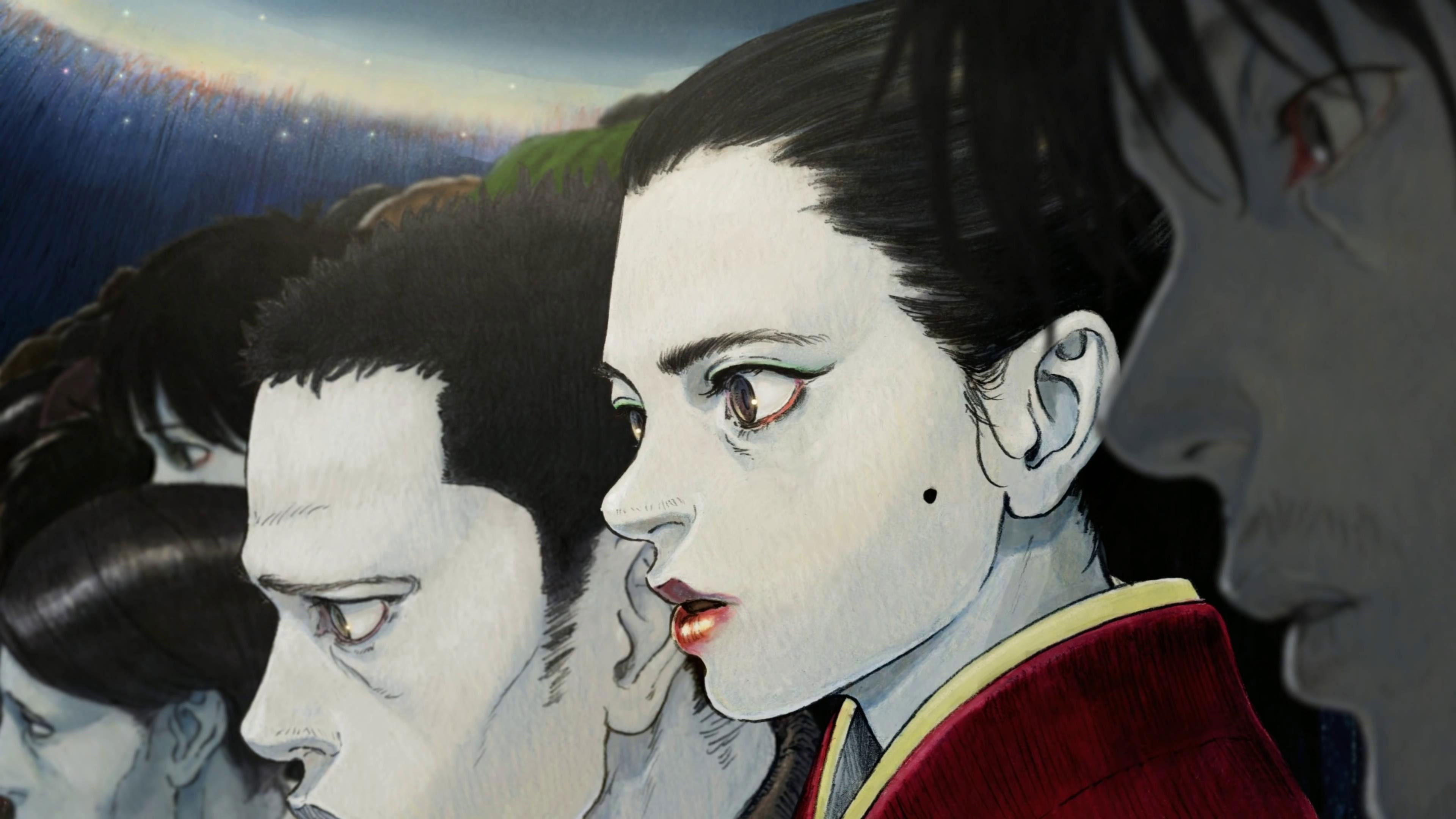
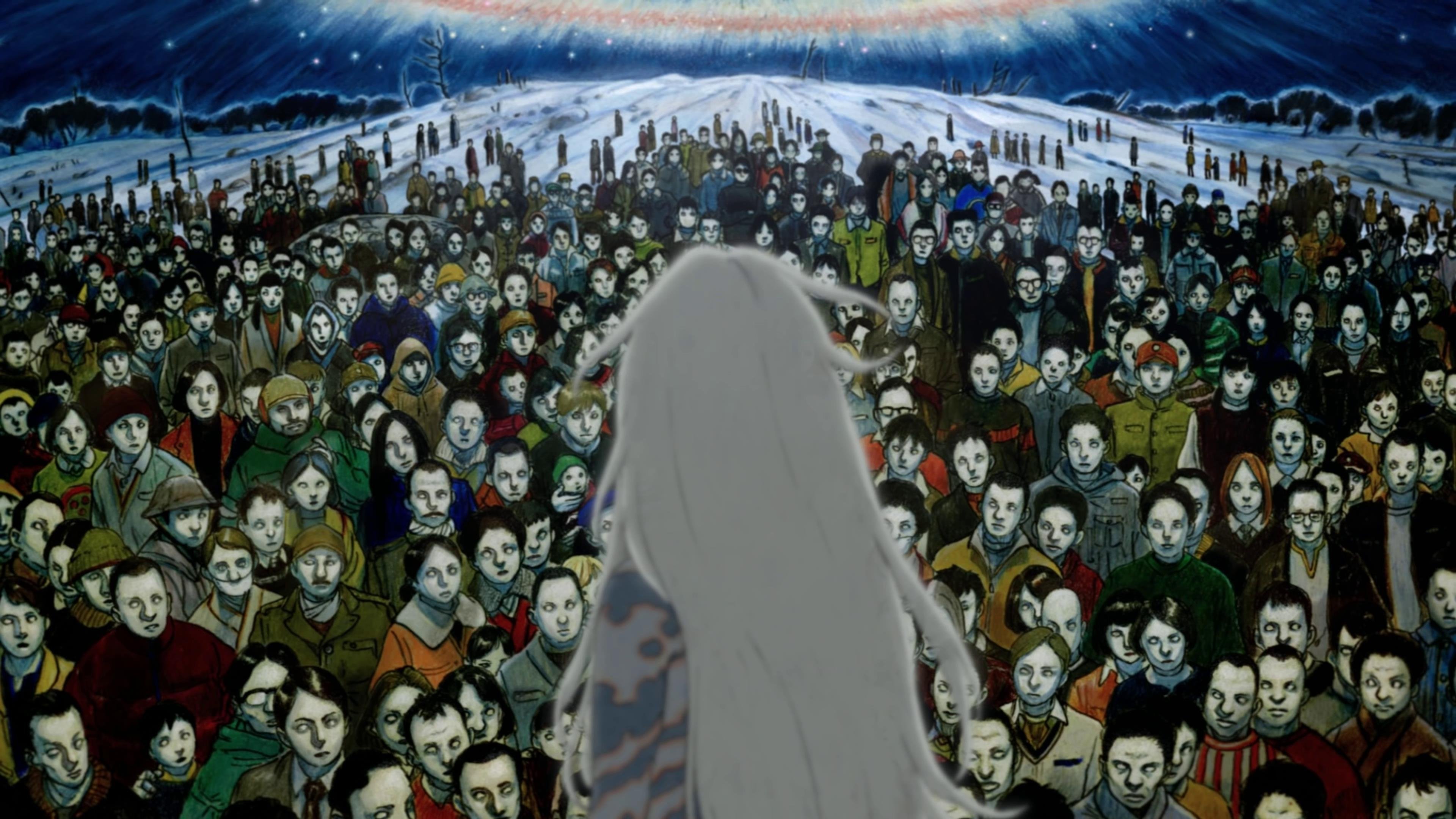
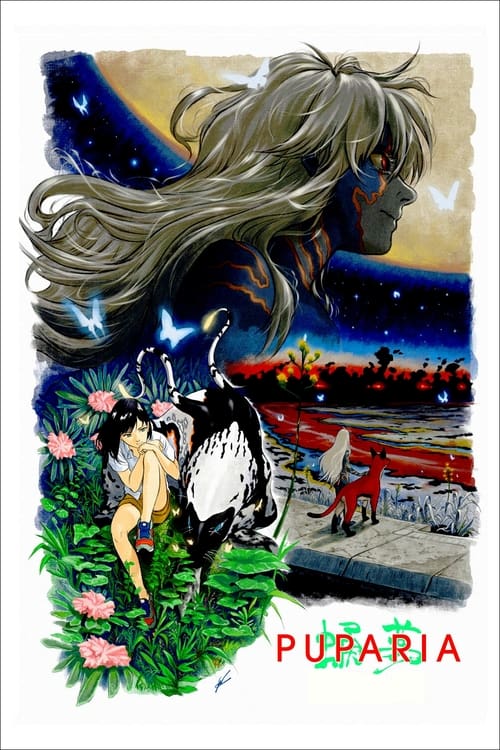
Puparia feels less like a short film and more like a transformation taking place in front of your eyes. Without a single line of dialogue, Shingo Tamagawa builds a world where mysterious creatures quietly coexist with humans, each one gently pointing the next person forward, as if everyone is guiding someone else toward an unknown future.
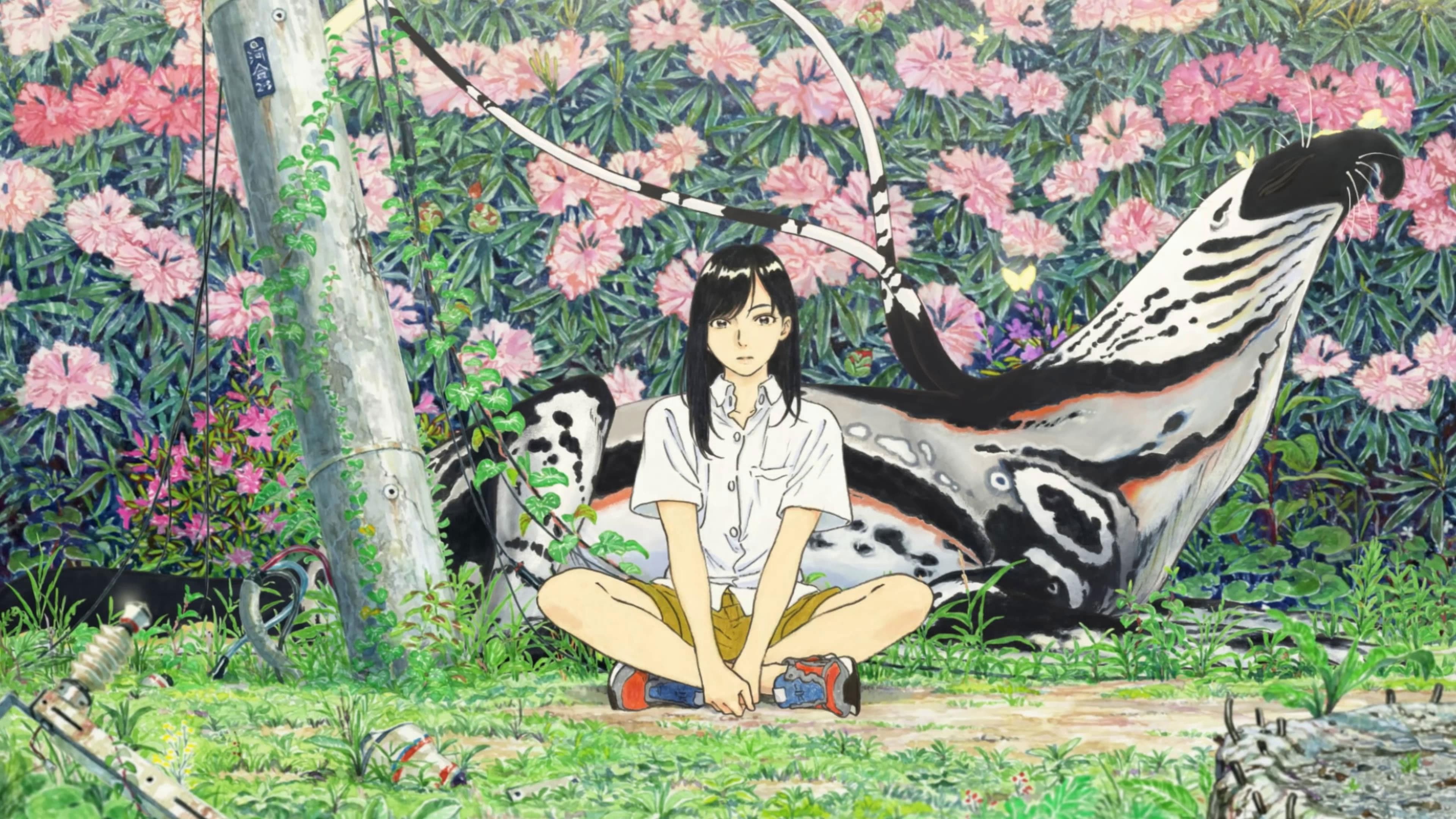
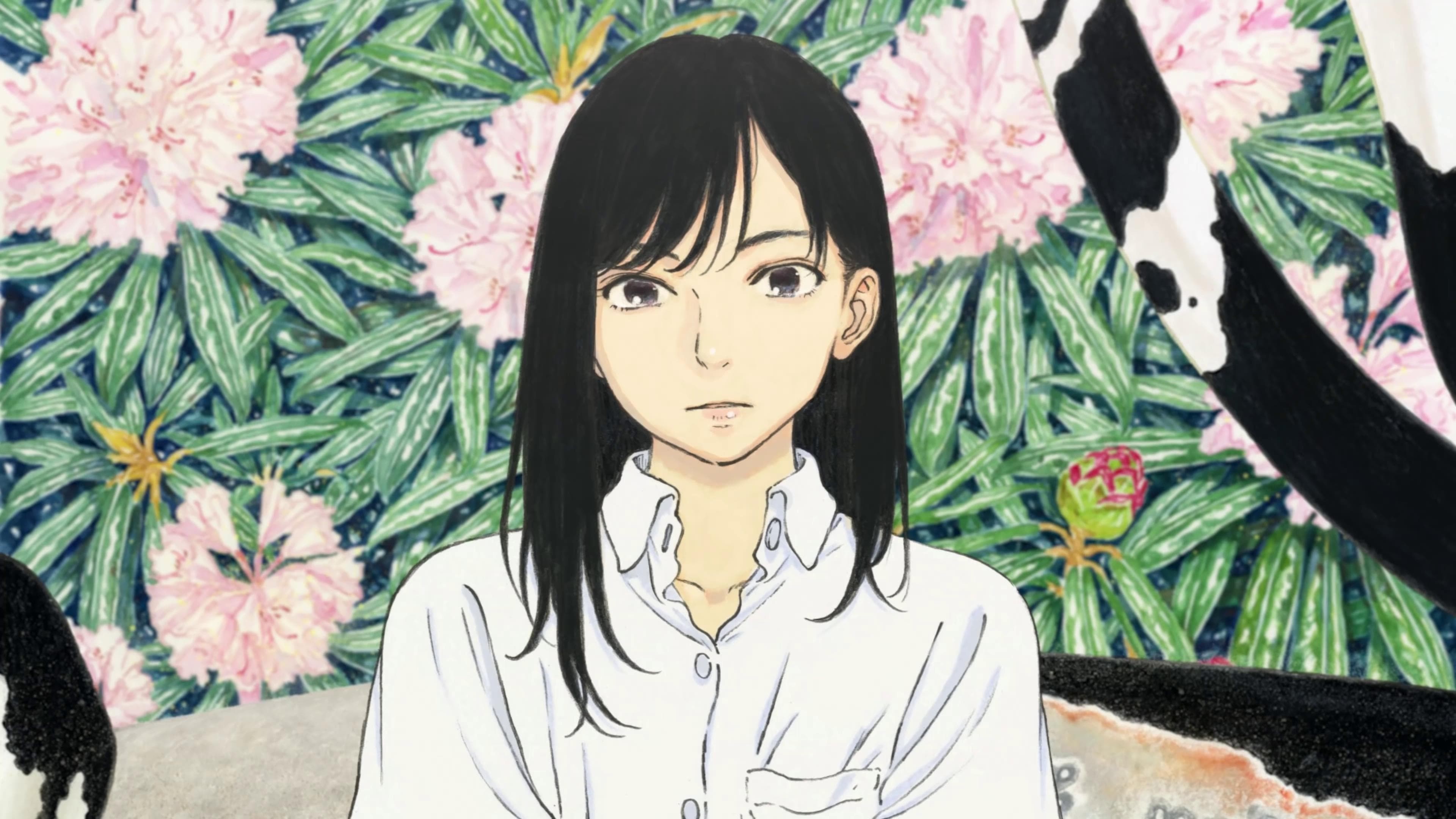
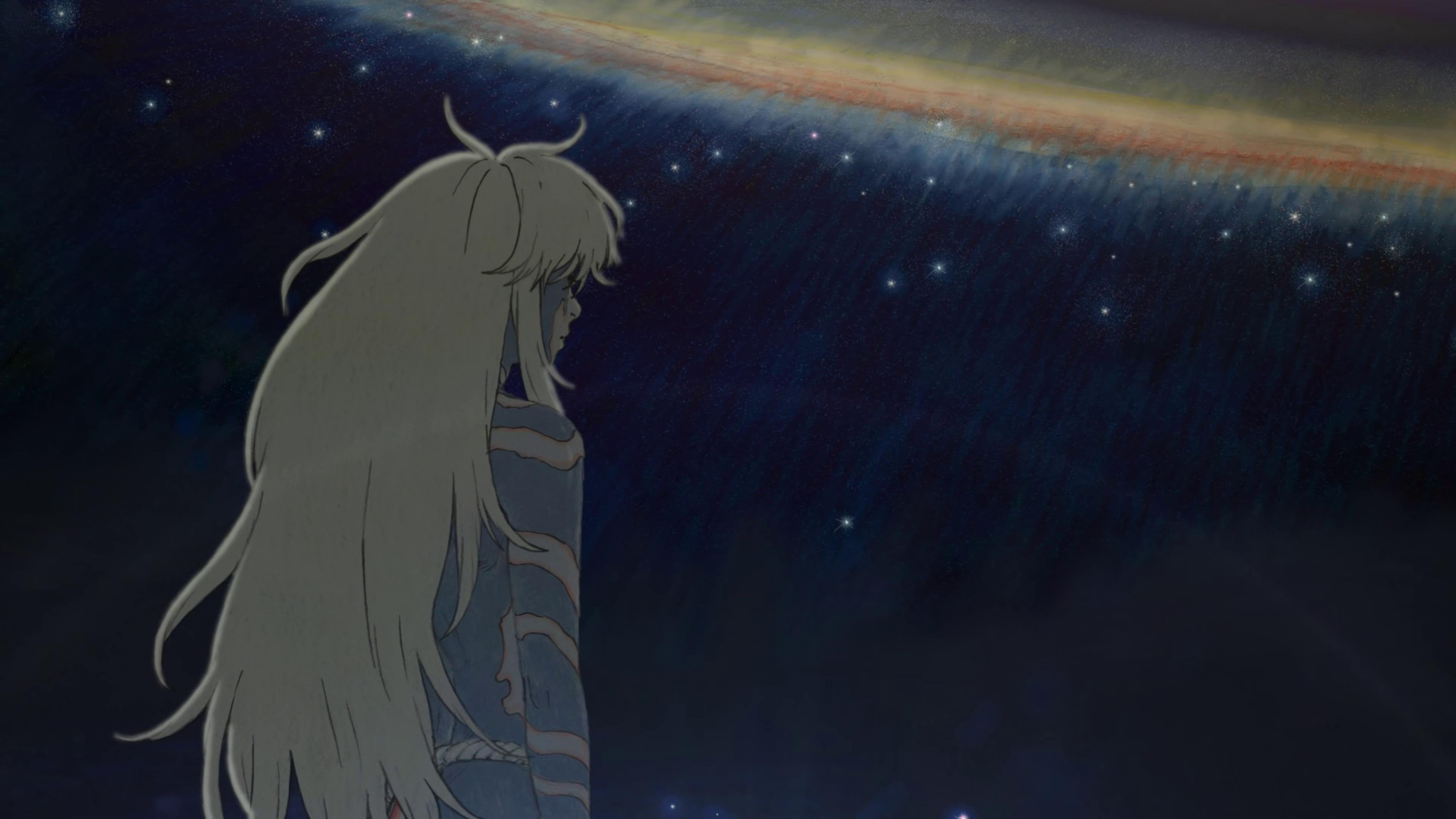
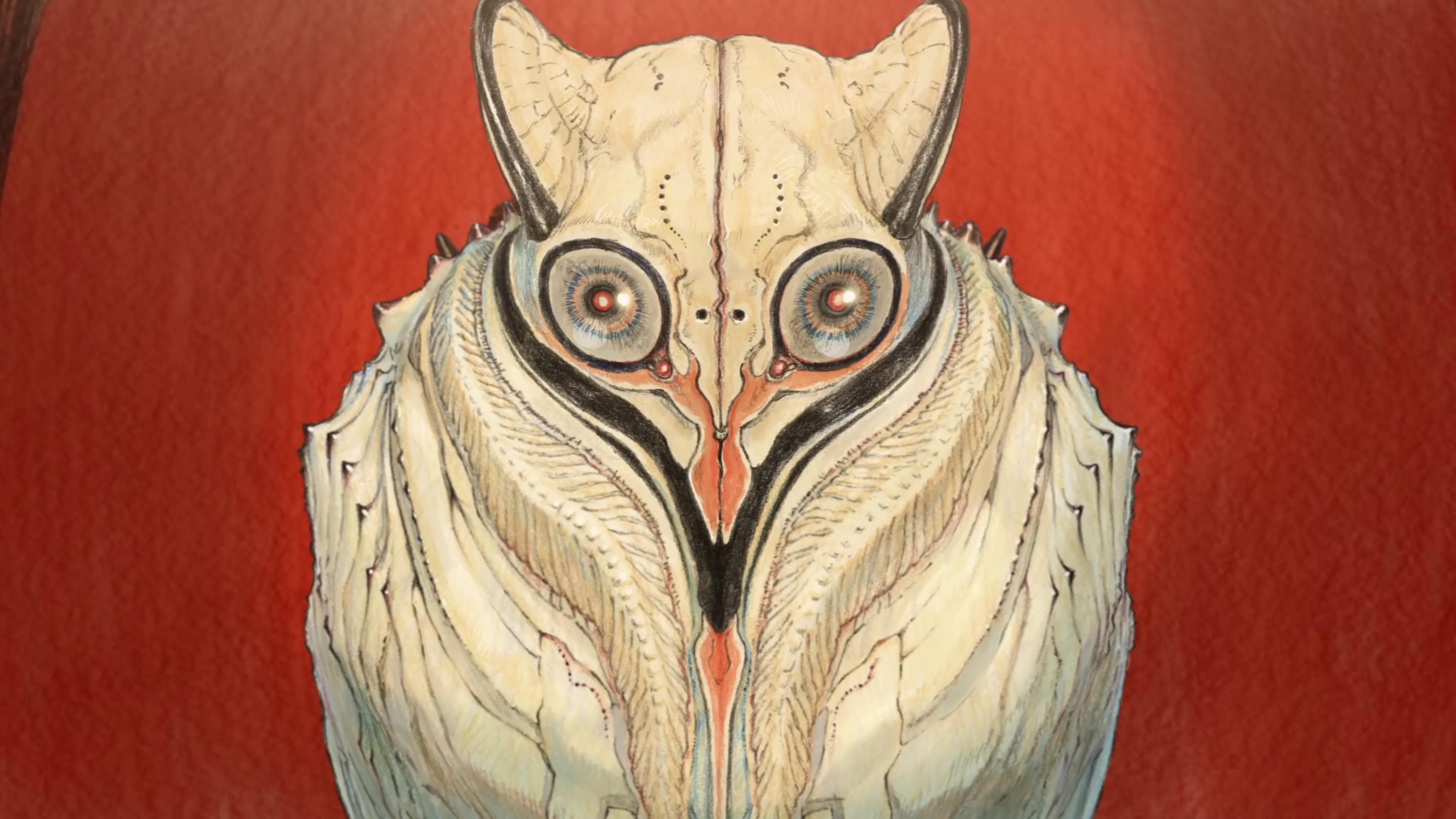
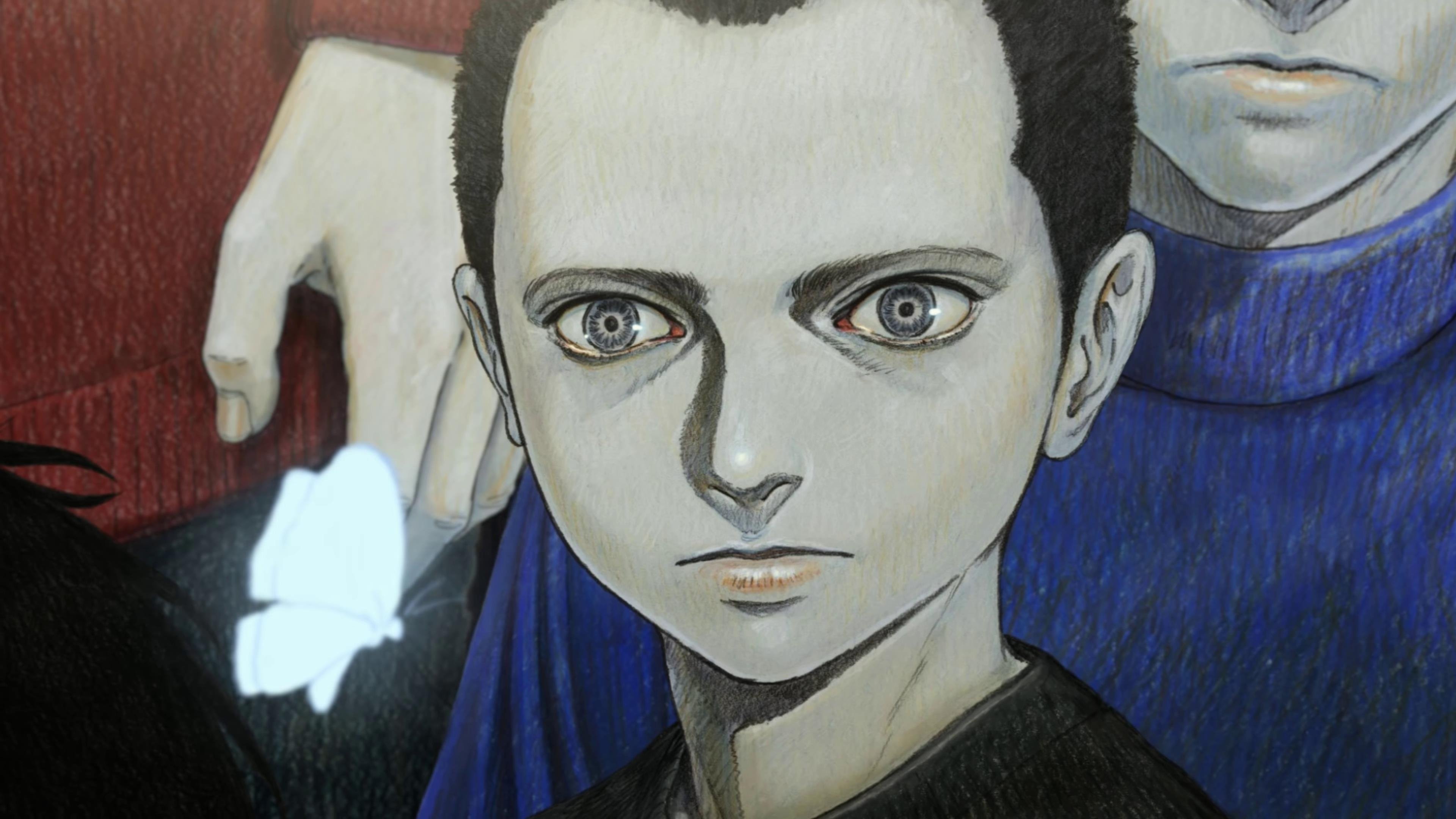
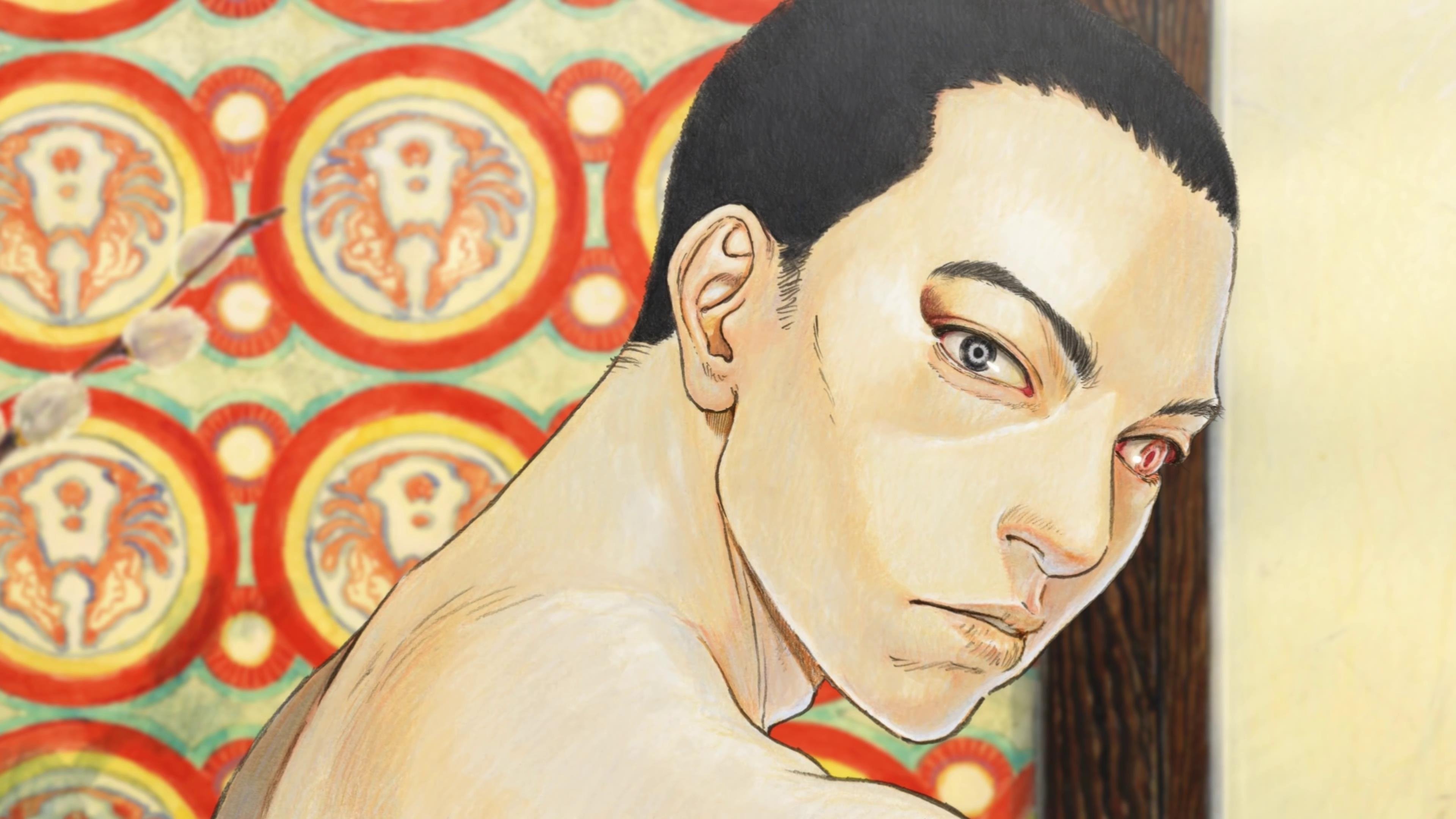
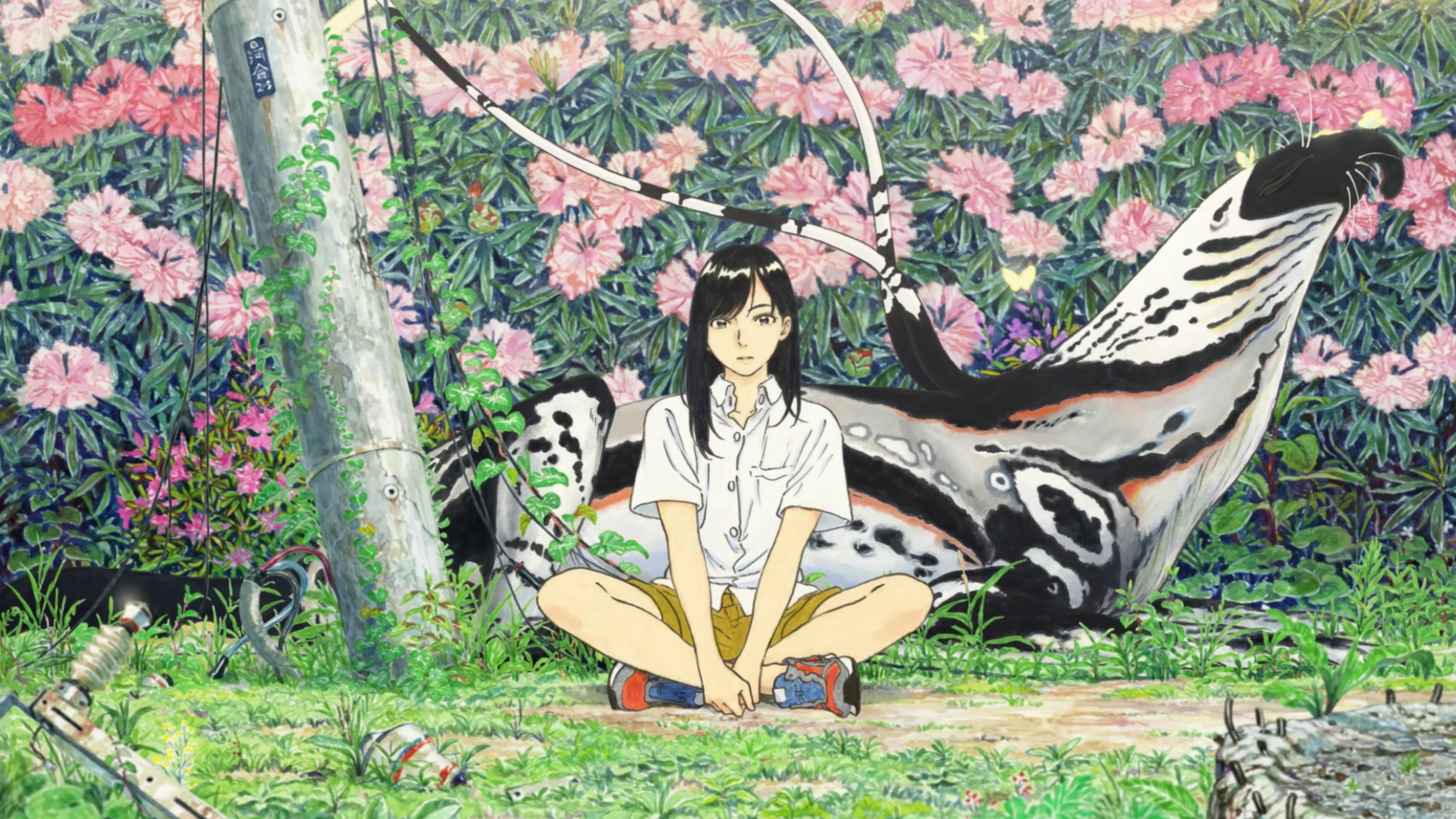
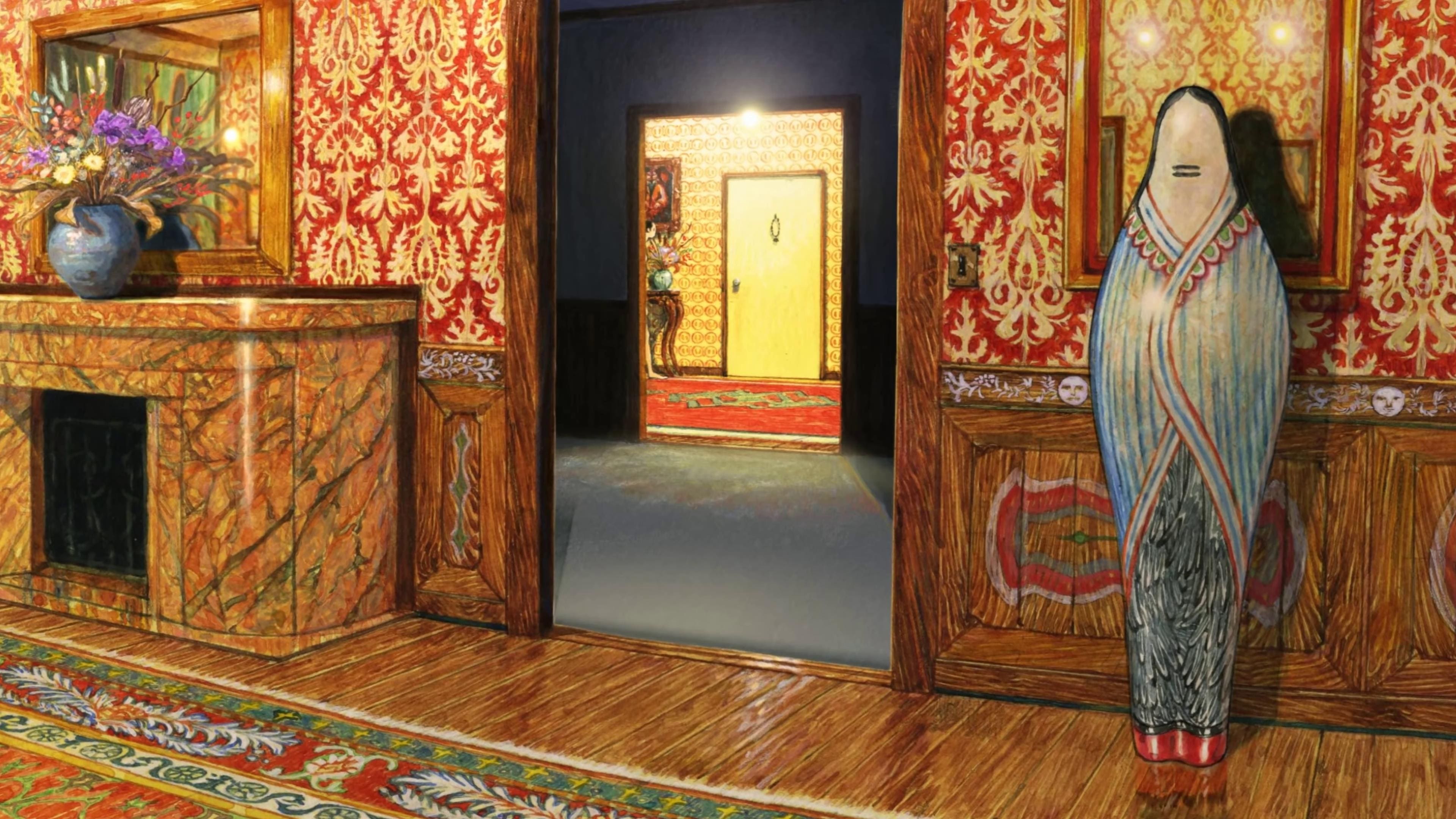
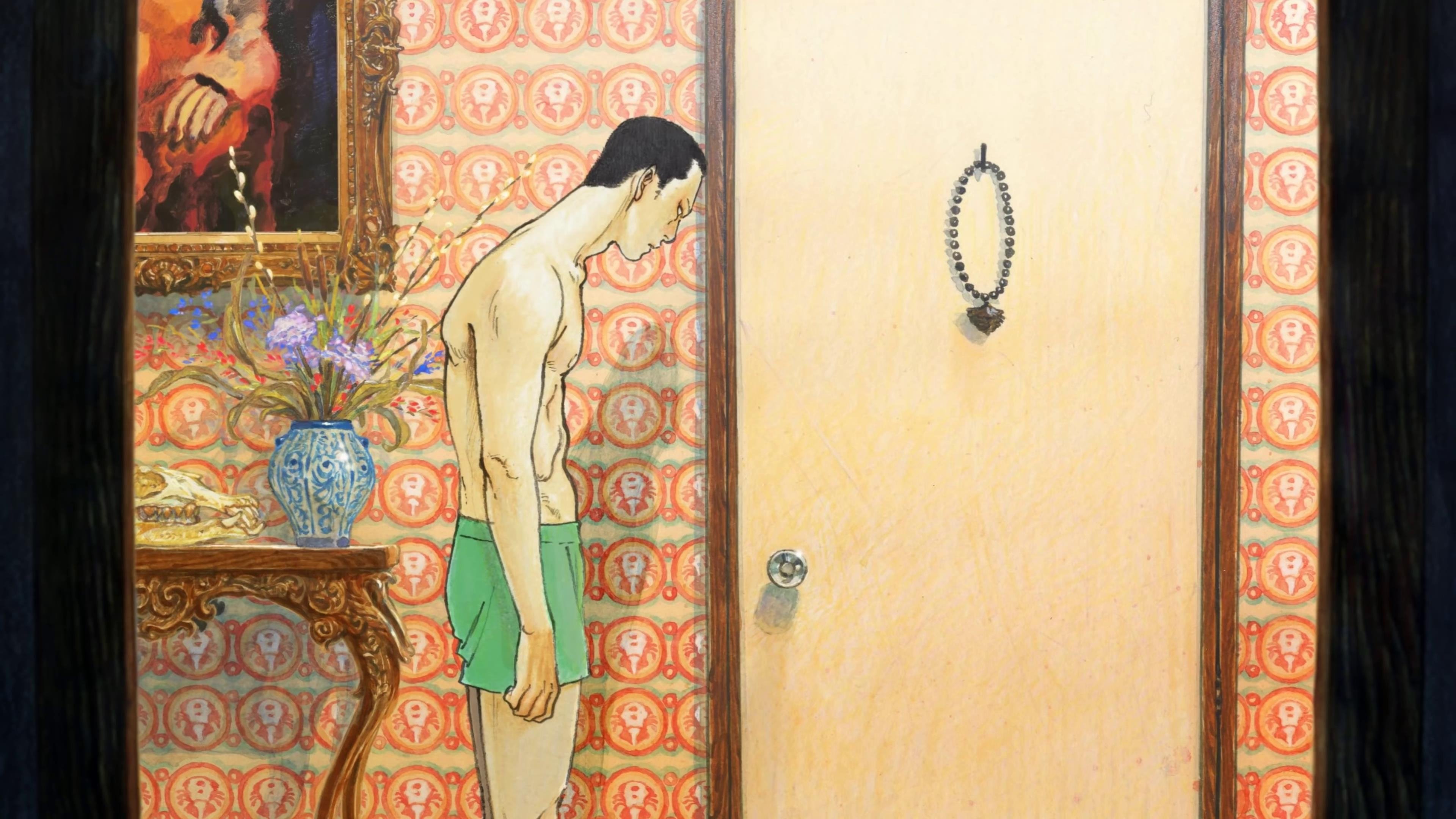
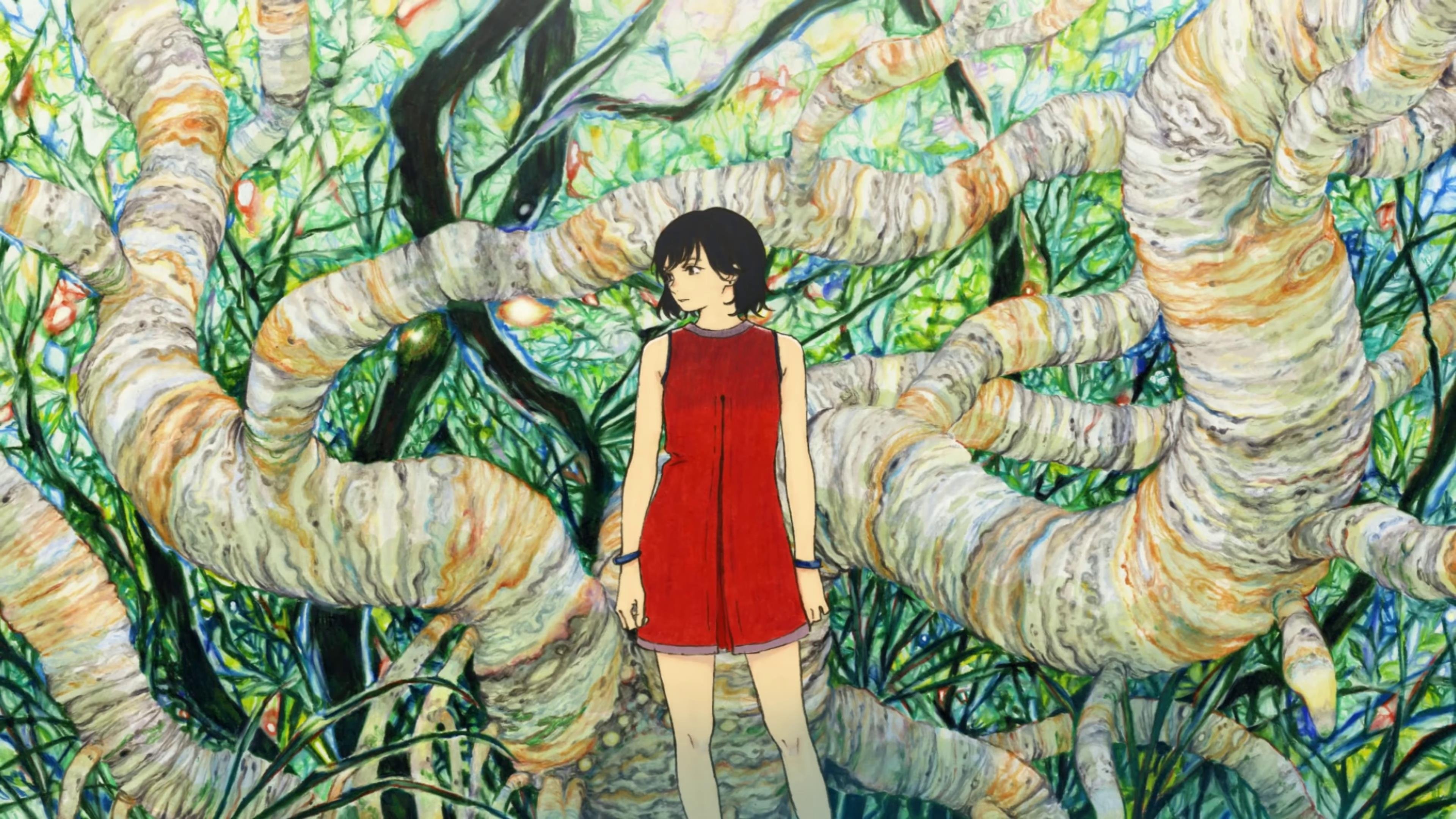
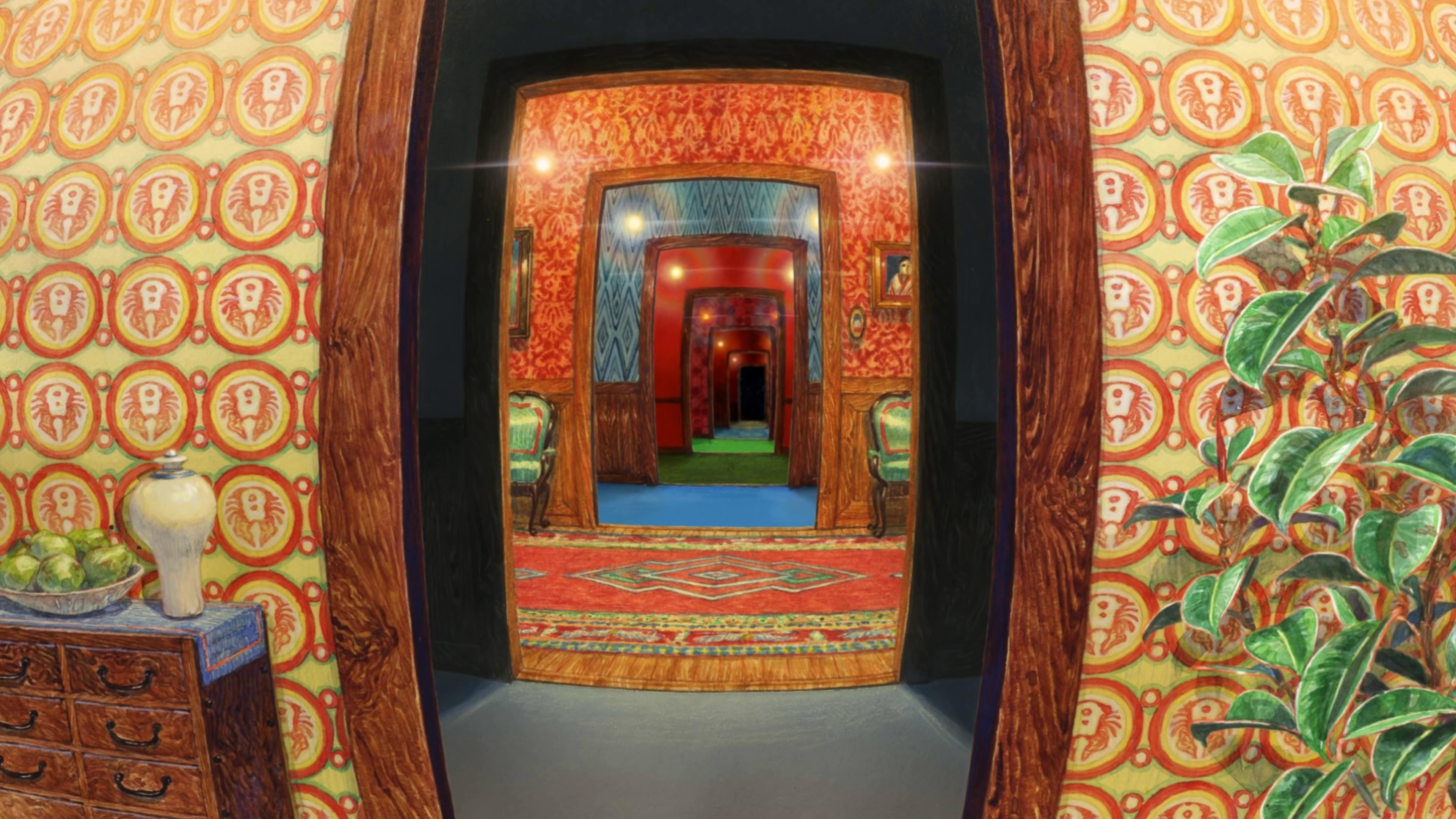
The title itself refers to the stage between a caterpillar and a butterfly, and that idea shapes the entire film. Every character seems suspended on the edge of change, trapped between who they are and who they could become. The interiors are distorted and suffocating, while the outside world is filled with impossible creatures, warm light and endless greenery. Freedom exists beyond the threshold, but taking that first step requires leaving behind the familiar.
What makes Puparia so moving is its silence. There are no explanations, only glances, gestures and movement. The mysterious beings never feel threatening but strangely comforting, as if nature itself is patiently waiting for humanity to wake up and reconnect with it. The recurring act of pointing forward becomes a simple yet powerful invitation to keep going.
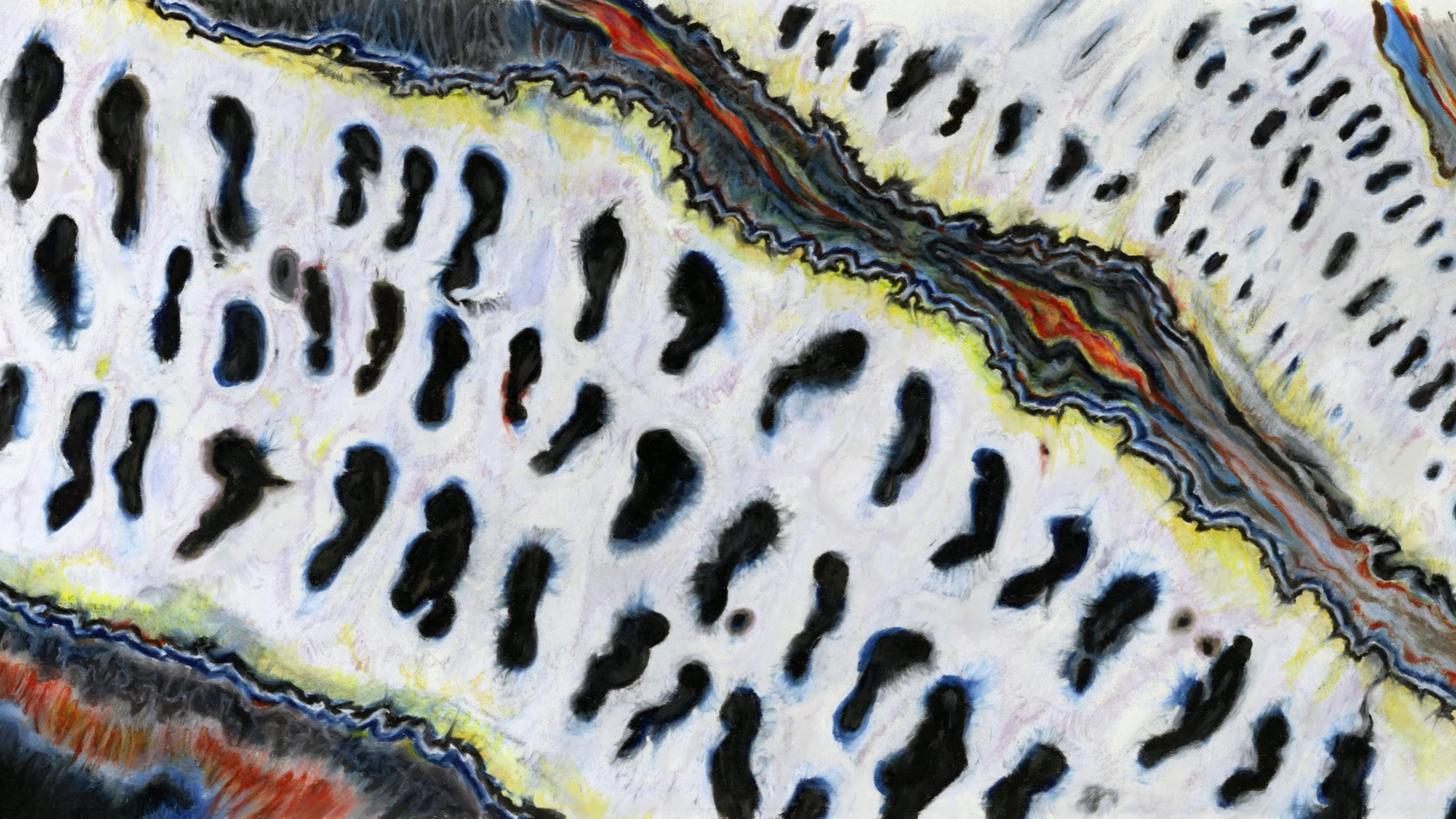
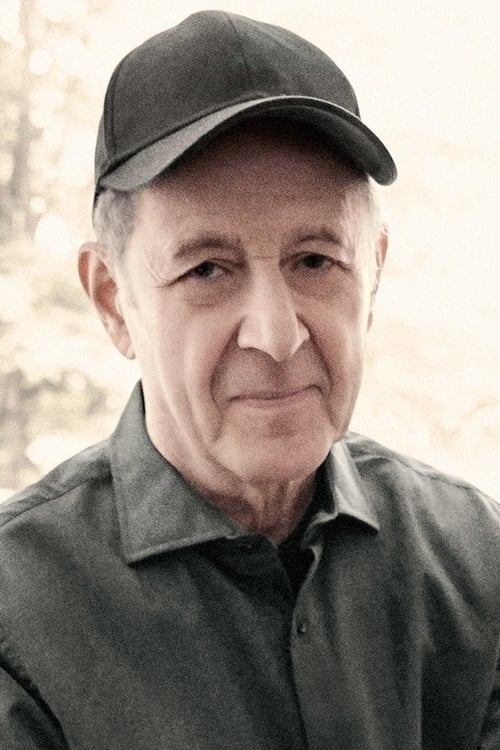
Knowing that Tamagawa created the film over three years after stepping away from the animation industry makes it even more meaningful. It feels like an artist rediscovering the joy of drawing, using metamorphosis as both a personal and universal metaphor.
Puparia feels less like a short film and more like a transformation taking place in front of your eyes. Without a single line of dialogue, Shingo Tamagawa builds a world where mysterious creatures quietly coexist with humans, each one gently pointing the next person forward, as if everyone is guiding someone else toward an unknown future.
The title itself refers to the stage between a caterpillar and a butterfly, and that idea shapes the entire film. Every character seems suspended on the edge of change, trapped between who they are and who they could become. The interiors are distorted and suffocating, while the outside world is filled with impossible creatures, warm light and endless greenery. Freedom exists beyond the threshold, but taking that first step requires leaving behind the familiar.
What makes Puparia so moving is its silence. There are no explanations, only glances, gestures and movement. The mysterious beings never feel threatening but strangely comforting, as if nature itself is patiently waiting for humanity to wake up and reconnect with it. The recurring act of pointing forward becomes a simple yet powerful invitation to keep going.
Knowing that Tamagawa created the film over three years after stepping away from the animation industry makes it even more meaningful. It feels like an artist rediscovering the joy of drawing, using metamorphosis as both a personal and universal metaphor.