“The media is the dictator, the emperor of the modern age.”
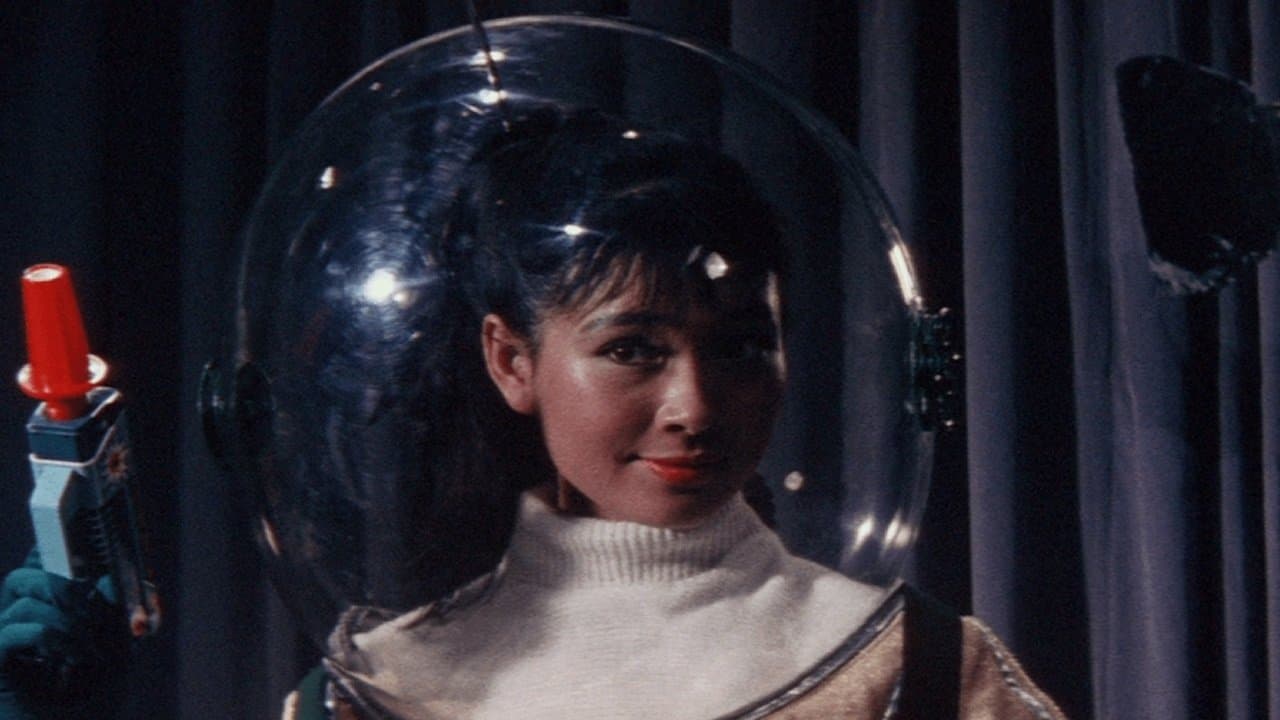
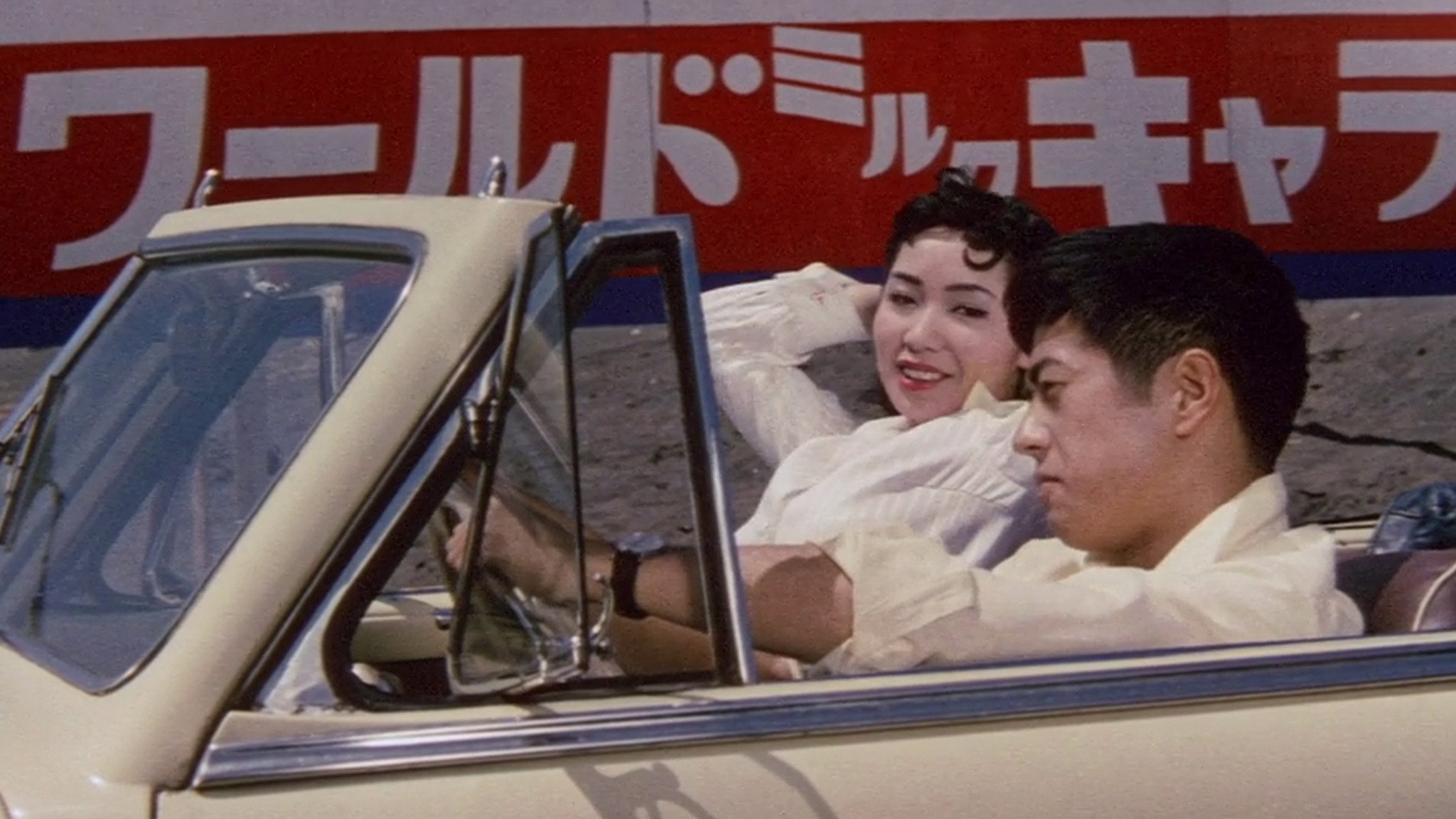
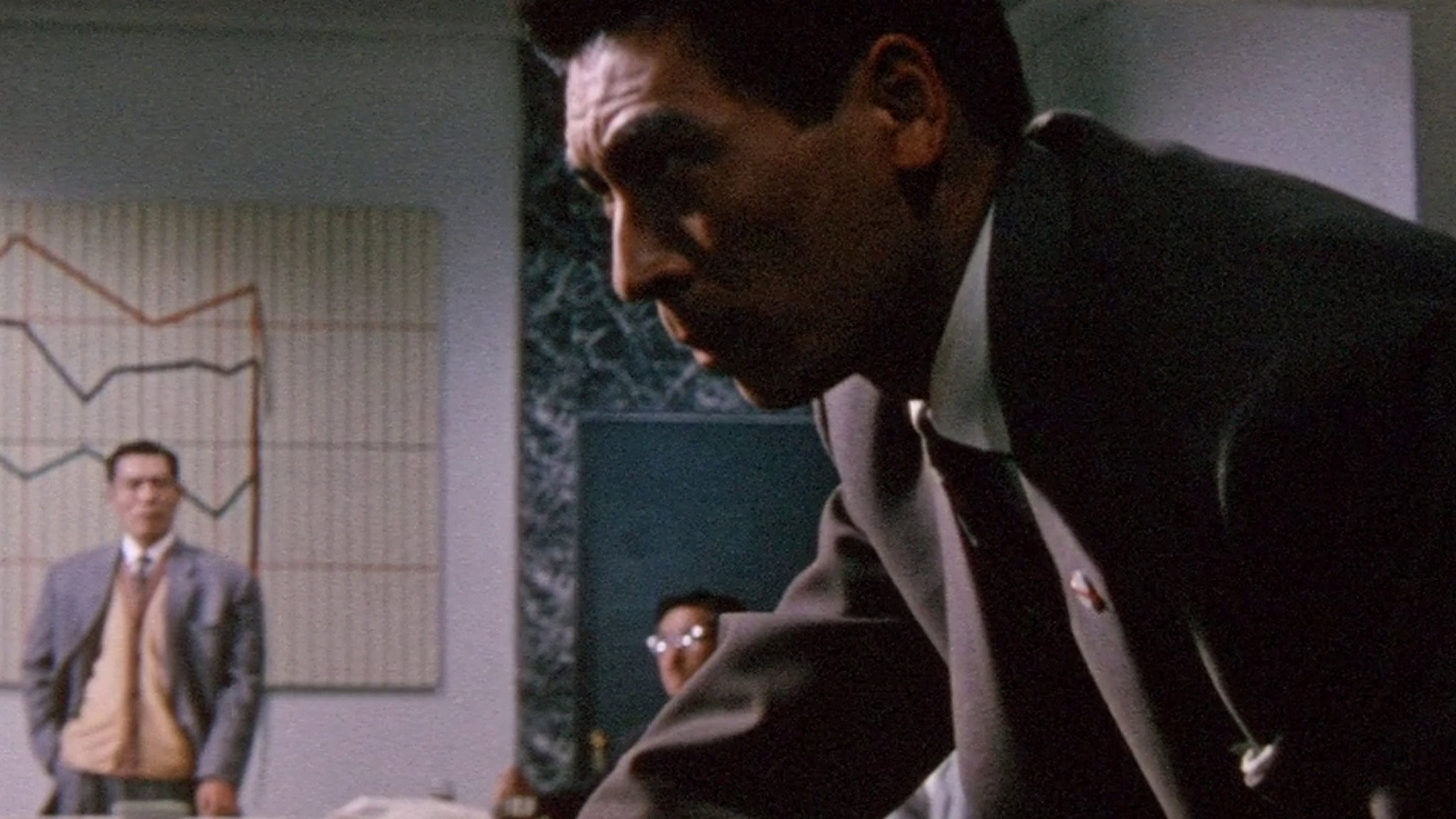
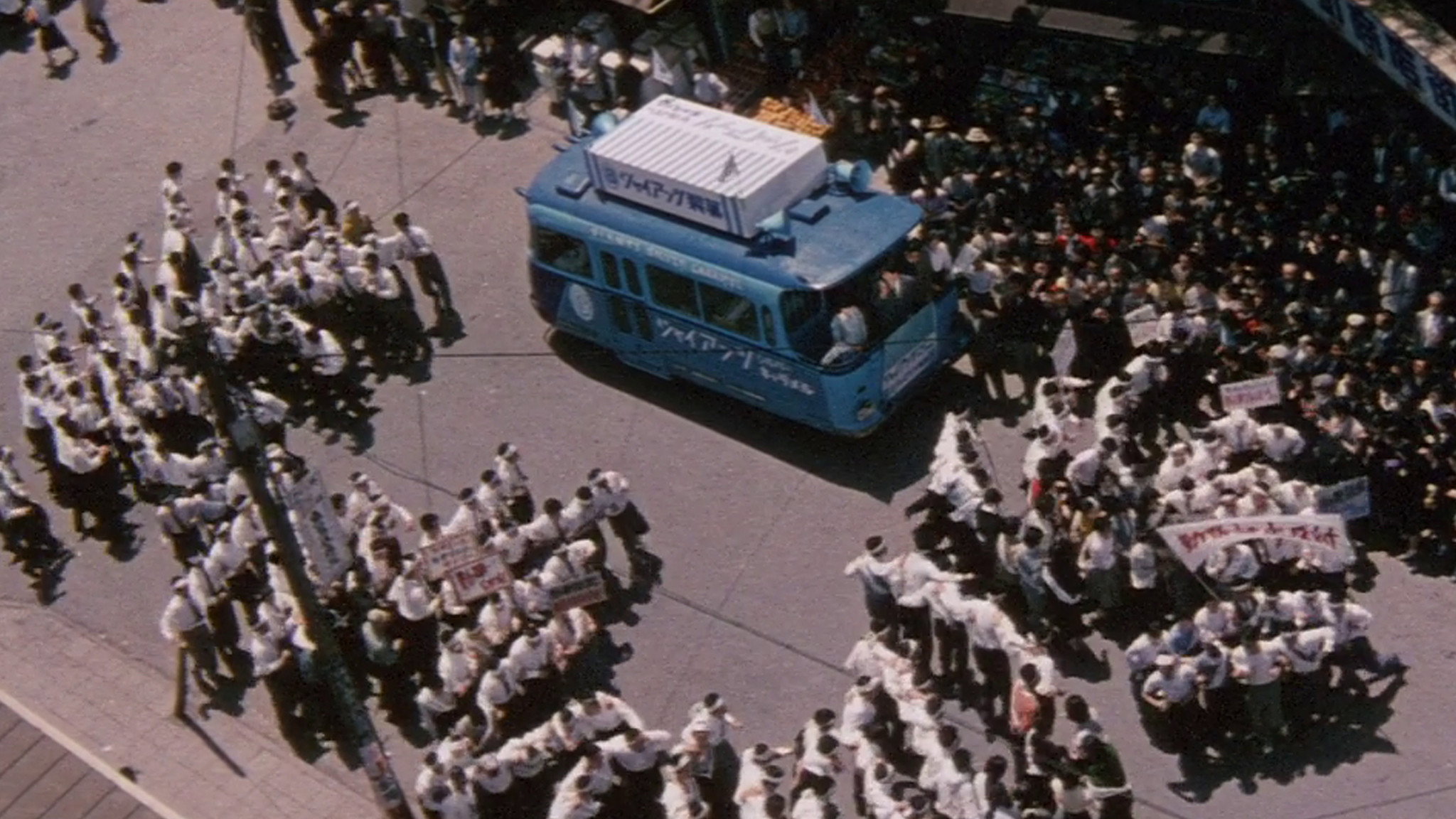
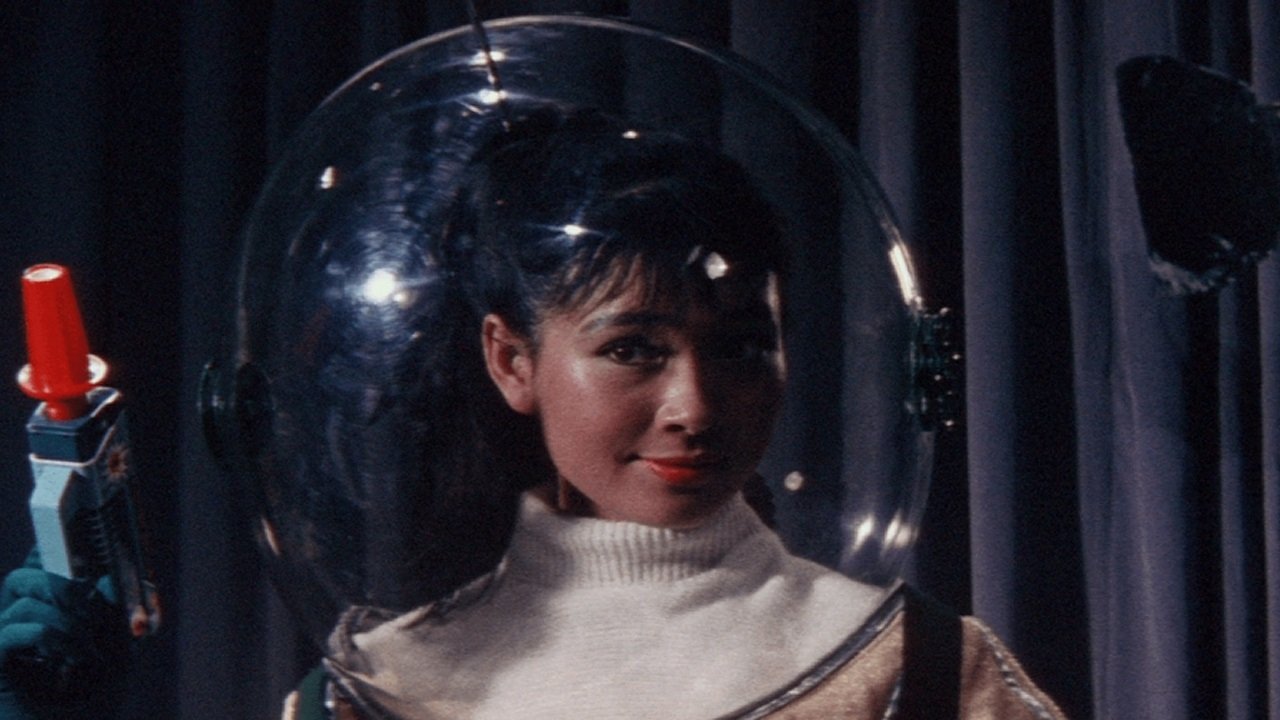
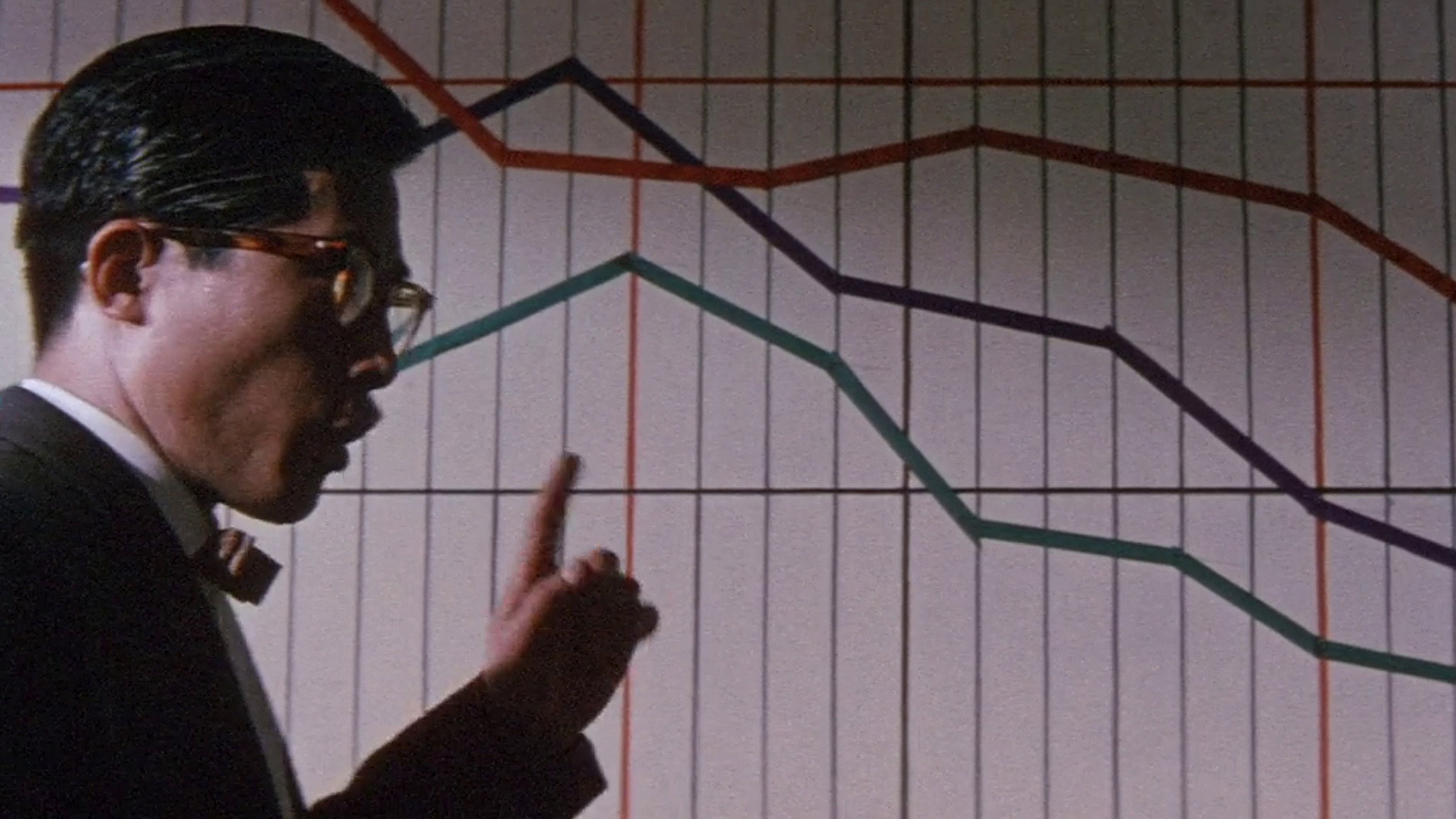
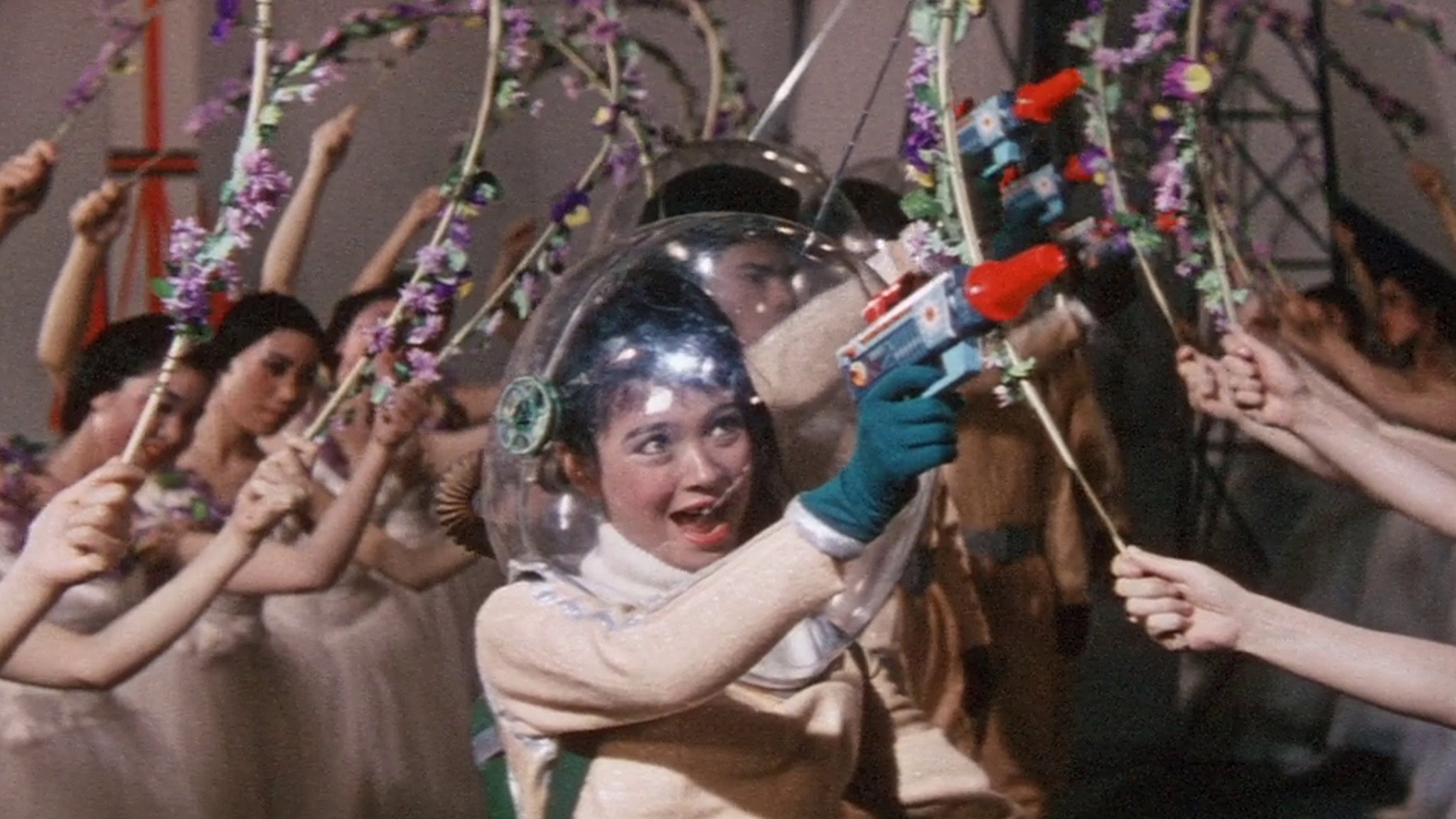
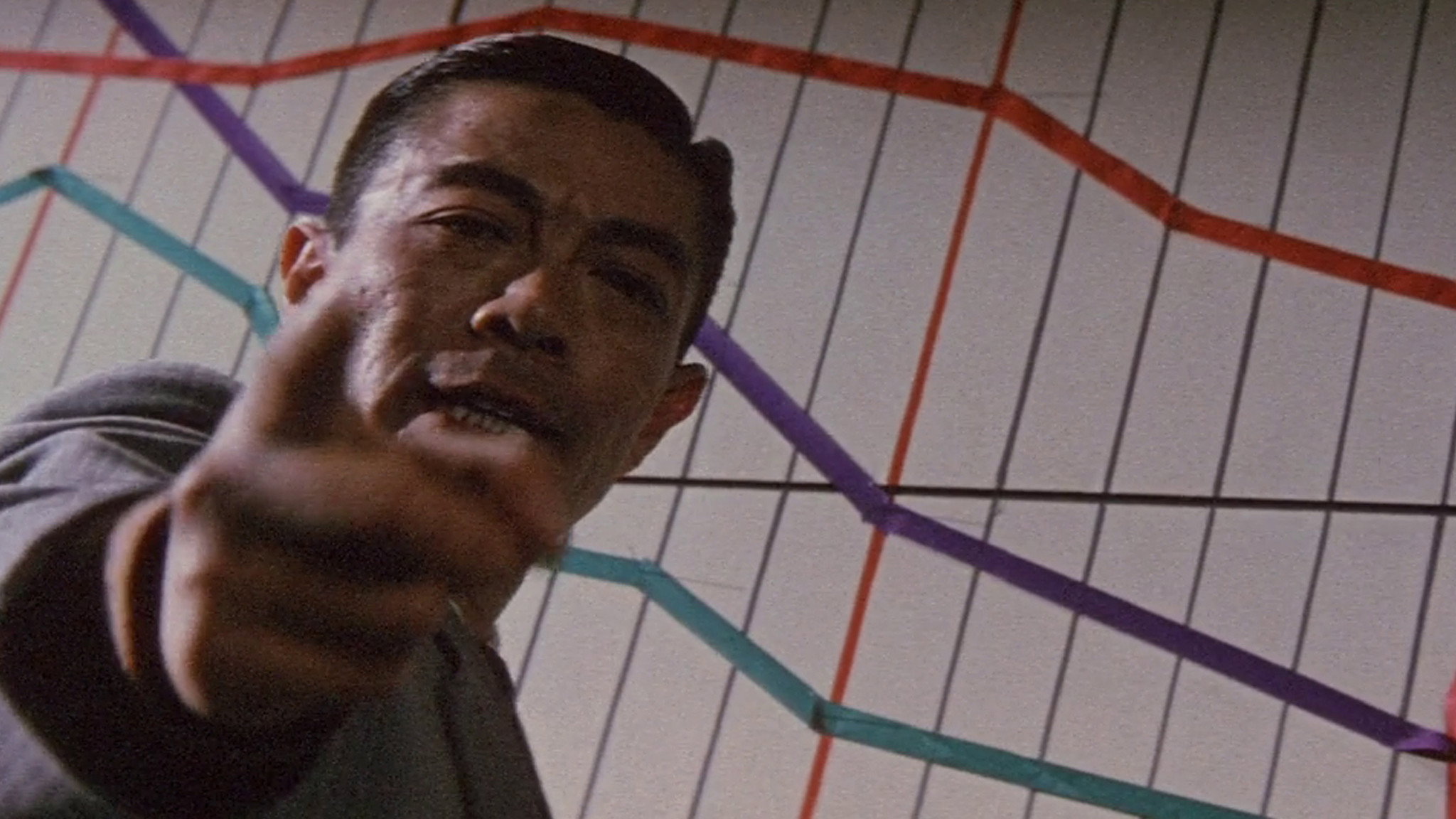
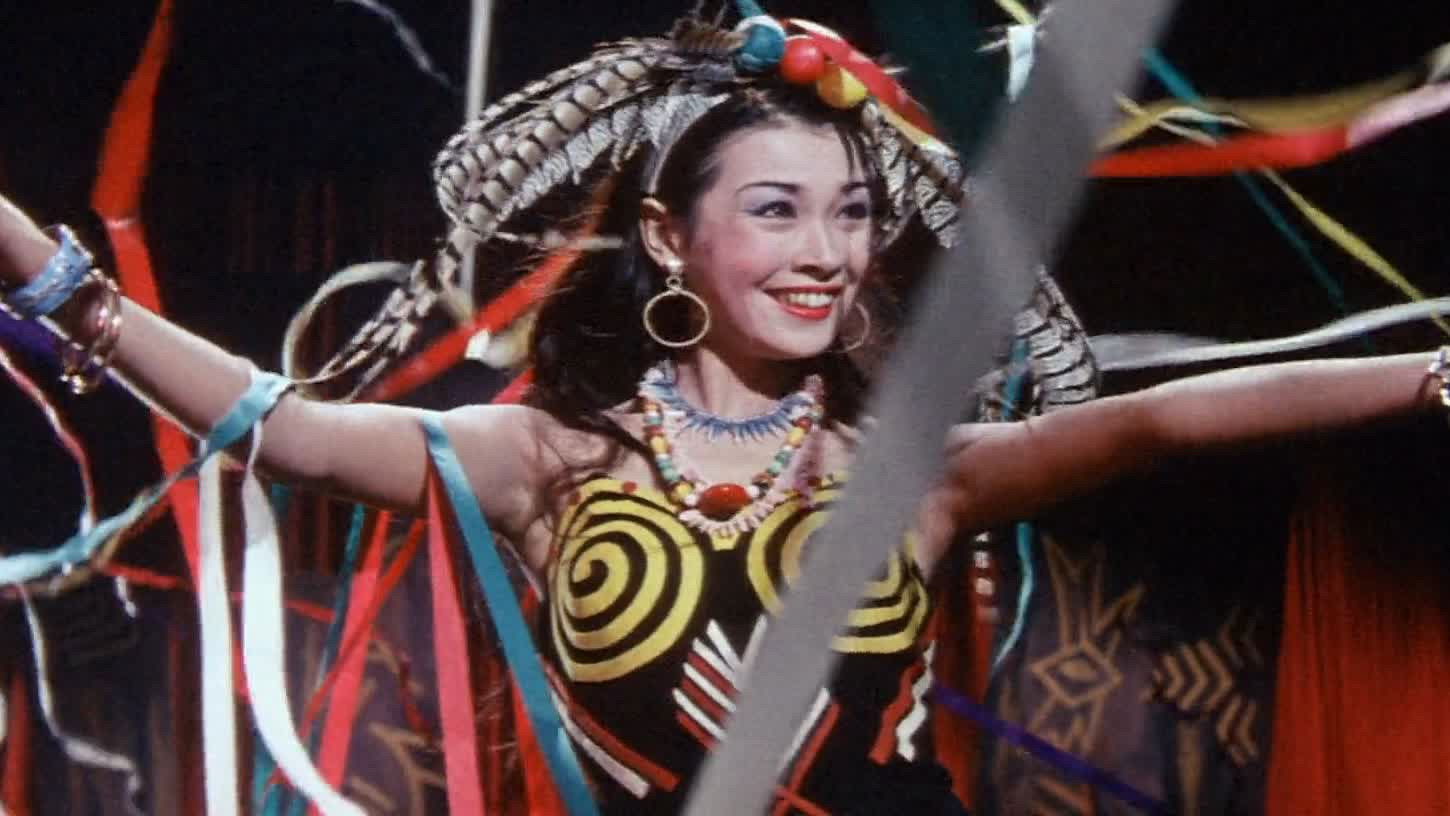
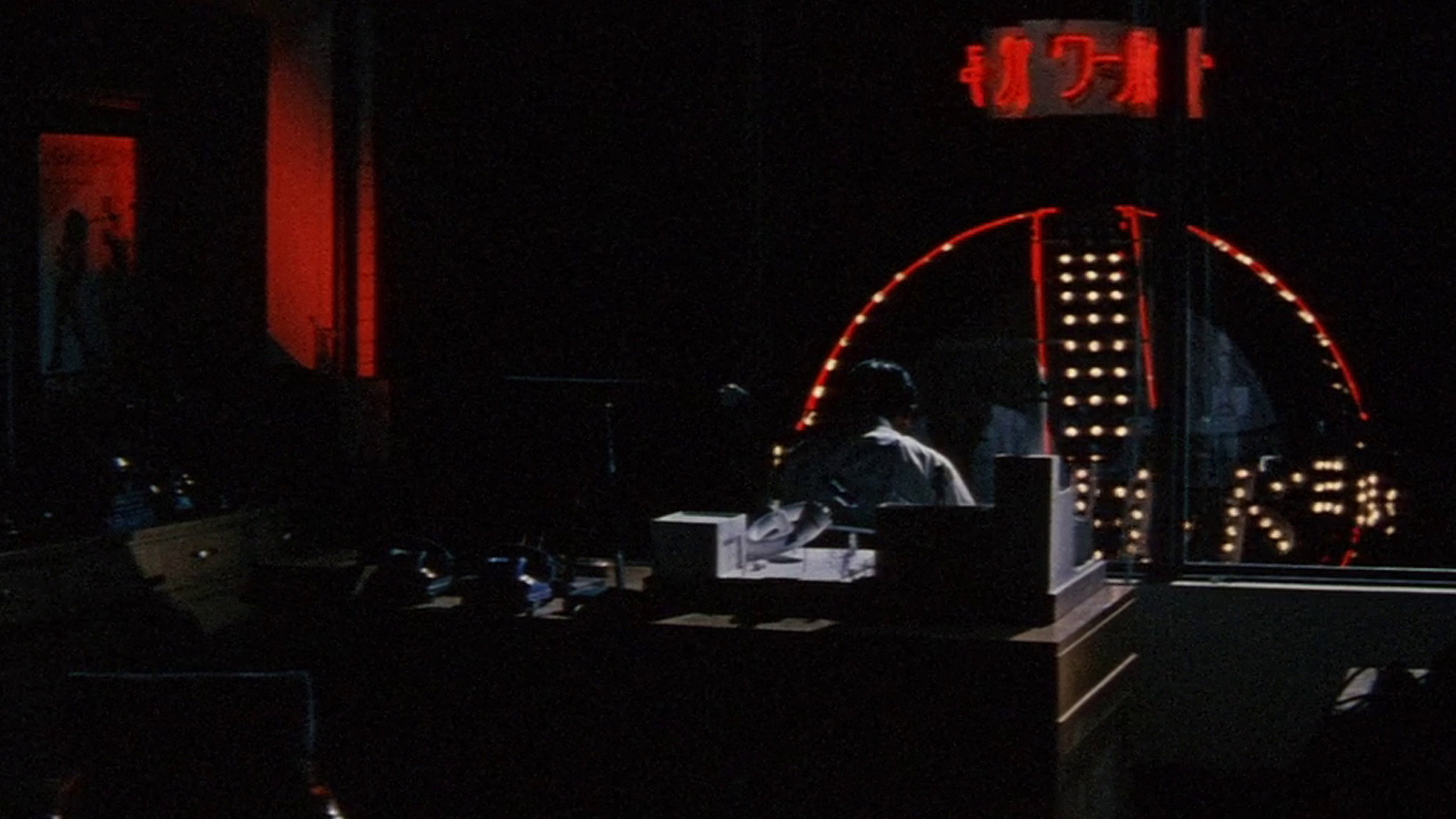
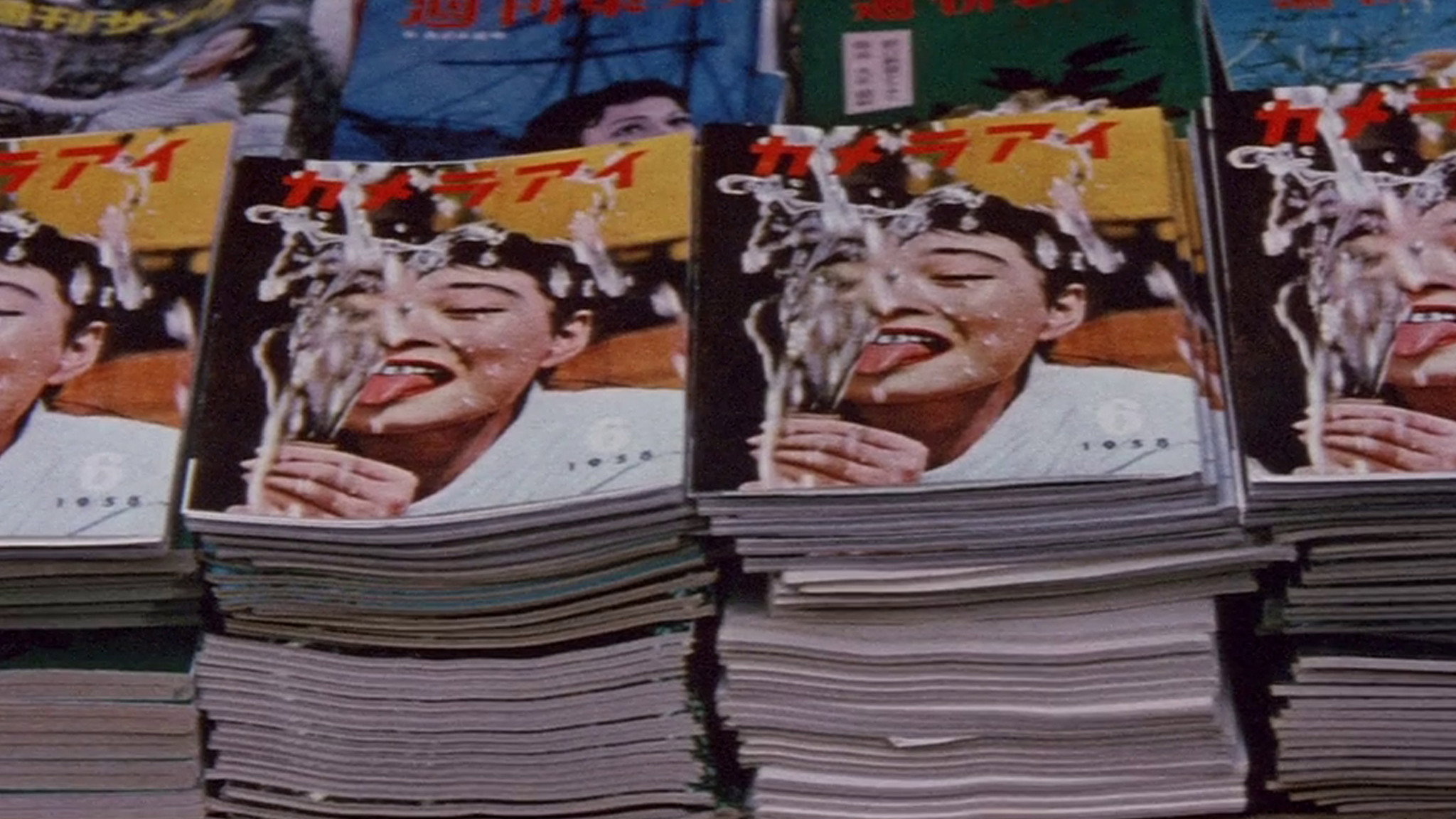
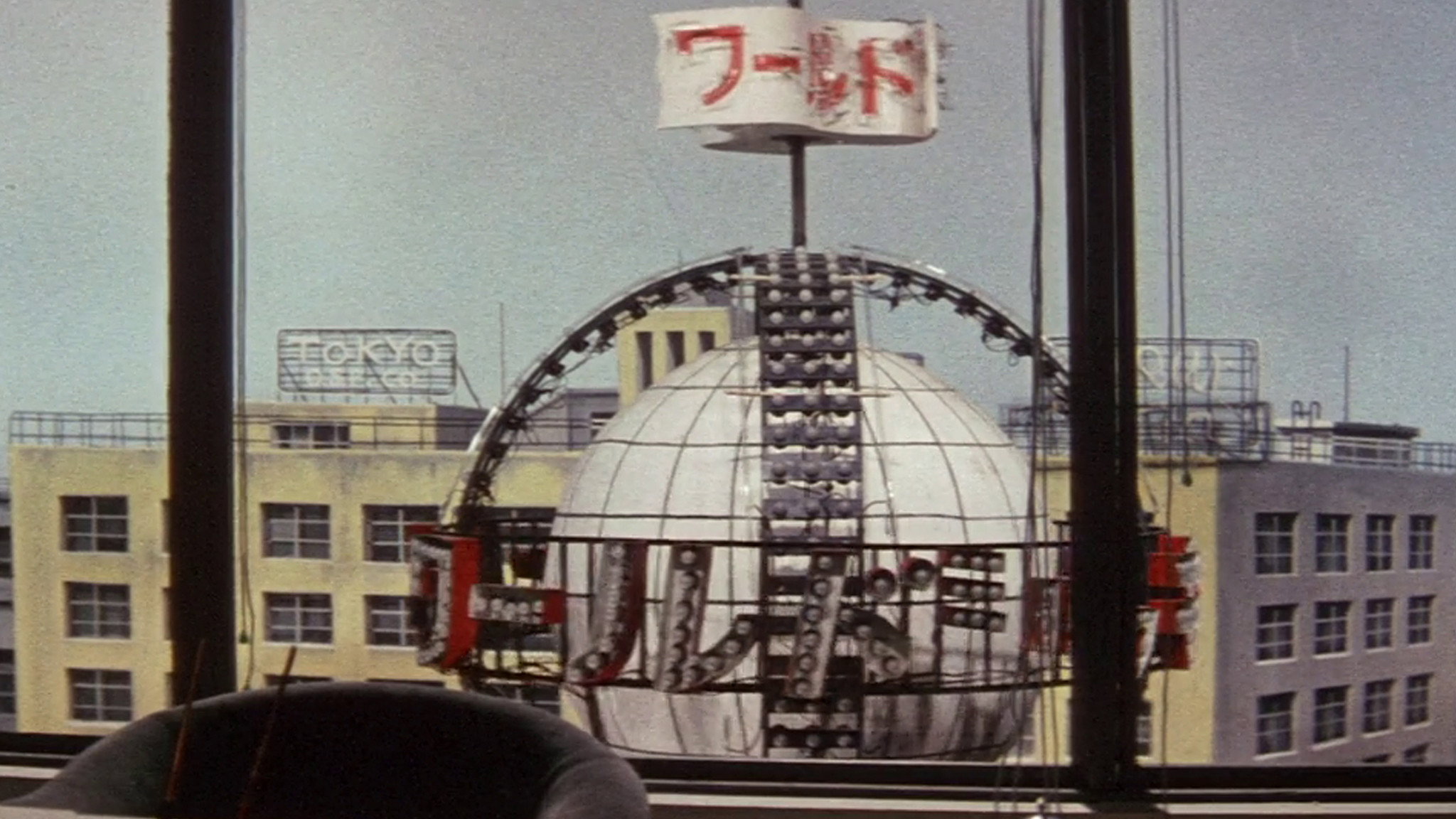
Giants and Toys was undoubtedly ahead of its time - an engaging examination of corporate society in post-war Japan. It’s funny and vibrant, inventively edited and shot, and moves with such speed that it’s impossible not to be swept up in the narrative.
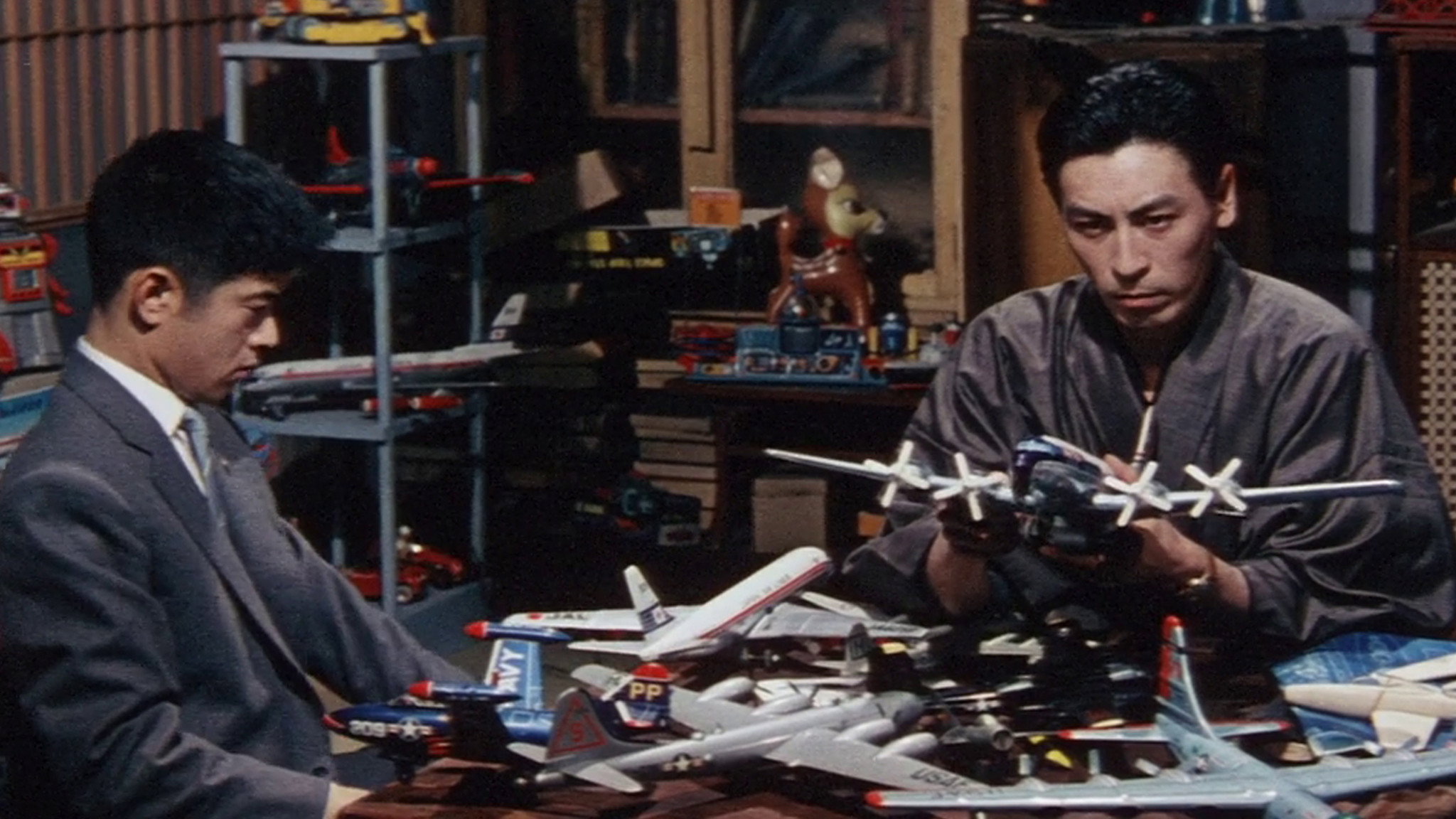
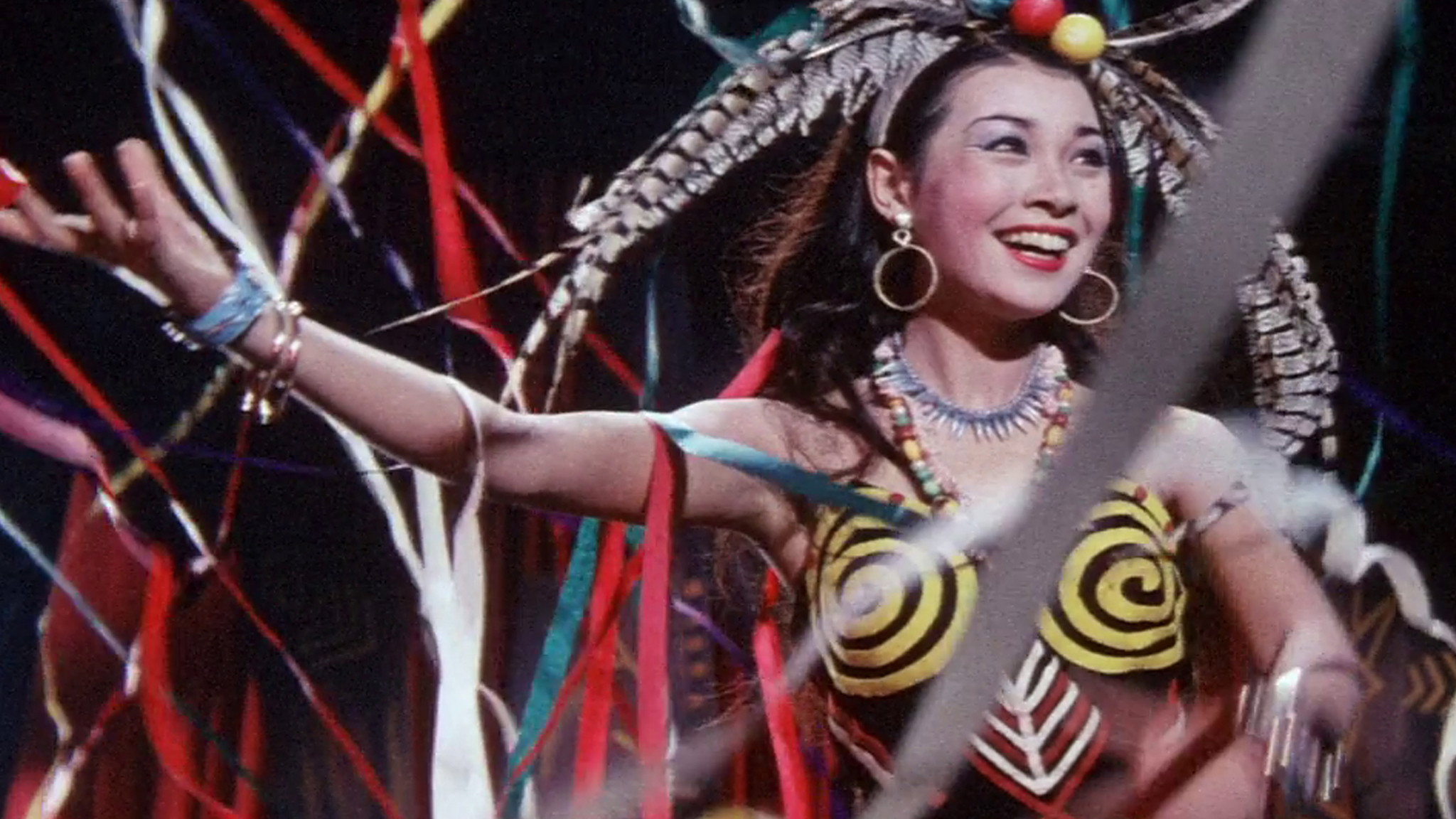
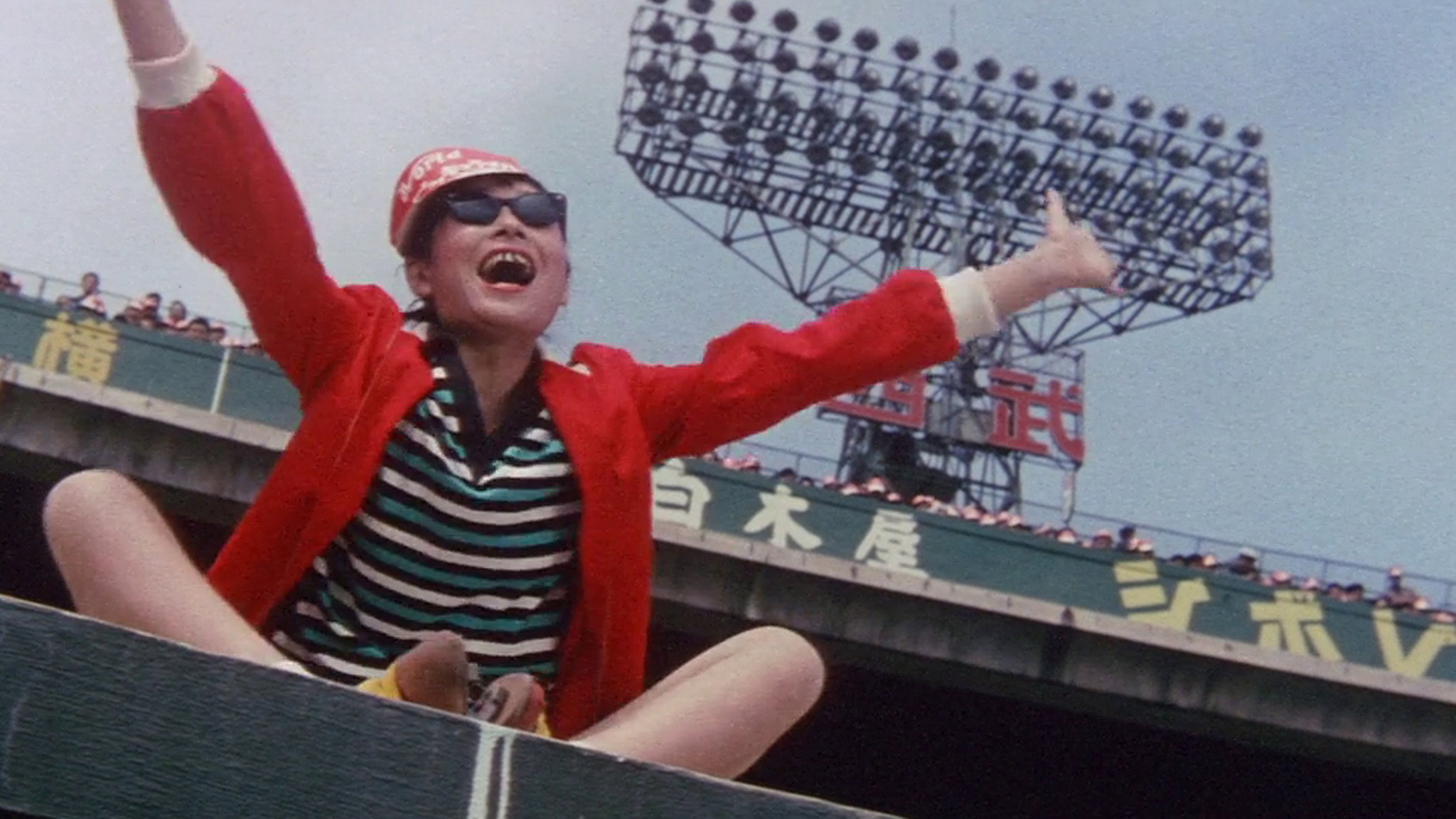
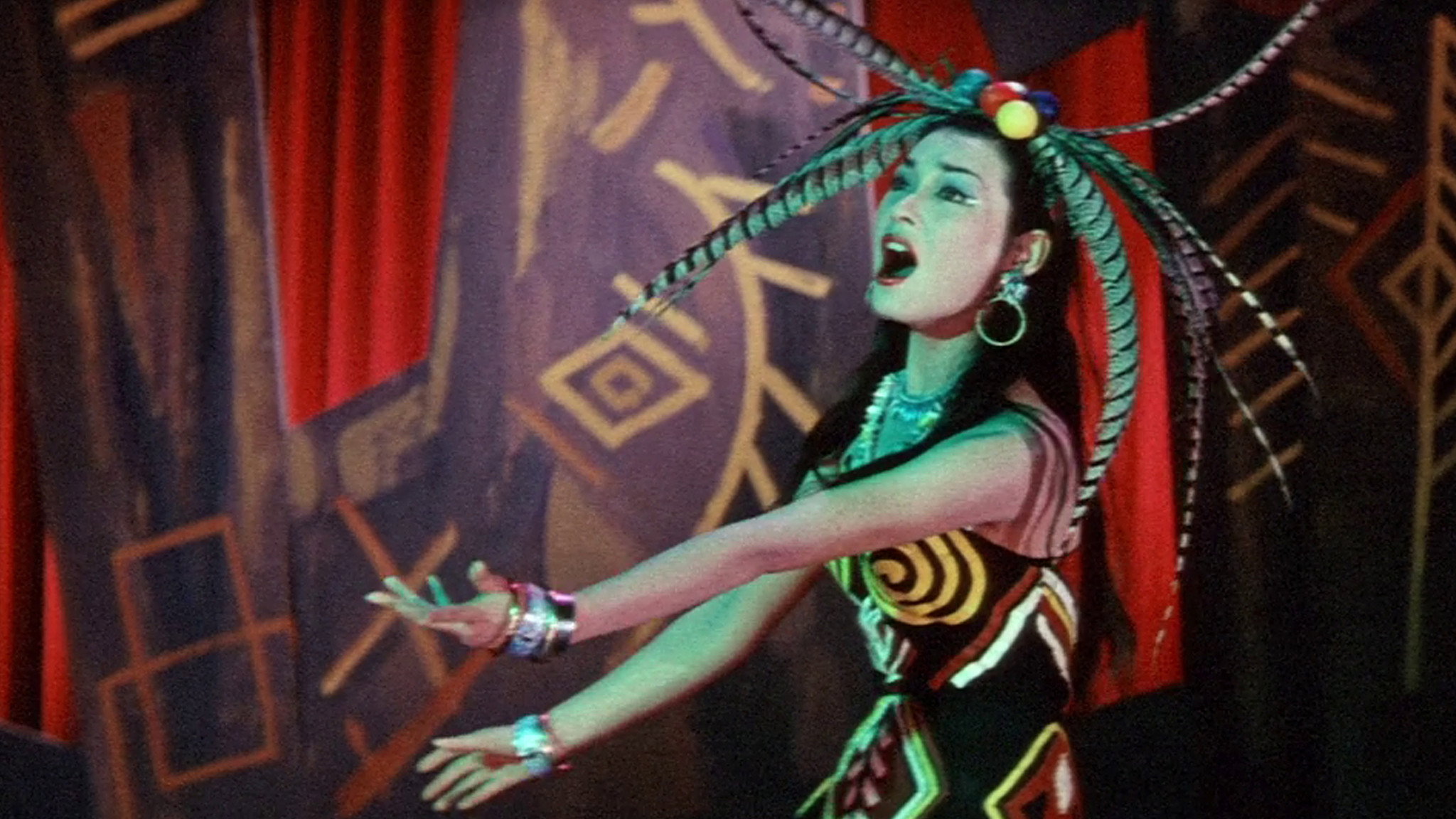
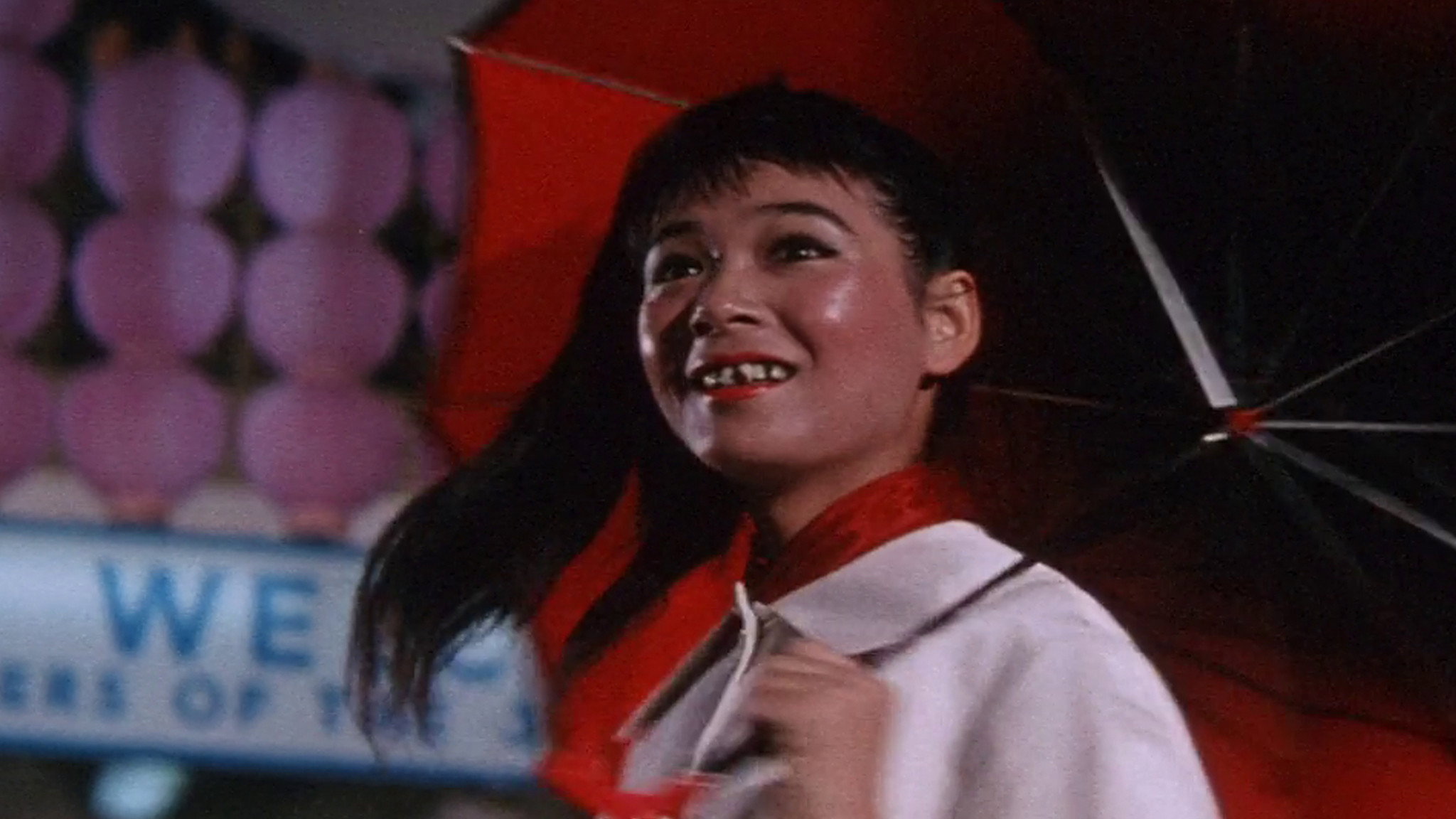
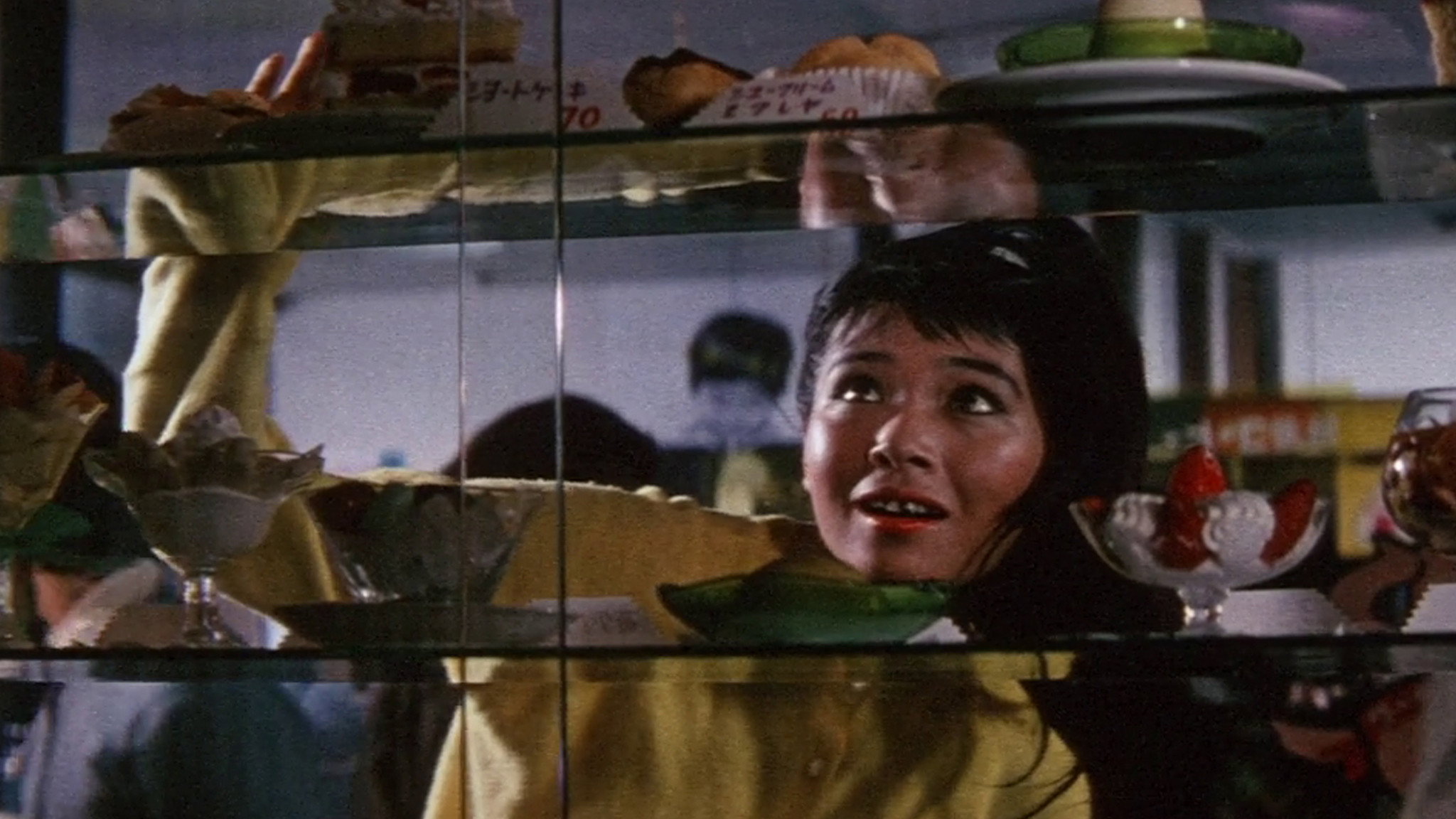
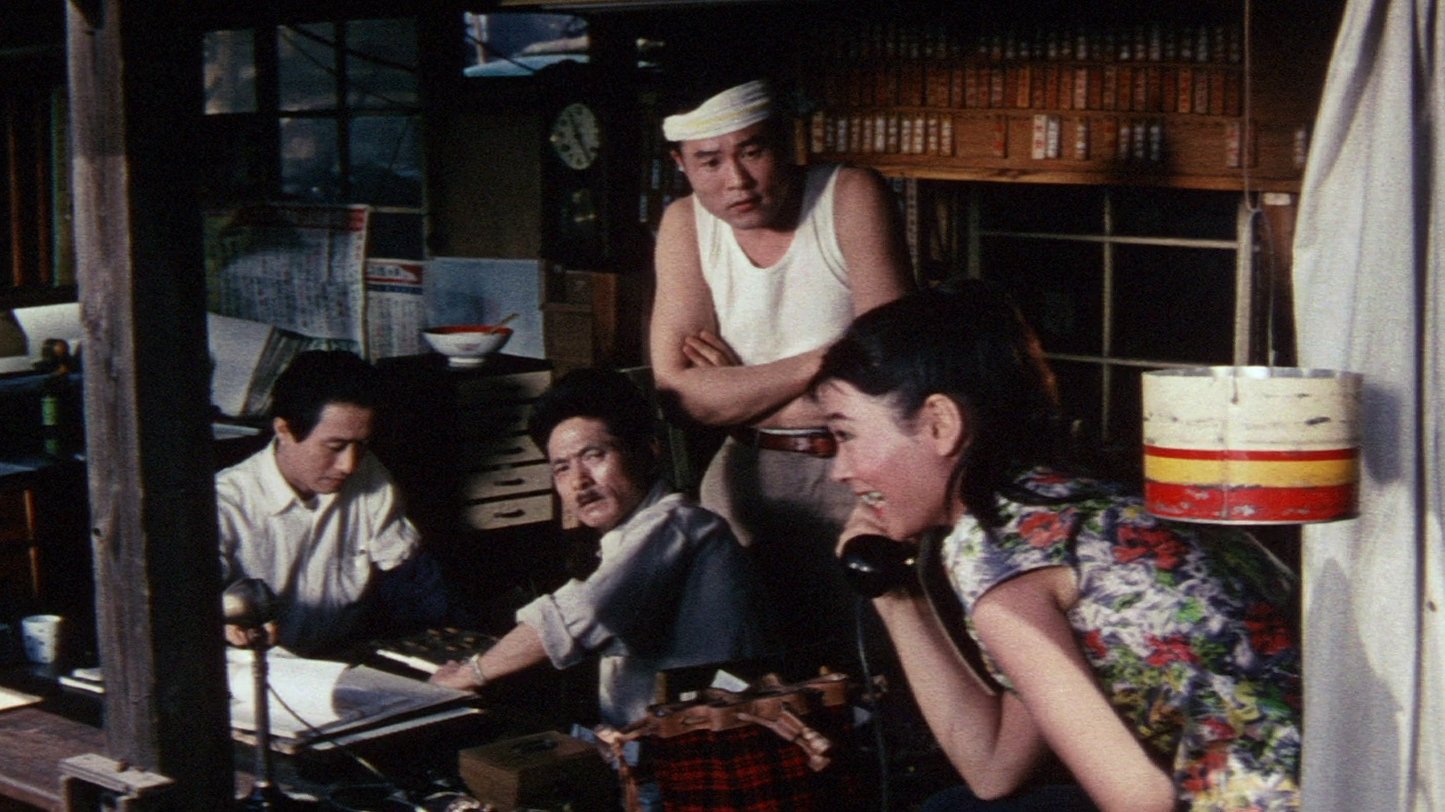
For all the colour and charm, of which Kyoko Shima provides plenty, it’s remarkably vapid and cold. Not a single genuine connection is formed or upheld, and almost every interaction is transactional. The nearest we get is Yosuke and Masami, who seem to enjoy each others company, though their meetings are usually under the pretence of sharing information.
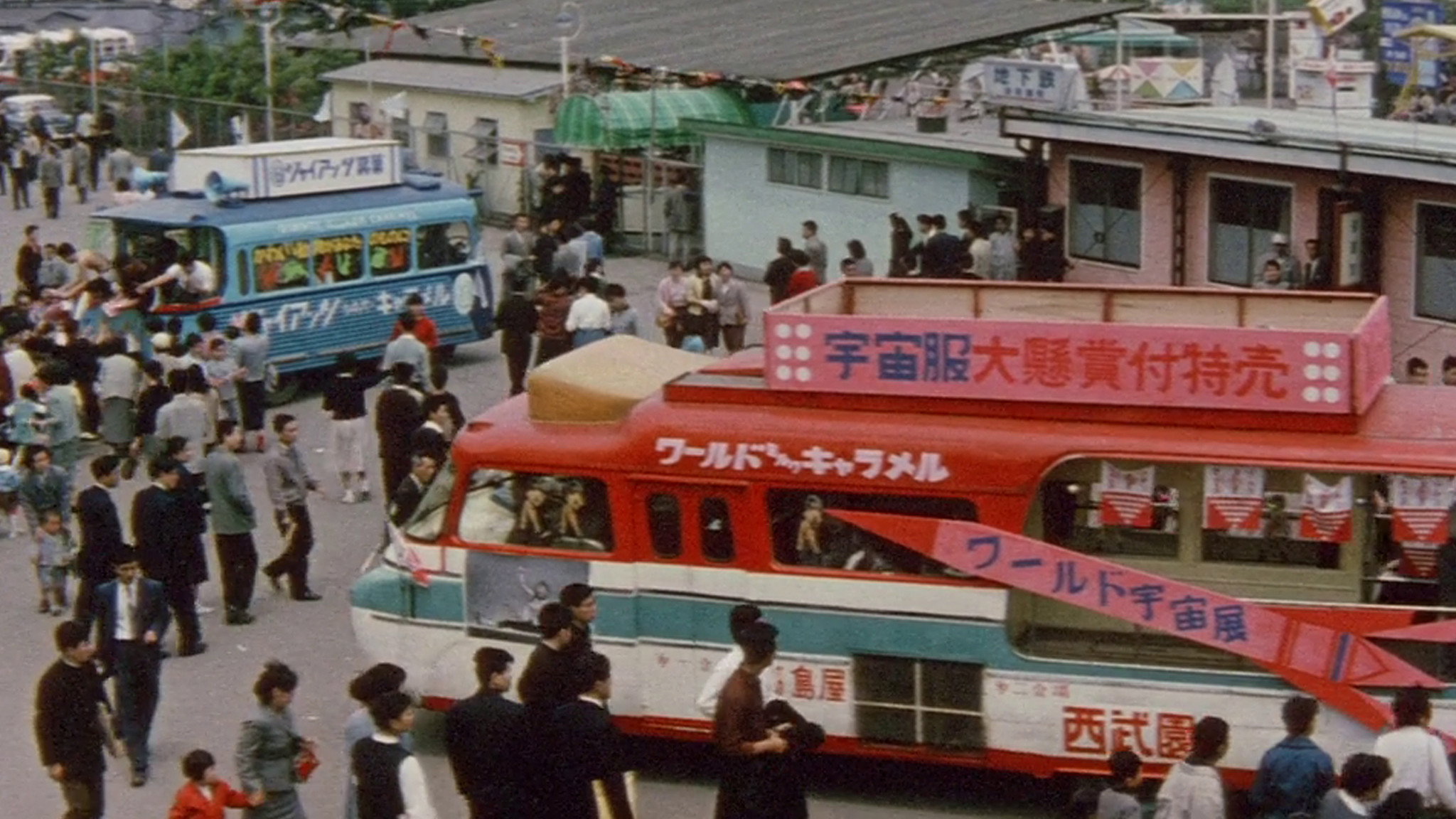
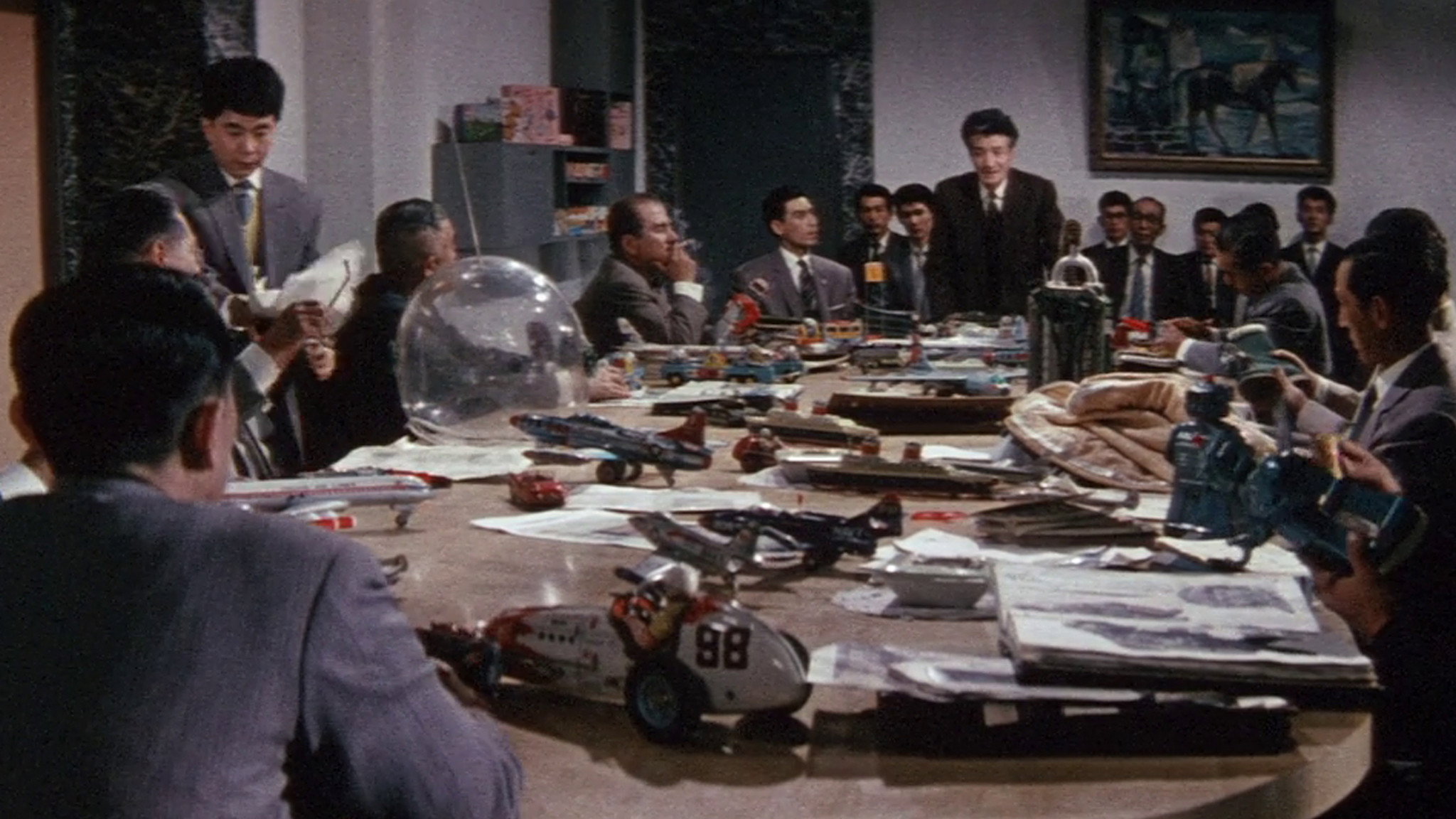
An inter-generational disconnect runs through the story. A key turning point comes when the factory of one of the three main caramel companies burns down. Most view this as an opportunity, ramping up production in an attempt to bury a rival whilst they are down. This mirrors modern attitudes, it’s all about competition, kill or be killed. The ageing director Kohei finds this distasteful, asking “what happened to honour amongst rivals.” His son in law quickly dismisses this as the sentiment of a by-gone era: “America is Japan.”
From here the film descends into a mildly delirious state, a scattered sequence of events. There is a disorienting shift in identities, both in appearances and personalities, reminiscent of a toned down Lynch film. The all consuming nature of capitalism overwhelms. Our main character attempts to reject it, insisting that this is not what being a human being is about, but he’s unable to walk away.
The story ends with a rare act of compassion, though its merits feel minimal. There’s a clear detachment between action and purpose, one that’s only deepened over the course of the film. The easiest route is acceptance, and so the cycle continues.
“The media is the dictator, the emperor of the modern age.”
Giants and Toys was undoubtedly ahead of its time - an engaging examination of corporate society in post-war Japan. It’s funny and vibrant, inventively edited and shot, and moves with such speed that it’s impossible not to be swept up in the narrative.
For all the colour and charm, of which Kyoko Shima provides plenty, it’s remarkably vapid and cold. Not a single genuine connection is formed or upheld, and almost every interaction is transactional. The nearest we get is Yosuke and Masami, who seem to enjoy each others company, though their meetings are usually under the pretence of sharing information.
An inter-generational disconnect runs through the story. A key turning point comes when the factory of one of the three main caramel companies burns down. Most view this as an opportunity, ramping up production in an attempt to bury a rival whilst they are down. This mirrors modern attitudes, it’s all about competition, kill or be killed. The ageing director Kohei finds this distasteful, asking “what happened to honour amongst rivals.” His son in law quickly dismisses this as the sentiment of a by-gone era: “America is Japan.”
From here the film descends into a mildly delirious state, a scattered sequence of events. There is a disorienting shift in identities, both in appearances and personalities, reminiscent of a toned down Lynch film. The all consuming nature of capitalism overwhelms. Our main character attempts to reject it, insisting that this is not what being a human being is about, but he’s unable to walk away.
The story ends with a rare act of compassion, though its merits feel minimal. There’s a clear detachment between action and purpose, one that’s only deepened over the course of the film. The easiest route is acceptance, and so the cycle continues.