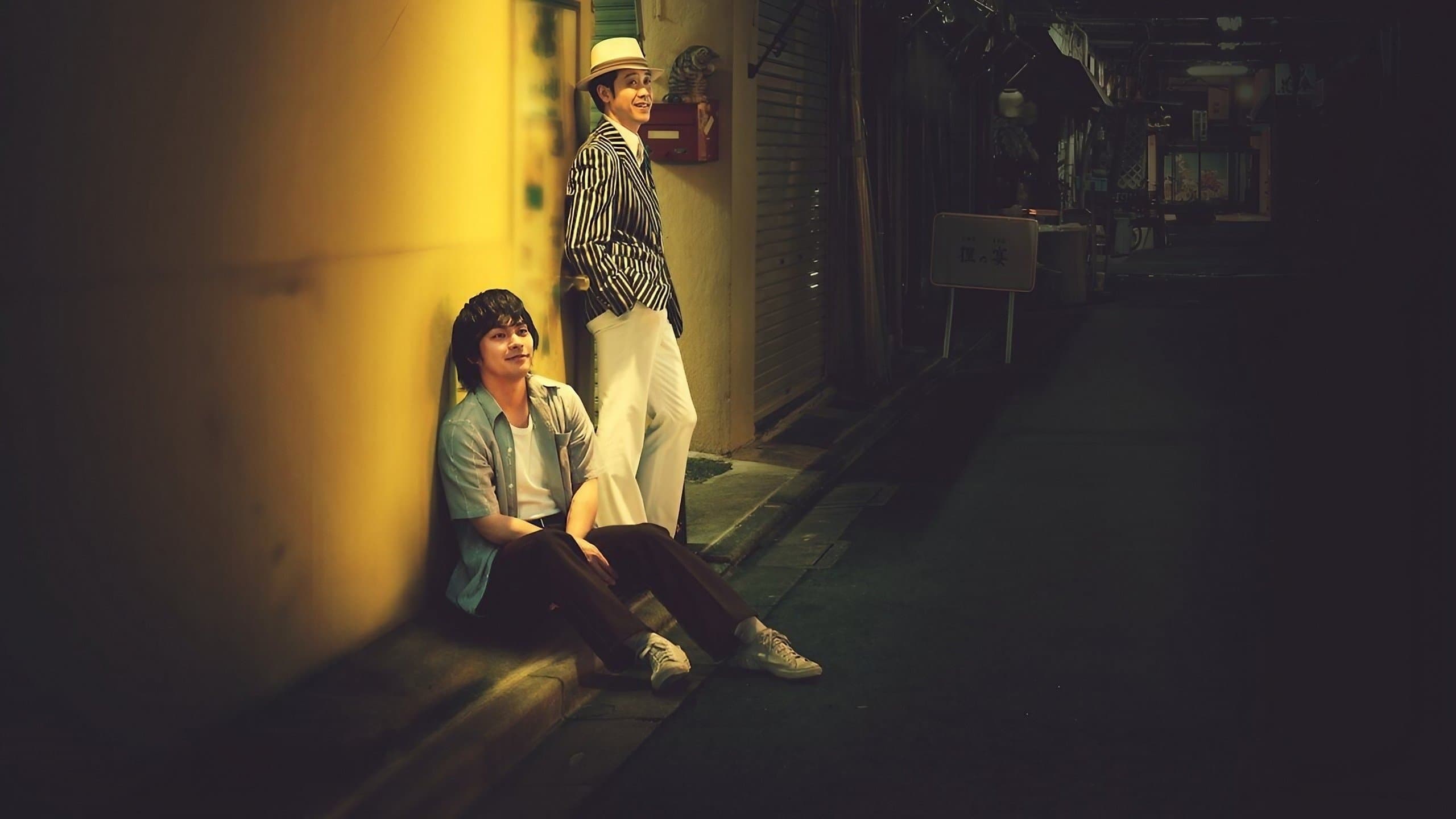
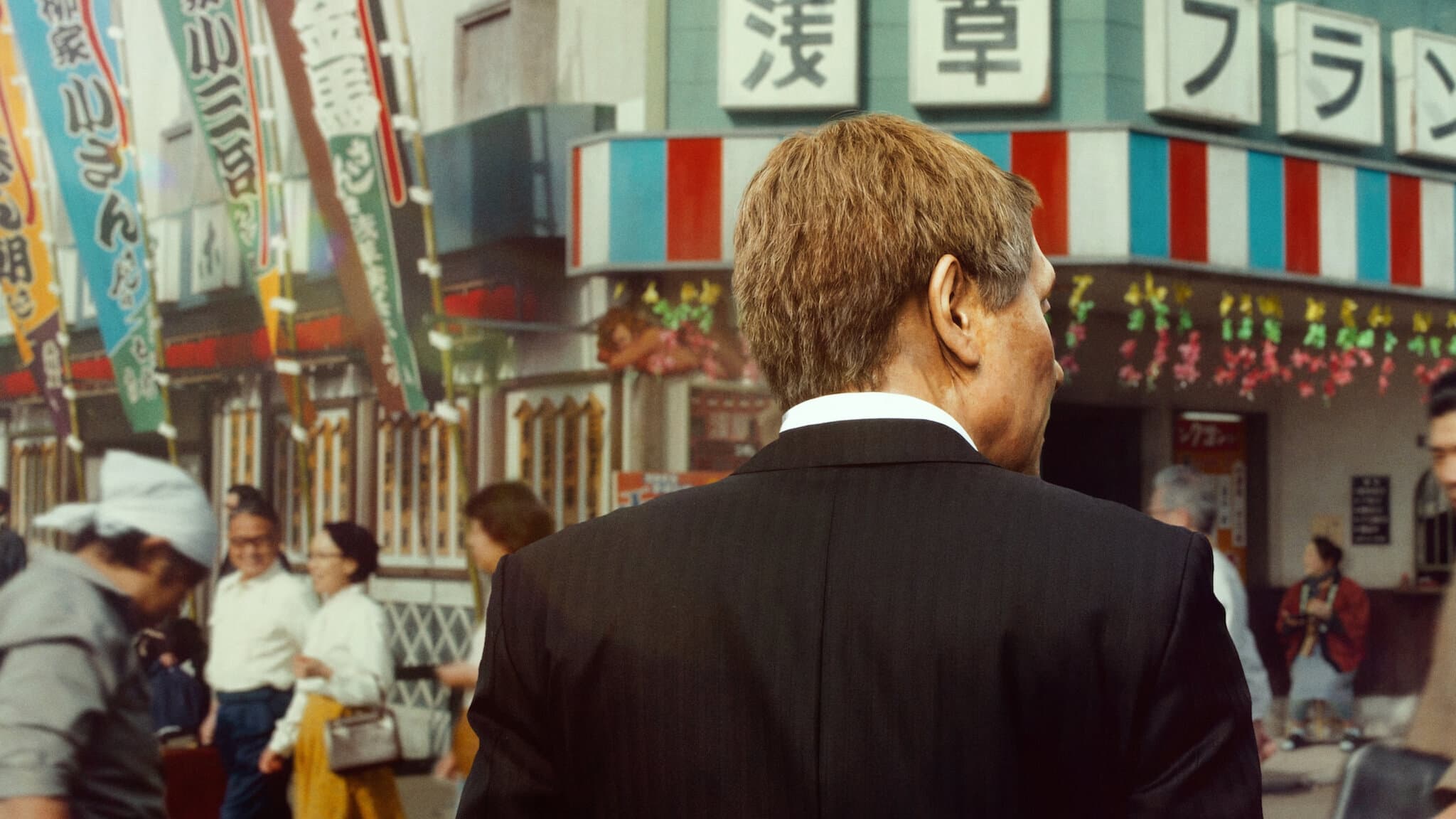
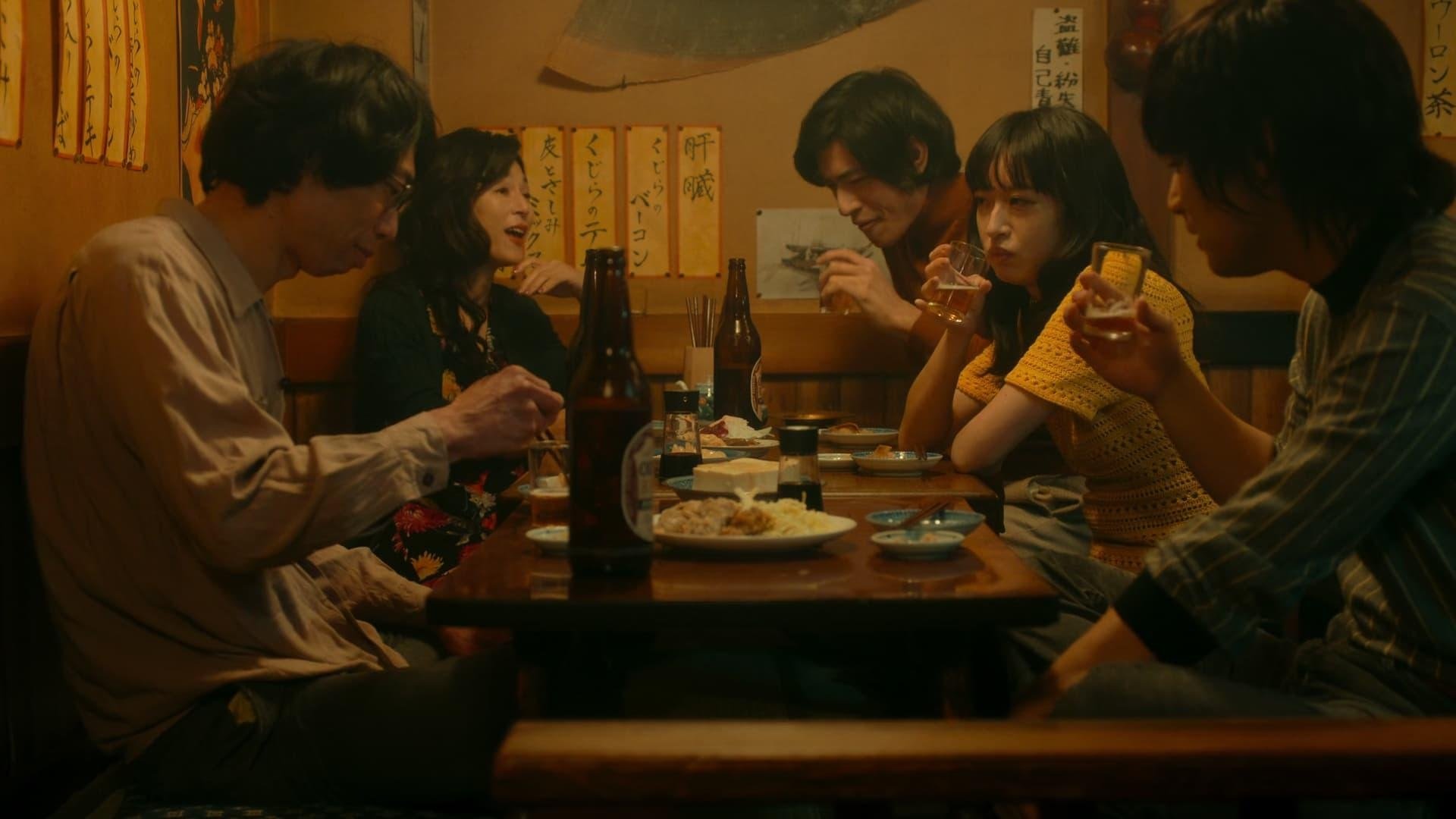
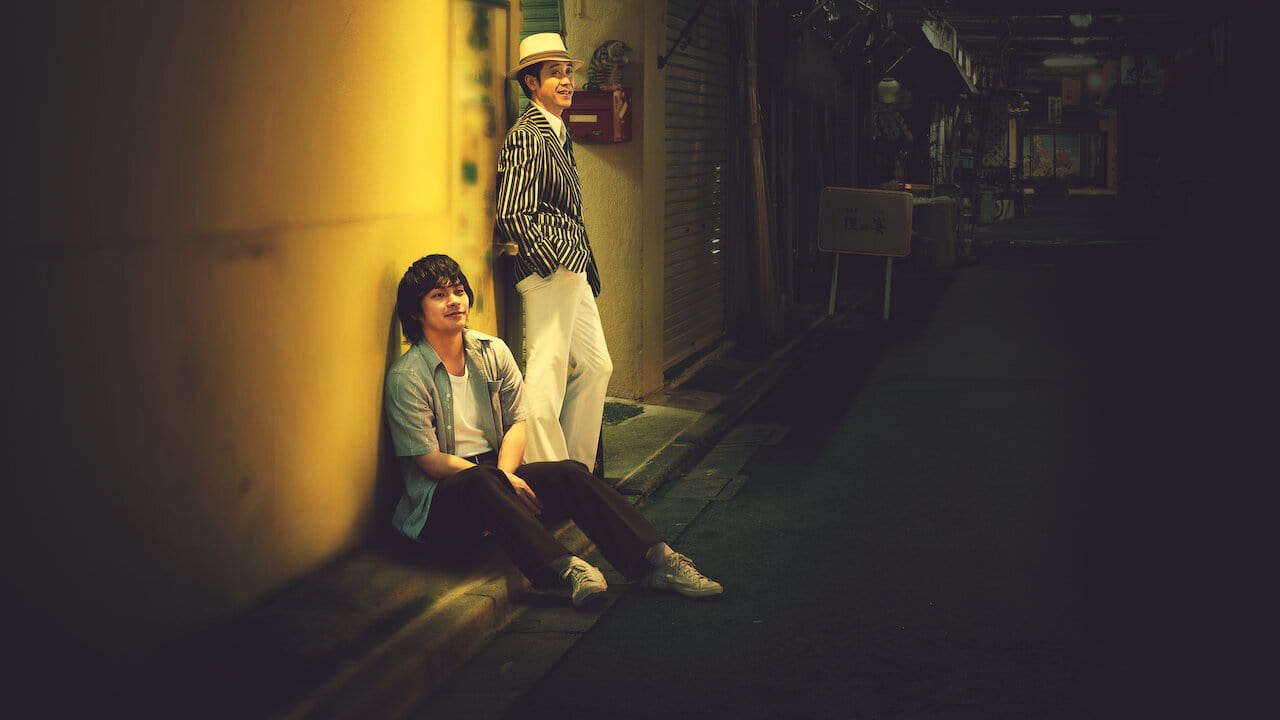
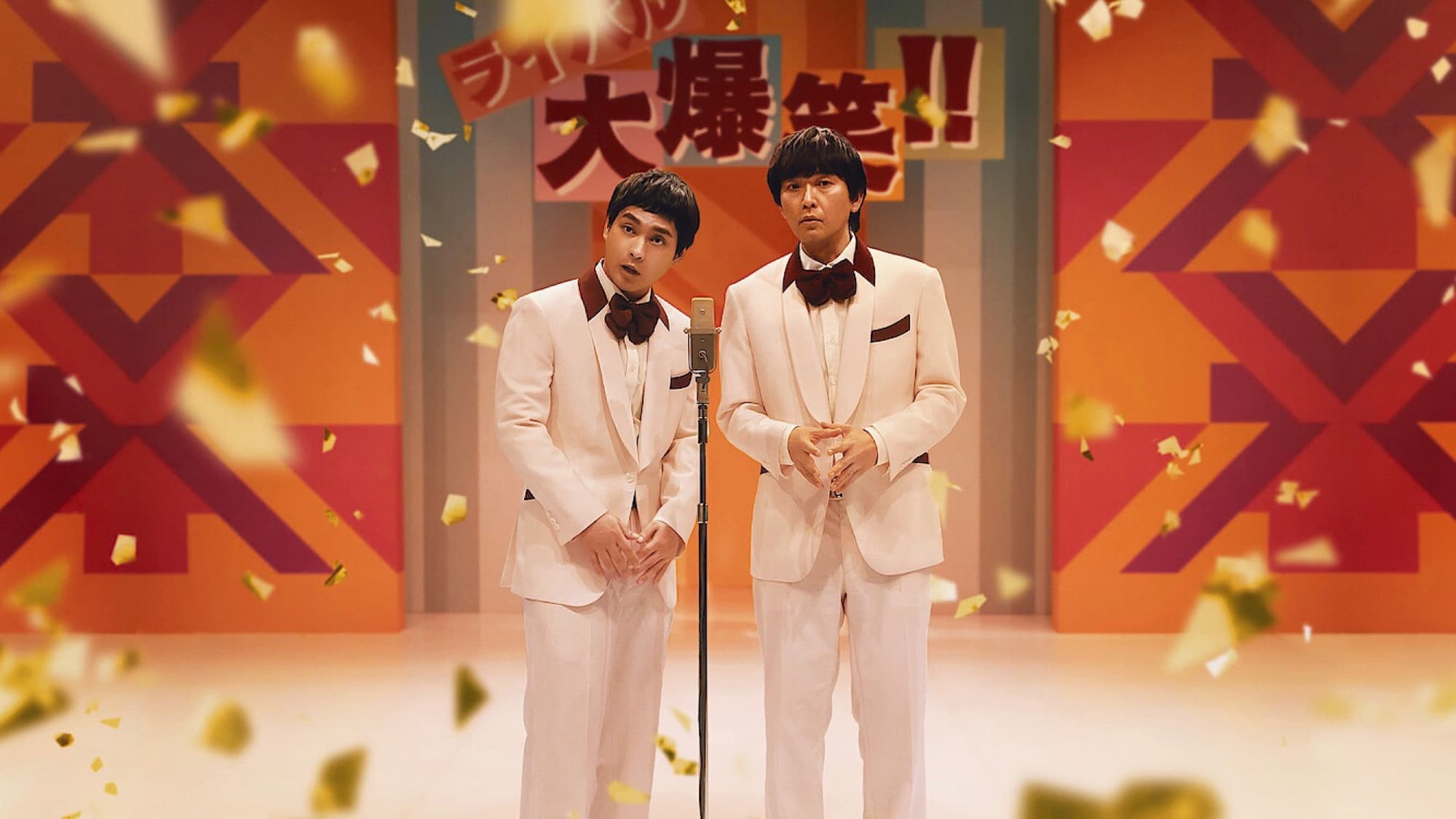
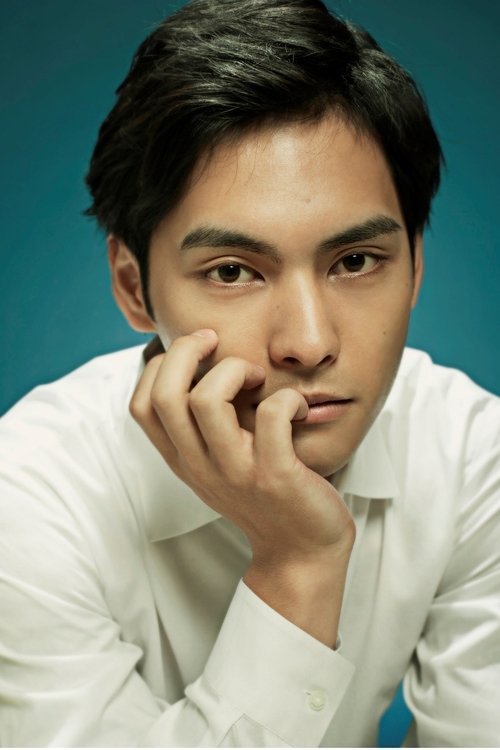
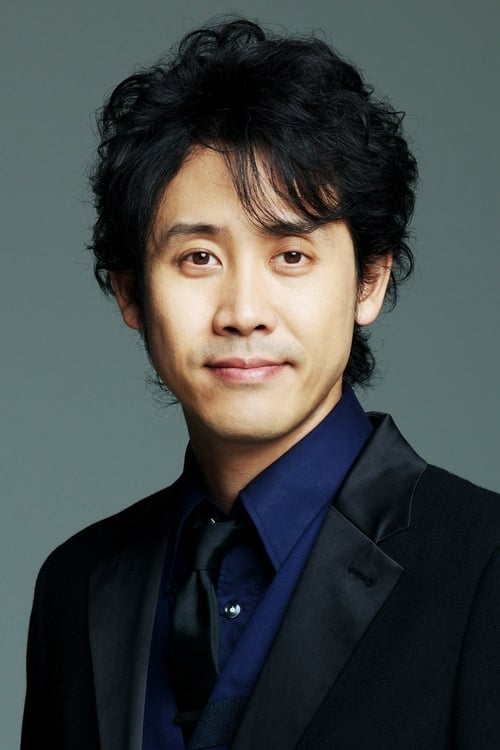
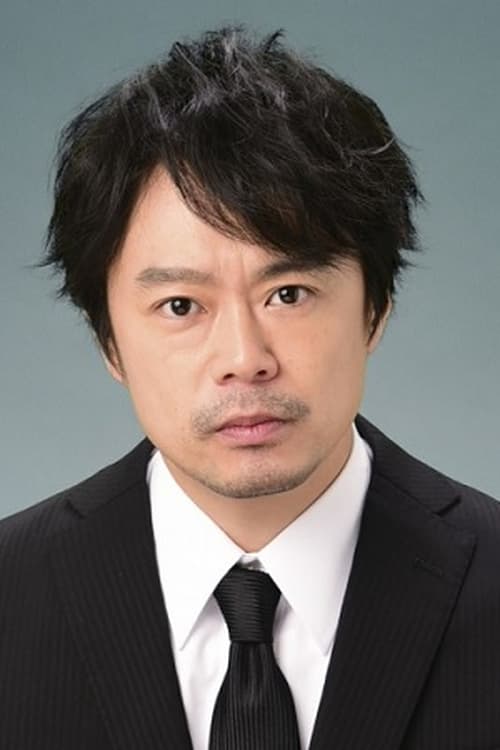
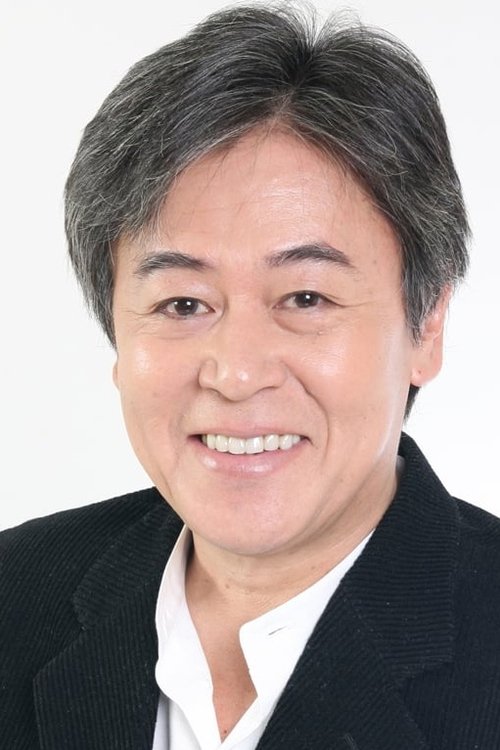
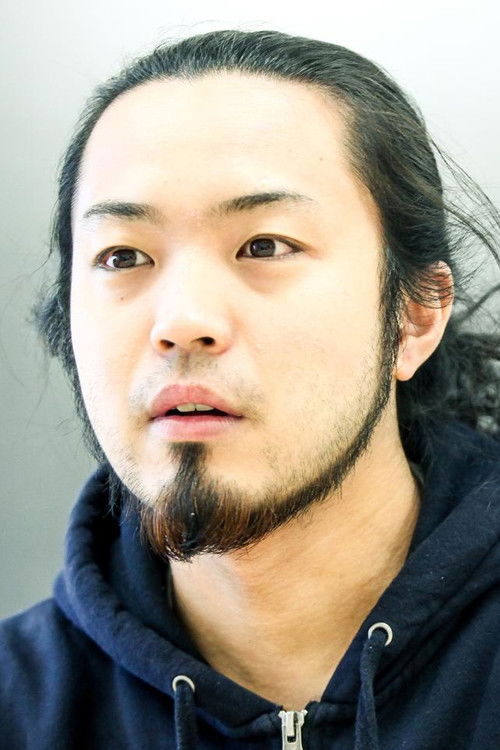
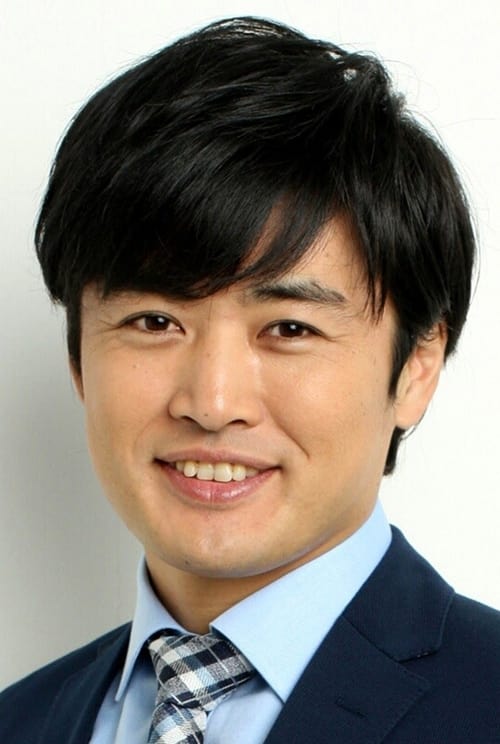
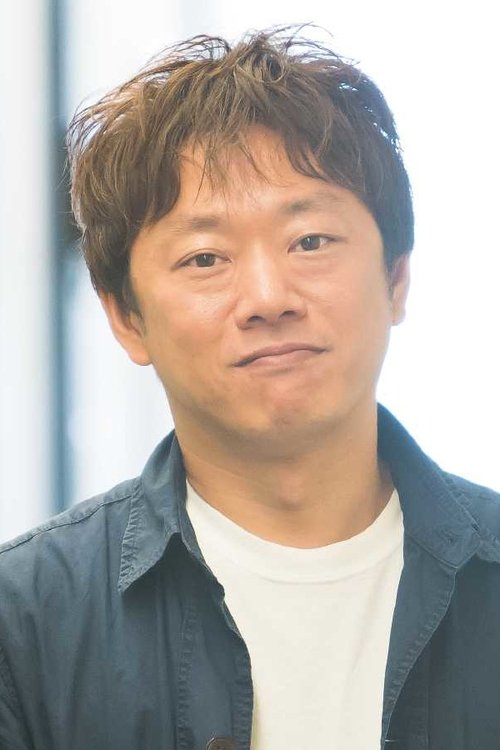
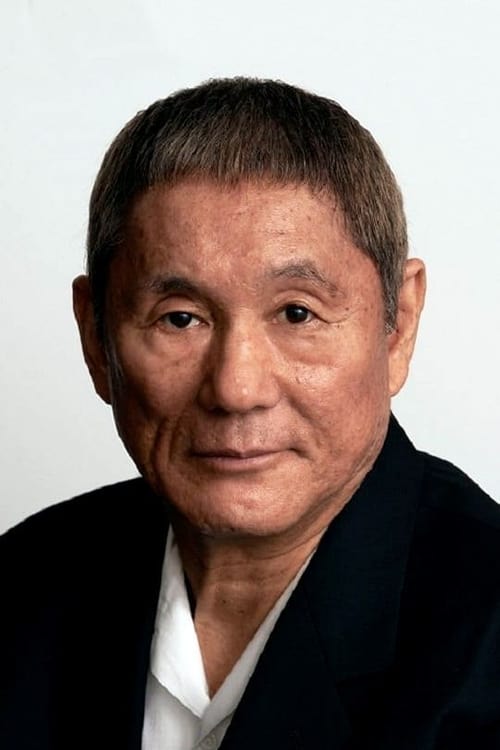
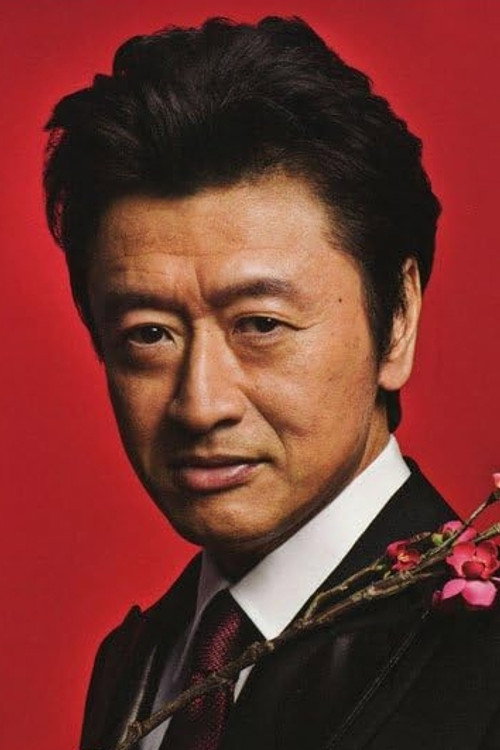
Director- Hitori Gekidan.I watched this film with my mother because I found it on Netflix, and also because Kitano Takeshi is one of the best directors in Japan.I had previously shown two films of Beat Takeshi to my mother- Outrage and Broken Rage. We both liked Broken Rage and didn't like Outrage. This is the second time the film Asakusa Kid has been made. I haven't seen the original, so I don't know how good it was.The film follows Beat Takeshi's journey from the start to his finding success in manzai. The film shed some great light on his mentor, Senzaburo Fukami, played by the excellent actor, Oizumi Yo. I couldn't find much information on Fukami, but from what the film shows, he must have been quite a guy.The actor Yagira Yuya, who plays Kitano Takeshi in the film, nails his mannerisms quite well. One can see how he became the youngest winner of the Best Actor award in the history of the Cannes Film Festival for playing Akira in Nobody Knows.I didn't know about Beat Takeshi's tap dancing skills before this, and it made me want to learn a bit of it too. Except for this, the film doesn't really shed a lot of light on anything new that I didn't already know about him. Watching the Two Beats perform manzai was a treat, especially to hear their sets before they became such a phenomenon. Back when they used to call themselves Matsukakuya Jiro and Jiro. Watching their risque brand of manzai with the material "bullying ugly people," "bullying country folk," and "bullying the elderly," was awesome as well. Their performances made the film much more humorous. Still, the film manages to add ample amounts of seriousness, too, with dramatic scenes of conflict. Watching them struggle to lift off shows us how the audience is moving more towards television in that era. The audience losing interest in plays is also shown well.The ending with the actual Beat Takeshi walking through the France-za, reminiscing about older times, was awesome and at the same time gut-wrenching and nostalgic. Finding out how Fukami's journey came to an end was immensely sad, too.The film doesn't expand on how they got into performing manzai and entirely removes the role that Chitose Matsurakuya had played in their journey. Instead, it only focuses on Fukami. Overall, it is quite a well-made film, which makes me excited for what the director will make next.
Director- Hitori Gekidan.I watched this film with my mother because I found it on Netflix, and also because Kitano Takeshi is one of the best directors in Japan.I had previously shown two films of Beat Takeshi to my mother- Outrage and Broken Rage. We both liked Broken Rage and didn't like Outrage. This is the second time the film Asakusa Kid has been made. I haven't seen the original, so I don't know how good it was.The film follows Beat Takeshi's journey from the start to his finding success in manzai. The film shed some great light on his mentor, Senzaburo Fukami, played by the excellent actor, Oizumi Yo. I couldn't find much information on Fukami, but from what the film shows, he must have been quite a guy.The actor Yagira Yuya, who plays Kitano Takeshi in the film, nails his mannerisms quite well. One can see how he became the youngest winner of the Best Actor award in the history of the Cannes Film Festival for playing Akira in Nobody Knows.I didn't know about Beat Takeshi's tap dancing skills before this, and it made me want to learn a bit of it too. Except for this, the film doesn't really shed a lot of light on anything new that I didn't already know about him. Watching the Two Beats perform manzai was a treat, especially to hear their sets before they became such a phenomenon. Back when they used to call themselves Matsukakuya Jiro and Jiro. Watching their risque brand of manzai with the material "bullying ugly people," "bullying country folk," and "bullying the elderly," was awesome as well. Their performances made the film much more humorous. Still, the film manages to add ample amounts of seriousness, too, with dramatic scenes of conflict. Watching them struggle to lift off shows us how the audience is moving more towards television in that era. The audience losing interest in plays is also shown well.The ending with the actual Beat Takeshi walking through the France-za, reminiscing about older times, was awesome and at the same time gut-wrenching and nostalgic. Finding out how Fukami's journey came to an end was immensely sad, too.The film doesn't expand on how they got into performing manzai and entirely removes the role that Chitose Matsurakuya had played in their journey. Instead, it only focuses on Fukami. Overall, it is quite a well-made film, which makes me excited for what the director will make next.