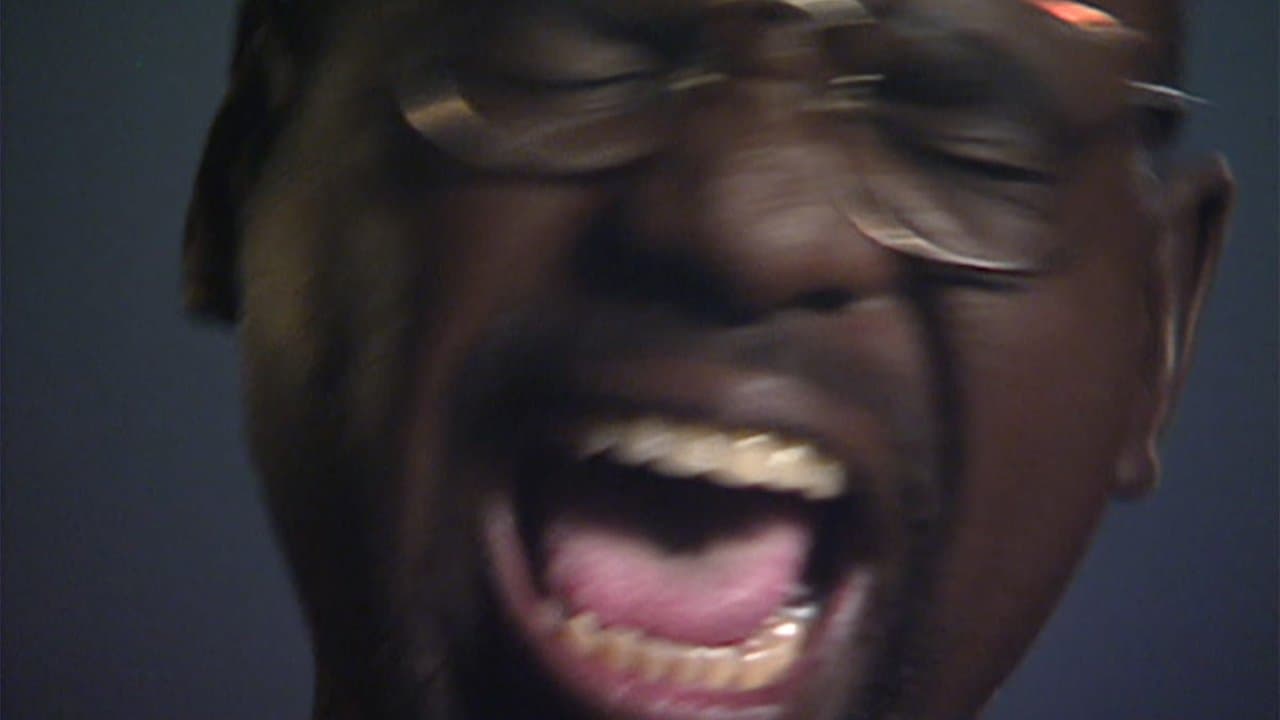
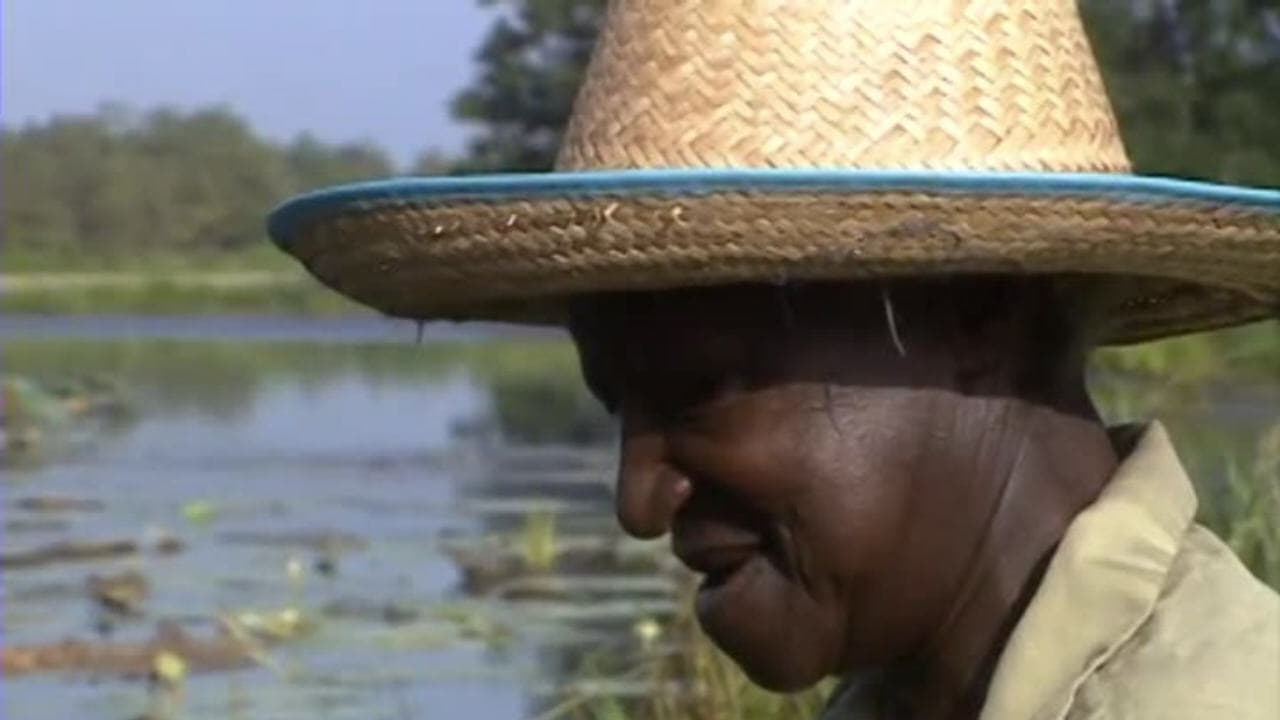
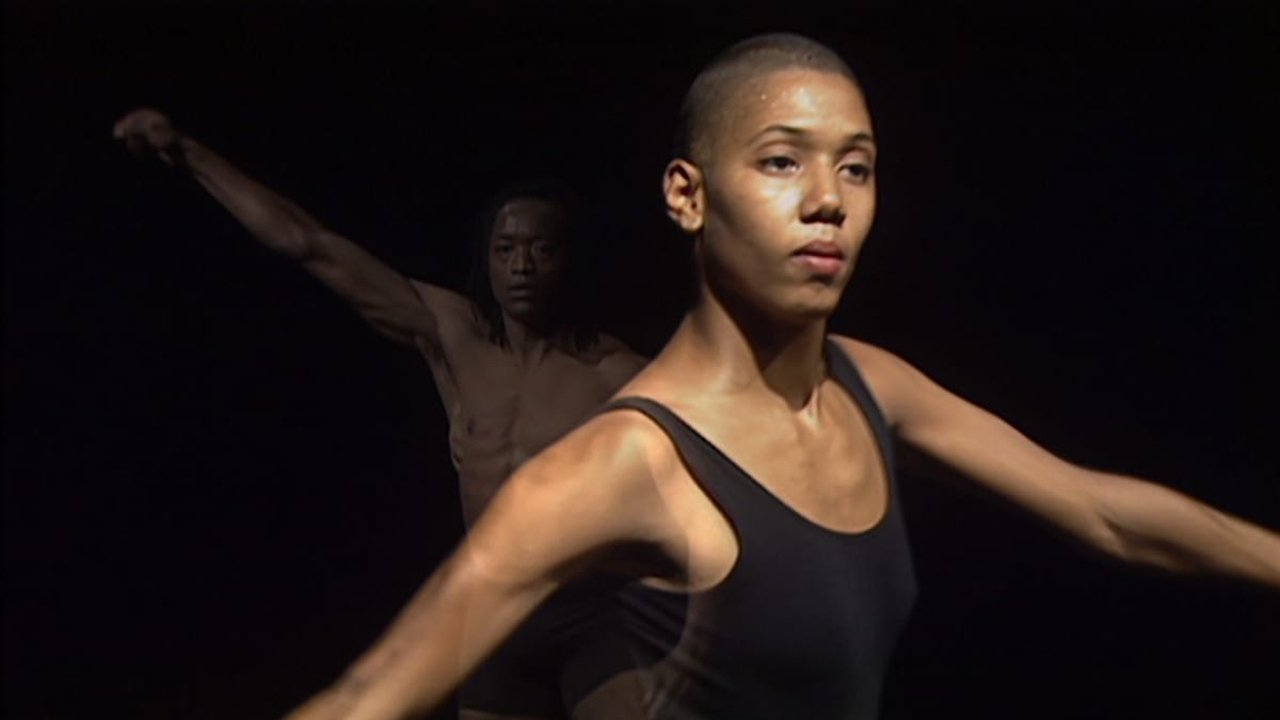
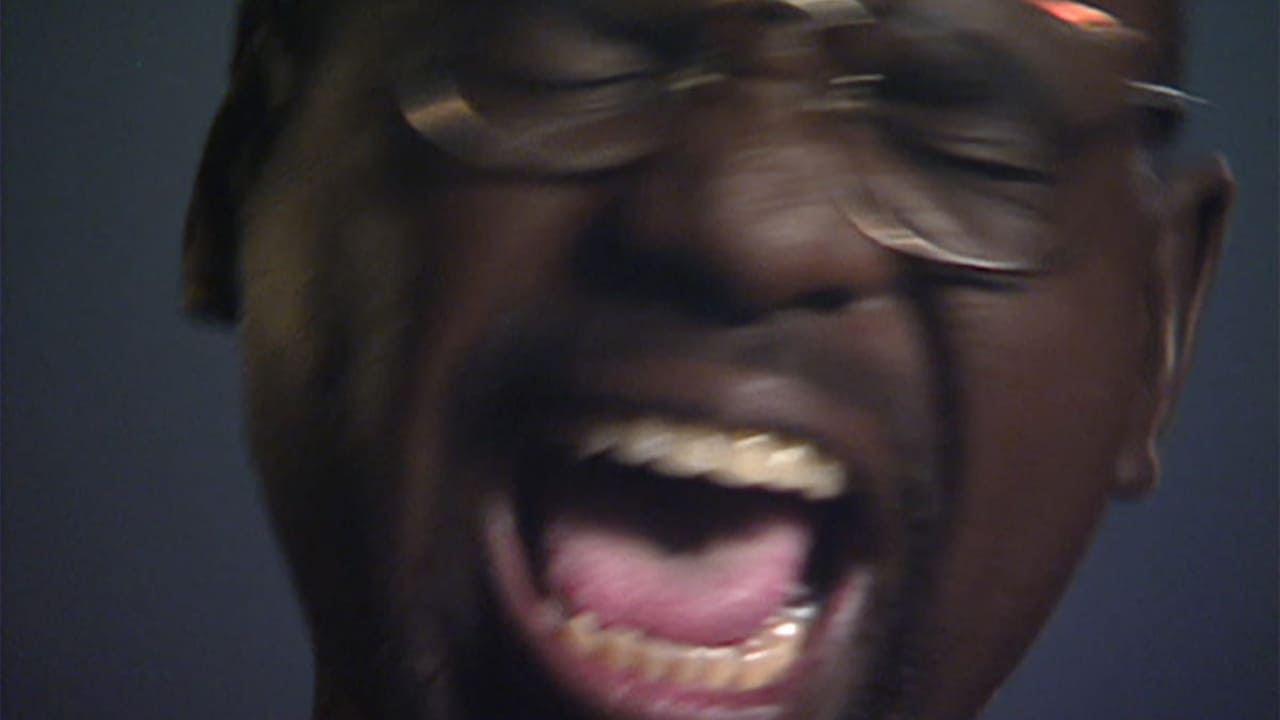
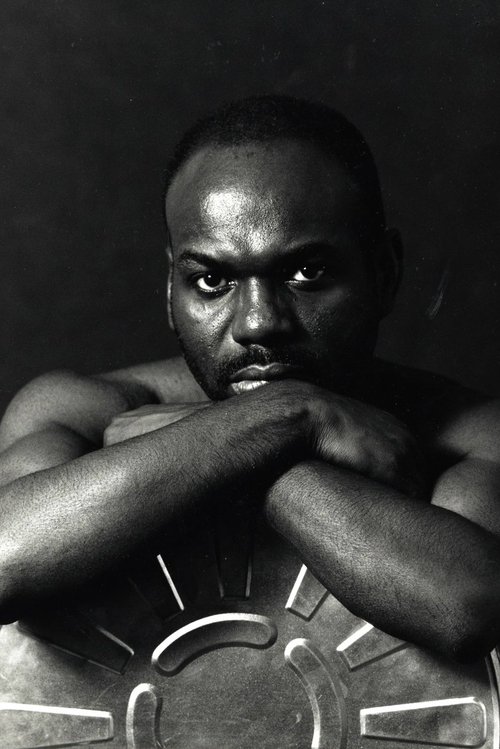
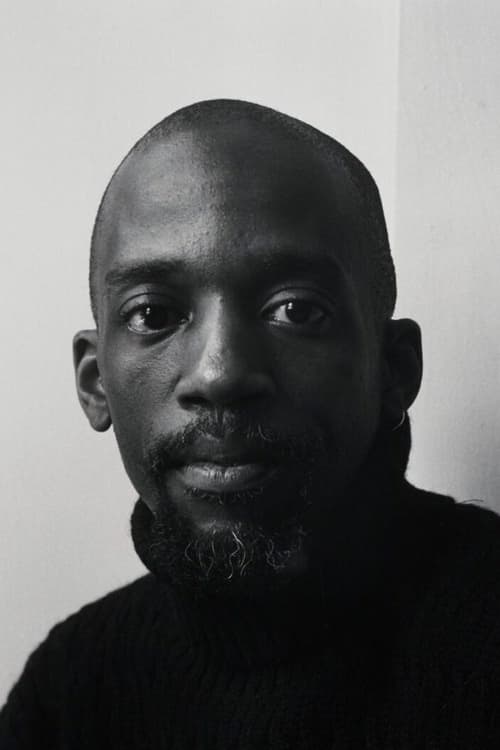
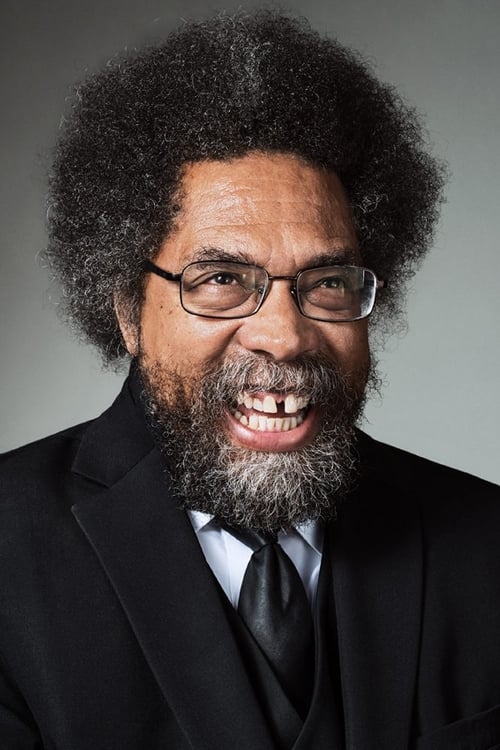
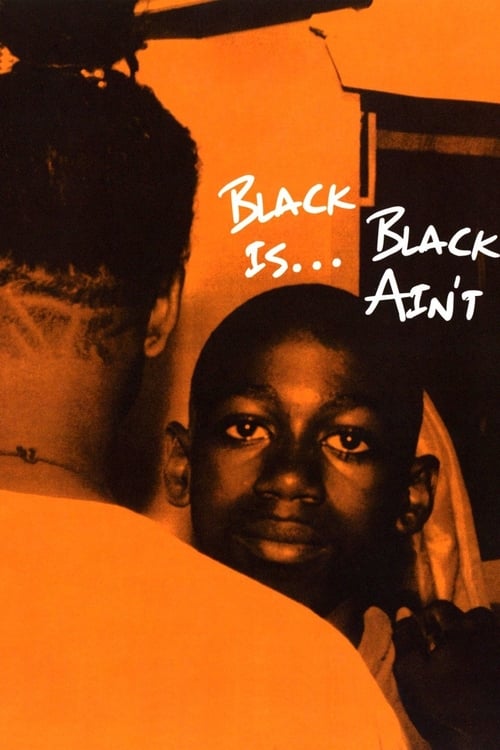
Black is… Black Ain’t (1994) is a brilliant documentary by Marlon Riggs looking at Black identity and labels in modern history. He looks at the definition of the word black (sinister, dark etc), the reason for conflicting self-labels (‘we have such an obsession with naming ourselves because during most of our history we’ve been named by somebody else’), cultural movements that created positivity towards blackness (black is beautiful 1960’s), and why ideas for black identity are always directed towards men. The documentary is simple and straightforward, paced perfectly and designed to feel like an unfurling literature review or academic paper. There are so many interviews, but it never feels jarring, and this is down to the editing and how engaging Riggs is as a narrator. Riggs never makes it about himself, despite his struggles with aids and terminal illness while making the film, and gets views from all perspectives, not just people who reinforce his views. He also integrated passages of poetry overlaid by art which are sparse, beautiful, and never overdone.
Black is… Black Ain’t feels incredibly formative around identity and pronouns. I was especially impressed by its exploration of intersectionality, a term only coined by Kimberle Crenshaw five years earlier. Intersectionality looks at how singular social identities can overlap to create distinct individual experiences. For example, 2nd wave feminism is often criticised for creating theories and change based on the experiences of white middle class woman, leaving black women feel alienated. In this film, Riggs argues that activism has centred on the ‘redemption of emasculated masculinity’.
In the third act, the film finally focuses on Riggs’ experience in hospital with Aids. We hear about his dreams, fears, future for mankind, and acceptance of death. It is incredibly sobering but very heartfelt, and adds another layer to a fascinating film.
Ultimately, It is informative, beautiful, simple, and authentic, and acts as a wonderful legacy for Marlon Rigg’s life and beliefs. I would describe this as one of my favourite documentaries of all time and highly recommend it to anyone alongside his other film Tongues United (1989).
Black is… Black Ain’t (1994) is a brilliant documentary by Marlon Riggs looking at Black identity and labels in modern history. He looks at the definition of the word black (sinister, dark etc), the reason for conflicting self-labels (‘we have such an obsession with naming ourselves because during most of our history we’ve been named by somebody else’), cultural movements that created positivity towards blackness (black is beautiful 1960’s), and why ideas for black identity are always directed towards men. The documentary is simple and straightforward, paced perfectly and designed to feel like an unfurling literature review or academic paper. There are so many interviews, but it never feels jarring, and this is down to the editing and how engaging Riggs is as a narrator. Riggs never makes it about himself, despite his struggles with aids and terminal illness while making the film, and gets views from all perspectives, not just people who reinforce his views. He also integrated passages of poetry overlaid by art which are sparse, beautiful, and never overdone.
Black is… Black Ain’t feels incredibly formative around identity and pronouns. I was especially impressed by its exploration of intersectionality, a term only coined by Kimberle Crenshaw five years earlier. Intersectionality looks at how singular social identities can overlap to create distinct individual experiences. For example, 2nd wave feminism is often criticised for creating theories and change based on the experiences of white middle class woman, leaving black women feel alienated. In this film, Riggs argues that activism has centred on the ‘redemption of emasculated masculinity’.
In the third act, the film finally focuses on Riggs’ experience in hospital with Aids. We hear about his dreams, fears, future for mankind, and acceptance of death. It is incredibly sobering but very heartfelt, and adds another layer to a fascinating film.
Ultimately, It is informative, beautiful, simple, and authentic, and acts as a wonderful legacy for Marlon Rigg’s life and beliefs. I would describe this as one of my favourite documentaries of all time and highly recommend it to anyone alongside his other film Tongues United (1989).