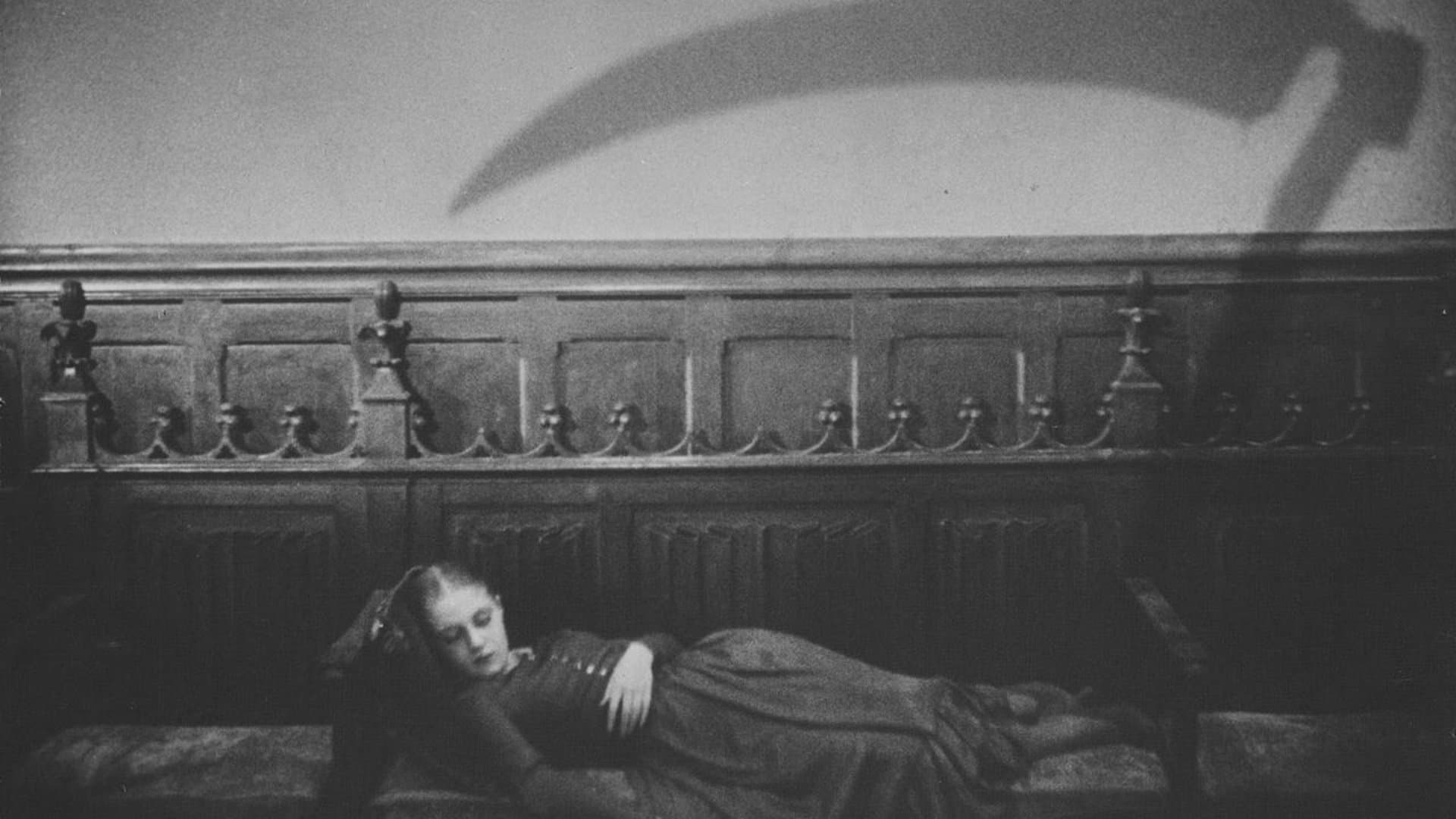
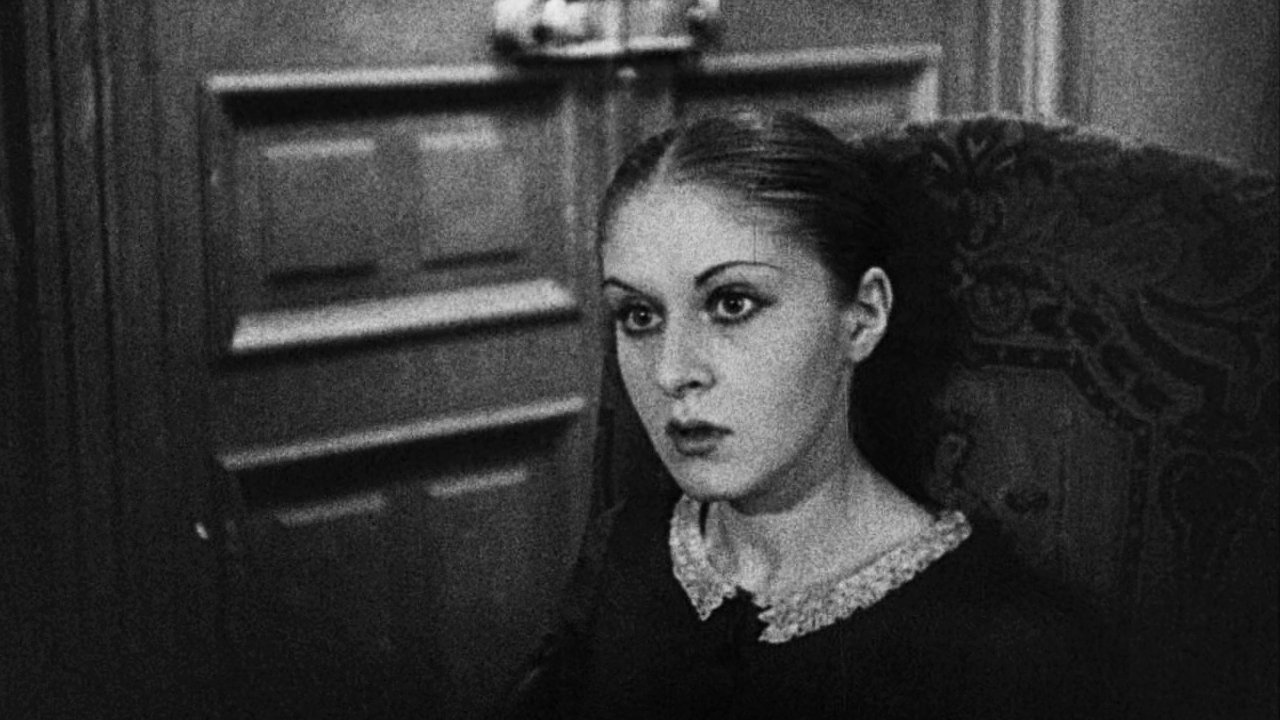
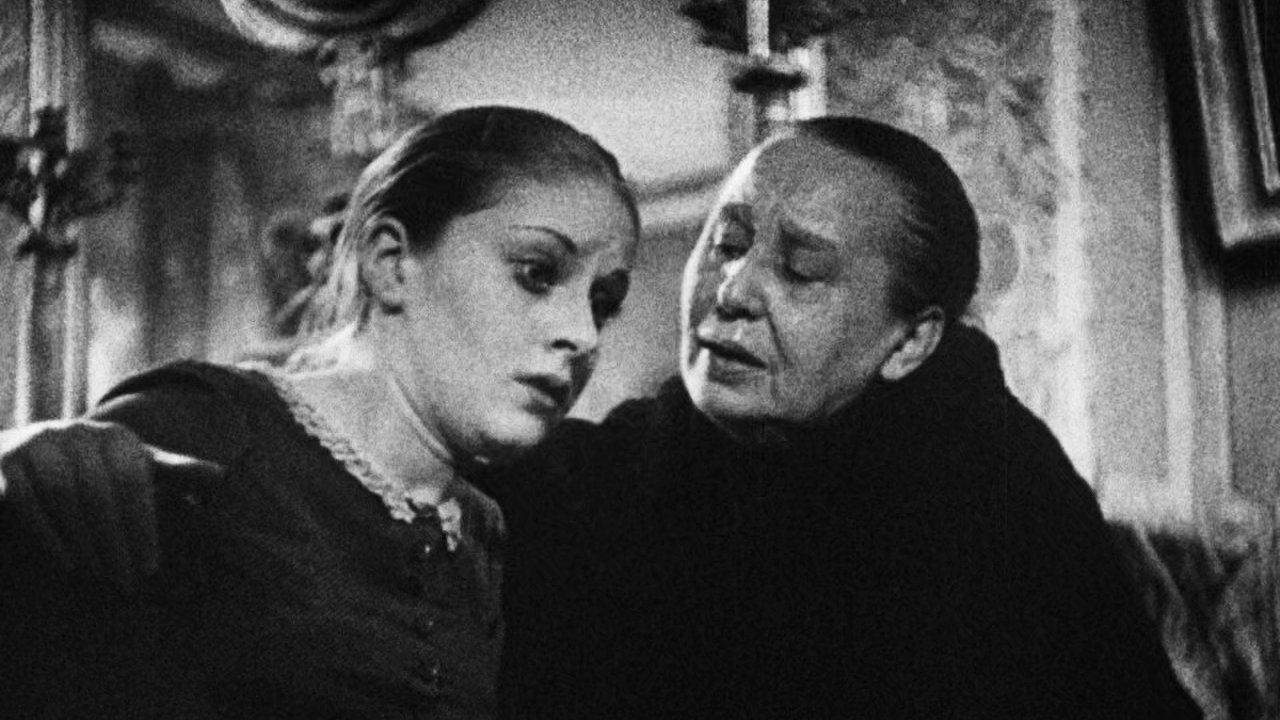
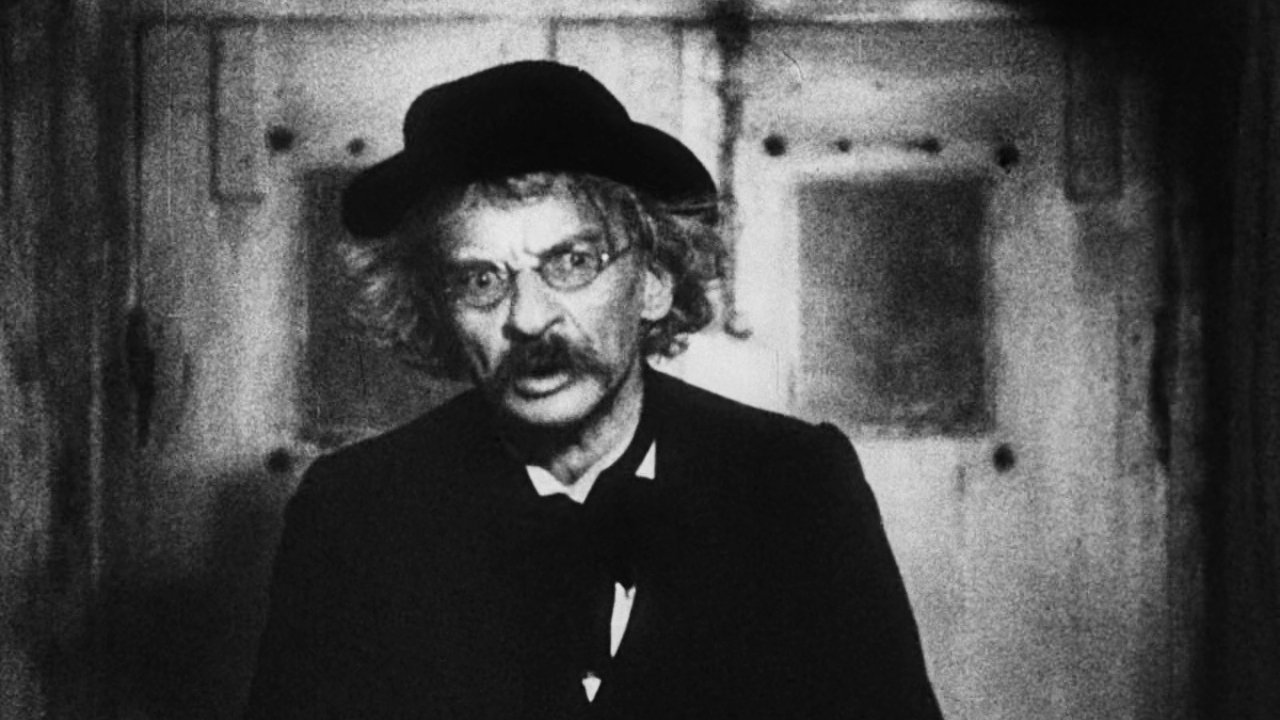
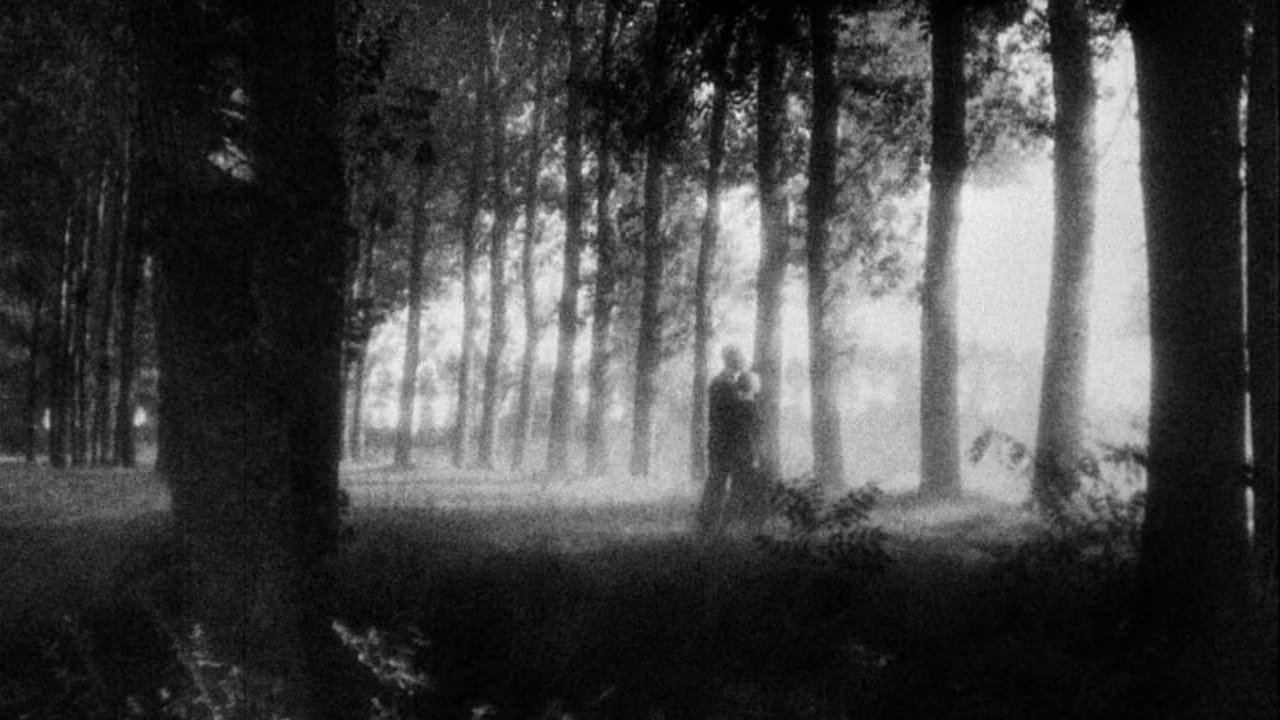
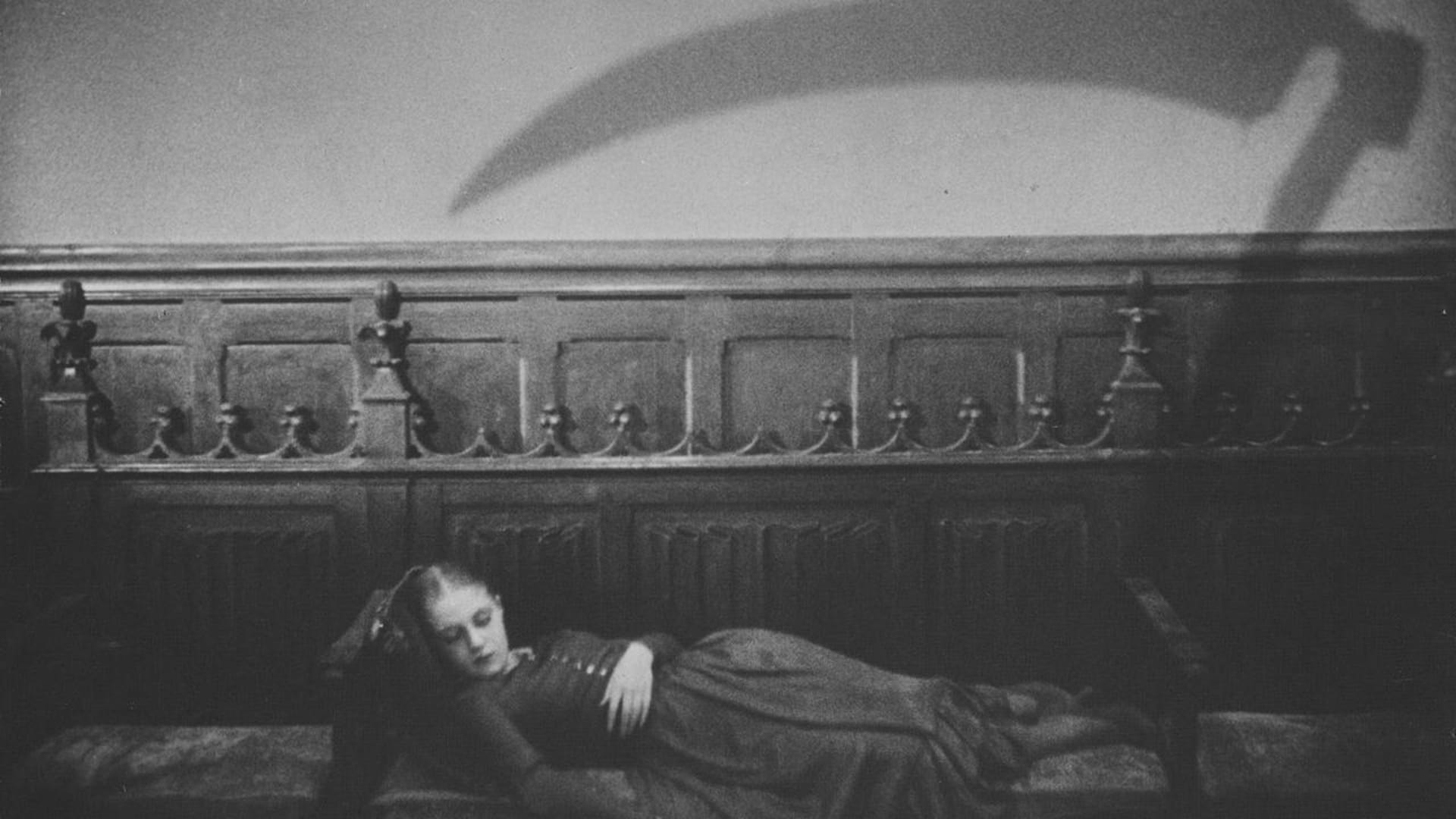
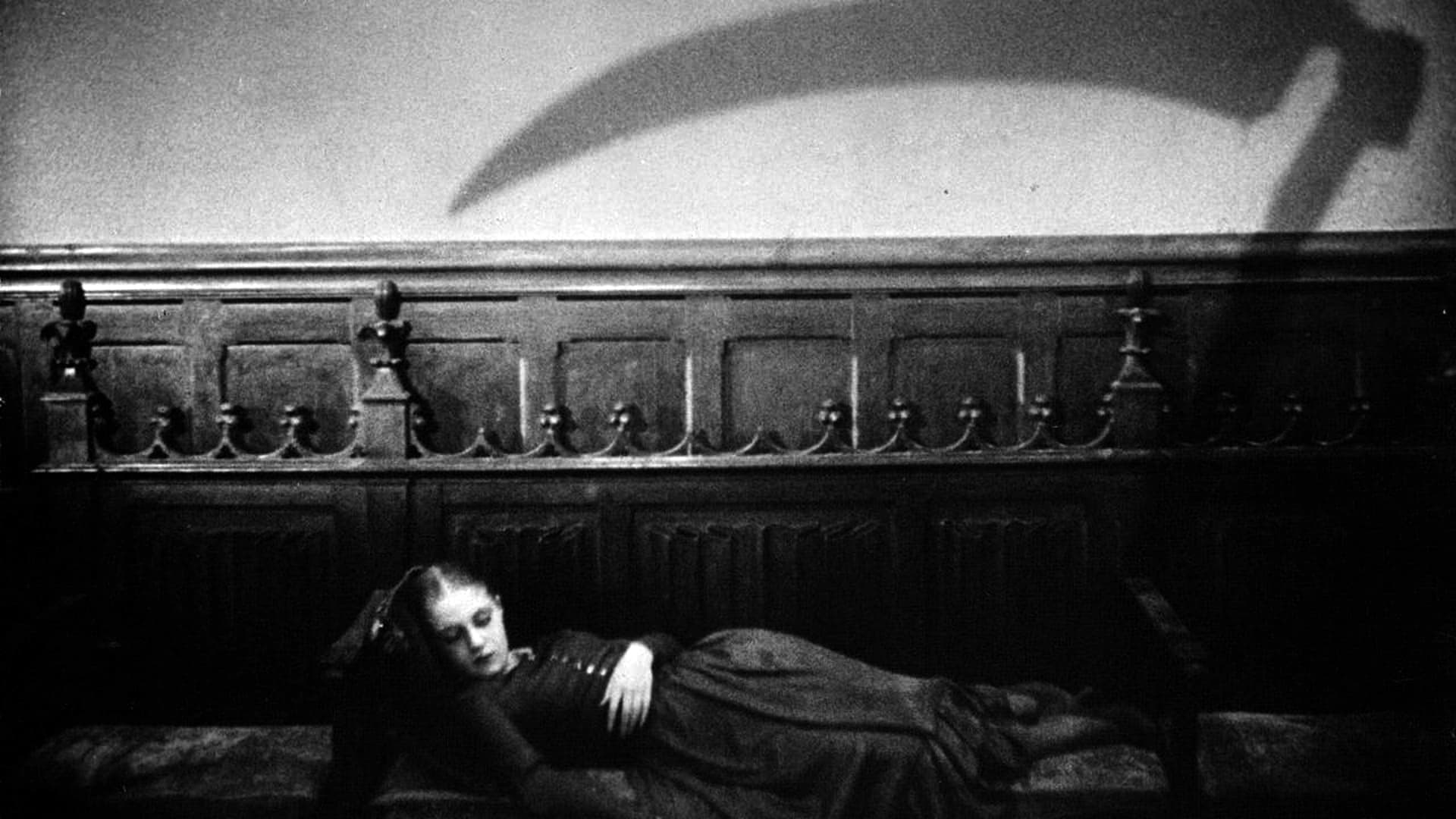
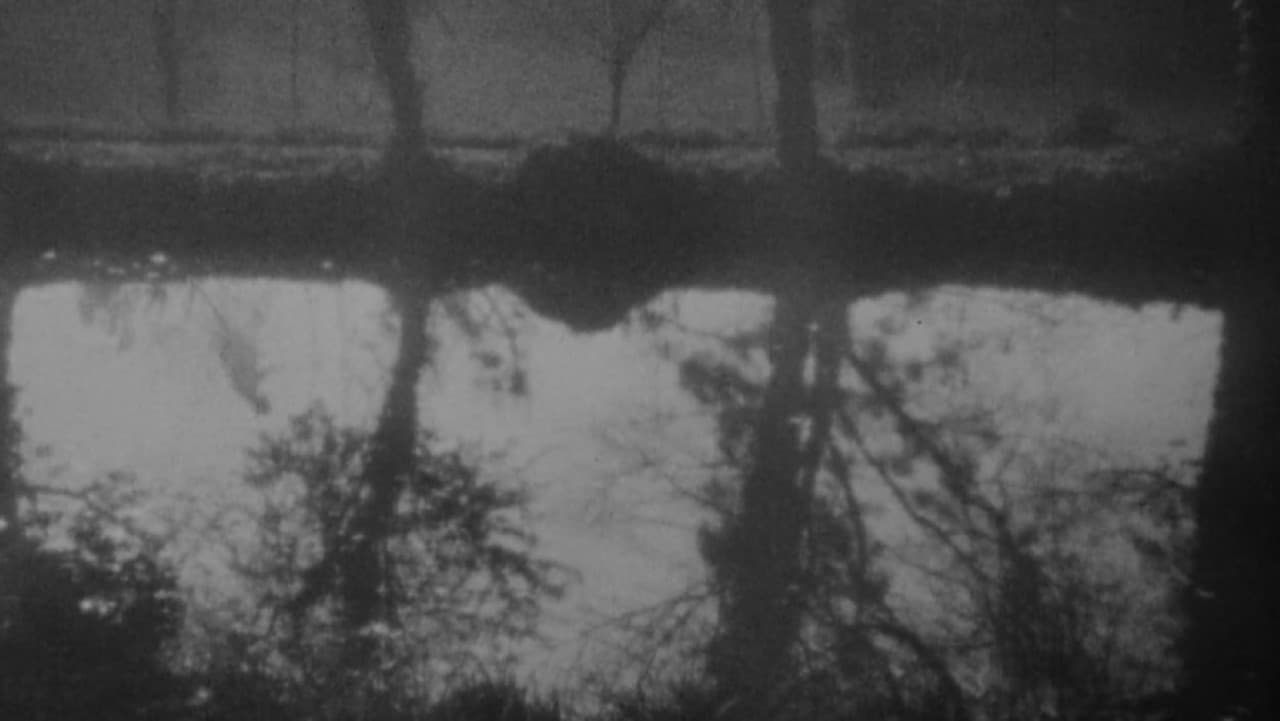
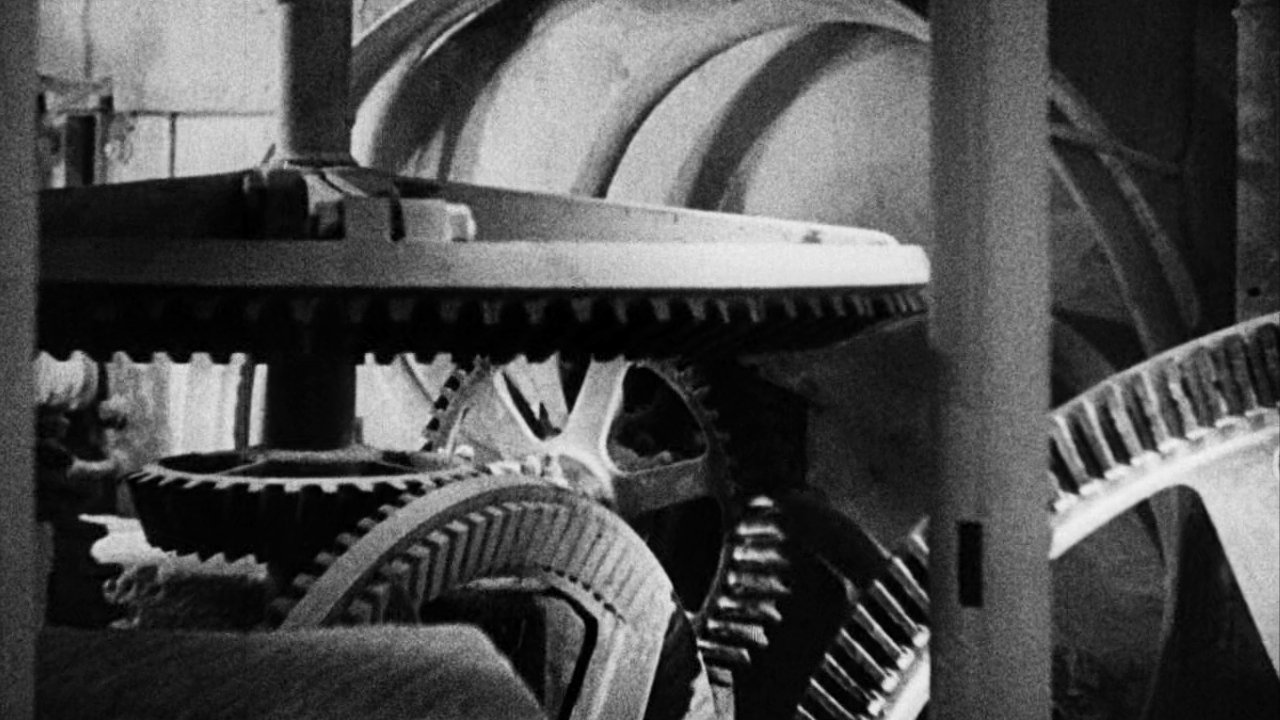
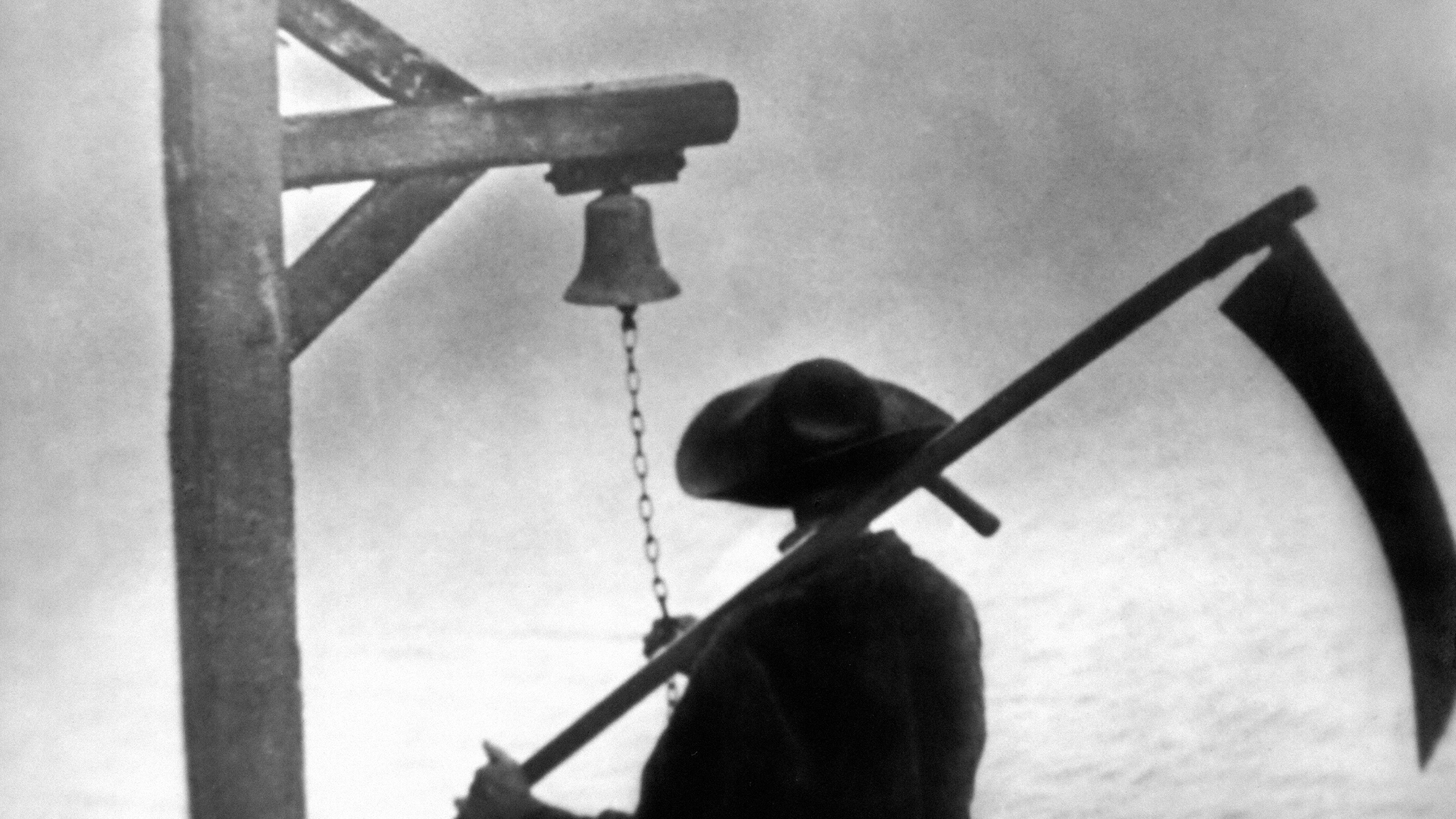
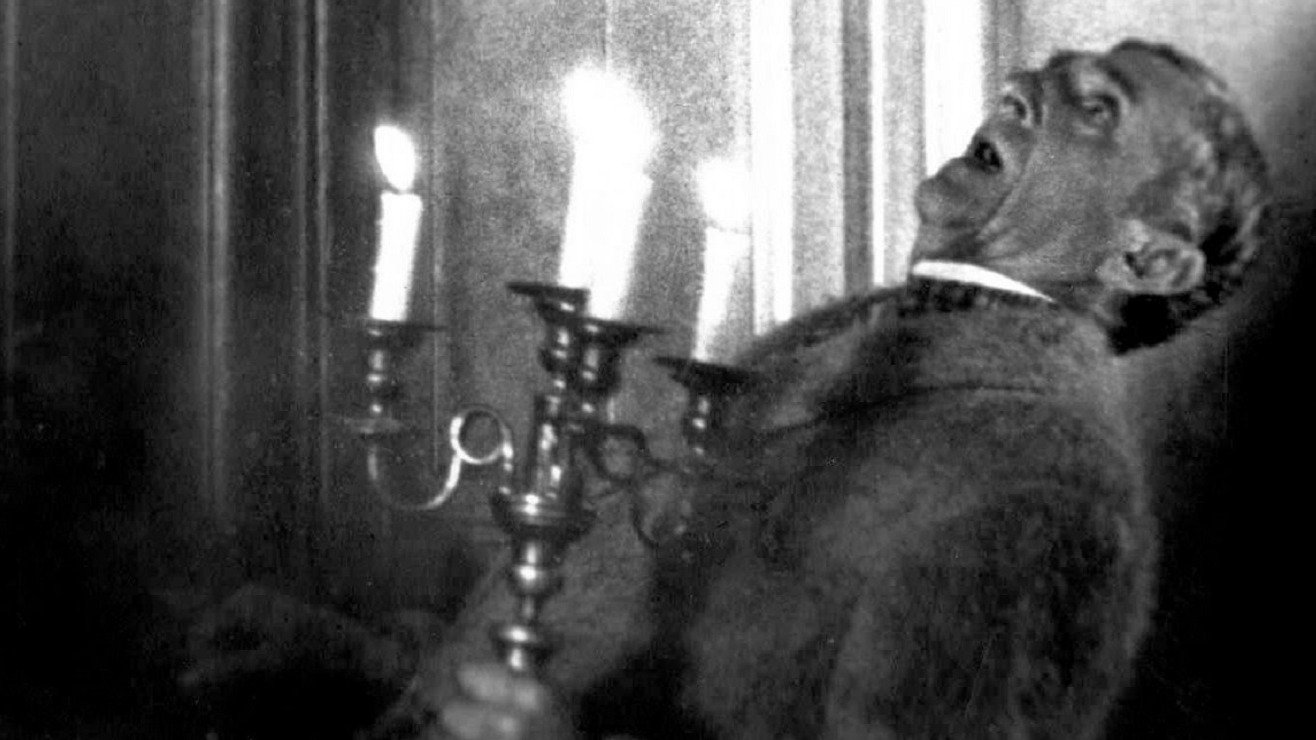
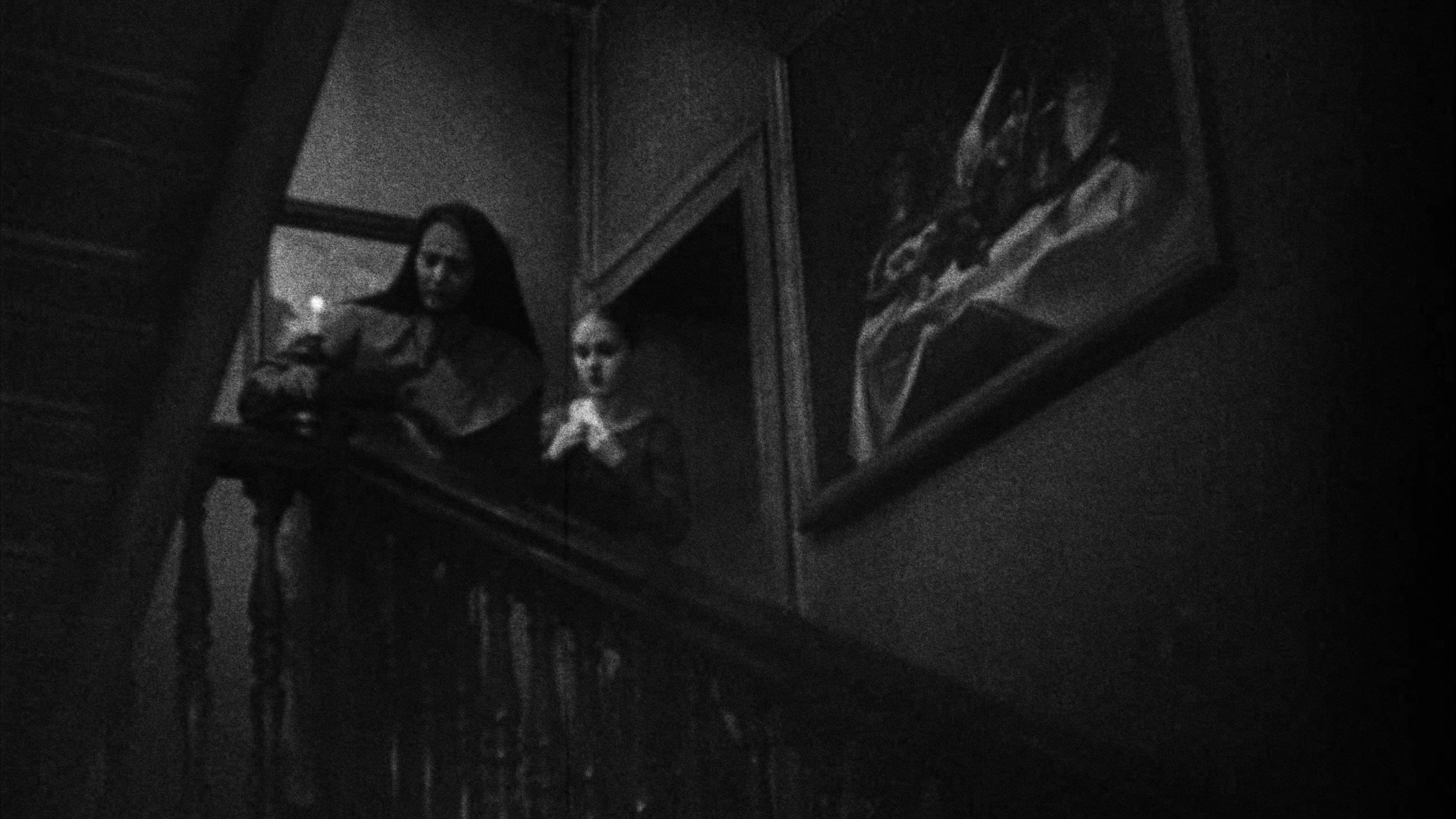
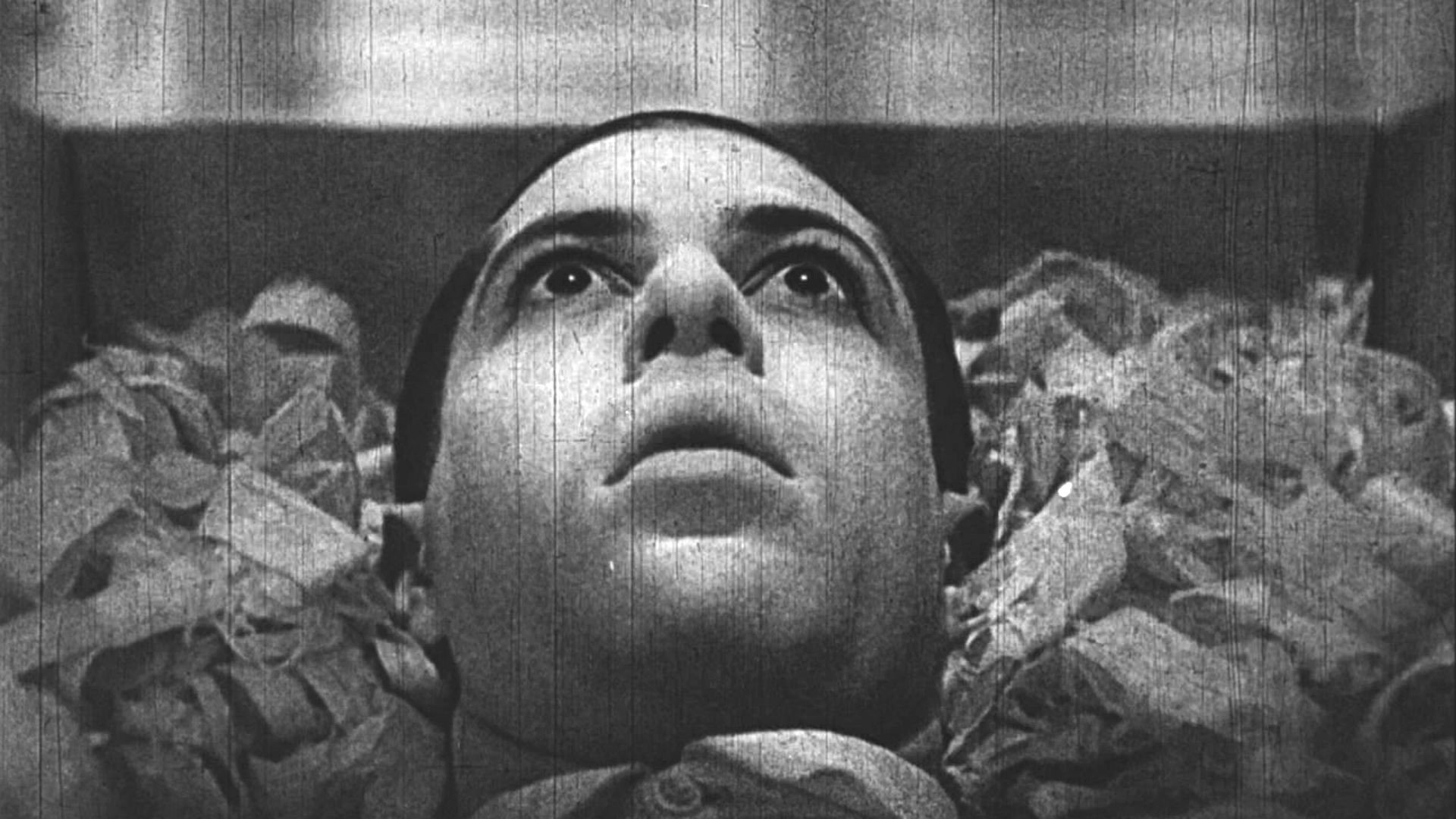
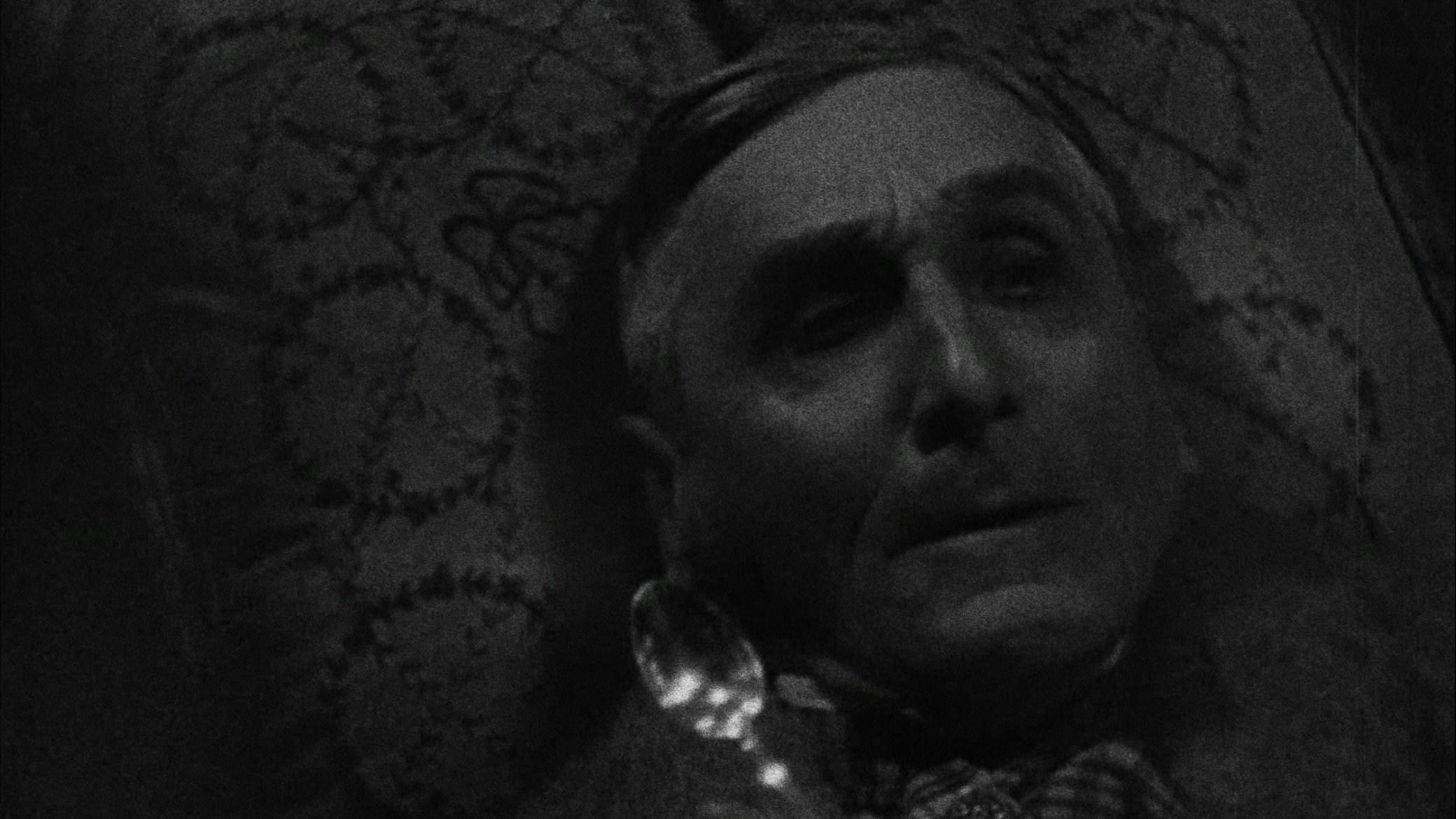
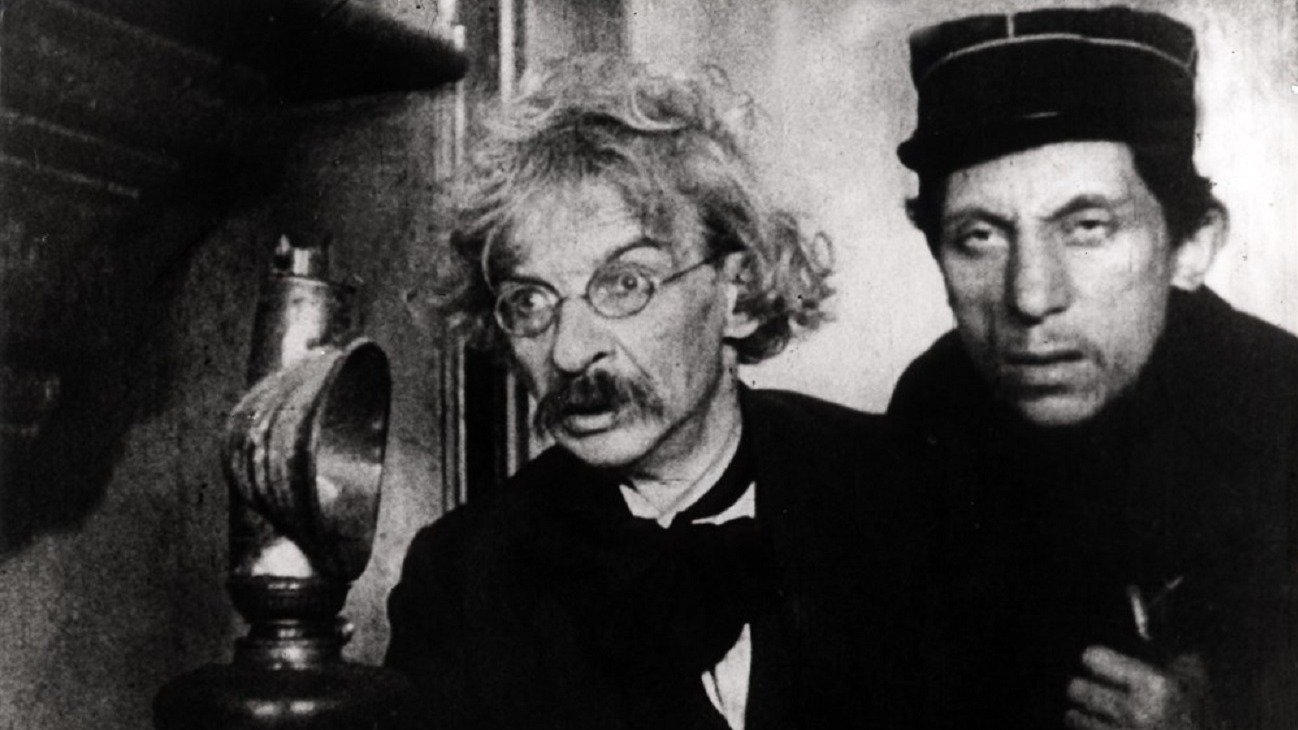
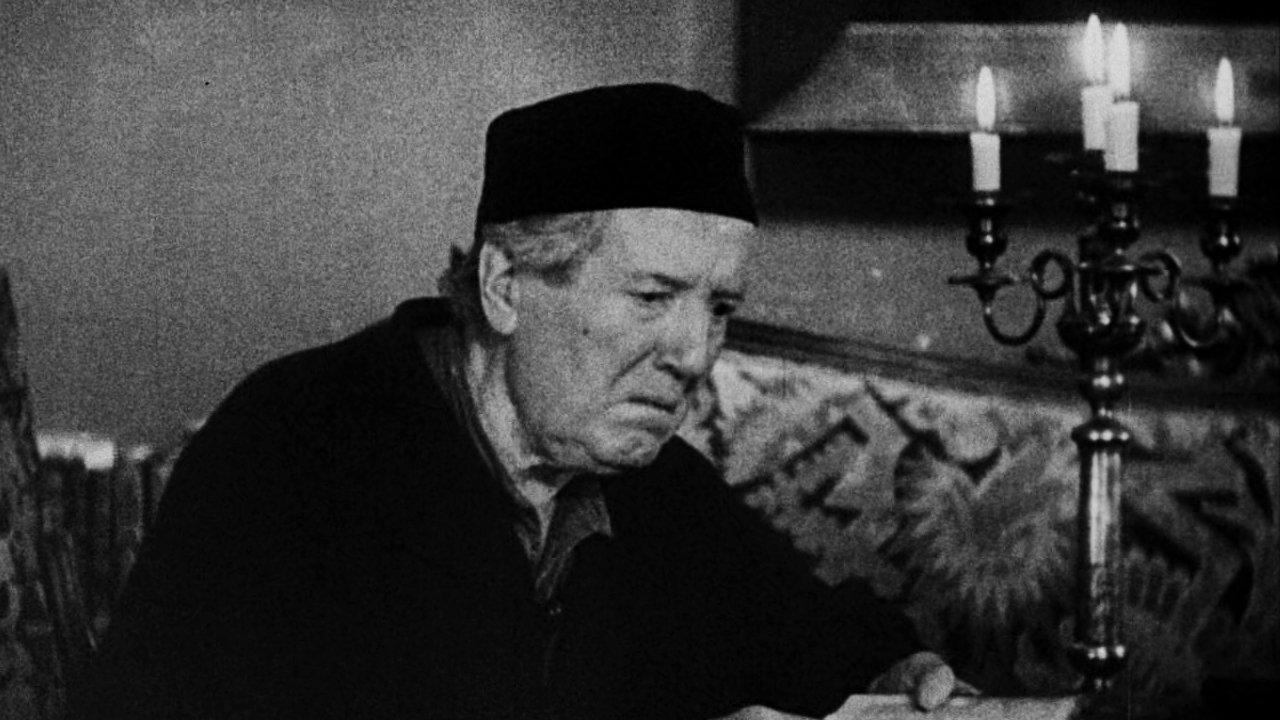
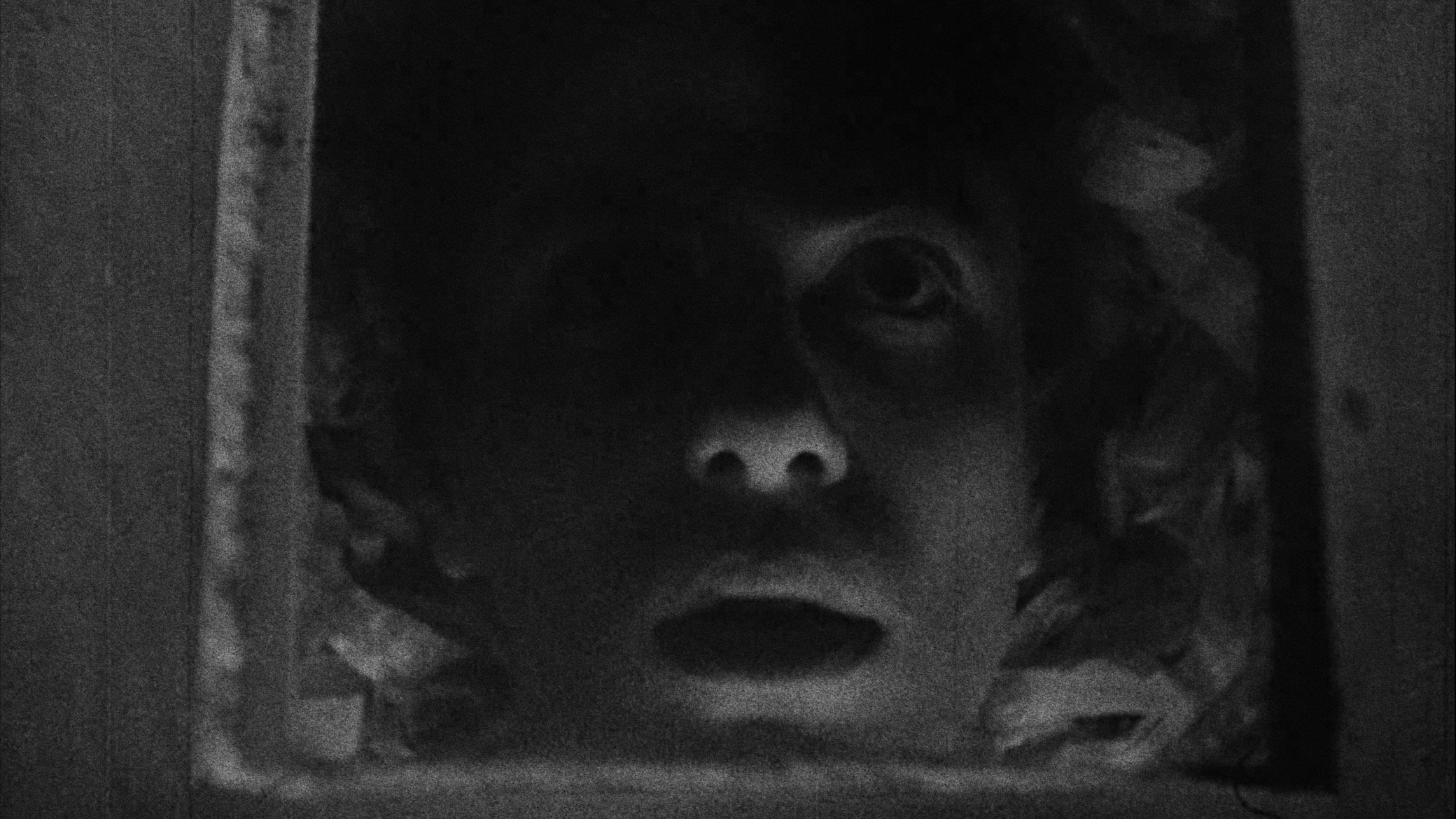
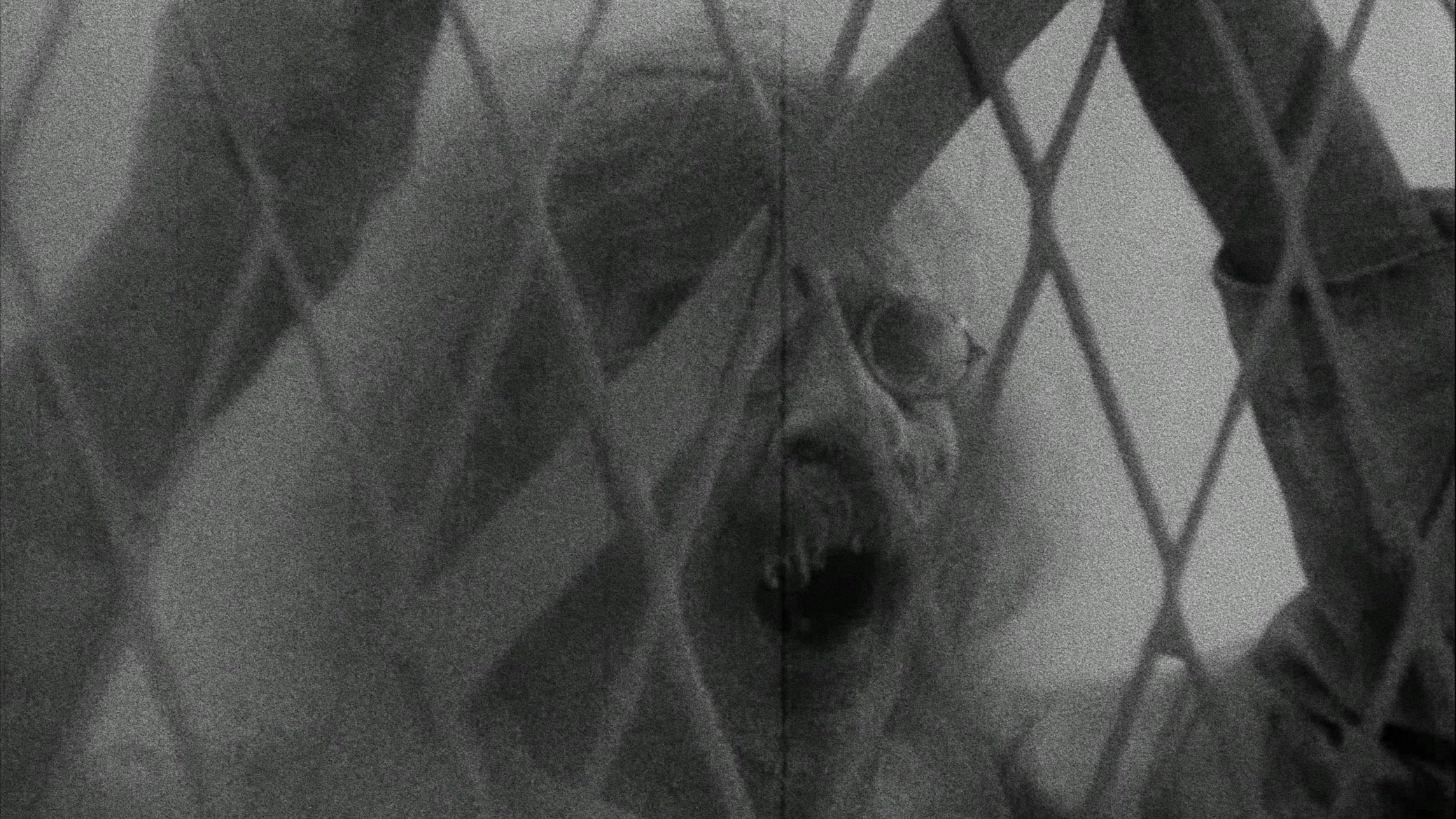
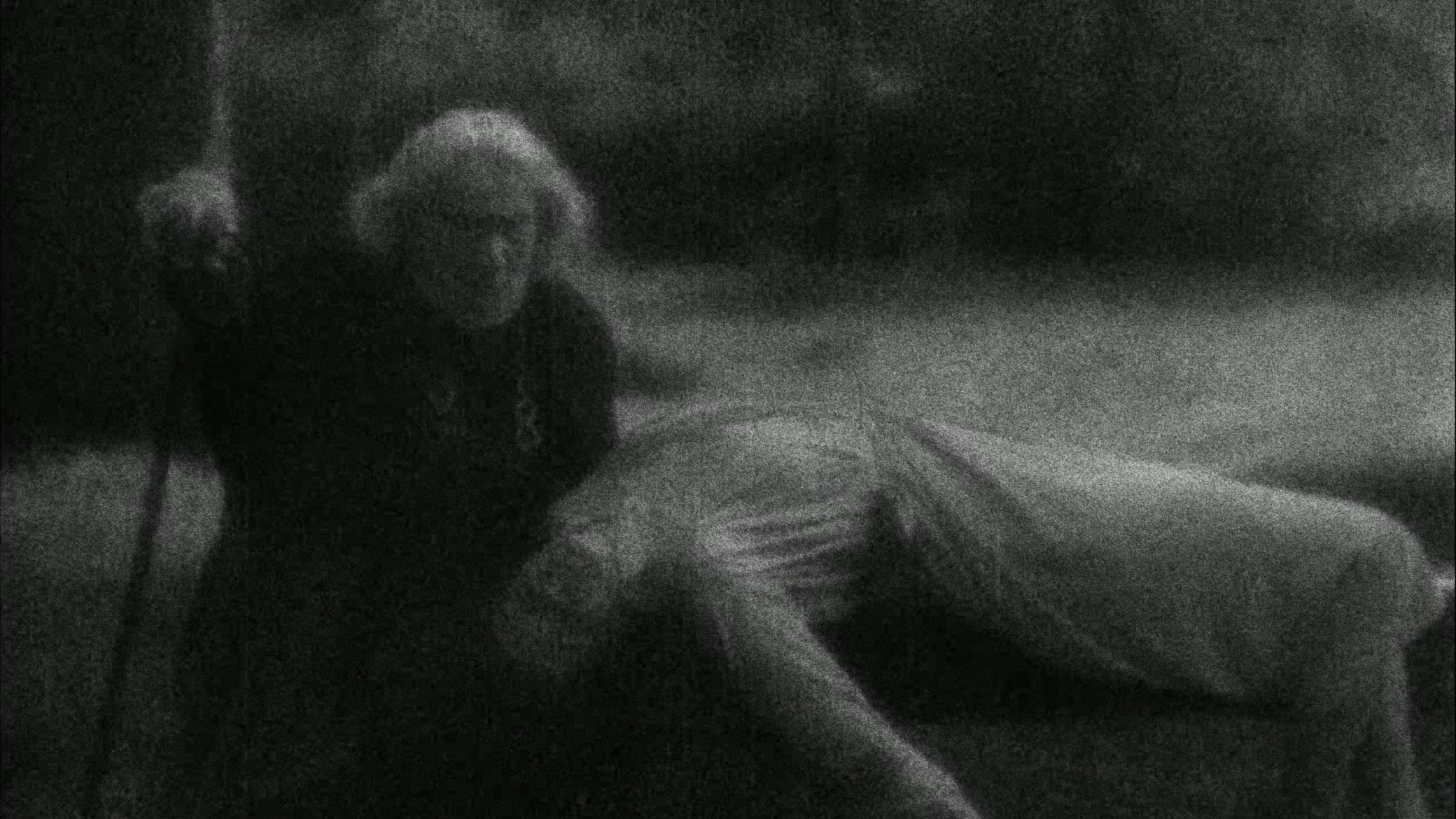
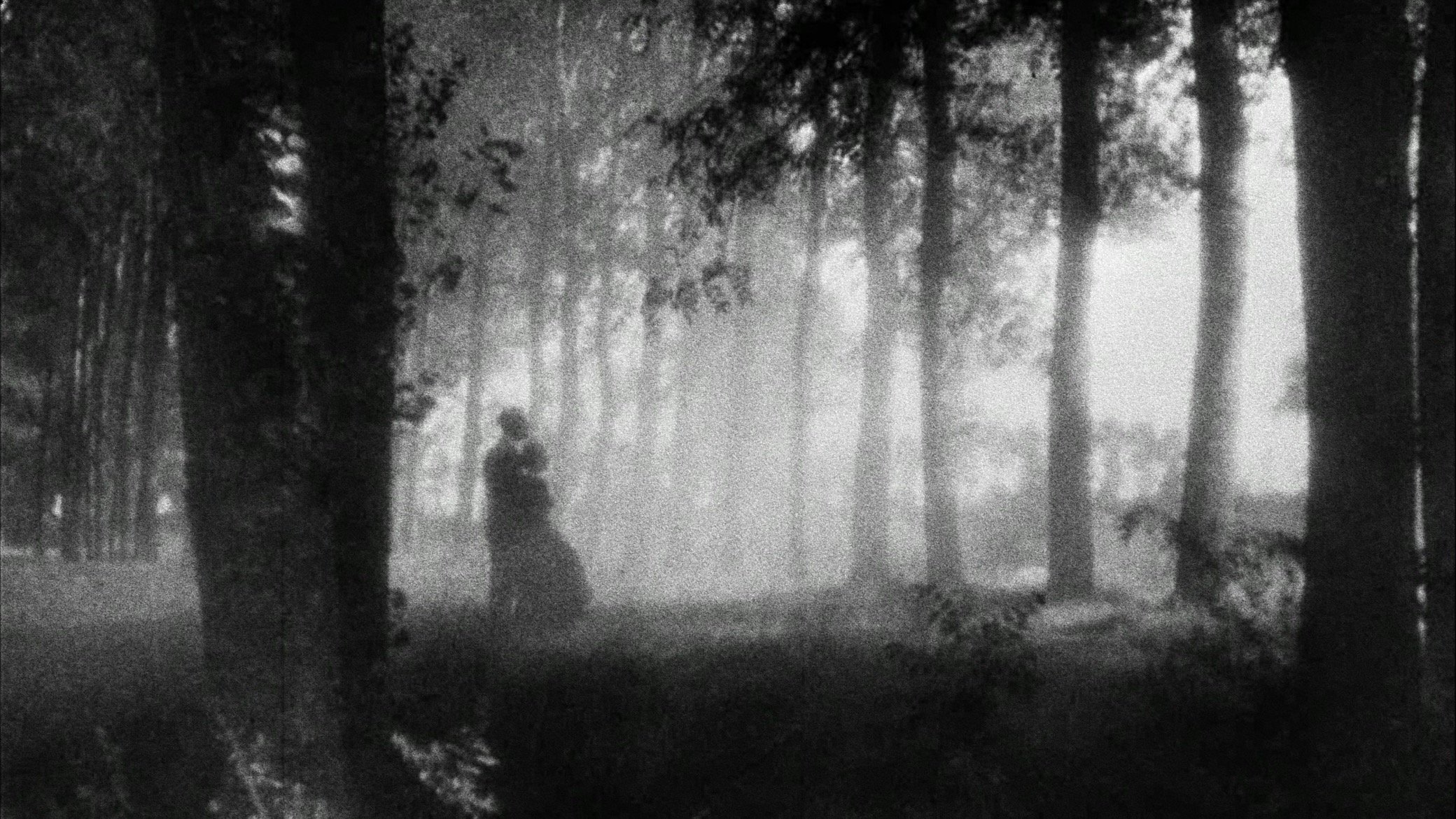
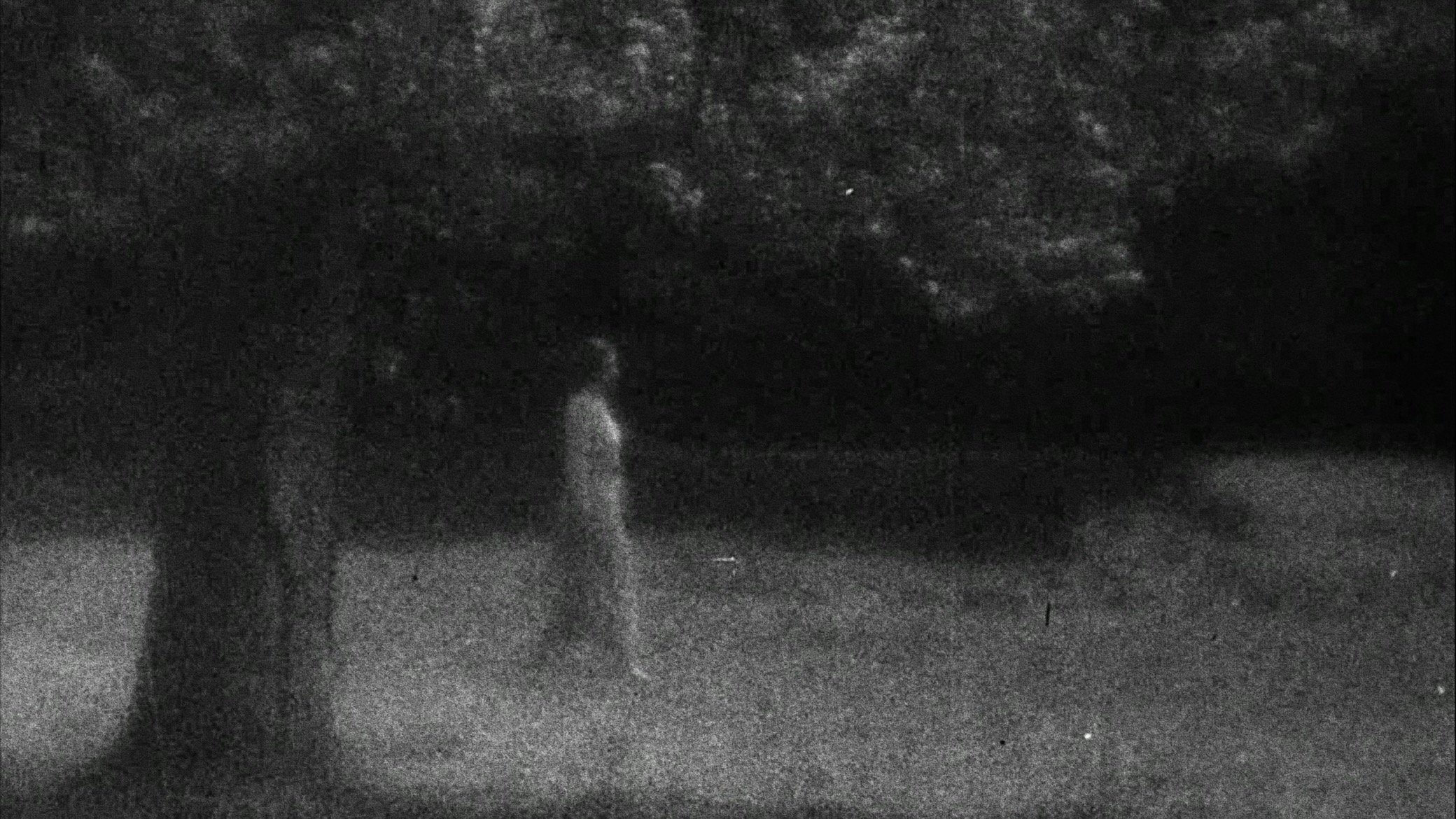
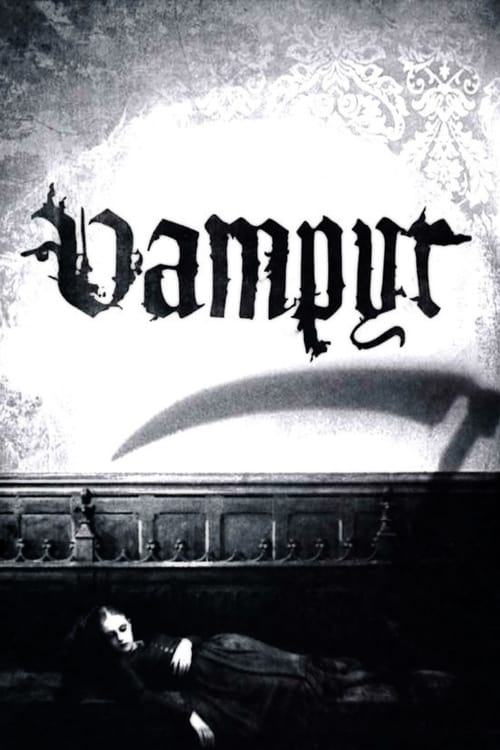
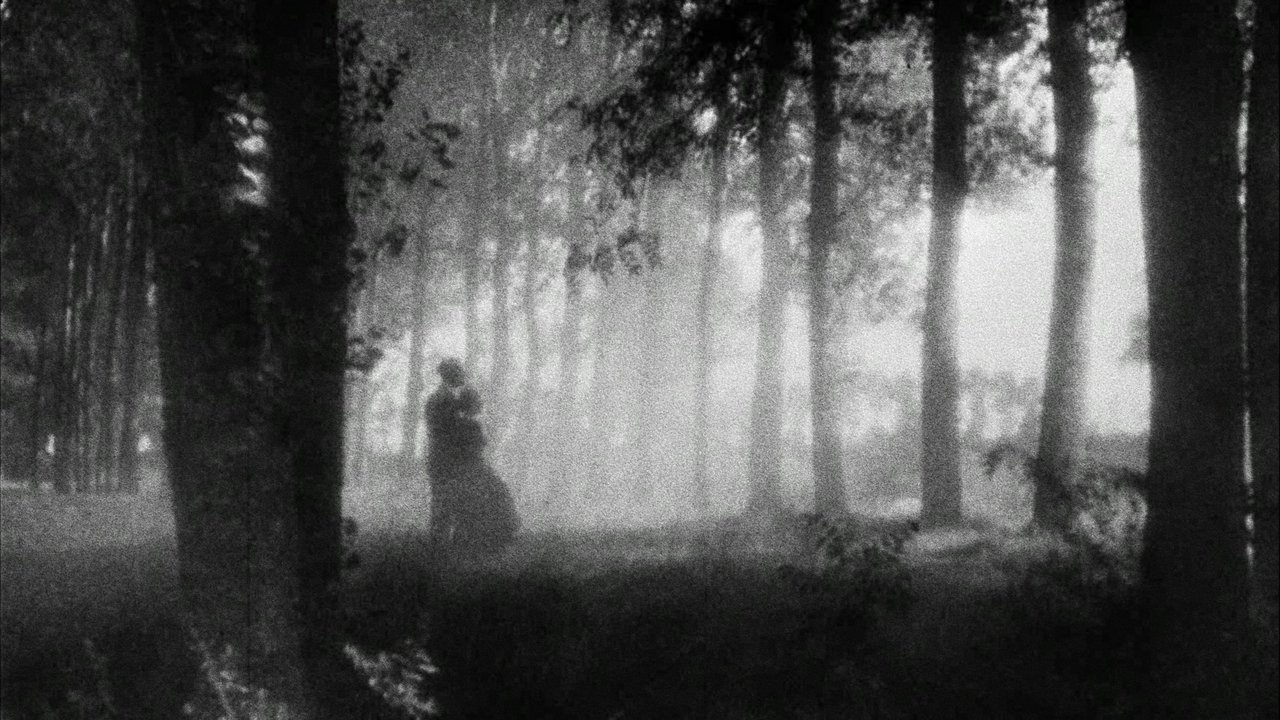
One of the best 75 films I’ve ever seen.The auteur Carl Theodor Dreyer creates a grim and dreamlike atmosphere through the incredible use of camera and sound.
Vampyr, although less austere than
The Passion of Joan of Arc, still carries that artistic style of telling a story without having to show too much. Another thing worth mentioning is that when it was released in 1932 it was an outright failure, but I’m sure that those who watched it in theaters were disturbed and astonished by the film. Using techniques that were not very common at the time, it obviously shifted the paradigm of how to make a horror and suspense film, from the way he juxtaposes light and shadow, and how these play such an important role in the film, to the transition from silent cinema to sound cinema.
For me,
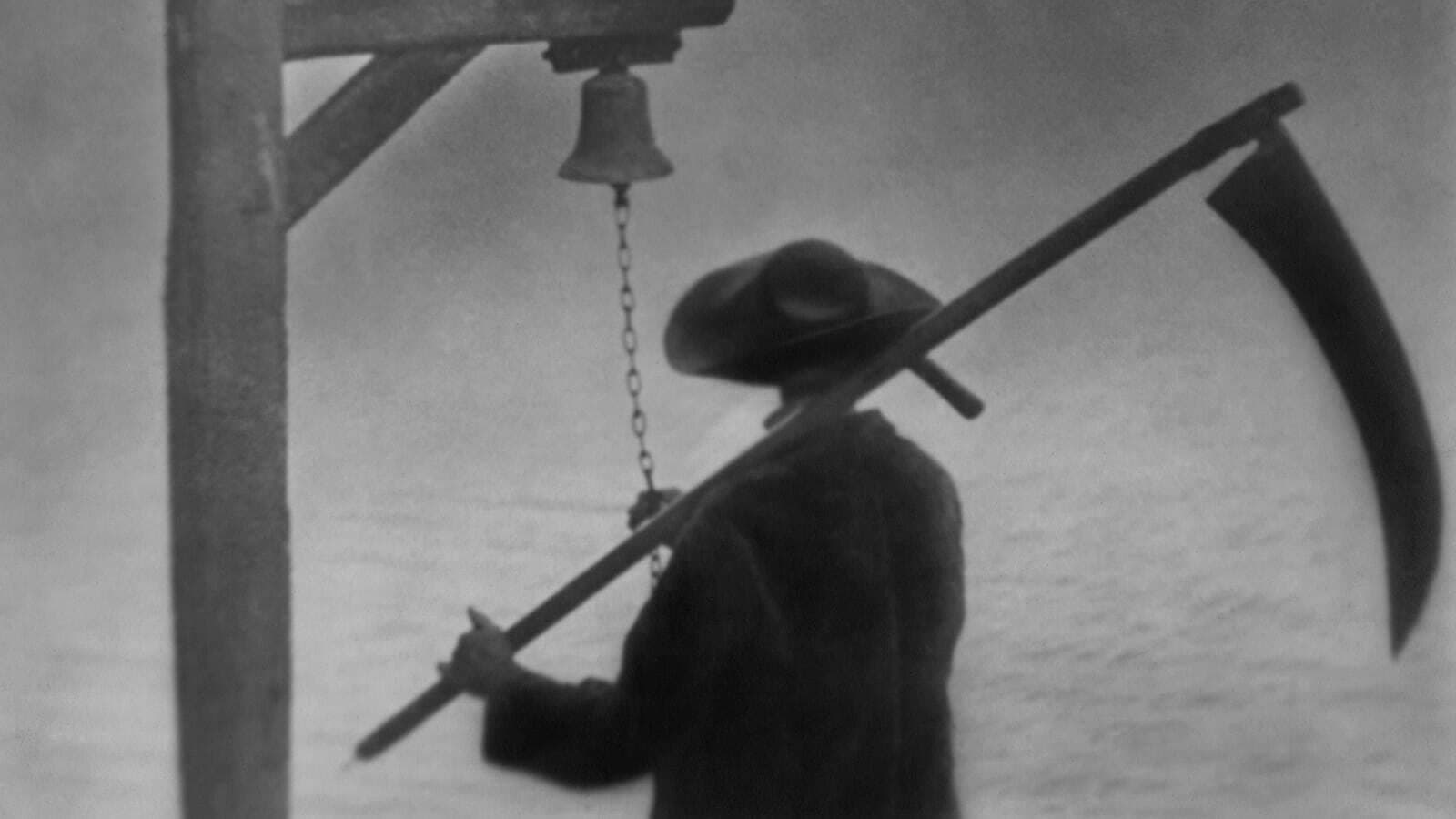
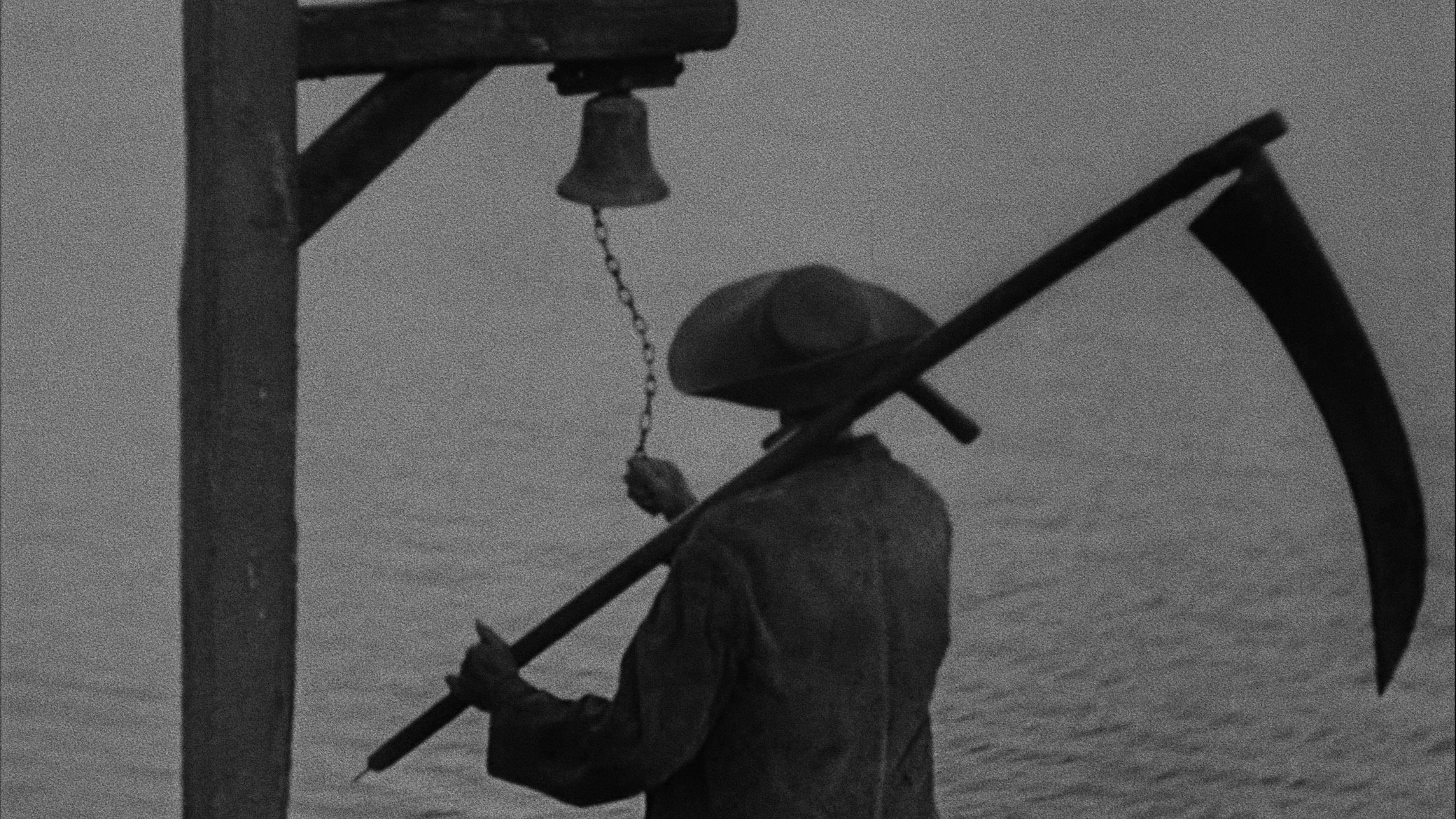
Vampyr is a perfect transition from silent to sound cinema, and here’s why. The film has the rhythm of silent cinema, the editing is very similar, and that stands out quite a lot, and the actors also follow that idea of expressing more through their faces than through their voices. But at the same time the film emanates a different aura from what silent cinema transmits. Vampyr does not aim for you to feel emotions through the actors (as in
The Passion of Joan of Arc), but rather seeks to terrify through atmosphere, through sound. The apocalyptic bells whose only function is to torment you and make you feel that all is lost, that evil has taken over everything. And not everything is pure darkness, in the film there is also a sense that not everything is lost, that there is still hope, and that evil will eventually be defeated.
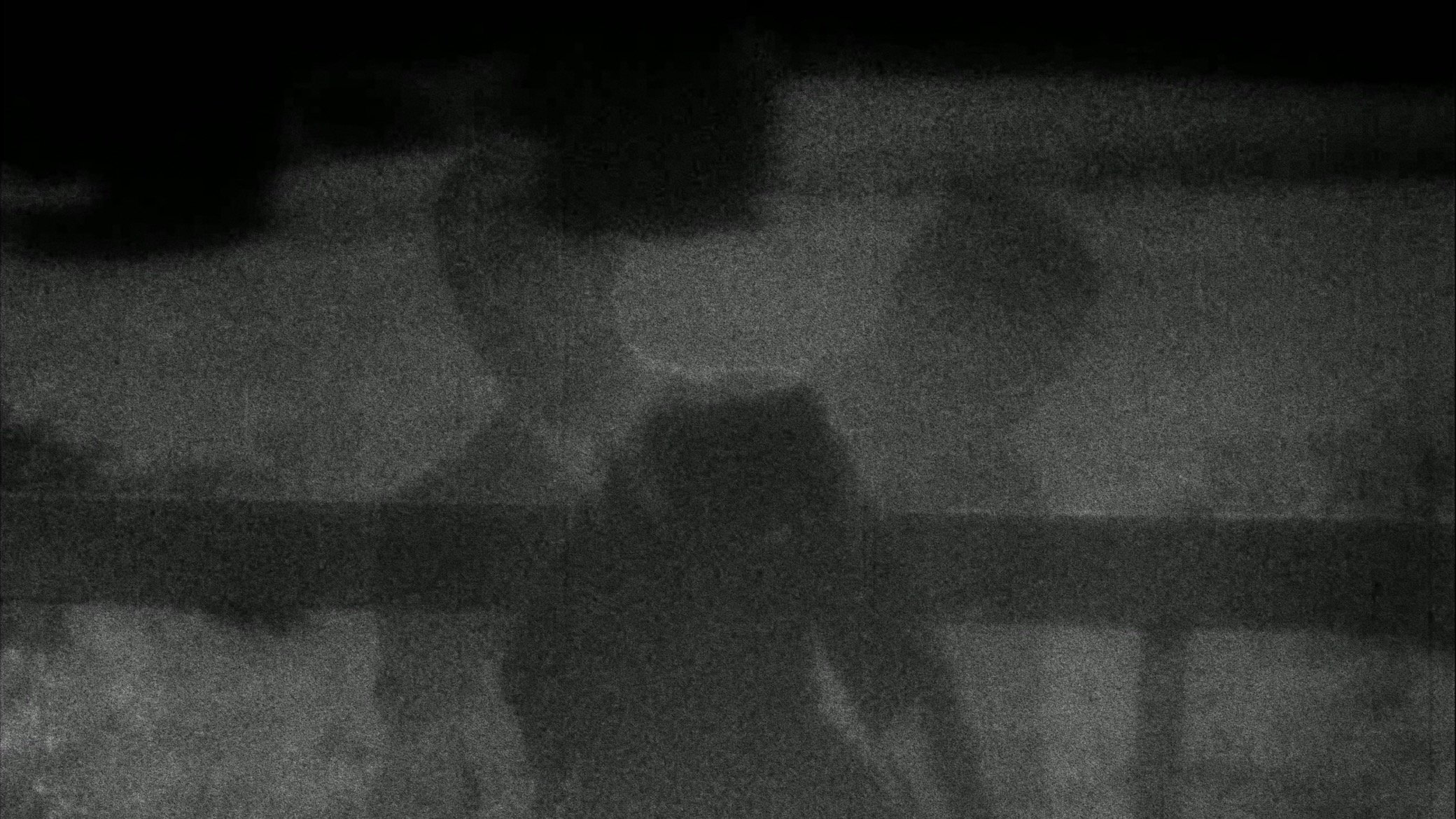
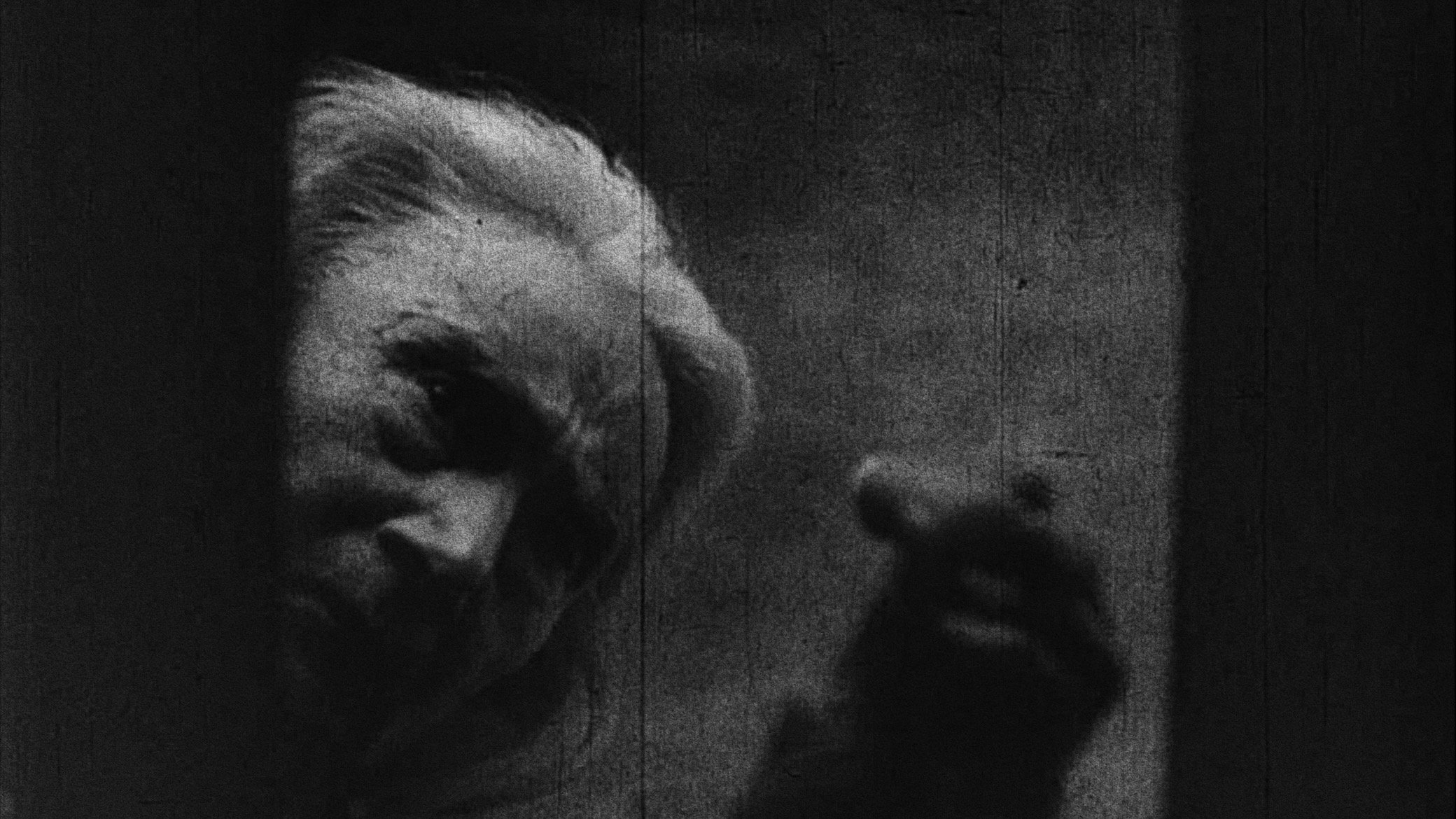
And returning to the use of the image: the editing here is masterful and innovative, especially in those scenes near the end, where the image is imprinted within the image, where the celluloid itself can be manipulated and sculpted in such a way, it astonishes me, even more so knowing that this is a film from 1932.
In short,
Vampyr is one of the greatest exponents of gothic cinema and psychological horror, an essential piece in the history of cinema both in its technical achievements and in the historical context in which it stands (which is similar to
Nosferatu, although 10 years later). If
Nosferatu is one of the forerunners of German Expressionism,
Vampyr is its culmination, and the beginning of something more modern. A new type of cinema.
100/100