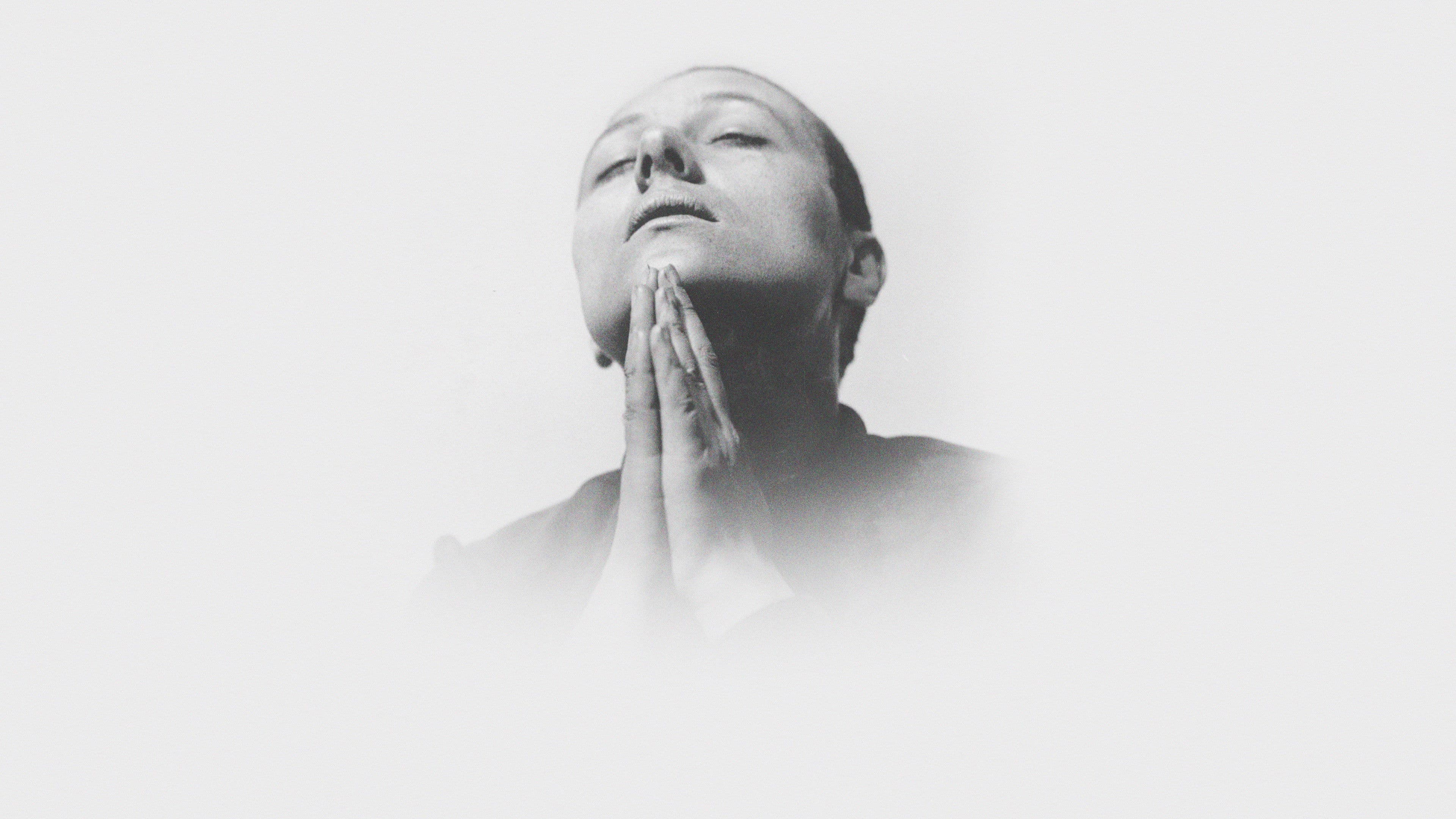
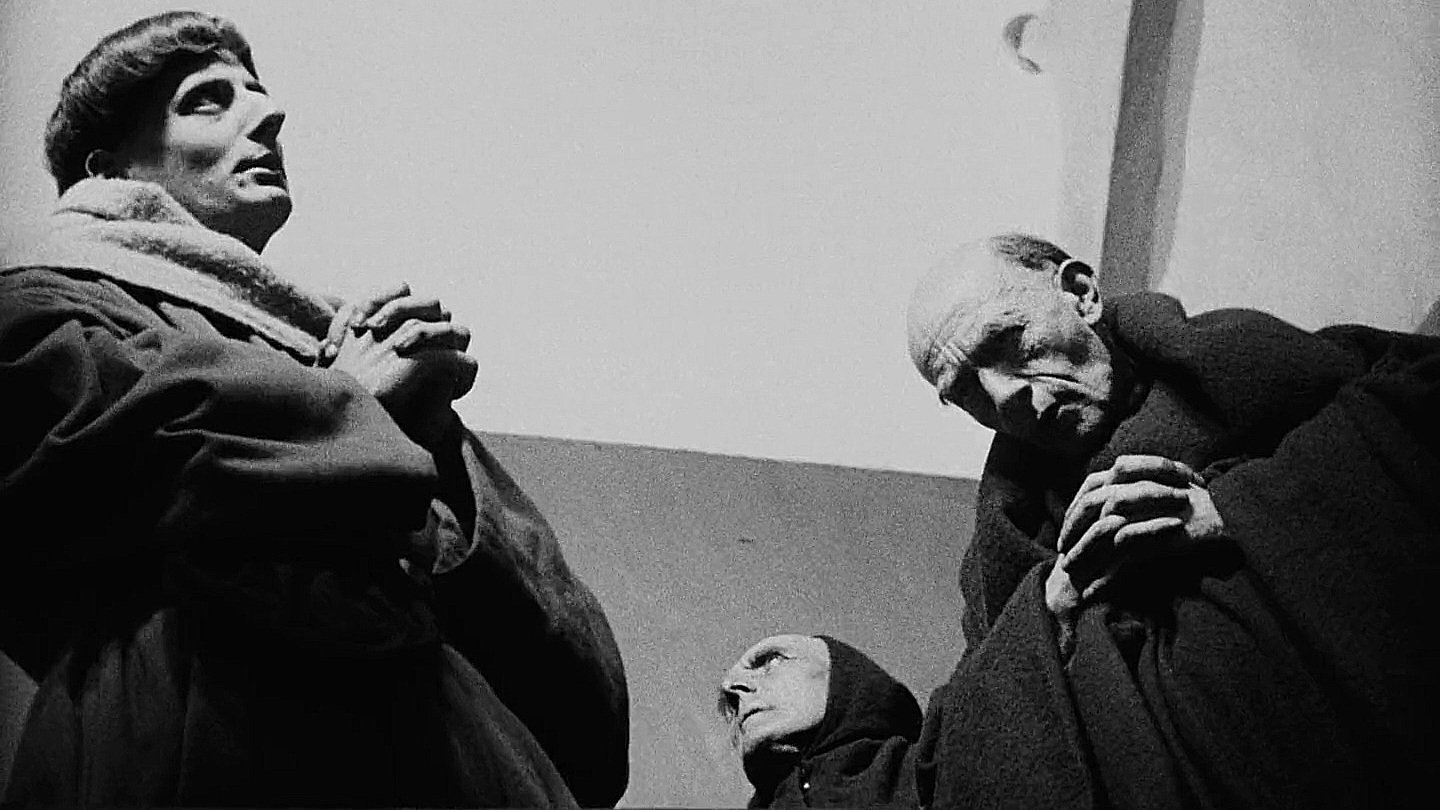
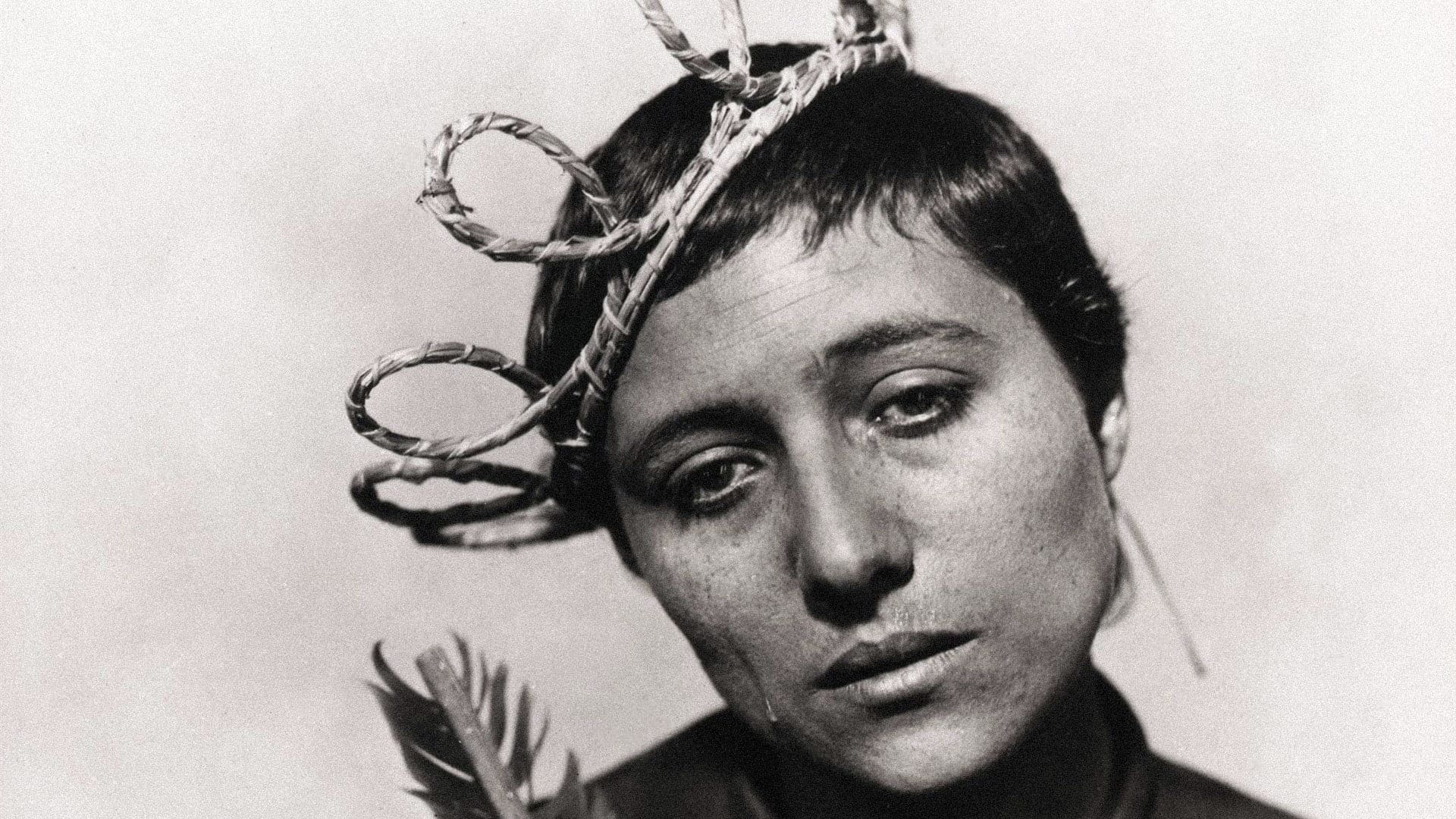
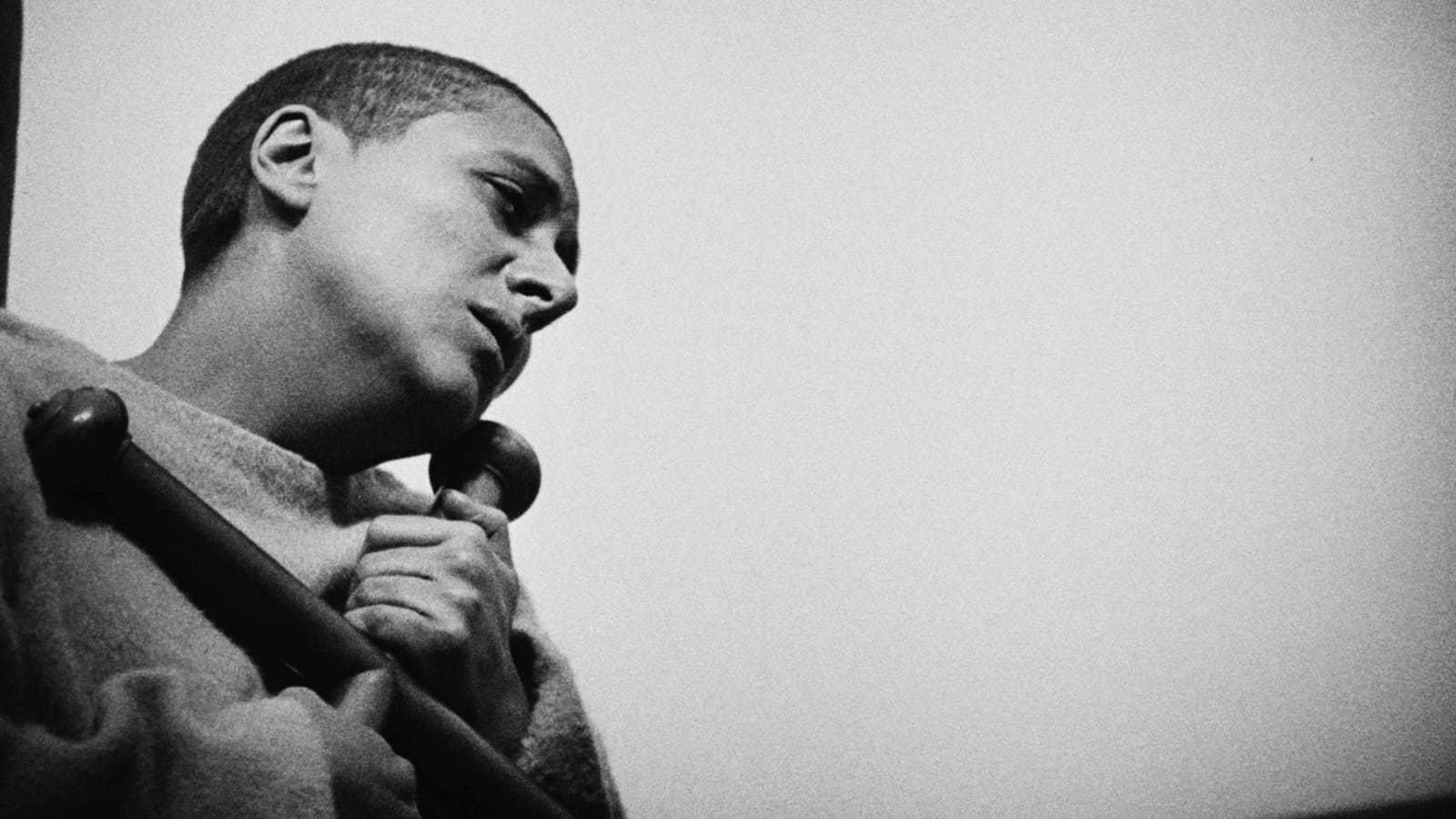
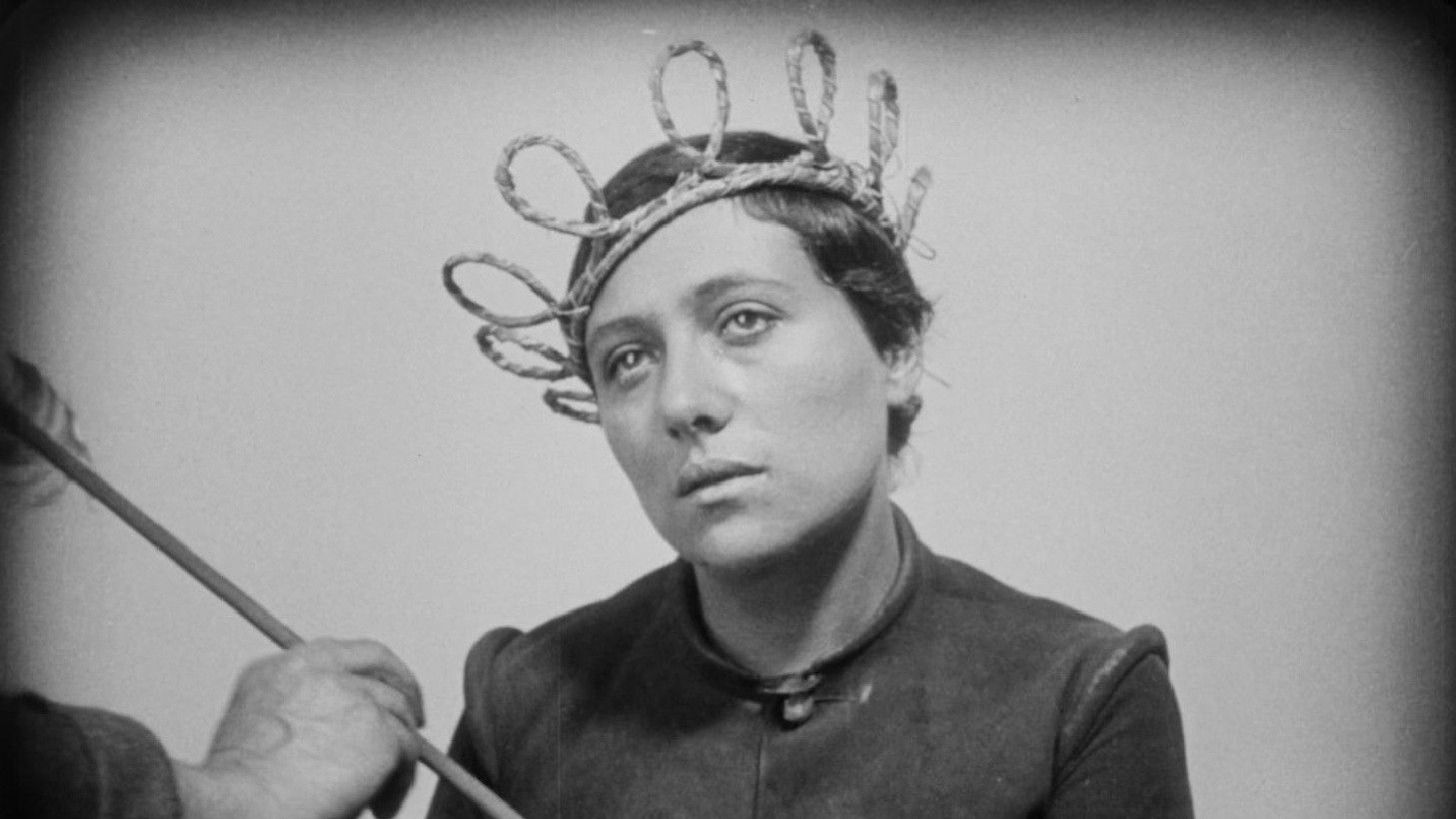
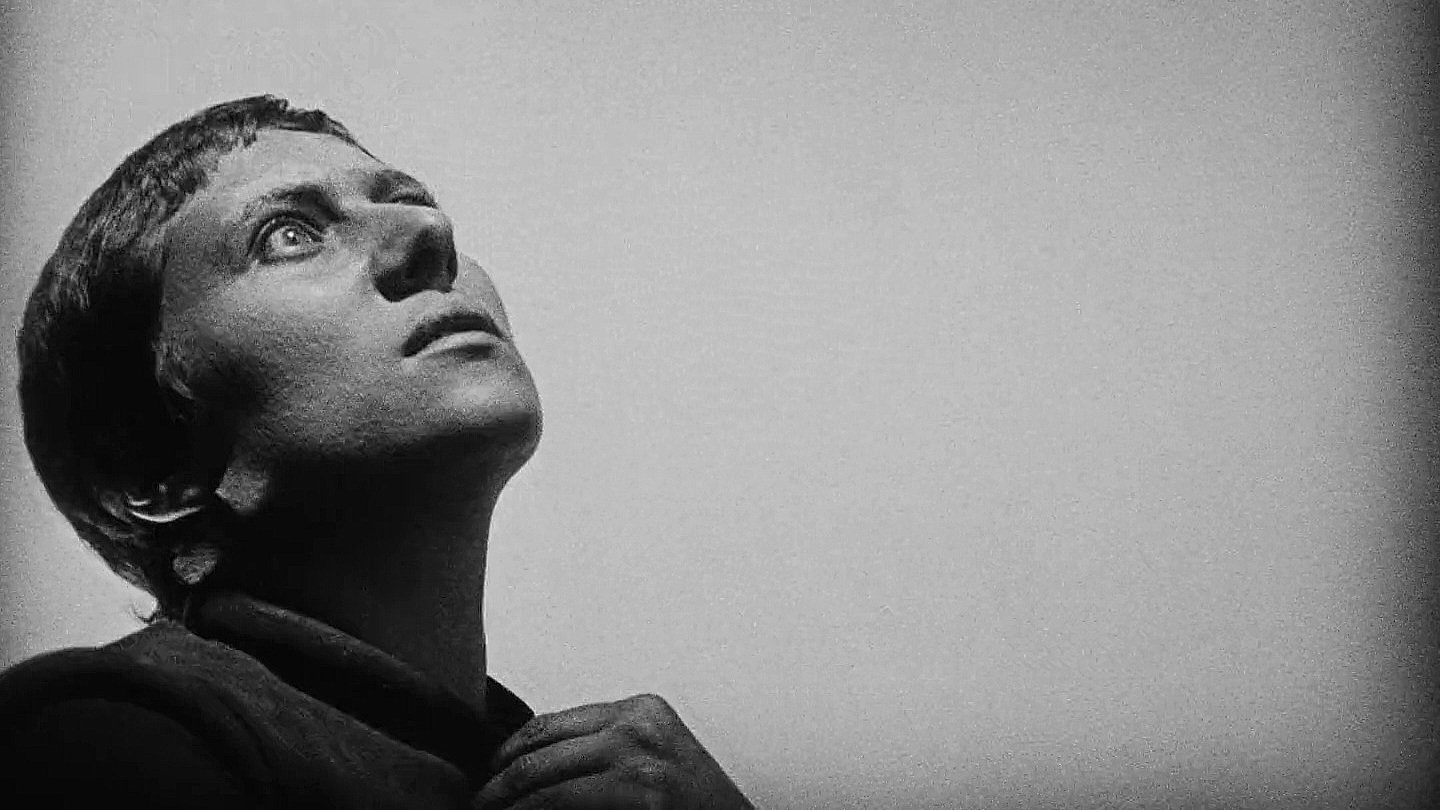
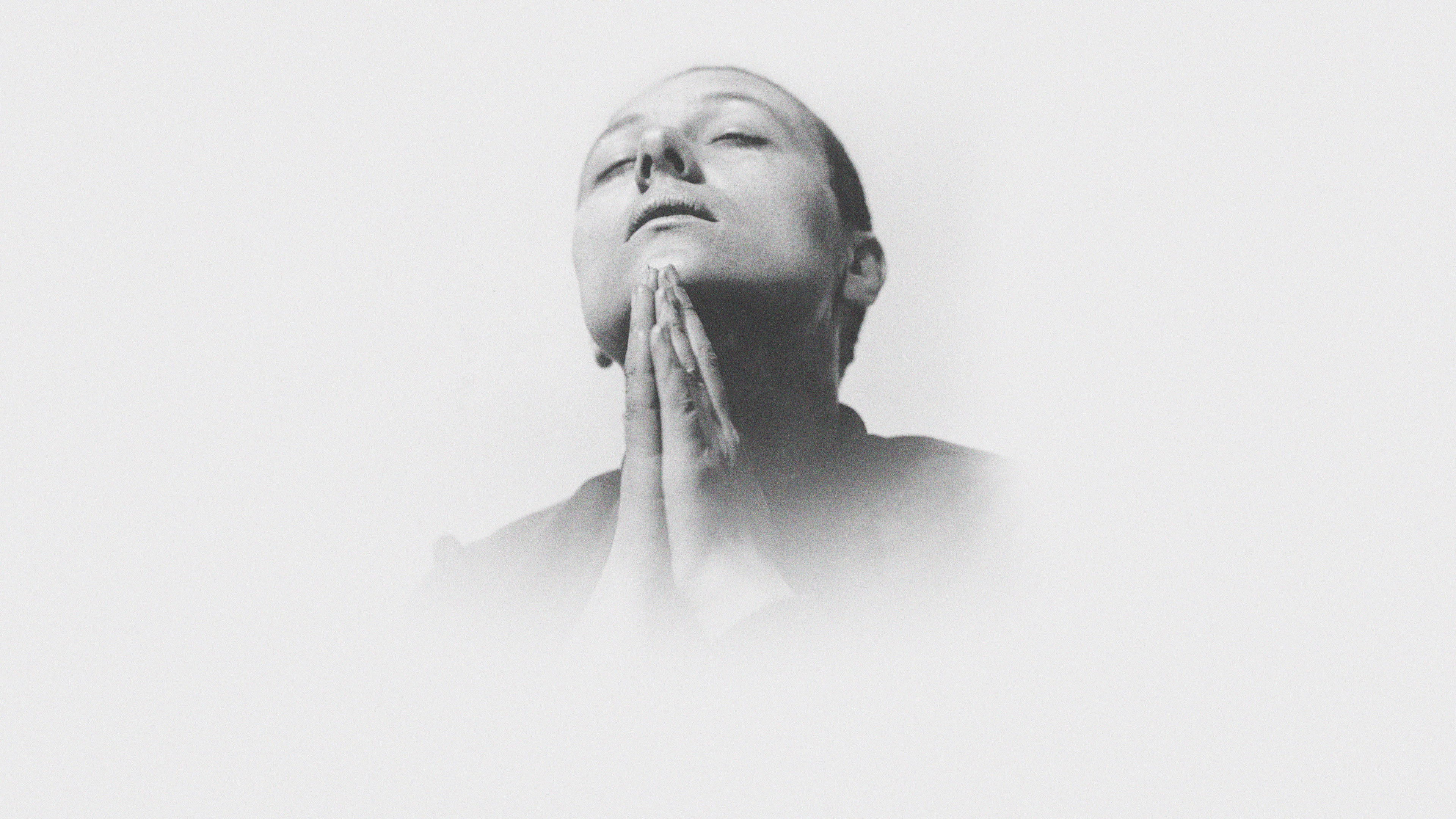
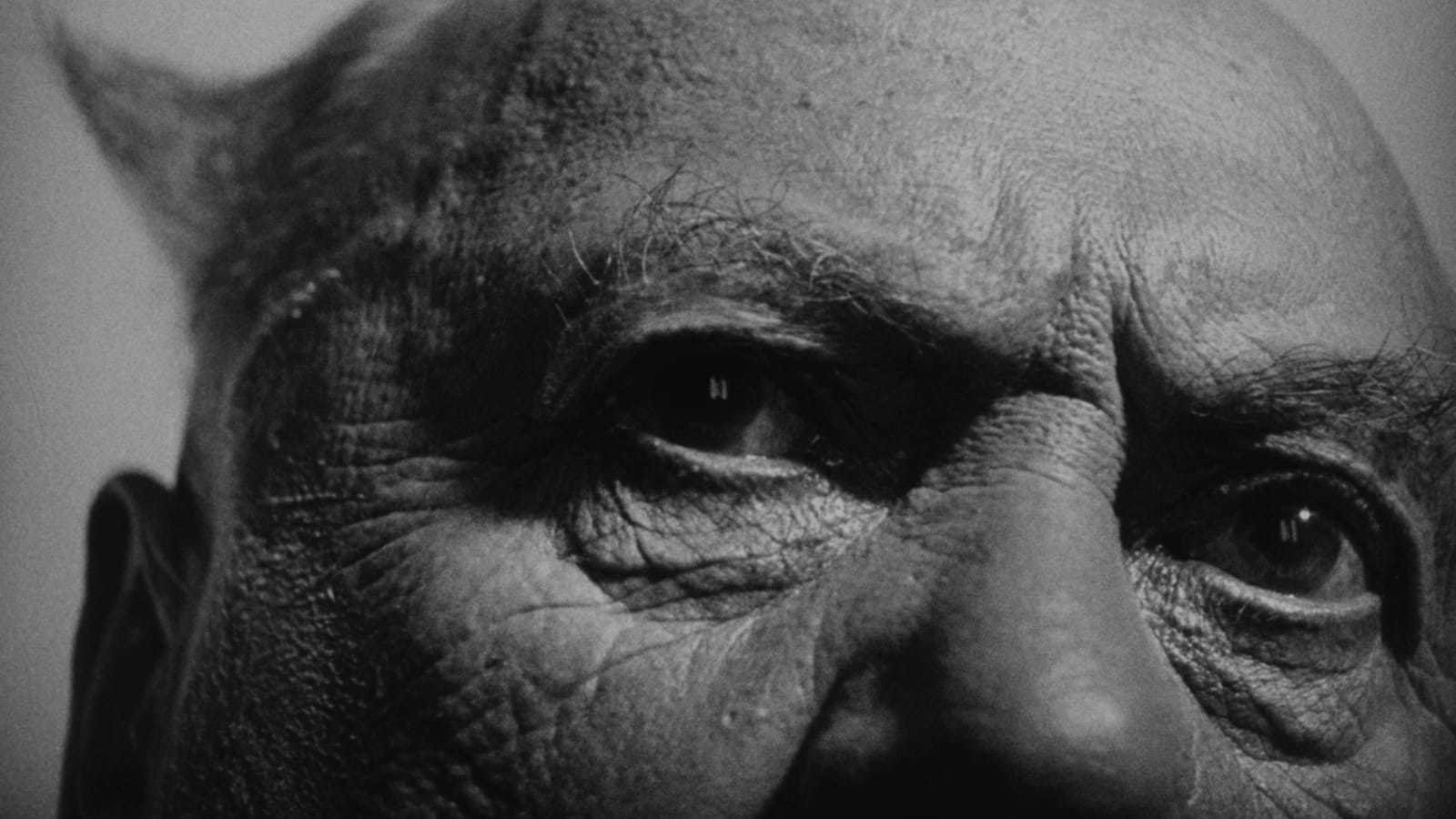
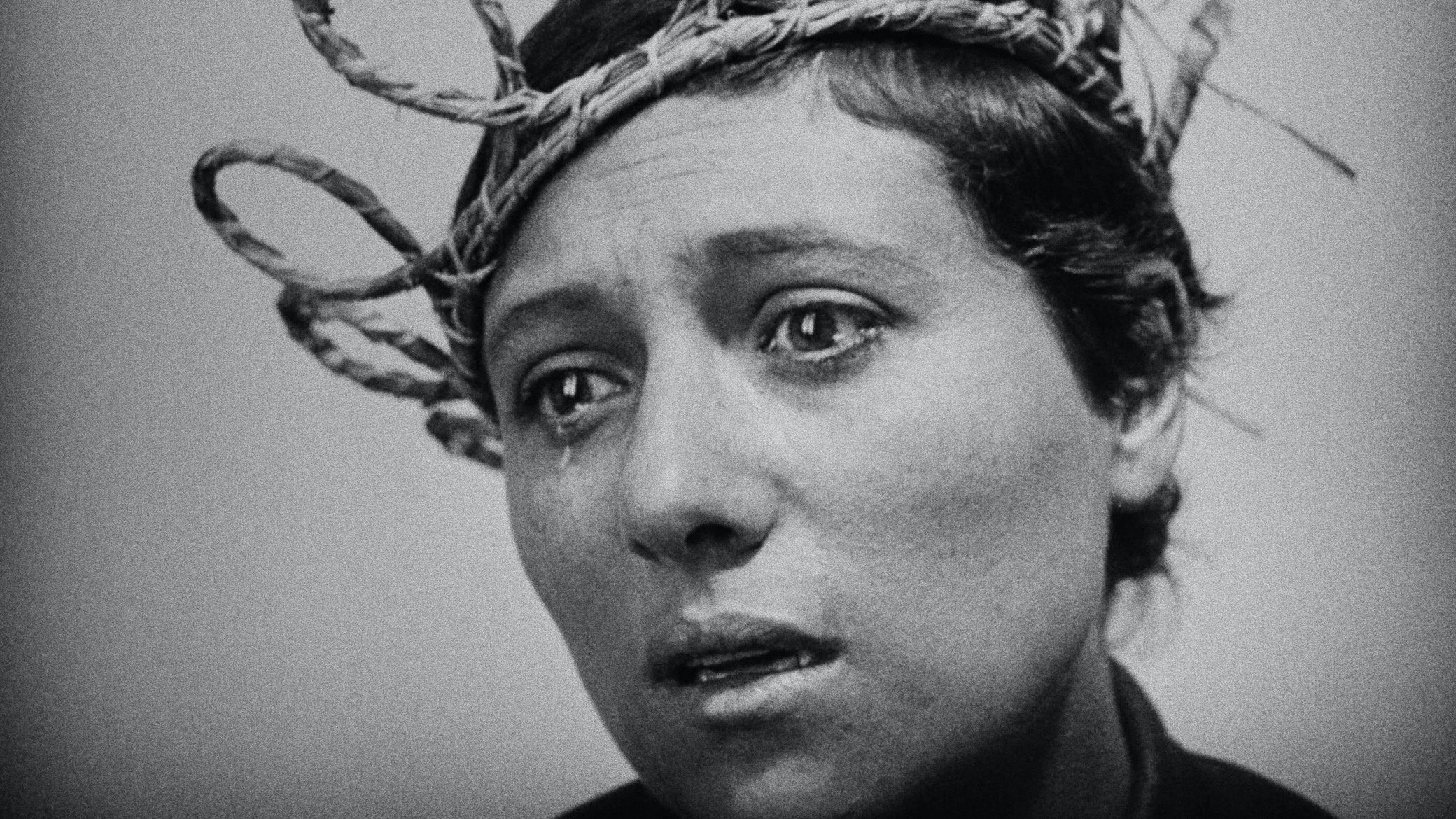
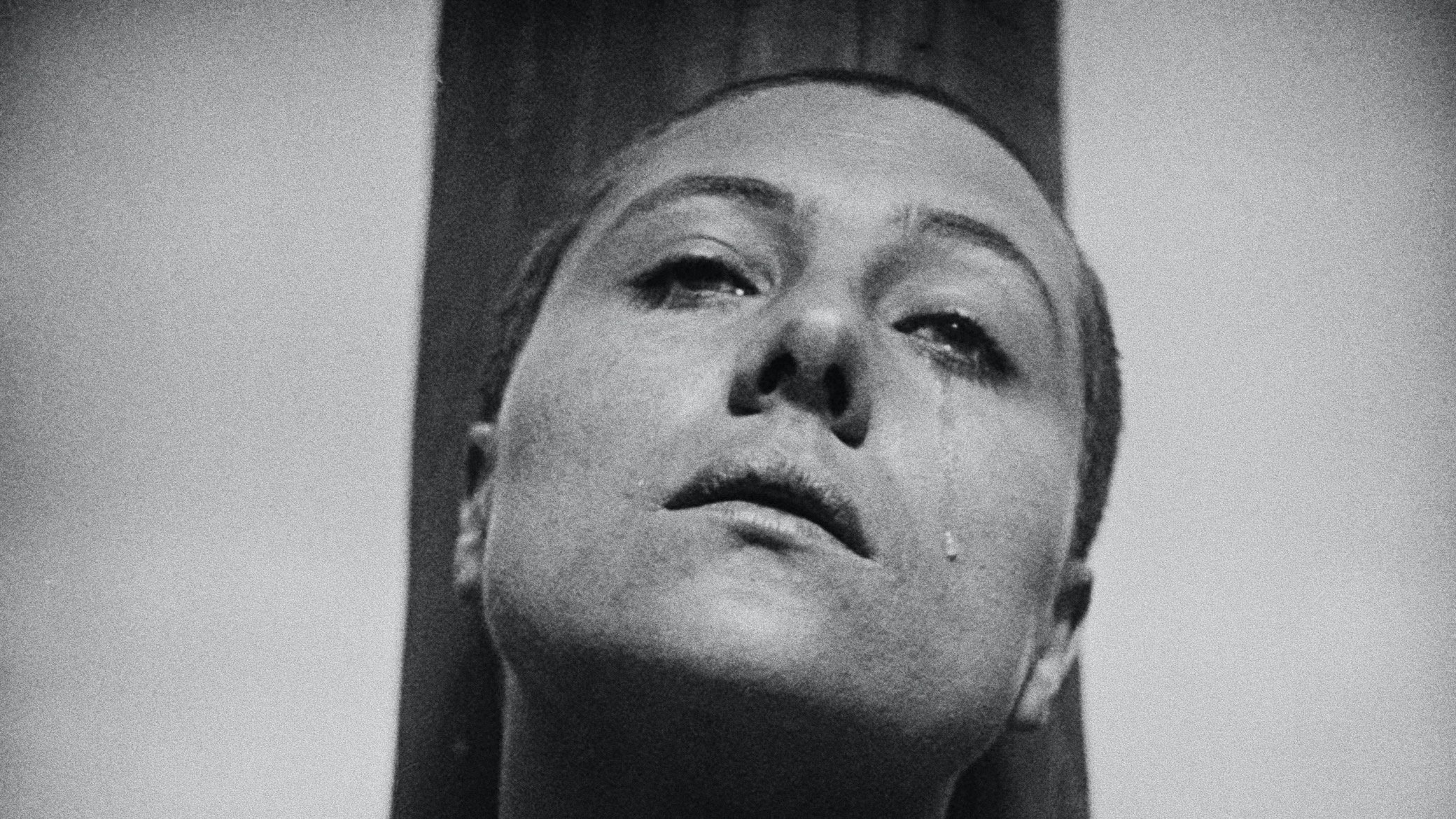
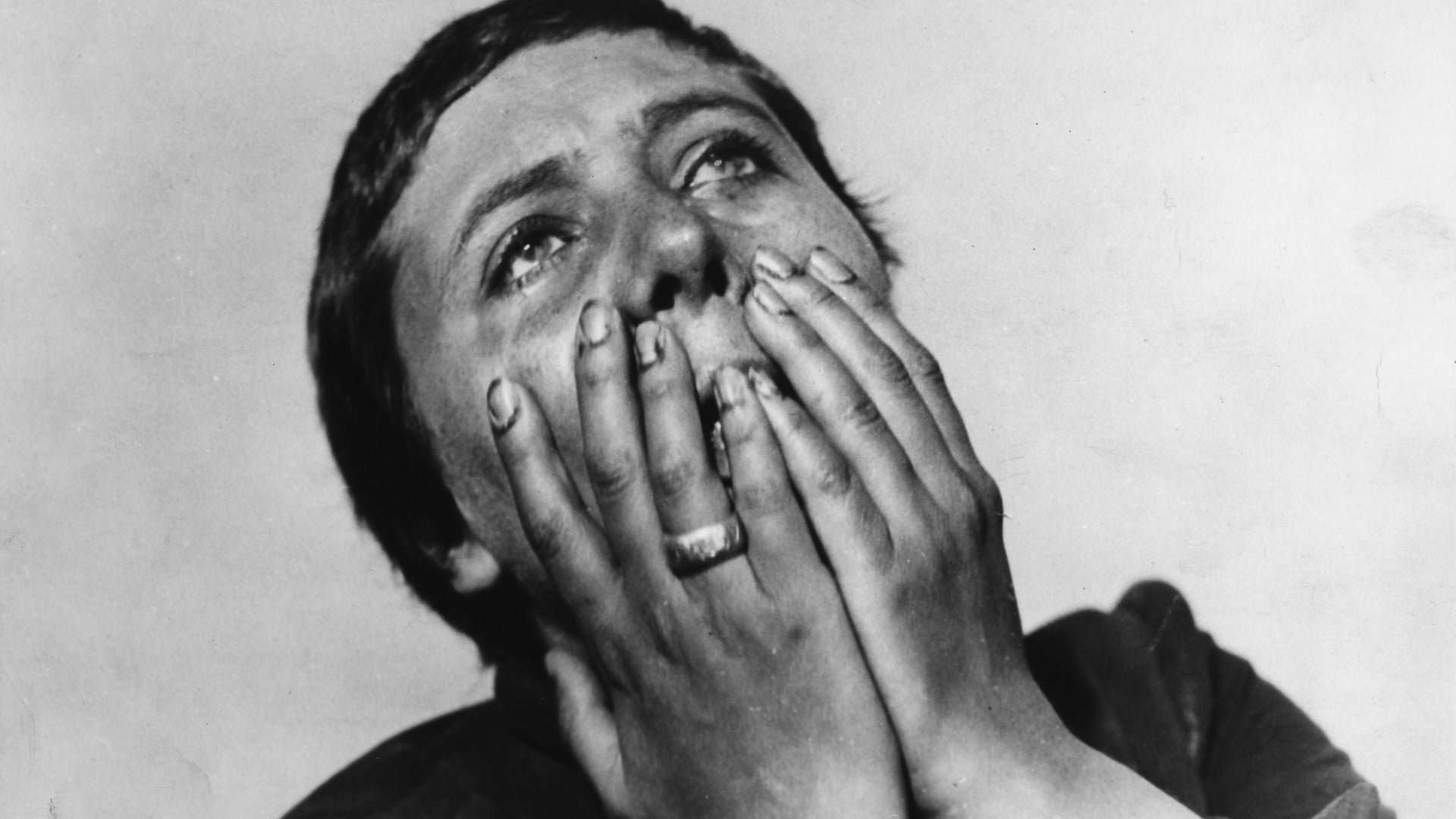
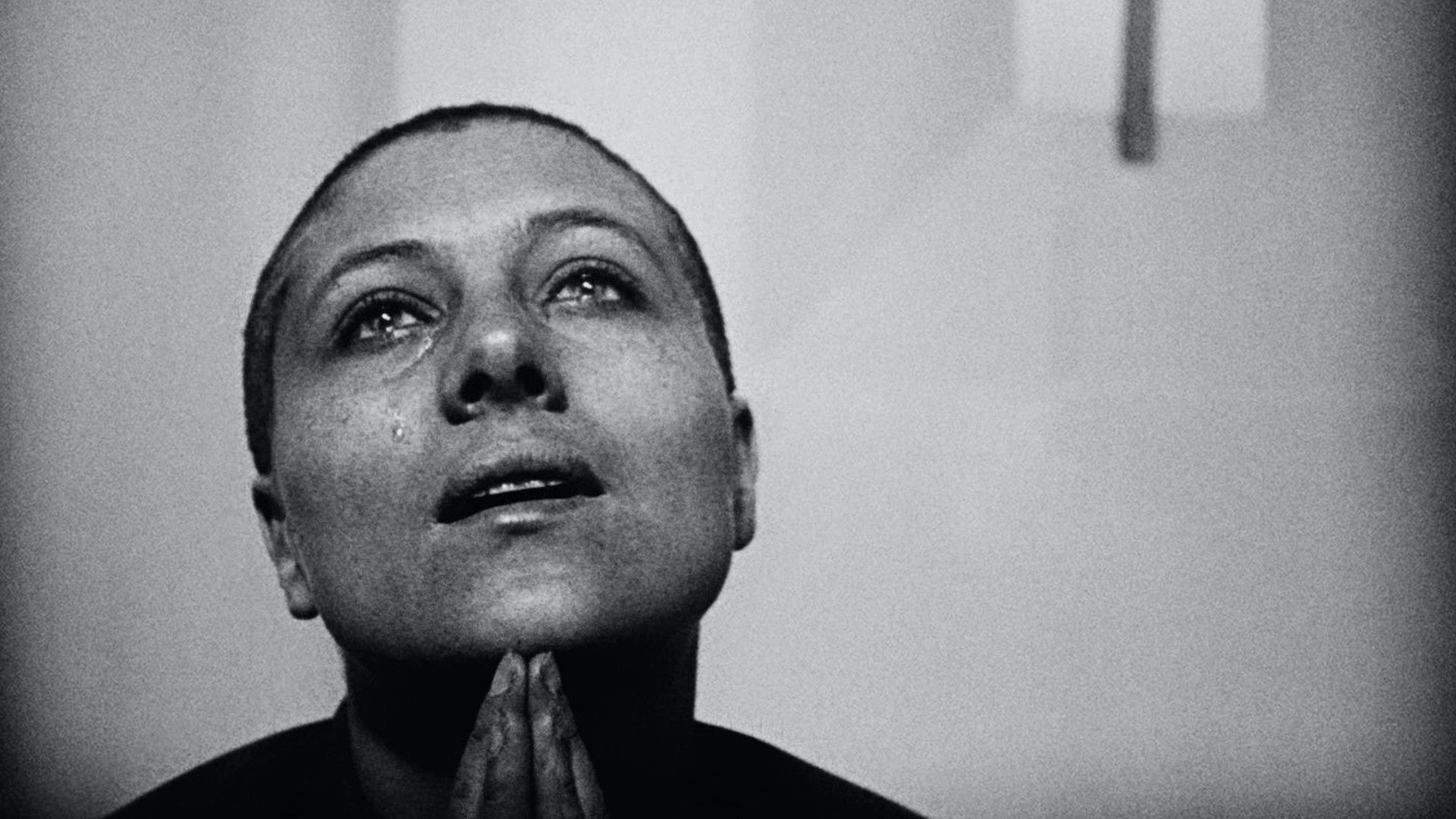
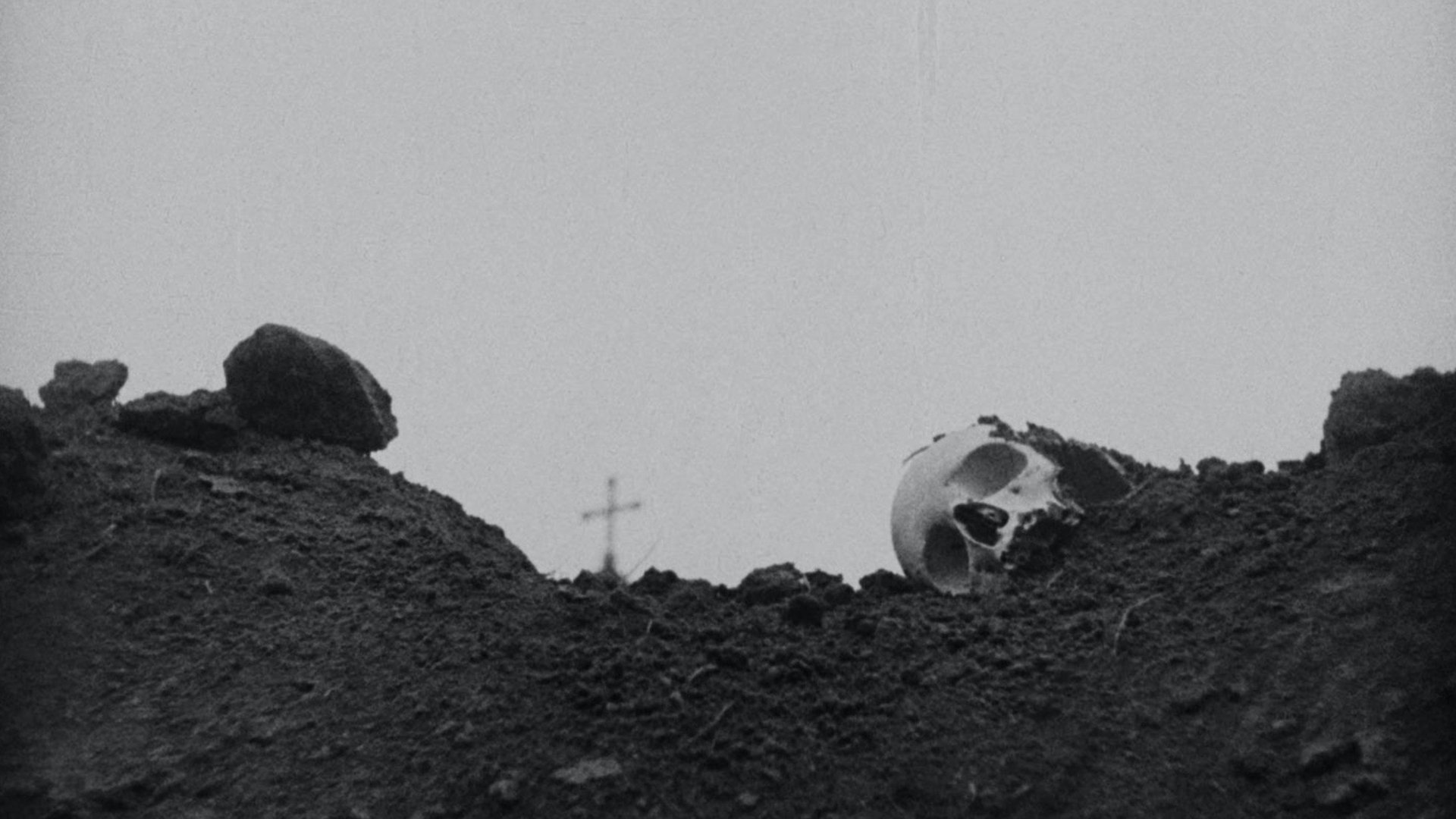
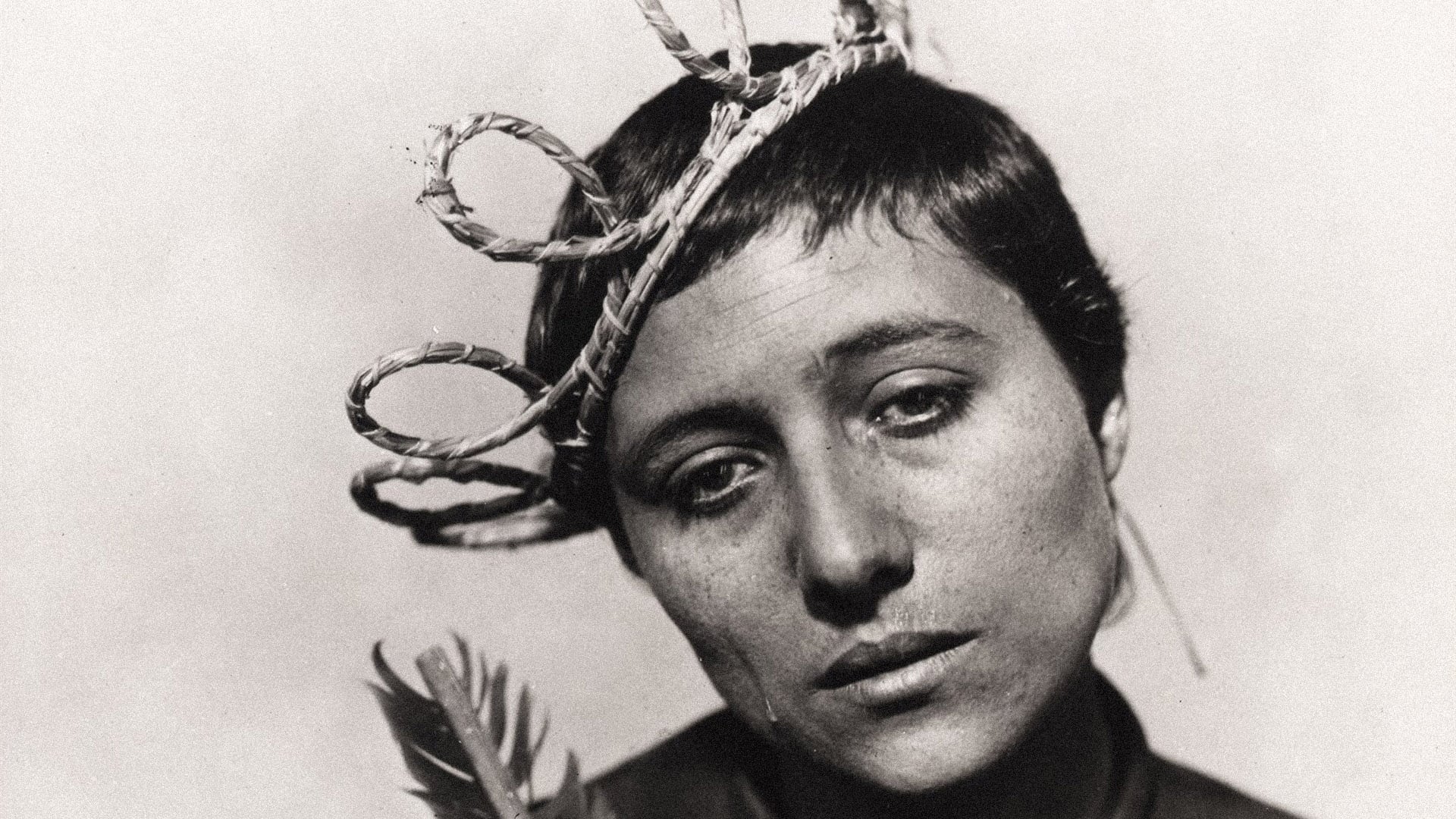
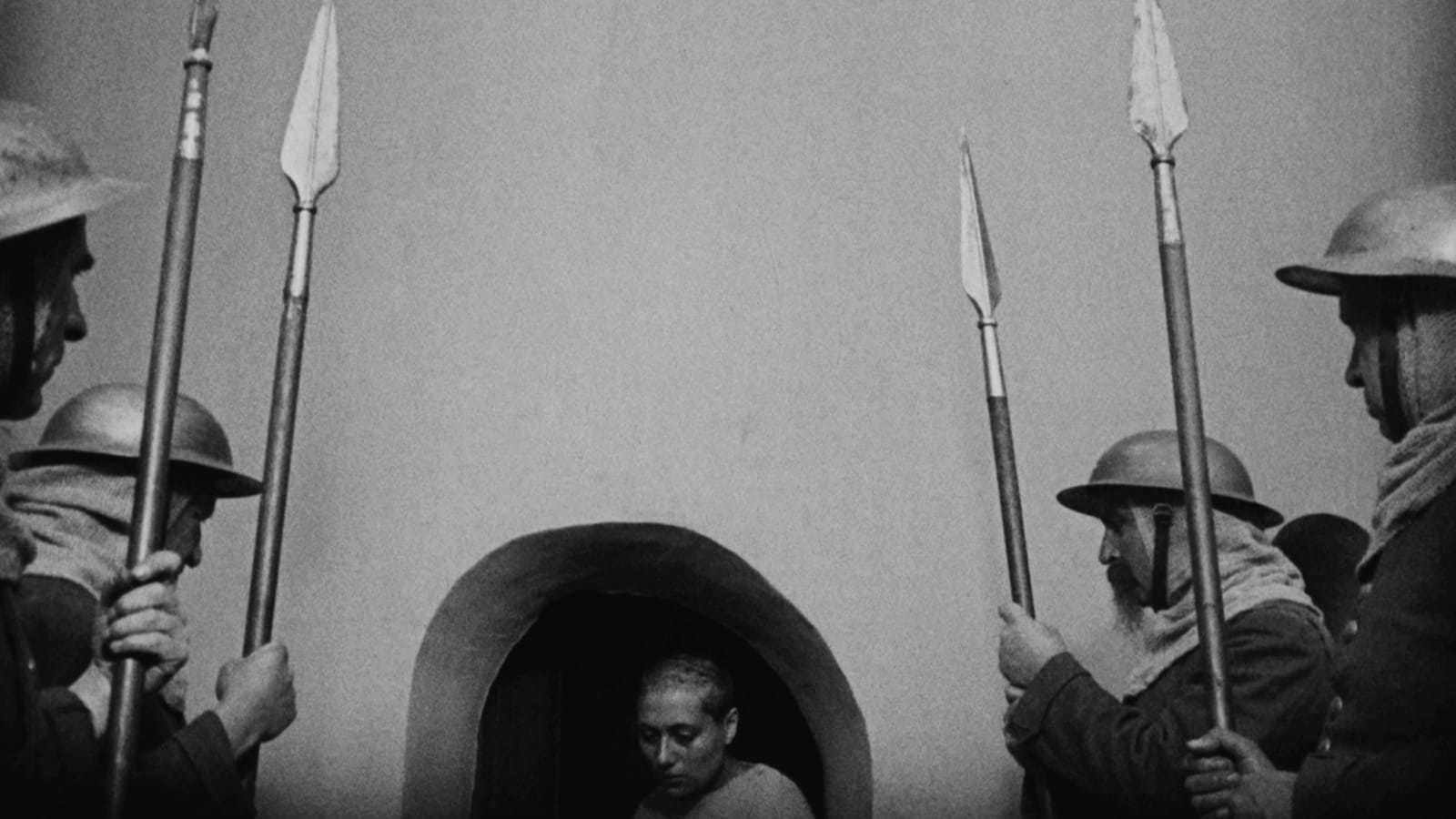
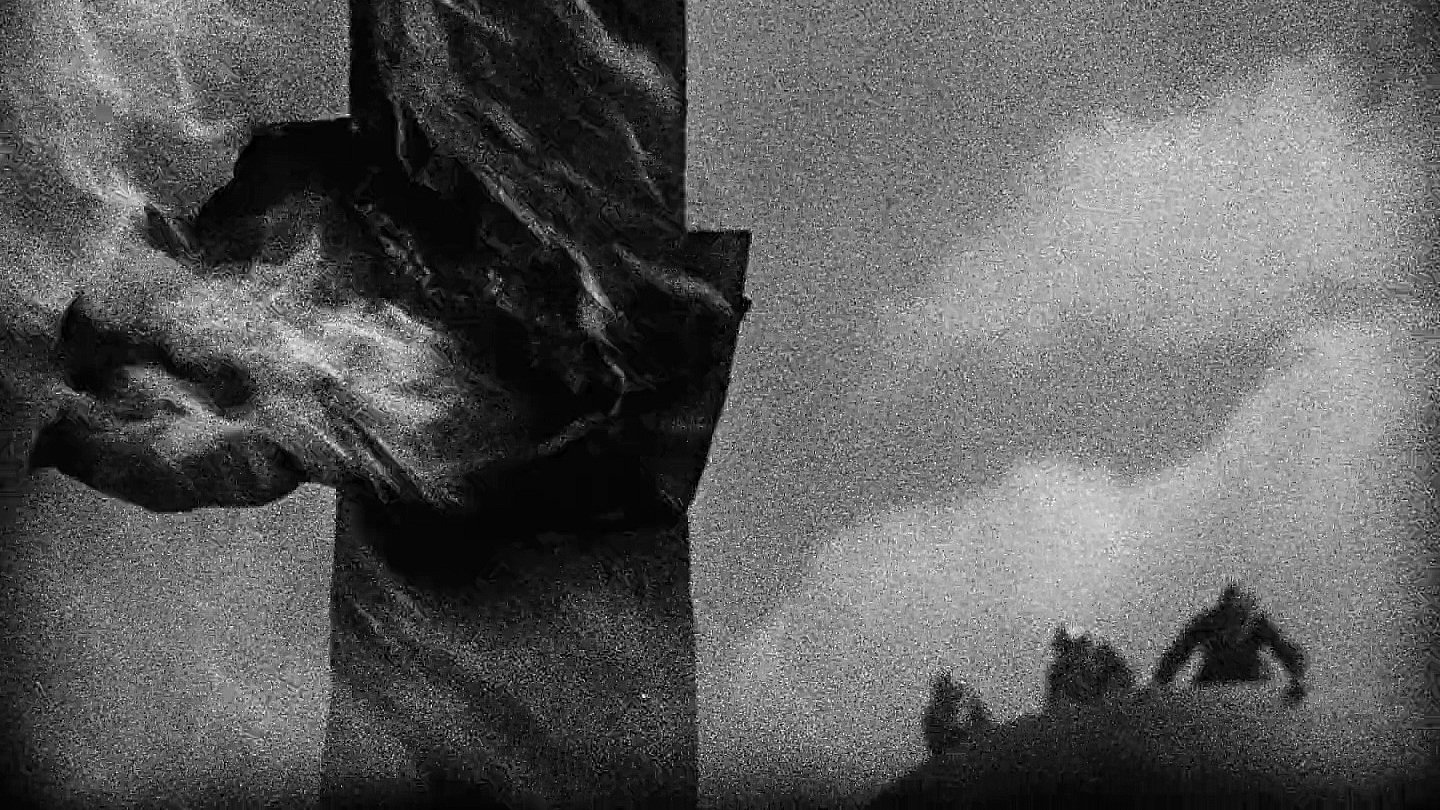
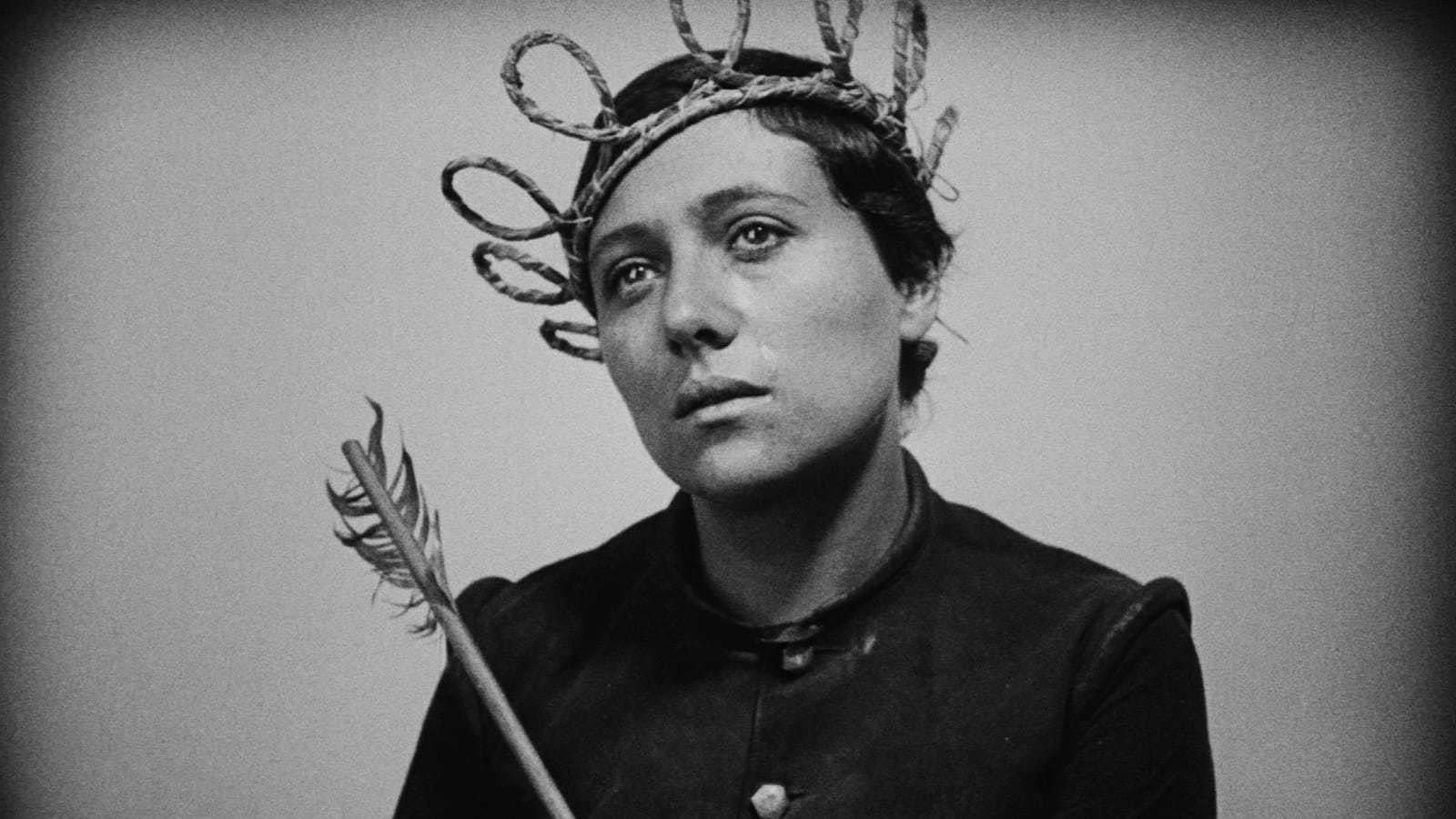
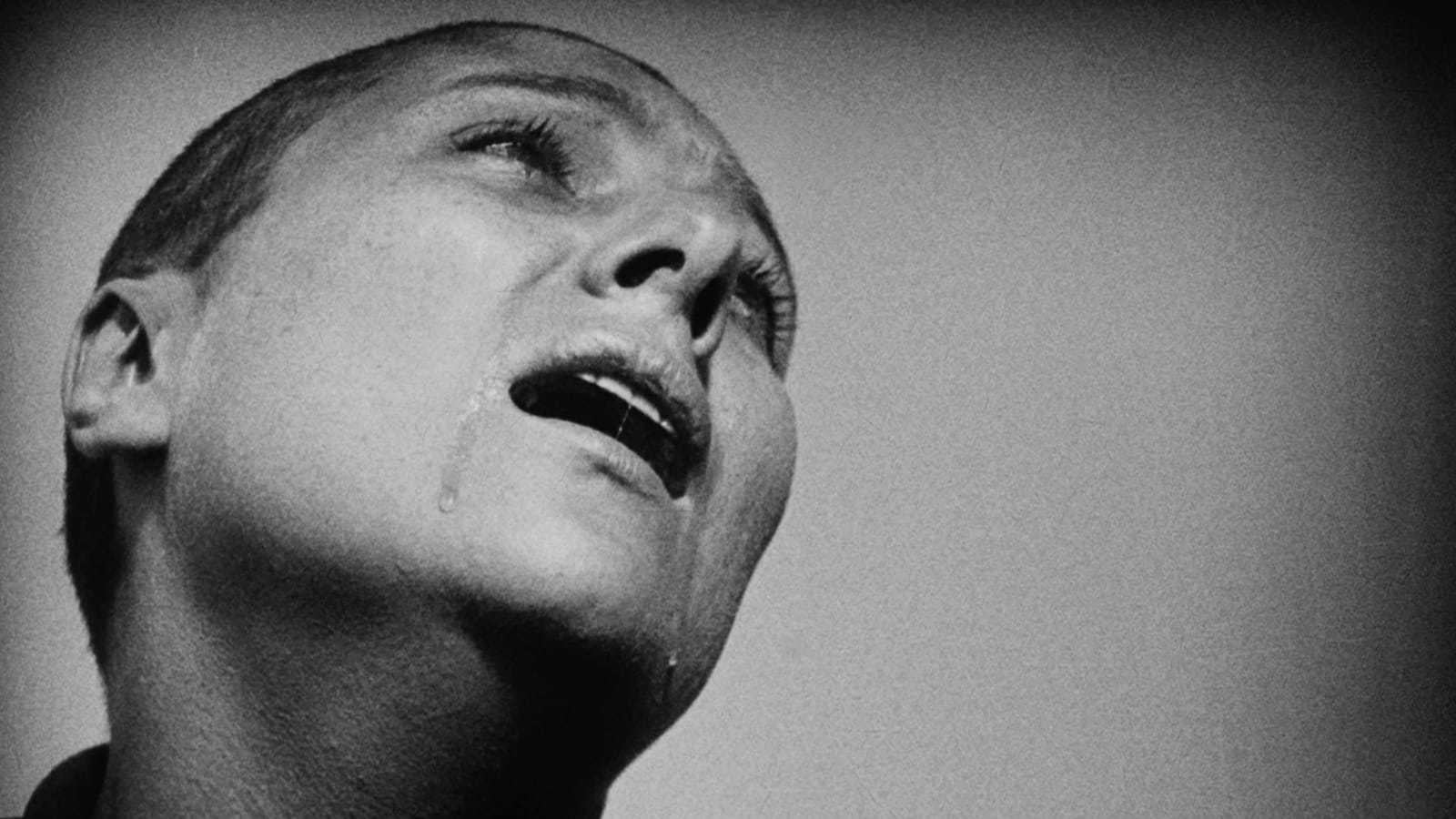
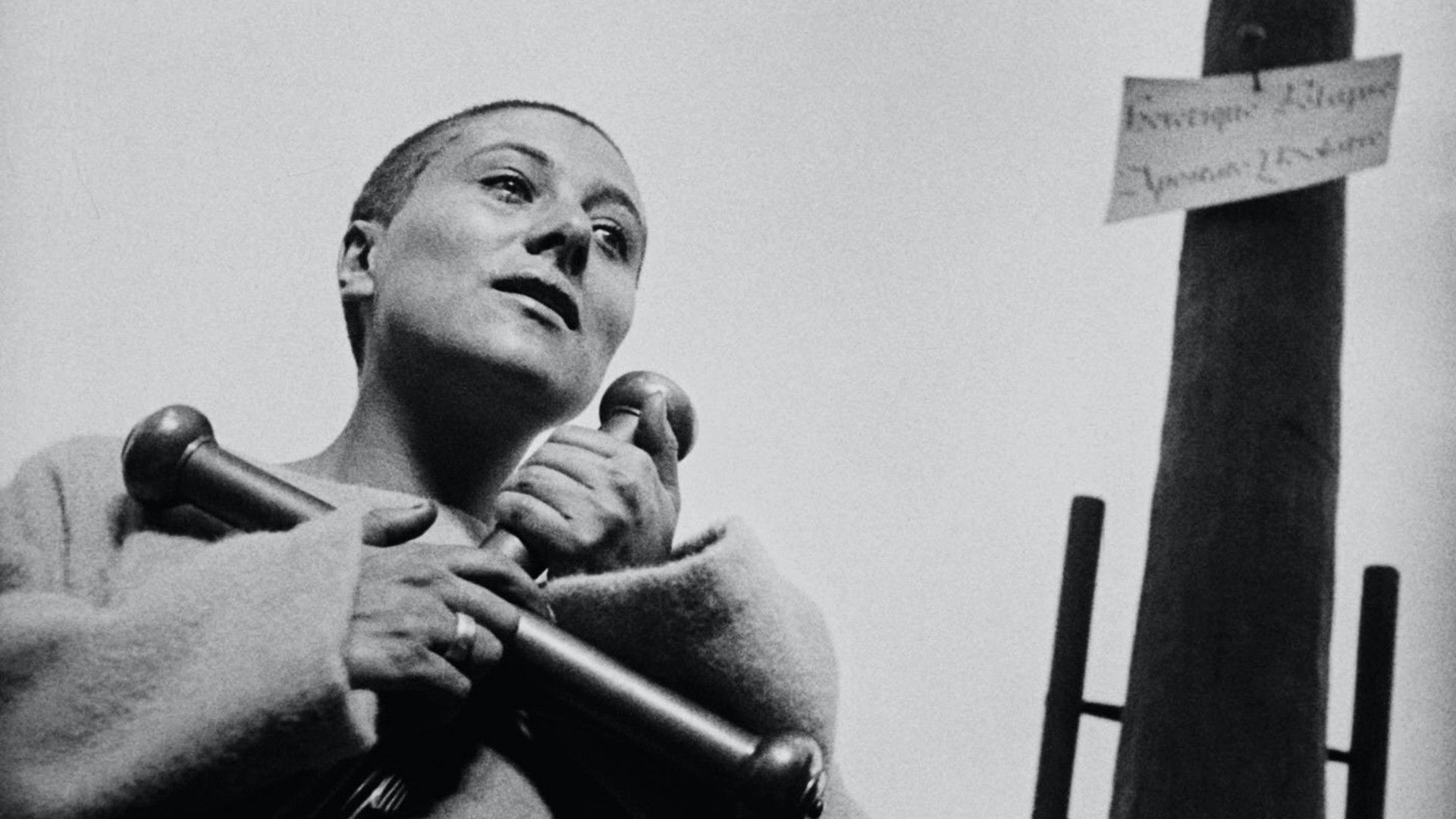
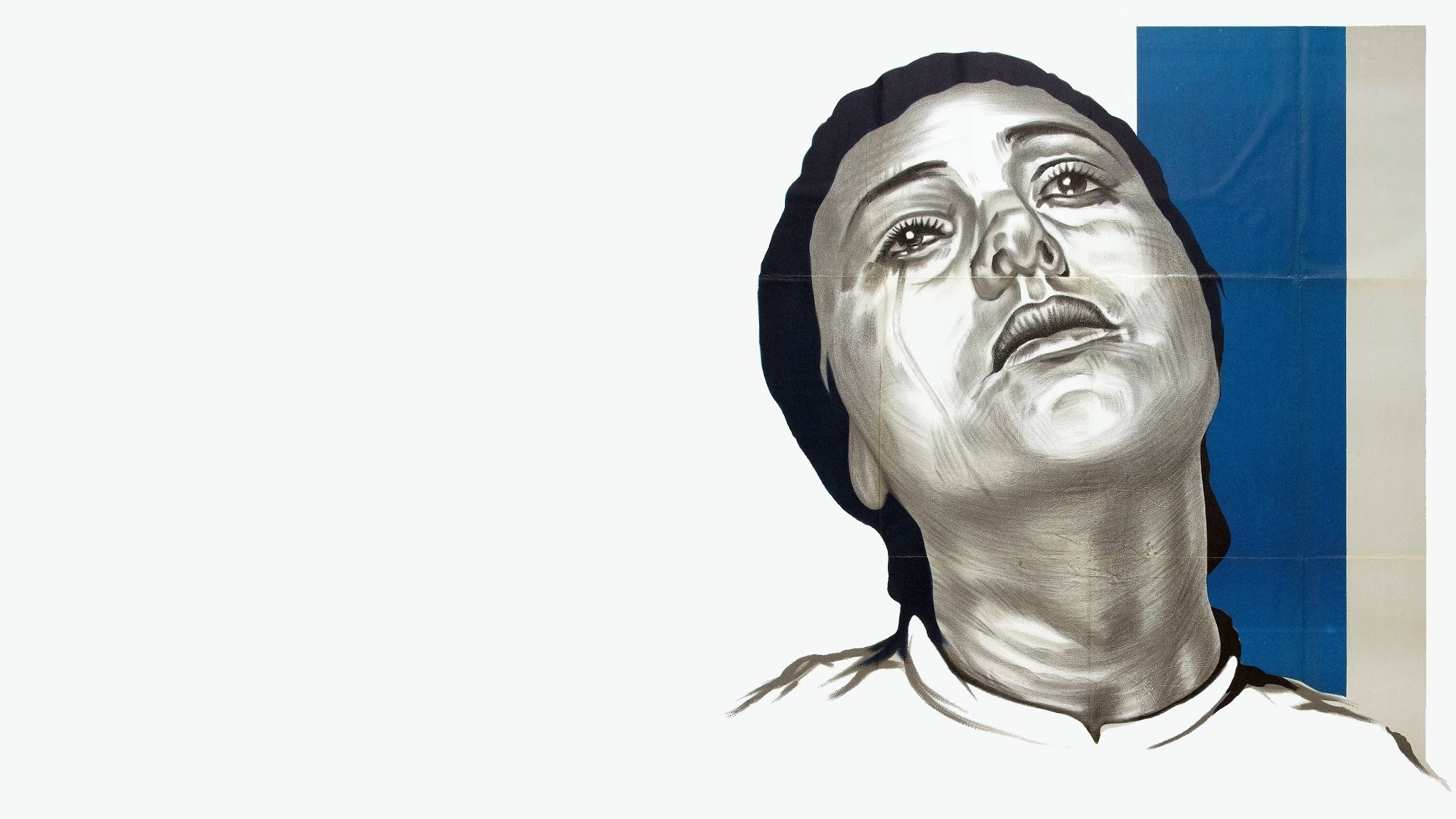
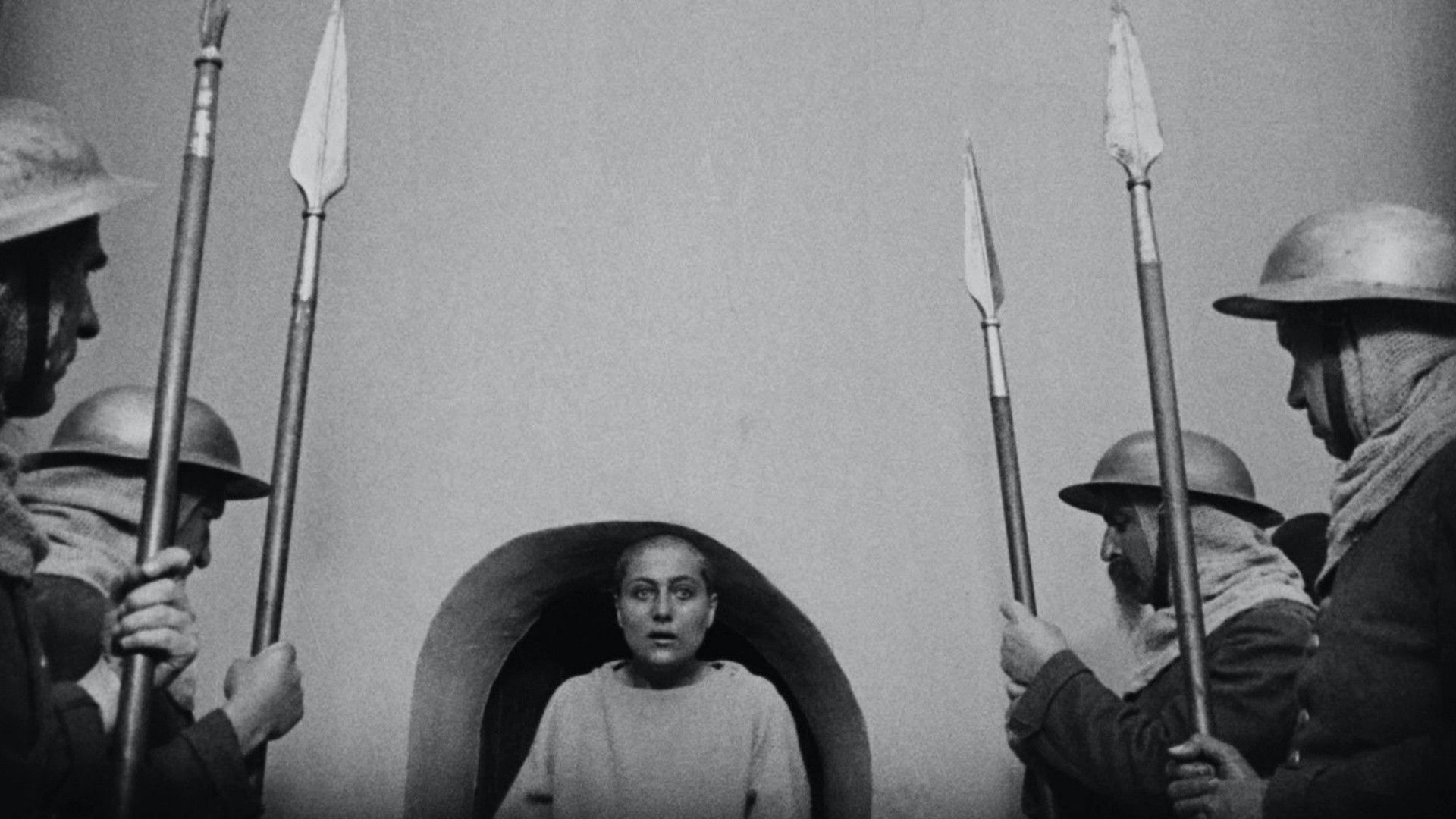
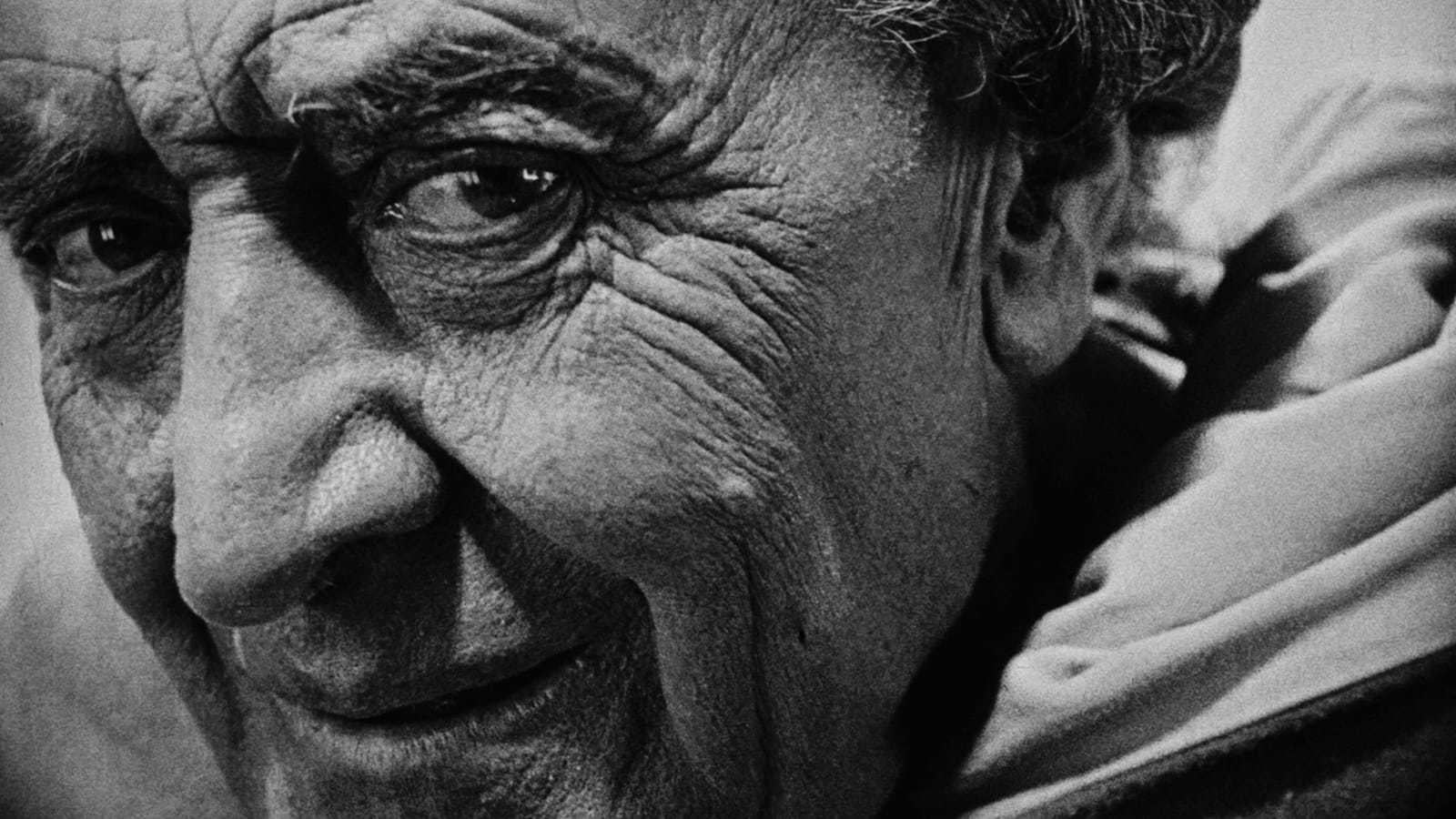
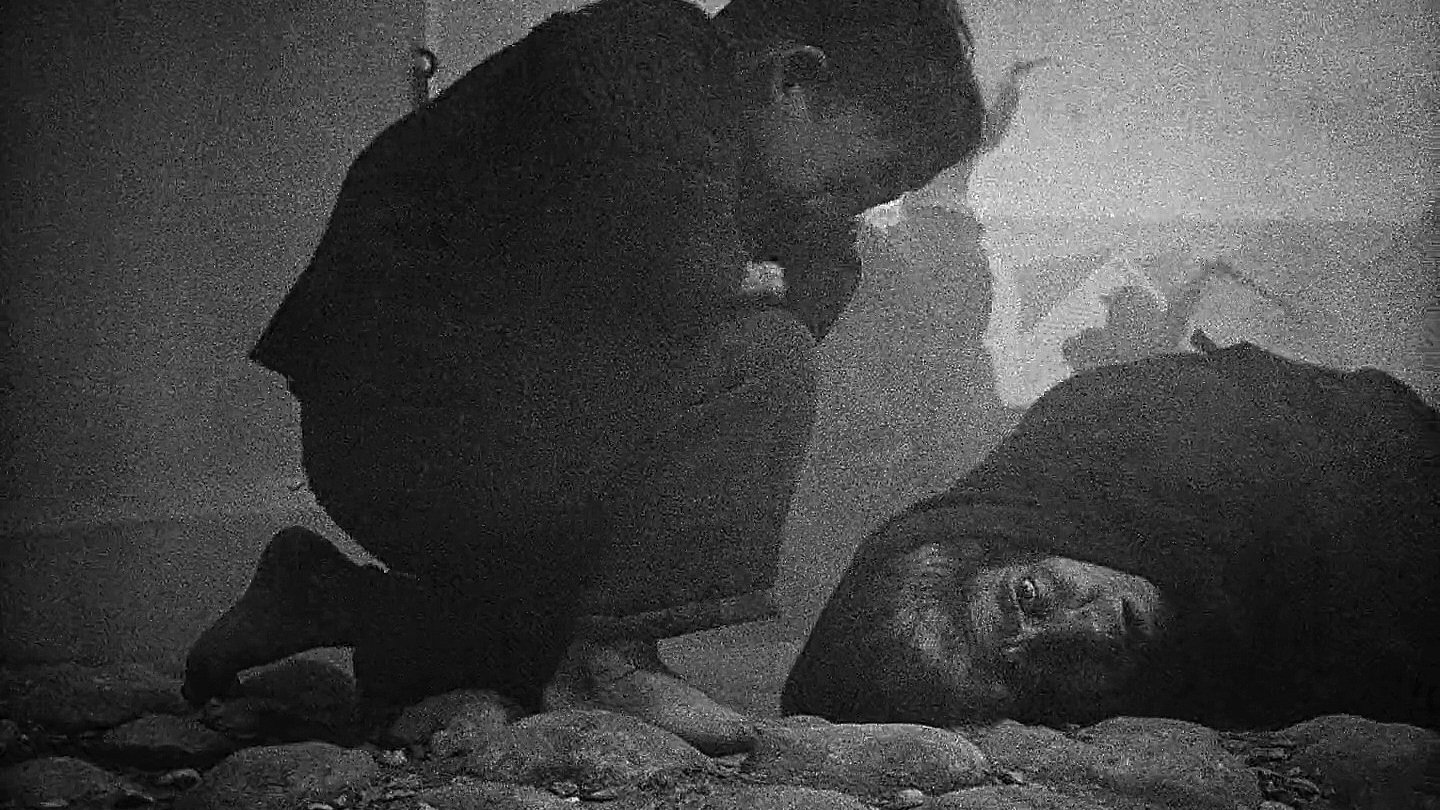
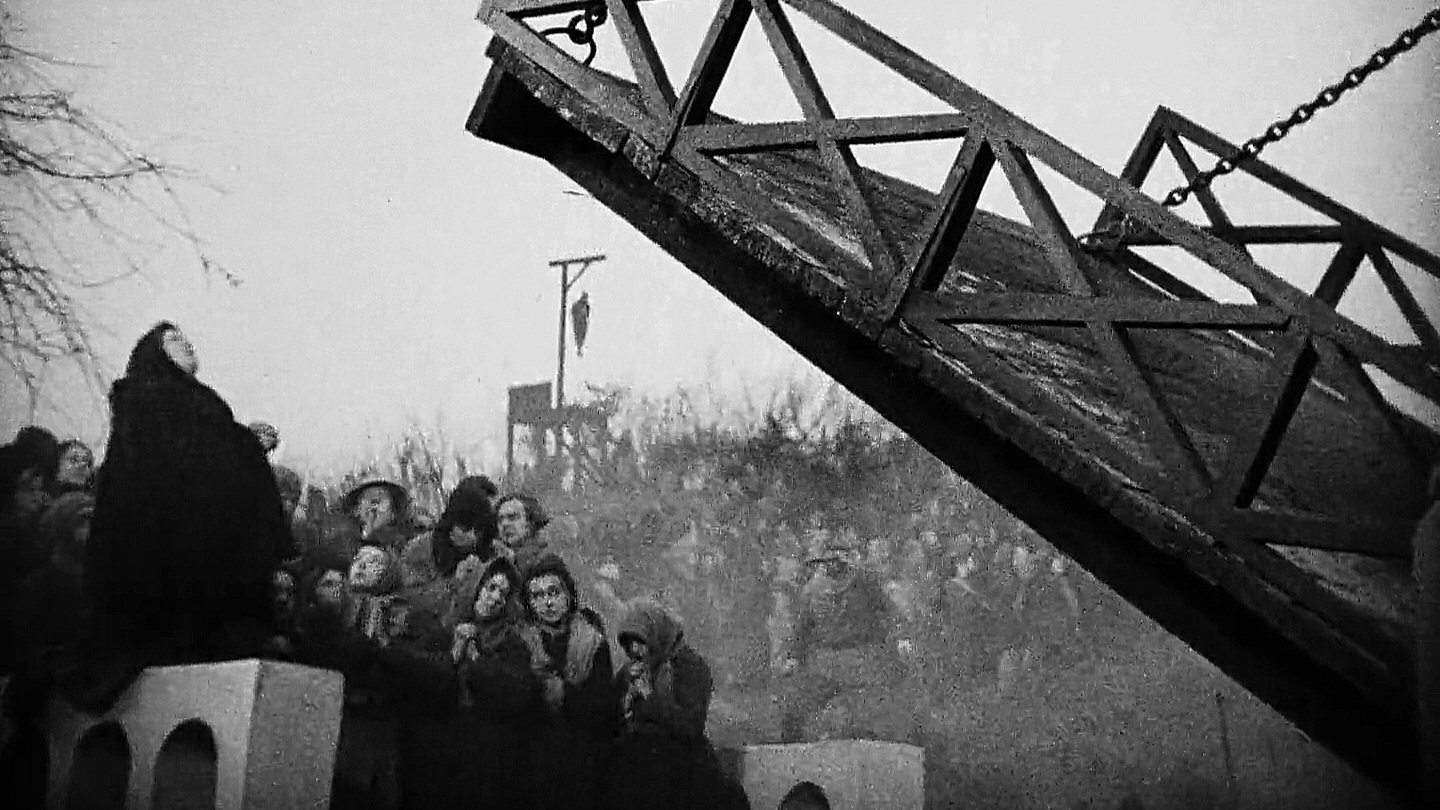
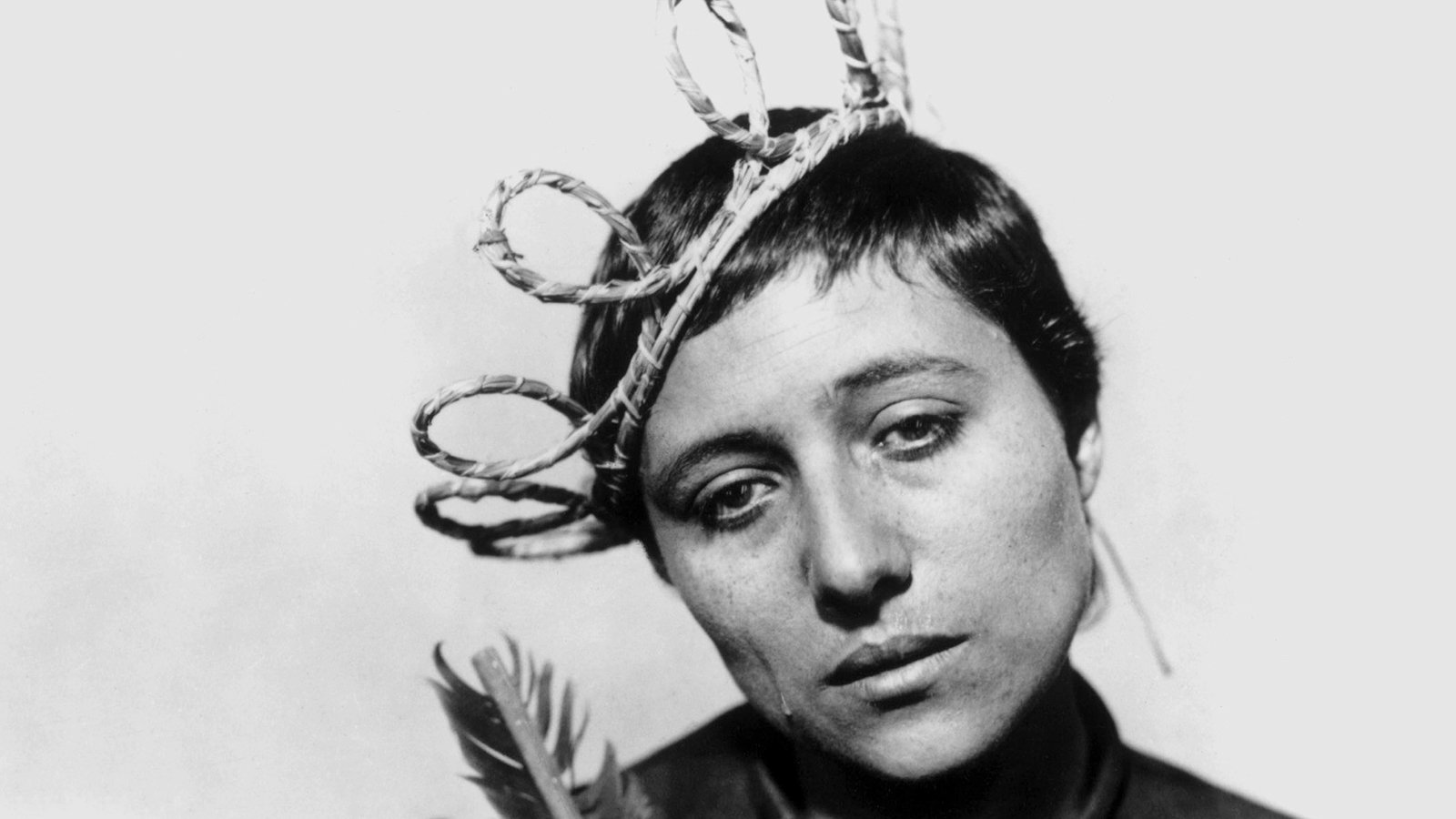
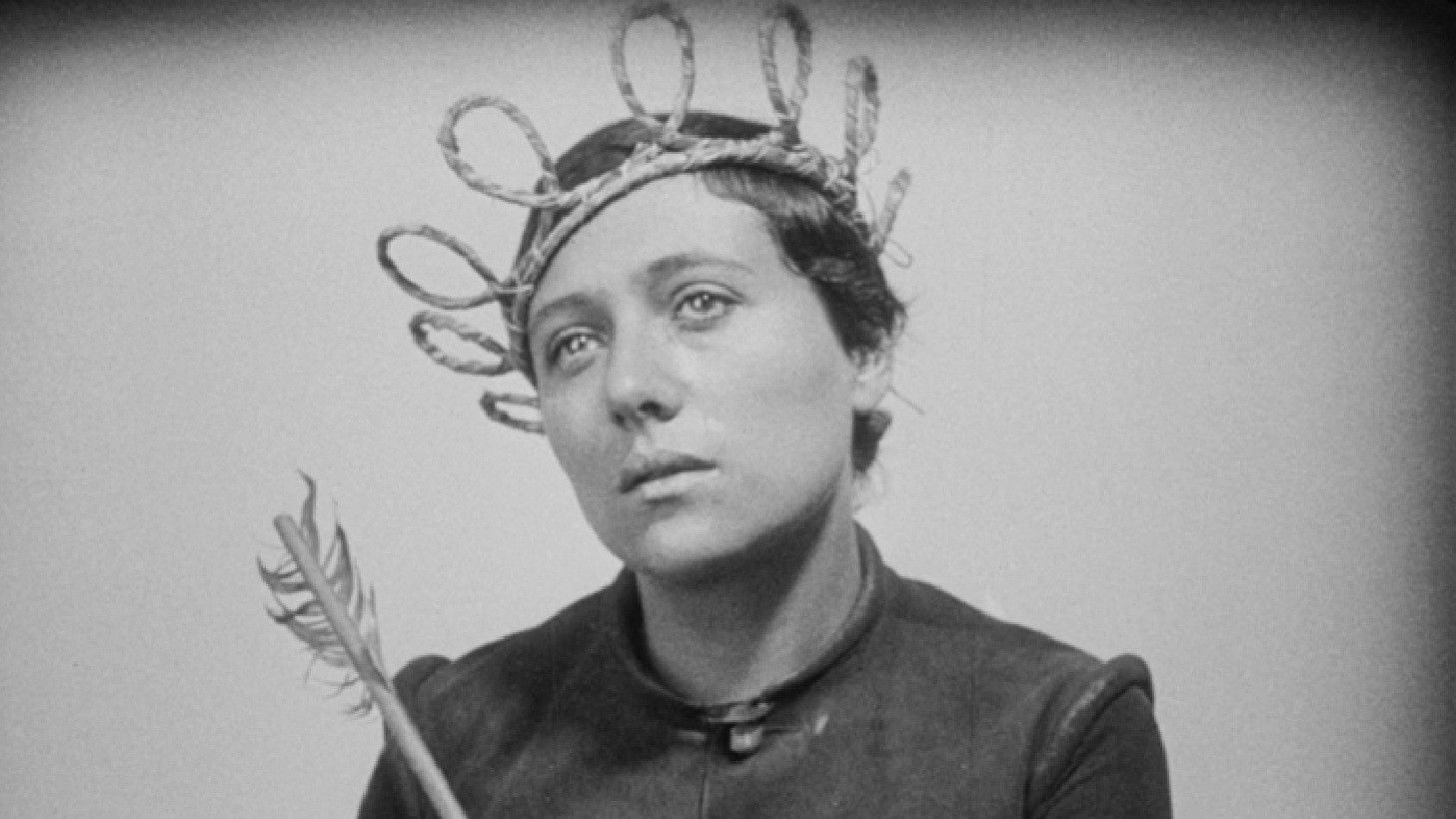
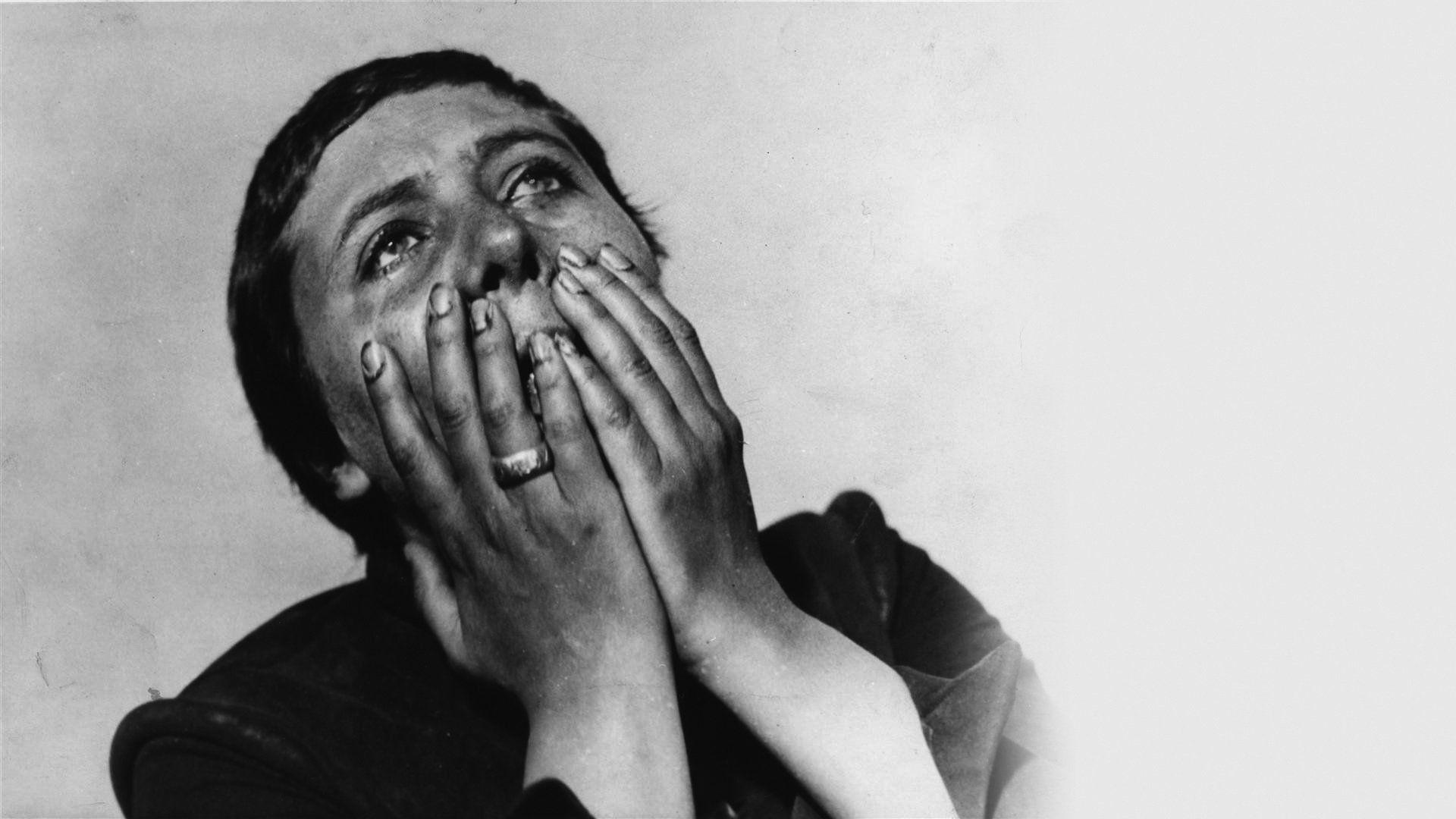
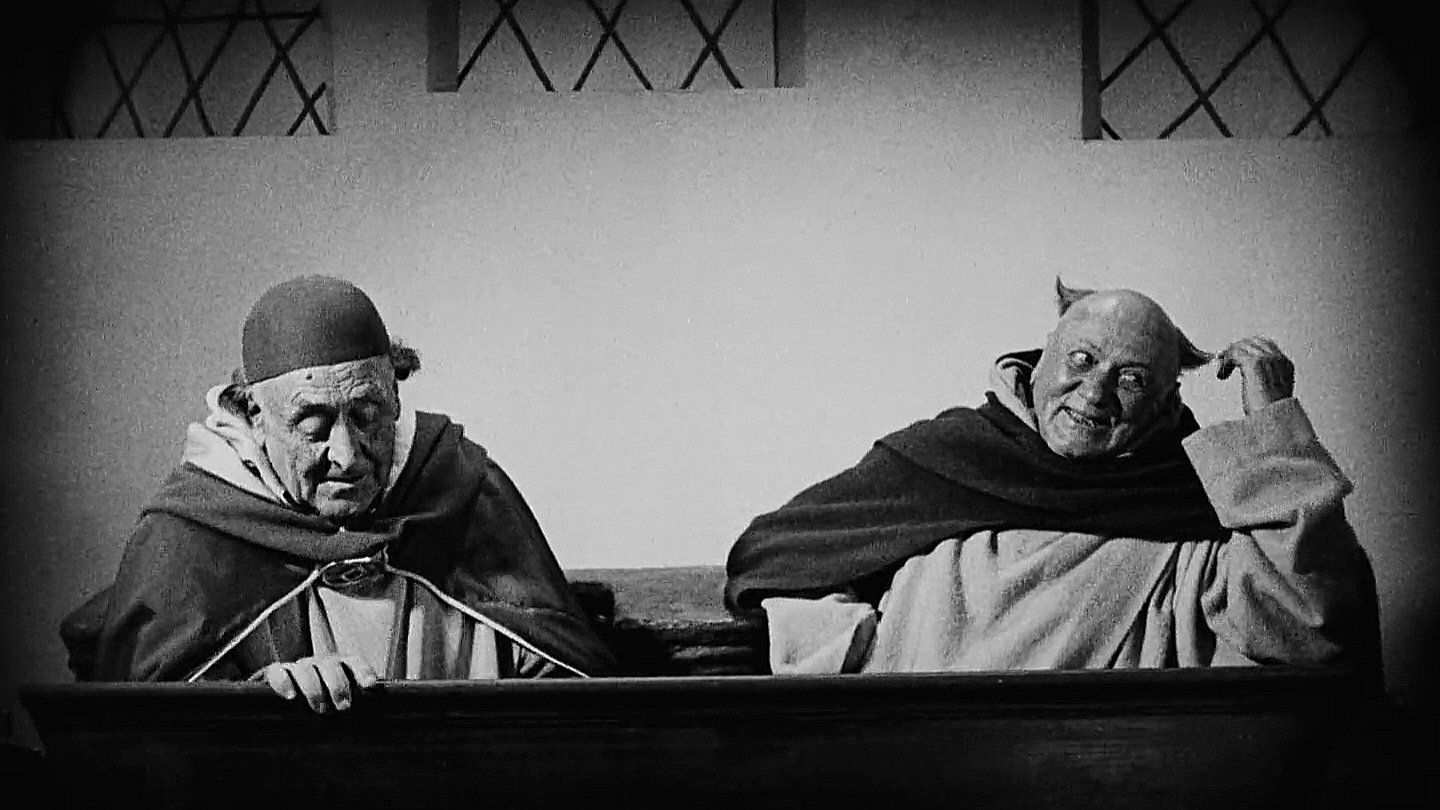
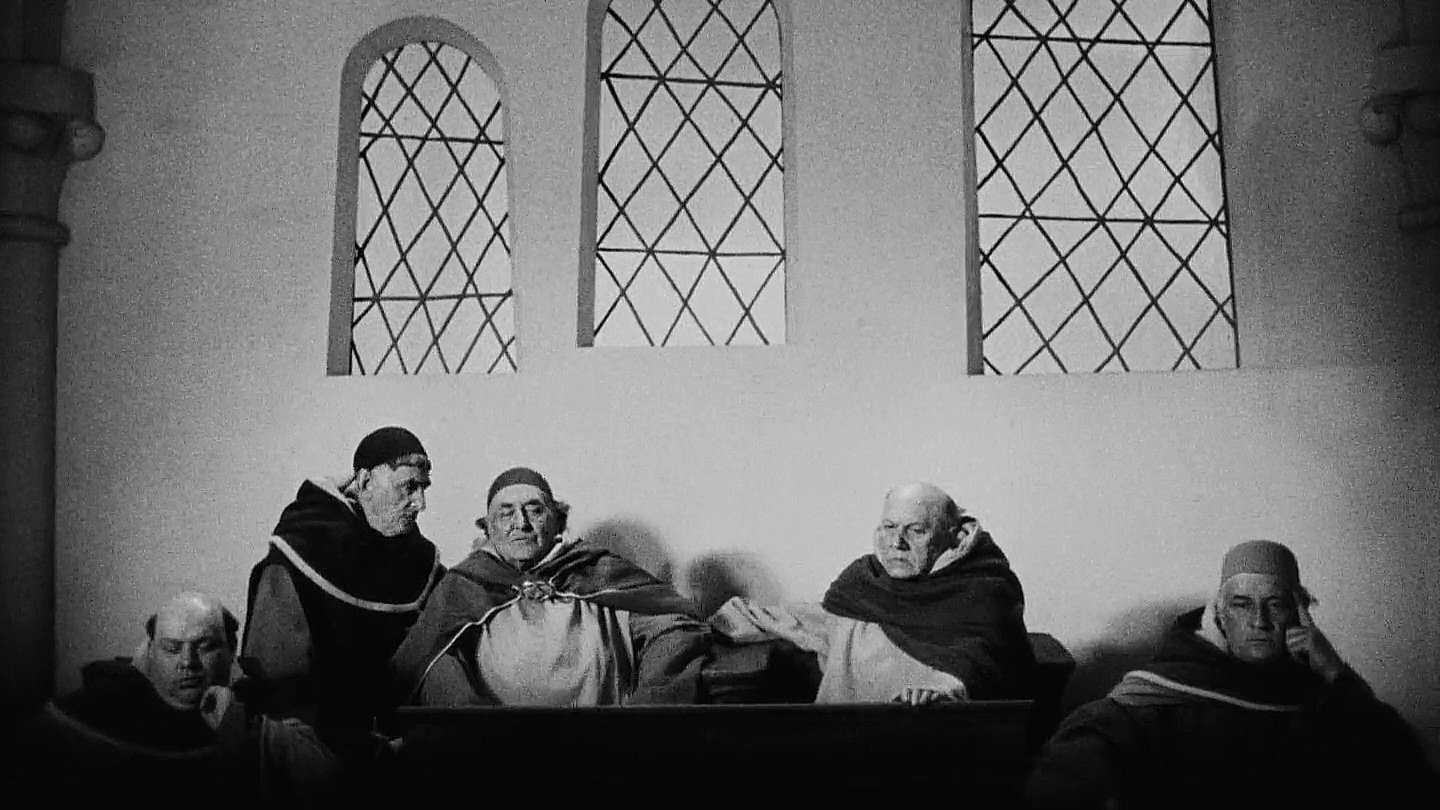
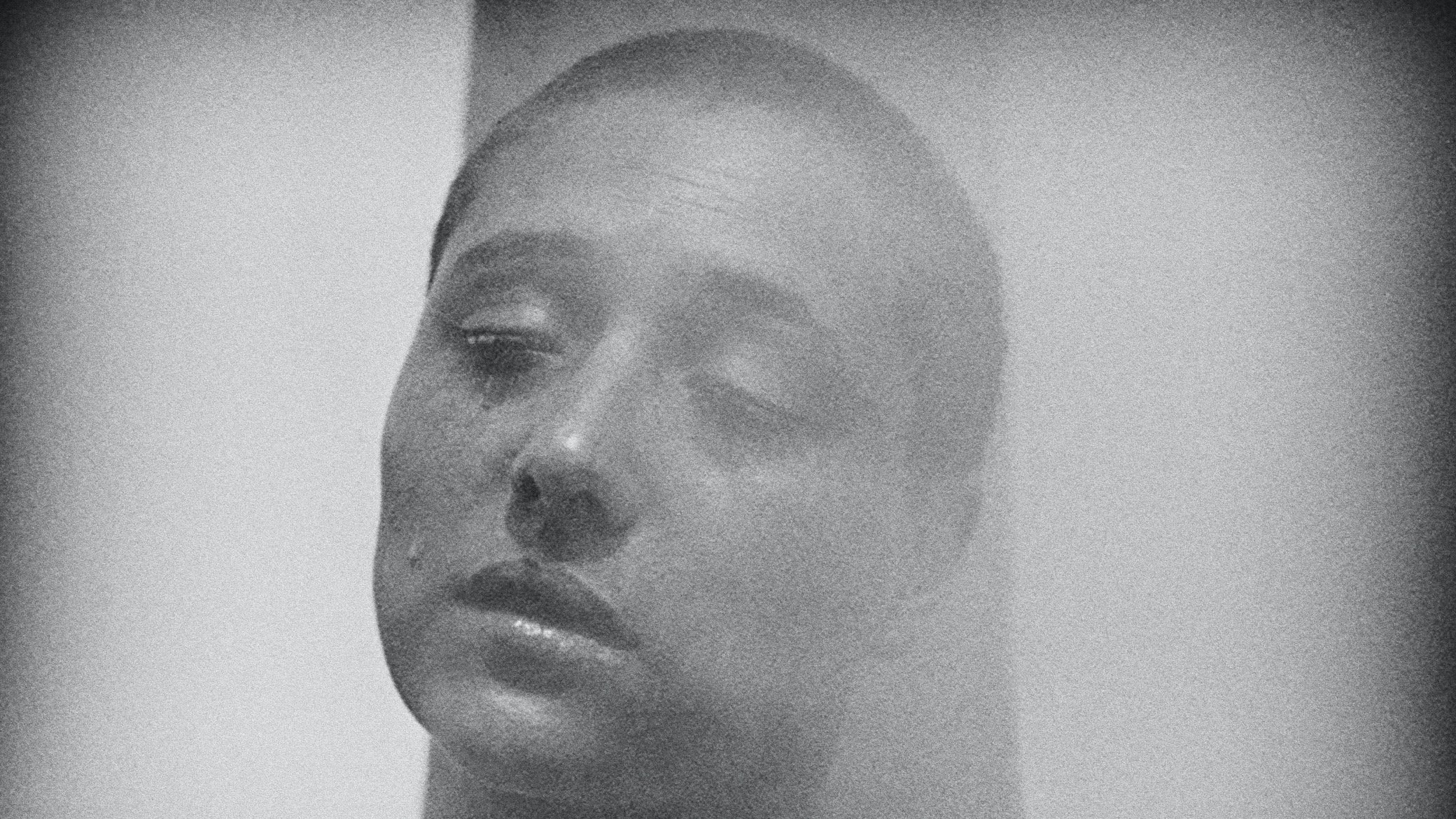
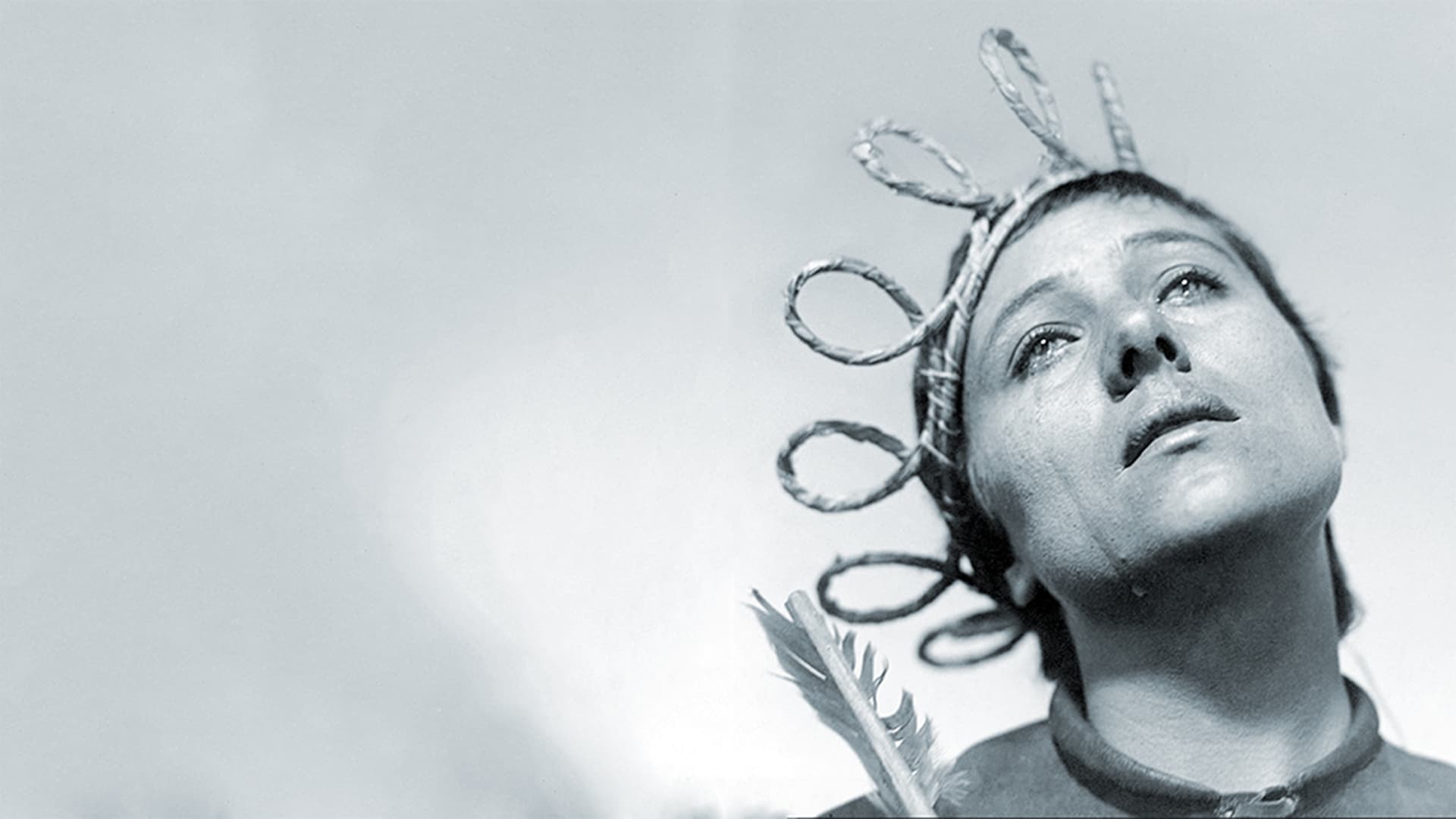
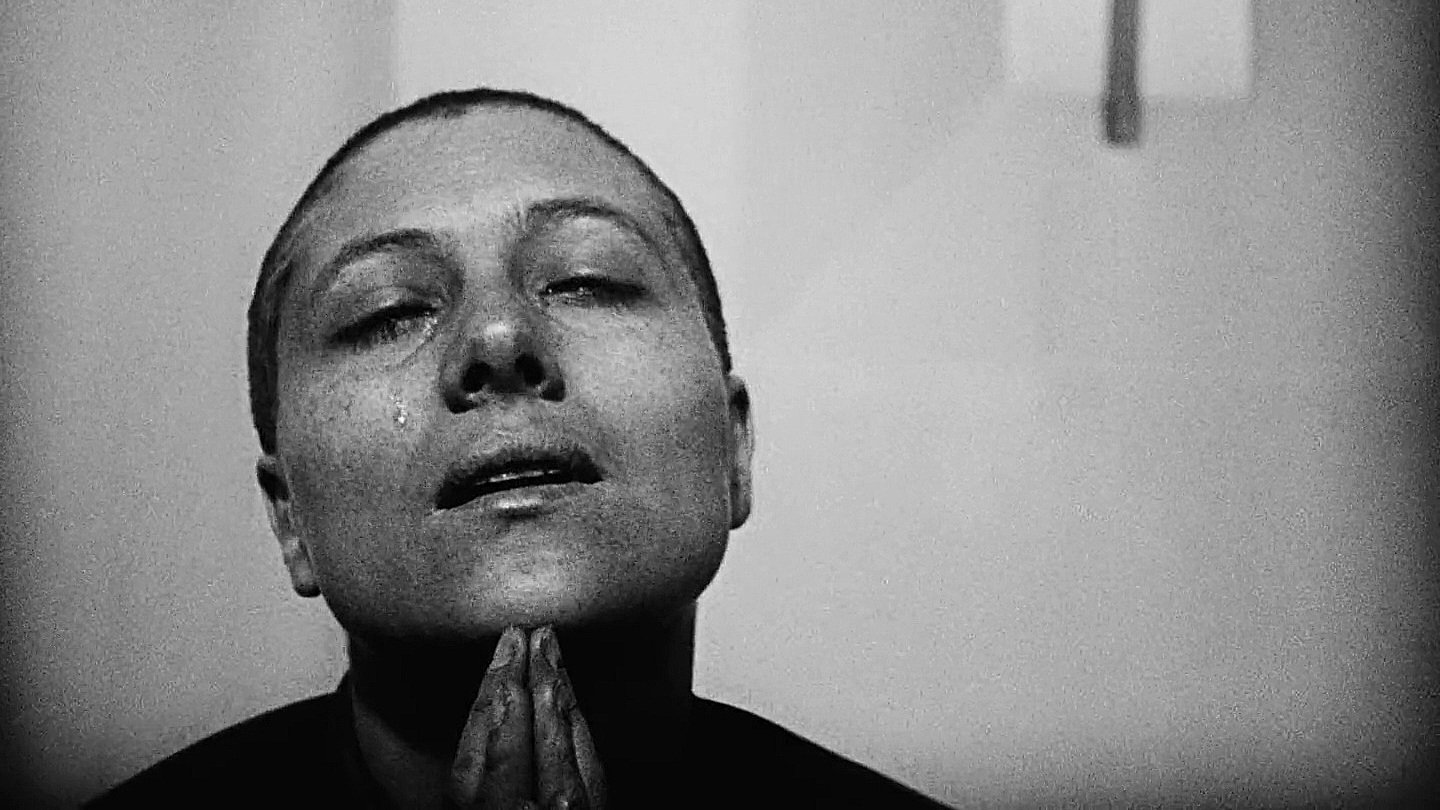
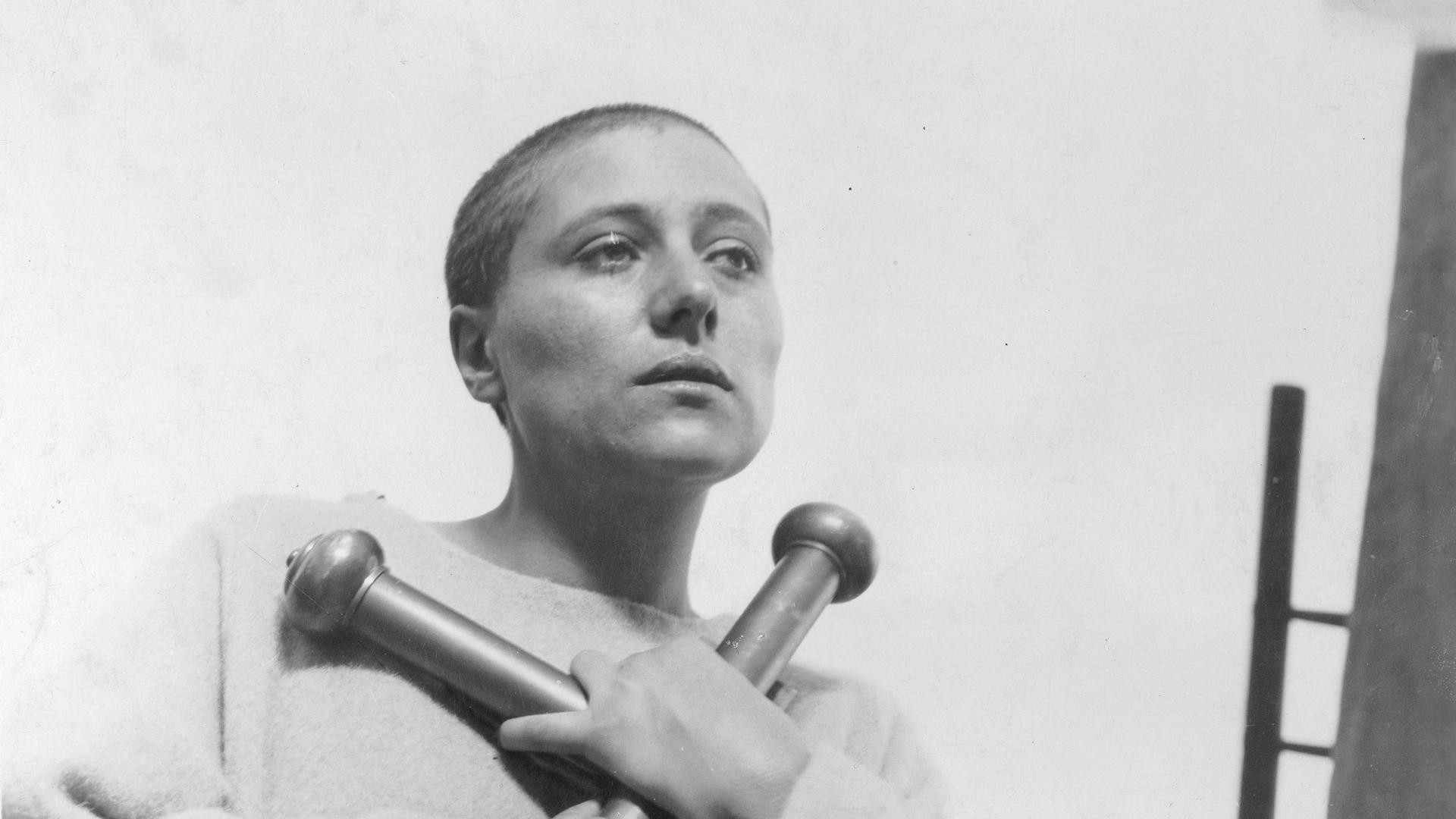
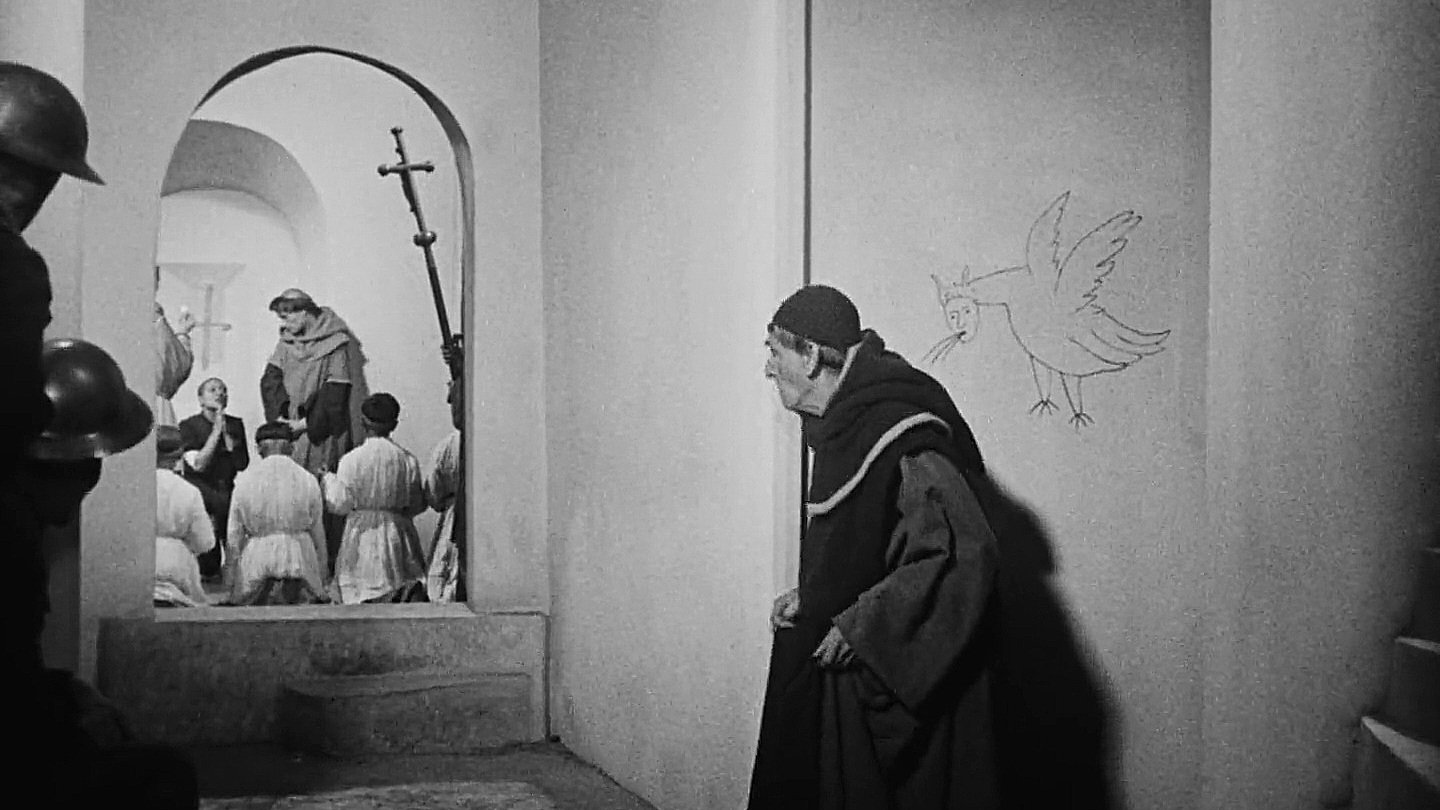
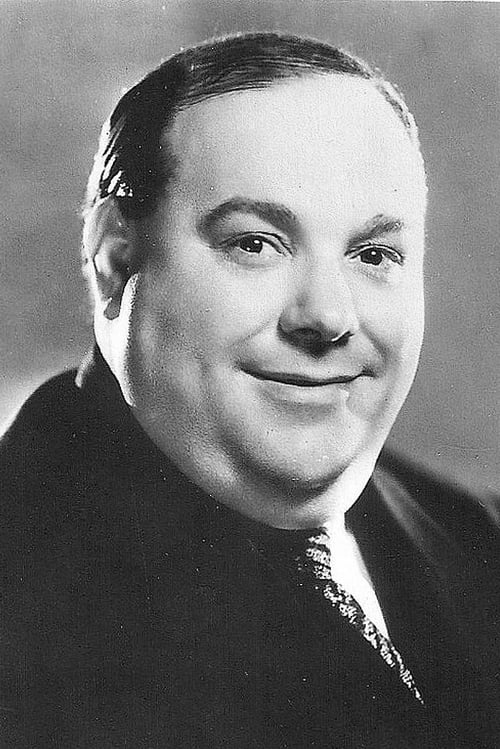
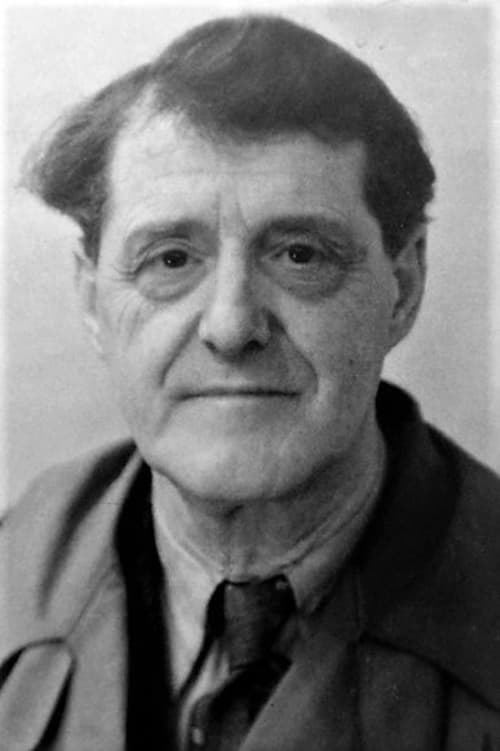
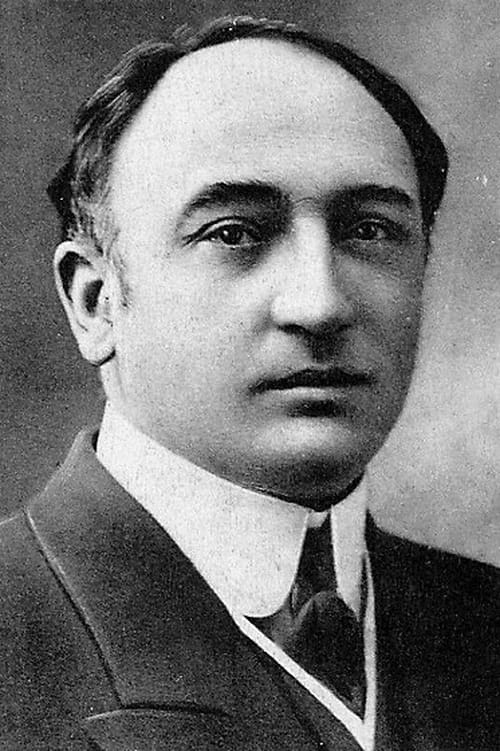
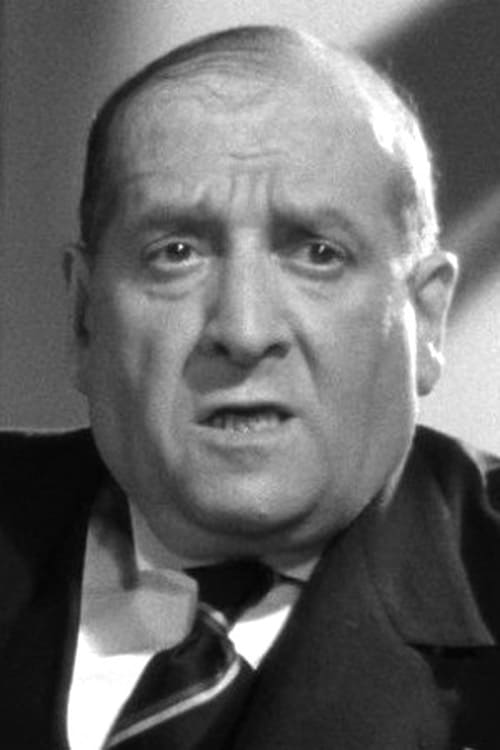
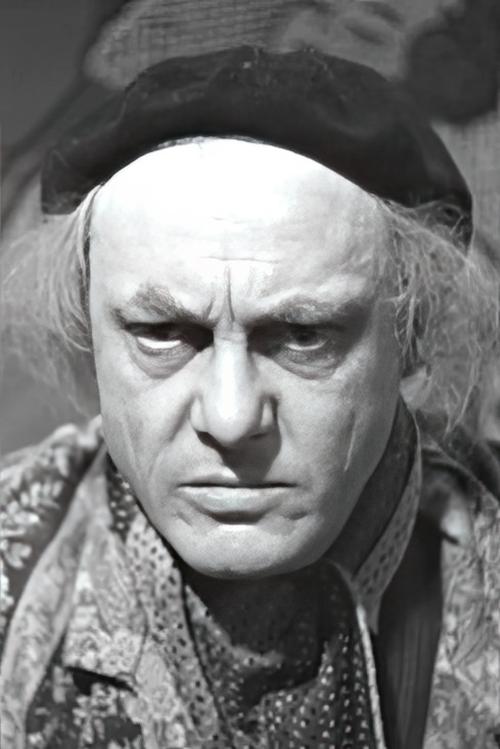
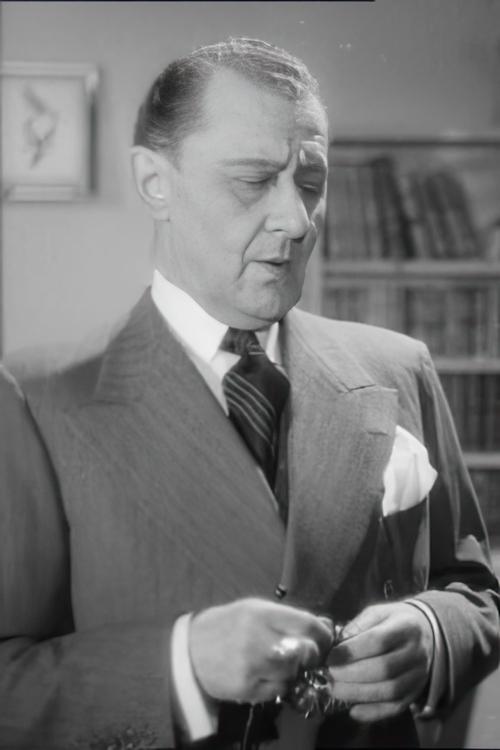
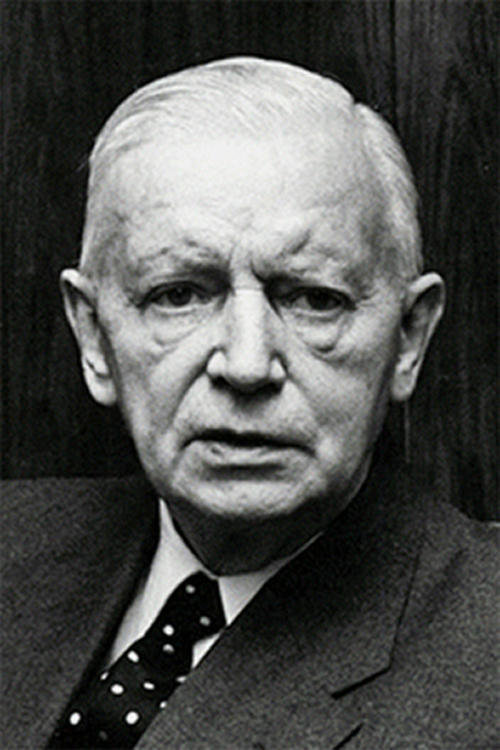
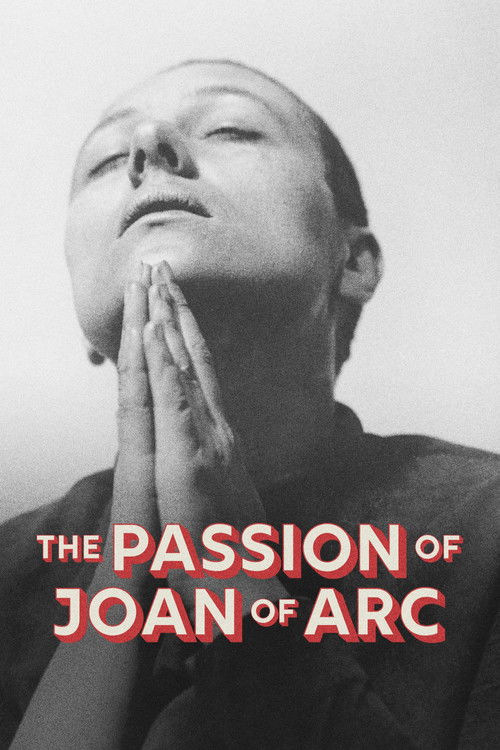
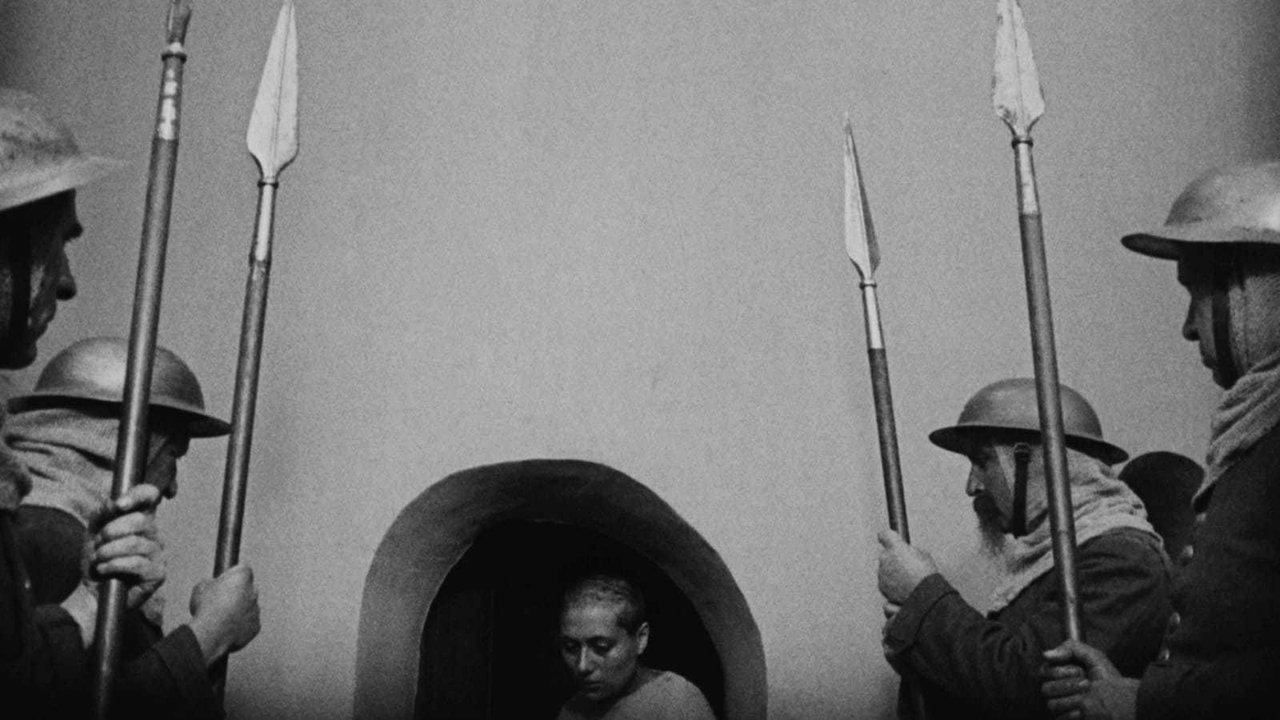
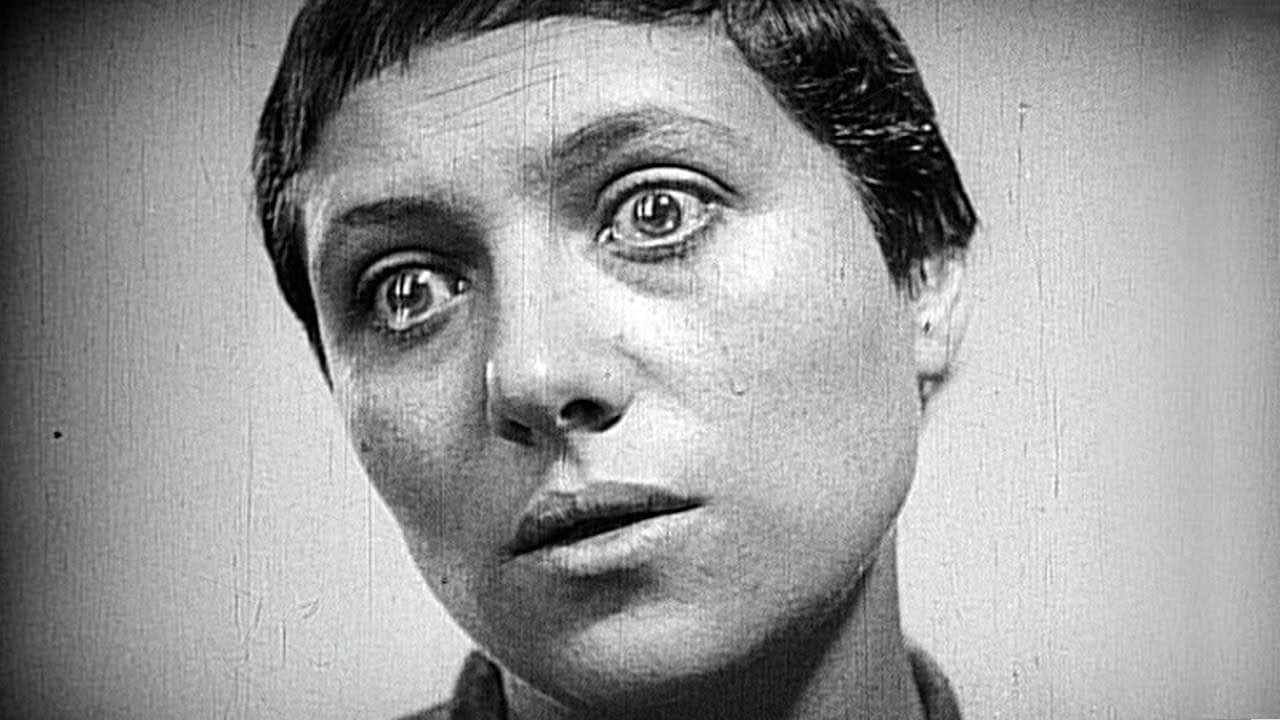
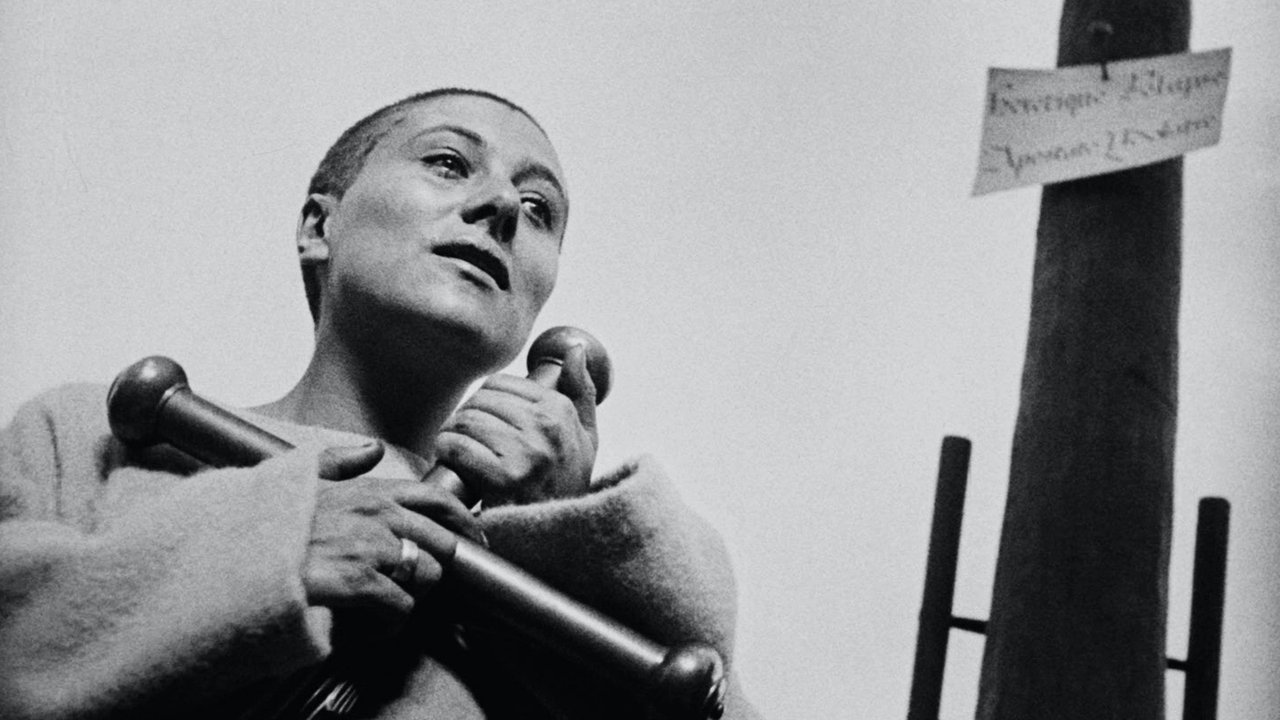
The Passion of Joan of Arc is a staple of early 20th-century cinema. Without getting too political or philosophical, it’s an incredibly heavy film. It doesn’t linger in long, spacious takes like many modern dramas; instead, it constantly cuts between intense close-ups, which makes everything feel emotionally compressed and inescapable. It captures a deeply dehumanising society in a way that feels compact and bleak. It’s surprisingly somber at times, and the faces on screen feel both painfully real and strangely theatrical. From the camera placement to the expressions and the sharp musical tone, every choice adds emotional weight. It’s difficult to sit through at times, but it feels profoundly ahead of its time.
The Passion of Joan of Arc is a staple of early 20th-century cinema. Without getting too political or philosophical, it’s an incredibly heavy film. It doesn’t linger in long, spacious takes like many modern dramas; instead, it constantly cuts between intense close-ups, which makes everything feel emotionally compressed and inescapable. It captures a deeply dehumanising society in a way that feels compact and bleak. It’s surprisingly somber at times, and the faces on screen feel both painfully real and strangely theatrical. From the camera placement to the expressions and the sharp musical tone, every choice adds emotional weight. It’s difficult to sit through at times, but it feels profoundly ahead of its time.