A film whose reputation precedes it. Epic in many respects, but what felt singularly powerful was the magnitude of each individual scene. In the typical film, scenes come together to tell one story. Maybe scenes will come together to tell several stories or parts of stories like beginning, middle, or end. But rarely does it feel like each scene not only serves its obvious narrative function, but also stands on its own as essentially a functioning microfilm unto itself.
Yoshida really reached for the stars with this one. It’s philosophically dense and investigates sexual politics, anarchy, revolution, patriarchy, and economics to name a few. As I’ve come to greatly admire about Yoshida, his female characters possess a wealth of depth and nuance. Here, I felt the perspectives of Noe and Itsuko, especially, contrasted against Osugi to lay out their plight. The narrative can get obscured and ambiguous. The interspersed student narrative reminded me of Godard. Thankfully Yoshida is more depressing than Godard so it’s a lot more interesting.
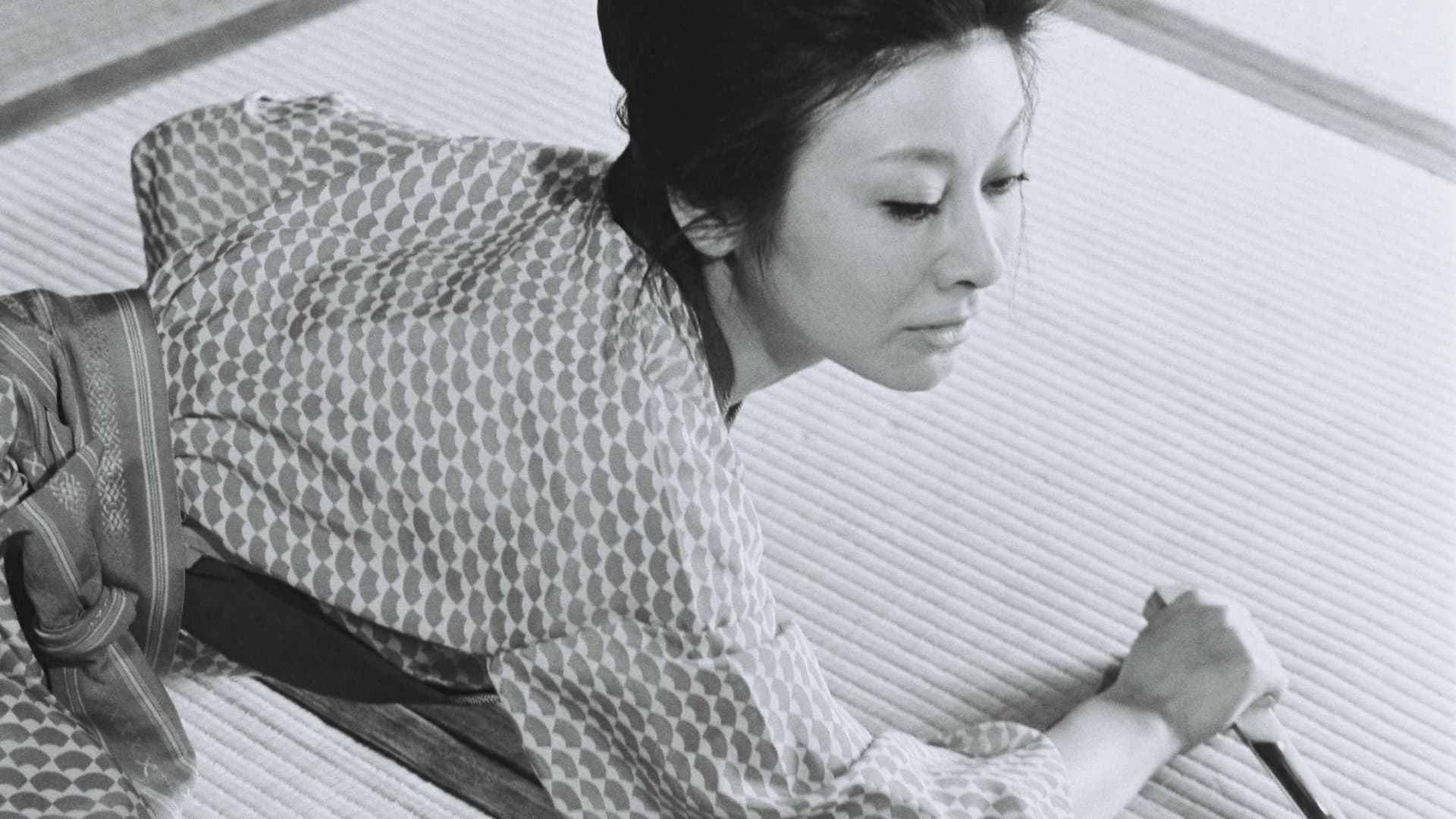
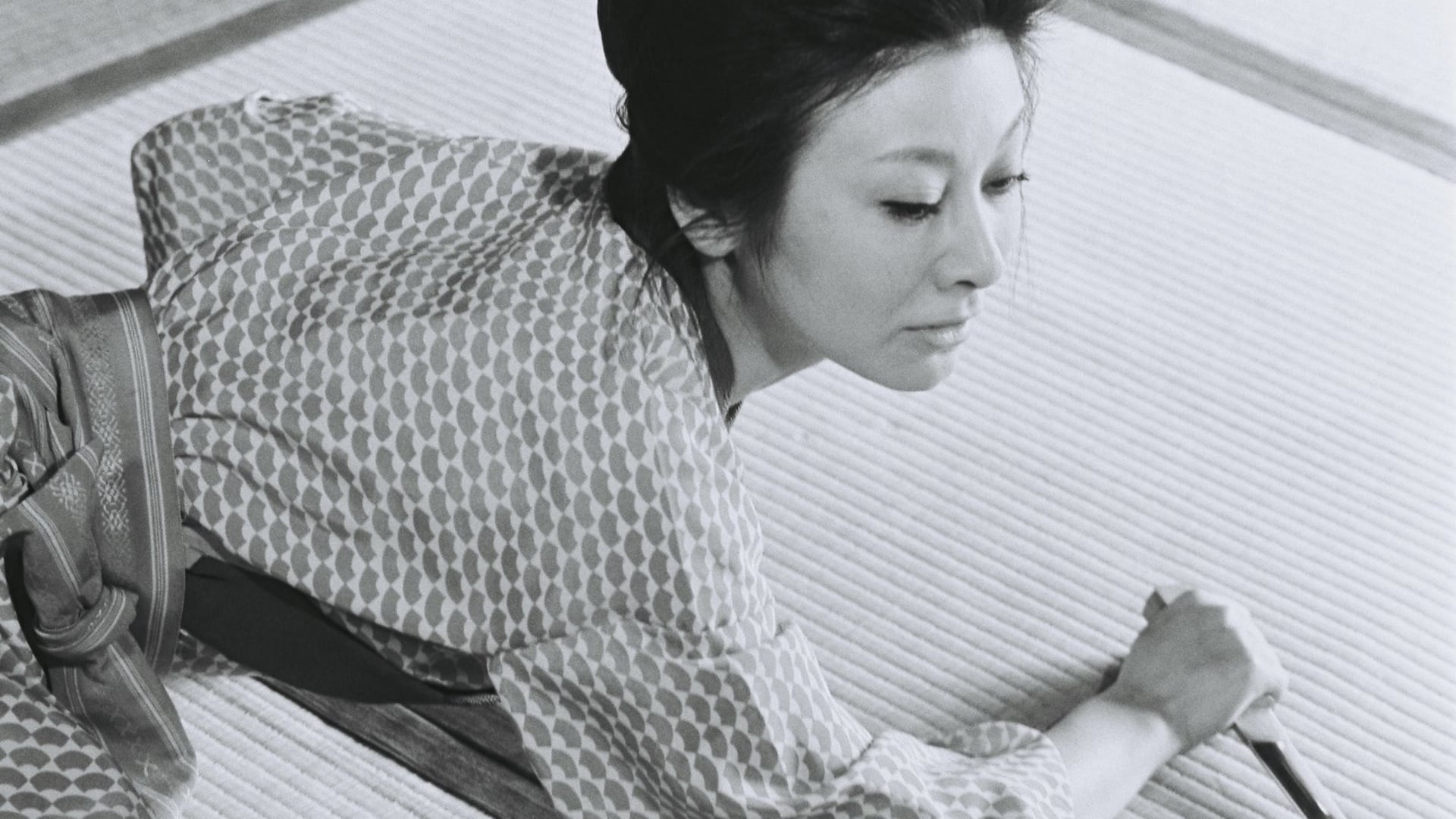
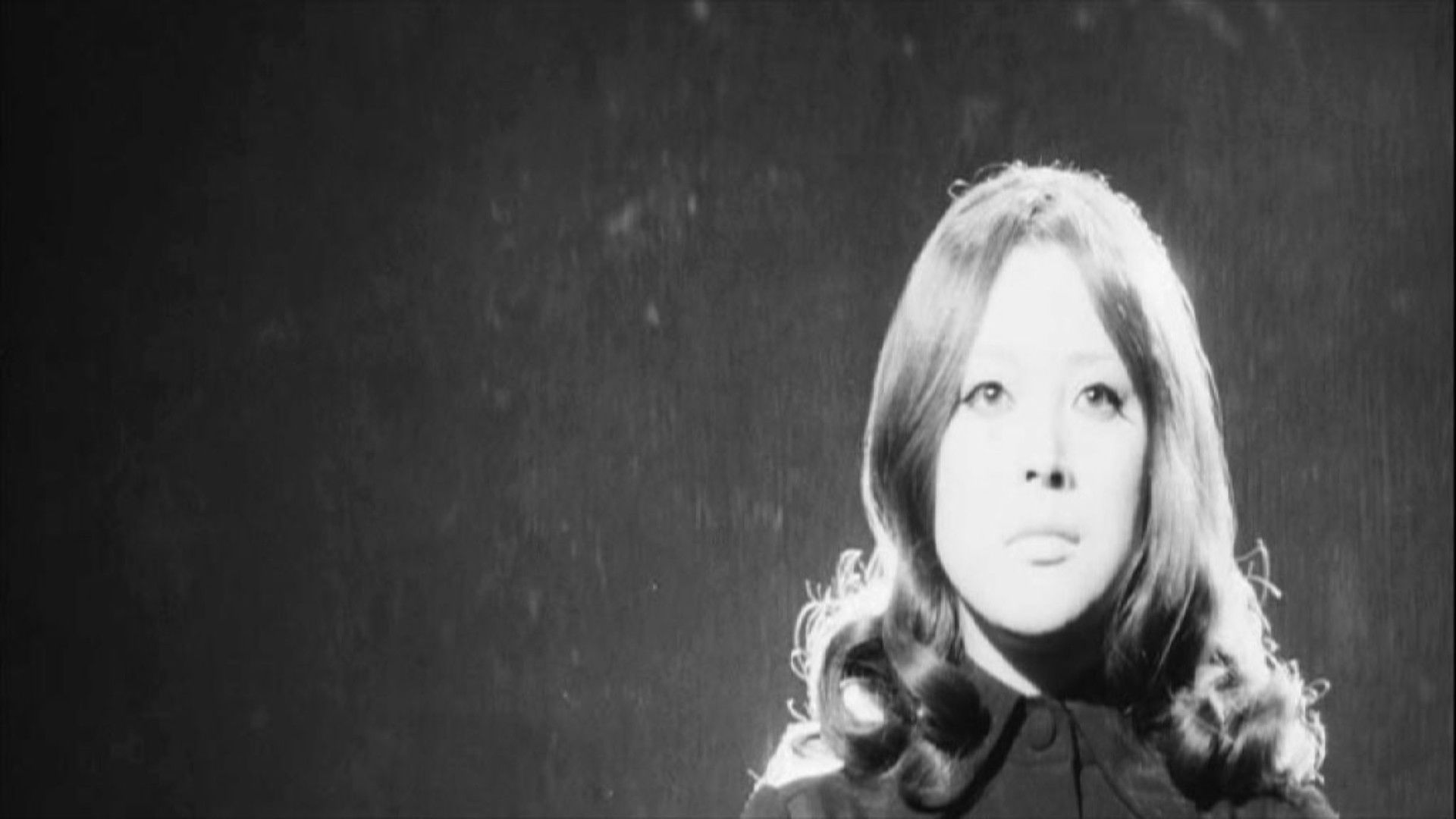
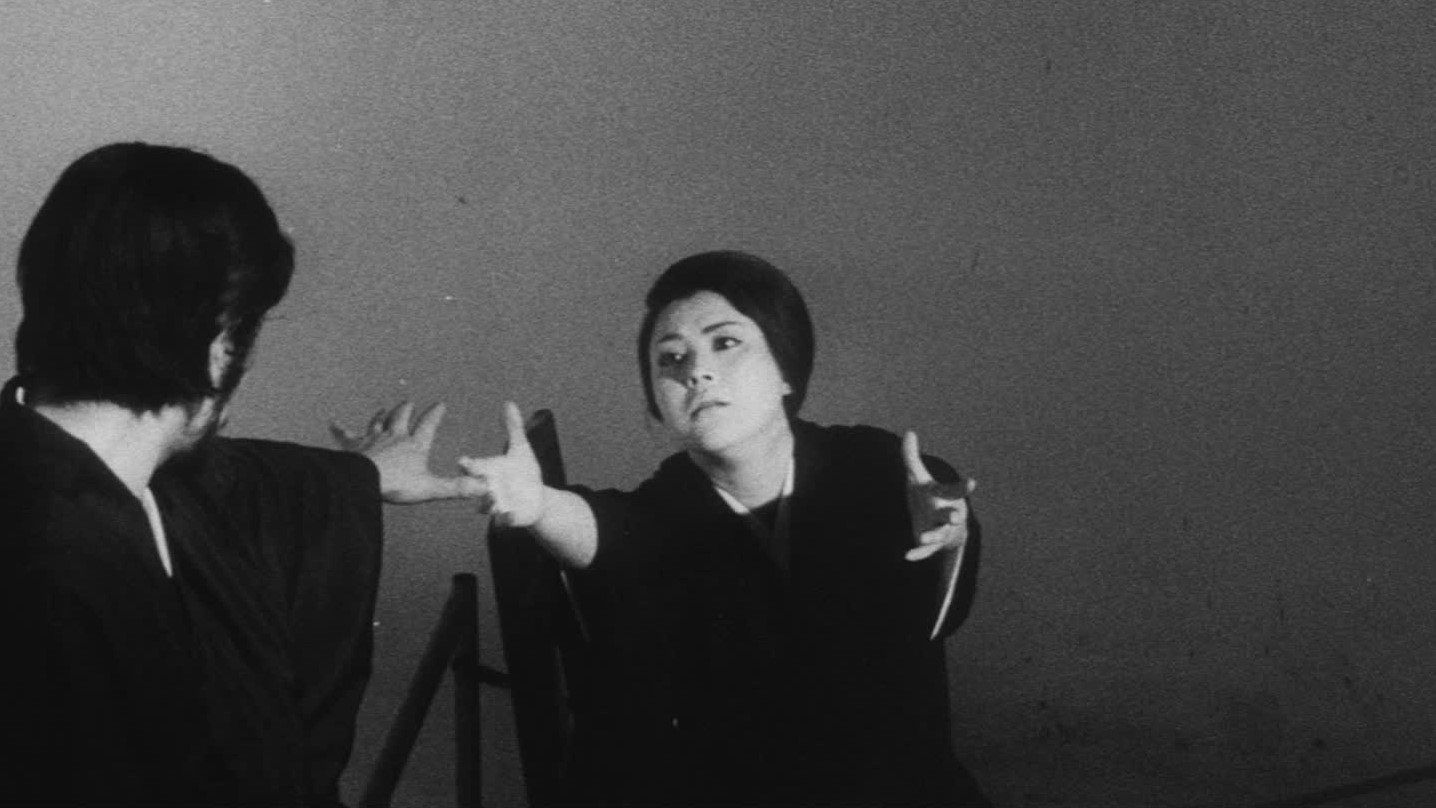
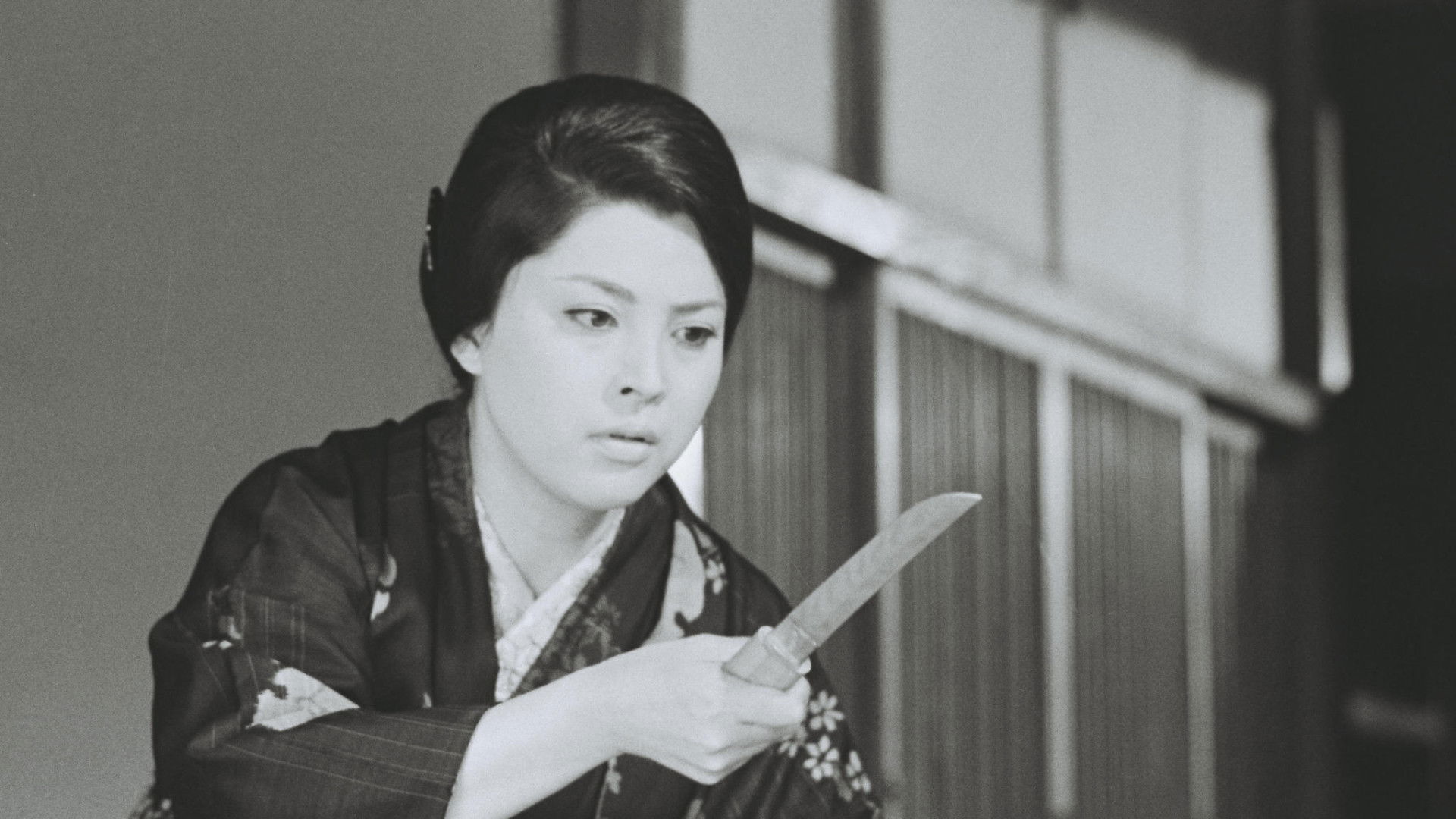
It's a sight to behold the power of Yoshida’s images. Supported by Yoshida’s visuals, the stratification of these characters is beautifully tragic. He has one of the greatest cinematic visions of all time. He’s a wizard with the camera, able to capture unspeakable beauty. The framing is off the charts. Those blown out whites are so dreamy. A clever trick Yoshida uses with the camera is spatial dimensionality. In E+M there are a lot of scenes within the labyrinthian houses and almost countless repeats of people popping out behind doors creating a claustrophobic and confusing illusion. That’s why Yoshida is a genius. His spatial manipulation of camera and subject work in elliptical tandem.
A film whose reputation precedes it. Epic in many respects, but what felt singularly powerful was the magnitude of each individual scene. In the typical film, scenes come together to tell one story. Maybe scenes will come together to tell several stories or parts of stories like beginning, middle, or end. But rarely does it feel like each scene not only serves its obvious narrative function, but also stands on its own as essentially a functioning microfilm unto itself.
Yoshida really reached for the stars with this one. It’s philosophically dense and investigates sexual politics, anarchy, revolution, patriarchy, and economics to name a few. As I’ve come to greatly admire about Yoshida, his female characters possess a wealth of depth and nuance. Here, I felt the perspectives of Noe and Itsuko, especially, contrasted against Osugi to lay out their plight. The narrative can get obscured and ambiguous. The interspersed student narrative reminded me of Godard. Thankfully Yoshida is more depressing than Godard so it’s a lot more interesting.
It's a sight to behold the power of Yoshida’s images. Supported by Yoshida’s visuals, the stratification of these characters is beautifully tragic. He has one of the greatest cinematic visions of all time. He’s a wizard with the camera, able to capture unspeakable beauty. The framing is off the charts. Those blown out whites are so dreamy. A clever trick Yoshida uses with the camera is spatial dimensionality. In E+M there are a lot of scenes within the labyrinthian houses and almost countless repeats of people popping out behind doors creating a claustrophobic and confusing illusion. That’s why Yoshida is a genius. His spatial manipulation of camera and subject work in elliptical tandem.