
Lady Killer
1937·War·1h 34m
7.1
★
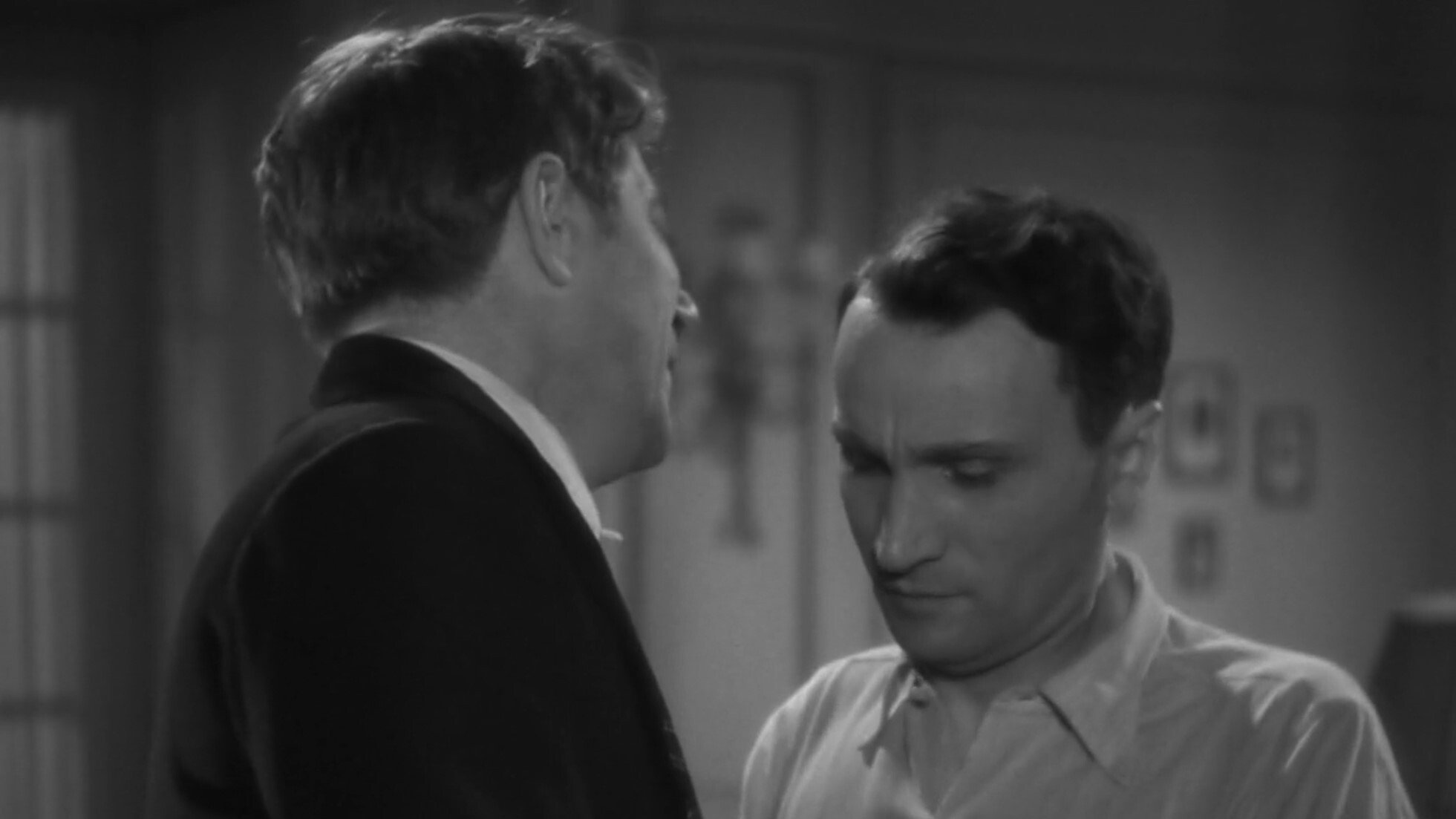
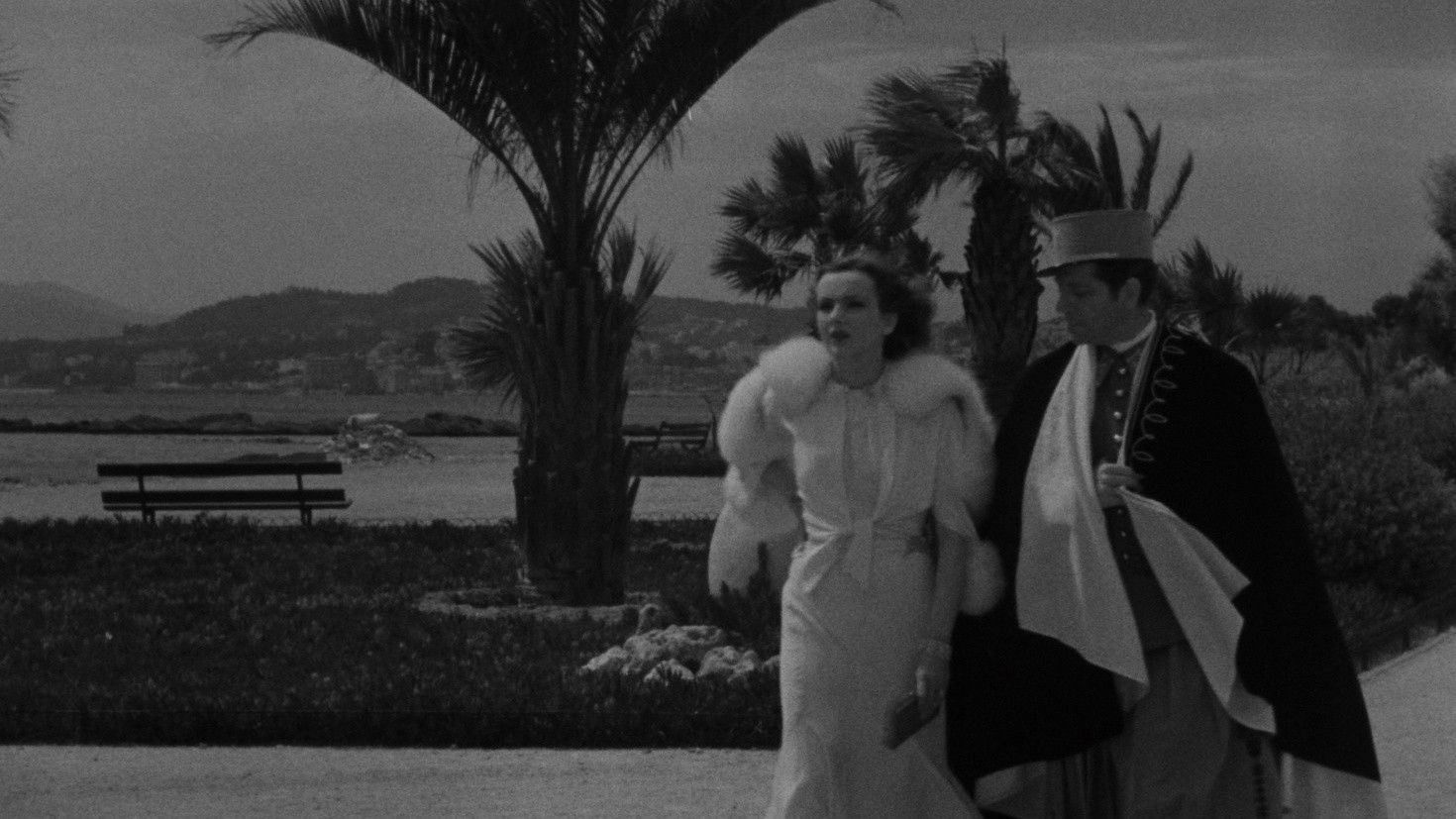
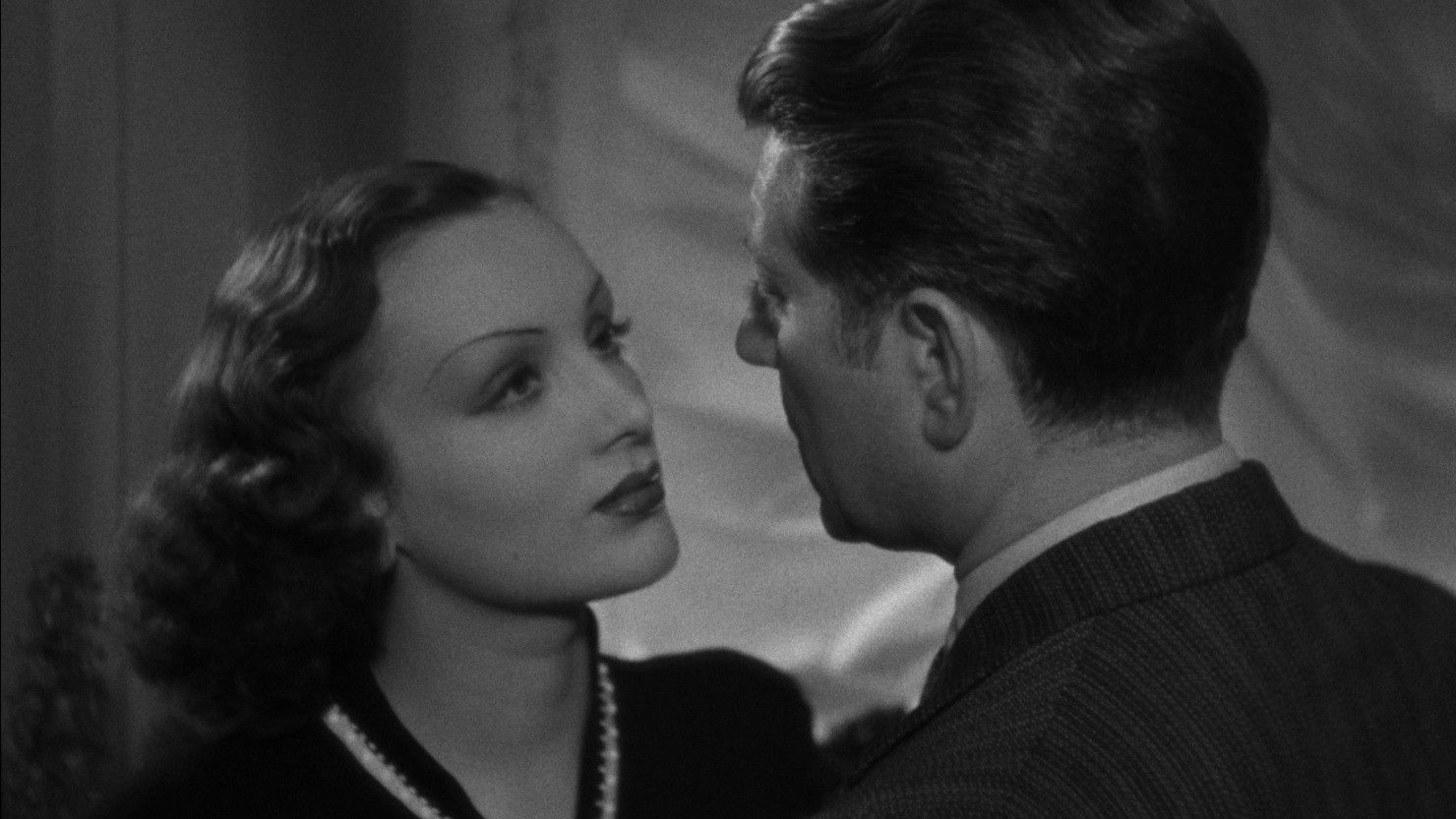
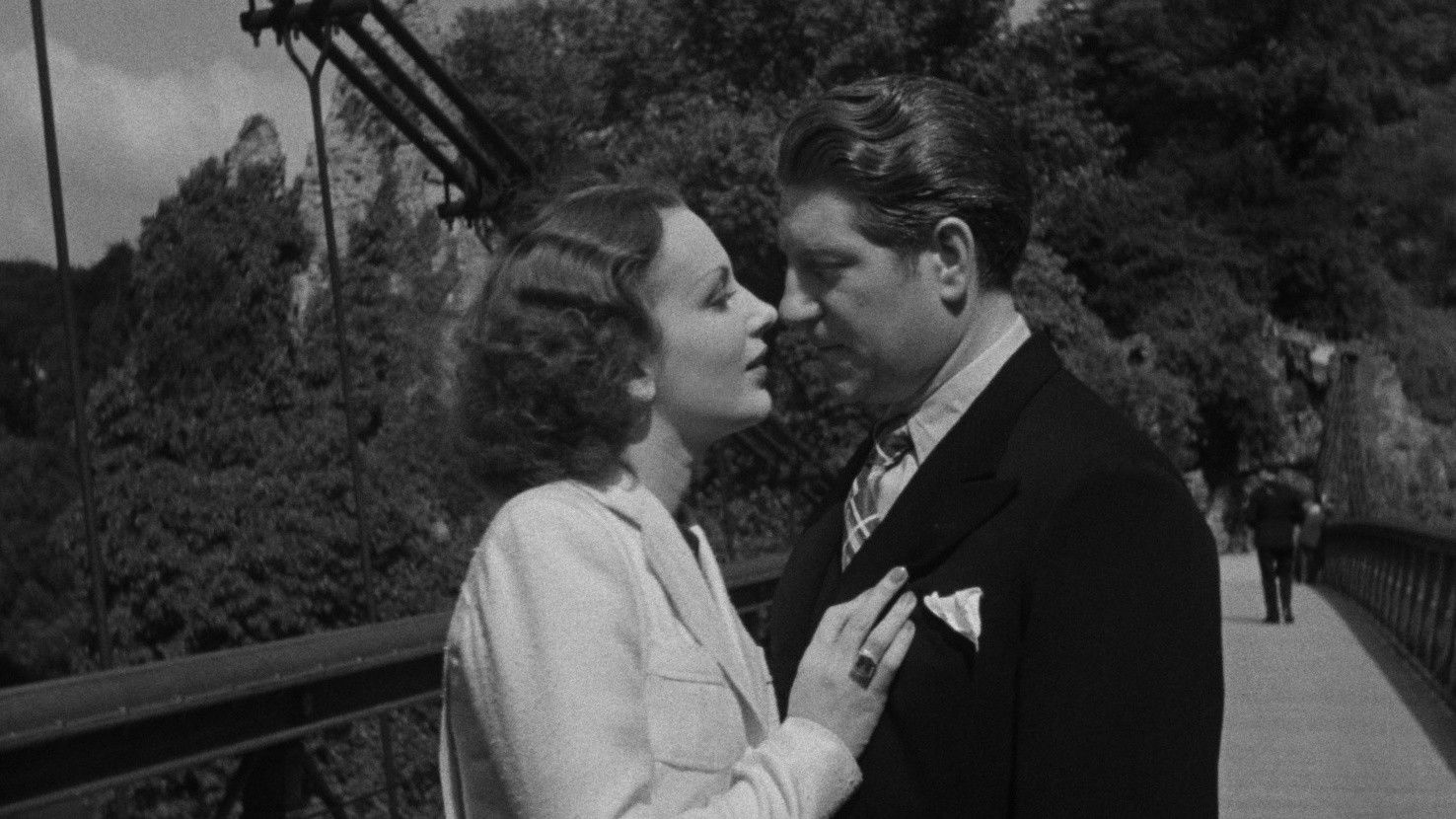
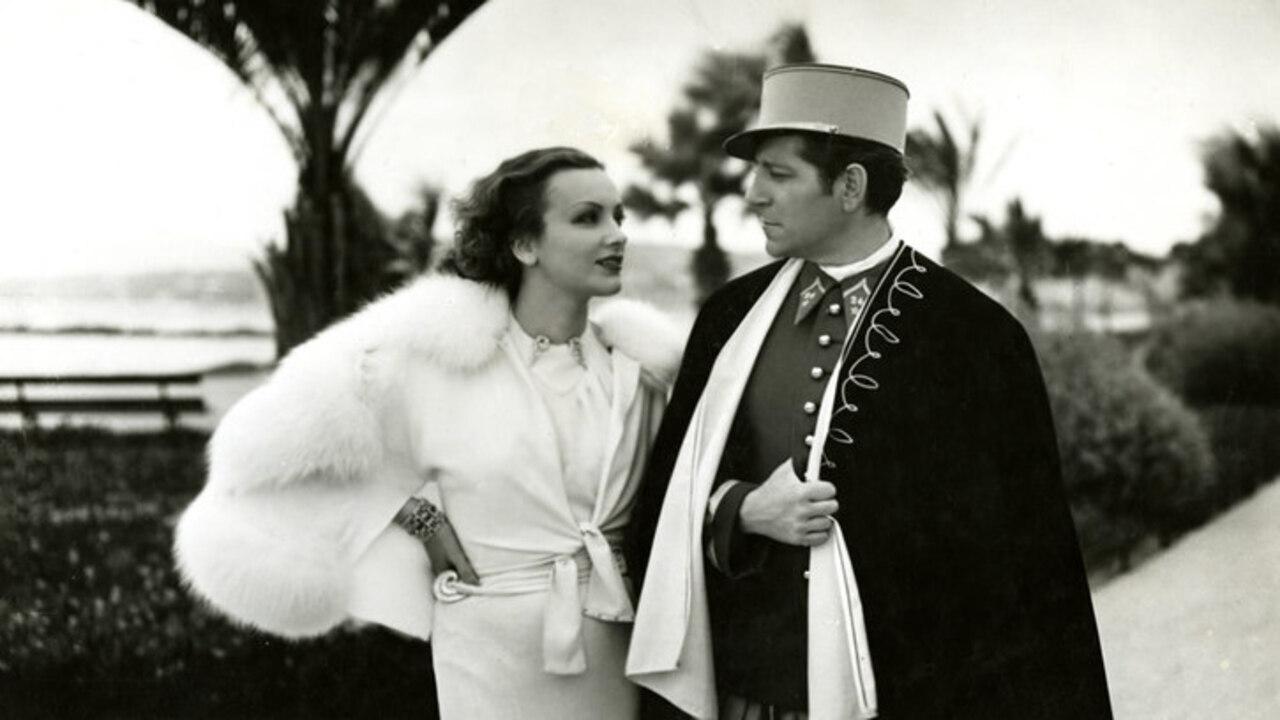
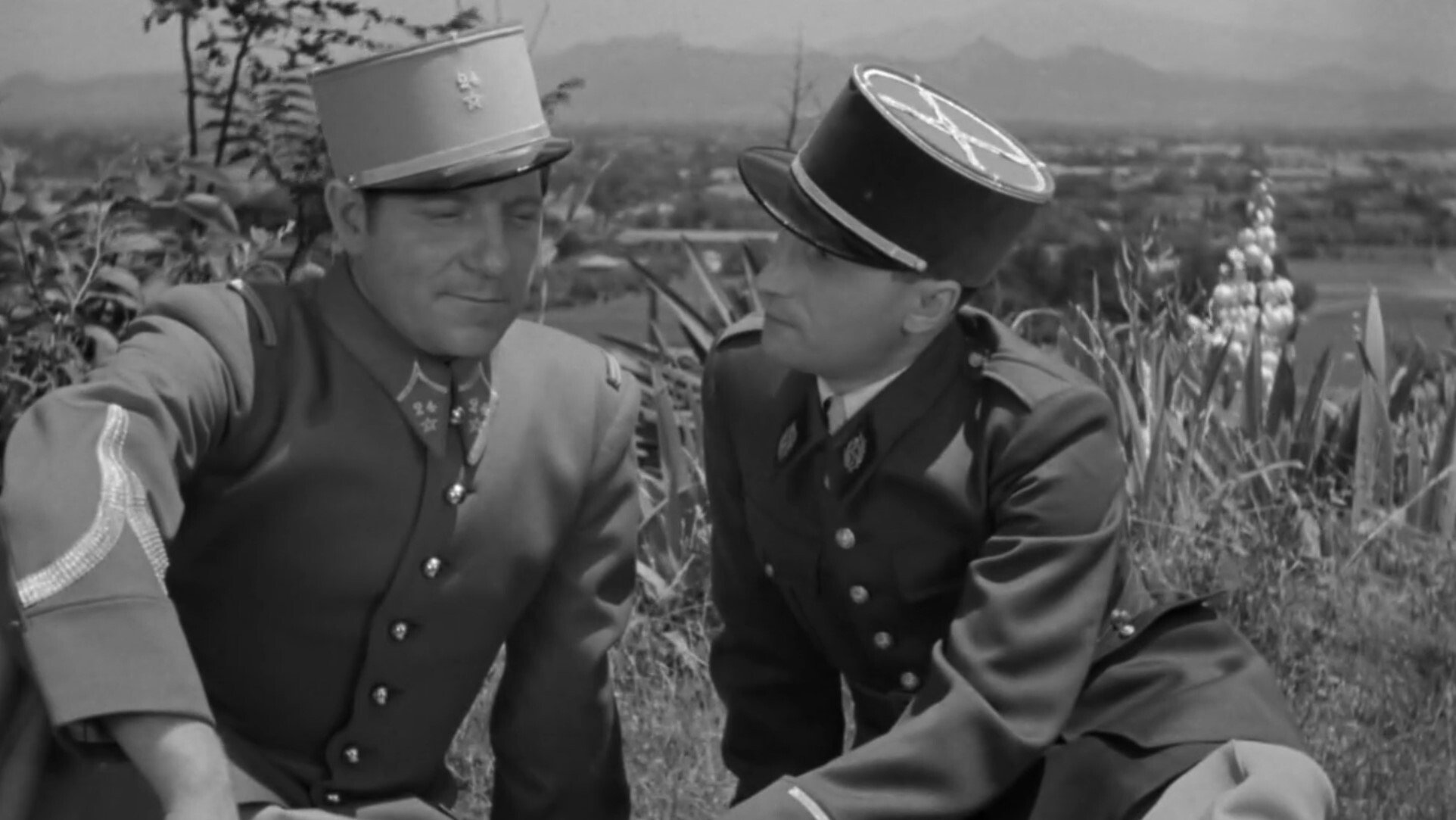
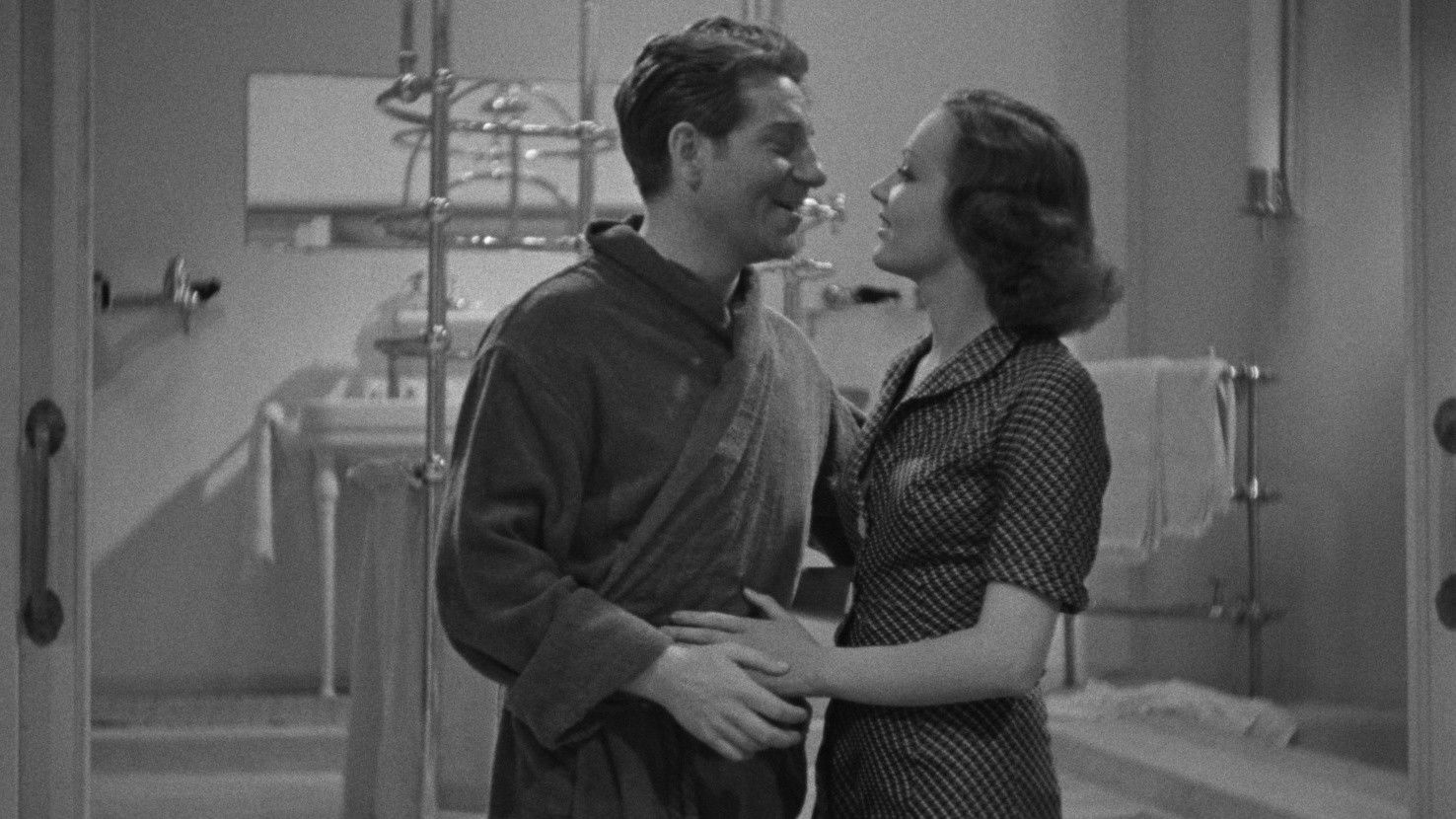
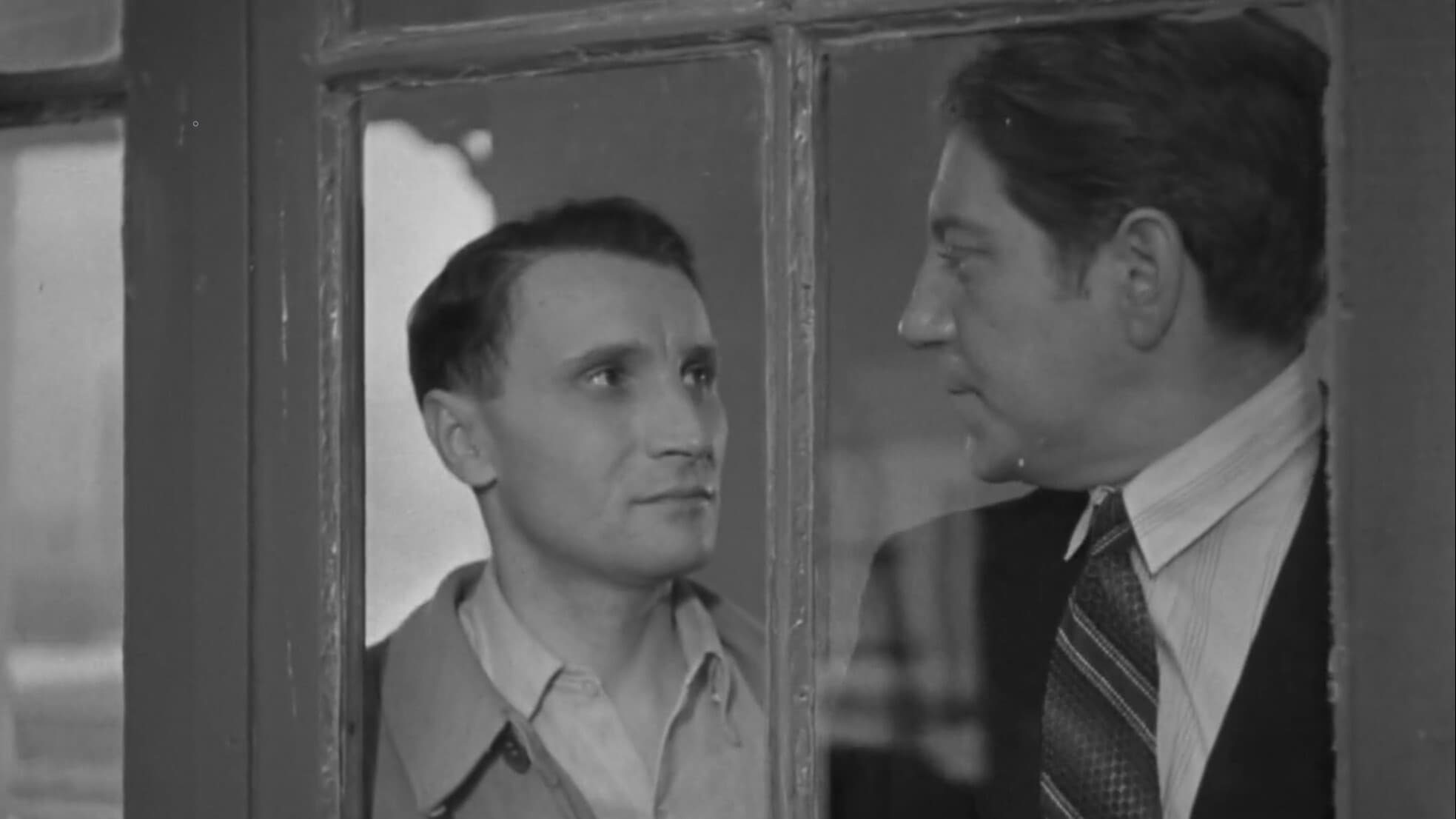
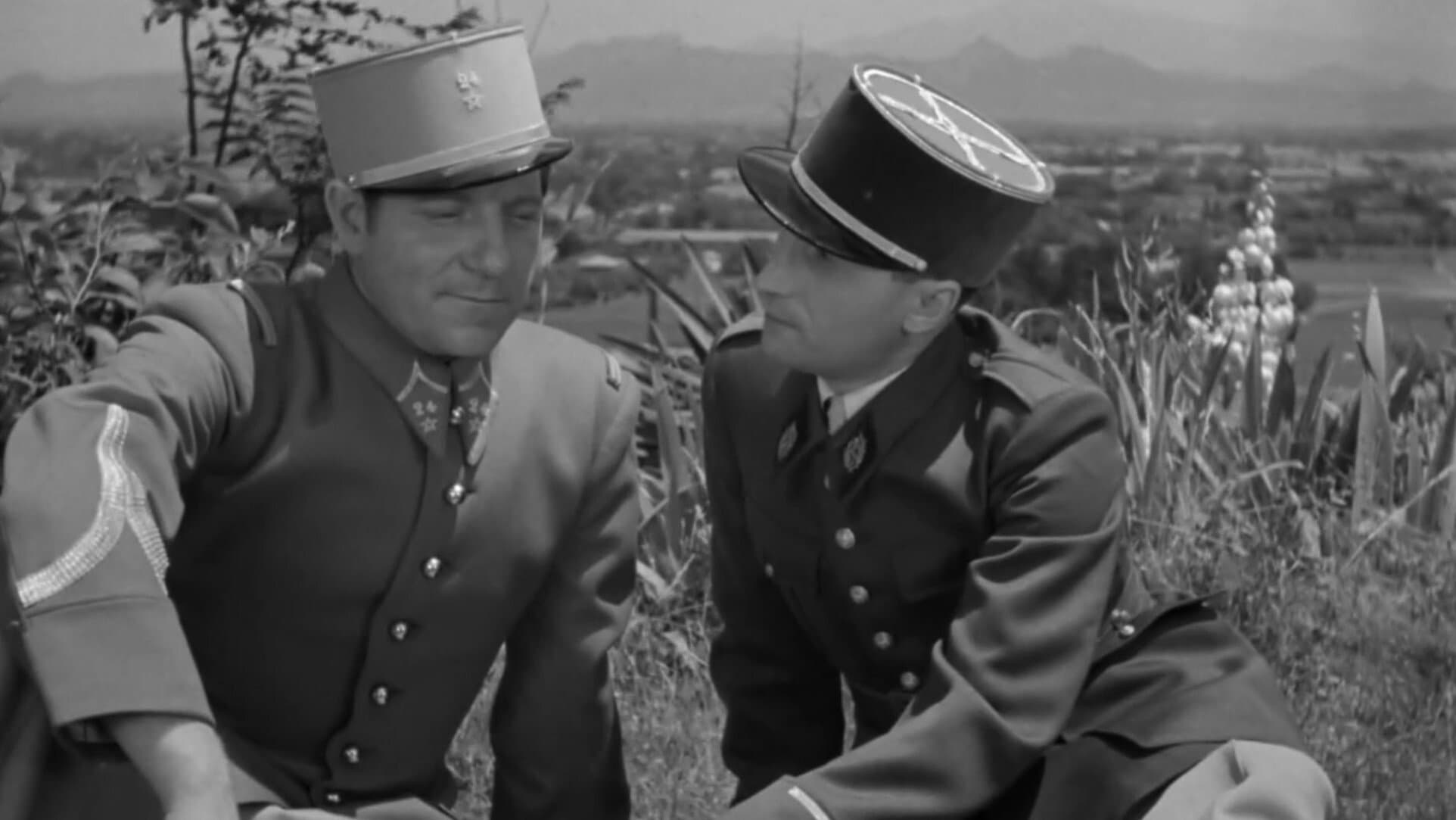
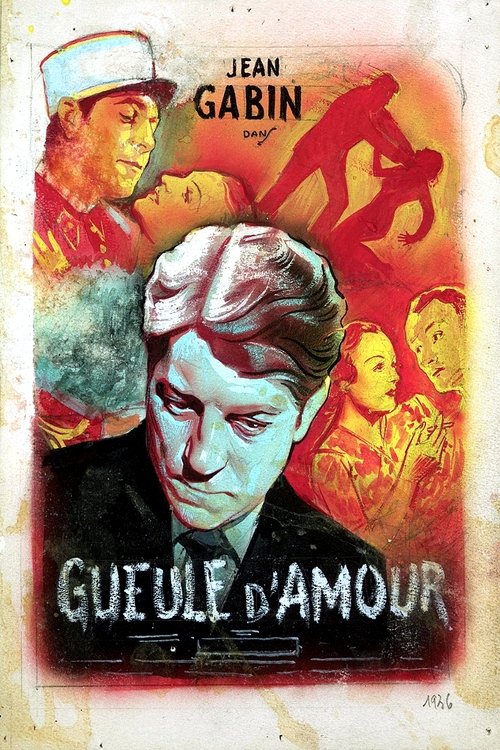
Lucien Bourrache, a good looking non-commissioned officer at the Spahis, is used to charm many women. He met Madeleine Courtois at Cannes. She is beautiful and lives in luxury. He lends her a large amount of money, which she loses gambling. Then she drops him. But Lucien is now in love, and once demobilized, he goes to Paris to find her again. But he's not so sexy without his uniform, and Madeleine and him do not belong to the same milieu.
Directed by Jean Grémillon

IMDB
N/A
Where to Watch

Cast
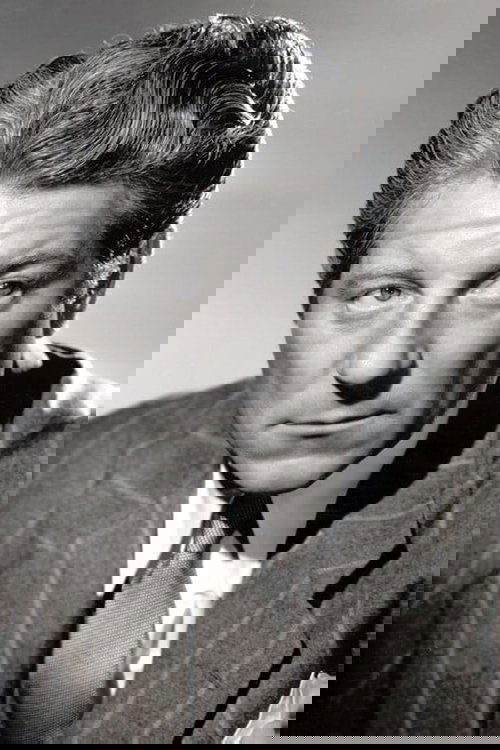
Jean Gabin
Lucien Bourrache, dit 'Gueule d'Amour'
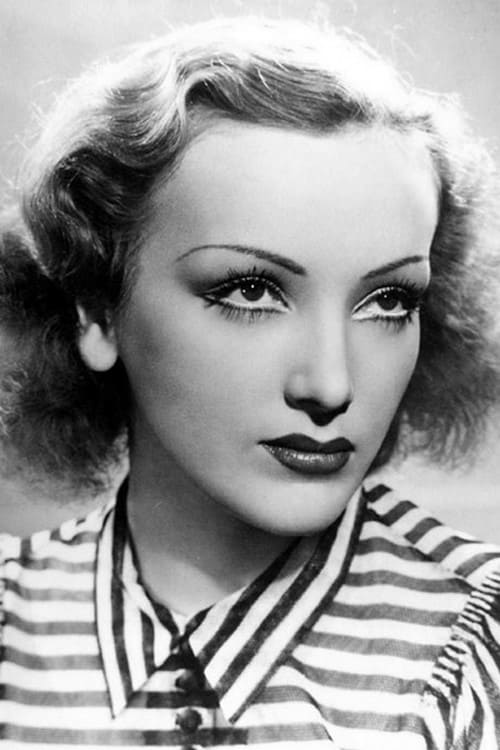
Mireille Balin
Madeleine Courtois, l'aventurière
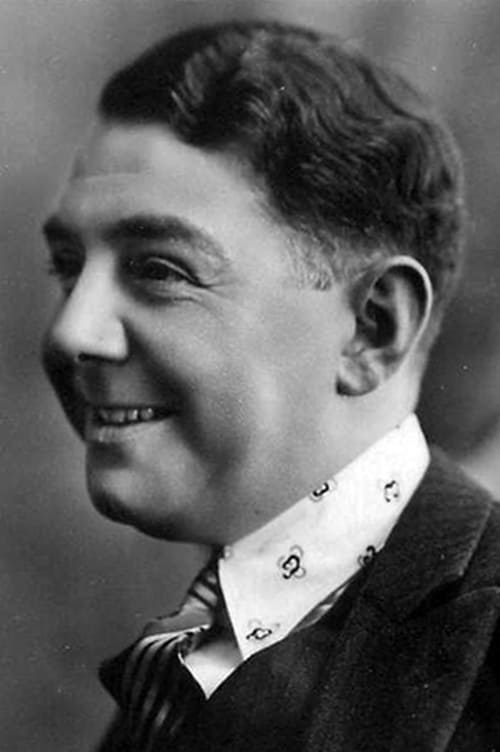
Pierre Etchepare
le patron de l'hôtel
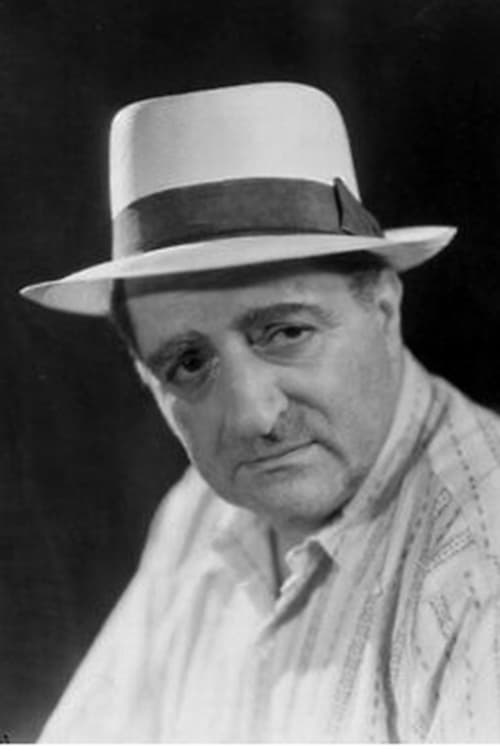
Henri Poupon
Monsieur Cailloux, le restaurateur
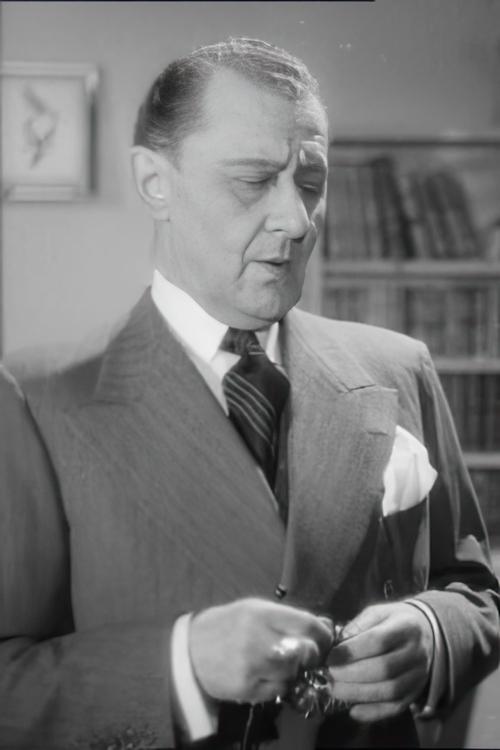
Jean Aymé
Adrien, le valet de chambre
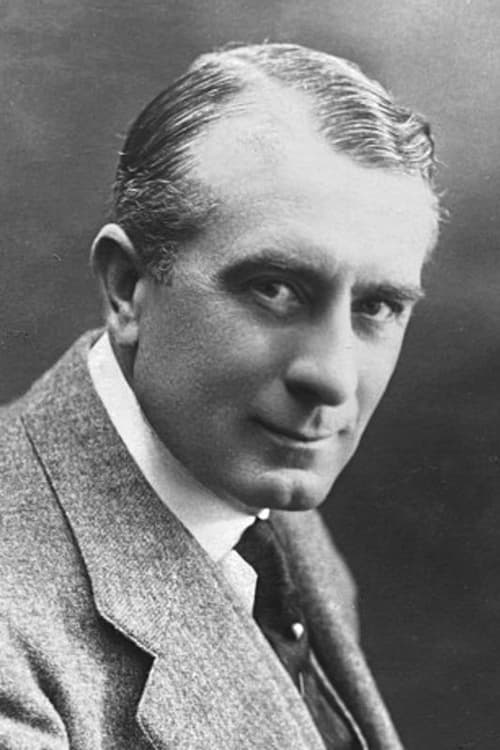
Pierre Magnier
le commandant de la garnison d'Orange
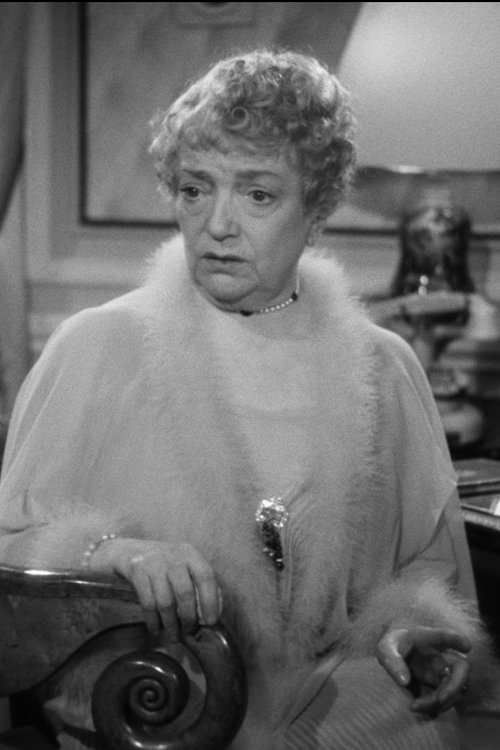
Marguerite Deval
Madame Courtois, mère de Madeleine
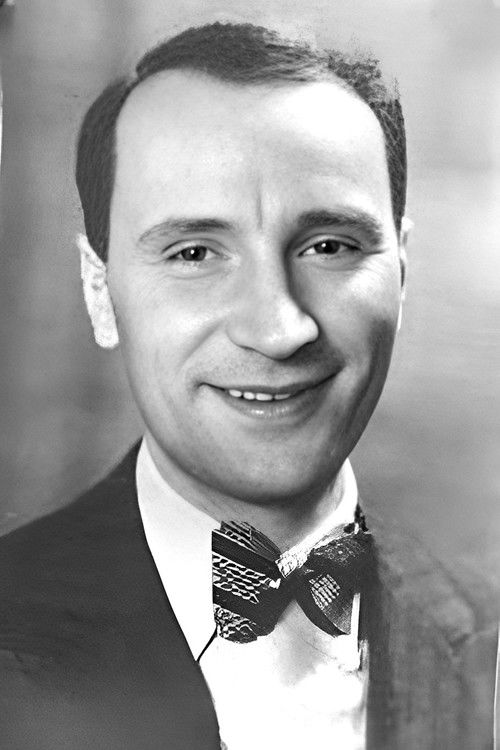
René Lefèvre
René Dauphin, l'ami de Lucien
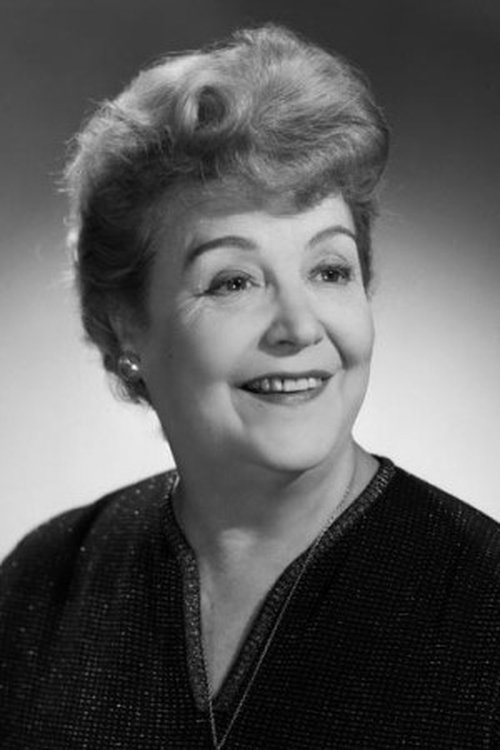
Jane Marken
Mme Cailloux, la restauratrice

André Siméon
Le patron du restaurant
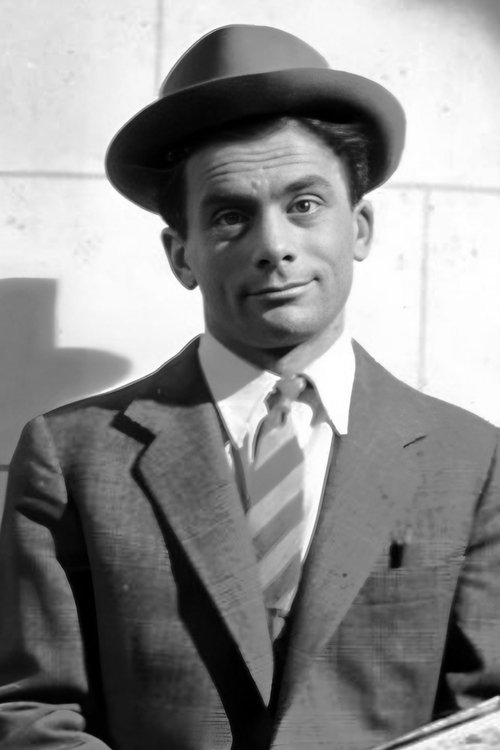
Maurice Baquet
Le soldat malade
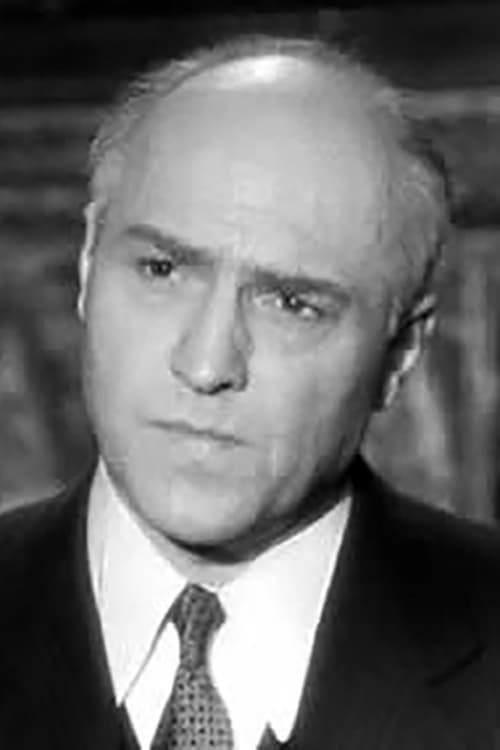
André Carnège
Le capitaine de la garnison d'Orange
Crew
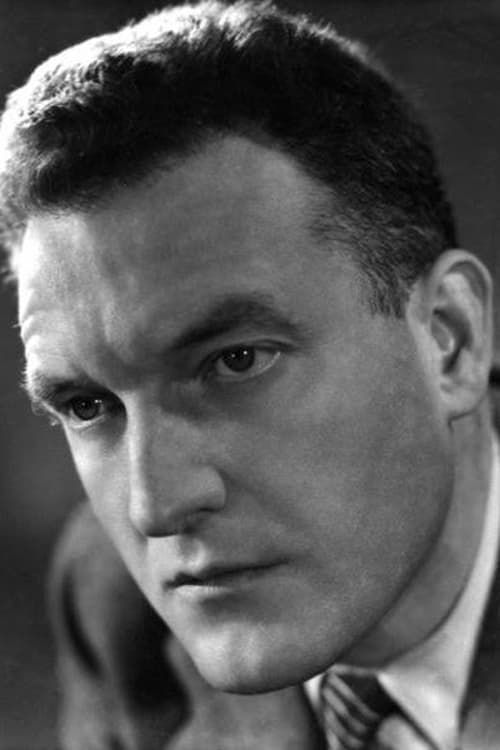
Jean Grémillon
Director
Jean Grémillon
Editor
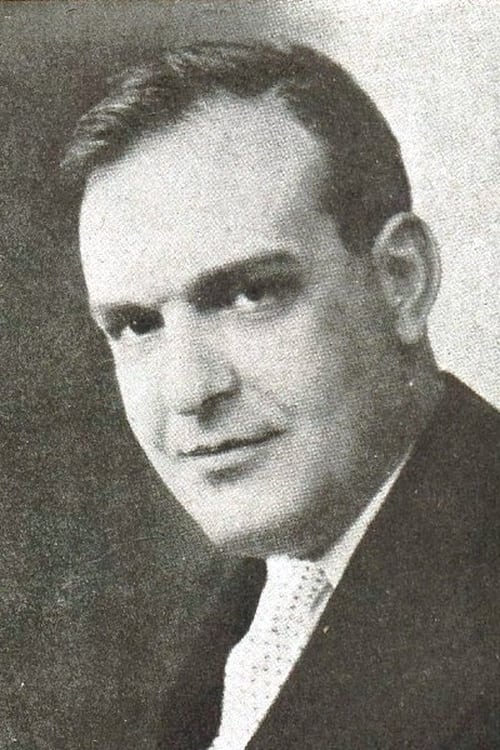
Charles Spaak
Scenario Writer
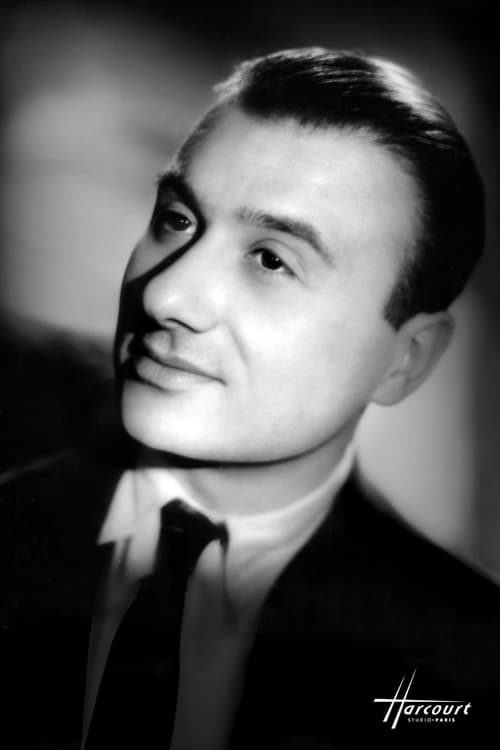
Louis Daquin
Assistant Director
Popular Reviews
2 reviews
JBPRO
8.0★ · 06/03/26
There are films you come across sometimes that demand a level of admiration simply because of how rigorously competent they are. They may not be definitive works of film art. They may not speak through celluloid to generations to come. They are not necessarily the kinds of films that you would hoist atop the mast of the canon. Sometimes they are. Casablanca for instance, or Letter from an Unknown Woman, or 12 Angry Men, or the works of Billy Wilder or Alfred Hitchcock, even some Kurosawa films, all fit into this category. But by and large, these are films that do the basics of what a film should do and do it very well. That is to say, these are films that are great because they are great. Guele d'amour is one such film.
Of course, I am being a little facetious here. The quality of a given film balances upon an ineluctable spectrum of contingency. All good films are good because they are well-made, and all good films are good because they speak to the viewer through something more than their own formal constitution. What I'm trying really to articulate is a kind of film that engages the viewer mainly because it is, on an insular and self-contained level, an excellently written and executed piece of dramaturgy. Rather than being predicated on its social relevance or its psychological depth or its visionary stylistics or its appeals to the transcendental, the value of such a film lies, to bring myself full circle, in competence. Nuances accepted, I think such a kind of film can be tentatively posited.
As far as it goes, Guele d'amour has a fairly basic, perhaps even slightly derivative plot. The rise and fall of the typal Don Juan; the elusive seductress who spindles his descent; the tragic brother-friend. It's a very well-trodden path. The excellence, rather than in any originality, lies in the tightness of the script and in narrative economy. The opening portion of the film may be taken as an example. Bourrache's mystique as Guele d'amour is built up. He is the centre of gravity around which the provincial town revolves. Everything and everyone is wrapped around his finger. When confronted by his commanding officers, he is a bashful bookworm and a helpless victim of the female gaze. In the very next scene he is an elaborate schemer who talks his way into a free lunch. Within the clashing of these two scenes is contained the slick cunning, the charm, the awareness of our Guele d'amour. Juxtaposed against each other, the character of Bourrache is crystallised before he has even engaged with any women.
Other such reversals, and moments of dramatic irony, recurrences, and leitmotifs, are peppered throughout the film. They are the fibres that thread through, stretch out, and fortify the narrative. I would even argue more broadly that it is these highly dramatic, almost literary devices which truly define Poetic Realism as a wider movement. Irony, be it trivial or sweeping, comical or bitter, is the true substance of Poetic Realism; and in Guele d'amour, Grémillon uses it everywhere. See the strcutrual contrast in the use of place, for instance: how by moving from Orange to Paris to Orange again, Bourrache's debasement over time becomes all the more typified. See also the tragic coincidences that drive the narrative forward, namely René's unfourtunate courting of Madeleine of all people. Or in the first interaction between Bourrache and Madeleine, where Grémillon stages a sumptuous unspoken game. Though they merely go on a walk, dance with each other, and talk at a table, the scene operates with a subterraneous dynamism, as each tests the other, setting up miniature traps, advancing or retreating, before, in a great and typical ironic twist, at the very moment Bourrache seems to have won the game and completed his conquest, the door is slammed in his face and the lock clicked. He has lost.
It is all these little things, spread over the film, that give Guele d'amour its edge. And this extends to Grémillon's stylistics as well. Being a 1930s Tradition of Quality French film, the style is naturally classical and conventional. The brilliance is in the elegant simplicity of Grémillon's approach, the poise and intelligence of his framing, his camera movements, or the editing. As an example, I'll cite the scene where Bourrache first meets Madeleine in the telegram office. A pan from a stranger at the counter who can't afford his telegram over to Bourrache writing his own seamlessly establishes the tone. Then, when Bourrache notices Madeleine at the other side of the booth, separated by a partition, Grémillon cuts to a close-up of her hands before tilting the camera up to her face. Though not a word is spoken, this insert of her hands swells with curiosity, desire, and conquest, made all the more turgid by the audience's awareness of Bourrache's point-of-view perspective, his proud and confident gaze. That ability to load a single, isolated image with connotations far beyond the sum of its parts reminds me especially of the narrative economy that typifies Billy Wilder's approach to direction. Grémillon cuts back to the wide shot as Bourrache stealthily rounds the booth and crosses the partition. A simple pan that follows this movement creates such a wonderfully telling image. Bourrache, preadtory in the background, literally crossing the threshold; Madeleine, serene and unaware in the foreground. It's a tiny moment and on the surface a rather banal shot, but it's so quietly clever and graceful that it becomes charged with erotic palpability. This is the kind of thing I mean when I mention 'rigorously competent' filmmaking.
I'm not going to swoon over other such little moments to reinforce this. I don't think that's necessary. But I would like to touch on the ending as an exemplification of Guele d'amour's subtle maturity. Bourrache has murdered Madeleine in a fit of jealous irrational rage. The reasons are ambiguous. It could be from his own sexual as well as his class humiliation, or it could be from a sense of offence on behalf of René, his cuckolded friend. Or perhaps he doesn't care for René at all and merely uses him as a moral front to veneer his own impotent rage. The answer is likely some mixture of all three. Either way, he has gone to René for help. It is precisely here that Grémillon makes his most astute decision across the whole film. He recognises that the film is no longer about the descent of Bourrache, and therefore chooses not to show his comeuppance or to complete the narrative by showing his capture or death. Bourrache has already lost. His drama is completed. He cannot go any lower.
Instead, Grémillon brilliantly locates the final drama in the relationship between Bourrache and René, who chooses to help his friend. This decision contains so much poignant weight. He first of all accepts complicity in Madeleine's murder. Although he remains calm and despondent, a sense of injured pride and violated sexuality undulates his actions. He also, however, in an almost paradoxical sense, accepts the mystique of Guele d'amour. Even though in real terms Bourrache's Don Juan identity has been atomised, René chooses in the end to reposition himself beneath Bourrache, to sexually debase himself by colluding with his own cuckolder. On another level as well, the action may be more simply understood as a gesture of the depth of their friendship, but I think there's more to it than that. I would go so far as to argue that there is something deeply queer-coded about the ending. I'm usually sceptical of the term as it often tends to be imparted onto rather than extracted from films, but the ethical and sexual complexities that underlie René's decision to me cannot but exude a subtly homosexual implication. It's difficult not to notice how they seem almost like a romantic couple when they hold each other's hands as the train begins to pull away. I am sceptical again of overstating this underlying queerness because to do so would come at the expense of much of the rest of the film. But I think more broadly that Grémillon's choice to locate the film's ultimate drama not in the fate of Bourrache himself, but rather in the Guele d'amour persona and René's relationship to it, is such a perceptive move that renders the film far more powerful.
As I said at the beginning, Guele d'amour is no defining piece of cinema. It's not even the best French Poetic Realist film from 1937 that stars Jean Gabin. But it is, in my opinion, such a great example of a solid, well-crafted, and genuinely valuable film. It's a pleasure to watch because it's rewarding to pick apart. A healthy film culture needs films like this, which take the basic means of filmmaking and expend them with skill and competence. These 'blueprint' films, as it were, though valuable as things in themselves, offer the simple invaluable assertion that 'this is cinema, and this is what it can do'.
Of course, I am being a little facetious here. The quality of a given film balances upon an ineluctable spectrum of contingency. All good films are good because they are well-made, and all good films are good because they speak to the viewer through something more than their own formal constitution. What I'm trying really to articulate is a kind of film that engages the viewer mainly because it is, on an insular and self-contained level, an excellently written and executed piece of dramaturgy. Rather than being predicated on its social relevance or its psychological depth or its visionary stylistics or its appeals to the transcendental, the value of such a film lies, to bring myself full circle, in competence. Nuances accepted, I think such a kind of film can be tentatively posited.
As far as it goes, Guele d'amour has a fairly basic, perhaps even slightly derivative plot. The rise and fall of the typal Don Juan; the elusive seductress who spindles his descent; the tragic brother-friend. It's a very well-trodden path. The excellence, rather than in any originality, lies in the tightness of the script and in narrative economy. The opening portion of the film may be taken as an example. Bourrache's mystique as Guele d'amour is built up. He is the centre of gravity around which the provincial town revolves. Everything and everyone is wrapped around his finger. When confronted by his commanding officers, he is a bashful bookworm and a helpless victim of the female gaze. In the very next scene he is an elaborate schemer who talks his way into a free lunch. Within the clashing of these two scenes is contained the slick cunning, the charm, the awareness of our Guele d'amour. Juxtaposed against each other, the character of Bourrache is crystallised before he has even engaged with any women.
Other such reversals, and moments of dramatic irony, recurrences, and leitmotifs, are peppered throughout the film. They are the fibres that thread through, stretch out, and fortify the narrative. I would even argue more broadly that it is these highly dramatic, almost literary devices which truly define Poetic Realism as a wider movement. Irony, be it trivial or sweeping, comical or bitter, is the true substance of Poetic Realism; and in Guele d'amour, Grémillon uses it everywhere. See the strcutrual contrast in the use of place, for instance: how by moving from Orange to Paris to Orange again, Bourrache's debasement over time becomes all the more typified. See also the tragic coincidences that drive the narrative forward, namely René's unfourtunate courting of Madeleine of all people. Or in the first interaction between Bourrache and Madeleine, where Grémillon stages a sumptuous unspoken game. Though they merely go on a walk, dance with each other, and talk at a table, the scene operates with a subterraneous dynamism, as each tests the other, setting up miniature traps, advancing or retreating, before, in a great and typical ironic twist, at the very moment Bourrache seems to have won the game and completed his conquest, the door is slammed in his face and the lock clicked. He has lost.
It is all these little things, spread over the film, that give Guele d'amour its edge. And this extends to Grémillon's stylistics as well. Being a 1930s Tradition of Quality French film, the style is naturally classical and conventional. The brilliance is in the elegant simplicity of Grémillon's approach, the poise and intelligence of his framing, his camera movements, or the editing. As an example, I'll cite the scene where Bourrache first meets Madeleine in the telegram office. A pan from a stranger at the counter who can't afford his telegram over to Bourrache writing his own seamlessly establishes the tone. Then, when Bourrache notices Madeleine at the other side of the booth, separated by a partition, Grémillon cuts to a close-up of her hands before tilting the camera up to her face. Though not a word is spoken, this insert of her hands swells with curiosity, desire, and conquest, made all the more turgid by the audience's awareness of Bourrache's point-of-view perspective, his proud and confident gaze. That ability to load a single, isolated image with connotations far beyond the sum of its parts reminds me especially of the narrative economy that typifies Billy Wilder's approach to direction. Grémillon cuts back to the wide shot as Bourrache stealthily rounds the booth and crosses the partition. A simple pan that follows this movement creates such a wonderfully telling image. Bourrache, preadtory in the background, literally crossing the threshold; Madeleine, serene and unaware in the foreground. It's a tiny moment and on the surface a rather banal shot, but it's so quietly clever and graceful that it becomes charged with erotic palpability. This is the kind of thing I mean when I mention 'rigorously competent' filmmaking.
I'm not going to swoon over other such little moments to reinforce this. I don't think that's necessary. But I would like to touch on the ending as an exemplification of Guele d'amour's subtle maturity. Bourrache has murdered Madeleine in a fit of jealous irrational rage. The reasons are ambiguous. It could be from his own sexual as well as his class humiliation, or it could be from a sense of offence on behalf of René, his cuckolded friend. Or perhaps he doesn't care for René at all and merely uses him as a moral front to veneer his own impotent rage. The answer is likely some mixture of all three. Either way, he has gone to René for help. It is precisely here that Grémillon makes his most astute decision across the whole film. He recognises that the film is no longer about the descent of Bourrache, and therefore chooses not to show his comeuppance or to complete the narrative by showing his capture or death. Bourrache has already lost. His drama is completed. He cannot go any lower.
Instead, Grémillon brilliantly locates the final drama in the relationship between Bourrache and René, who chooses to help his friend. This decision contains so much poignant weight. He first of all accepts complicity in Madeleine's murder. Although he remains calm and despondent, a sense of injured pride and violated sexuality undulates his actions. He also, however, in an almost paradoxical sense, accepts the mystique of Guele d'amour. Even though in real terms Bourrache's Don Juan identity has been atomised, René chooses in the end to reposition himself beneath Bourrache, to sexually debase himself by colluding with his own cuckolder. On another level as well, the action may be more simply understood as a gesture of the depth of their friendship, but I think there's more to it than that. I would go so far as to argue that there is something deeply queer-coded about the ending. I'm usually sceptical of the term as it often tends to be imparted onto rather than extracted from films, but the ethical and sexual complexities that underlie René's decision to me cannot but exude a subtly homosexual implication. It's difficult not to notice how they seem almost like a romantic couple when they hold each other's hands as the train begins to pull away. I am sceptical again of overstating this underlying queerness because to do so would come at the expense of much of the rest of the film. But I think more broadly that Grémillon's choice to locate the film's ultimate drama not in the fate of Bourrache himself, but rather in the Guele d'amour persona and René's relationship to it, is such a perceptive move that renders the film far more powerful.
As I said at the beginning, Guele d'amour is no defining piece of cinema. It's not even the best French Poetic Realist film from 1937 that stars Jean Gabin. But it is, in my opinion, such a great example of a solid, well-crafted, and genuinely valuable film. It's a pleasure to watch because it's rewarding to pick apart. A healthy film culture needs films like this, which take the basic means of filmmaking and expend them with skill and competence. These 'blueprint' films, as it were, though valuable as things in themselves, offer the simple invaluable assertion that 'this is cinema, and this is what it can do'.
There are films you come across sometimes that demand a level of admiration simply because of how rigorously competent they are. They may not be definitive works of film art. They may not speak through celluloid to generations to come. They are not necessarily the kinds of films that you would hoist atop the mast of the canon. Sometimes they are. Casablanca for instance, or Letter from an Unknown Woman, or 12 Angry Men, or the works of Billy Wilder or Alfred Hitchcock, even some Kurosawa films, all fit into this category. But by and large, these are films that do the basics of what a film should do and do it very well. That is to say, these are films that are great because they are great. Guele d'amour is one such film.
Of course, I am being a little facetious here. The quality of a given film balances upon an ineluctable spectrum of contingency. All good films are good because they are well-made, and all good films are good because they speak to the viewer through something more than their own formal constitution. What I'm trying really to articulate is a kind of film that engages the viewer mainly because it is, on an insular and self-contained level, an excellently written and executed piece of dramaturgy. Rather than being predicated on its social relevance or its psychological depth or its visionary stylistics or its appeals to the transcendental, the value of such a film lies, to bring myself full circle, in competence. Nuances accepted, I think such a kind of film can be tentatively posited.
As far as it goes, Guele d'amour has a fairly basic, perhaps even slightly derivative plot. The rise and fall of the typal Don Juan; the elusive seductress who spindles his descent; the tragic brother-friend. It's a very well-trodden path. The excellence, rather than in any originality, lies in the tightness of the script and in narrative economy. The opening portion of the film may be taken as an example. Bourrache's mystique as Guele d'amour is built up. He is the centre of gravity around which the provincial town revolves. Everything and everyone is wrapped around his finger. When confronted by his commanding officers, he is a bashful bookworm and a helpless victim of the female gaze. In the very next scene he is an elaborate schemer who talks his way into a free lunch. Within the clashing of these two scenes is contained the slick cunning, the charm, the awareness of our Guele d'amour. Juxtaposed against each other, the character of Bourrache is crystallised before he has even engaged with any women.
Other such reversals, and moments of dramatic irony, recurrences, and leitmotifs, are peppered throughout the film. They are the fibres that thread through, stretch out, and fortify the narrative. I would even argue more broadly that it is these highly dramatic, almost literary devices which truly define Poetic Realism as a wider movement. Irony, be it trivial or sweeping, comical or bitter, is the true substance of Poetic Realism; and in Guele d'amour, Grémillon uses it everywhere. See the strcutrual contrast in the use of place, for instance: how by moving from Orange to Paris to Orange again, Bourrache's debasement over time becomes all the more typified. See also the tragic coincidences that drive the narrative forward, namely René's unfourtunate courting of Madeleine of all people. Or in the first interaction between Bourrache and Madeleine, where Grémillon stages a sumptuous unspoken game. Though they merely go on a walk, dance with each other, and talk at a table, the scene operates with a subterraneous dynamism, as each tests the other, setting up miniature traps, advancing or retreating, before, in a great and typical ironic twist, at the very moment Bourrache seems to have won the game and completed his conquest, the door is slammed in his face and the lock clicked. He has lost.
It is all these little things, spread over the film, that give Guele d'amour its edge. And this extends to Grémillon's stylistics as well. Being a 1930s Tradition of Quality French film, the style is naturally classical and conventional. The brilliance is in the elegant simplicity of Grémillon's approach, the poise and intelligence of his framing, his camera movements, or the editing. As an example, I'll cite the scene where Bourrache first meets Madeleine in the telegram office. A pan from a stranger at the counter who can't afford his telegram over to Bourrache writing his own seamlessly establishes the tone. Then, when Bourrache notices Madeleine at the other side of the booth, separated by a partition, Grémillon cuts to a close-up of her hands before tilting the camera up to her face. Though not a word is spoken, this insert of her hands swells with curiosity, desire, and conquest, made all the more turgid by the audience's awareness of Bourrache's point-of-view perspective, his proud and confident gaze. That ability to load a single, isolated image with connotations far beyond the sum of its parts reminds me especially of the narrative economy that typifies Billy Wilder's approach to direction. Grémillon cuts back to the wide shot as Bourrache stealthily rounds the booth and crosses the partition. A simple pan that follows this movement creates such a wonderfully telling image. Bourrache, preadtory in the background, literally crossing the threshold; Madeleine, serene and unaware in the foreground. It's a tiny moment and on the surface a rather banal shot, but it's so quietly clever and graceful that it becomes charged with erotic palpability. This is the kind of thing I mean when I mention 'rigorously competent' filmmaking.
I'm not going to swoon over other such little moments to reinforce this. I don't think that's necessary. But I would like to touch on the ending as an exemplification of Guele d'amour's subtle maturity. Bourrache has murdered Madeleine in a fit of jealous irrational rage. The reasons are ambiguous. It could be from his own sexual as well as his class humiliation, or it could be from a sense of offence on behalf of René, his cuckolded friend. Or perhaps he doesn't care for René at all and merely uses him as a moral front to veneer his own impotent rage. The answer is likely some mixture of all three. Either way, he has gone to René for help. It is precisely here that Grémillon makes his most astute decision across the whole film. He recognises that the film is no longer about the descent of Bourrache, and therefore chooses not to show his comeuppance or to complete the narrative by showing his capture or death. Bourrache has already lost. His drama is completed. He cannot go any lower.
Instead, Grémillon brilliantly locates the final drama in the relationship between Bourrache and René, who chooses to help his friend. This decision contains so much poignant weight. He first of all accepts complicity in Madeleine's murder. Although he remains calm and despondent, a sense of injured pride and violated sexuality undulates his actions. He also, however, in an almost paradoxical sense, accepts the mystique of Guele d'amour. Even though in real terms Bourrache's Don Juan identity has been atomised, René chooses in the end to reposition himself beneath Bourrache, to sexually debase himself by colluding with his own cuckolder. On another level as well, the action may be more simply understood as a gesture of the depth of their friendship, but I think there's more to it than that. I would go so far as to argue that there is something deeply queer-coded about the ending. I'm usually sceptical of the term as it often tends to be imparted onto rather than extracted from films, but the ethical and sexual complexities that underlie René's decision to me cannot but exude a subtly homosexual implication. It's difficult not to notice how they seem almost like a romantic couple when they hold each other's hands as the train begins to pull away. I am sceptical again of overstating this underlying queerness because to do so would come at the expense of much of the rest of the film. But I think more broadly that Grémillon's choice to locate the film's ultimate drama not in the fate of Bourrache himself, but rather in the Guele d'amour persona and René's relationship to it, is such a perceptive move that renders the film far more powerful.
As I said at the beginning, Guele d'amour is no defining piece of cinema. It's not even the best French Poetic Realist film from 1937 that stars Jean Gabin. But it is, in my opinion, such a great example of a solid, well-crafted, and genuinely valuable film. It's a pleasure to watch because it's rewarding to pick apart. A healthy film culture needs films like this, which take the basic means of filmmaking and expend them with skill and competence. These 'blueprint' films, as it were, though valuable as things in themselves, offer the simple invaluable assertion that 'this is cinema, and this is what it can do'.
Of course, I am being a little facetious here. The quality of a given film balances upon an ineluctable spectrum of contingency. All good films are good because they are well-made, and all good films are good because they speak to the viewer through something more than their own formal constitution. What I'm trying really to articulate is a kind of film that engages the viewer mainly because it is, on an insular and self-contained level, an excellently written and executed piece of dramaturgy. Rather than being predicated on its social relevance or its psychological depth or its visionary stylistics or its appeals to the transcendental, the value of such a film lies, to bring myself full circle, in competence. Nuances accepted, I think such a kind of film can be tentatively posited.
As far as it goes, Guele d'amour has a fairly basic, perhaps even slightly derivative plot. The rise and fall of the typal Don Juan; the elusive seductress who spindles his descent; the tragic brother-friend. It's a very well-trodden path. The excellence, rather than in any originality, lies in the tightness of the script and in narrative economy. The opening portion of the film may be taken as an example. Bourrache's mystique as Guele d'amour is built up. He is the centre of gravity around which the provincial town revolves. Everything and everyone is wrapped around his finger. When confronted by his commanding officers, he is a bashful bookworm and a helpless victim of the female gaze. In the very next scene he is an elaborate schemer who talks his way into a free lunch. Within the clashing of these two scenes is contained the slick cunning, the charm, the awareness of our Guele d'amour. Juxtaposed against each other, the character of Bourrache is crystallised before he has even engaged with any women.
Other such reversals, and moments of dramatic irony, recurrences, and leitmotifs, are peppered throughout the film. They are the fibres that thread through, stretch out, and fortify the narrative. I would even argue more broadly that it is these highly dramatic, almost literary devices which truly define Poetic Realism as a wider movement. Irony, be it trivial or sweeping, comical or bitter, is the true substance of Poetic Realism; and in Guele d'amour, Grémillon uses it everywhere. See the strcutrual contrast in the use of place, for instance: how by moving from Orange to Paris to Orange again, Bourrache's debasement over time becomes all the more typified. See also the tragic coincidences that drive the narrative forward, namely René's unfourtunate courting of Madeleine of all people. Or in the first interaction between Bourrache and Madeleine, where Grémillon stages a sumptuous unspoken game. Though they merely go on a walk, dance with each other, and talk at a table, the scene operates with a subterraneous dynamism, as each tests the other, setting up miniature traps, advancing or retreating, before, in a great and typical ironic twist, at the very moment Bourrache seems to have won the game and completed his conquest, the door is slammed in his face and the lock clicked. He has lost.
It is all these little things, spread over the film, that give Guele d'amour its edge. And this extends to Grémillon's stylistics as well. Being a 1930s Tradition of Quality French film, the style is naturally classical and conventional. The brilliance is in the elegant simplicity of Grémillon's approach, the poise and intelligence of his framing, his camera movements, or the editing. As an example, I'll cite the scene where Bourrache first meets Madeleine in the telegram office. A pan from a stranger at the counter who can't afford his telegram over to Bourrache writing his own seamlessly establishes the tone. Then, when Bourrache notices Madeleine at the other side of the booth, separated by a partition, Grémillon cuts to a close-up of her hands before tilting the camera up to her face. Though not a word is spoken, this insert of her hands swells with curiosity, desire, and conquest, made all the more turgid by the audience's awareness of Bourrache's point-of-view perspective, his proud and confident gaze. That ability to load a single, isolated image with connotations far beyond the sum of its parts reminds me especially of the narrative economy that typifies Billy Wilder's approach to direction. Grémillon cuts back to the wide shot as Bourrache stealthily rounds the booth and crosses the partition. A simple pan that follows this movement creates such a wonderfully telling image. Bourrache, preadtory in the background, literally crossing the threshold; Madeleine, serene and unaware in the foreground. It's a tiny moment and on the surface a rather banal shot, but it's so quietly clever and graceful that it becomes charged with erotic palpability. This is the kind of thing I mean when I mention 'rigorously competent' filmmaking.
I'm not going to swoon over other such little moments to reinforce this. I don't think that's necessary. But I would like to touch on the ending as an exemplification of Guele d'amour's subtle maturity. Bourrache has murdered Madeleine in a fit of jealous irrational rage. The reasons are ambiguous. It could be from his own sexual as well as his class humiliation, or it could be from a sense of offence on behalf of René, his cuckolded friend. Or perhaps he doesn't care for René at all and merely uses him as a moral front to veneer his own impotent rage. The answer is likely some mixture of all three. Either way, he has gone to René for help. It is precisely here that Grémillon makes his most astute decision across the whole film. He recognises that the film is no longer about the descent of Bourrache, and therefore chooses not to show his comeuppance or to complete the narrative by showing his capture or death. Bourrache has already lost. His drama is completed. He cannot go any lower.
Instead, Grémillon brilliantly locates the final drama in the relationship between Bourrache and René, who chooses to help his friend. This decision contains so much poignant weight. He first of all accepts complicity in Madeleine's murder. Although he remains calm and despondent, a sense of injured pride and violated sexuality undulates his actions. He also, however, in an almost paradoxical sense, accepts the mystique of Guele d'amour. Even though in real terms Bourrache's Don Juan identity has been atomised, René chooses in the end to reposition himself beneath Bourrache, to sexually debase himself by colluding with his own cuckolder. On another level as well, the action may be more simply understood as a gesture of the depth of their friendship, but I think there's more to it than that. I would go so far as to argue that there is something deeply queer-coded about the ending. I'm usually sceptical of the term as it often tends to be imparted onto rather than extracted from films, but the ethical and sexual complexities that underlie René's decision to me cannot but exude a subtly homosexual implication. It's difficult not to notice how they seem almost like a romantic couple when they hold each other's hands as the train begins to pull away. I am sceptical again of overstating this underlying queerness because to do so would come at the expense of much of the rest of the film. But I think more broadly that Grémillon's choice to locate the film's ultimate drama not in the fate of Bourrache himself, but rather in the Guele d'amour persona and René's relationship to it, is such a perceptive move that renders the film far more powerful.
As I said at the beginning, Guele d'amour is no defining piece of cinema. It's not even the best French Poetic Realist film from 1937 that stars Jean Gabin. But it is, in my opinion, such a great example of a solid, well-crafted, and genuinely valuable film. It's a pleasure to watch because it's rewarding to pick apart. A healthy film culture needs films like this, which take the basic means of filmmaking and expend them with skill and competence. These 'blueprint' films, as it were, though valuable as things in themselves, offer the simple invaluable assertion that 'this is cinema, and this is what it can do'.


Luka
7.0★ · 03/11/26
everything about Gueule d’Amour in this movie screams faggot
everything about Gueule d’Amour in this movie screams faggot