
God's Country
1985·Documentary·1h 35m
7.1
★
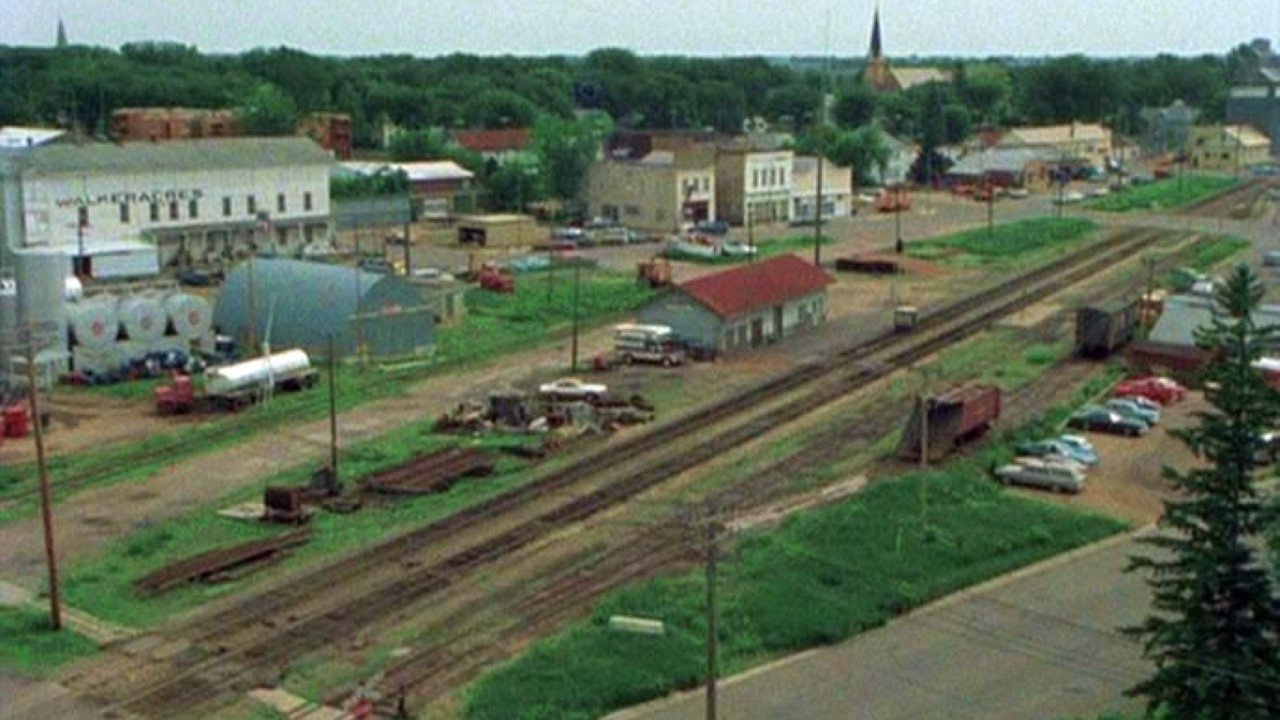
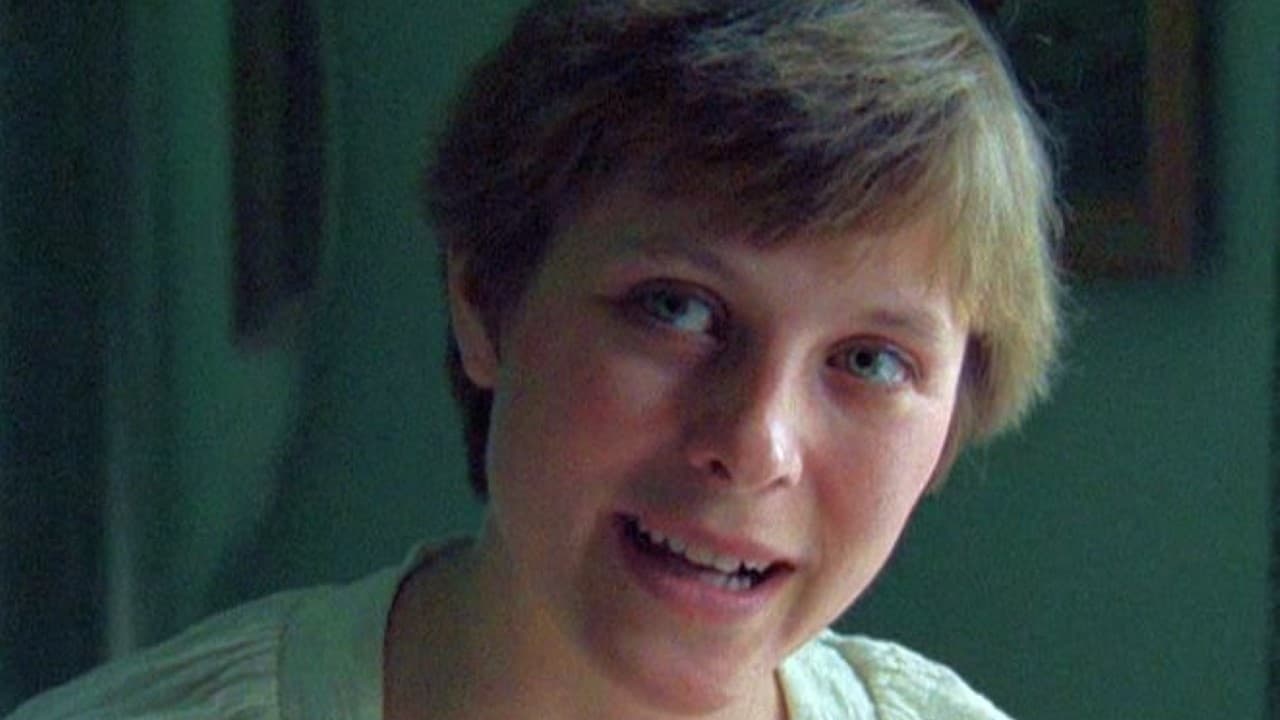
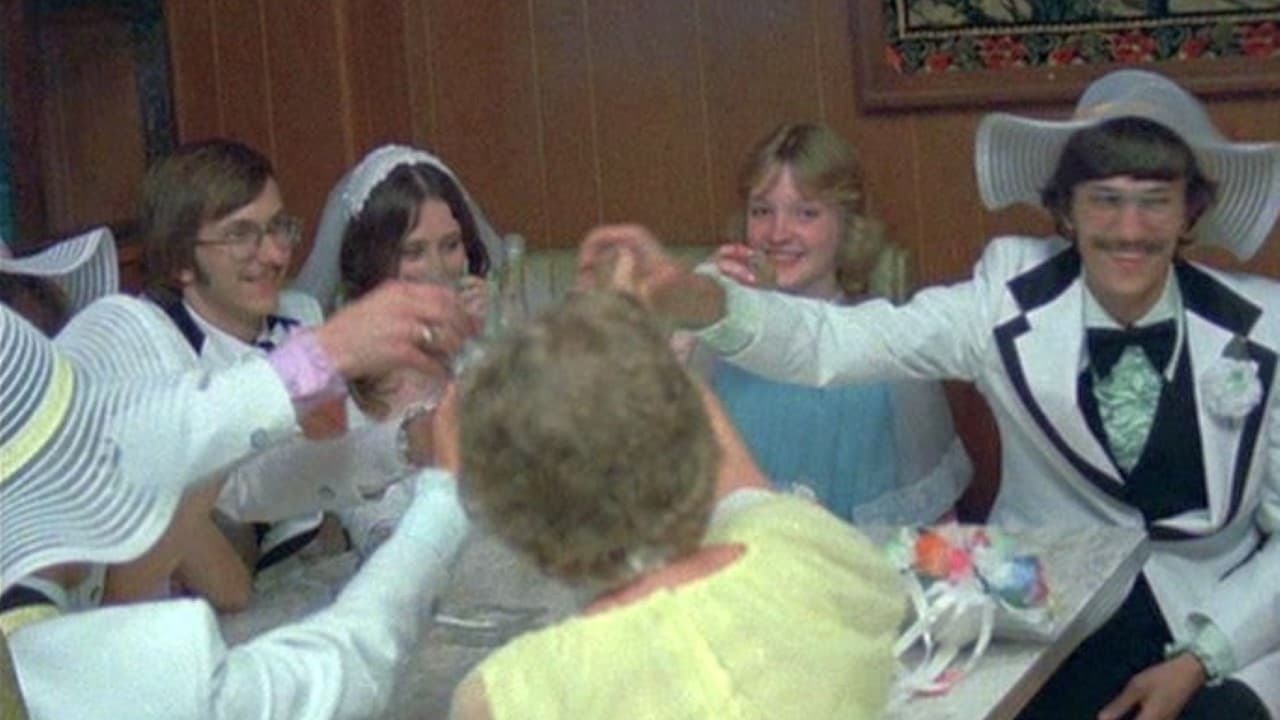
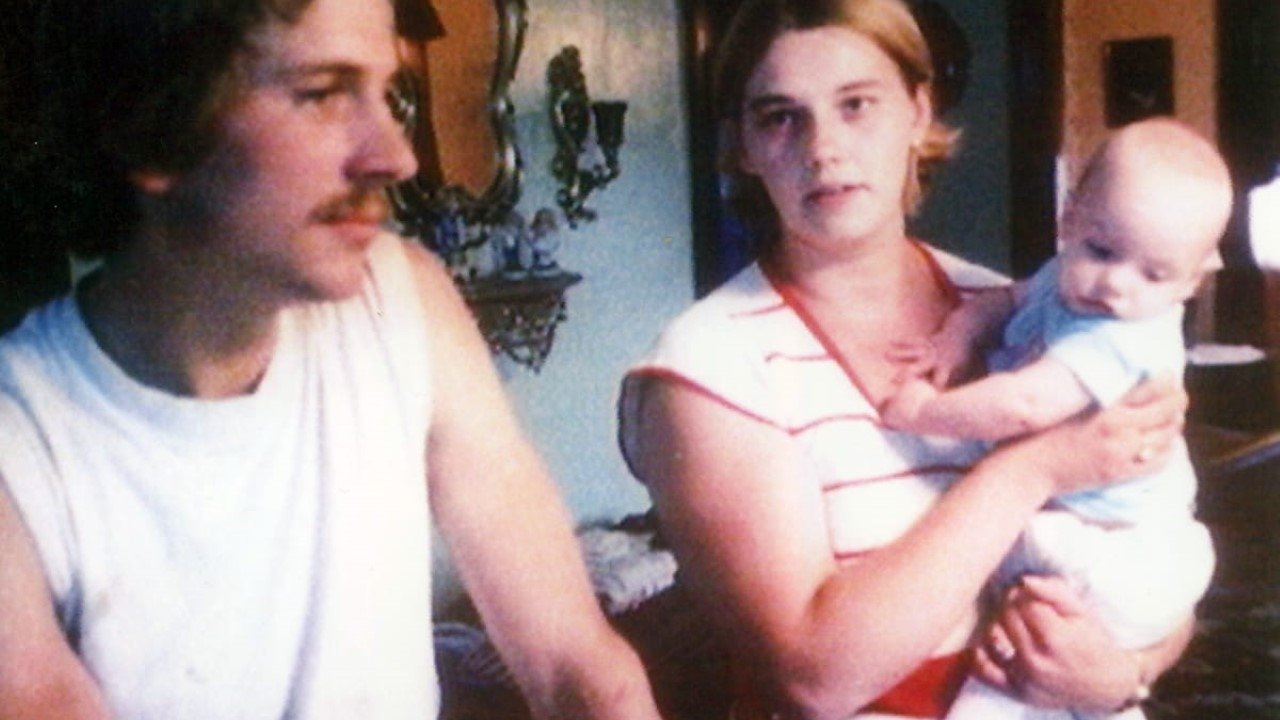
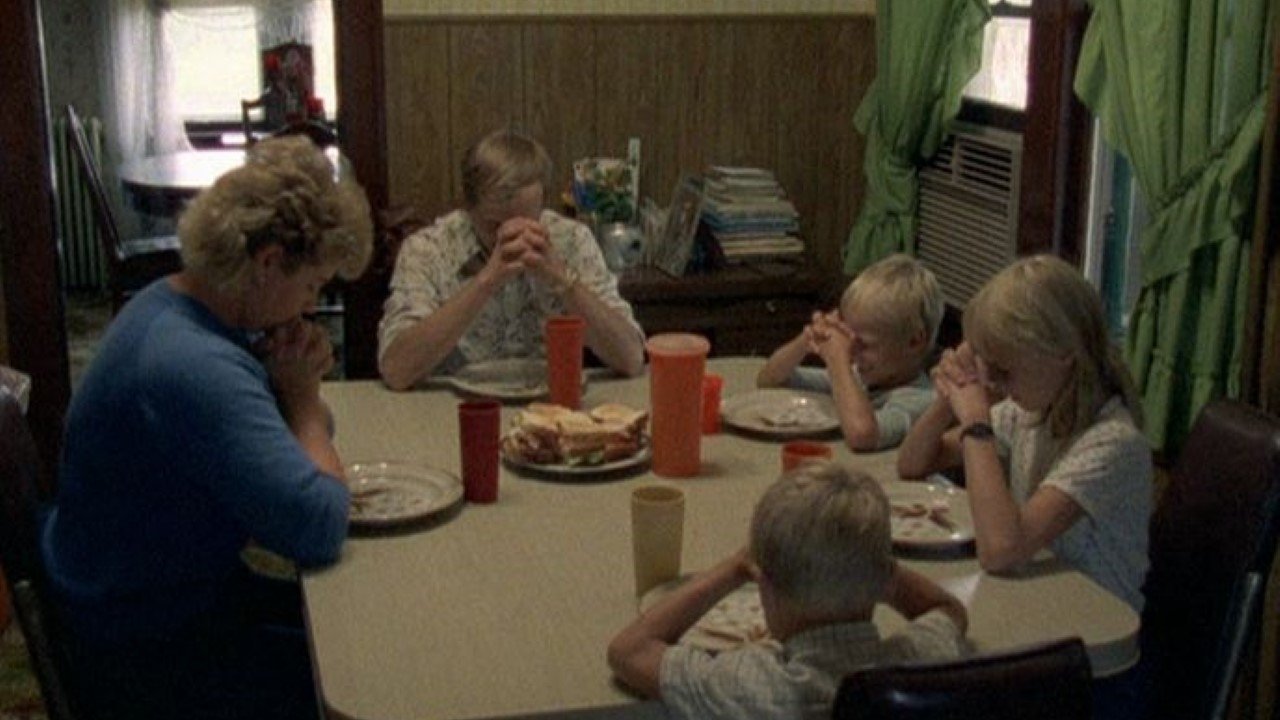
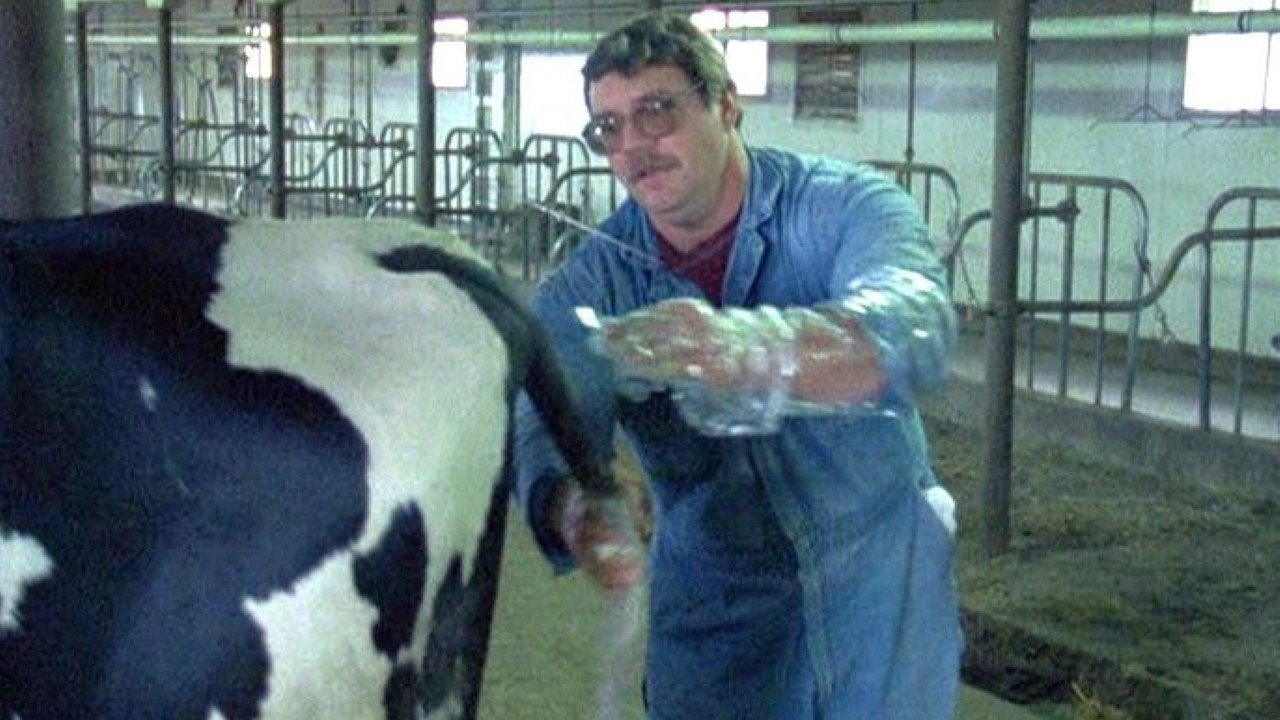
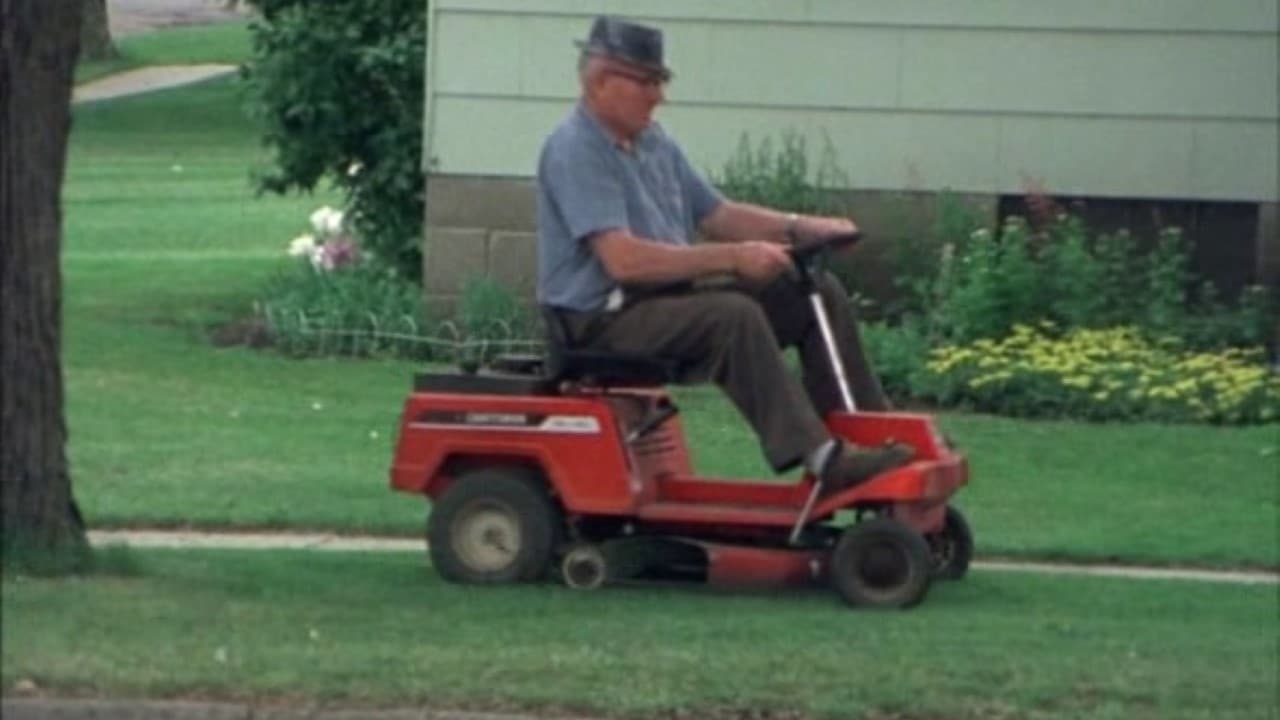
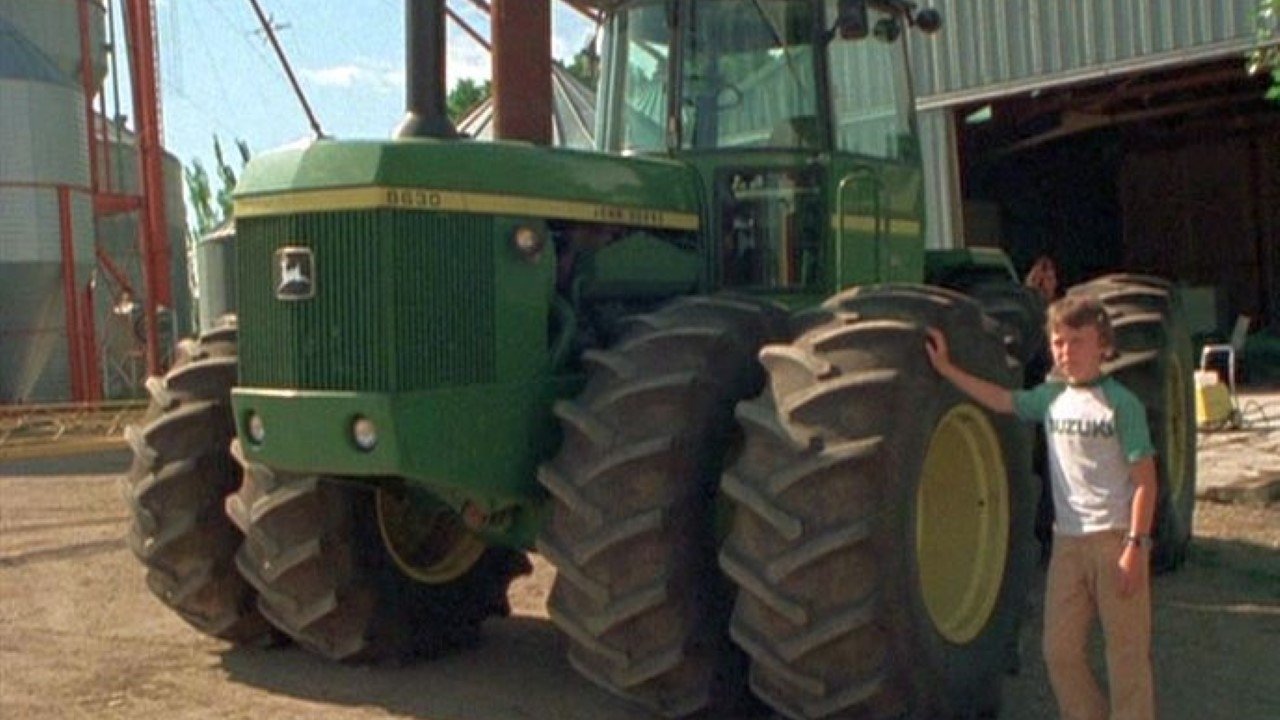
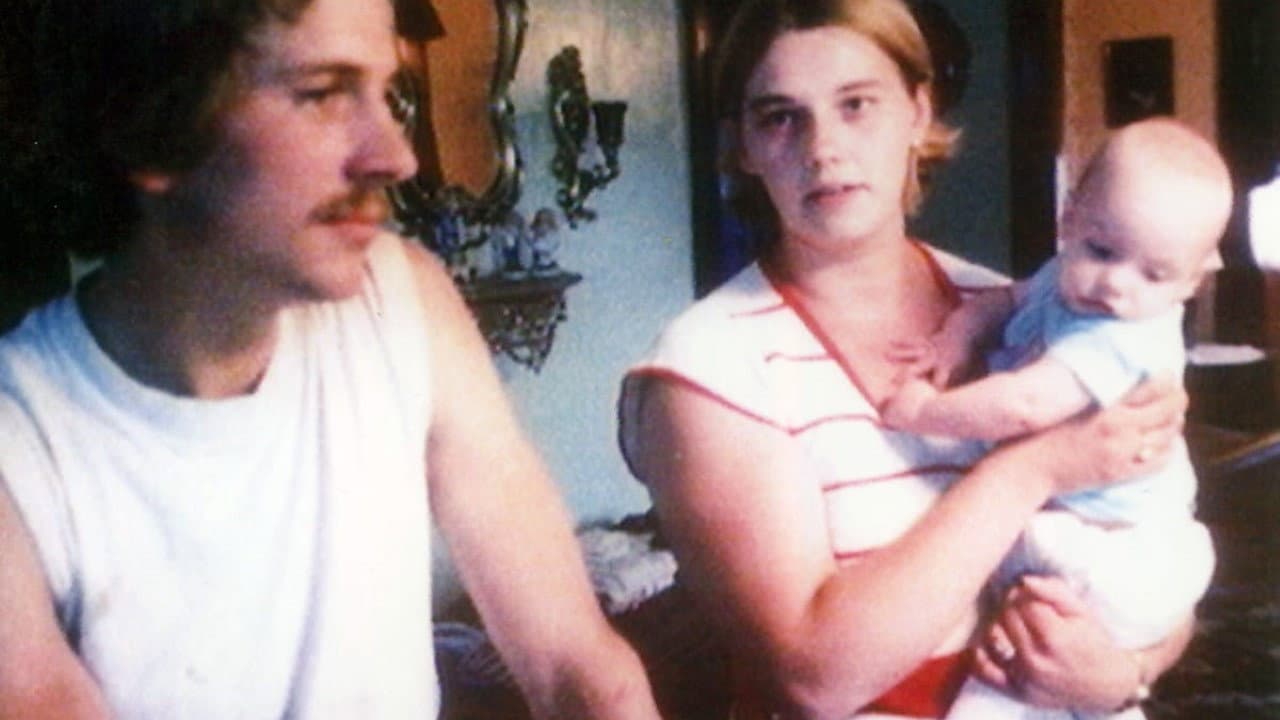
In 1979, Louis Malle films the thriving lives of a Minnesota farming community, but returns six years later to document its drastic economic decline, offering a poignant look at the impact of political changes.
Directed by Louis Malle
small town
1970s
minnesota
ronald reagan
slice of life
american culture
farmer
foreclosure
farming community
1980s
american midwest

IMDB
N/A
Where to Watch

Cast

Louis Malle
Narrator (voice)
Crew
Louis Malle
Director

James Bruce
Editor
Louis Malle
Director of Photography
Popular Reviews
6 reviews
M
8.8★ · 03/02/25

beautiful doc and tragic, especially with the note it ends on of hope that the country would overcome reaganism, which has obviously not happened. lots of sweet portraits and midwestern color, conveys the feeling of being in a place forgotten by time
loses points for sexism/racism/antisemitism
loses points for sexism/racism/antisemitism
beautiful doc and tragic, especially with the note it ends on of hope that the country would overcome reaganism, which has obviously not happened. lots of sweet portraits and midwestern color, conveys the feeling of being in a place forgotten by time
loses points for sexism/racism/antisemitism
loses points for sexism/racism/antisemitism


AiBets
You’re telling that that Louis Malle, one of the great French directors, came to the USA to make a documentary about ….. Rural Minnesota? Of course I loved it
You’re telling that that Louis Malle, one of the great French directors, came to the USA to make a documentary about ….. Rural Minnesota? Of course I loved it
AiBets
You’re telling that that Louis Malle, one of the great French directors, came to the USA to make a documentary about ….. Rural Minnesota? Of course I loved it
You’re telling that that Louis Malle, one of the great French directors, came to the USA to make a documentary about ….. Rural Minnesota? Of course I loved it
Jacob Dickens
6.5★ · 06/22/21
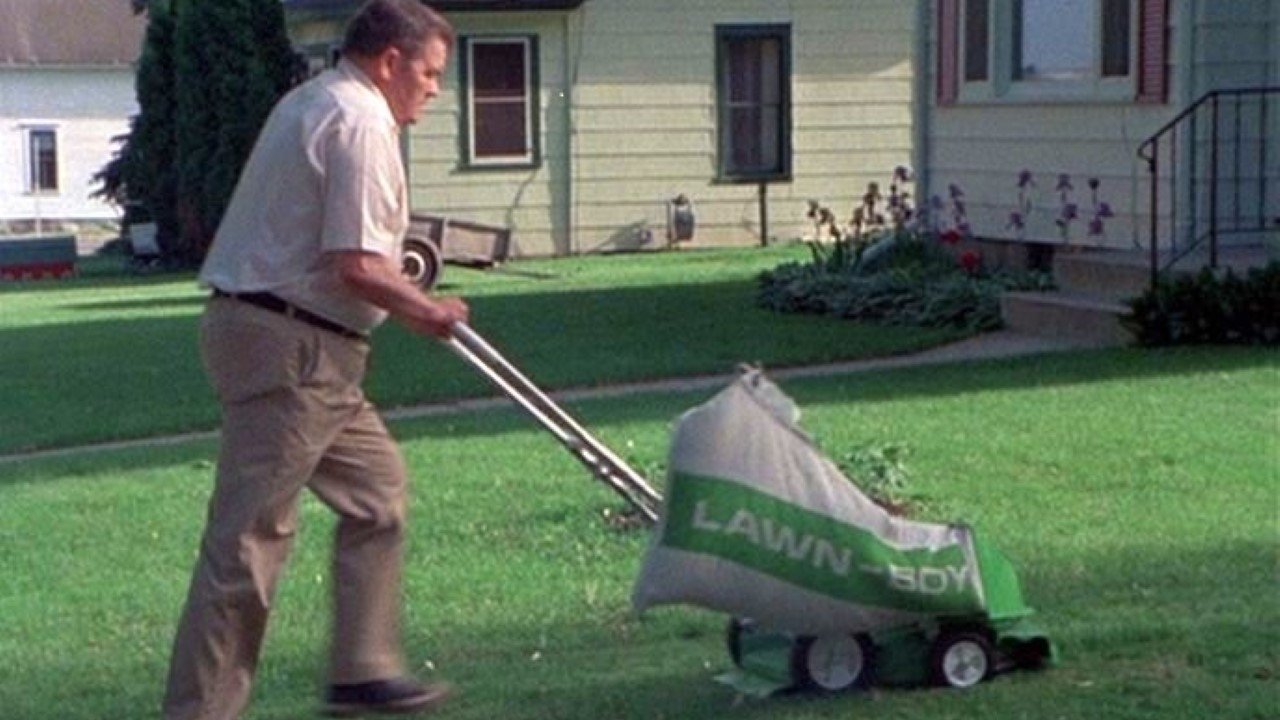
The first hour or so is an interesting ethnographic study of Midwestern small town white suburbia during the end of the 1970s. We skip through town, observing its movers and shakers which mainly consist of farmers and lawyers and the elderly. Louis Malle makes for such an amiable presence for most of the film (barring a certain scene or two) which allows his subjects to lower their guard and present him with their brand of Americana. Malle finds farmers discussing their industry, servicemen reminiscing on their service and the recent wounds of the Vietnam War, and community members engaging in what Malle describes as strange rituals like lawn mowing. It's a great look into the daily life of the past, which is always an interesting subject to me, with a casualness and an intimacy that's reminiscent of home movies at times. What really makes this film great is the last half hour where we skip forward to the middle of the Reagan Revolution and find our subjects disheveled by farming developments and a mood of quiet discontent. The second part of this film really allows for a fascinating before and after of this community as time moves forward but they seem to stand still. There's interesting moments in Malle's interviews where he questions townspeople about race, sexuality, and political conflicts (the section about the Minnesota 8 was especially interesting as was Jean's entire presence) but that's not really what Malle is focused on much of the time. He presents himself and this film as a document from an outside observer of American traditions and of a microcosm of Republican suburbia before and during a national shift in what constitutes the "American dream". It's really interesting stuff though that lack of interest in interrogating the town makes much of the rest of the film essentially a montage of home movies that wears out its novelty quickly. Still, I found it something worth watching and thinking about.
The first hour or so is an interesting ethnographic study of Midwestern small town white suburbia during the end of the 1970s. We skip through town, observing its movers and shakers which mainly consist of farmers and lawyers and the elderly. Louis Malle makes for such an amiable presence for most of the film (barring a certain scene or two) which allows his subjects to lower their guard and present him with their brand of Americana. Malle finds farmers discussing their industry, servicemen reminiscing on their service and the recent wounds of the Vietnam War, and community members engaging in what Malle describes as strange rituals like lawn mowing. It's a great look into the daily life of the past, which is always an interesting subject to me, with a casualness and an intimacy that's reminiscent of home movies at times. What really makes this film great is the last half hour where we skip forward to the middle of the Reagan Revolution and find our subjects disheveled by farming developments and a mood of quiet discontent. The second part of this film really allows for a fascinating before and after of this community as time moves forward but they seem to stand still. There's interesting moments in Malle's interviews where he questions townspeople about race, sexuality, and political conflicts (the section about the Minnesota 8 was especially interesting as was Jean's entire presence) but that's not really what Malle is focused on much of the time. He presents himself and this film as a document from an outside observer of American traditions and of a microcosm of Republican suburbia before and during a national shift in what constitutes the "American dream". It's really interesting stuff though that lack of interest in interrogating the town makes much of the rest of the film essentially a montage of home movies that wears out its novelty quickly. Still, I found it something worth watching and thinking about.
Edward
8.0★ · 06/11/24