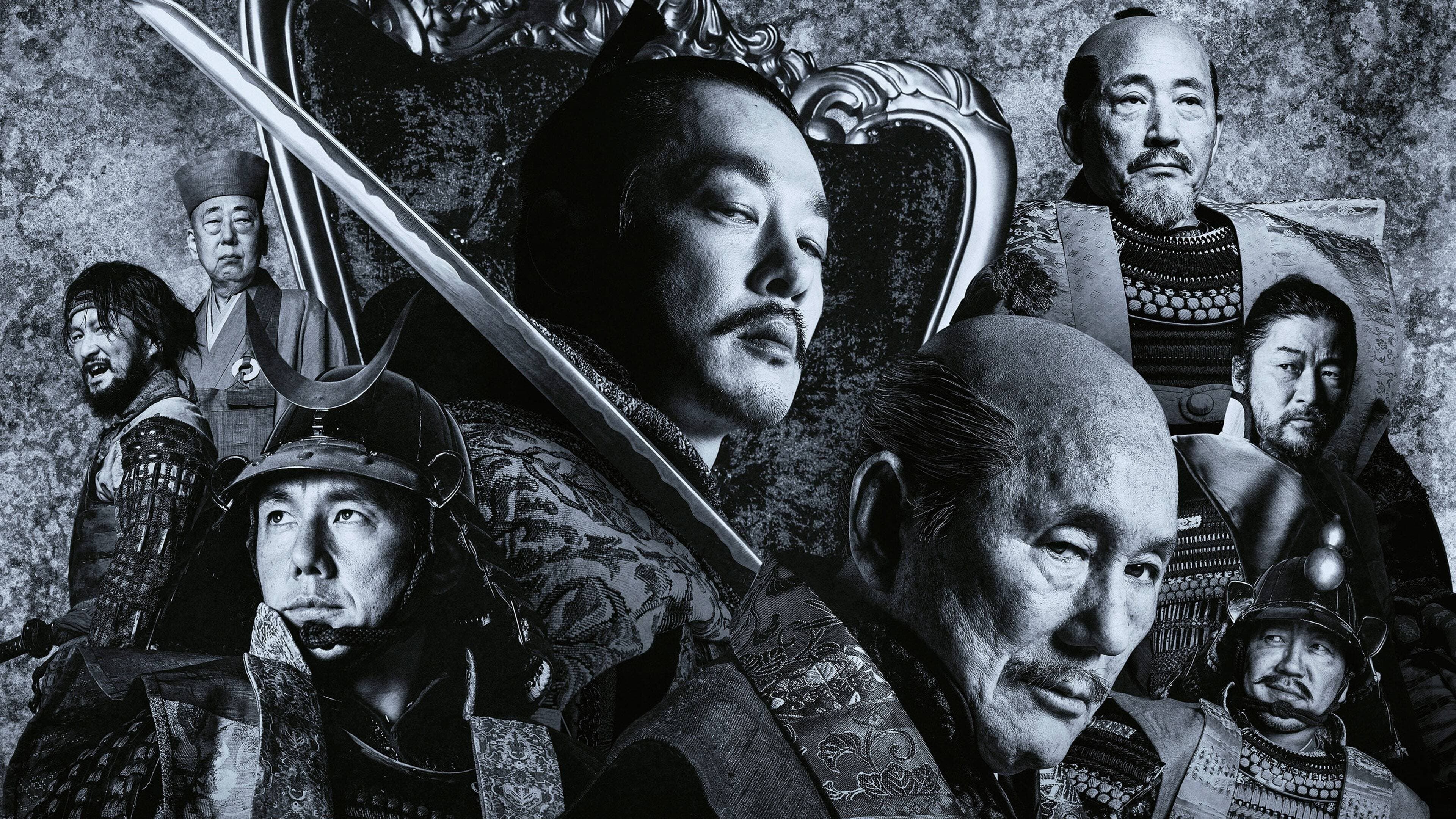
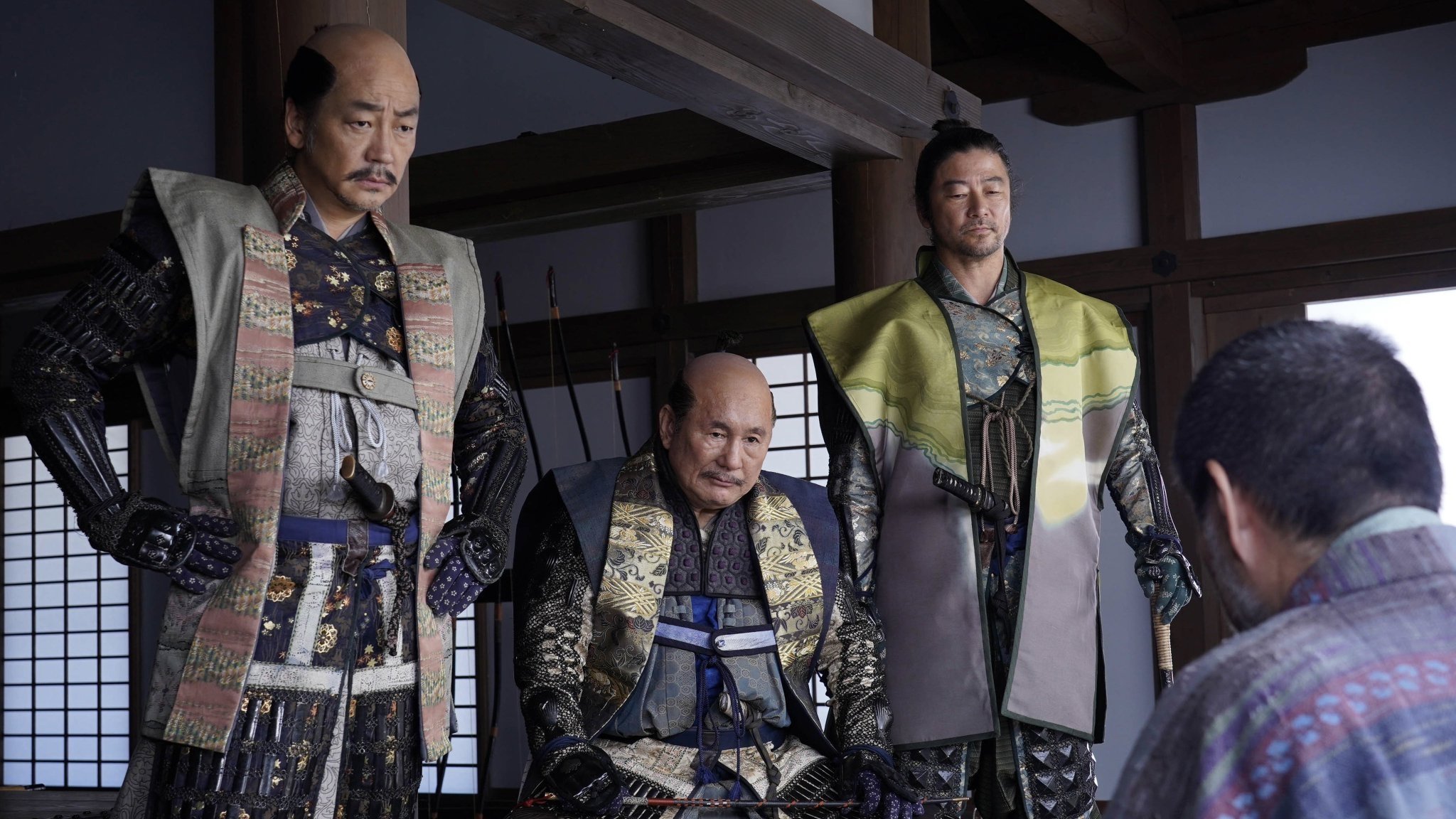
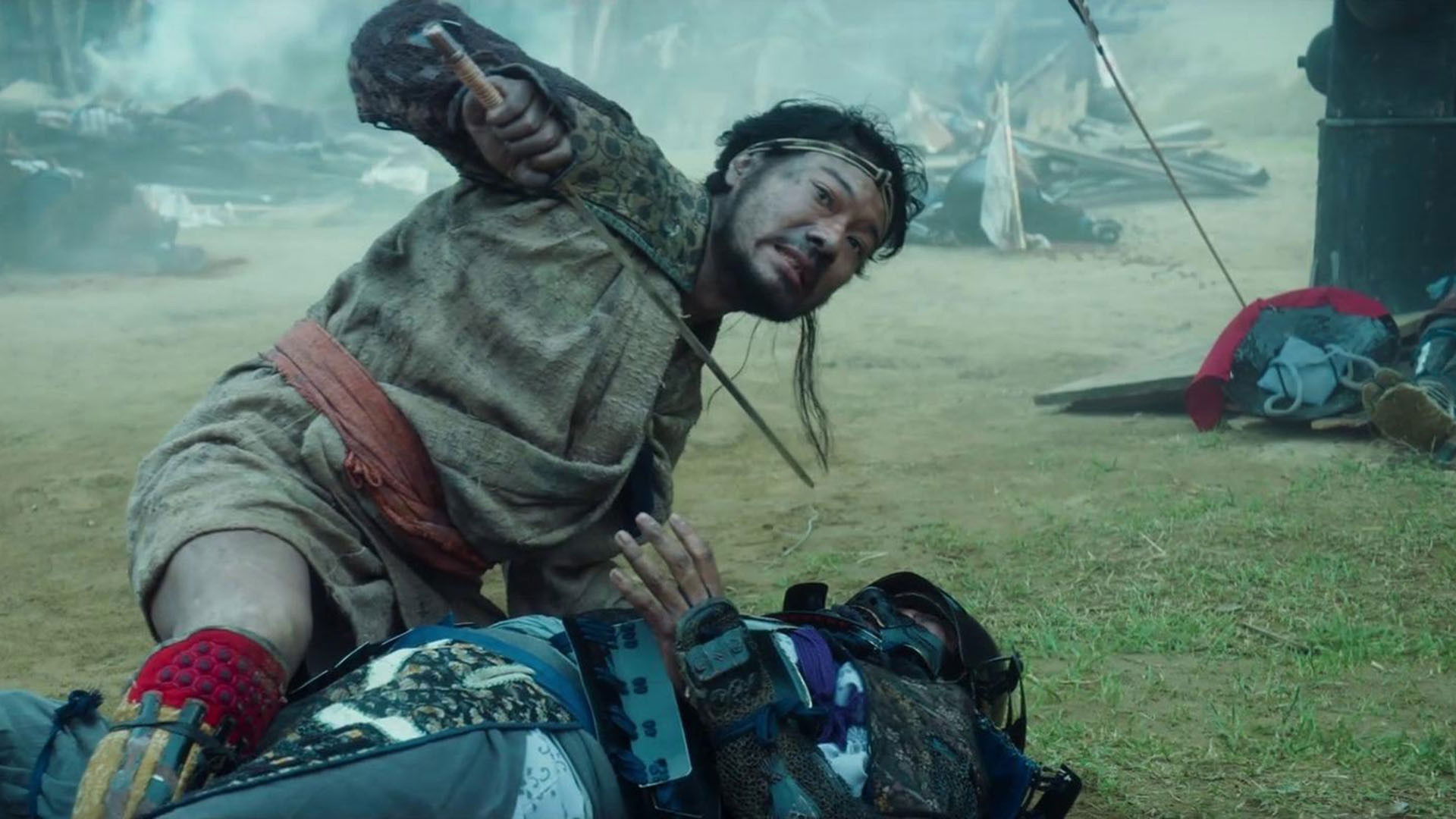
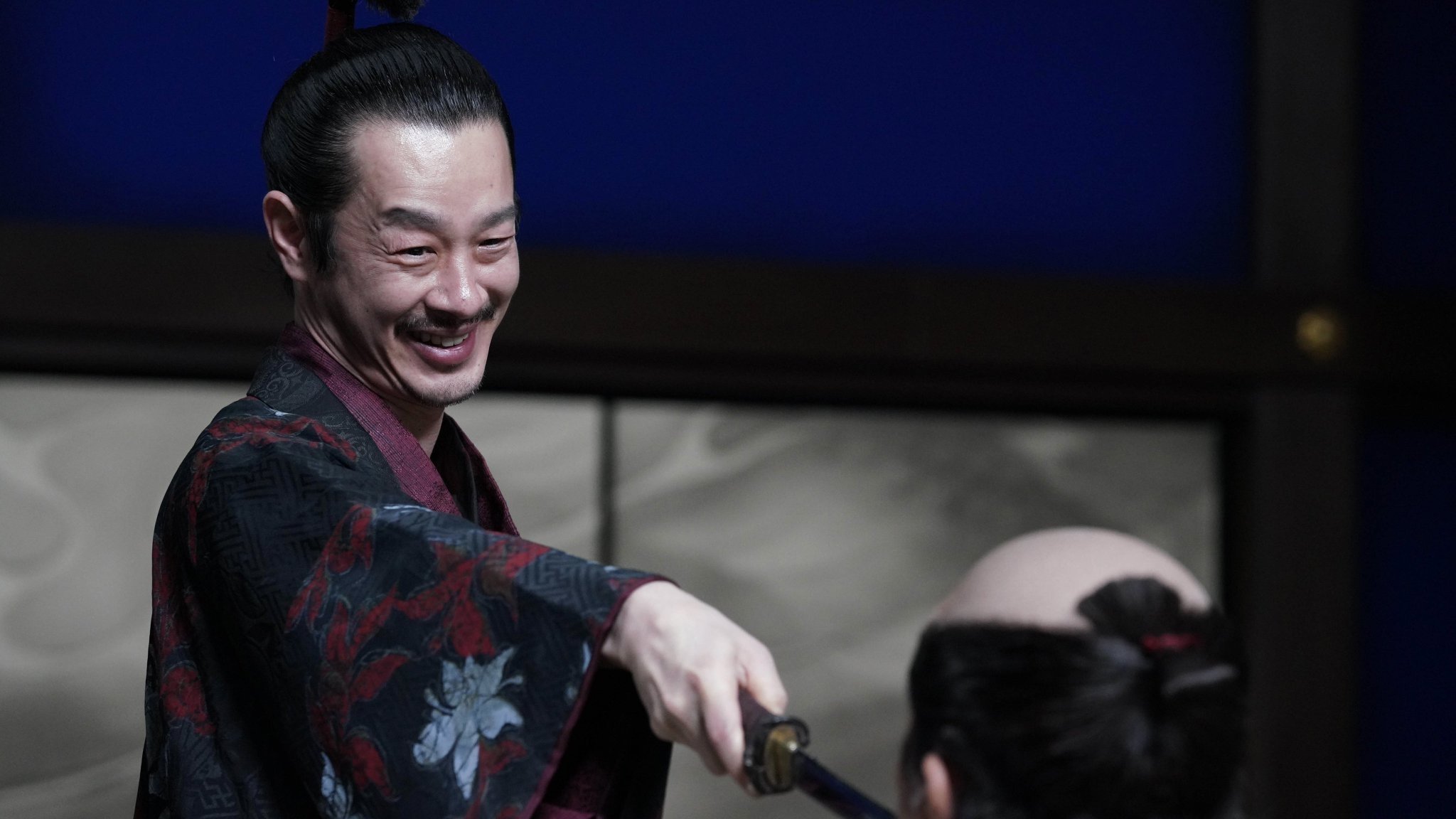
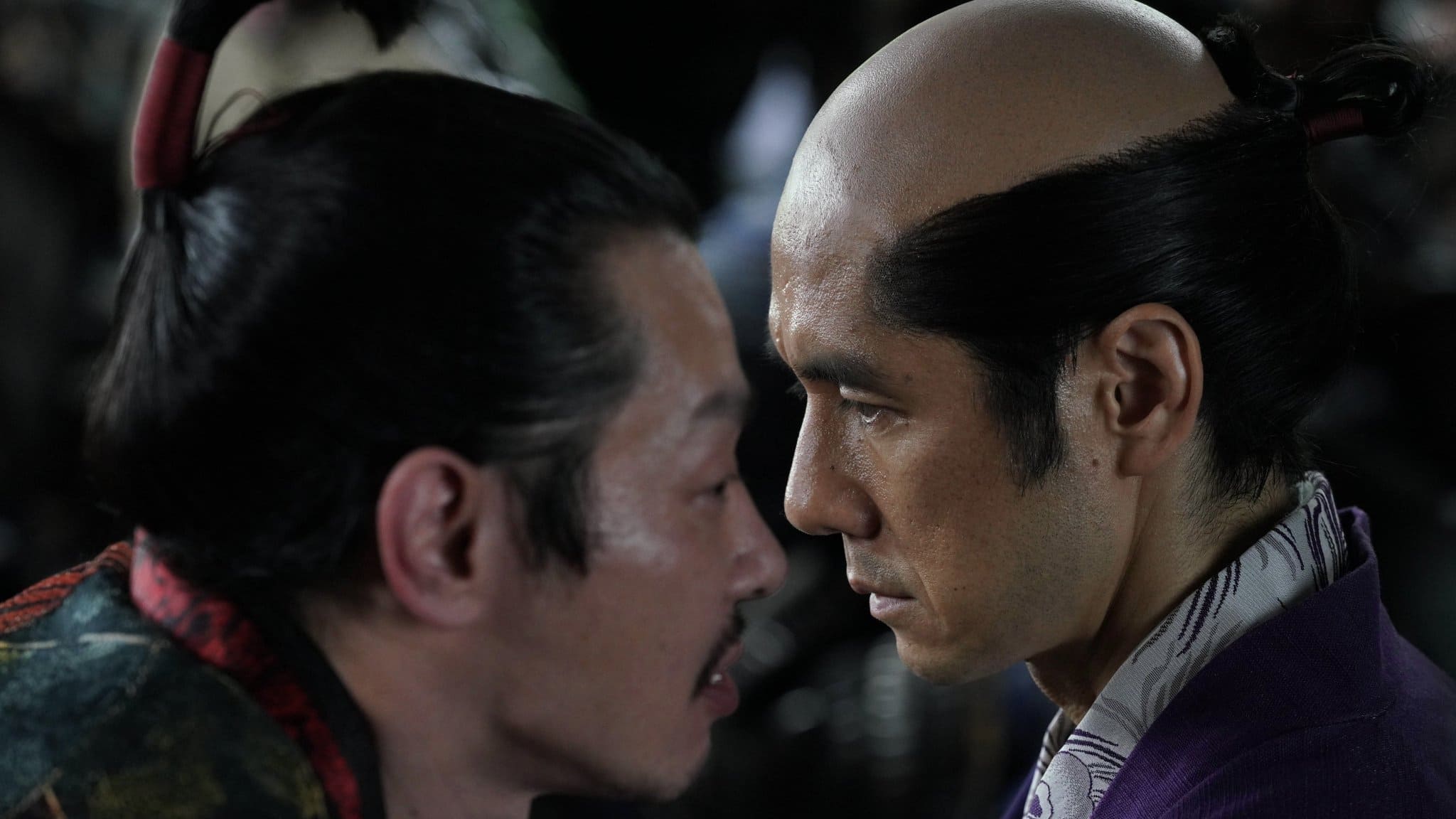
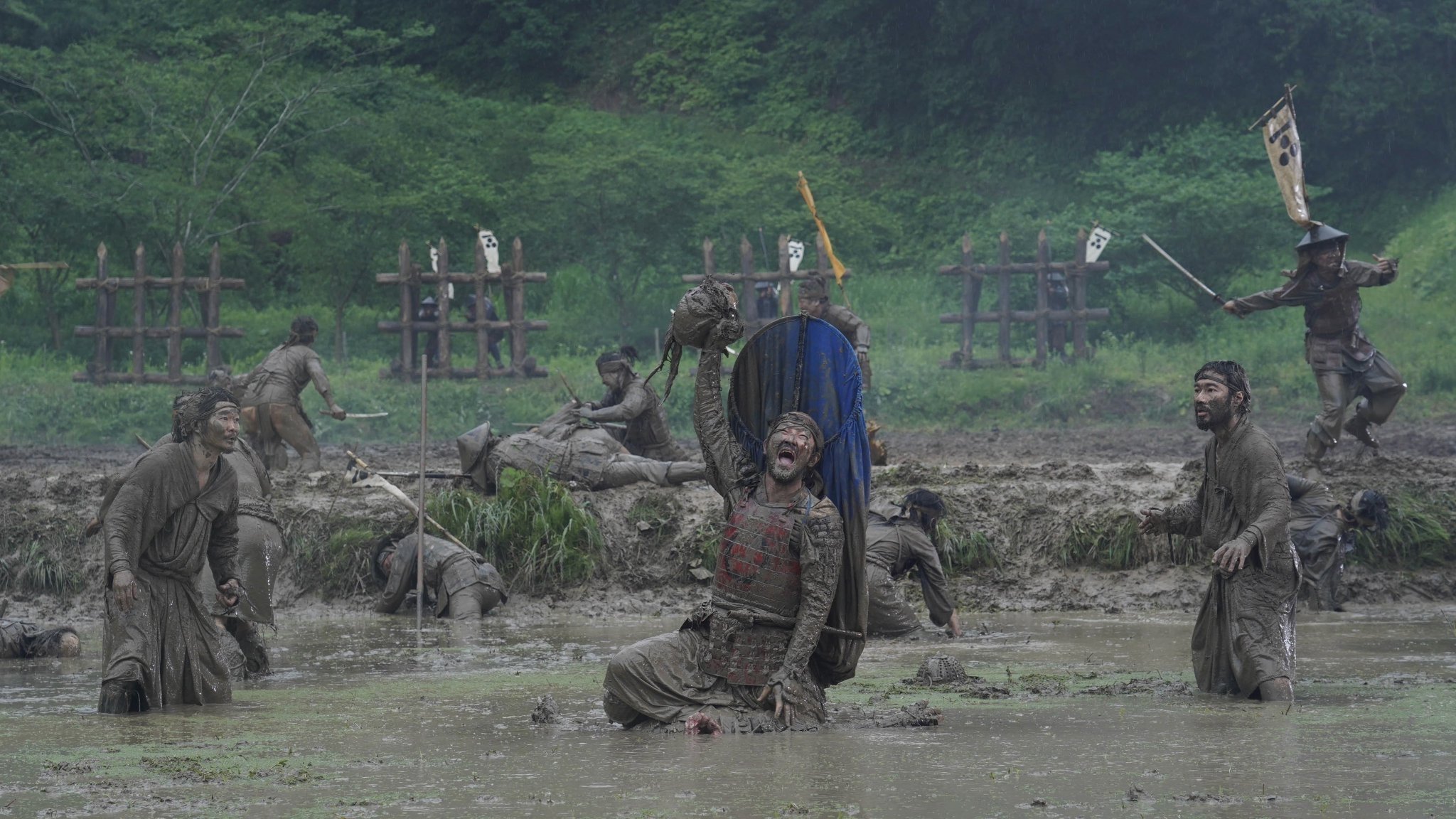
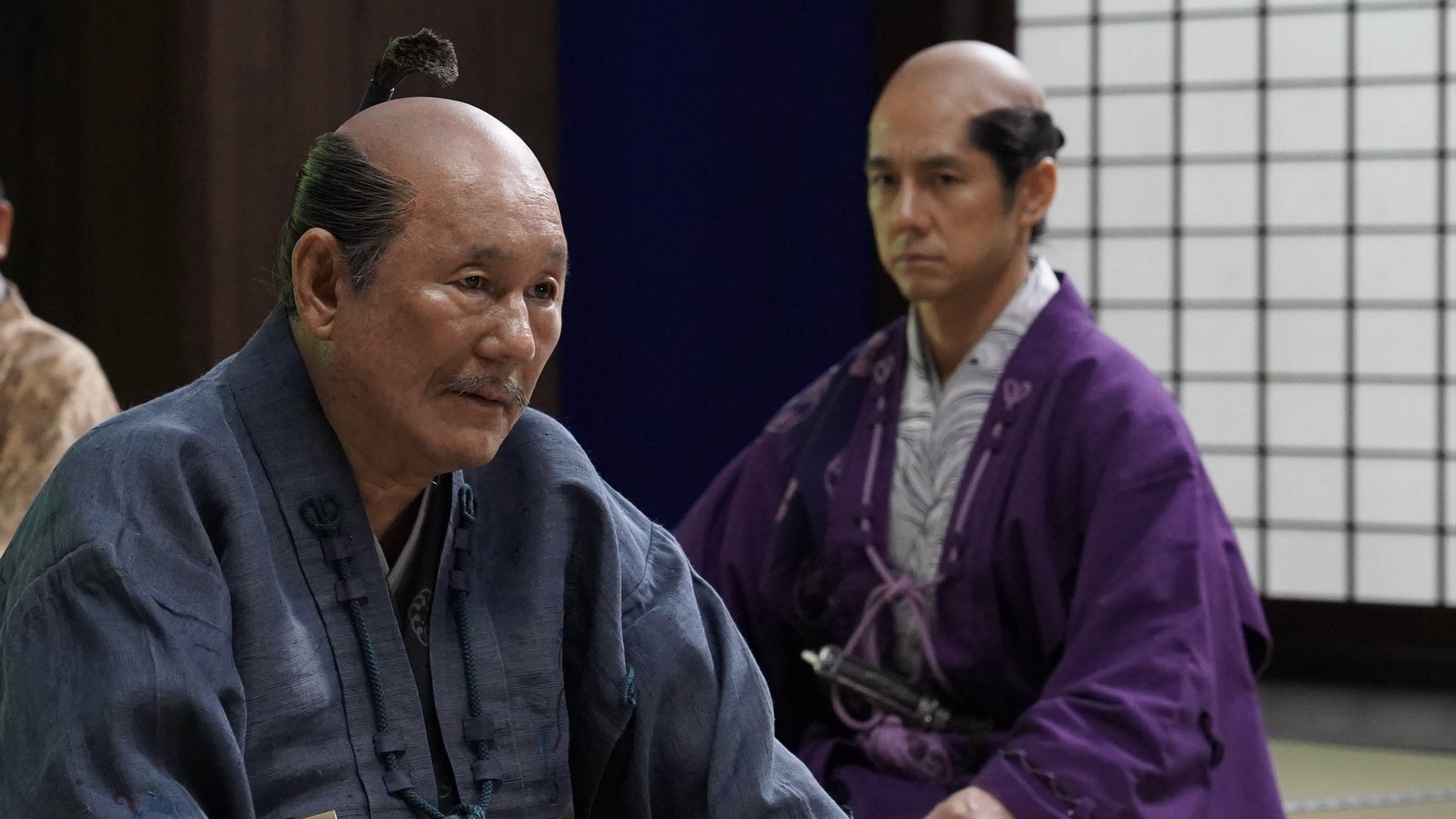
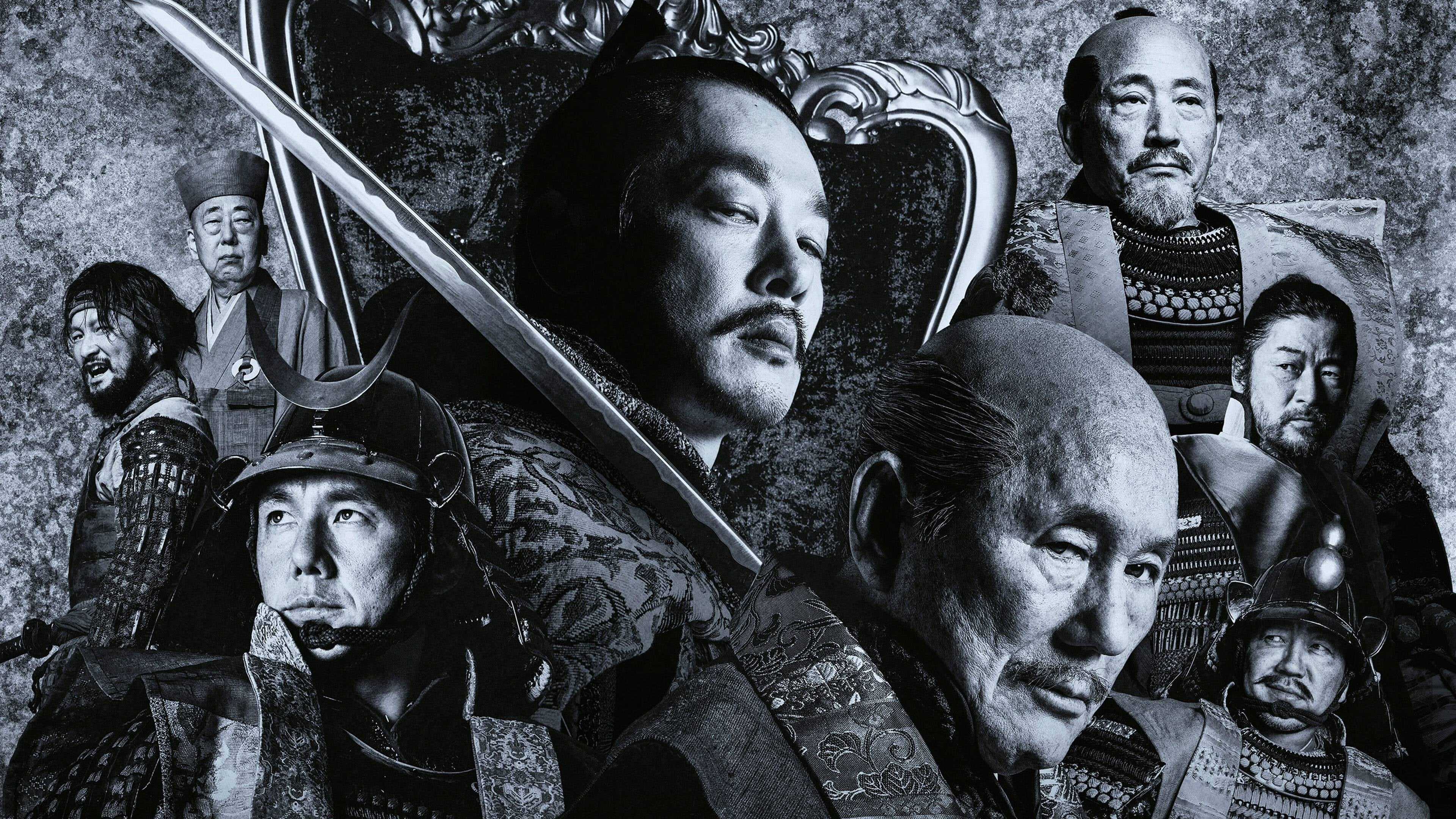
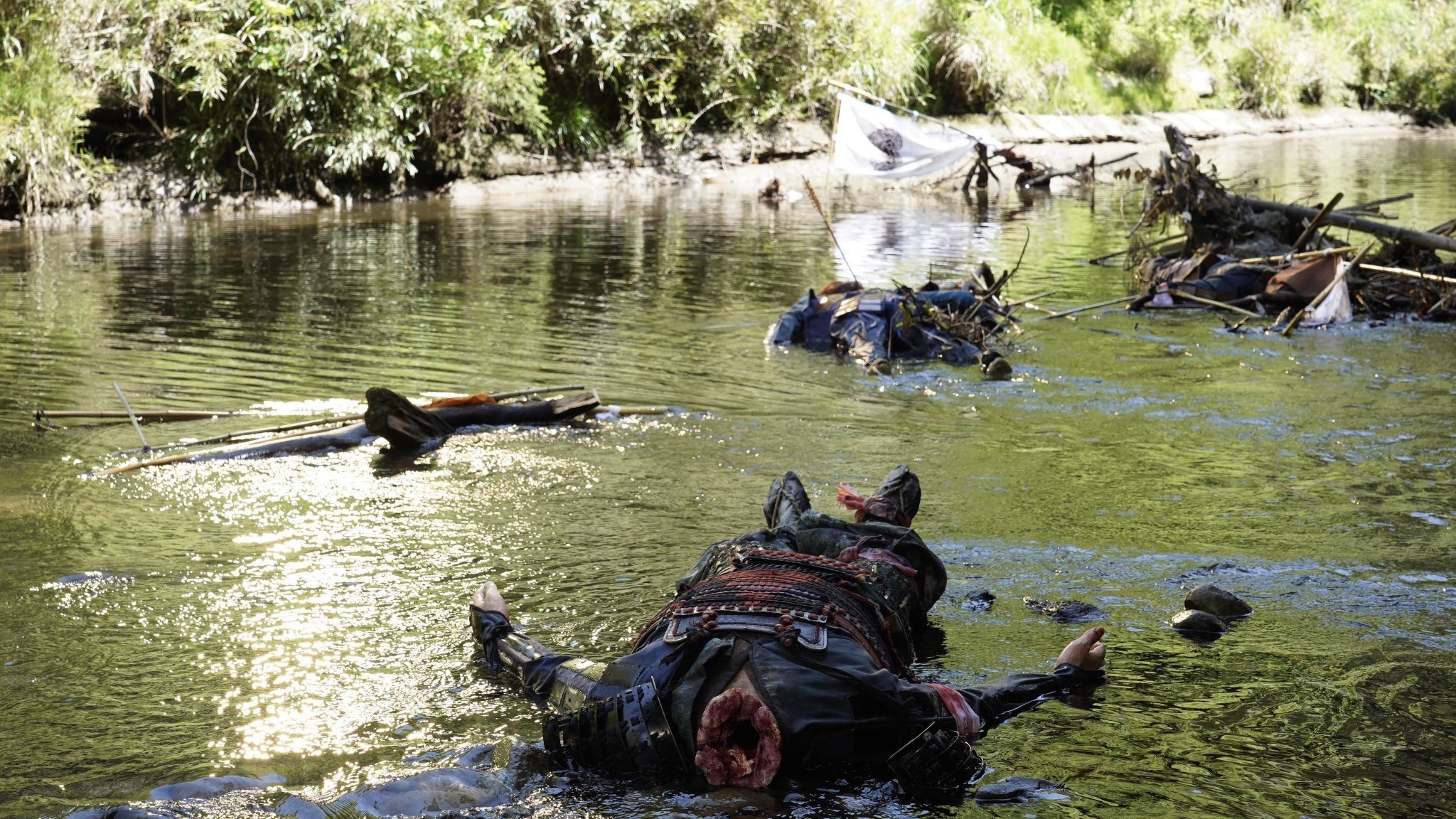
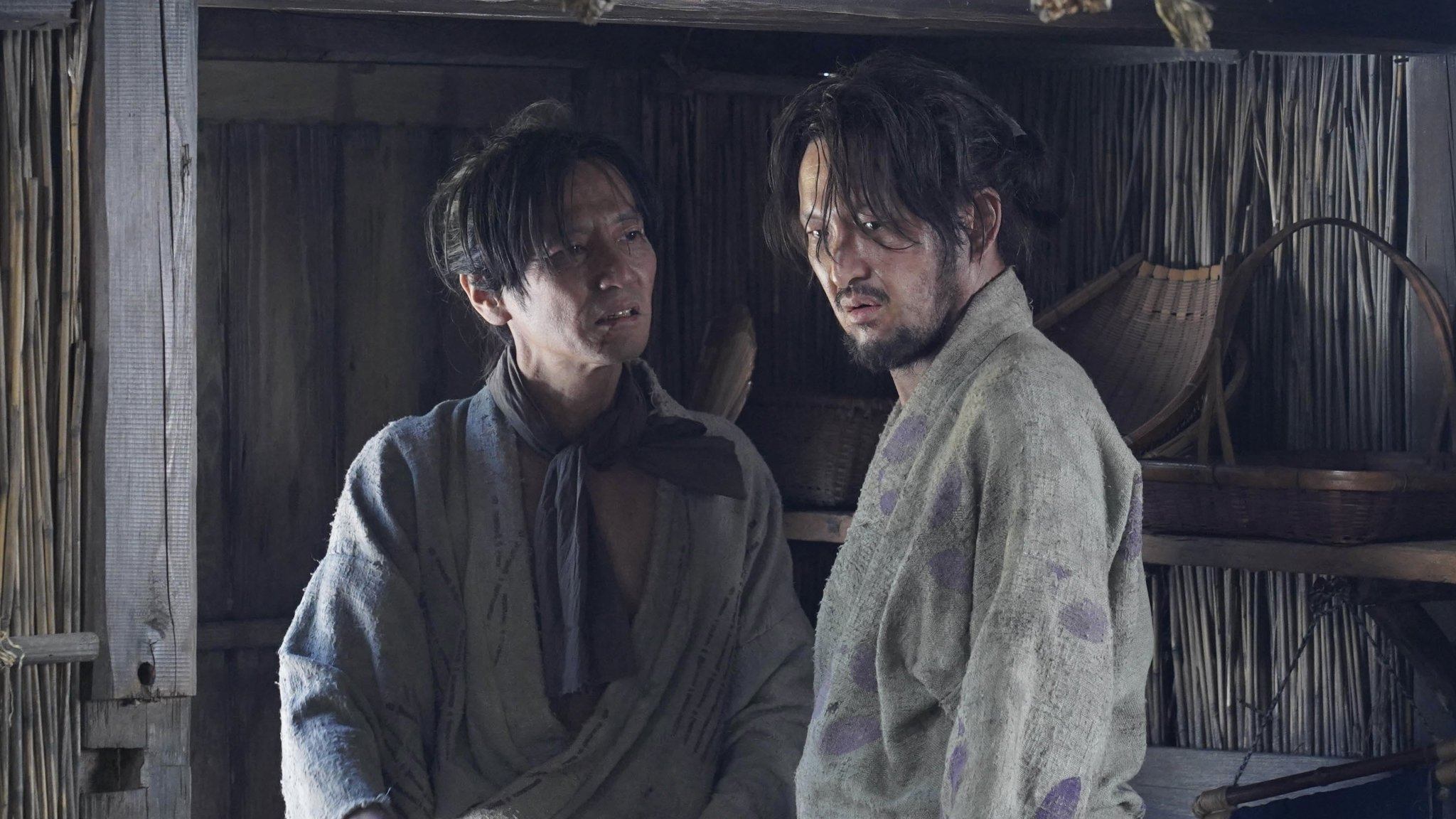
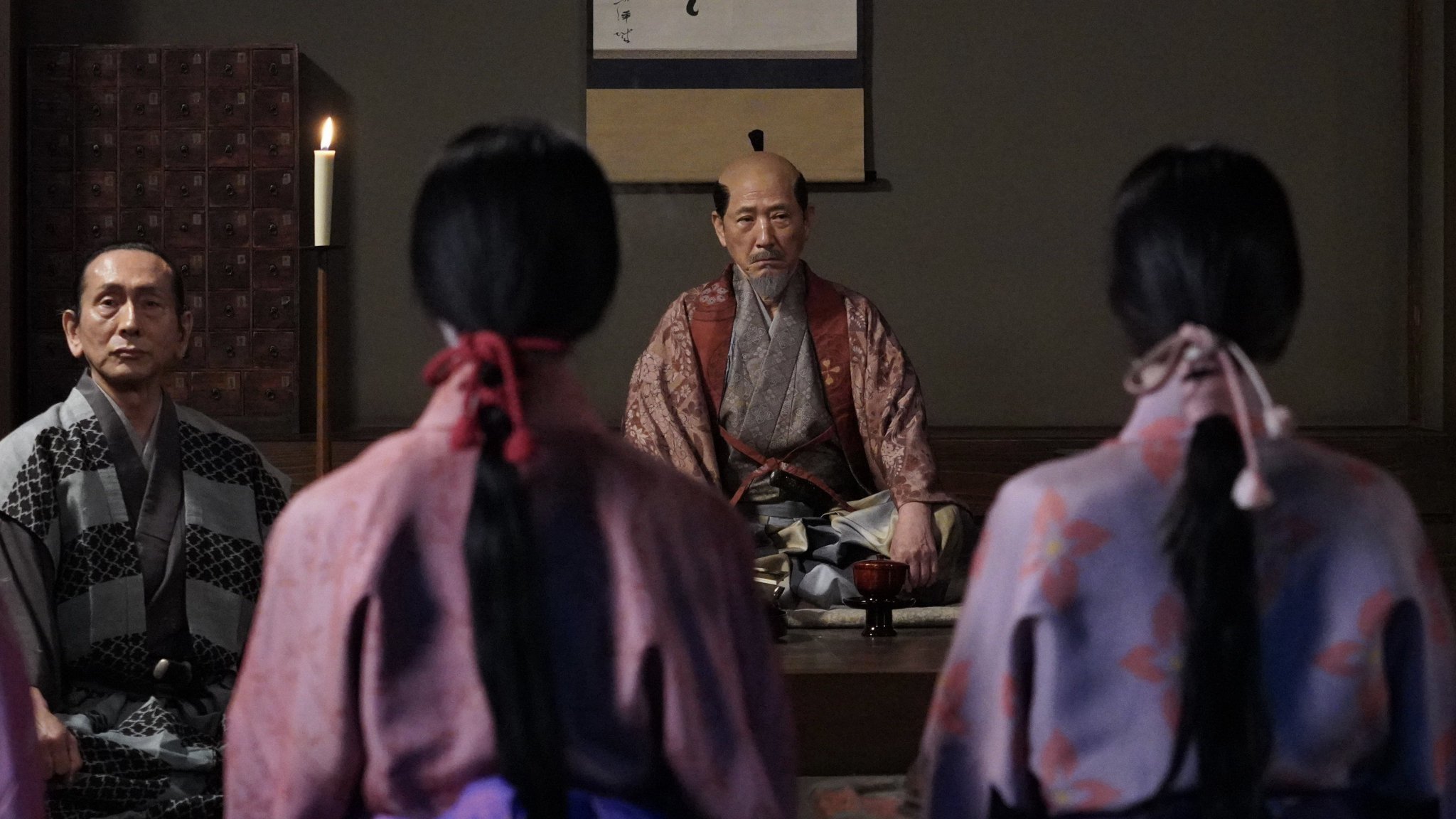
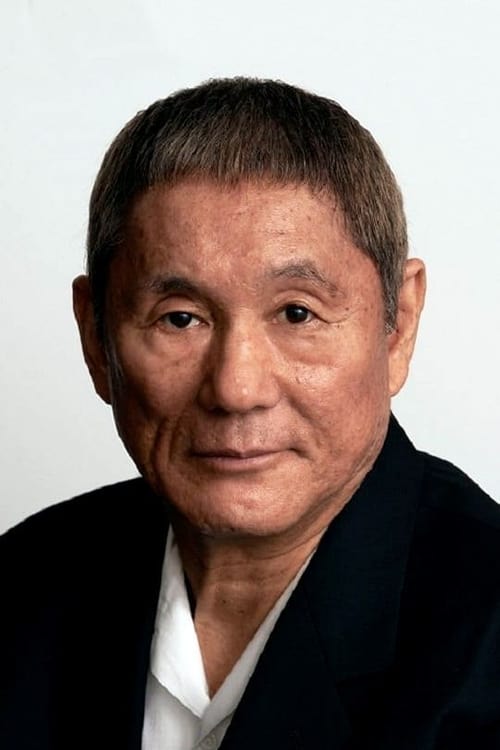
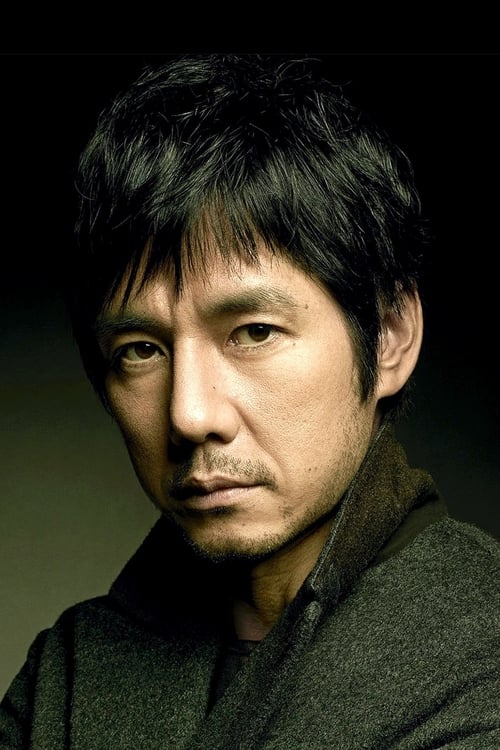
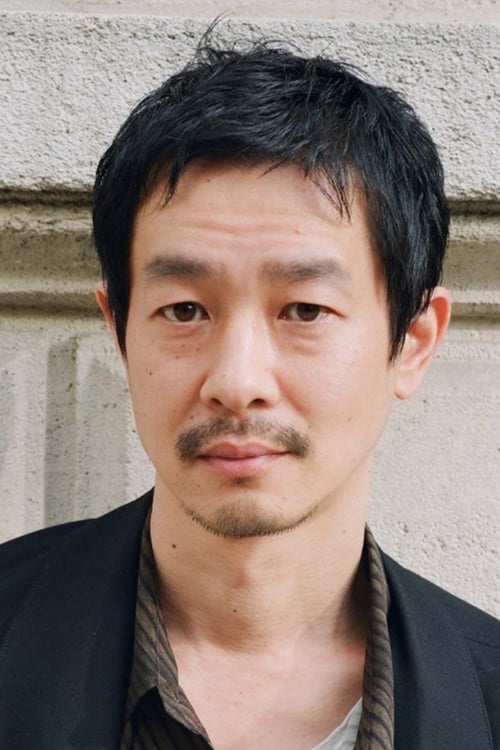
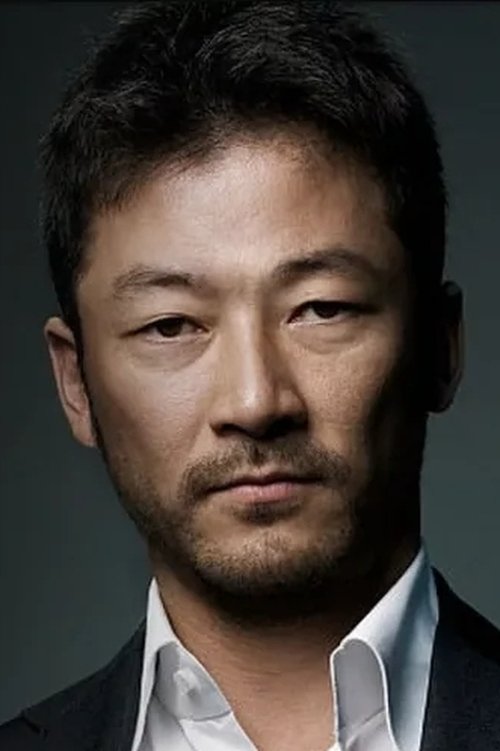
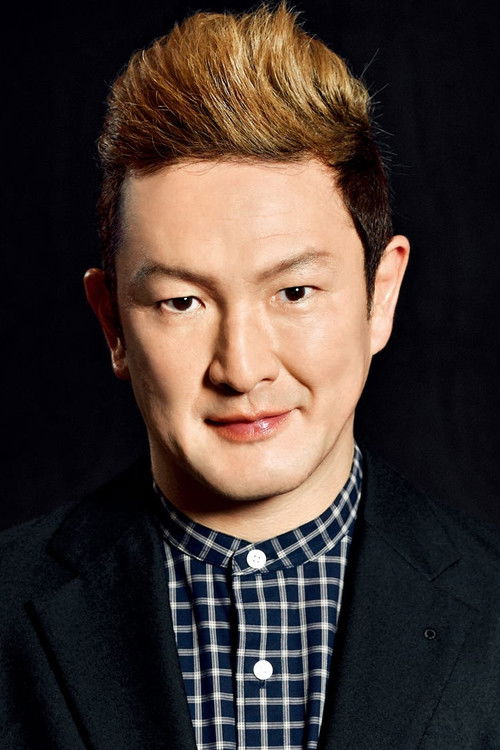
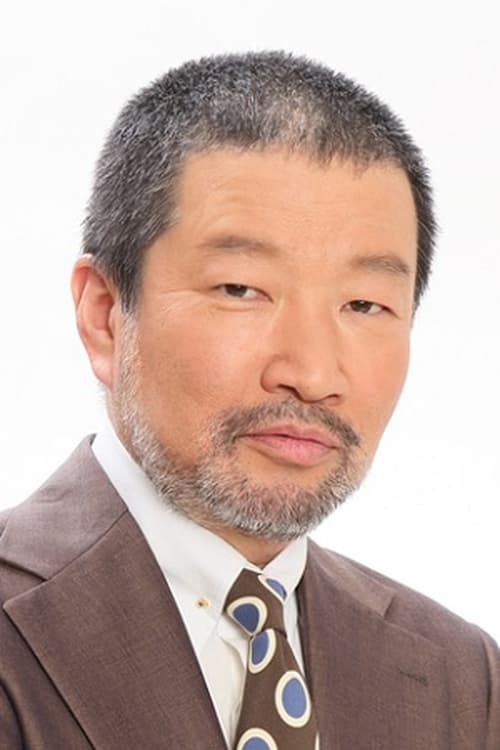
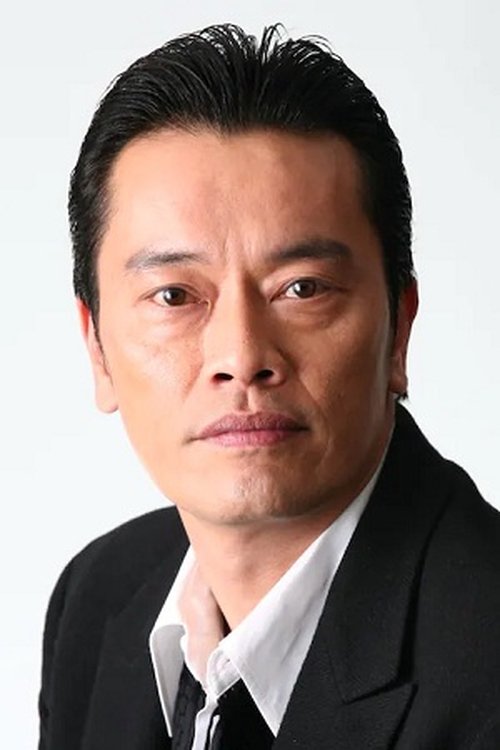
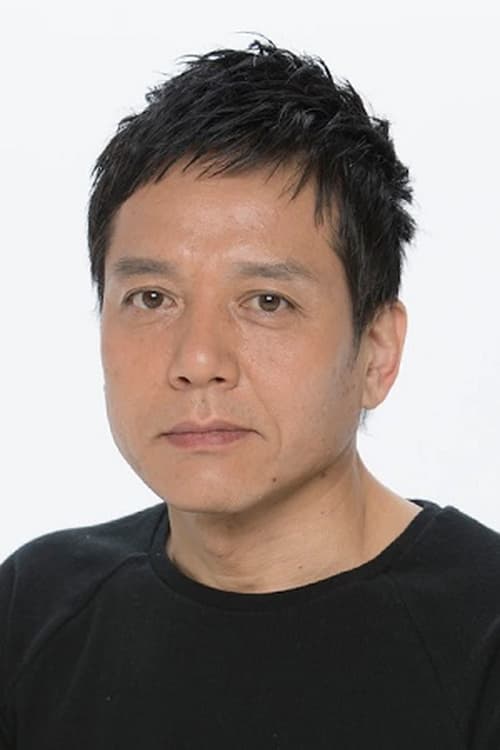
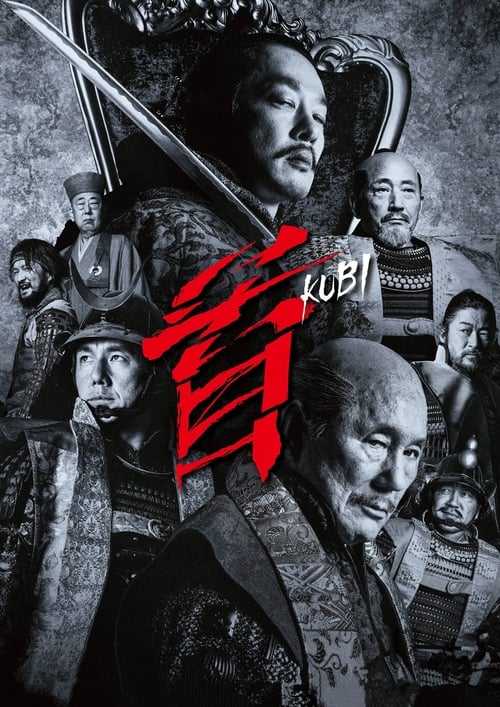
Director- Kitano Takeshi.This is the tenth film I have seen of his, the third I have seen with my mother. This film is set somewhere around 1581 to early 1582, and covers the events from the buildup towards the Honnoji Massacre that took place in June 1582 to the aftermath of it. The opening of the film is one of the finest I have seen, as it sets the tone of the film excellently. It shows us that the film is an unflinching take on war and death, the pointless nature of it as it changes nothing, as well as how brutal it is.This work, although it is a great blend of Beat Takeshi and Kitano Takeshi, is more of a work of the comedian than the auteur. It worked in this film's favour due to the superb treatment it gives to idolised/mythologised Heroes. This work deromanticises them, strips them to their bare bones, and makes them openly queer. This film is absolutely true to the real events in terms of the broader storyline, but the devil had to share his space in the details, as Kitano takes quirks out of a character and exaggerates them.For example, Hideyoshi Hashiba, played by Kitano Takeshi, was a peasant who grew to become a Retainer under Nobunaga Oda. Due to this, he is shown as someone who has little regard for Samurai customs, having not been a part of them since childhood. There is also a gag in the film about him being illiterate, having been a peasant.The character of Nobunaga Oda is made quite a crazy one, too, with psychopathic tendencies and sadism. There is one pretty graphic scene where Nobunaga uses a sword to stick a peach in the mouth of Murashike Aragi in a way that it looks like a penis being put in his mouth. The character of Ieyasu in the film can be described with his two favourite things- ugly women and Snapper fish. He is shown to be an intelligent person who can assess situations well. The film is setting up the betrayal of Mitsushide Akechi, played by Nishijima Hidetoshi, from the first time we come across him. Nobunaga reprimands him for allowing Murashige Araki to escape previously. We are later shown that Murashige is the lover of Mitsushide. From some scenes, we can also observe that Mitsushide wished for the death of Nobunaga Oda and Ranmaru Mori.The film effectively utilises the character of Mosuke Naniwa in illustrating how common people were willing to do whatever they could to survive and climb the social hierarchy. He is used to show us the fascination Japanese people had with collecting heads, too, as they believed heads were proof of kill during that period. This allowed them to advance themselves.There is a sequence where common folks from behind a fence are watching a whole family being put to death. They are shown to be quite enraged, which makes one feel that they wish to protect the people. But instead, we learn that they are angry because they were unable to loot their houses and bodies.The film uses him to show us how actions have consequences, too, by using the scene of the destroyed family of Mosuke, who had no one to defend them after he left and killed his brother to claim the head of a fallen higher-ranked soldier.The film also shows us the presence of Ninjas in a great way. They are also shown to be more so, tricksters resorting to various means to prevent all-out conflicts and flee easily. One fight between a Ninja and a Samurai is shot hilariously as they float in the air and keep fighting.The film also shows us the absurdity of war through the ninja village, the characters visit, soon destroyed by unknown assailants. This shows us that anything can happen at any time in the period of war, and that death lurks in every corner. The assailants not being shown to us makes the viewers come to their own conclusions and shows us that it doesn't matter who is killing them.The war/fight sequences shot in the film are quite excellent, and it features a good chunk of battles using various weapons such as guns, swords, as well as traps.The film also made me want to learn more about Kuroda Kanbei, who served Hideyoshi Hashiba as a shadow strategist and Ranmaru Mori, shown to be the lover of Nobunaga Oda. It also made me look into Yasuke, who may or may not have been a samurai. He worked as a Bodyguard for Nobunaga. The treatment he received from Nobunaga in this film shows us that he was ill-treated and physically assaulted repeatedly.The film also nails its backhanded politics quite well and shows us the importance of intelligence to win the battles. It superbly shows us how having information about the enemies' plans is the first step to defeating them. The letter Hideoyoshi got, which spelt the doom of all the retainers, is shown to be the major driving force behind the Honnoji Massacre. The way he used Shinzaemon, one of his retainers and a comedian, to deliver it on foot felt like a cruel prank as he sent him on quite a dangerous mission filled with opposing forces. The film makes Shinzaemon's character a fairly important one due to this. He also saves the life of Ieyasu by predicting who will try to assassinate him.The film also features the characters of Hanzo Hattori, known as the greatest ninja who ever lived and Sen No Rikyu, a tea master, along with all the retainers of Nobunaga.This film is filled to the brim with characters due to the sheer volume of people who played a major role in the events of the film and events previously to it. Even with this, the film doesn't feel confusing, as the line between the multi-dimensional characters and background ones is quite pronounced.Beat Takeshi plays the character of Hideyoshi in his typical comedic persona. This works counterproductively in the film's pursuit of demystifying the heroes, as he becomes even more romanticised due to the jokes and cunning he displays.Hideyoshi is shown to be an opportunist, which was a great skill at that time, as without it, he wouldn't have climbed the ranks. He is also shown to be great at diplomacy. The sequence of him talking with Ieyasu Tokugawa is hilarious as well as adds more information about his past, particularly on how he rose through the ranks by becoming a sandle bearer for Nobunaga.The way he uses Mitsuhide in the film to carry out the massacre and usurp the throne from him is phenomenal. He is using Nobunaga's intent to cause ill to Murashige and Mitsuhide's intent to protect him to make him commit a deed that ensures his doom. The view of the burning temple after witnessing his behaviour towards his retainers and other subjects seriously made me cheer. Watching Yasuke run away, free at last, was good too.The way Hideyoshi acted, distraught by his plans coming to fruition and then using it as a reason to wage war, was fantastic as it sets him as a cunning person excellently. We get a glimpse into his untrusting nature that later spelt the downfall of his clan as well.The film's ending has Naniwa's pursuit of a high-ranking person's end come to fruition as he finally acquires the head of Mitsushide, only to be impaled by several spears and thus succumbing to his death. This shows us the lengths to which people used to go to ensure the betterment of their own and their families' lives, and how no one could be trusted during that era. Further example of why this was the case is when Mitsushide decides to put Murashige down, as he had spilt too many secrets to him.Another case of this is seen when Hideyoshi decides to get Shinzemon Sorori killed by Rikyu, who dies by being stabbed by Shinzaemon.The film's ending is superb with Hideyoshi kicking Mitsuhide's head like a football after not recognising it. He says that he just wants to know that Mitsuhide is dead and doesn't care for his head. This is a hilarious way to end the film following a brutal conflict.Overall, this is a superb film that makes me want to look more into the Japanese history of the Sengoku Jidai. The film balanced both the moments of humour and the serious ones quite well, making this a satisfying watch.
Director- Kitano Takeshi.This is the tenth film I have seen of his, the third I have seen with my mother. This film is set somewhere around 1581 to early 1582, and covers the events from the buildup towards the Honnoji Massacre that took place in June 1582 to the aftermath of it. The opening of the film is one of the finest I have seen, as it sets the tone of the film excellently. It shows us that the film is an unflinching take on war and death, the pointless nature of it as it changes nothing, as well as how brutal it is.This work, although it is a great blend of Beat Takeshi and Kitano Takeshi, is more of a work of the comedian than the auteur. It worked in this film's favour due to the superb treatment it gives to idolised/mythologised Heroes. This work deromanticises them, strips them to their bare bones, and makes them openly queer. This film is absolutely true to the real events in terms of the broader storyline, but the devil had to share his space in the details, as Kitano takes quirks out of a character and exaggerates them.For example, Hideyoshi Hashiba, played by Kitano Takeshi, was a peasant who grew to become a Retainer under Nobunaga Oda. Due to this, he is shown as someone who has little regard for Samurai customs, having not been a part of them since childhood. There is also a gag in the film about him being illiterate, having been a peasant.The character of Nobunaga Oda is made quite a crazy one, too, with psychopathic tendencies and sadism. There is one pretty graphic scene where Nobunaga uses a sword to stick a peach in the mouth of Murashike Aragi in a way that it looks like a penis being put in his mouth. The character of Ieyasu in the film can be described with his two favourite things- ugly women and Snapper fish. He is shown to be an intelligent person who can assess situations well. The film is setting up the betrayal of Mitsushide Akechi, played by Nishijima Hidetoshi, from the first time we come across him. Nobunaga reprimands him for allowing Murashige Araki to escape previously. We are later shown that Murashige is the lover of Mitsushide. From some scenes, we can also observe that Mitsushide wished for the death of Nobunaga Oda and Ranmaru Mori.The film effectively utilises the character of Mosuke Naniwa in illustrating how common people were willing to do whatever they could to survive and climb the social hierarchy. He is used to show us the fascination Japanese people had with collecting heads, too, as they believed heads were proof of kill during that period. This allowed them to advance themselves.There is a sequence where common folks from behind a fence are watching a whole family being put to death. They are shown to be quite enraged, which makes one feel that they wish to protect the people. But instead, we learn that they are angry because they were unable to loot their houses and bodies.The film uses him to show us how actions have consequences, too, by using the scene of the destroyed family of Mosuke, who had no one to defend them after he left and killed his brother to claim the head of a fallen higher-ranked soldier.The film also shows us the presence of Ninjas in a great way. They are also shown to be more so, tricksters resorting to various means to prevent all-out conflicts and flee easily. One fight between a Ninja and a Samurai is shot hilariously as they float in the air and keep fighting.The film also shows us the absurdity of war through the ninja village, the characters visit, soon destroyed by unknown assailants. This shows us that anything can happen at any time in the period of war, and that death lurks in every corner. The assailants not being shown to us makes the viewers come to their own conclusions and shows us that it doesn't matter who is killing them.The war/fight sequences shot in the film are quite excellent, and it features a good chunk of battles using various weapons such as guns, swords, as well as traps.The film also made me want to learn more about Kuroda Kanbei, who served Hideyoshi Hashiba as a shadow strategist and Ranmaru Mori, shown to be the lover of Nobunaga Oda. It also made me look into Yasuke, who may or may not have been a samurai. He worked as a Bodyguard for Nobunaga. The treatment he received from Nobunaga in this film shows us that he was ill-treated and physically assaulted repeatedly.The film also nails its backhanded politics quite well and shows us the importance of intelligence to win the battles. It superbly shows us how having information about the enemies' plans is the first step to defeating them. The letter Hideoyoshi got, which spelt the doom of all the retainers, is shown to be the major driving force behind the Honnoji Massacre. The way he used Shinzaemon, one of his retainers and a comedian, to deliver it on foot felt like a cruel prank as he sent him on quite a dangerous mission filled with opposing forces. The film makes Shinzaemon's character a fairly important one due to this. He also saves the life of Ieyasu by predicting who will try to assassinate him.The film also features the characters of Hanzo Hattori, known as the greatest ninja who ever lived and Sen No Rikyu, a tea master, along with all the retainers of Nobunaga.This film is filled to the brim with characters due to the sheer volume of people who played a major role in the events of the film and events previously to it. Even with this, the film doesn't feel confusing, as the line between the multi-dimensional characters and background ones is quite pronounced.Beat Takeshi plays the character of Hideyoshi in his typical comedic persona. This works counterproductively in the film's pursuit of demystifying the heroes, as he becomes even more romanticised due to the jokes and cunning he displays.Hideyoshi is shown to be an opportunist, which was a great skill at that time, as without it, he wouldn't have climbed the ranks. He is also shown to be great at diplomacy. The sequence of him talking with Ieyasu Tokugawa is hilarious as well as adds more information about his past, particularly on how he rose through the ranks by becoming a sandle bearer for Nobunaga.The way he uses Mitsuhide in the film to carry out the massacre and usurp the throne from him is phenomenal. He is using Nobunaga's intent to cause ill to Murashige and Mitsuhide's intent to protect him to make him commit a deed that ensures his doom. The view of the burning temple after witnessing his behaviour towards his retainers and other subjects seriously made me cheer. Watching Yasuke run away, free at last, was good too.The way Hideyoshi acted, distraught by his plans coming to fruition and then using it as a reason to wage war, was fantastic as it sets him as a cunning person excellently. We get a glimpse into his untrusting nature that later spelt the downfall of his clan as well.The film's ending has Naniwa's pursuit of a high-ranking person's end come to fruition as he finally acquires the head of Mitsushide, only to be impaled by several spears and thus succumbing to his death. This shows us the lengths to which people used to go to ensure the betterment of their own and their families' lives, and how no one could be trusted during that era. Further example of why this was the case is when Mitsushide decides to put Murashige down, as he had spilt too many secrets to him.Another case of this is seen when Hideyoshi decides to get Shinzemon Sorori killed by Rikyu, who dies by being stabbed by Shinzaemon.The film's ending is superb with Hideyoshi kicking Mitsuhide's head like a football after not recognising it. He says that he just wants to know that Mitsuhide is dead and doesn't care for his head. This is a hilarious way to end the film following a brutal conflict.Overall, this is a superb film that makes me want to look more into the Japanese history of the Sengoku Jidai. The film balanced both the moments of humour and the serious ones quite well, making this a satisfying watch.