“every infection and every gesture a lie, every smile a grimace. suicide? no, too nasty. one doesn’t like to do things like that. but you can refuse to move or talk. then at least you’re not lying. you can cut yourself off, close yourself in. then you won’t need to play any roles or wear any masks, make any false gestures. so you might think… but reality plays nasty tricks on you. your hiding place isn’t watertight enough. life oozes in from all sides. you’re forced to act. no one asks whether it’s genuine or not, whether you’re lying or telling the truth.”
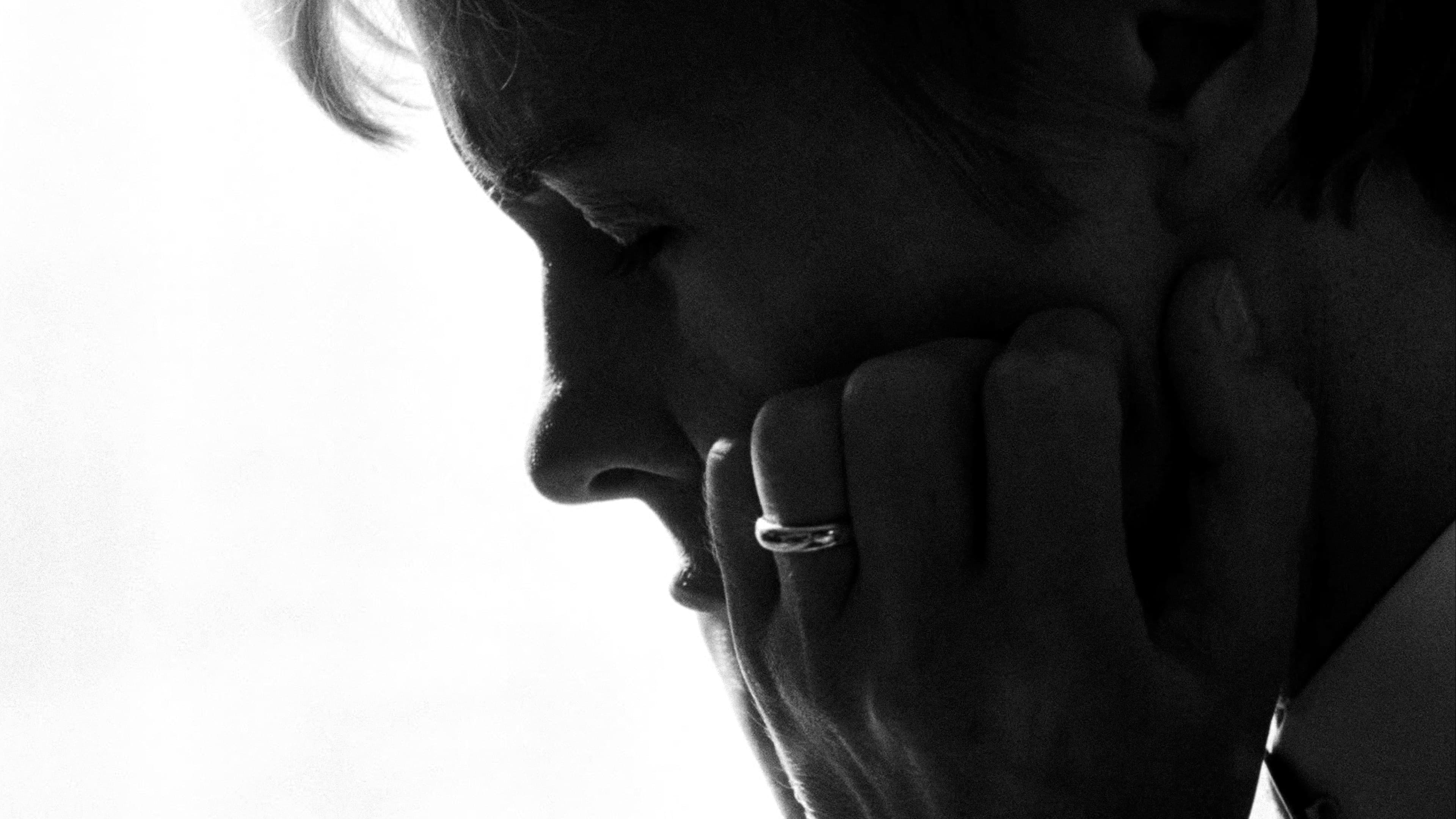
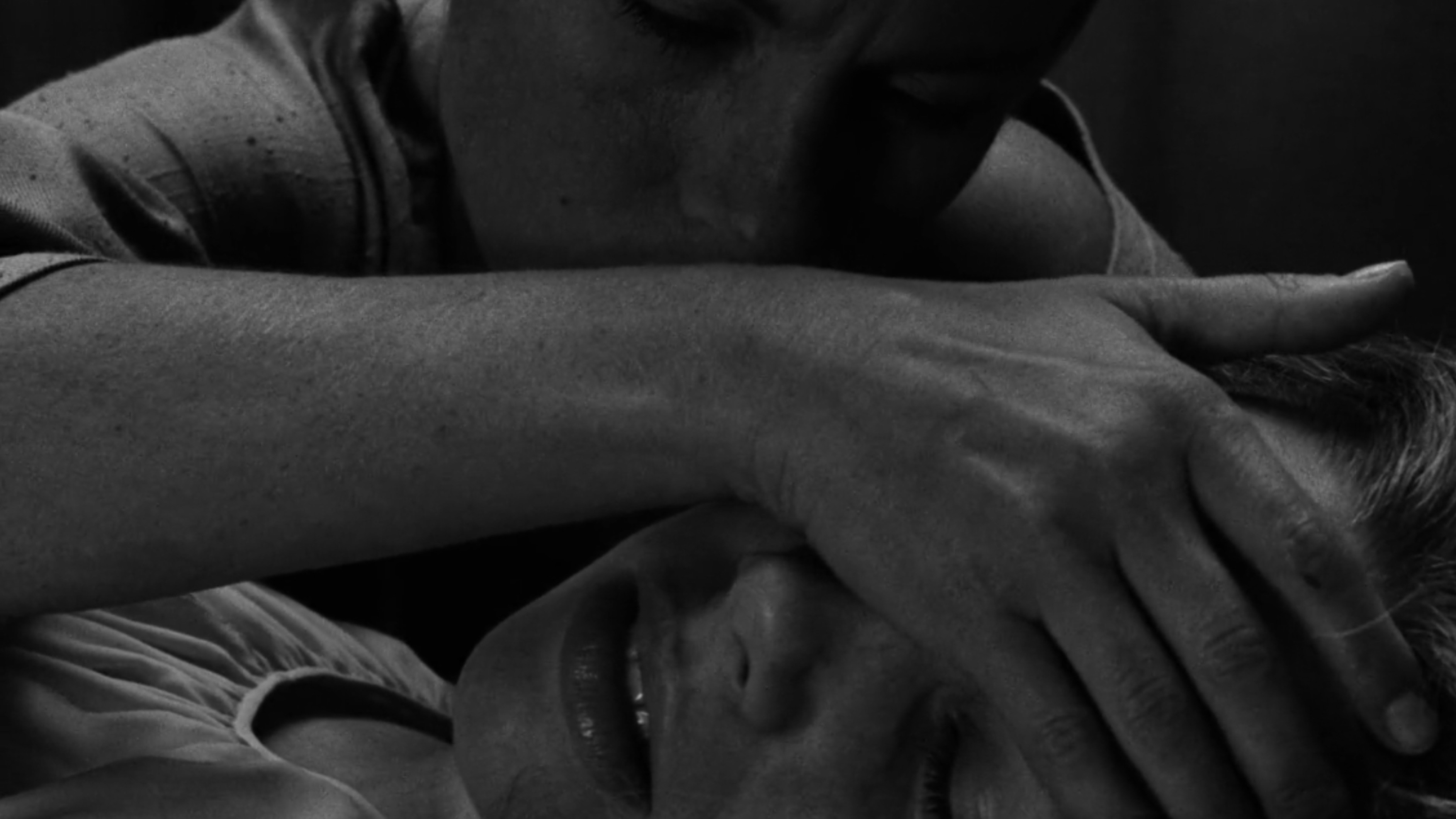
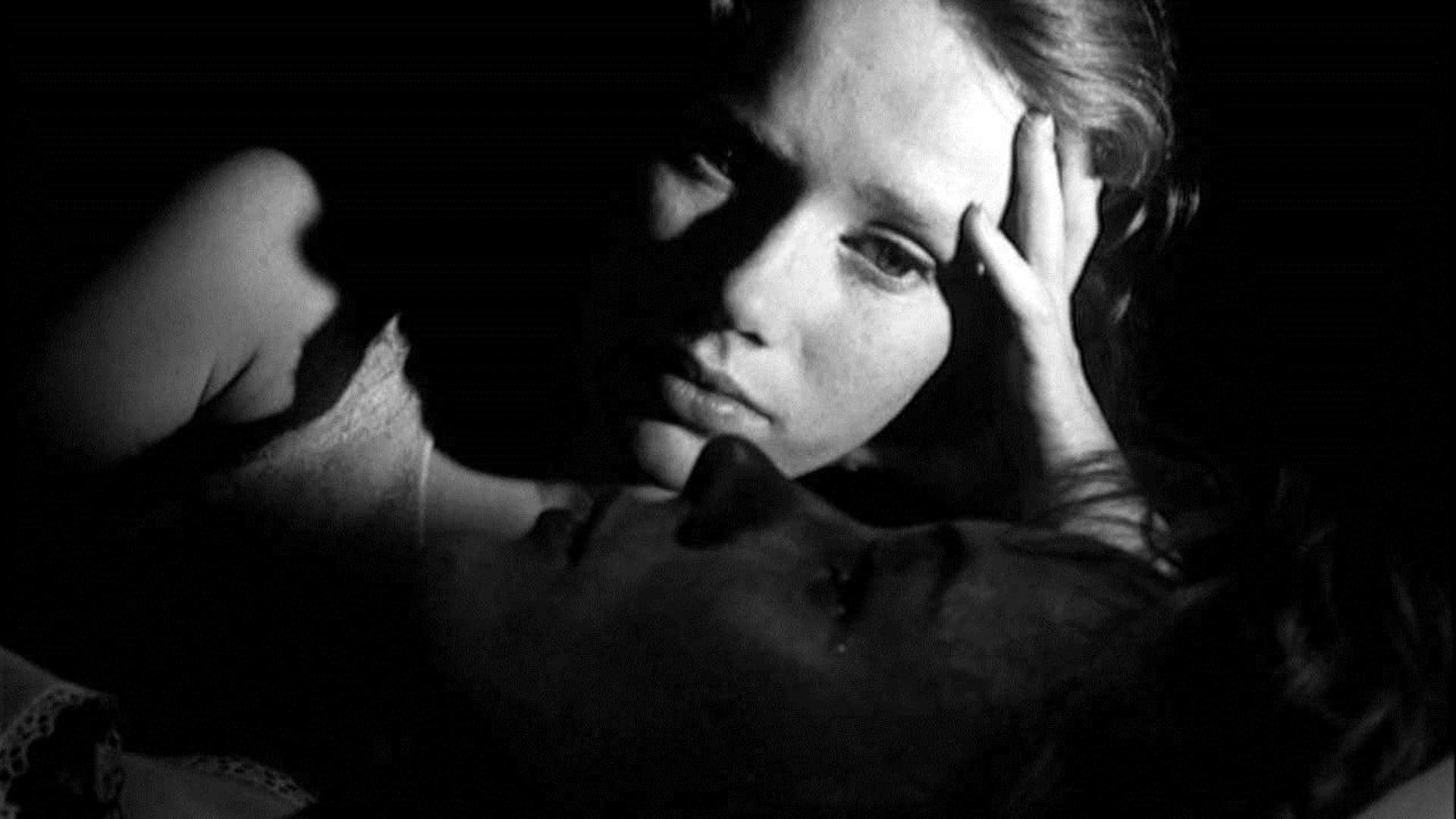
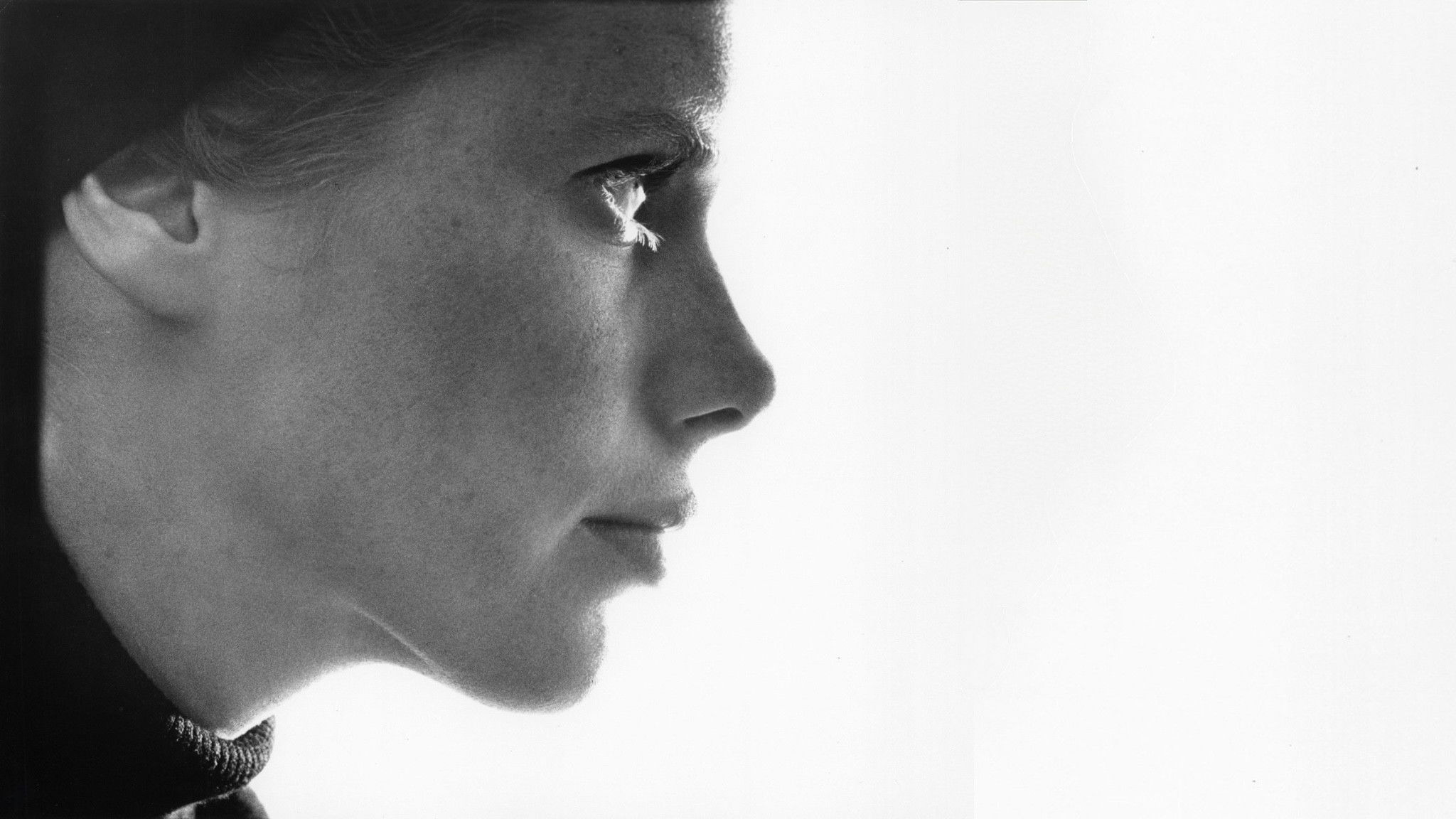
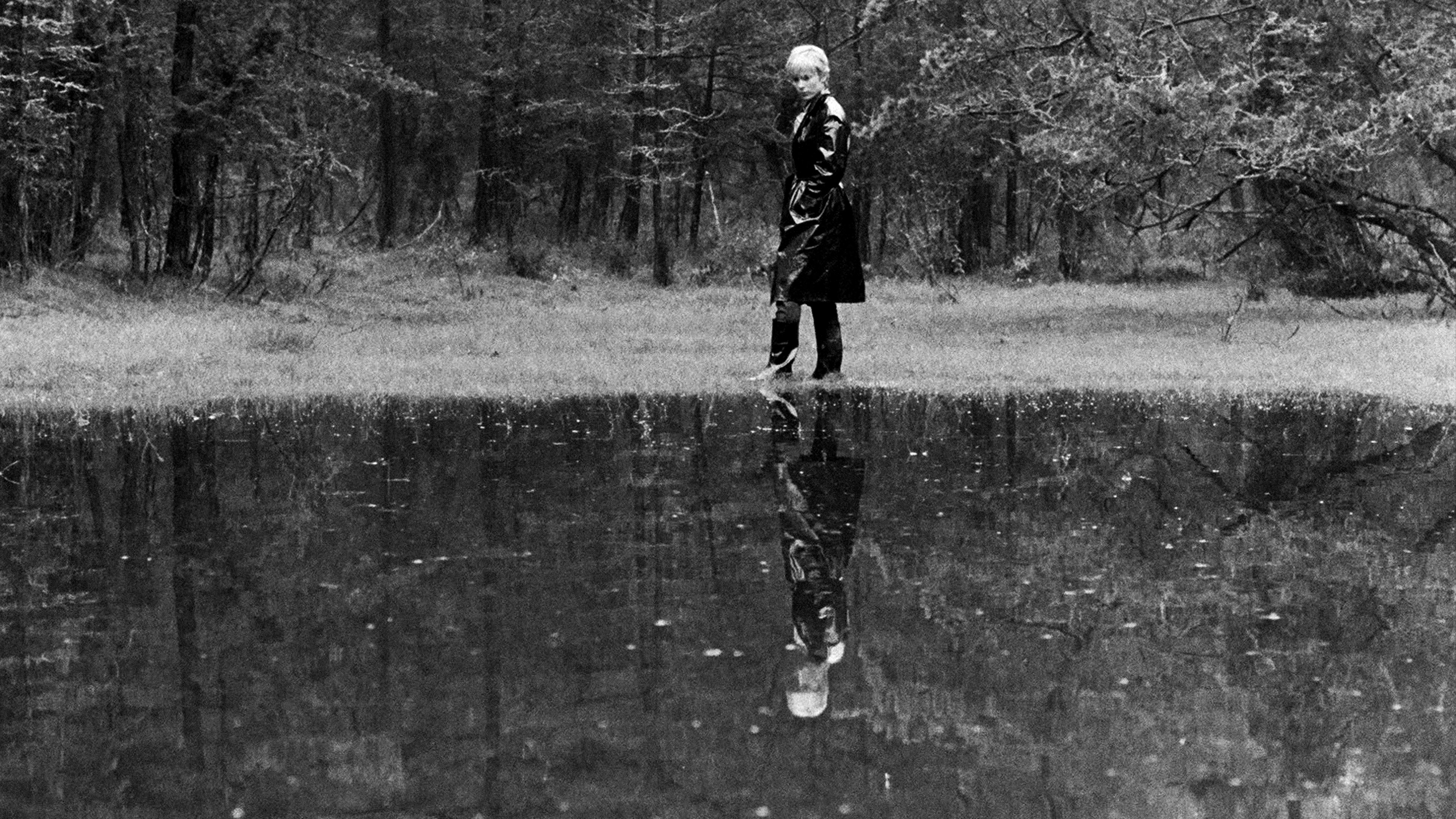
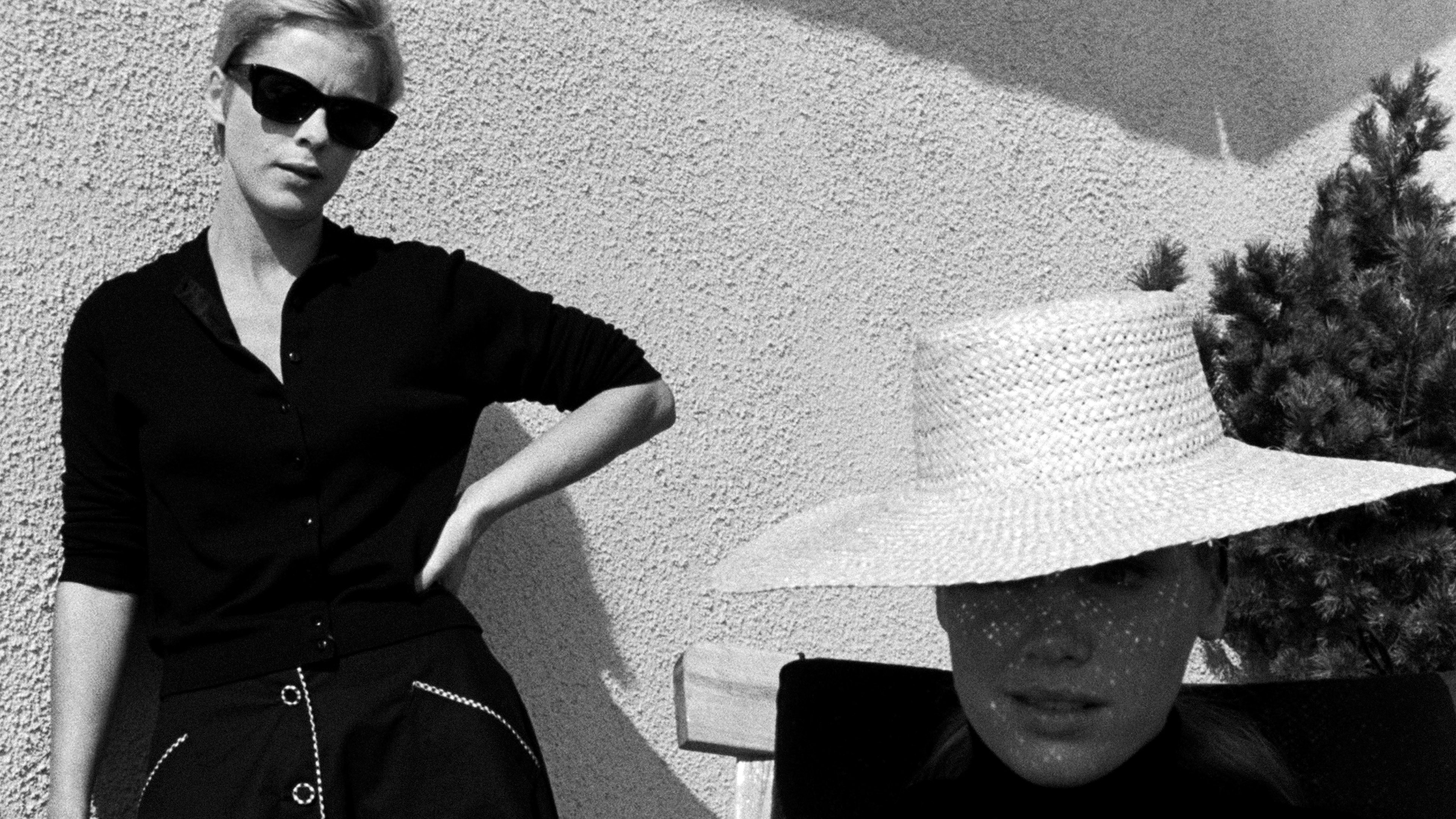
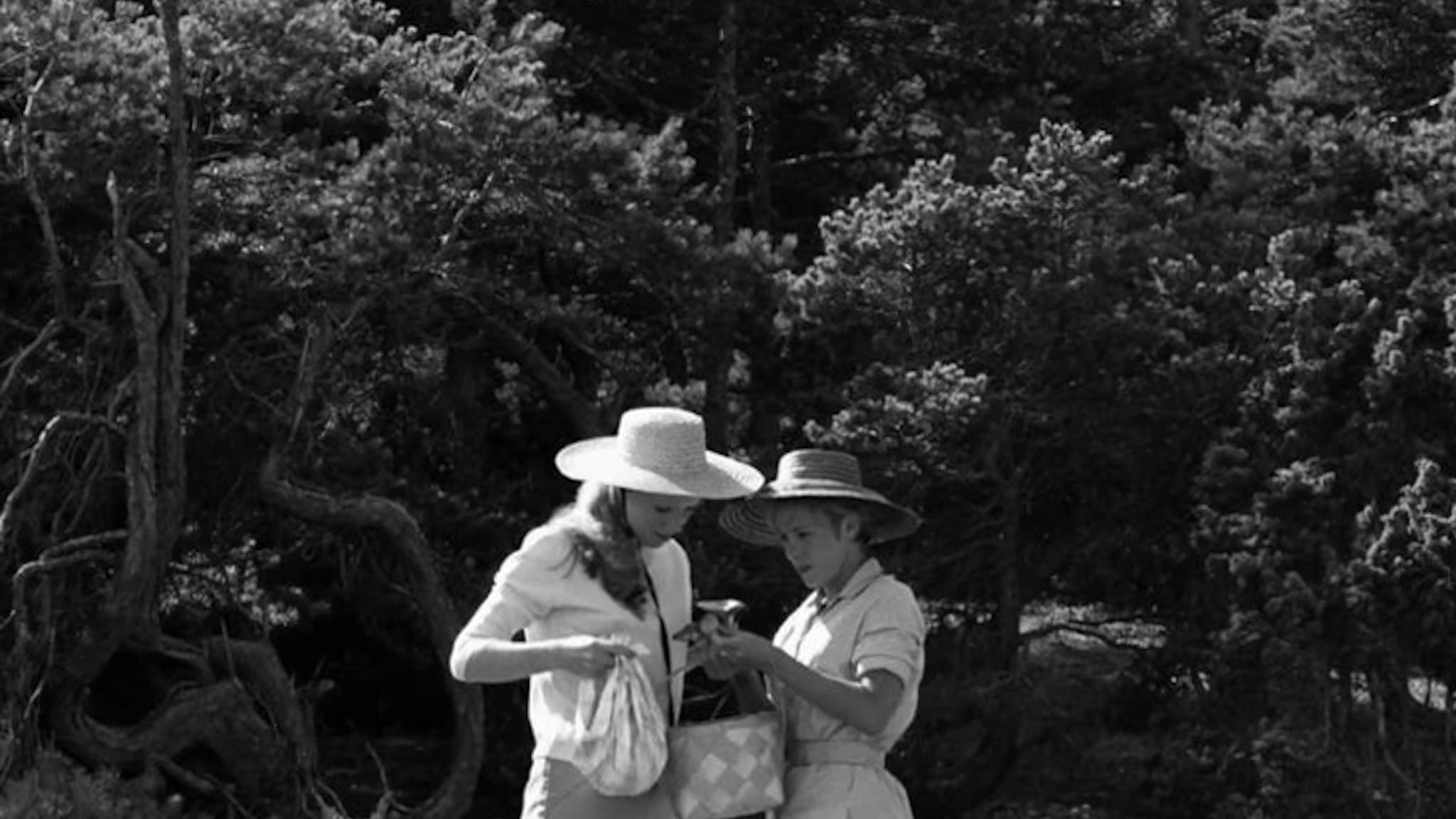
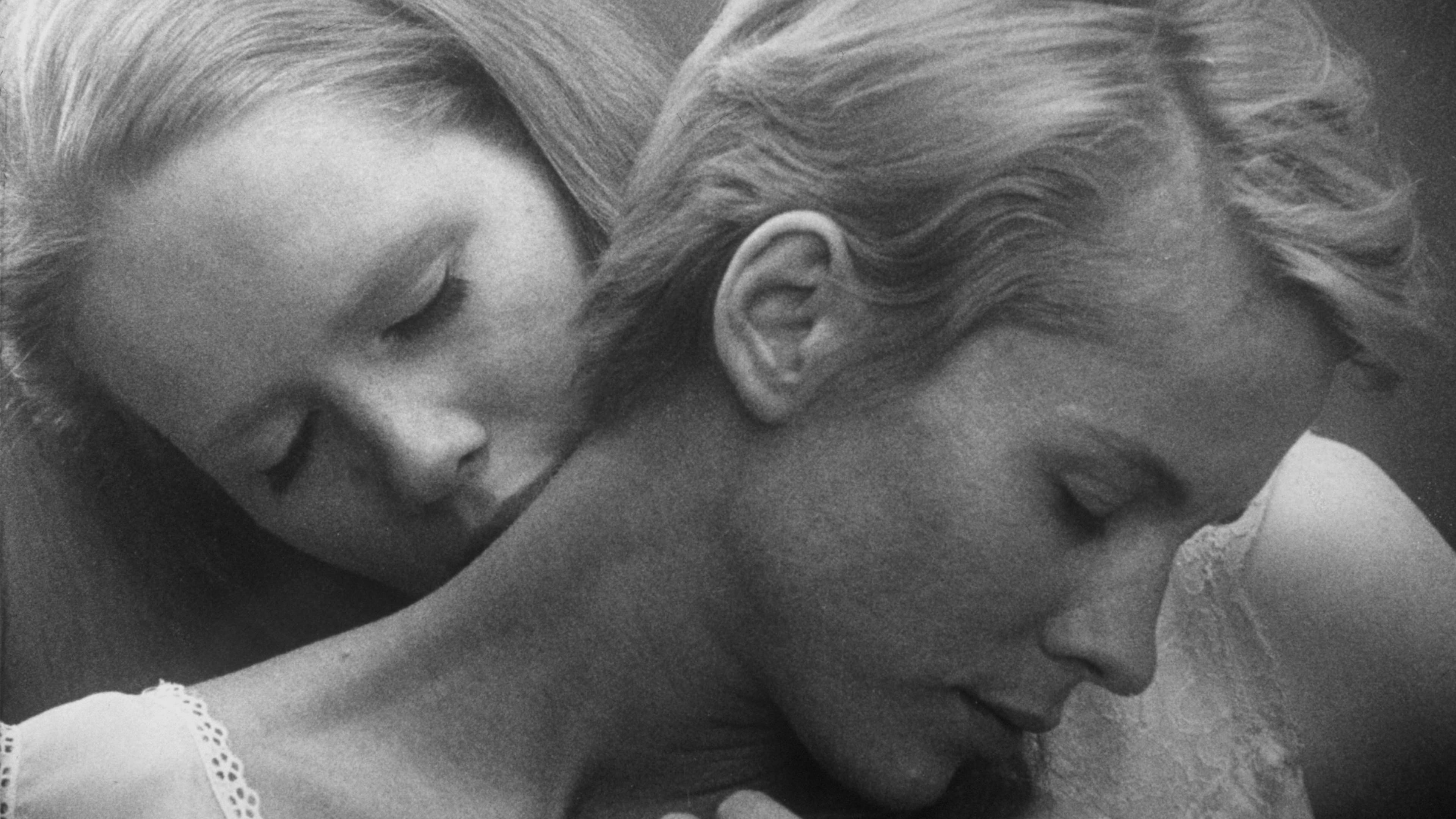
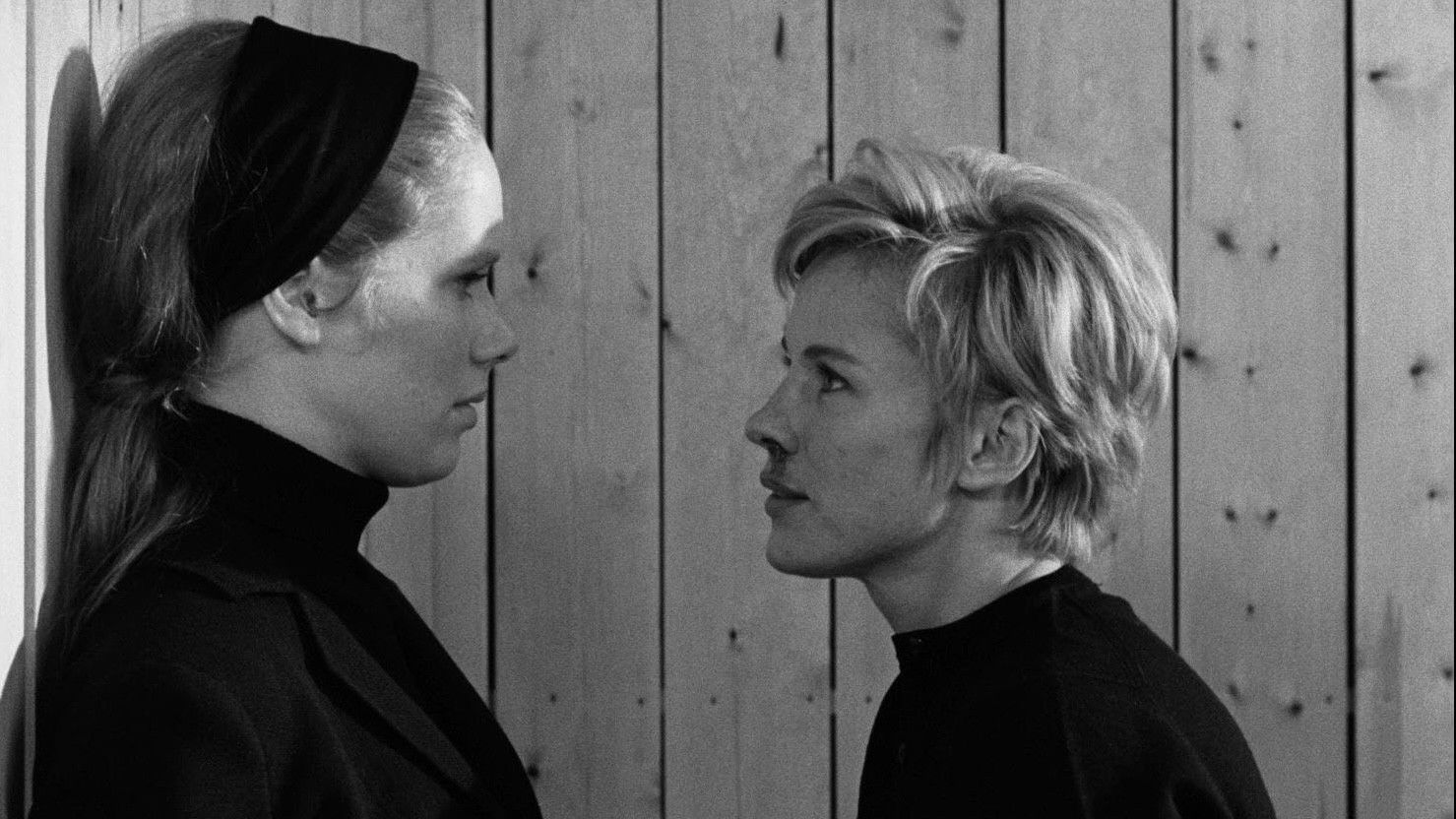
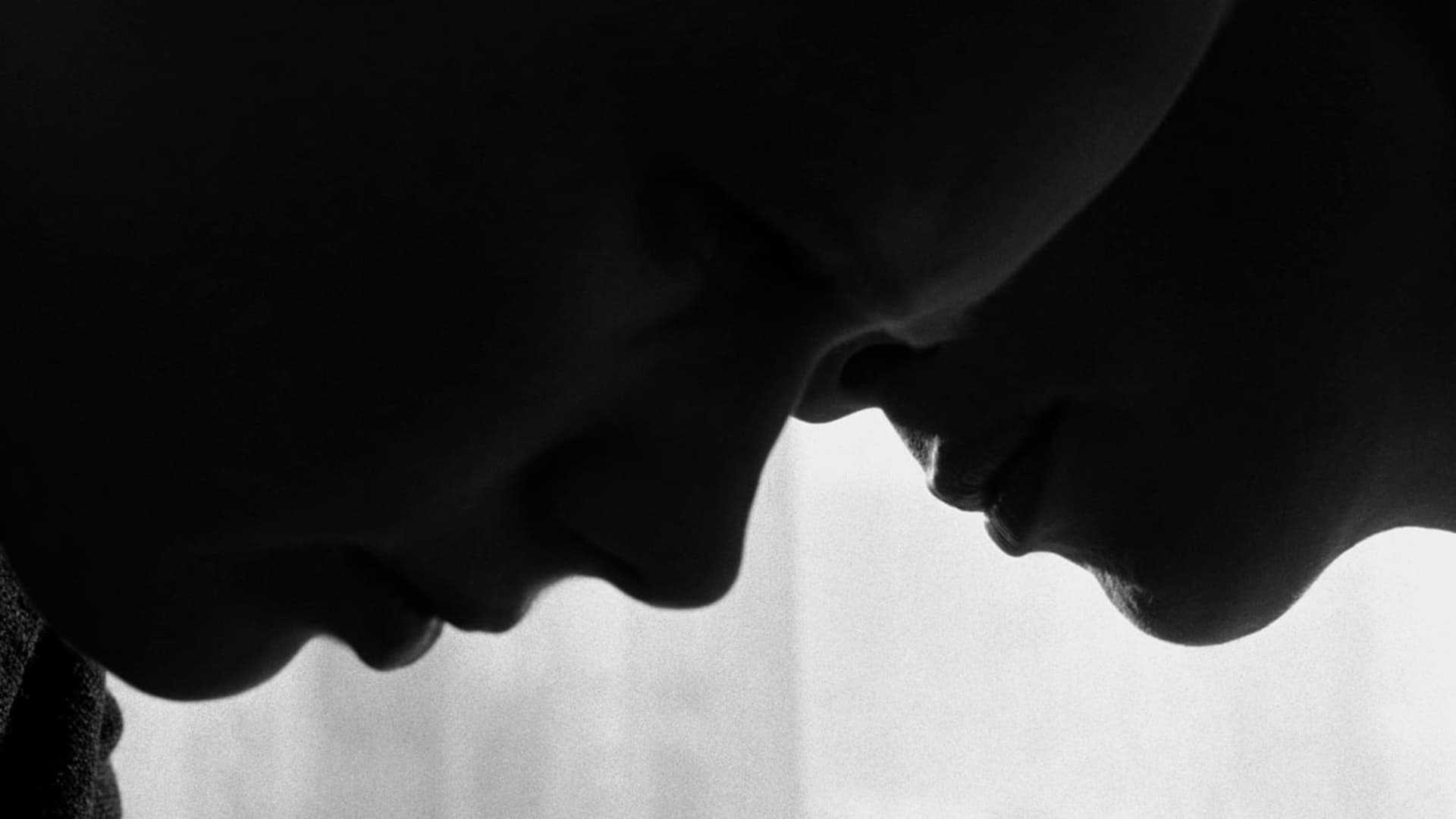
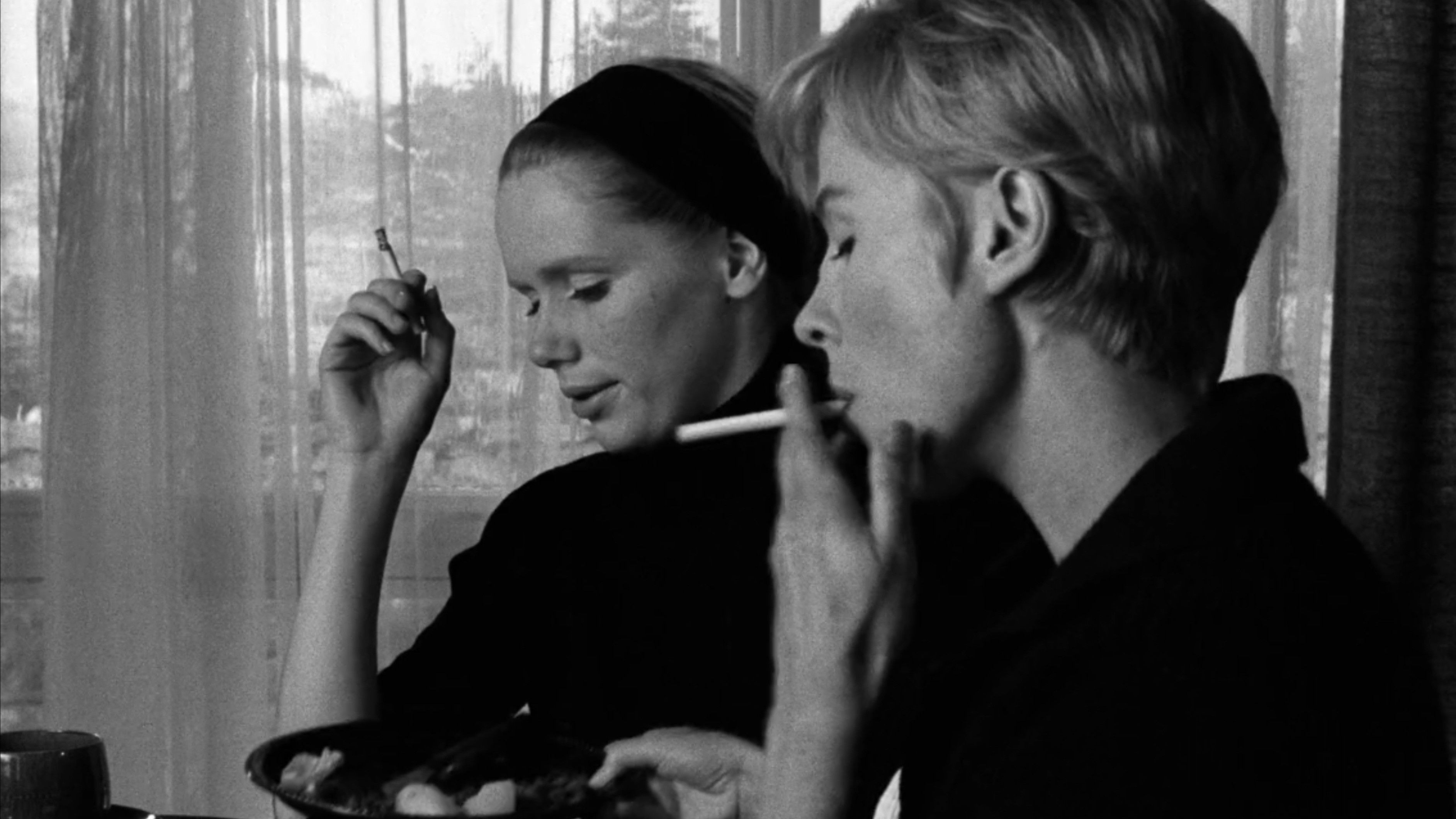
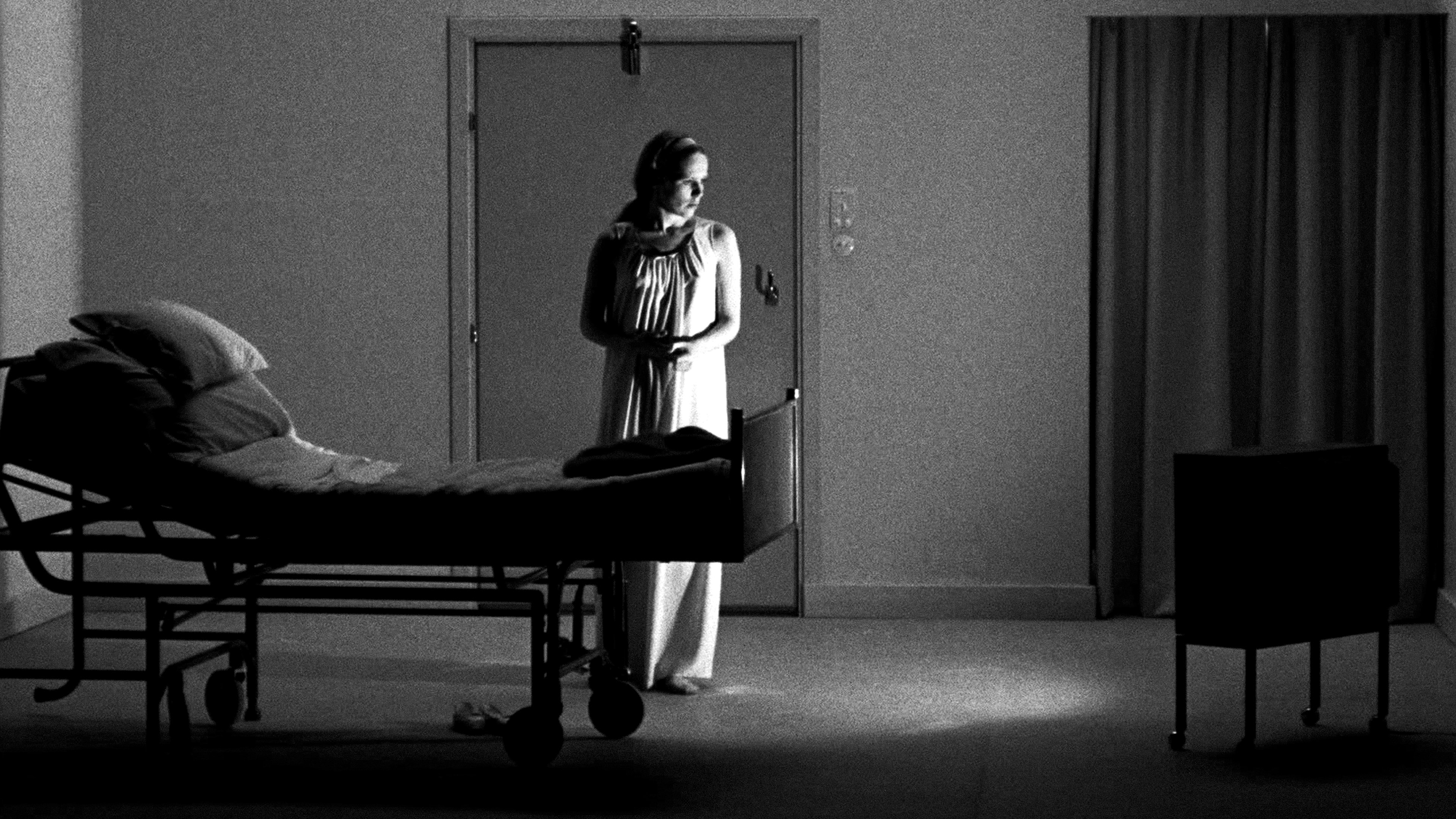
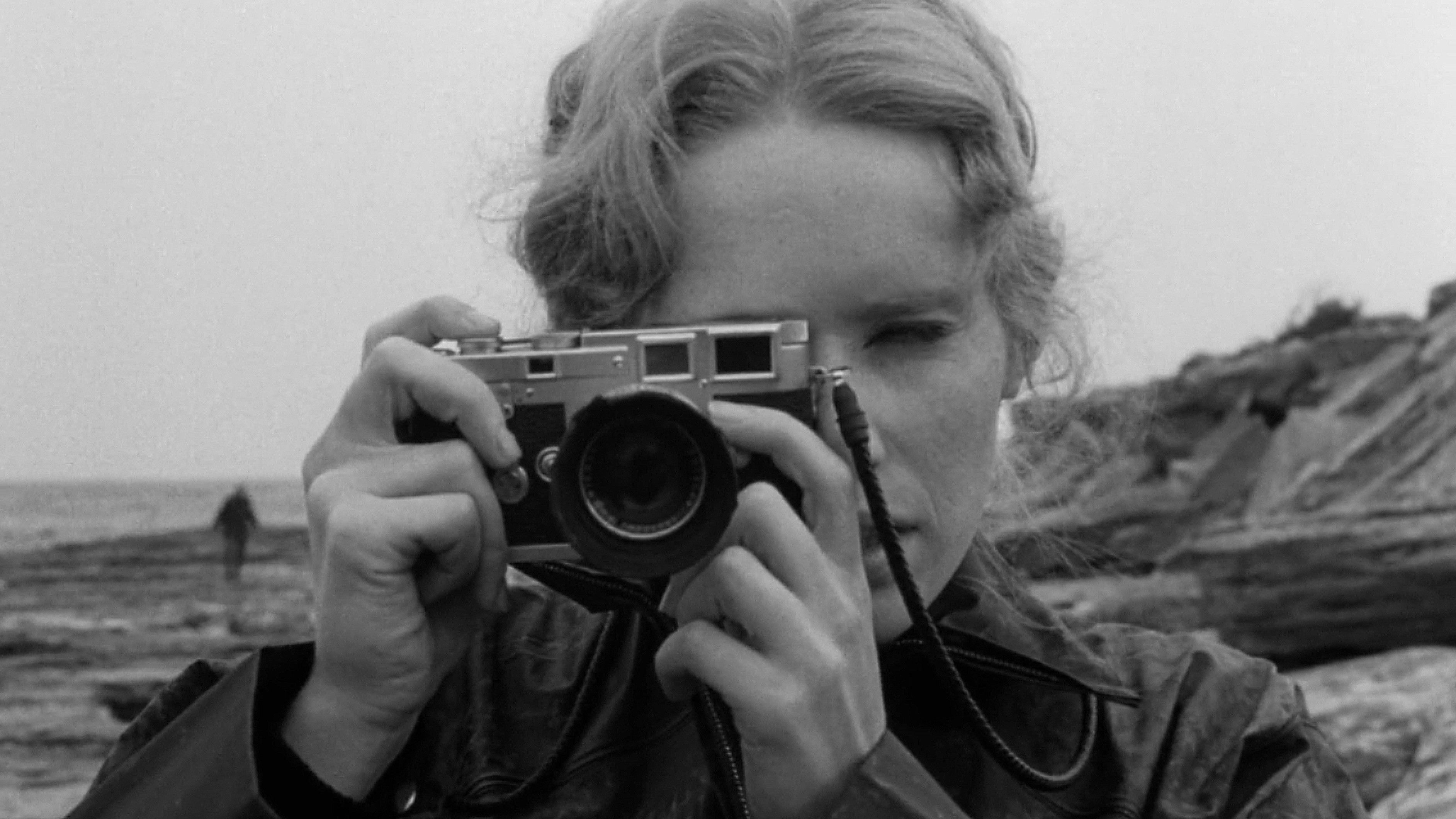
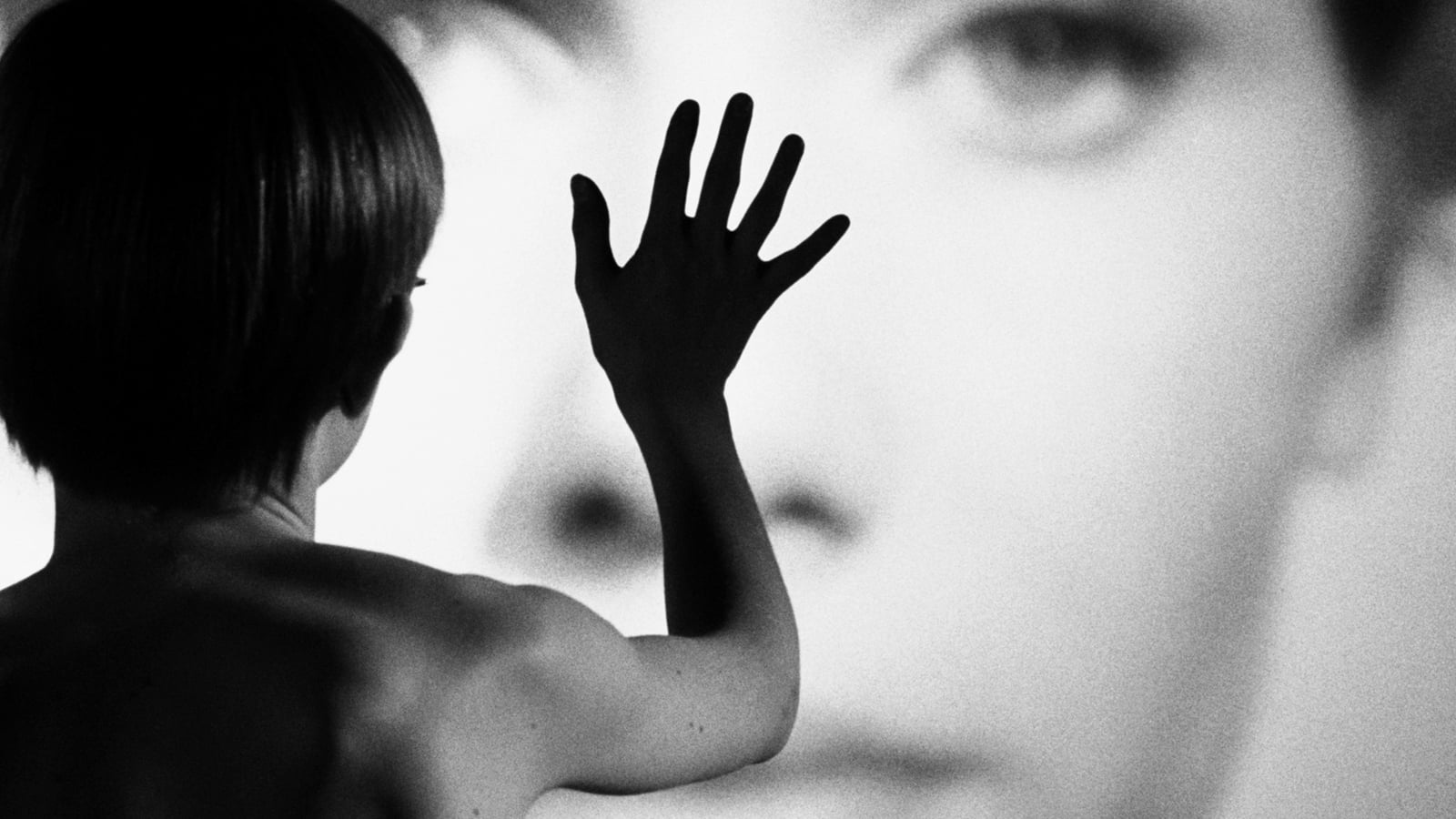
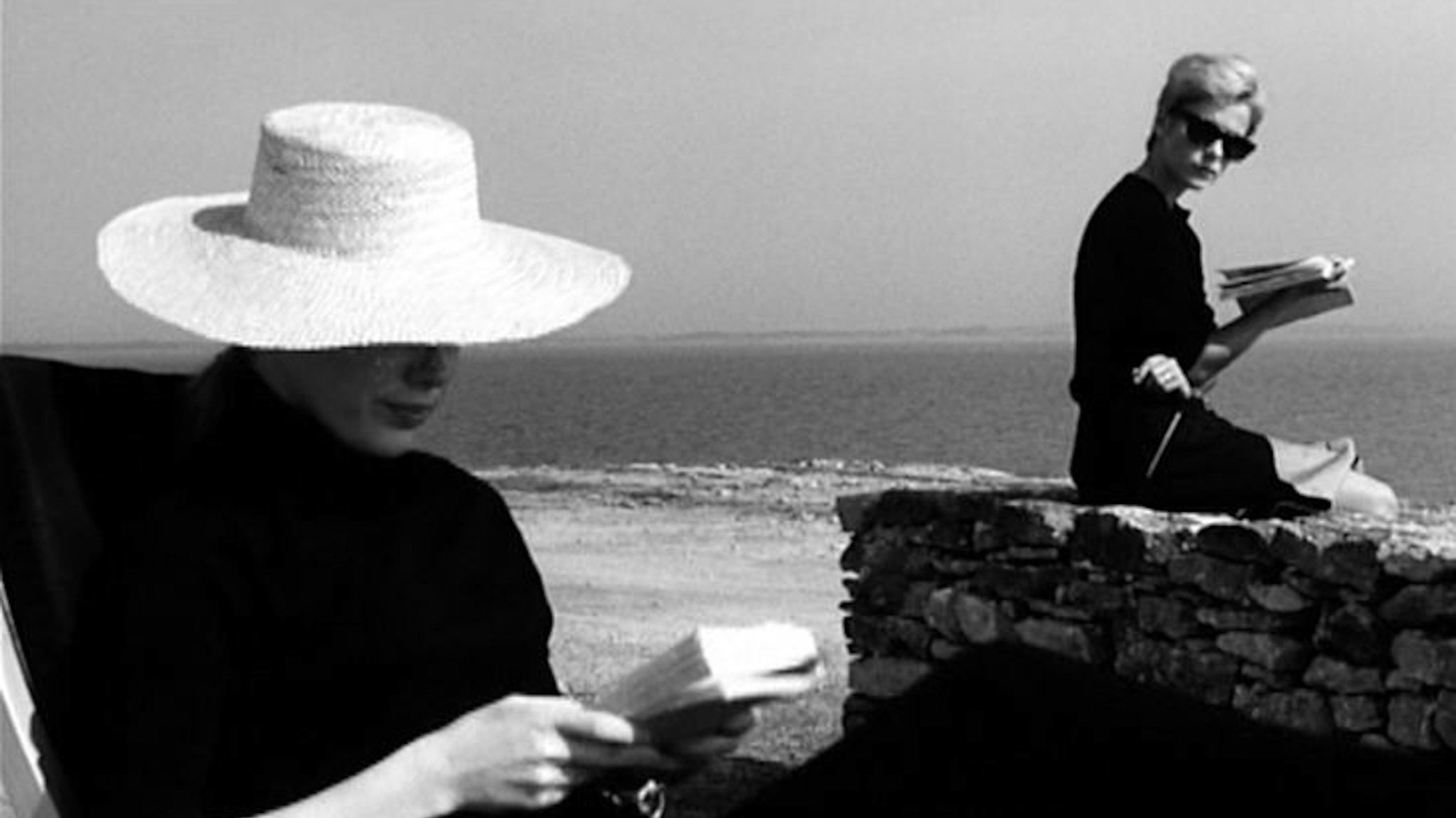
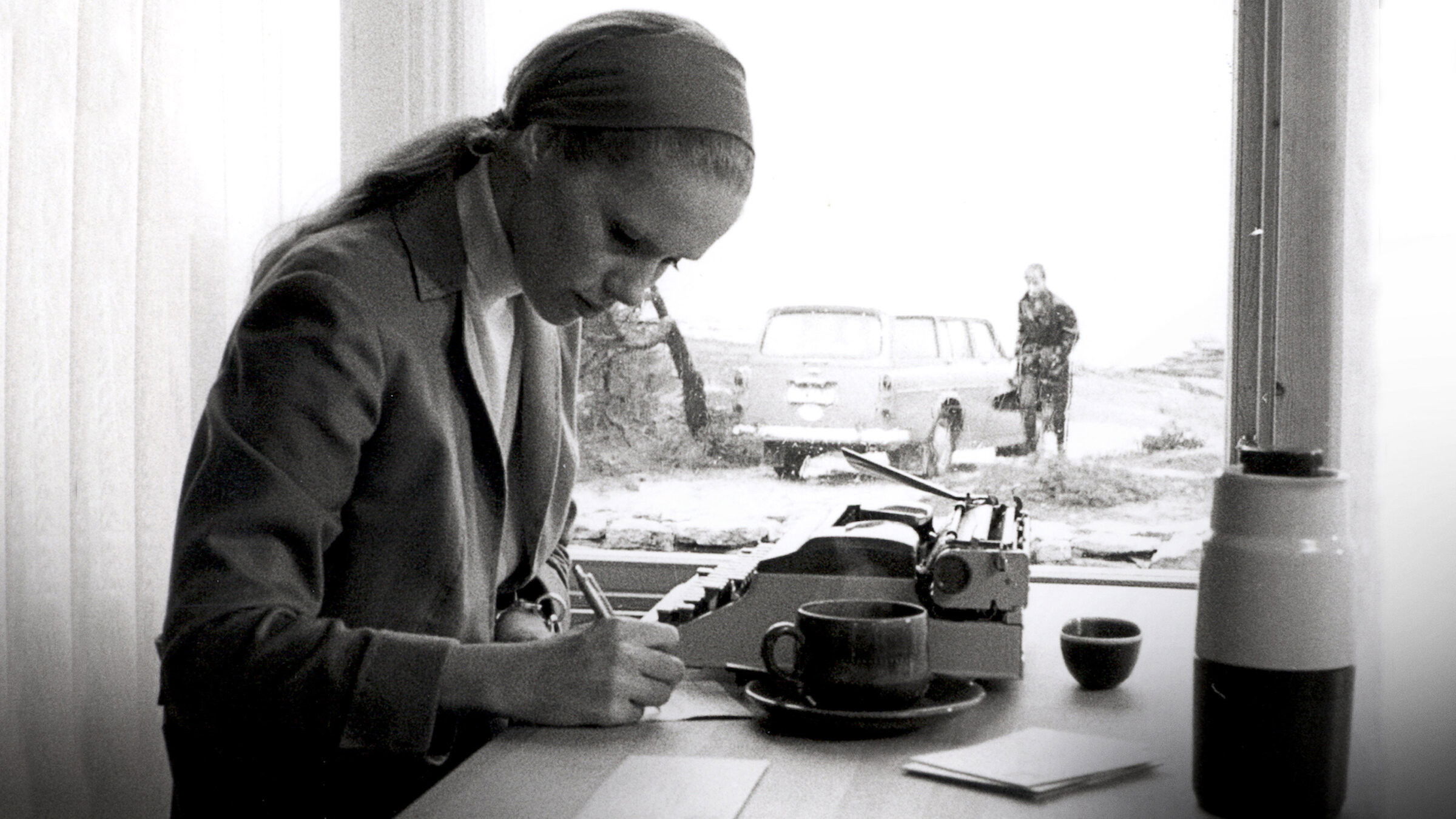
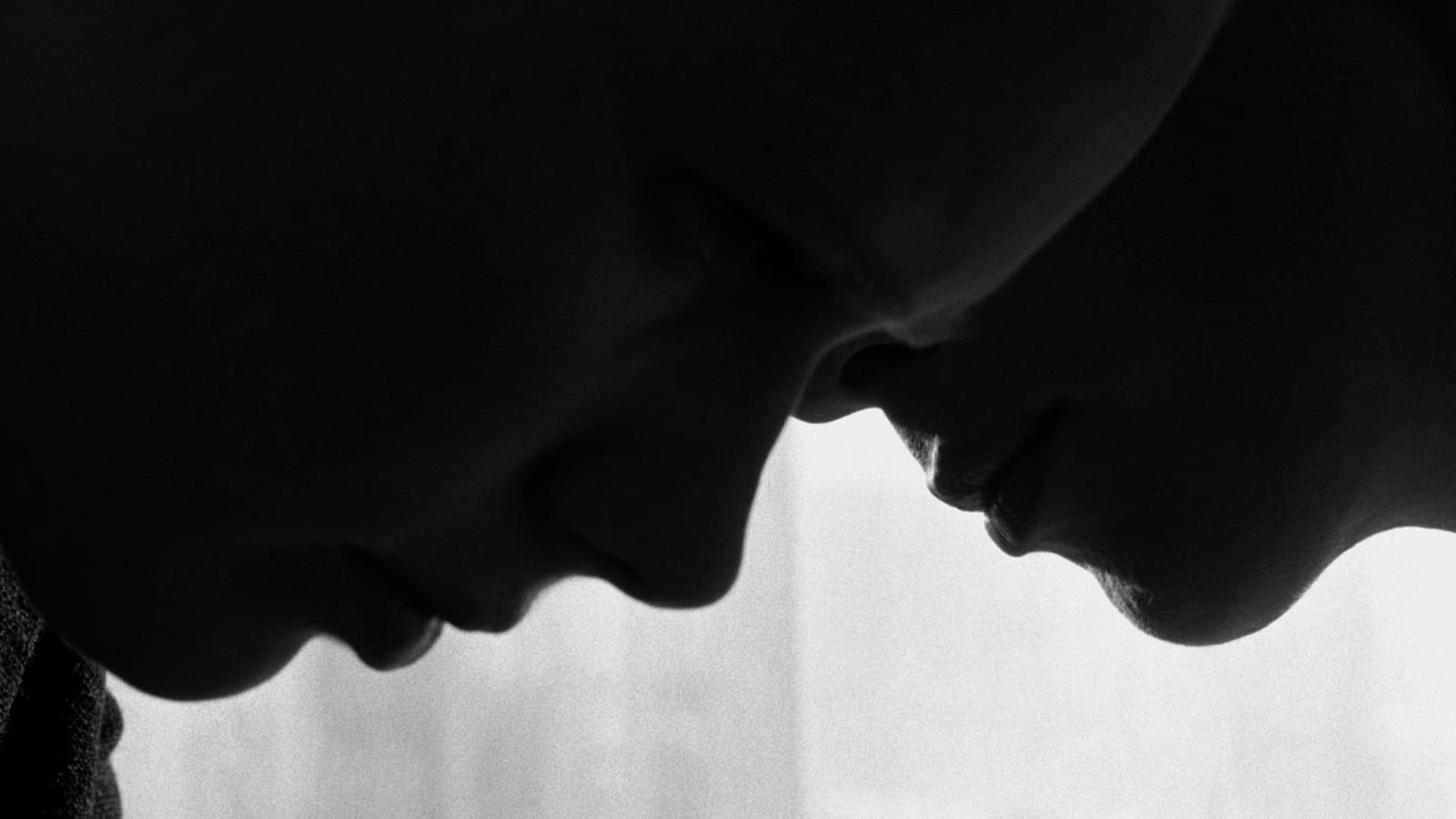
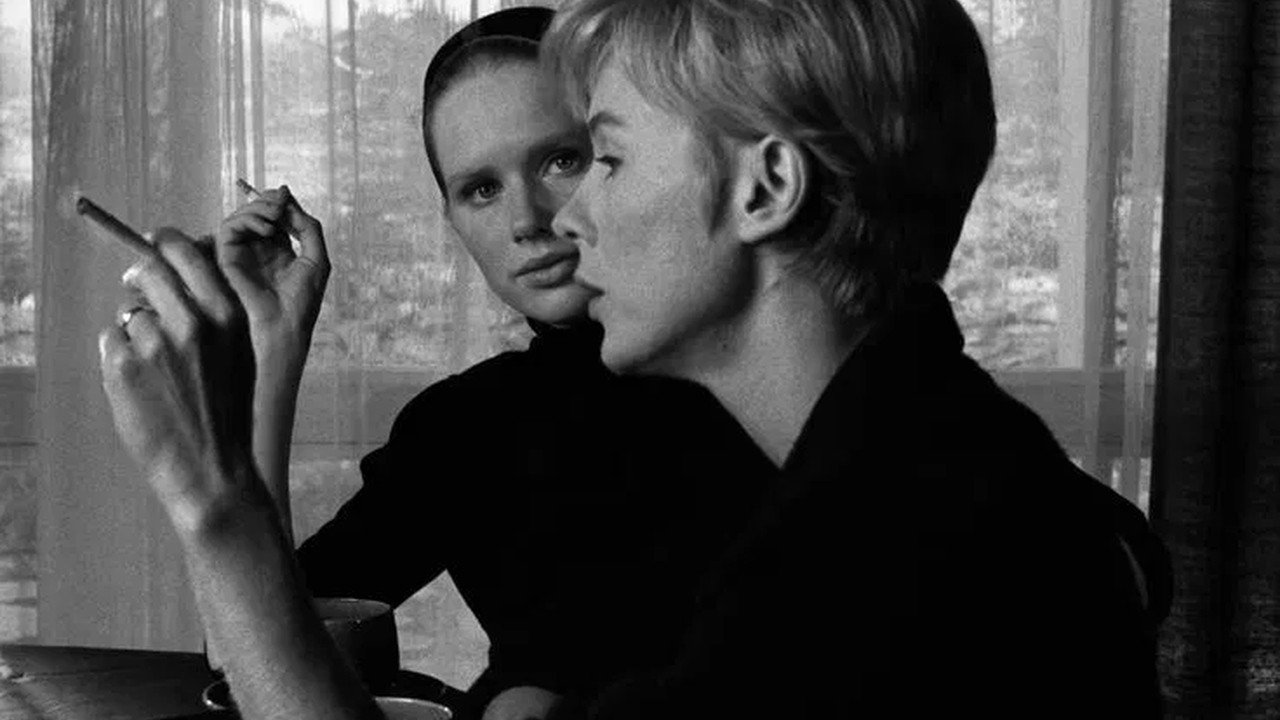
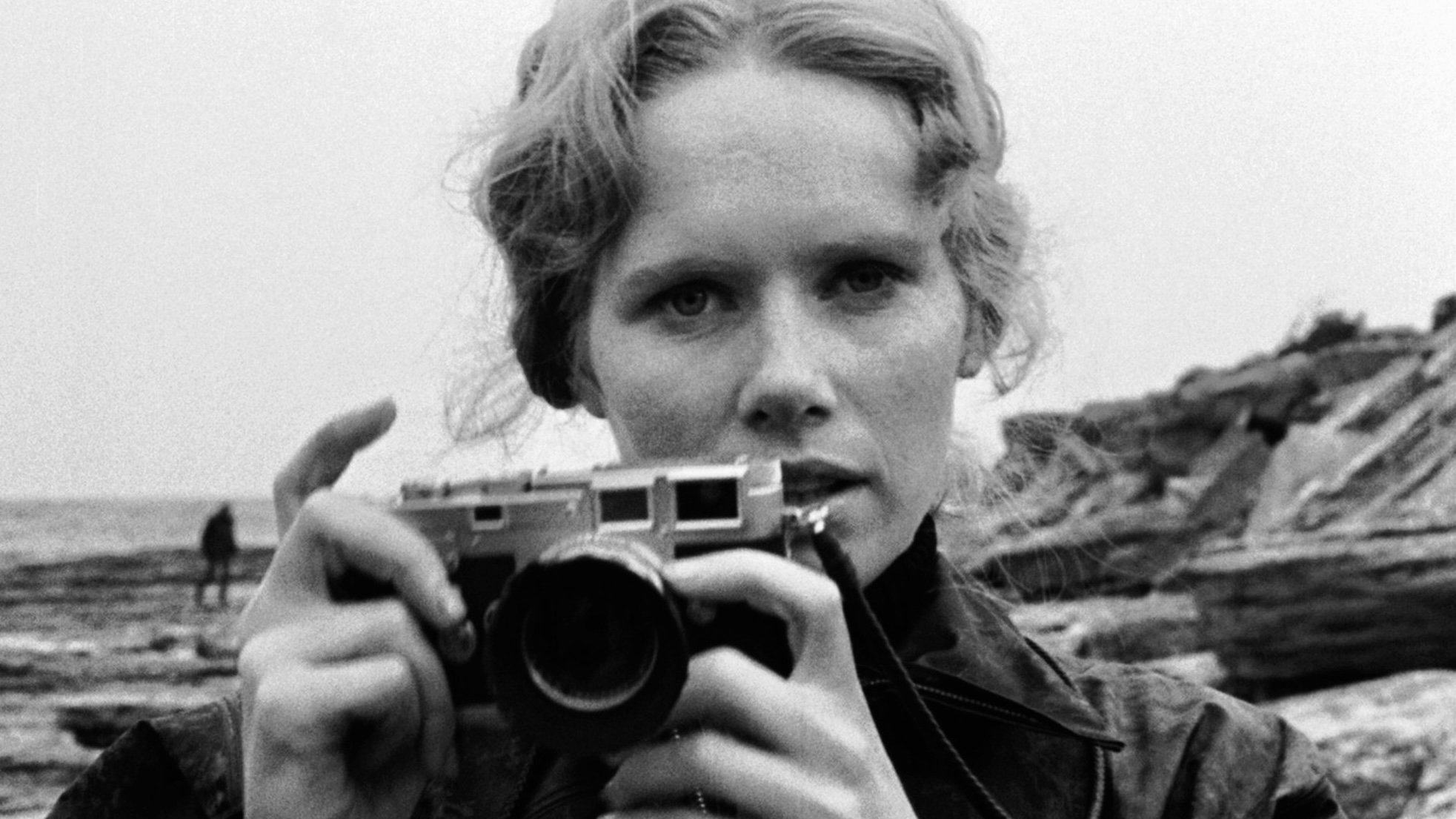
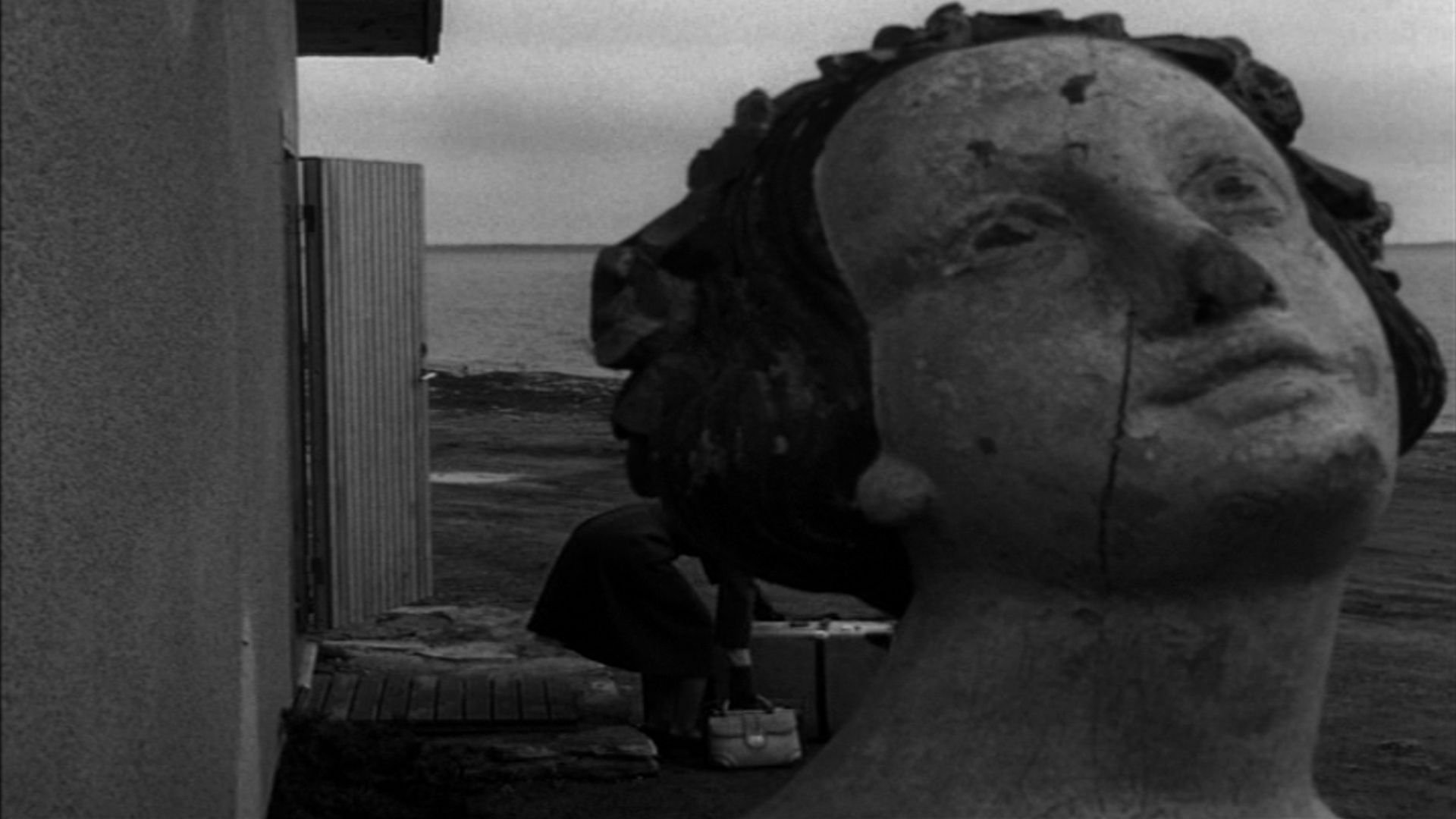
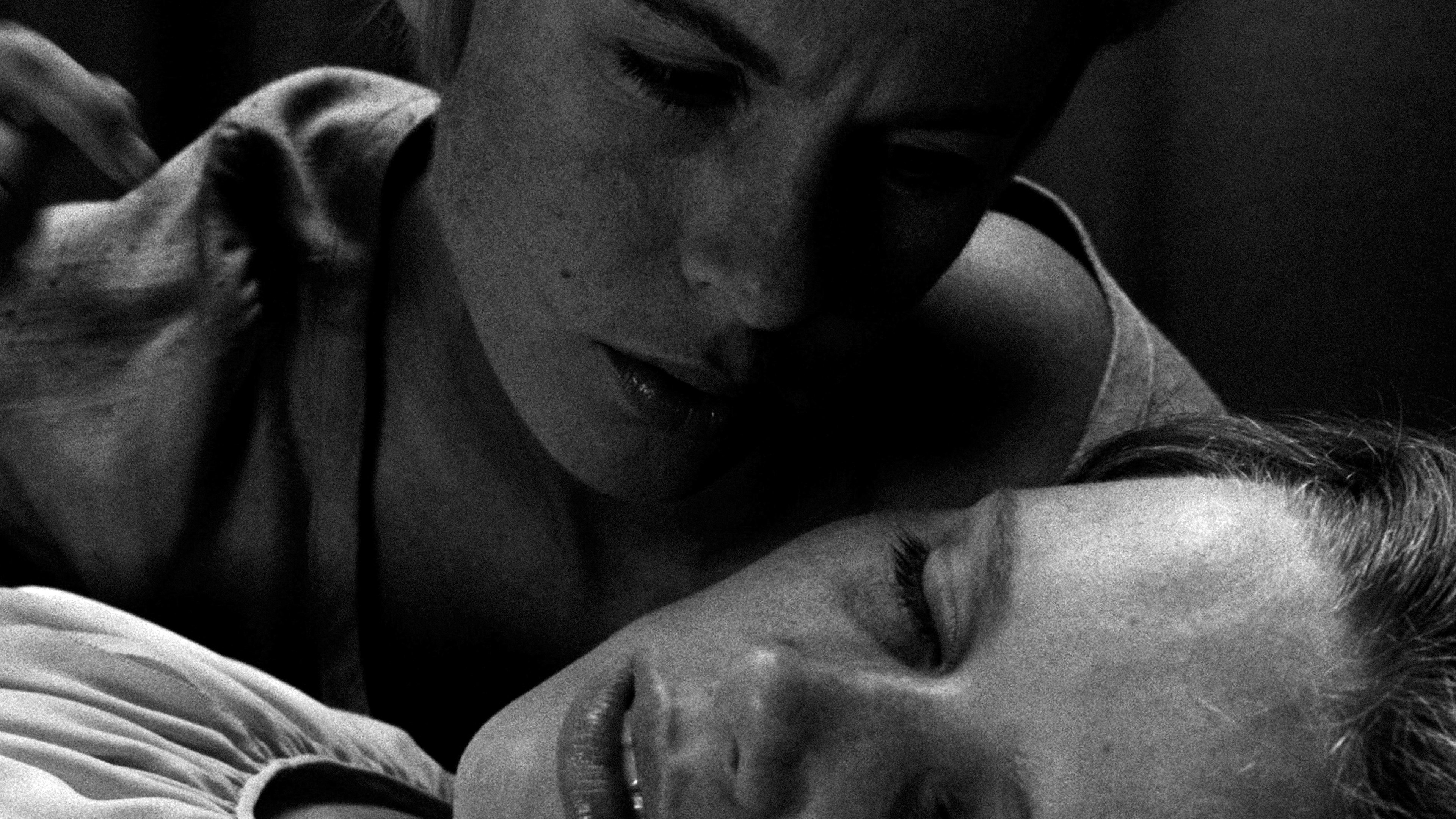
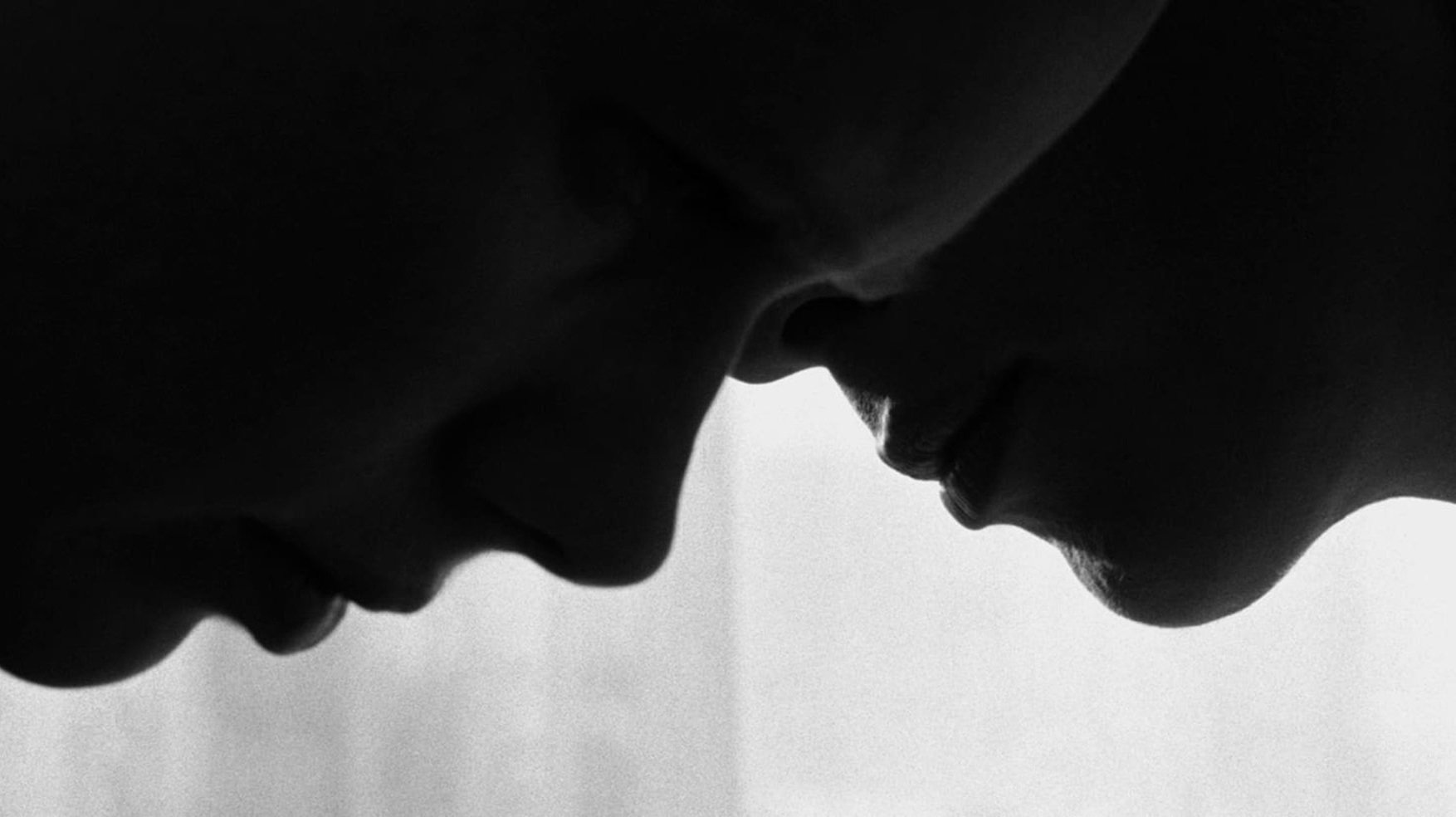
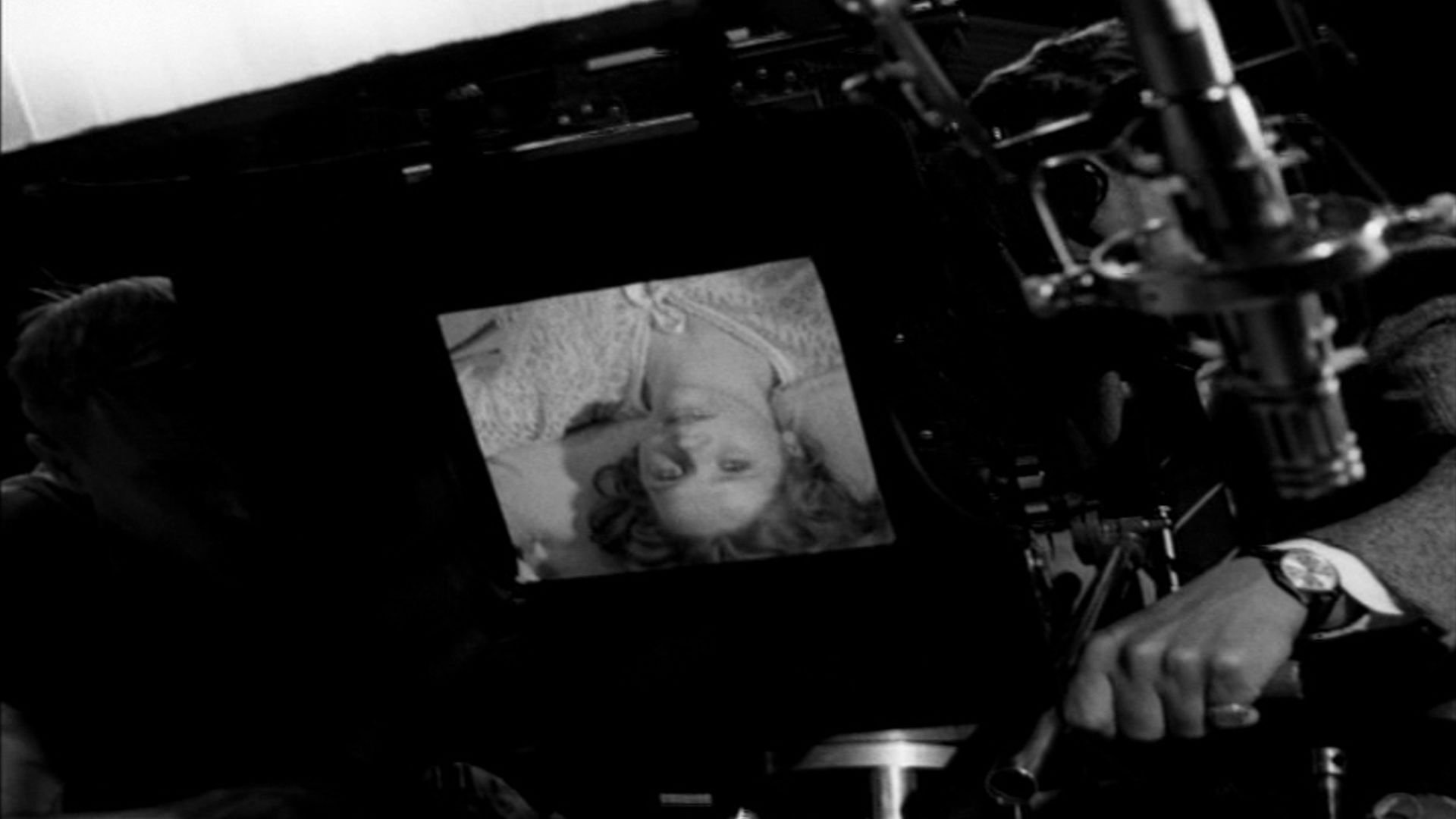
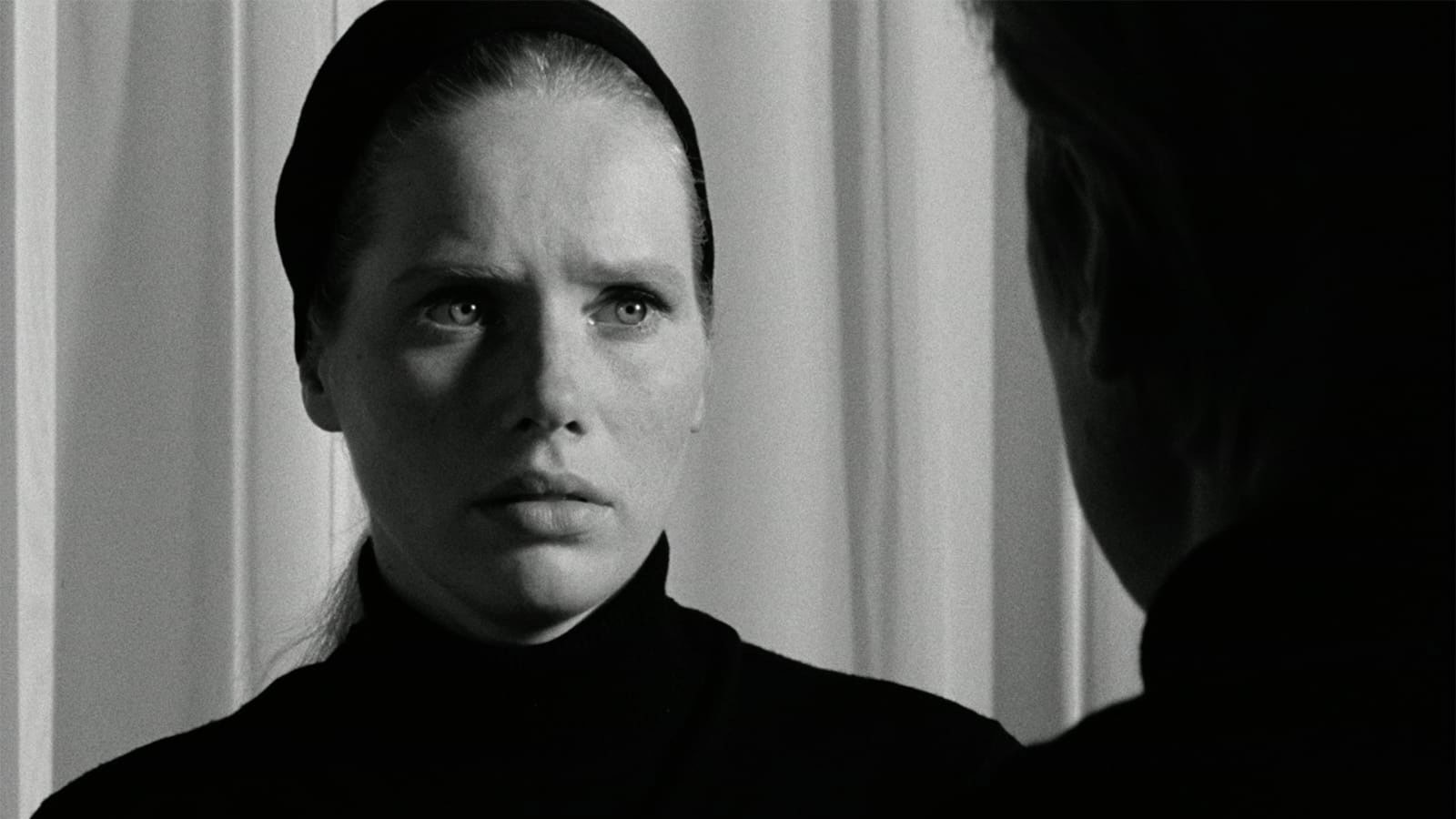
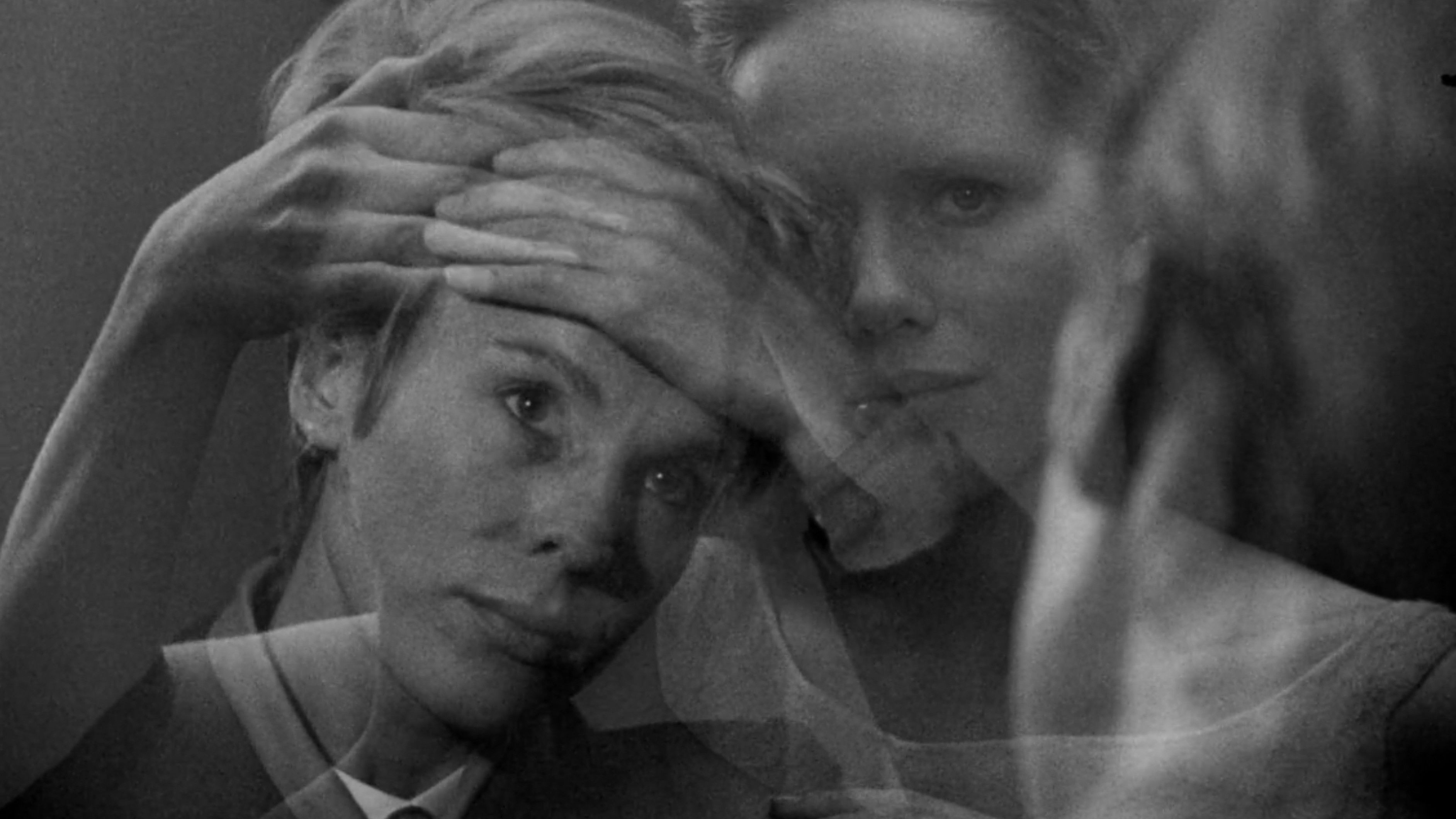
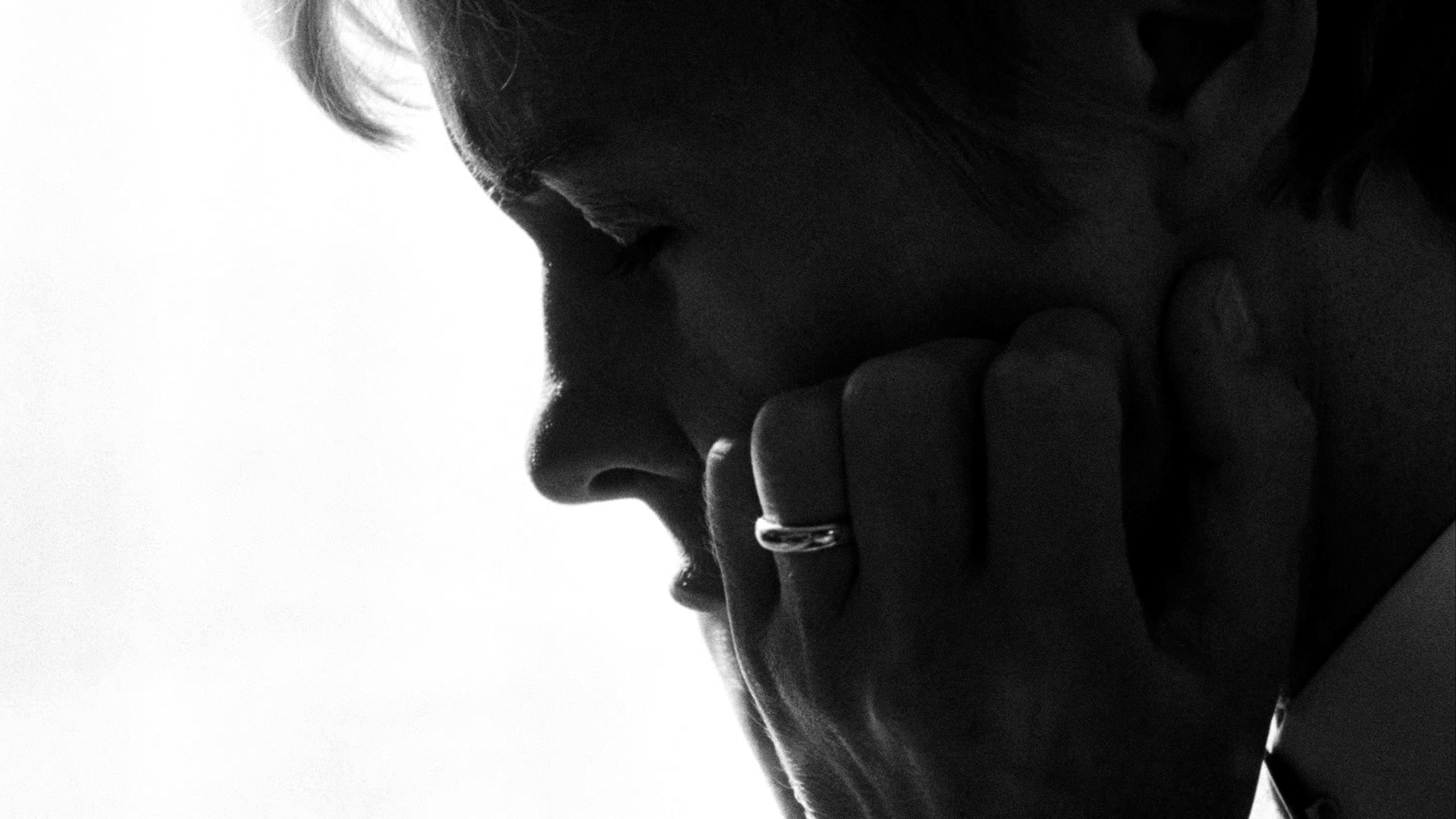
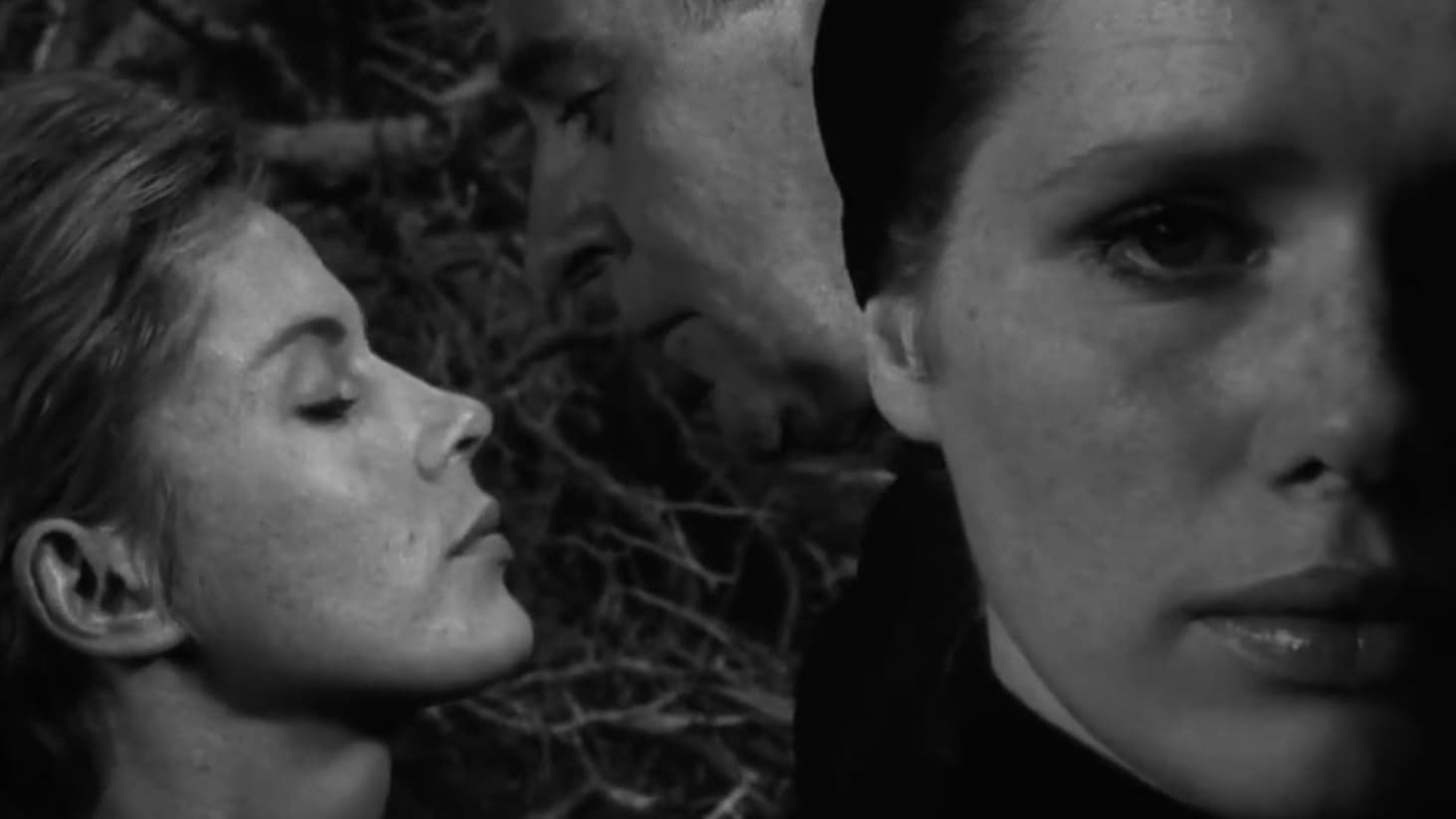
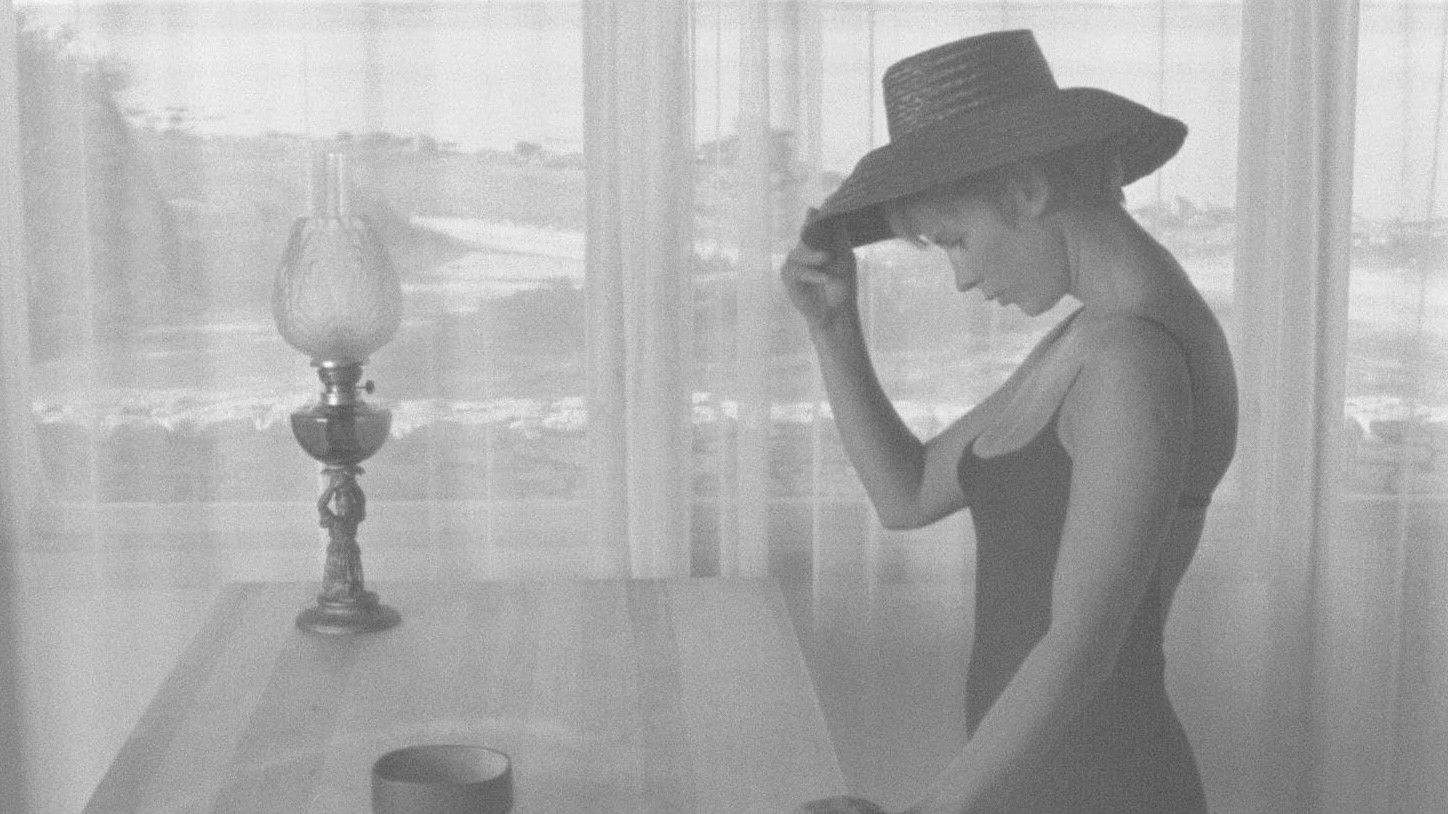
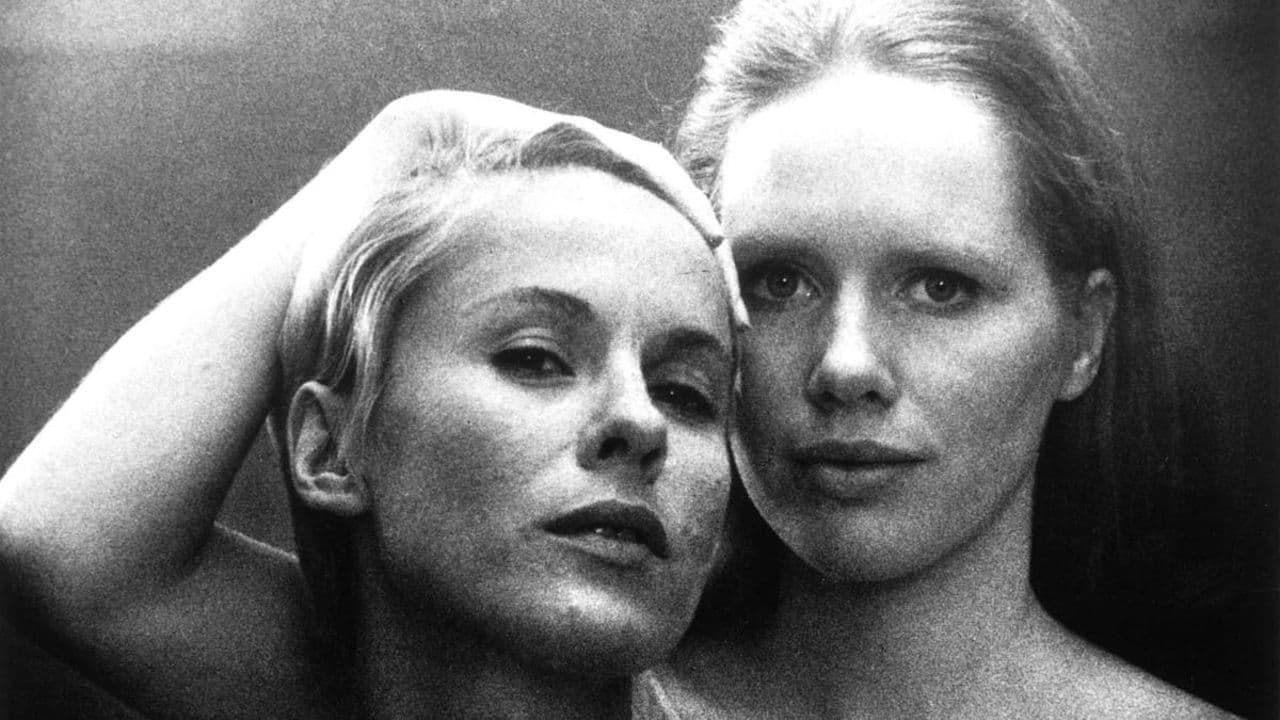
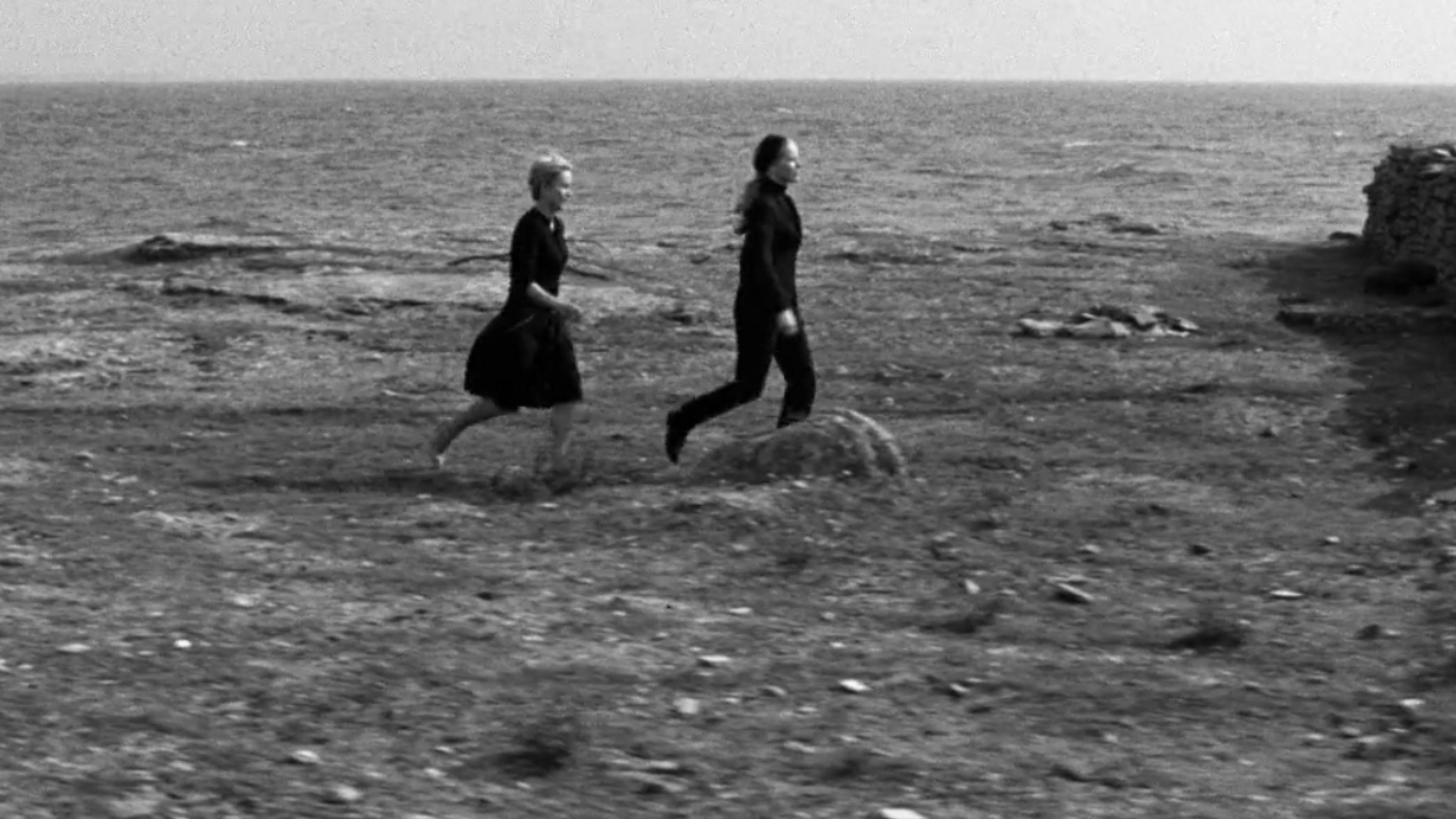
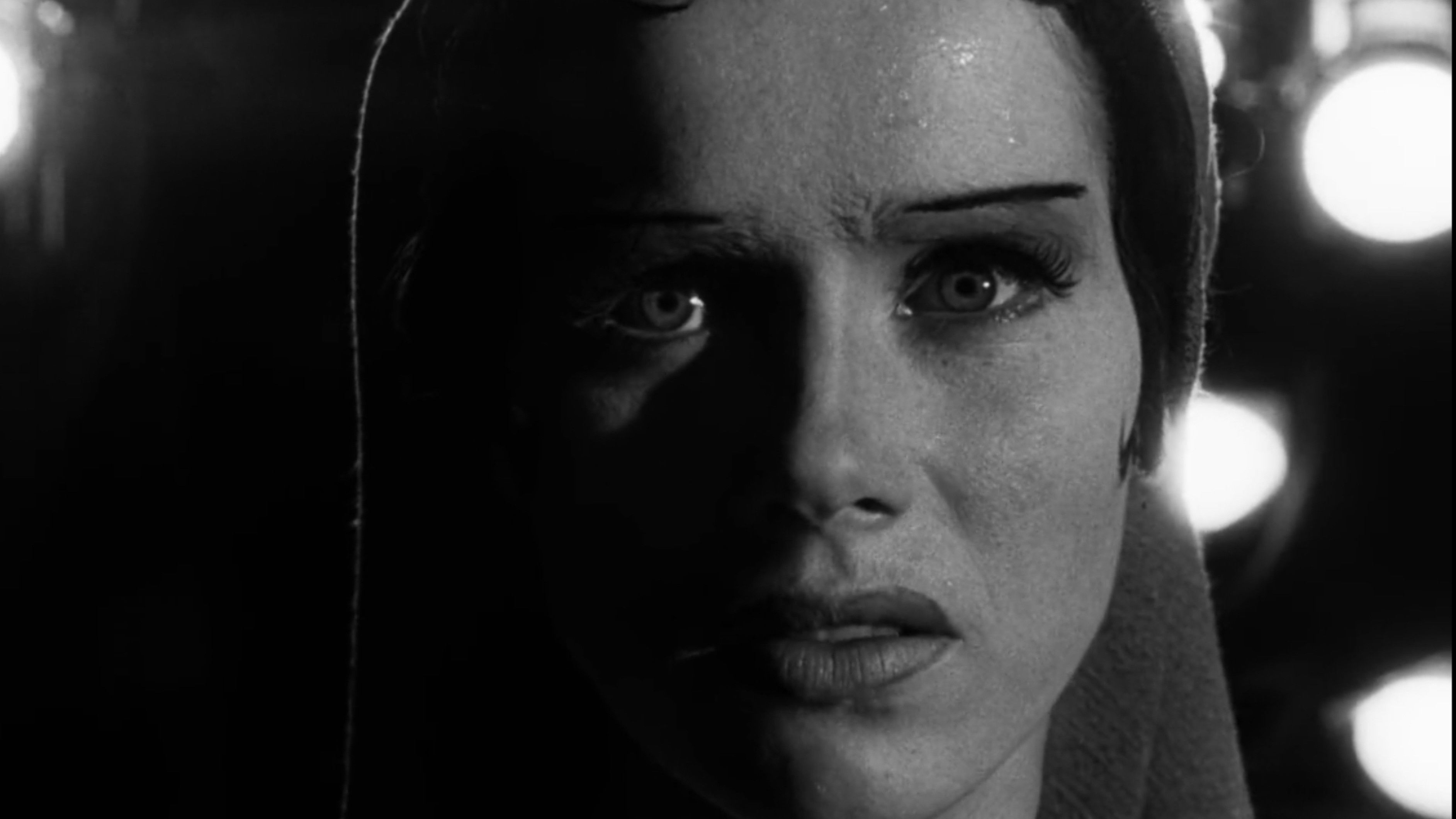
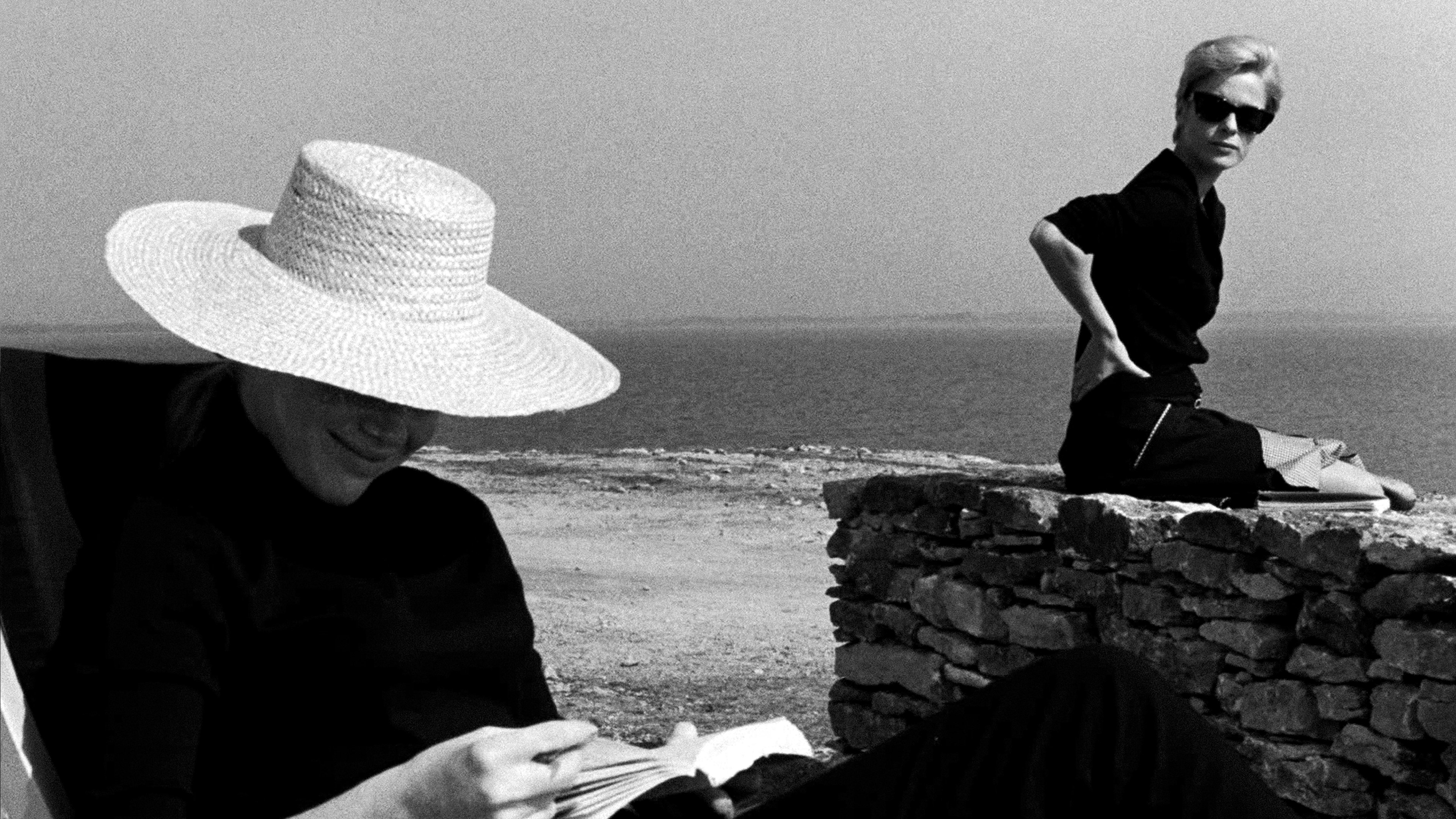
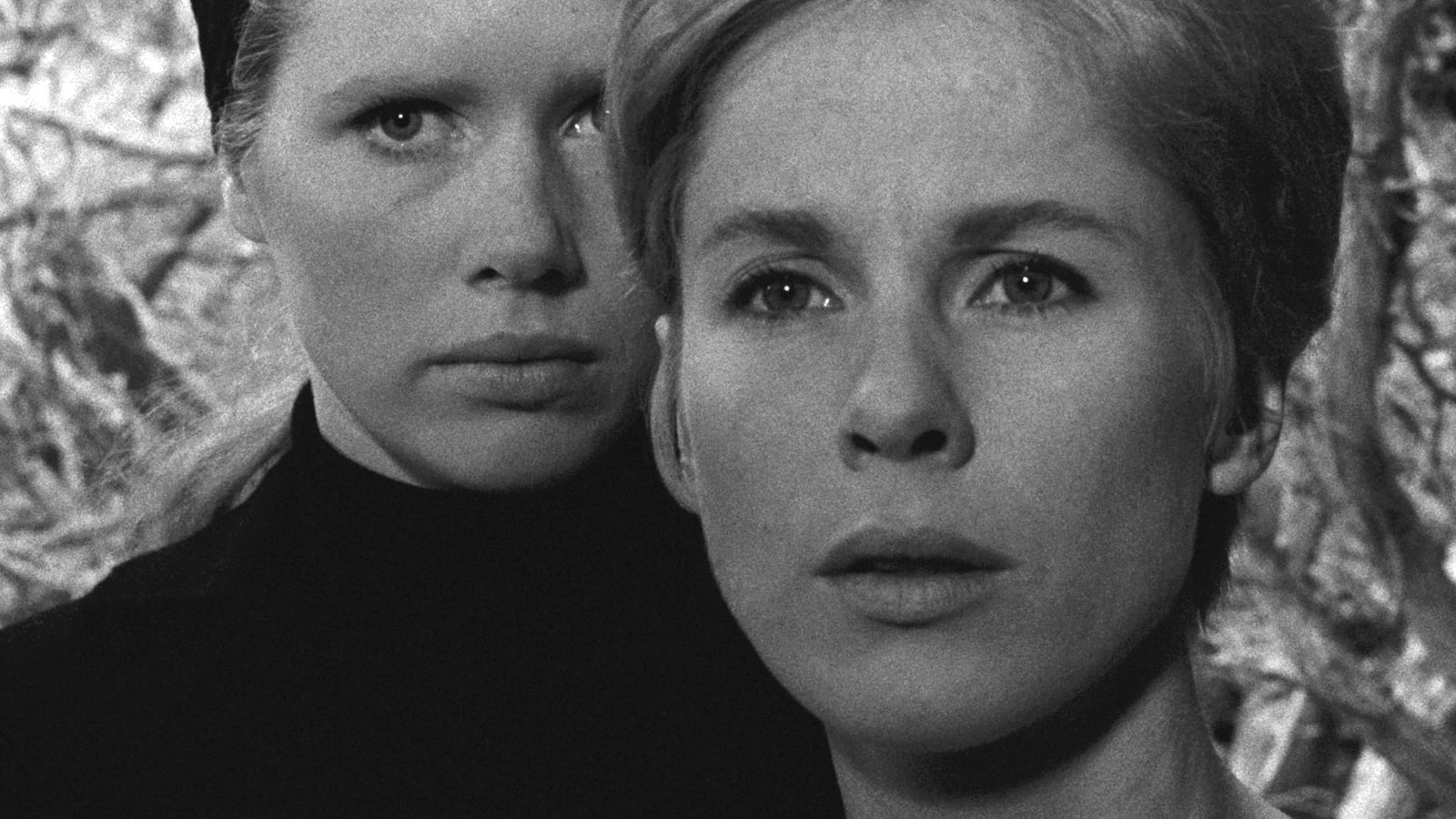
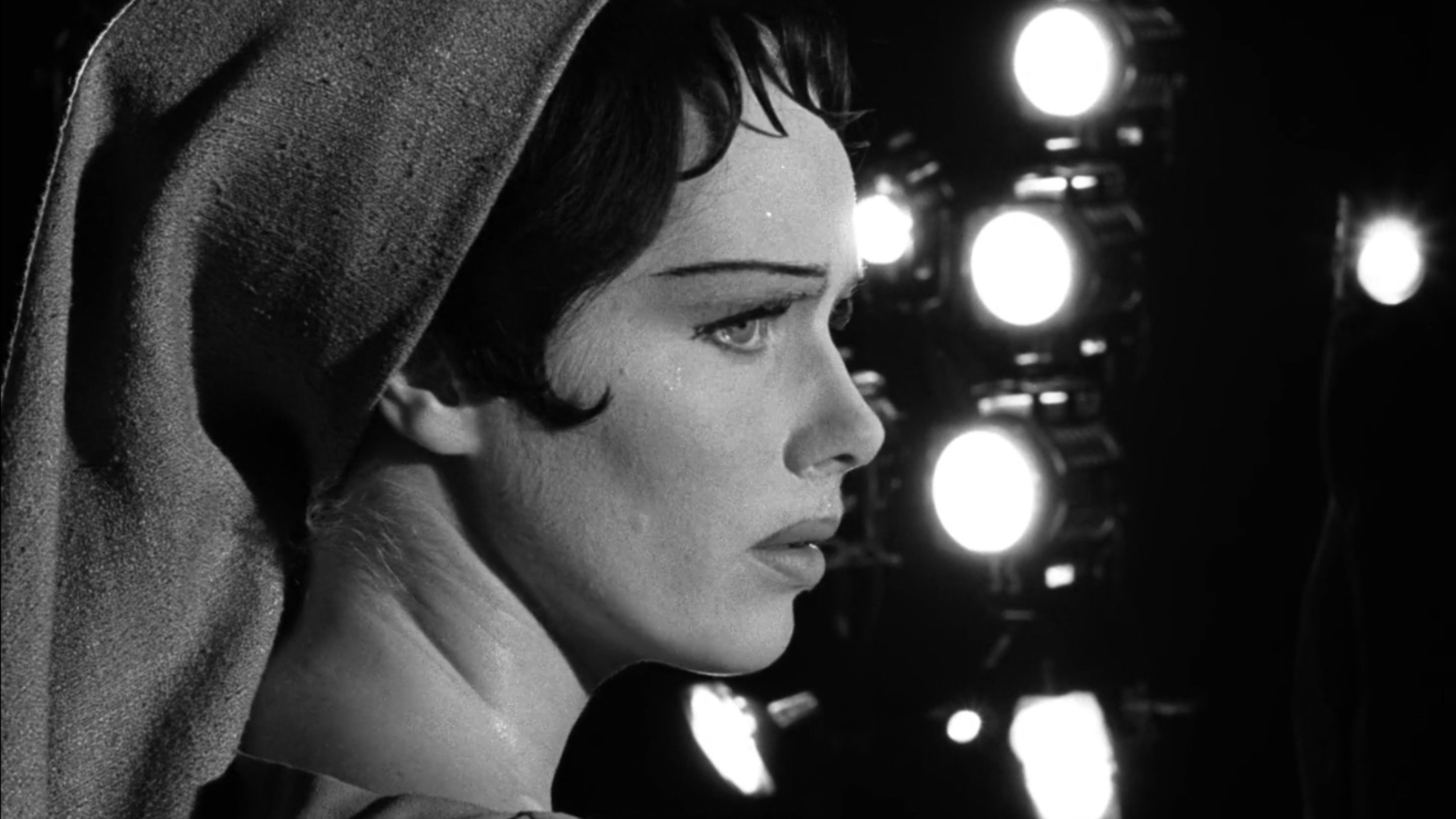
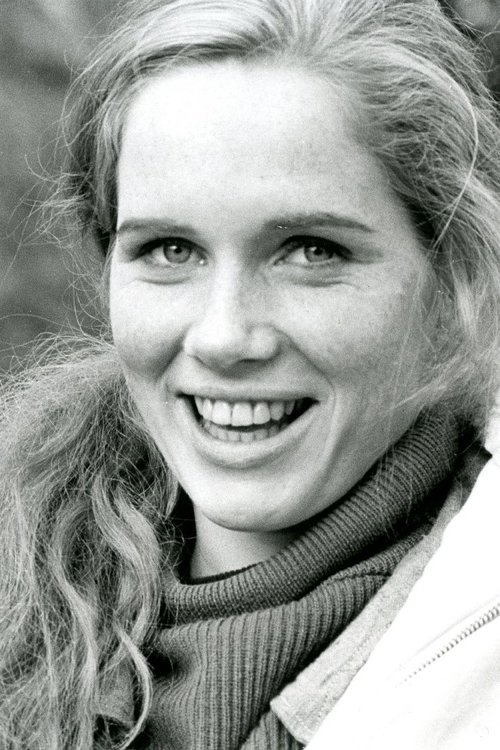
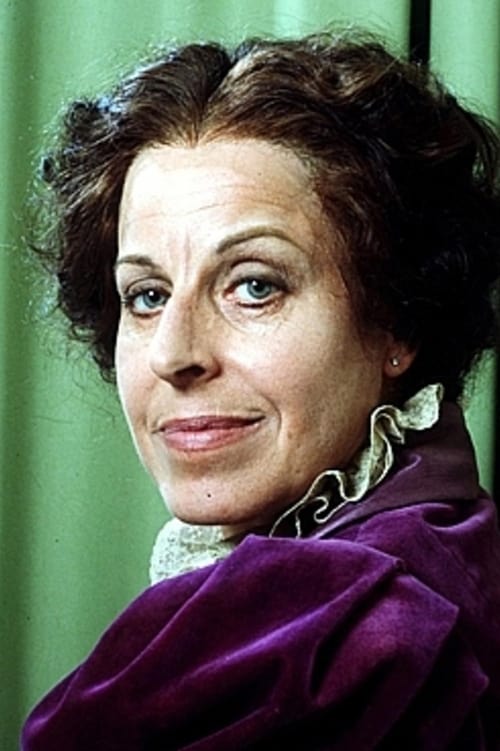
i was gonna review something completely different, but then realised it was international women’s day - and i honestly feel like persona is just totally the perfect movie for a day like that. it’s been a while since i watched it, it was a random day at like 1am, and i couldn’t fall asleep, so i just thought why not? definitely something completely out of my comfort zone - a foreign film with extremely ambiguous, complex themes, and also just quite emotionally intense. with that being said, it has still really stuck with me all this time, and makes me really interested in the rest of bergman’s filmography (i’ve already seen cries & whispers while writing this). it follows two women, alma and elisabet. elisabet is a well-known actress who suddenly becomes mute after one of her performances, and resides in a rural seaside cottage, as she gets looked after by alma - a nurse. both women develop a friendly relationship, alma believing elisabet decides to not speak, rather than the inability to do so - and fills up the silence with vulnerable confessions of her daily anxieties and bizarre sexual encounters. elisabet betrays alma by spreading her secrets in a letter - which leads to a violent confrontation. by the end of the film, it begins to become a whole lot more surreal. both women both slowly fade into one - and end up sharing each others memories. the meaning of this movie is incredibly ambiguous - and i’m really not going to lie, after finishing at whatever time it was, i had no clue what to think. probably just way too stupid to understand whatever happened lmao, but the title ‘persona’ i think shows the mask elisabet uses - not fully showing her true self, and this mask slowly seems to fall off once both women collide. also, i love the interpretation of vampirism. alma confesses her deepest secrets - which slowly feeds elisbet - leaving alma emotionally drained, while elisabet observant and even somewhat predatory when confronted with her vulnerability. i’m usually cautious with movies similar to this, or atleast i used to be - because it’s not like something i’d usually watch - like showgirls or jawbreaker with candy-coated aesthetics and sharp dialogues. while those movies are great, i’ve also learned to appreciate more visually subtle, yet still surreal, cinema. the narrative style is fully experimental - feeling more like a visual poem, rather than a film. there’s no conventional plot, and instead two women’s identity’s blurring together. it’s a haunting, character-driven, psychological drama depicting weird power dynamics between both women, and their duality. both actors were just so infatuating - some of the best performances i’ve perhaps ever seen. despite the near silence, there seems to be so much emotions from both leads. i could have them in every movie, and then consider giving it 5 stars just on that basis. like i said before, the visuals are definitely quite subtle - but in this case, subtle is not a bad thing. it uses the stark black-white cinematography to create a personal, even intrusive atmosphere throughout that feels suffocating. i also can see how many of my favourite directors were greatly inspired by this extremely fragmented puzzle-style, such as david lynch. the reason why o felt this fits so well on international women’s day, is just how well its feminist themes are portrayed. this movie totally subverts gender roles - elisabet is supposed to be a wife, a mother, and an actress - and she feels like she owes the people around her all that. she realises that life isn’t her idea of a good life - and turns against the script set out for her through avoiding speaking to revolt against the stereotypical ideal woman. a patriarchal society often assigns roles to women that just don’t fit - and some women put a persona on to fit into what is expected of them. i feel for 1966, this is just super progressive - the main reason being how it tackles the concept of abortion and motherhood. alma erased the foetus inside her through abortion, and elisabet who went along with the birth - but just grew a hatred for the child. both obviously extremely taboo topics, and unfortunately abortion is still frowned upon today - but bergman takes it on in a tasteful approach, and showing them as complex struggles for each character. it also subverts the traditional ‘male gaze’. often, film usually has majorly male-centric narratives - often portraying women in the eyes of men. this movie acknowledges that, and dismantles it, through both women being the full focus - and the male characters often having very little screen time, and being treat like side characters in their story. and finally, this has a really powerful female bond. they have a deeply intimate bond, which i could only describe as homoerotic, which blurs the line of erotism, friendship and shared identity. this was an extremely long review - but this movie is perfect, and truly deserves it tbh. happy international women’s day!
“every infection and every gesture a lie, every smile a grimace. suicide? no, too nasty. one doesn’t like to do things like that. but you can refuse to move or talk. then at least you’re not lying. you can cut yourself off, close yourself in. then you won’t need to play any roles or wear any masks, make any false gestures. so you might think… but reality plays nasty tricks on you. your hiding place isn’t watertight enough. life oozes in from all sides. you’re forced to act. no one asks whether it’s genuine or not, whether you’re lying or telling the truth.”
i was gonna review something completely different, but then realised it was international women’s day - and i honestly feel like persona is just totally the perfect movie for a day like that. it’s been a while since i watched it, it was a random day at like 1am, and i couldn’t fall asleep, so i just thought why not? definitely something completely out of my comfort zone - a foreign film with extremely ambiguous, complex themes, and also just quite emotionally intense. with that being said, it has still really stuck with me all this time, and makes me really interested in the rest of bergman’s filmography (i’ve already seen cries & whispers while writing this). it follows two women, alma and elisabet. elisabet is a well-known actress who suddenly becomes mute after one of her performances, and resides in a rural seaside cottage, as she gets looked after by alma - a nurse. both women develop a friendly relationship, alma believing elisabet decides to not speak, rather than the inability to do so - and fills up the silence with vulnerable confessions of her daily anxieties and bizarre sexual encounters. elisabet betrays alma by spreading her secrets in a letter - which leads to a violent confrontation. by the end of the film, it begins to become a whole lot more surreal. both women both slowly fade into one - and end up sharing each others memories. the meaning of this movie is incredibly ambiguous - and i’m really not going to lie, after finishing at whatever time it was, i had no clue what to think. probably just way too stupid to understand whatever happened lmao, but the title ‘persona’ i think shows the mask elisabet uses - not fully showing her true self, and this mask slowly seems to fall off once both women collide. also, i love the interpretation of vampirism. alma confesses her deepest secrets - which slowly feeds elisbet - leaving alma emotionally drained, while elisabet observant and even somewhat predatory when confronted with her vulnerability. i’m usually cautious with movies similar to this, or atleast i used to be - because it’s not like something i’d usually watch - like showgirls or jawbreaker with candy-coated aesthetics and sharp dialogues. while those movies are great, i’ve also learned to appreciate more visually subtle, yet still surreal, cinema. the narrative style is fully experimental - feeling more like a visual poem, rather than a film. there’s no conventional plot, and instead two women’s identity’s blurring together. it’s a haunting, character-driven, psychological drama depicting weird power dynamics between both women, and their duality. both actors were just so infatuating - some of the best performances i’ve perhaps ever seen. despite the near silence, there seems to be so much emotions from both leads. i could have them in every movie, and then consider giving it 5 stars just on that basis. like i said before, the visuals are definitely quite subtle - but in this case, subtle is not a bad thing. it uses the stark black-white cinematography to create a personal, even intrusive atmosphere throughout that feels suffocating. i also can see how many of my favourite directors were greatly inspired by this extremely fragmented puzzle-style, such as david lynch. the reason why o felt this fits so well on international women’s day, is just how well its feminist themes are portrayed. this movie totally subverts gender roles - elisabet is supposed to be a wife, a mother, and an actress - and she feels like she owes the people around her all that. she realises that life isn’t her idea of a good life - and turns against the script set out for her through avoiding speaking to revolt against the stereotypical ideal woman. a patriarchal society often assigns roles to women that just don’t fit - and some women put a persona on to fit into what is expected of them. i feel for 1966, this is just super progressive - the main reason being how it tackles the concept of abortion and motherhood. alma erased the foetus inside her through abortion, and elisabet who went along with the birth - but just grew a hatred for the child. both obviously extremely taboo topics, and unfortunately abortion is still frowned upon today - but bergman takes it on in a tasteful approach, and showing them as complex struggles for each character. it also subverts the traditional ‘male gaze’. often, film usually has majorly male-centric narratives - often portraying women in the eyes of men. this movie acknowledges that, and dismantles it, through both women being the full focus - and the male characters often having very little screen time, and being treat like side characters in their story. and finally, this has a really powerful female bond. they have a deeply intimate bond, which i could only describe as homoerotic, which blurs the line of erotism, friendship and shared identity. this was an extremely long review - but this movie is perfect, and truly deserves it tbh. happy international women’s day!