
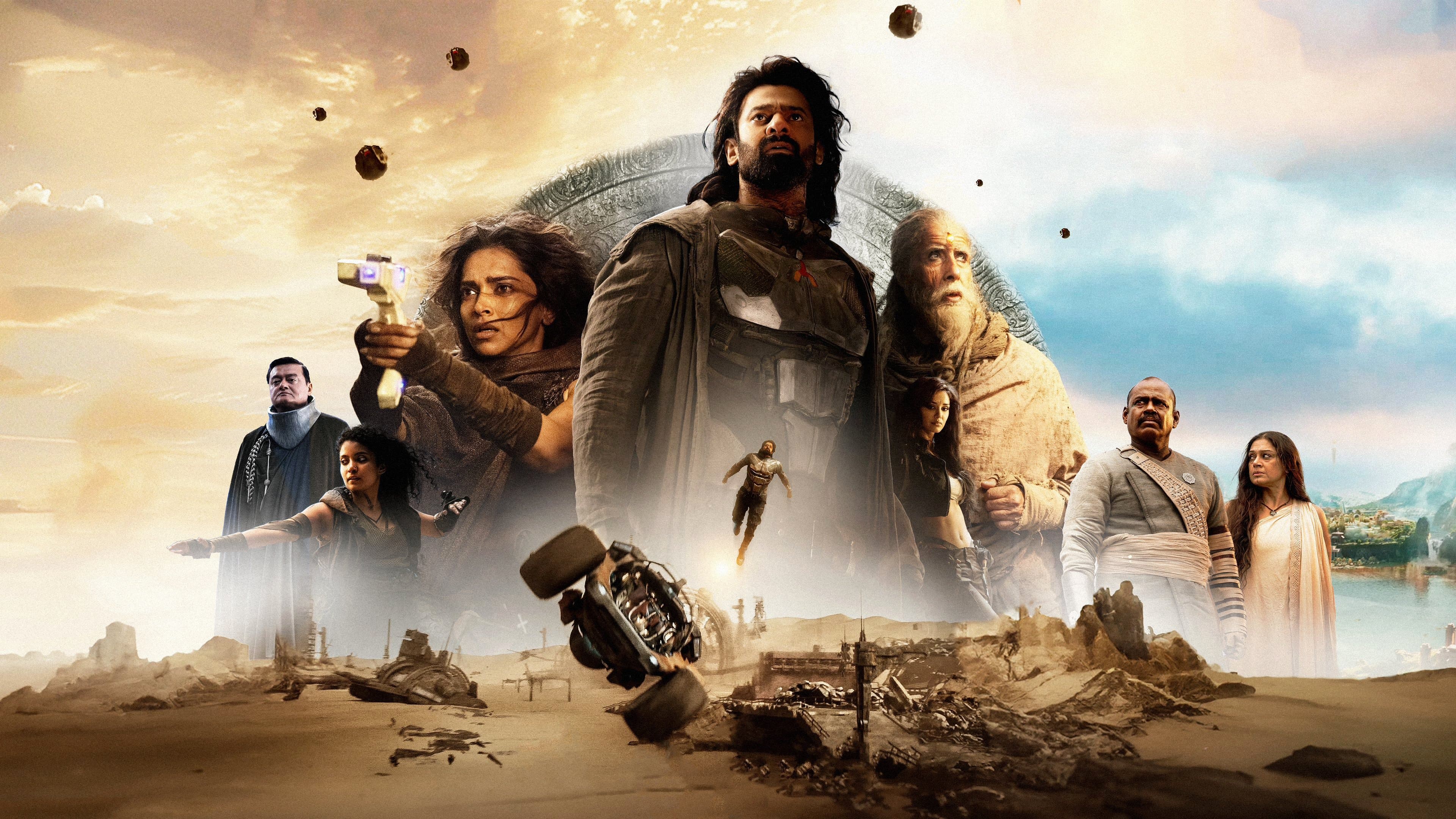

2024·Drama·2h 56m
6.9
★
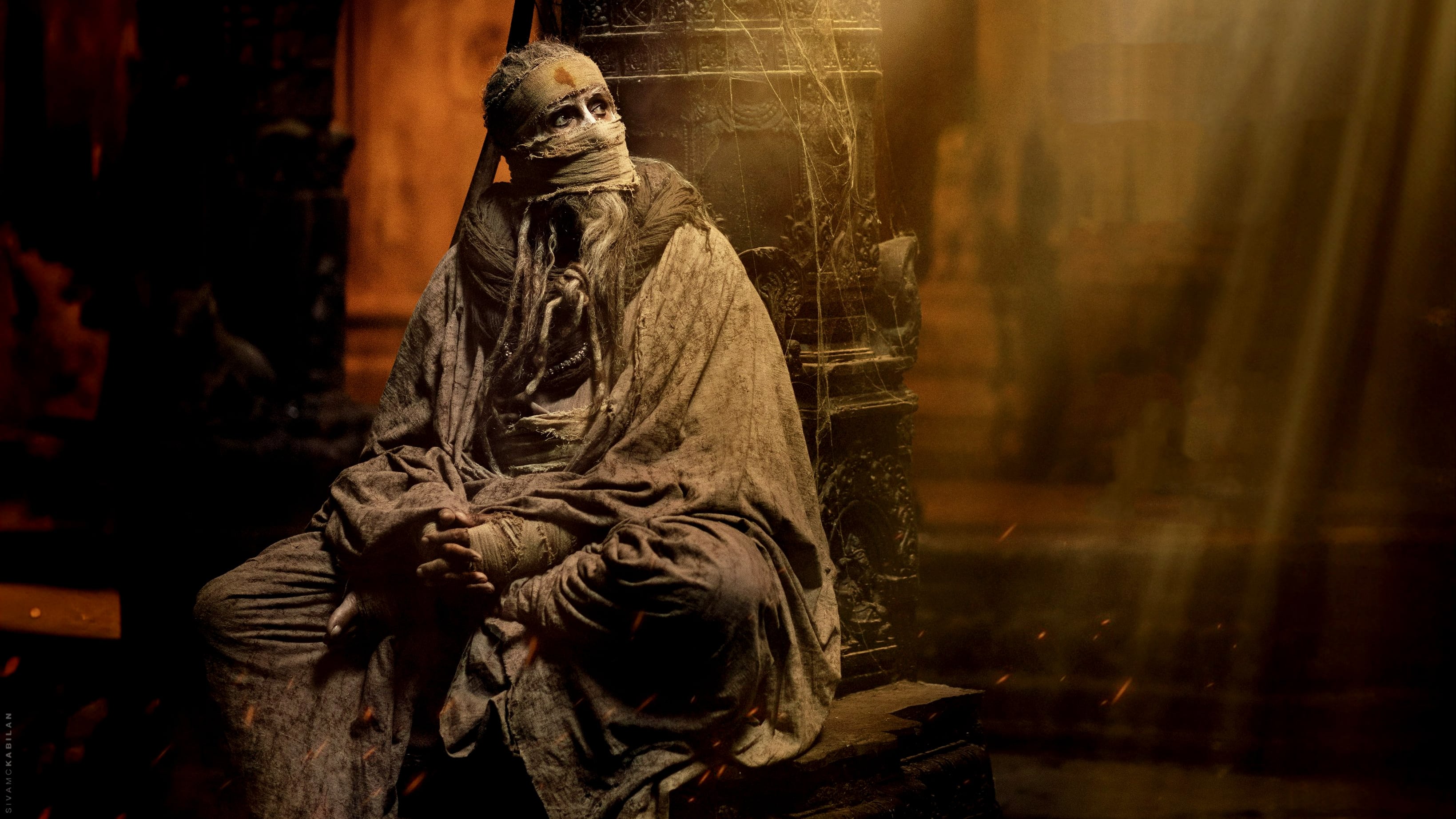
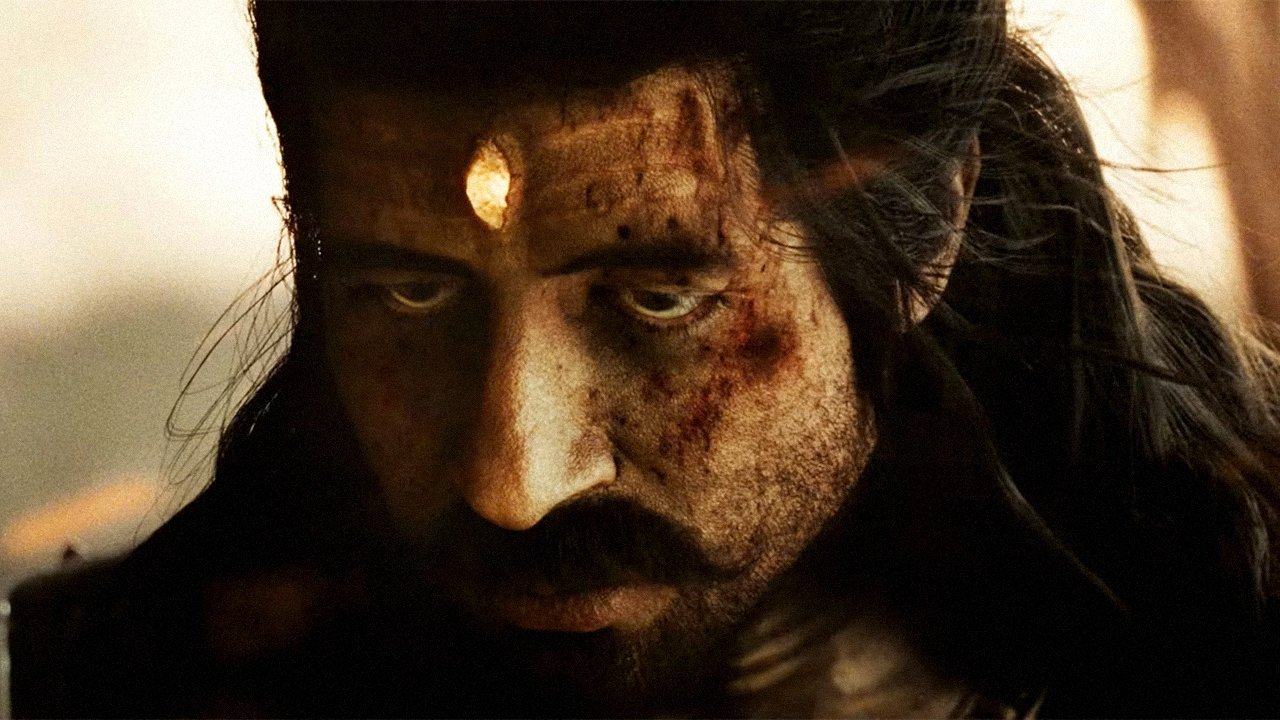
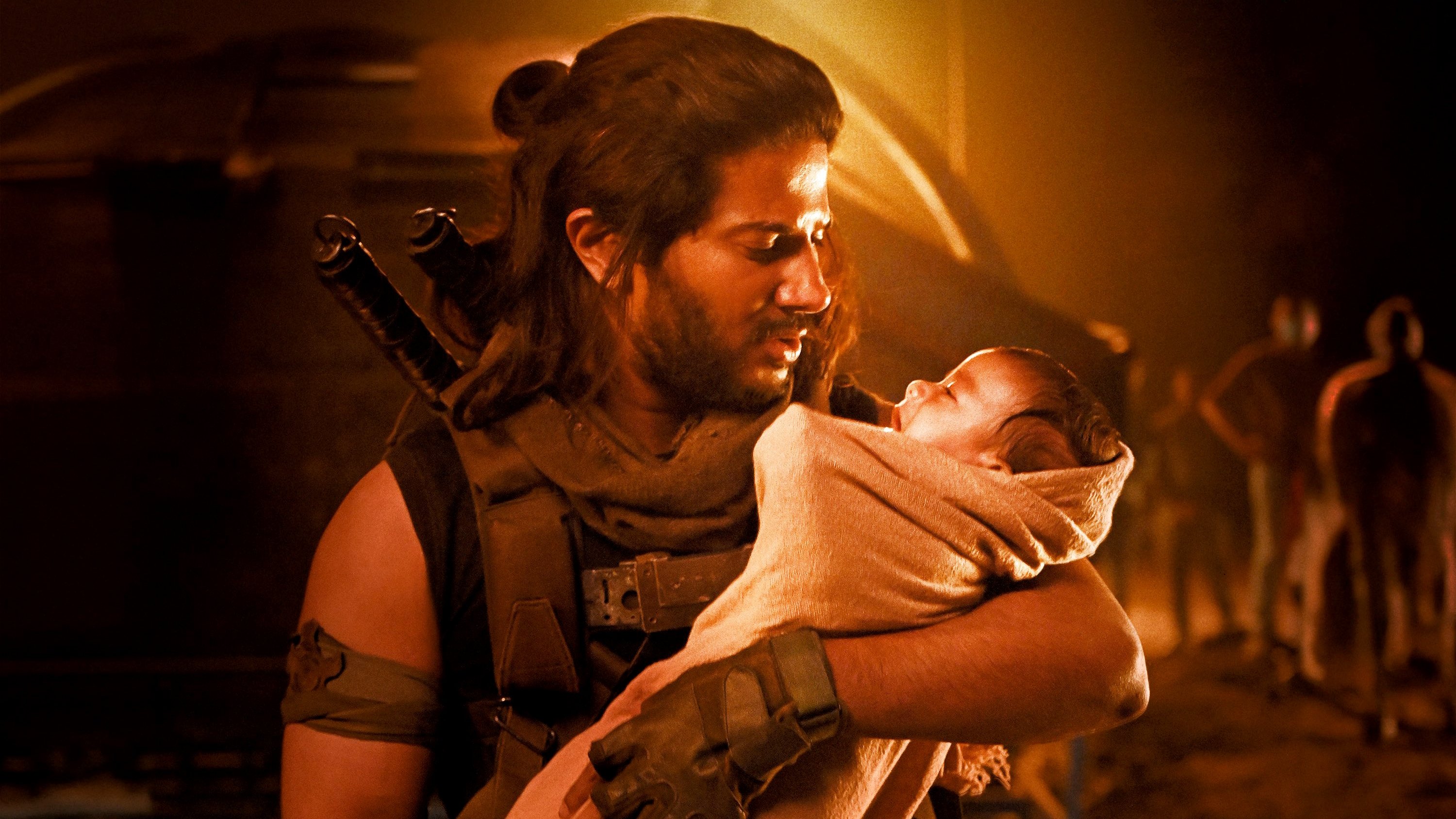
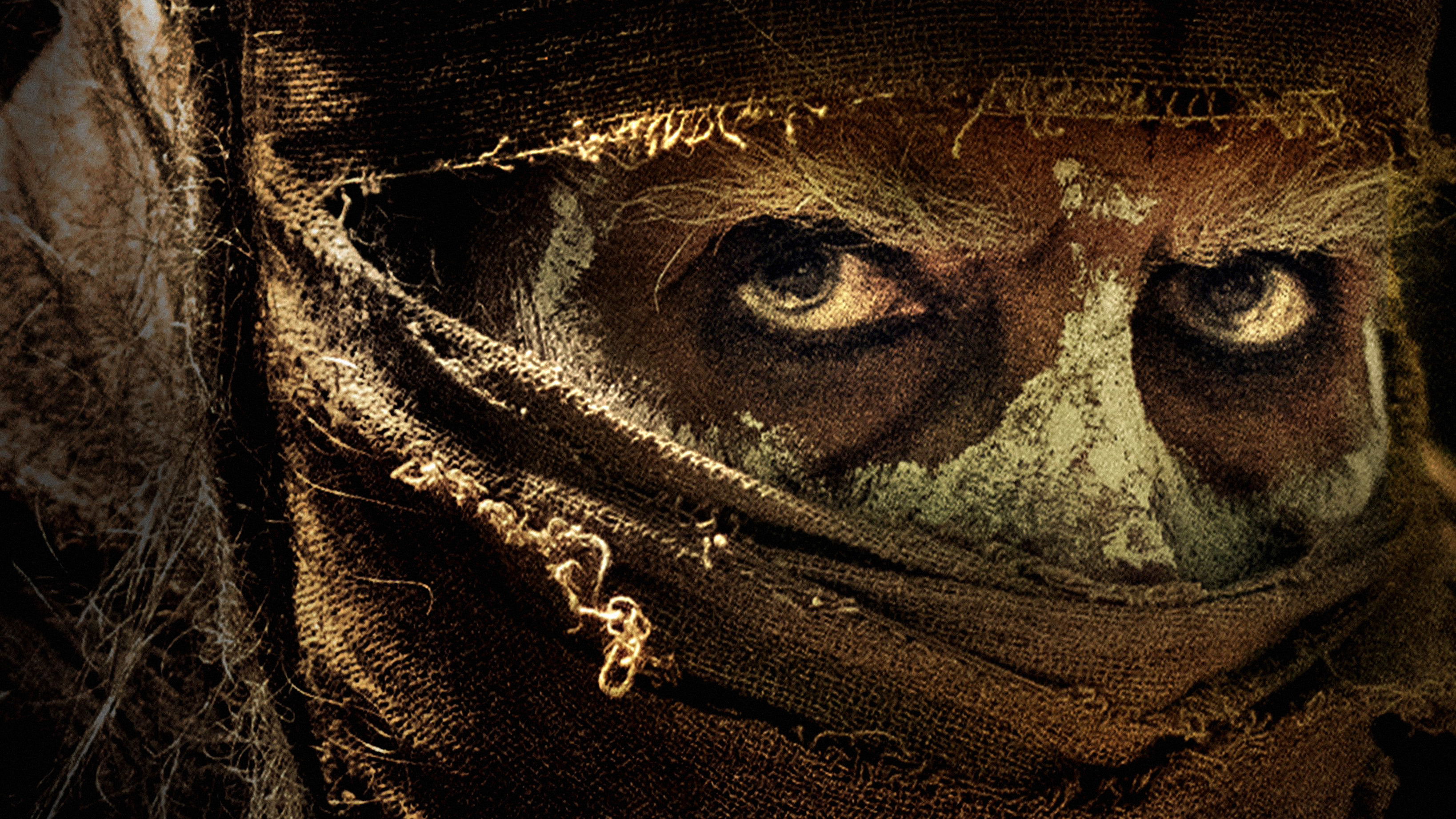
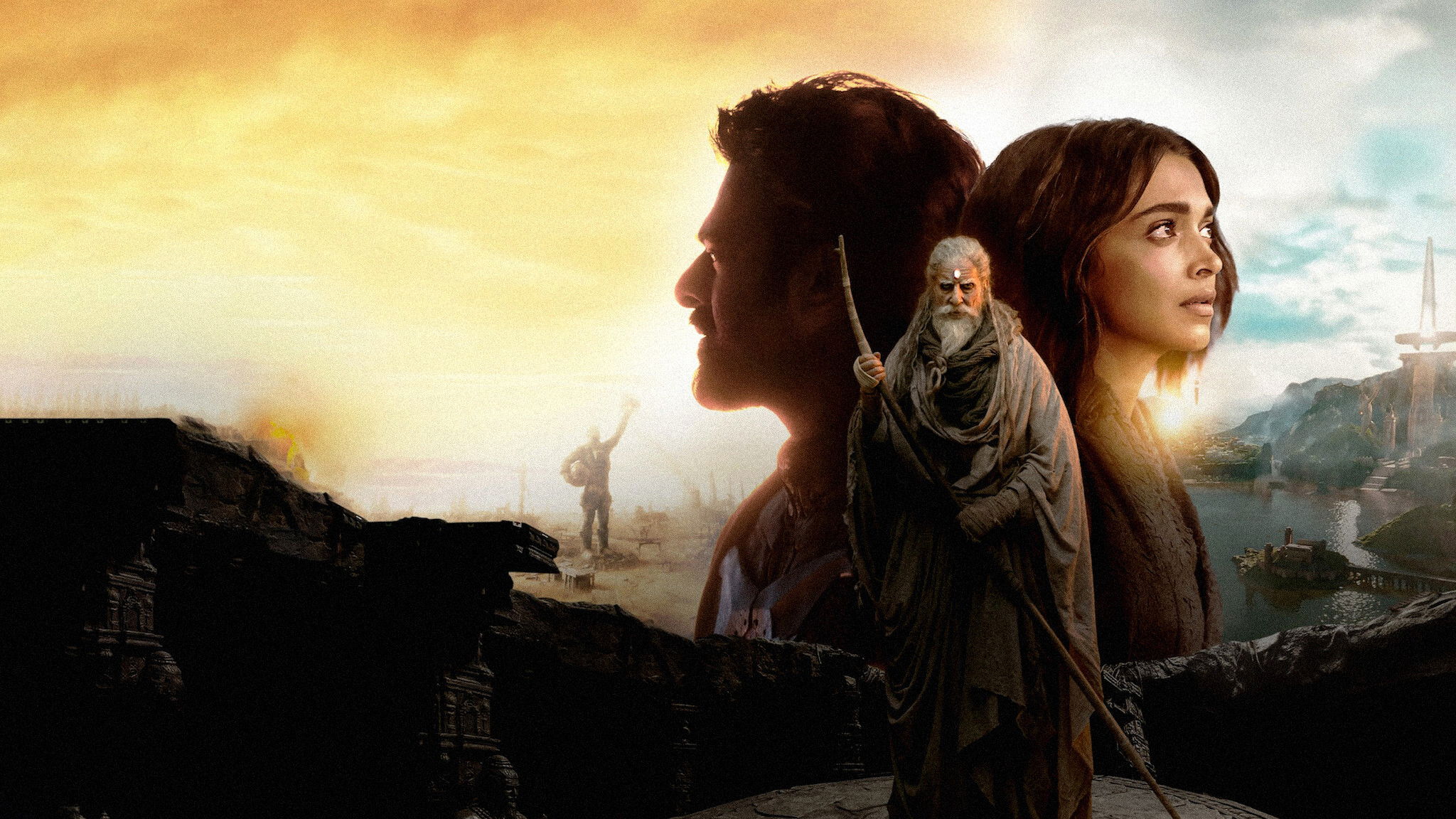
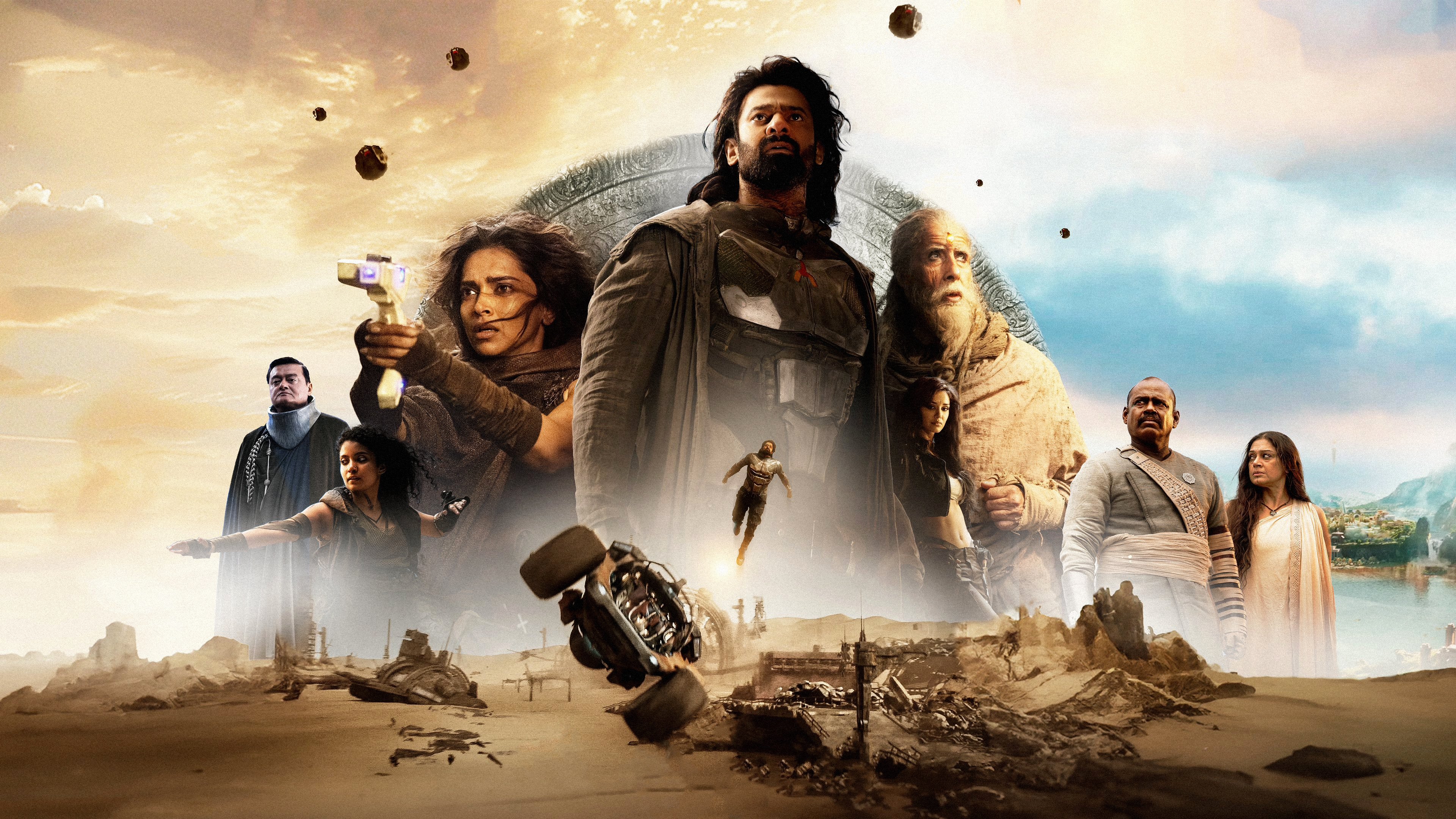
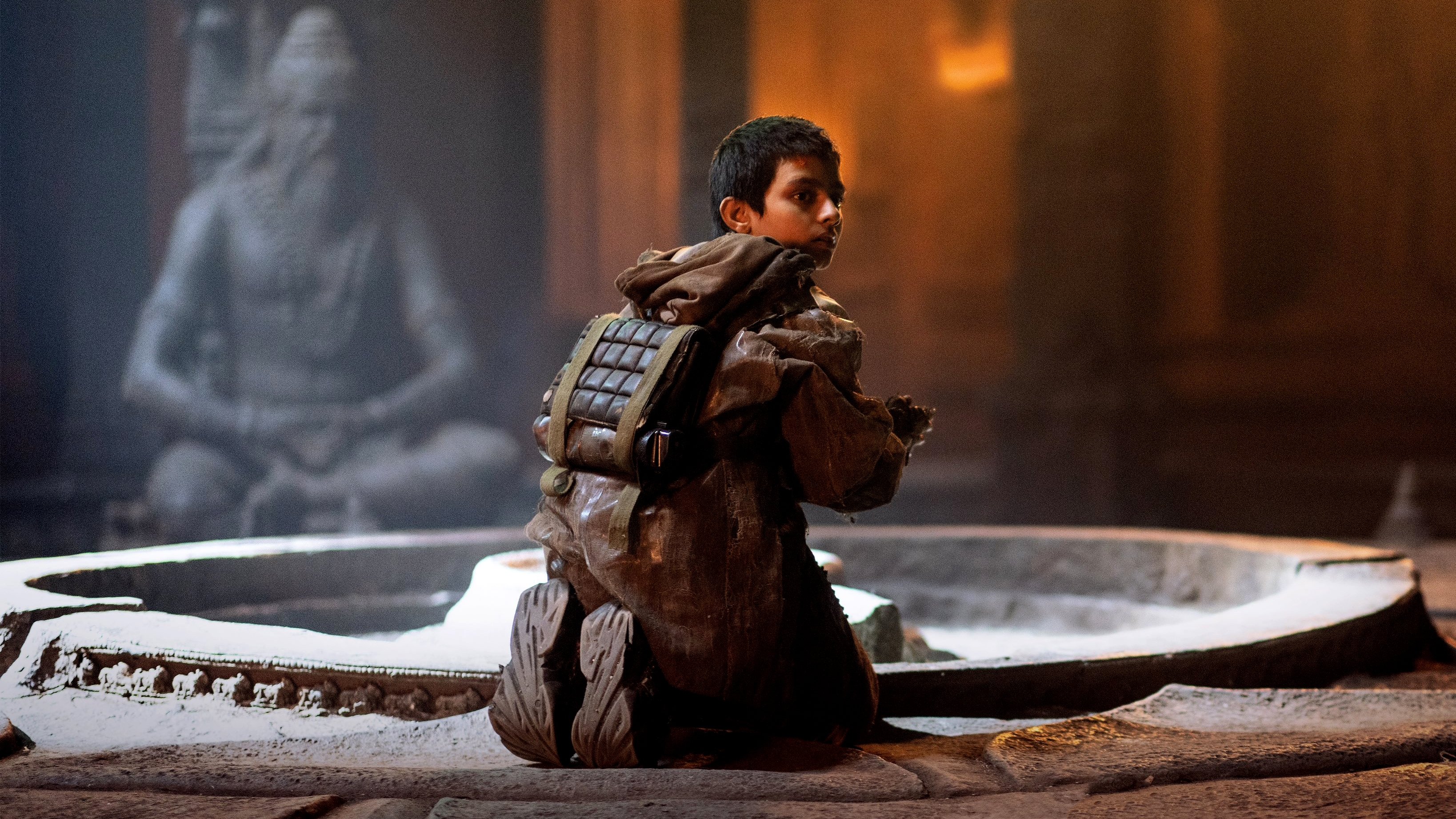
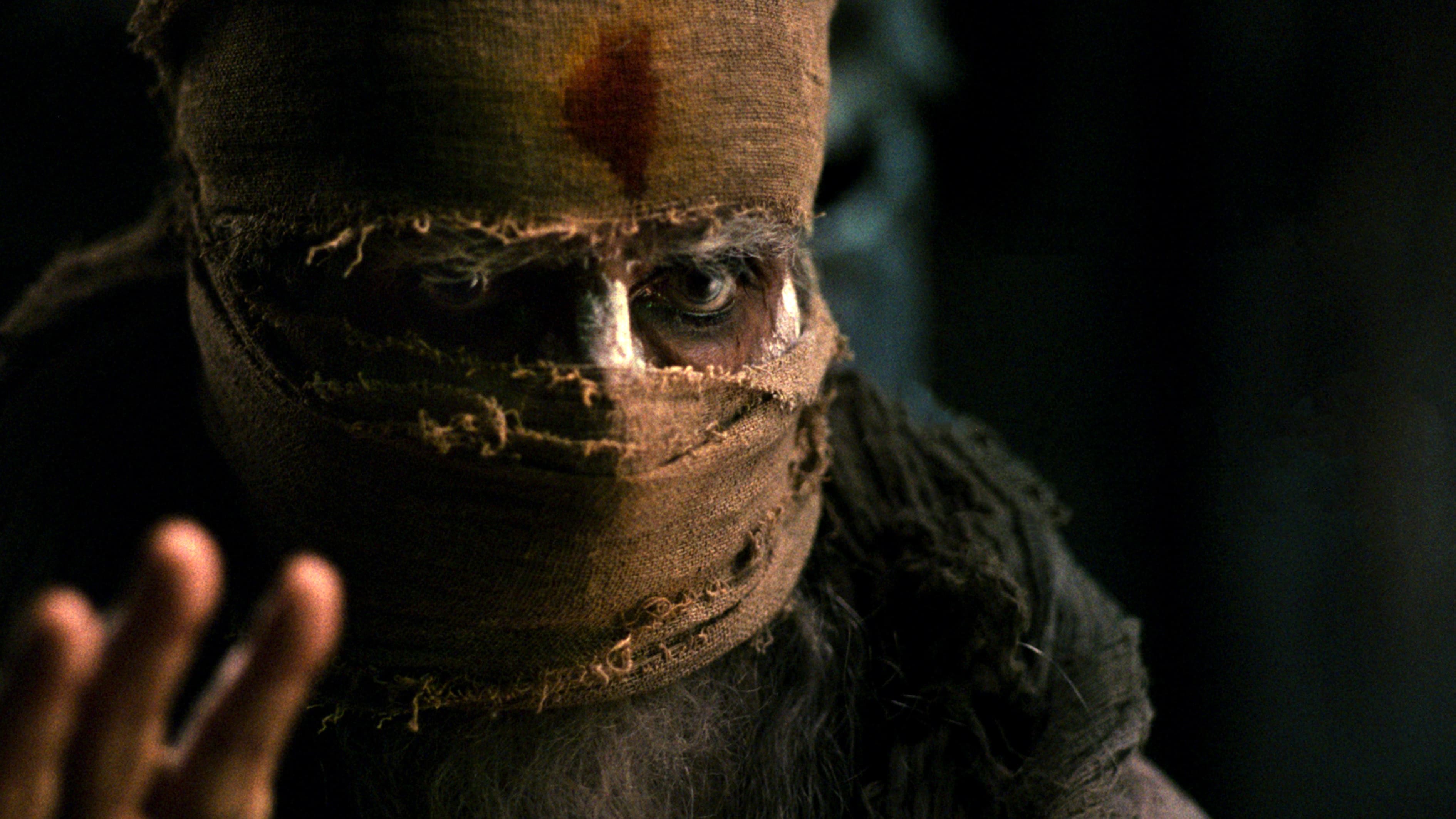
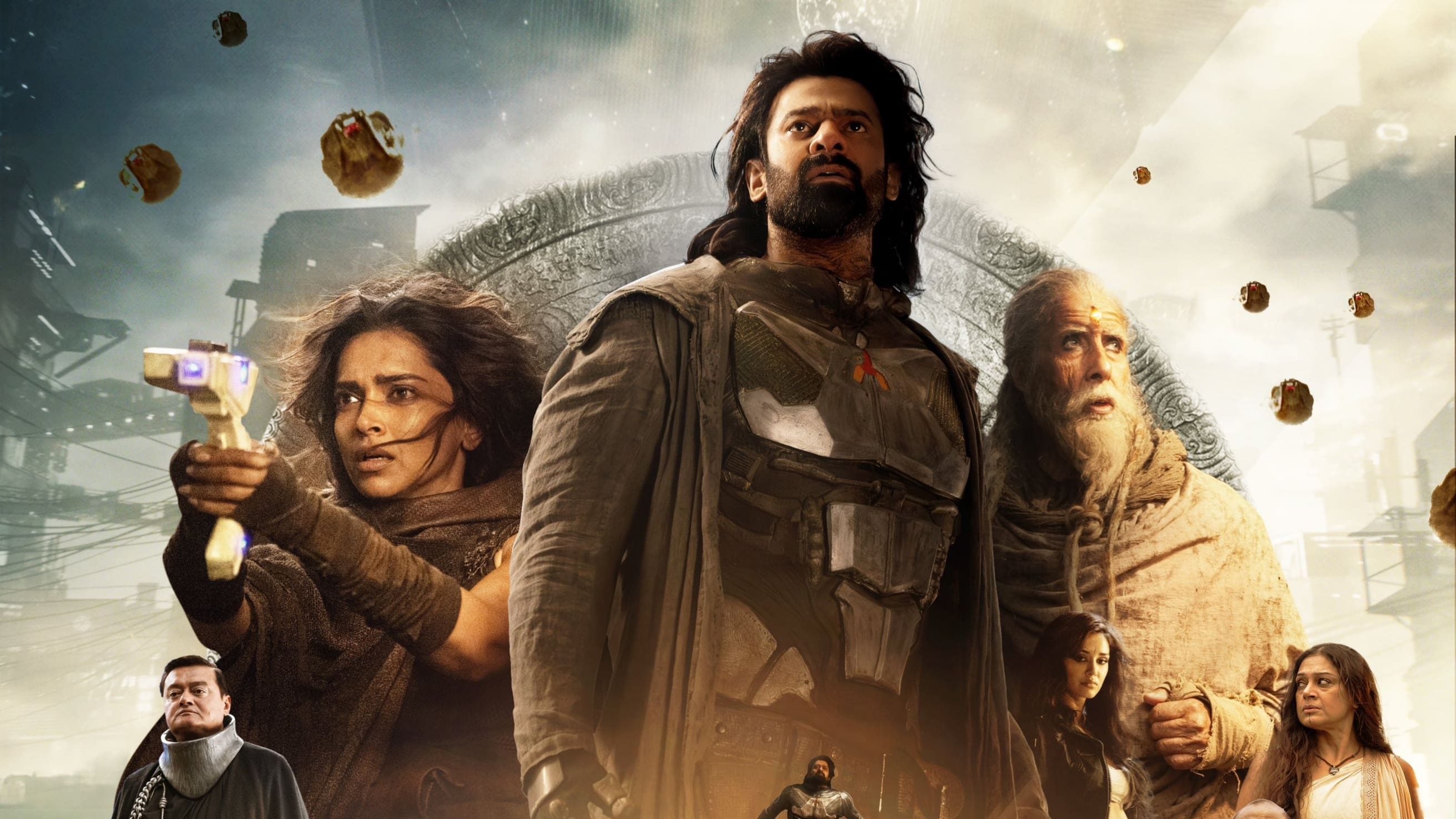
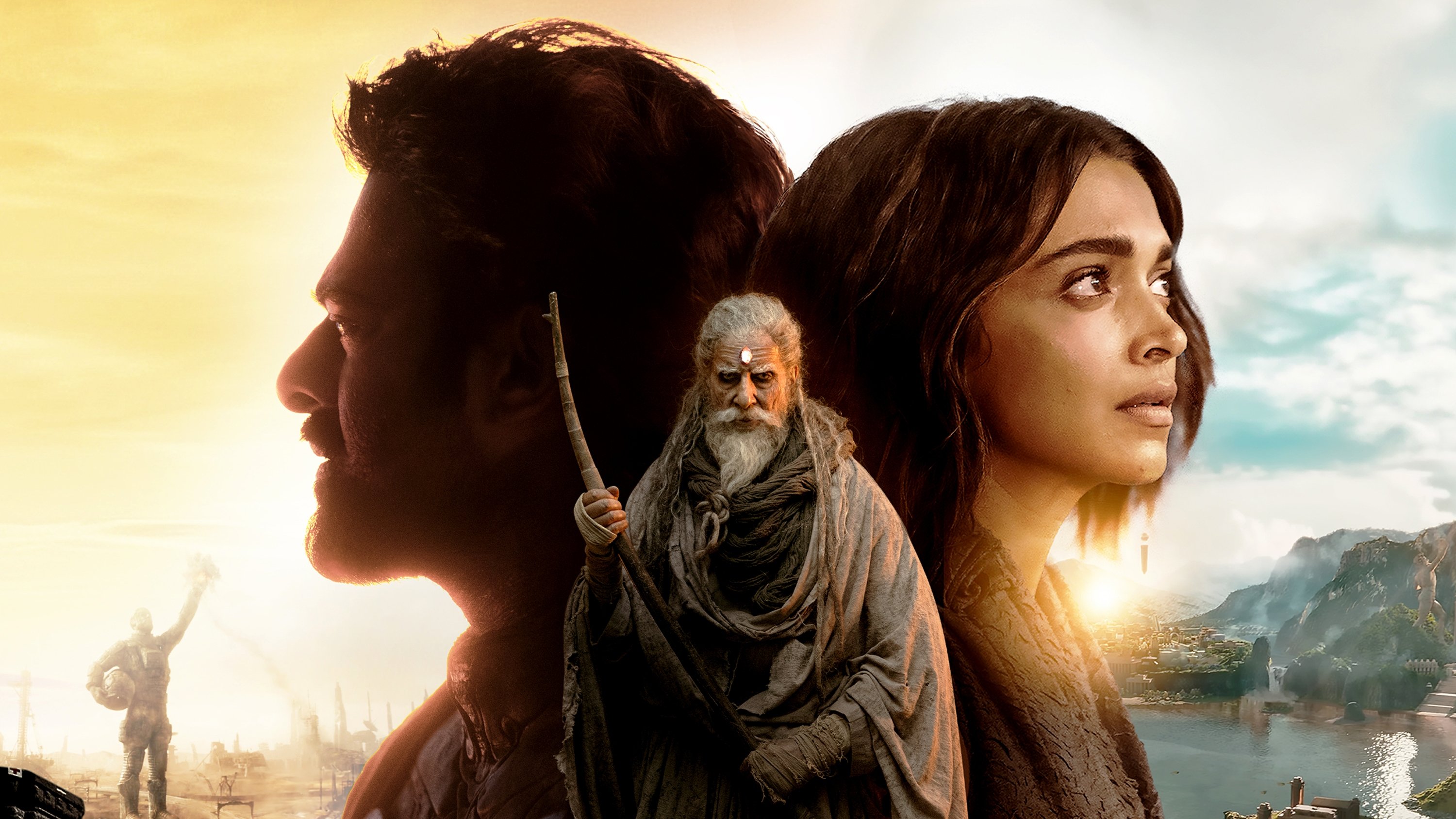
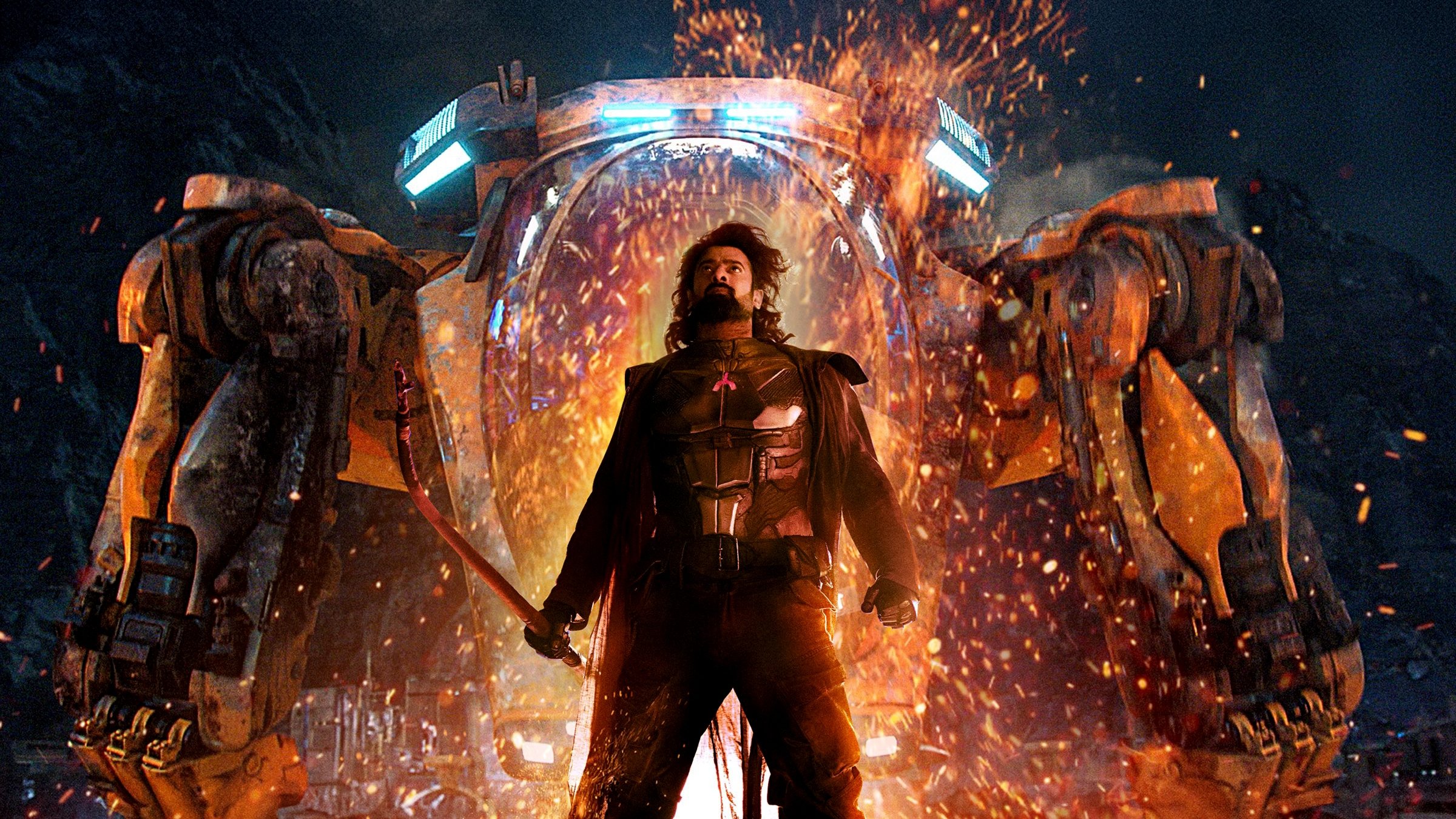
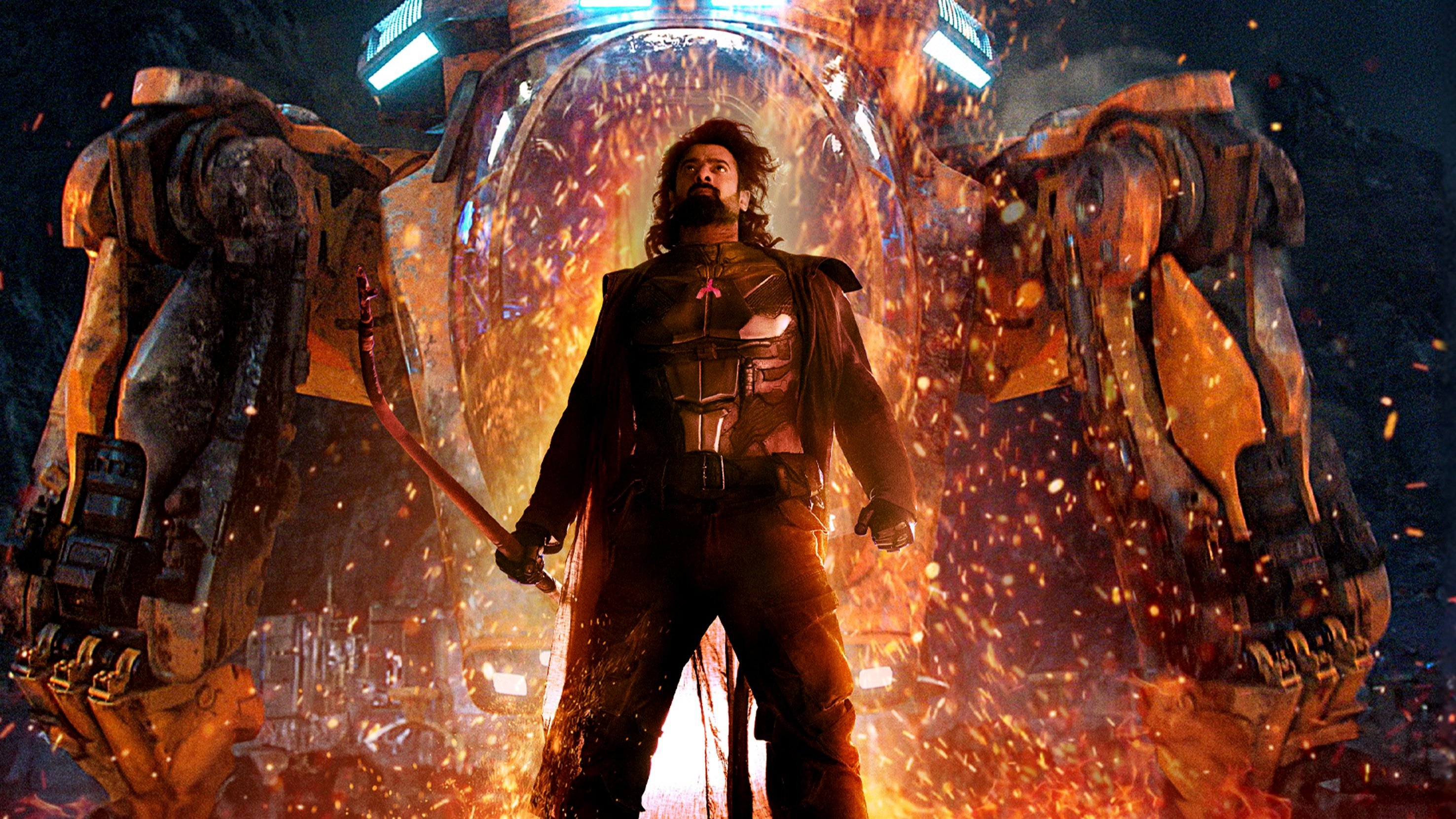
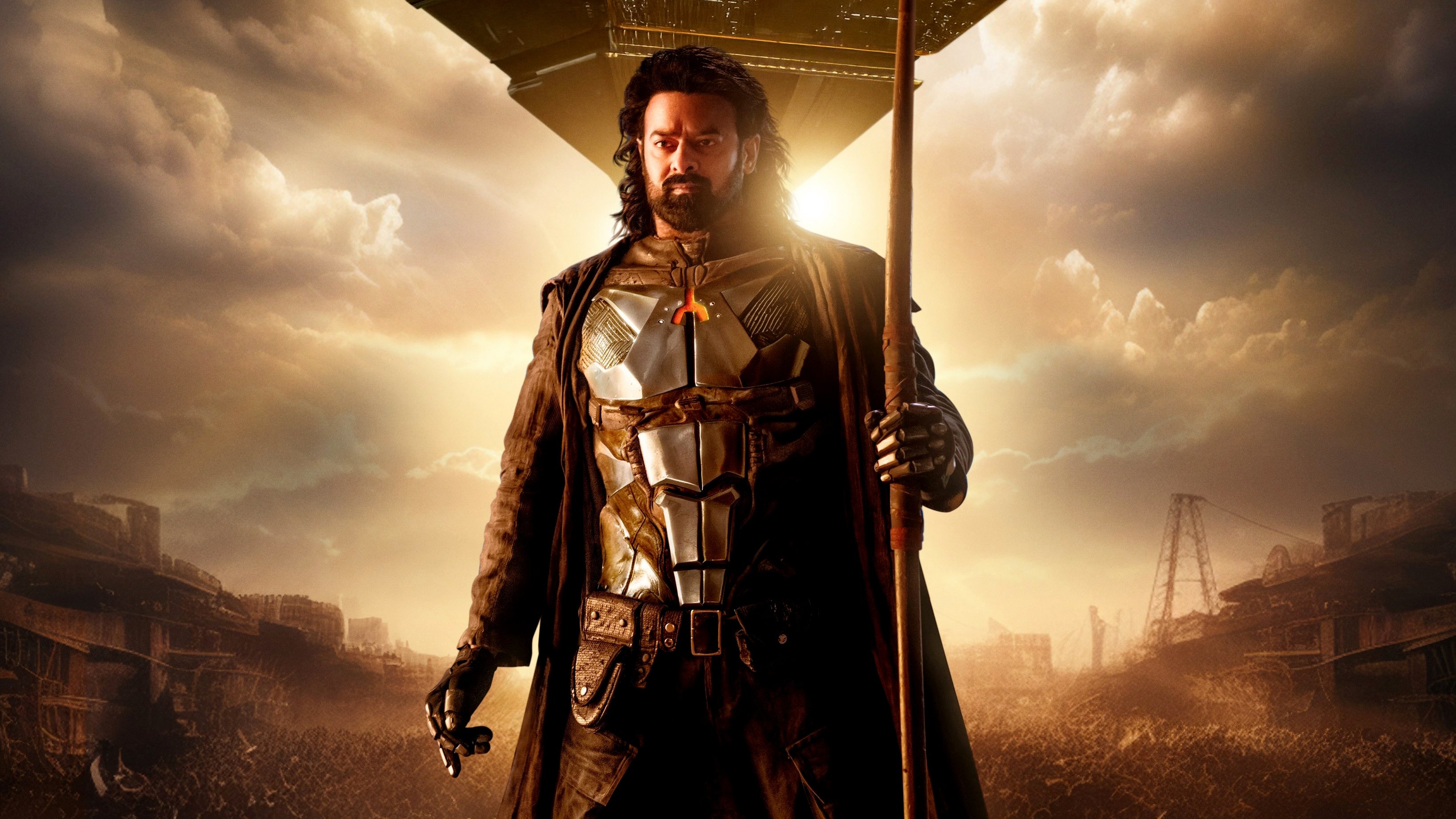
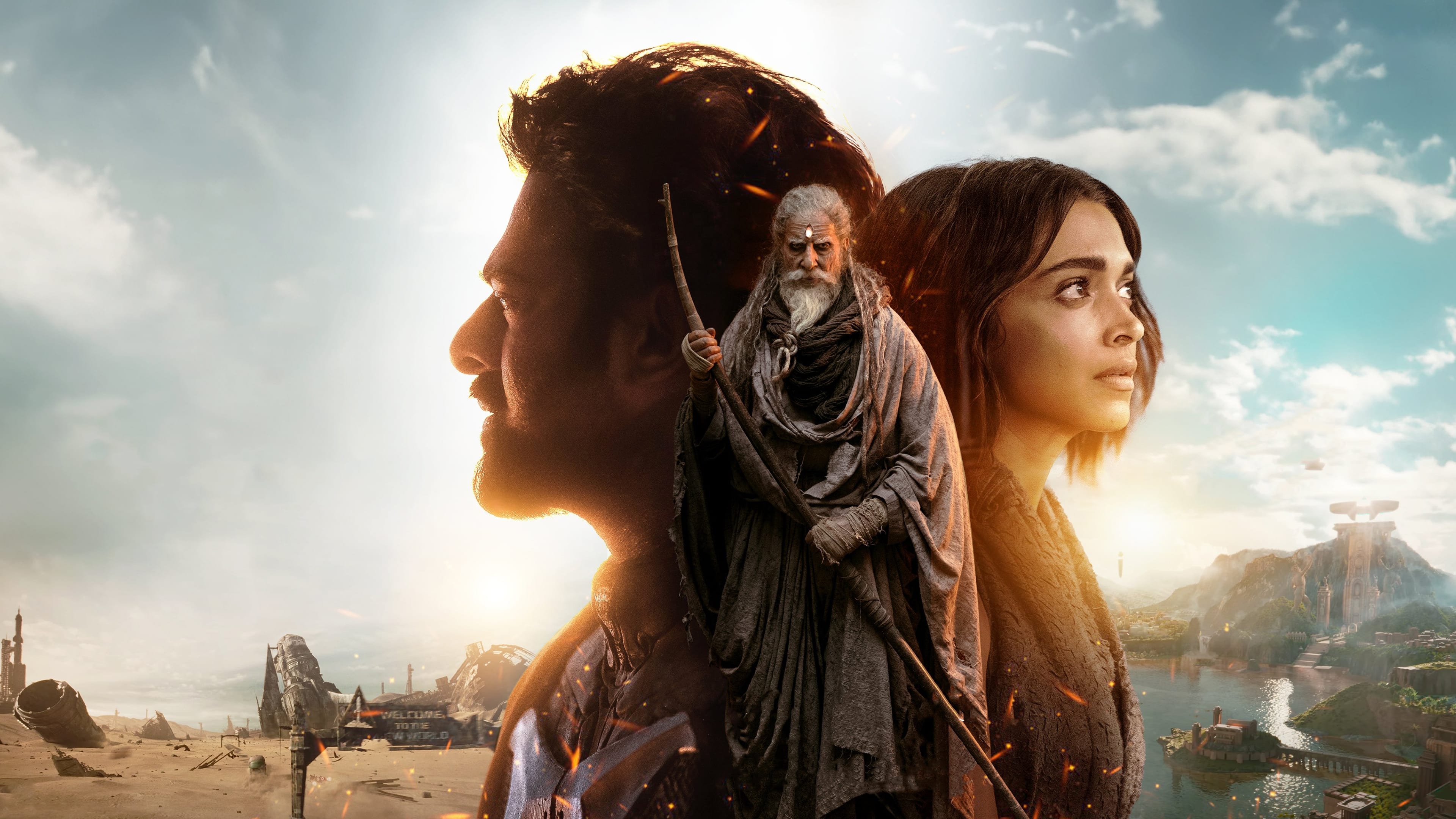
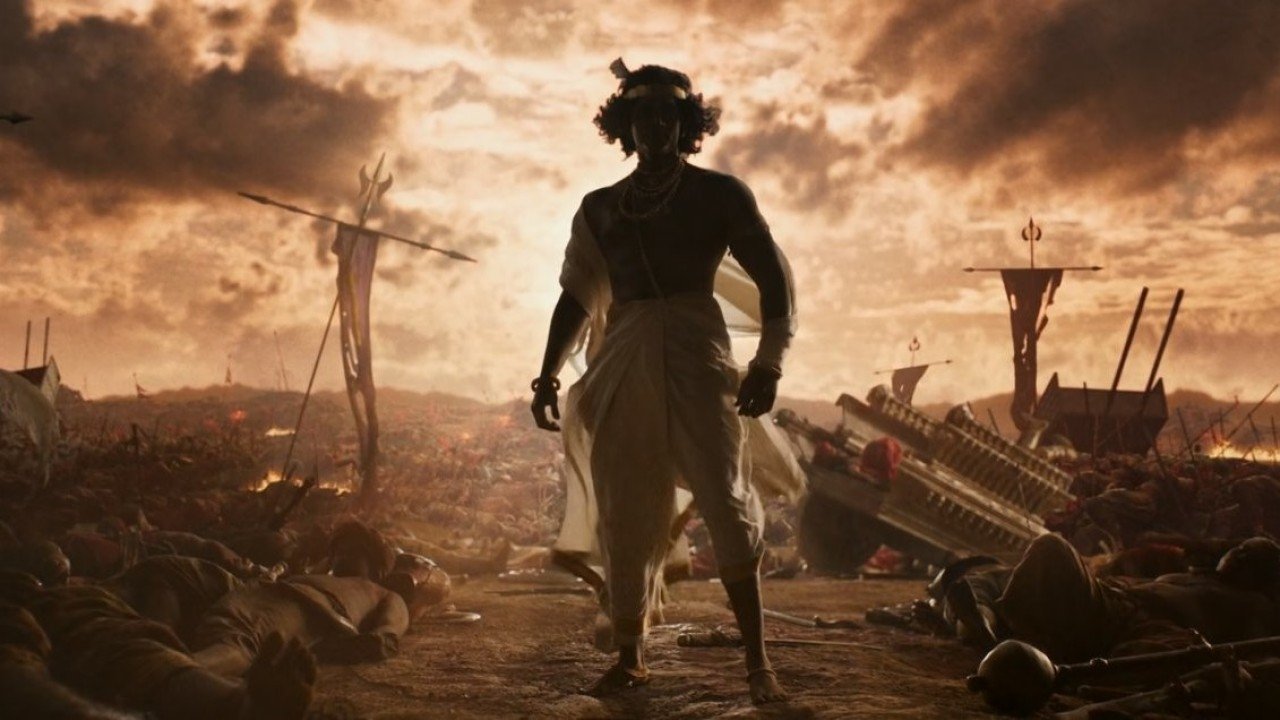
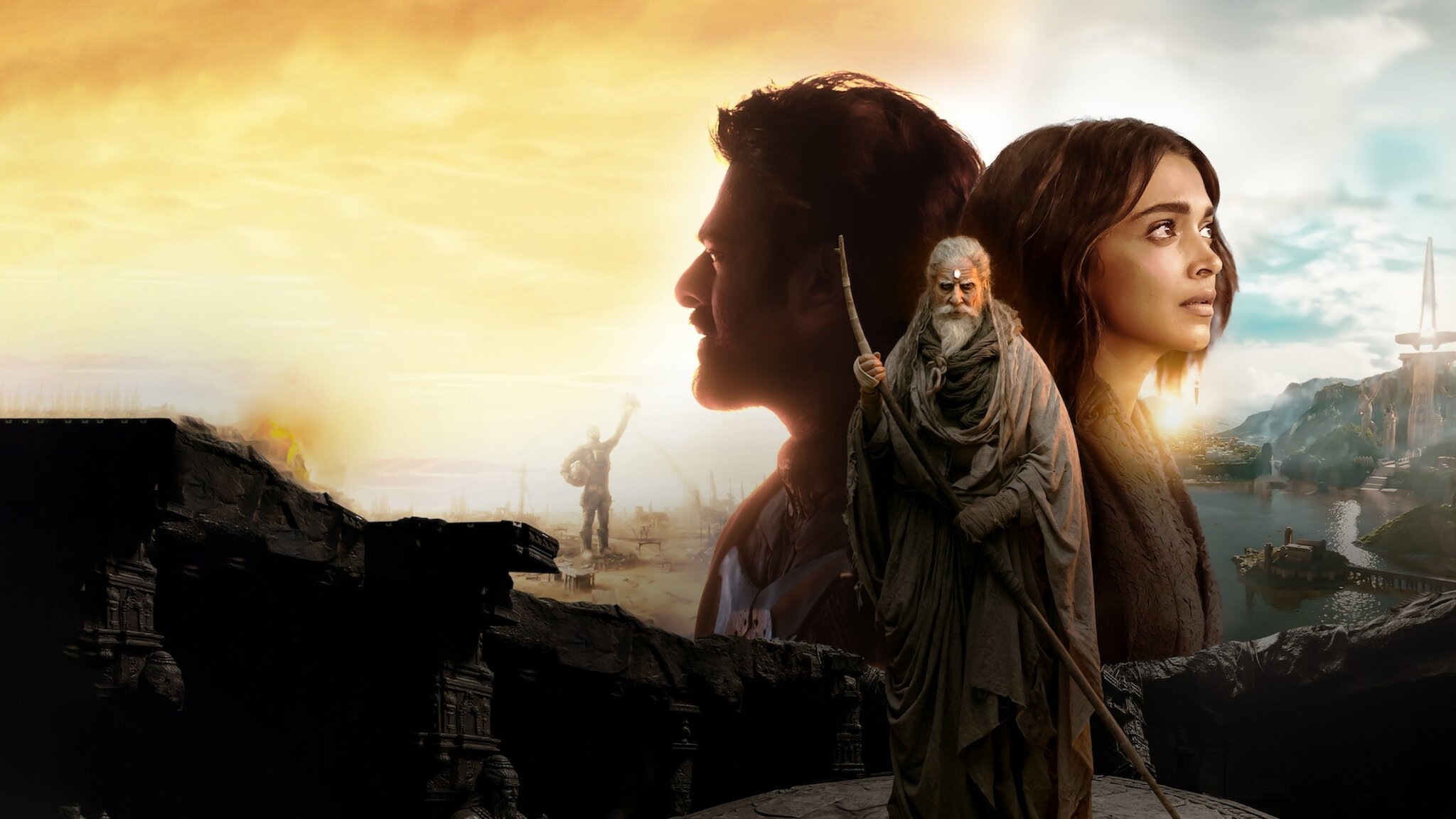
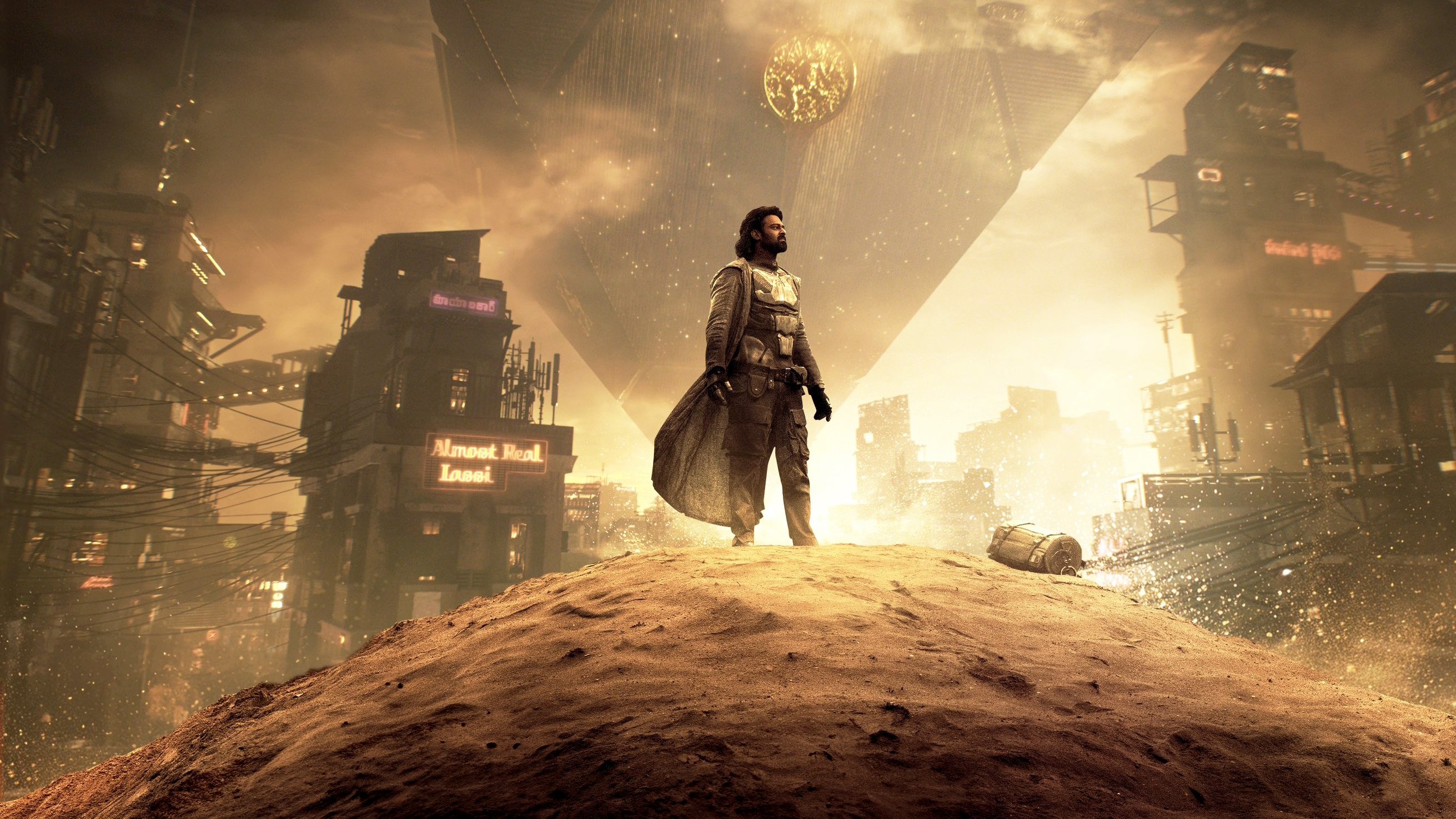

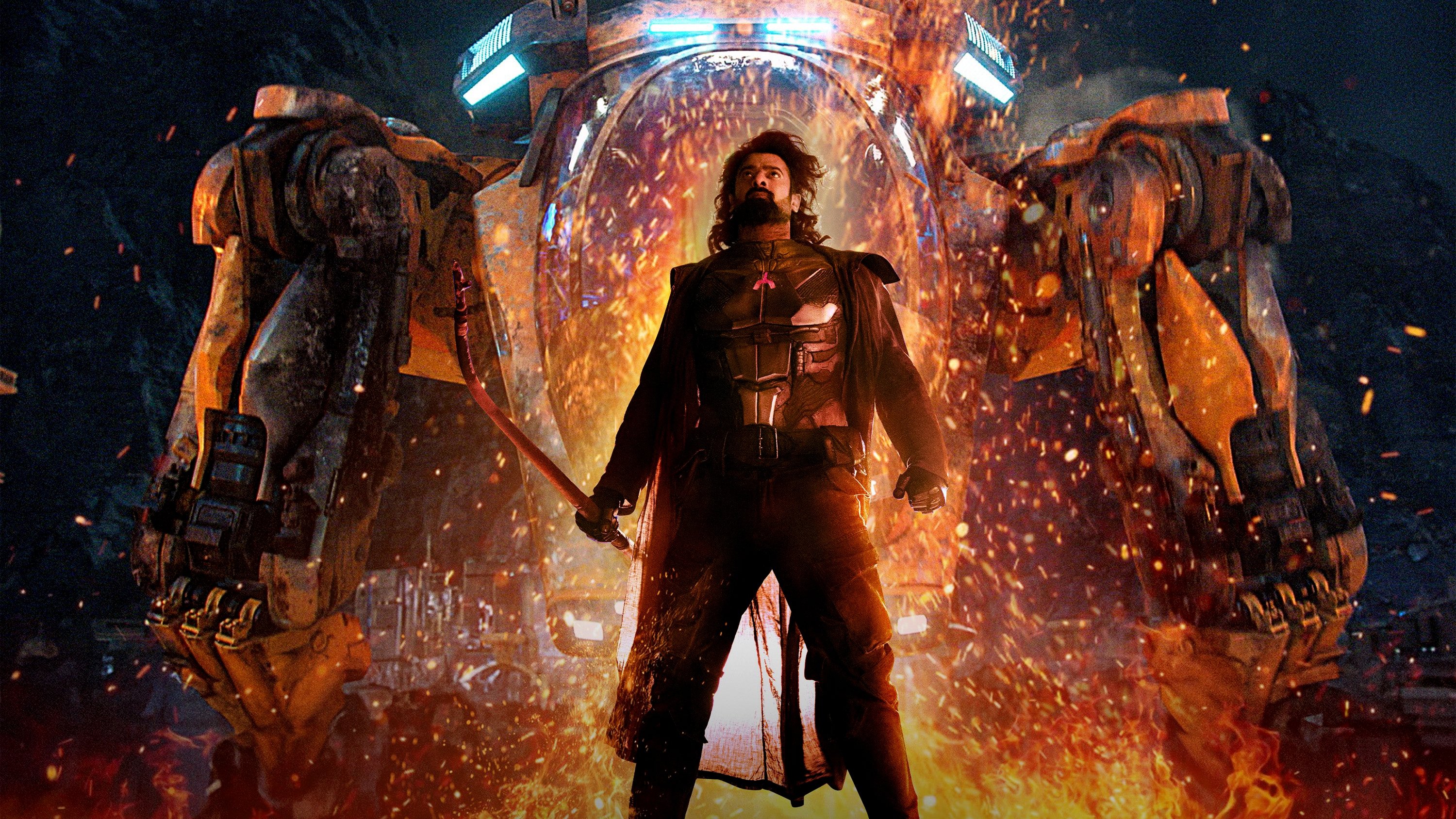

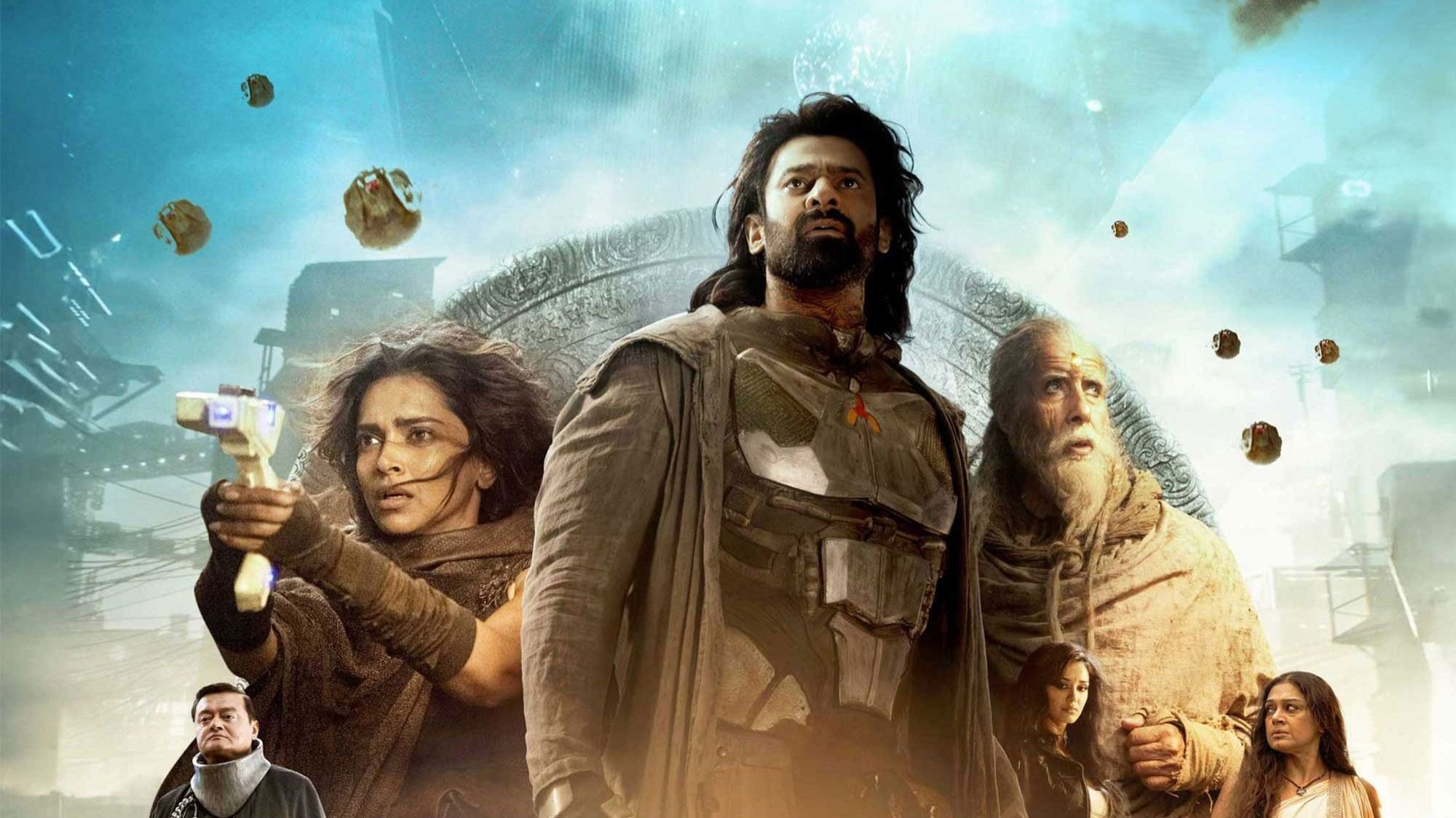
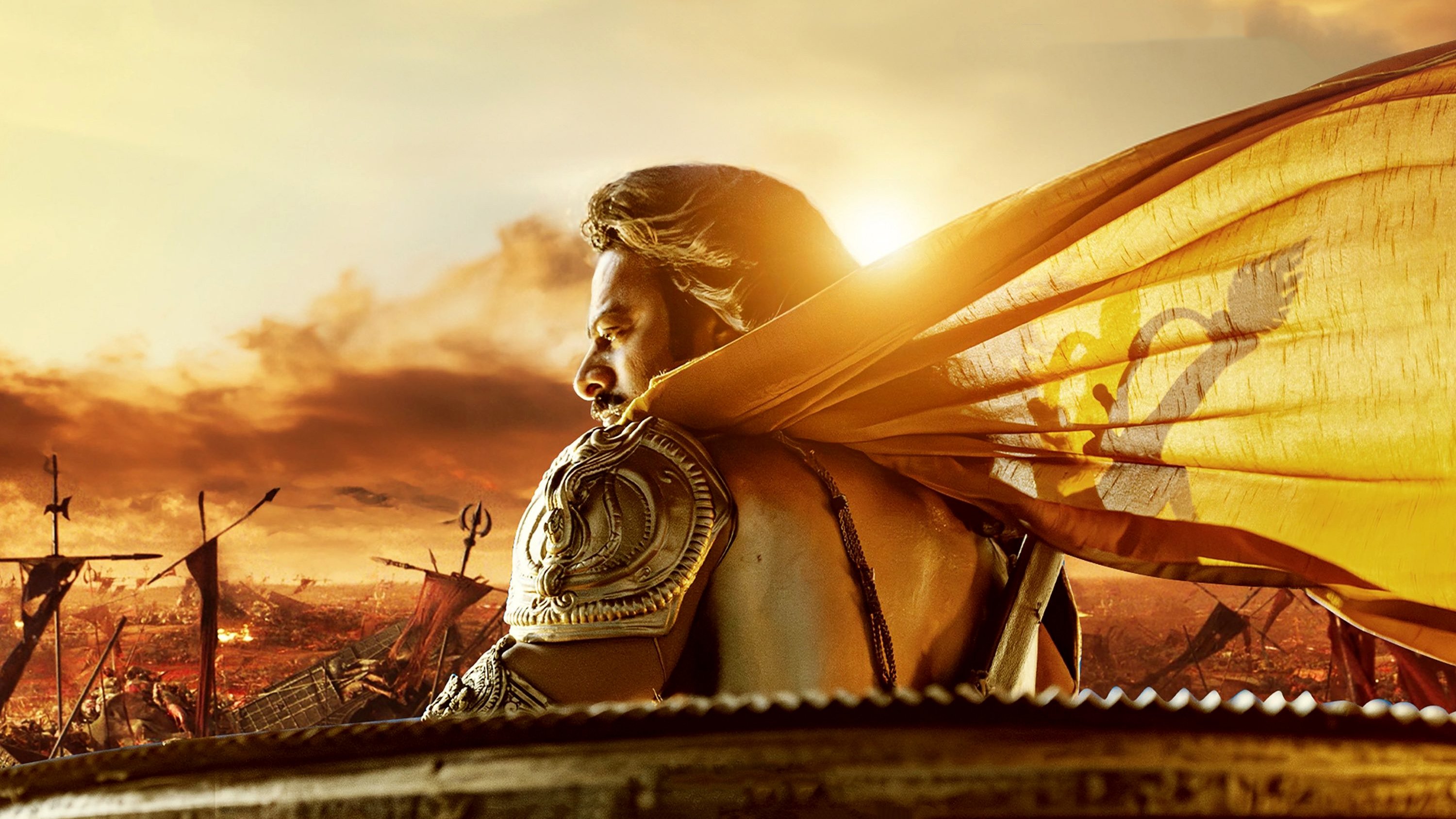
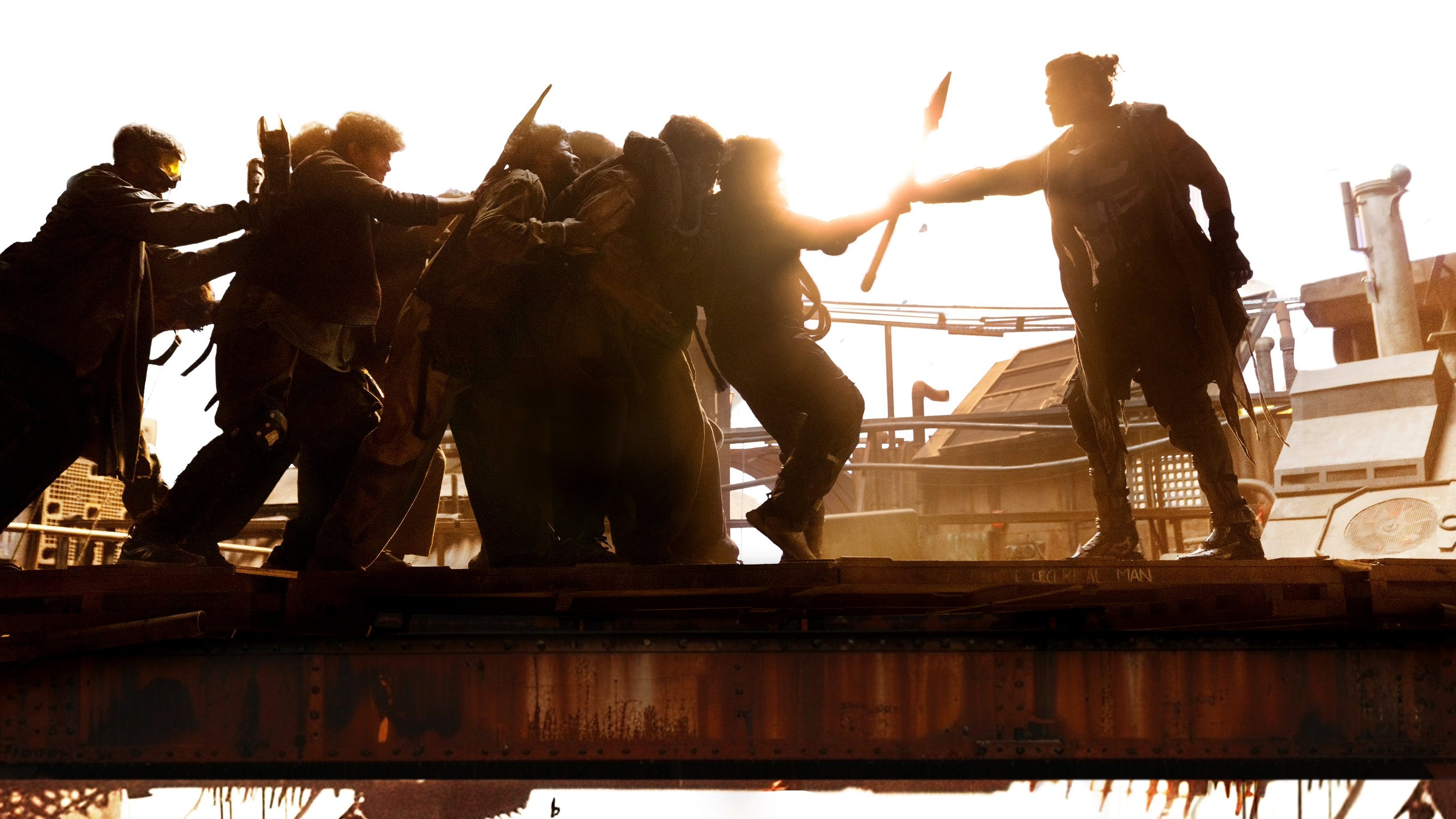

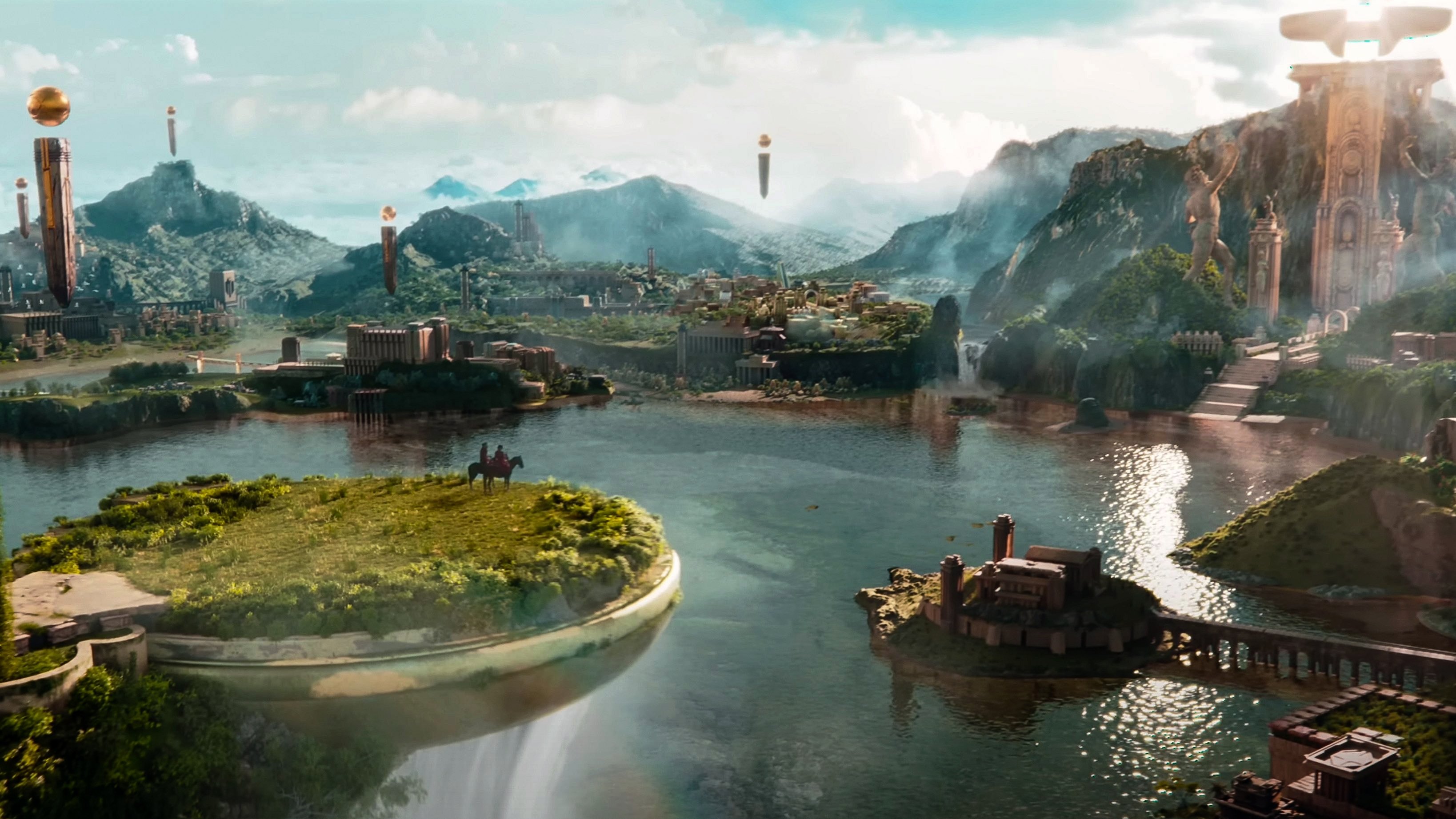
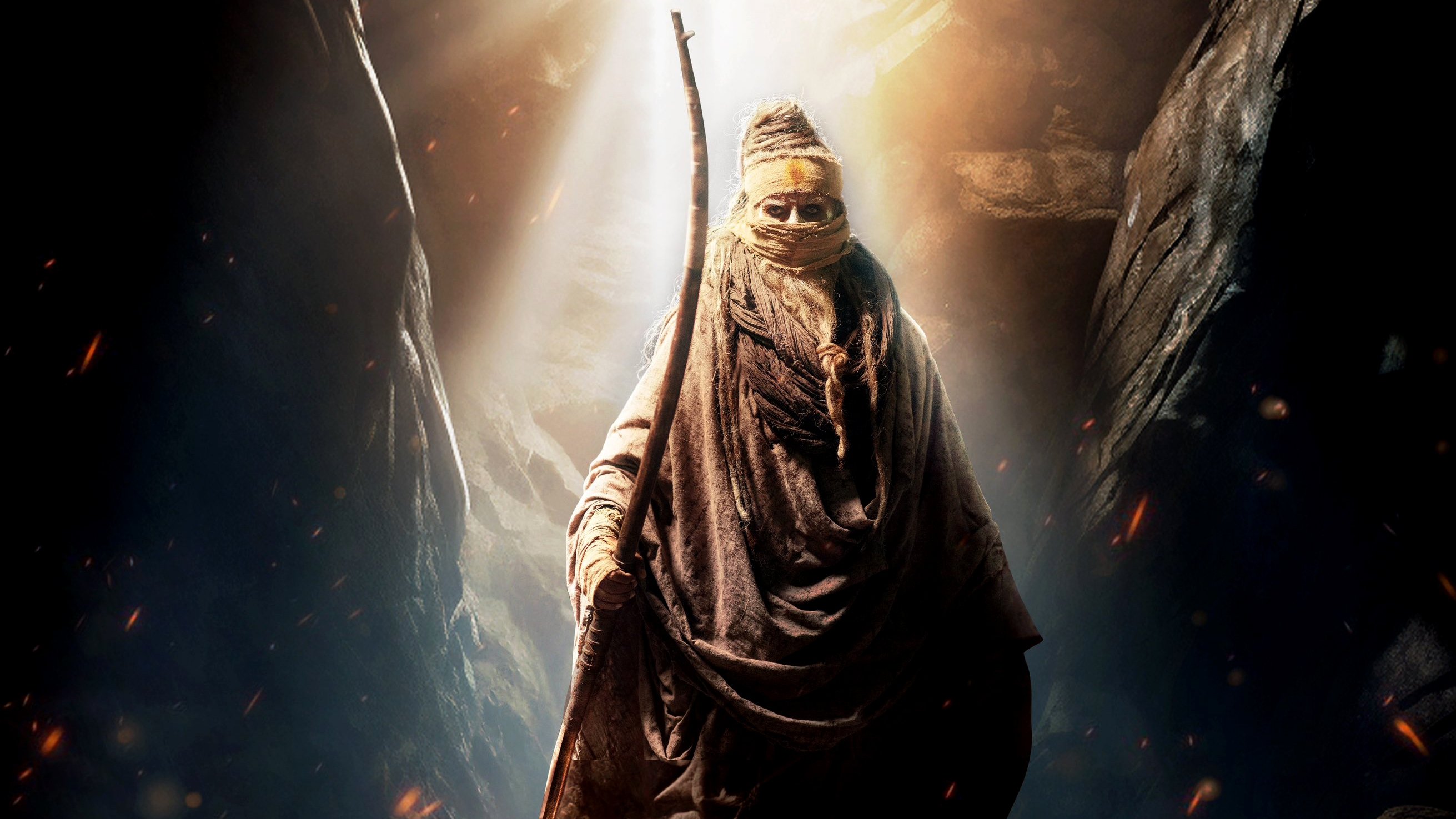
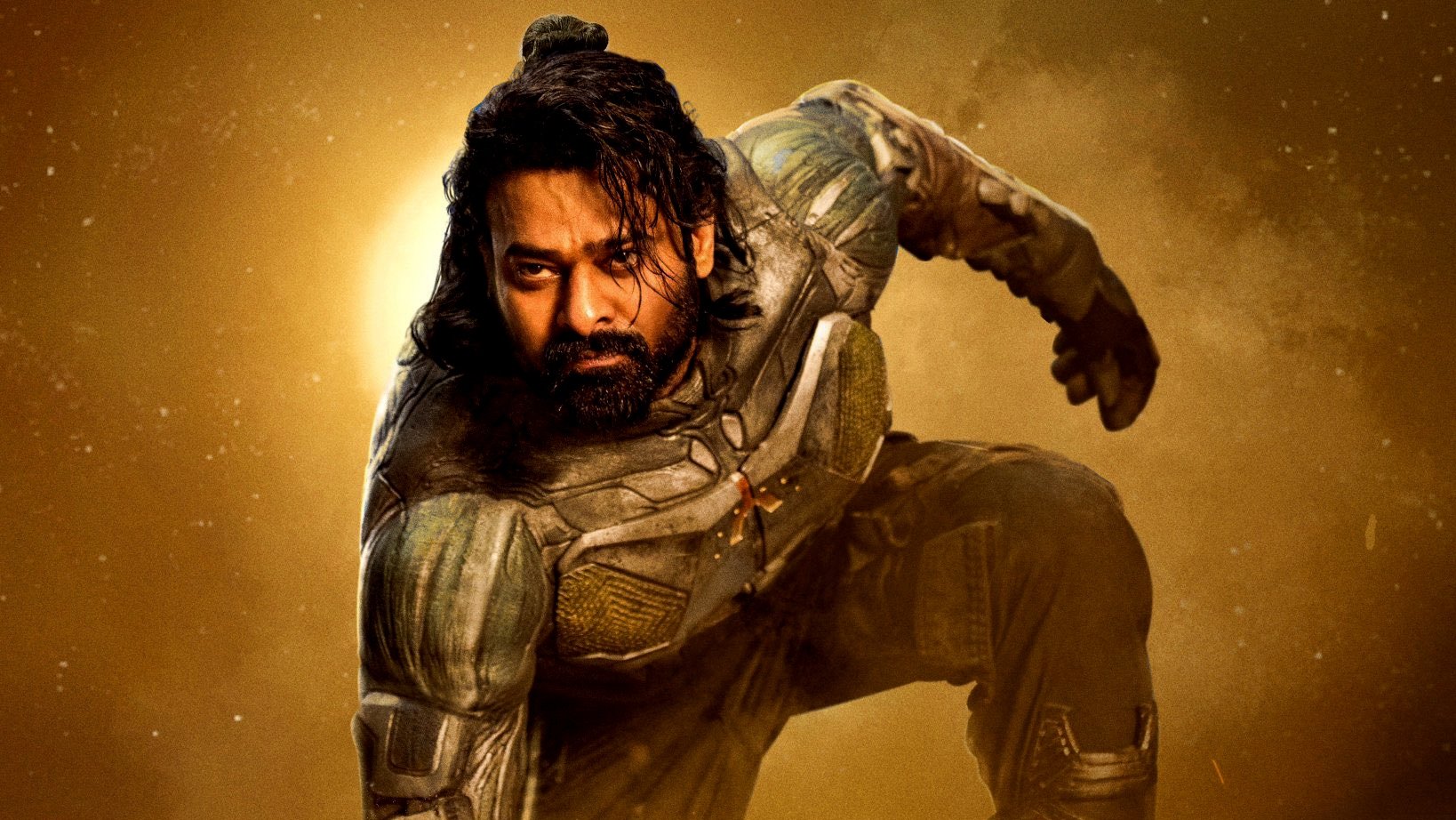

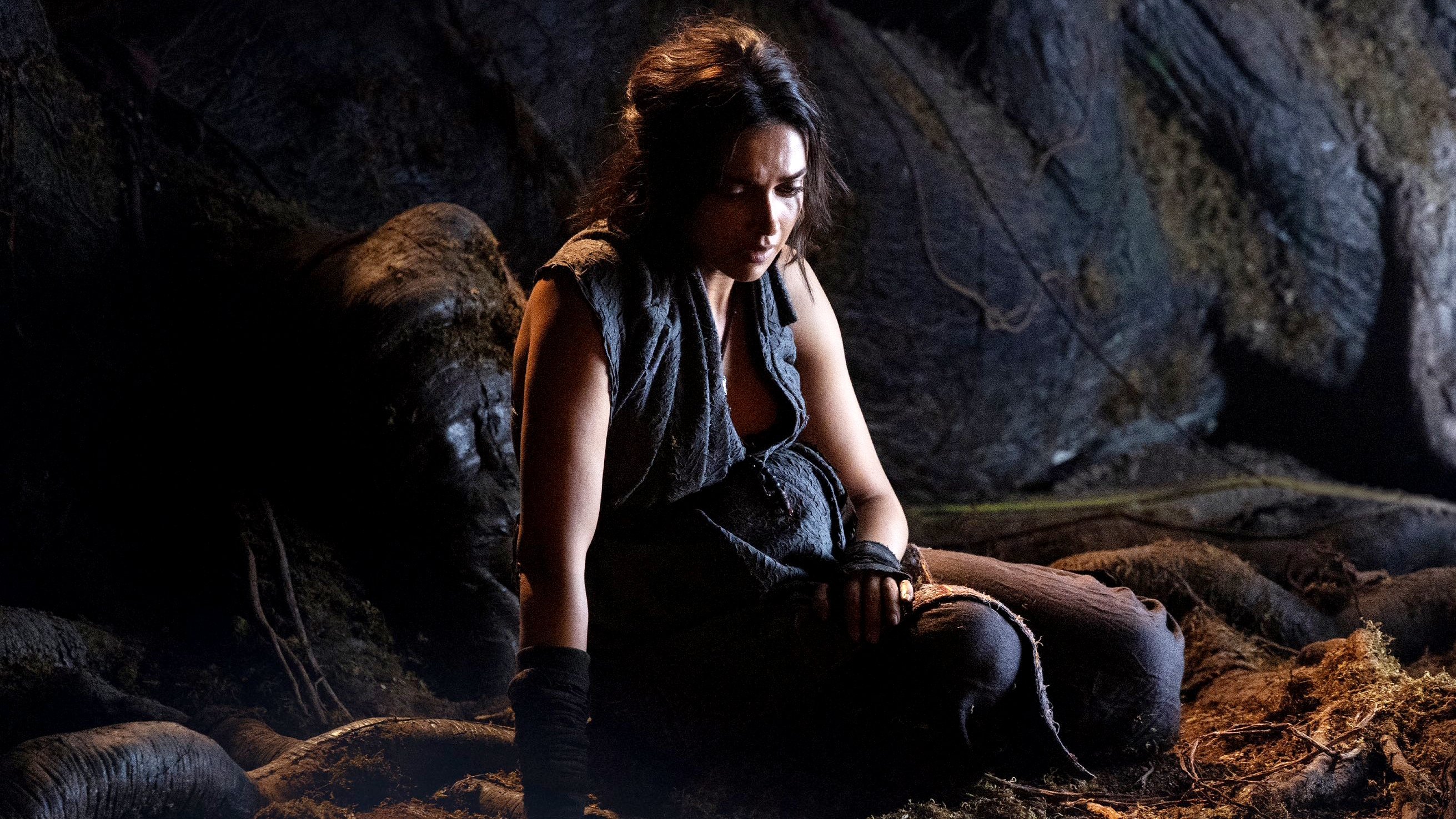
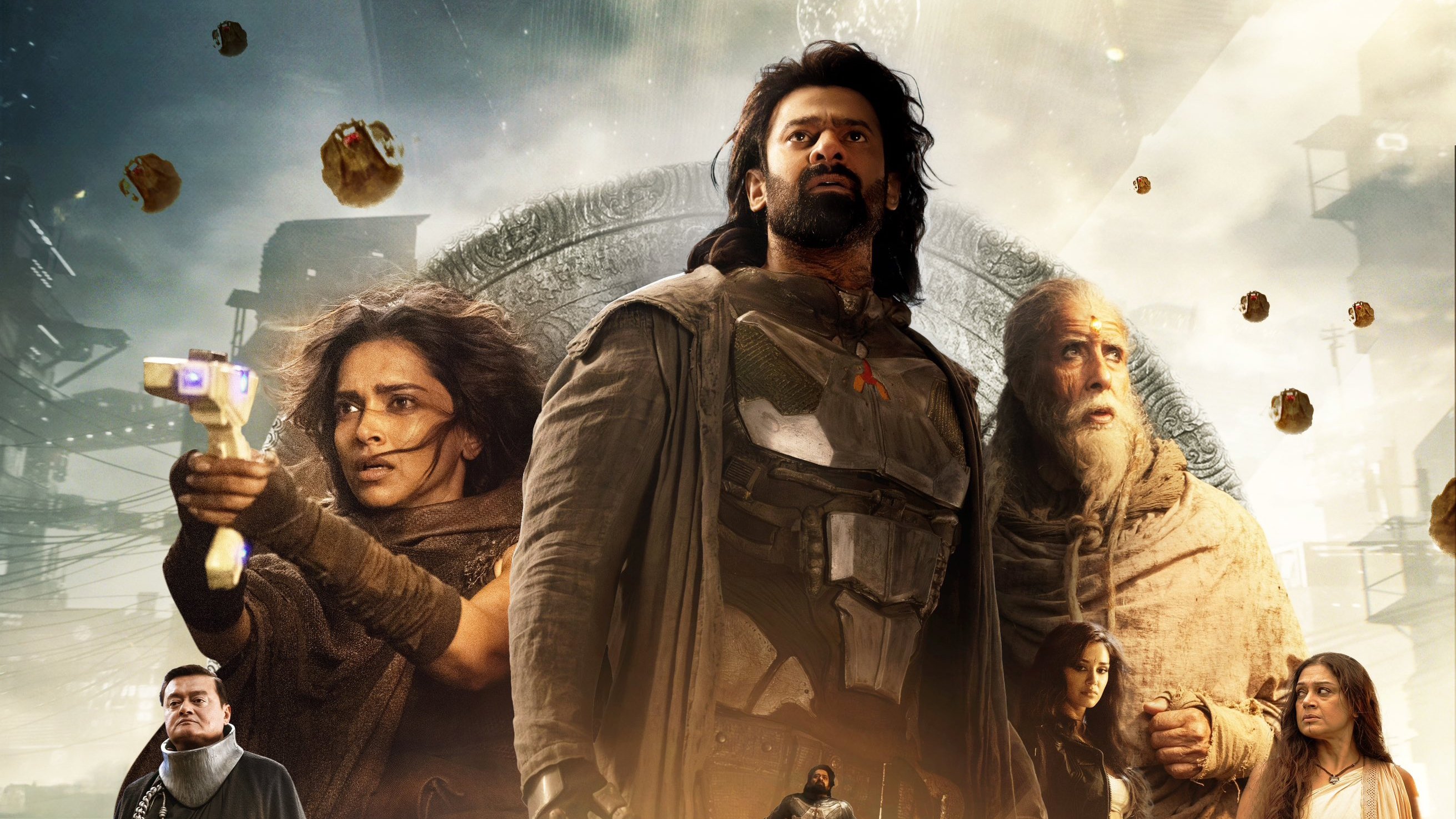
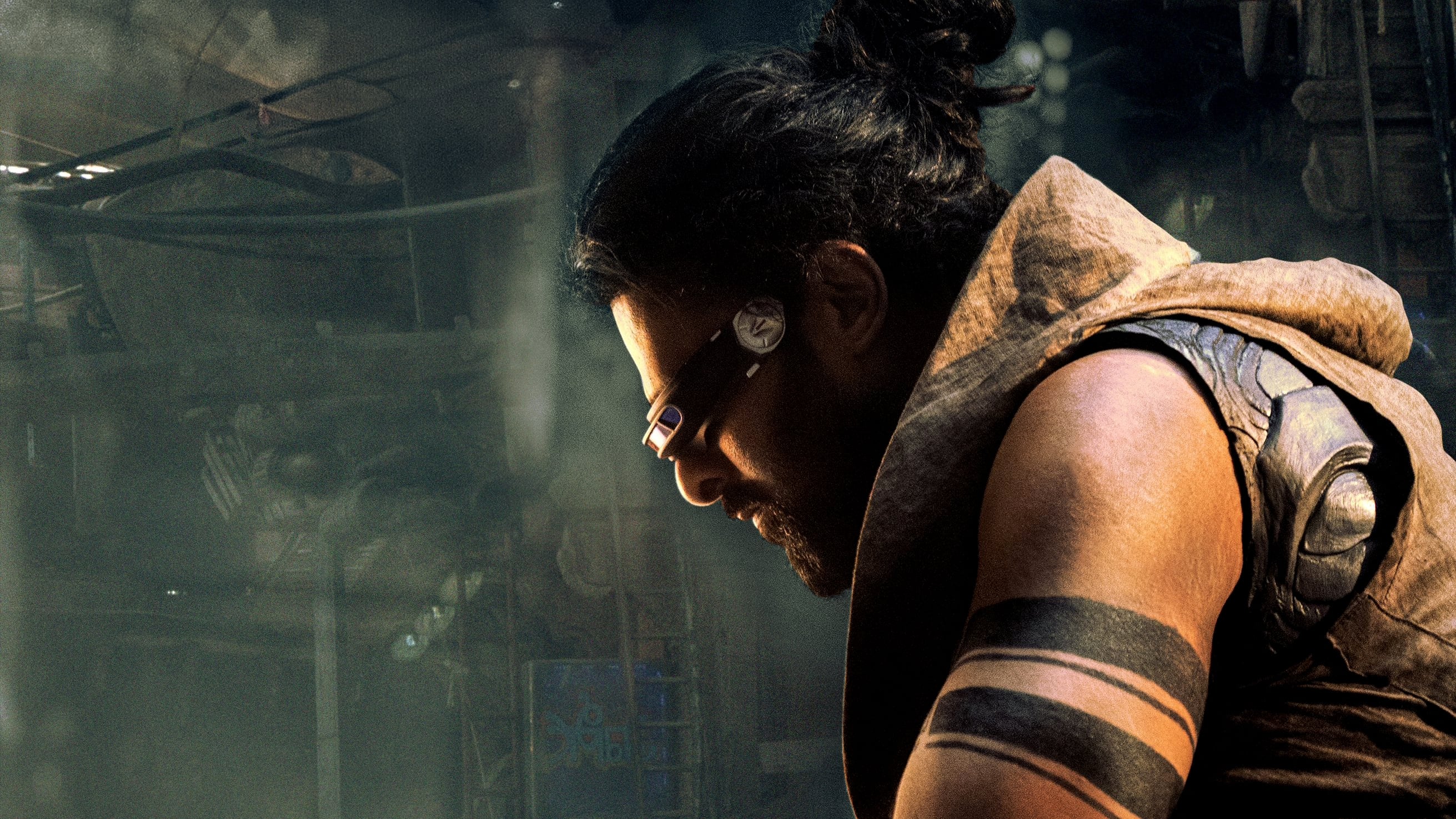
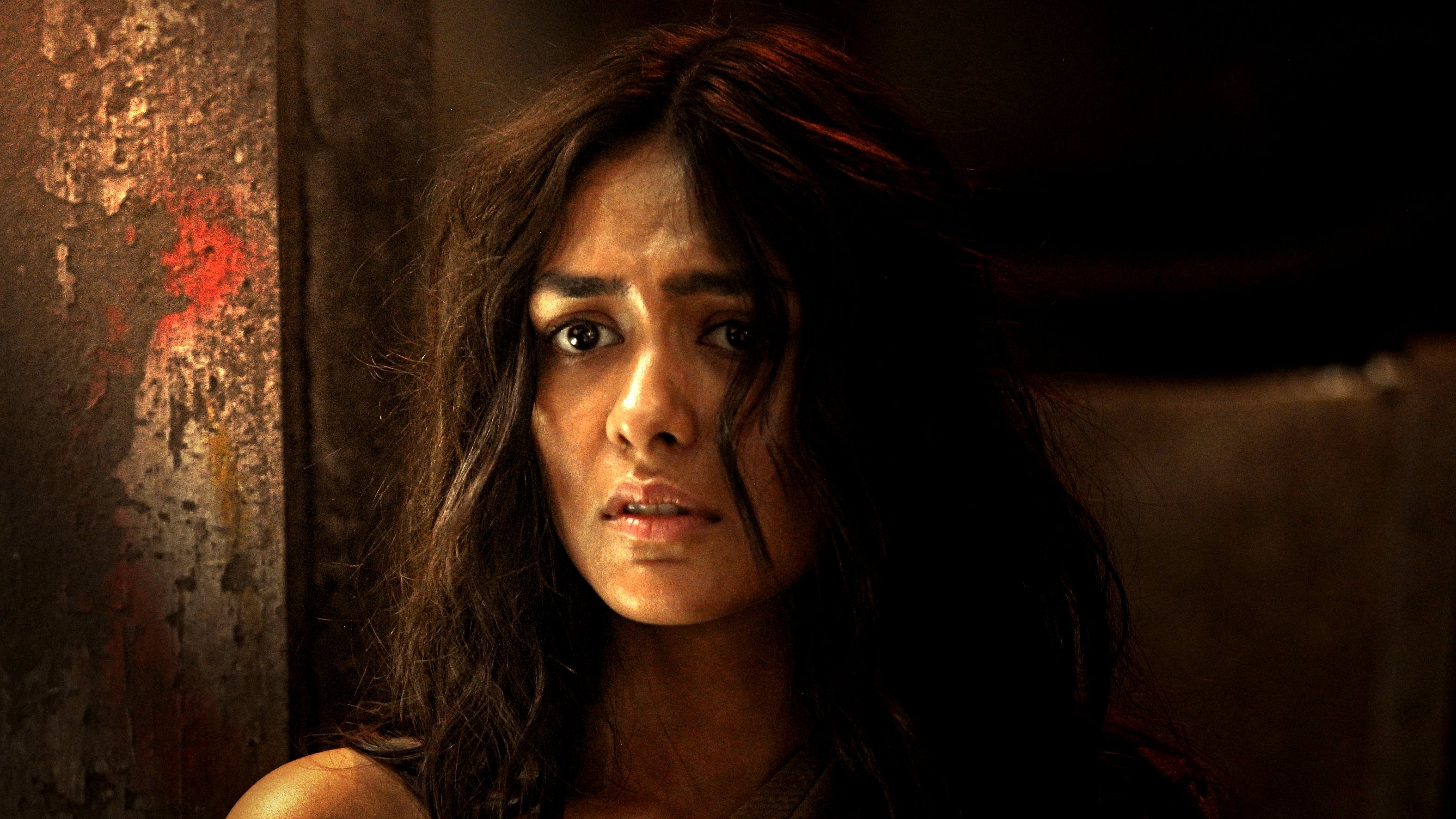

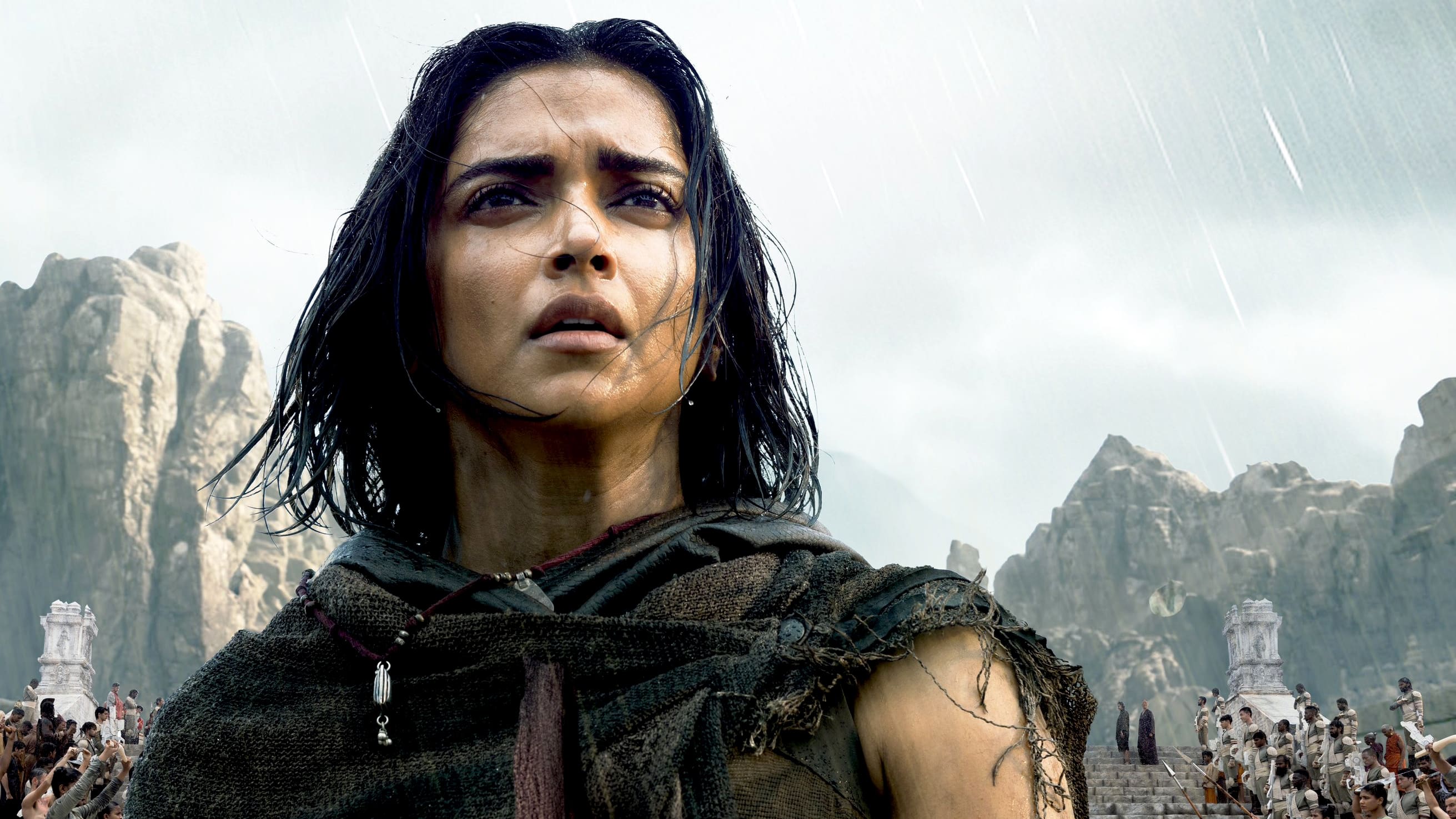
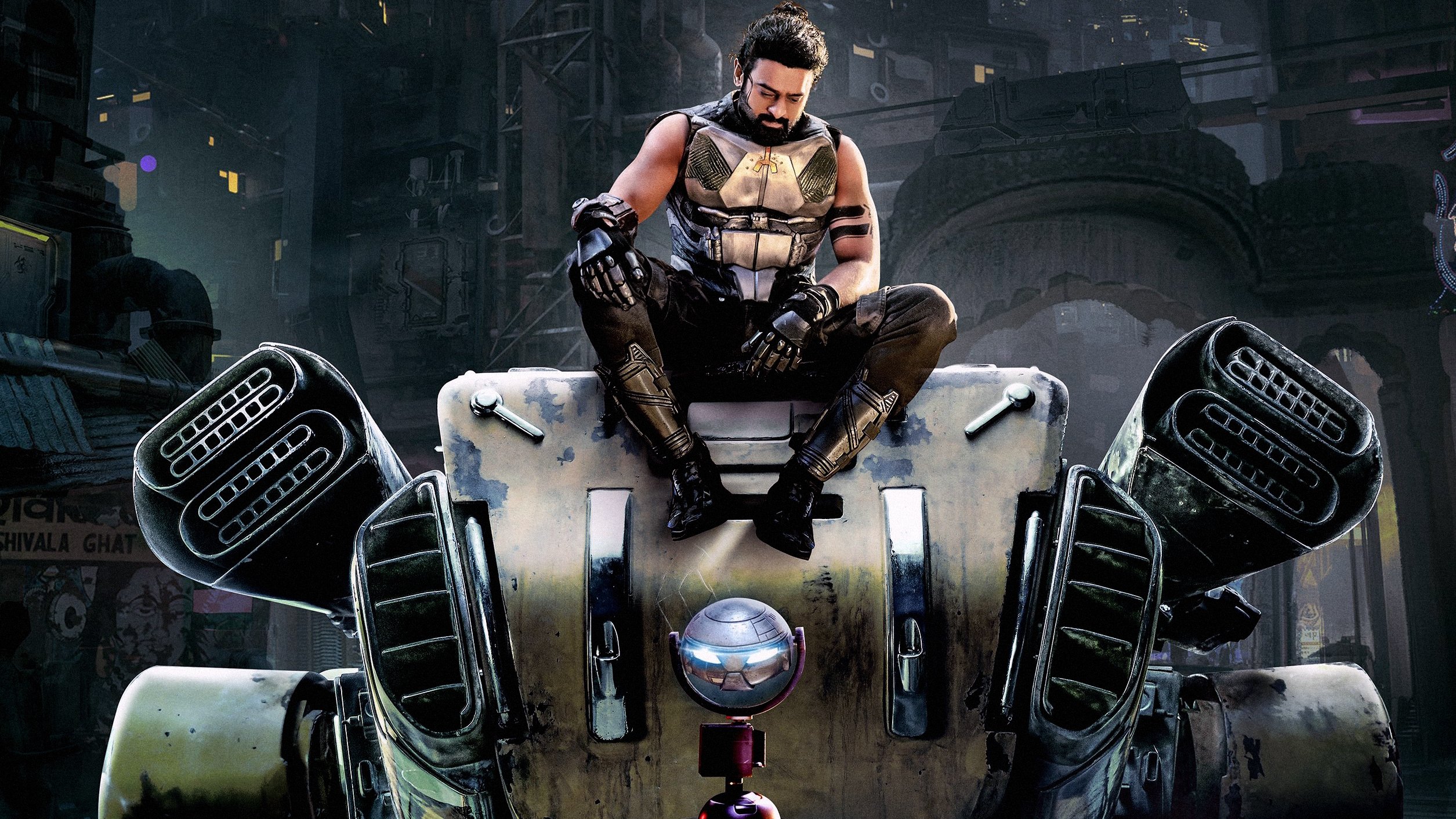
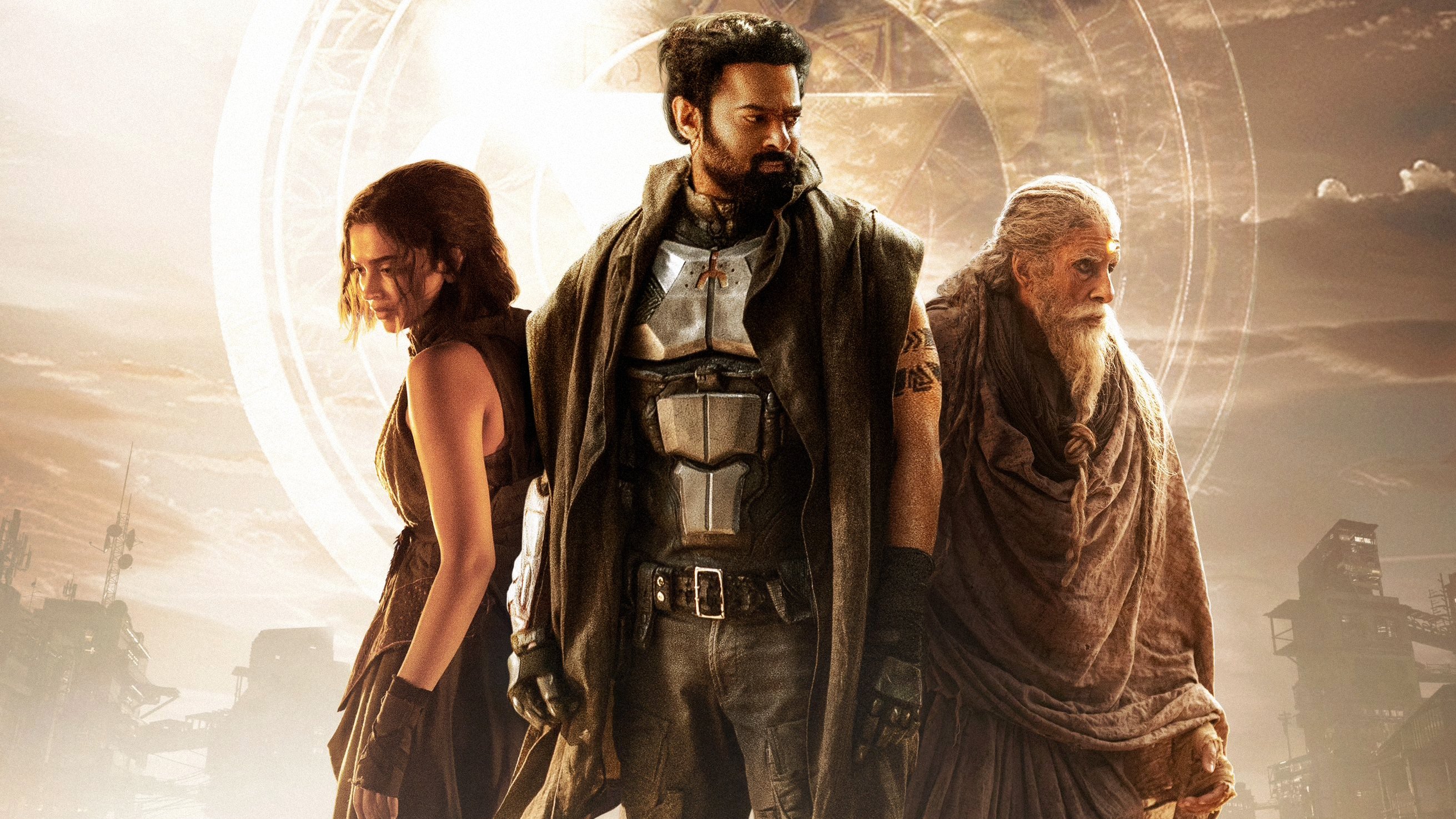


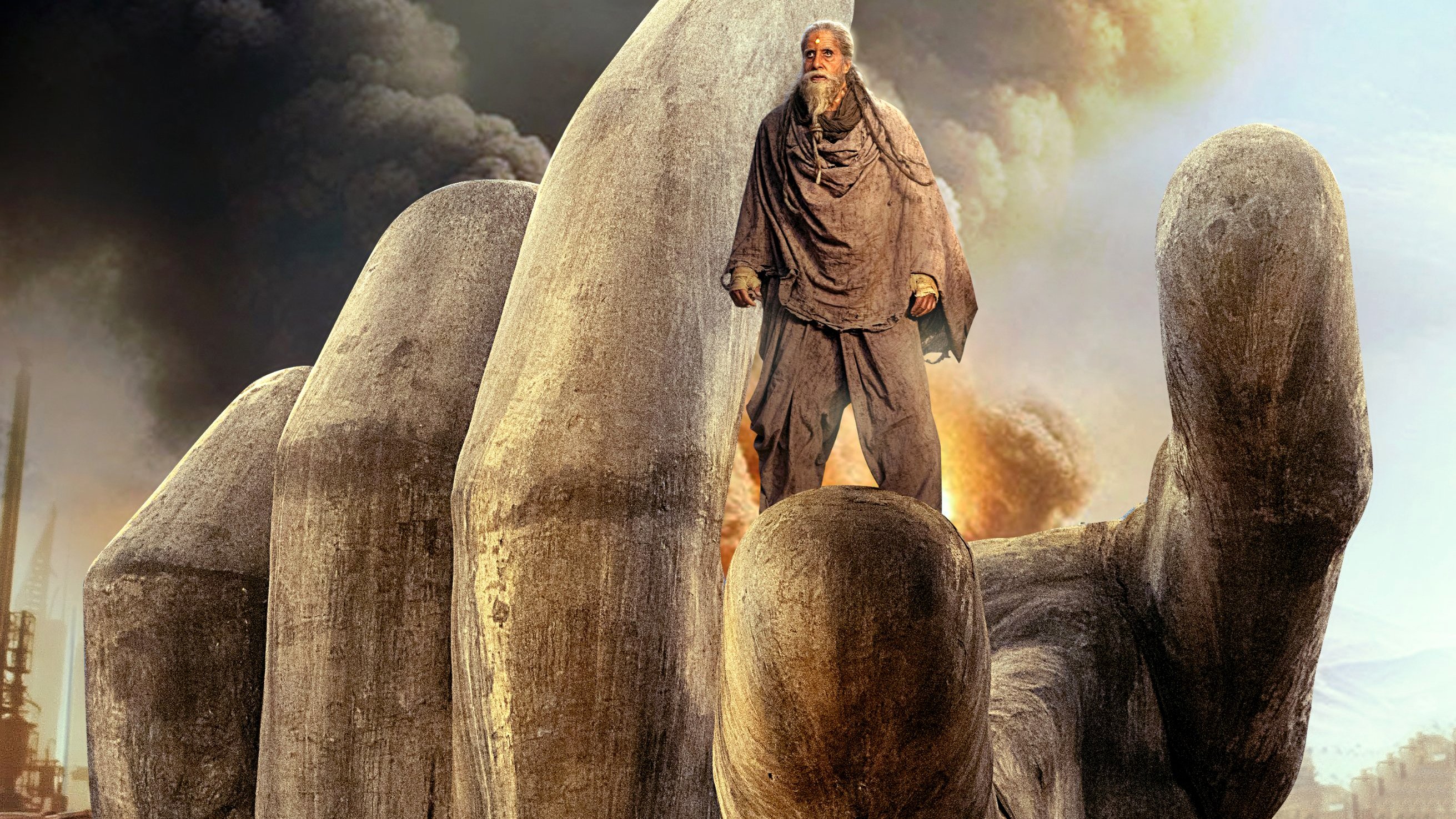
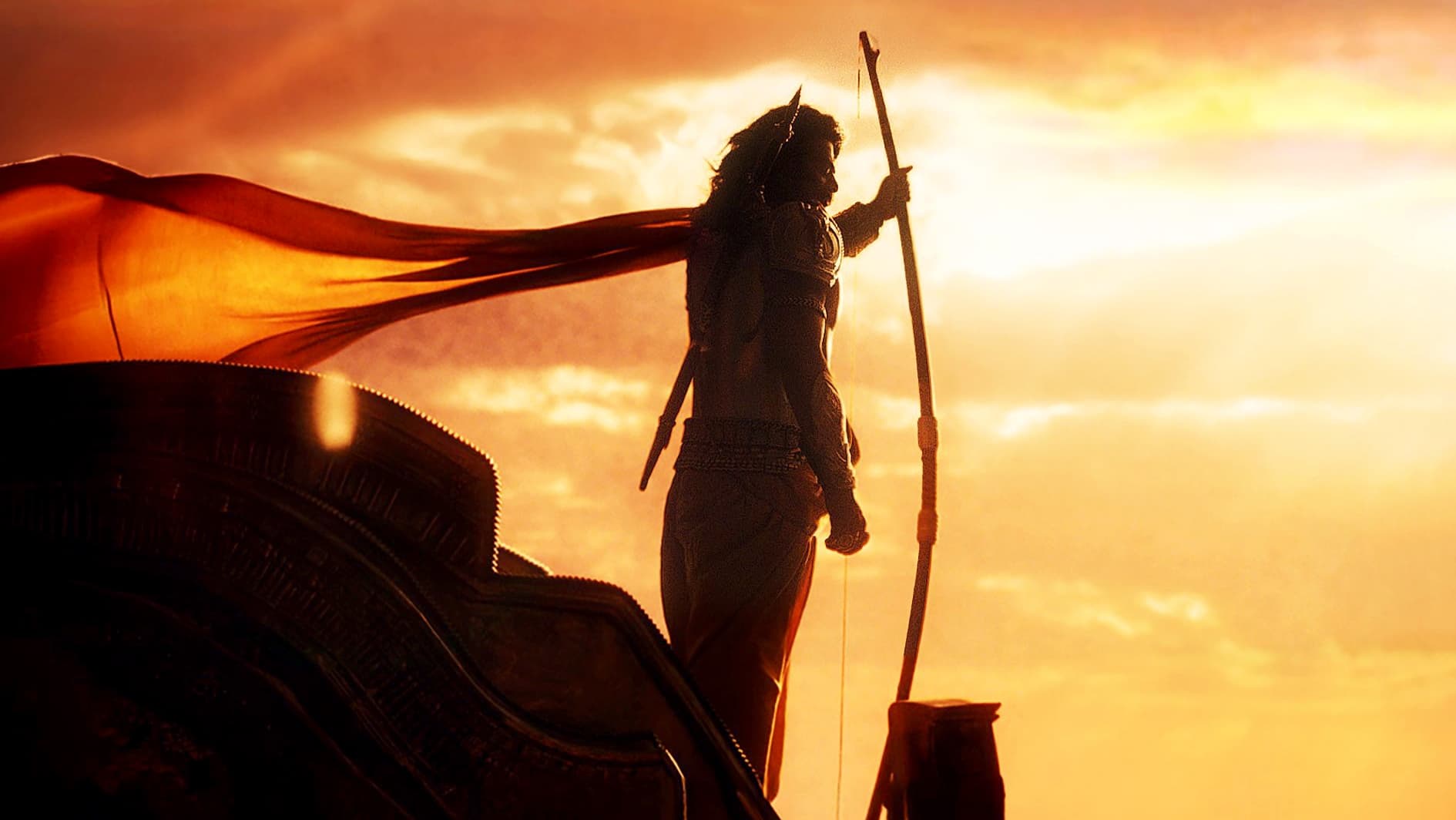
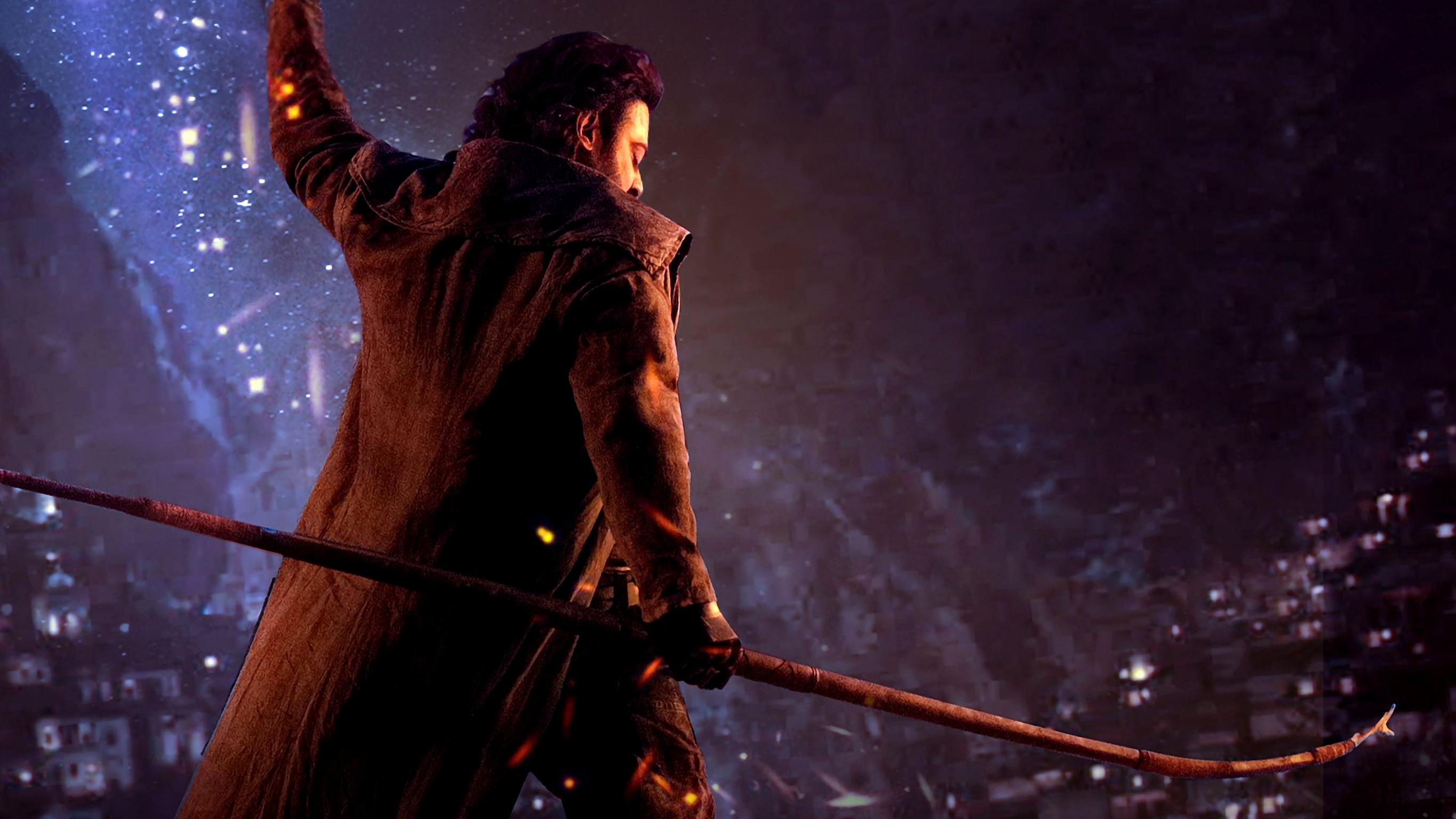
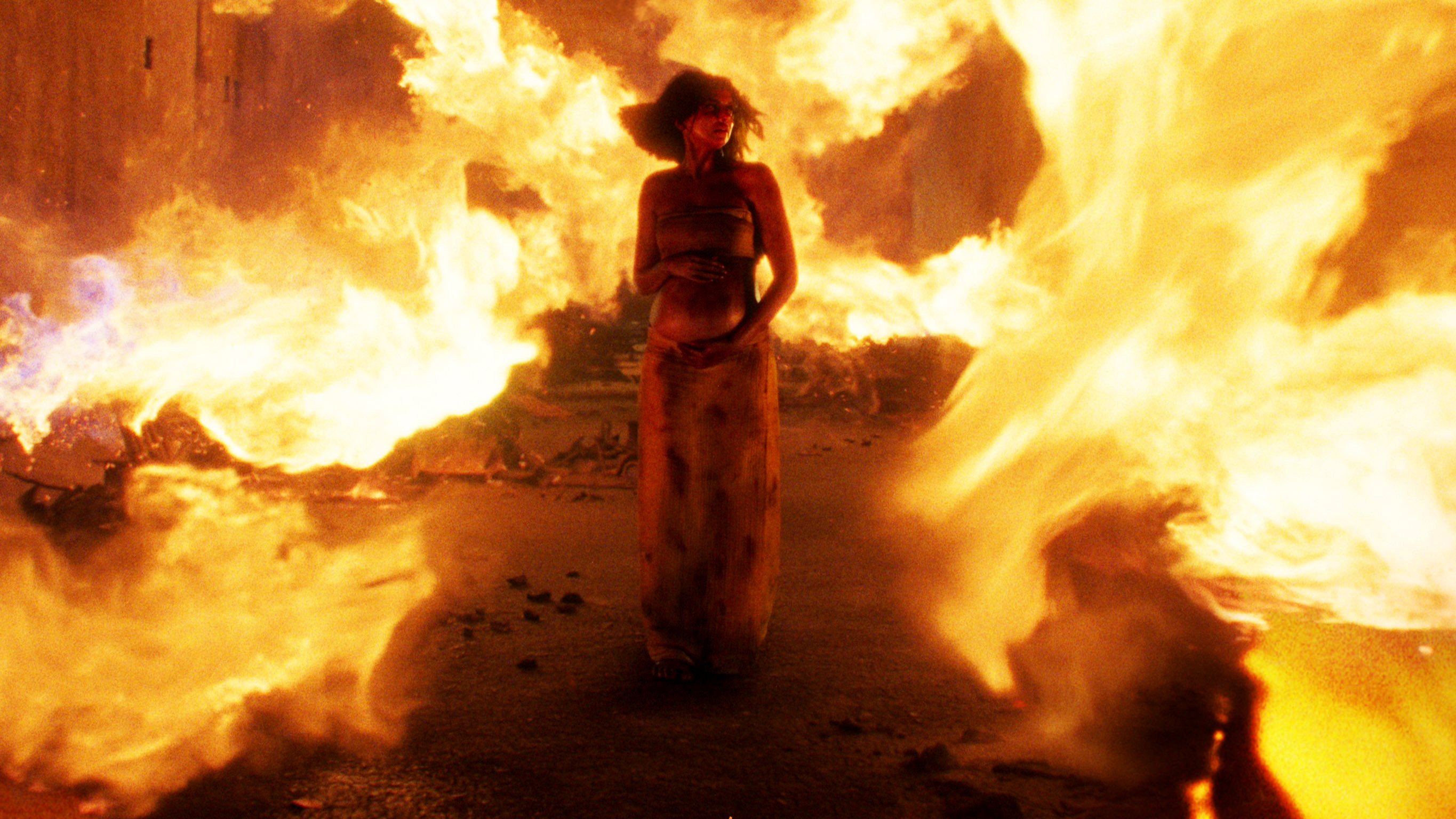
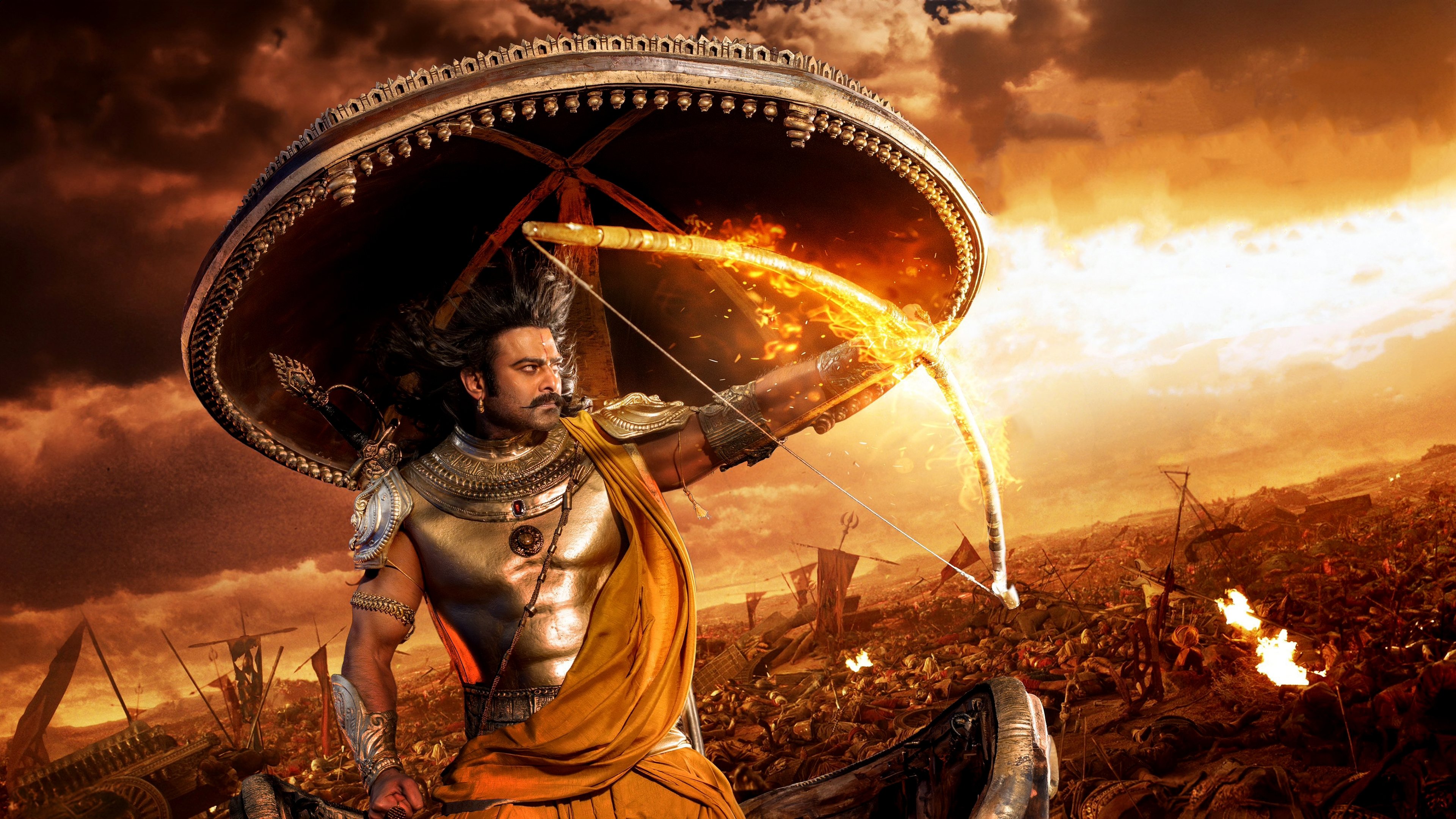

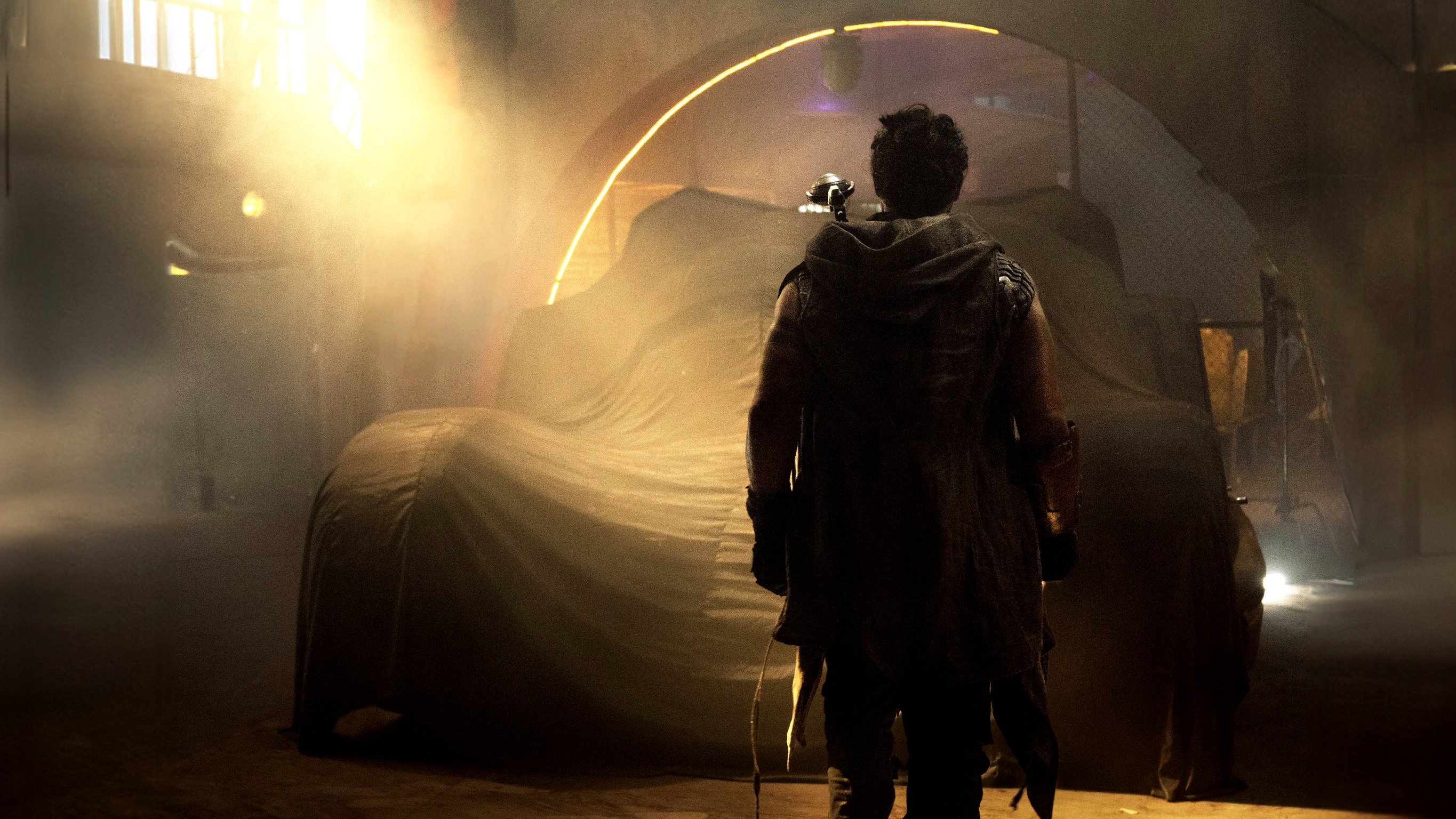
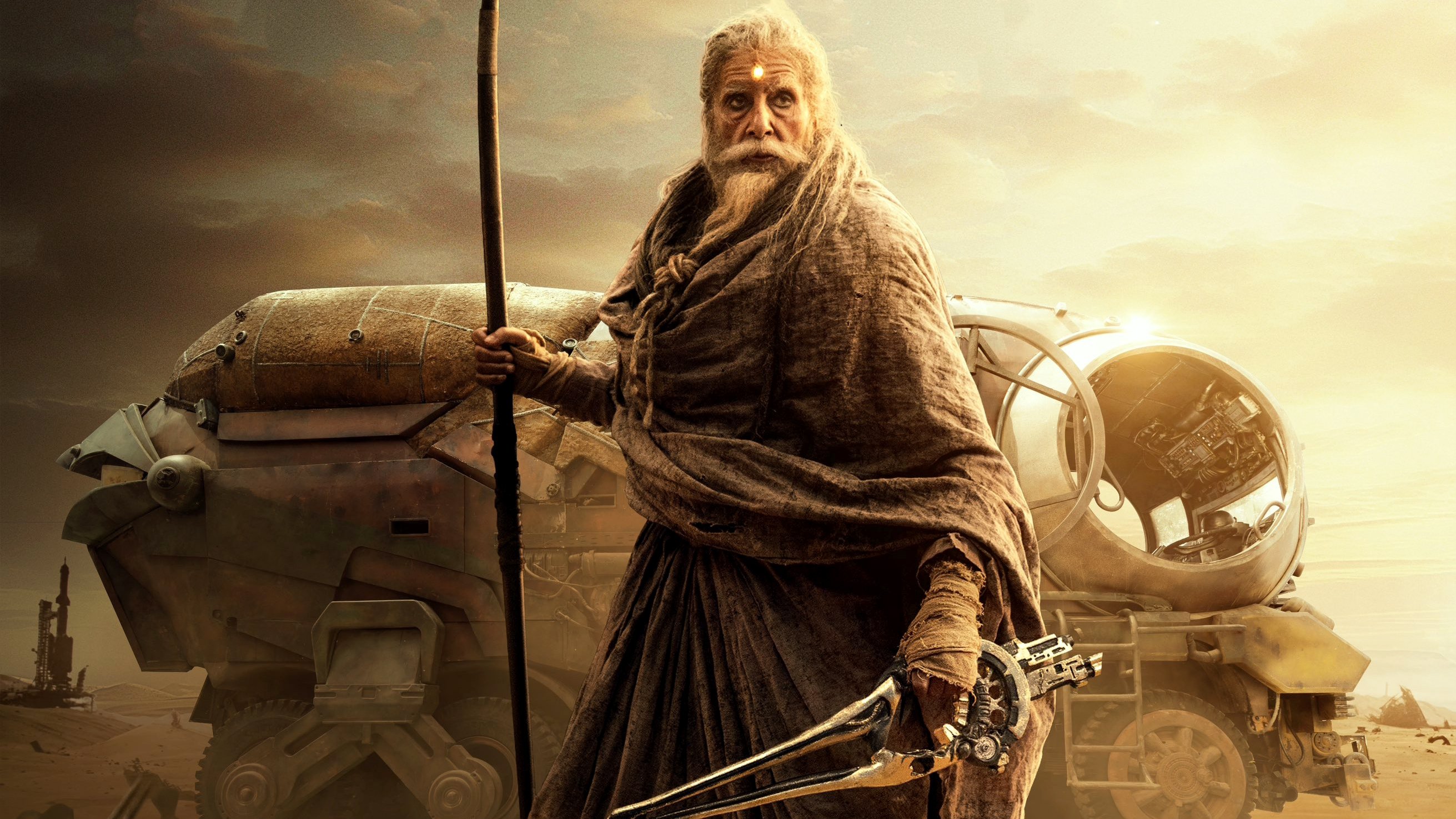
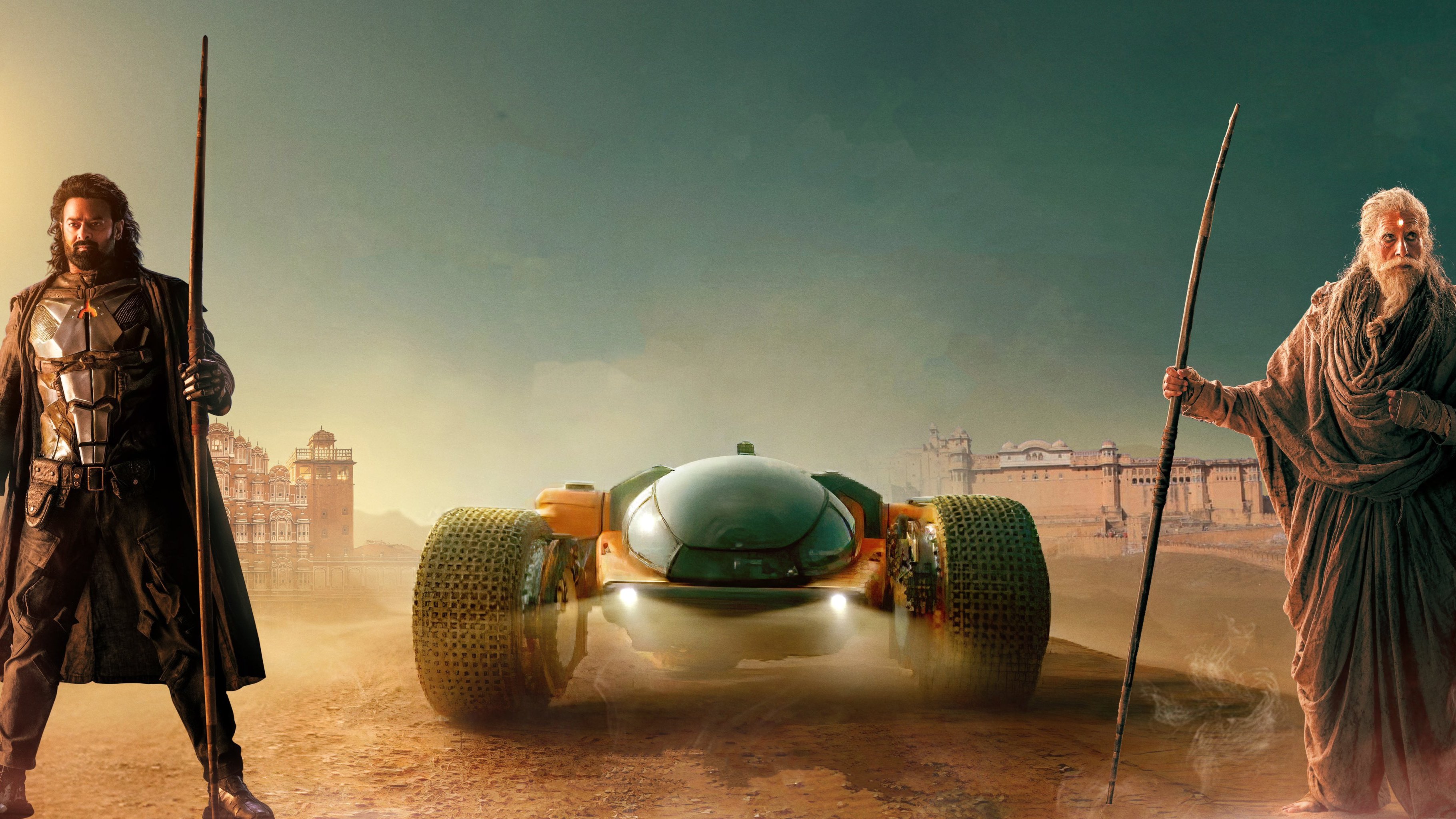
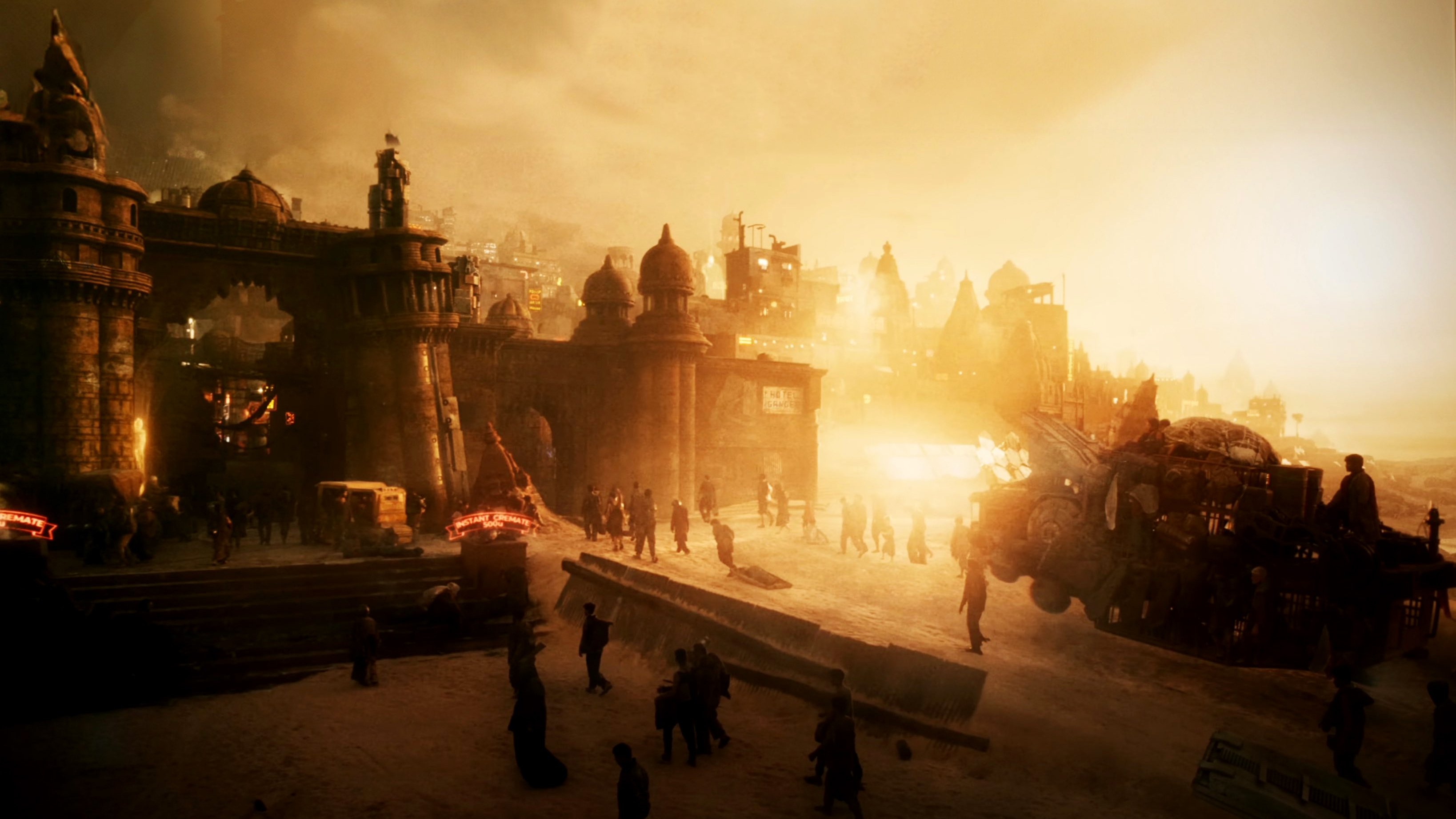
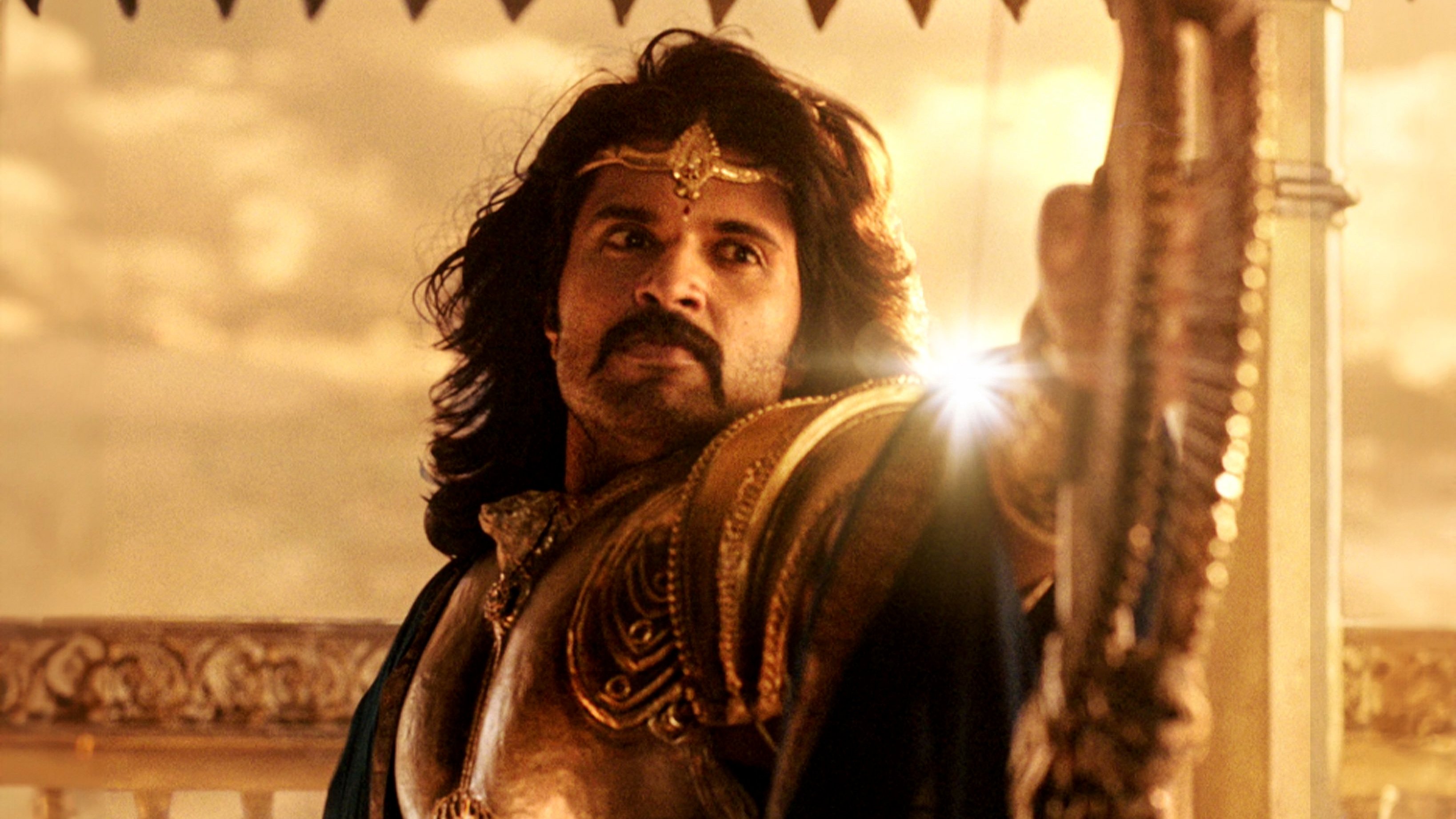
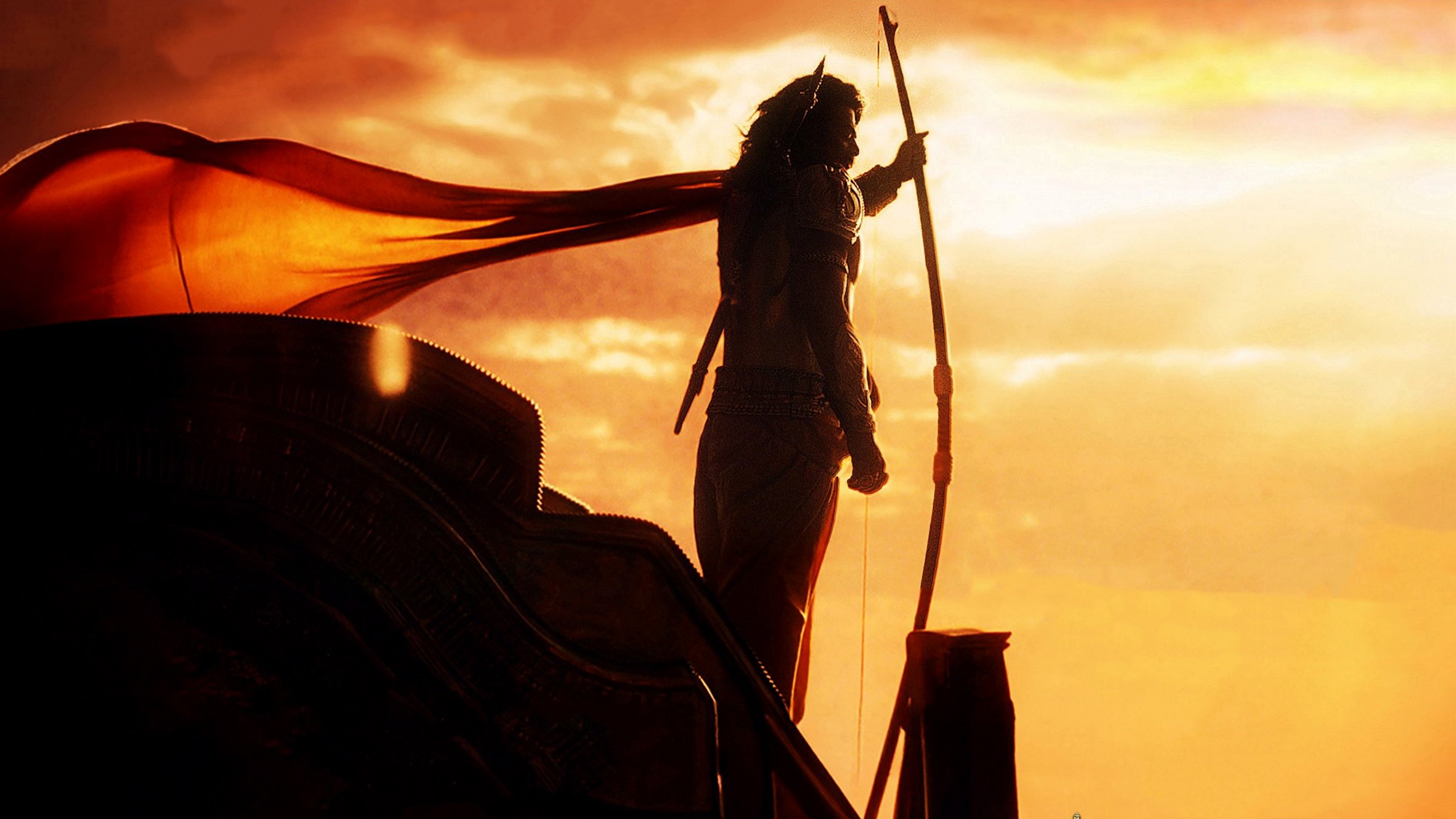

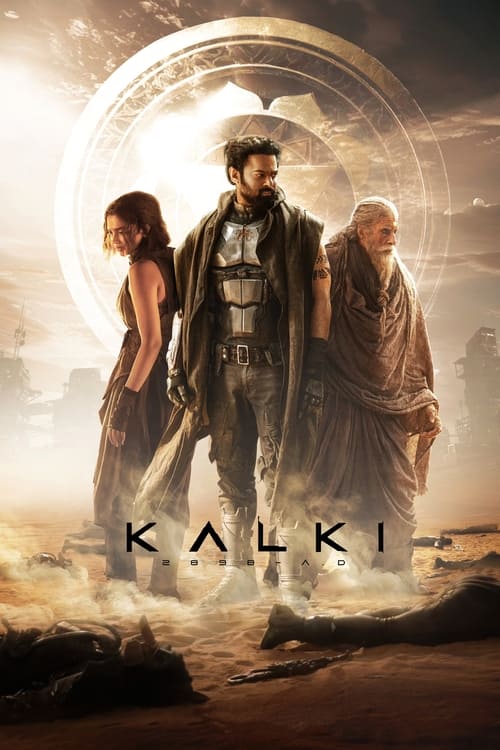
In the year 2898 AD, around 6000 years after Kurukshetra war, Ashwatthama gears up for his final battle of redemption at the sign of hope in a dystopian world and Bhairava, a wisecracking and self-interested bounty hunter, tired of the perilous life becomes the hurdle in the process.
Directed by Nag Ashwin
rebellion
hero
temple
dystopia
villain
desert
religious statue
futuristic society
quest
imperialism
ancient temple
indian folklore
evil empire
fantasy
indian gods
mahabharat

Trailer

IMDB
N/A
Where to Watch


Cast
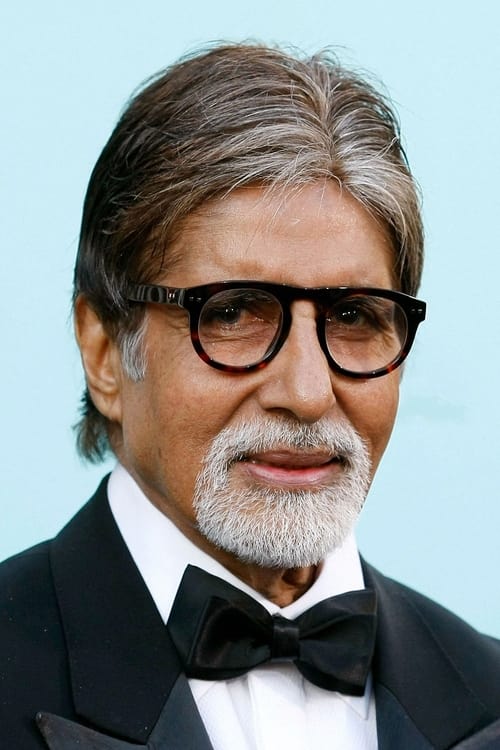
Amitabh Bachchan
Ashwatthama
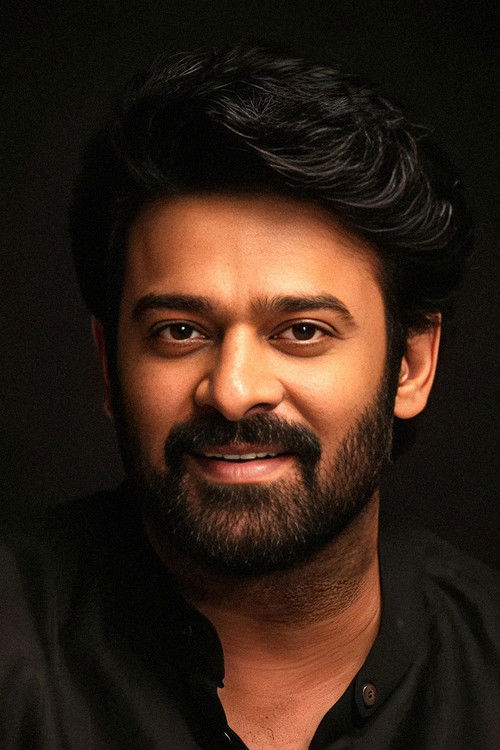
Prabhas
Bhairava

Deepika Padukone
SUM-80 "Sumathi"

Kamal Haasan
Supreme Yaskin

Saswata Chatterjee
Manas

Shobana
Mariam

Rajendra Prasad
Rumi

Pasupathy
Veeran

Anna Ben
Kyra

Anil George
Bani

Disha Patani
Roxie
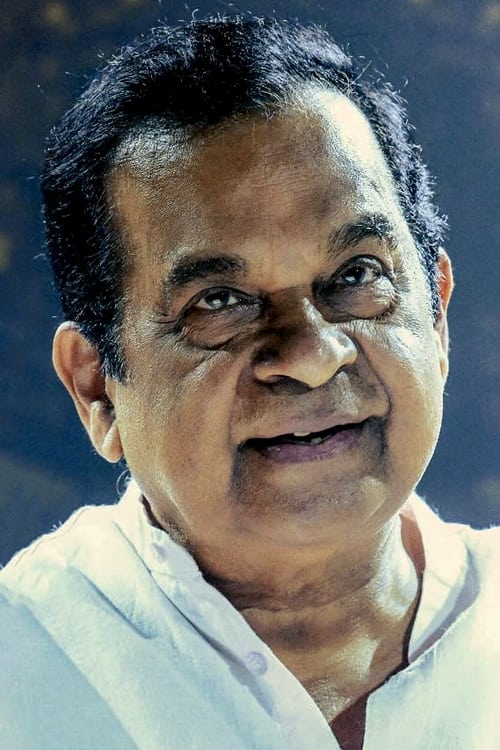
Brahmanandam
Rajan
Crew
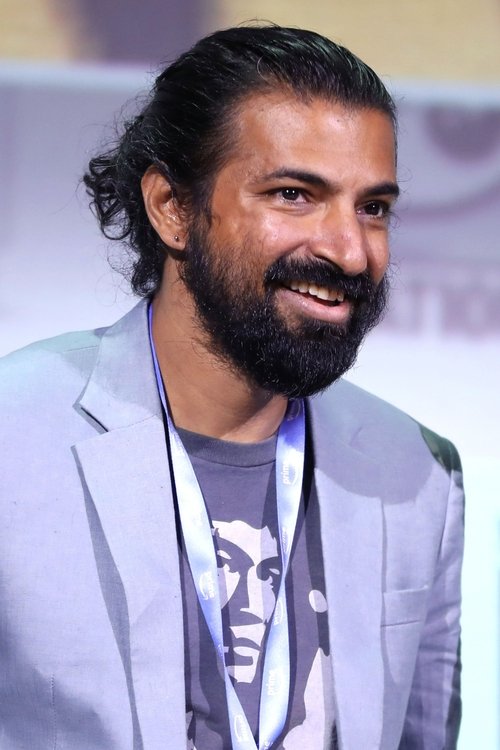
Nag Ashwin
Director
Nag Ashwin
Writer
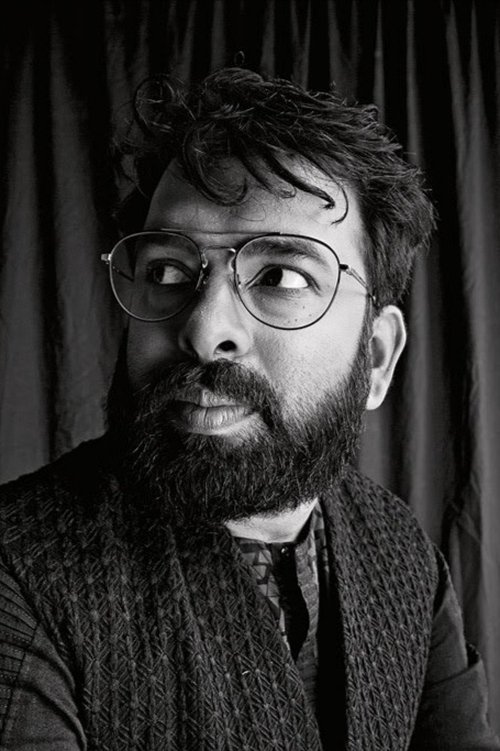
Santhosh Narayanan
Original Music Composer
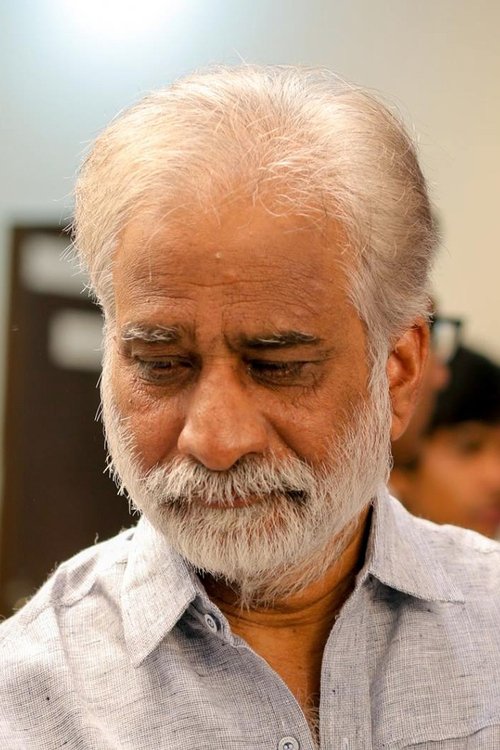
Kotagiri Venkateswara Rao
Editor

Priyanka Dutt
Producer

Swapna Dutt
Producer

C. Ashwini Dutt
Producer
Sai Madhav Burra
Dialogue
Rana Daggubati
Presenter

Andy Long Nguyen
Fight Choreographer

Real Satheesh
Fight Choreographer

Arivumani
Fight Choreographer
Popular Reviews
175 reviews
Sidd
6.0★ · 04/01/26
Rewatching Kalki 2898 AD hits very differently the second time. When I first saw it, I was amazed by the scale, the production design, the ambition, the attempt to blend Indian mythology with dystopian sci-fi. But on rewatch, once the visual spectacle faded, the cracks start to show.
The Mahabharata flashbacks are easily the strongest part of the film. The dystopian sci-fi setting, while visually impressive, feels heavily inspired by Hollywood movies. You can clearly see inspirations from Dune, Mad Max & Star Wars. Inspiration isn’t the problem cinema has always borrowed from cinema but here it sometimes crosses into imitation. Certain character arcs and world-building beats feel pre-packaged rather than organically developed.
Character writing is another weak spot. Some supporting characters add little to the narrative momentum or emotional depth. When a character doesn’t meaningfully shift the plot or challenge the protagonist, they start to feel ornamental, present for aesthetics rather than purpose.
What’s disappointing isn’t the ambition , that part deserves respect. Big-scale Indian sci-fi rooted in mythology is rare, and the vision is undeniably bold. But ambition without tight writing and strong emotional anchoring leaves the film feeling hollow on repeat viewing.
Kalki 2898 AD is a cinematic event. But beyond the scale and references, it struggles to leave a lasting emotional imprint other than the Mahabharata flashbacks.
The Mahabharata flashbacks are easily the strongest part of the film. The dystopian sci-fi setting, while visually impressive, feels heavily inspired by Hollywood movies. You can clearly see inspirations from Dune, Mad Max & Star Wars. Inspiration isn’t the problem cinema has always borrowed from cinema but here it sometimes crosses into imitation. Certain character arcs and world-building beats feel pre-packaged rather than organically developed.
Character writing is another weak spot. Some supporting characters add little to the narrative momentum or emotional depth. When a character doesn’t meaningfully shift the plot or challenge the protagonist, they start to feel ornamental, present for aesthetics rather than purpose.
What’s disappointing isn’t the ambition , that part deserves respect. Big-scale Indian sci-fi rooted in mythology is rare, and the vision is undeniably bold. But ambition without tight writing and strong emotional anchoring leaves the film feeling hollow on repeat viewing.
Kalki 2898 AD is a cinematic event. But beyond the scale and references, it struggles to leave a lasting emotional imprint other than the Mahabharata flashbacks.
Rewatching Kalki 2898 AD hits very differently the second time. When I first saw it, I was amazed by the scale, the production design, the ambition, the attempt to blend Indian mythology with dystopian sci-fi. But on rewatch, once the visual spectacle faded, the cracks start to show.
The Mahabharata flashbacks are easily the strongest part of the film. The dystopian sci-fi setting, while visually impressive, feels heavily inspired by Hollywood movies. You can clearly see inspirations from Dune, Mad Max & Star Wars. Inspiration isn’t the problem cinema has always borrowed from cinema but here it sometimes crosses into imitation. Certain character arcs and world-building beats feel pre-packaged rather than organically developed.
Character writing is another weak spot. Some supporting characters add little to the narrative momentum or emotional depth. When a character doesn’t meaningfully shift the plot or challenge the protagonist, they start to feel ornamental, present for aesthetics rather than purpose.
What’s disappointing isn’t the ambition , that part deserves respect. Big-scale Indian sci-fi rooted in mythology is rare, and the vision is undeniably bold. But ambition without tight writing and strong emotional anchoring leaves the film feeling hollow on repeat viewing.
Kalki 2898 AD is a cinematic event. But beyond the scale and references, it struggles to leave a lasting emotional imprint other than the Mahabharata flashbacks.
The Mahabharata flashbacks are easily the strongest part of the film. The dystopian sci-fi setting, while visually impressive, feels heavily inspired by Hollywood movies. You can clearly see inspirations from Dune, Mad Max & Star Wars. Inspiration isn’t the problem cinema has always borrowed from cinema but here it sometimes crosses into imitation. Certain character arcs and world-building beats feel pre-packaged rather than organically developed.
Character writing is another weak spot. Some supporting characters add little to the narrative momentum or emotional depth. When a character doesn’t meaningfully shift the plot or challenge the protagonist, they start to feel ornamental, present for aesthetics rather than purpose.
What’s disappointing isn’t the ambition , that part deserves respect. Big-scale Indian sci-fi rooted in mythology is rare, and the vision is undeniably bold. But ambition without tight writing and strong emotional anchoring leaves the film feeling hollow on repeat viewing.
Kalki 2898 AD is a cinematic event. But beyond the scale and references, it struggles to leave a lasting emotional imprint other than the Mahabharata flashbacks.


Sean
6.0★ · 01/10/26
Sure it has its shortcomings, the script is mediocre and the acting is isn’t anything to write home about, also the music feels misplaced during some of the action, but I’d be lying if I said I was anything other than immersed by this world-building and genuinely intrigued to see where this story could go with a sequel. It seems to me the recent Telugu film market has been cornered by these lore-heavy huge scale action-epics and I have to say, even though I’ve seen a few mediocre ones like this and Devara I’m still so in love with how they’re telling stories over there right now and wish we had something similar going on. This is only really hurt by some gripes I have with the editing, some of the music choices (the score itself worked well I’m mainly talking about the song placement), and the script being a little surface level, it has all of the makings to be a great sci-fi world which means I’ll definitely be there to see how it continues despite if the second entry is praised or hated. I was entertained through all three hours which I think is an accomplishment in itself, I’m sad it got so much wrong but those issues are far from my focus post watch, I’m mostly just thinking about the enjoyability of the world-building, the action sequences with Prabhas, the visual spectacle as a whole, and the score from Santosh Narayanan, and when I do that the problems don’t seem like too big a deal at all. Fun stuff.
Sure it has its shortcomings, the script is mediocre and the acting is isn’t anything to write home about, also the music feels misplaced during some of the action, but I’d be lying if I said I was anything other than immersed by this world-building and genuinely intrigued to see where this story could go with a sequel. It seems to me the recent Telugu film market has been cornered by these lore-heavy huge scale action-epics and I have to say, even though I’ve seen a few mediocre ones like this and Devara I’m still so in love with how they’re telling stories over there right now and wish we had something similar going on. This is only really hurt by some gripes I have with the editing, some of the music choices (the score itself worked well I’m mainly talking about the song placement), and the script being a little surface level, it has all of the makings to be a great sci-fi world which means I’ll definitely be there to see how it continues despite if the second entry is praised or hated. I was entertained through all three hours which I think is an accomplishment in itself, I’m sad it got so much wrong but those issues are far from my focus post watch, I’m mostly just thinking about the enjoyability of the world-building, the action sequences with Prabhas, the visual spectacle as a whole, and the score from Santosh Narayanan, and when I do that the problems don’t seem like too big a deal at all. Fun stuff.
R.A.Mpage
5.0★ · 12/22/25
The premise is intriguing but get to the fucking point bro ts paced like one peice
The premise is intriguing but get to the fucking point bro ts paced like one peice
Sreyas Kota
7.0★ · 10/04/25
Peak
Peak
N
5.0★ · 06/15/25
Could've been better with the character development.
Could've been better with the character development.