Flicker
This is one of the most important short films ever made.I had studied the
Holocaust in school and we talked about this film, but I had never actually seen it before. And seeing it is something completely different from simply learning about it.
At the beginning of the film, there is a shot of a
French officer wearing a kepi. It’s brief, but it’s enough to understand what it implies. For years, the film was
censored in
France because that image echoed the reality of
French collaboration during the war. Even that small moment carries an enormous weight.
But what makes the film so powerful is the confrontation with the images themselves.
It’s one thing to hear about the camps, the deportations, the numbers.
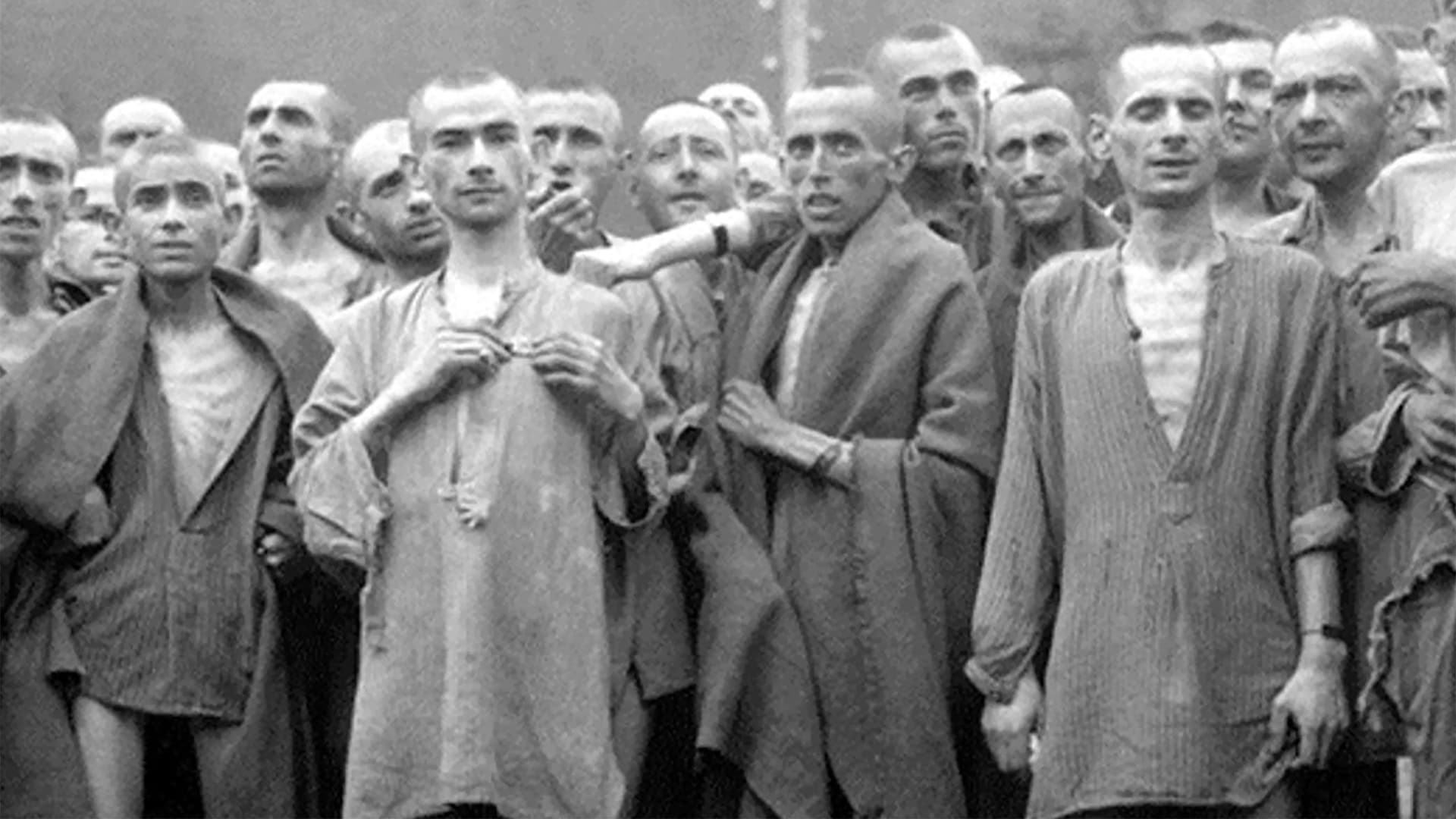
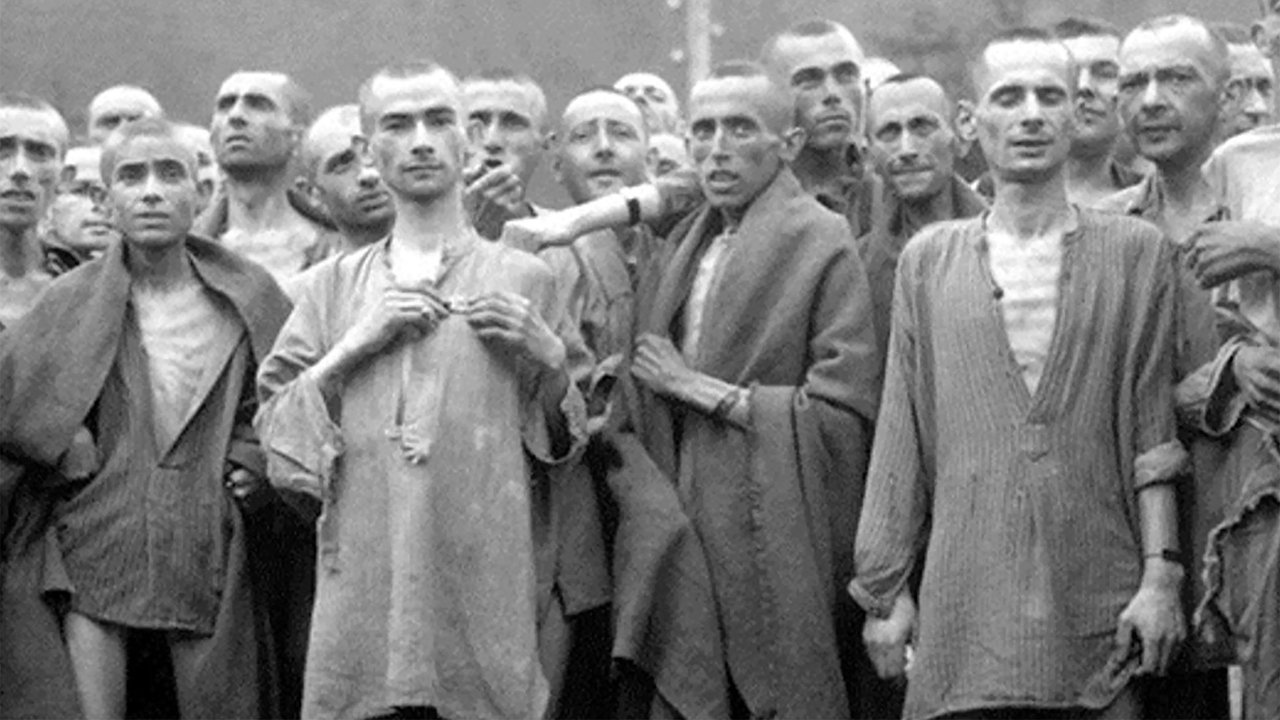
It’s another thing entirely to see the bodies, the machinery used to move them, the piles of human remains treated as if they were nothing.
When you see those images, you begin to grasp — even if only slightly —
the scale of the horror.It goes beyond violence. It’s something that almost feels impossible to understand. Watching it, you can’t help but ask yourself:
what happened in the history of humanity for something like this to occur? What failed so completely?And then another question follows:
have we really learned anything?History is one of the most important disciplines we have, because it is supposed to help us learn from the past. But when we look at the world today,
it’s hard not to wonder if we truly do.
This film exists to remember, but also to warn. And even if it sometimes feels futile — even if it feels like humanity keeps repeating the same mistakes — we still have to keep showing films like this.
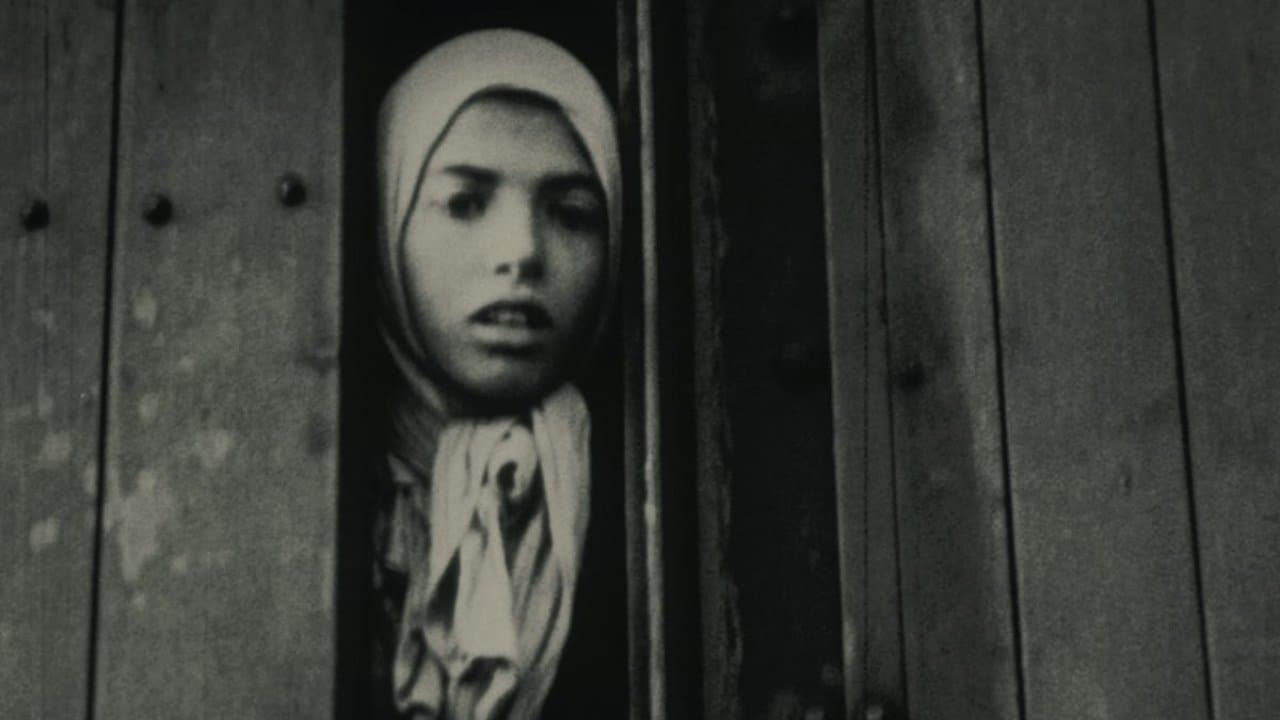
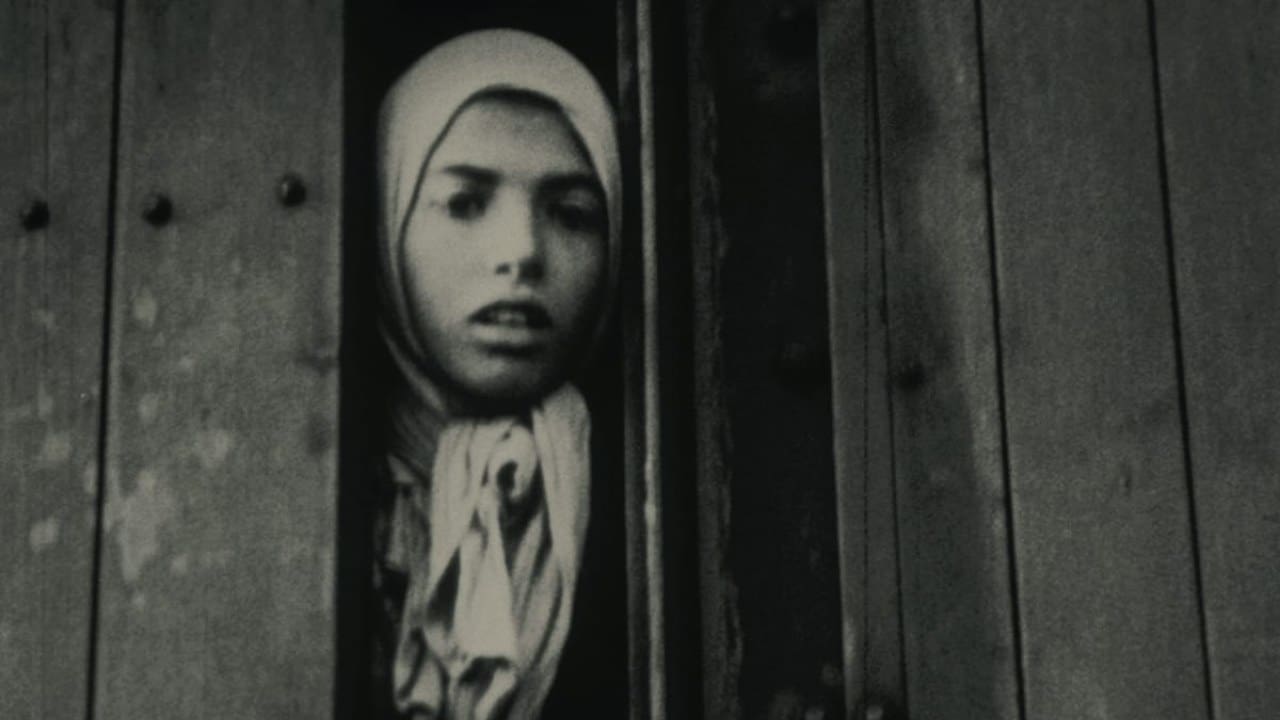
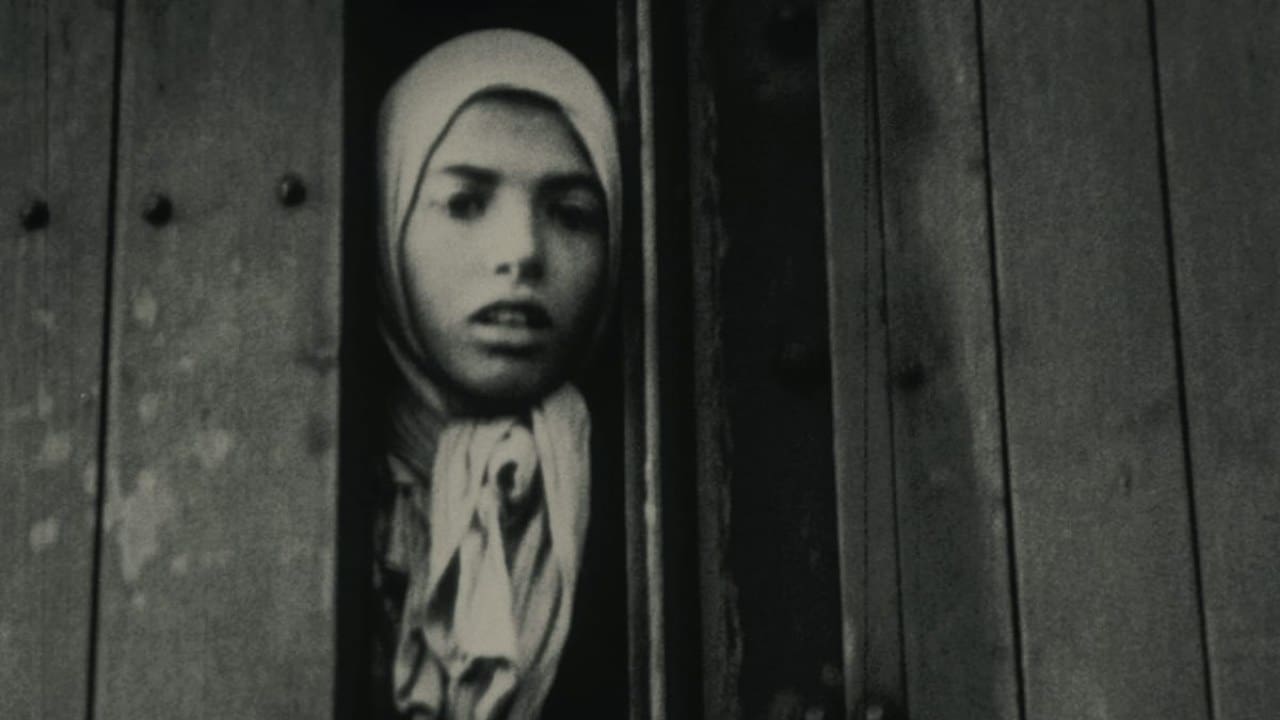
We have to keep telling these stories.Because when you look at the faces of the people in those images, when you really look at them, you realize something simple and devastating:
every single one of them had a life. A family. A story.And those stories must continue to be told.