
2022·Documentary·1h 57m
7.1
★

Jeffery Robinson's talk on the history of U.S. anti-Black racism, with archival footage and interviews.
Directed by Sarah Kunstler and Emily Kunstler
slavery
racism
usa history
america

Trailer

IMDB
N/A
Where to Watch



Cast

Jeffery Robinson
Self

Gwen Carr
Self

Martin Luther King Jr.
Self (archive footage)
Crew

Sarah Kunstler
Director

Emily Kunstler
Director
Jeffery Robinson
Writer

Kathryn Bostic
Original Music Composer
Emily Kunstler
Editor

Ted Hope
Executive Producer
Sarah Kunstler
Producer

Vanessa Hope
Producer
Emily Kunstler
Producer
Jeffery Robinson
Producer
Popular Reviews
5 reviews
Jacob Dickens
8.6★ · 07/17/22
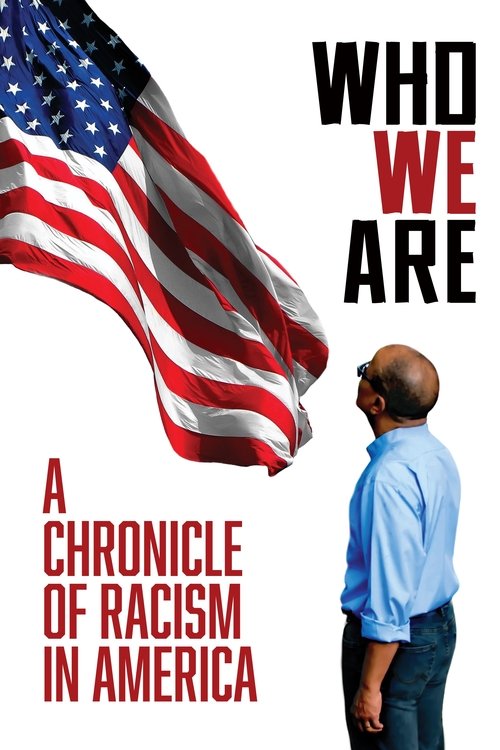
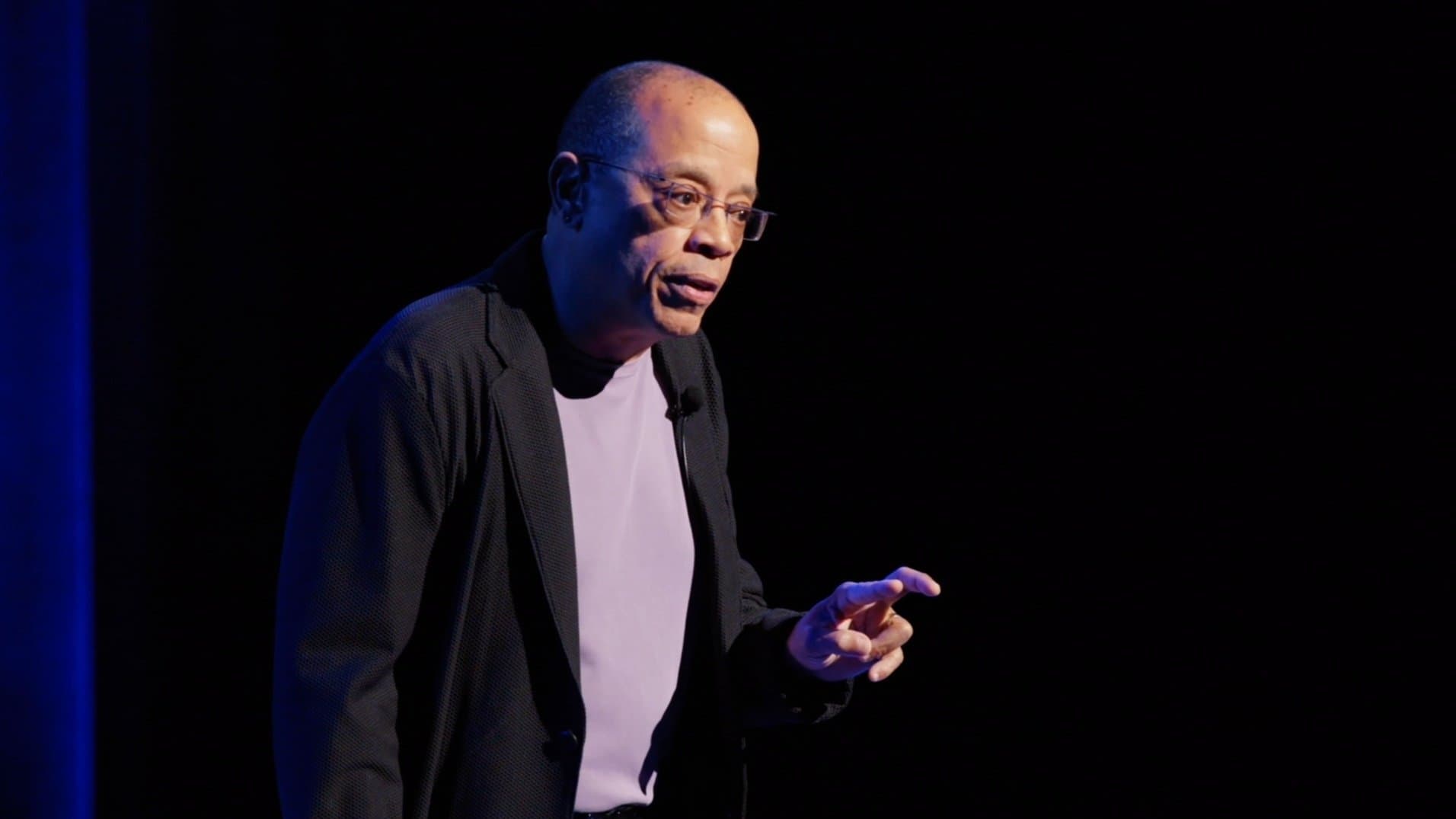
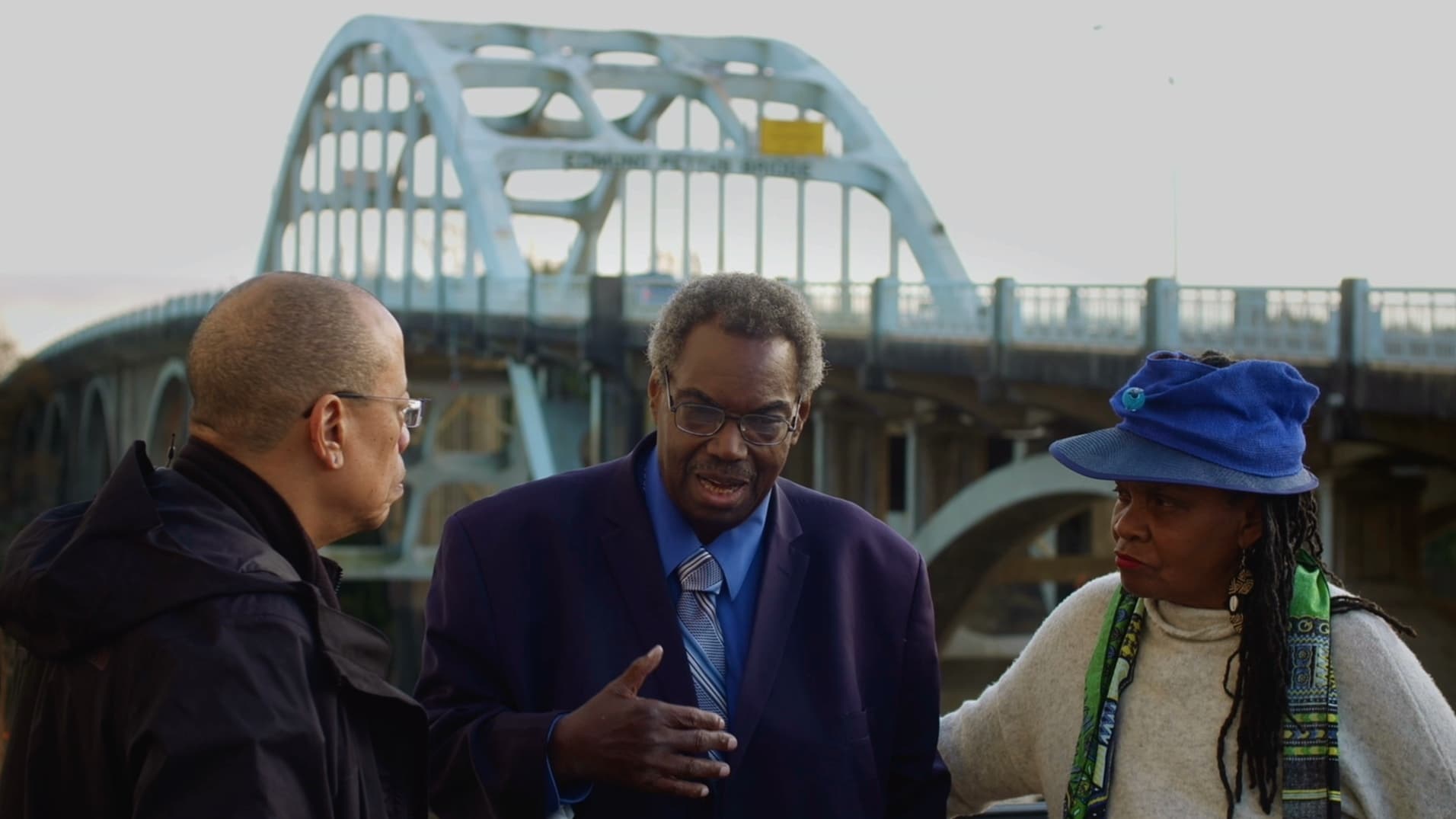
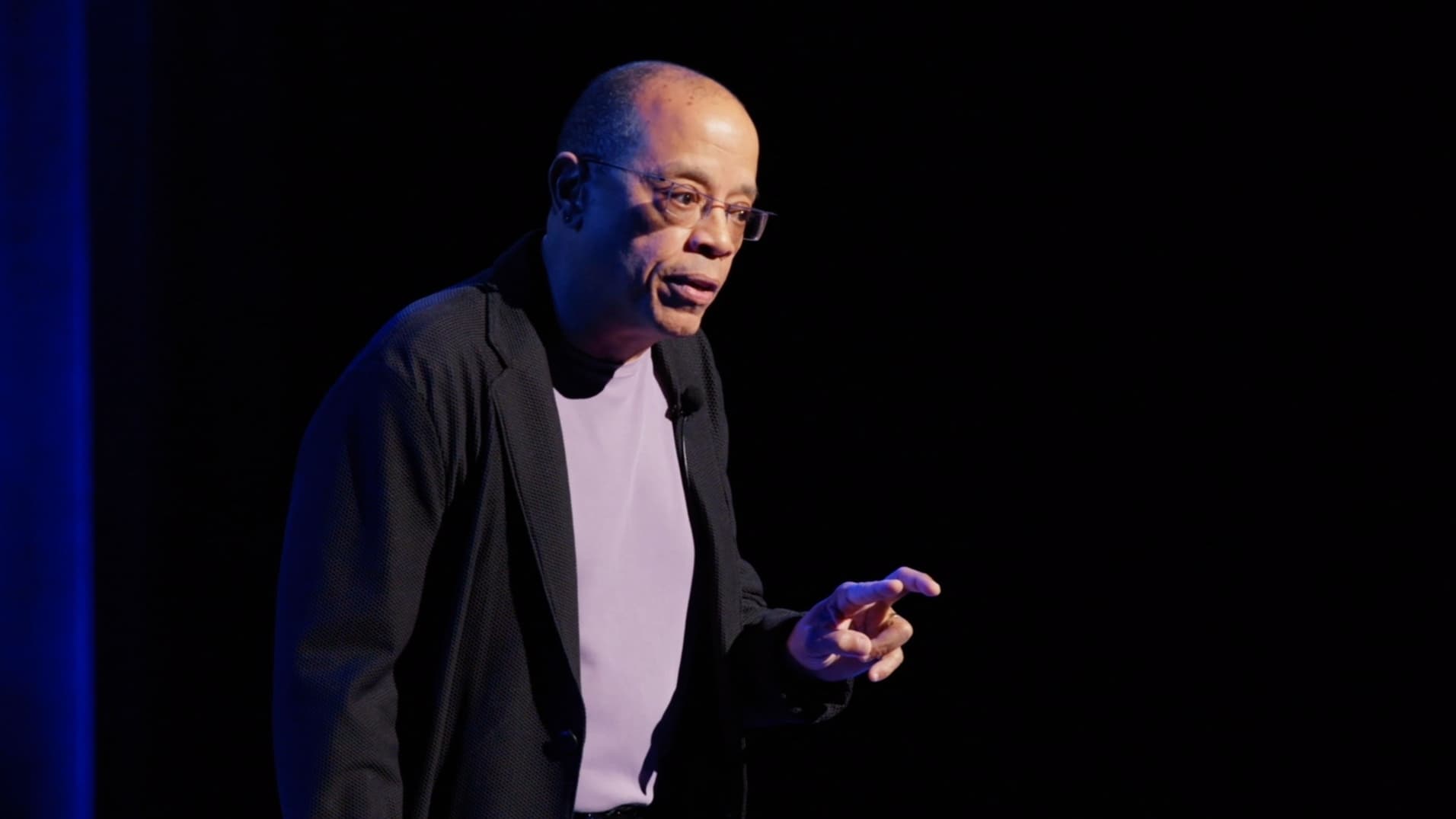
To tackle the history of racism in America is an exceptionally difficult task. Hundreds of writers have attempted to do so either in broader historical strokes or in a more synechodic manner. Documentaries about the history of race in America are a rarer form with 13th and I Am Not Your Negro being among the more recent entries in the genre. Who We Are: A Chronicle of Racism in America adopts the wider scope but in its effort to understand four centuries of American race relations, it emerges as one of the most succinct and engaging films about this history in recent memory. Part of what makes this film work so well is its structure which balances lecture footage with archival segments and scenes on the road where our lecturer Jeffery Robinson talks with firsthand sources or knowledgable historians. It makes for a viewing experience that feels like an enhanced history lesson. Robinson himself is a perfect guide for this story, always maintaining an arresting sense of urgency and conviction when discussing the history and the people affected by it. I was pleasantly surprised to find parts of this film that I didn't know or had only a shallow knowledge of which Robinson helps illuminate in his lecture. It's tempting to use this film as a "watch this if you want to understand how we got here" type movie that was passed around so much two summers ago, but it really is a perfect introductory overview of white supremacy in legal and cultural contexts in America.
To tackle the history of racism in America is an exceptionally difficult task. Hundreds of writers have attempted to do so either in broader historical strokes or in a more synechodic manner. Documentaries about the history of race in America are a rarer form with 13th and I Am Not Your Negro being among the more recent entries in the genre. Who We Are: A Chronicle of Racism in America adopts the wider scope but in its effort to understand four centuries of American race relations, it emerges as one of the most succinct and engaging films about this history in recent memory. Part of what makes this film work so well is its structure which balances lecture footage with archival segments and scenes on the road where our lecturer Jeffery Robinson talks with firsthand sources or knowledgable historians. It makes for a viewing experience that feels like an enhanced history lesson. Robinson himself is a perfect guide for this story, always maintaining an arresting sense of urgency and conviction when discussing the history and the people affected by it. I was pleasantly surprised to find parts of this film that I didn't know or had only a shallow knowledge of which Robinson helps illuminate in his lecture. It's tempting to use this film as a "watch this if you want to understand how we got here" type movie that was passed around so much two summers ago, but it really is a perfect introductory overview of white supremacy in legal and cultural contexts in America.


Mary
8.0★ · 02/19/25
Jaron
7.0★ · 04/20/22
Marisa
8.0★ · 10/02/21
Maya
9.0★ · 03/20/21