

1967·Mystery·1h 39m
7.1
★
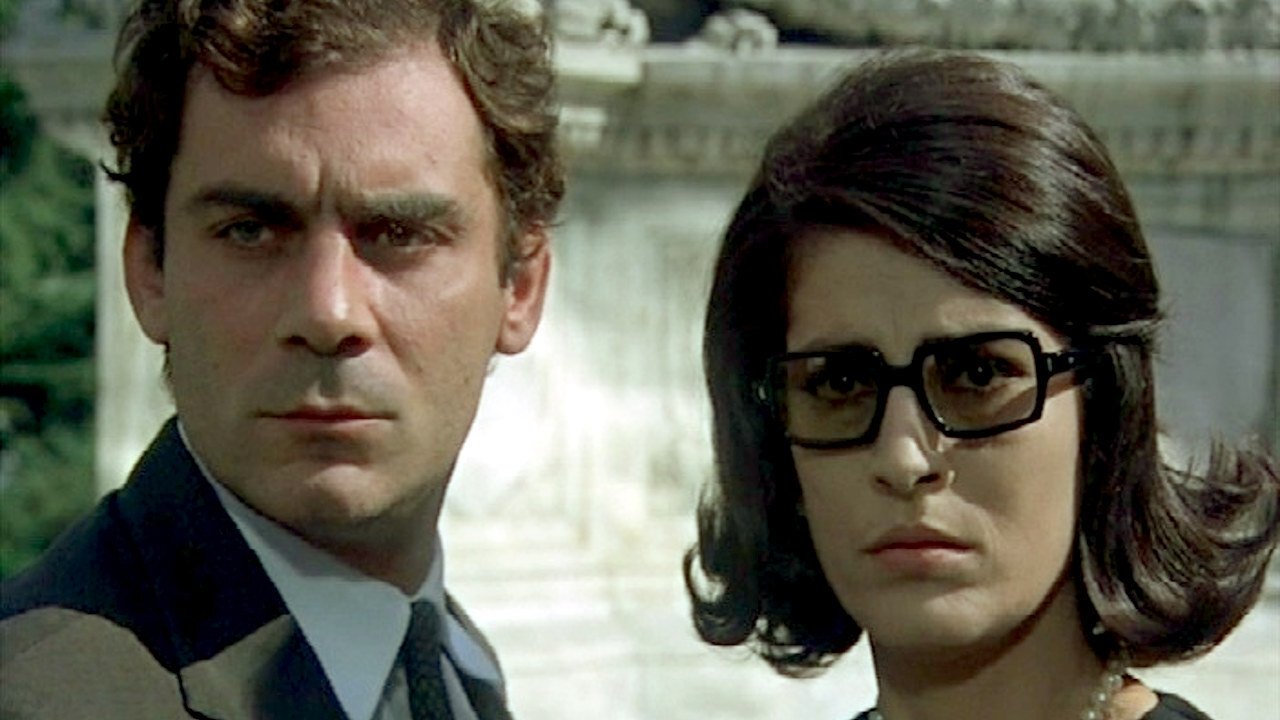
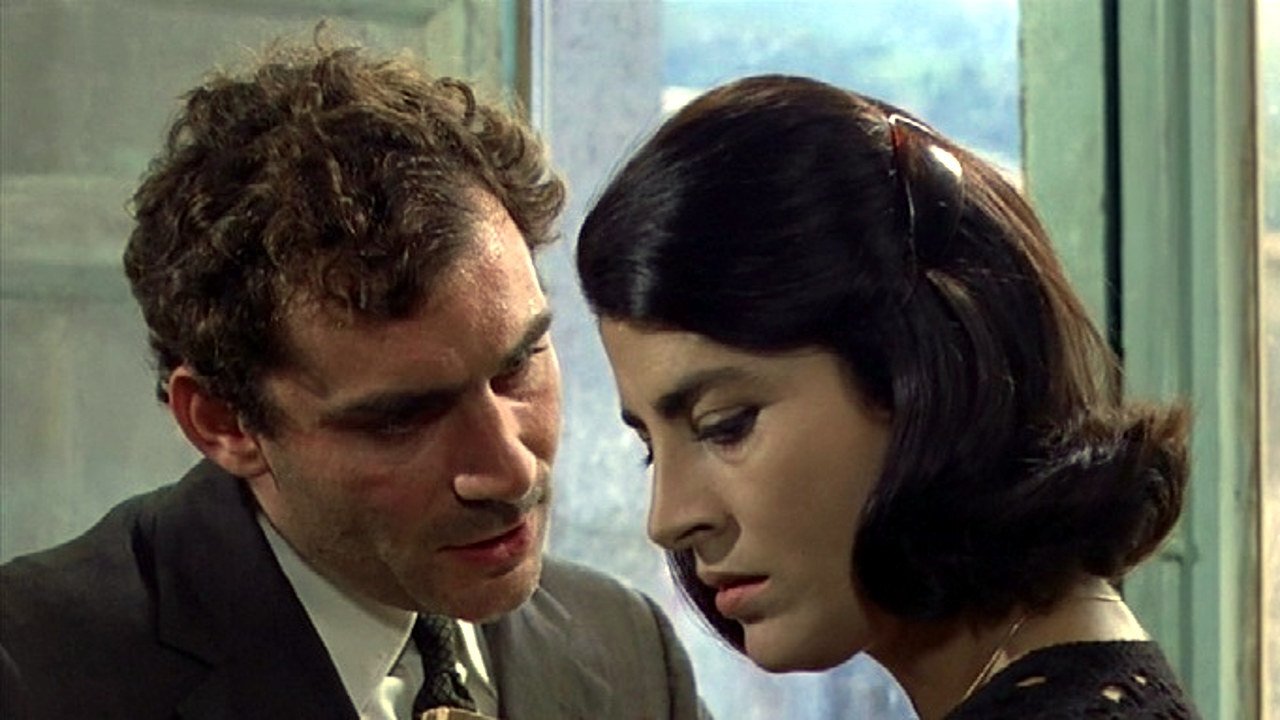
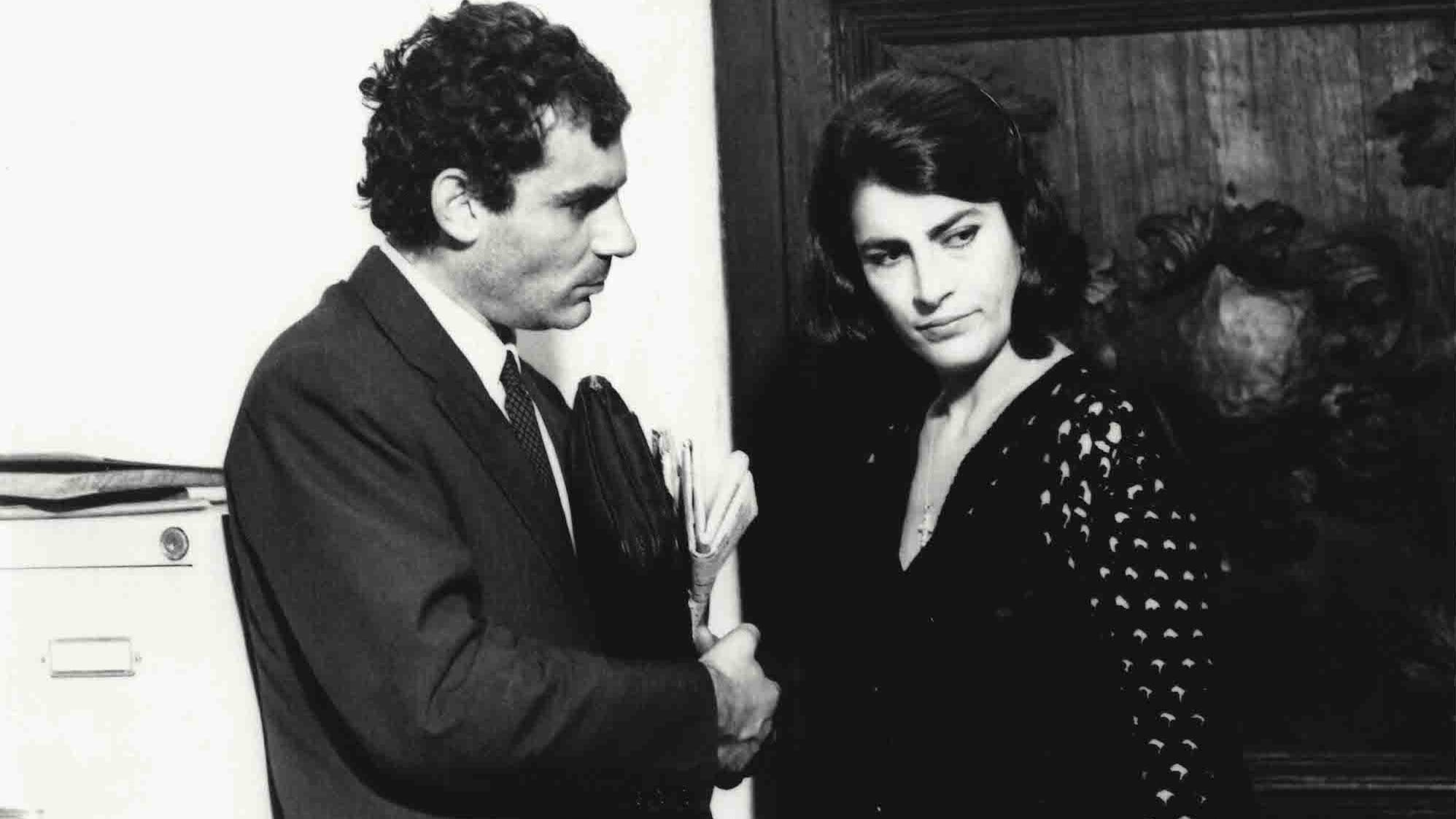
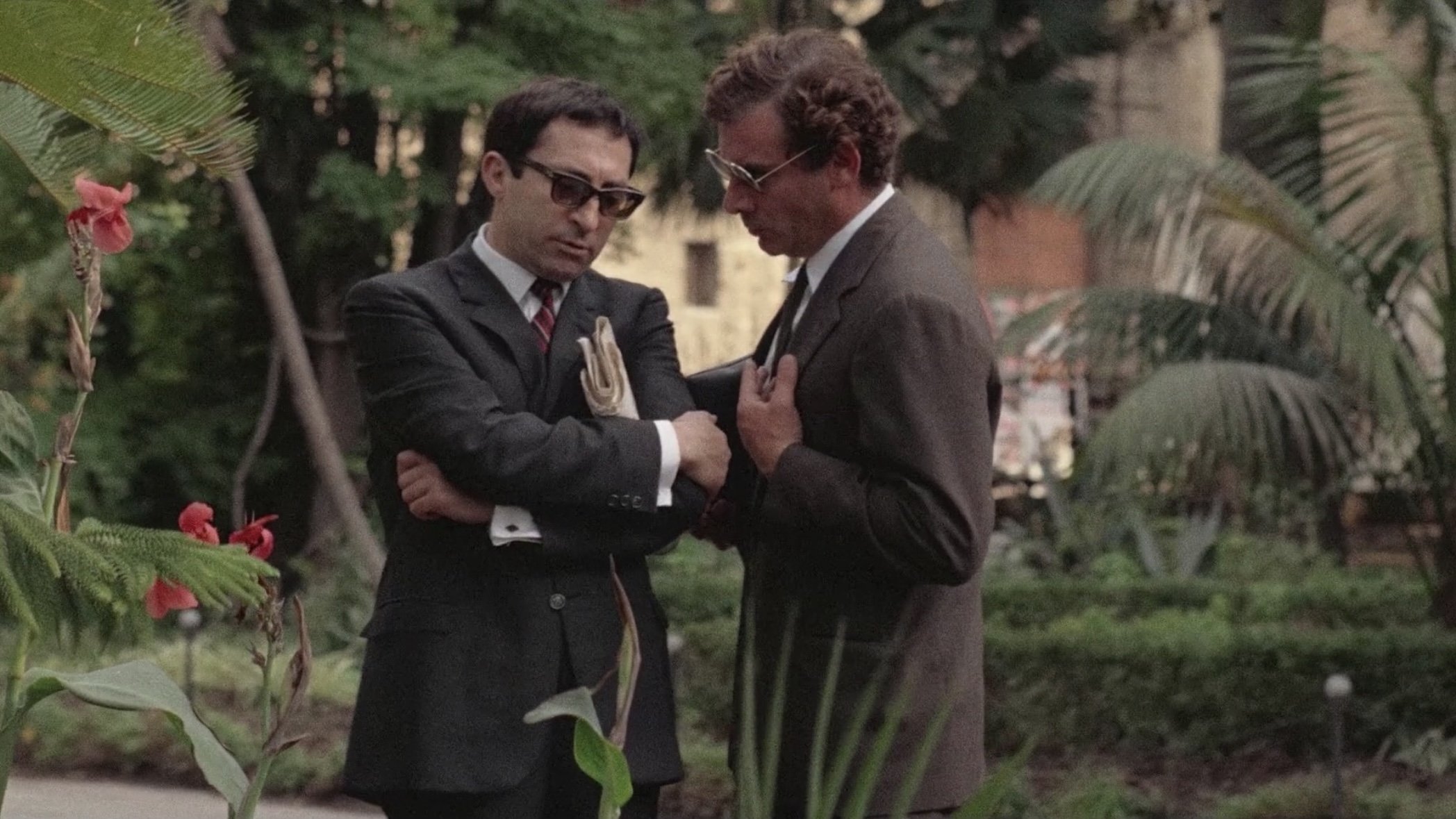
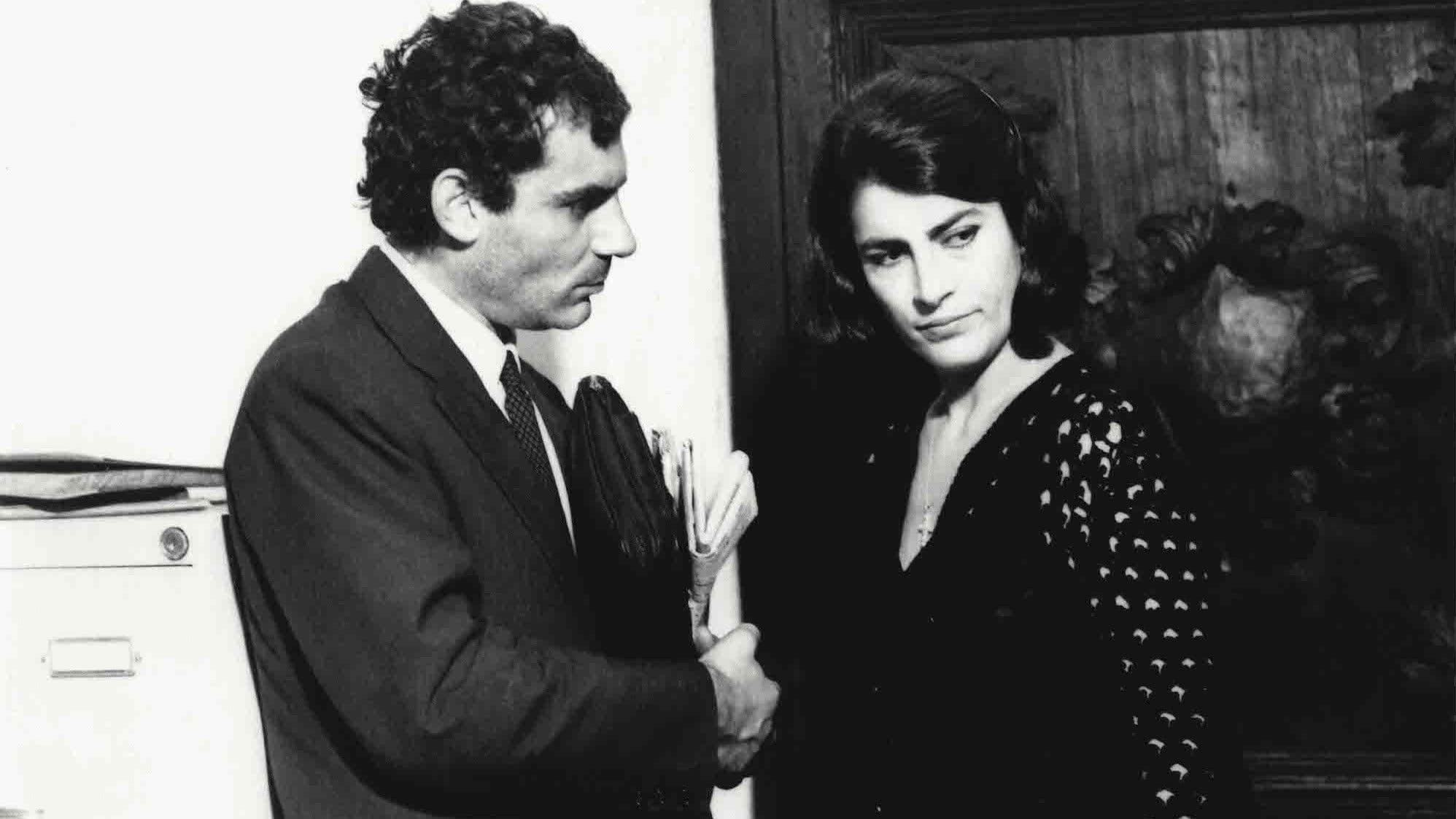
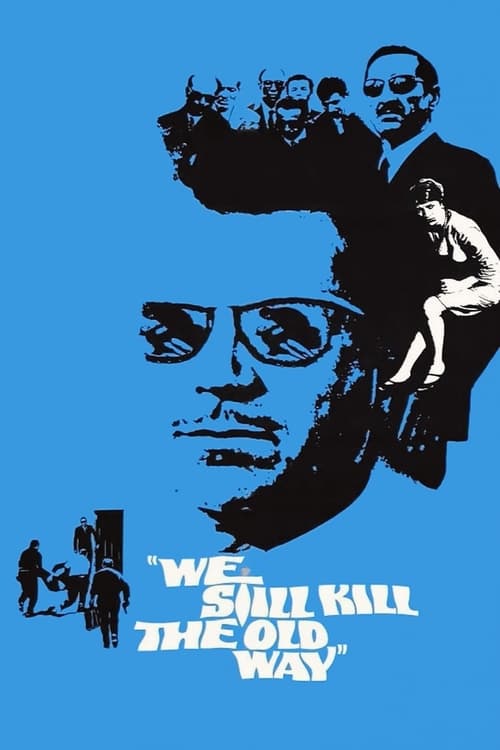
A leftist professor wants the truth about two men killed during a hunting party; but the mafia, the Church and corrupt politicians don't want him to learn it.
Directed by Elio Petri
love triangle
political killing

Trailer

IMDB
N/A
Where to Watch



Cast
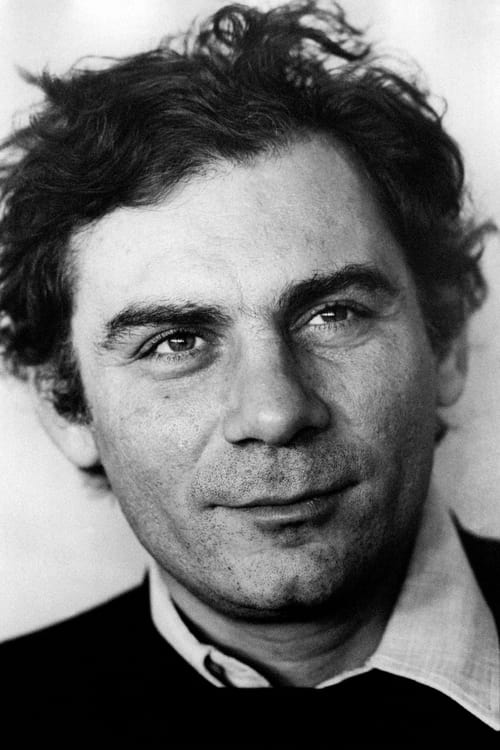
Gian Maria Volonté
Professore Paolo Laurana

Irene Papas
Luisa Roscio
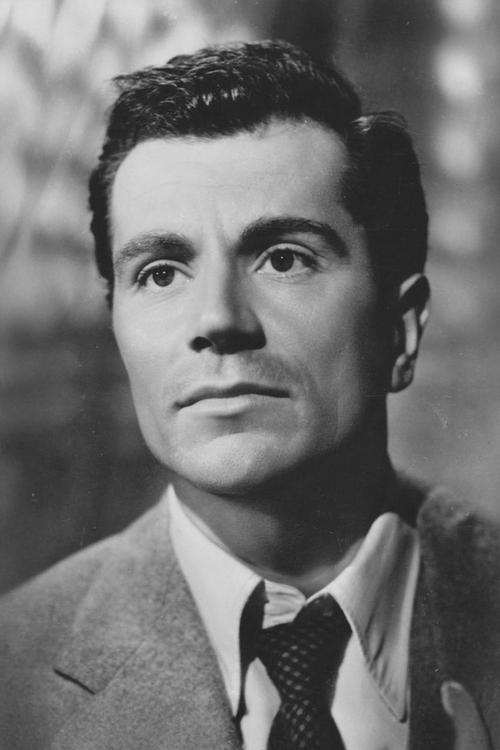
Gabriele Ferzetti
Avvocato Rosello

Laura Nucci
Roscio's Mutter
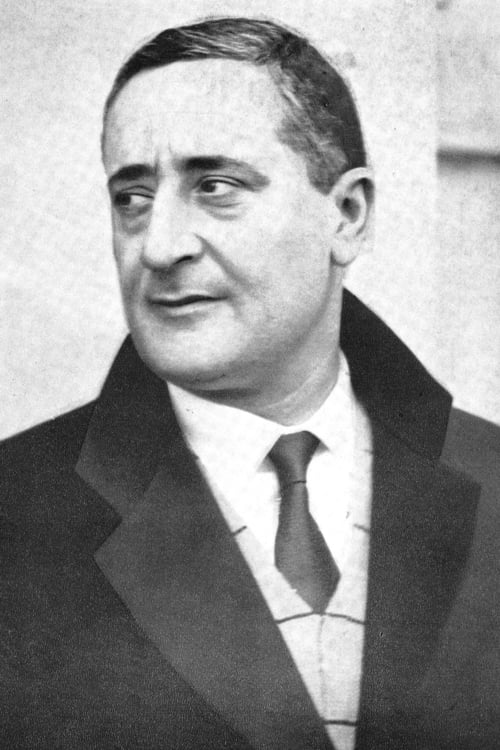
Mario Scaccia
curato di Sant'Amo

Luigi Pistilli
Arturo Manno
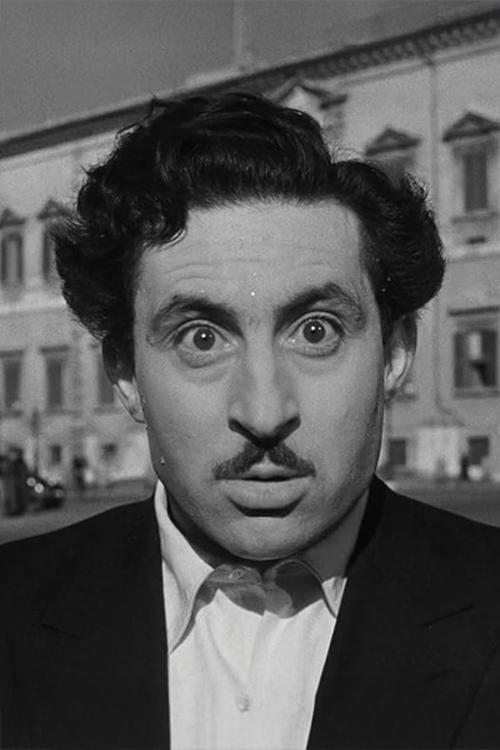
Leopoldo Trieste
deputato comunista
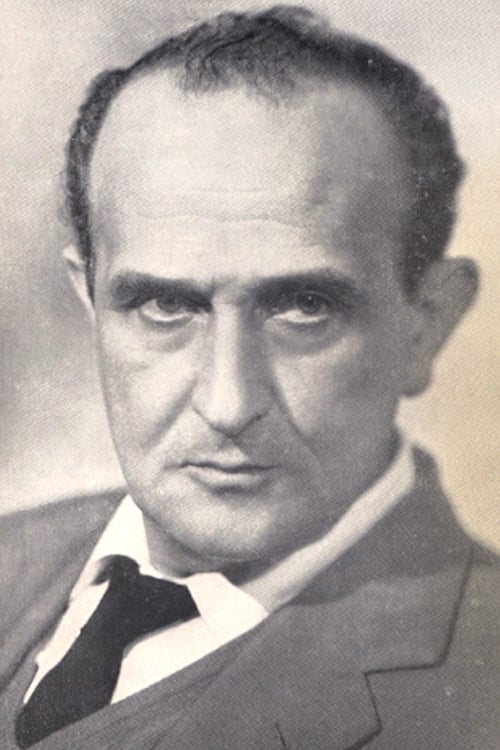
Salvo Randone
Professore Roscio
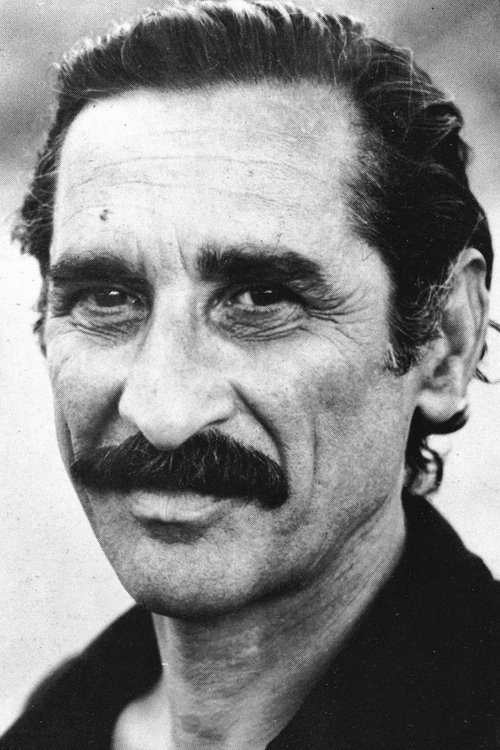
Giovanni Pallavicino
Raganà
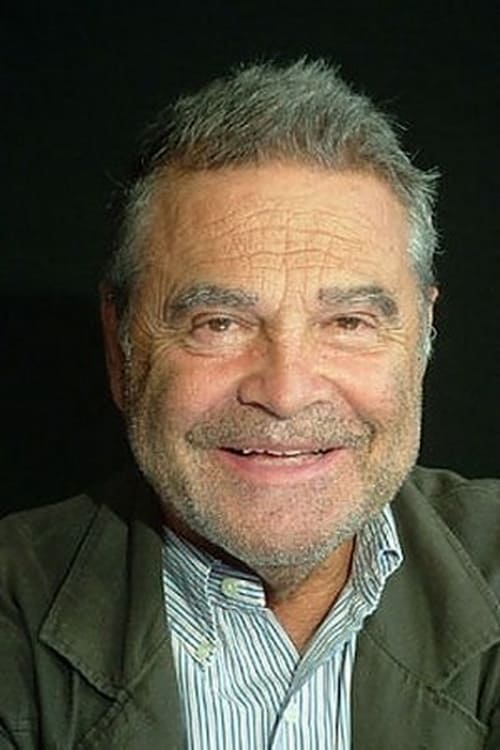
Valentino Macchi
Crew
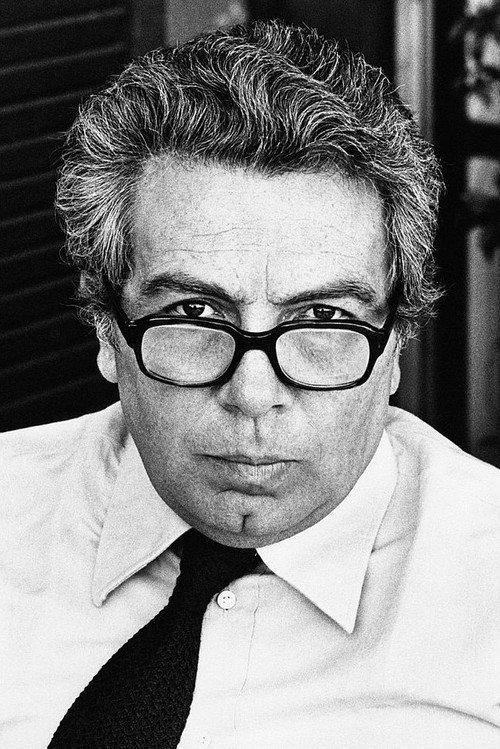
Elio Petri
Director
Elio Petri
Screenplay
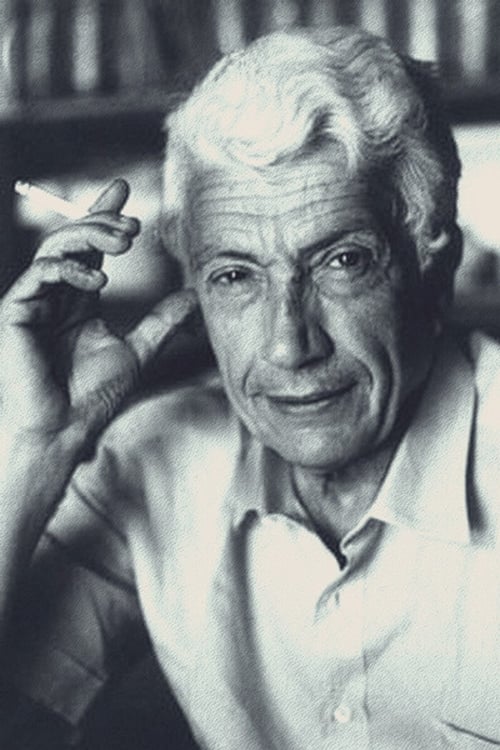
Ugo Pirro
Screenplay
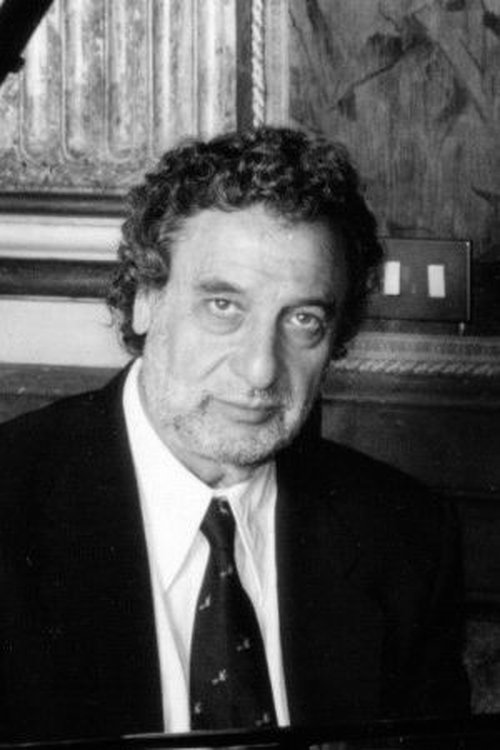
Luis Bacalov
Original Music Composer
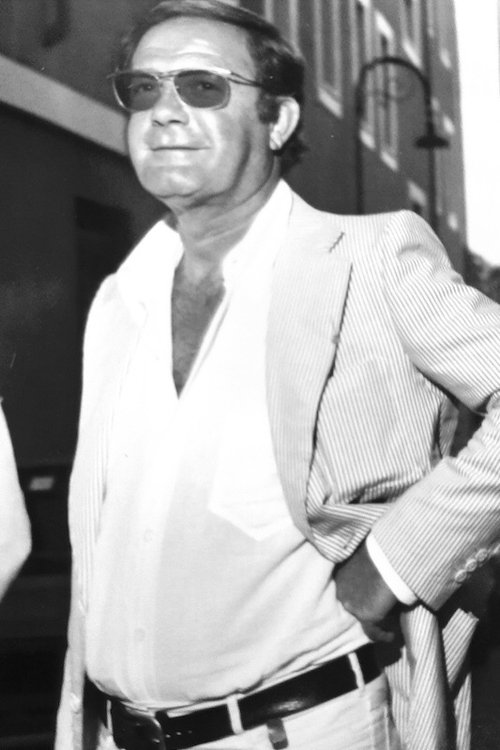
Ruggero Mastroianni
Editor
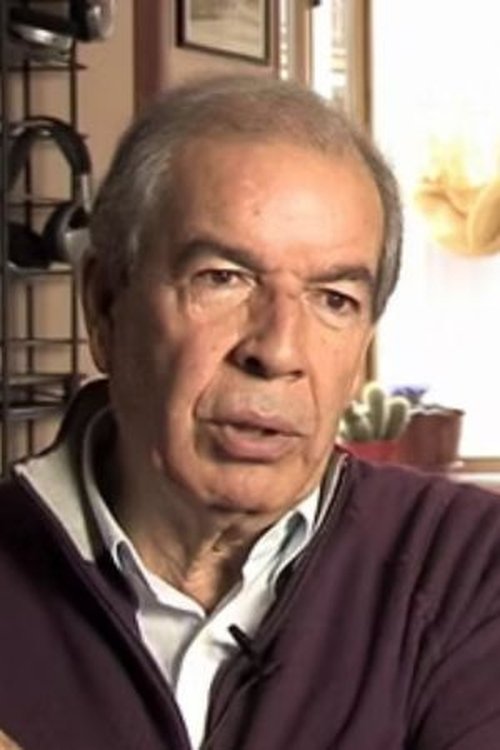
Pierantonio Mecacci
Makeup Artist
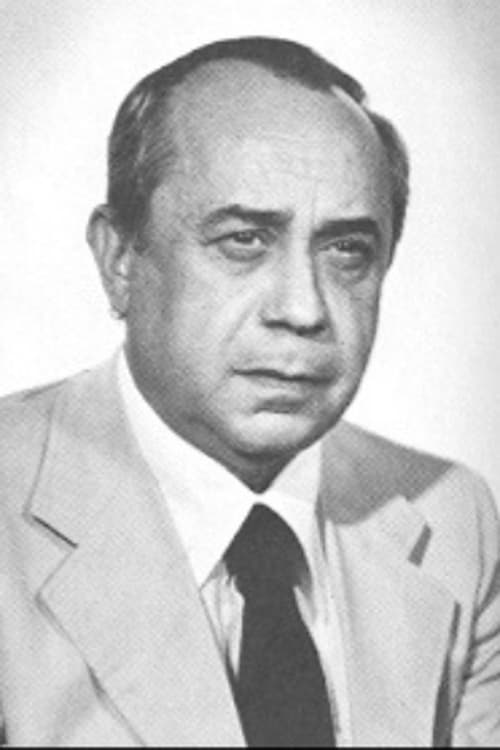
Leonardo Sciascia
Novel
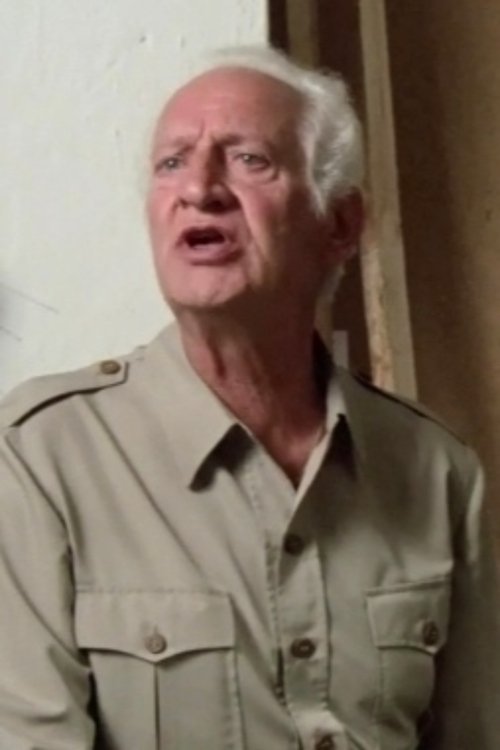
Gino Millozza
Line Producer

Danilo Desideri
Camera Operator
Popular Reviews
29 reviews
Sam Stevens
7.0★ · 05/10/26
I watching this mainly for Gian Maria Volonté and he definitely didn’t disappoint, there’s something about him that’s just so cool. This Italian political paranoid thriller made for quite a good watch this afternoon, I enjoyed the exploration of corruption and the power that the powerful have over everyone under them. You can really tell director Elio Petri liked exposing this corruption, this film was similar to A Citizen Above Suspicion in that way. Stylistically this film is fantastic, doused in beautiful warm tones with a lovely rich grain, certainly a very stylish flick. Overall this was a pretty great film with some very terrific moments, although I did find the usual Italian dubbing took me out of the moment sometimes which was slightly disappointing. An decent film though!
I watching this mainly for Gian Maria Volonté and he definitely didn’t disappoint, there’s something about him that’s just so cool. This Italian political paranoid thriller made for quite a good watch this afternoon, I enjoyed the exploration of corruption and the power that the powerful have over everyone under them. You can really tell director Elio Petri liked exposing this corruption, this film was similar to A Citizen Above Suspicion in that way. Stylistically this film is fantastic, doused in beautiful warm tones with a lovely rich grain, certainly a very stylish flick. Overall this was a pretty great film with some very terrific moments, although I did find the usual Italian dubbing took me out of the moment sometimes which was slightly disappointing. An decent film though!


Pietro
7.0★ · 04/01/26
L'altroieri ho iniziato al leggere il romanzo di Sciascia, ieri sera l'ho finito, e loggandolo su storygraph, ho scoperto dell'esistenza di questo film da una recensione.
Mai pensavo che avrei potuto dire certe parole in vita mia, ma il libro è meglio del film.
Mai pensavo che avrei potuto dire certe parole in vita mia, ma il libro è meglio del film.
L'altroieri ho iniziato al leggere il romanzo di Sciascia, ieri sera l'ho finito, e loggandolo su storygraph, ho scoperto dell'esistenza di questo film da una recensione.
Mai pensavo che avrei potuto dire certe parole in vita mia, ma il libro è meglio del film.
Mai pensavo che avrei potuto dire certe parole in vita mia, ma il libro è meglio del film.
Angelo Titi
9.0★ · 11/17/25
How unfair can justice be in Italy?
The bleak reality of life in the poorer regions of southern Italy, combined with the deep-rooted corruption of our entire system, remains one of the country’s greatest tragedies. Yet these elements are precisely what give Italian crime films a depth far beyond what the genre typically promises. A ciascuno il suo is incredibly realistic in showing how cruel and ruthless life can be in such environments.
I especially loved the first funeral scene: it’s a masterpiece in depicting the hierarchies and social structure of a small Southern Italian town. It captures with striking accuracy how these close communities attribute a sense of importance and authority to certain individuals who, outside that narrow context, would hold no real power. This scene also serves as a brilliant foreshadowing of the final funeral sequence, making it even more powerful. It highlights how little these people truly care about the person who has died, treating the ceremony instead as a moment of collective social display.
A sad reflection of our country’s reality.
The bleak reality of life in the poorer regions of southern Italy, combined with the deep-rooted corruption of our entire system, remains one of the country’s greatest tragedies. Yet these elements are precisely what give Italian crime films a depth far beyond what the genre typically promises. A ciascuno il suo is incredibly realistic in showing how cruel and ruthless life can be in such environments.
I especially loved the first funeral scene: it’s a masterpiece in depicting the hierarchies and social structure of a small Southern Italian town. It captures with striking accuracy how these close communities attribute a sense of importance and authority to certain individuals who, outside that narrow context, would hold no real power. This scene also serves as a brilliant foreshadowing of the final funeral sequence, making it even more powerful. It highlights how little these people truly care about the person who has died, treating the ceremony instead as a moment of collective social display.
A sad reflection of our country’s reality.
How unfair can justice be in Italy?
The bleak reality of life in the poorer regions of southern Italy, combined with the deep-rooted corruption of our entire system, remains one of the country’s greatest tragedies. Yet these elements are precisely what give Italian crime films a depth far beyond what the genre typically promises. A ciascuno il suo is incredibly realistic in showing how cruel and ruthless life can be in such environments.
I especially loved the first funeral scene: it’s a masterpiece in depicting the hierarchies and social structure of a small Southern Italian town. It captures with striking accuracy how these close communities attribute a sense of importance and authority to certain individuals who, outside that narrow context, would hold no real power. This scene also serves as a brilliant foreshadowing of the final funeral sequence, making it even more powerful. It highlights how little these people truly care about the person who has died, treating the ceremony instead as a moment of collective social display.
A sad reflection of our country’s reality.
The bleak reality of life in the poorer regions of southern Italy, combined with the deep-rooted corruption of our entire system, remains one of the country’s greatest tragedies. Yet these elements are precisely what give Italian crime films a depth far beyond what the genre typically promises. A ciascuno il suo is incredibly realistic in showing how cruel and ruthless life can be in such environments.
I especially loved the first funeral scene: it’s a masterpiece in depicting the hierarchies and social structure of a small Southern Italian town. It captures with striking accuracy how these close communities attribute a sense of importance and authority to certain individuals who, outside that narrow context, would hold no real power. This scene also serves as a brilliant foreshadowing of the final funeral sequence, making it even more powerful. It highlights how little these people truly care about the person who has died, treating the ceremony instead as a moment of collective social display.
A sad reflection of our country’s reality.
Gio tud
9.0★ · 11/17/25
How unfair can justice be in Italy?
The bleak reality of life in the poorer regions of southern Italy, combined with the deep-rooted corruption of our entire system, remains one of the country’s greatest tragedies. Yet these elements are precisely what give Italian crime films a depth far beyond what the genre typically promises. A ciascuno il suo is incredibly realistic in showing how cruel and ruthless life can be in such environments.
I especially loved the first funeral scene: it’s a masterpiece in depicting the hierarchies and social structure of a small Southern Italian town. It captures with striking accuracy how these close communities attribute a sense of importance and authority to certain individuals who, outside that narrow context, would hold no real power. This scene also serves as a brilliant foreshadowing of the final funeral sequence, making it even more powerful. It highlights how little these people truly care about the person who has died, treating the ceremony instead as a moment of collective social display.
A sad reflection of our country’s reality.
The bleak reality of life in the poorer regions of southern Italy, combined with the deep-rooted corruption of our entire system, remains one of the country’s greatest tragedies. Yet these elements are precisely what give Italian crime films a depth far beyond what the genre typically promises. A ciascuno il suo is incredibly realistic in showing how cruel and ruthless life can be in such environments.
I especially loved the first funeral scene: it’s a masterpiece in depicting the hierarchies and social structure of a small Southern Italian town. It captures with striking accuracy how these close communities attribute a sense of importance and authority to certain individuals who, outside that narrow context, would hold no real power. This scene also serves as a brilliant foreshadowing of the final funeral sequence, making it even more powerful. It highlights how little these people truly care about the person who has died, treating the ceremony instead as a moment of collective social display.
A sad reflection of our country’s reality.
How unfair can justice be in Italy?
The bleak reality of life in the poorer regions of southern Italy, combined with the deep-rooted corruption of our entire system, remains one of the country’s greatest tragedies. Yet these elements are precisely what give Italian crime films a depth far beyond what the genre typically promises. A ciascuno il suo is incredibly realistic in showing how cruel and ruthless life can be in such environments.
I especially loved the first funeral scene: it’s a masterpiece in depicting the hierarchies and social structure of a small Southern Italian town. It captures with striking accuracy how these close communities attribute a sense of importance and authority to certain individuals who, outside that narrow context, would hold no real power. This scene also serves as a brilliant foreshadowing of the final funeral sequence, making it even more powerful. It highlights how little these people truly care about the person who has died, treating the ceremony instead as a moment of collective social display.
A sad reflection of our country’s reality.
The bleak reality of life in the poorer regions of southern Italy, combined with the deep-rooted corruption of our entire system, remains one of the country’s greatest tragedies. Yet these elements are precisely what give Italian crime films a depth far beyond what the genre typically promises. A ciascuno il suo is incredibly realistic in showing how cruel and ruthless life can be in such environments.
I especially loved the first funeral scene: it’s a masterpiece in depicting the hierarchies and social structure of a small Southern Italian town. It captures with striking accuracy how these close communities attribute a sense of importance and authority to certain individuals who, outside that narrow context, would hold no real power. This scene also serves as a brilliant foreshadowing of the final funeral sequence, making it even more powerful. It highlights how little these people truly care about the person who has died, treating the ceremony instead as a moment of collective social display.
A sad reflection of our country’s reality.
Giotud
9.0★ · 11/17/25
How unfair can justice be in Italy?
The bleak reality of life in the poorer regions of southern Italy, combined with the deep-rooted corruption of our entire system, remains one of the country’s greatest tragedies. Yet these elements are precisely what give Italian crime films a depth far beyond what the genre typically promises. A ciascuno il suo is incredibly realistic in showing how cruel and ruthless life can be in such environments.
I especially loved the first funeral scene: it’s a masterpiece in depicting the hierarchies and social structure of a small Southern Italian town. It captures with striking accuracy how these close communities attribute a sense of importance and authority to certain individuals who, outside that narrow context, would hold no real power. This scene also serves as a brilliant foreshadowing of the final funeral sequence, making it even more powerful. It highlights how little these people truly care about the person who has died, treating the ceremony instead as a moment of collective social display.
A sad reflection of our country’s reality.
The bleak reality of life in the poorer regions of southern Italy, combined with the deep-rooted corruption of our entire system, remains one of the country’s greatest tragedies. Yet these elements are precisely what give Italian crime films a depth far beyond what the genre typically promises. A ciascuno il suo is incredibly realistic in showing how cruel and ruthless life can be in such environments.
I especially loved the first funeral scene: it’s a masterpiece in depicting the hierarchies and social structure of a small Southern Italian town. It captures with striking accuracy how these close communities attribute a sense of importance and authority to certain individuals who, outside that narrow context, would hold no real power. This scene also serves as a brilliant foreshadowing of the final funeral sequence, making it even more powerful. It highlights how little these people truly care about the person who has died, treating the ceremony instead as a moment of collective social display.
A sad reflection of our country’s reality.
How unfair can justice be in Italy?
The bleak reality of life in the poorer regions of southern Italy, combined with the deep-rooted corruption of our entire system, remains one of the country’s greatest tragedies. Yet these elements are precisely what give Italian crime films a depth far beyond what the genre typically promises. A ciascuno il suo is incredibly realistic in showing how cruel and ruthless life can be in such environments.
I especially loved the first funeral scene: it’s a masterpiece in depicting the hierarchies and social structure of a small Southern Italian town. It captures with striking accuracy how these close communities attribute a sense of importance and authority to certain individuals who, outside that narrow context, would hold no real power. This scene also serves as a brilliant foreshadowing of the final funeral sequence, making it even more powerful. It highlights how little these people truly care about the person who has died, treating the ceremony instead as a moment of collective social display.
A sad reflection of our country’s reality.
The bleak reality of life in the poorer regions of southern Italy, combined with the deep-rooted corruption of our entire system, remains one of the country’s greatest tragedies. Yet these elements are precisely what give Italian crime films a depth far beyond what the genre typically promises. A ciascuno il suo is incredibly realistic in showing how cruel and ruthless life can be in such environments.
I especially loved the first funeral scene: it’s a masterpiece in depicting the hierarchies and social structure of a small Southern Italian town. It captures with striking accuracy how these close communities attribute a sense of importance and authority to certain individuals who, outside that narrow context, would hold no real power. This scene also serves as a brilliant foreshadowing of the final funeral sequence, making it even more powerful. It highlights how little these people truly care about the person who has died, treating the ceremony instead as a moment of collective social display.
A sad reflection of our country’s reality.