GERMAN VERSION (english below)
***
***
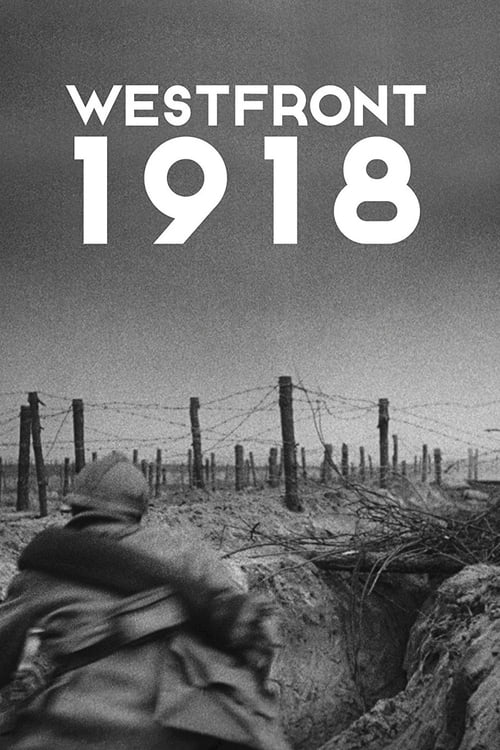
Westfront 1918 ist ein eigentlich relativ bekanntes und doch unscheinbares Werk von G. W. Pabst, einem eigentlich relativ bekannten und doch unscheinbaren Regisseur.
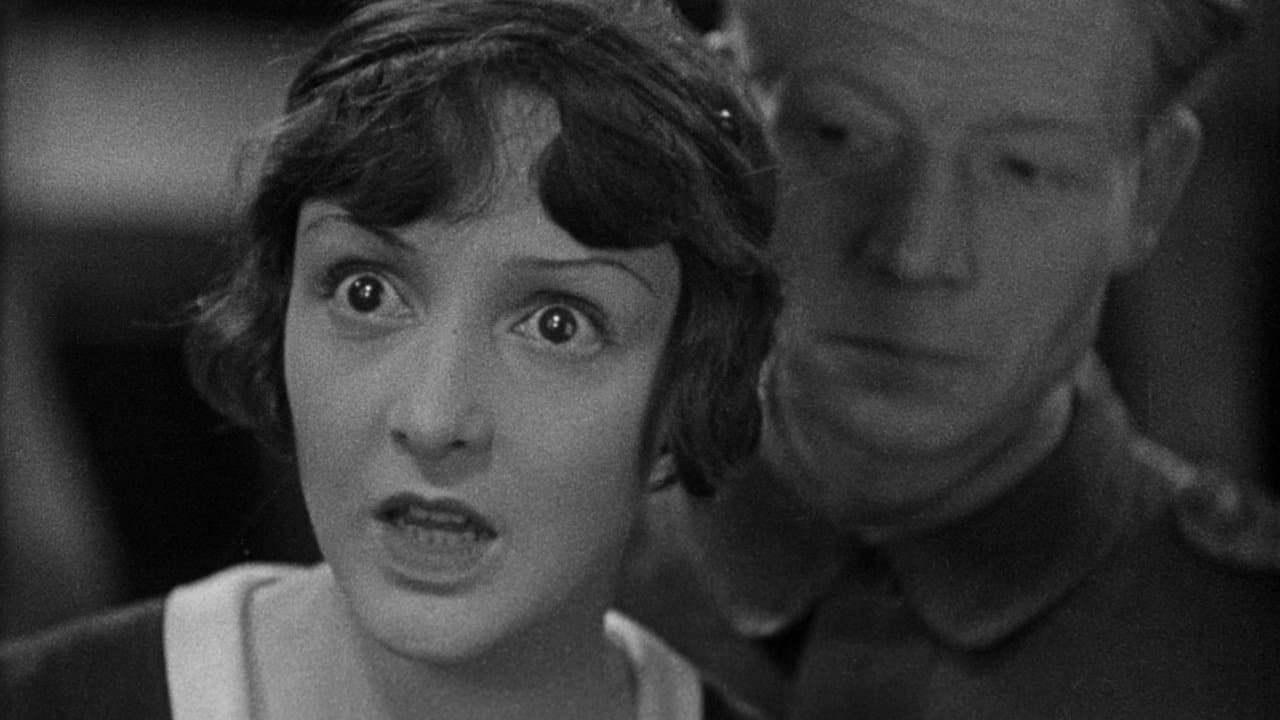
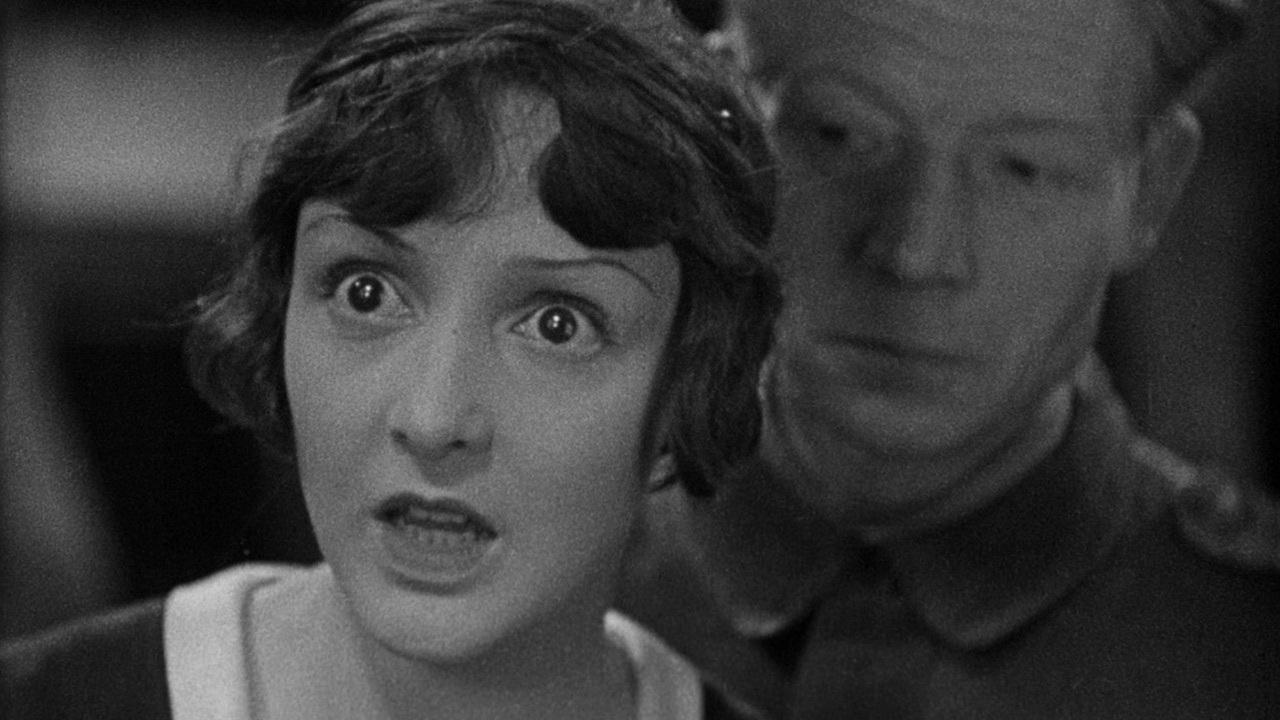
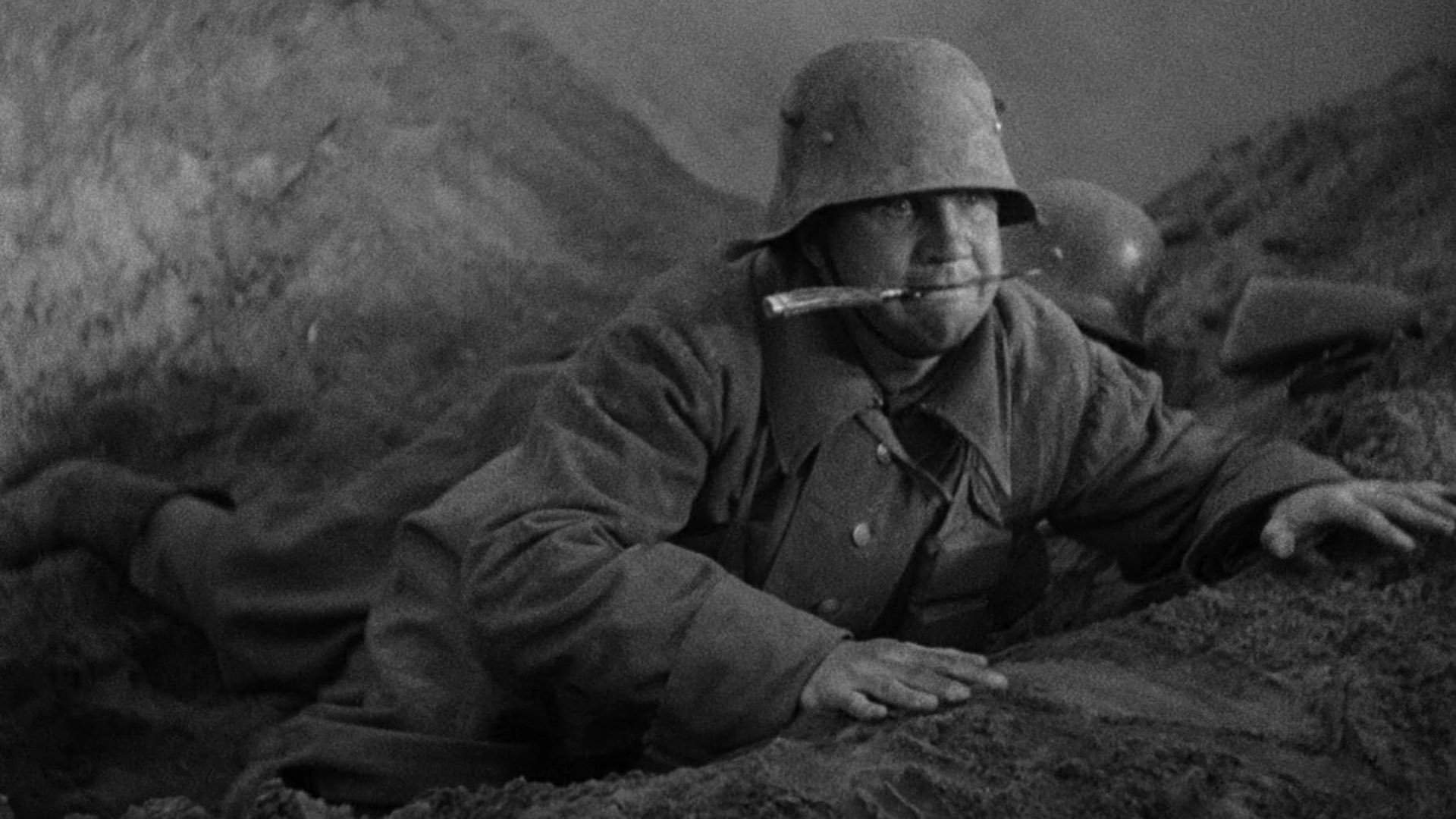
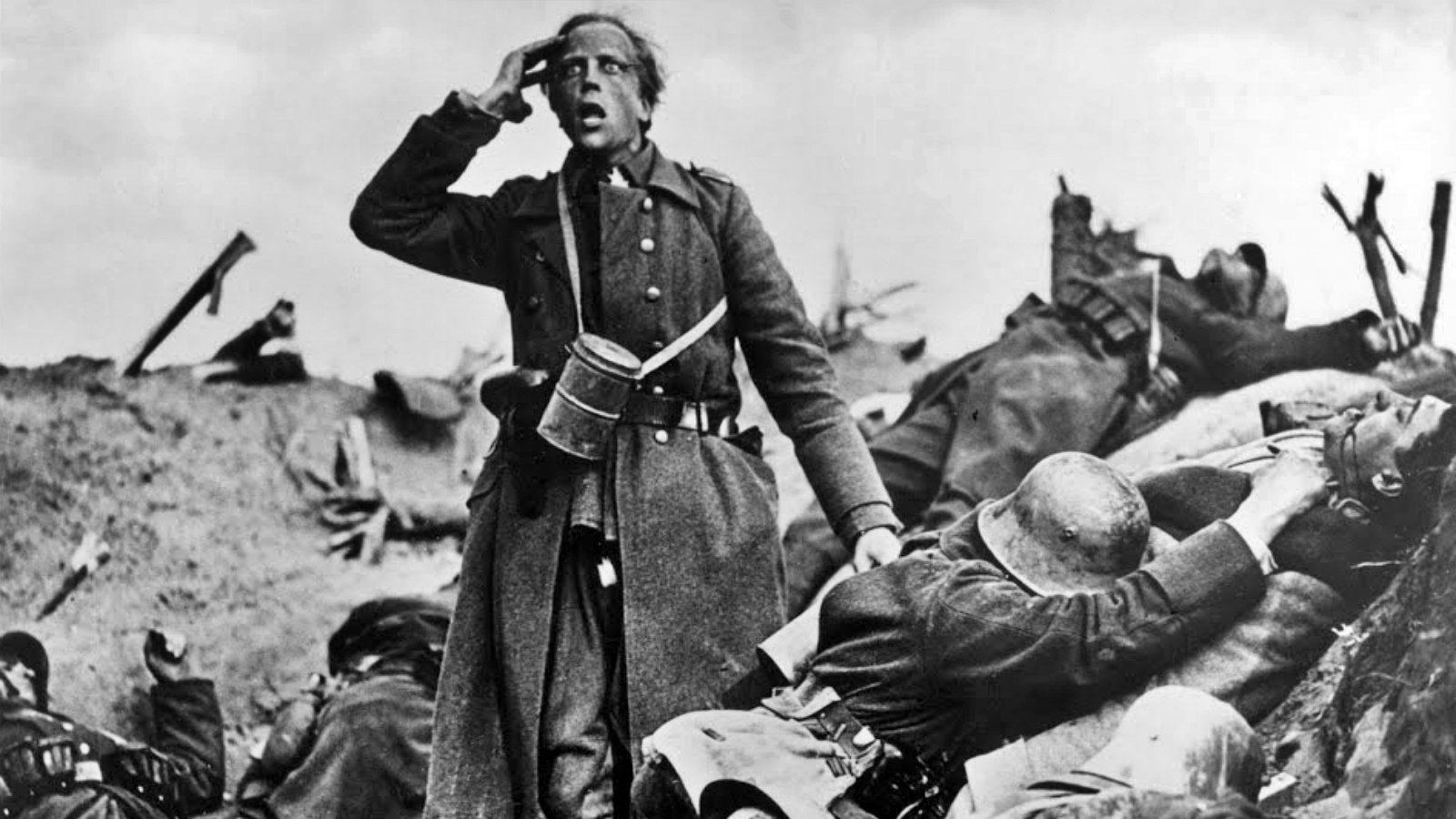
12 Jahre nach Kriegsende erscheint dieser Film in den deutschen Kinos. Er ist tatsächlich einer der ersten deutschen Tonfilme überhaupt und weiß dies auch genau zu nutzen. Er ist praktisch das deutsche Pendant zur ersten Verfilmung von Im Westen nichts Neues, welche im selben Jahr in amerikanischer Produktion entstand. So zeigt er ein ähnliches Bild vom Kriege, durch Menschen, die ihn selbst noch vor nicht allzu langer Zeit erlebt hatten. Die Routine mitsamt der Hoffnungslosigkeit ist ganz im Vordergrund; ewige Angriffe und Gegenangriffe, täglicher Artilleriebeschuss, manchmal sogar von den eigenen Leuten, da diese ihre Kanonen schlichtweg falsch justiert haben. Tod und Zerstörung für nichts. Leid und Zermürbung für nichts weiter als sich immer mehr zurückzuziehen.
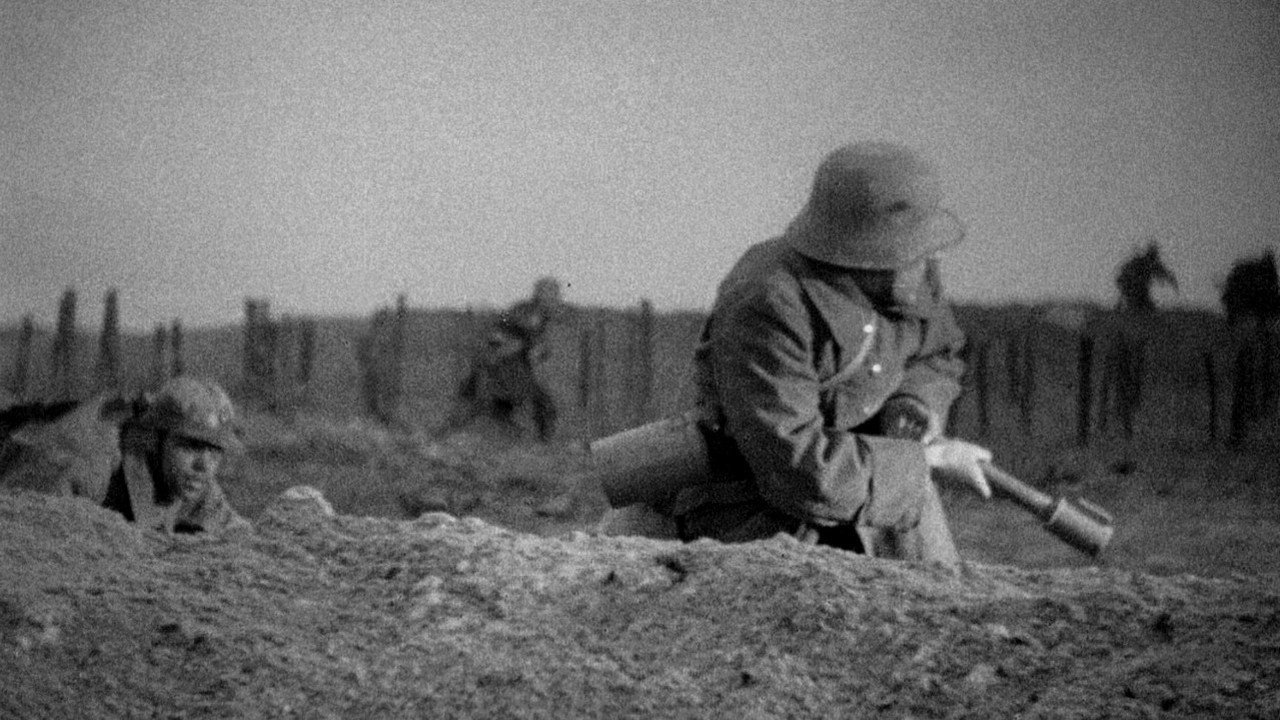
Was aber wirklich hervorsticht und was ich tatsächlich in keinem Film über den Ersten Weltkrieg bisher so eindrucksvoll erlebt habe, ist der Einsatz von Handgranaten. Es mag verwirrend erscheinen, doch gibt es im Ersten Weltkrieg wahrscheinlich keine essenziellere Waffe, keine, die eine wahrlich so hohe Produktion erfahren hat. Wie hier im Film gezeigt, wird sie mehr verwendet, als das Gewehr selbst. Irgendwann scheint es sogar fast ironisch, wenn die Soldaten nichts weiter tun, als sich gegenseitig abzuwerfen. Doch es wahr. Dies ist Geschichte. Viele Veteranen haben tatsächlich sogar bezeugt, im gesamten Kriege niemals ihre Waffe abgefeuert zu haben, doch dafür stets ein halbes Dutzend Handgranaten griffbereit gehabt zu haben.
Letztendlich ist Westfront 1918 ein wahrlich gelungener Film, insbesondere für seine Zeit. Man merkt ihm zwar an, dass er nicht zu aller Zeit weiß, was er nun eigentlich sein möchte, dass so einige Stellen doch improvisiert sind, doch kann er durch viel Realismus überzeugen: die Schützengraben, das Schlammige, die Angst - alles wirkt unmittelbar echt. Er erzählt vom Elend und der Sinnlosigkeit des Krieges aus Sicht einfacher Soldaten und endet ohne Erlösung oder Trost mit einem kraftvollen Schlussbild, welches sinnbildlich für das universelle Leid des Menschen im Kriege steht.
ENGLISH VERSION
***
***
Westfront 1918 is a relatively well-known yet inconspicuous work by G. W. Pabst, a relatively well-known yet inconspicuous director.
This film was released in German cinemas 12 years after the end of the war. It is actually one of the first German sound films ever made and knows exactly how to use this to its advantage. It is practically the German counterpart to the first film adaptation of All Quiet on the Western Front, which was an American production made in the same year. It thus presents a similar picture of the war, through the eyes of people who had experienced it themselves not so long ago. The routine and hopelessness are at the centre of the film; endless attacks and counterattacks, daily artillery fire, sometimes even from their own side, because they simply misaligned their cannons. Death and destruction for nothing. Suffering and attrition for nothing more than retreating further and further.
But what really stands out, and what I have never seen portrayed so impressively in any film about the First World War, is the use of hand grenades. It may seem strange, but there is probably no more essential weapon in the First World War, none that has been produced in such large numbers. As shown here in the film, it is used more than the rifle itself. At some point, it even seems almost ironic when the soldiers do nothing but throw them at each other. But it's true. This is history. Many veterans have actually testified that they never fired their rifles during the entire war, but always had half a dozen hand grenades at the ready.
Ultimately, Westfront 1918 is a truly well-made film, especially for its time. It is noticeable that it does not always know what it wants to be, that some parts are obviously improvised, but it is convincing in its realism: the trenches, the mud, the fear – everything seems immediately authentic. It depicts the misery and senselessness of war from the perspective of ordinary soldiers and ends without redemption or consolation with a powerful final image that symbolises the universal suffering of men in war.
GERMAN VERSION (english below)
***
***
Westfront 1918 ist ein eigentlich relativ bekanntes und doch unscheinbares Werk von G. W. Pabst, einem eigentlich relativ bekannten und doch unscheinbaren Regisseur.
12 Jahre nach Kriegsende erscheint dieser Film in den deutschen Kinos. Er ist tatsächlich einer der ersten deutschen Tonfilme überhaupt und weiß dies auch genau zu nutzen. Er ist praktisch das deutsche Pendant zur ersten Verfilmung von Im Westen nichts Neues, welche im selben Jahr in amerikanischer Produktion entstand. So zeigt er ein ähnliches Bild vom Kriege, durch Menschen, die ihn selbst noch vor nicht allzu langer Zeit erlebt hatten. Die Routine mitsamt der Hoffnungslosigkeit ist ganz im Vordergrund; ewige Angriffe und Gegenangriffe, täglicher Artilleriebeschuss, manchmal sogar von den eigenen Leuten, da diese ihre Kanonen schlichtweg falsch justiert haben. Tod und Zerstörung für nichts. Leid und Zermürbung für nichts weiter als sich immer mehr zurückzuziehen.
Was aber wirklich hervorsticht und was ich tatsächlich in keinem Film über den Ersten Weltkrieg bisher so eindrucksvoll erlebt habe, ist der Einsatz von Handgranaten. Es mag verwirrend erscheinen, doch gibt es im Ersten Weltkrieg wahrscheinlich keine essenziellere Waffe, keine, die eine wahrlich so hohe Produktion erfahren hat. Wie hier im Film gezeigt, wird sie mehr verwendet, als das Gewehr selbst. Irgendwann scheint es sogar fast ironisch, wenn die Soldaten nichts weiter tun, als sich gegenseitig abzuwerfen. Doch es wahr. Dies ist Geschichte. Viele Veteranen haben tatsächlich sogar bezeugt, im gesamten Kriege niemals ihre Waffe abgefeuert zu haben, doch dafür stets ein halbes Dutzend Handgranaten griffbereit gehabt zu haben.
Letztendlich ist Westfront 1918 ein wahrlich gelungener Film, insbesondere für seine Zeit. Man merkt ihm zwar an, dass er nicht zu aller Zeit weiß, was er nun eigentlich sein möchte, dass so einige Stellen doch improvisiert sind, doch kann er durch viel Realismus überzeugen: die Schützengraben, das Schlammige, die Angst - alles wirkt unmittelbar echt. Er erzählt vom Elend und der Sinnlosigkeit des Krieges aus Sicht einfacher Soldaten und endet ohne Erlösung oder Trost mit einem kraftvollen Schlussbild, welches sinnbildlich für das universelle Leid des Menschen im Kriege steht.
ENGLISH VERSION
***
***
Westfront 1918 is a relatively well-known yet inconspicuous work by G. W. Pabst, a relatively well-known yet inconspicuous director.
This film was released in German cinemas 12 years after the end of the war. It is actually one of the first German sound films ever made and knows exactly how to use this to its advantage. It is practically the German counterpart to the first film adaptation of All Quiet on the Western Front, which was an American production made in the same year. It thus presents a similar picture of the war, through the eyes of people who had experienced it themselves not so long ago. The routine and hopelessness are at the centre of the film; endless attacks and counterattacks, daily artillery fire, sometimes even from their own side, because they simply misaligned their cannons. Death and destruction for nothing. Suffering and attrition for nothing more than retreating further and further.
But what really stands out, and what I have never seen portrayed so impressively in any film about the First World War, is the use of hand grenades. It may seem strange, but there is probably no more essential weapon in the First World War, none that has been produced in such large numbers. As shown here in the film, it is used more than the rifle itself. At some point, it even seems almost ironic when the soldiers do nothing but throw them at each other. But it's true. This is history. Many veterans have actually testified that they never fired their rifles during the entire war, but always had half a dozen hand grenades at the ready.
Ultimately, Westfront 1918 is a truly well-made film, especially for its time. It is noticeable that it does not always know what it wants to be, that some parts are obviously improvised, but it is convincing in its realism: the trenches, the mud, the fear – everything seems immediately authentic. It depicts the misery and senselessness of war from the perspective of ordinary soldiers and ends without redemption or consolation with a powerful final image that symbolises the universal suffering of men in war.