
1949·Drama·1h 31m
7.0
★
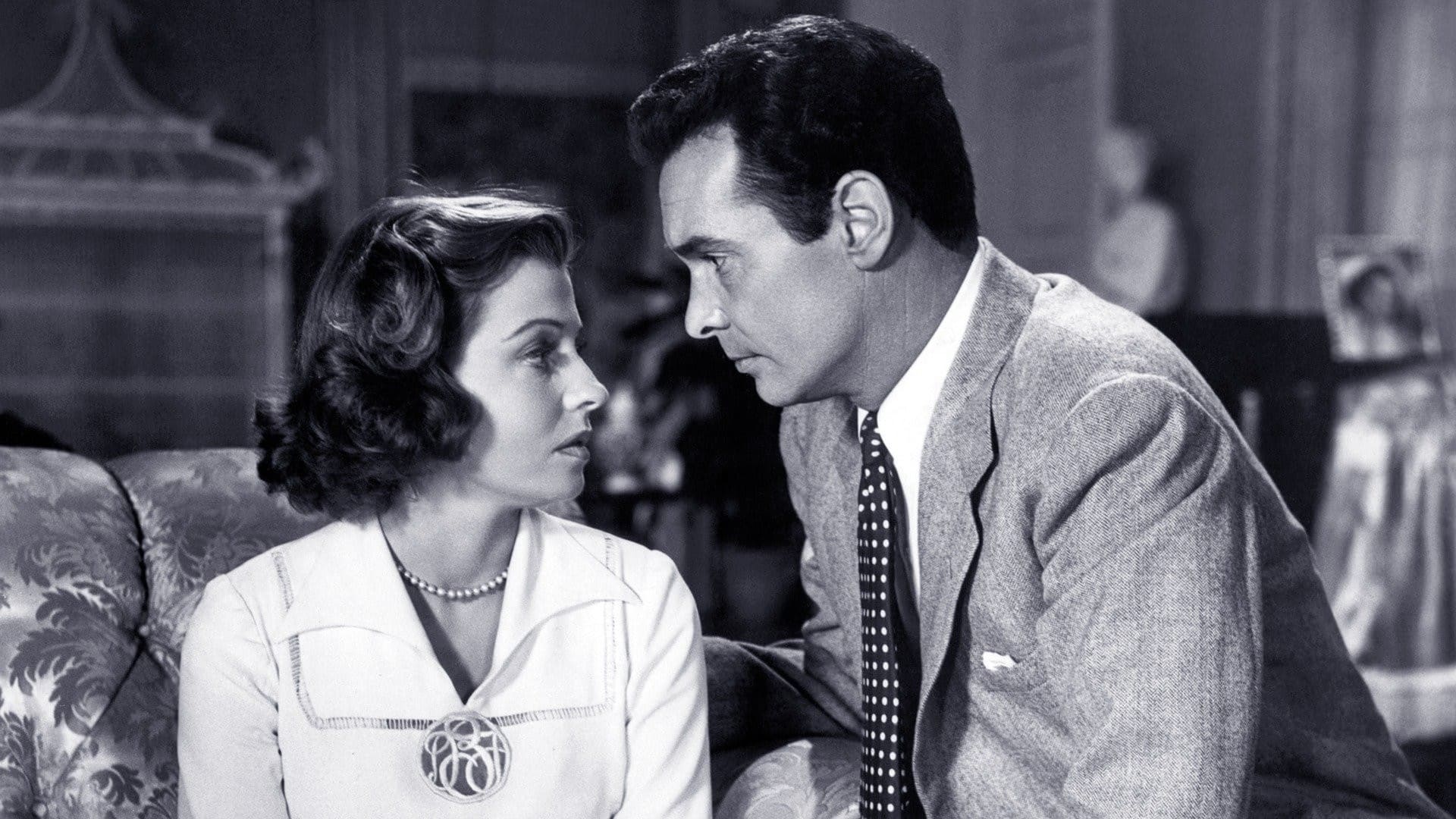
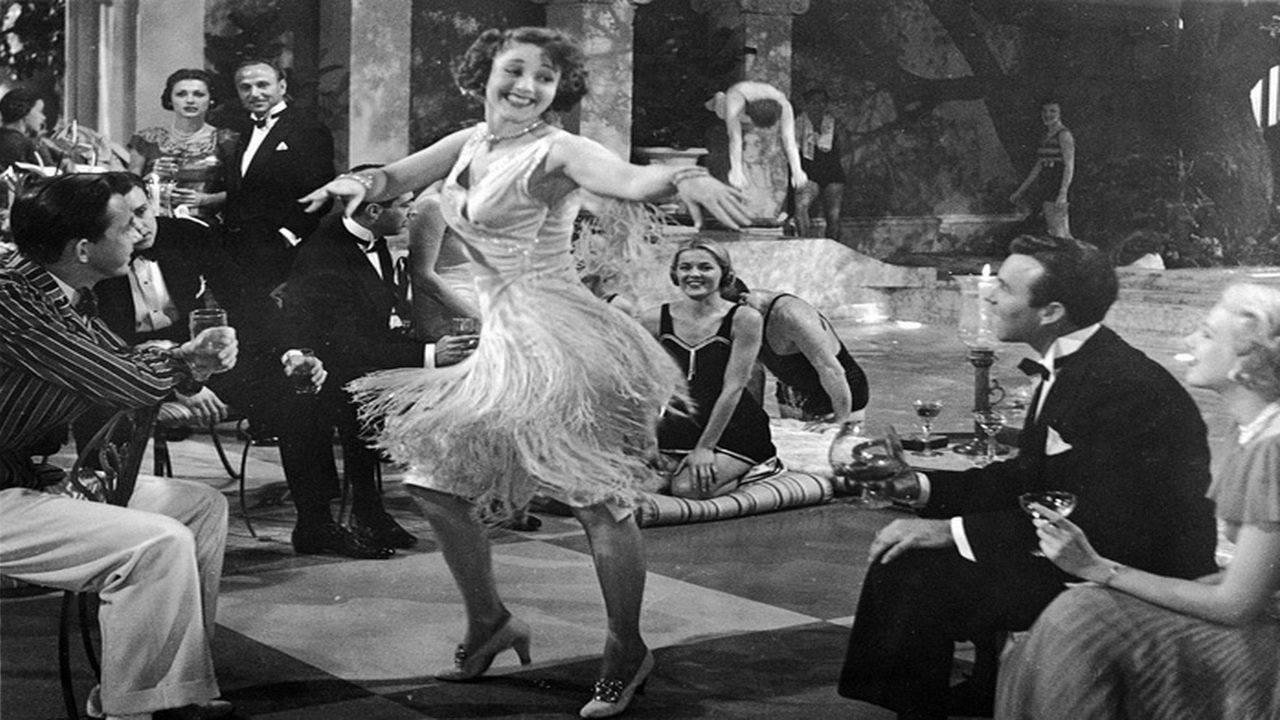
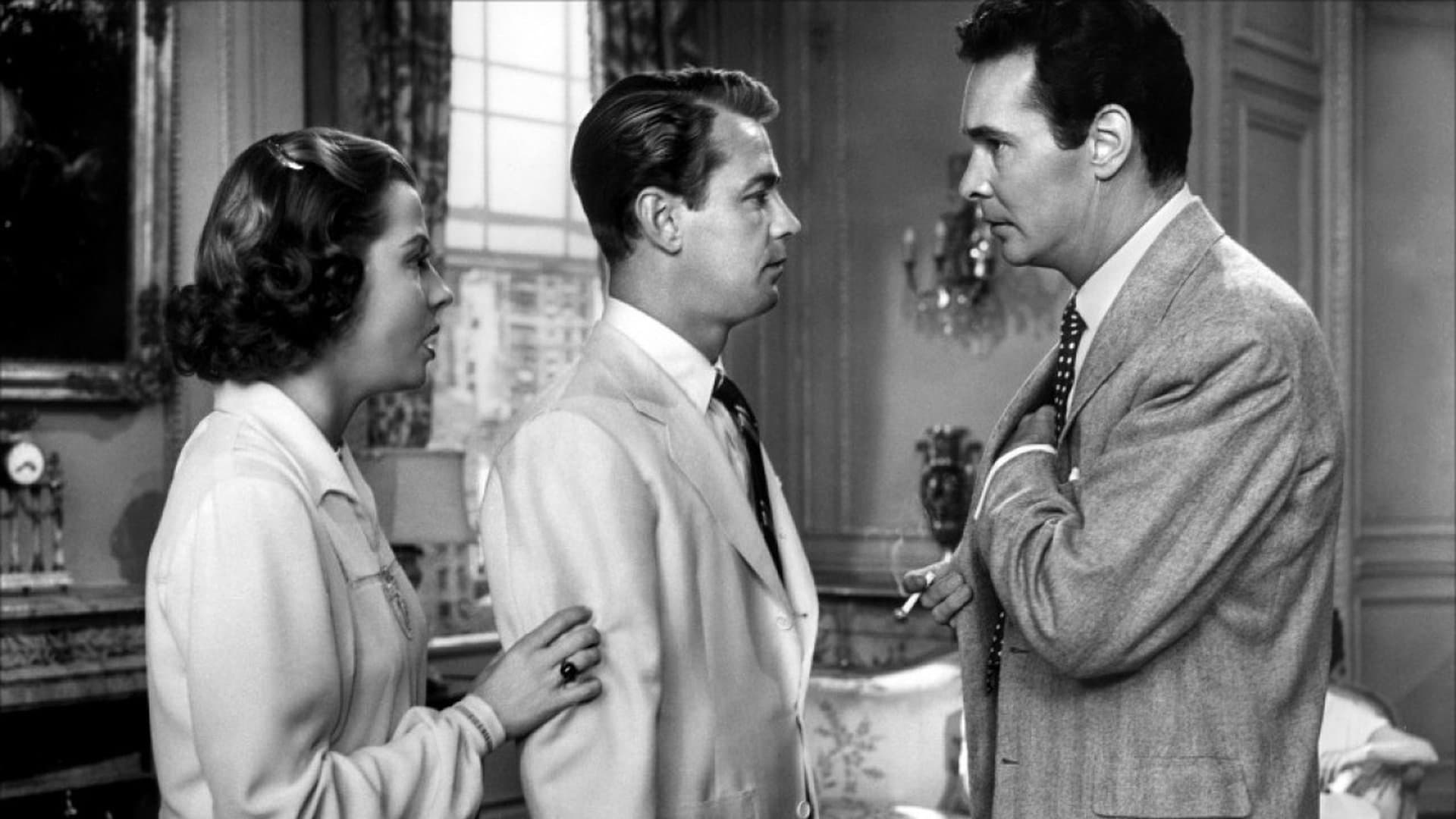
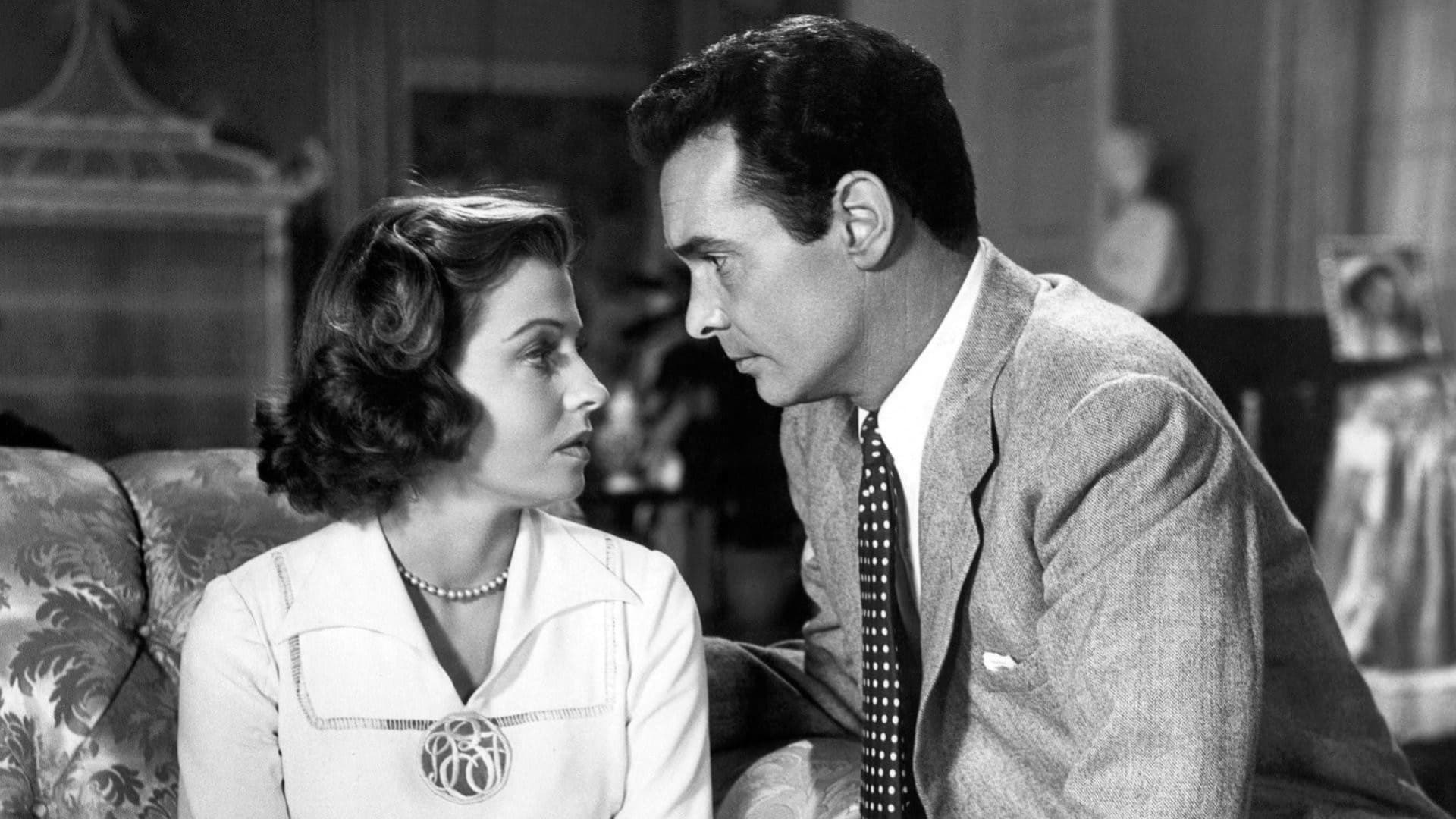
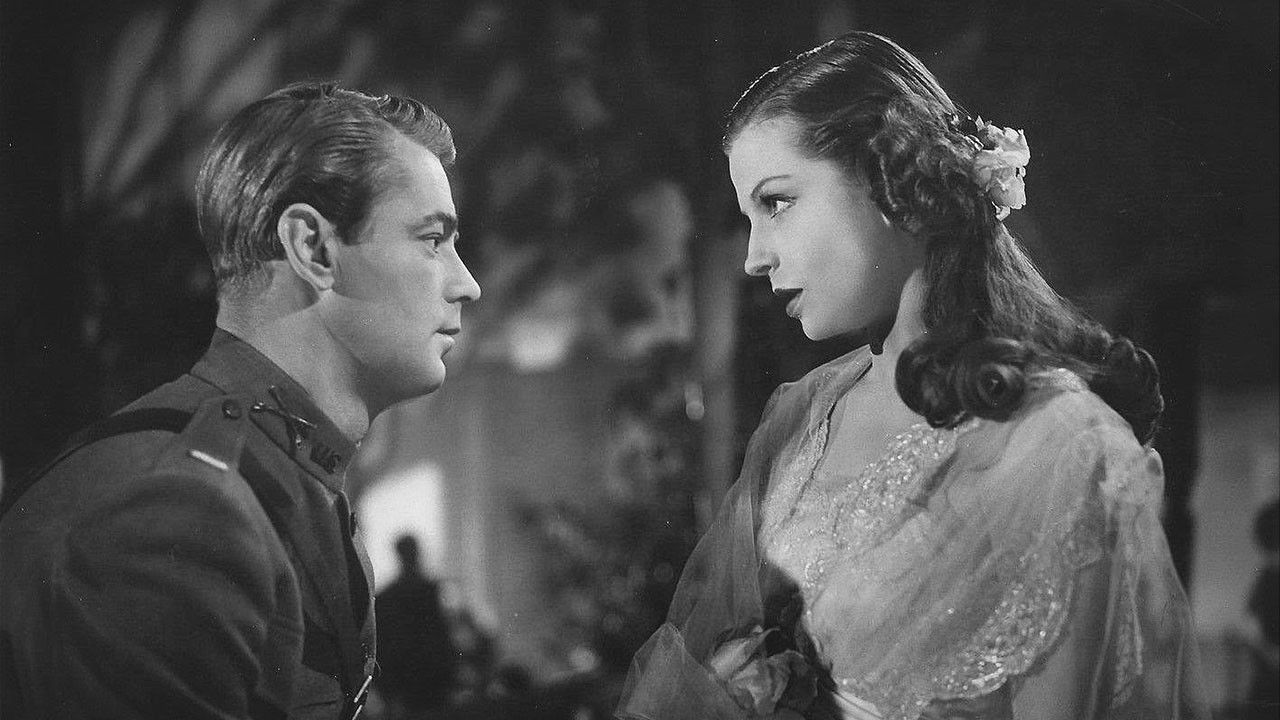
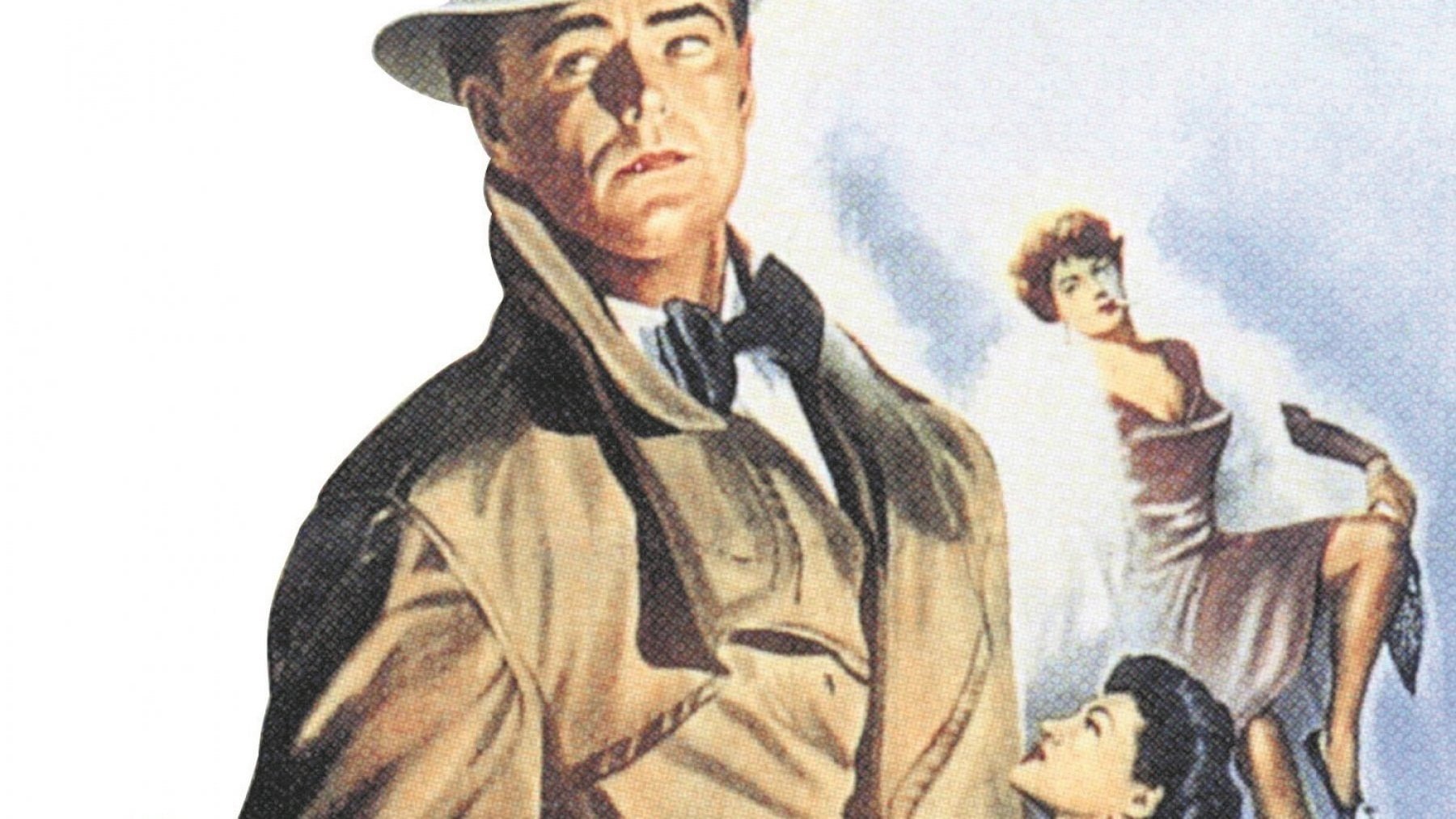
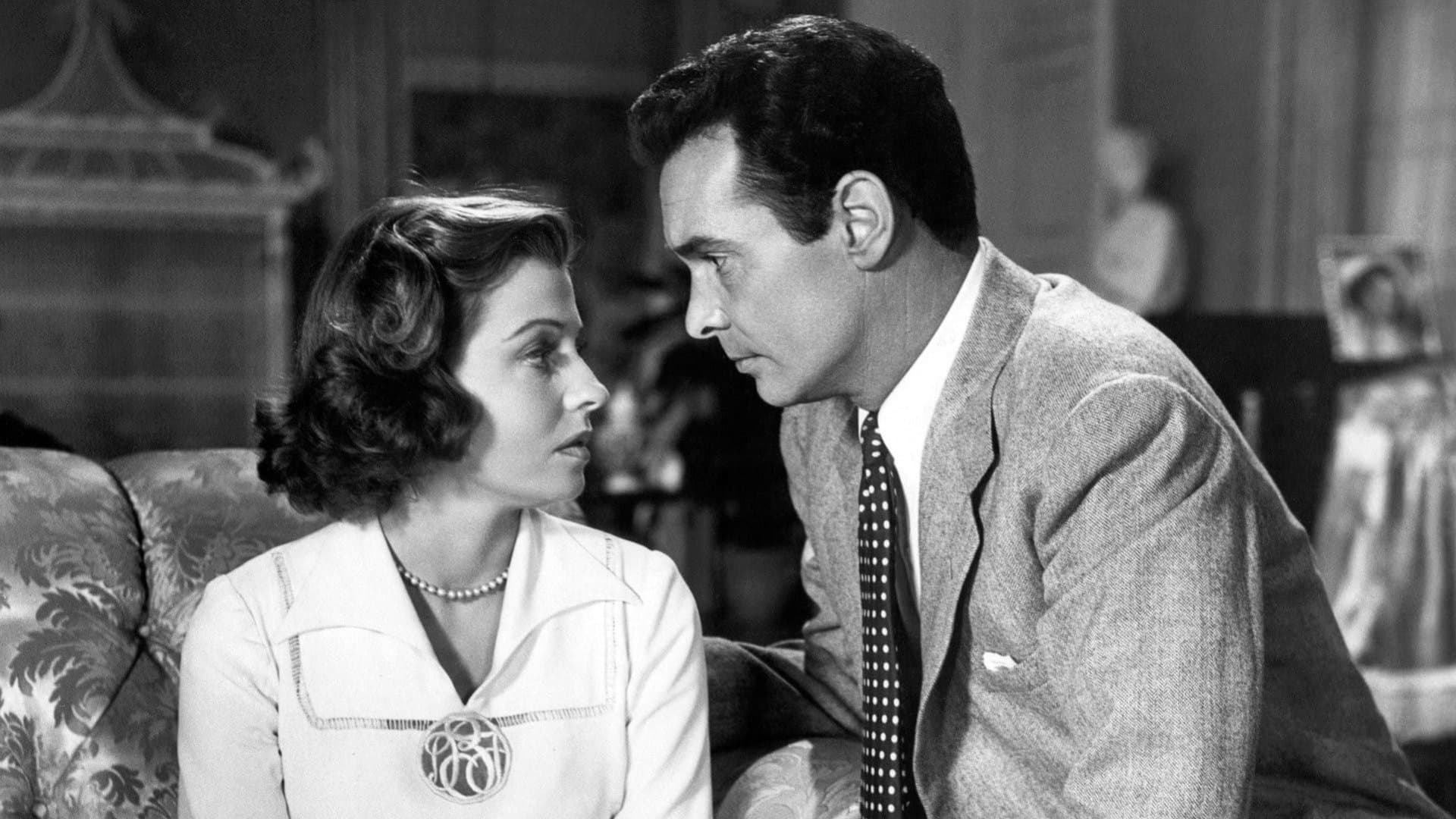
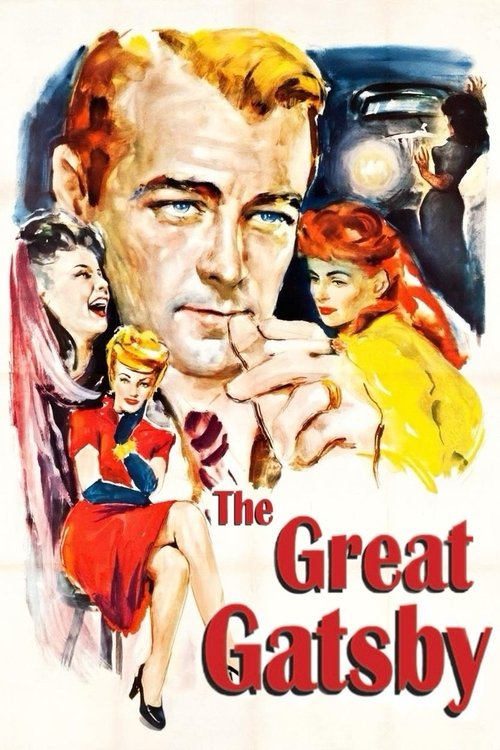
Nick Carraway, a young Midwesterner now living on Long Island, finds himself fascinated by the mysterious past and lavish lifetyle of his landlord, the nouveau riche Jay Gatsby. He is drawn into Gatsby's circle, becoming a witness to obsession and tragedy.
Directed by Elliott Nugent
long island, new york
film noir

Trailer

IMDB
N/A
Cast
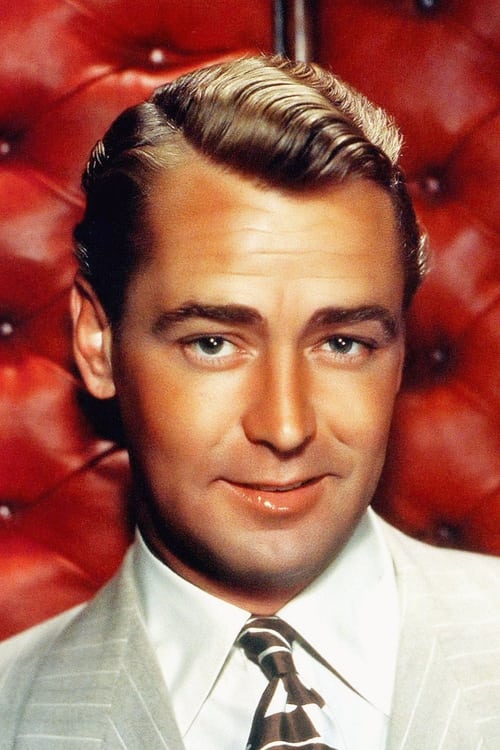
Alan Ladd
Jay Gatsby
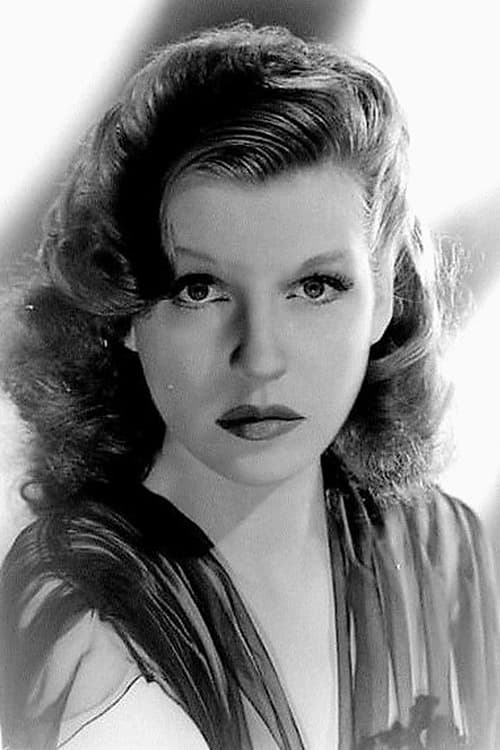
Betty Field
Daisy Buchanan
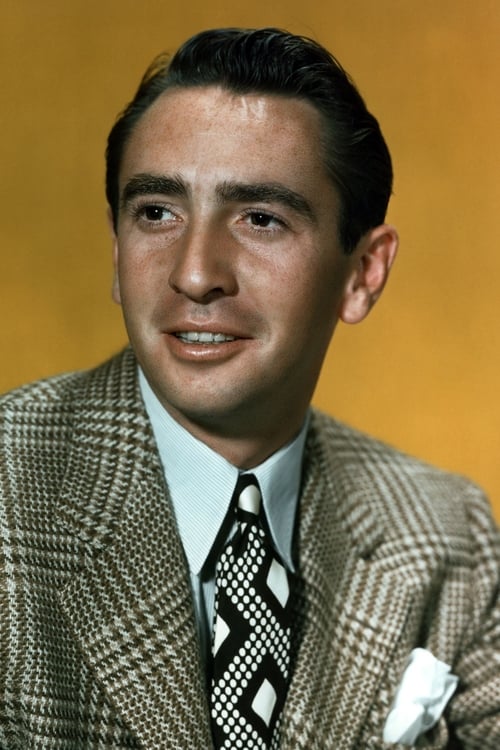
Macdonald Carey
Nicholas 'Nick' Carraway

Ruth Hussey
Jordan Baker
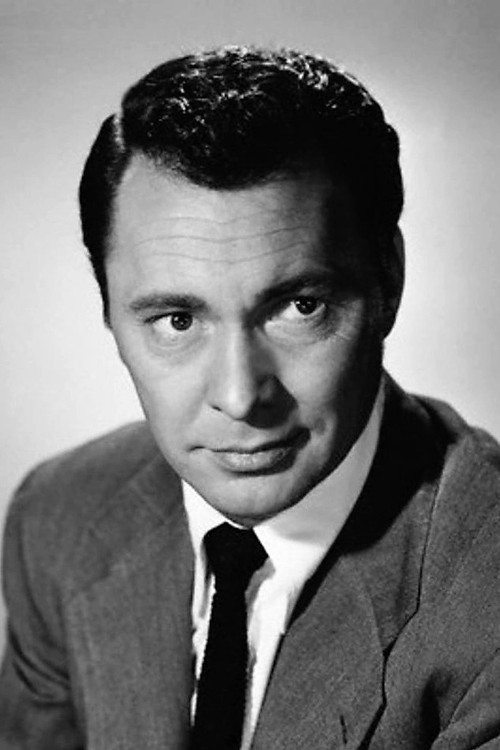
Barry Sullivan
Tom Buchanaan
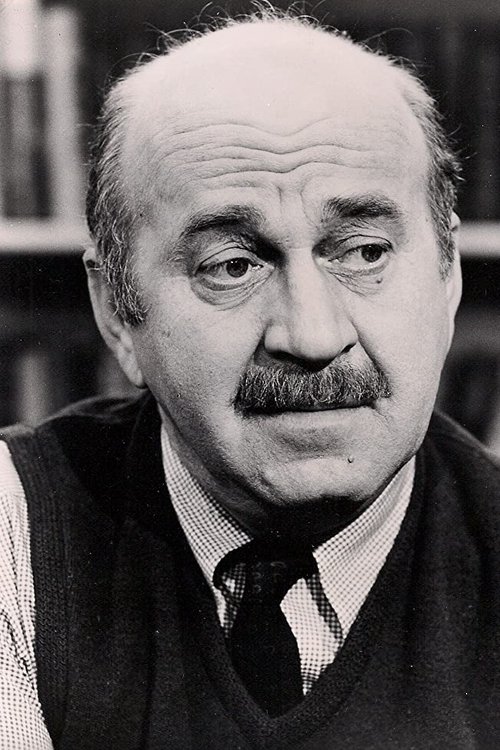
Howard Da Silva
Wilson
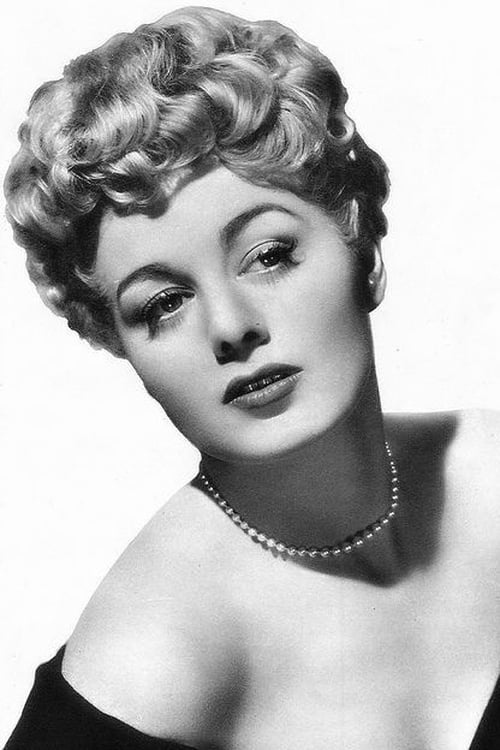
Shelley Winters
Myrtle Wilson
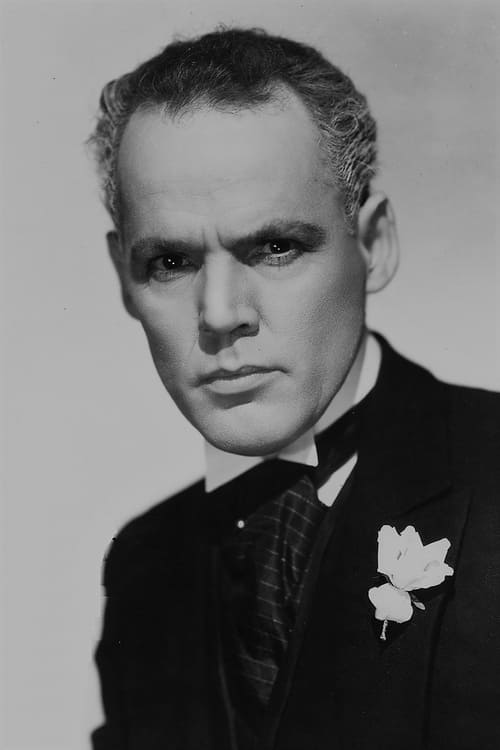
Henry Hull
Dan Cody
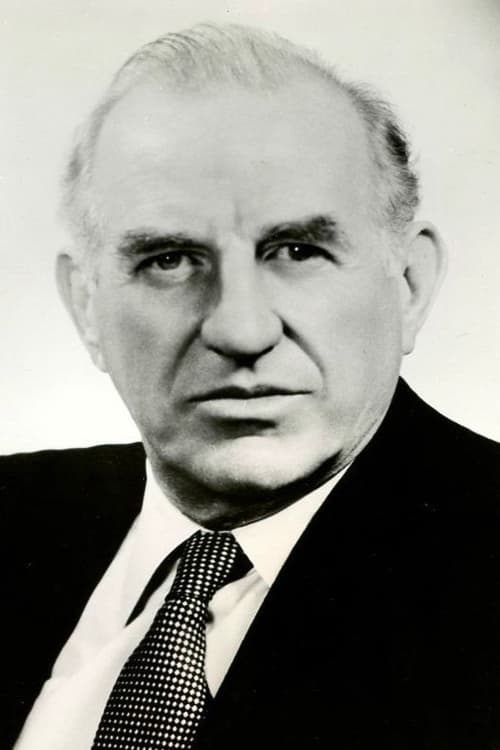
Ed Begley
Myron Lupus
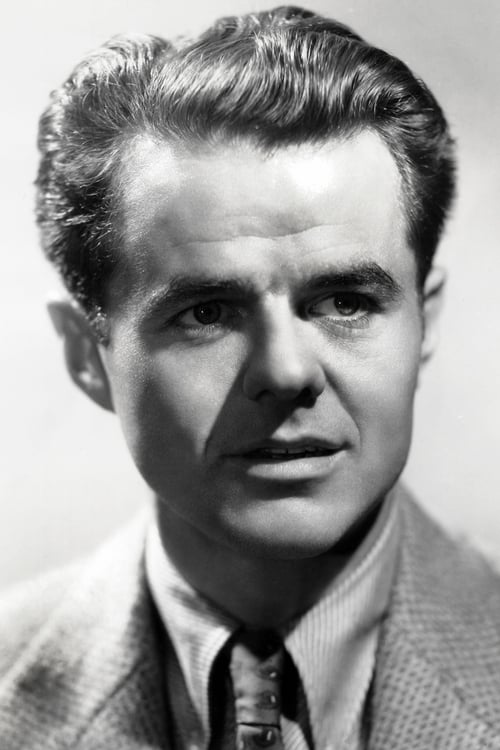
Elisha Cook Jr.
Klipspringer
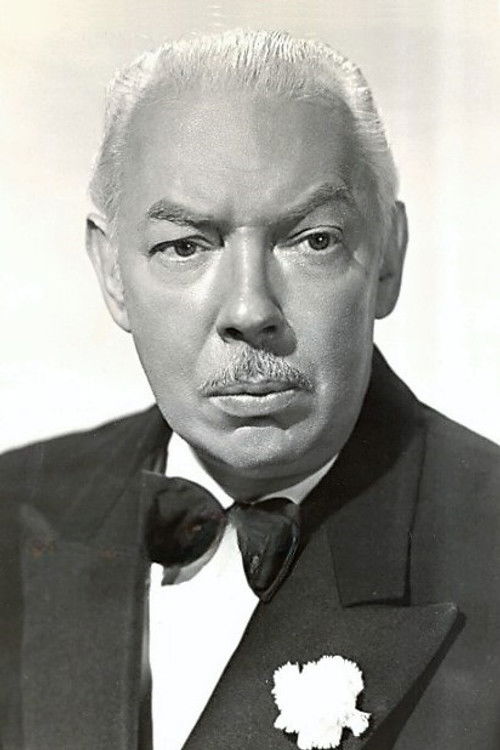
Nicholas Joy
Drunken Guest at Party
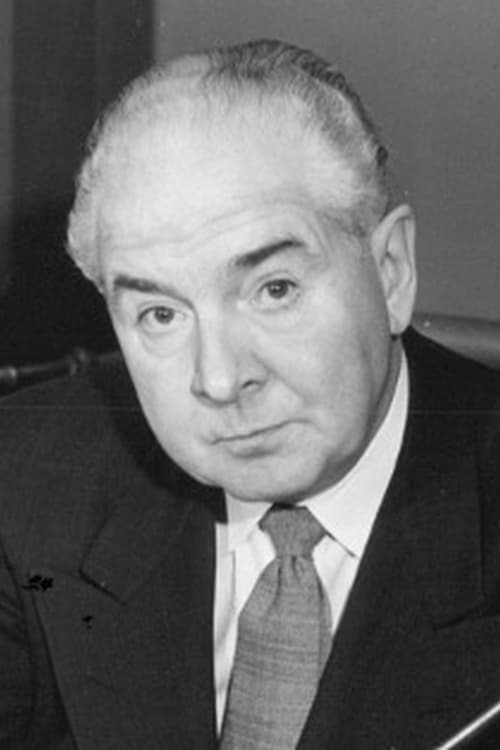
Walter Greaza
Kinsella
Crew
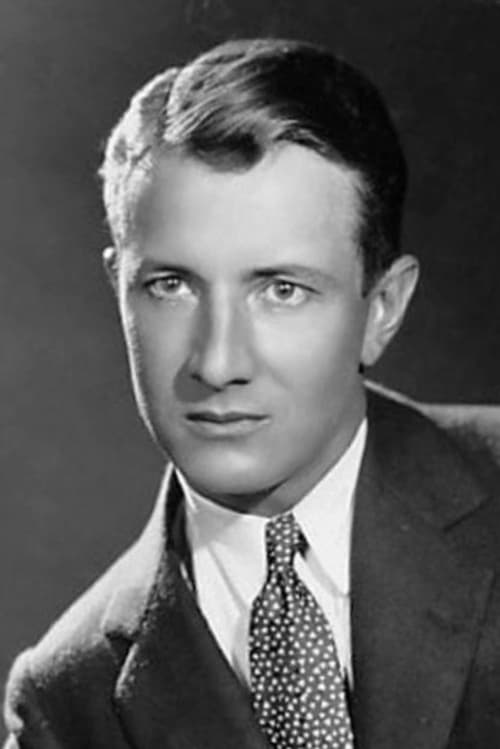
Elliott Nugent
Director
Richard Maibaum
Screenplay
John F. Seitz
Director of Photography
Richard Maibaum
Producer
Wally Westmore
Makeup Supervisor

Owen Davis
Theatre Play
Sam Comer
Set Decoration
Edith Head
Costume Design
F. Scott Fitzgerald
Novel
Lewis Allen
Second Unit Director
Richard Maibaum
Second Unit Director

Michael D. Moore
Second Assistant Director
Popular Reviews
8 reviews
Silentluminary
4.0★ · 12/16/25
It's nice to know there has always been bad adaptations of books
It's nice to know there has always been bad adaptations of books

1

Stockton DavisPRO
5.6★ · 06/06/26
Good movie. I loved how the film connected all the flashbacks together. I loved how this film showed that as we try we can never change the circumstances of the past. Jay Gatsby thought he could just “start over” but as this film brilliantly showed that is not possible. I just found the cast of this film to be weak. Alan Ladd had a weaker acting performance than he usually does. He wasn’t bad he just didn’t stand out to me in this film. Overall good movie but nothing stood out to make it unique.
Good movie. I loved how the film connected all the flashbacks together. I loved how this film showed that as we try we can never change the circumstances of the past. Jay Gatsby thought he could just “start over” but as this film brilliantly showed that is not possible. I just found the cast of this film to be weak. Alan Ladd had a weaker acting performance than he usually does. He wasn’t bad he just didn’t stand out to me in this film. Overall good movie but nothing stood out to make it unique.
Liam
4.0★ · 03/21/18
While Alan Ladd is perfectly cast as the titular Gatsby and despite the film’s willingness to revel in Gatsby’s darker, gangster underbelly, 1949’s The Great Gatsby is about as exciting as watching paint dry.
This, the earliest surviving adaptation, struggles to disentangle itself from the pages of the classic that inspired it. As such, there are times where the film literally stops, points and says “look, it’s that thing from the book that everybody remembers”. It’s rare then that the film finds its flow and when it does come close, a case of poor casting rears up and spoils the moment.
Few besides Ladd seem fit for the roles handed to them. Macdonald Carey’s Nick Carraway takes a back seat despite acting as the audience’s arbiter into this jazz filled orgy of excess. His over-bearing dullness is exceeded only by his aggressively enthusiastic adherence to such dullness. Barry Sullivan’s Tom Buchanan is immemorable and near inconsequential while his wife Daisy, here Betty Field, simply irritates. In fact, it could arguably be more accurate to the characters of the page. If this is the case, the film has done away with whatever romance, charm and sympathy that it needs in order to succeed.
At the very least, The Great Gatsby here is a more satisfying look at the seedy underbelly of Jazz age gangsters that earns Gatsby his wealth. The action is fast, the morals are loose and the violence bleeds. For that at least, I enjoy this Gatsby and Ladd as it’s central man.
Still, poor casting, problematic exposition dumps, and literal stop and point moments make this early attempt at America’s favourite novel a boring and disappointing film.
This, the earliest surviving adaptation, struggles to disentangle itself from the pages of the classic that inspired it. As such, there are times where the film literally stops, points and says “look, it’s that thing from the book that everybody remembers”. It’s rare then that the film finds its flow and when it does come close, a case of poor casting rears up and spoils the moment.
Few besides Ladd seem fit for the roles handed to them. Macdonald Carey’s Nick Carraway takes a back seat despite acting as the audience’s arbiter into this jazz filled orgy of excess. His over-bearing dullness is exceeded only by his aggressively enthusiastic adherence to such dullness. Barry Sullivan’s Tom Buchanan is immemorable and near inconsequential while his wife Daisy, here Betty Field, simply irritates. In fact, it could arguably be more accurate to the characters of the page. If this is the case, the film has done away with whatever romance, charm and sympathy that it needs in order to succeed.
At the very least, The Great Gatsby here is a more satisfying look at the seedy underbelly of Jazz age gangsters that earns Gatsby his wealth. The action is fast, the morals are loose and the violence bleeds. For that at least, I enjoy this Gatsby and Ladd as it’s central man.
Still, poor casting, problematic exposition dumps, and literal stop and point moments make this early attempt at America’s favourite novel a boring and disappointing film.
While Alan Ladd is perfectly cast as the titular Gatsby and despite the film’s willingness to revel in Gatsby’s darker, gangster underbelly, 1949’s The Great Gatsby is about as exciting as watching paint dry.
This, the earliest surviving adaptation, struggles to disentangle itself from the pages of the classic that inspired it. As such, there are times where the film literally stops, points and says “look, it’s that thing from the book that everybody remembers”. It’s rare then that the film finds its flow and when it does come close, a case of poor casting rears up and spoils the moment.
Few besides Ladd seem fit for the roles handed to them. Macdonald Carey’s Nick Carraway takes a back seat despite acting as the audience’s arbiter into this jazz filled orgy of excess. His over-bearing dullness is exceeded only by his aggressively enthusiastic adherence to such dullness. Barry Sullivan’s Tom Buchanan is immemorable and near inconsequential while his wife Daisy, here Betty Field, simply irritates. In fact, it could arguably be more accurate to the characters of the page. If this is the case, the film has done away with whatever romance, charm and sympathy that it needs in order to succeed.
At the very least, The Great Gatsby here is a more satisfying look at the seedy underbelly of Jazz age gangsters that earns Gatsby his wealth. The action is fast, the morals are loose and the violence bleeds. For that at least, I enjoy this Gatsby and Ladd as it’s central man.
Still, poor casting, problematic exposition dumps, and literal stop and point moments make this early attempt at America’s favourite novel a boring and disappointing film.
This, the earliest surviving adaptation, struggles to disentangle itself from the pages of the classic that inspired it. As such, there are times where the film literally stops, points and says “look, it’s that thing from the book that everybody remembers”. It’s rare then that the film finds its flow and when it does come close, a case of poor casting rears up and spoils the moment.
Few besides Ladd seem fit for the roles handed to them. Macdonald Carey’s Nick Carraway takes a back seat despite acting as the audience’s arbiter into this jazz filled orgy of excess. His over-bearing dullness is exceeded only by his aggressively enthusiastic adherence to such dullness. Barry Sullivan’s Tom Buchanan is immemorable and near inconsequential while his wife Daisy, here Betty Field, simply irritates. In fact, it could arguably be more accurate to the characters of the page. If this is the case, the film has done away with whatever romance, charm and sympathy that it needs in order to succeed.
At the very least, The Great Gatsby here is a more satisfying look at the seedy underbelly of Jazz age gangsters that earns Gatsby his wealth. The action is fast, the morals are loose and the violence bleeds. For that at least, I enjoy this Gatsby and Ladd as it’s central man.
Still, poor casting, problematic exposition dumps, and literal stop and point moments make this early attempt at America’s favourite novel a boring and disappointing film.
Bellaaa
4.0★ · 03/04/26
Ava A
2.3★ · 11/21/25