Watch my video essay about
Juzo ItamiI have to say—this is the first film in Itami's filmography that feels almost unrecognizable as an Itami work. If you had shown me this film without credits, I never would have guessed it came from the same director behind Tampopo or A Taxing Woman. Stylistically and thematically, it feels like an outlier.
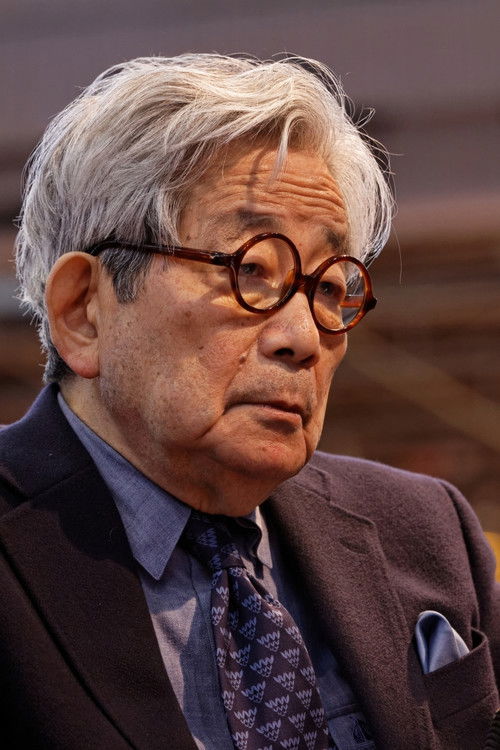
That difference likely stems from the source material: the film is an adaptation of a novel written by Nobel Prize–winning author Kenzaburō Ōe, who was also Itami’s brother-in-law. Because of that, A Quiet Life feels less like Itami’s invention and more like his interpretation of another artist’s voice.
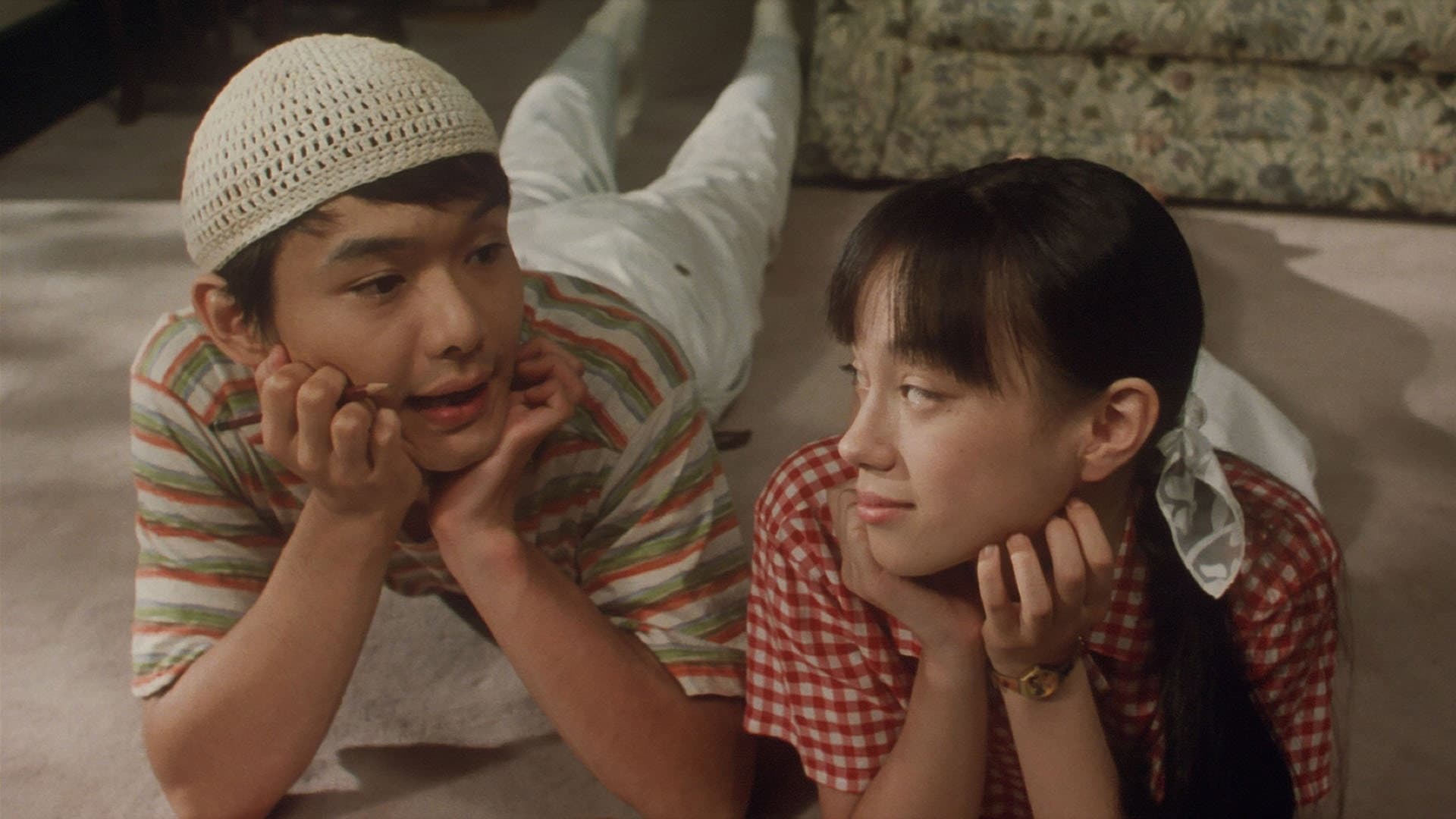
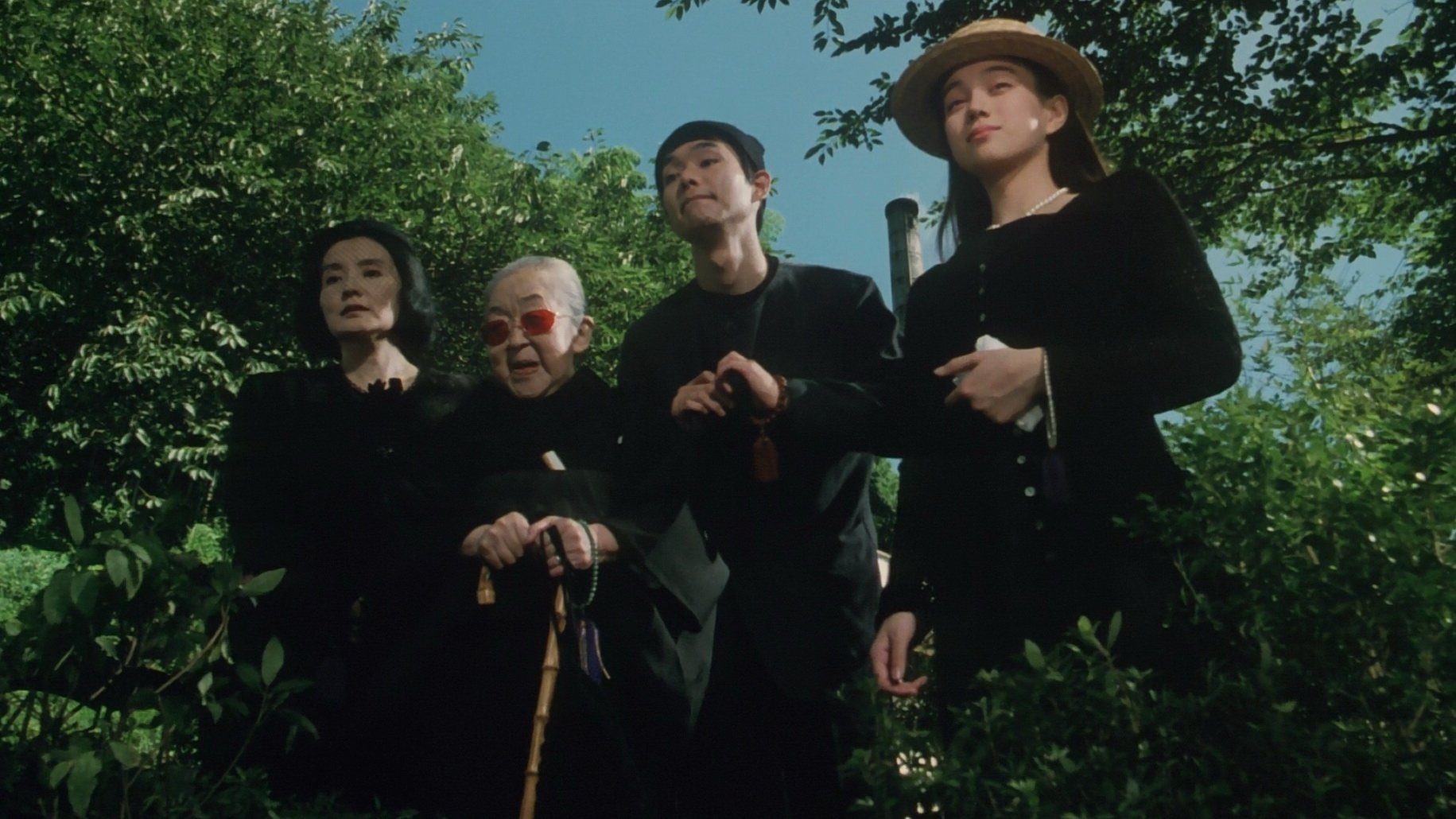
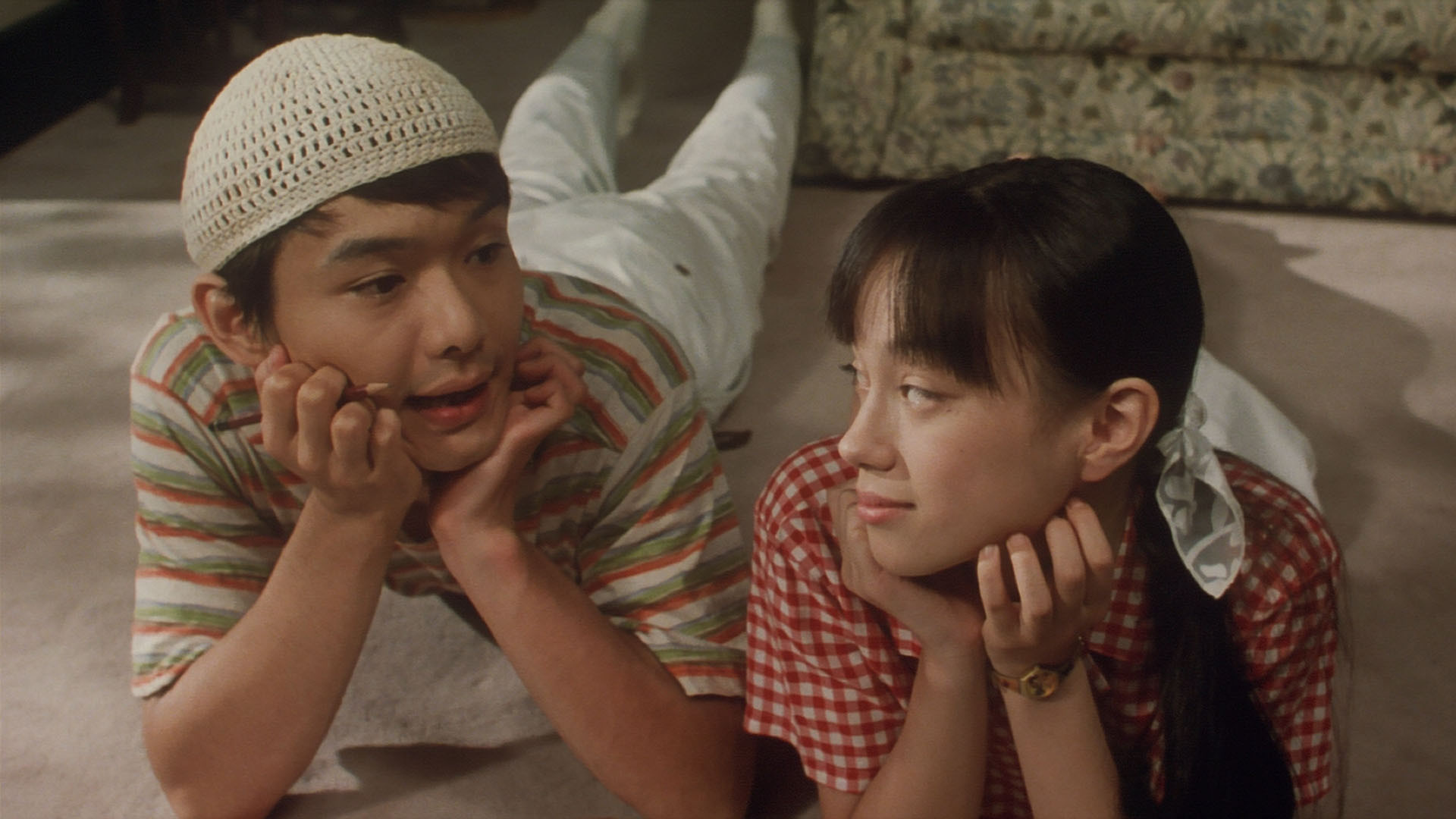
The story follows a teenage girl who is left in charge of caring for her older, mentally disabled brother, while their parents are away in Australia. From there, the film unfolds as a series of vignettes—little detours and episodes that feel at times like self-contained short stories. Early on, a local child molester is arrested. Later, we’re introduced to Iiyo’s piano teacher and his wife (played in a rare supporting role by Itami’s frequent collaborator Nobuko Miyamoto). Eventually, Iiyo takes up swimming lessons with a coach named Mr. Arai, a man with a mysterious and troubling past, rumored to have been involved in a double homicide.
Much of the film plays like a slice-of-life melodrama, with shades of late-’80s/early-’90s Japanese cinema, but I also felt echoes of European art house filmmaking—especially French directors like Maurice Pialat. There’s an ethereal, coming-of-age quality to it, one that makes it feel less like a plotted drama and more like a memory being revisited.
What makes the film so engaging is its unpredictability. Each “detour” introduces new tones, tensions, and emotions, yet they all hang together under Machan’s point of view. Sometimes the film is tender and heartwarming—like the scene where she watches Iiyo swim across a pool unassisted for the first time and breaks down in tears of pride. Other times it’s deeply unsettling, as when Machan and Iiyo visit Mr. Arai’s home against their father’s warnings. But the discomfort never feels sensationalized. Instead, Itami captures the way life itself is often uncomfortable, quietly unsettling, and yet profoundly formative.
This is where the title, A Quiet Life, resonates most. The film suggests that life’s most profound and disturbing moments often pass as naturally as eating breakfast or breathing air. Only later do we look back and realize how much those moments shaped us.
In terms of style, this is one of Itami’s most subdued works. His trademark humor is almost entirely absent, save for a few fleeting touches. The cinematography is restrained, the performances are understated, and the score leans into melodramatic piano flourishes. What remains, though, is his deep sense of humanity. The heart that underpins all of his films bubbles quietly to the surface here.
Watching A Quiet Life reminded me, oddly enough, of Bob Fosse. Just as Fosse followed All That Jazz with the darker, more brutal Star 80, Itami followed his highly self-reflective The Last Dance with this film, one that wrestles with violence, memory, and responsibility. The parallels are fascinating, even if they end there—both directors also died far too young, leaving us to imagine the films they might have made next.
If I have a criticism, it’s that I wished for more of Itami’s levity and wit—those qualities that make his best films so uniquely his. Still, I deeply appreciate seeing this side of him, proving that he was capable of much more than satire and comedy. A Quiet Life may be a detour in his career, but it’s a moving, worthwhile one.
After this, Itami only made one more film, Woman in Witness Protection (1997), which I’ll be watching next. Based on the title alone, I suspect it will be a return to the satirical Itami I know best. But I’m glad I saw A Quiet Life first, because it reveals another facet of his artistry: tender, haunting, and unexpectedly beautiful.
7.4/10