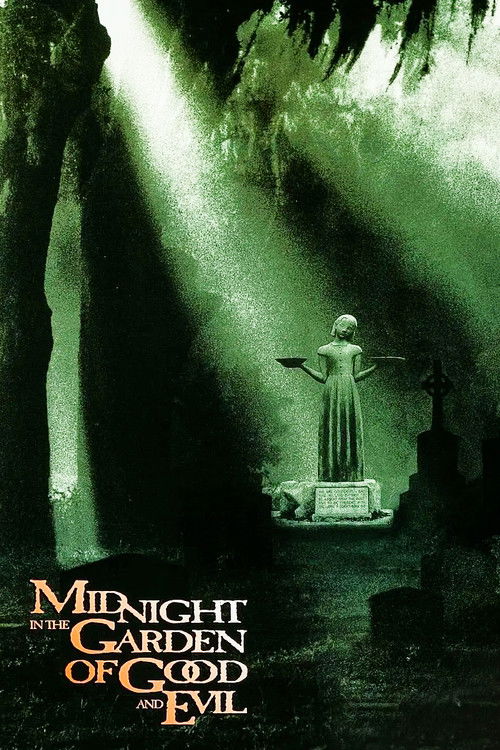
Midnight in the Garden of Good and Evil is one of those films that lingers with me not because of its plot mechanics but because of its atmosphere, its sense of place, and the strange alchemy of charm and menace that runs through Savannah like a current. Watching it feels like stepping into a dream that is equal parts inviting and dangerous, a space where beauty and corruption breathe the same air.
The strongest theme for me is duality — the tension between good and evil, truth and artifice, beauty and decay. Savannah itself becomes a living symbol of this, a city draped in moss and mystery, where every surface conceals something unspeakable beneath it. I was struck by how the film lets contradiction exist without rushing to resolve it. It understands that contradiction is not just part of life but its very texture. That duality mirrors the way I often experience the world — drawn to beauty while knowing it can cut me open.
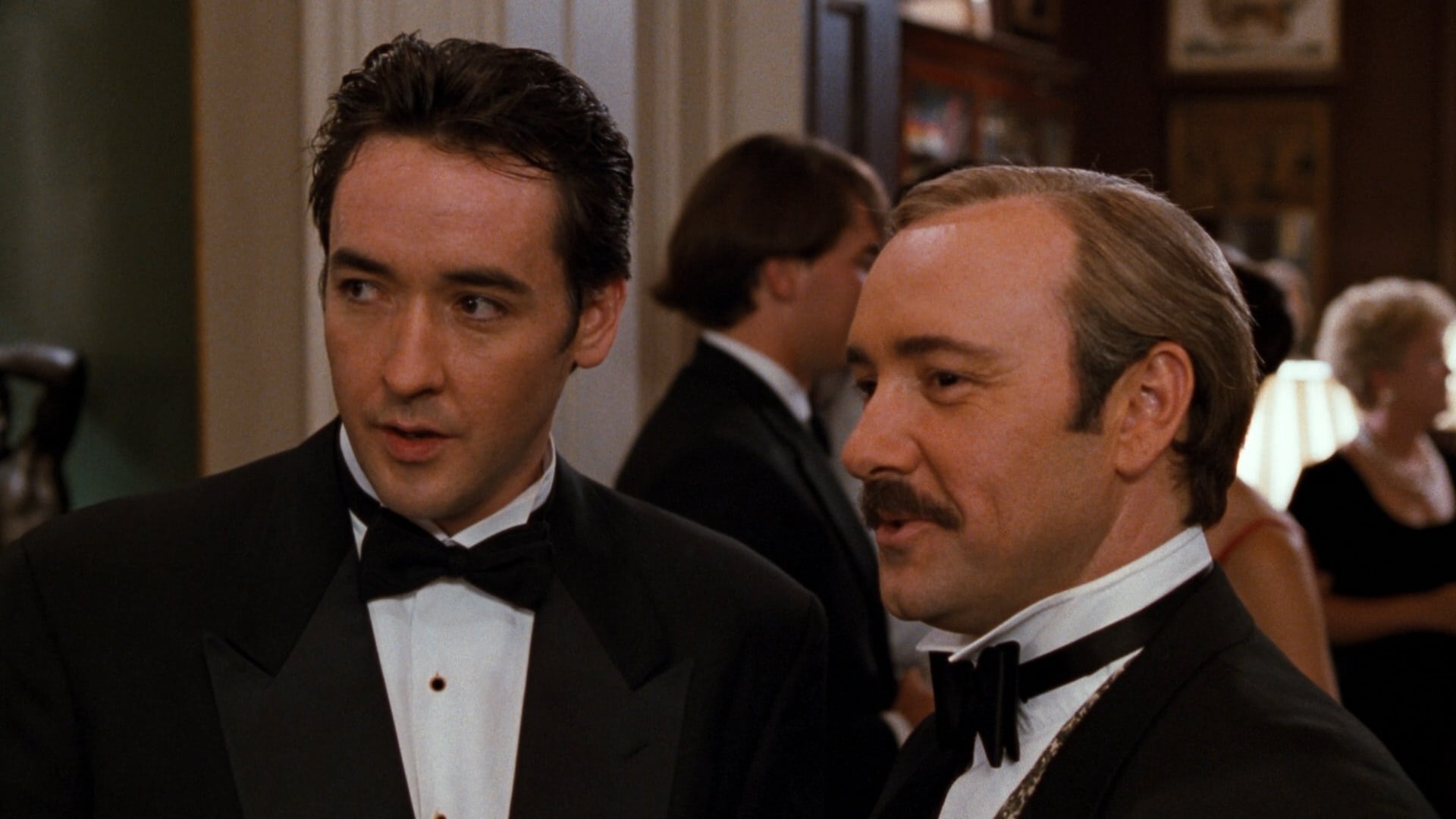
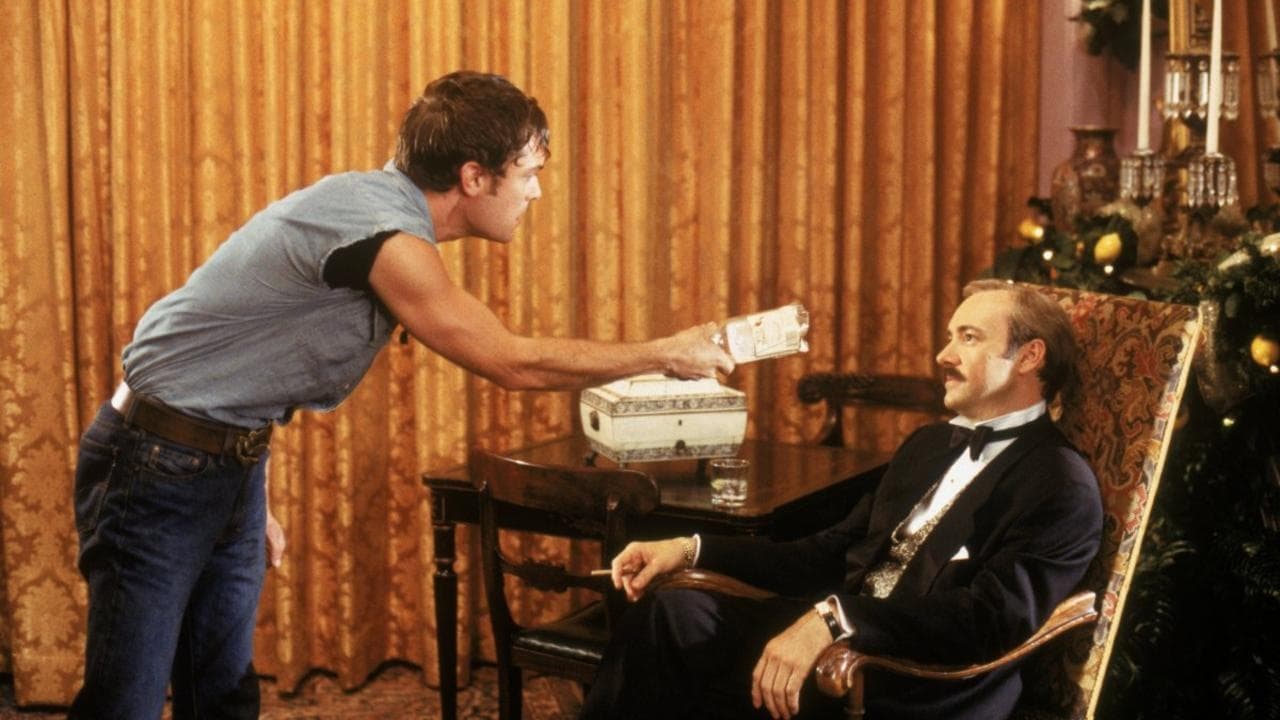
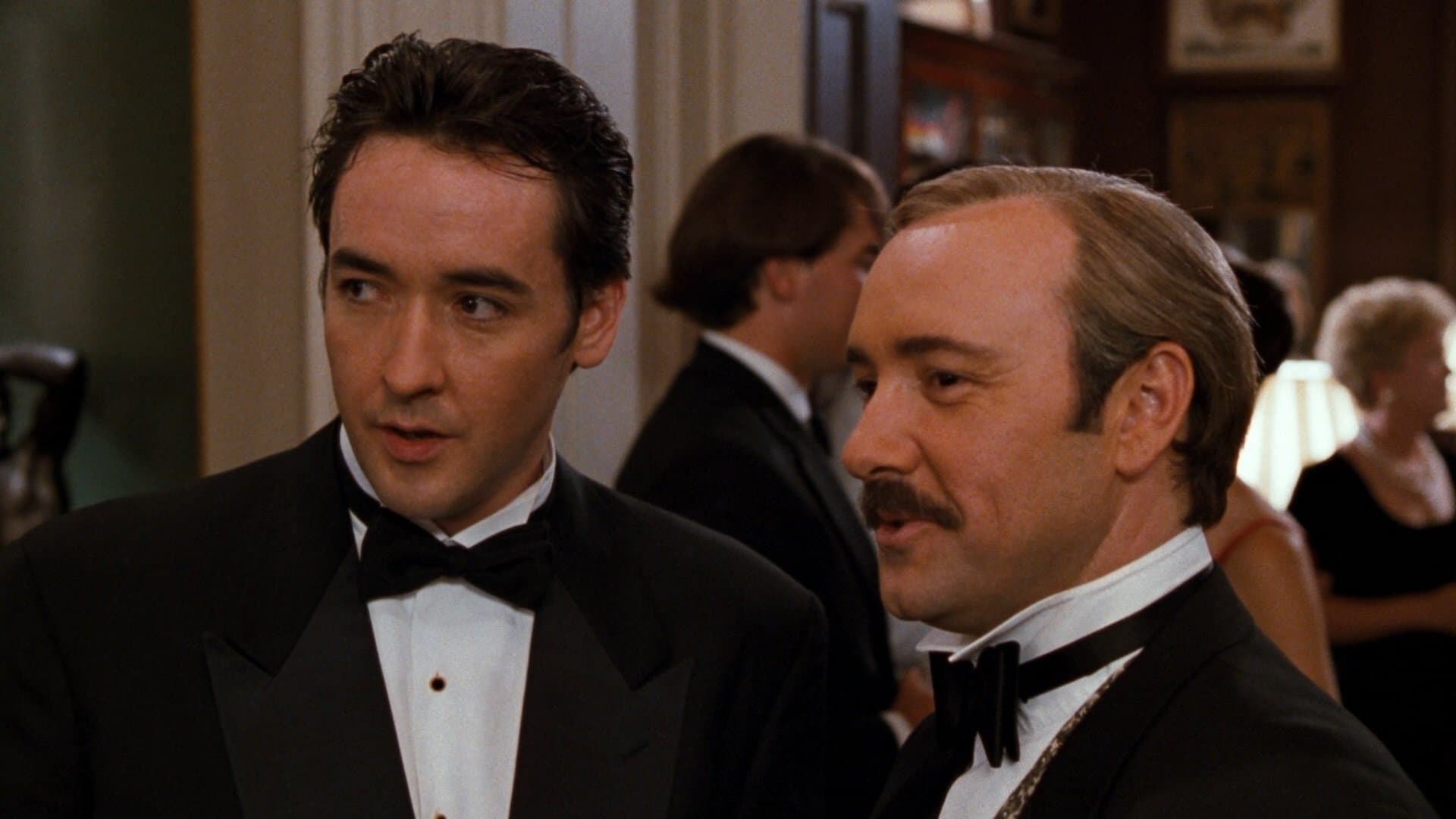
Another motif that stood out is performance. Almost everyone in this story is playing a role, whether consciously or not. From Jim Williams’ carefully curated charm to the eccentric townsfolk who hold court with tourists, there’s a sense that identity here is both costume and mask. What fascinated me was how those performances are not dismissed as false but treated as essential, even sacred. The act of playing a role becomes survival, becomes power. I felt a deep recognition in that — how often performance is not deceit but a way to carve space for yourself in a world that might otherwise consume you.
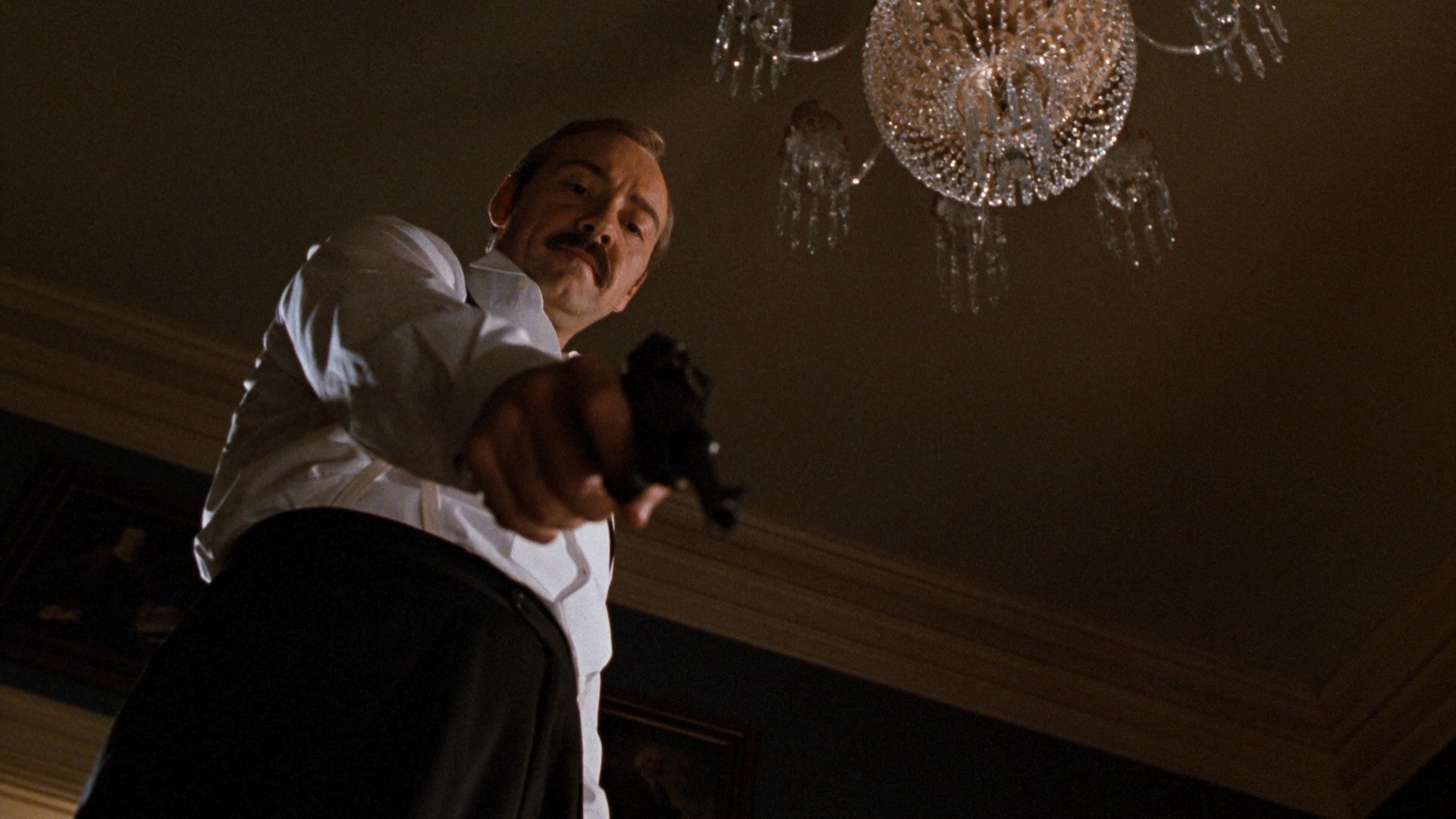
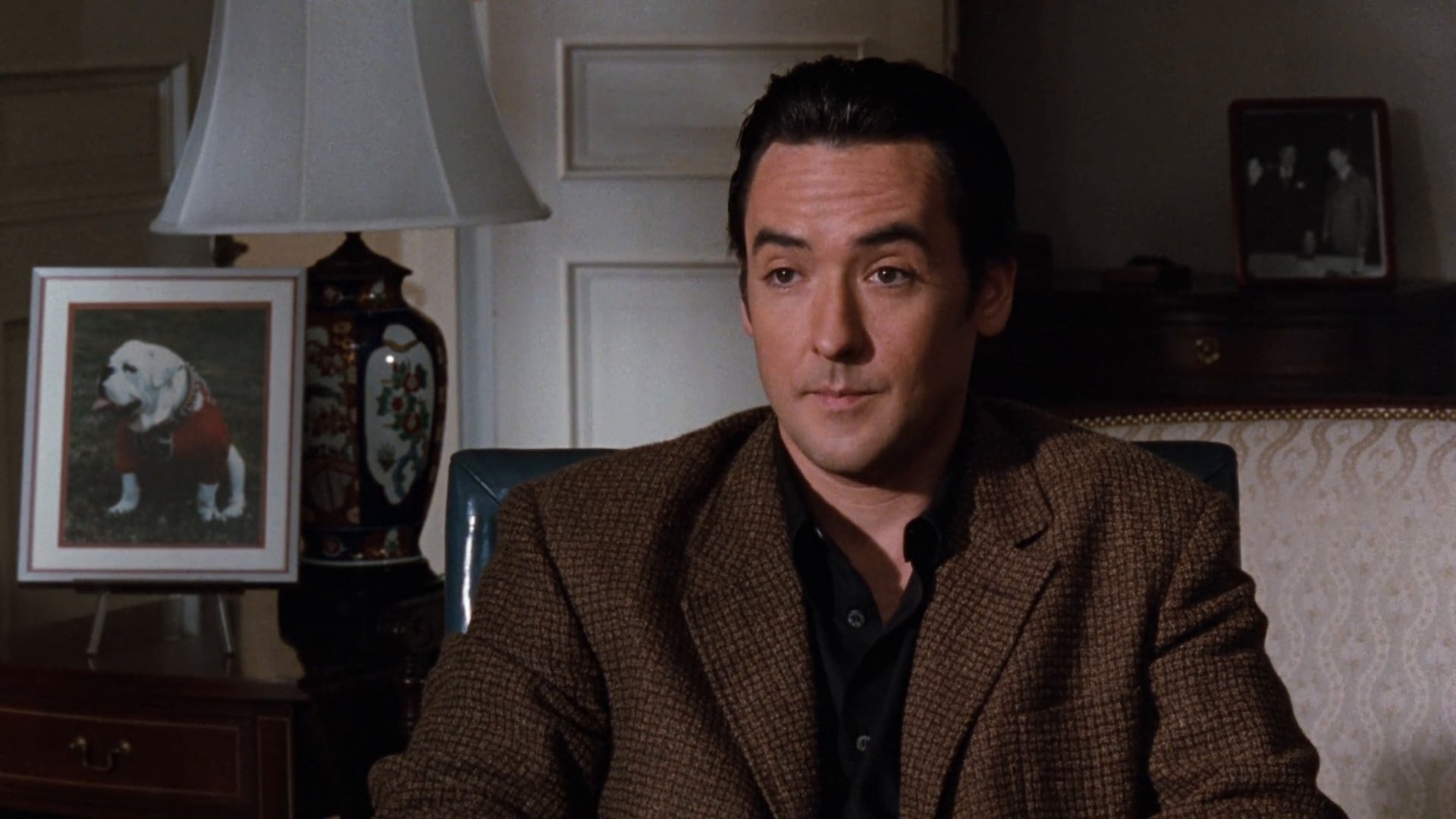
The trial itself becomes a stage for this theme, blurring the line between truth and storytelling. Justice in the film feels less about fact and more about whose version of reality is most persuasive. That unsettled me — because it shows how fragile truth really is, how easily it can be bent by charisma, narrative, and spectacle. The motif of justice as theater made me question how often in real life we’re all audience members, watching truths distorted until they resemble lies and lies polished until they shine like truth.
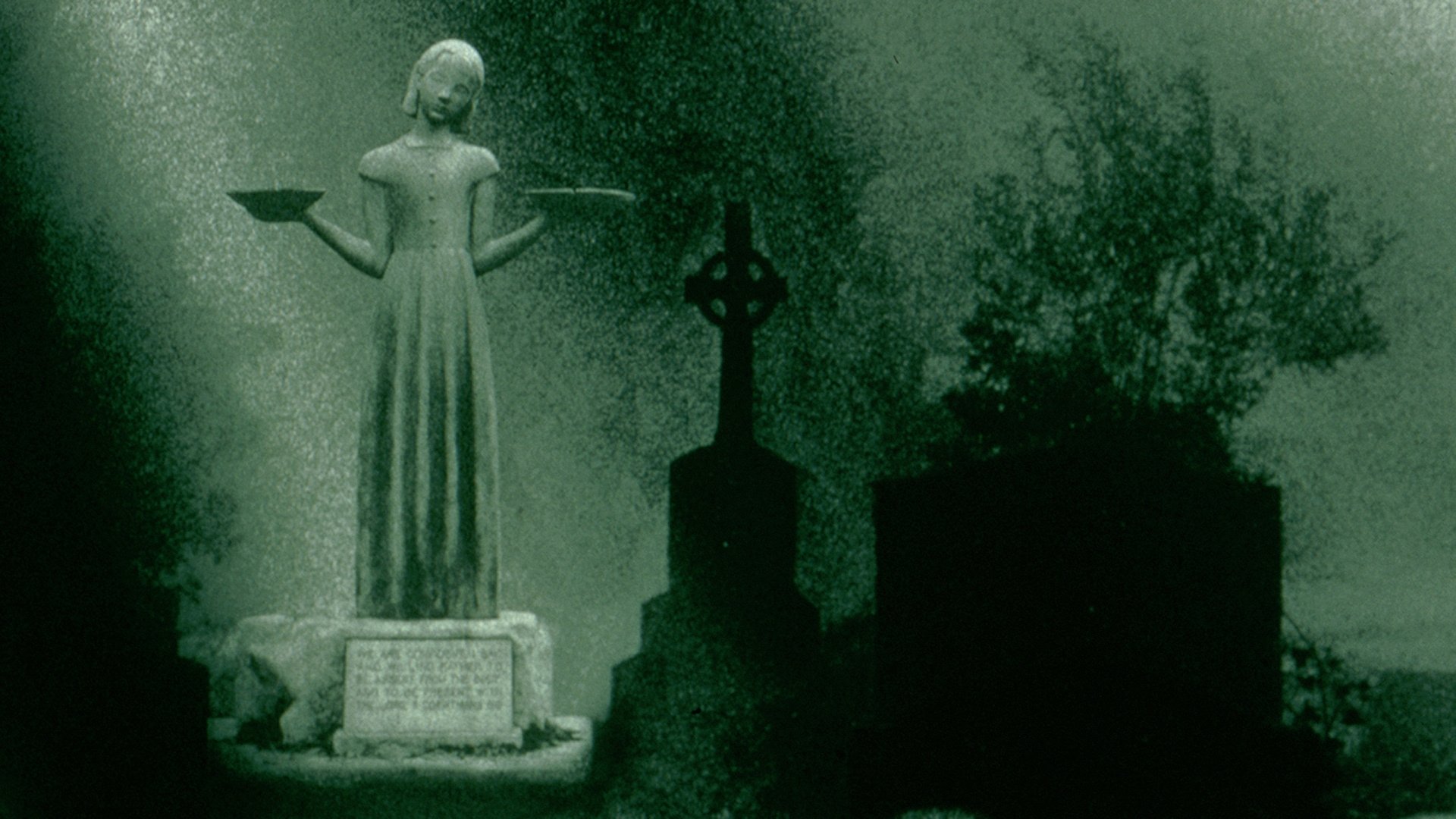
There’s also a deep preoccupation with death, not just as an event but as an ongoing presence. The cemeteries, the midnight rituals, the whispering of spirits — death in this film is not an ending but a companion. I loved how the film wove that into its texture, making the supernatural feel as ordinary as small talk. Death here is never final; it is negotiation, memory, and haunting. That motif gave the film its weight, anchoring all the charm and eccentricity in something eternal and heavy.
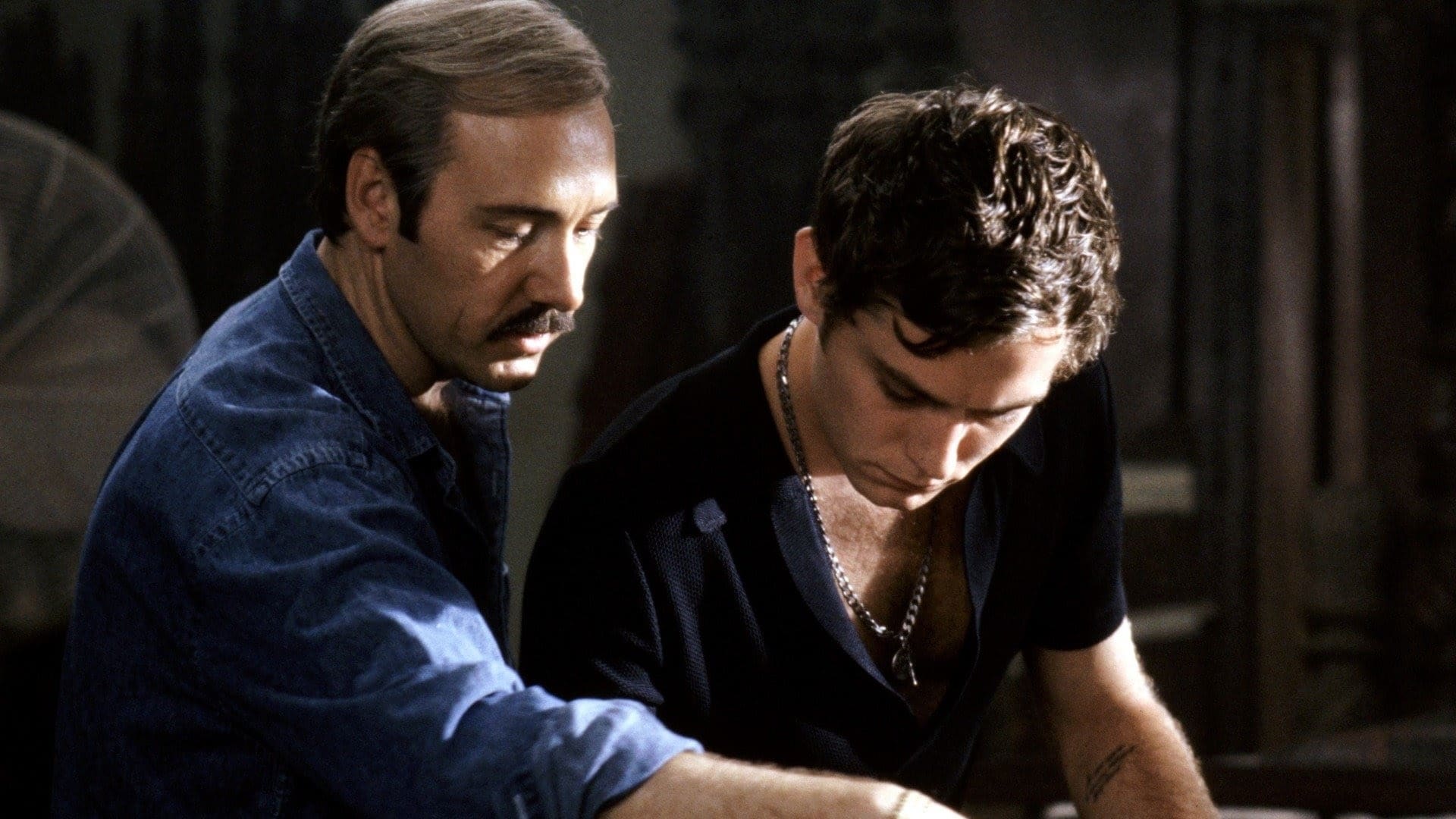
Loneliness pulses through the story as well, especially in Jim Williams. Beneath the wealth, the art, the charisma, he feels isolated — trapped by his own need to control his image. That motif of loneliness hidden beneath opulence felt devastating. It made me realize how easily charm can become a prison, how the very thing that draws people toward you can also keep them at a distance. The film doesn’t scream this truth; it whispers it, letting you feel the quiet sadness beneath the spectacle.
If the film falters, it’s in pacing — at times the story meanders, losing its grip on tension as it indulges in its eccentric cast of characters. And yet, that wandering quality feels thematically right. It mirrors the experience of walking through Savannah itself — distracted by beauty, drawn into strange encounters, pulled off-course by charm. While it sometimes made the narrative feel thin, it also reinforced the idea that truth in this world is always diffuse, always hidden in detours.
Ultimately, Midnight in the Garden of Good and Evil succeeds not by giving definitive answers but by immersing me in a world where contradiction rules. Its motifs of duality, performance, justice-as-theater, death, and loneliness all intertwine into a story that resists resolution. It may not always grip with precision, but it envelops me in an atmosphere that feels alive, haunted, and deeply human. It lets me dwell in the gray space between good and evil, which is exactly where I find the most truth.
Midnight in the Garden of Good and Evil is one of those films that lingers with me not because of its plot mechanics but because of its atmosphere, its sense of place, and the strange alchemy of charm and menace that runs through Savannah like a current. Watching it feels like stepping into a dream that is equal parts inviting and dangerous, a space where beauty and corruption breathe the same air.
The strongest theme for me is duality — the tension between good and evil, truth and artifice, beauty and decay. Savannah itself becomes a living symbol of this, a city draped in moss and mystery, where every surface conceals something unspeakable beneath it. I was struck by how the film lets contradiction exist without rushing to resolve it. It understands that contradiction is not just part of life but its very texture. That duality mirrors the way I often experience the world — drawn to beauty while knowing it can cut me open.
Another motif that stood out is performance. Almost everyone in this story is playing a role, whether consciously or not. From Jim Williams’ carefully curated charm to the eccentric townsfolk who hold court with tourists, there’s a sense that identity here is both costume and mask. What fascinated me was how those performances are not dismissed as false but treated as essential, even sacred. The act of playing a role becomes survival, becomes power. I felt a deep recognition in that — how often performance is not deceit but a way to carve space for yourself in a world that might otherwise consume you.
The trial itself becomes a stage for this theme, blurring the line between truth and storytelling. Justice in the film feels less about fact and more about whose version of reality is most persuasive. That unsettled me — because it shows how fragile truth really is, how easily it can be bent by charisma, narrative, and spectacle. The motif of justice as theater made me question how often in real life we’re all audience members, watching truths distorted until they resemble lies and lies polished until they shine like truth.
There’s also a deep preoccupation with death, not just as an event but as an ongoing presence. The cemeteries, the midnight rituals, the whispering of spirits — death in this film is not an ending but a companion. I loved how the film wove that into its texture, making the supernatural feel as ordinary as small talk. Death here is never final; it is negotiation, memory, and haunting. That motif gave the film its weight, anchoring all the charm and eccentricity in something eternal and heavy.
Loneliness pulses through the story as well, especially in Jim Williams. Beneath the wealth, the art, the charisma, he feels isolated — trapped by his own need to control his image. That motif of loneliness hidden beneath opulence felt devastating. It made me realize how easily charm can become a prison, how the very thing that draws people toward you can also keep them at a distance. The film doesn’t scream this truth; it whispers it, letting you feel the quiet sadness beneath the spectacle.
If the film falters, it’s in pacing — at times the story meanders, losing its grip on tension as it indulges in its eccentric cast of characters. And yet, that wandering quality feels thematically right. It mirrors the experience of walking through Savannah itself — distracted by beauty, drawn into strange encounters, pulled off-course by charm. While it sometimes made the narrative feel thin, it also reinforced the idea that truth in this world is always diffuse, always hidden in detours.
Ultimately, Midnight in the Garden of Good and Evil succeeds not by giving definitive answers but by immersing me in a world where contradiction rules. Its motifs of duality, performance, justice-as-theater, death, and loneliness all intertwine into a story that resists resolution. It may not always grip with precision, but it envelops me in an atmosphere that feels alive, haunted, and deeply human. It lets me dwell in the gray space between good and evil, which is exactly where I find the most truth.