
Zvenigora
1928·Drama·1h 32m
7.1
★
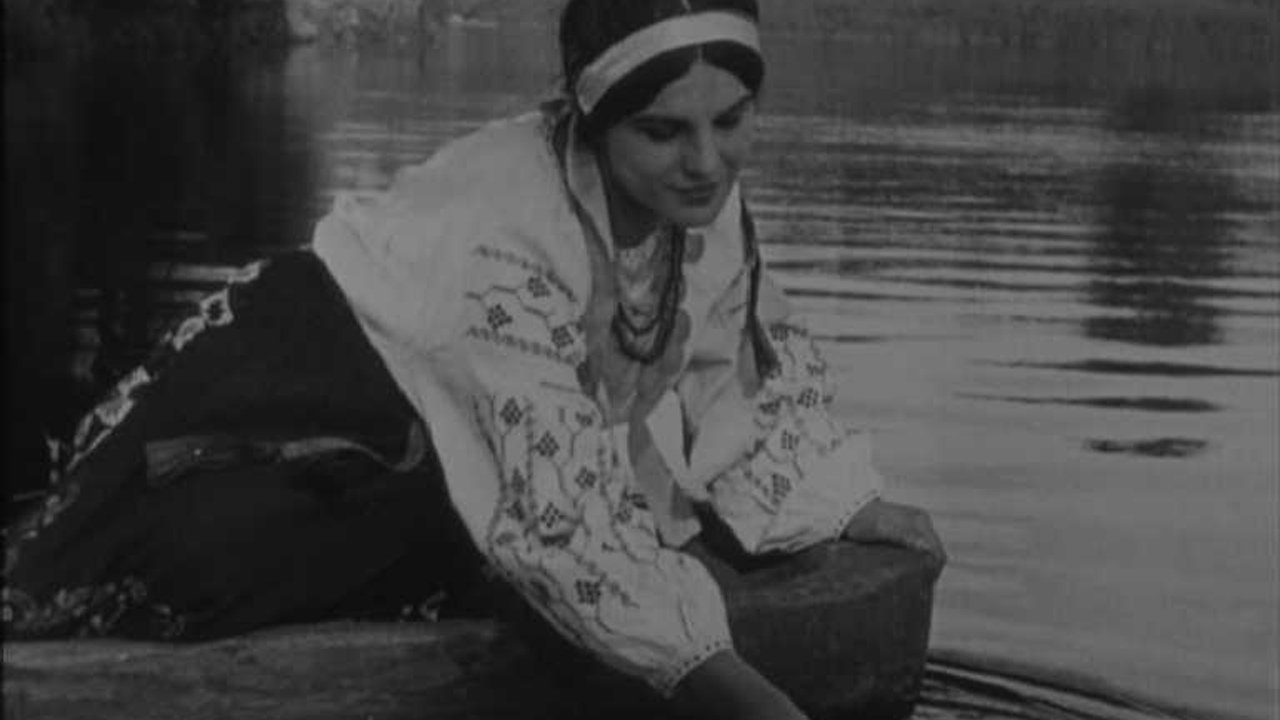
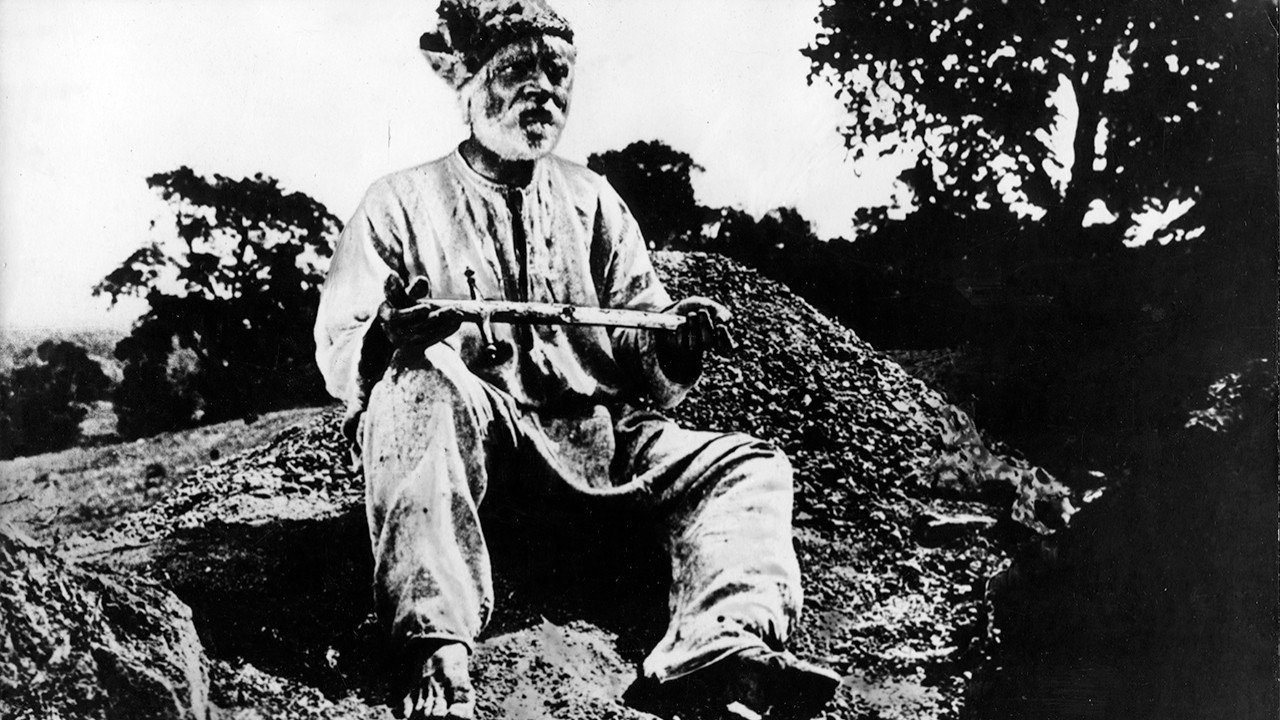
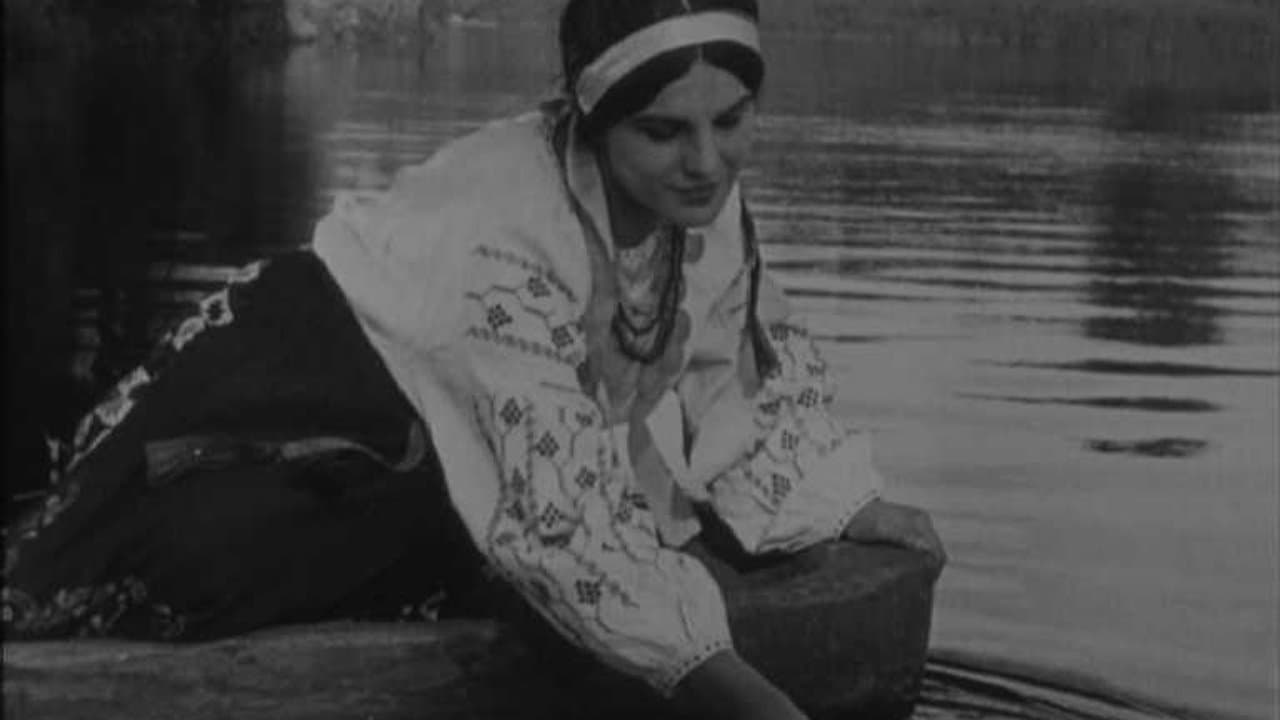
An old man tells his grandson of a legendary treasure buried beneath the hills of Zvenigora, setting in motion a sweeping cinematic poem that intertwines Ukrainian folklore, history, and revolution.
Directed by Oleksandr Dovzhenko
tradition
revolution
buried treasure

Trailer

IMDB
N/A
Cast
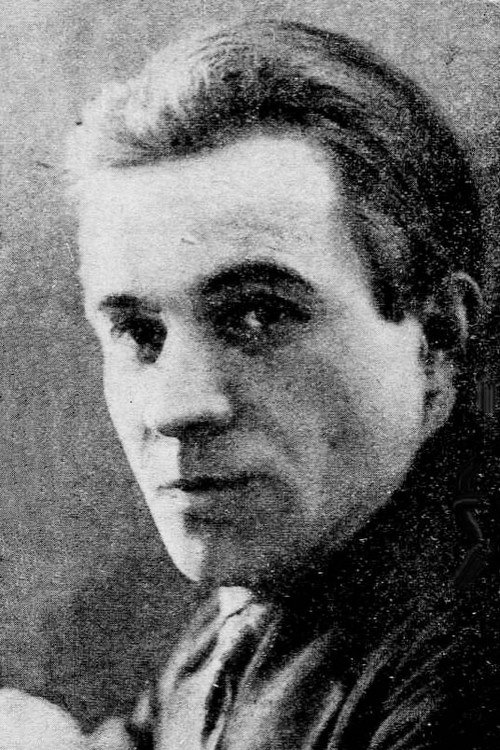
Mykola Nademskyi
Grandpa / General
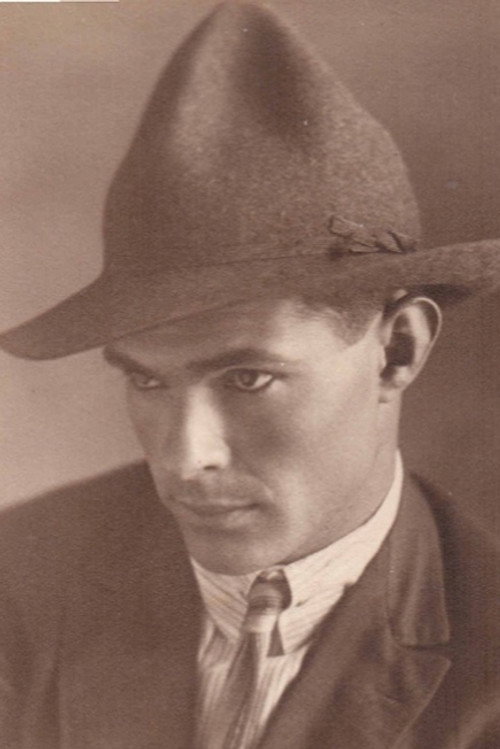
Semyon Svashenko
Timoshka, First Grandson

Les Podorozhniy
Pavel, Second Grandson
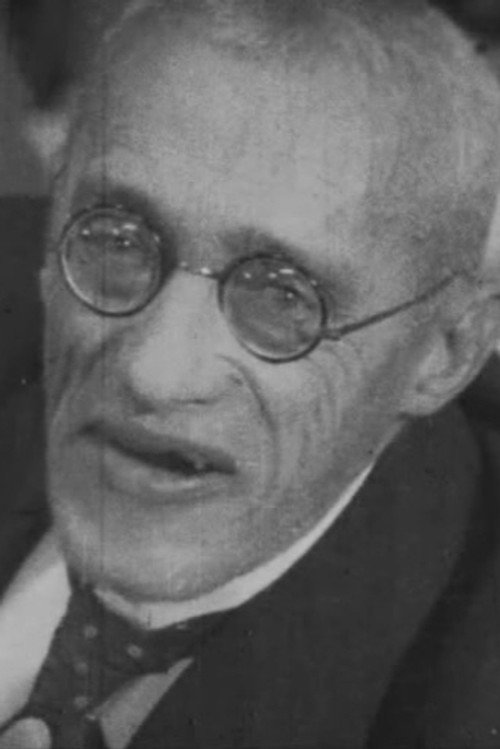
Vladimir Lanskoy
Spectator (uncredited)
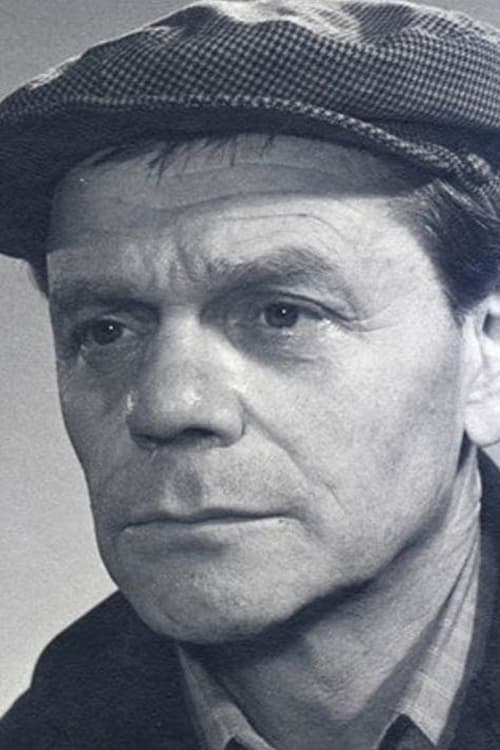
Vladimir Uralskiy
Peasant (uncredited)
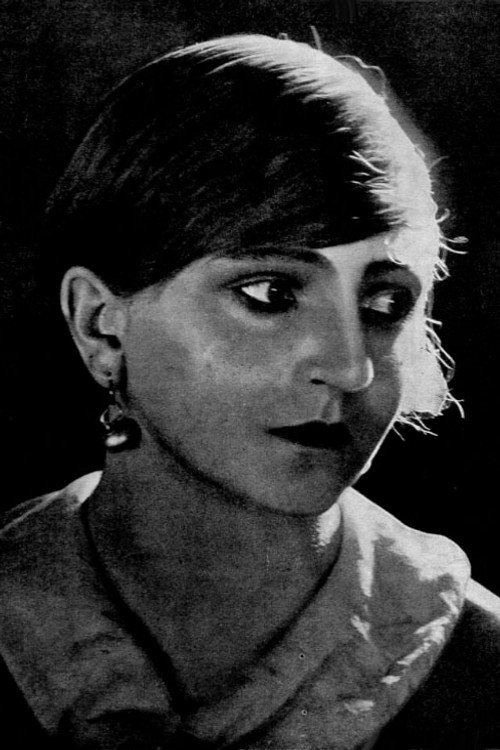
Mariia Diusimetier
Crew
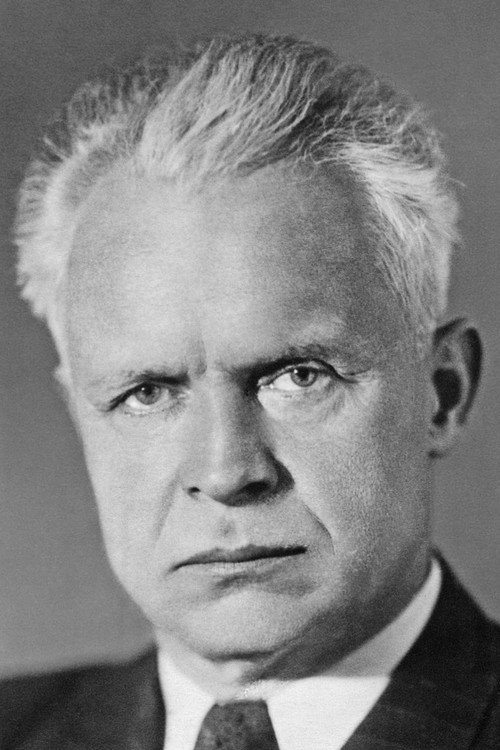
Oleksandr Dovzhenko
Director

Maik Yohansen
Writer
Oleksandr Dovzhenko
Writer
Oleksandr Dovzhenko
Editor
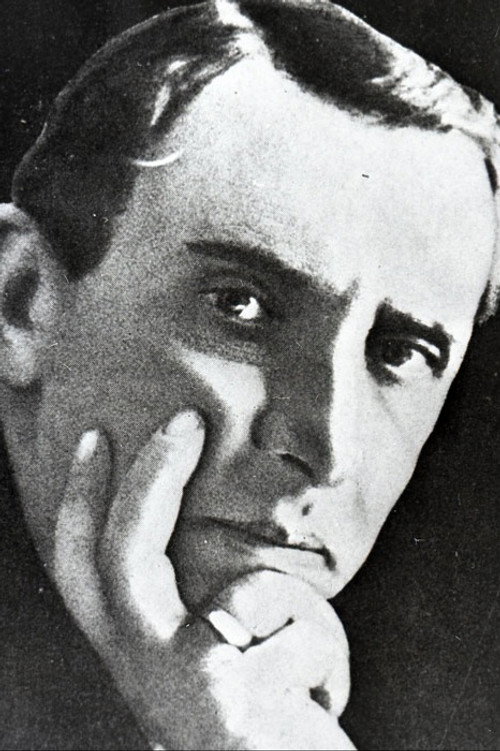
Boris Zavelev
Director of Photography
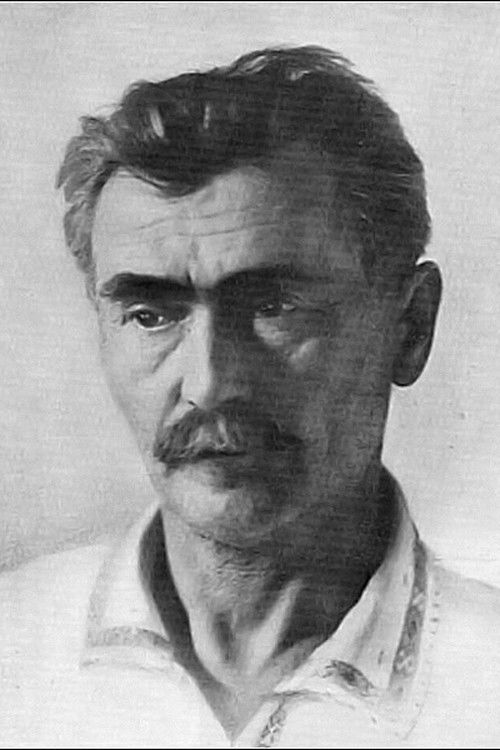
Vasyl Krychevskyi
Production Design
Popular Reviews
4 reviews
maïa

la pure extase lors de la tentative de suicide????? chokbar de bz je hais la société
la pure extase lors de la tentative de suicide????? chokbar de bz je hais la société


Ghoulie
8.0★ · 07/21/24
At this point in Soviet cinema, Eisenstein was the architect of everything. In his films, it's all about the awe-inspiring harmony of moving parts. The storied formalism was nothing short of revolutionary. Dovzhenko on the other hand, aims for what the scholars of the time defined as cinematic poetry. With ZVENYGORA, the verse is redolent of the id, the stanza luscious with earthbound lyric. I can see how a film like this would influence all the great Soviet filmmakers that came afterwards, from Klimov to Tarkovsky.
Even with an ancient soul driven by theistic musings about ages of ere and the spirit of the world, our elderly narrator guides us through folklore of yesterday and today; the omniscience of the camera retains the oral tradition forevermore.
We see glorious battles painted in fluid montage, its performers moving with an artifice, but the modern sights are natural and electrifying while remaining utterly hypnotic. For instance, we see the lights of a present-day city at night, and the motion is the brilliance of the shot; the bright shears of the windmill are literally dancing in the dark. The final shot of a locomotive covering the frame, is a potent visual metaphor for the collision of the old and new.
Let us not forget the film keeps politics at arm's length, showing the Soviets in both rapturous victory and terrible defeat. And that too, is another richly symbolic facet of ZVENYGORA, the natural balance between what came before and what exists today.
Even with an ancient soul driven by theistic musings about ages of ere and the spirit of the world, our elderly narrator guides us through folklore of yesterday and today; the omniscience of the camera retains the oral tradition forevermore.
We see glorious battles painted in fluid montage, its performers moving with an artifice, but the modern sights are natural and electrifying while remaining utterly hypnotic. For instance, we see the lights of a present-day city at night, and the motion is the brilliance of the shot; the bright shears of the windmill are literally dancing in the dark. The final shot of a locomotive covering the frame, is a potent visual metaphor for the collision of the old and new.
Let us not forget the film keeps politics at arm's length, showing the Soviets in both rapturous victory and terrible defeat. And that too, is another richly symbolic facet of ZVENYGORA, the natural balance between what came before and what exists today.
At this point in Soviet cinema, Eisenstein was the architect of everything. In his films, it's all about the awe-inspiring harmony of moving parts. The storied formalism was nothing short of revolutionary. Dovzhenko on the other hand, aims for what the scholars of the time defined as cinematic poetry. With ZVENYGORA, the verse is redolent of the id, the stanza luscious with earthbound lyric. I can see how a film like this would influence all the great Soviet filmmakers that came afterwards, from Klimov to Tarkovsky.
Even with an ancient soul driven by theistic musings about ages of ere and the spirit of the world, our elderly narrator guides us through folklore of yesterday and today; the omniscience of the camera retains the oral tradition forevermore.
We see glorious battles painted in fluid montage, its performers moving with an artifice, but the modern sights are natural and electrifying while remaining utterly hypnotic. For instance, we see the lights of a present-day city at night, and the motion is the brilliance of the shot; the bright shears of the windmill are literally dancing in the dark. The final shot of a locomotive covering the frame, is a potent visual metaphor for the collision of the old and new.
Let us not forget the film keeps politics at arm's length, showing the Soviets in both rapturous victory and terrible defeat. And that too, is another richly symbolic facet of ZVENYGORA, the natural balance between what came before and what exists today.
Even with an ancient soul driven by theistic musings about ages of ere and the spirit of the world, our elderly narrator guides us through folklore of yesterday and today; the omniscience of the camera retains the oral tradition forevermore.
We see glorious battles painted in fluid montage, its performers moving with an artifice, but the modern sights are natural and electrifying while remaining utterly hypnotic. For instance, we see the lights of a present-day city at night, and the motion is the brilliance of the shot; the bright shears of the windmill are literally dancing in the dark. The final shot of a locomotive covering the frame, is a potent visual metaphor for the collision of the old and new.
Let us not forget the film keeps politics at arm's length, showing the Soviets in both rapturous victory and terrible defeat. And that too, is another richly symbolic facet of ZVENYGORA, the natural balance between what came before and what exists today.
Nick
6.0★ · 03/09/25
Dante
9.1★ · 07/02/24
martin
8.0★ · 10/19/23