
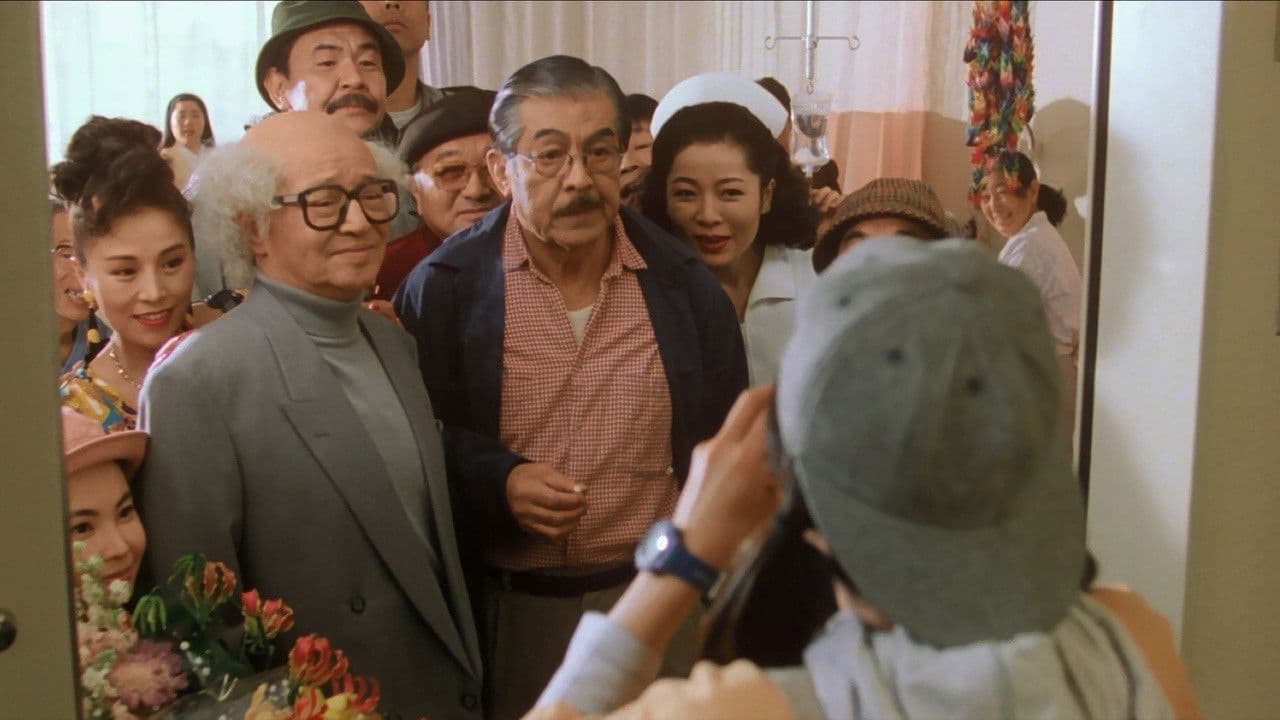
The Last Dance
1993·Drama·1h 56m
7.1
★
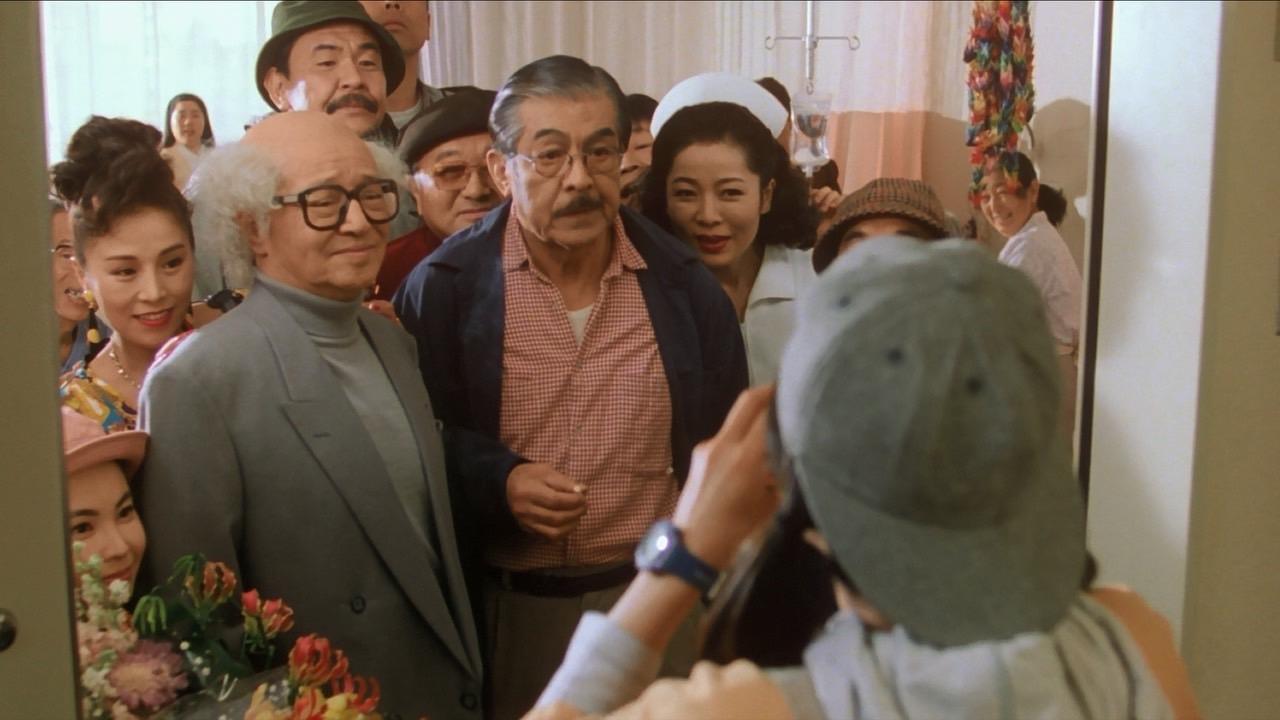
A successful Japanese movie director in his sixties becomes increasingly ill while working on his latest film. Though his family, friends, and doctor try to keep the secret of his terminal cancer from him, Buhei gradually comes to realize the truth of his condition, leading him on a journey of despair, anger, and – ultimately – acceptance.
Directed by Jūzō Itami
cancer
hospital
hospitalization
family dynamics
terminal cancer
film directing
film director
national customs
social practices

Trailer

IMDB
N/A
Cast
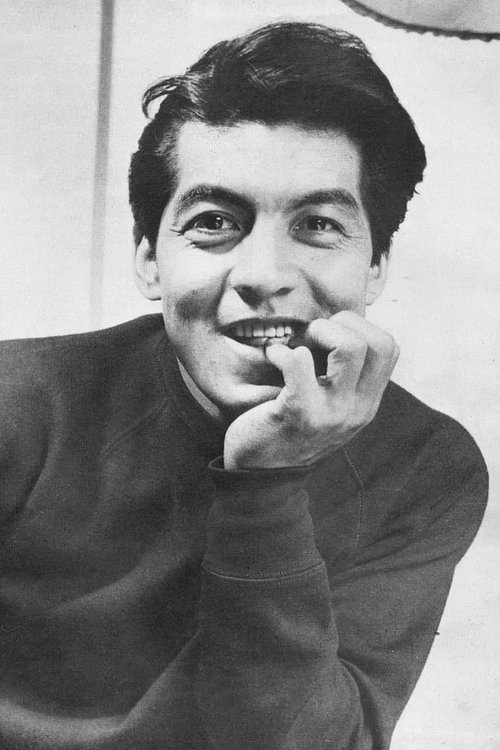
Rentaro Mikuni
Buhei Mukai
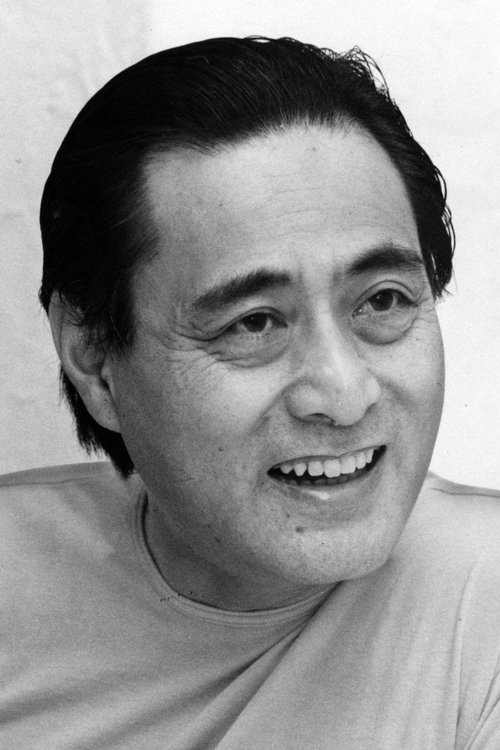
Masahiko Tsugawa
Dr. Koichiro Ogata

Nobuko Miyamoto
Mariko
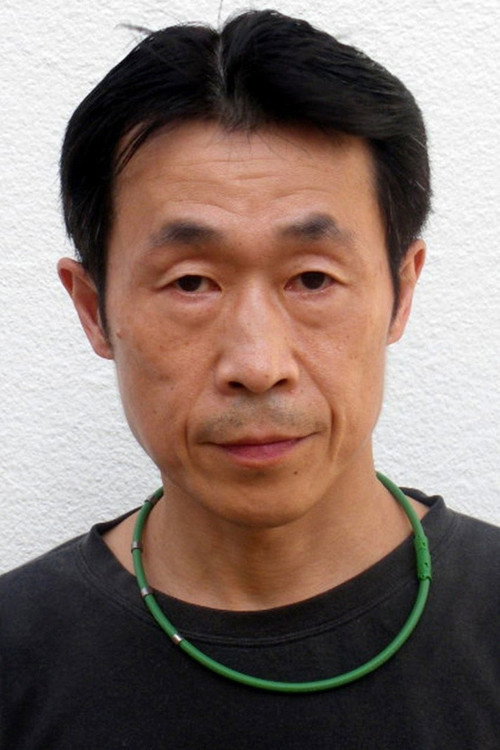
Yoshiki Arizono
Film Staff
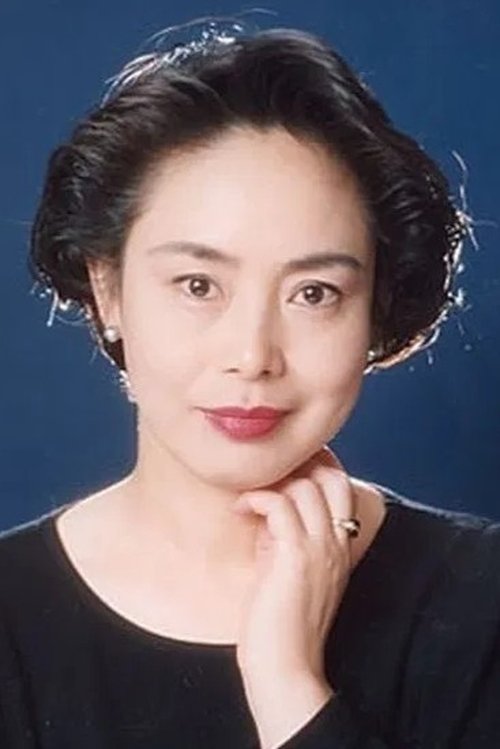
Tokie Hidari
Patient's Wife
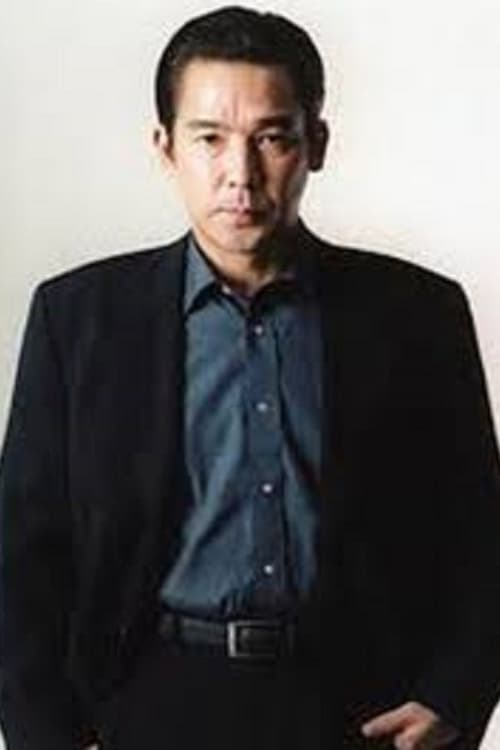
Yoshihiro Kato
Radiographer
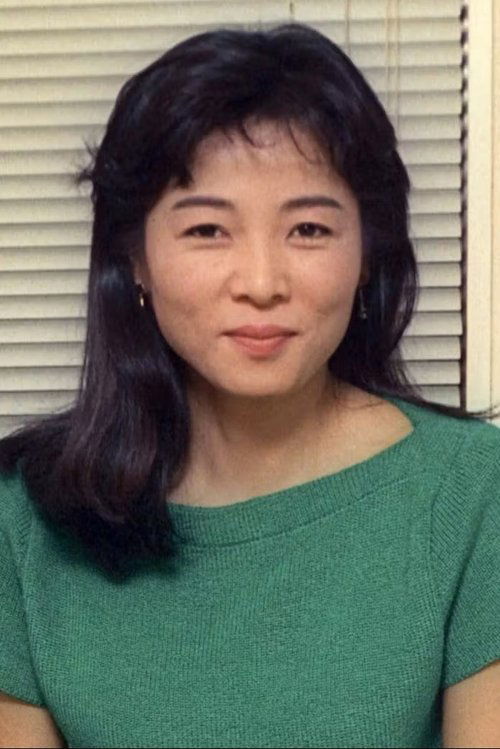
Midori Kiuchi
Nurse

Mami Kumagai
Props Master

Noboru Mitani
Old Man

Takehiro Murata
Doctor
Choei Takahashi
Dying Patient

Haruna Takase
Aya Kamishima
Crew
Jūzō Itami
Director
Jūzō Itami
Screenplay

Toshiyuki Honda
Original Music Composer
Yonezō Maeda
Director of Photography
Nigel Sinclair
Executive Producer
Osamu Onodera
Sound Recordist
Popular Reviews
5 reviews
jota florez
Learn to live life like an artist.
🎌 Japanuary! '26 🍡 #8
Me: Cancer is a common trope in film, used to evoke emotion because it's a real suffering that many people endure, not only those who have it, but also their families, friends, and acquaintances. It's just as cruel and cheap as killing a dog to elicit emotion or disturb in a gory film.
Also me, after watching this film: 😭😭😭
Learn to live life like an artist.
🎌 Japanuary! '26 🍡 #8
Me: Cancer is a common trope in film, used to evoke emotion because it's a real suffering that many people endure, not only those who have it, but also their families, friends, and acquaintances. It's just as cruel and cheap as killing a dog to elicit emotion or disturb in a gory film.
Also me, after watching this film: 😭😭😭


JamesKeane
8.5★ · 09/29/25
Well, that was depressing as shit.
An extremely underrated Juzo Itami Film too!! One of the most under appreciated directors.
An extremely underrated Juzo Itami Film too!! One of the most under appreciated directors.
Well, that was depressing as shit.
An extremely underrated Juzo Itami Film too!! One of the most under appreciated directors.
An extremely underrated Juzo Itami Film too!! One of the most under appreciated directors.
Joshua Timpko
8.0★ · 08/20/25
Watch my video essay about Juzo Itami
man, this film hits you in the gut while feeling simultaneously so warm and fuzzy. It also would make for an excellent double feature with Bob Fosse's All That Jazz--one of my favorite films of all time.
While this doesn't hit the highs of a film like that, I'd be shocked if Itami hadn't watched it before making The Last Dance.
The story goes that after The Gentle Art of Japanese Extortion, Itami was attacked by some yakuza members and maimed with a knife. Soon after, having experienced a near-death experience, he felt he needed to make this film. (All very similar to Bob Fosse making All That Jazz, save for the attempted murder by the yakuza). It's about a famous womanizing, alcoholic actor who gets diagnosed with cancer and tracks his final 365 days alive. In those days, we get fear, sadness, grief, and all the things you would expect from such a morbid tale. But, alas, this wouldn't be a Juzo Itami film if he didn't include a little levity in there along the way and up to the very end with Buhei saying on his deathbed, "It's like taking a friend to the station to see him off, and the train won't leave." This causes everyone in the room to chuckle and breathe for a moment.
This is precisely the type of film you expect someone like Itami to make after such an incident. It retains what made him such a valuable and unique voice, while also keeping a sense of composure that is absent in his other work. It's restrained in certain ways. The camera stays locked down. The takes are long and unbroken. The jaunty music is used sparingly.
This is also a film for and about Juzo, allowing Miyamoto to take a supporting role in his story for a change. She's wonderful, as always, but Rentarô Mikuni is a tour de force in this. The scene where the doctor (played by Itami regular, Masahiko Tsugawa) tells him he has cancer, the way he so slowly pivots from calm to absolute fear, his shaking growing more and more intense, was heartbreaking to watch.
And you can't talk about this film without talking about the absolutely memorable afterlife sequence. The connective tether keeping his spirit form attached to his corporal body being snapped by the doctor walking through it was some beautifully intriguing imagery.
As for the themes in this film, Juzo spells it out perfectly: "A hospital is a place to cure people. But what happens when a person who has no hope of a cure goes into a hospital?"
For Itami to call out his culture's stance on the dying process is a pretty bold move, as he bucks against the idea that one shouldn't be told of their terminal diagnosis. It rules in favor of providing patients the free will to die as they please. Watching the man in the hospital being fed through an IV, getting the phlegm sucked out of his open throat every hour, trying to be resuscitated to life as his family screams on, "just let him die!" was some pretty harrowing stuff packed into a movie with so much joy and silliness.
On that note, this film continues the tradition of Itami being able to balance the two worlds: the wonderful joy of living and the dreadful anxiety of it all ending. I felt the film guiding my hand as it oscillated between these two poles. When Buhei says, "For you, death is defeat. I don't want to see it as a defeat. But as a finale I want to direct myself. I want to leave life like a skylark soaring in the spring sun. I'll tell you a secret. Death is not really such an awful thing to fear. I've been there!" I fully believed him, I agreed with him, I wanted to hug him close, and I wanted to burst out laughing.
It feels like beating a dead horse to bring this up in all my Itami reviews, but how on gods green earth is this film so underseen? Whether it be Letterboxd or IMDb, the film has hardly any ratings, a blank trivia section, and it feels as though there's some secret club that managed to keep this a secret from the world, and I just happened to stumble into it undetected. Seriously, Itami's work is poignant, funny, energetic, daring, and emotionally rich. Yet so many people only see him as Mr. Tampopo.
I'll continue waving the flag for more Itami awareness. come join me!
7.9/10
man, this film hits you in the gut while feeling simultaneously so warm and fuzzy. It also would make for an excellent double feature with Bob Fosse's All That Jazz--one of my favorite films of all time.
While this doesn't hit the highs of a film like that, I'd be shocked if Itami hadn't watched it before making The Last Dance.
The story goes that after The Gentle Art of Japanese Extortion, Itami was attacked by some yakuza members and maimed with a knife. Soon after, having experienced a near-death experience, he felt he needed to make this film. (All very similar to Bob Fosse making All That Jazz, save for the attempted murder by the yakuza). It's about a famous womanizing, alcoholic actor who gets diagnosed with cancer and tracks his final 365 days alive. In those days, we get fear, sadness, grief, and all the things you would expect from such a morbid tale. But, alas, this wouldn't be a Juzo Itami film if he didn't include a little levity in there along the way and up to the very end with Buhei saying on his deathbed, "It's like taking a friend to the station to see him off, and the train won't leave." This causes everyone in the room to chuckle and breathe for a moment.
This is precisely the type of film you expect someone like Itami to make after such an incident. It retains what made him such a valuable and unique voice, while also keeping a sense of composure that is absent in his other work. It's restrained in certain ways. The camera stays locked down. The takes are long and unbroken. The jaunty music is used sparingly.
This is also a film for and about Juzo, allowing Miyamoto to take a supporting role in his story for a change. She's wonderful, as always, but Rentarô Mikuni is a tour de force in this. The scene where the doctor (played by Itami regular, Masahiko Tsugawa) tells him he has cancer, the way he so slowly pivots from calm to absolute fear, his shaking growing more and more intense, was heartbreaking to watch.
And you can't talk about this film without talking about the absolutely memorable afterlife sequence. The connective tether keeping his spirit form attached to his corporal body being snapped by the doctor walking through it was some beautifully intriguing imagery.
As for the themes in this film, Juzo spells it out perfectly: "A hospital is a place to cure people. But what happens when a person who has no hope of a cure goes into a hospital?"
For Itami to call out his culture's stance on the dying process is a pretty bold move, as he bucks against the idea that one shouldn't be told of their terminal diagnosis. It rules in favor of providing patients the free will to die as they please. Watching the man in the hospital being fed through an IV, getting the phlegm sucked out of his open throat every hour, trying to be resuscitated to life as his family screams on, "just let him die!" was some pretty harrowing stuff packed into a movie with so much joy and silliness.
On that note, this film continues the tradition of Itami being able to balance the two worlds: the wonderful joy of living and the dreadful anxiety of it all ending. I felt the film guiding my hand as it oscillated between these two poles. When Buhei says, "For you, death is defeat. I don't want to see it as a defeat. But as a finale I want to direct myself. I want to leave life like a skylark soaring in the spring sun. I'll tell you a secret. Death is not really such an awful thing to fear. I've been there!" I fully believed him, I agreed with him, I wanted to hug him close, and I wanted to burst out laughing.
It feels like beating a dead horse to bring this up in all my Itami reviews, but how on gods green earth is this film so underseen? Whether it be Letterboxd or IMDb, the film has hardly any ratings, a blank trivia section, and it feels as though there's some secret club that managed to keep this a secret from the world, and I just happened to stumble into it undetected. Seriously, Itami's work is poignant, funny, energetic, daring, and emotionally rich. Yet so many people only see him as Mr. Tampopo.
I'll continue waving the flag for more Itami awareness. come join me!
7.9/10
Watch my video essay about Juzo Itami
man, this film hits you in the gut while feeling simultaneously so warm and fuzzy. It also would make for an excellent double feature with Bob Fosse's All That Jazz--one of my favorite films of all time.
While this doesn't hit the highs of a film like that, I'd be shocked if Itami hadn't watched it before making The Last Dance.
The story goes that after The Gentle Art of Japanese Extortion, Itami was attacked by some yakuza members and maimed with a knife. Soon after, having experienced a near-death experience, he felt he needed to make this film. (All very similar to Bob Fosse making All That Jazz, save for the attempted murder by the yakuza). It's about a famous womanizing, alcoholic actor who gets diagnosed with cancer and tracks his final 365 days alive. In those days, we get fear, sadness, grief, and all the things you would expect from such a morbid tale. But, alas, this wouldn't be a Juzo Itami film if he didn't include a little levity in there along the way and up to the very end with Buhei saying on his deathbed, "It's like taking a friend to the station to see him off, and the train won't leave." This causes everyone in the room to chuckle and breathe for a moment.
This is precisely the type of film you expect someone like Itami to make after such an incident. It retains what made him such a valuable and unique voice, while also keeping a sense of composure that is absent in his other work. It's restrained in certain ways. The camera stays locked down. The takes are long and unbroken. The jaunty music is used sparingly.
This is also a film for and about Juzo, allowing Miyamoto to take a supporting role in his story for a change. She's wonderful, as always, but Rentarô Mikuni is a tour de force in this. The scene where the doctor (played by Itami regular, Masahiko Tsugawa) tells him he has cancer, the way he so slowly pivots from calm to absolute fear, his shaking growing more and more intense, was heartbreaking to watch.
And you can't talk about this film without talking about the absolutely memorable afterlife sequence. The connective tether keeping his spirit form attached to his corporal body being snapped by the doctor walking through it was some beautifully intriguing imagery.
As for the themes in this film, Juzo spells it out perfectly: "A hospital is a place to cure people. But what happens when a person who has no hope of a cure goes into a hospital?"
For Itami to call out his culture's stance on the dying process is a pretty bold move, as he bucks against the idea that one shouldn't be told of their terminal diagnosis. It rules in favor of providing patients the free will to die as they please. Watching the man in the hospital being fed through an IV, getting the phlegm sucked out of his open throat every hour, trying to be resuscitated to life as his family screams on, "just let him die!" was some pretty harrowing stuff packed into a movie with so much joy and silliness.
On that note, this film continues the tradition of Itami being able to balance the two worlds: the wonderful joy of living and the dreadful anxiety of it all ending. I felt the film guiding my hand as it oscillated between these two poles. When Buhei says, "For you, death is defeat. I don't want to see it as a defeat. But as a finale I want to direct myself. I want to leave life like a skylark soaring in the spring sun. I'll tell you a secret. Death is not really such an awful thing to fear. I've been there!" I fully believed him, I agreed with him, I wanted to hug him close, and I wanted to burst out laughing.
It feels like beating a dead horse to bring this up in all my Itami reviews, but how on gods green earth is this film so underseen? Whether it be Letterboxd or IMDb, the film has hardly any ratings, a blank trivia section, and it feels as though there's some secret club that managed to keep this a secret from the world, and I just happened to stumble into it undetected. Seriously, Itami's work is poignant, funny, energetic, daring, and emotionally rich. Yet so many people only see him as Mr. Tampopo.
I'll continue waving the flag for more Itami awareness. come join me!
7.9/10
man, this film hits you in the gut while feeling simultaneously so warm and fuzzy. It also would make for an excellent double feature with Bob Fosse's All That Jazz--one of my favorite films of all time.
While this doesn't hit the highs of a film like that, I'd be shocked if Itami hadn't watched it before making The Last Dance.
The story goes that after The Gentle Art of Japanese Extortion, Itami was attacked by some yakuza members and maimed with a knife. Soon after, having experienced a near-death experience, he felt he needed to make this film. (All very similar to Bob Fosse making All That Jazz, save for the attempted murder by the yakuza). It's about a famous womanizing, alcoholic actor who gets diagnosed with cancer and tracks his final 365 days alive. In those days, we get fear, sadness, grief, and all the things you would expect from such a morbid tale. But, alas, this wouldn't be a Juzo Itami film if he didn't include a little levity in there along the way and up to the very end with Buhei saying on his deathbed, "It's like taking a friend to the station to see him off, and the train won't leave." This causes everyone in the room to chuckle and breathe for a moment.
This is precisely the type of film you expect someone like Itami to make after such an incident. It retains what made him such a valuable and unique voice, while also keeping a sense of composure that is absent in his other work. It's restrained in certain ways. The camera stays locked down. The takes are long and unbroken. The jaunty music is used sparingly.
This is also a film for and about Juzo, allowing Miyamoto to take a supporting role in his story for a change. She's wonderful, as always, but Rentarô Mikuni is a tour de force in this. The scene where the doctor (played by Itami regular, Masahiko Tsugawa) tells him he has cancer, the way he so slowly pivots from calm to absolute fear, his shaking growing more and more intense, was heartbreaking to watch.
And you can't talk about this film without talking about the absolutely memorable afterlife sequence. The connective tether keeping his spirit form attached to his corporal body being snapped by the doctor walking through it was some beautifully intriguing imagery.
As for the themes in this film, Juzo spells it out perfectly: "A hospital is a place to cure people. But what happens when a person who has no hope of a cure goes into a hospital?"
For Itami to call out his culture's stance on the dying process is a pretty bold move, as he bucks against the idea that one shouldn't be told of their terminal diagnosis. It rules in favor of providing patients the free will to die as they please. Watching the man in the hospital being fed through an IV, getting the phlegm sucked out of his open throat every hour, trying to be resuscitated to life as his family screams on, "just let him die!" was some pretty harrowing stuff packed into a movie with so much joy and silliness.
On that note, this film continues the tradition of Itami being able to balance the two worlds: the wonderful joy of living and the dreadful anxiety of it all ending. I felt the film guiding my hand as it oscillated between these two poles. When Buhei says, "For you, death is defeat. I don't want to see it as a defeat. But as a finale I want to direct myself. I want to leave life like a skylark soaring in the spring sun. I'll tell you a secret. Death is not really such an awful thing to fear. I've been there!" I fully believed him, I agreed with him, I wanted to hug him close, and I wanted to burst out laughing.
It feels like beating a dead horse to bring this up in all my Itami reviews, but how on gods green earth is this film so underseen? Whether it be Letterboxd or IMDb, the film has hardly any ratings, a blank trivia section, and it feels as though there's some secret club that managed to keep this a secret from the world, and I just happened to stumble into it undetected. Seriously, Itami's work is poignant, funny, energetic, daring, and emotionally rich. Yet so many people only see him as Mr. Tampopo.
I'll continue waving the flag for more Itami awareness. come join me!
7.9/10
Alex Teichman
8.0★ · 11/20/23
Juzo Itami goes crazy because you can hear a line like “You’re a beast! Hurry up and die!” And then it just goes back to the same upbeat music that plays over the whole film and it fuckin rules
Juzo Itami goes crazy because you can hear a line like “You’re a beast! Hurry up and die!” And then it just goes back to the same upbeat music that plays over the whole film and it fuckin rules
Avie
7.0★ · 05/27/21