
Paths
1978·Drama·2h
7.1
★
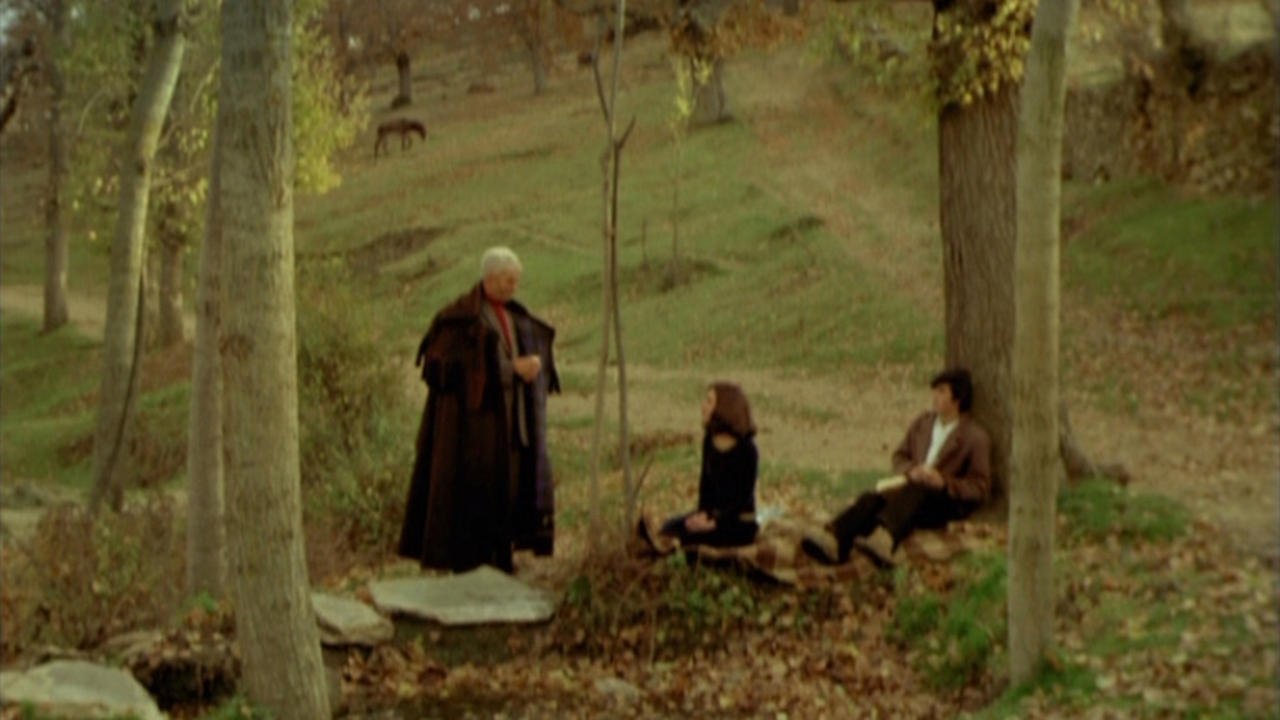
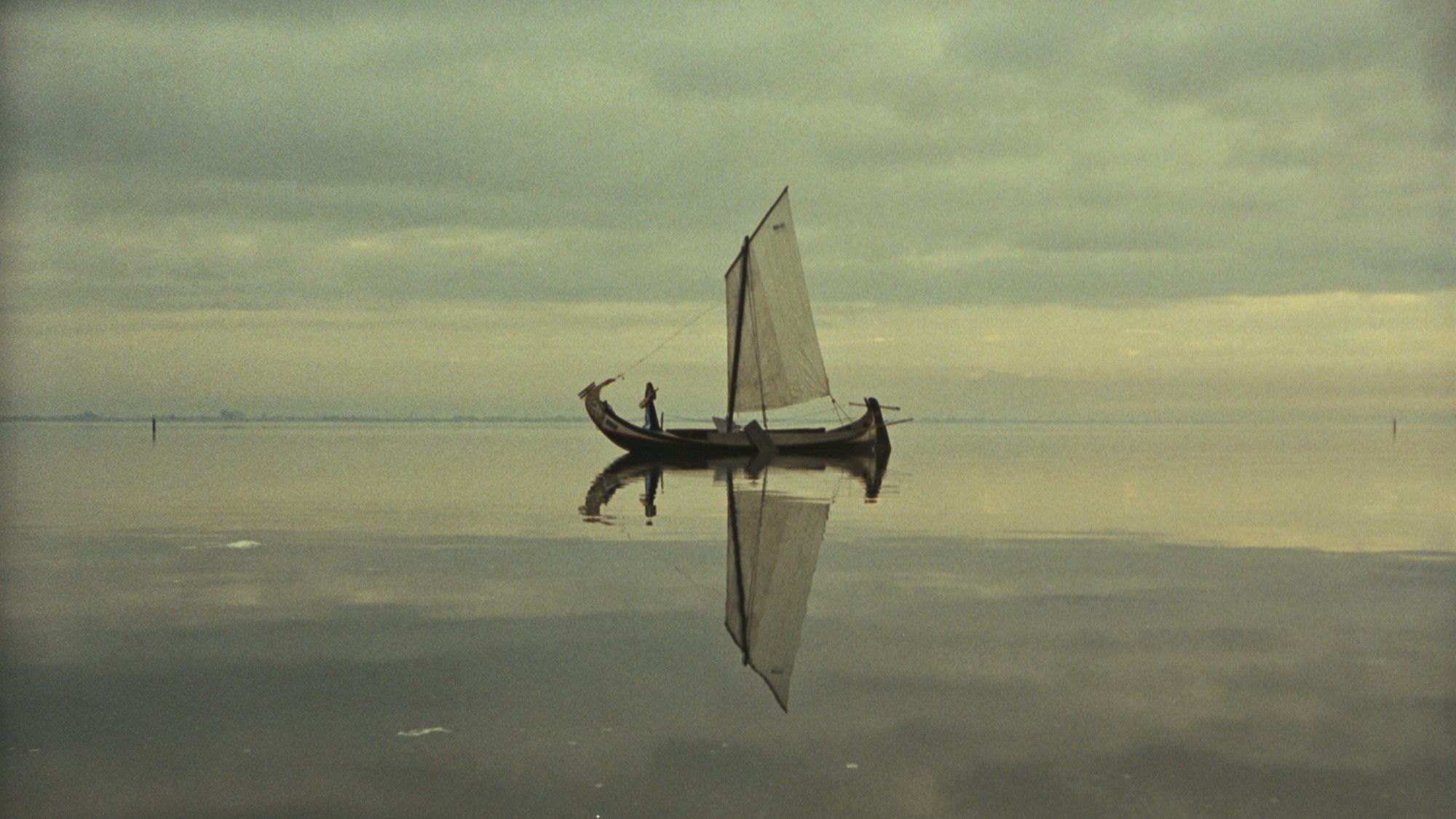
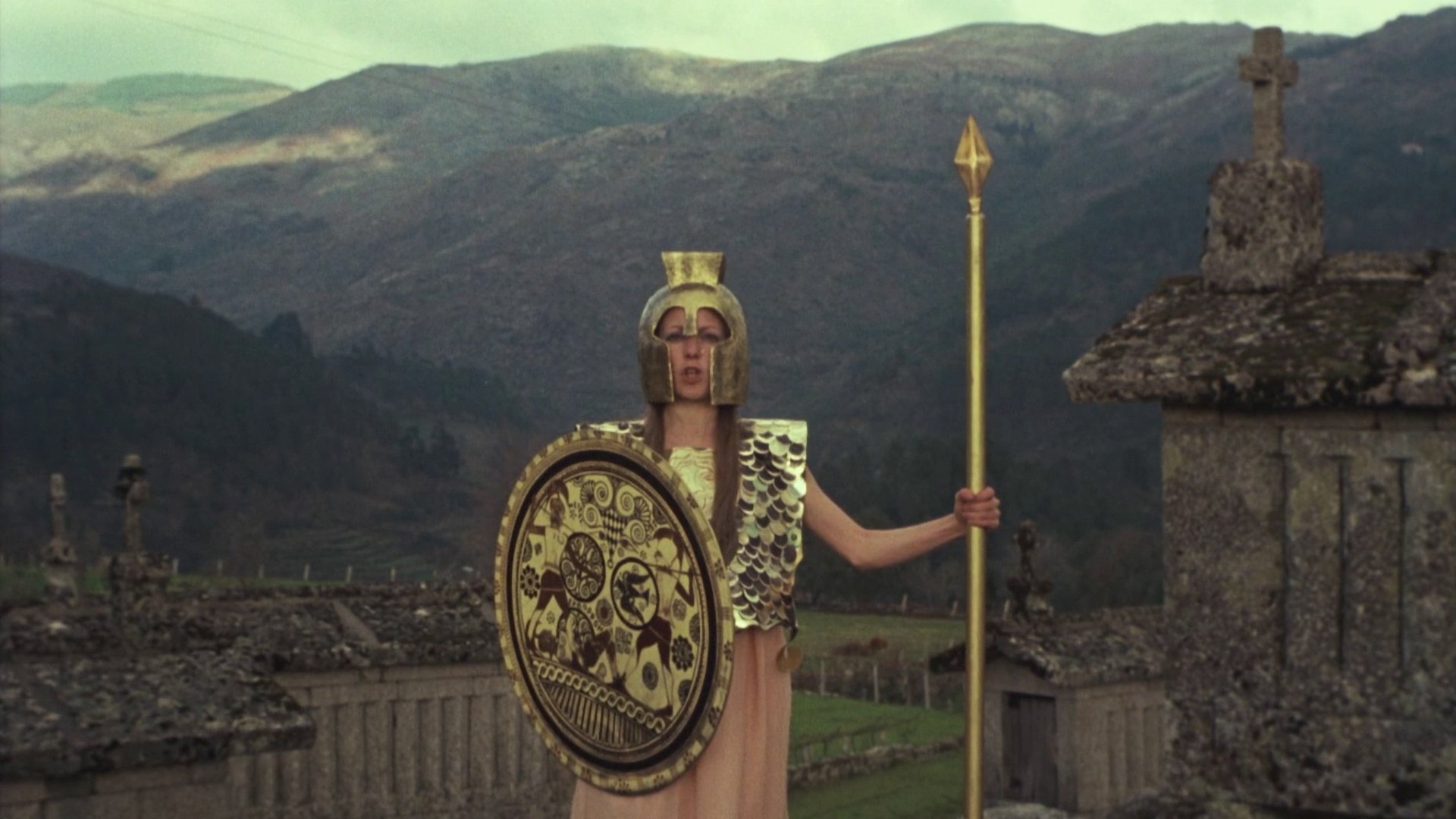
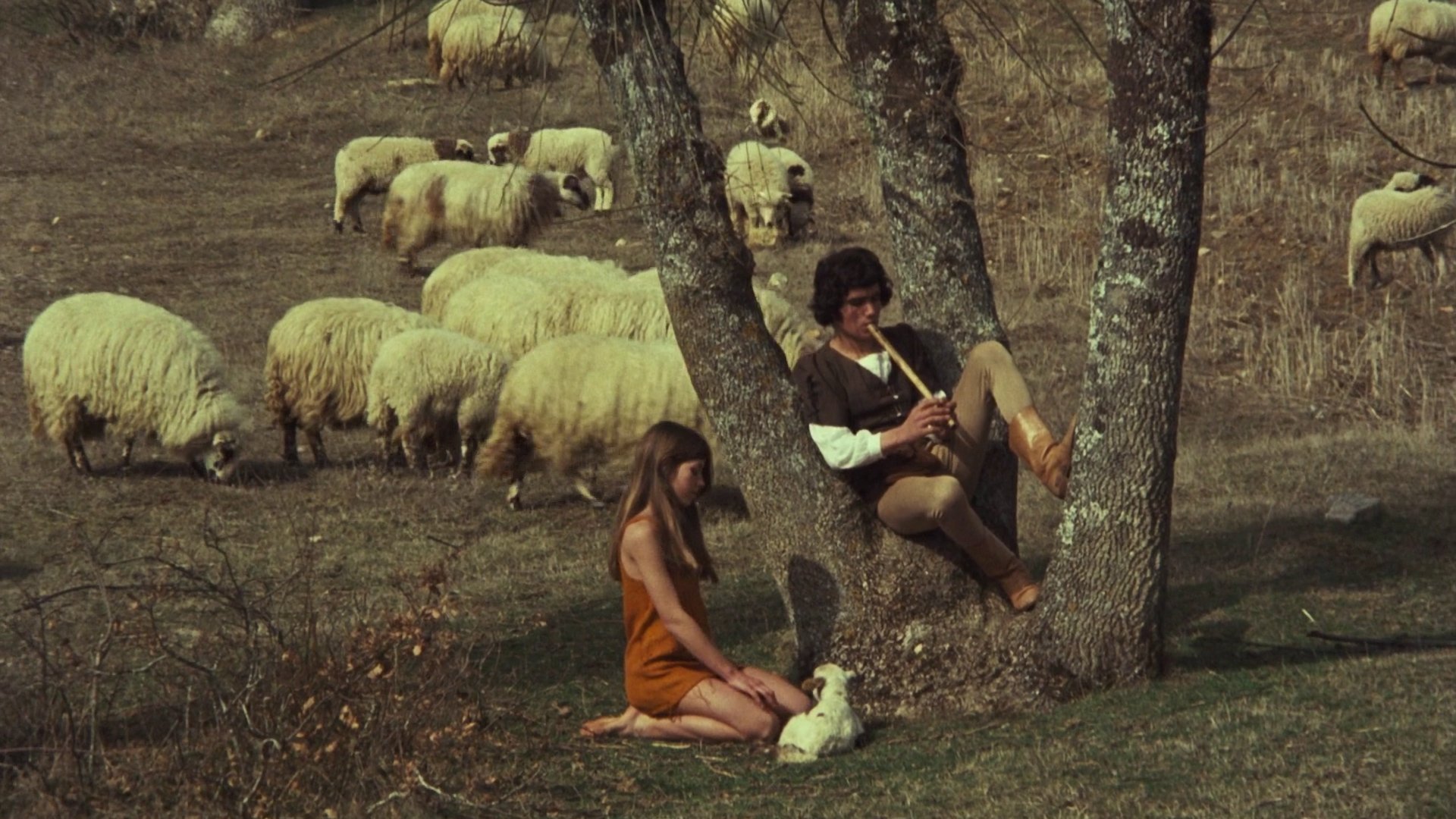
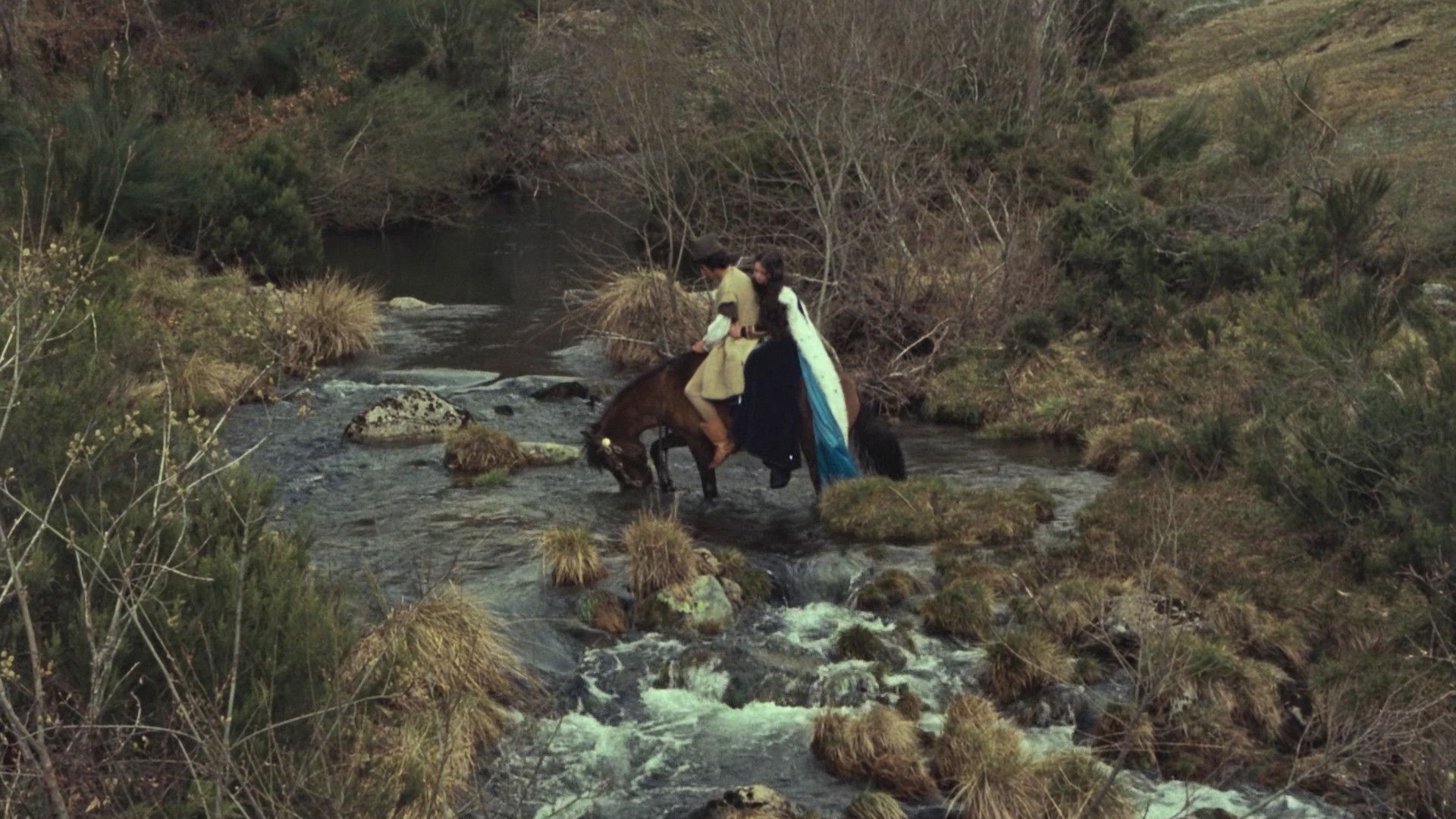
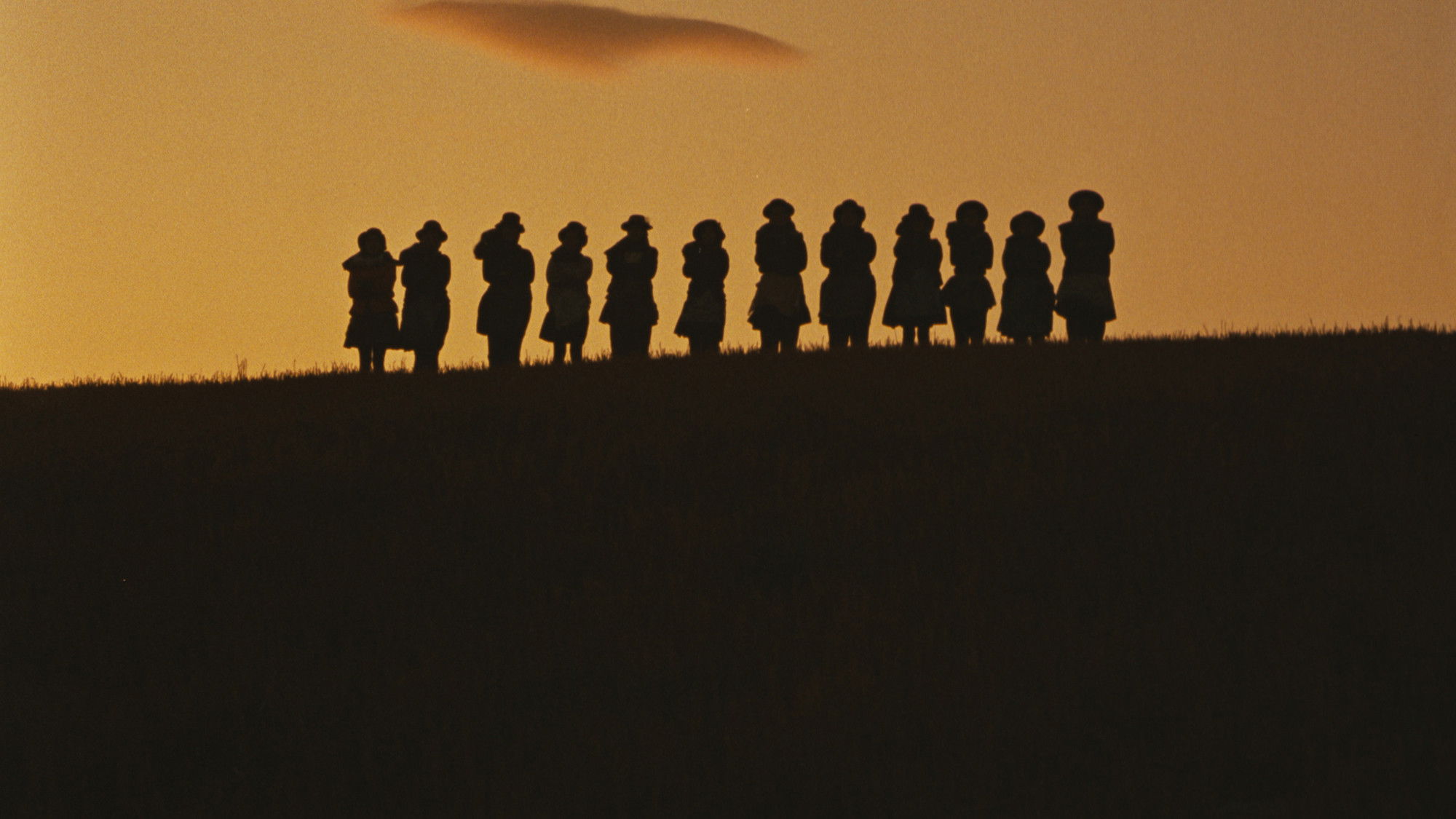
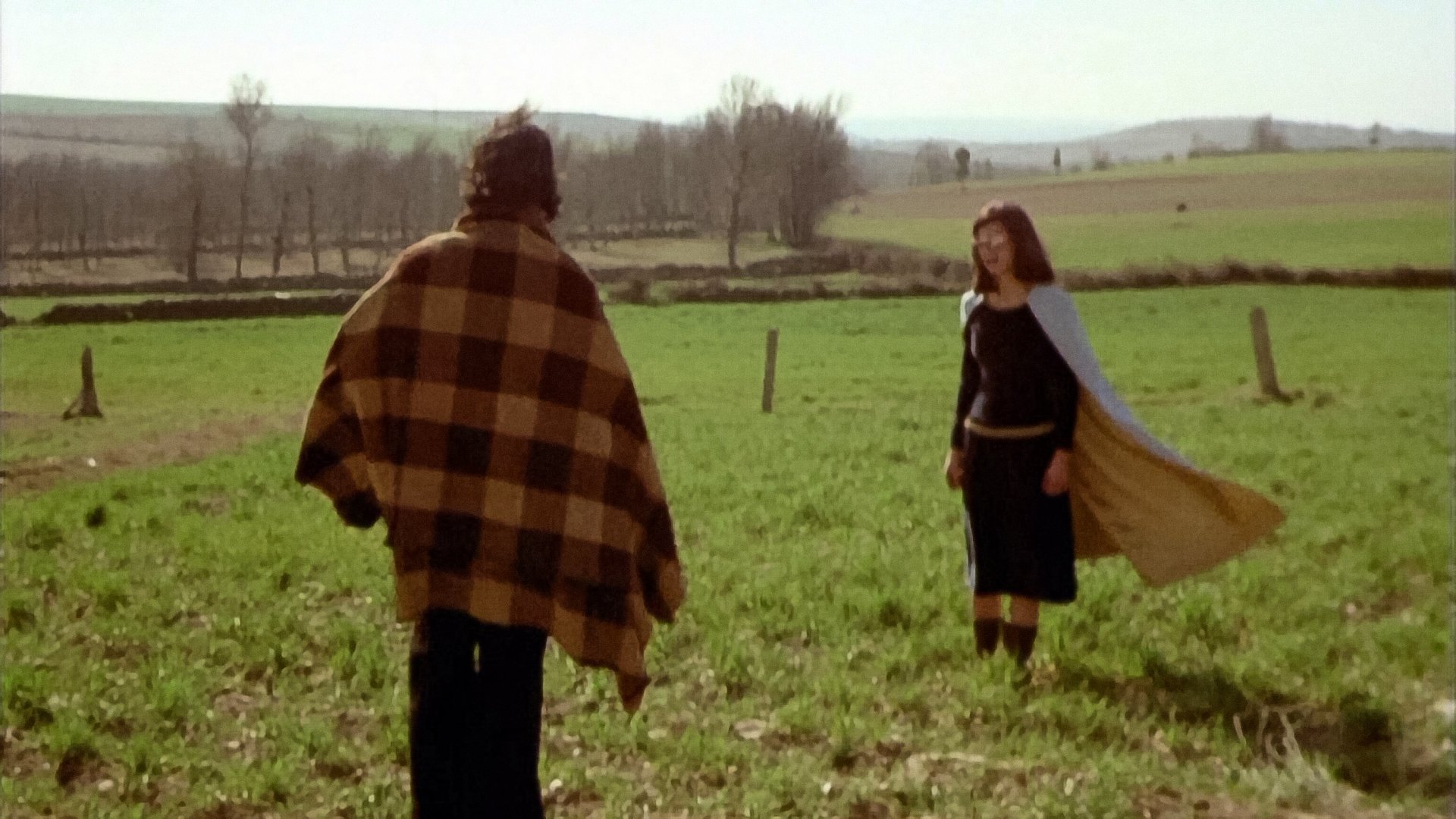
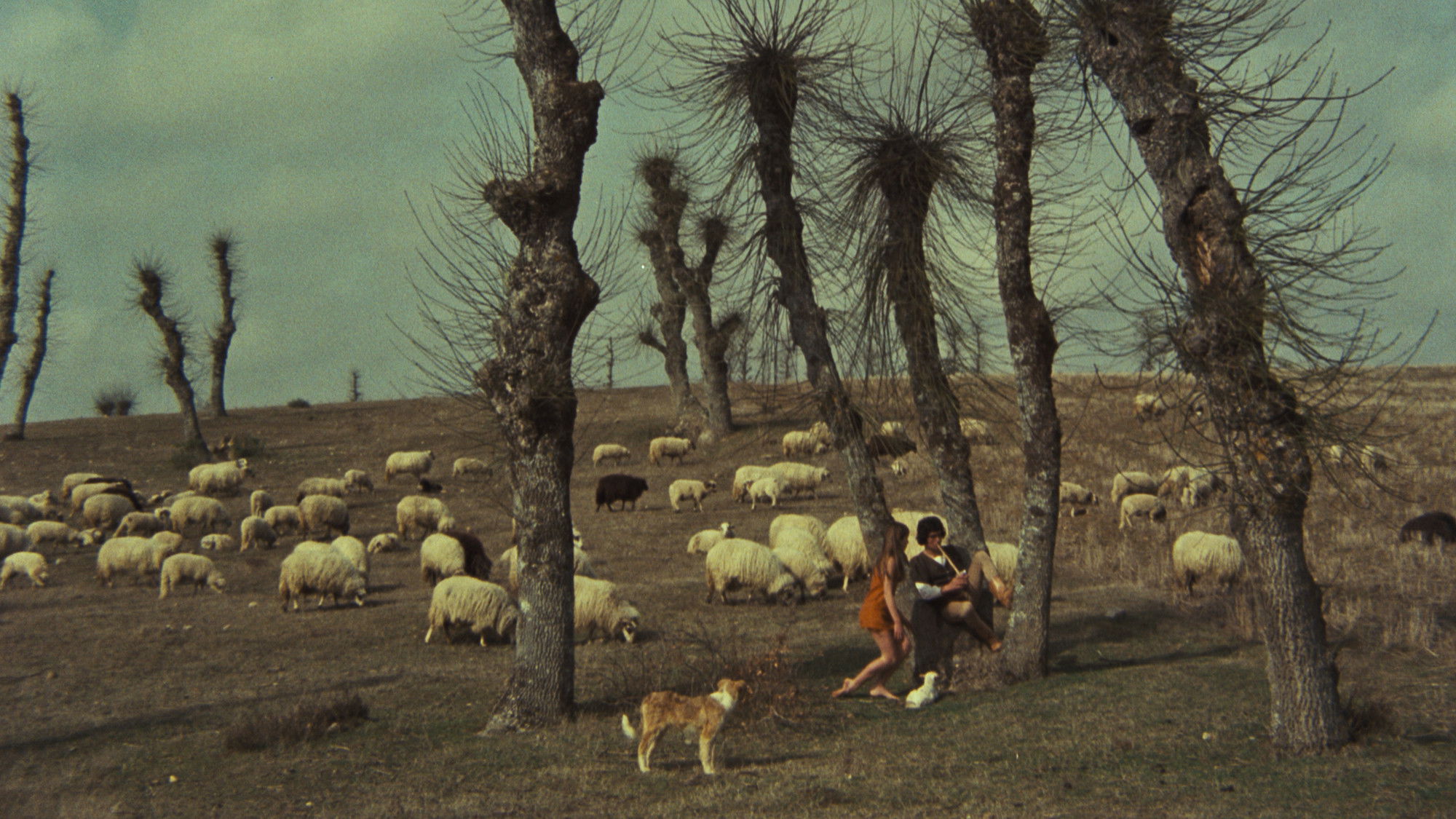
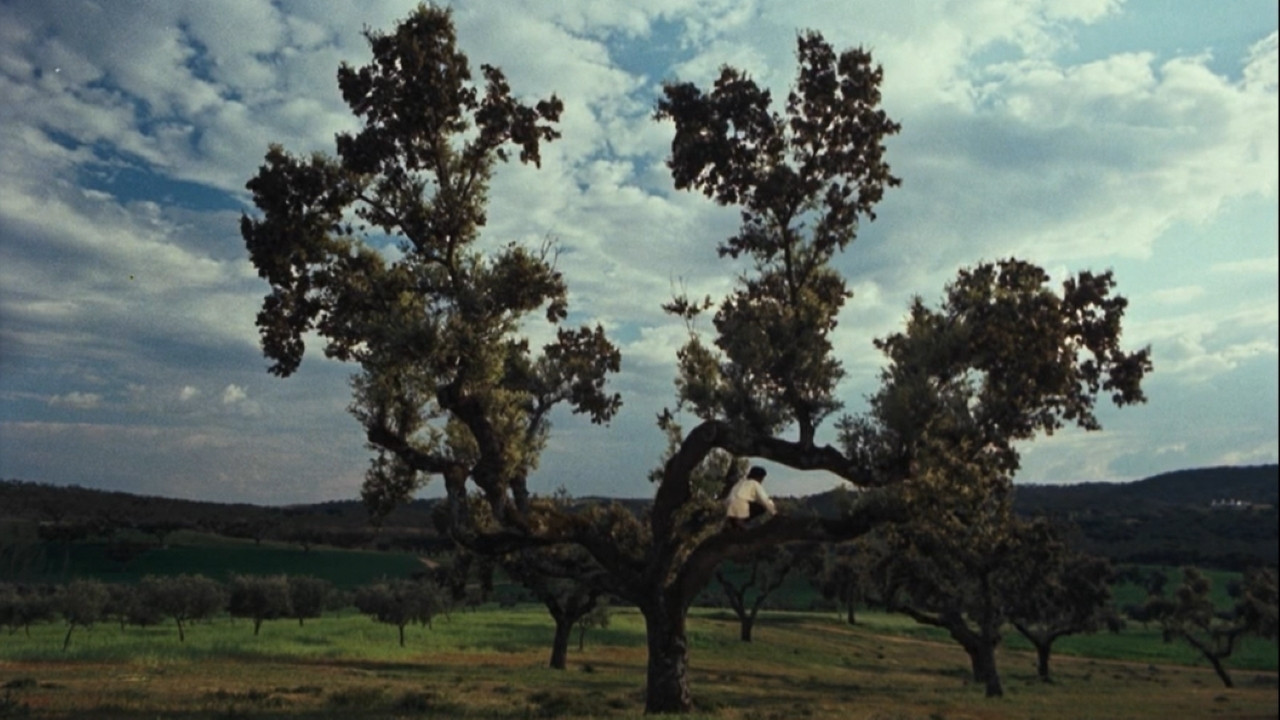
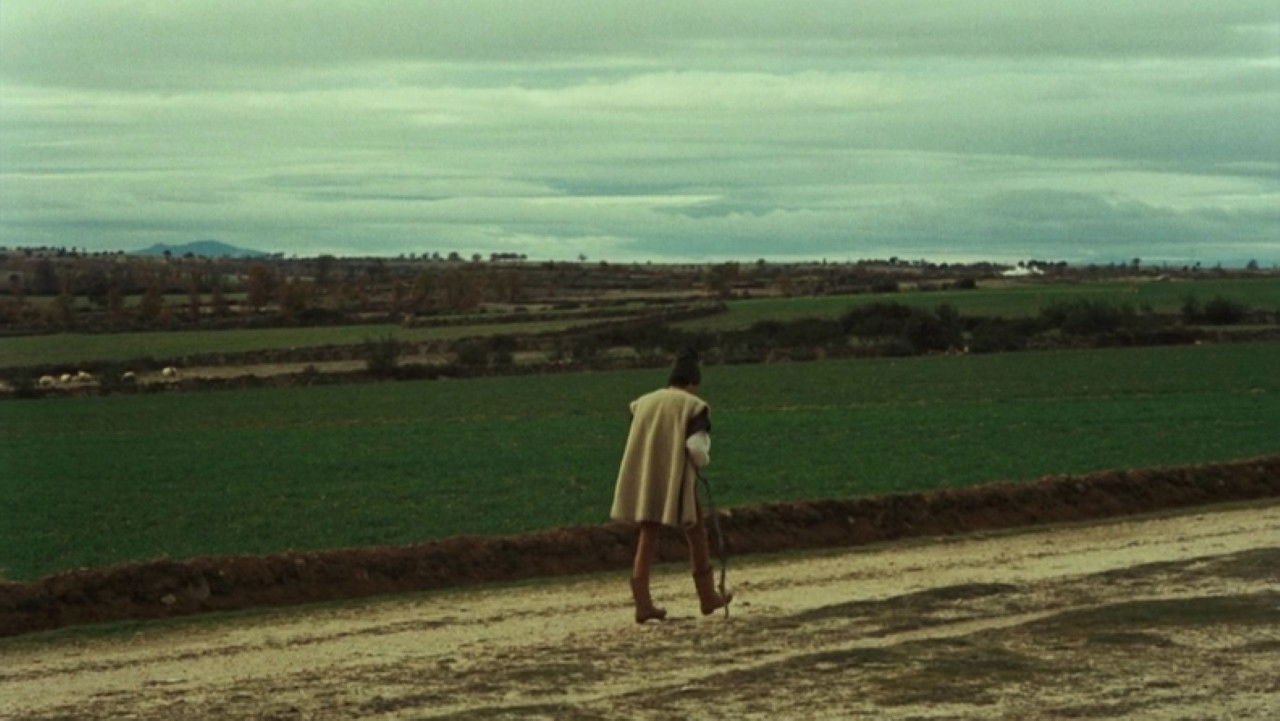
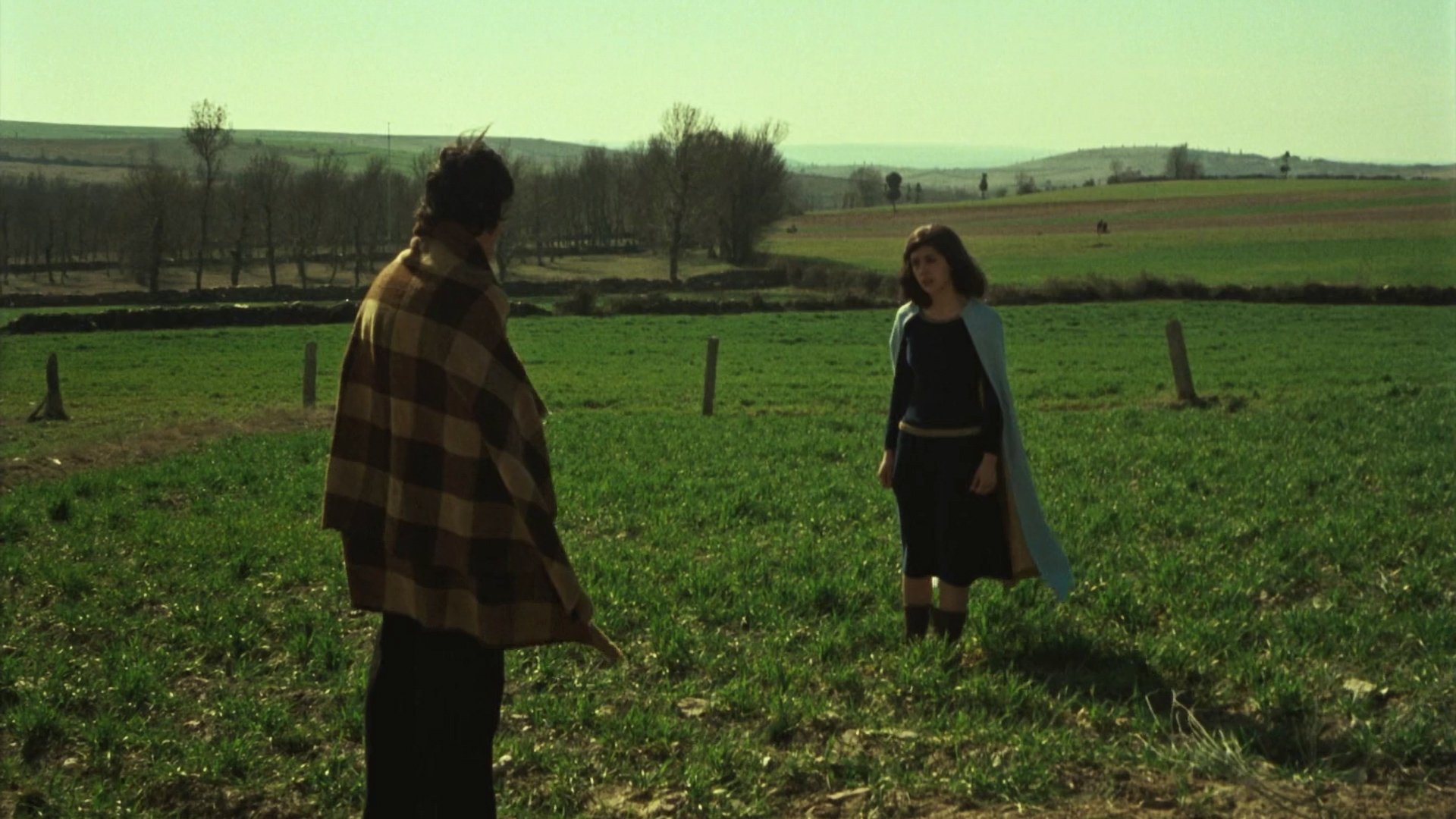
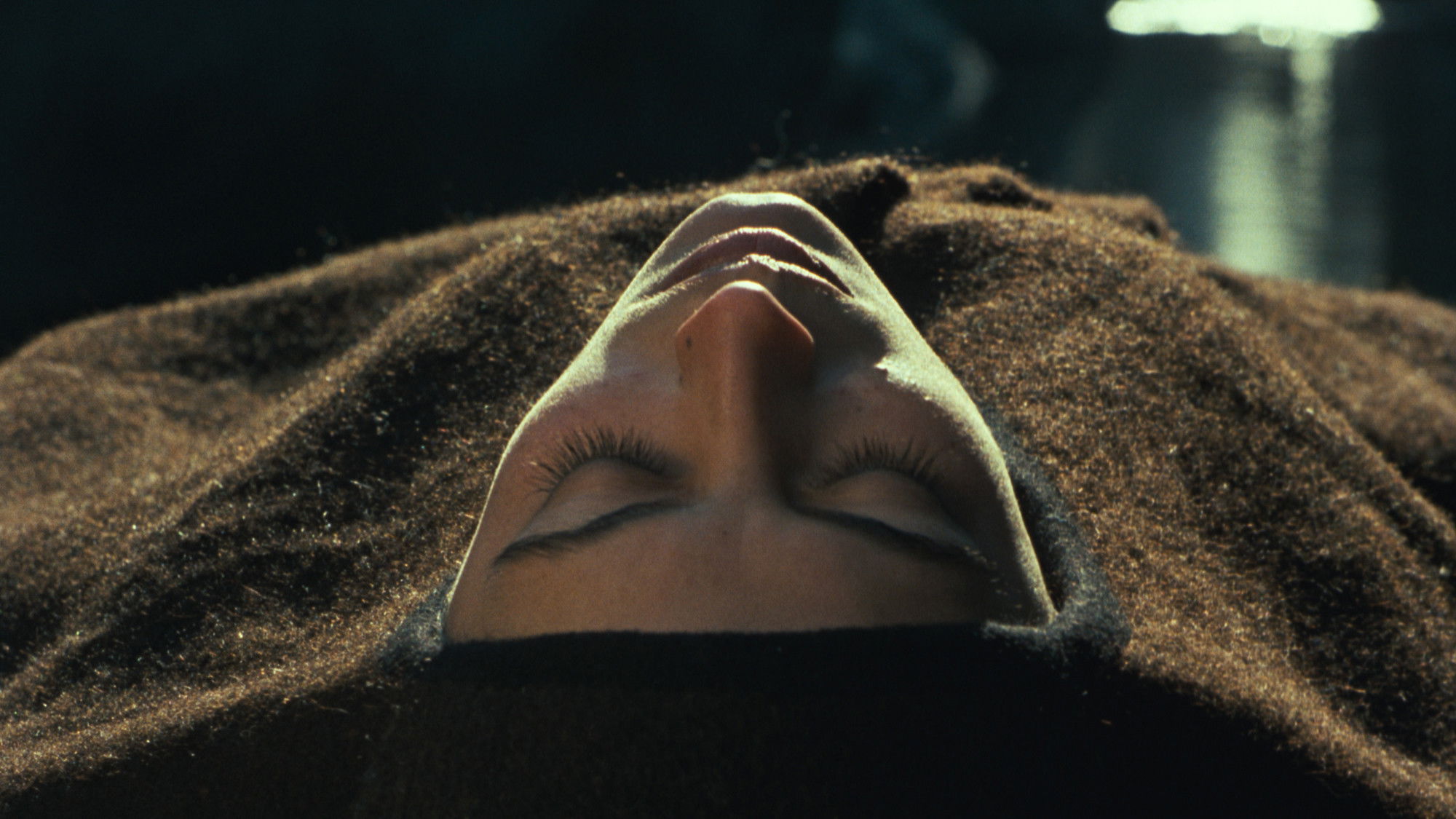
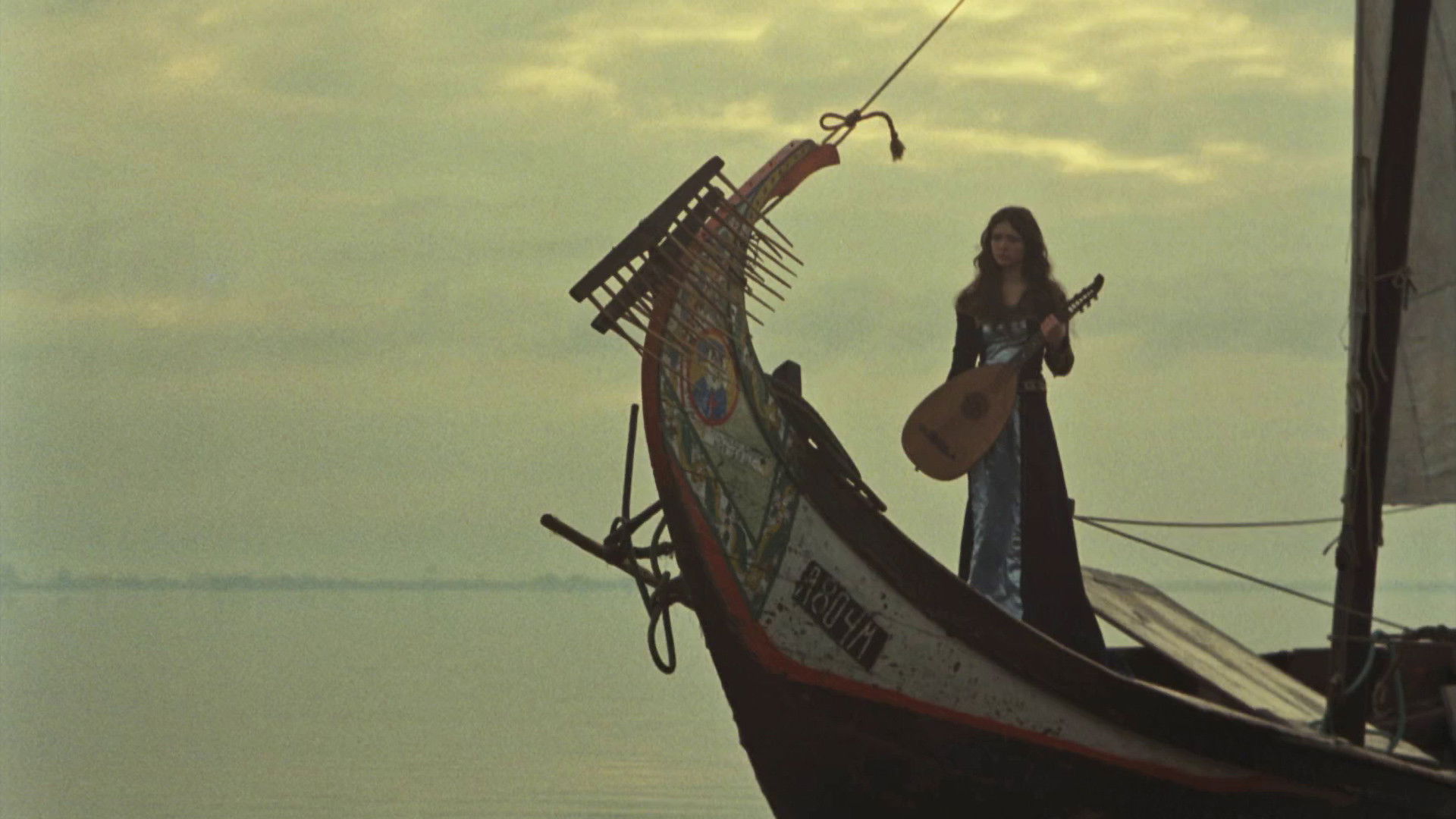
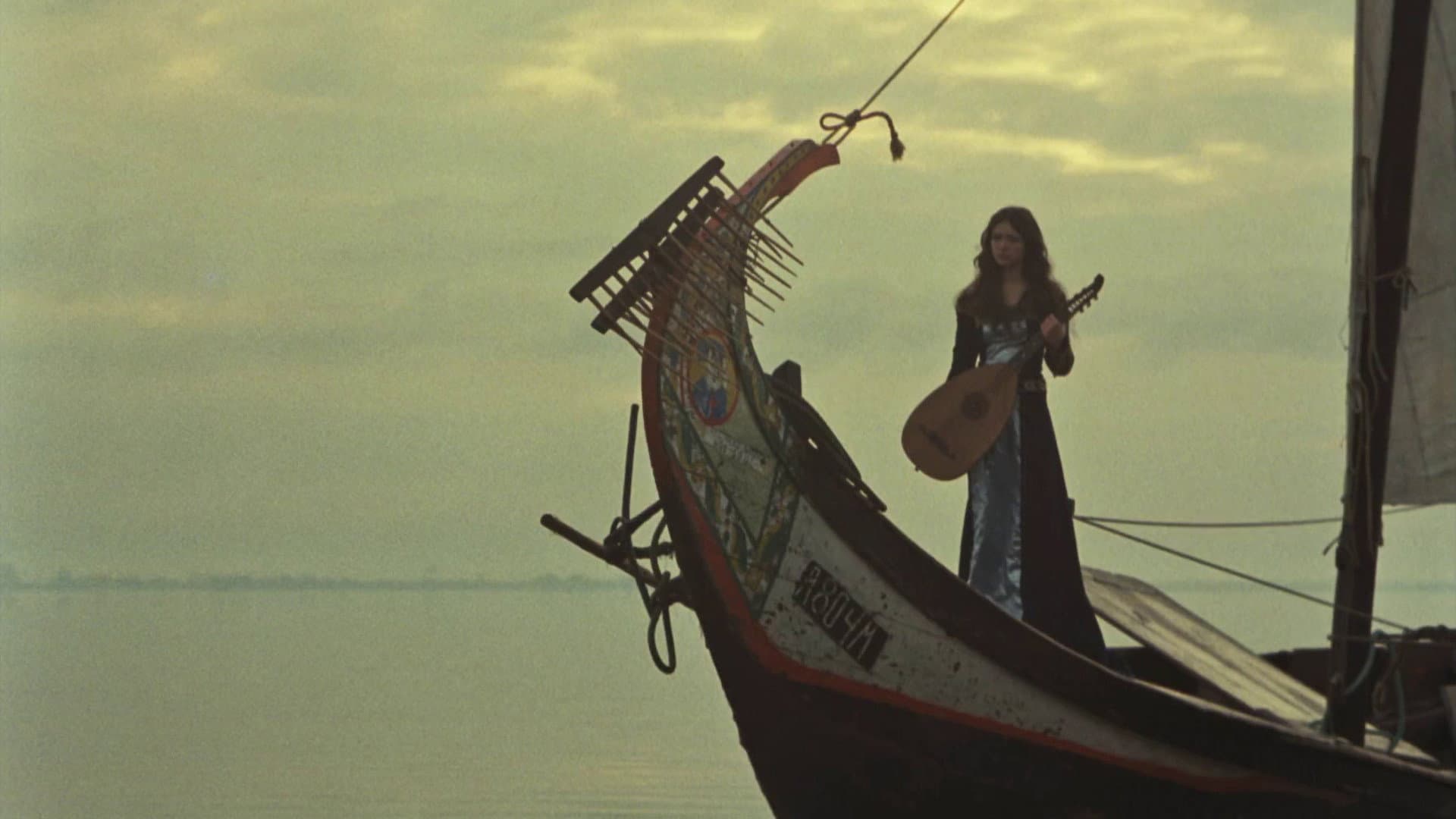
Parallel tales of young couples desperately escaping cruel false fathers, each couple on the run across different regions of the country and during increasingly contemporary time periods.
Directed by João César Monteiro
baptism
satan
birth

IMDB
N/A
Cast

Margarida Gil
The Girl / The Devil's Woman
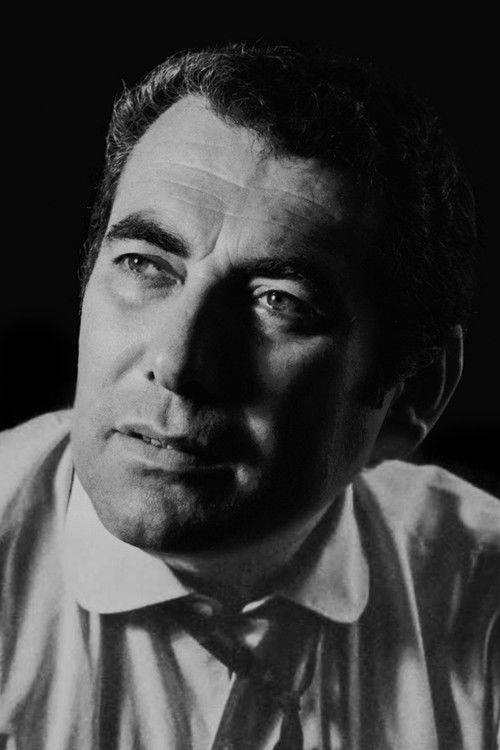
João Guedes
The Lord of the Lands
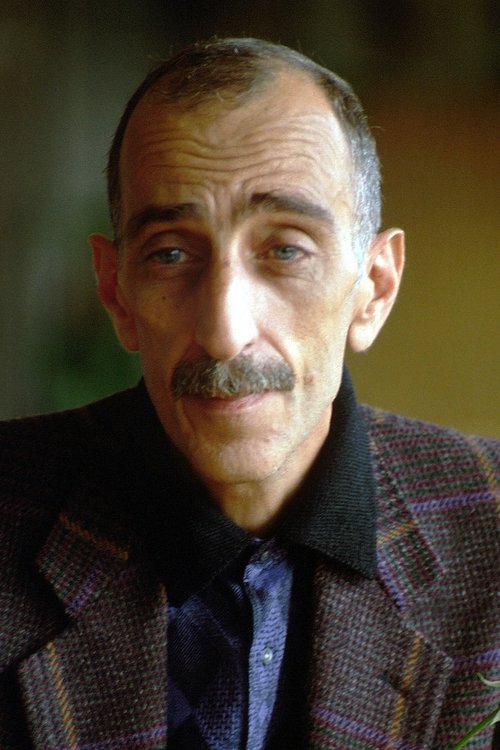
João César Monteiro
The Monk / The Boss of the Thieves

Leonor Seixas
The 1st Daughter of the Devil
Crew
João César Monteiro
Director

Maria Velho da Costa
Writer
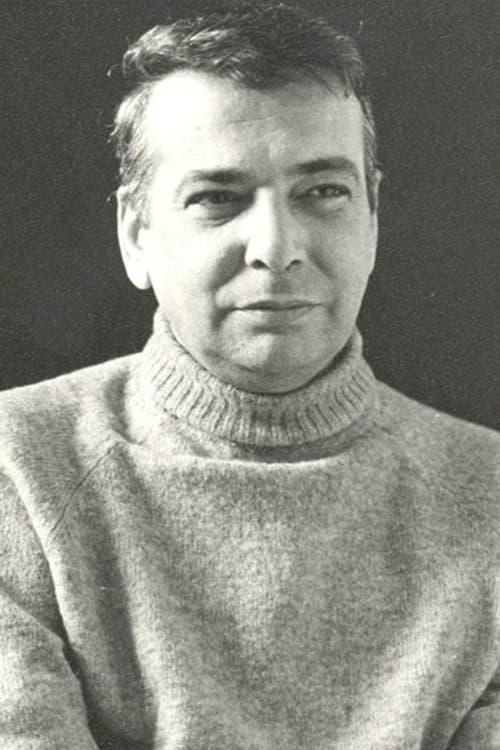
Carlos de Oliveira
Writer
João César Monteiro
Screenplay
João César Monteiro
Editor

Acácio de Almeida
Director of Photography
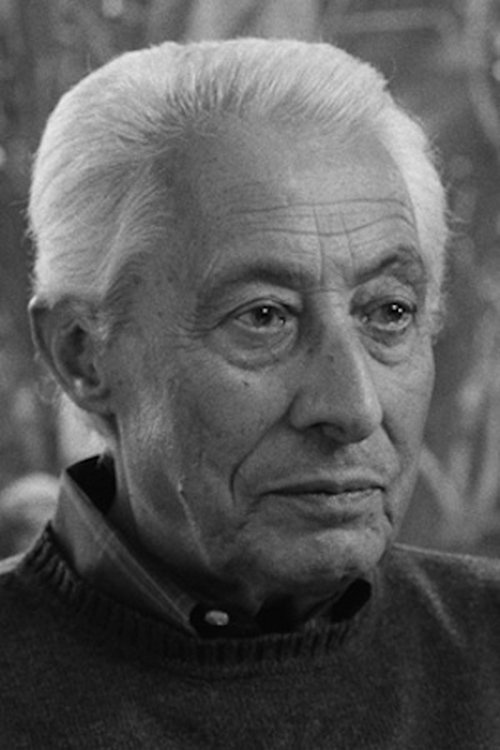
Henrique Espírito Santo
Producer

Aeschylus
Theatre Play
Popular Reviews
2 reviews
Hektor
9.0★ · 07/12/25

My first Monteiro film and it’s certainly an interesting one. Ive written so many drafts I’ve lost track on which one I’m on now. The more I try to write, the further away I seem to be from accurately scribbling down my exact thoughts and feelings, or atleast that’s how it seems. Like the more I understand, the less I capture. So this is the best I can muster, here goes:
Trails might not be an easy film to understand, nor do I really believe anyone ever will. There are films that will guide you, there are films that will leave you wandering, and then there’s Trails. It exists somewhere beyond those two, or maybe inbetween for all that I know. It doesn’t concern itself with clarity. There is no cohesive narrative. You won’t grasp it, you’ll drift through.
It’s peculiar how open ended it is, considering that it simultaneously feels entirely confined. Sort of like an ancient tale, already written and determined centuries ago, set in stone way before we ever had a chance to watch it. Yet due to the differences in time, we can’t fully comprehend the content. A mythological rhythm - not quite plot, not quite parable. More like fragments of memory, ritual, beliefs. Monologues flow in and out like verses from a holy text. Nothings linear, but everything feels intentional.
The best way I can describe it is that it’s a lot less like watching a film, and more like listening to a folk song in a language you don’t understand. You may not understand the lyrics, nor catch its meaning, but you’ll feel the shape of the song. It evokes something, makes you remember. but even if your life depended on it, you couldn’t explain what it was about beyond the vague sensation it gave you.
If you just dum it down to the complete and utter basics, the few but known facts of the film, you’re left with more or less just the title:
Trails by the law of physics, would probably be defined as a scalar and not a vector. Meaning it’d have some kind of quantity but not a set direction. From a more literary perspective ”trails” suggests a form of movement, which isn’t necessarily tied to progress. And I think that might be the point, because it sums up the film quite well.
It’s about a region, a people, a time. About mythology, history and memory. Belief and ritual. Religion - passed down like disintegrated stories and fables, told out of habit and not an indestructible faith. It’s no portrait of the Renaissance, perfect and structured, but a collage of Monterios feelings on the whole of Portugal - past and present. It’s not presented in linear chapters. Instead in exasperation he dredges it up in fragments, like half-remembered thoughts and ideas, dreams or tales, continuously retold until completely stripped of every bit of the stories original truth. Rhythm becomes more valuable than meaning. It was never a path forward, but inward, an attempt at collective memory into a culture that’s shaped as much by what is forgotten as by what is remembered.
It’s peculiar how open ended it is, considering that it simultaneously feels entirely confined. Sort of like an ancient tale, already written and determined centuries ago, set in stone way before we ever had a chance to watch it. Yet due to the differences in time, we can’t fully comprehend the content. A mythological rhythm - not quite plot, not quite parable. More like fragments of memory, ritual, beliefs. Monologues flow in and out like verses from a holy text. Nothings linear, but everything feels intentional.
The best way I can describe it is that it’s a lot less like watching a film, and more like listening to a folk song in a language you don’t understand. You may not understand the lyrics, nor catch its meaning, but you’ll feel the shape of the song. It evokes something, makes you remember. but even if your life depended on it, you couldn’t explain what it was about beyond the vague sensation it gave you.
If you just dum it down to the complete and utter basics, the few but known facts of the film, you’re left with more or less just the title:
Trails
Trails by the law of physics, would probably be defined as a scalar and not a vector. Meaning it’d have some kind of quantity but not a set direction. From a more literary perspective ”trails” suggests a form of movement, which isn’t necessarily tied to progress. And I think that might be the point, because it sums up the film quite well.
It’s about a region, a people, a time. About mythology, history and memory. Belief and ritual. Religion - passed down like disintegrated stories and fables, told out of habit and not an indestructible faith. It’s no portrait of the Renaissance, perfect and structured, but a collage of Monterios feelings on the whole of Portugal - past and present. It’s not presented in linear chapters. Instead in exasperation he dredges it up in fragments, like half-remembered thoughts and ideas, dreams or tales, continuously retold until completely stripped of every bit of the stories original truth. Rhythm becomes more valuable than meaning. It was never a path forward, but inward, an attempt at collective memory into a culture that’s shaped as much by what is forgotten as by what is remembered.
My first Monteiro film and it’s certainly an interesting one. Ive written so many drafts I’ve lost track on which one I’m on now. The more I try to write, the further away I seem to be from accurately scribbling down my exact thoughts and feelings, or atleast that’s how it seems. Like the more I understand, the less I capture. So this is the best I can muster, here goes:
Trails might not be an easy film to understand, nor do I really believe anyone ever will. There are films that will guide you, there are films that will leave you wandering, and then there’s Trails. It exists somewhere beyond those two, or maybe inbetween for all that I know. It doesn’t concern itself with clarity. There is no cohesive narrative. You won’t grasp it, you’ll drift through.
It’s peculiar how open ended it is, considering that it simultaneously feels entirely confined. Sort of like an ancient tale, already written and determined centuries ago, set in stone way before we ever had a chance to watch it. Yet due to the differences in time, we can’t fully comprehend the content. A mythological rhythm - not quite plot, not quite parable. More like fragments of memory, ritual, beliefs. Monologues flow in and out like verses from a holy text. Nothings linear, but everything feels intentional.
The best way I can describe it is that it’s a lot less like watching a film, and more like listening to a folk song in a language you don’t understand. You may not understand the lyrics, nor catch its meaning, but you’ll feel the shape of the song. It evokes something, makes you remember. but even if your life depended on it, you couldn’t explain what it was about beyond the vague sensation it gave you.
If you just dum it down to the complete and utter basics, the few but known facts of the film, you’re left with more or less just the title:
Trails by the law of physics, would probably be defined as a scalar and not a vector. Meaning it’d have some kind of quantity but not a set direction. From a more literary perspective ”trails” suggests a form of movement, which isn’t necessarily tied to progress. And I think that might be the point, because it sums up the film quite well.
It’s about a region, a people, a time. About mythology, history and memory. Belief and ritual. Religion - passed down like disintegrated stories and fables, told out of habit and not an indestructible faith. It’s no portrait of the Renaissance, perfect and structured, but a collage of Monterios feelings on the whole of Portugal - past and present. It’s not presented in linear chapters. Instead in exasperation he dredges it up in fragments, like half-remembered thoughts and ideas, dreams or tales, continuously retold until completely stripped of every bit of the stories original truth. Rhythm becomes more valuable than meaning. It was never a path forward, but inward, an attempt at collective memory into a culture that’s shaped as much by what is forgotten as by what is remembered.
It’s peculiar how open ended it is, considering that it simultaneously feels entirely confined. Sort of like an ancient tale, already written and determined centuries ago, set in stone way before we ever had a chance to watch it. Yet due to the differences in time, we can’t fully comprehend the content. A mythological rhythm - not quite plot, not quite parable. More like fragments of memory, ritual, beliefs. Monologues flow in and out like verses from a holy text. Nothings linear, but everything feels intentional.
The best way I can describe it is that it’s a lot less like watching a film, and more like listening to a folk song in a language you don’t understand. You may not understand the lyrics, nor catch its meaning, but you’ll feel the shape of the song. It evokes something, makes you remember. but even if your life depended on it, you couldn’t explain what it was about beyond the vague sensation it gave you.
If you just dum it down to the complete and utter basics, the few but known facts of the film, you’re left with more or less just the title:
Trails
Trails by the law of physics, would probably be defined as a scalar and not a vector. Meaning it’d have some kind of quantity but not a set direction. From a more literary perspective ”trails” suggests a form of movement, which isn’t necessarily tied to progress. And I think that might be the point, because it sums up the film quite well.
It’s about a region, a people, a time. About mythology, history and memory. Belief and ritual. Religion - passed down like disintegrated stories and fables, told out of habit and not an indestructible faith. It’s no portrait of the Renaissance, perfect and structured, but a collage of Monterios feelings on the whole of Portugal - past and present. It’s not presented in linear chapters. Instead in exasperation he dredges it up in fragments, like half-remembered thoughts and ideas, dreams or tales, continuously retold until completely stripped of every bit of the stories original truth. Rhythm becomes more valuable than meaning. It was never a path forward, but inward, an attempt at collective memory into a culture that’s shaped as much by what is forgotten as by what is remembered.


charlie
9.4★ · 06/10/25
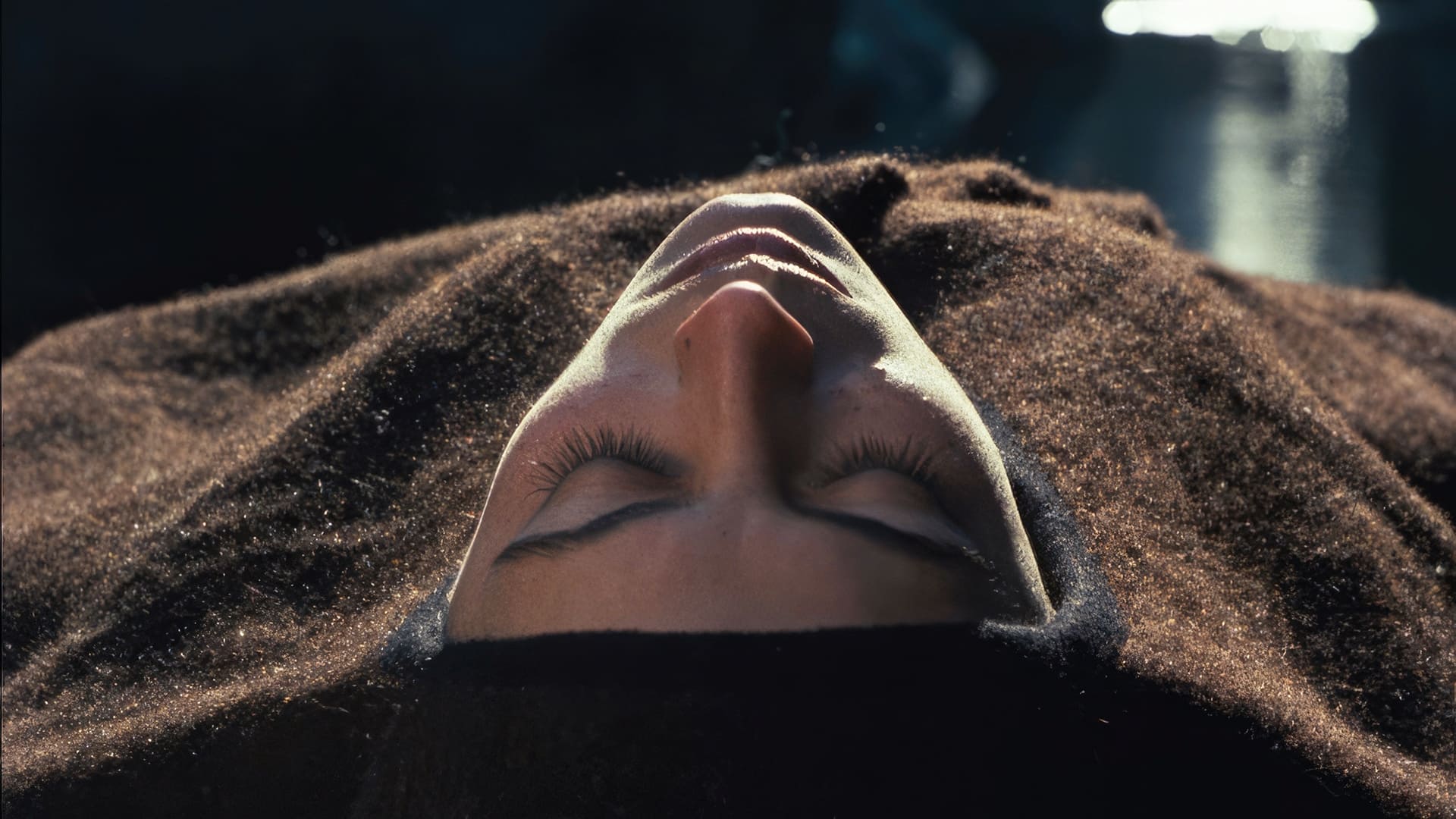
What’s a face but a crust of gaping earth if it’s not exposed to another face that endures it, to hands that toil and soothe it.
What’s a face but a crust of gaping earth if it’s not exposed to another face that endures it, to hands that toil and soothe it.