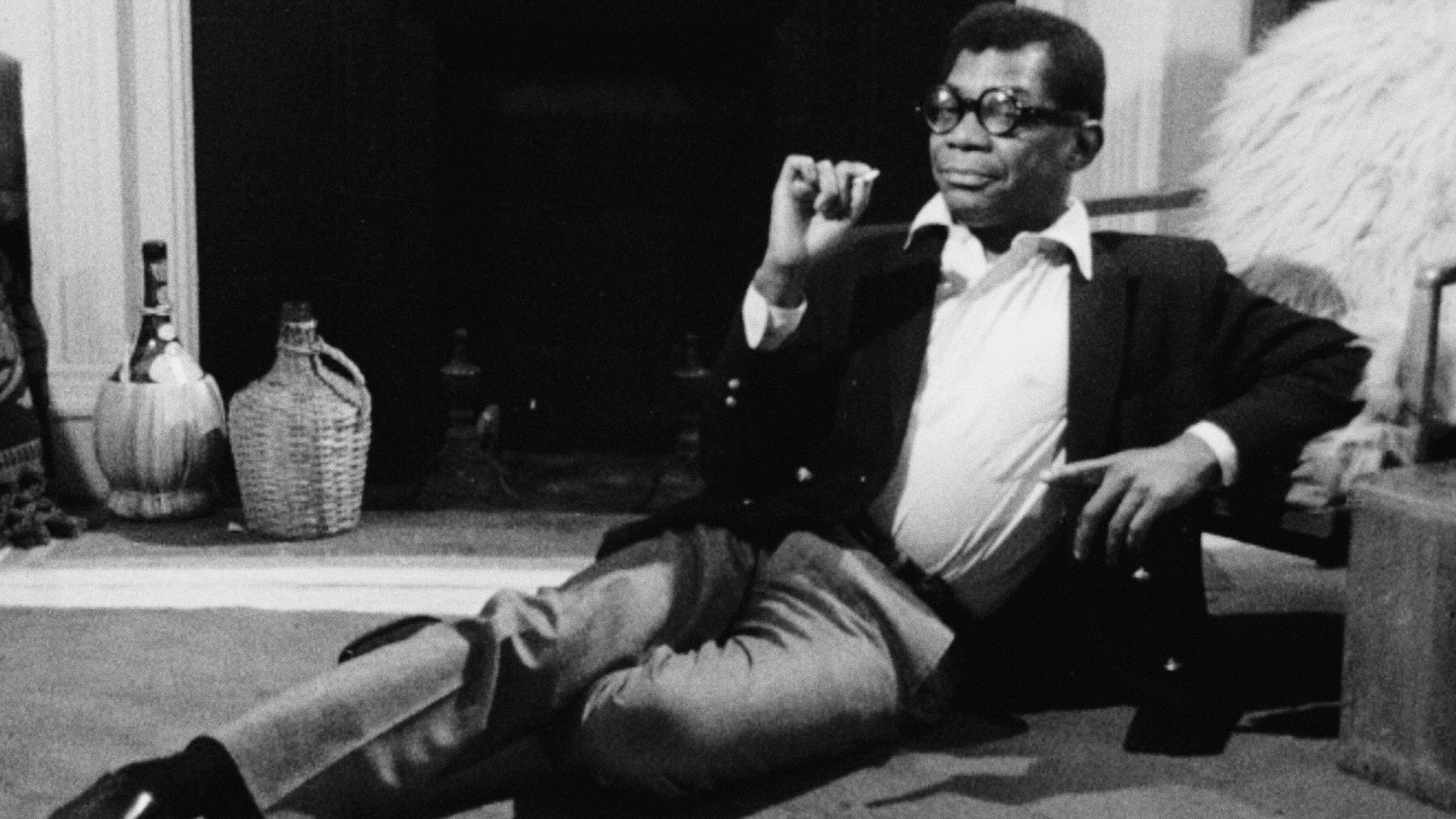
Very mixed on how I feel about this film purely due to how exploitative it turned out to be. Even so, Jason Holiday is a person worth knowing, even if he is performing and trying his best to not only entertain but also guard himself while simultaneously high and drunk. As he laughs through his traumas to a room that hardly reciprocates his enthusiasm, shards of the horribly sad and complicated life Jason has been forced to live shines through his adopted persona jaggedly, making this film notable for me despite all its controversy.
Very mixed on how I feel about this film purely due to how exploitative it turned out to be. Even so, Jason Holiday is a person worth knowing, even if he is performing and trying his best to not only entertain but also guard himself while simultaneously high and drunk. As he laughs through his traumas to a room that hardly reciprocates his enthusiasm, shards of the horribly sad and complicated life Jason has been forced to live shines through his adopted persona jaggedly, making this film notable for me despite all its controversy.