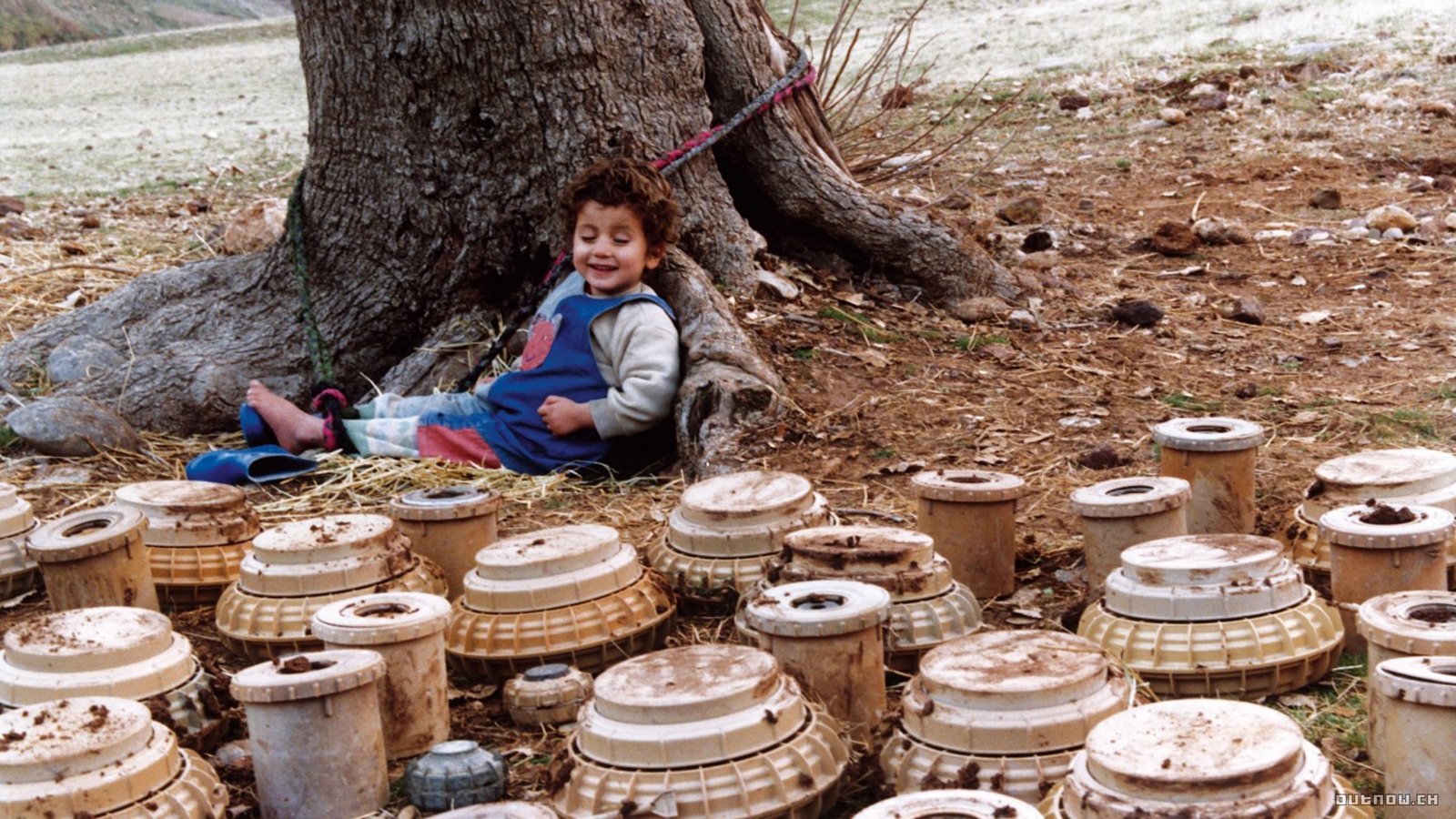
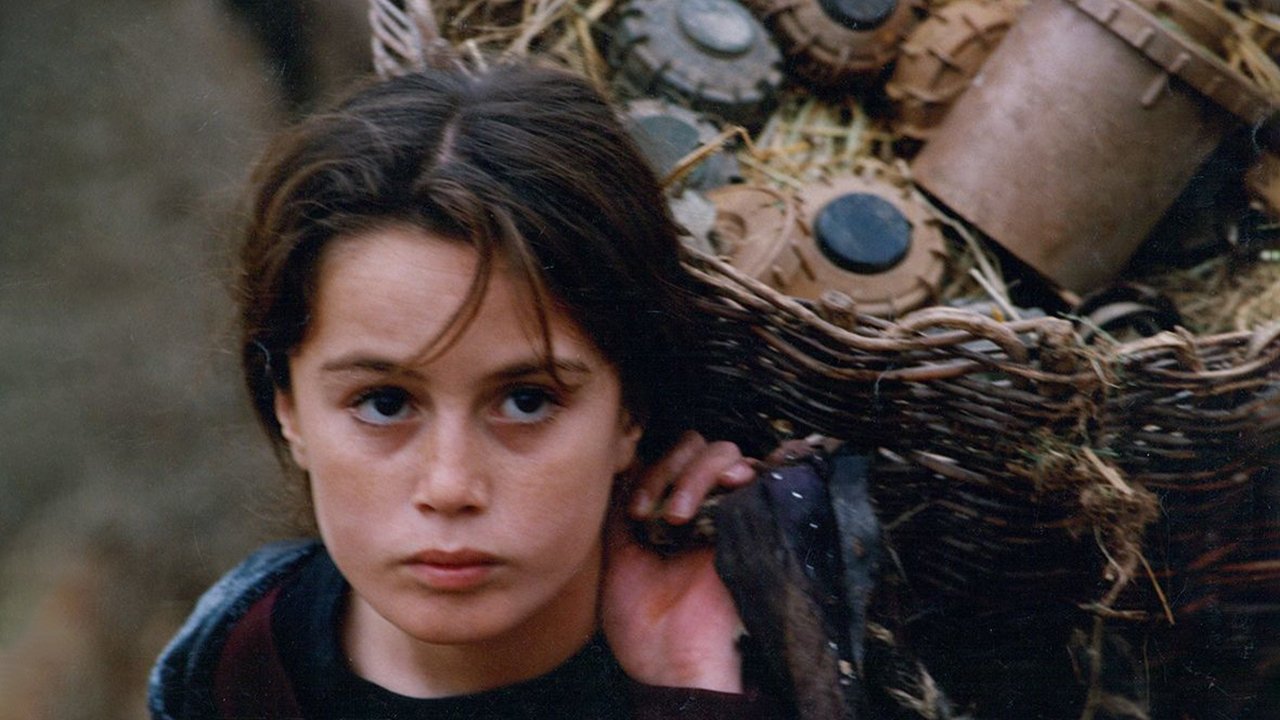
"You kept saying USA, USA, until you fell on a USA mine."
very timely. almost felt obscene to consume this kind of suffering as cinema; cry over something that isn't fiction for so many people.
this really, really made me stop and think. a lot of us complain about how shitty the world is nowadays, but i think we forget that being able to have an opinion is a luxury in and of itself. from our (very western) perspective, it's so easy to hold opinions about politics, about war, about who's wrong and who's right, and call ourselves morally upstanding for it; often whilst the people actually affected are too busy trying to stay alive. what a strange kind of unearned privilege.
of course having opinions and fighting for them is important! and also a duty as people coming from a place of said privilege. after all, apathy is the enemy of accountability and any kind of change. but this film reminded me that caring about people matters far more than holding the 'correct' views, especially when those views never leave the safety of your own perspective.
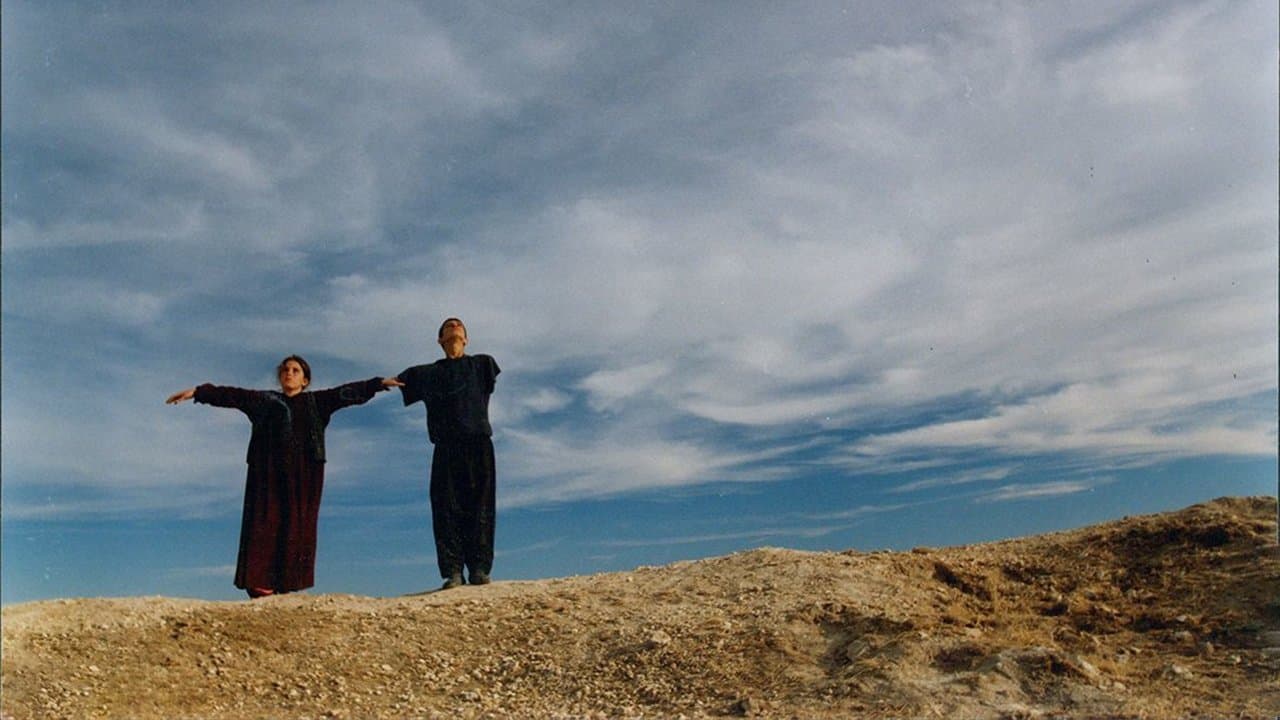
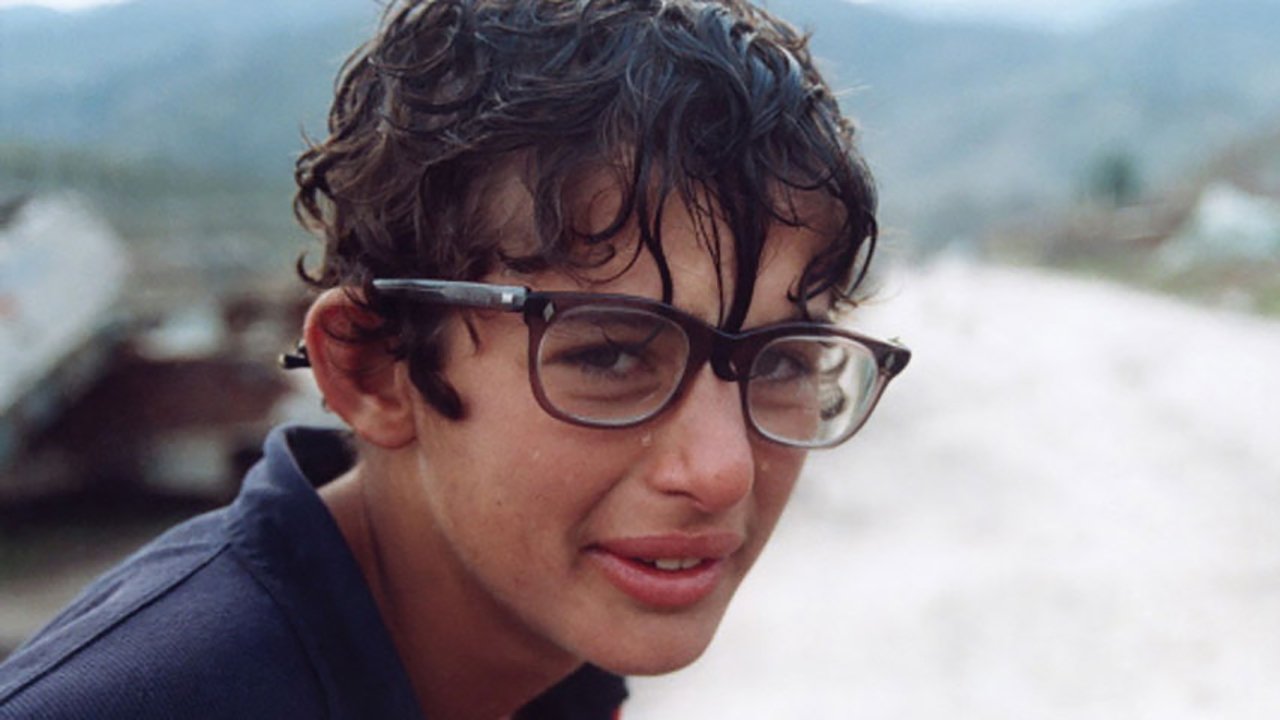
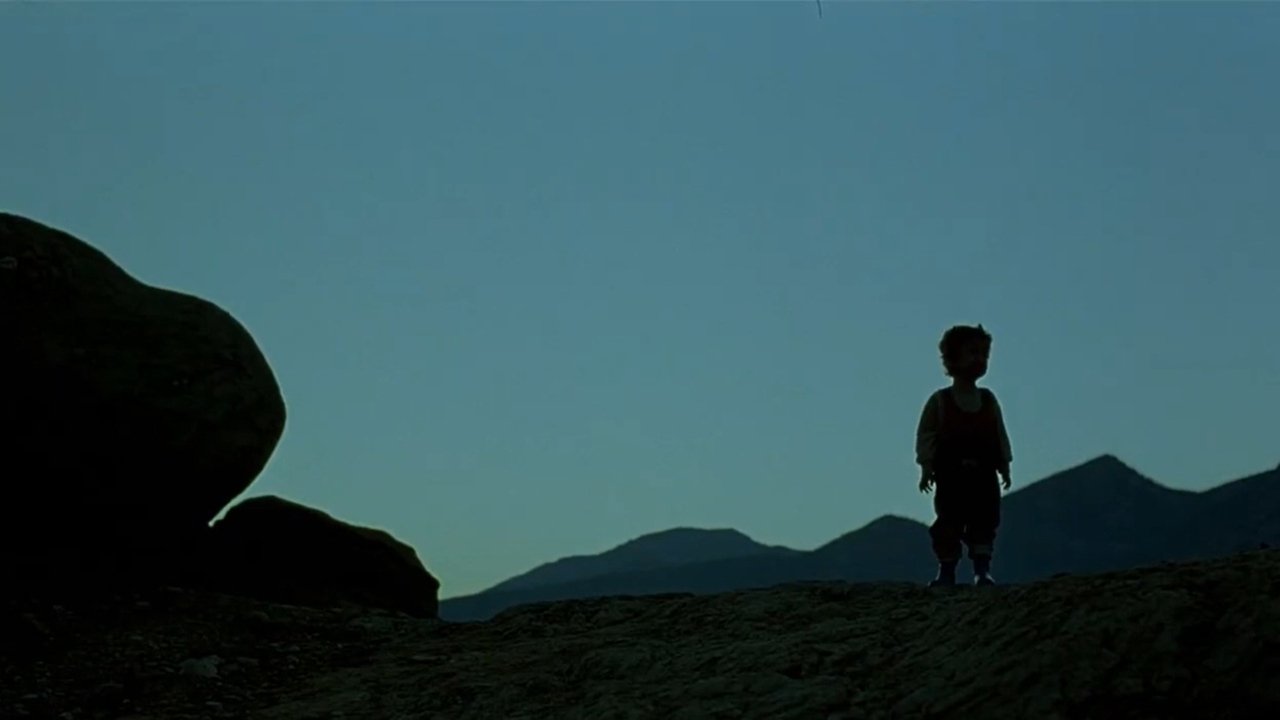
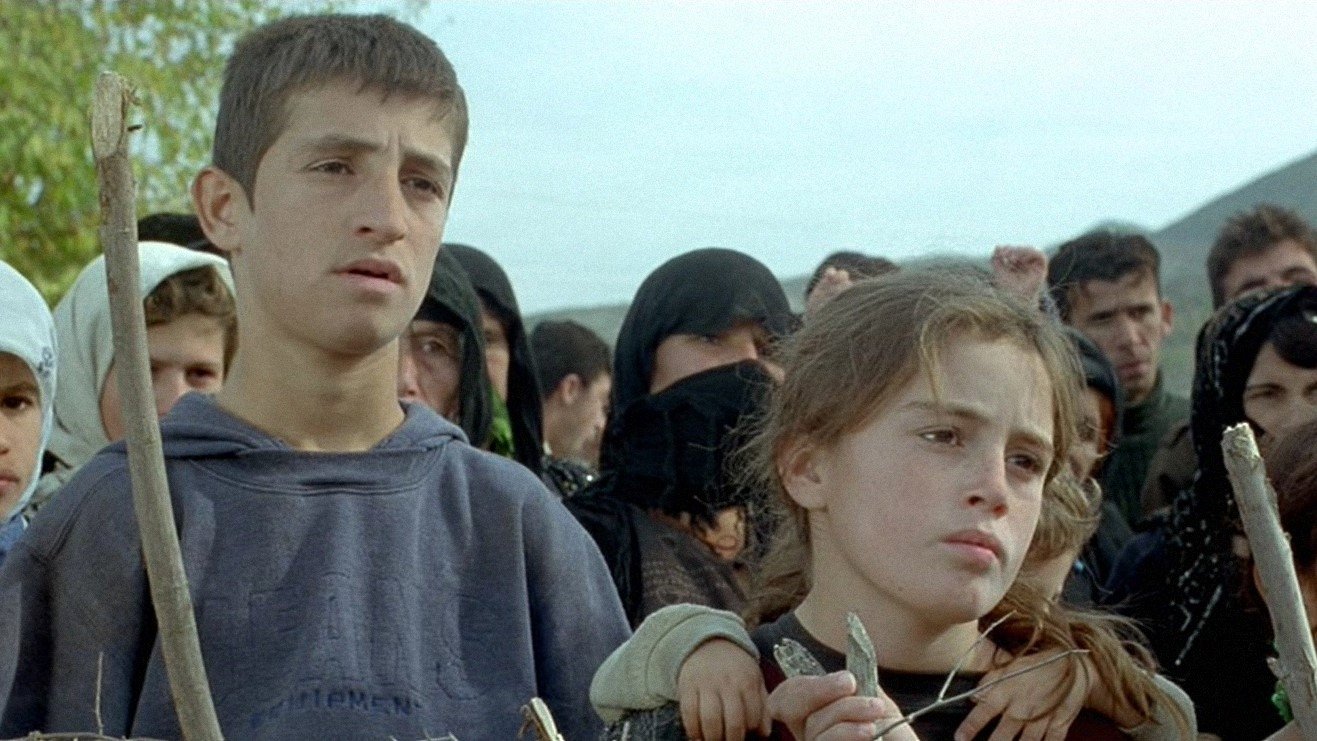
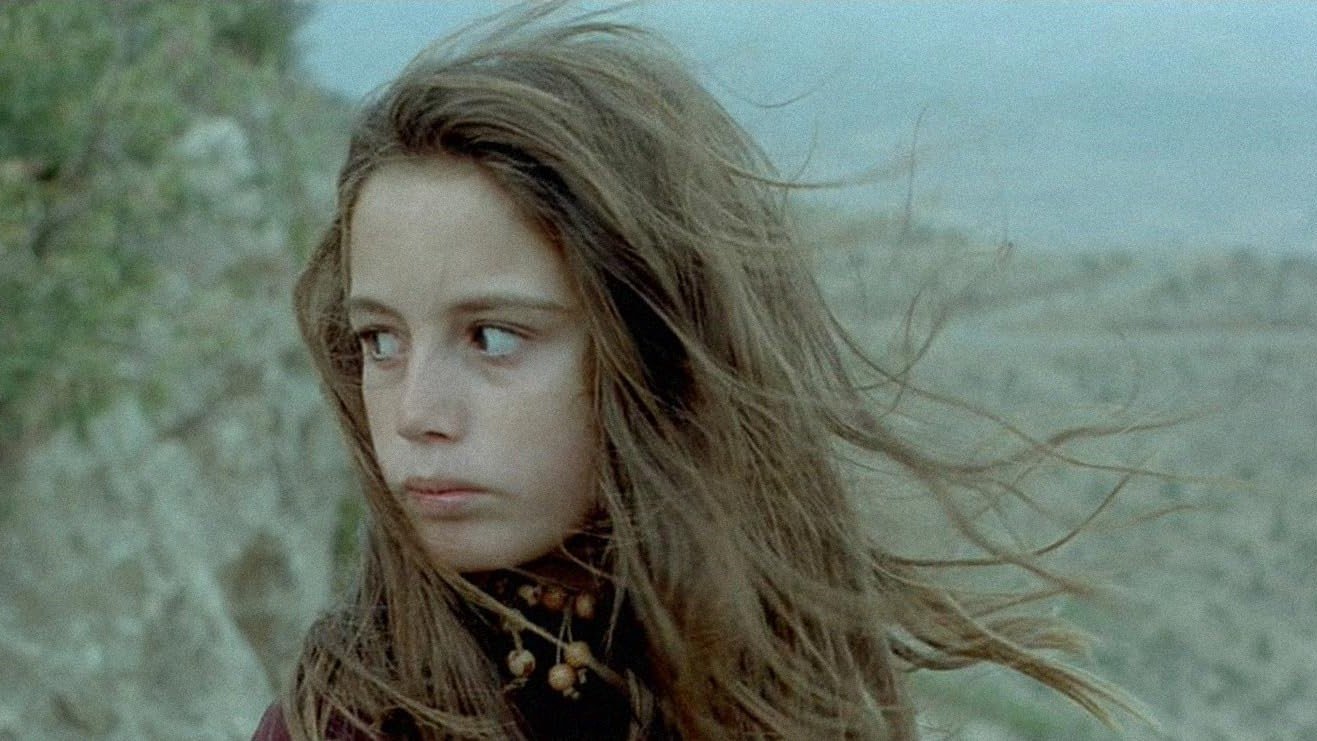
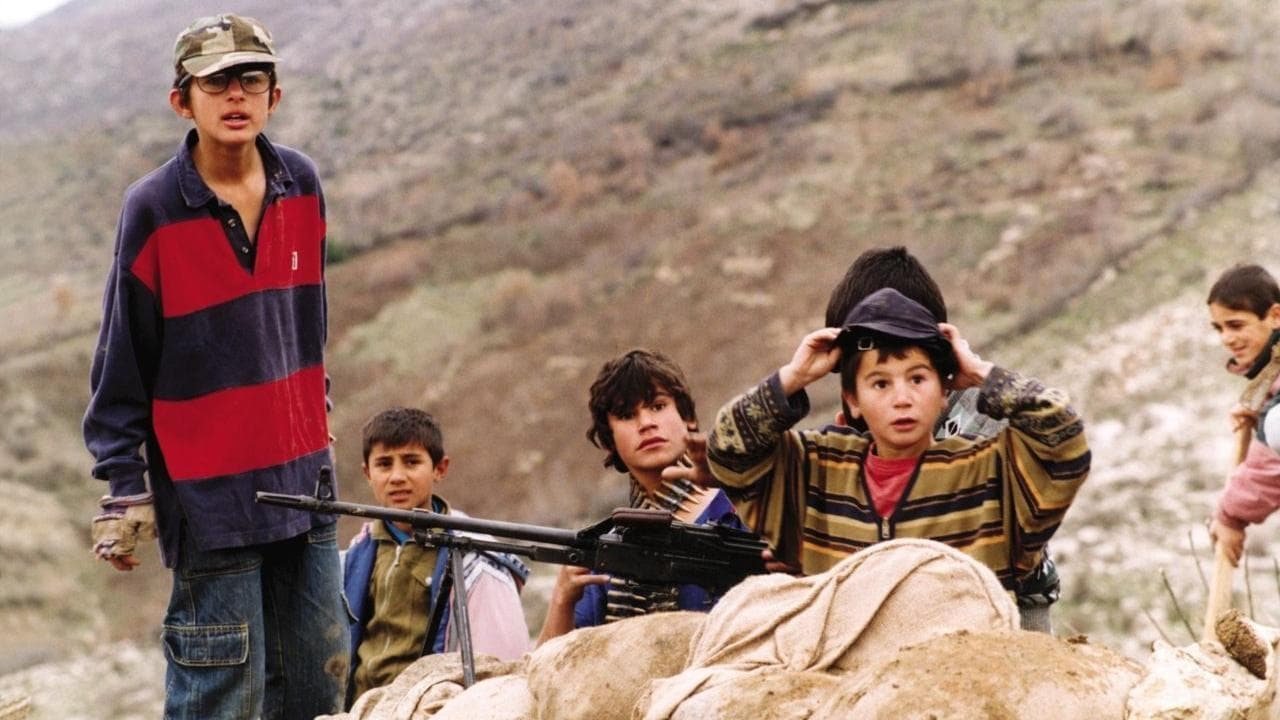
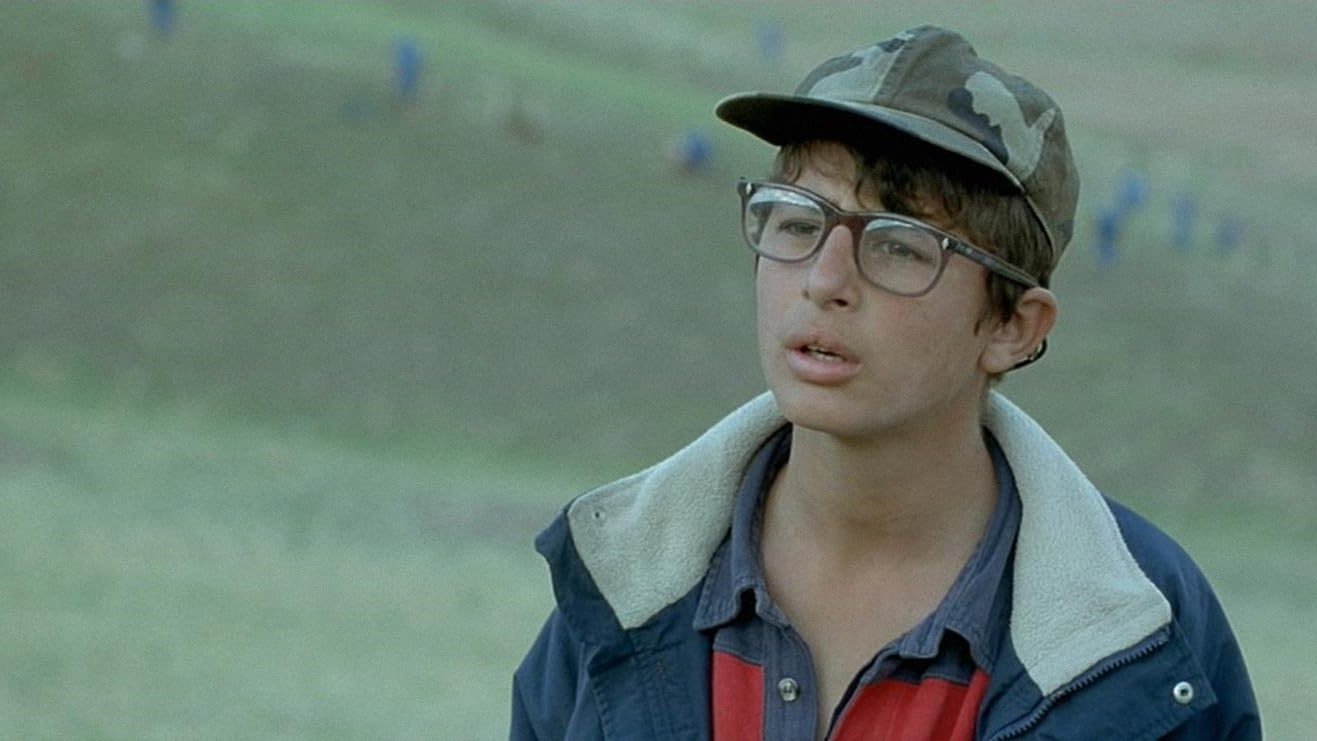
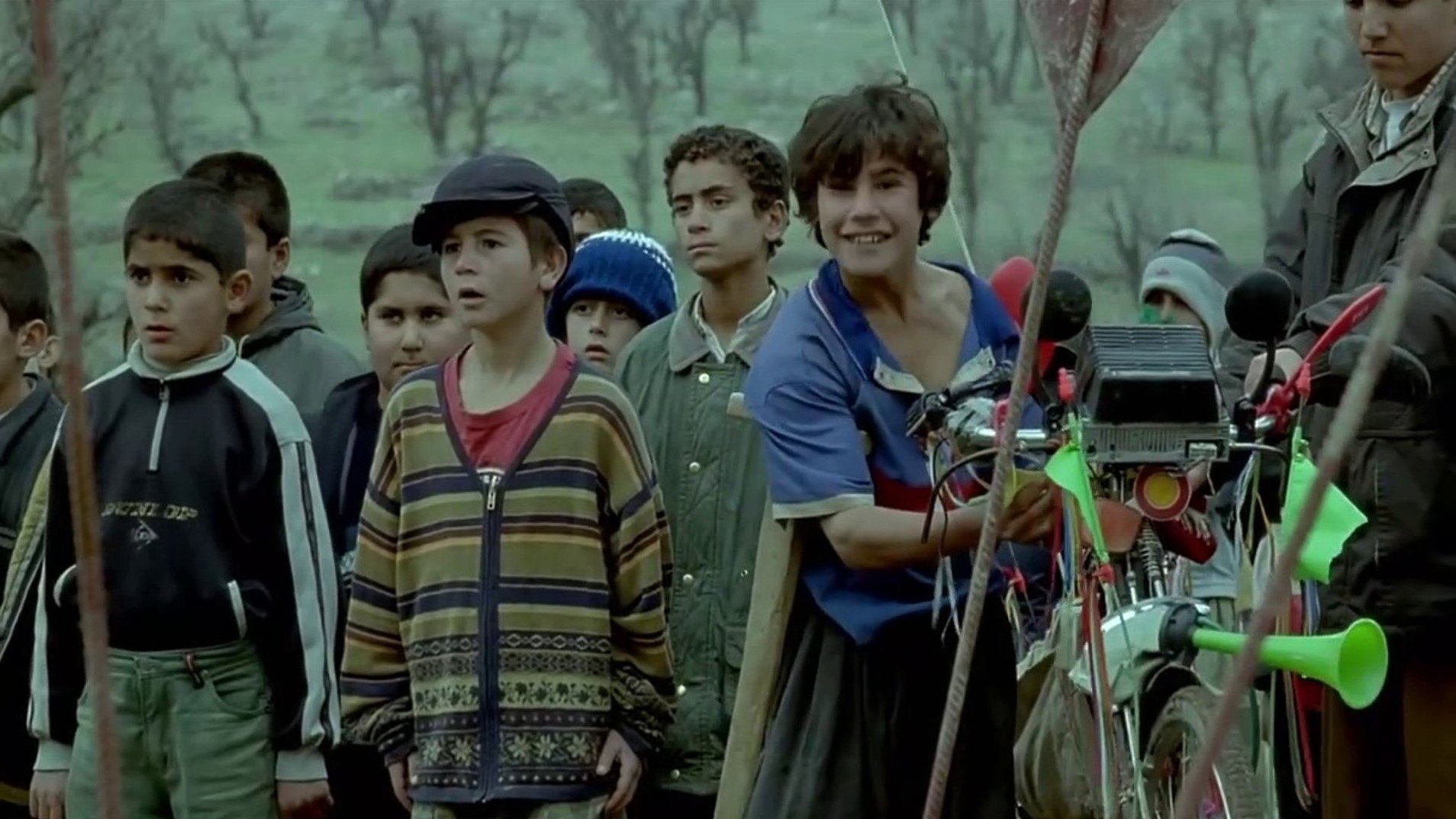
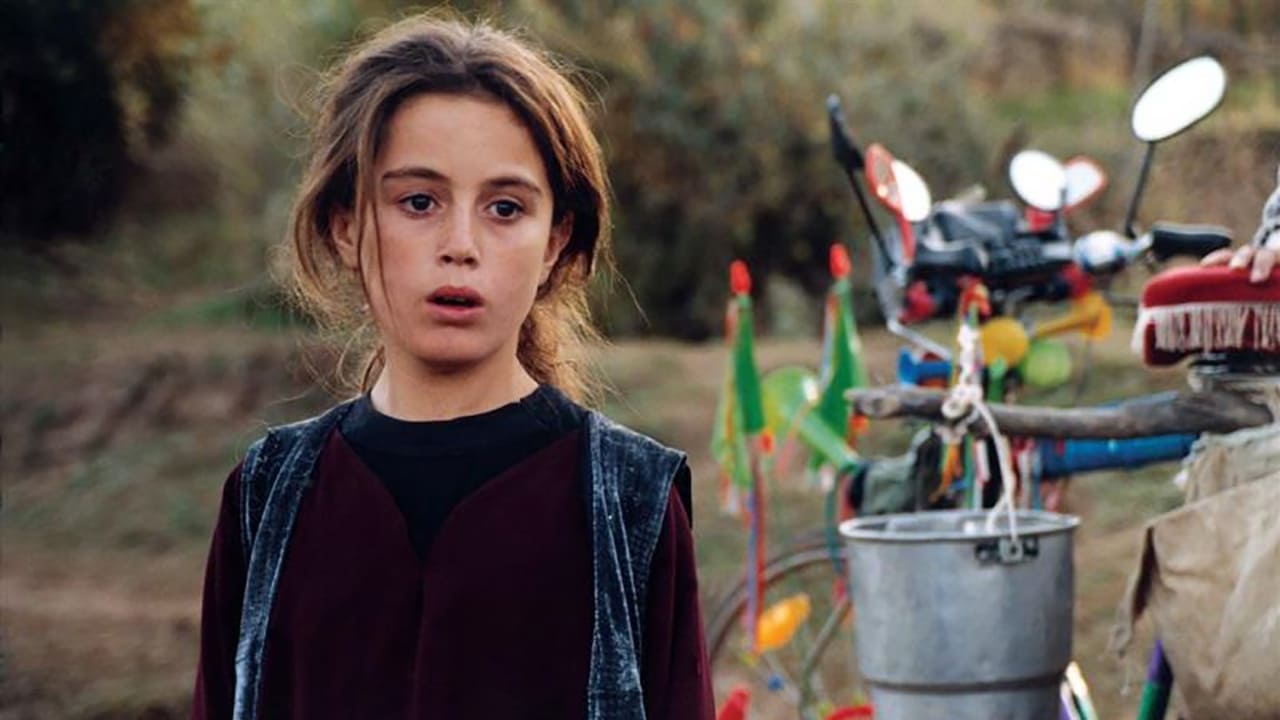
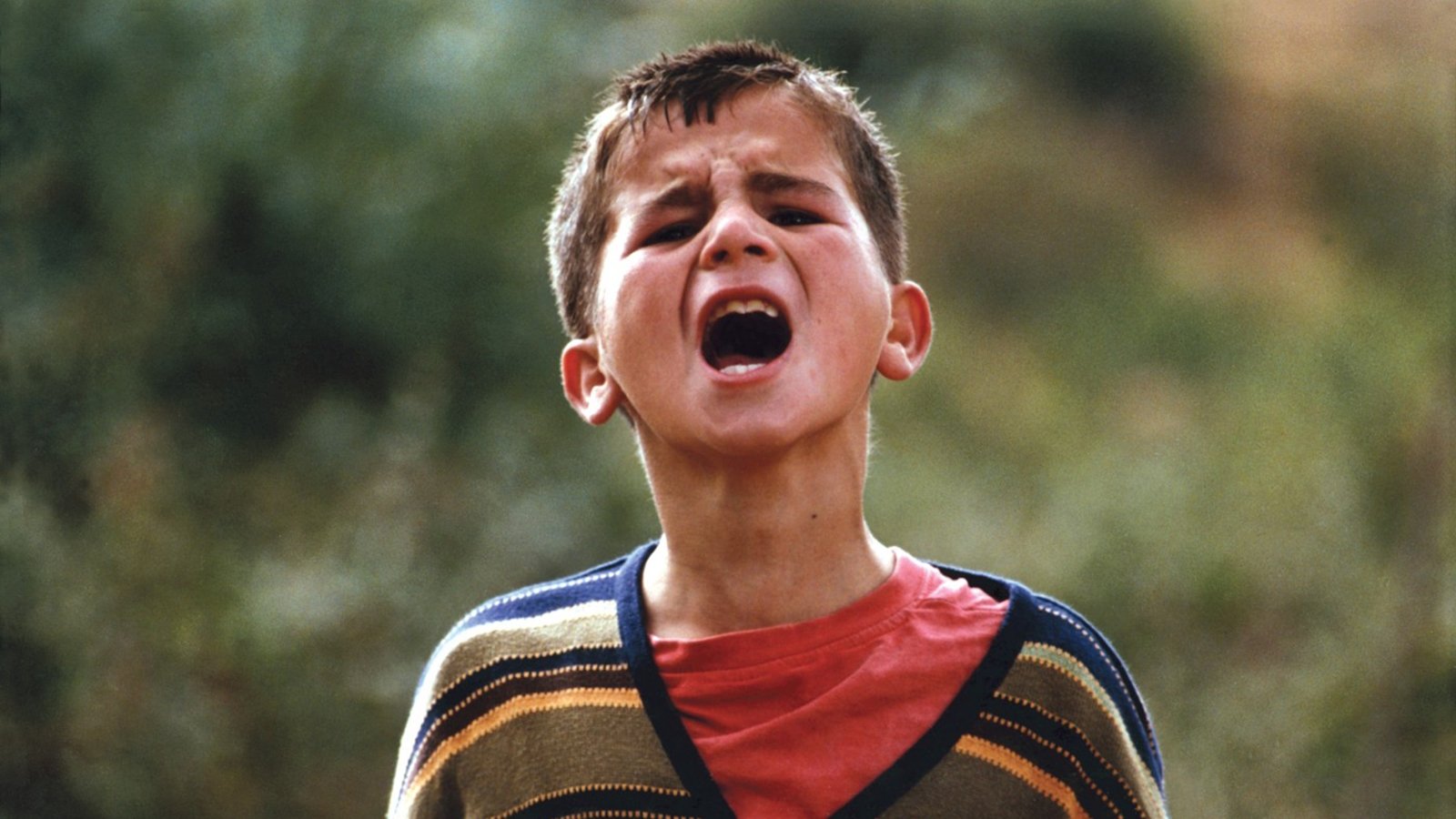
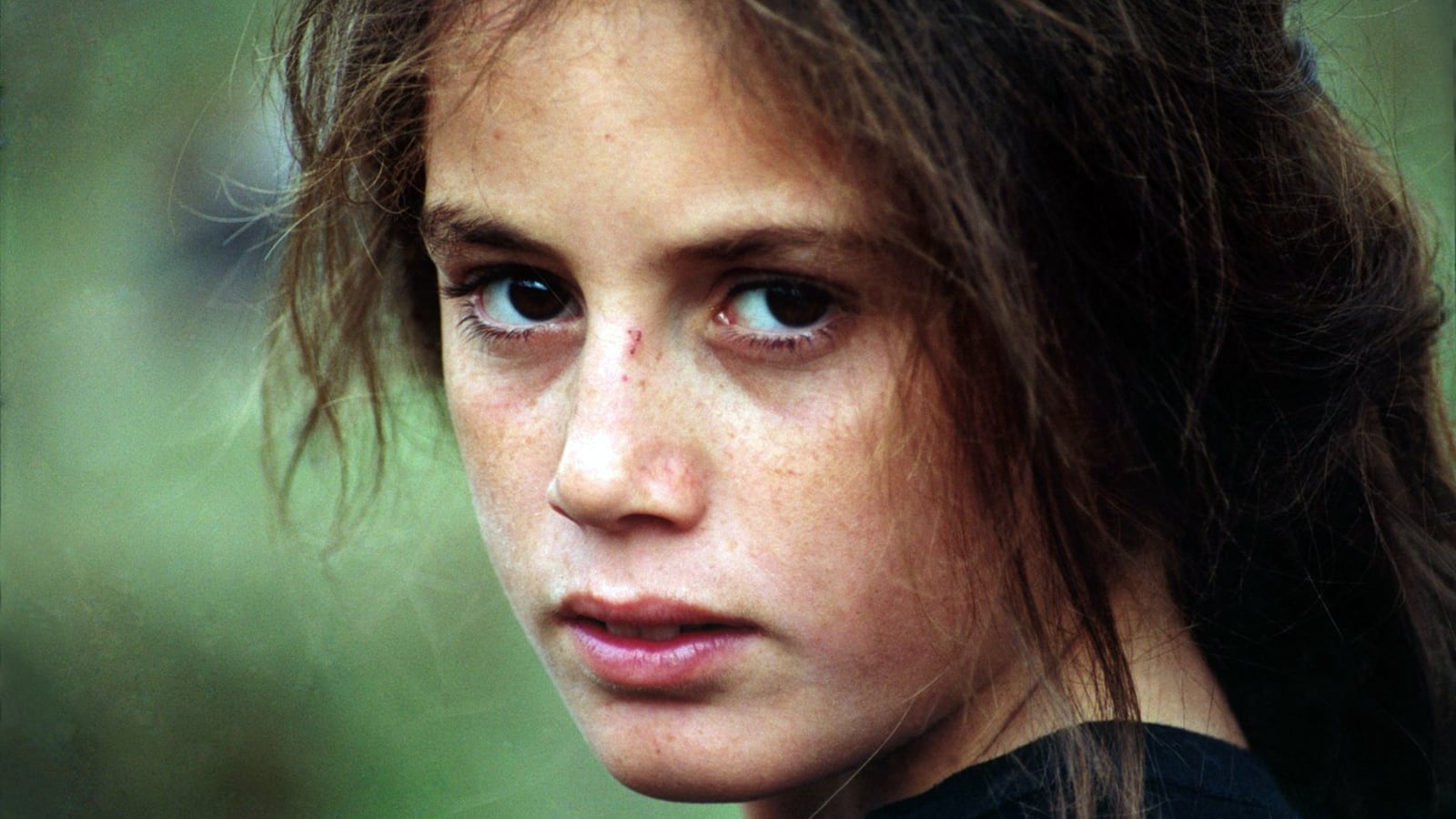
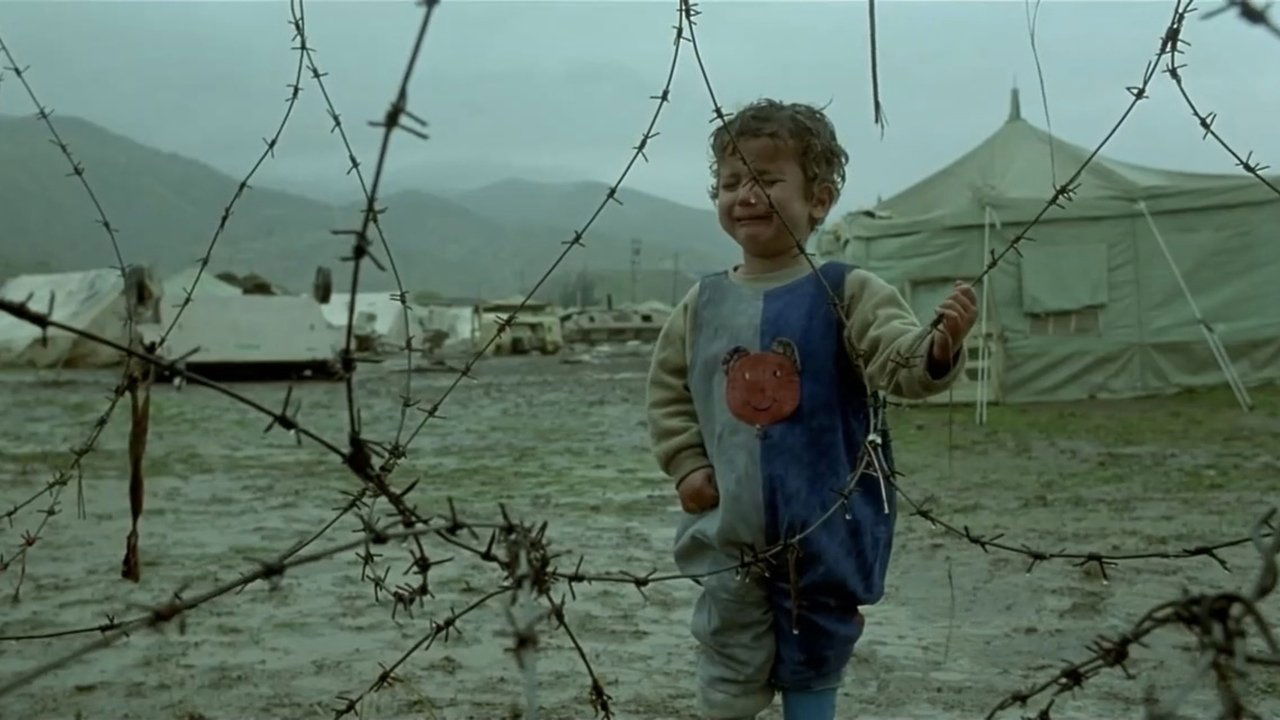
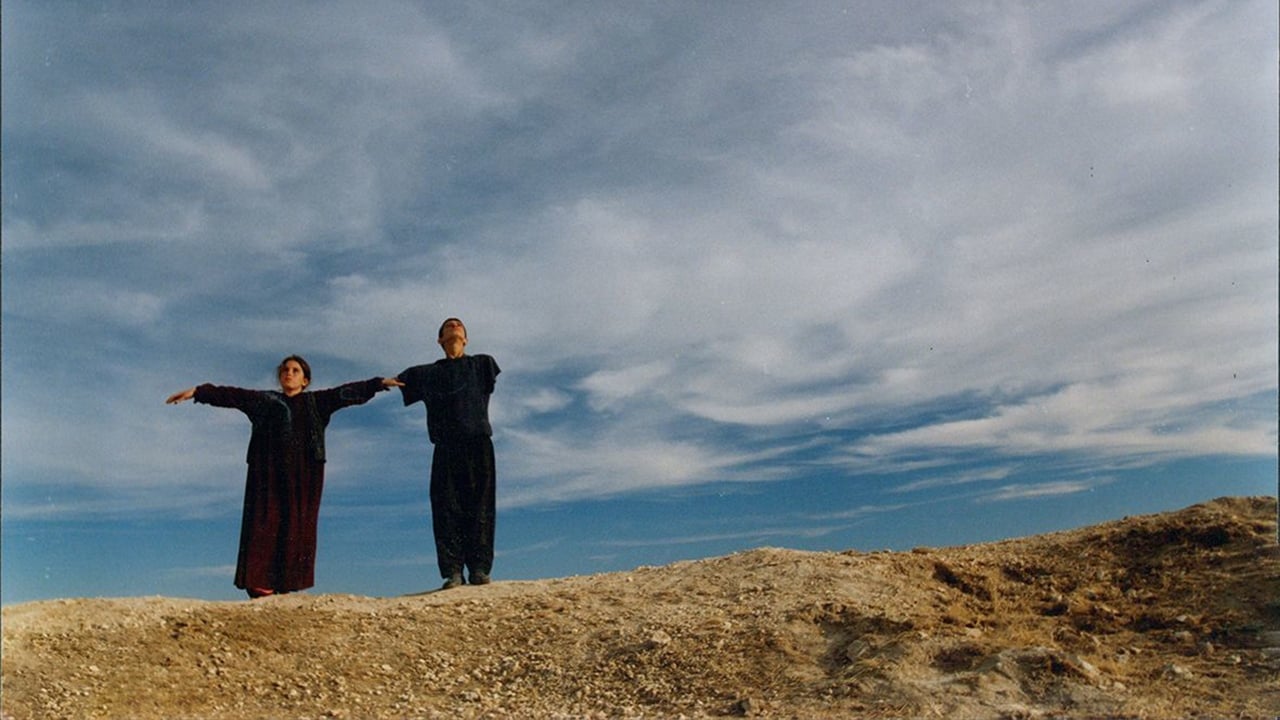
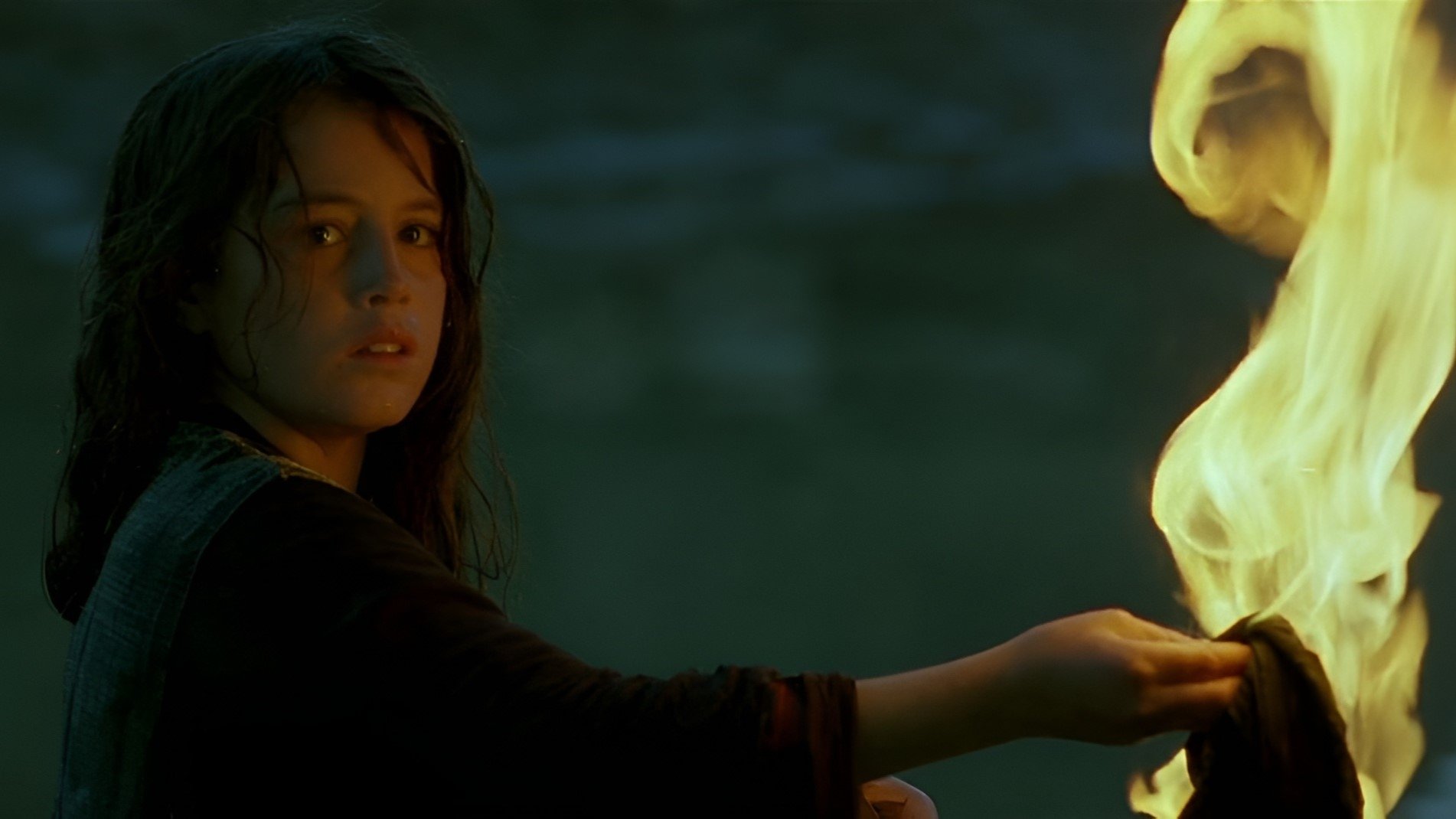
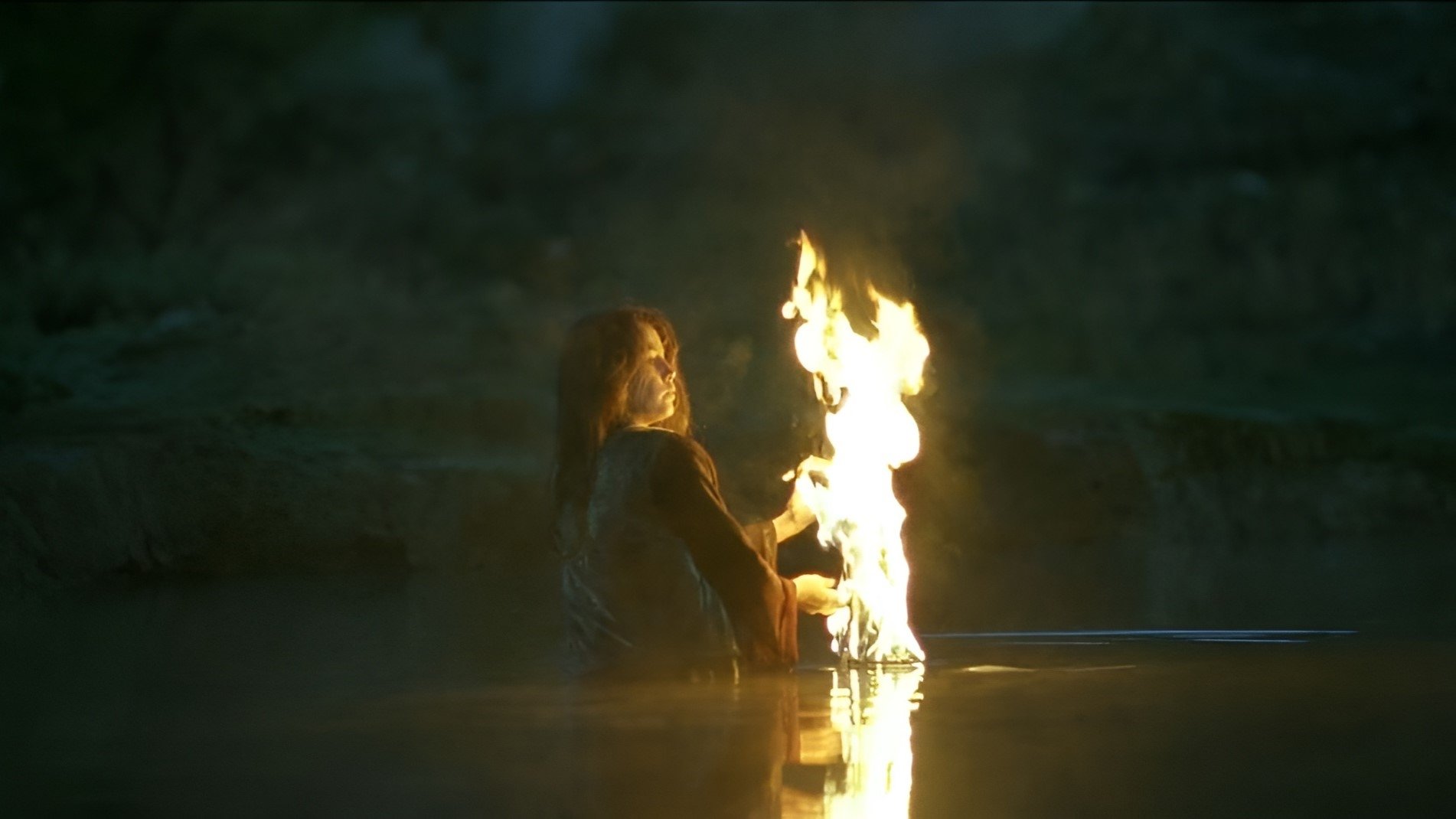
anyway, i'm never watching this again. this was probably the bleakest, most devastating watching experience i've ever had and i say that as someone who's watched haneke's entire filmography. i started out trying to write more of a proper analytical review but realised what it made me feel was far more important, and probably closer to ghobadi's actual purpose. i think what unsettled me the most was how the film centred children (quick note that all of the child actors in this are actual refugees), but never sentimentalised them. they’re not symbols of innocence in the way we’re used to, stripping away the comforting - and false - illusion that childhood is universally protected.
such an incredibly powerful movie - should be an essential watch for everyone. it doesn’t have to happen to you for it to matter to you.
"You kept saying USA, USA, until you fell on a USA mine."
very timely. almost felt obscene to consume this kind of suffering as cinema; cry over something that isn't fiction for so many people.
this really, really made me stop and think. a lot of us complain about how shitty the world is nowadays, but i think we forget that being able to have an opinion is a luxury in and of itself. from our (very western) perspective, it's so easy to hold opinions about politics, about war, about who's wrong and who's right, and call ourselves morally upstanding for it; often whilst the people actually affected are too busy trying to stay alive. what a strange kind of unearned privilege.
of course having opinions and fighting for them is important! and also a duty as people coming from a place of said privilege. after all, apathy is the enemy of accountability and any kind of change. but this film reminded me that caring about people matters far more than holding the 'correct' views, especially when those views never leave the safety of your own perspective.
anyway, i'm never watching this again. this was probably the bleakest, most devastating watching experience i've ever had and i say that as someone who's watched haneke's entire filmography. i started out trying to write more of a proper analytical review but realised what it made me feel was far more important, and probably closer to ghobadi's actual purpose. i think what unsettled me the most was how the film centred children (quick note that all of the child actors in this are actual refugees), but never sentimentalised them. they’re not symbols of innocence in the way we’re used to, stripping away the comforting - and false - illusion that childhood is universally protected.
such an incredibly powerful movie - should be an essential watch for everyone. it doesn’t have to happen to you for it to matter to you.