
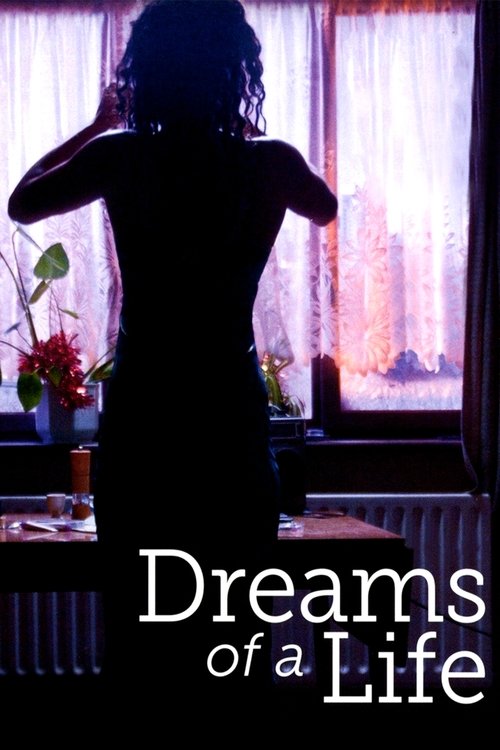
Dreams of a Life
2011·Drama·1h 35m
7.0
★
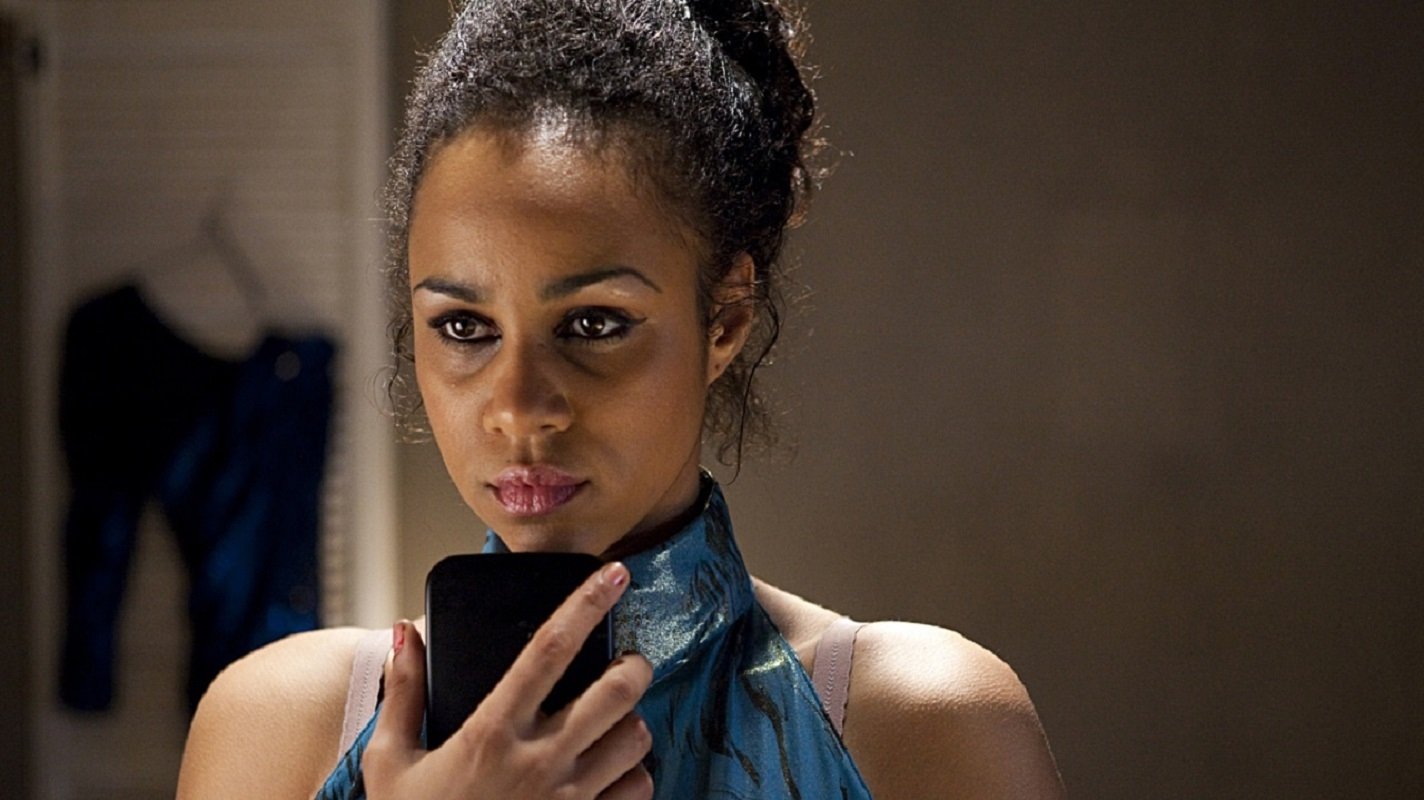
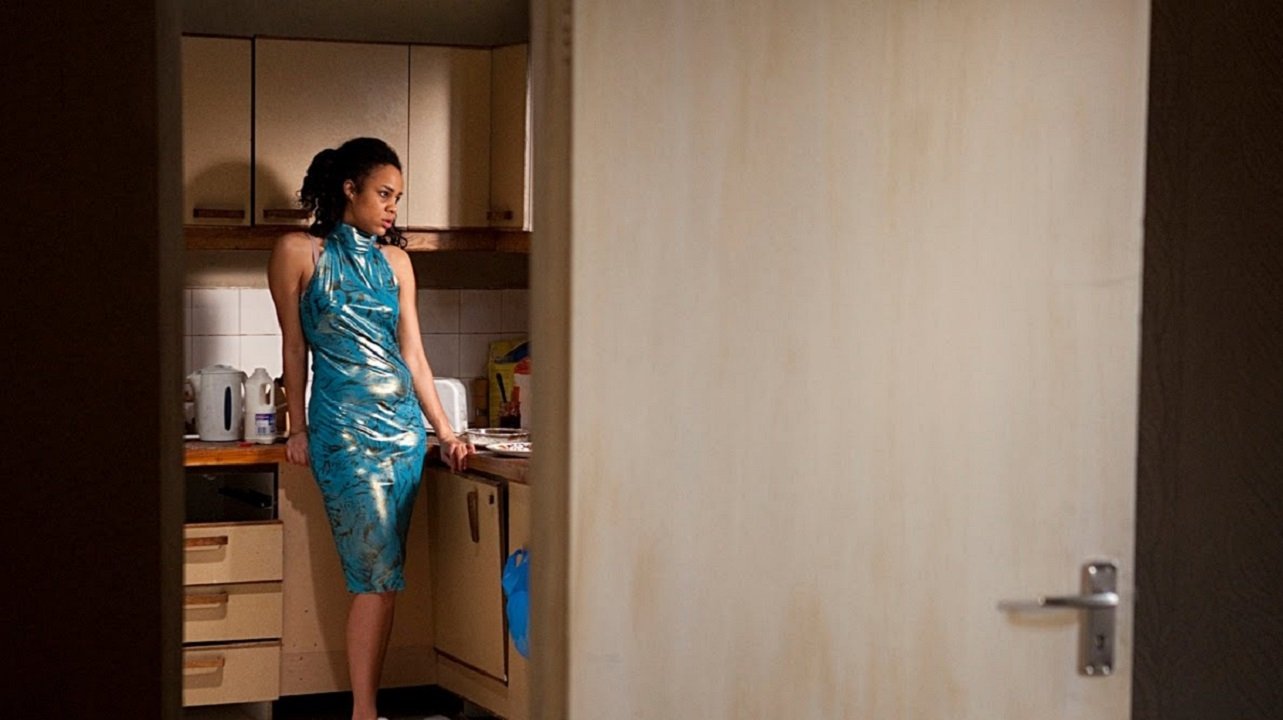

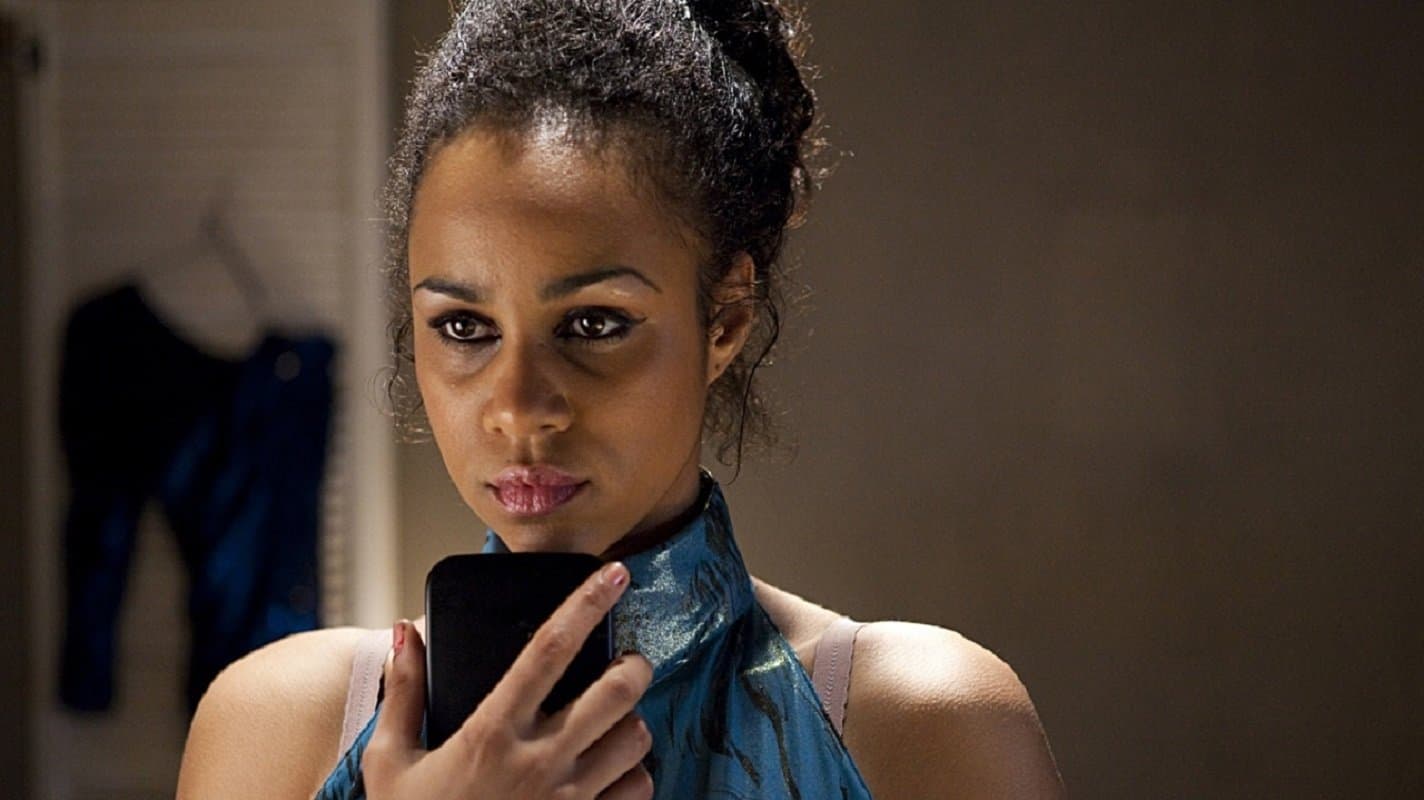
A filmmaker sets out to discover the life of Joyce Vincent, who died in her bedsit in North London in 2003. Her body wasn't discovered for three years, and newspaper reports offered few details of her life - not even a photograph.
Directed by Carol Morley
skeleton
london, england
isolation
dead woman
woman director
mysterious death
2000s
black woman

Trailer

IMDB
N/A
Where to Watch

Cast
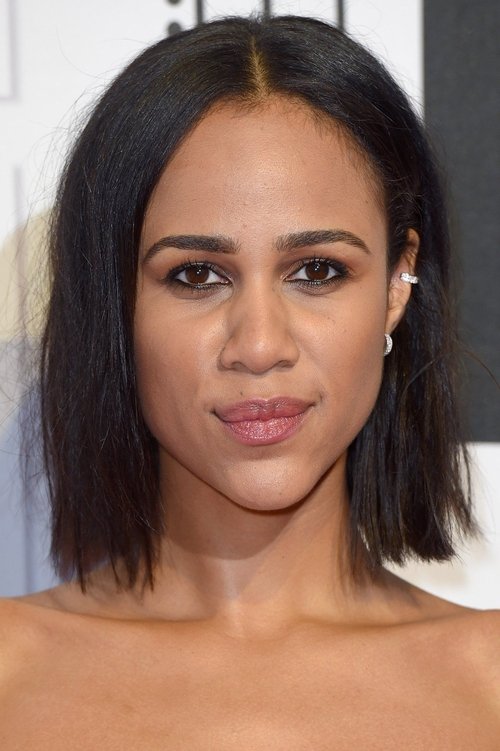
Zawe Ashton
Joyce Vincent
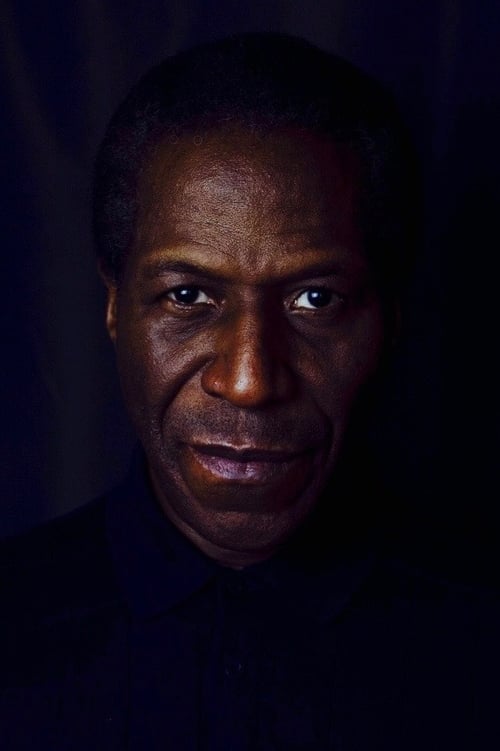
Cornell John
Father
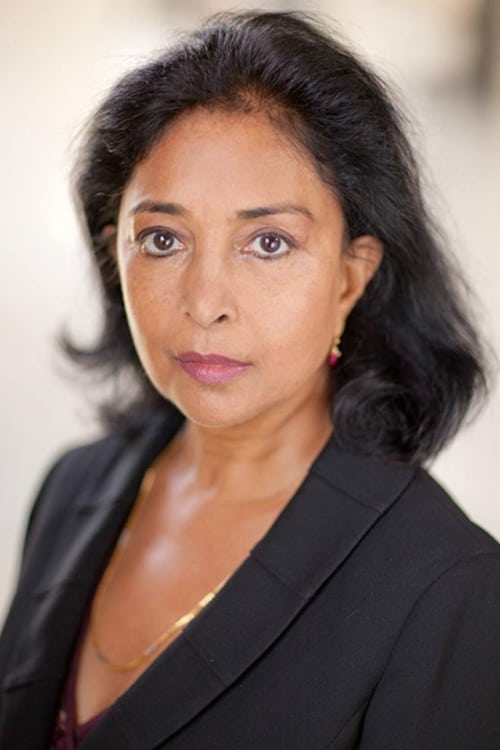
Neelam Bakshi
Mother
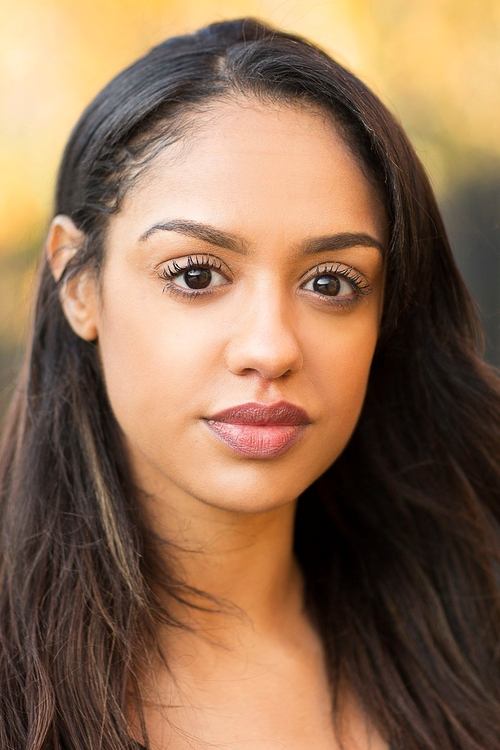
Sophia Leonie
Sister
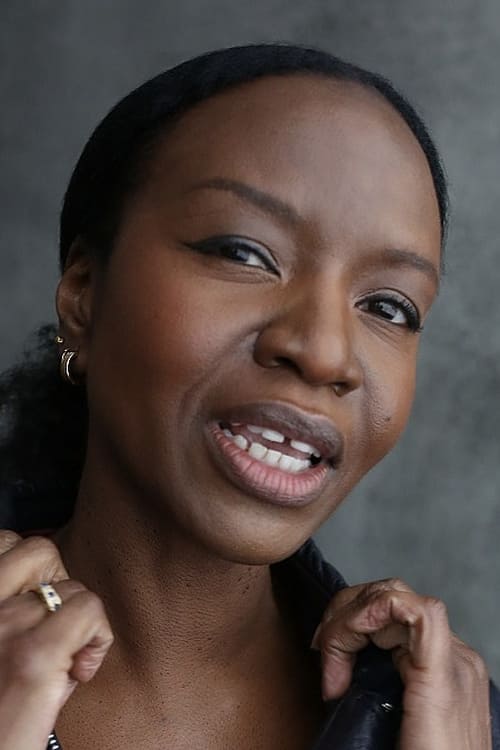
Diveen Henry
Housing Officer
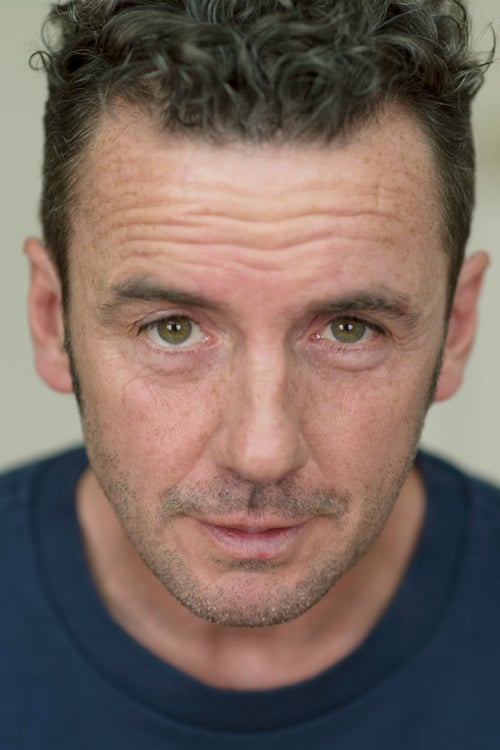
Jay Simpson
Caretaker
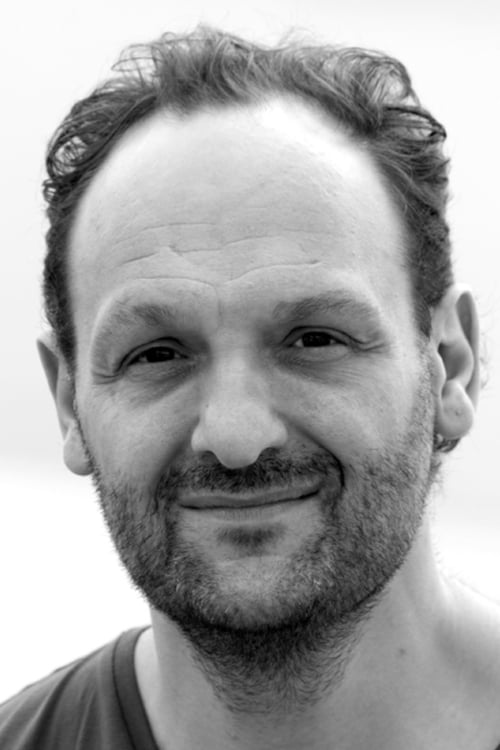
Daren Elliott Holmes
Bailiff

Angela Sims
Cleaner
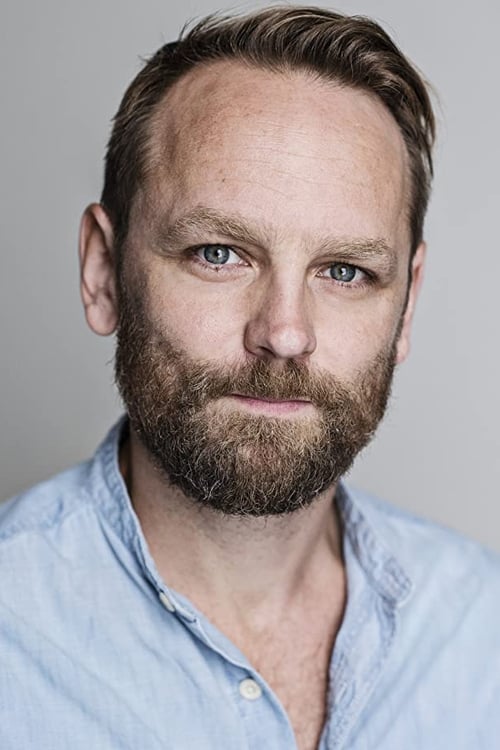
Jonathan Harden
Cleaner
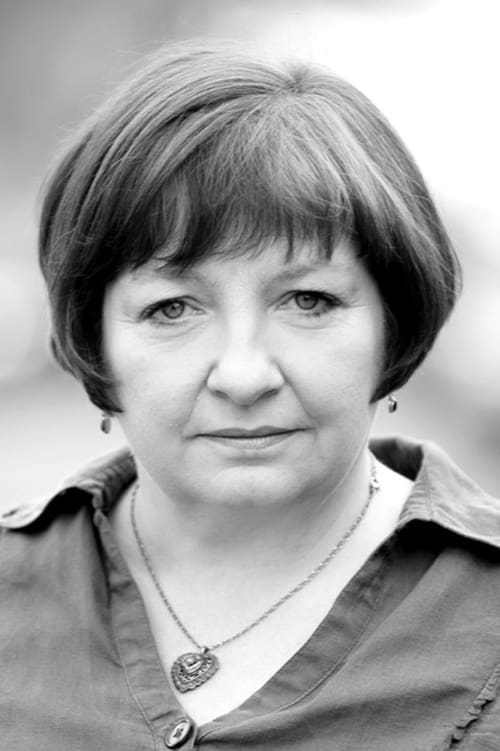
Joanna Brookes
Cleaner
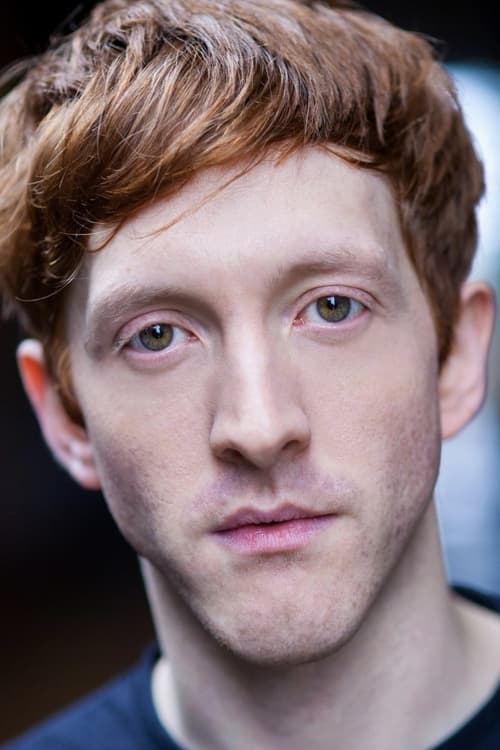
Robert Cawsey
Strippogram
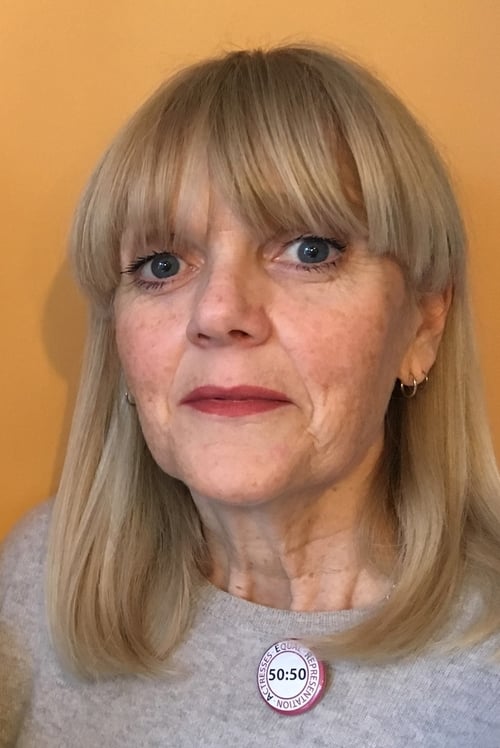
Polly Kemp
Refuge Worker
Crew

Carol Morley
Director
Carol Morley
Writer
Popular Reviews
18 reviews
bhomasterry
7.0★ · 05/13/25
Third watch cos I'm stupid and chose to write my essay on this and not Se7en or The Conversation and still didn't feel like I got the gist.
I can finally say that this is a good documentary and a touching examination of Joyce Vincent's life and death and a good account of isolation.
It pushes the documentary genre's boundaries with reenactments driven by conflicting unreliable narration from the interviewees. Dreams of a Life tells a fabricated narrative of Joyce's life with the most of the genuine, truthful moments coming in reactions from the interviewees to parts of Joyce's story and life that they had not seen or heard before, such as their reactions to hearing her voice.
Morley is ever present during the interviews, cutting out her questions to manipulate the narrative into a societal examination, whilst also manipulaing the answers to shape her vision. Obviously this leads to many ethical issues in the representation of both Joyce and the interviewees, though some of the interviewees still clearly didn't know Joyce well. I believe that the ethical issues in Joyce's representation are not huge issues as it results in an effective investigation of how Joyce died and a good exploration of depression and isolation.
Can't wait to finish this stupid essay it's making me wanna die
I can finally say that this is a good documentary and a touching examination of Joyce Vincent's life and death and a good account of isolation.
It pushes the documentary genre's boundaries with reenactments driven by conflicting unreliable narration from the interviewees. Dreams of a Life tells a fabricated narrative of Joyce's life with the most of the genuine, truthful moments coming in reactions from the interviewees to parts of Joyce's story and life that they had not seen or heard before, such as their reactions to hearing her voice.
Morley is ever present during the interviews, cutting out her questions to manipulate the narrative into a societal examination, whilst also manipulaing the answers to shape her vision. Obviously this leads to many ethical issues in the representation of both Joyce and the interviewees, though some of the interviewees still clearly didn't know Joyce well. I believe that the ethical issues in Joyce's representation are not huge issues as it results in an effective investigation of how Joyce died and a good exploration of depression and isolation.
Can't wait to finish this stupid essay it's making me wanna die
Third watch cos I'm stupid and chose to write my essay on this and not Se7en or The Conversation and still didn't feel like I got the gist.
I can finally say that this is a good documentary and a touching examination of Joyce Vincent's life and death and a good account of isolation.
It pushes the documentary genre's boundaries with reenactments driven by conflicting unreliable narration from the interviewees. Dreams of a Life tells a fabricated narrative of Joyce's life with the most of the genuine, truthful moments coming in reactions from the interviewees to parts of Joyce's story and life that they had not seen or heard before, such as their reactions to hearing her voice.
Morley is ever present during the interviews, cutting out her questions to manipulate the narrative into a societal examination, whilst also manipulaing the answers to shape her vision. Obviously this leads to many ethical issues in the representation of both Joyce and the interviewees, though some of the interviewees still clearly didn't know Joyce well. I believe that the ethical issues in Joyce's representation are not huge issues as it results in an effective investigation of how Joyce died and a good exploration of depression and isolation.
Can't wait to finish this stupid essay it's making me wanna die
I can finally say that this is a good documentary and a touching examination of Joyce Vincent's life and death and a good account of isolation.
It pushes the documentary genre's boundaries with reenactments driven by conflicting unreliable narration from the interviewees. Dreams of a Life tells a fabricated narrative of Joyce's life with the most of the genuine, truthful moments coming in reactions from the interviewees to parts of Joyce's story and life that they had not seen or heard before, such as their reactions to hearing her voice.
Morley is ever present during the interviews, cutting out her questions to manipulate the narrative into a societal examination, whilst also manipulaing the answers to shape her vision. Obviously this leads to many ethical issues in the representation of both Joyce and the interviewees, though some of the interviewees still clearly didn't know Joyce well. I believe that the ethical issues in Joyce's representation are not huge issues as it results in an effective investigation of how Joyce died and a good exploration of depression and isolation.
Can't wait to finish this stupid essay it's making me wanna die


bhomasterry
6.0★ · 05/04/25
The first time I watched this I thought it was a massively inappropriate and negligent tribute to the life of Joyce Vincent which was also an incredibly difficult watch due to the contemptuousness of the interviewees which led to an unethical and disrespectful representation of Joyce.
Upon this rewatch, I realise that this is all likely to have been intentional. Even if Morley initially intended this to be a tribute to Joyce's life, she changed the purpose to be a pessimistic commentary on life as an isolating experience, and a critique of society's abandonment of individuals when they are most in need of help and accompaniment. This brings an important issue to attention but you can't help but think of how unethical and manipulative it is whilst watching it due to how Morley has shaped it in the edit and the questions asked. I would also like to mention that the interviewees are still despicable people who clearly didn't know who Joyce was which Morley saw as an opportunity to convey the idea of abandonment and explain how Joyce was left undiscovered for so long.
Overall, this rewatch has drastically changed my perception of this film, as I now see it as an account of isolation and abandonment rather than an attempted, distanced tribute, but the ethical issues still remain prominent in the mind, using Joyce's life and death as a vessel to convey this message rather than respecting her as an individual.
Upon this rewatch, I realise that this is all likely to have been intentional. Even if Morley initially intended this to be a tribute to Joyce's life, she changed the purpose to be a pessimistic commentary on life as an isolating experience, and a critique of society's abandonment of individuals when they are most in need of help and accompaniment. This brings an important issue to attention but you can't help but think of how unethical and manipulative it is whilst watching it due to how Morley has shaped it in the edit and the questions asked. I would also like to mention that the interviewees are still despicable people who clearly didn't know who Joyce was which Morley saw as an opportunity to convey the idea of abandonment and explain how Joyce was left undiscovered for so long.
Overall, this rewatch has drastically changed my perception of this film, as I now see it as an account of isolation and abandonment rather than an attempted, distanced tribute, but the ethical issues still remain prominent in the mind, using Joyce's life and death as a vessel to convey this message rather than respecting her as an individual.
The first time I watched this I thought it was a massively inappropriate and negligent tribute to the life of Joyce Vincent which was also an incredibly difficult watch due to the contemptuousness of the interviewees which led to an unethical and disrespectful representation of Joyce.
Upon this rewatch, I realise that this is all likely to have been intentional. Even if Morley initially intended this to be a tribute to Joyce's life, she changed the purpose to be a pessimistic commentary on life as an isolating experience, and a critique of society's abandonment of individuals when they are most in need of help and accompaniment. This brings an important issue to attention but you can't help but think of how unethical and manipulative it is whilst watching it due to how Morley has shaped it in the edit and the questions asked. I would also like to mention that the interviewees are still despicable people who clearly didn't know who Joyce was which Morley saw as an opportunity to convey the idea of abandonment and explain how Joyce was left undiscovered for so long.
Overall, this rewatch has drastically changed my perception of this film, as I now see it as an account of isolation and abandonment rather than an attempted, distanced tribute, but the ethical issues still remain prominent in the mind, using Joyce's life and death as a vessel to convey this message rather than respecting her as an individual.
Upon this rewatch, I realise that this is all likely to have been intentional. Even if Morley initially intended this to be a tribute to Joyce's life, she changed the purpose to be a pessimistic commentary on life as an isolating experience, and a critique of society's abandonment of individuals when they are most in need of help and accompaniment. This brings an important issue to attention but you can't help but think of how unethical and manipulative it is whilst watching it due to how Morley has shaped it in the edit and the questions asked. I would also like to mention that the interviewees are still despicable people who clearly didn't know who Joyce was which Morley saw as an opportunity to convey the idea of abandonment and explain how Joyce was left undiscovered for so long.
Overall, this rewatch has drastically changed my perception of this film, as I now see it as an account of isolation and abandonment rather than an attempted, distanced tribute, but the ethical issues still remain prominent in the mind, using Joyce's life and death as a vessel to convey this message rather than respecting her as an individual.
M
8.0★ · 12/23/24
I first saw her documentary and how nobody knew or even cared about her like she was legit dead for 3 straight years and nobody cared, like her own family/ friends did not even bother to check on her or about her life such a sad ending for a precious soul RIP Joyce
I first saw her documentary and how nobody knew or even cared about her like she was legit dead for 3 straight years and nobody cared, like her own family/ friends did not even bother to check on her or about her life such a sad ending for a precious soul RIP Joyce
Jagdish
6.6★ · 11/22/24
On the fence with this film because conceptually director Carol Morley’s investigative package of Joyce Vincent’s story provides great text beyond the initial news articles. Morley’s package is also deeply sad and haunting because it frames actual (plausible) events in Joyce Vincent’s life with actual dramatizations (framed poignantly thanks to the talents of Zawe Ashton); such as:
• the final hours of her death• the discovery of her corpse• the clean-up crew• her 21st birthday party• her life leading up to 2000- 2003
The part that stuck with me most is that for those years that Vincent was not discovered, the TV was on — that X Factor, Big Brother, etc was viewed by a corpse; that part particularly felt very grim to me. Secondly, was the clean-up crew sifting through Vincent’s apartment as scene transitions. Lastly, in the final scene when she’s caught on tape at the Mandela speech.
Now, what absolutely sucked was the way the men in this documentary comments on Joyce Vincent; which at times was so full of speculation, sexually charged and deeply accustory for no real reason. The wrong message continues to be harped upon, that because Joyce Vincent is a beautiful, vivacious woman and somewhat with upward social mobility— that she did not deserve to die unnoticed like that. No one deserves this kind of tragedy, period.
The documetary speculates that Vincent is full of secrets, a mysterious unknowable that is somewhat naive and a social climber. Phrases such as, “emotionally retarded” and that it was possible to take advantage of her, were all actual sound bites. The fact that the film’s overall edit lies with Carol Morley and yet somehow these contrived statements were still left in. Dissapointing.
• the final hours of her death• the discovery of her corpse• the clean-up crew• her 21st birthday party• her life leading up to 2000- 2003
The part that stuck with me most is that for those years that Vincent was not discovered, the TV was on — that X Factor, Big Brother, etc was viewed by a corpse; that part particularly felt very grim to me. Secondly, was the clean-up crew sifting through Vincent’s apartment as scene transitions. Lastly, in the final scene when she’s caught on tape at the Mandela speech.
Now, what absolutely sucked was the way the men in this documentary comments on Joyce Vincent; which at times was so full of speculation, sexually charged and deeply accustory for no real reason. The wrong message continues to be harped upon, that because Joyce Vincent is a beautiful, vivacious woman and somewhat with upward social mobility— that she did not deserve to die unnoticed like that. No one deserves this kind of tragedy, period.
The documetary speculates that Vincent is full of secrets, a mysterious unknowable that is somewhat naive and a social climber. Phrases such as, “emotionally retarded” and that it was possible to take advantage of her, were all actual sound bites. The fact that the film’s overall edit lies with Carol Morley and yet somehow these contrived statements were still left in. Dissapointing.
On the fence with this film because conceptually director Carol Morley’s investigative package of Joyce Vincent’s story provides great text beyond the initial news articles. Morley’s package is also deeply sad and haunting because it frames actual (plausible) events in Joyce Vincent’s life with actual dramatizations (framed poignantly thanks to the talents of Zawe Ashton); such as:
• the final hours of her death• the discovery of her corpse• the clean-up crew• her 21st birthday party• her life leading up to 2000- 2003
The part that stuck with me most is that for those years that Vincent was not discovered, the TV was on — that X Factor, Big Brother, etc was viewed by a corpse; that part particularly felt very grim to me. Secondly, was the clean-up crew sifting through Vincent’s apartment as scene transitions. Lastly, in the final scene when she’s caught on tape at the Mandela speech.
Now, what absolutely sucked was the way the men in this documentary comments on Joyce Vincent; which at times was so full of speculation, sexually charged and deeply accustory for no real reason. The wrong message continues to be harped upon, that because Joyce Vincent is a beautiful, vivacious woman and somewhat with upward social mobility— that she did not deserve to die unnoticed like that. No one deserves this kind of tragedy, period.
The documetary speculates that Vincent is full of secrets, a mysterious unknowable that is somewhat naive and a social climber. Phrases such as, “emotionally retarded” and that it was possible to take advantage of her, were all actual sound bites. The fact that the film’s overall edit lies with Carol Morley and yet somehow these contrived statements were still left in. Dissapointing.
• the final hours of her death• the discovery of her corpse• the clean-up crew• her 21st birthday party• her life leading up to 2000- 2003
The part that stuck with me most is that for those years that Vincent was not discovered, the TV was on — that X Factor, Big Brother, etc was viewed by a corpse; that part particularly felt very grim to me. Secondly, was the clean-up crew sifting through Vincent’s apartment as scene transitions. Lastly, in the final scene when she’s caught on tape at the Mandela speech.
Now, what absolutely sucked was the way the men in this documentary comments on Joyce Vincent; which at times was so full of speculation, sexually charged and deeply accustory for no real reason. The wrong message continues to be harped upon, that because Joyce Vincent is a beautiful, vivacious woman and somewhat with upward social mobility— that she did not deserve to die unnoticed like that. No one deserves this kind of tragedy, period.
The documetary speculates that Vincent is full of secrets, a mysterious unknowable that is somewhat naive and a social climber. Phrases such as, “emotionally retarded” and that it was possible to take advantage of her, were all actual sound bites. The fact that the film’s overall edit lies with Carol Morley and yet somehow these contrived statements were still left in. Dissapointing.
Rob
9.0★ · 02/20/24
This seems to have divided people on here but for me the criticisms people have with this film are what make it all the more darker and revealing. We see how Joyce Vincent’s friends and so called friends remember her but how much of this is true and how much is it all in hindsight. Not that any of them are bad but none if these people associated with Joyce come across to well, talking about her sometimes as if she were merely an object. This film feels very knotty but for me that is a virtue as it not only makes you evaluate Joyce Vincent’s story but also the very documentary you are watching.
This seems to have divided people on here but for me the criticisms people have with this film are what make it all the more darker and revealing. We see how Joyce Vincent’s friends and so called friends remember her but how much of this is true and how much is it all in hindsight. Not that any of them are bad but none if these people associated with Joyce come across to well, talking about her sometimes as if she were merely an object. This film feels very knotty but for me that is a virtue as it not only makes you evaluate Joyce Vincent’s story but also the very documentary you are watching.