Canadian director David Cronenberg is famous for popularising the body horror genre. This is a sub-genre of horror that focuses on the decay of the human body as a source of fear. This marked a significant shift away from monster films like Night of the Living Dead and Dracula, where the threat is external. Linking horror to the human body creates an unsettling psychological impact and helps ground these films in reality, often revealing hidden social commentary. For example, Cronenberg’s most famous film, The Fly, has been widely interpreted as a metaphor for society’s fear of the HIV/AIDS crisis in the 1980s. Cronenberg’s influence on the horror genre is undeniable, and directors still turn to his films for inspiration today. The 2020s have seen a resurgence of body horror, with films like The Substance and Titane achieving significant critical and commercial success.
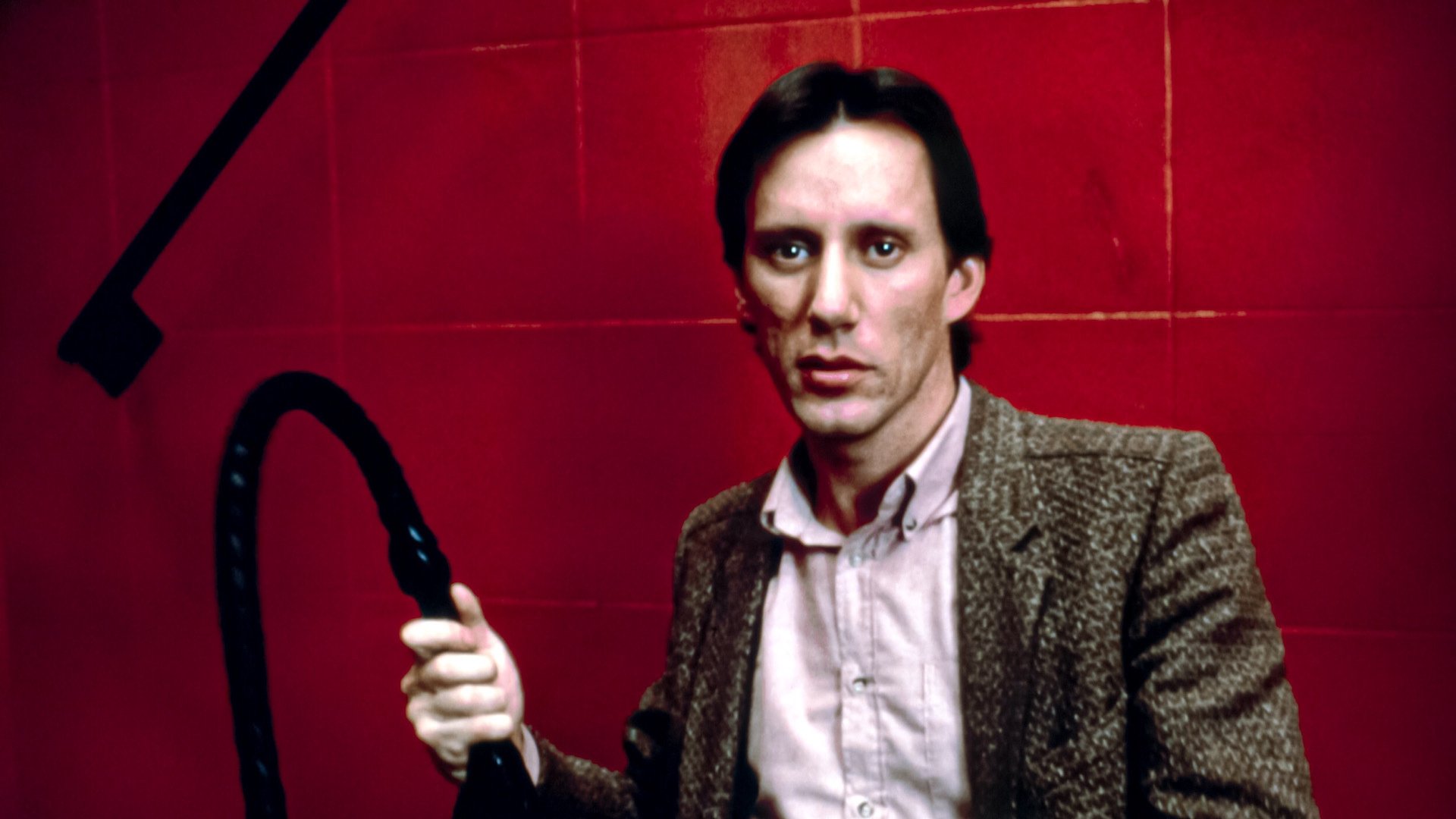
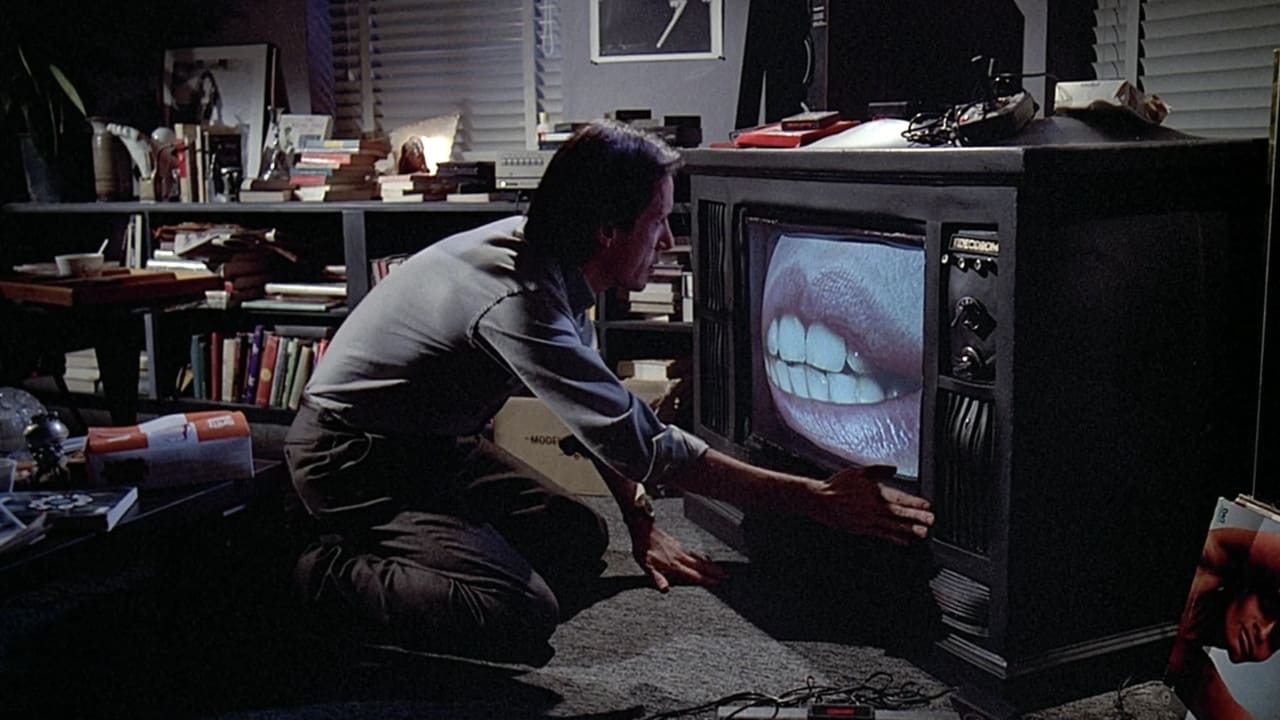
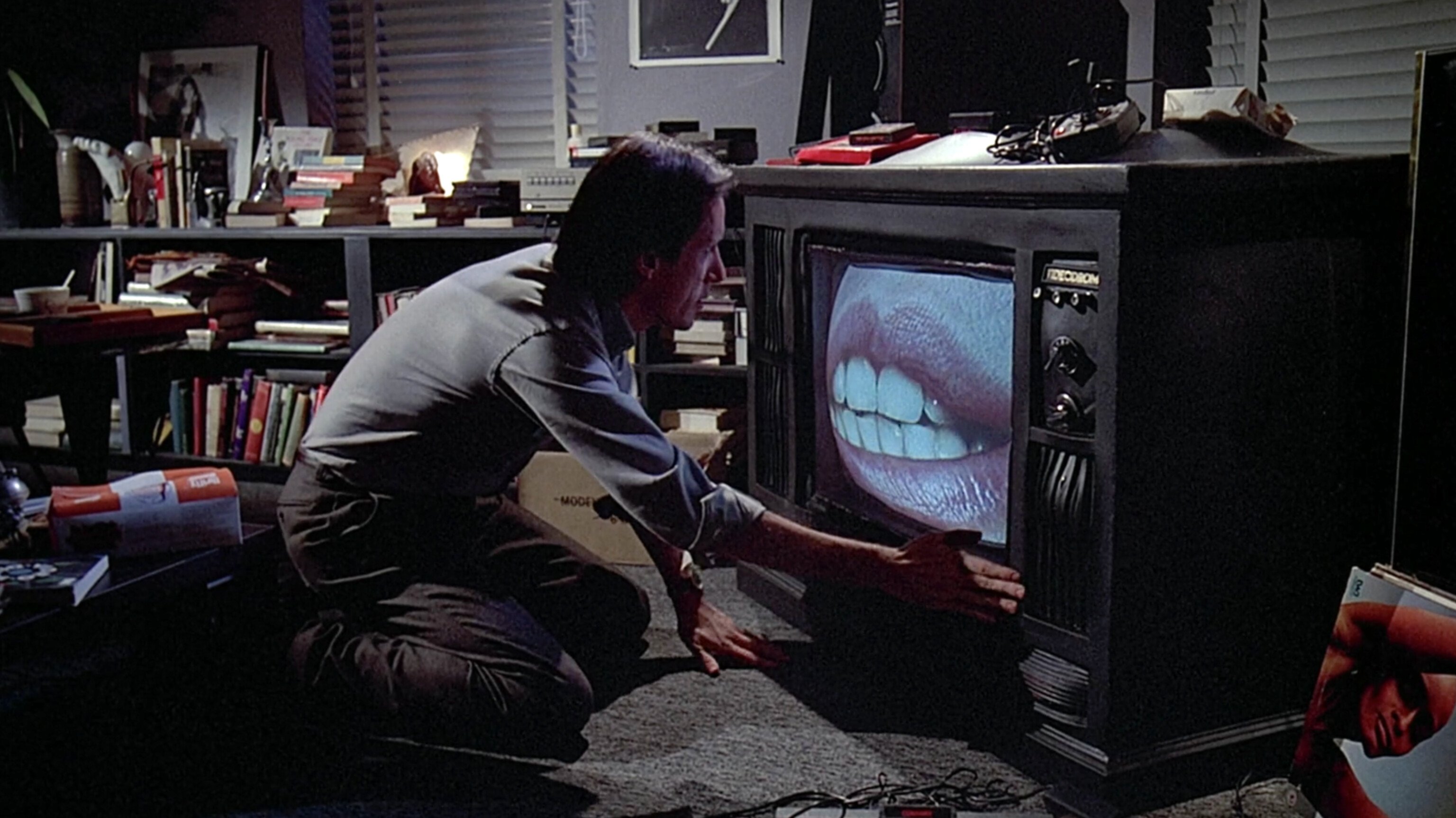
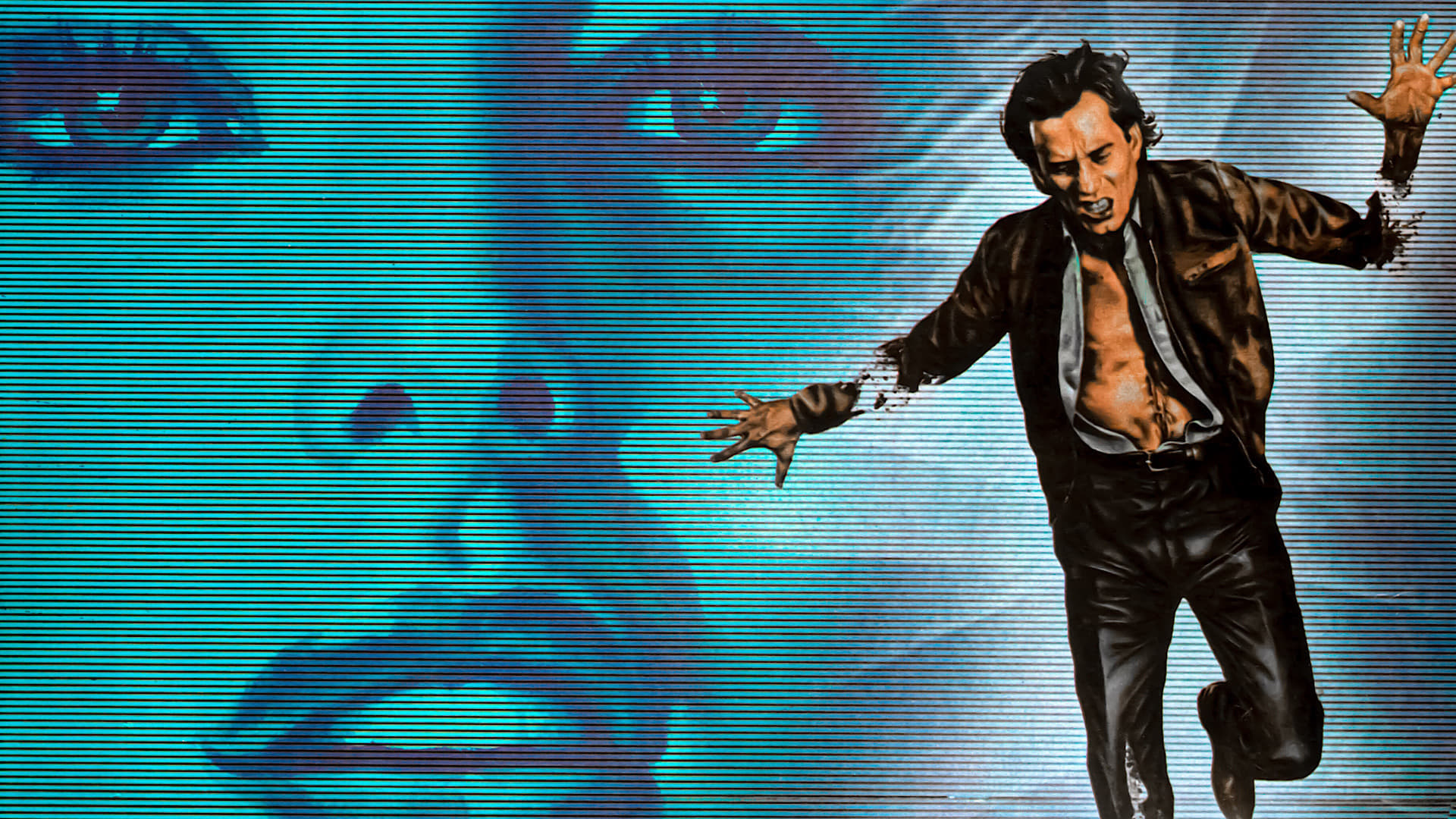
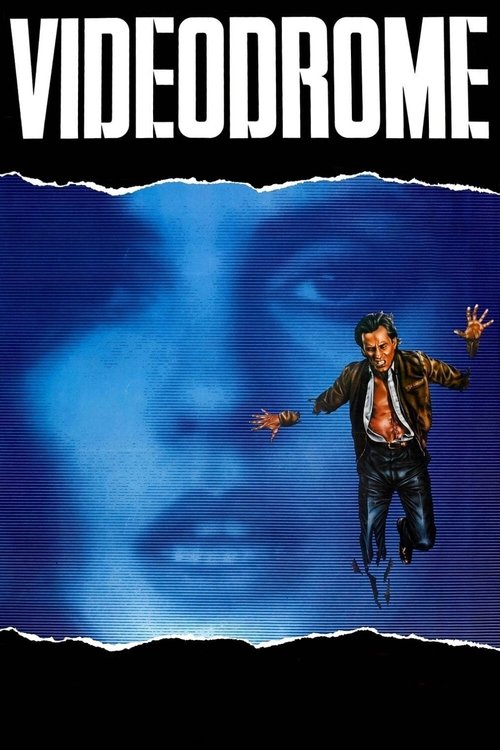
Videodrome is one of Cronenberg’s most celebrated films, alongside The Fly. It tells the story of Max Renn (James Woods), a sleazy, cynical television producer who specialises in adult content. He becomes increasingly obsessed with a highly violent broadcast known as Videodrome.
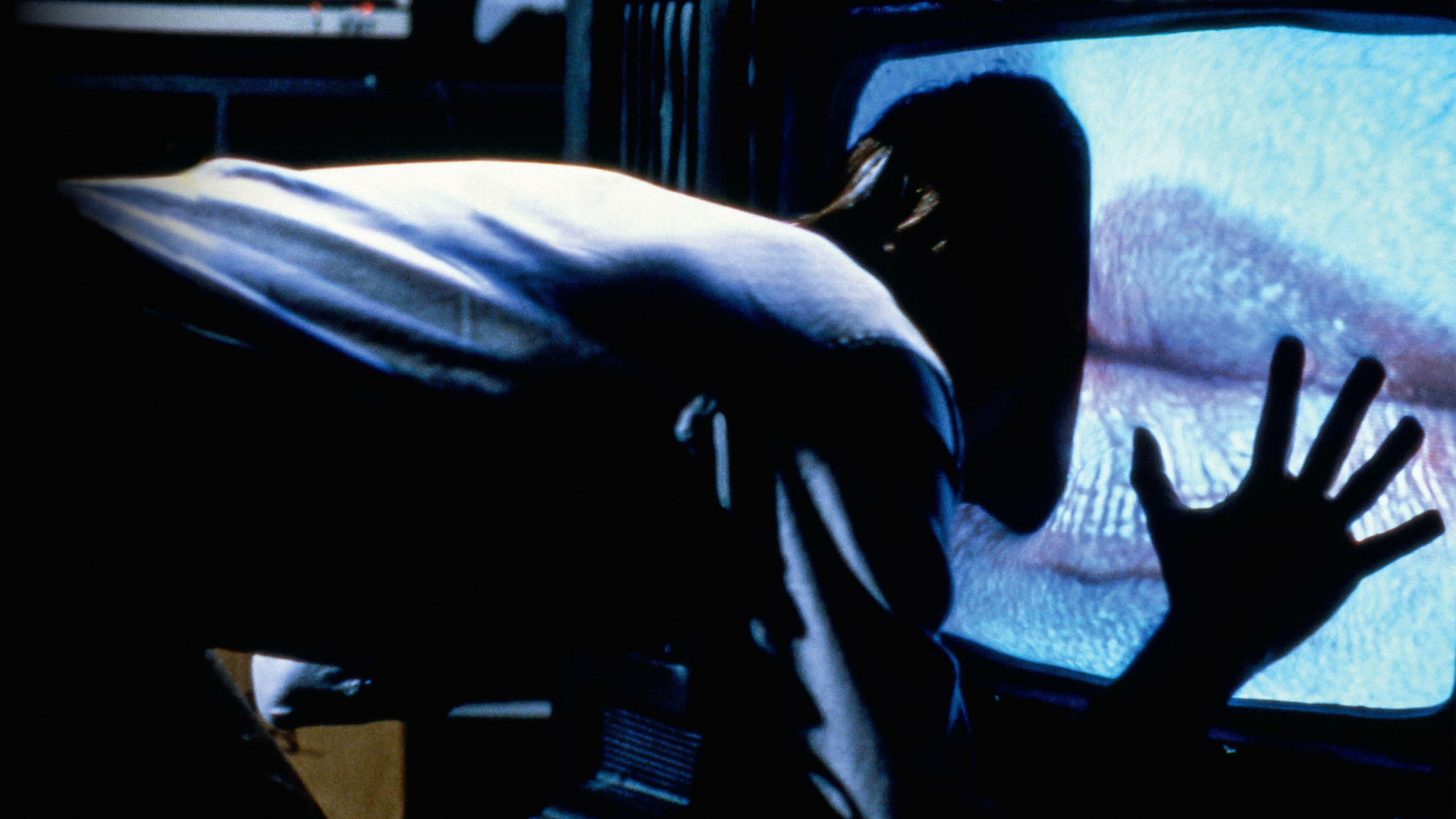
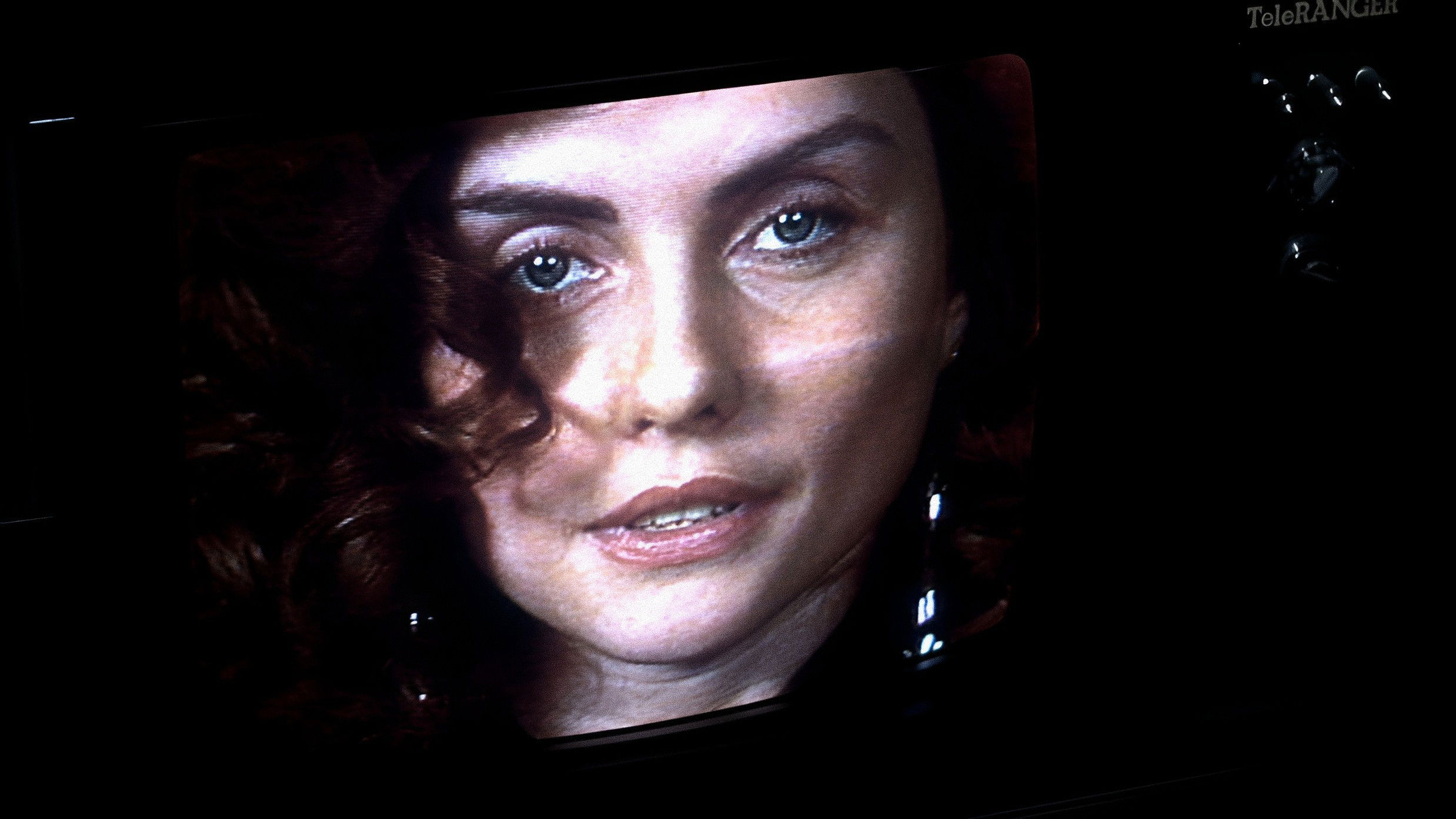
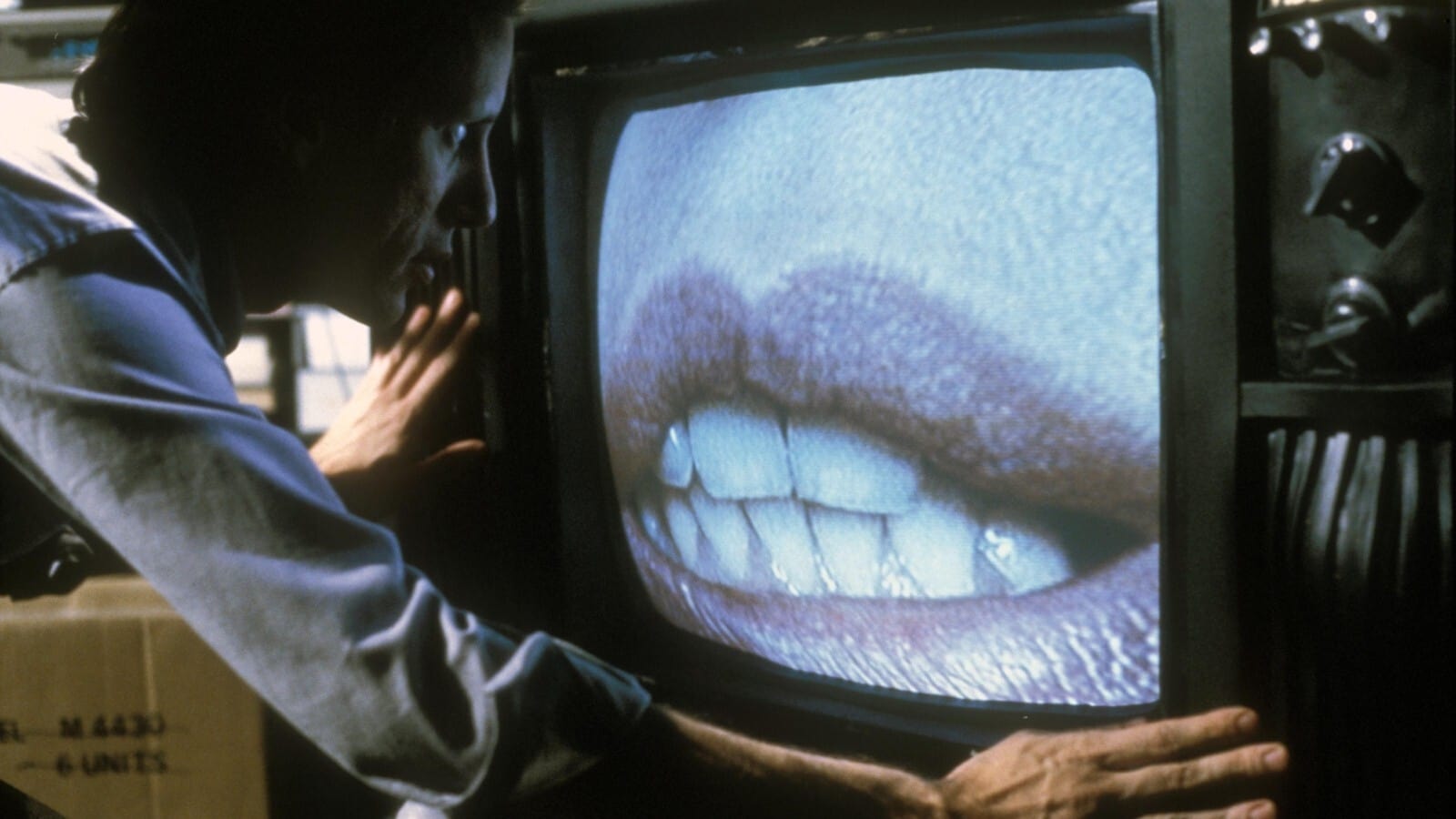
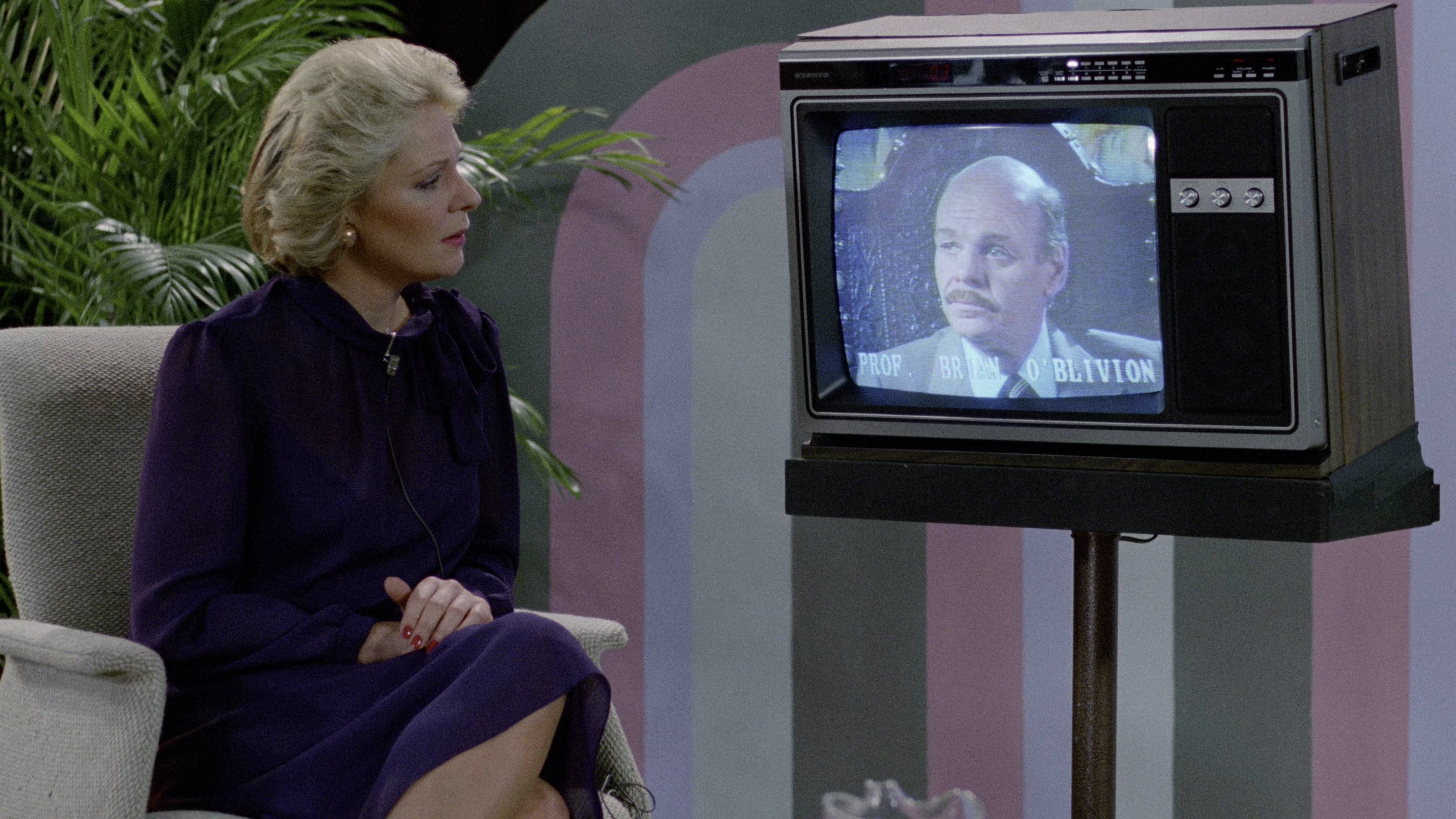
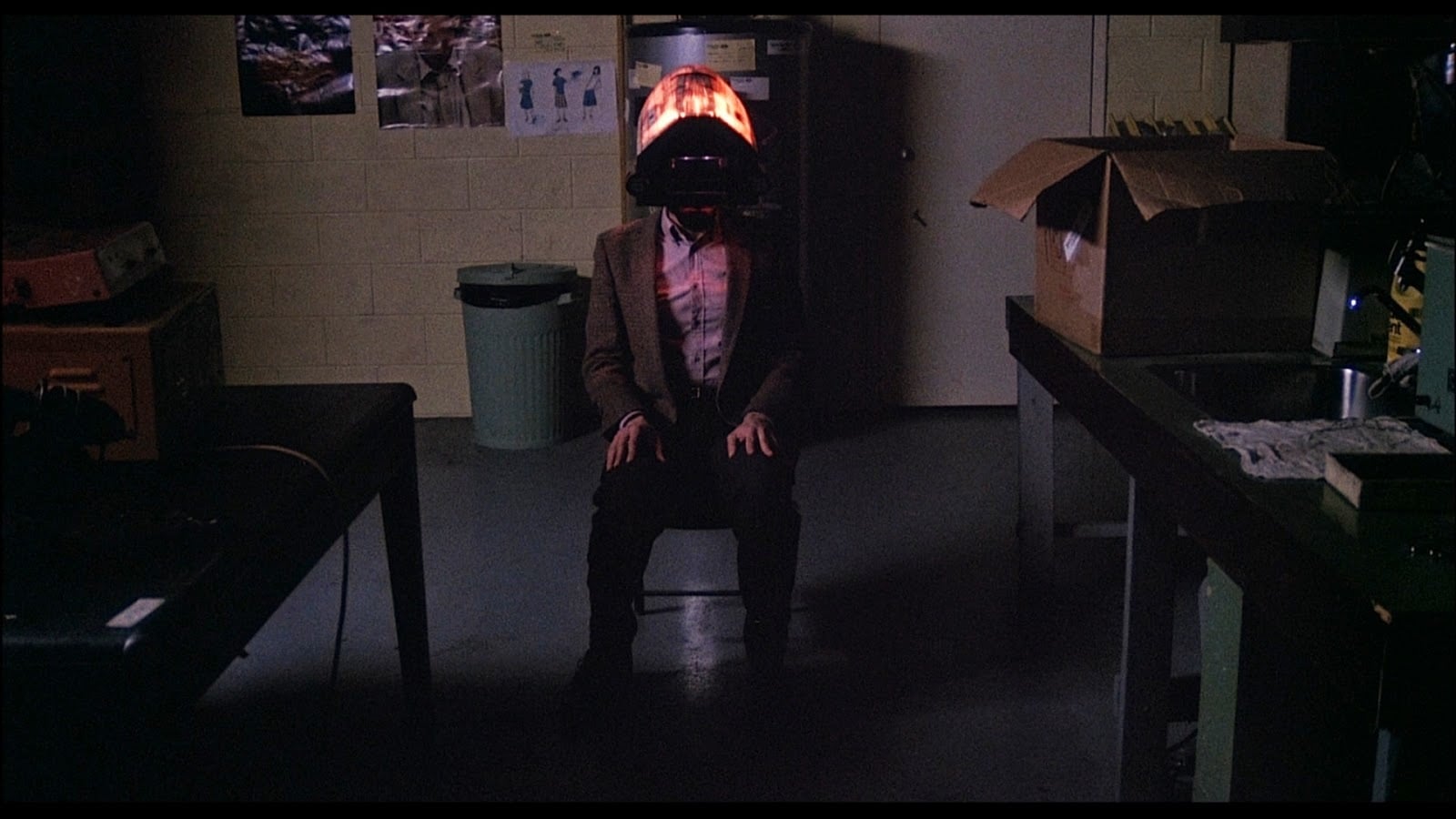
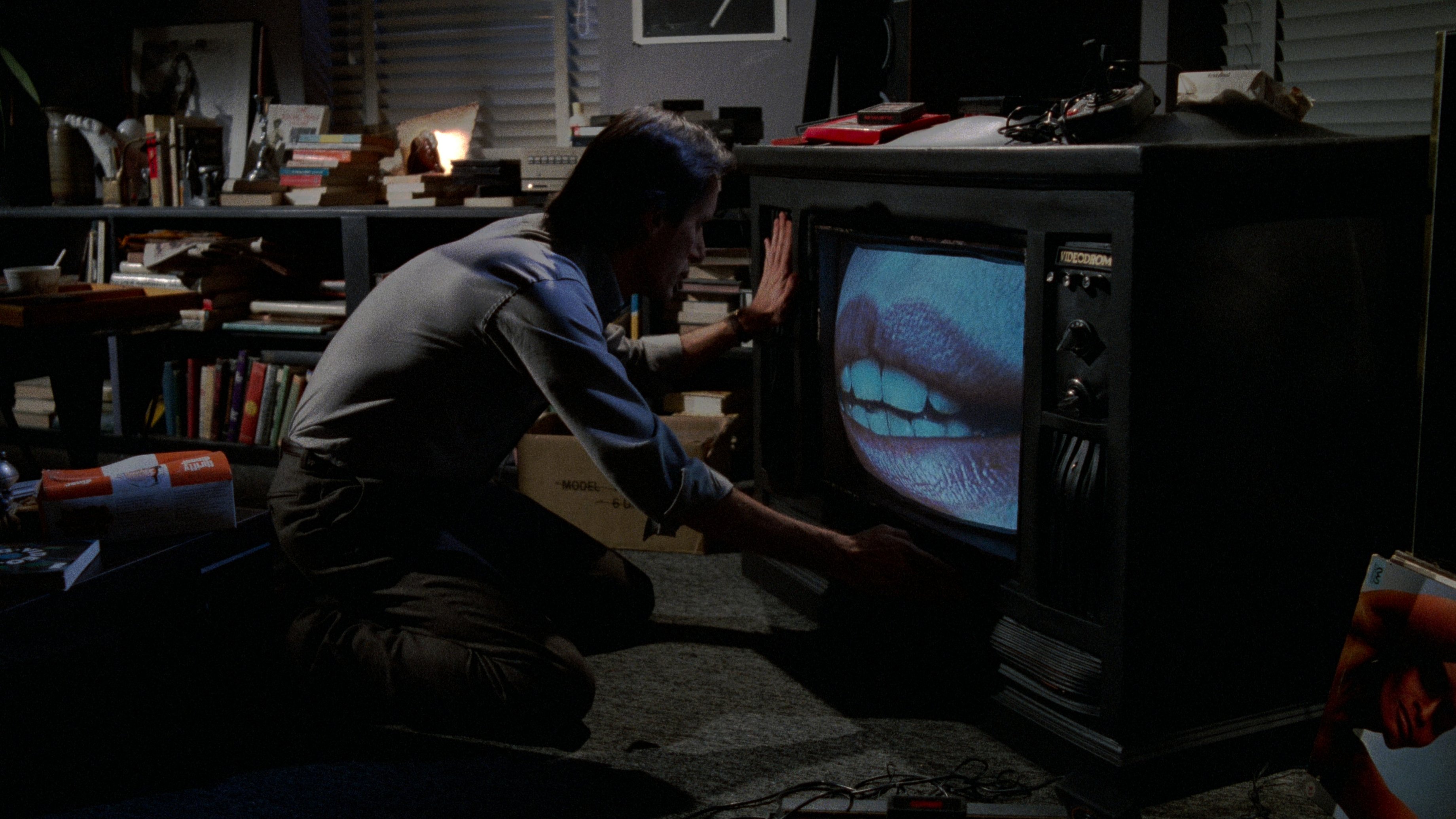
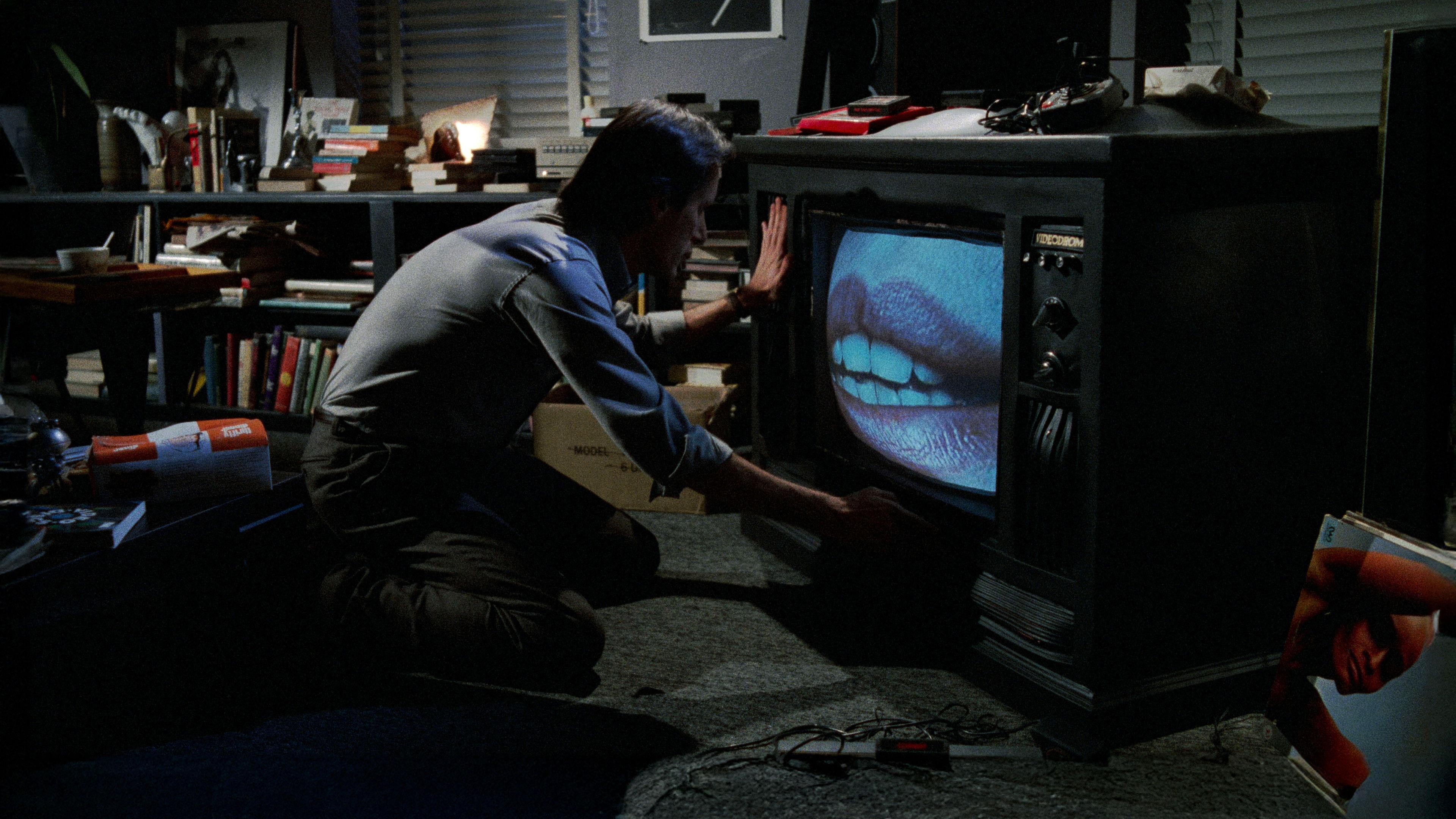
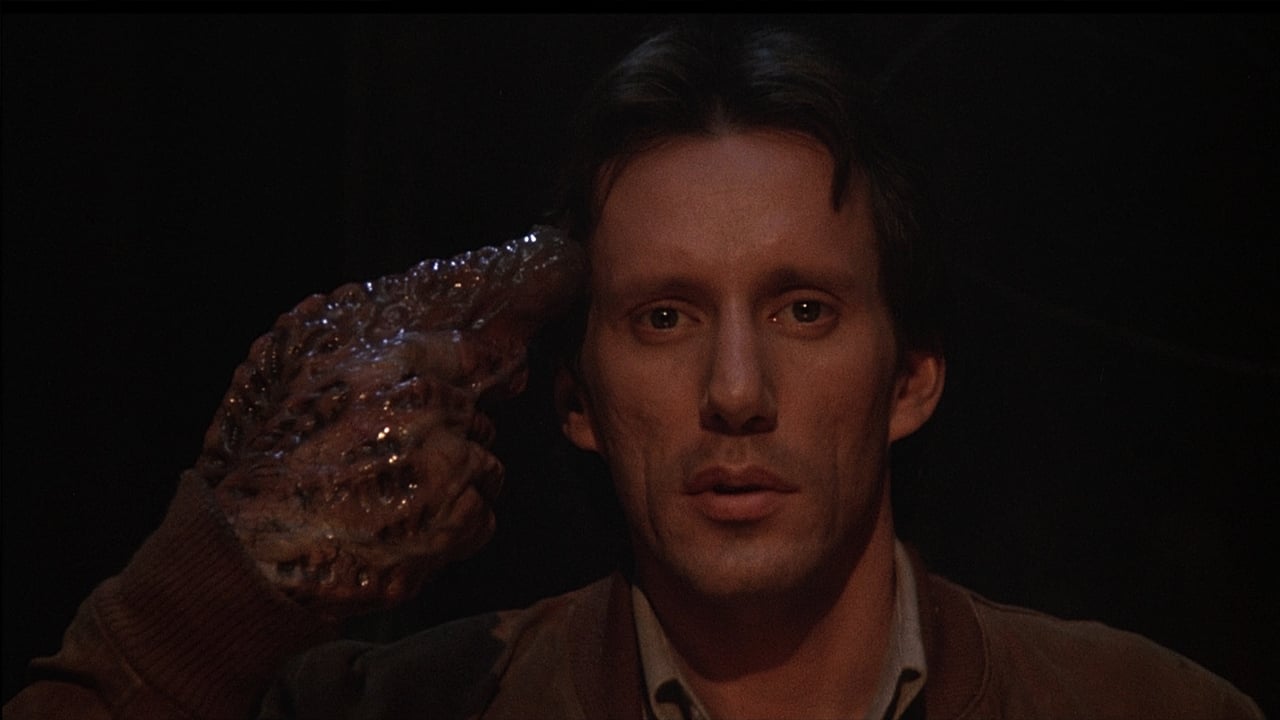
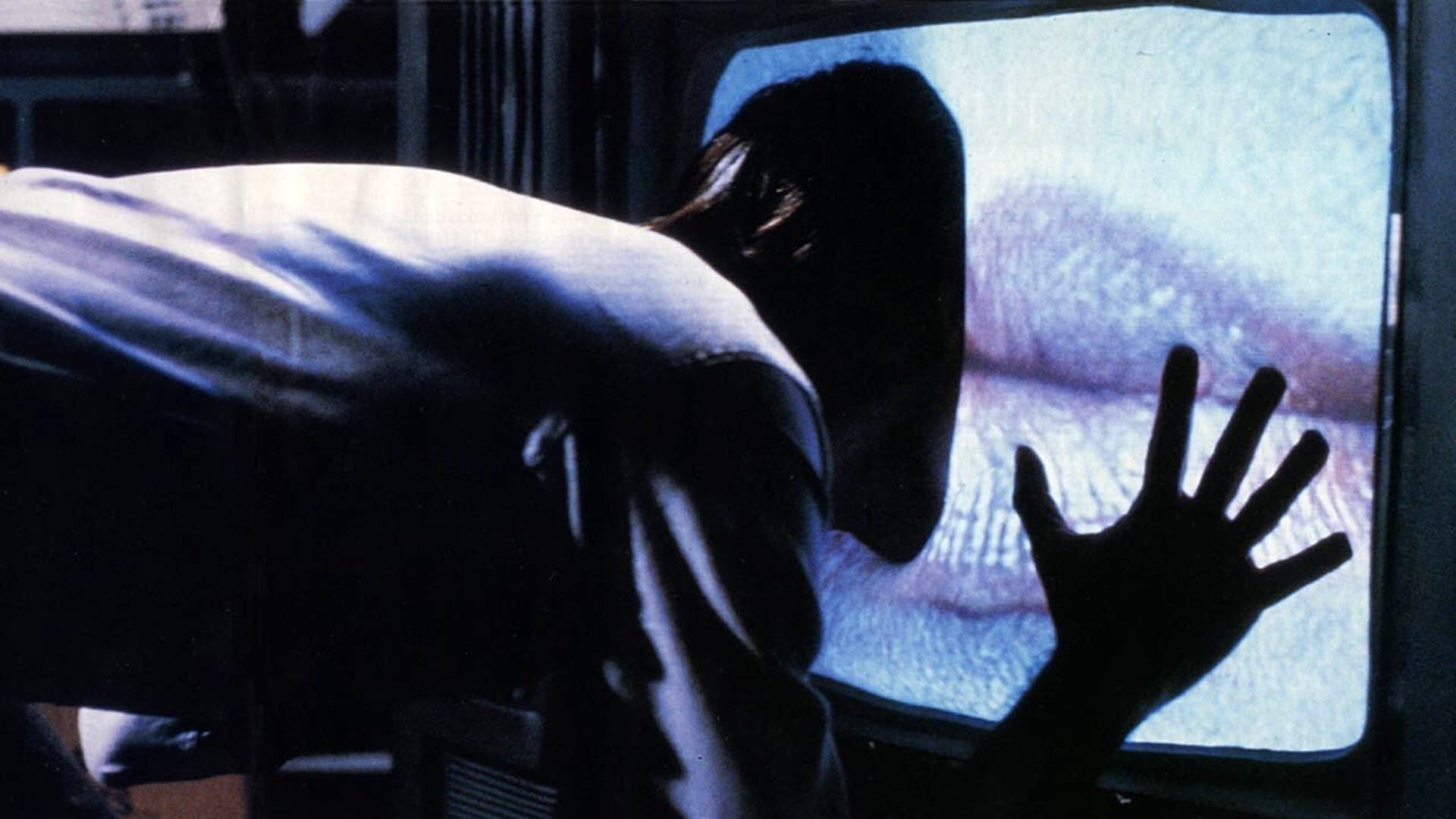
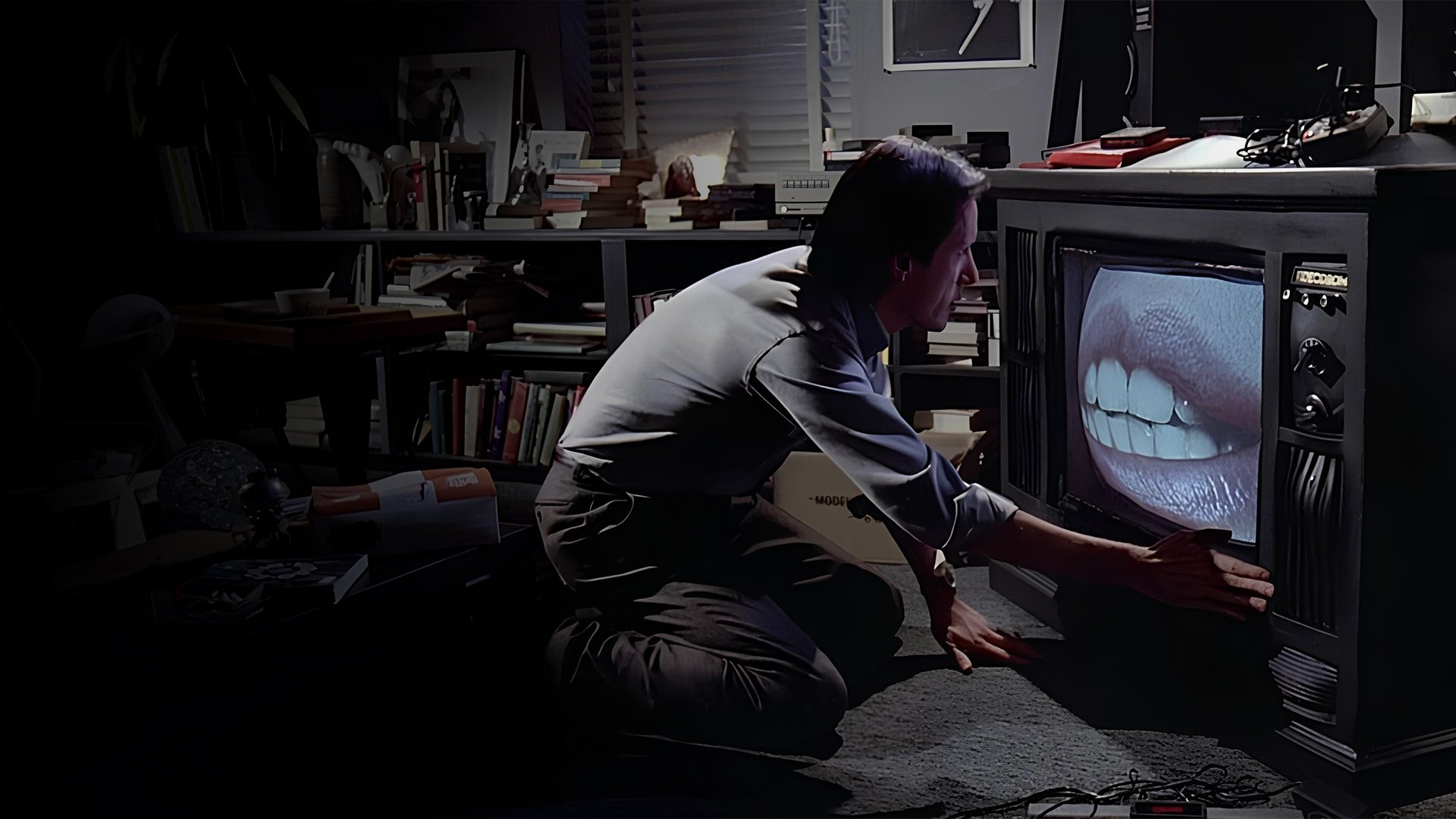
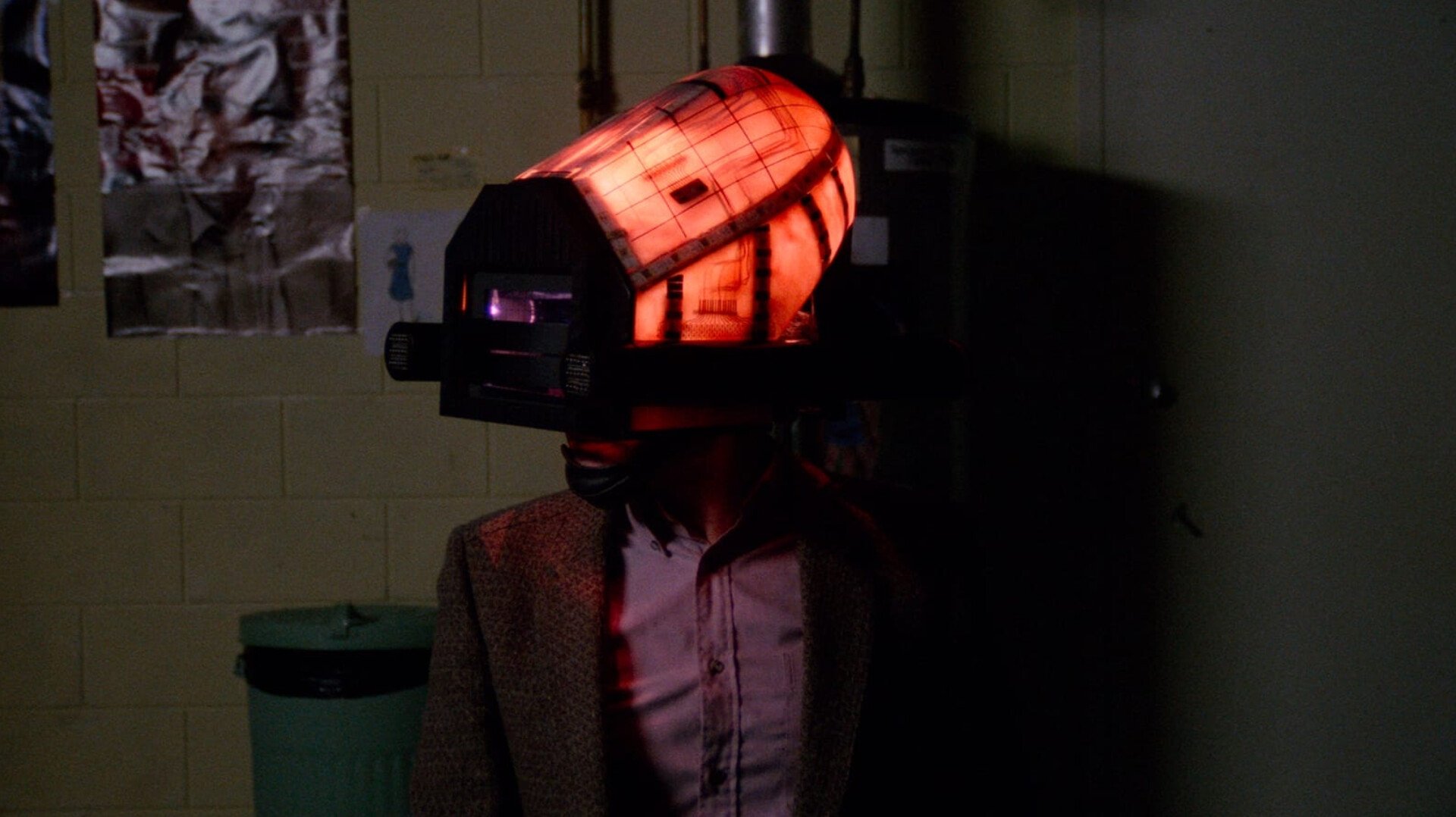
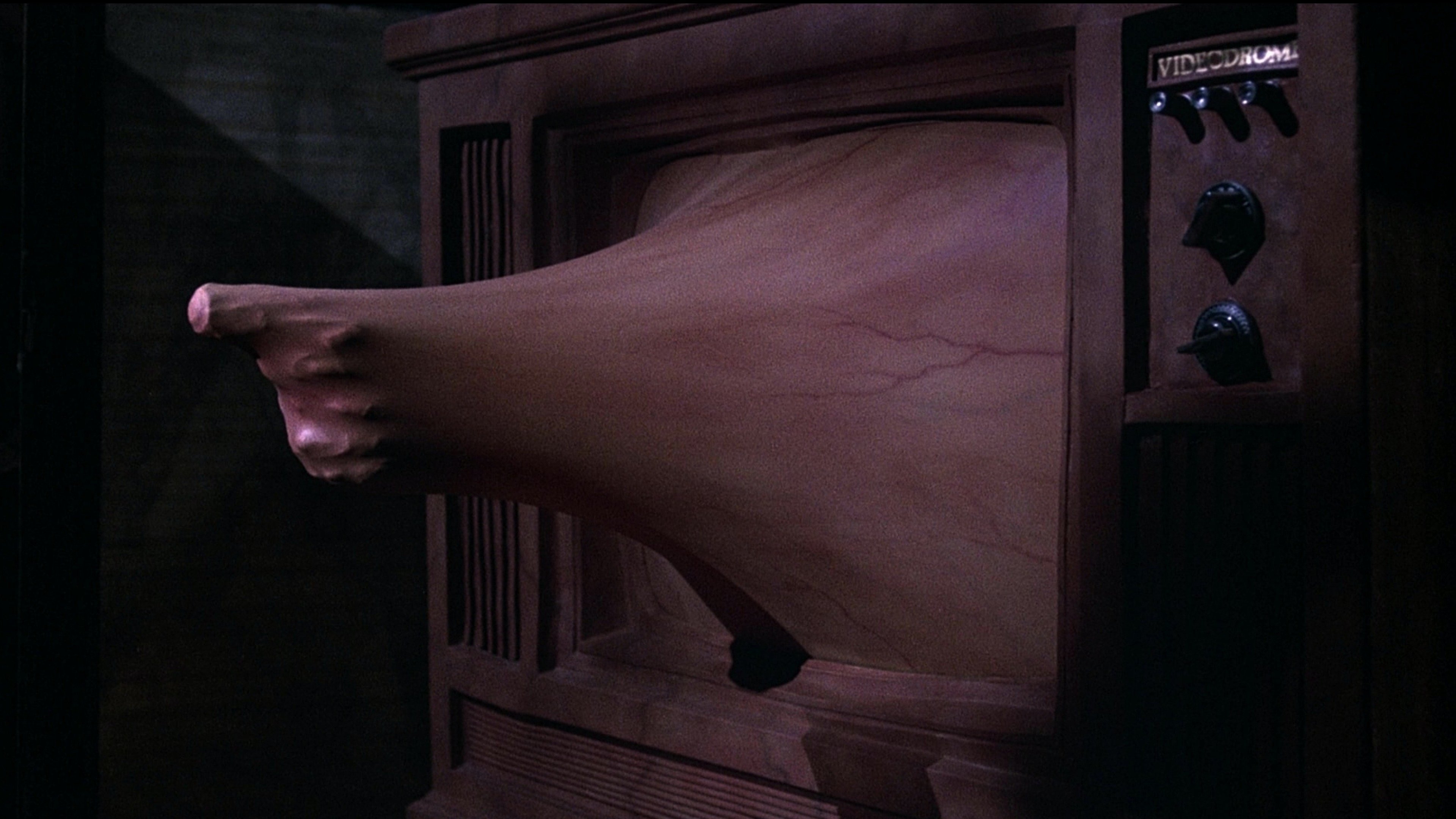
The programme has a hypnotic, almost supernatural effect on its viewers, and the narrative quickly descends into surreal chaos and psychological horror. The film feels strikingly prescient in its exploration of media consumption and artificial stimulation. It places particular emphasis on the relationship between pornography, violence, and attitudes towards women, suggesting that repeated exposure to such imagery can distort an individual’s perception of reality. It also explores the idea of media physically merging with the human body, reinforcing its success as a science fiction film built on original ideas that remain relevant today.
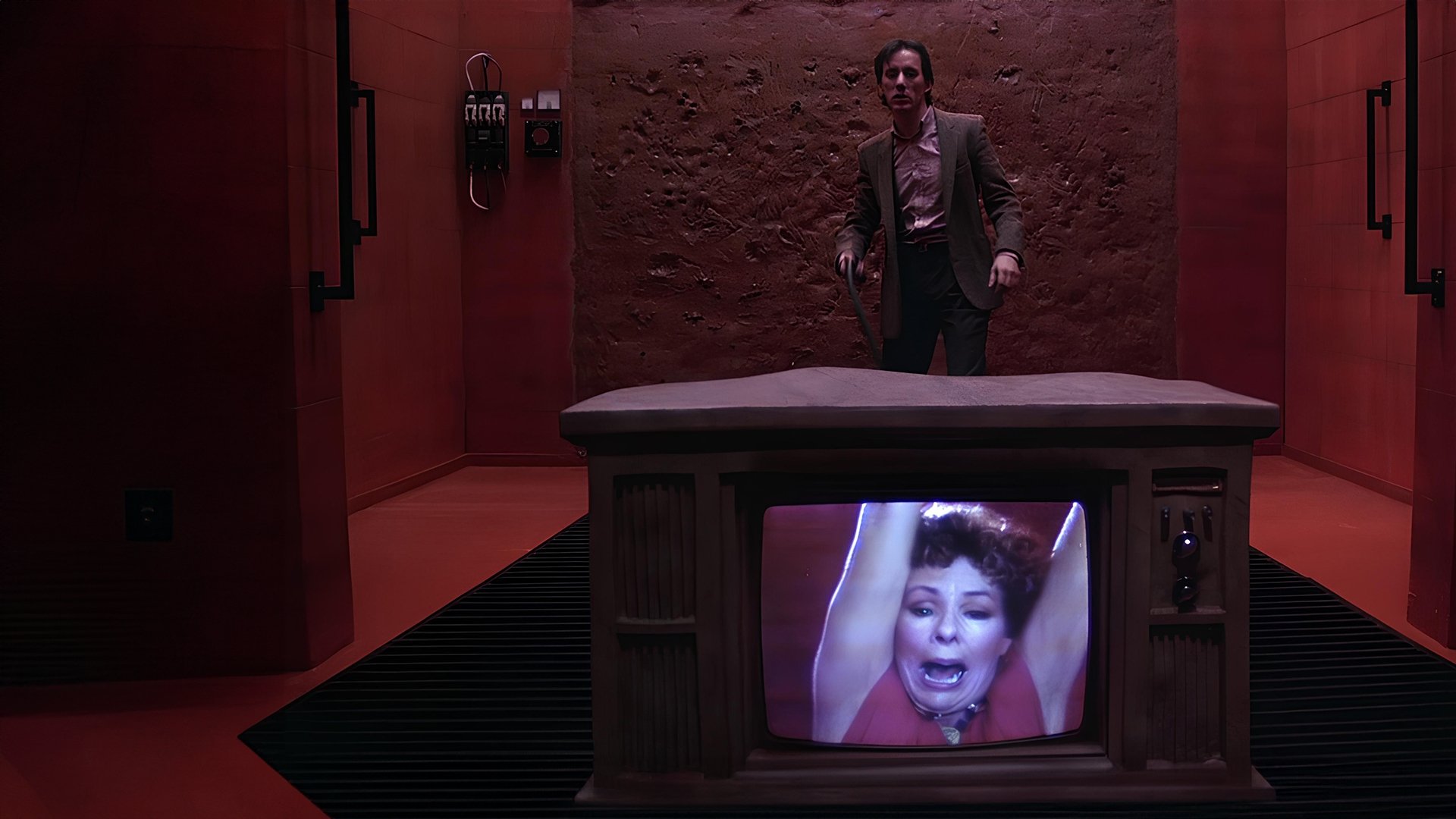
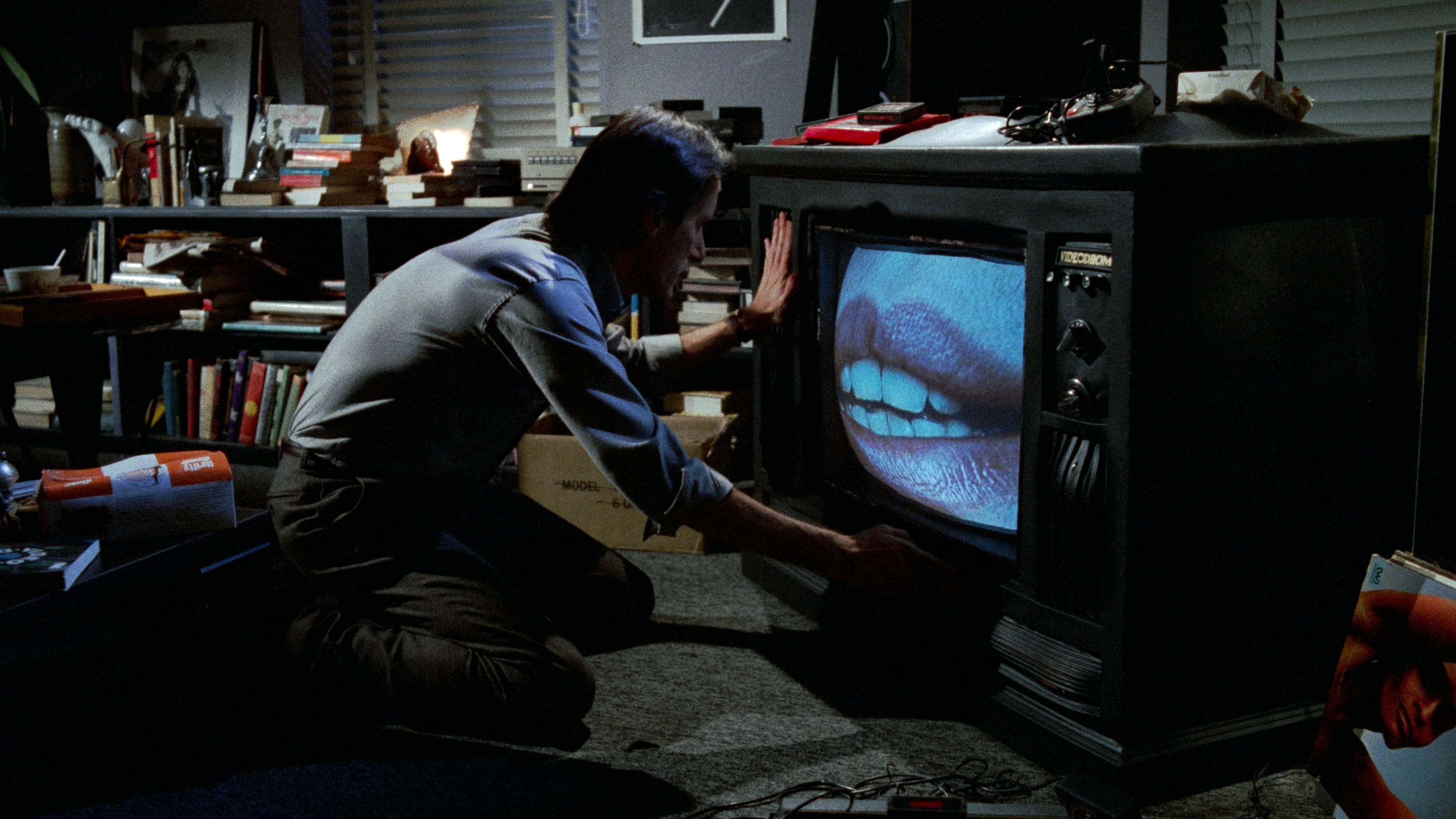
The film maintains an unsettling and distinctive tone, reminiscent of the work of David Lynch. This is reinforced through voyeuristic cinematography—such as CCTV-style overhead shots—muted lighting, surreal imagery, and a deliberately slow, tension-building soundtrack.
However, the film’s relatively short runtime and its decision to reveal key elements of its premise early on feel like missed opportunities for a thriller of this scope. As a result, Max’s character arc feels somewhat compressed, limiting the full impact of Woods’ performance. The ending is also less effective than the build-up, with conventional chase sequences and police elements causing the film to lose some of its earlier originality and psychological intensity.
Overall, Videodrome is a compelling and highly influential film that continues to hold up as both science fiction and social commentary over 40 years later. It is experimental, extreme, visually inventive, and intellectually engaging. Despite its strengths, its pacing and slightly underdeveloped narrative prevent it from fully realising its potential.
4/5
Canadian director David Cronenberg is famous for popularising the body horror genre. This is a sub-genre of horror that focuses on the decay of the human body as a source of fear. This marked a significant shift away from monster films like Night of the Living Dead and Dracula, where the threat is external. Linking horror to the human body creates an unsettling psychological impact and helps ground these films in reality, often revealing hidden social commentary. For example, Cronenberg’s most famous film, The Fly, has been widely interpreted as a metaphor for society’s fear of the HIV/AIDS crisis in the 1980s. Cronenberg’s influence on the horror genre is undeniable, and directors still turn to his films for inspiration today. The 2020s have seen a resurgence of body horror, with films like The Substance and Titane achieving significant critical and commercial success.
Videodrome is one of Cronenberg’s most celebrated films, alongside The Fly. It tells the story of Max Renn (James Woods), a sleazy, cynical television producer who specialises in adult content. He becomes increasingly obsessed with a highly violent broadcast known as Videodrome.
The programme has a hypnotic, almost supernatural effect on its viewers, and the narrative quickly descends into surreal chaos and psychological horror. The film feels strikingly prescient in its exploration of media consumption and artificial stimulation. It places particular emphasis on the relationship between pornography, violence, and attitudes towards women, suggesting that repeated exposure to such imagery can distort an individual’s perception of reality. It also explores the idea of media physically merging with the human body, reinforcing its success as a science fiction film built on original ideas that remain relevant today.
The film maintains an unsettling and distinctive tone, reminiscent of the work of David Lynch. This is reinforced through voyeuristic cinematography—such as CCTV-style overhead shots—muted lighting, surreal imagery, and a deliberately slow, tension-building soundtrack.
However, the film’s relatively short runtime and its decision to reveal key elements of its premise early on feel like missed opportunities for a thriller of this scope. As a result, Max’s character arc feels somewhat compressed, limiting the full impact of Woods’ performance. The ending is also less effective than the build-up, with conventional chase sequences and police elements causing the film to lose some of its earlier originality and psychological intensity.
Overall, Videodrome is a compelling and highly influential film that continues to hold up as both science fiction and social commentary over 40 years later. It is experimental, extreme, visually inventive, and intellectually engaging. Despite its strengths, its pacing and slightly underdeveloped narrative prevent it from fully realising its potential.
4/5