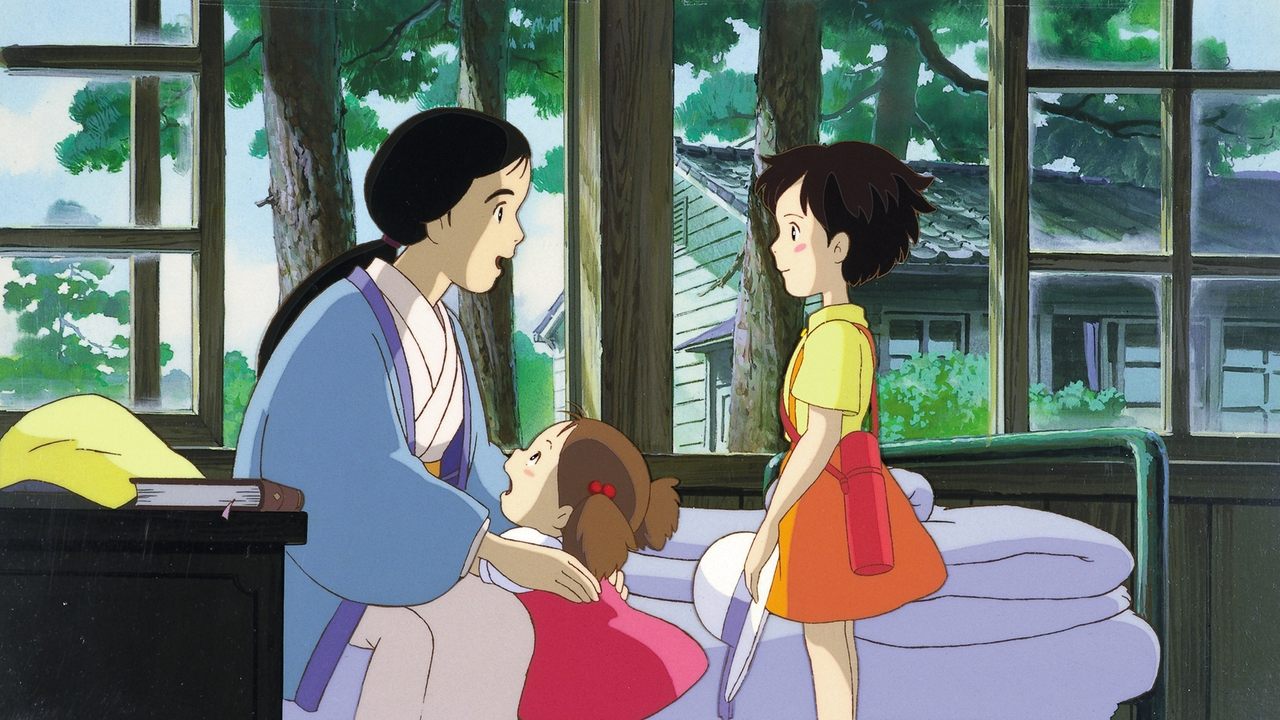
my neighbor totoro has a legendary aura about it, and yet — like every other studio ghibli movie, as I’m starting to realize — it’s a movie I almost never hear anything specific about
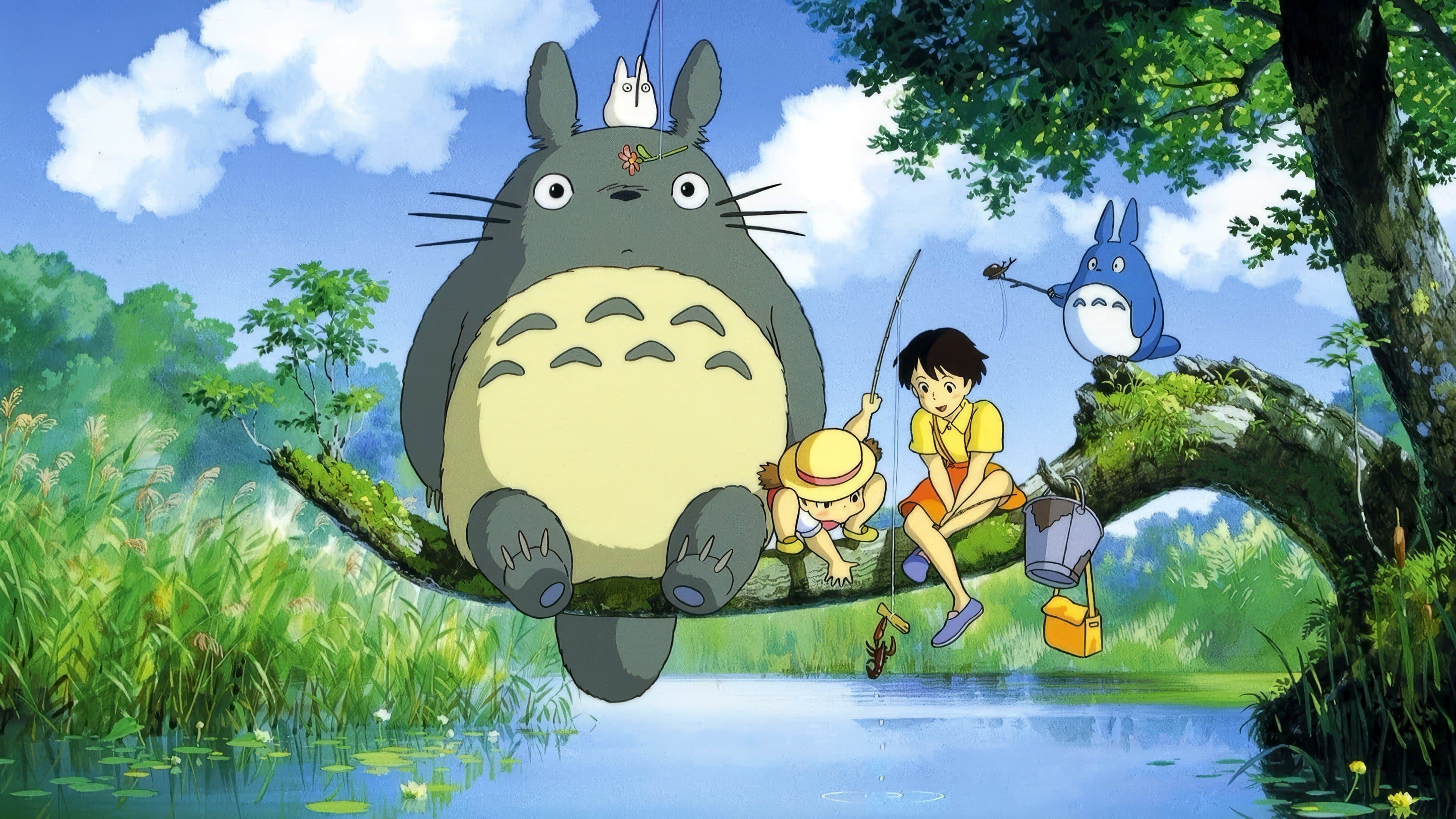
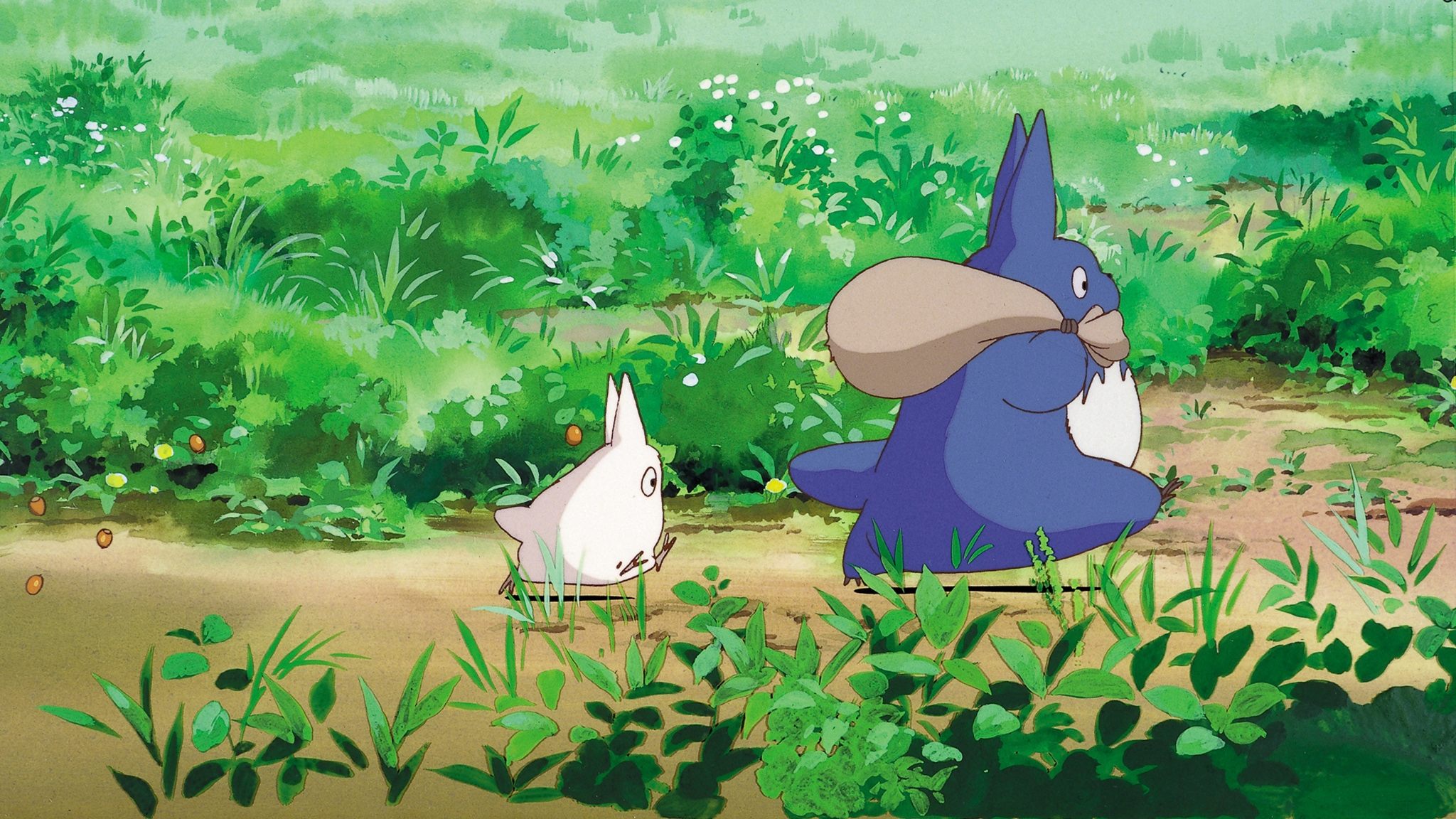
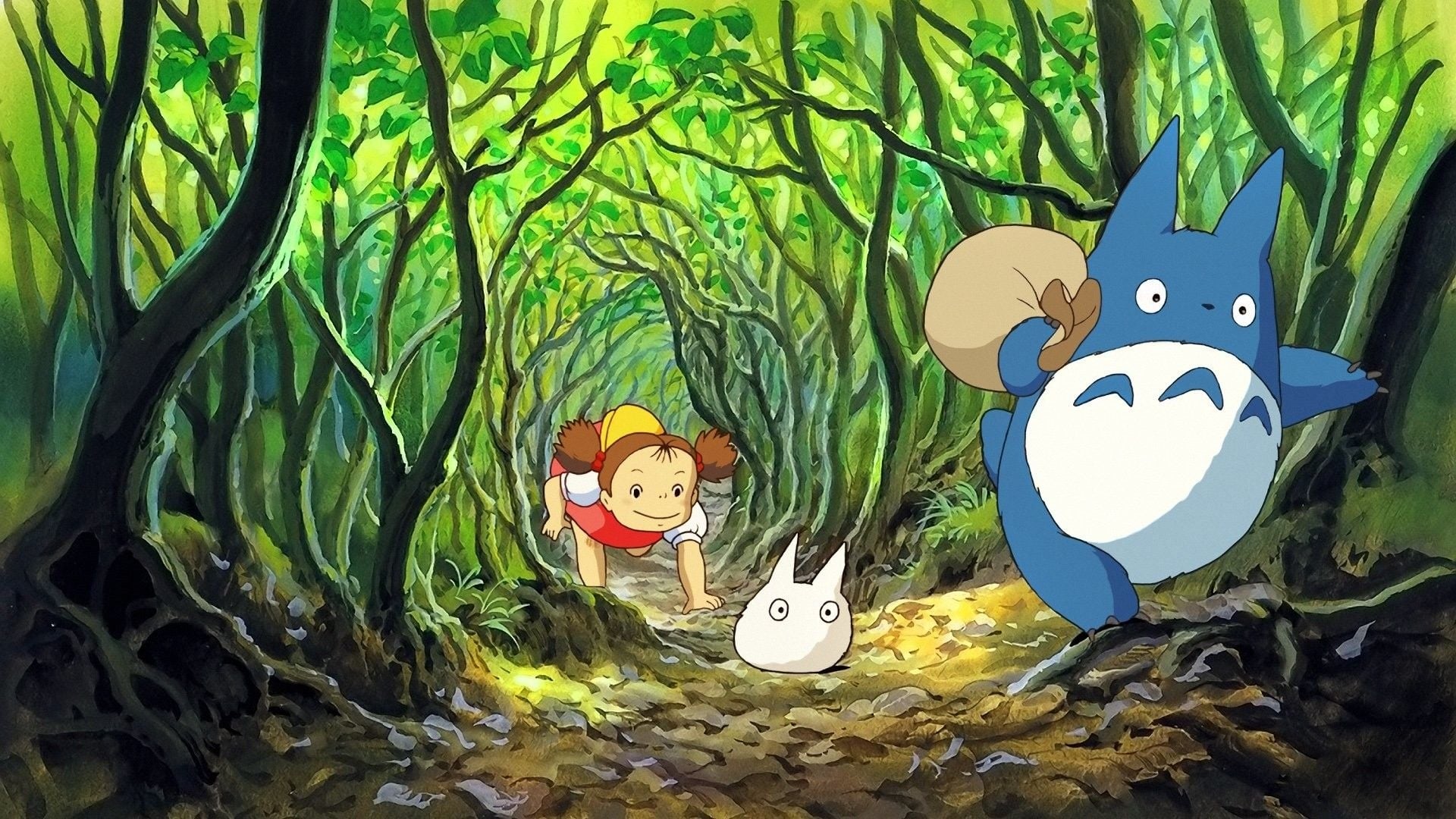
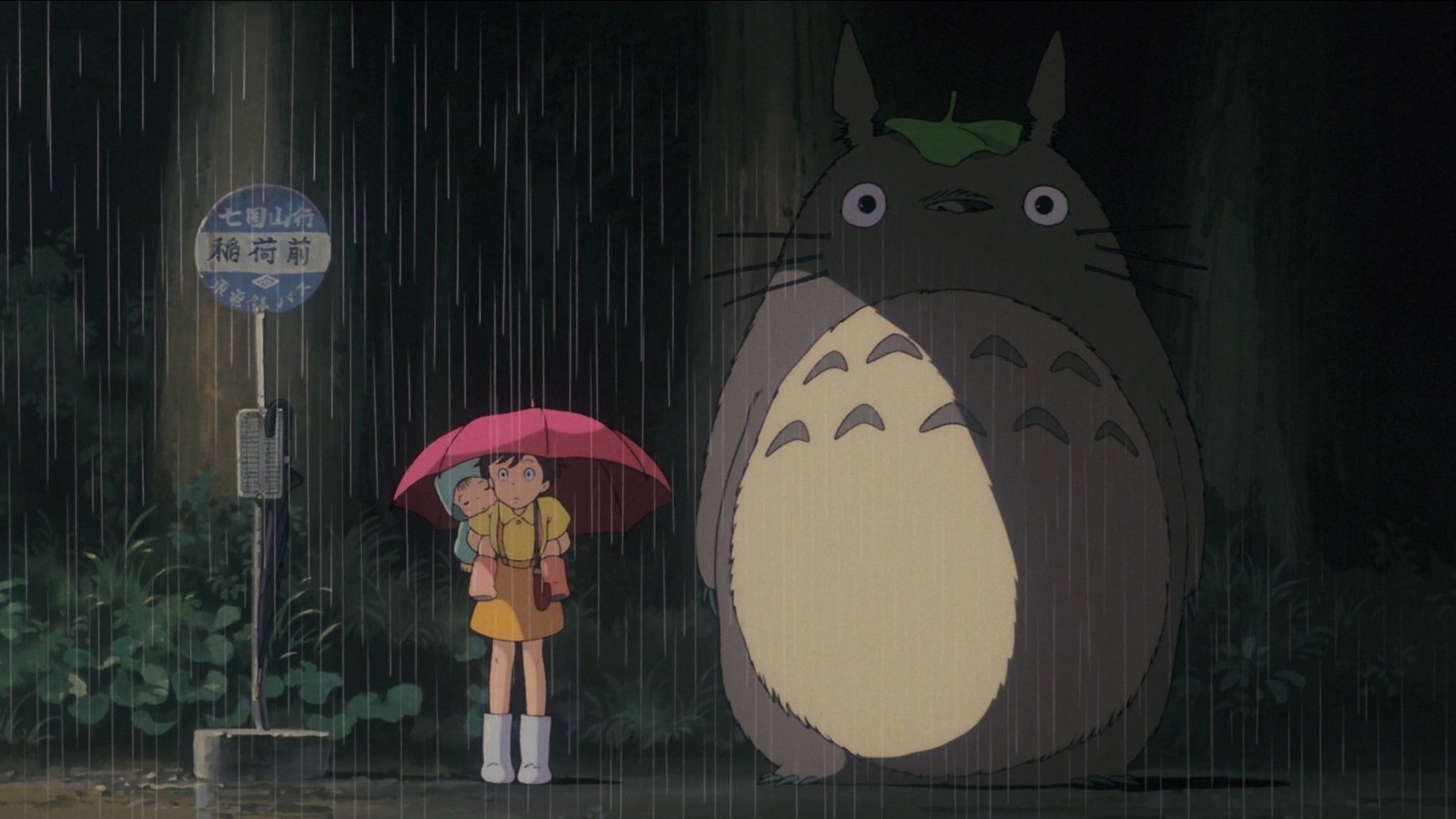
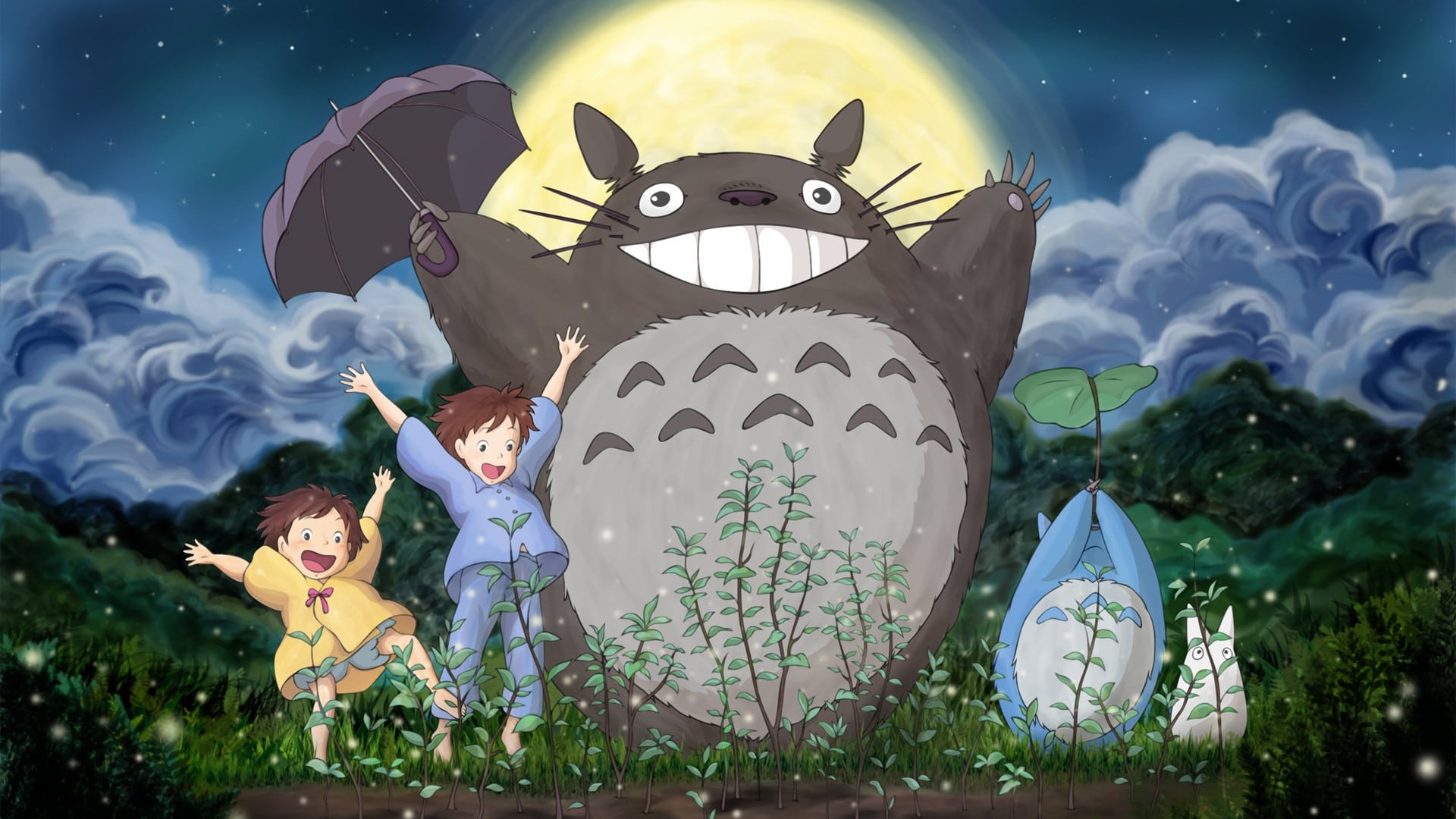
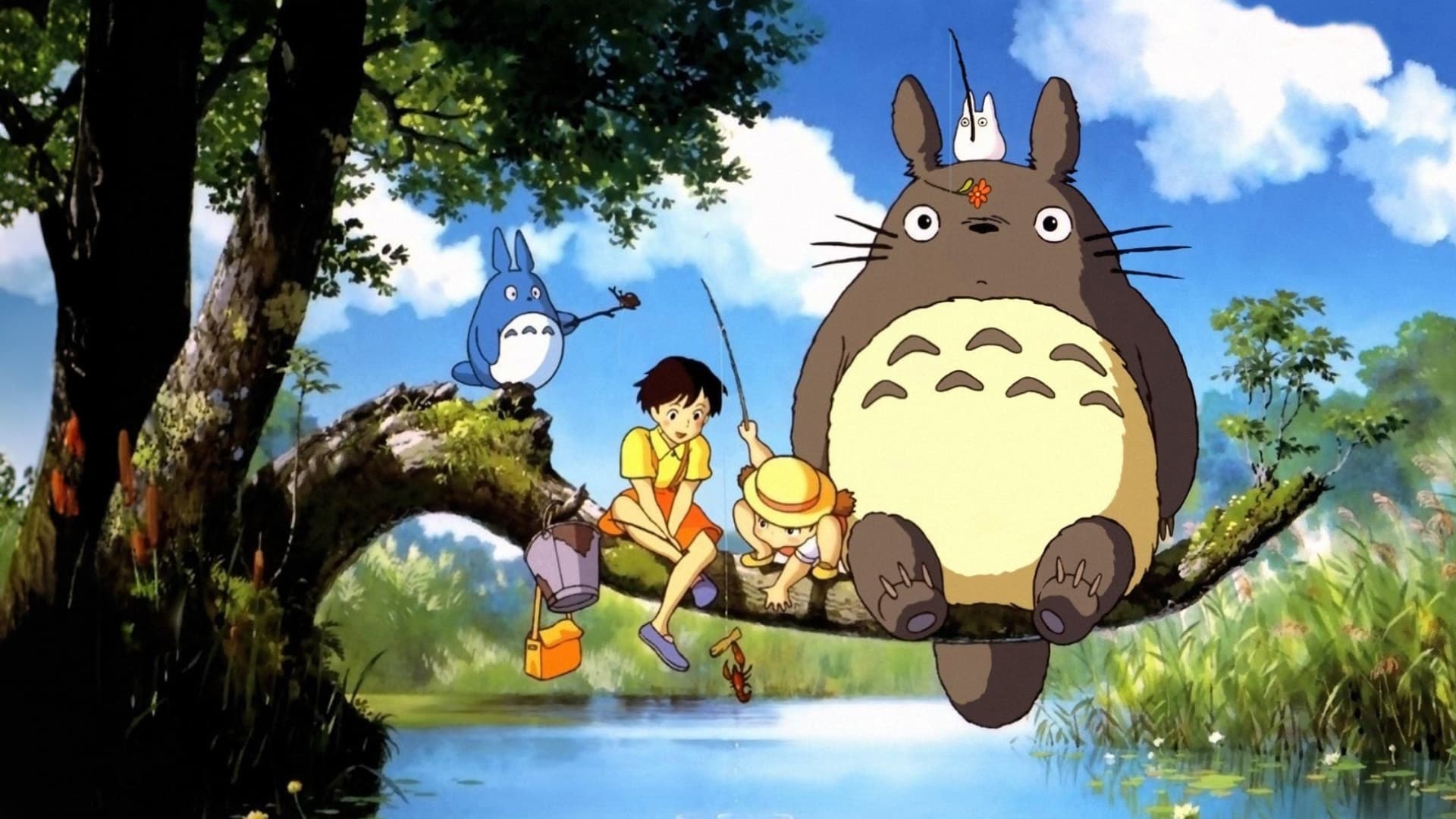
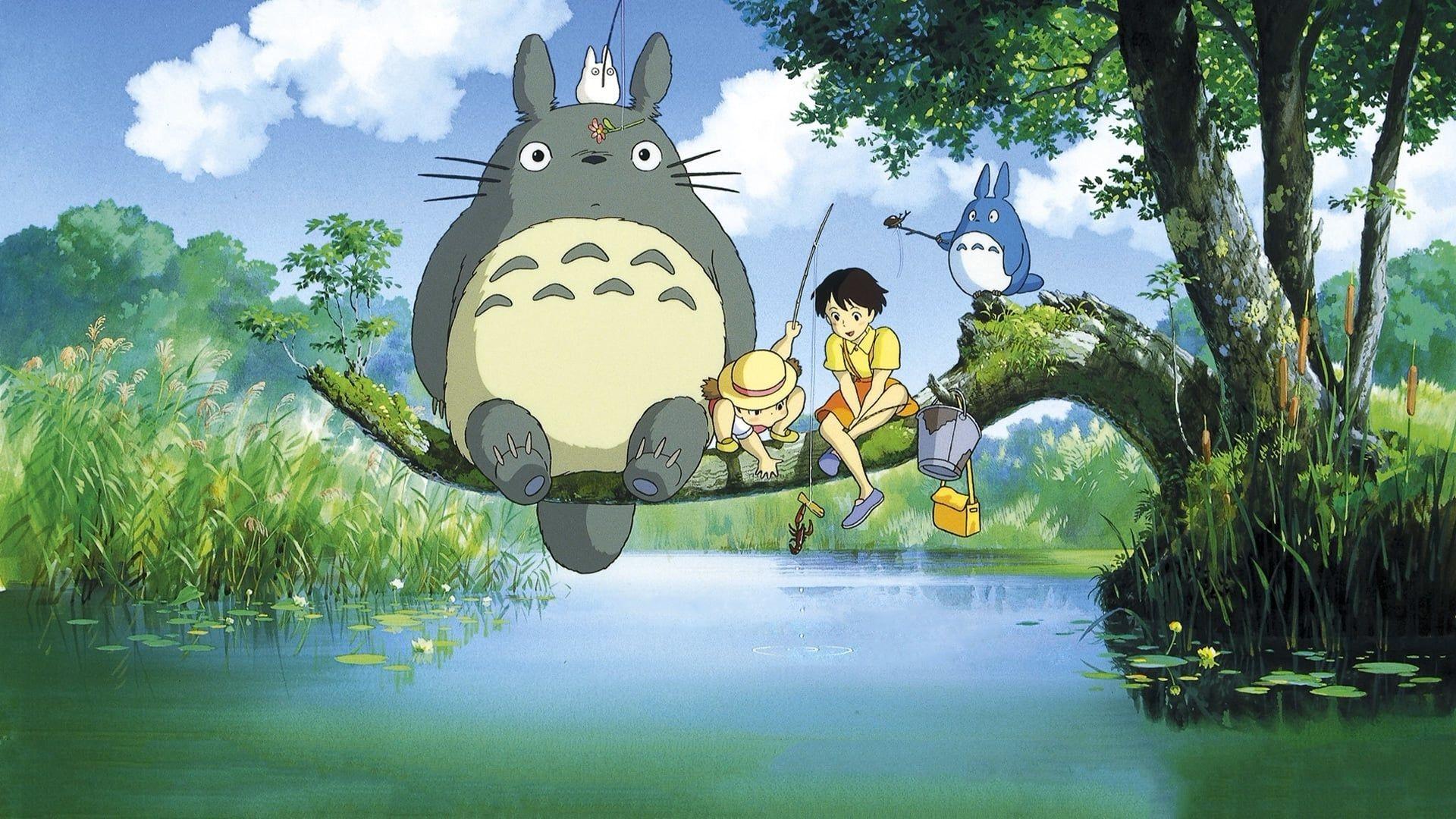
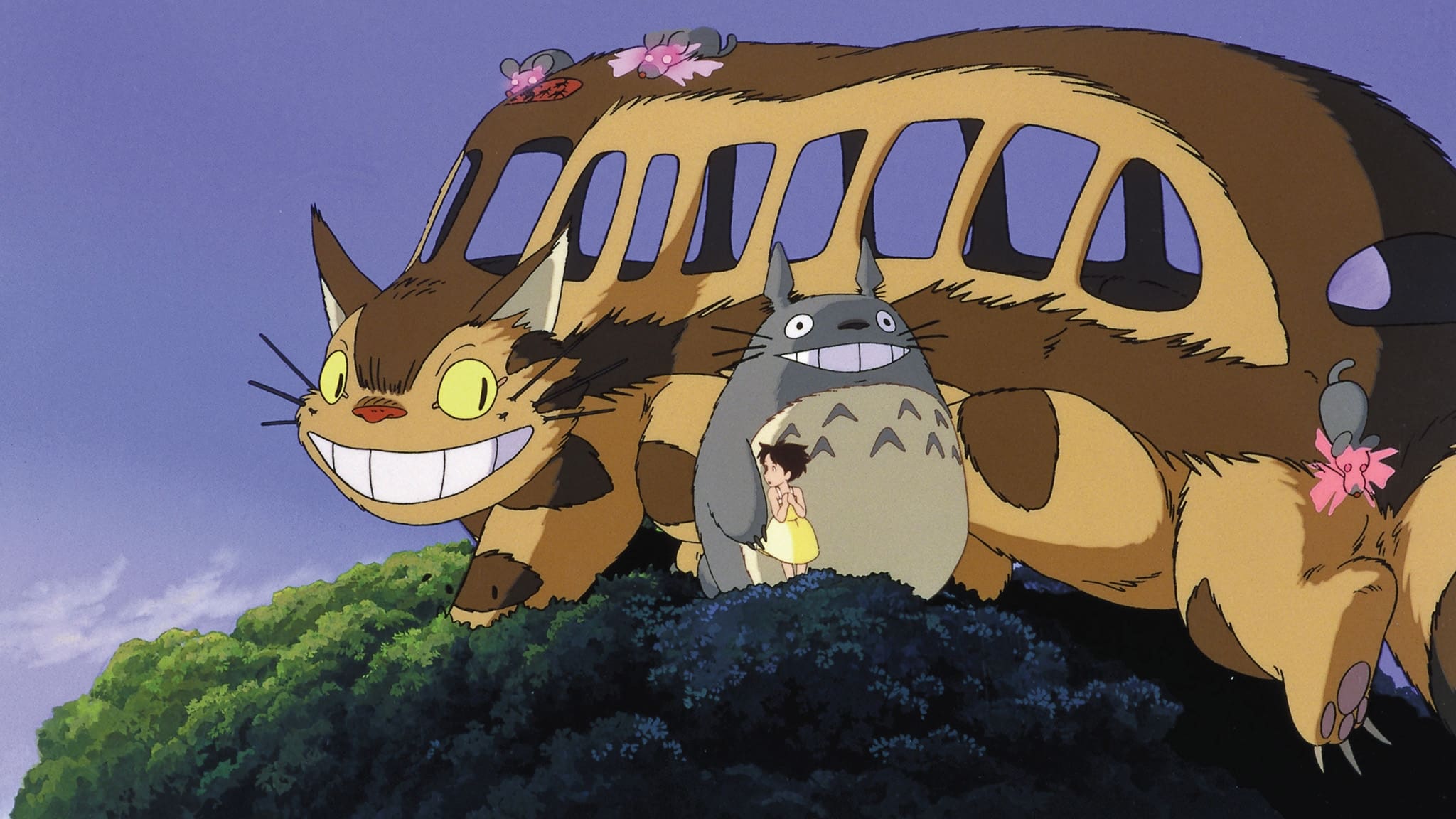
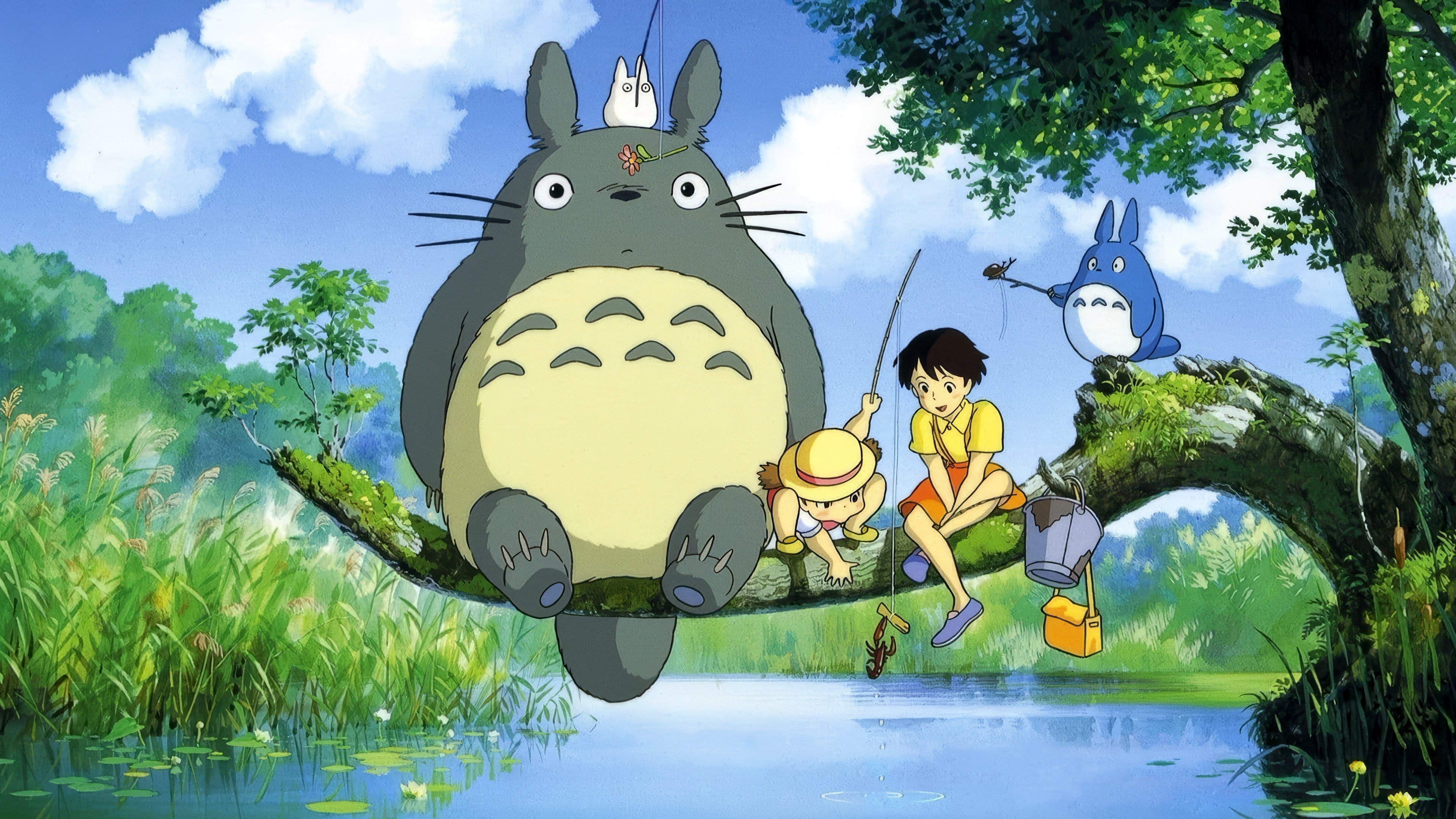
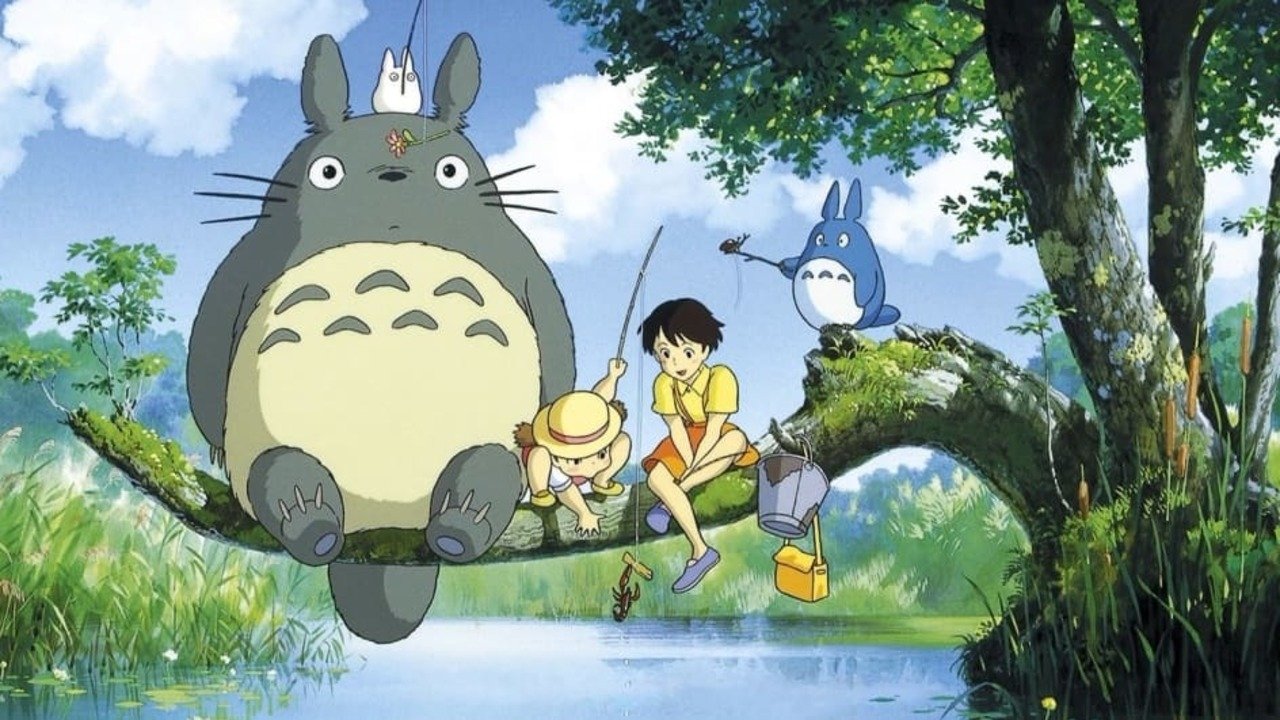
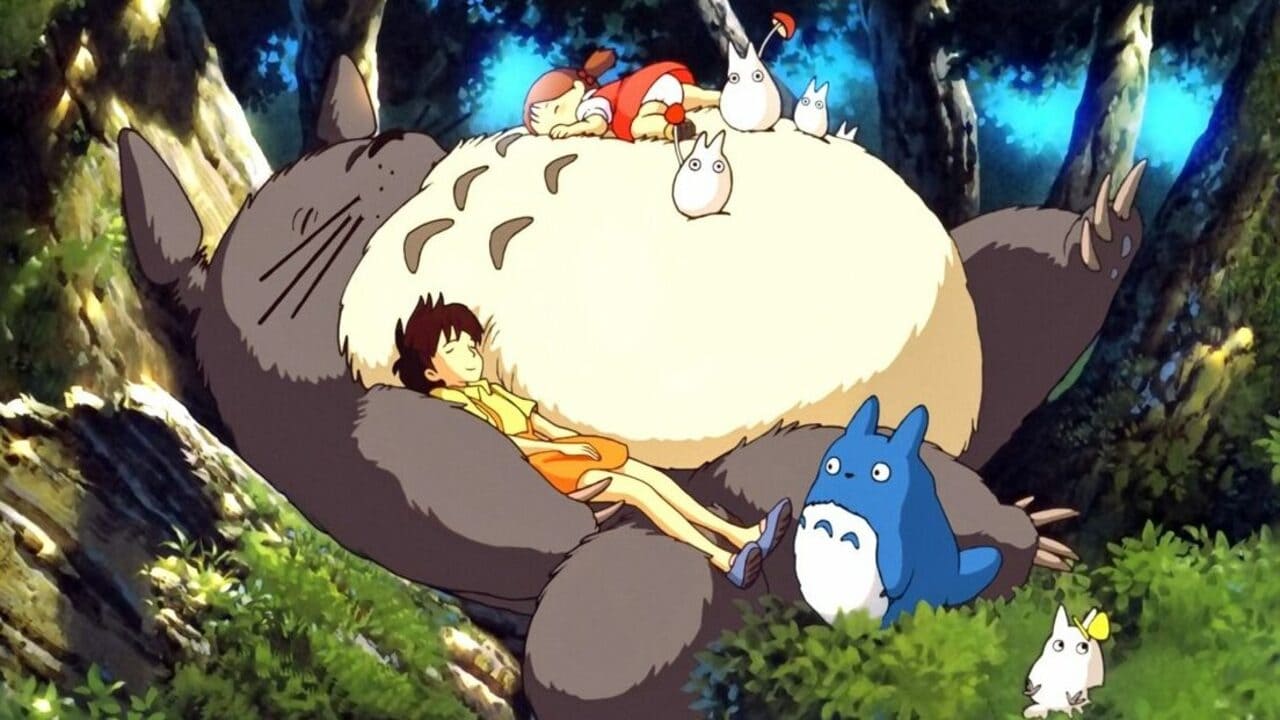
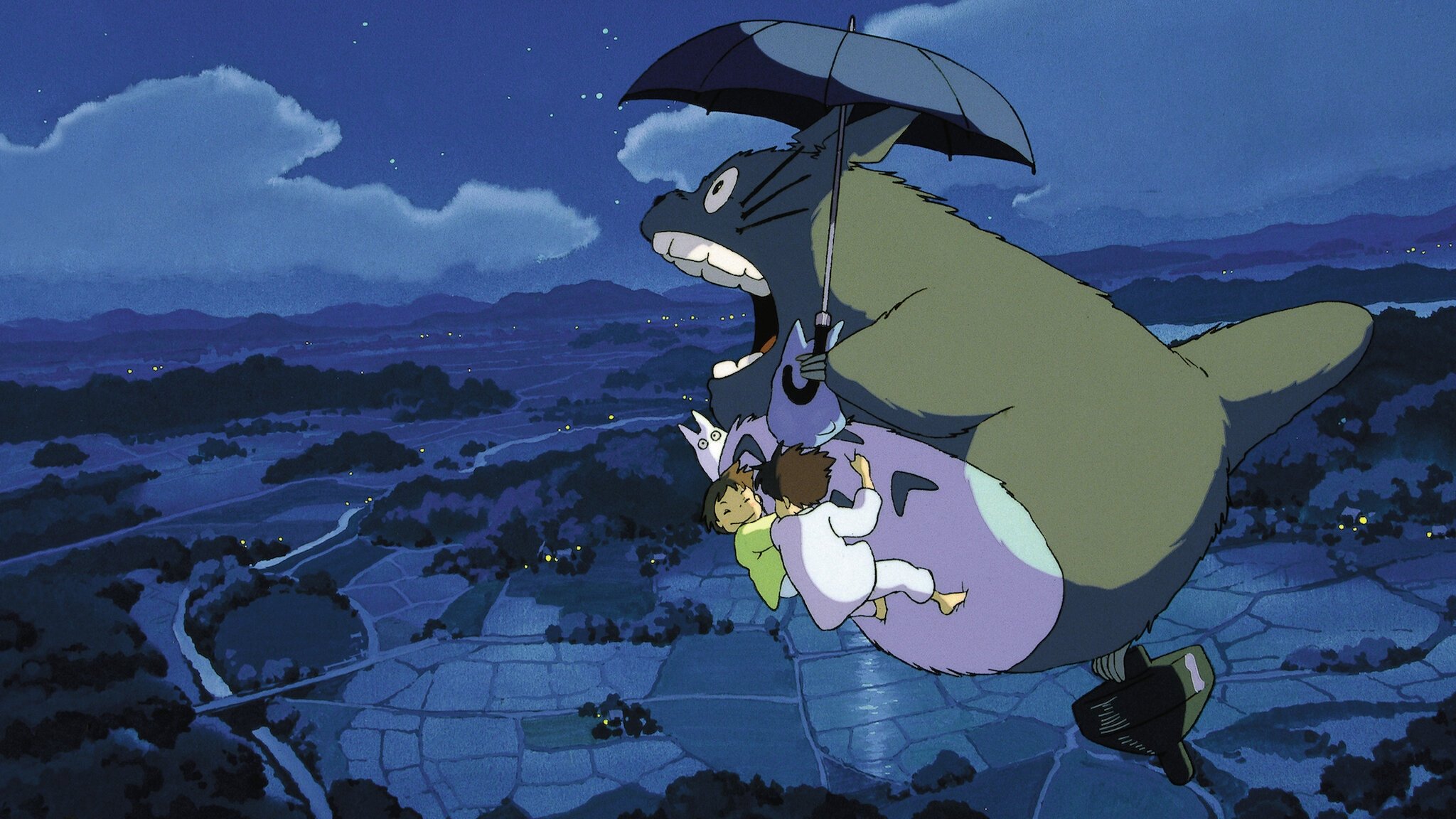
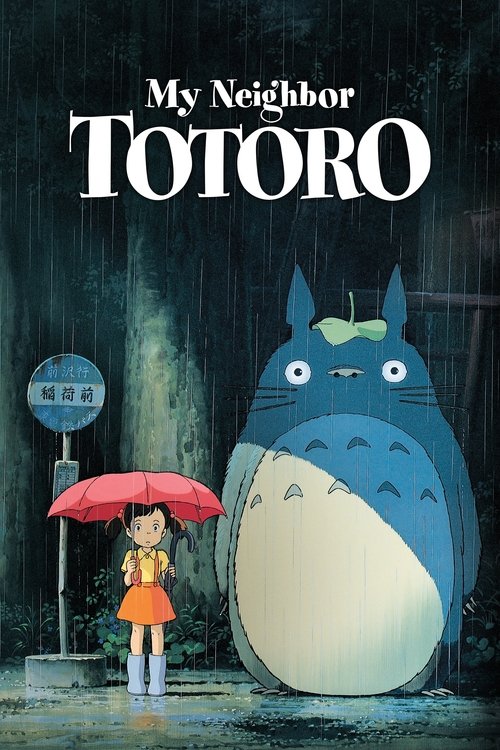
its praise is all floatingly vague, yet its visuals are instantly recognizable — so as a result I went into this one expecting a kids movie about a big rabbit-bear
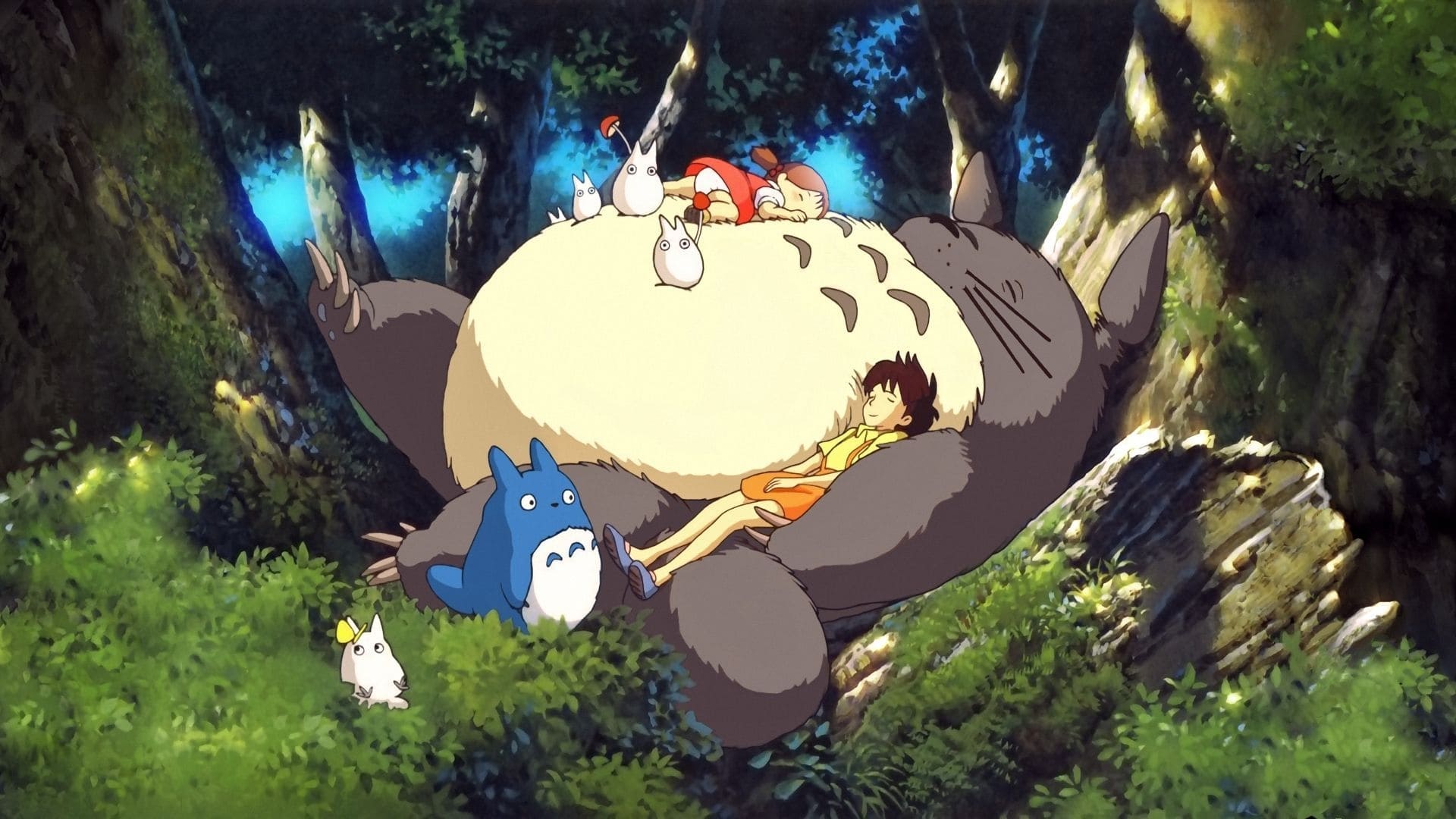
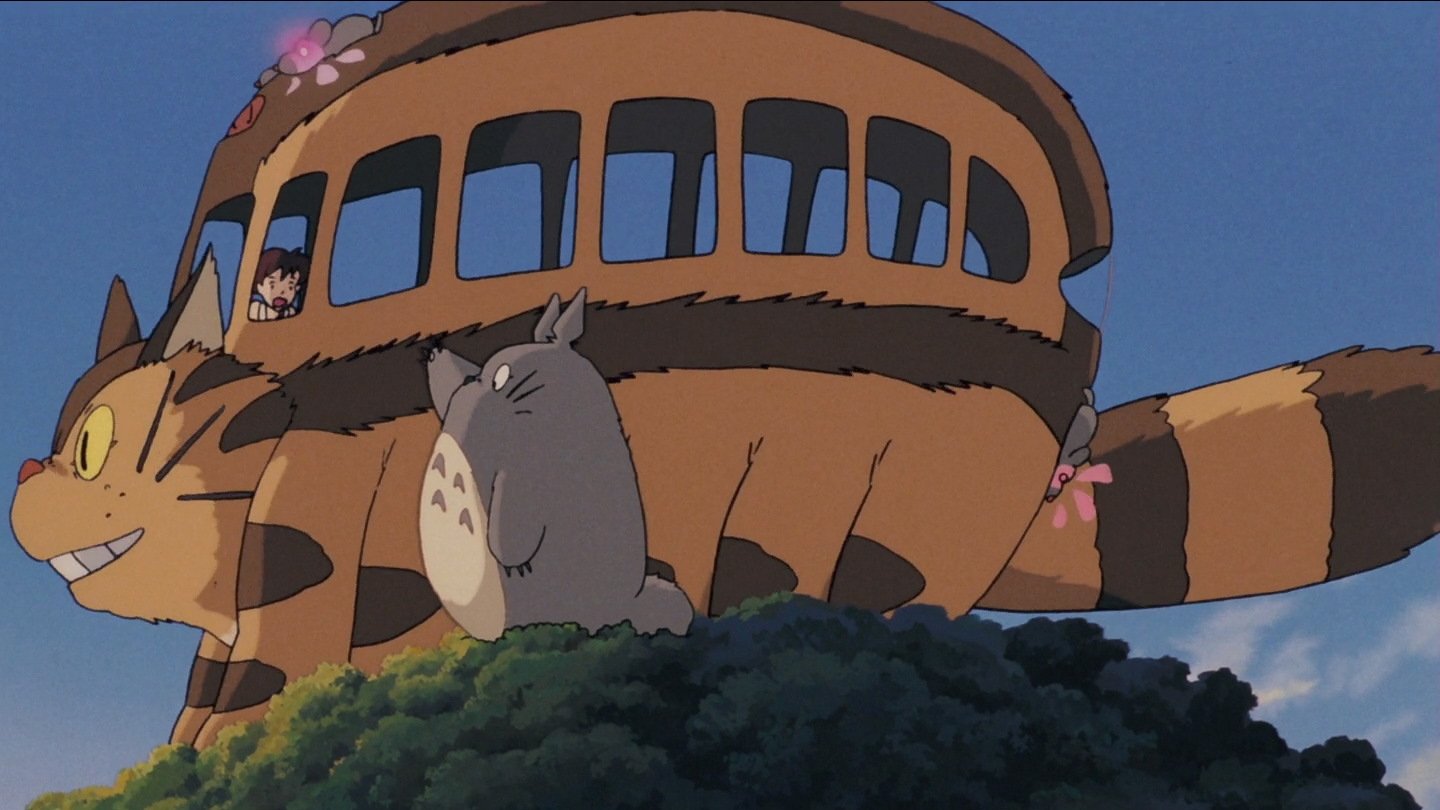
… and was pleasantly surprised to find that this movie is not about a rabbit-bear whatsoever. totoro him (it?)self is, frankly, not even a character.
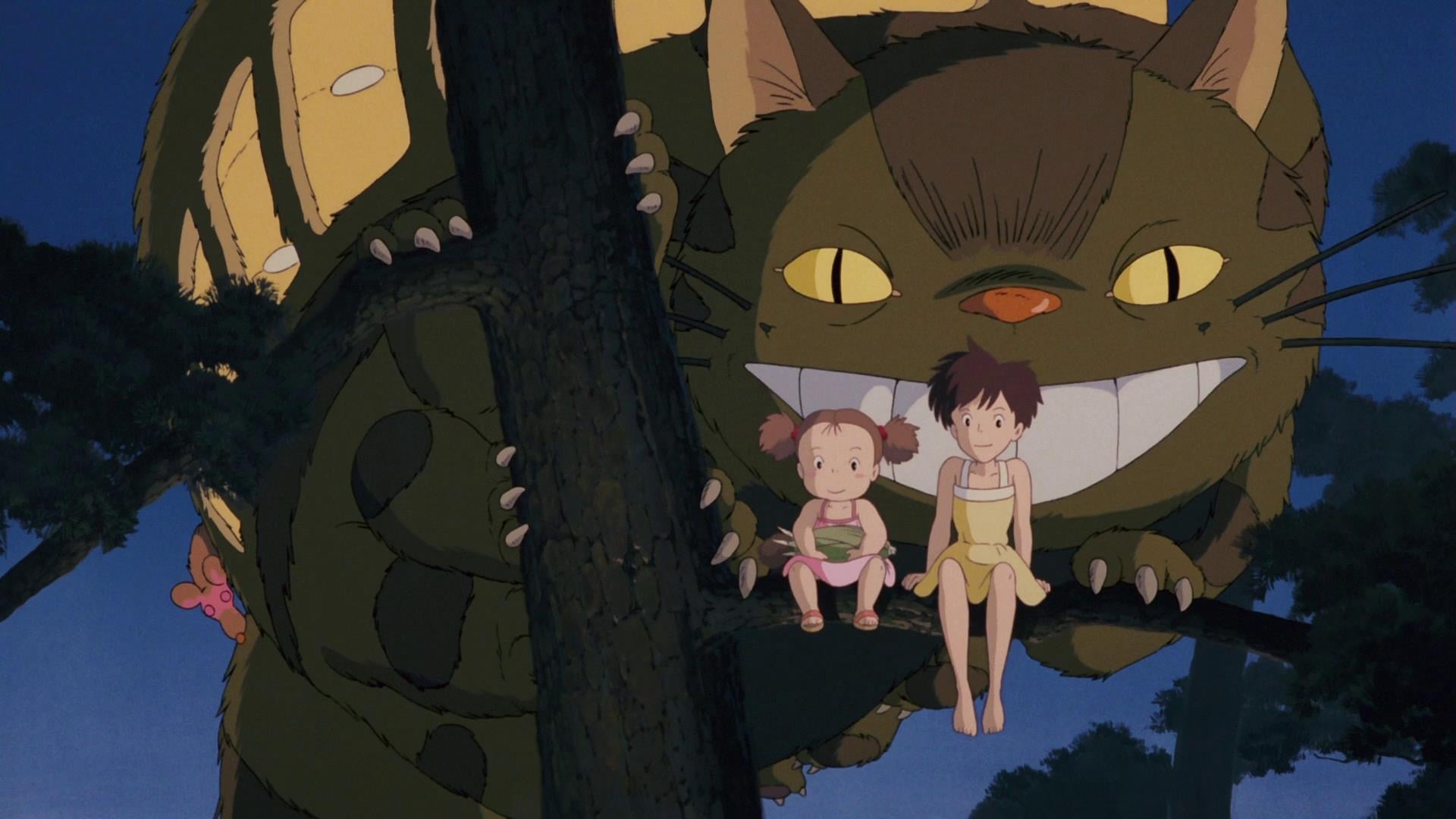
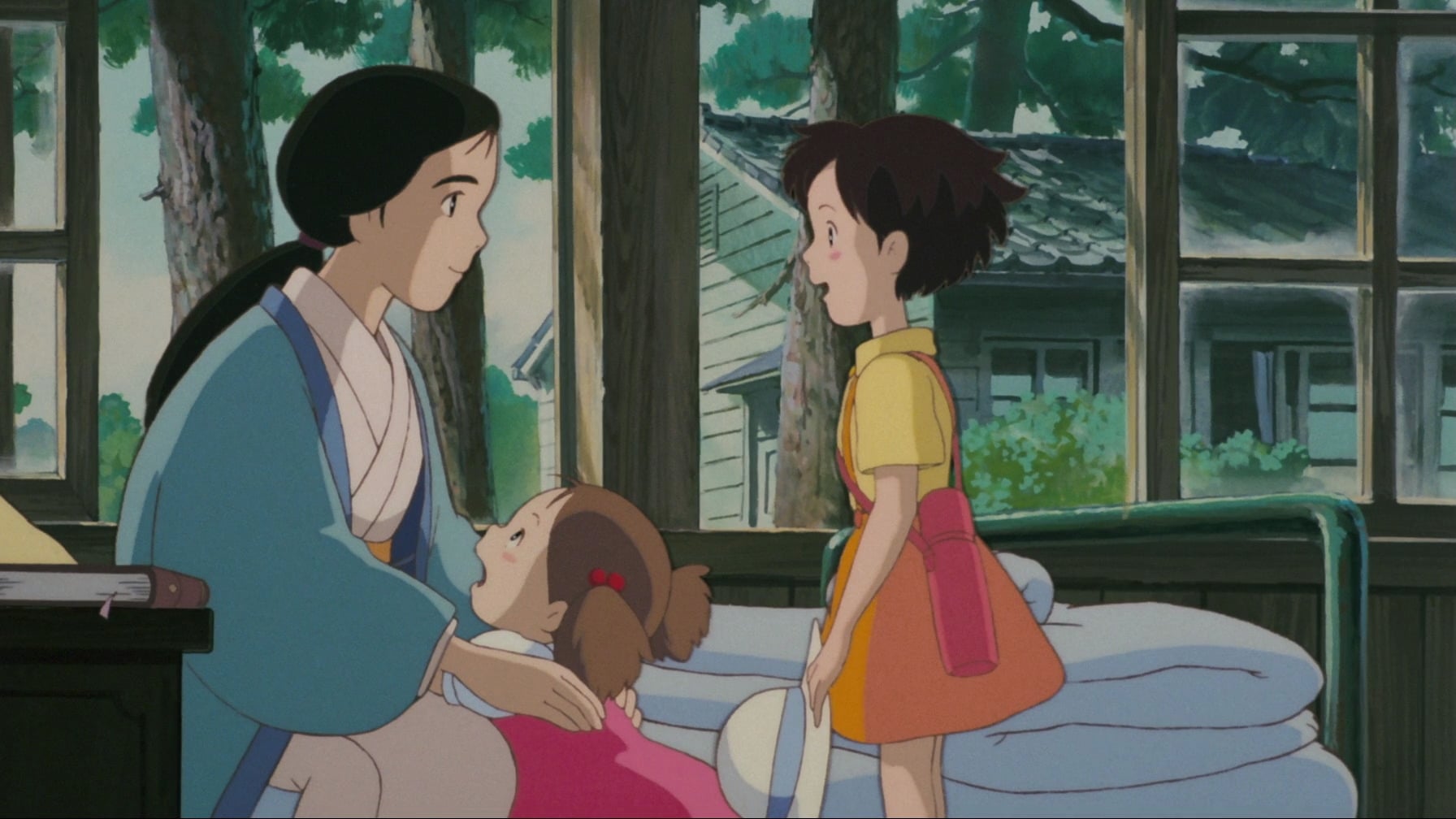
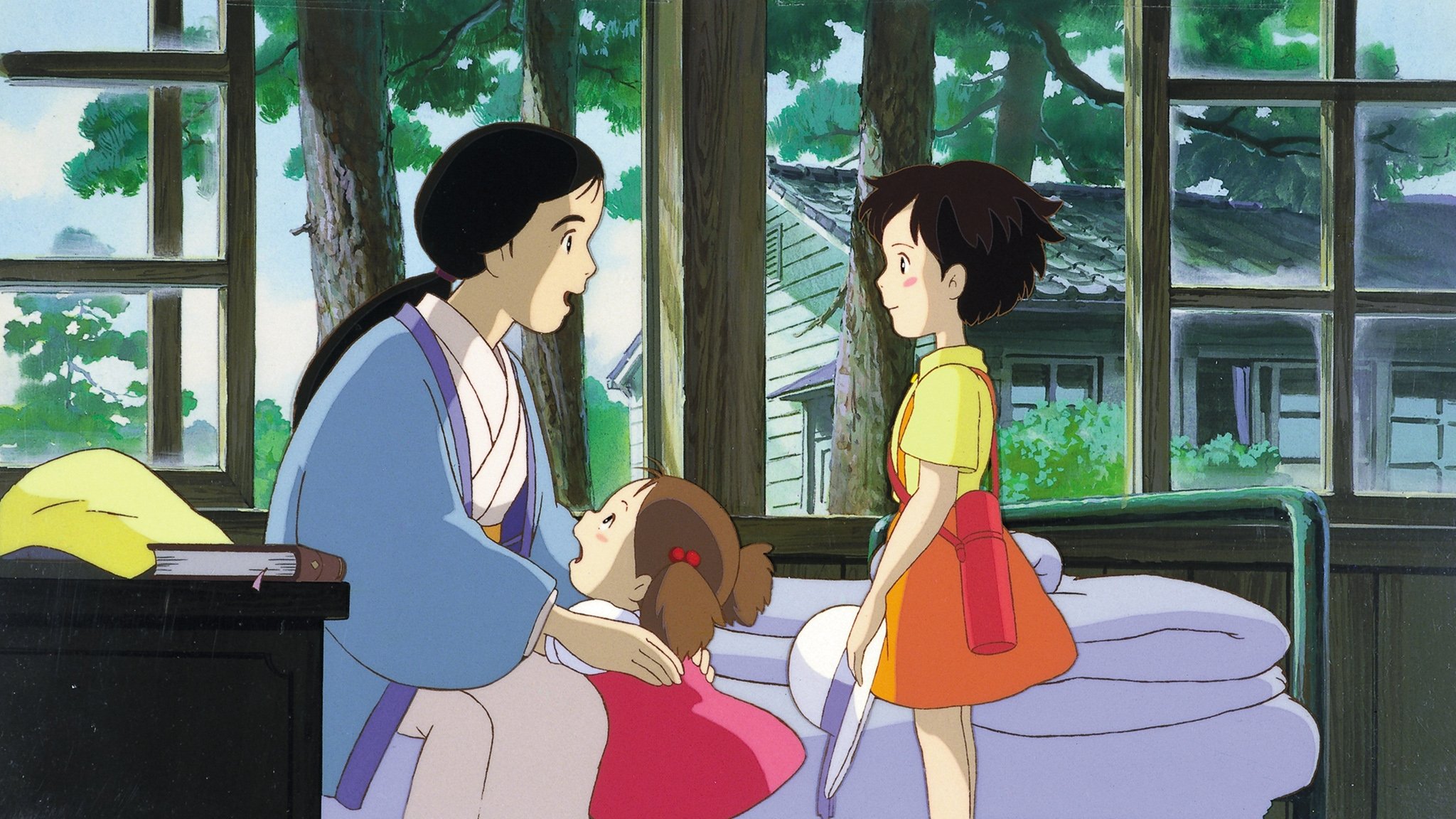
instead, this is a movie about children, parents, and finding the joy in life
though they all take different journies, my neighbor totoro finds itself at the same destination as perfect days and poor things — enlightenment is the state of being completely in the present. it’s the default state of the human mind, the lens through which children view the world. the framing of this idea in taoism is to picture a mind at peace as an “uncarved block” — to frame the grooves of habit, the shortcuts our minds learn to make after years of repetition as getting in the way of our happiness. joy is everywhere, by default. our adult brains are the problem.
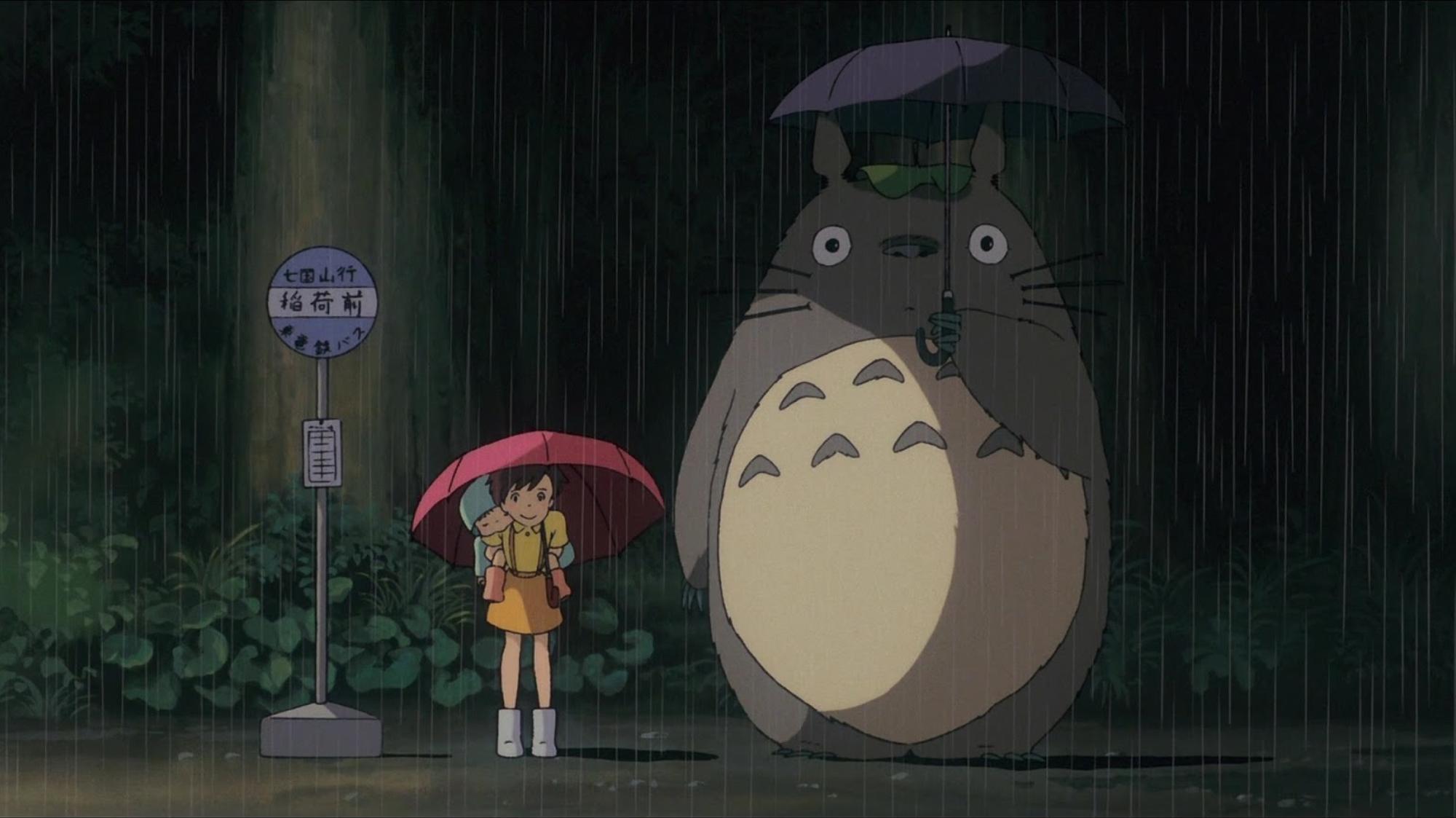
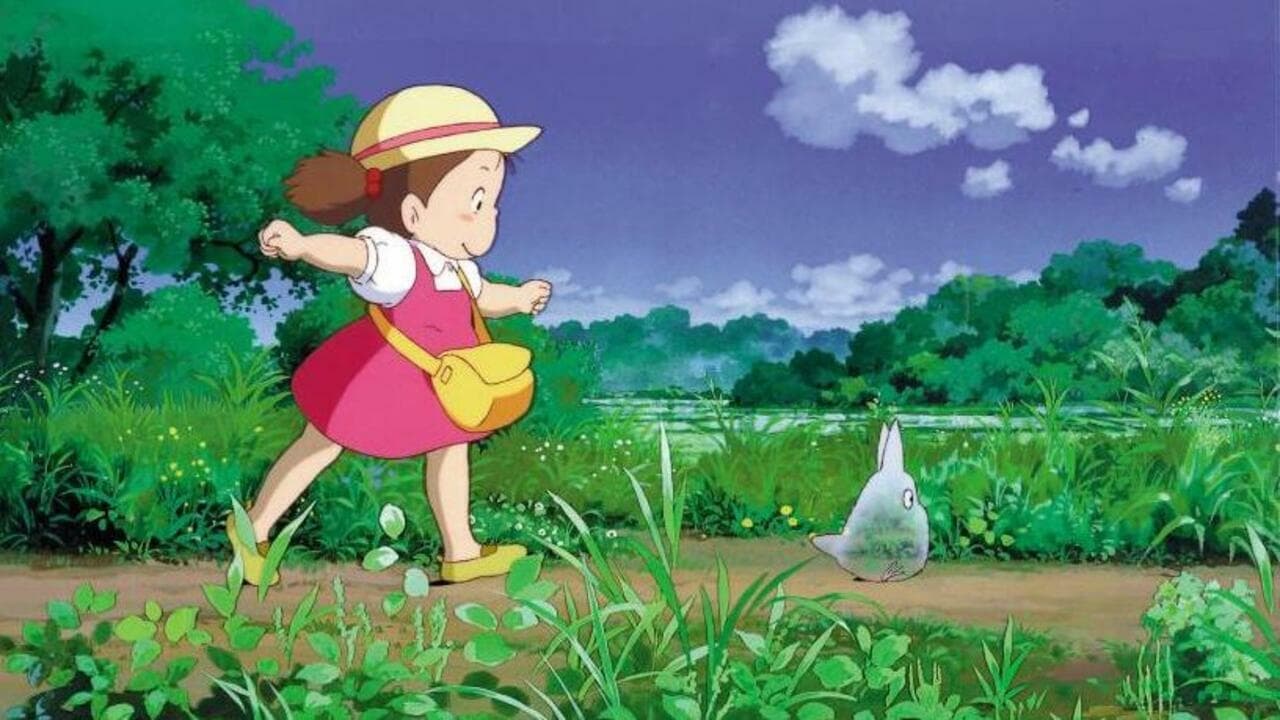
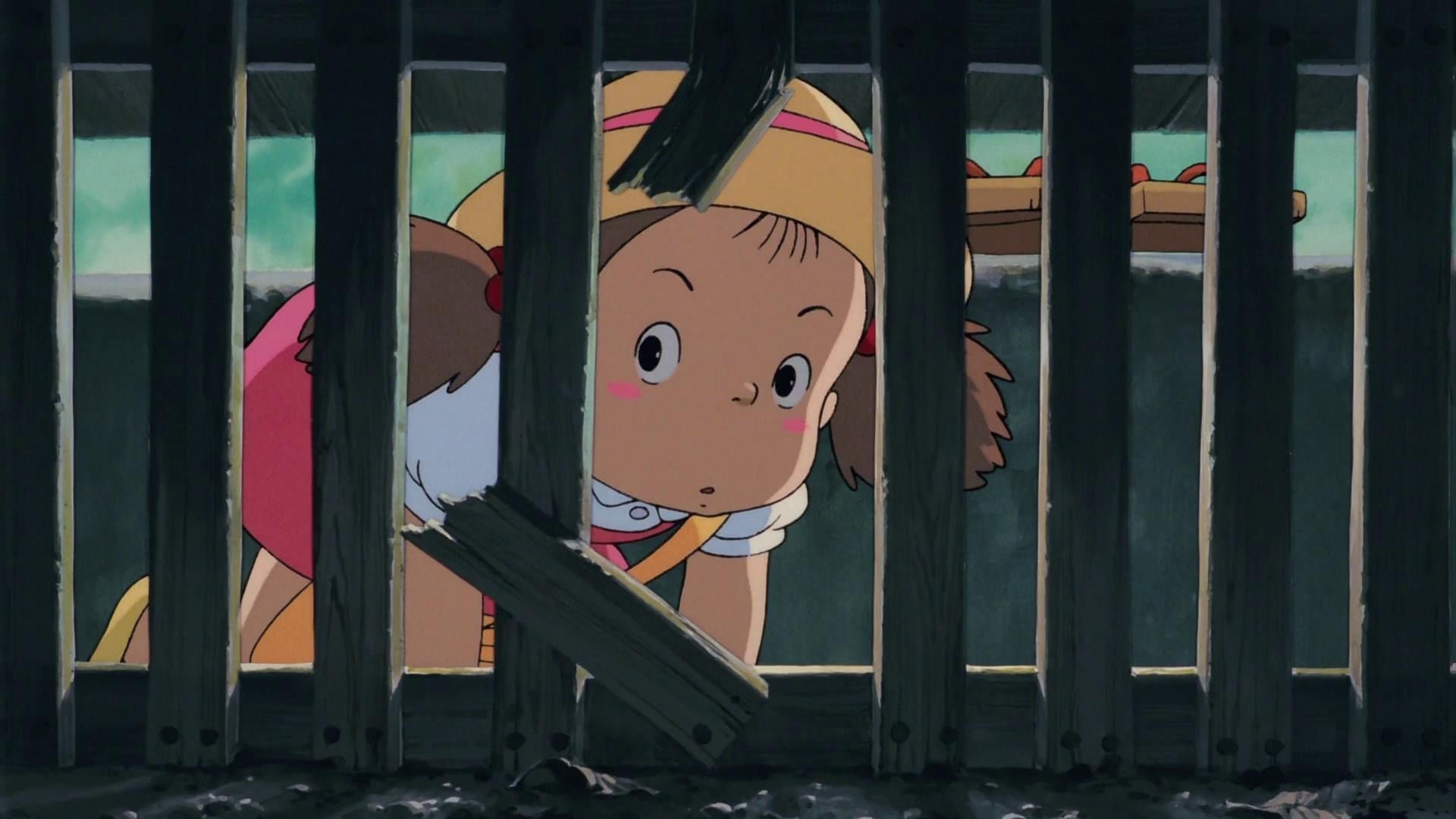
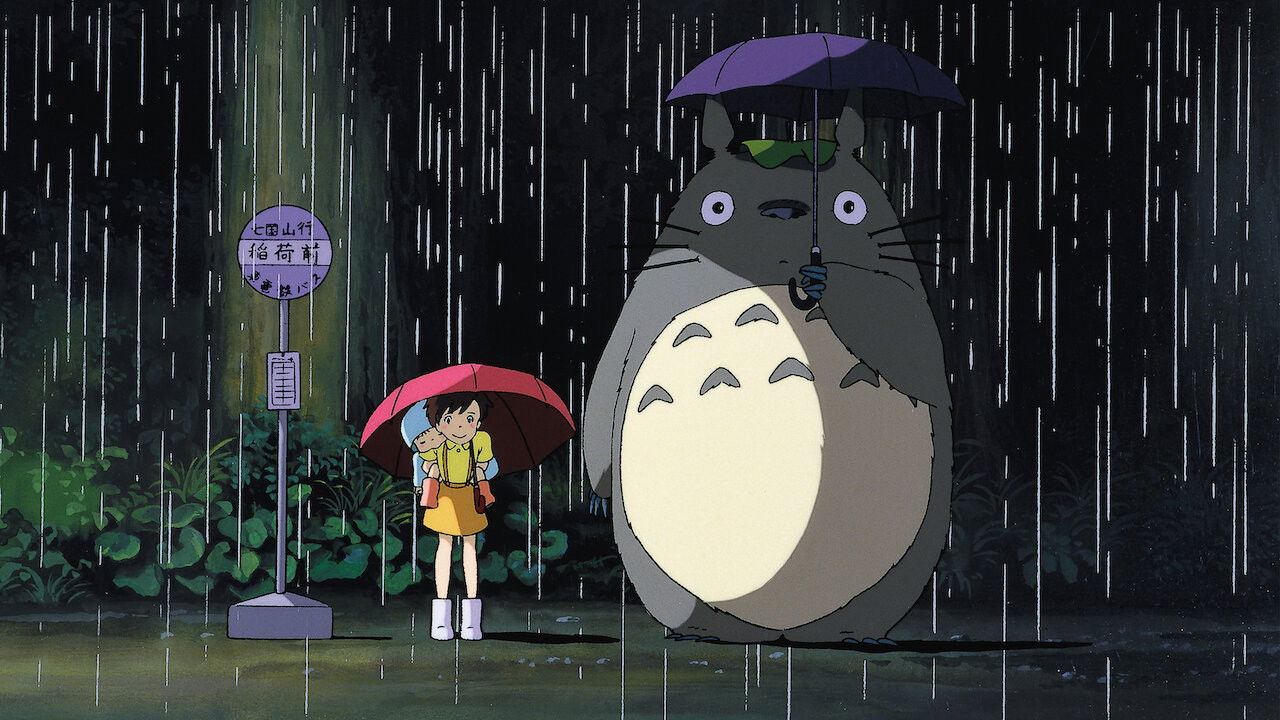
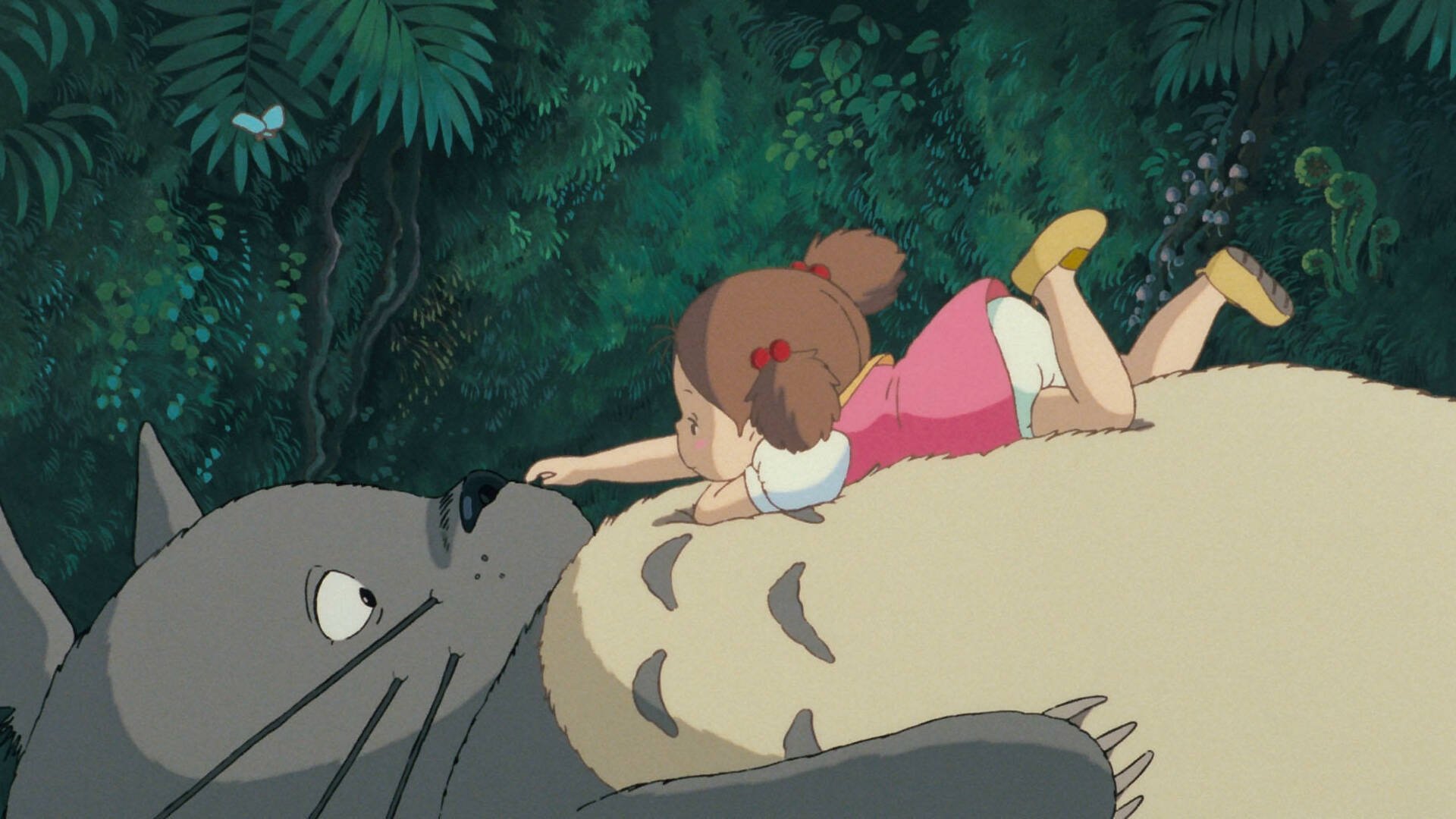
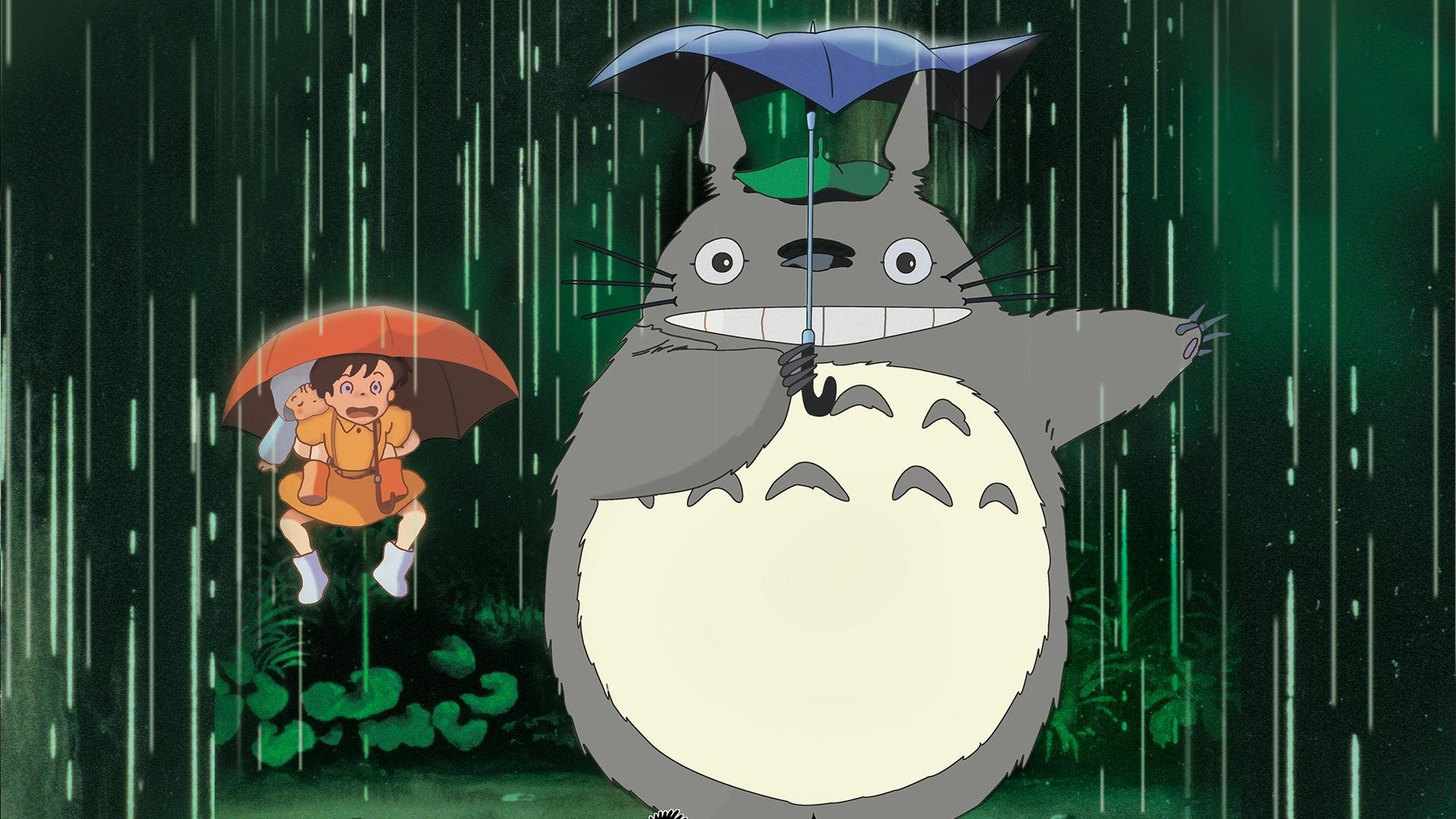
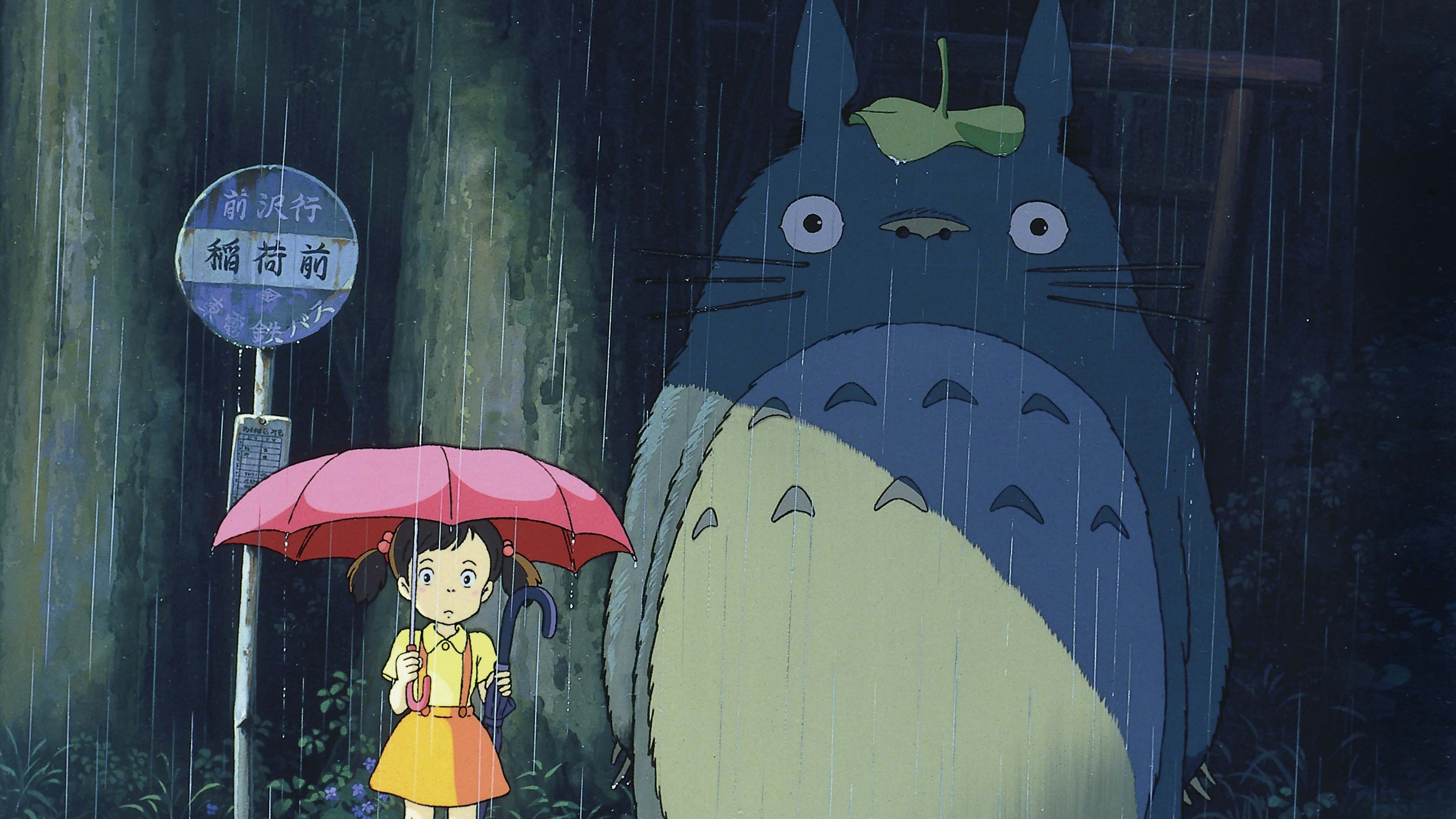
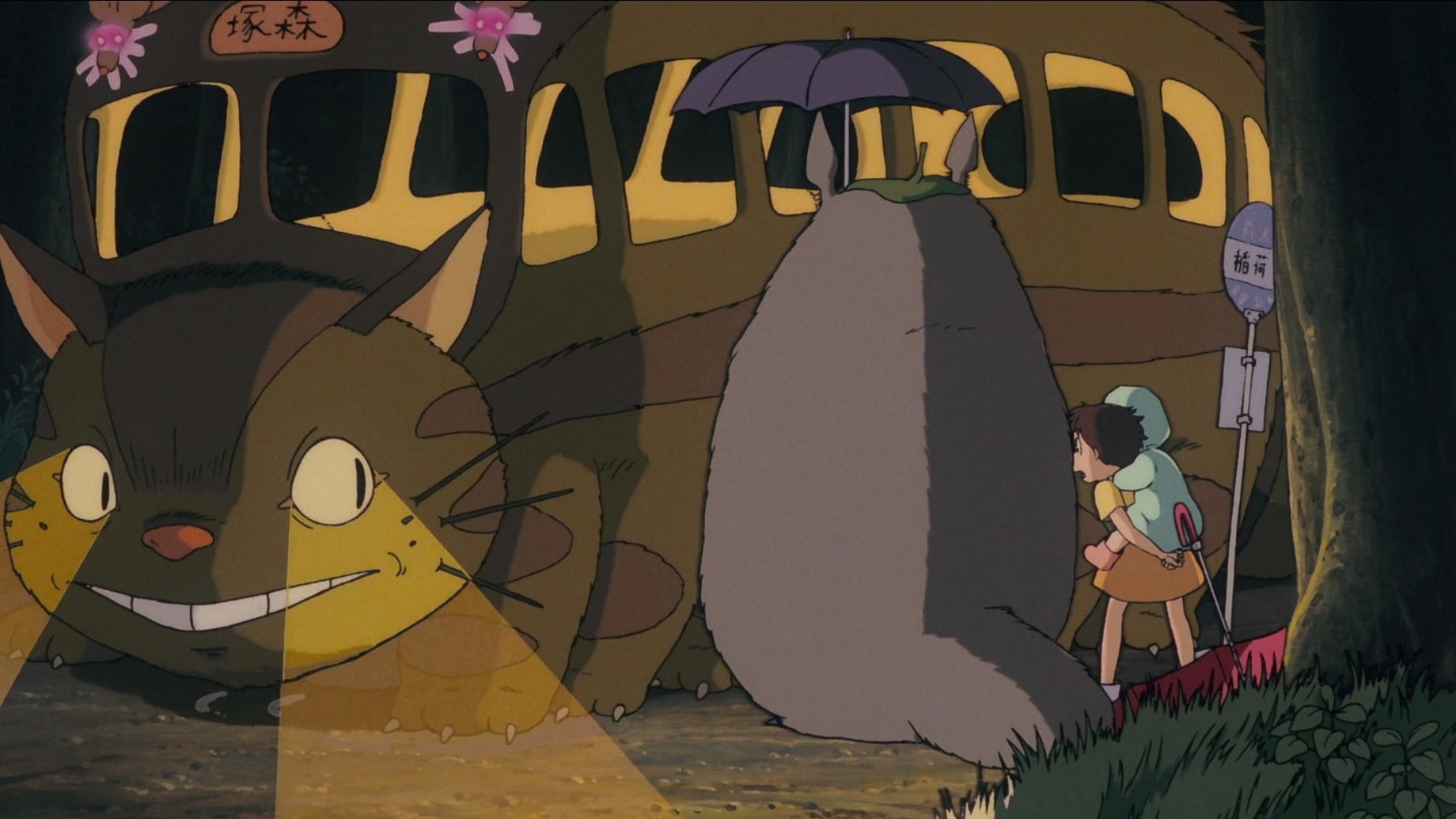
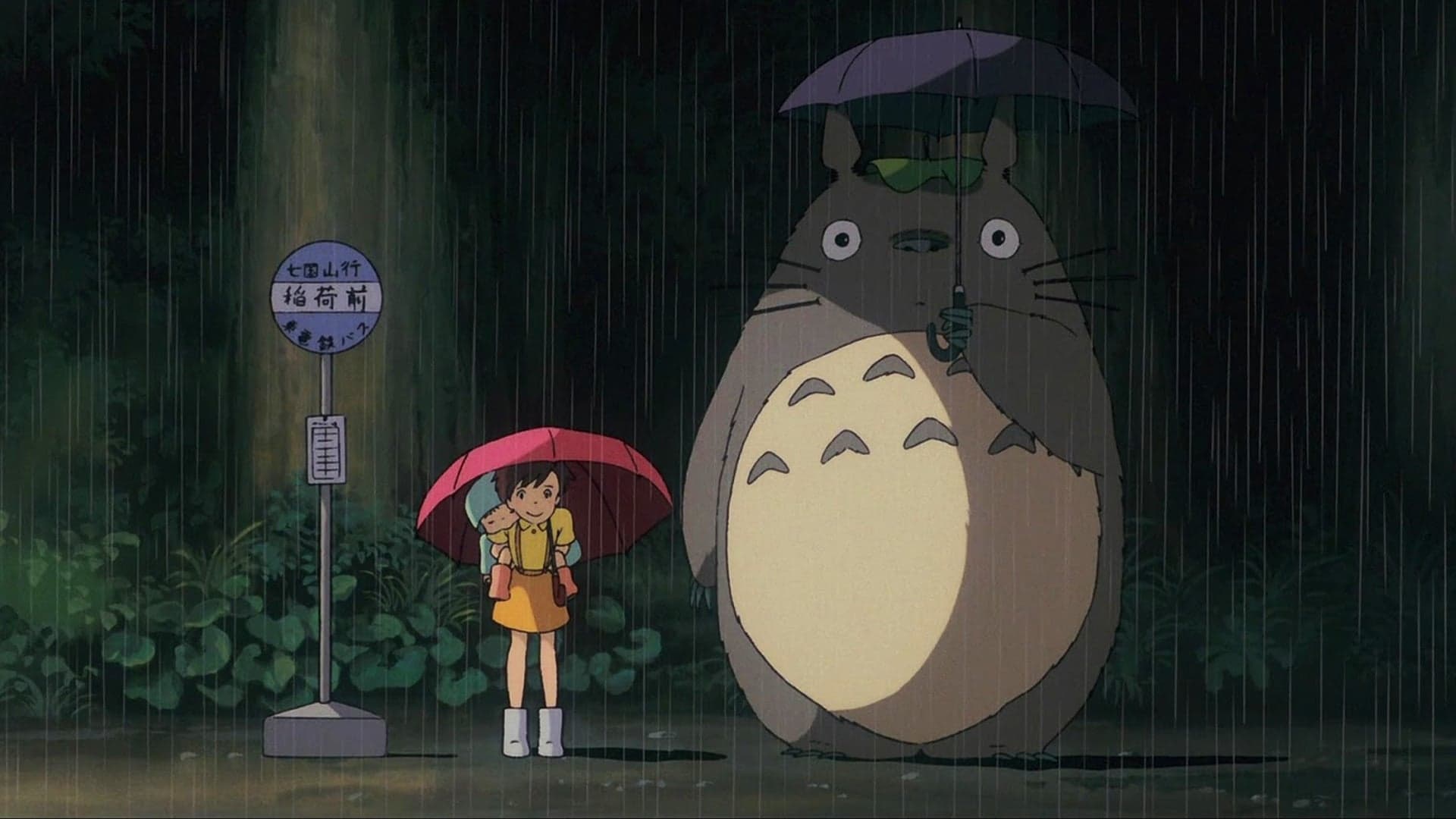
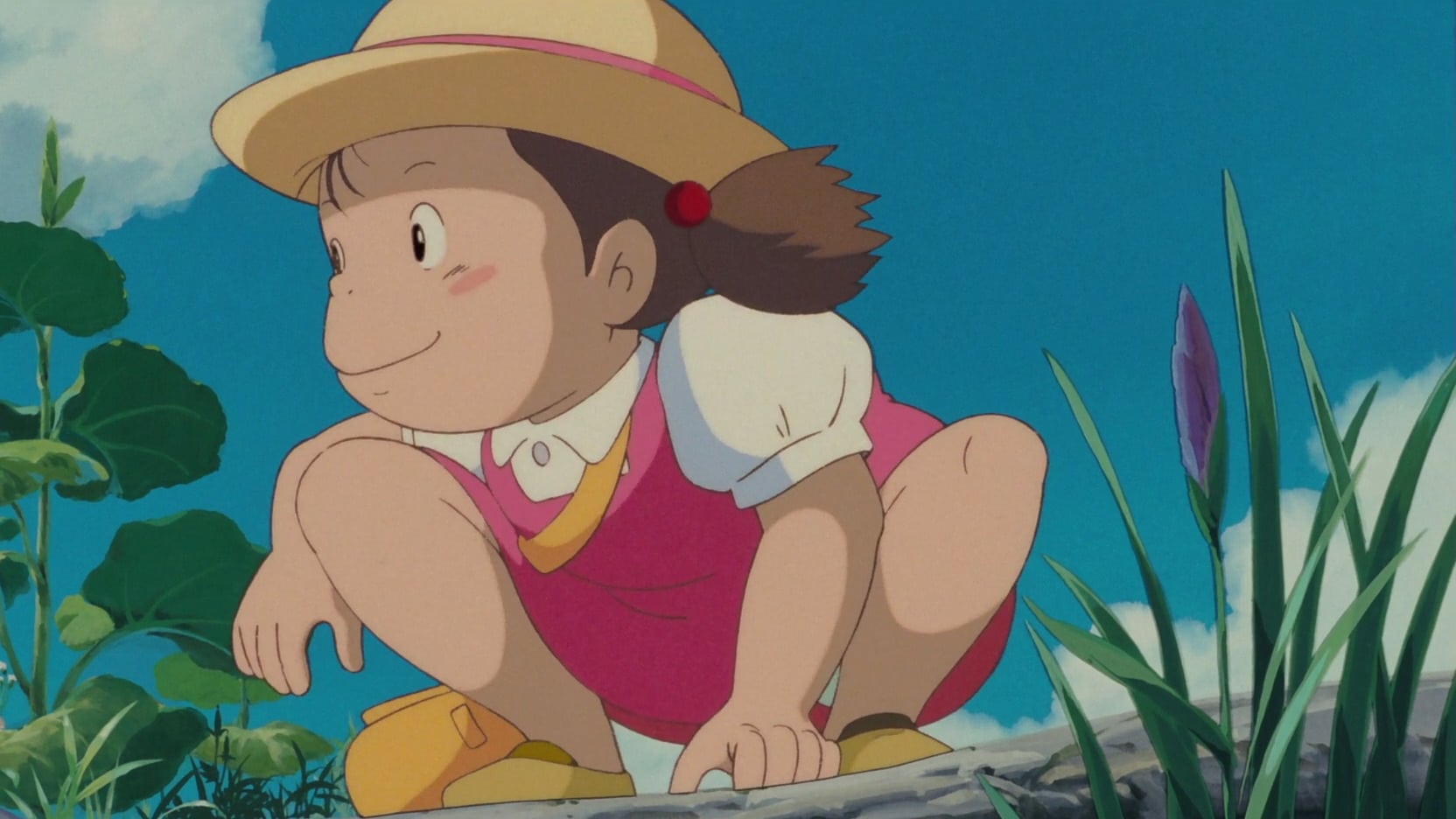
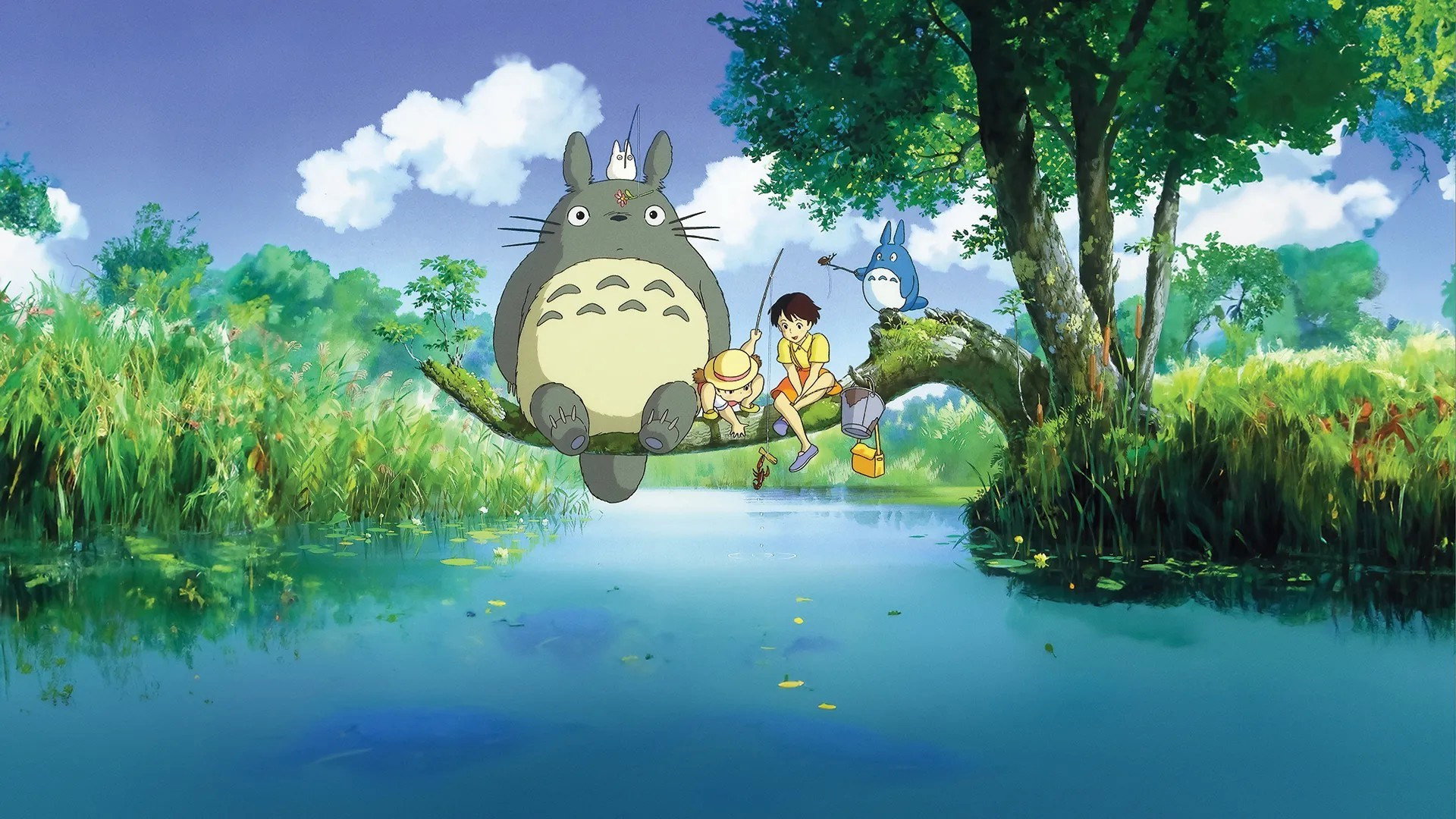
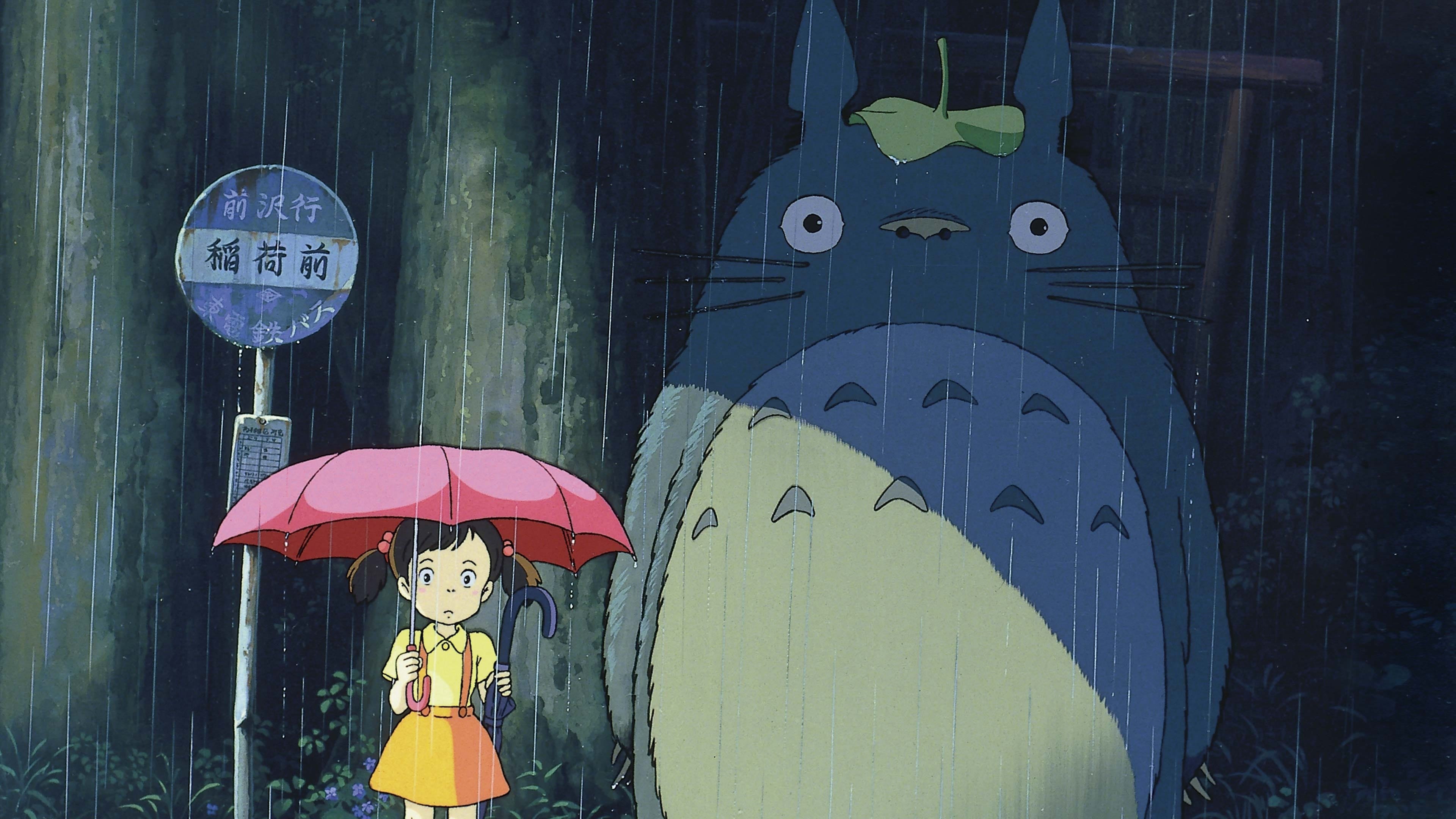
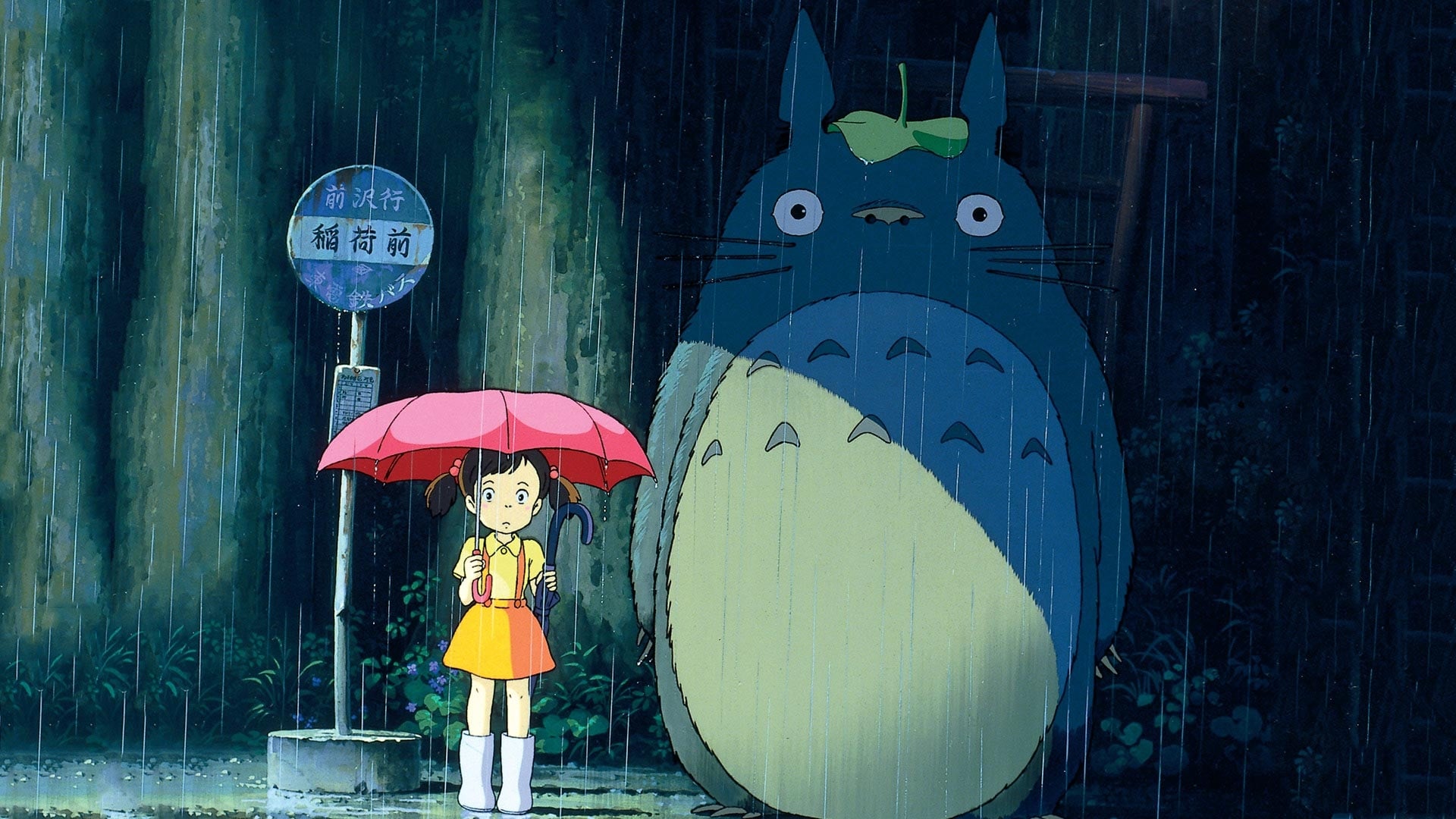
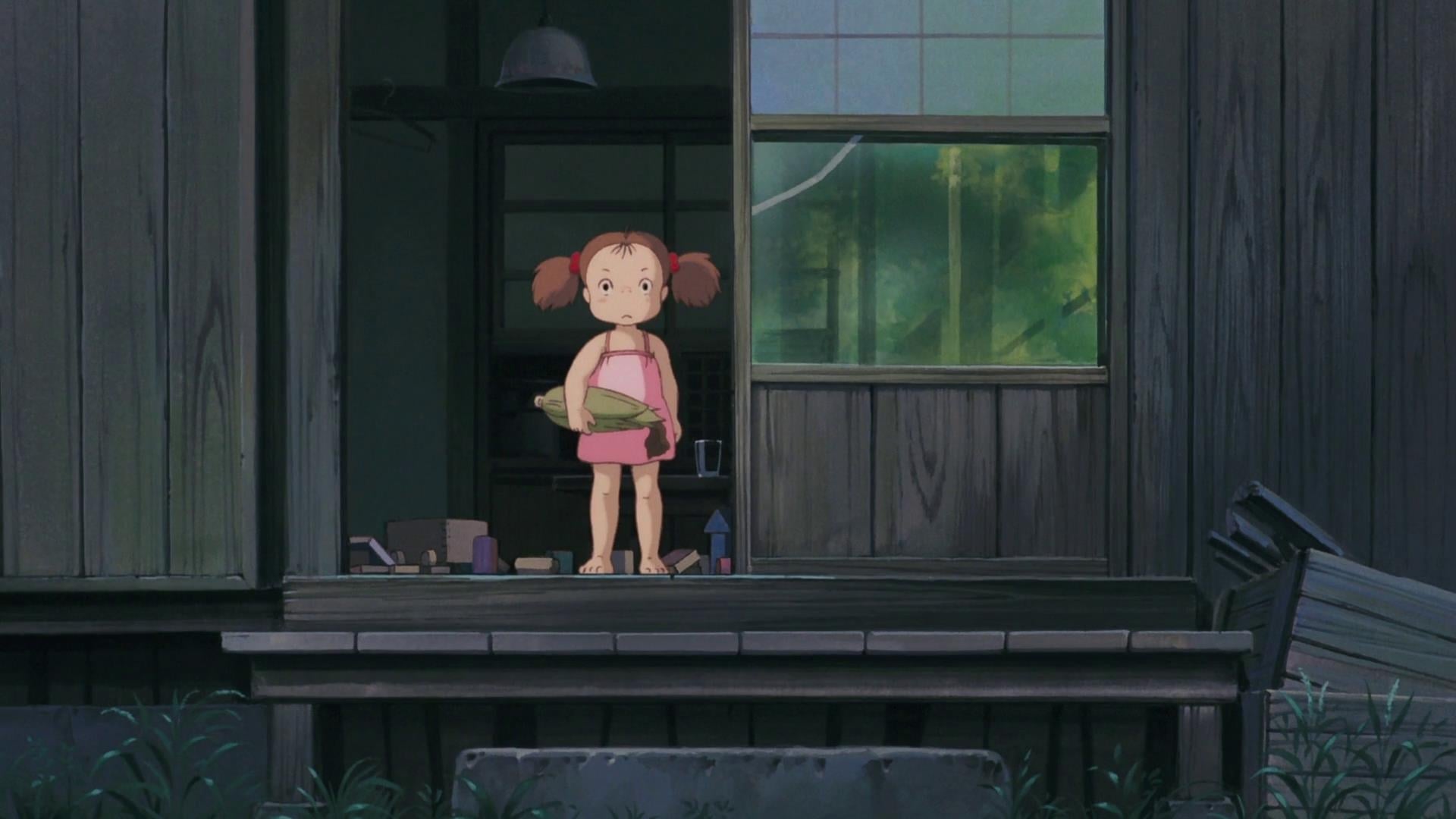
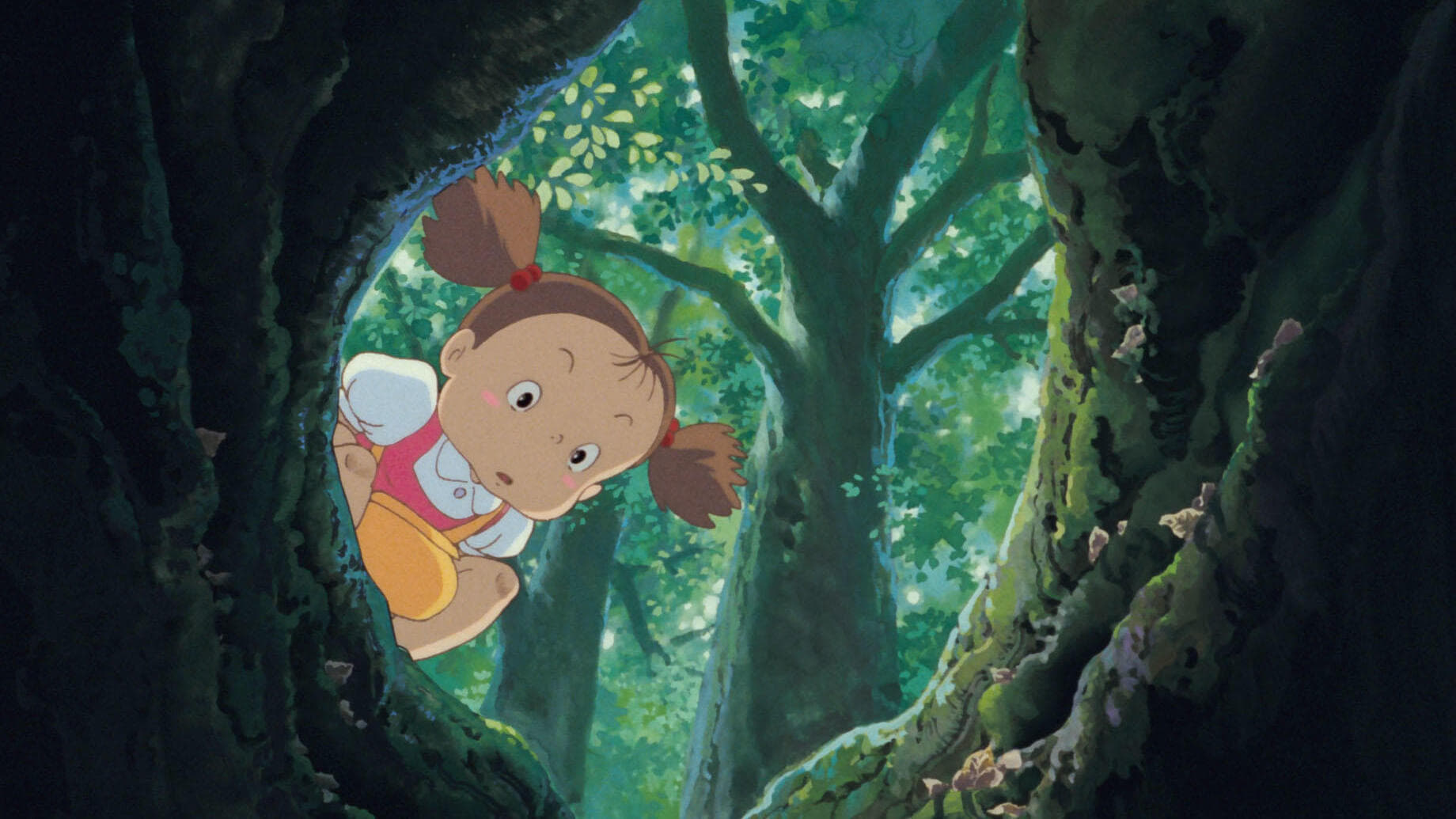
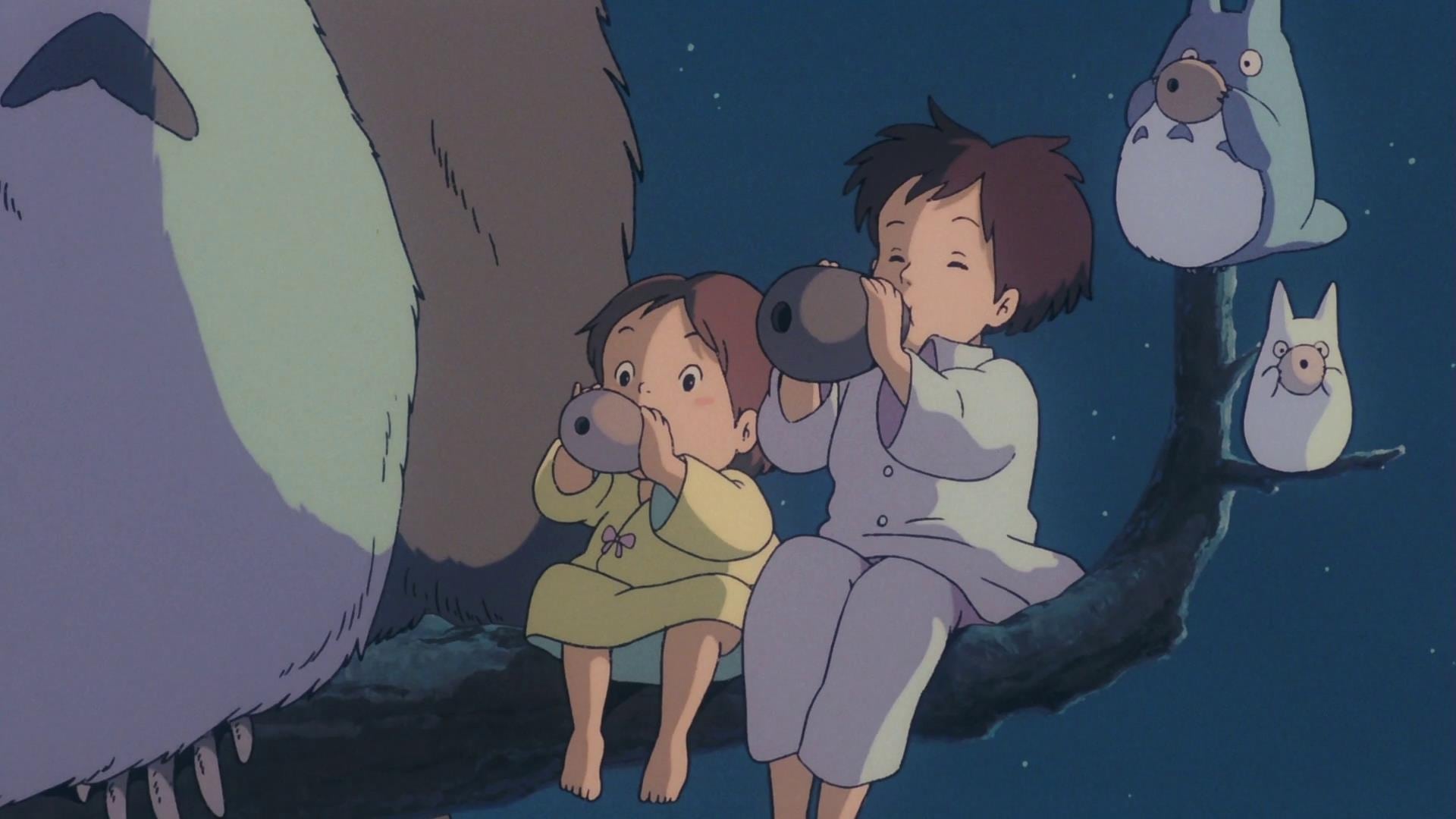
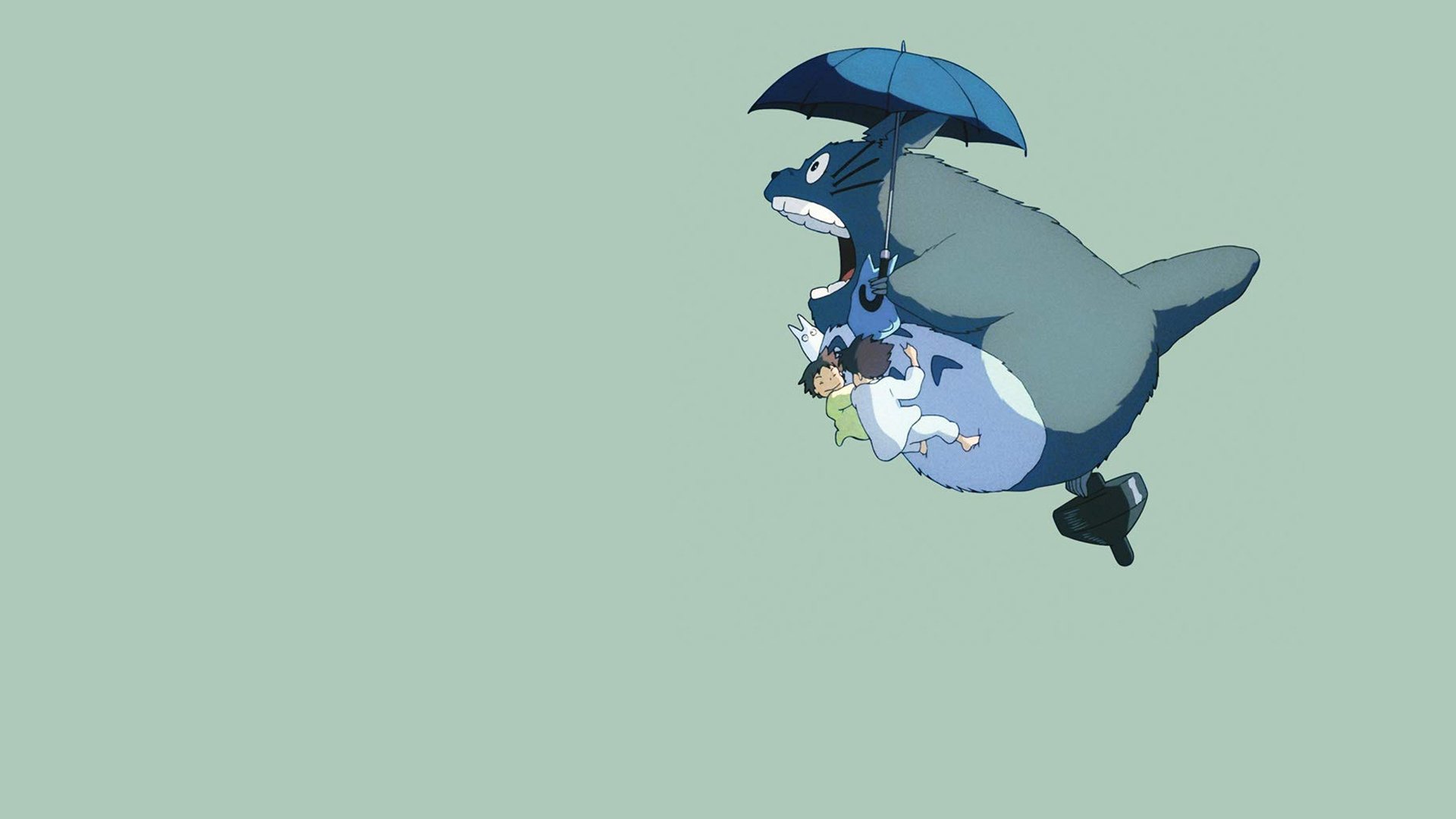
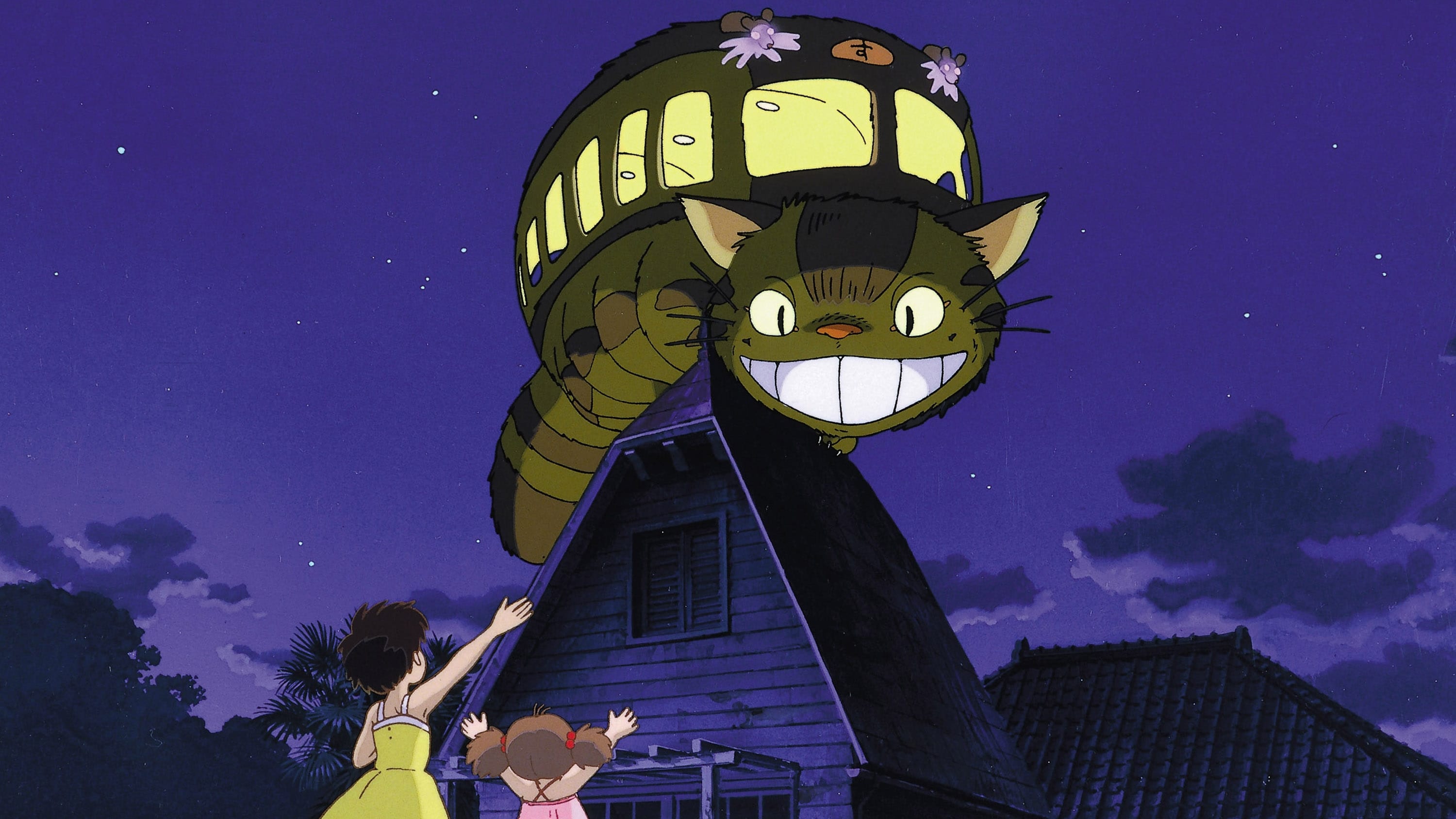
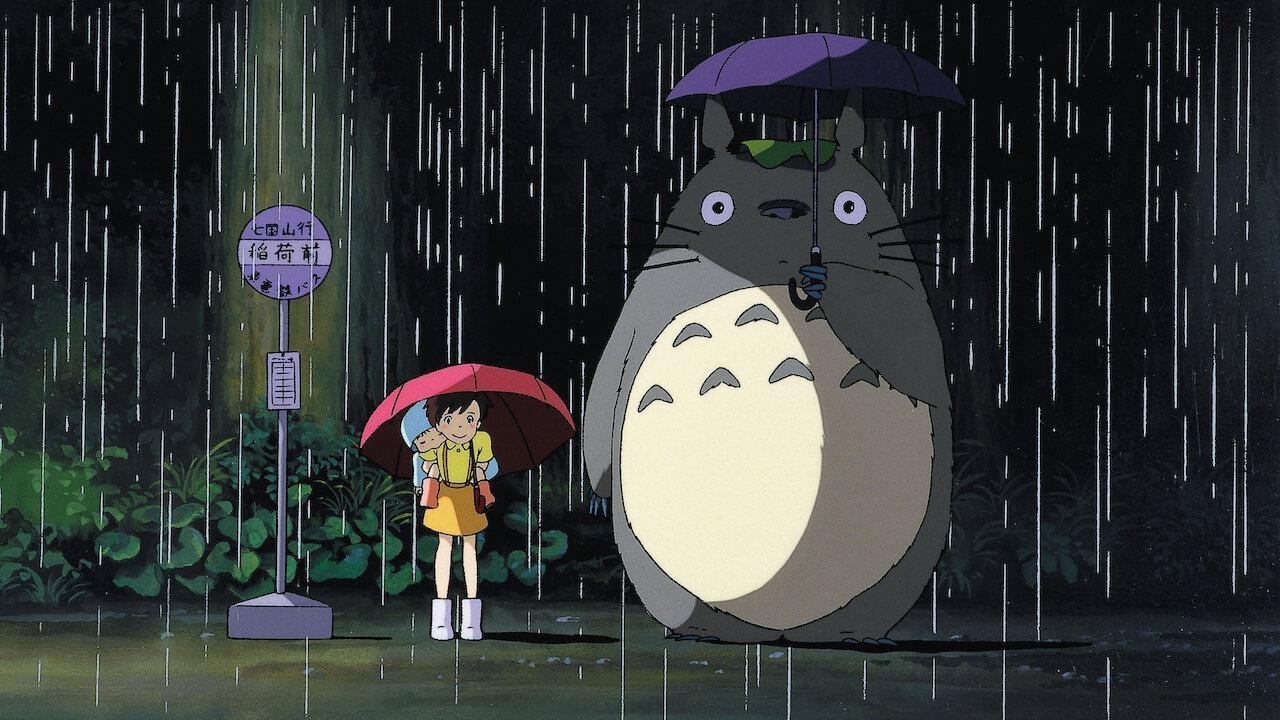
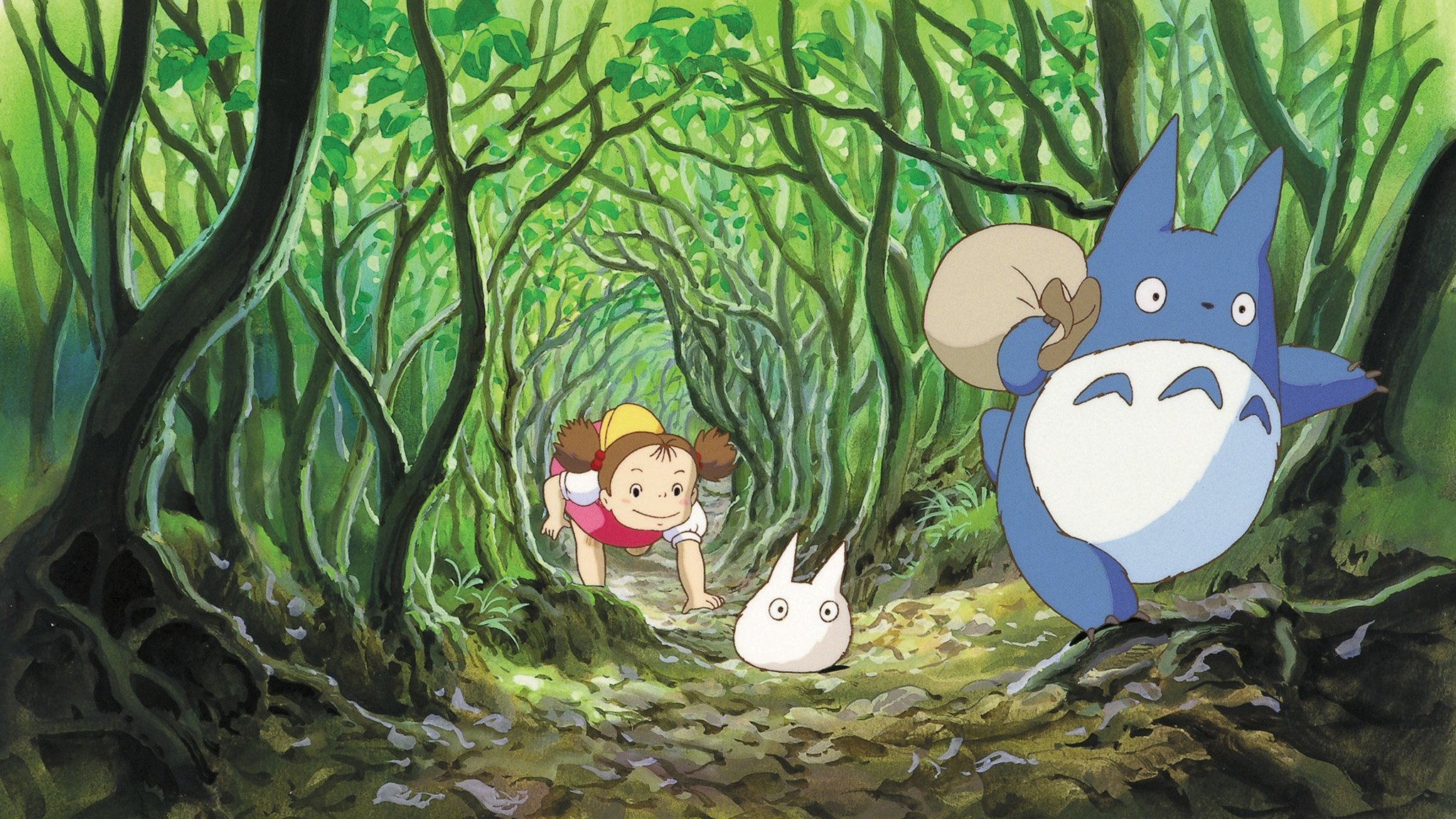
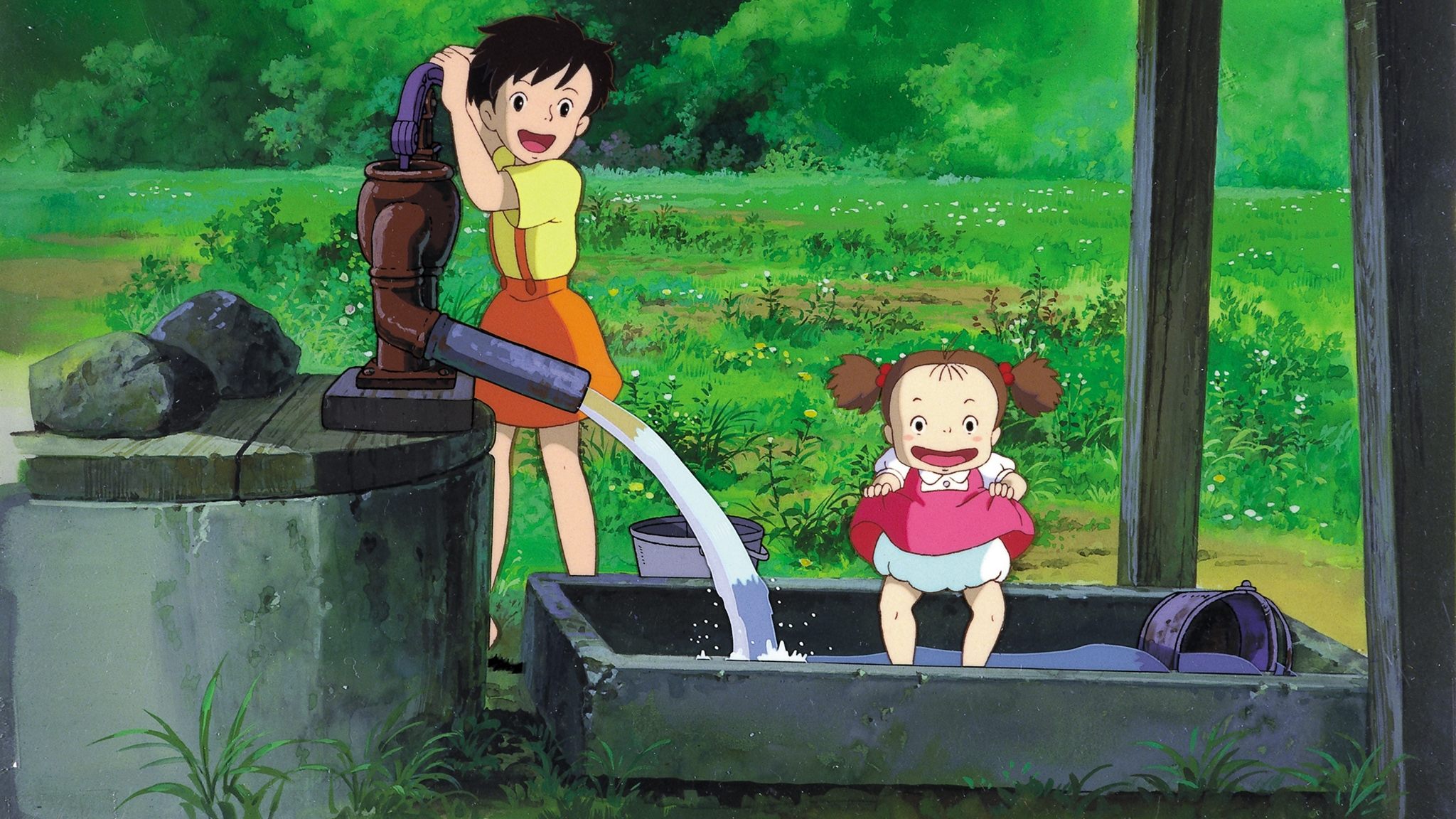
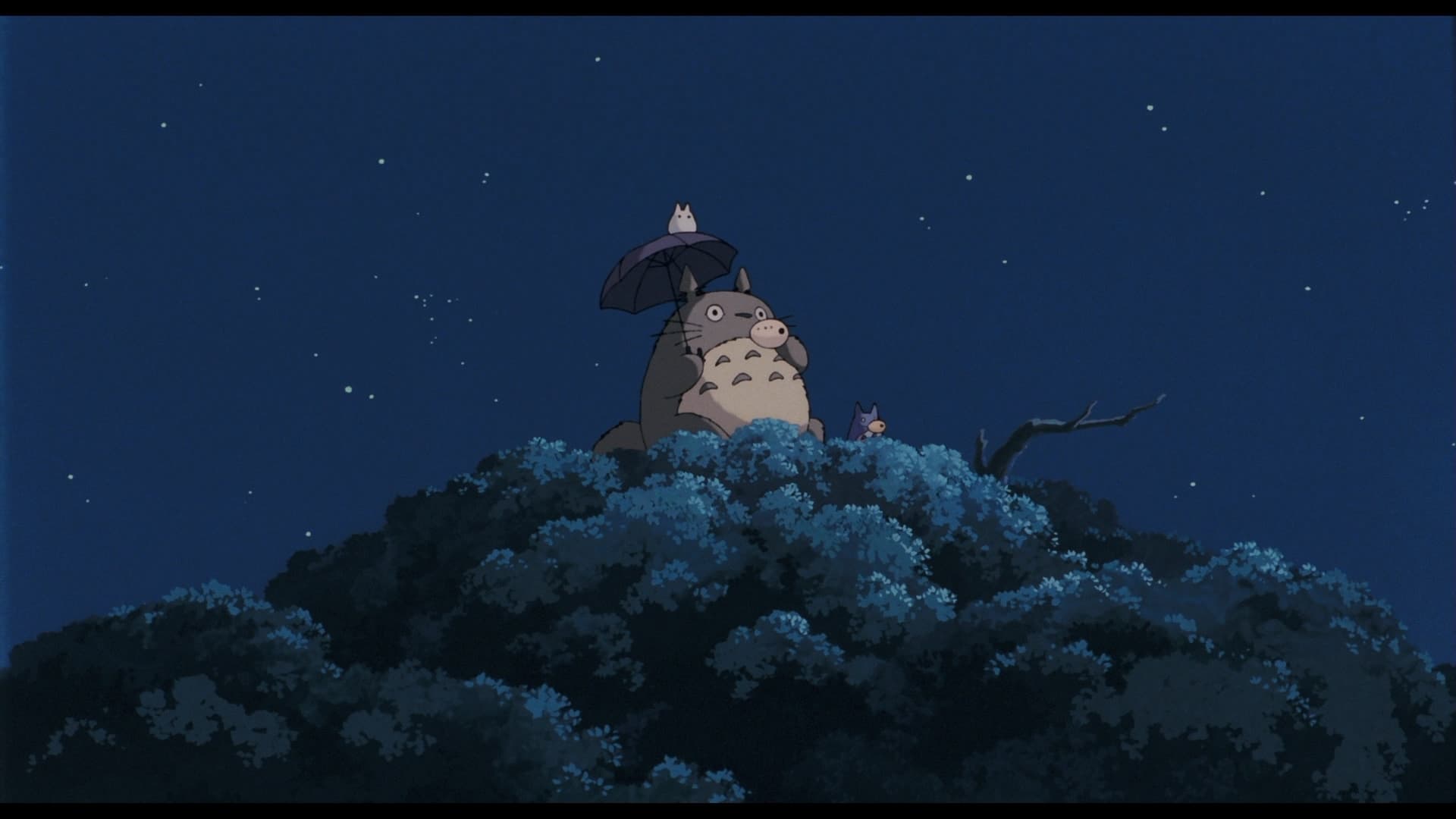
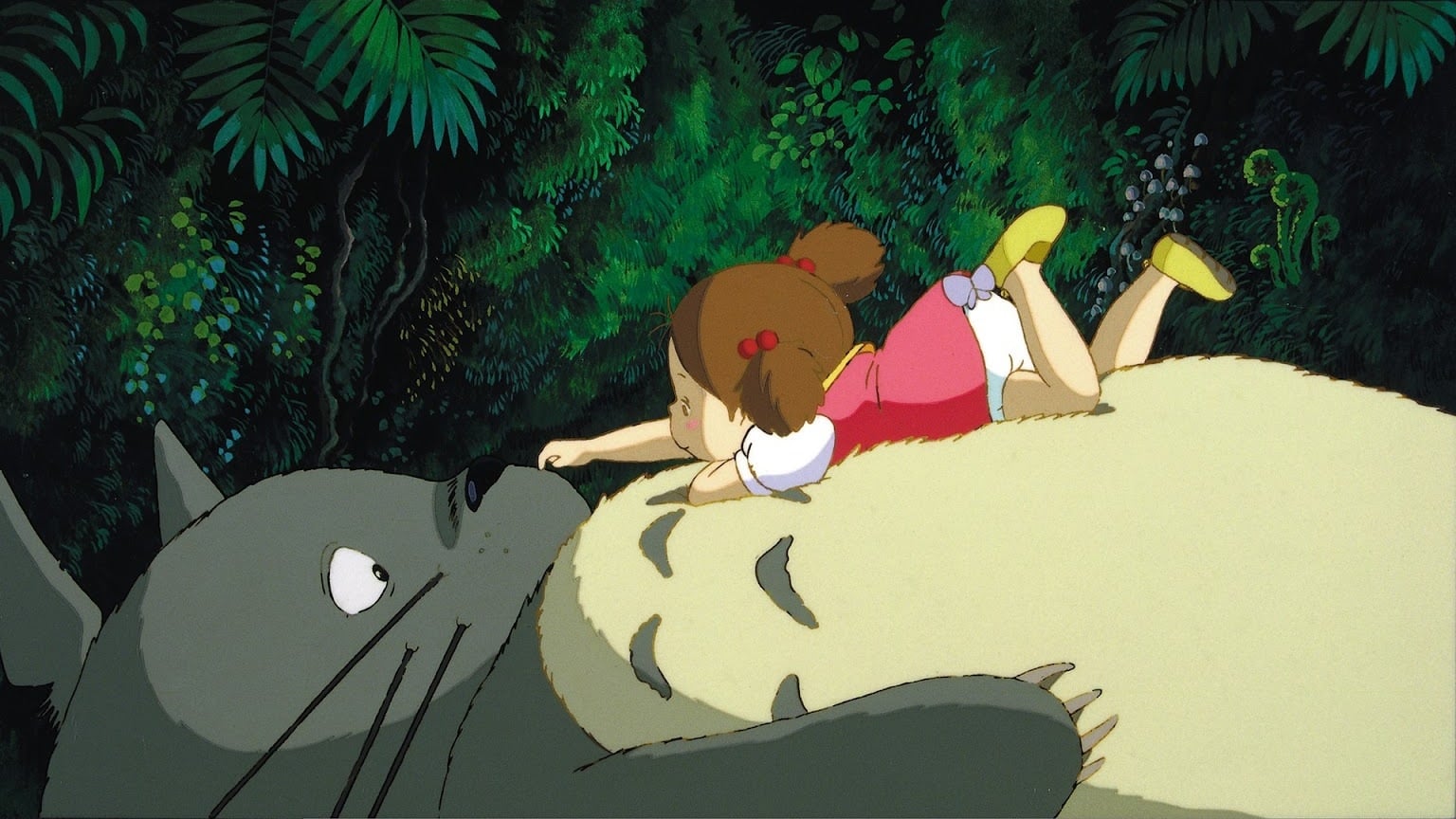
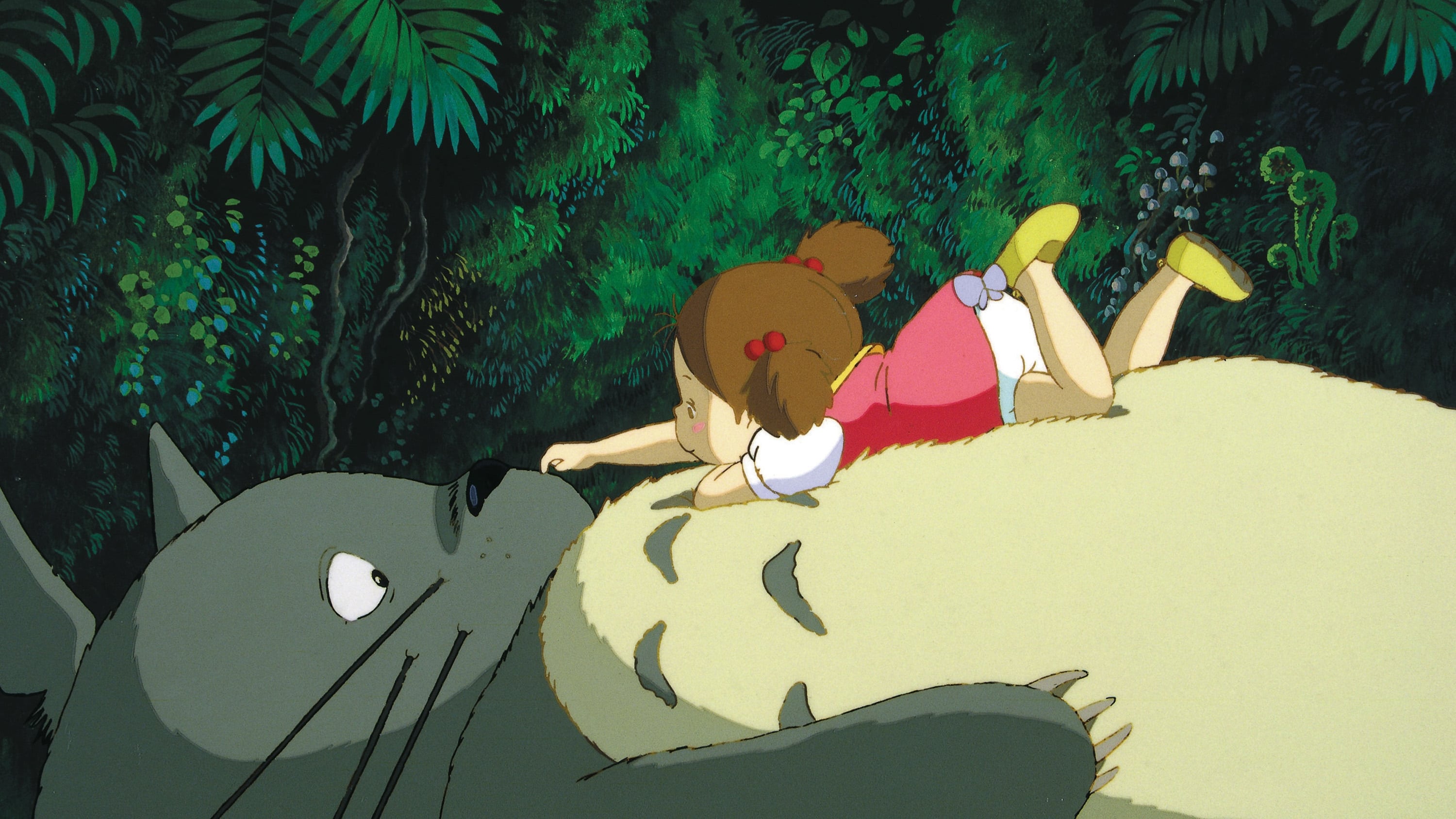
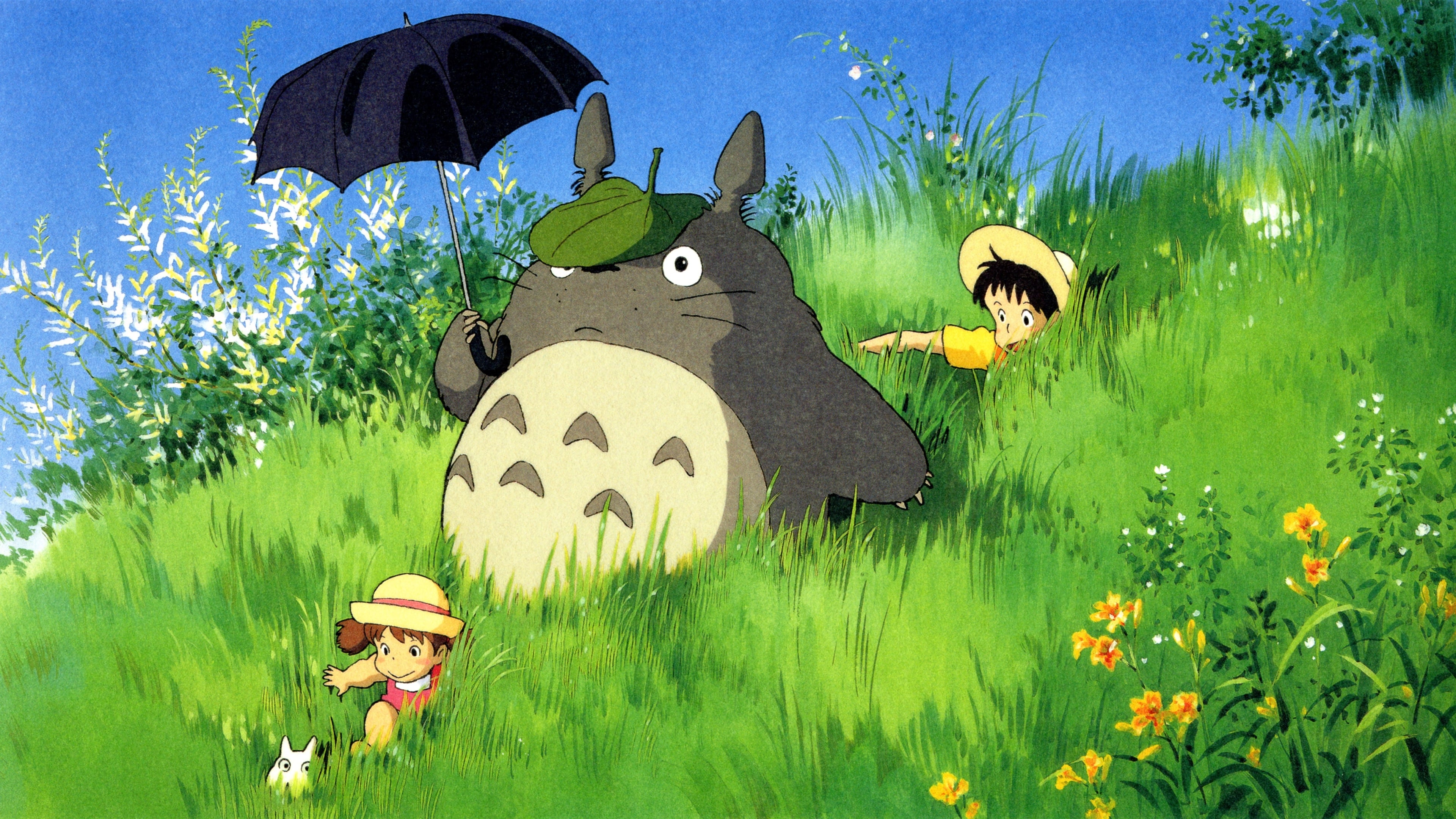
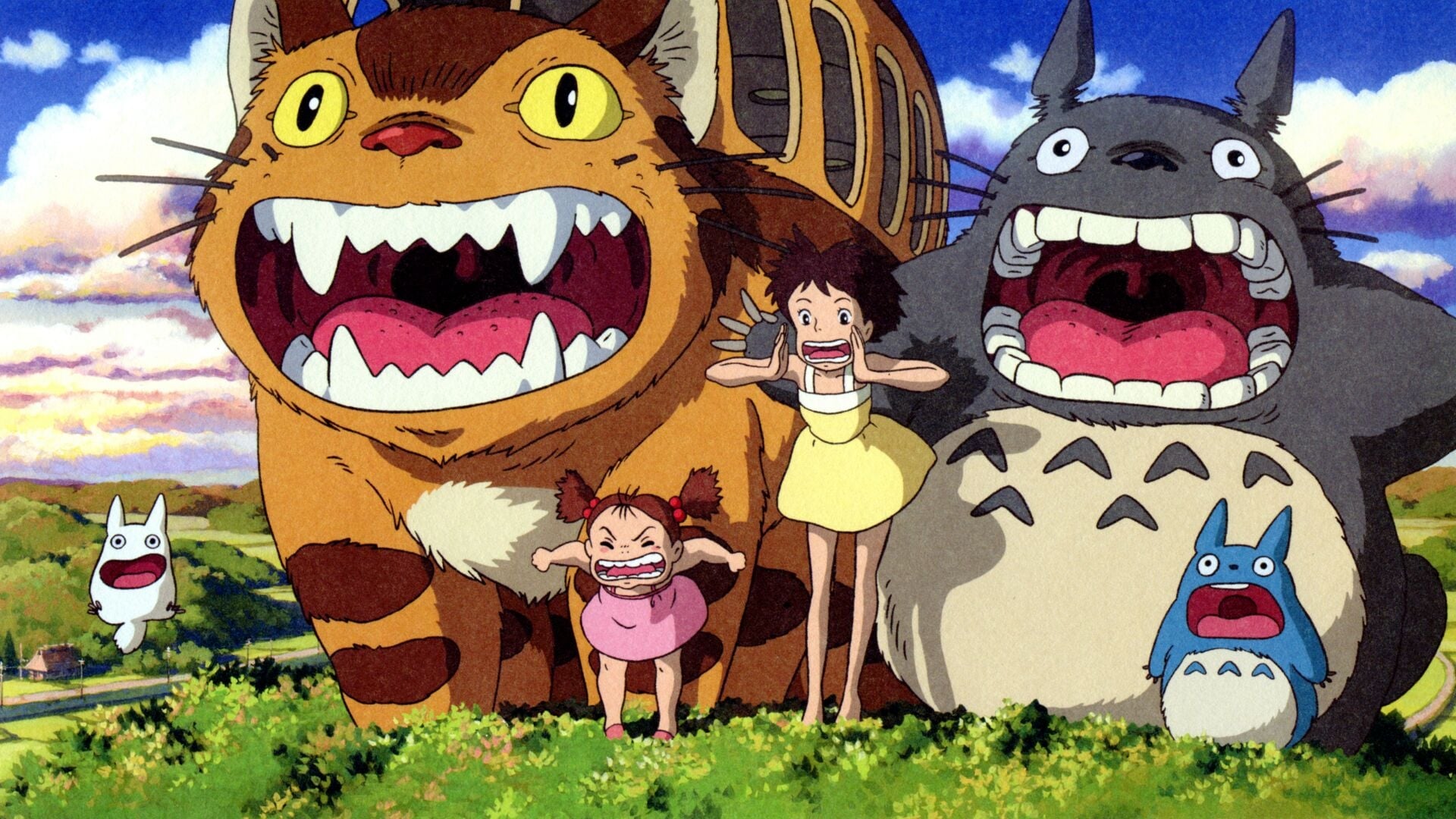
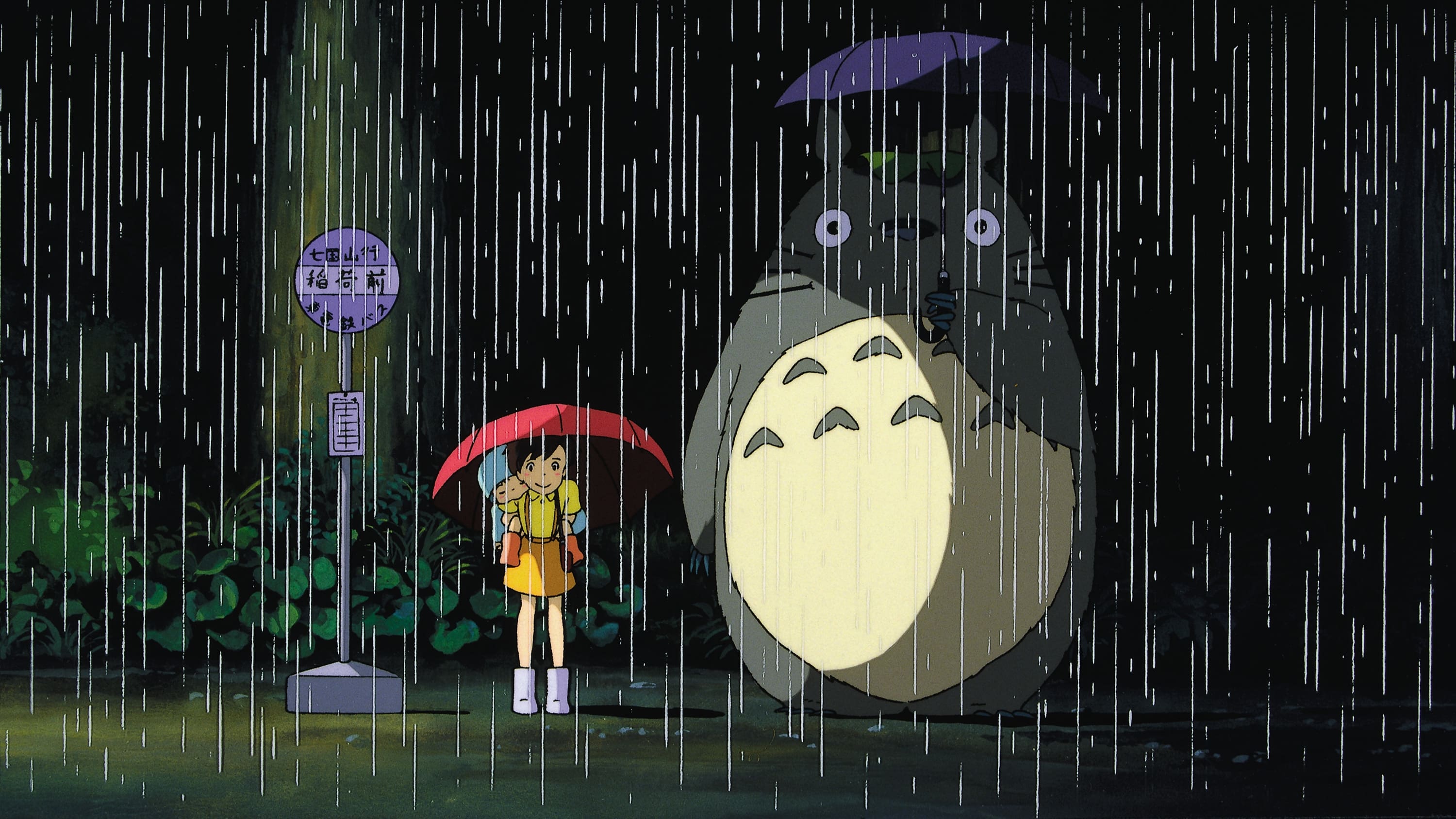
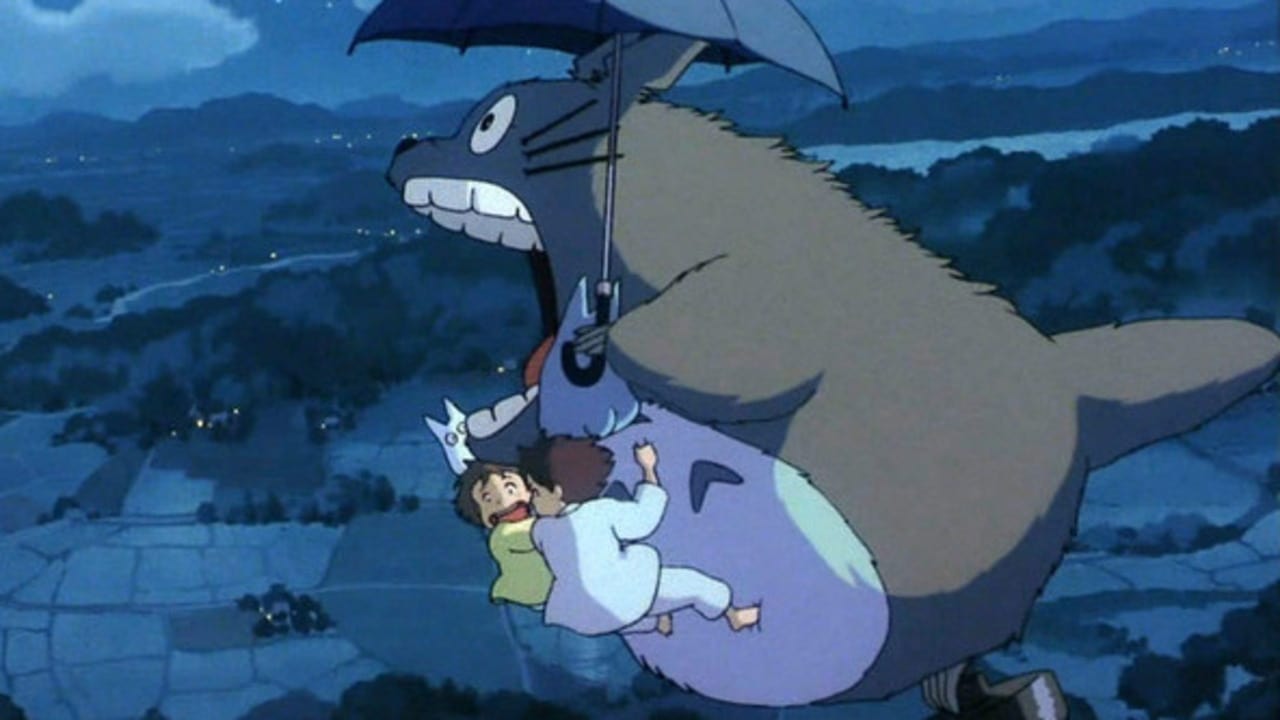
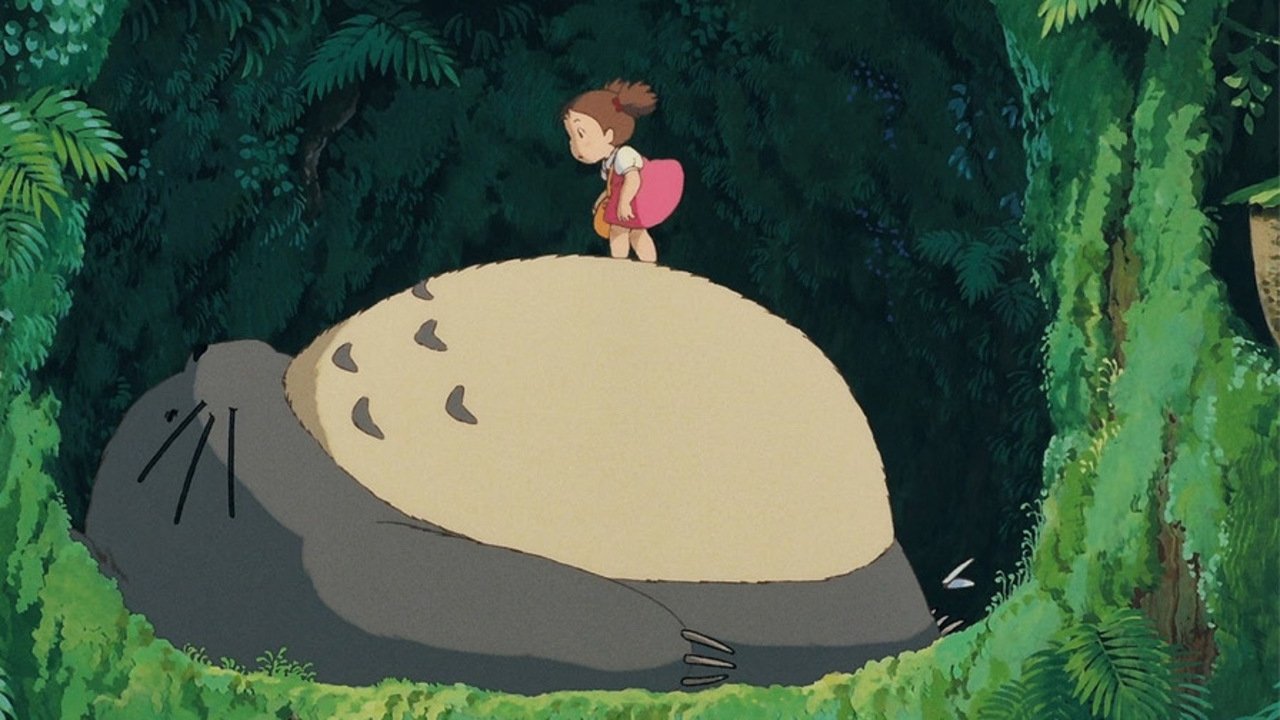
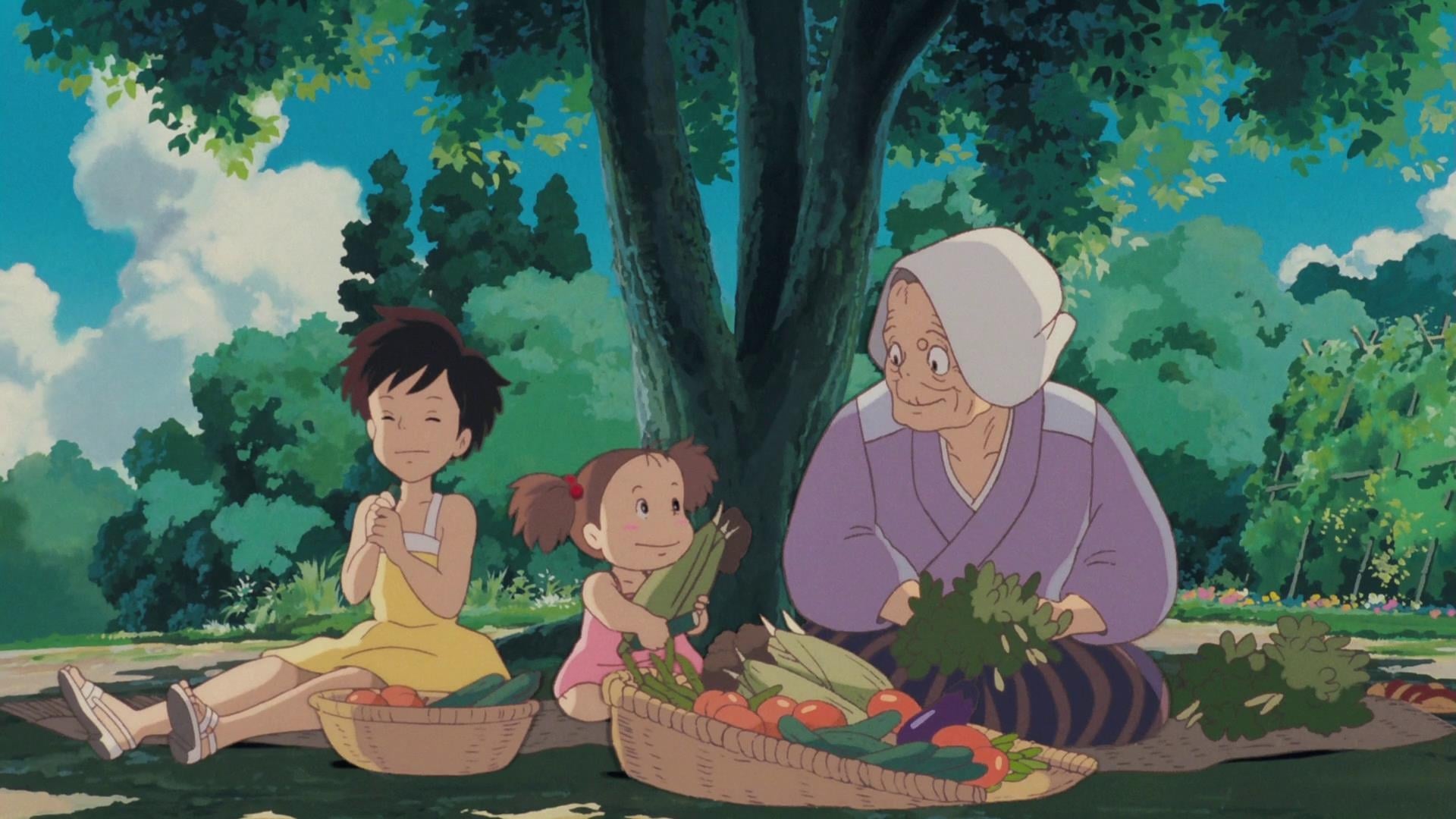
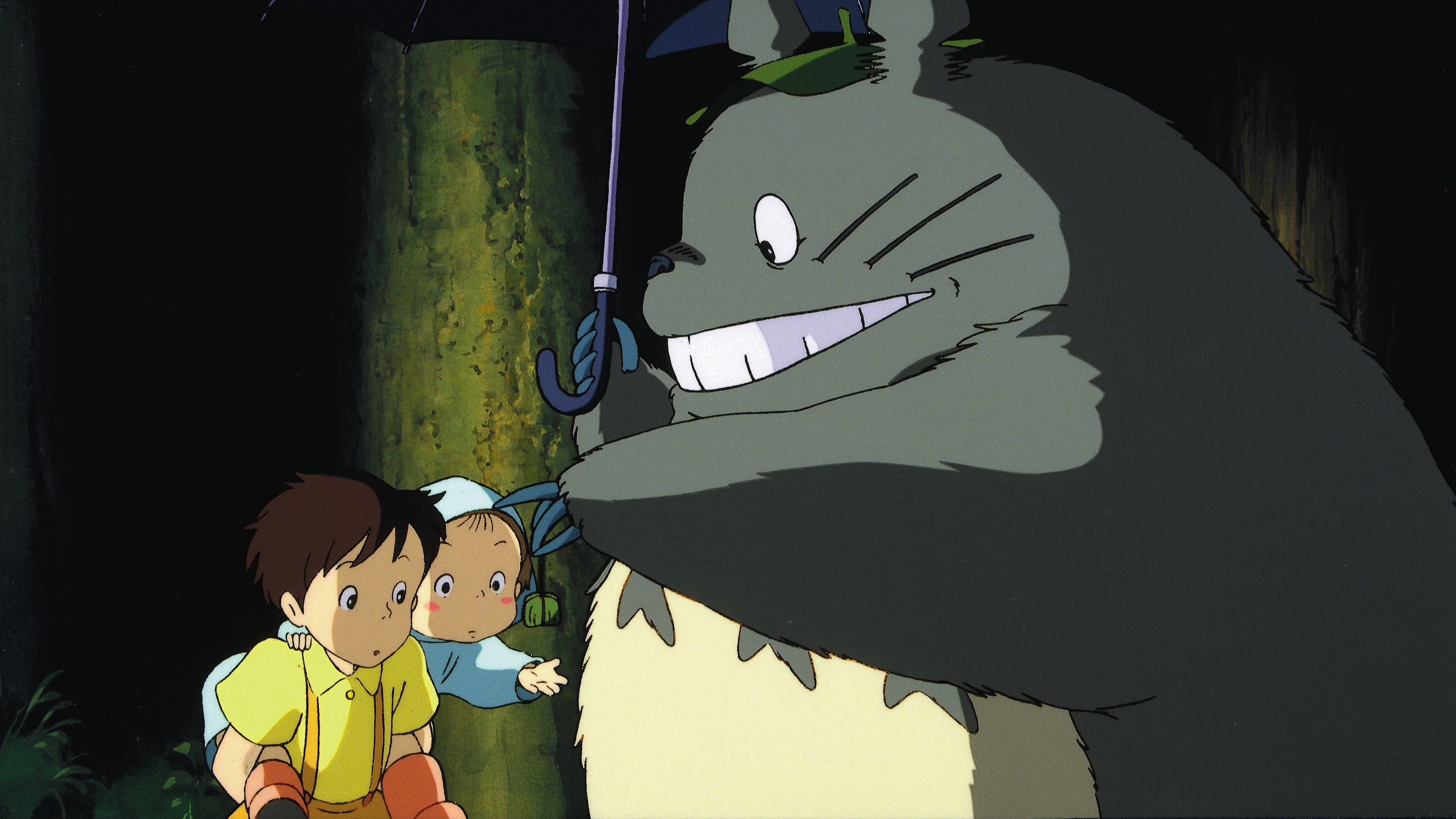
kids are free from expectation, predisposition — they have no priors, no reason to think anything is good or bad or wrong or right. no agenda, no long-range planning, no “things to keep in mind” — pure existence. observe -> act, the tightest possible feedback loop. kids don’t have a reason to believe that finding a big beast in the woods and poking it on the nose over and over again is a bad idea. kids don’t have an idea of “something better to do” when asked to fetch a bucket of water from the stream. kids wouldn’t know that it’s silly to offer an umbrella to an animal. kids yell at the top of their lungs, solely because they haven’t been trained not to.
over the 4th of july I saw a toddler become interested in a goose on the beach, start walking towards it, then full-sprint after it when it started to walk away, even though the thing was easily twice his size. as an educated adult human, that encounter would scare the shit out of me, but watching that kid awkwardly stumble after a goose filled me with the same warmth I felt watching my neighbor totoro
naivety is a gift to the world, a contagious bomb of joy. this must be the gift of having children, the lens of un-expectation which your own kids once again unlock for you as a parent. this state of existence doesn’t have to be fleeting — as parents we can choose to nurture this naivety or prune it, one of the more notable things this movie takes care to point out
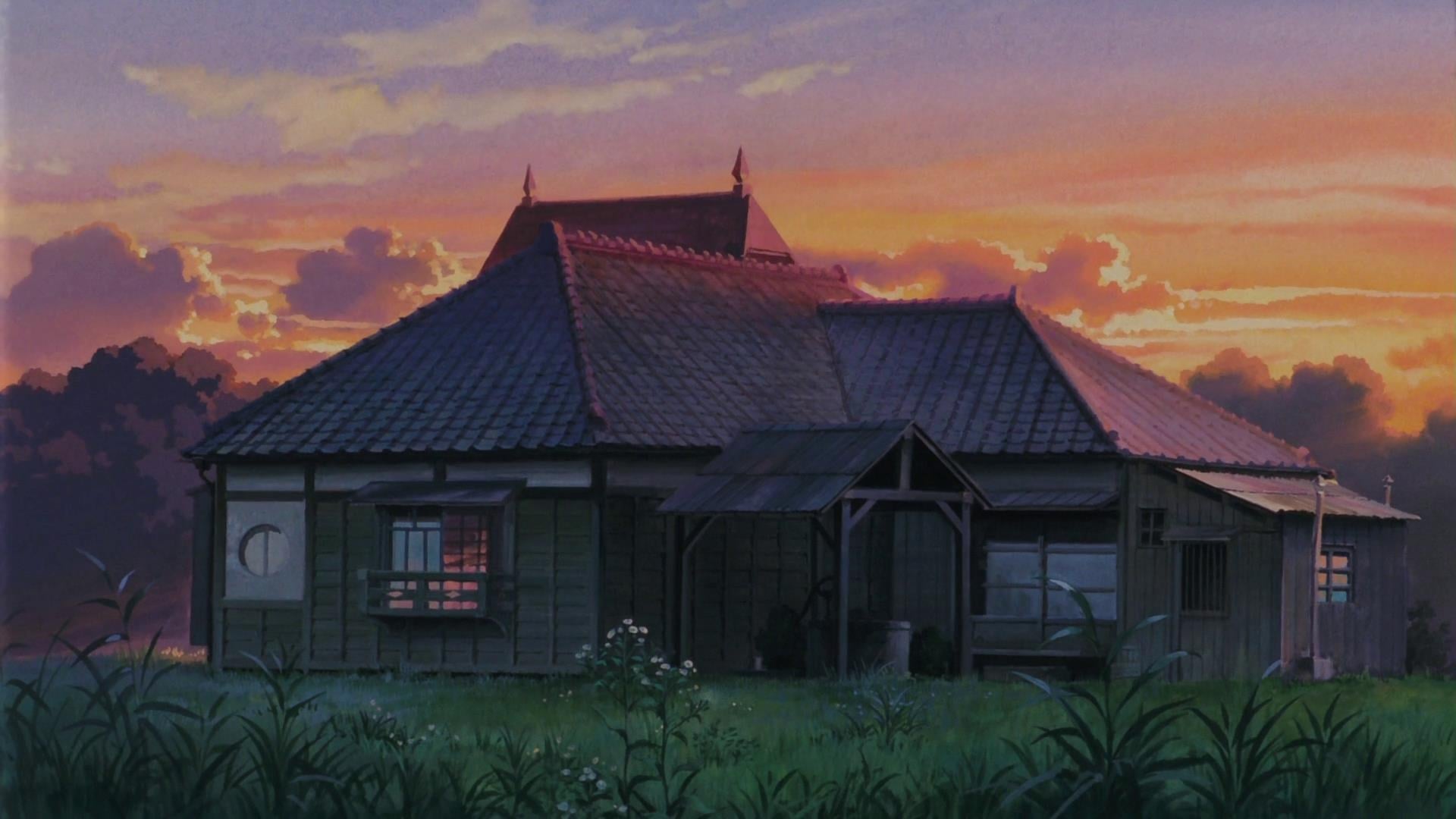
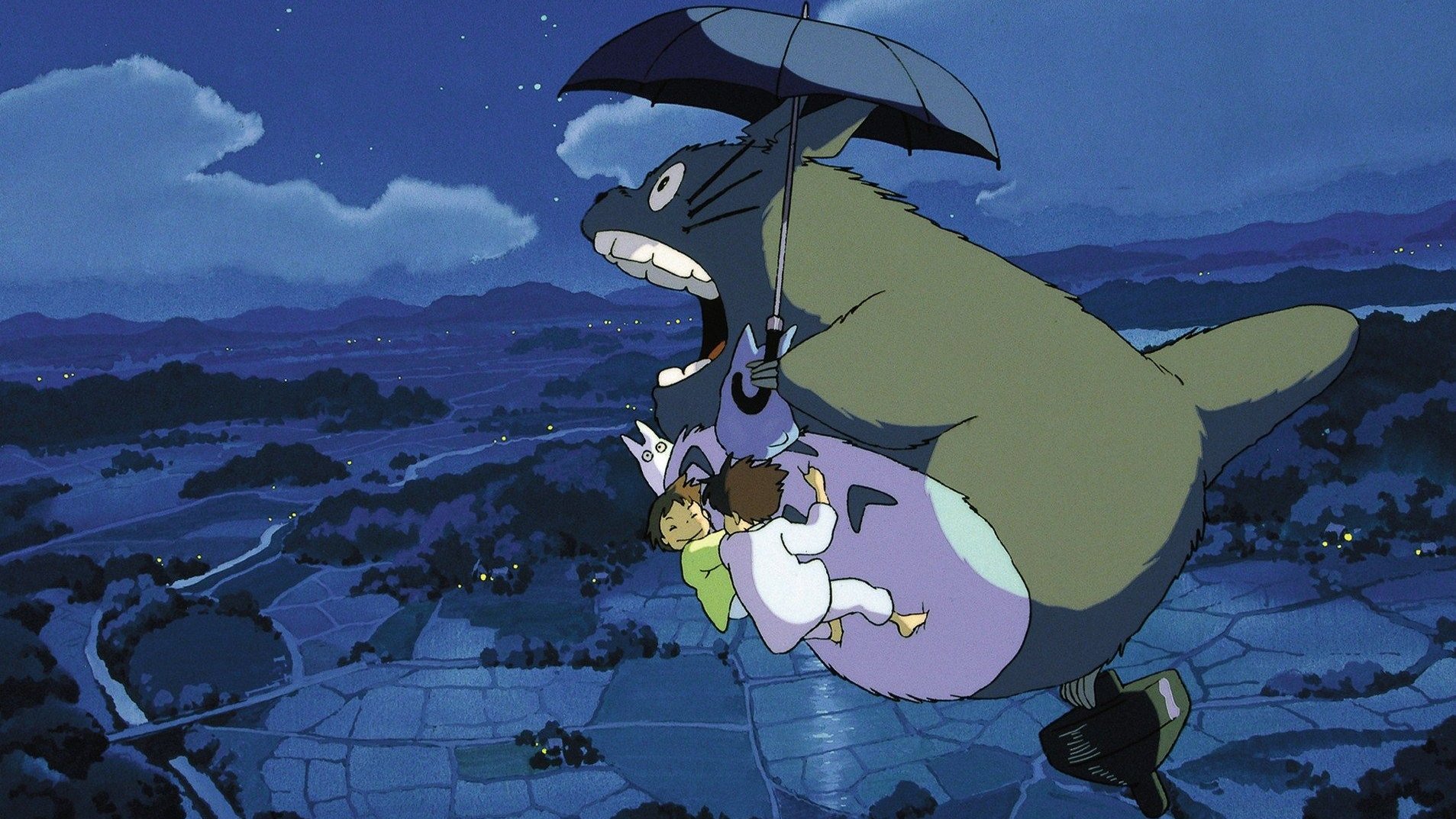
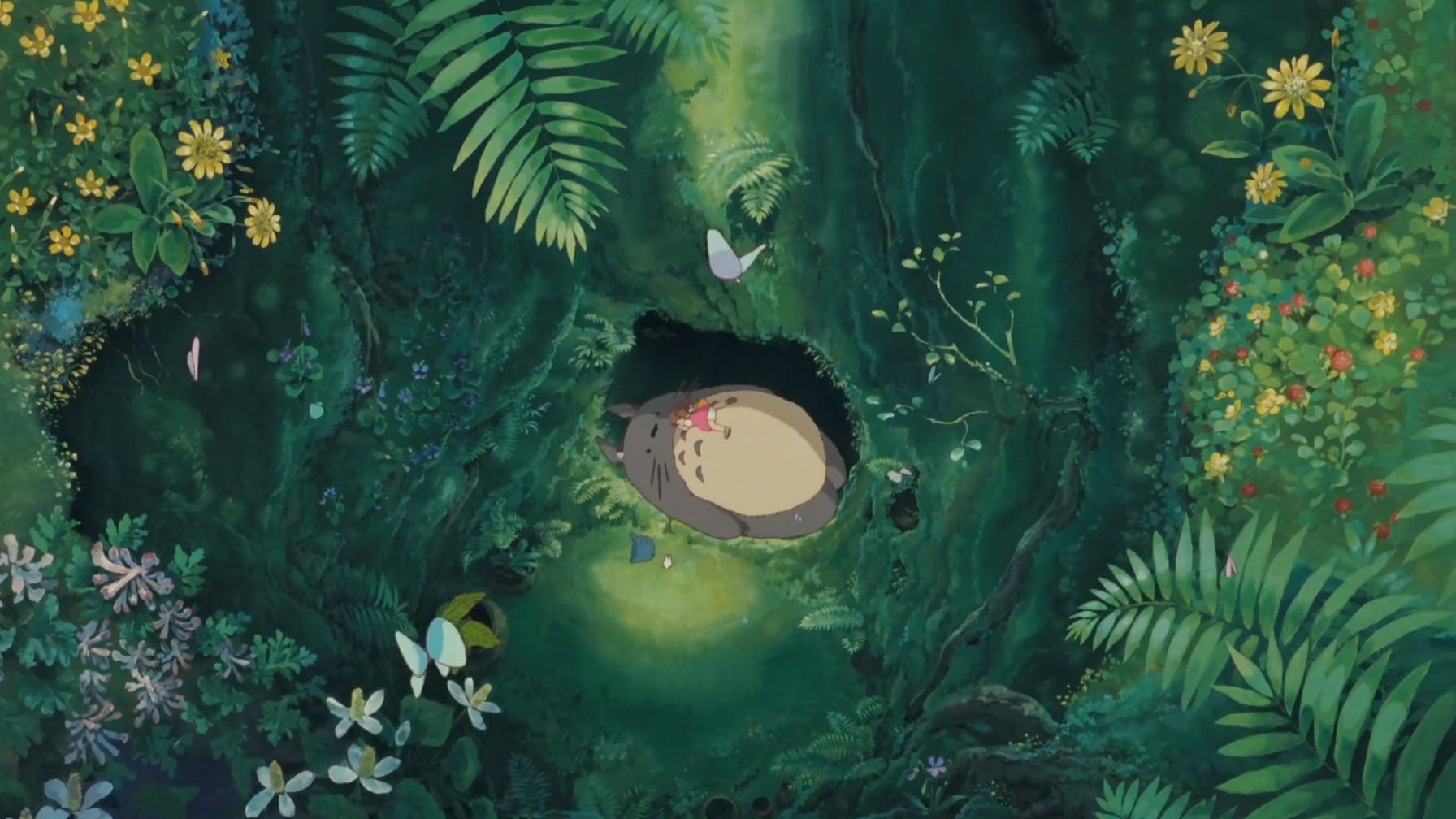
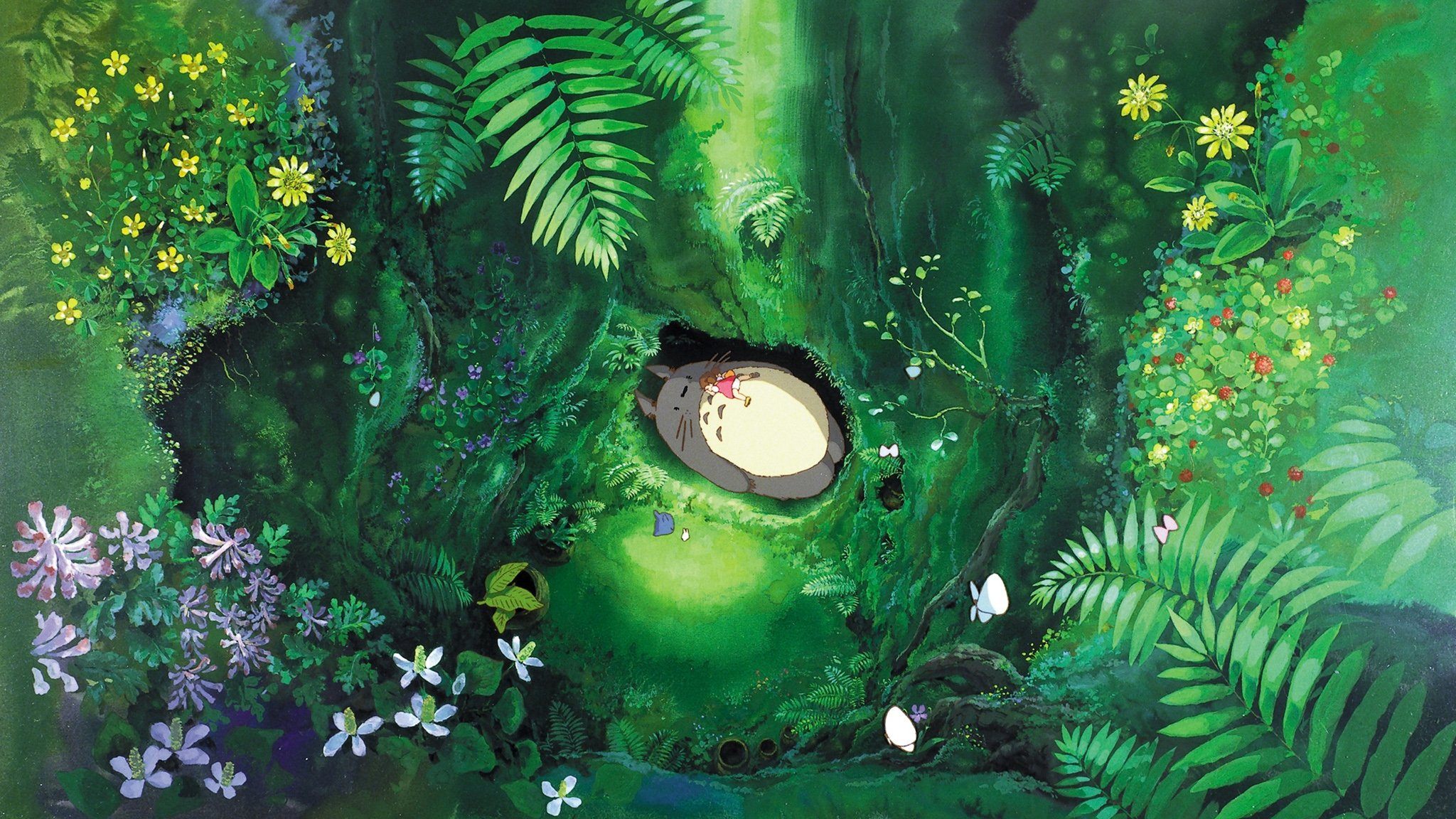
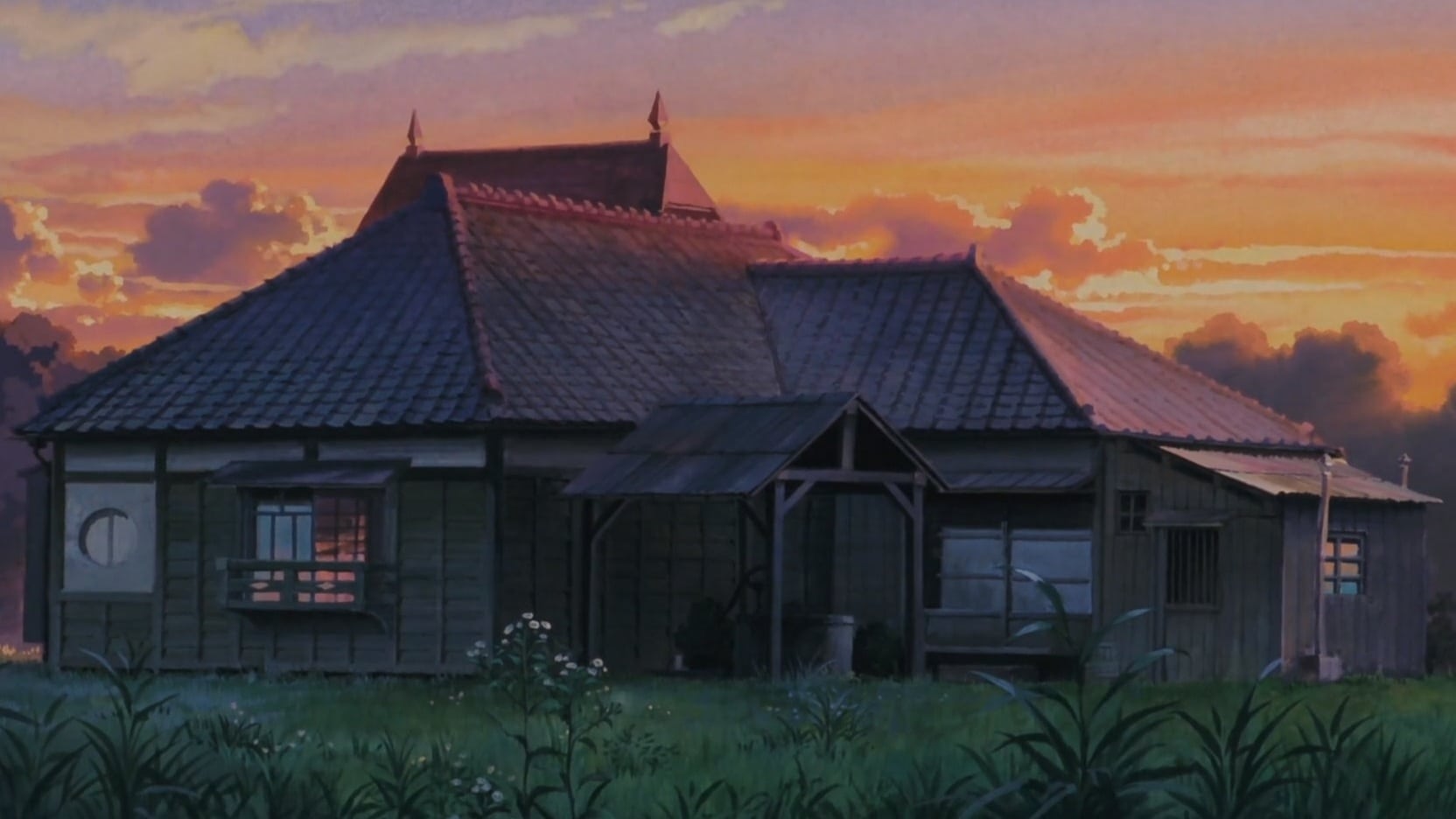
my neighbor totoro is a beautiful painting. one that made me feel good to watch, to think about, and write about. it’s distilled the magic of childhood unlike anything I’ve ever seen, in the least heavy-handed way possible. i am inspired and feel joy while writing this review.
a timeless concept, beautifully executed. everything about this movie holds up, and i suspect it will for a long time
my neighbor totoro has a legendary aura about it, and yet — like every other studio ghibli movie, as I’m starting to realize — it’s a movie I almost never hear anything specific about
its praise is all floatingly vague, yet its visuals are instantly recognizable — so as a result I went into this one expecting a kids movie about a big rabbit-bear
… and was pleasantly surprised to find that this movie is not about a rabbit-bear whatsoever. totoro him (it?)self is, frankly, not even a character.
instead, this is a movie about children, parents, and finding the joy in life
though they all take different journies, my neighbor totoro finds itself at the same destination as perfect days and poor things — enlightenment is the state of being completely in the present. it’s the default state of the human mind, the lens through which children view the world. the framing of this idea in taoism is to picture a mind at peace as an “uncarved block” — to frame the grooves of habit, the shortcuts our minds learn to make after years of repetition as getting in the way of our happiness. joy is everywhere, by default. our adult brains are the problem.
kids are free from expectation, predisposition — they have no priors, no reason to think anything is good or bad or wrong or right. no agenda, no long-range planning, no “things to keep in mind” — pure existence. observe -> act, the tightest possible feedback loop. kids don’t have a reason to believe that finding a big beast in the woods and poking it on the nose over and over again is a bad idea. kids don’t have an idea of “something better to do” when asked to fetch a bucket of water from the stream. kids wouldn’t know that it’s silly to offer an umbrella to an animal. kids yell at the top of their lungs, solely because they haven’t been trained not to.
over the 4th of july I saw a toddler become interested in a goose on the beach, start walking towards it, then full-sprint after it when it started to walk away, even though the thing was easily twice his size. as an educated adult human, that encounter would scare the shit out of me, but watching that kid awkwardly stumble after a goose filled me with the same warmth I felt watching my neighbor totoro
naivety is a gift to the world, a contagious bomb of joy. this must be the gift of having children, the lens of un-expectation which your own kids once again unlock for you as a parent. this state of existence doesn’t have to be fleeting — as parents we can choose to nurture this naivety or prune it, one of the more notable things this movie takes care to point out
my neighbor totoro is a beautiful painting. one that made me feel good to watch, to think about, and write about. it’s distilled the magic of childhood unlike anything I’ve ever seen, in the least heavy-handed way possible. i am inspired and feel joy while writing this review.
a timeless concept, beautifully executed. everything about this movie holds up, and i suspect it will for a long time

































 3
3