
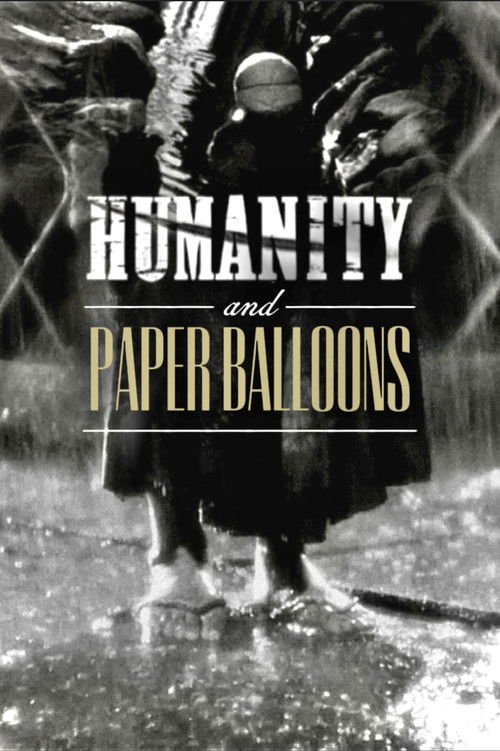
Humanity and Paper Balloons
1937·Drama·1h 26m
7.1
★
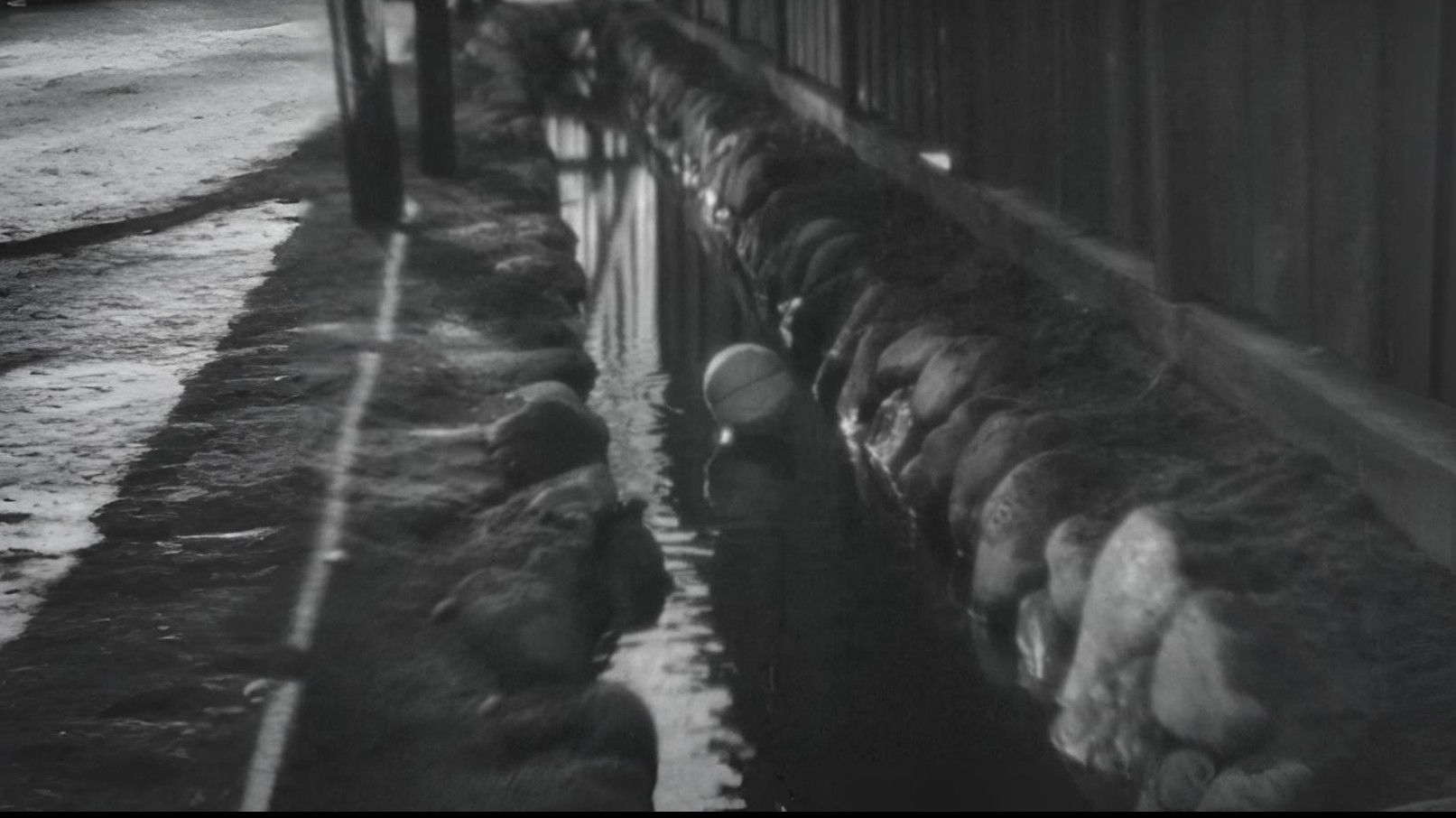
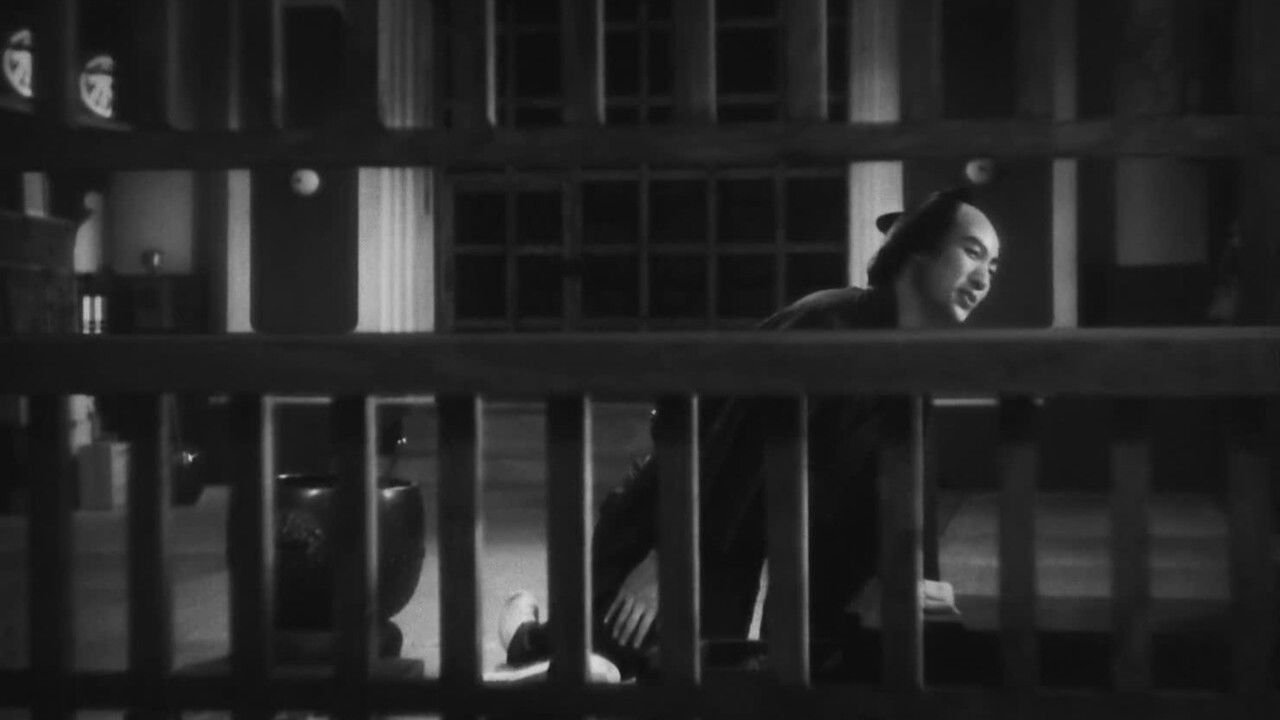
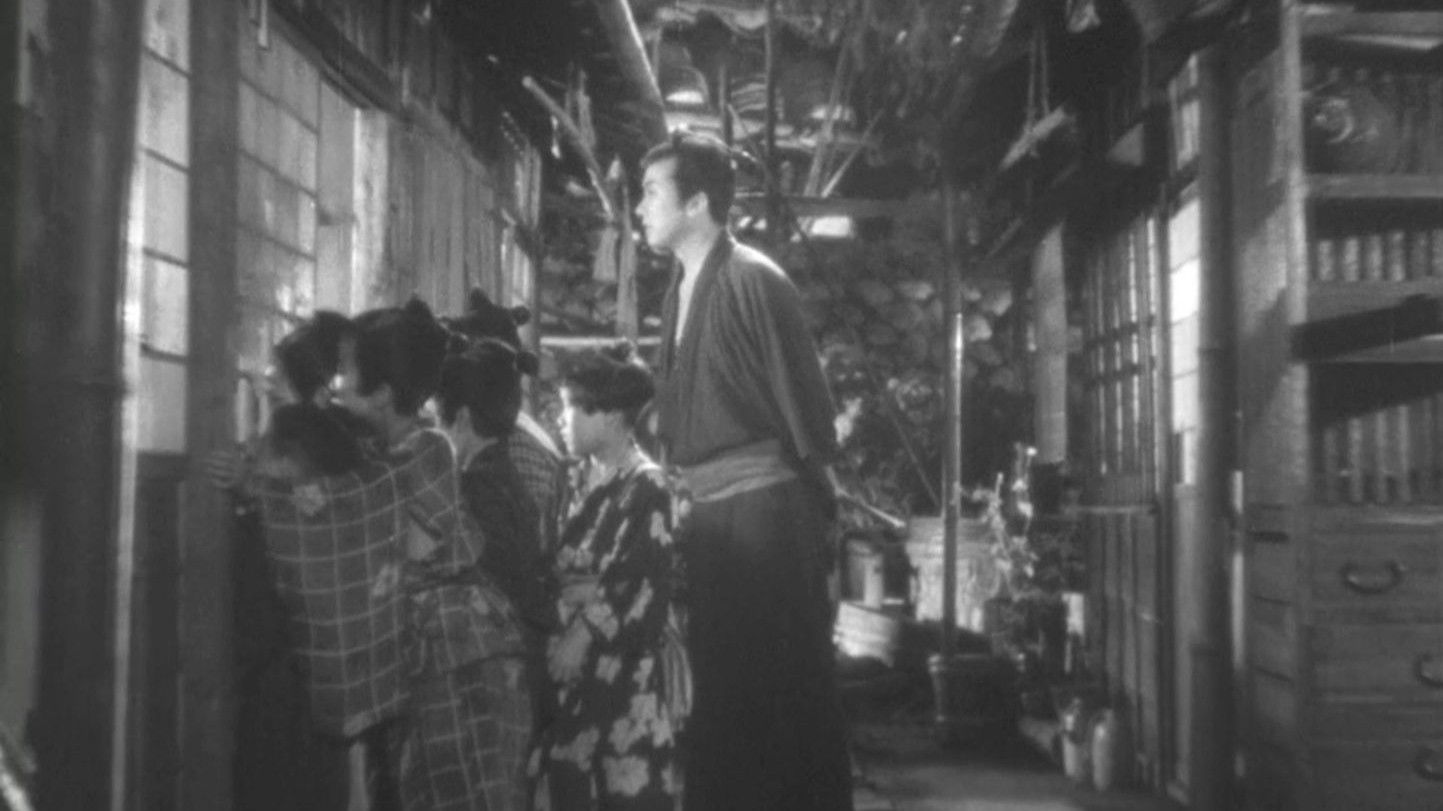
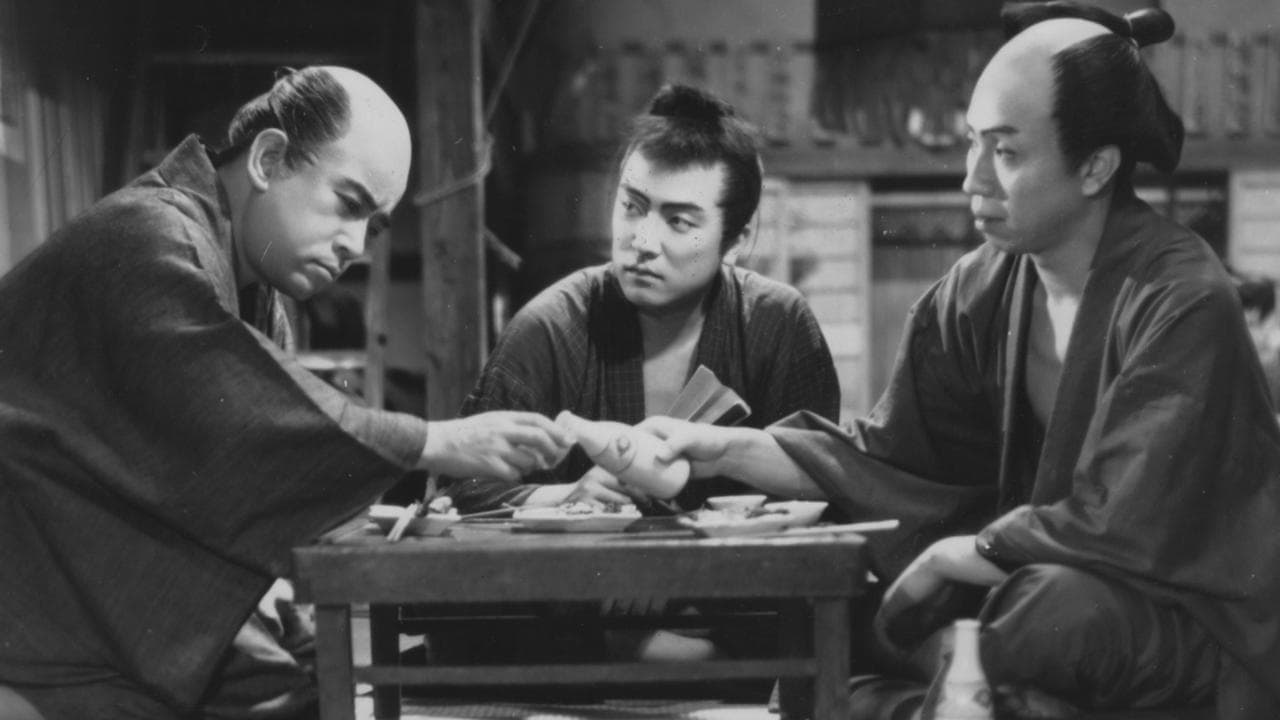
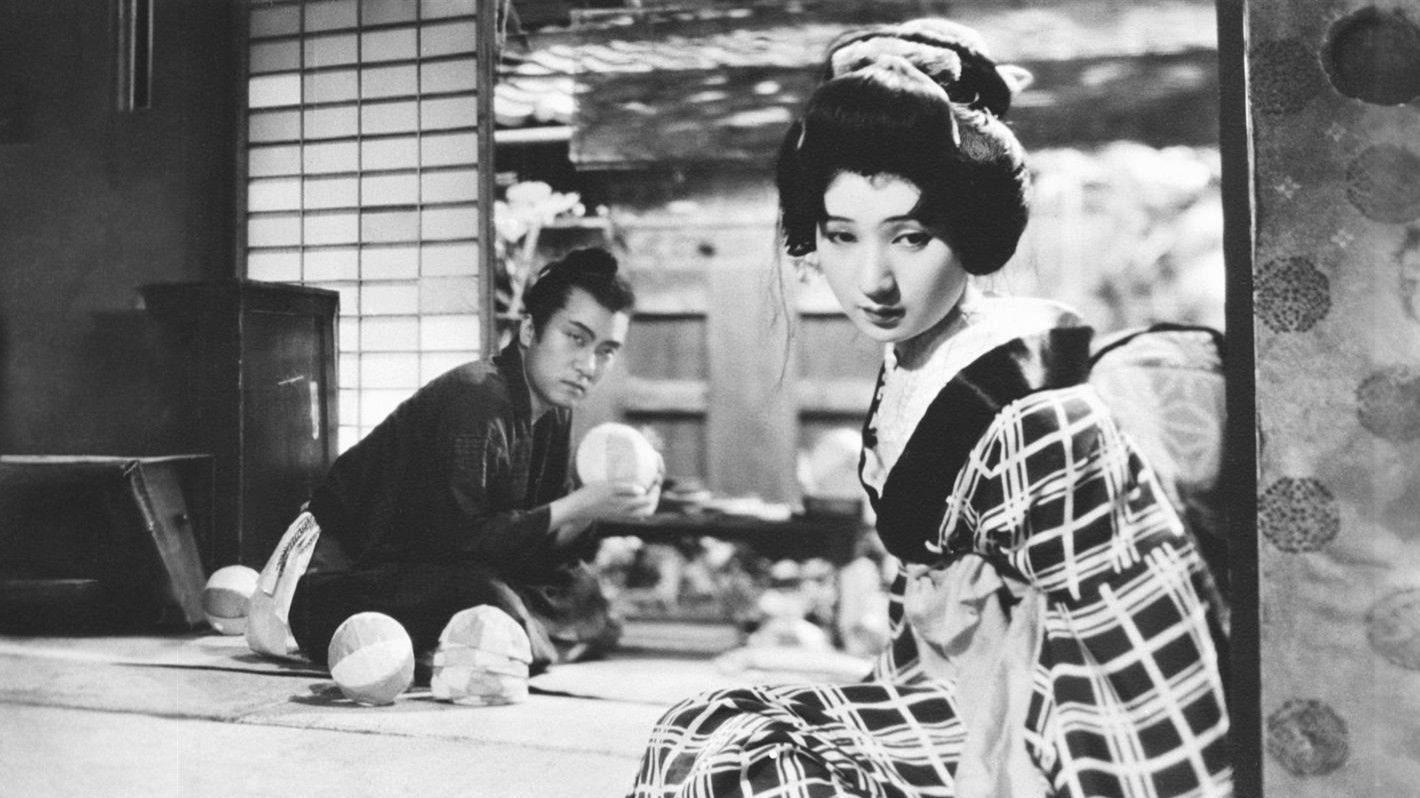
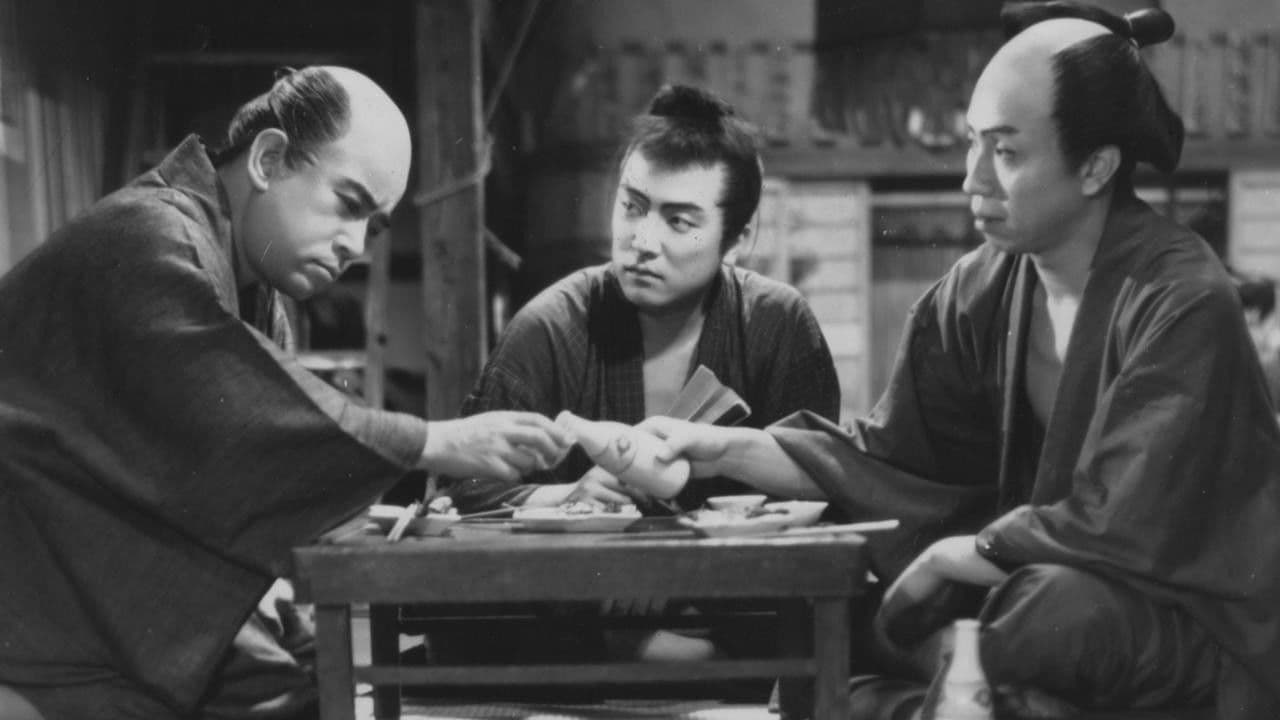
In a slum in Edo Japan, a ronin hopes that his deceased father's former master will hire him while a disgraced hairdresser attempts to regain his pride by kidnapping the daughter of a wealthy pawnbroker, who is set to be married.
Directed by Sadao Yamanaka
honor
ronin
pawnshop

Trailer

IMDB
N/A
Where to Watch

Cast
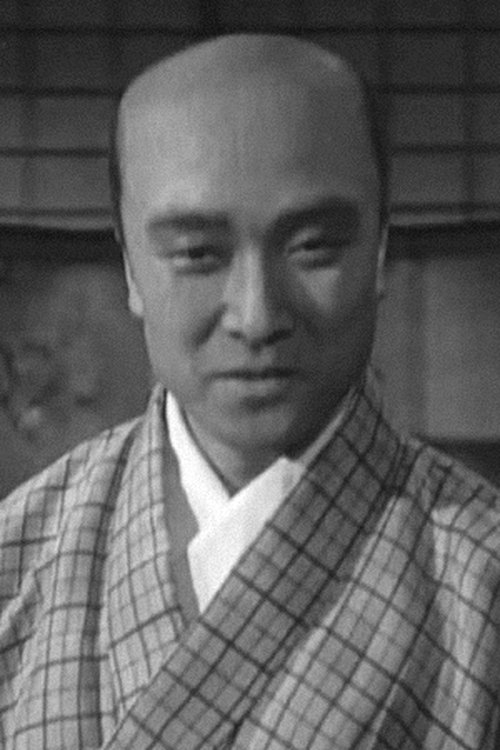
Chōjūrō Kawarasaki
Matajuro Unno
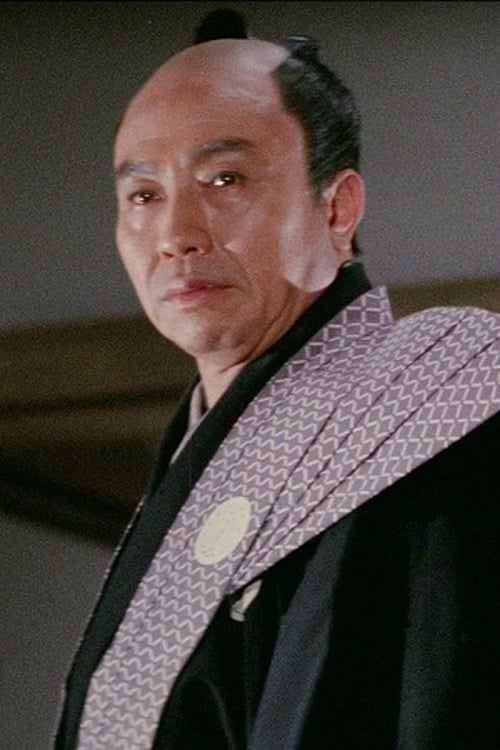
Kan'emon Nakamura
Shinza
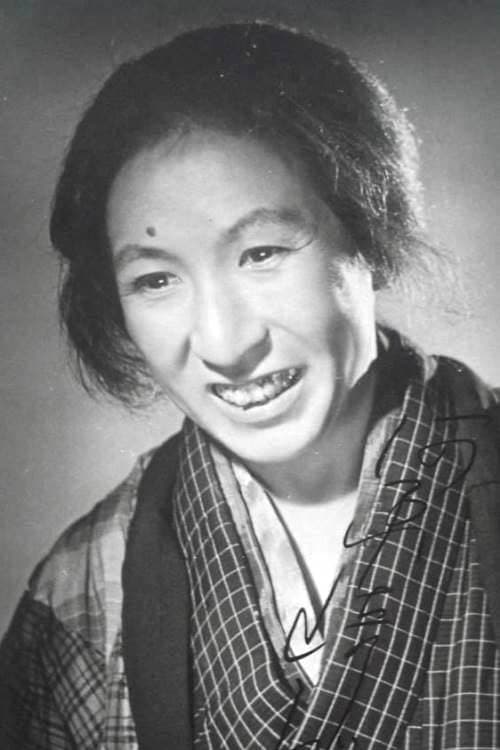
Shizue Kawarazaki
Otaki
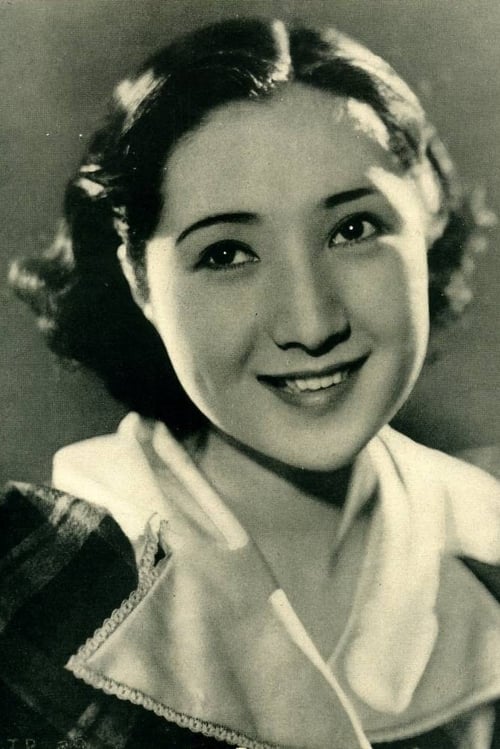
Noboru Kiritachi
Okoma
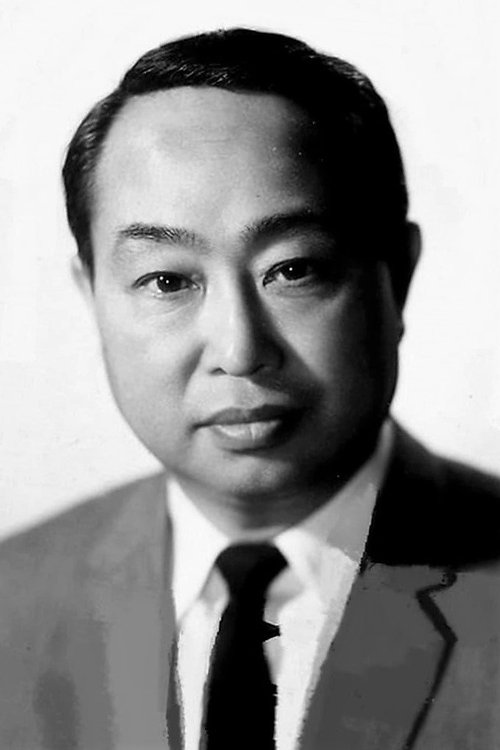
Daisuke Katō
Isuke
Crew

Sadao Yamanaka
Director
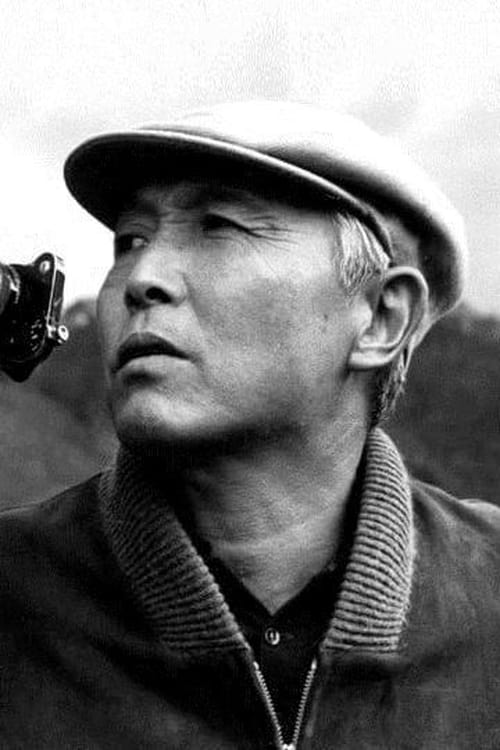
Ishirō Honda
Assistant Director
Popular Reviews
12 reviews
John Lewis
7.0★ · 06/21/26
I applaud this movies anti rich person stance. Poor men suffer because of rich men and women suffer because of men.
You can see how it influenced later Japanese films.
You can see how it influenced later Japanese films.
I applaud this movies anti rich person stance. Poor men suffer because of rich men and women suffer because of men.
You can see how it influenced later Japanese films.
You can see how it influenced later Japanese films.


alex glifford
10.0★ · 02/25/26
Suits masterpiece to a tee
Completely pure it’s remarkable and humbly flawless
Feels like a glimpse into this world of film we’ll never get to know, but I’m certain we’re left with an example of how good it could get
And that’s about as much comfort as we can get from such a tragic situation
It’s all gone
But there’s this, and for now and probably until I die, that will be enough
Scratches an itch that I think very few films if not only Yamanaka’s work will be able to scratch
So satisfying for when I’m craving a specific vibe
Makes me want to immerse myself in some more Ozus and Mizoguchis and maybe revisit some I’ve alr tapped into a bit
Maybe I’ll appreciate them more from a different angle
A film that makes me want to never move and complete this entire corner of cinema
There’s so much new to learn from the same formula and the same settings and the same characters but made deeper and studied from every considerable angle
Like everything else in a way that’s unique and blah blah
These are just people
Completely pure it’s remarkable and humbly flawless
Feels like a glimpse into this world of film we’ll never get to know, but I’m certain we’re left with an example of how good it could get
And that’s about as much comfort as we can get from such a tragic situation
It’s all gone
But there’s this, and for now and probably until I die, that will be enough
Scratches an itch that I think very few films if not only Yamanaka’s work will be able to scratch
So satisfying for when I’m craving a specific vibe
Makes me want to immerse myself in some more Ozus and Mizoguchis and maybe revisit some I’ve alr tapped into a bit
Maybe I’ll appreciate them more from a different angle
A film that makes me want to never move and complete this entire corner of cinema
There’s so much new to learn from the same formula and the same settings and the same characters but made deeper and studied from every considerable angle
Like everything else in a way that’s unique and blah blah
These are just people
Suits masterpiece to a tee
Completely pure it’s remarkable and humbly flawless
Feels like a glimpse into this world of film we’ll never get to know, but I’m certain we’re left with an example of how good it could get
And that’s about as much comfort as we can get from such a tragic situation
It’s all gone
But there’s this, and for now and probably until I die, that will be enough
Scratches an itch that I think very few films if not only Yamanaka’s work will be able to scratch
So satisfying for when I’m craving a specific vibe
Makes me want to immerse myself in some more Ozus and Mizoguchis and maybe revisit some I’ve alr tapped into a bit
Maybe I’ll appreciate them more from a different angle
A film that makes me want to never move and complete this entire corner of cinema
There’s so much new to learn from the same formula and the same settings and the same characters but made deeper and studied from every considerable angle
Like everything else in a way that’s unique and blah blah
These are just people
Completely pure it’s remarkable and humbly flawless
Feels like a glimpse into this world of film we’ll never get to know, but I’m certain we’re left with an example of how good it could get
And that’s about as much comfort as we can get from such a tragic situation
It’s all gone
But there’s this, and for now and probably until I die, that will be enough
Scratches an itch that I think very few films if not only Yamanaka’s work will be able to scratch
So satisfying for when I’m craving a specific vibe
Makes me want to immerse myself in some more Ozus and Mizoguchis and maybe revisit some I’ve alr tapped into a bit
Maybe I’ll appreciate them more from a different angle
A film that makes me want to never move and complete this entire corner of cinema
There’s so much new to learn from the same formula and the same settings and the same characters but made deeper and studied from every considerable angle
Like everything else in a way that’s unique and blah blah
These are just people
Brontë Neal
6.0★ · 02/09/26
My favorite scenes from this film were in the shared living space. I found it extremely fun to look at and intriguing to imagine what it would be like actually living in such a communal space like that. With this, I noticed this feature of the film to be a very clear adaptation of the kabuki script from Mokuami Shinza called The Barber. This kabuki play is set in the Edo period and specifically in a very cramped and shared area. The film depicts exactly that and inevitably brought the kabuki script to life, as it was easier to mentally match the setting with the storyline and timeframe. After reading the kabuki script and watching the movie, I would be very interested to see the actual The Barber play and I wonder if I might like it more than this film.
I found many moments of this film to be very visually appealing. Specifically, I really enjoyed the scene at roughly 48:30 in which it started to rain. There was a shot with people walking by with their umbrellas in the air along when the rain was falling, then showing multiple people inside. I am not sure if this scene could represent something deeper than just a raining scene, but I found it to be very beautiful and worth taking note of. Another feature about this movie I found very exciting and engaging to see what the different patterned kimonos some of the characters were wearing. It is “easy” to create texture and depth in a scene with background objects, but having the clothing create that effect in the film allows for many other interpretations of the character. You could say that the funky patterns were worn by the people who provided some sort of comedic relief to the storyline or were positive characters that we were meant to like and find engaging.
A quote I really enjoyed from this film was from Matajuro Unno towards the end of the film when he was enjoying sake. When Unno was informed that Mr. Mouri had begged his friend for Okoma’s hand in marriage, Unno stated “He bowed to you and begged you? That's quite funny isn't it?”. I felt that this was an ironic and painful scene to watch, as we had just seen Unno beg Mr. Mouri for the smallest amount of attention. I think the hypocrisy shown by Mr. Mouri is very reflective of many people in power, those of which look down on those in lower places who may have to act in certain ways they find unpleasant or annoying. Humans will always act in certain ways to get what they want or need, no matter the rank or amount of money they have, and I think this scene is a full circle realization of that for Unno and the viewer as well.
I found many moments of this film to be very visually appealing. Specifically, I really enjoyed the scene at roughly 48:30 in which it started to rain. There was a shot with people walking by with their umbrellas in the air along when the rain was falling, then showing multiple people inside. I am not sure if this scene could represent something deeper than just a raining scene, but I found it to be very beautiful and worth taking note of. Another feature about this movie I found very exciting and engaging to see what the different patterned kimonos some of the characters were wearing. It is “easy” to create texture and depth in a scene with background objects, but having the clothing create that effect in the film allows for many other interpretations of the character. You could say that the funky patterns were worn by the people who provided some sort of comedic relief to the storyline or were positive characters that we were meant to like and find engaging.
A quote I really enjoyed from this film was from Matajuro Unno towards the end of the film when he was enjoying sake. When Unno was informed that Mr. Mouri had begged his friend for Okoma’s hand in marriage, Unno stated “He bowed to you and begged you? That's quite funny isn't it?”. I felt that this was an ironic and painful scene to watch, as we had just seen Unno beg Mr. Mouri for the smallest amount of attention. I think the hypocrisy shown by Mr. Mouri is very reflective of many people in power, those of which look down on those in lower places who may have to act in certain ways they find unpleasant or annoying. Humans will always act in certain ways to get what they want or need, no matter the rank or amount of money they have, and I think this scene is a full circle realization of that for Unno and the viewer as well.
My favorite scenes from this film were in the shared living space. I found it extremely fun to look at and intriguing to imagine what it would be like actually living in such a communal space like that. With this, I noticed this feature of the film to be a very clear adaptation of the kabuki script from Mokuami Shinza called The Barber. This kabuki play is set in the Edo period and specifically in a very cramped and shared area. The film depicts exactly that and inevitably brought the kabuki script to life, as it was easier to mentally match the setting with the storyline and timeframe. After reading the kabuki script and watching the movie, I would be very interested to see the actual The Barber play and I wonder if I might like it more than this film.
I found many moments of this film to be very visually appealing. Specifically, I really enjoyed the scene at roughly 48:30 in which it started to rain. There was a shot with people walking by with their umbrellas in the air along when the rain was falling, then showing multiple people inside. I am not sure if this scene could represent something deeper than just a raining scene, but I found it to be very beautiful and worth taking note of. Another feature about this movie I found very exciting and engaging to see what the different patterned kimonos some of the characters were wearing. It is “easy” to create texture and depth in a scene with background objects, but having the clothing create that effect in the film allows for many other interpretations of the character. You could say that the funky patterns were worn by the people who provided some sort of comedic relief to the storyline or were positive characters that we were meant to like and find engaging.
A quote I really enjoyed from this film was from Matajuro Unno towards the end of the film when he was enjoying sake. When Unno was informed that Mr. Mouri had begged his friend for Okoma’s hand in marriage, Unno stated “He bowed to you and begged you? That's quite funny isn't it?”. I felt that this was an ironic and painful scene to watch, as we had just seen Unno beg Mr. Mouri for the smallest amount of attention. I think the hypocrisy shown by Mr. Mouri is very reflective of many people in power, those of which look down on those in lower places who may have to act in certain ways they find unpleasant or annoying. Humans will always act in certain ways to get what they want or need, no matter the rank or amount of money they have, and I think this scene is a full circle realization of that for Unno and the viewer as well.
I found many moments of this film to be very visually appealing. Specifically, I really enjoyed the scene at roughly 48:30 in which it started to rain. There was a shot with people walking by with their umbrellas in the air along when the rain was falling, then showing multiple people inside. I am not sure if this scene could represent something deeper than just a raining scene, but I found it to be very beautiful and worth taking note of. Another feature about this movie I found very exciting and engaging to see what the different patterned kimonos some of the characters were wearing. It is “easy” to create texture and depth in a scene with background objects, but having the clothing create that effect in the film allows for many other interpretations of the character. You could say that the funky patterns were worn by the people who provided some sort of comedic relief to the storyline or were positive characters that we were meant to like and find engaging.
A quote I really enjoyed from this film was from Matajuro Unno towards the end of the film when he was enjoying sake. When Unno was informed that Mr. Mouri had begged his friend for Okoma’s hand in marriage, Unno stated “He bowed to you and begged you? That's quite funny isn't it?”. I felt that this was an ironic and painful scene to watch, as we had just seen Unno beg Mr. Mouri for the smallest amount of attention. I think the hypocrisy shown by Mr. Mouri is very reflective of many people in power, those of which look down on those in lower places who may have to act in certain ways they find unpleasant or annoying. Humans will always act in certain ways to get what they want or need, no matter the rank or amount of money they have, and I think this scene is a full circle realization of that for Unno and the viewer as well.
alex glifford
9.0★ · 11/17/25
Oooo just really quite flawless just a bit flawless isn’t it
Wow this was light years ahead of its time too
I sort of can’t believe it
Can’t wait to watch this again in the perfect mood
Incredible world building for a world I already know so well
Felt so much like Bloody Spear at Mount Fuji - and I love that film
I feel like I need no expansion on that point it’s just so true
Just what a perfectly contained tale of humanity
And there are paper balloons too guys don’t you worry !
Don’t you worry it’s all here everyone !
Ahhh I loved this I loved this
How perfectly satisfying
I can feel it really settling in my mind
Wowee
Didn’t need that wow wow factor but lowk had it going anyway in its ‘everything falling into place’ vibe
Definitely want another watch for this
Wow this was light years ahead of its time too
I sort of can’t believe it
Can’t wait to watch this again in the perfect mood
Incredible world building for a world I already know so well
Felt so much like Bloody Spear at Mount Fuji - and I love that film
I feel like I need no expansion on that point it’s just so true
Just what a perfectly contained tale of humanity
And there are paper balloons too guys don’t you worry !
Don’t you worry it’s all here everyone !
Ahhh I loved this I loved this
How perfectly satisfying
I can feel it really settling in my mind
Wowee
Didn’t need that wow wow factor but lowk had it going anyway in its ‘everything falling into place’ vibe
Definitely want another watch for this
Oooo just really quite flawless just a bit flawless isn’t it
Wow this was light years ahead of its time too
I sort of can’t believe it
Can’t wait to watch this again in the perfect mood
Incredible world building for a world I already know so well
Felt so much like Bloody Spear at Mount Fuji - and I love that film
I feel like I need no expansion on that point it’s just so true
Just what a perfectly contained tale of humanity
And there are paper balloons too guys don’t you worry !
Don’t you worry it’s all here everyone !
Ahhh I loved this I loved this
How perfectly satisfying
I can feel it really settling in my mind
Wowee
Didn’t need that wow wow factor but lowk had it going anyway in its ‘everything falling into place’ vibe
Definitely want another watch for this
Wow this was light years ahead of its time too
I sort of can’t believe it
Can’t wait to watch this again in the perfect mood
Incredible world building for a world I already know so well
Felt so much like Bloody Spear at Mount Fuji - and I love that film
I feel like I need no expansion on that point it’s just so true
Just what a perfectly contained tale of humanity
And there are paper balloons too guys don’t you worry !
Don’t you worry it’s all here everyone !
Ahhh I loved this I loved this
How perfectly satisfying
I can feel it really settling in my mind
Wowee
Didn’t need that wow wow factor but lowk had it going anyway in its ‘everything falling into place’ vibe
Definitely want another watch for this
Santiago Villamarín
6.9★ · 03/16/25
Probablemente me arrepienta de la puntuación si la vuelvo a ver. Mi cabeza estuvo en otro lado, pensando en la charla con Nico y no en la peli. Fui más por la excusa de hacer un plan con el por sobre otra cosa. Es una película ultra pesimista y por lo que leí en la review que likie, realmente es un filme de alto valor cultural. Aún así, sumado a sus encuadres bellísimos y su narrativa ultra moderna, me voy a mantener medido porque no me impacto lo suficiente.
Probablemente me arrepienta de la puntuación si la vuelvo a ver. Mi cabeza estuvo en otro lado, pensando en la charla con Nico y no en la peli. Fui más por la excusa de hacer un plan con el por sobre otra cosa. Es una película ultra pesimista y por lo que leí en la review que likie, realmente es un filme de alto valor cultural. Aún así, sumado a sus encuadres bellísimos y su narrativa ultra moderna, me voy a mantener medido porque no me impacto lo suficiente.